Explore our core high-performance elastomeric thermal and cryogenic insulation solutions engineered to optimize thermodynamic efficiency in modern industrial infrastructures.
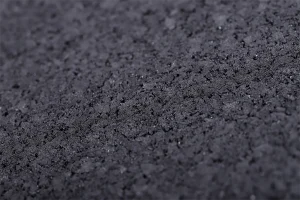
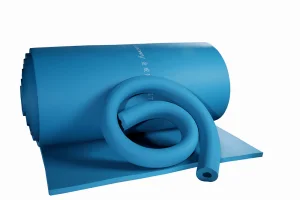
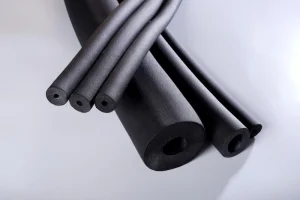
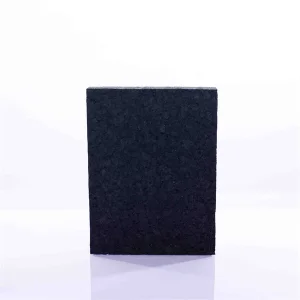
In industrial, commercial, and HVAC systems, selecting the appropriate pipe insulation thickness is not merely a design detail but a crucial factor in thermodynamic control, structural integrity, and long-term energy savings. Elastomeric NBR/PVC foam has emerged as the global benchmark material due to its closed-cell formulation, low thermal conductivity, and high resistance to water vapor transmission.
Kingflex Insulation Co., Ltd. produces premium closed-cell elastomeric insulation materials. With a closed-cell rate exceeding 98%, our products prevent water vapor penetration, avoiding the typical degradation issues faced by fibrous insulation. This ensures a stable thermal conductivity coefficient ($\lambda \le 0.034$ W/m·K at 0°C) throughout the system's operational lifespan.
Determining the correct insulation thickness requires aligning technical requirements with project parameters. The table below details the standard dimensions for Kingflex elastomeric NBR/PVC insulation pipes and sheet rolls:
| Insulation Format | Material Composition | Thickness Range | Inner Diameter (ID) / Width | Density Range | Service Temp. Range |
|---|---|---|---|---|---|
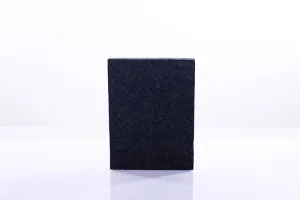
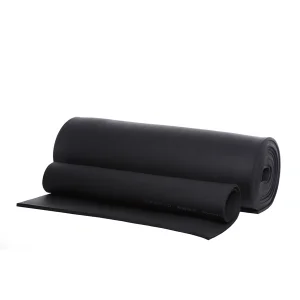
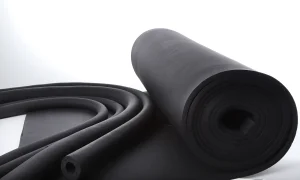
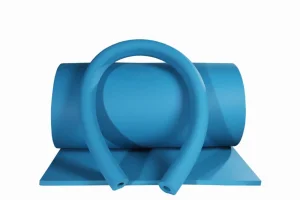
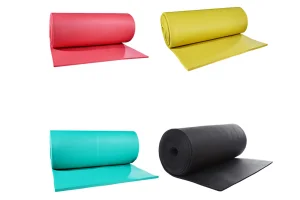
| Black Rubber Foam Sheet Roll | NBR/PVC Blend | 6mm – 50mm | 1.0m / 1.2m / 1.5m Widths | 40 – 55 kg/m³ | -40℃ to +105℃ |
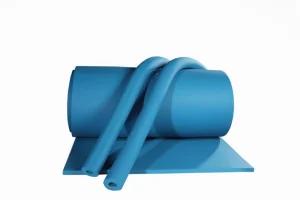
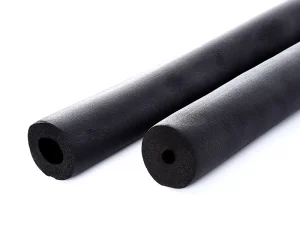
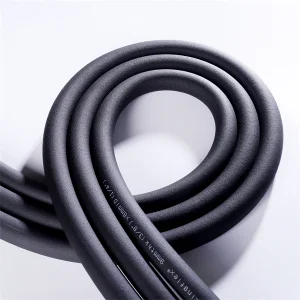
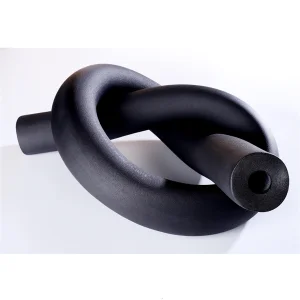
| Black Rubber Foam Insulation Pipe | NBR/PVC Blend | 9mm – 40mm | 6mm – 114mm ID | 40 – 55 kg/m³ | -40℃ to +105℃ |
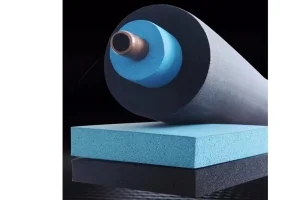
| Cryogenic Insulation Systems | Specialized Elastomeric Compound | Custom Layered Thicknesses | Engineered to Project Specs | 55 – 65 kg/m³ | -200℃ to +125℃ |
Selecting the correct insulation thickness is not a one-size-fits-all process. Design engineers calculate thickness based on three main criteria:
For cold pipelines (such as chilled water and refrigeration lines), the surface temperature of the insulation must remain above the dew point of the surrounding ambient air. Under-designing the thickness can lead to condensation, which causes mold, property damage, and Corrosion Under Insulation (CUI).
For hot water and steam pipelines, the target is to minimize heat loss to a specified limit (typically expressed in W/m² or W/m). Selecting the correct thickness directly reduces operating costs and lowers carbon emissions throughout the building's lifecycle.
In industrial facilities, high-temperature process piping must be insulated to lower the external surface temperature to a safe level (typically under 60°C) to protect plant personnel from accidental burns.
A key challenge for cold pipeline insulation is moisture ingress. If moisture enters the insulation material, its thermal conductivity rises dramatically, as water is approximately 24 times more conductive than dry air. Kingflex NBR/PVC foam features a high moisture resistance factor ($\mu \ge 10,000$), forming a built-in vapor barrier that prevents moisture penetration and maintains thermal performance over the long term.
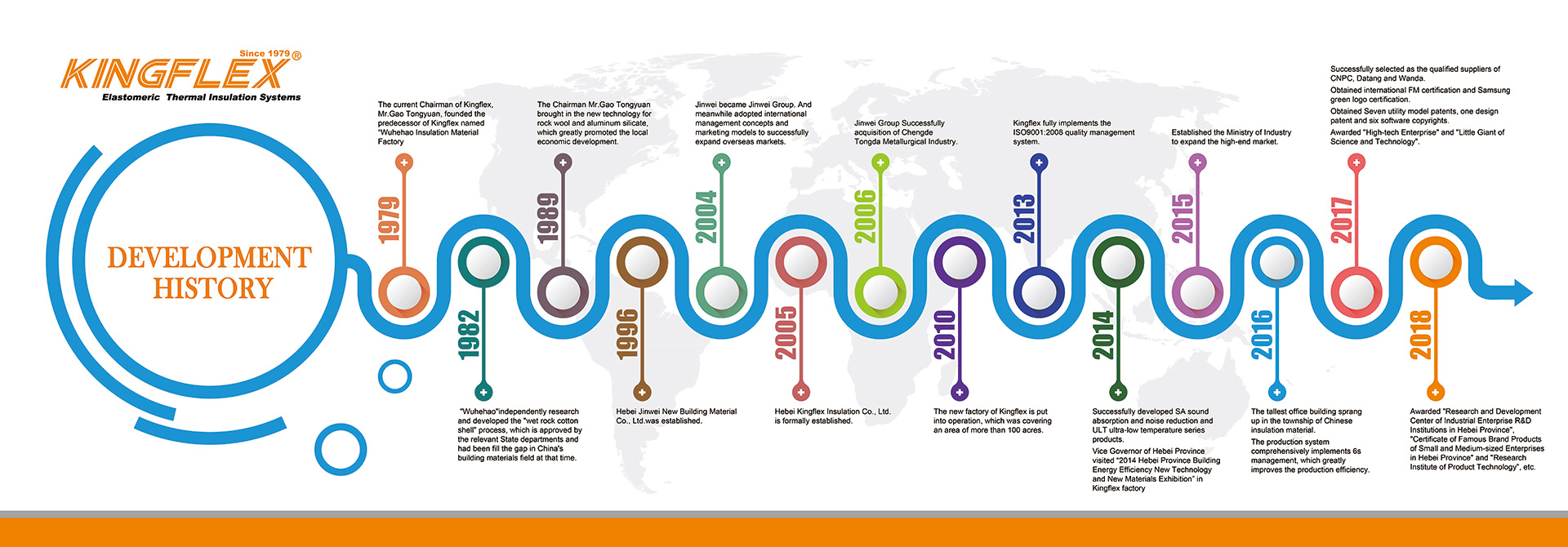
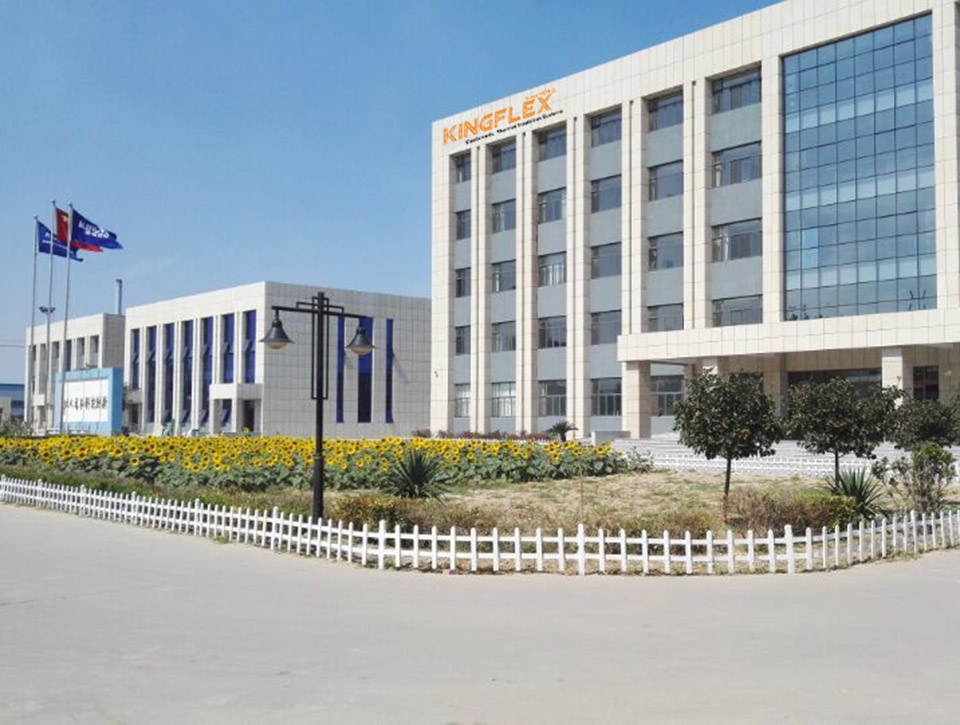
China's green building materials capital—Dacheng—is home to Kingflex's state-of-the-art manufacturing facilities. Sourcing directly from a major Chinese manufacturer offers several key business benefits:
The global insulation industry is adapting to meet stricter climate and regulatory goals. The main structural trends shaping market demand include:
Modern commercial projects require building materials that contribute to LEED, BREEAM, or DGNB points. Premium elastomeric foam insulation helps optimize HVAC energy efficiency, reducing operational energy use and contributing to lower carbon footprints.
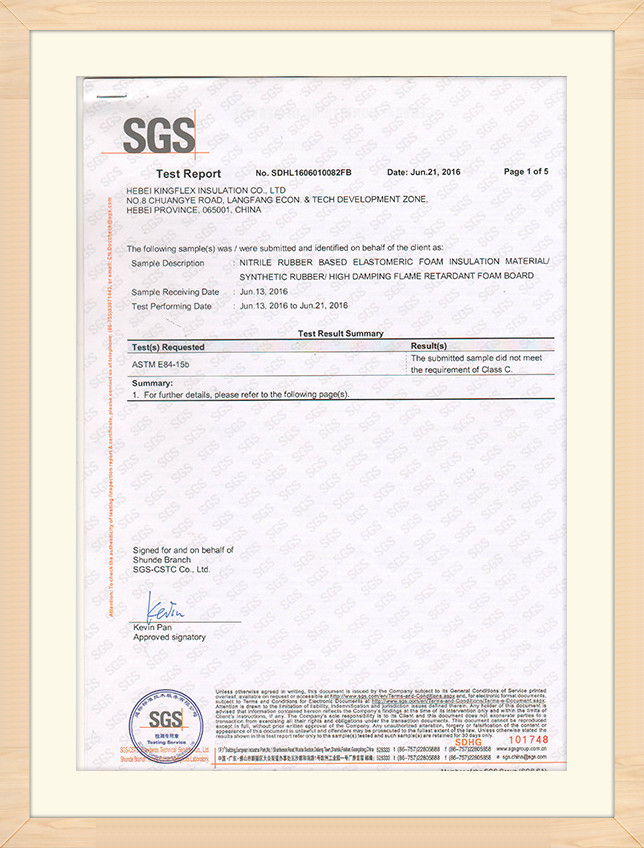
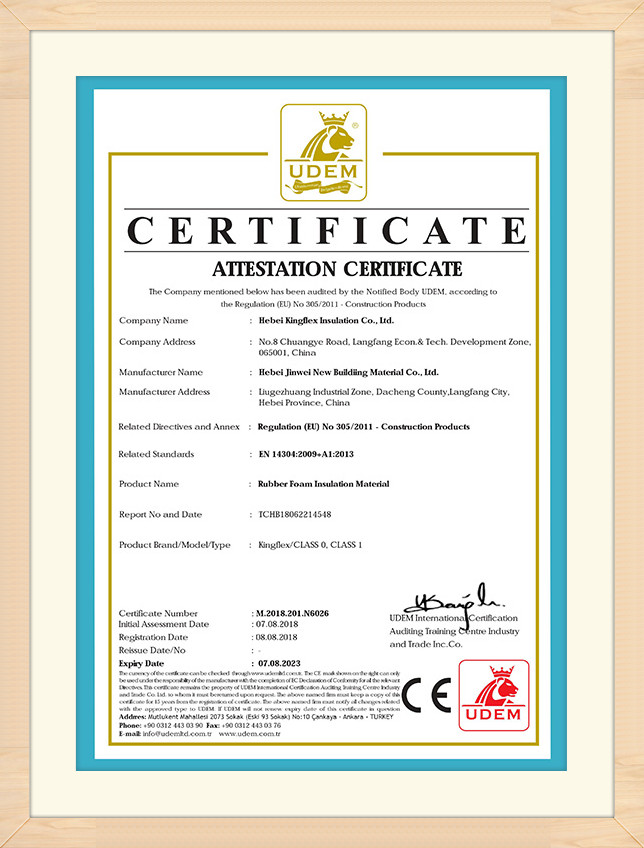
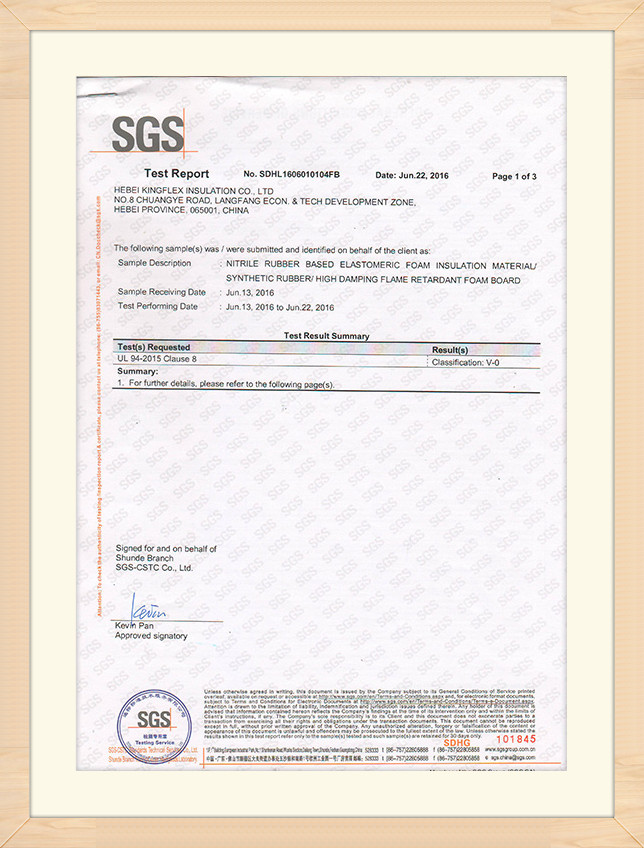
Global building codes demand improved fire retardancy. Kingflex products are engineered to meet stringent standards, including BS 476 Part 6/7 (Class 0 and Class 1), UL 94 V-0 flame spreads, and ASTM E84 compliance, offering superior flame retardancy and self-extinguishing behavior.
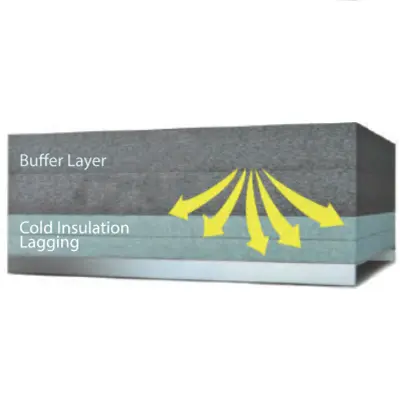
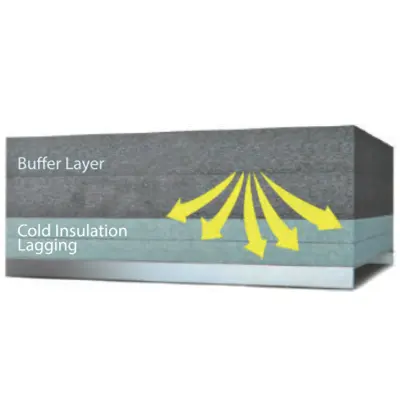
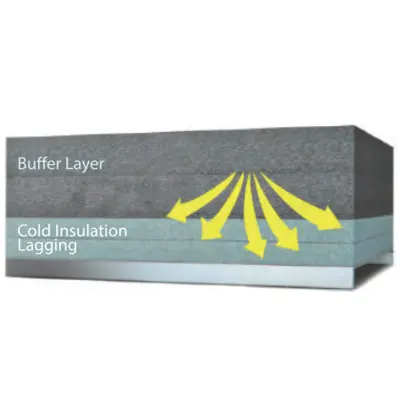
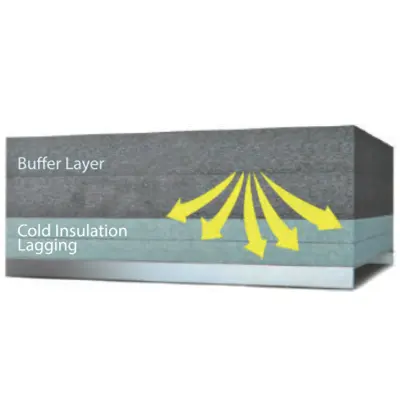
With the growth of clean fuels, cryogenic systems operating down to -200°C require specialized multi-layered flexible insulation. These systems must remain flexible at ultra-low temperatures, preventing structural cracking and gas leak ignition hazards.
Urbanization has made indoor acoustic quality a key design requirement. Using dual-function thermal and acoustic insulation (like Kingflex high-density and low-density sound-absorbing panels) on indoor drainage and HVAC ducts helps control ambient system noise.
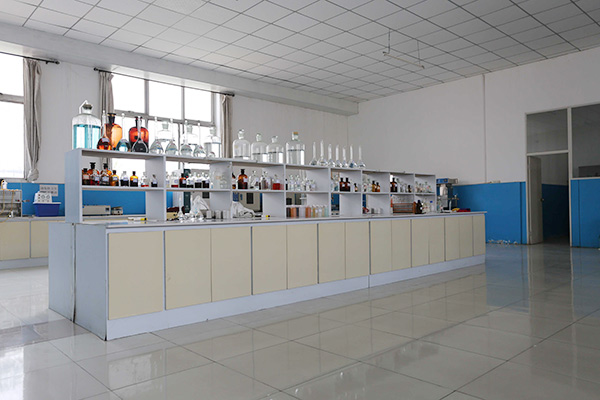
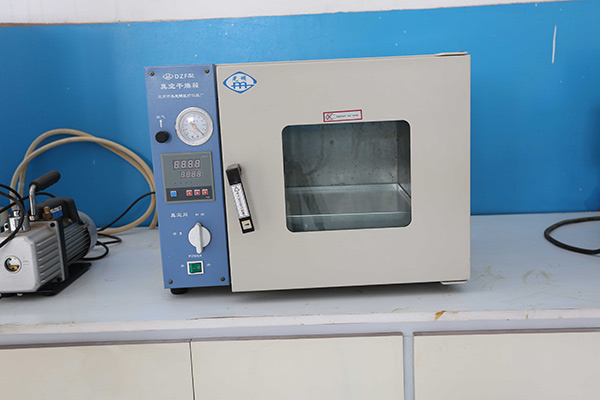
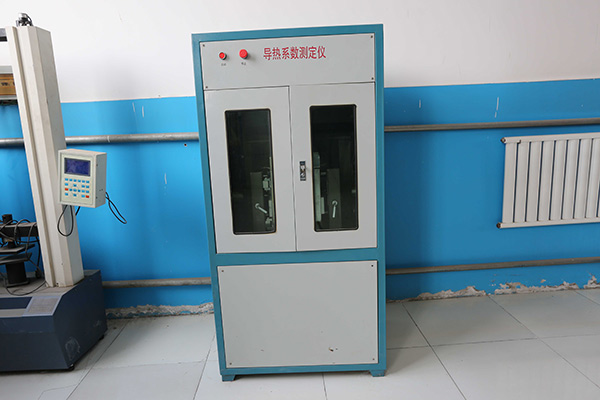
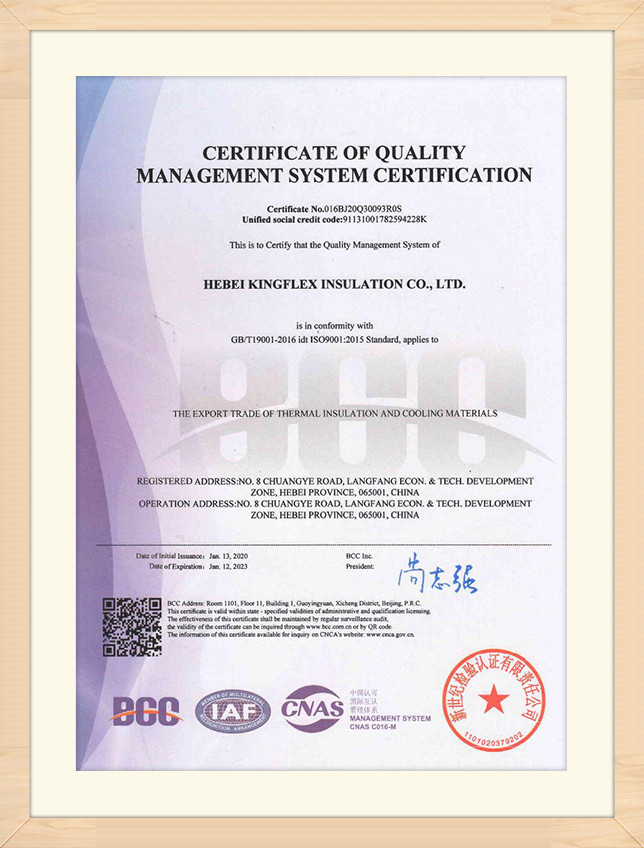
Continuous R&D is essential for compliance. Our products undergo rigorous testing for fire safety, thermal conductivity, and mechanical durability.
Environmental conditions play a major role in determining appropriate insulation thickness. Different applications require specific, targeted approaches:
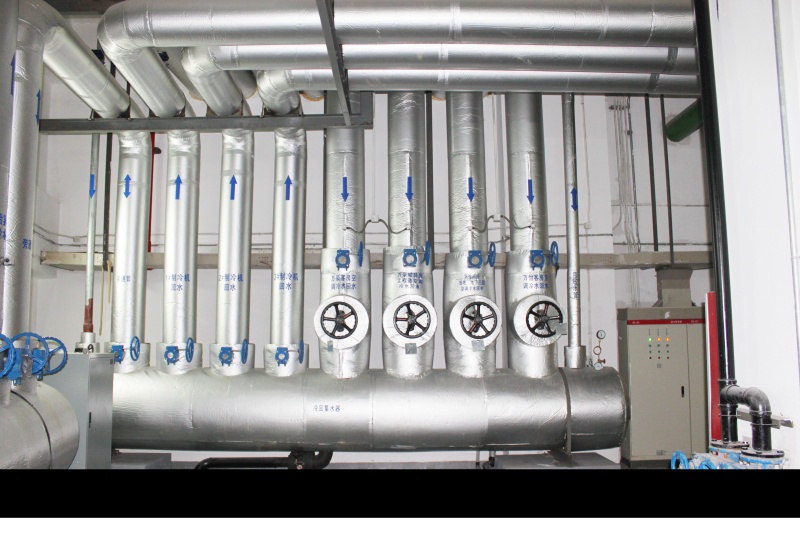
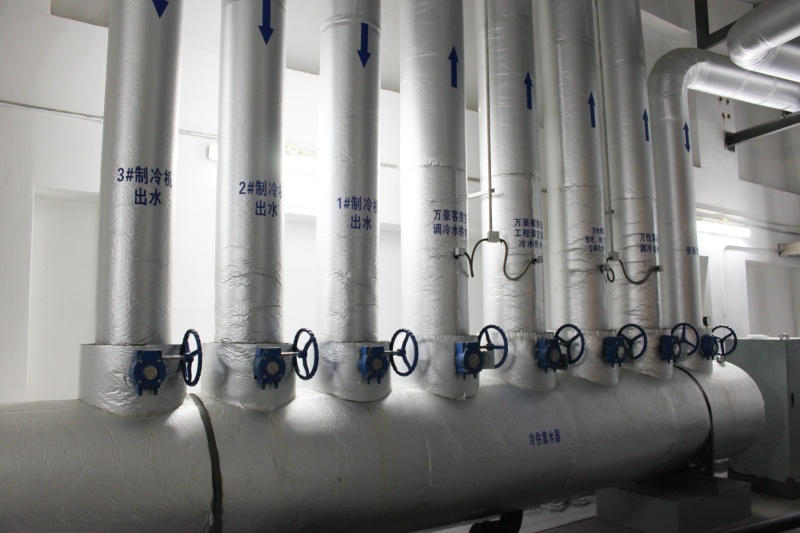
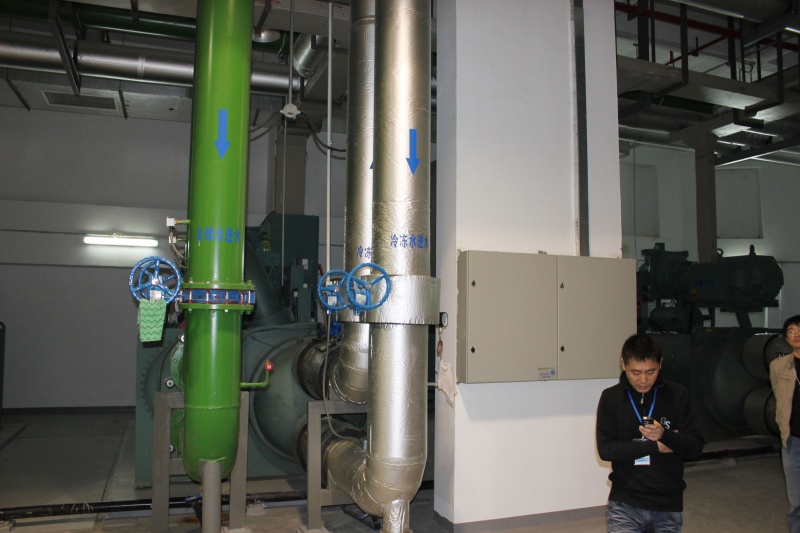
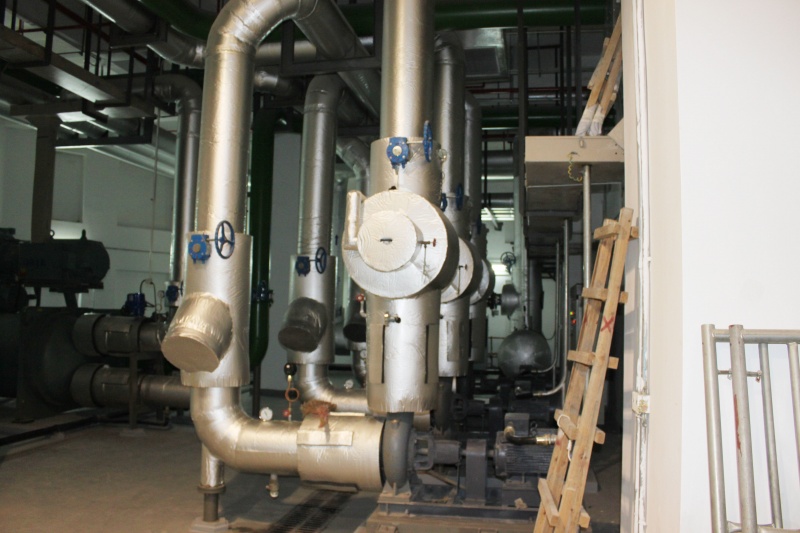
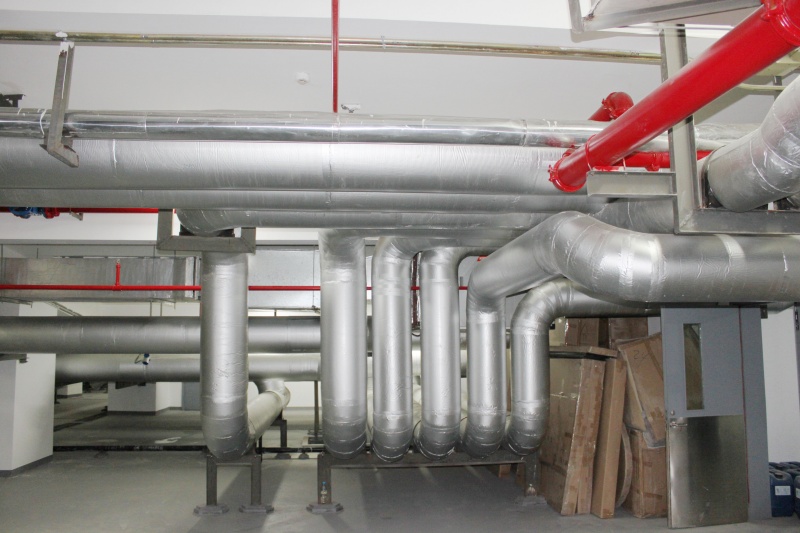
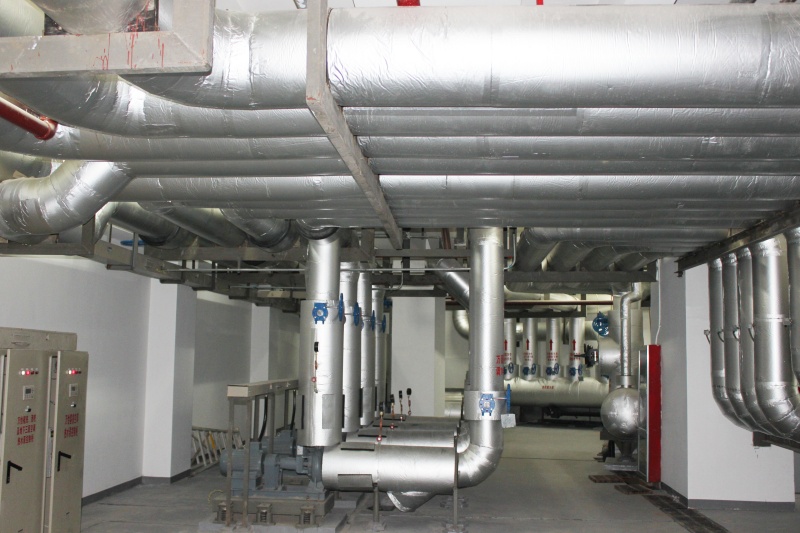
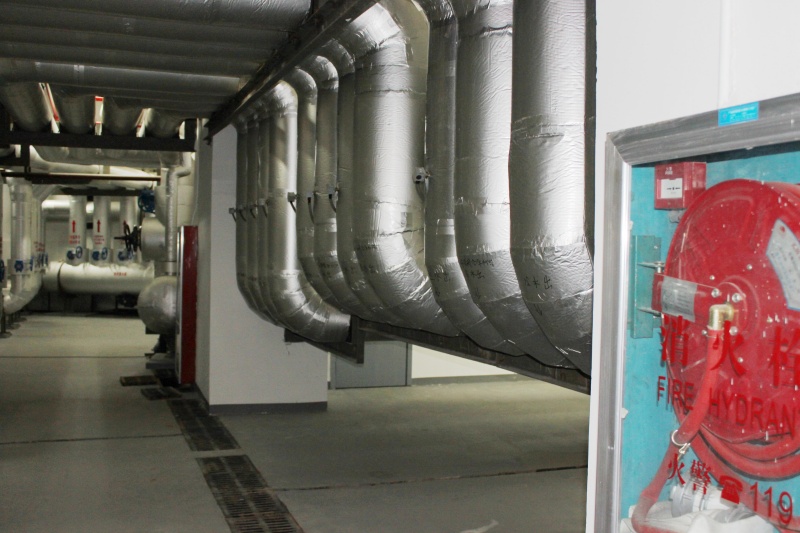
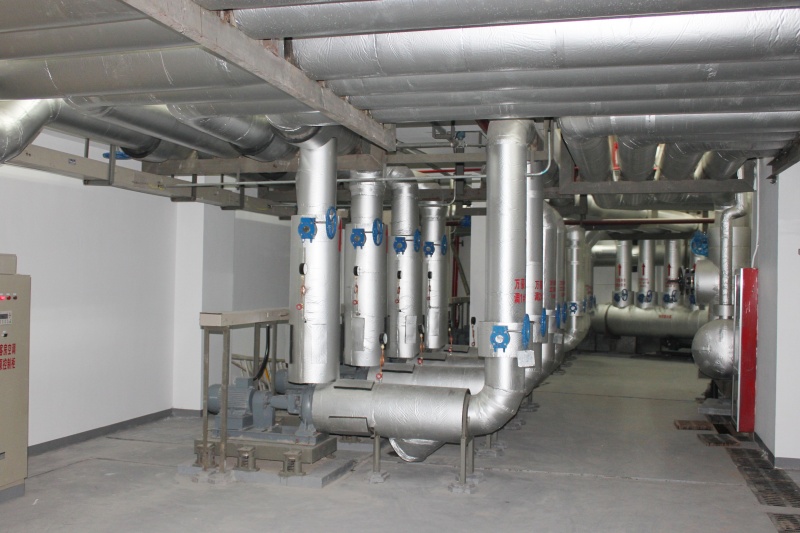
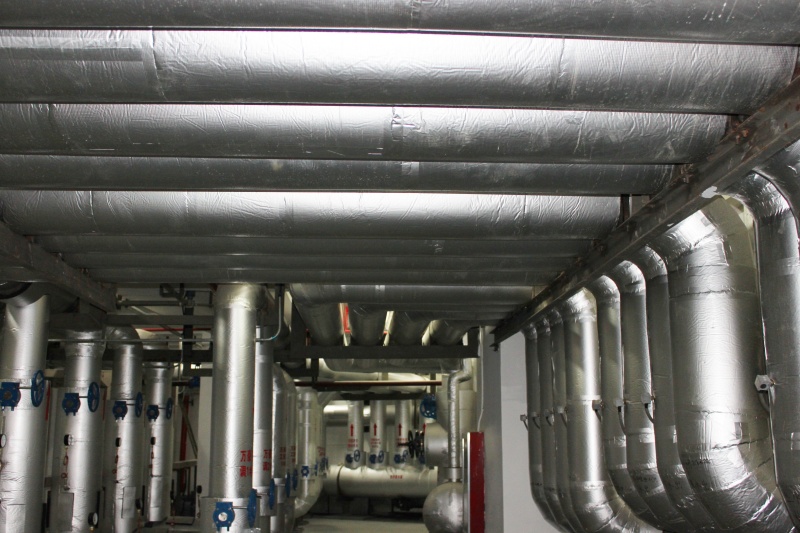
In standard commercial applications, chilled water lines typically run at 4°C to 7°C through hot, humid plenum spaces. For these installations, a wall thickness of 19mm to 25mm is commonly specified to prevent condensation and structural damage.
Process piping handling hot steam or chilled chemical compounds requires thicker insulation (often 32mm to 50mm) to minimize energy loss and ensure process stability.
Marine environments expose insulation to salt spray, high humidity, and continuous vibration. Using robust, fire-retardant elastomeric foam prevents moisture ingress and resists salt corrosion, protecting critical shipboard systems.
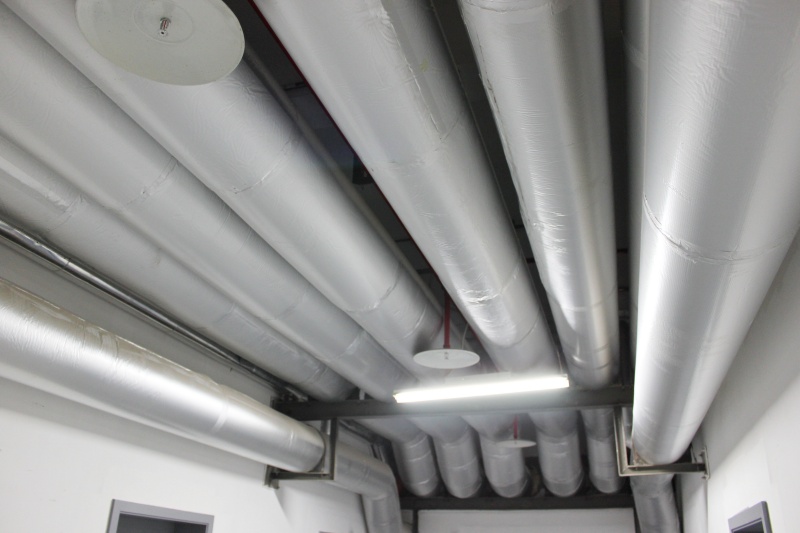
Facilities requiring strict indoor air quality (IAQ) use elastomeric foam because it is fiber-free and dust-free. This helps prevent particulate contamination, supporting clean, sterile air distribution.
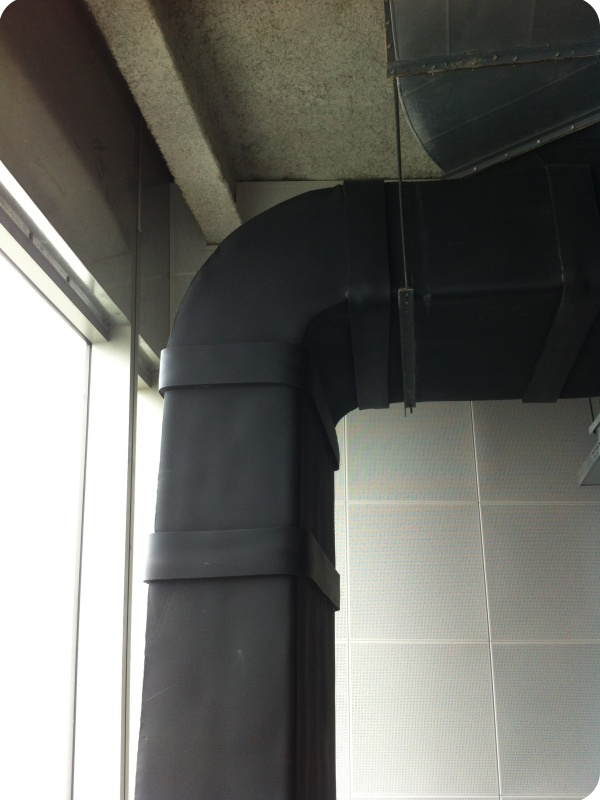

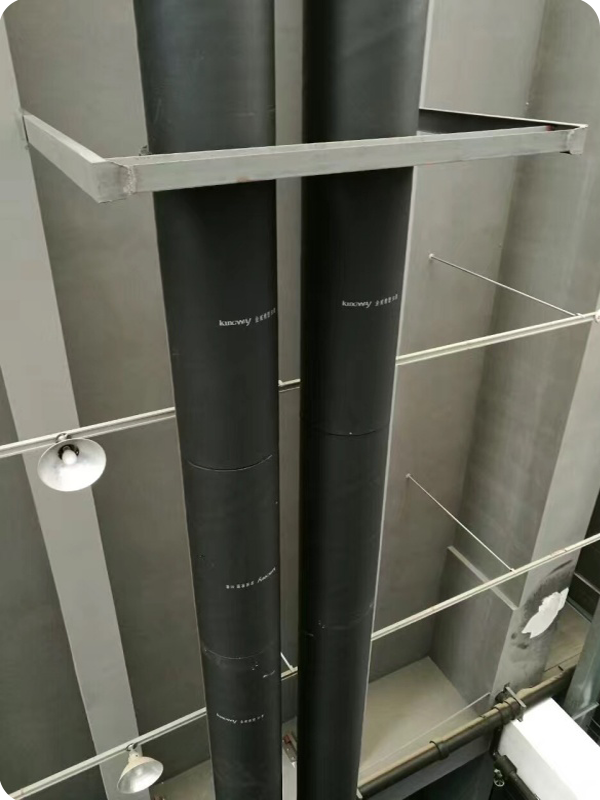
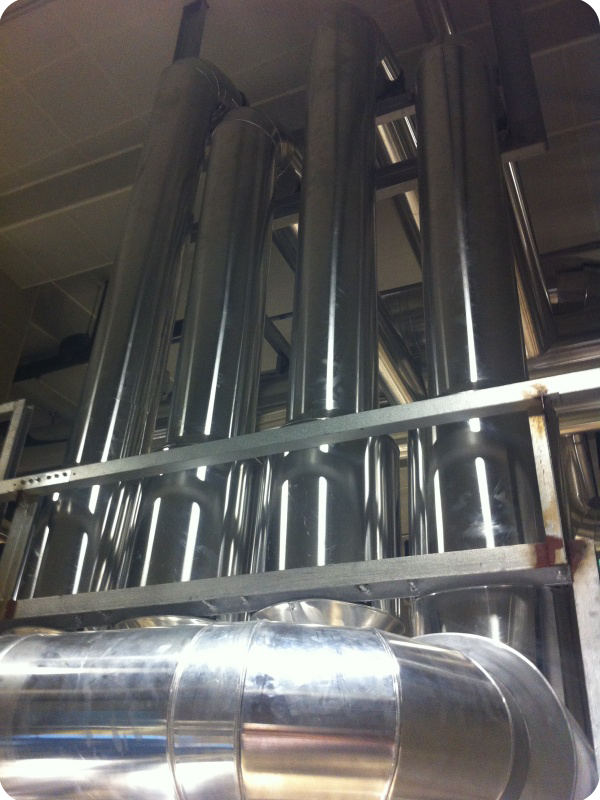
For global procurement teams, evaluating the Total Cost of Ownership (TCO) of insulation materials is key. Raw material costs, shipping volumes, and installation time all affect the final project budget. Sourcing directly from Kingflex offers several key procurement advantages:
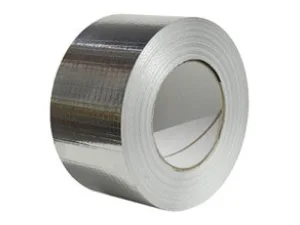
Our pricing structures are determined by thickness, volume, and specialized requirements (such as self-adhesive backings or aluminum foil facing). Buying directly from the manufacturer eliminates intermediary markups, helping reduce project material costs.
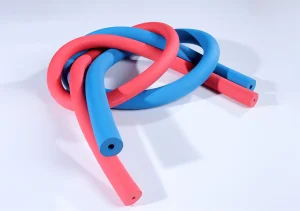
We offer volume-based pricing for standard sizes (9mm, 13mm, 19mm, 25mm, 32mm thickness) and custom quotes for project-specific dimensions or specialized colors.
Elastomeric foam is lightweight but bulky. Kingflex coordinates optimized container loading configurations—such as nesting smaller pipe diameters inside larger ones—to maximize shipping efficiency and lower transport costs per cubic meter.
Our dedicated international sales team works closely with global clients to ensure smooth transactions and reliable technical support.






Step inside our Dacheng factory. Our automated processes, from raw rubber mixing to extrusion and curing, ensure consistent product dimensions and reliable material performance.


Get answers to common technical, manufacturing, and installation questions about elastomeric NBR/PVC pipe insulation.
Browse our specialized range of elastomeric NBR/PVC pipes, rolls, and cryogenic insulation materials designed for diverse thermal management projects.
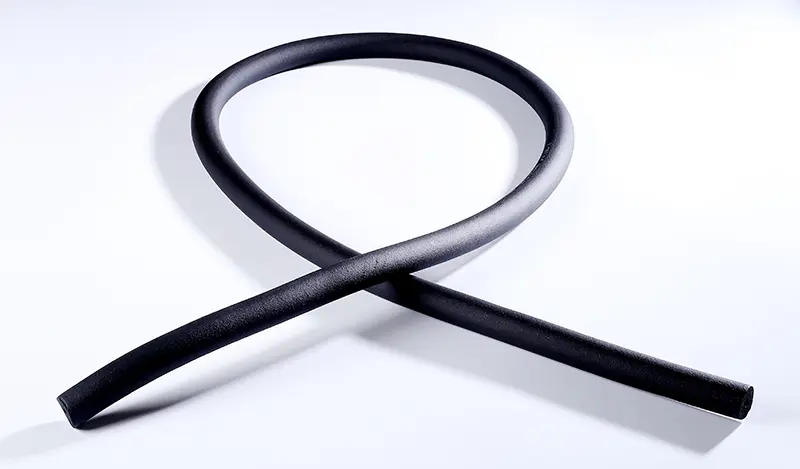
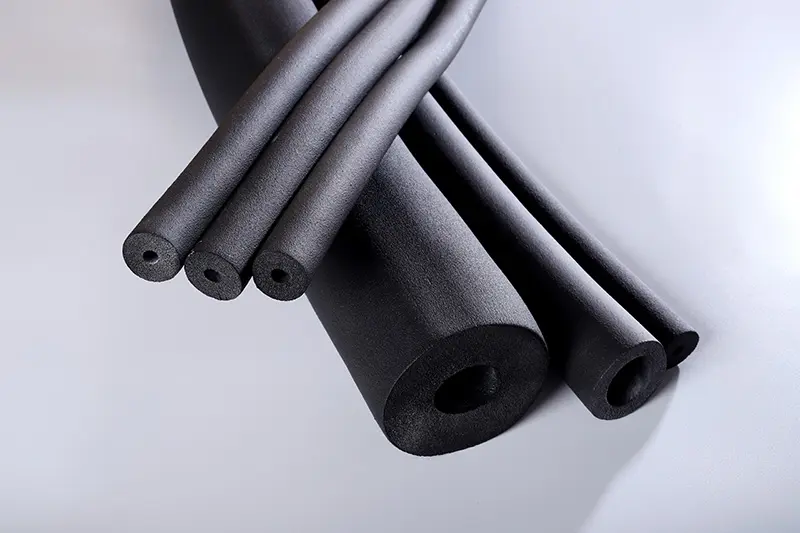
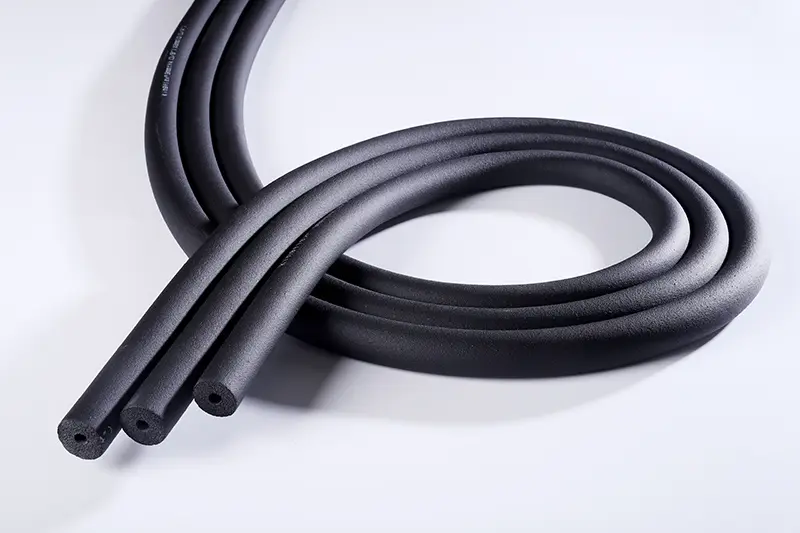
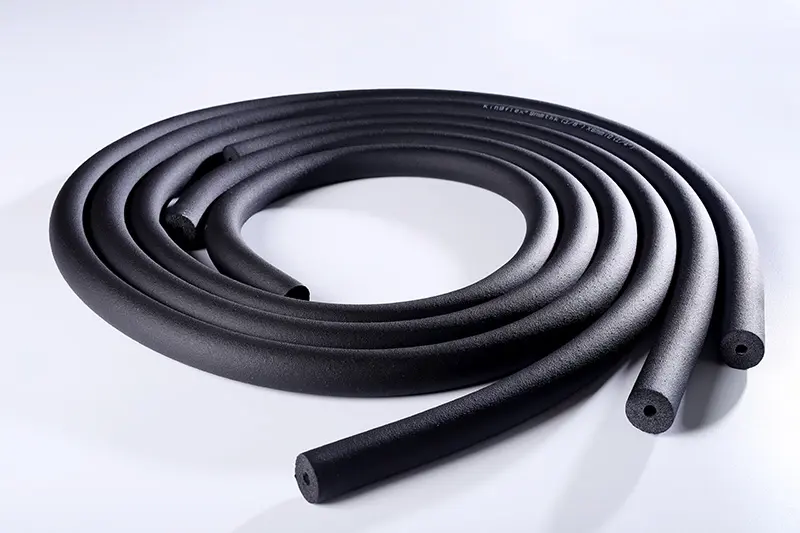


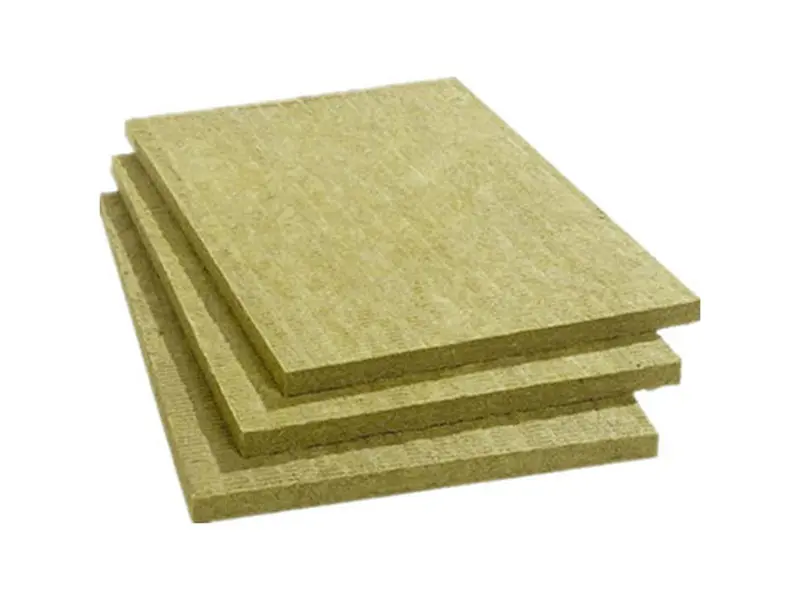
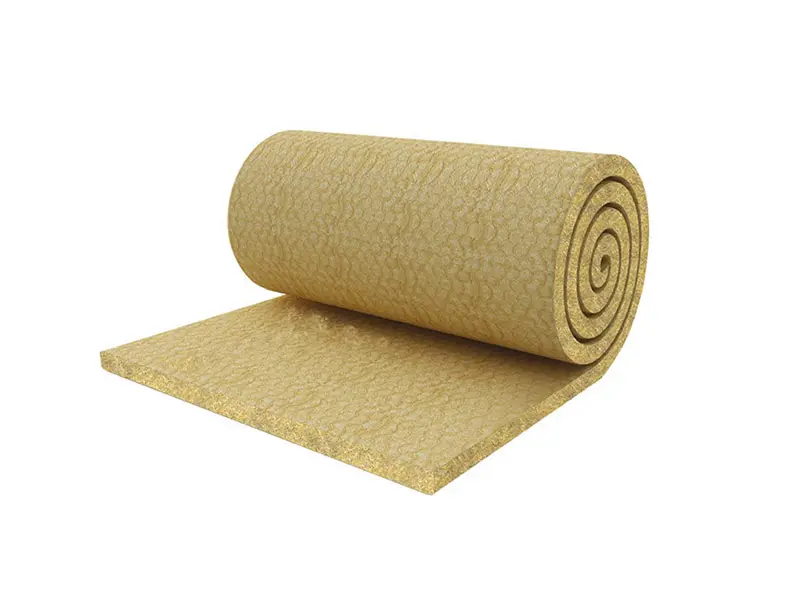
Choosing the right insulation thickness helps prevent condensation, reduce energy loss, and support system longevity. Kingflex offers calculated recommendations, custom factory dimensions, and competitive wholesale pricing for large-scale projects.
 Kingflex