Under modern building regulations, sound isolation has evolved from a luxury feature to a core structural requirement. Sound absorbing floor insulation plays a critical role in mitigating structure-borne and airborne noises across high-density residential towers, industrial complexes, and commercial offices. As urbanization intensifies, regulatory bodies around the globe are tightening impact sound criteria, specifically pushing for lower Impact Insulation Class (IIC) and Sound Transmission Class (STC) ratings.
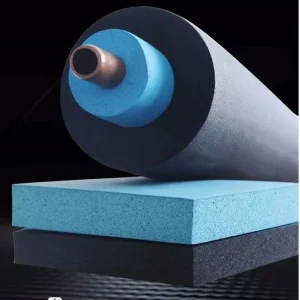
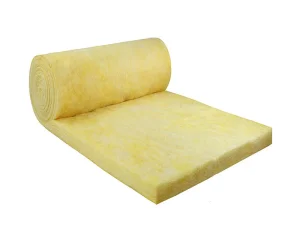
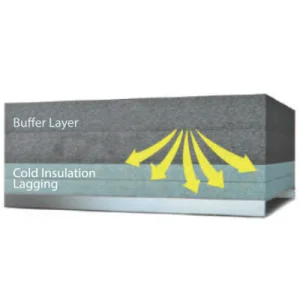
The global shift towards mixed-use architectures requires sophisticated decoupling systems. By utilizing elastomeric closed-cell rubber foam and premium mineral fiber composites, engineering projects can prevent vibration propagation through structural concrete slabs. The integration of high-density elastomer technologies with precise thickness ranges (from 6mm to 50mm) allows for targeted frequency dampening. This ensures compliance with structural integrity requirements while offering superior thermal resistance.
International building codes (such as Part E in the UK, ASTM E492 in the US, and EN ISO 140) now strictly enforce verified impact sound reduction. Developers are forced to demand traceable test certifications from suppliers to verify performance prior to installations.
Classic open-cell fibers often collapse under dynamic compressive floor loads over time. The modern requirement favors elastomeric, closed-cell structures that feature compression resilience over 80%, ensuring decades of persistent noise isolation.
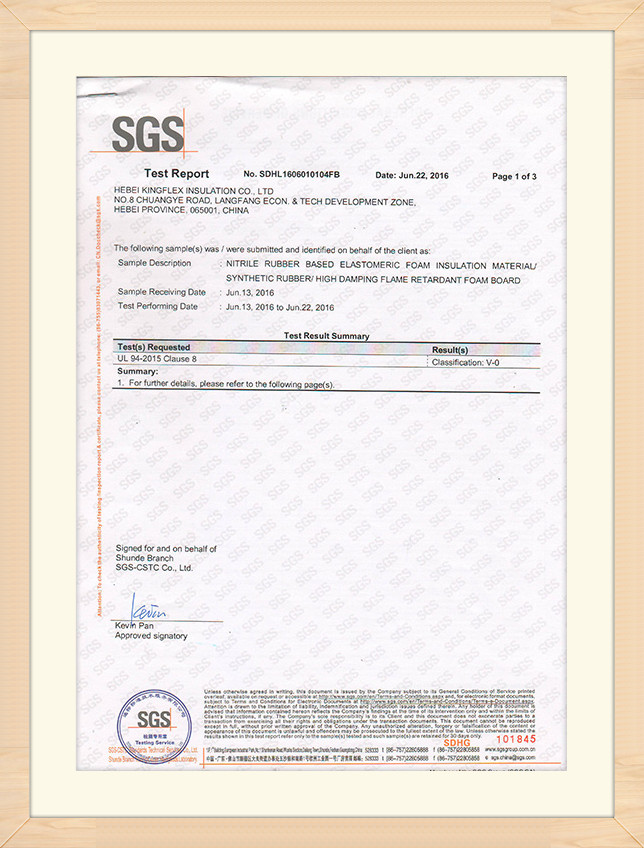
Underlayments and insulation layers must meet fire safety standards such as BS 476, Class 0/Class 1, and UL94. In addition, low-emission formulations are vital to secure LEED and BREEAM environment ratings for commercial spaces.
For procurement officers in multinational engineering firms and regional distributors, sourcing insulation material is a calculated risk management process. To ensure maximum yield on investments and project scheduling stability, buyers focus heavily on standard verification, delivery capacities, and technical traceability.
| Procurement Parameter | Critical Requirement | Kingflex Premium Assurance |
|---|---|---|
| Quality Certifications | Verification of BS 476, CE, REACH, RoHS, UL94, and ASTM. | Fully certified and tested batch traceability across all lines. |
| Dimensional Consistency | Uniform density (40-55 kg/m³) and exact thickness controls. | Precision calibrated continuous vulcanization process. |
| Thermal Conductivity | Stable Lambda values (≤ 0.034 W/m·K at 0°C) for dual-action slabs. | Closed-cell structure containing static dry air pockets. |
| Supply Reliability | Guaranteed volume outputs during peak building seasons. | 600,000 m³ annual output capacity via 5 large automated lines. |
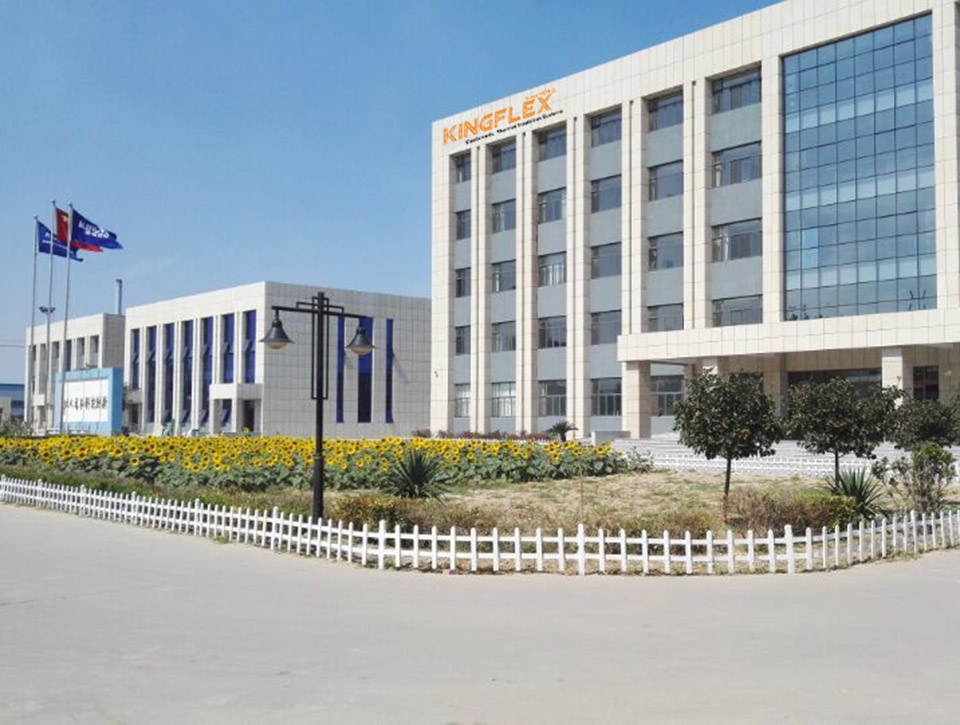
Located in Dacheng, the heart of China’s green-building material sector, Kingflex operates an advanced production facility. Through integration of Industry 4.0 automated manufacturing systems, raw materials are metered, blended, and expanded in continuous, closed loops. This level of automation drastically reduces human error, guaranteeing uniform thickness and excellent cell density consistency.
By optimizing local supply chain ecosystems, we mitigate the risk of raw material volatility, maintaining stable pricing and consistent lead times. Our automatic systems track production lines in real time, delivering precise documentation for large-scale container exports. This integrated operational structure provides international partners with reliable commercial solutions under tight lead times.
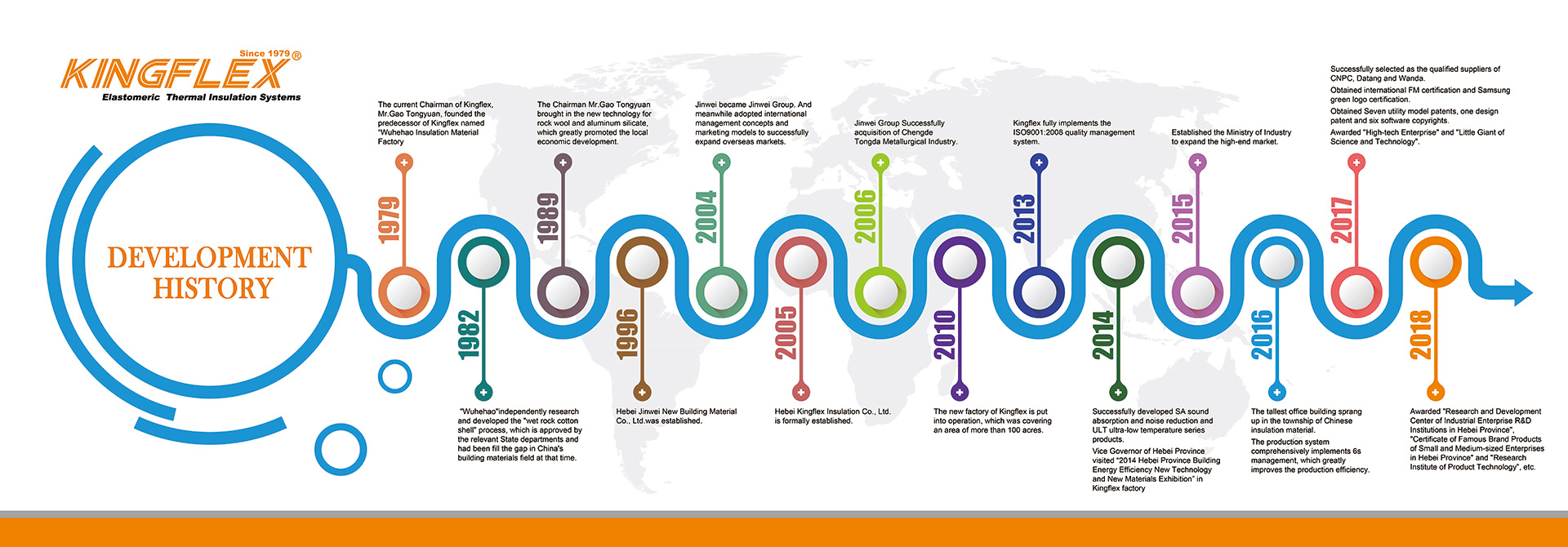
Kingflex Insulation Co., Ltd. is a professional manufacturing and trading combo for thermal and acoustic insulation products. Our R&D and production departments are located in Dacheng, China's prominent green-building material capital. We run an energy-saving, environmentally focused enterprise concentrating on research, development, manufacturing, and distribution.
Taking energy conservation as our core mission, Kingflex offers comprehensive consulting, custom product development, detailed installation guidance, and dedicated post-sales services to advance high-performance building initiatives globally.
Founded by the Jinwei Group, which possesses over 40 years of market presence, Kingflex carries a deep-seated tradition of excellence. The Jinwei Group was established in 1979 as the pioneering manufacturer of high-grade thermal insulation materials north of the Yangtze River. This rich operational lineage guarantees expert material engineering and reliable product formulation.

Our workforce is the key driving force behind Kingflex. Our R&D Department is staffed by 8 professional engineers, supported by 6 international sales specialists, and 230 technicians and manufacturing personnel.
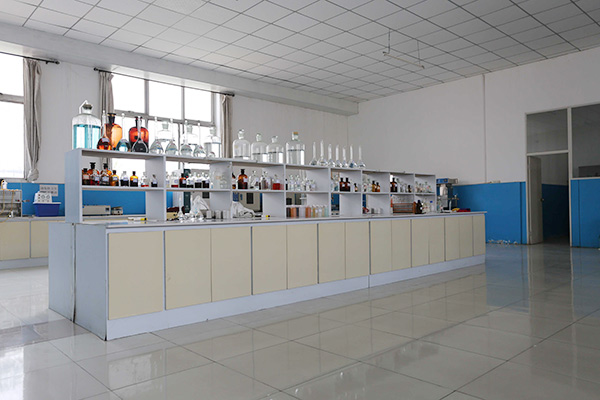
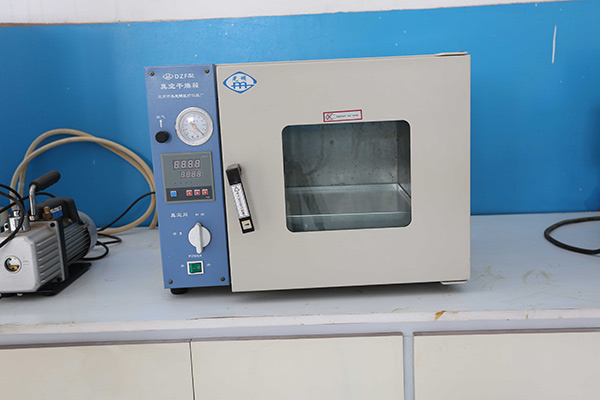
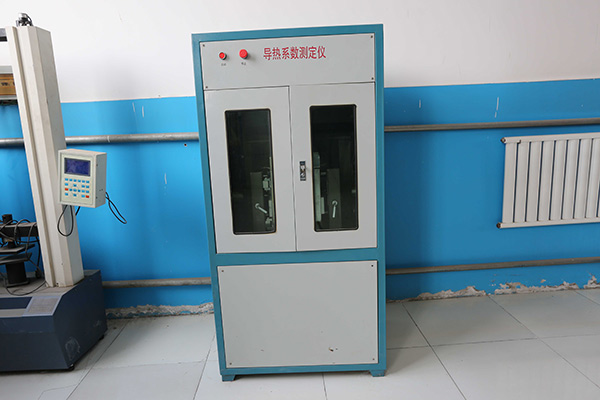
By continuously analyzing mechanical characteristics and acoustic properties, our lab refines rubber formulas to lower thermal conductivity and maximize sound dissipation capacity across complex construction applications.
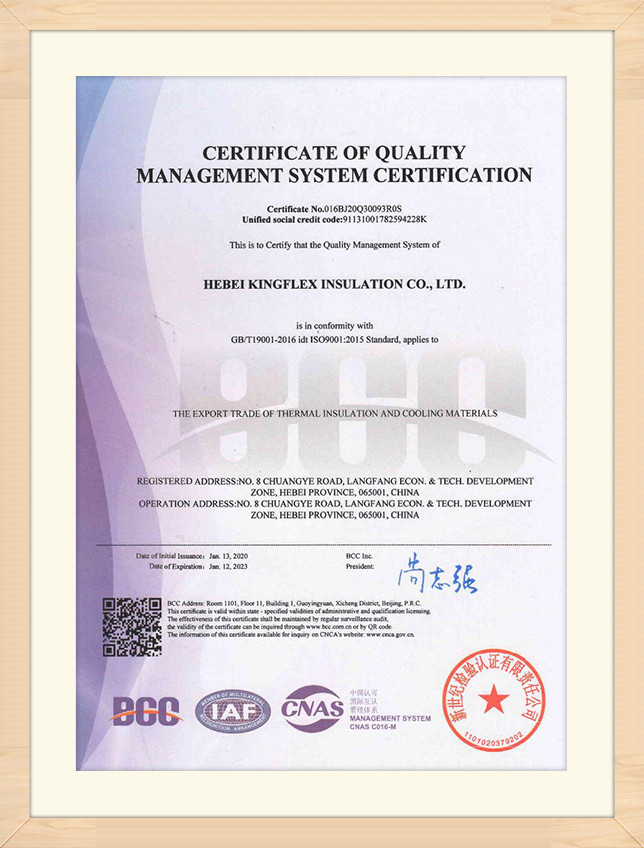
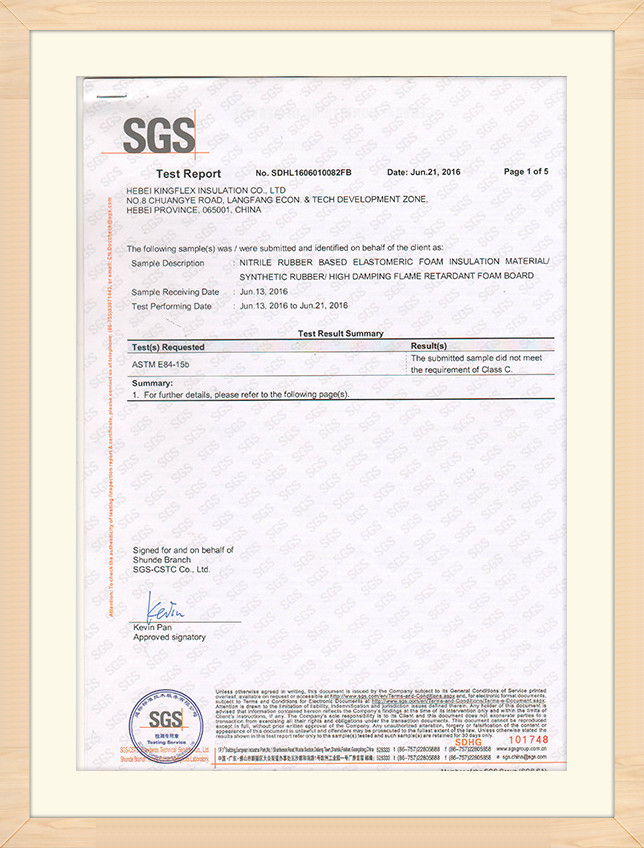
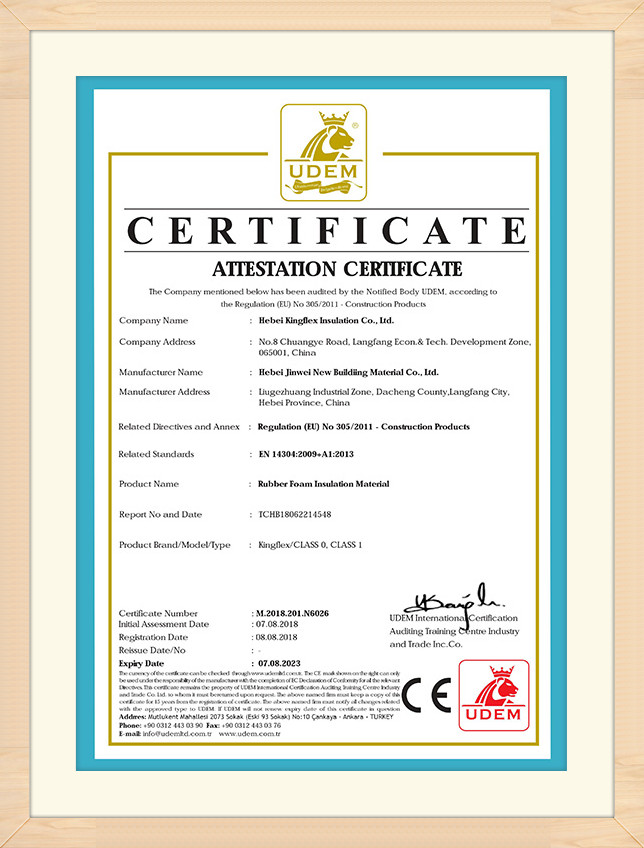
All production lines follow rigid ISO standards. Our materials hold active certificates under BS 476, CE, REACH, RoHS, UL94, and ASTM, meeting strict regional regulatory standards.
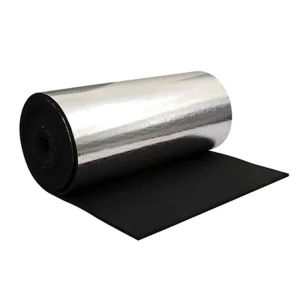
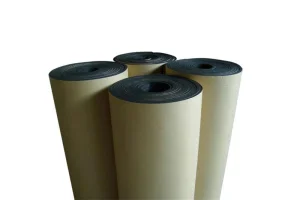
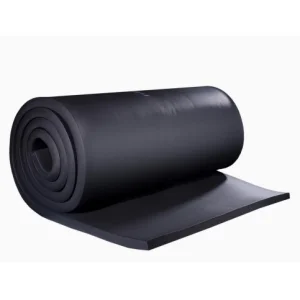
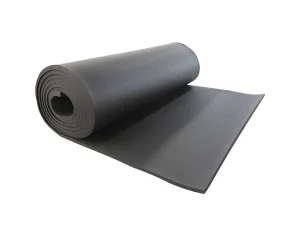
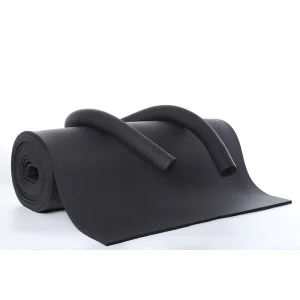
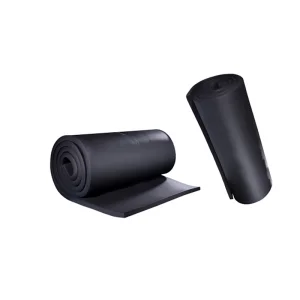
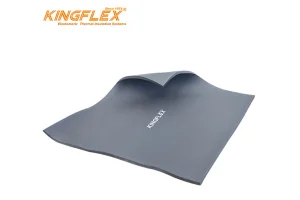
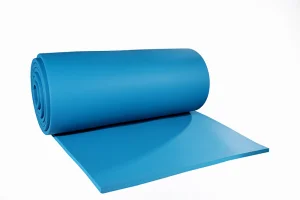
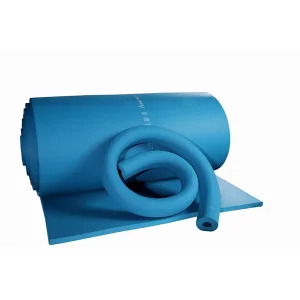
Our high-density acoustic sheet roll acts as a robust barrier against impact noise. By decoupling finishing slabs from building structures, it absorbs sound wave energy before it can travel to structural frames.
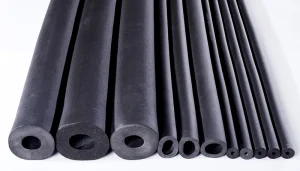
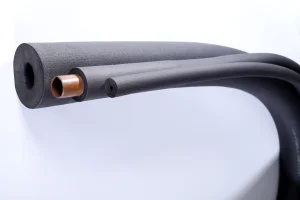
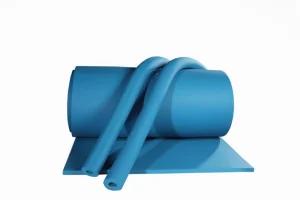
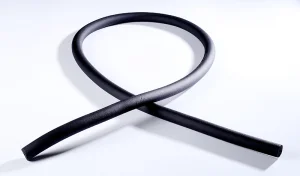
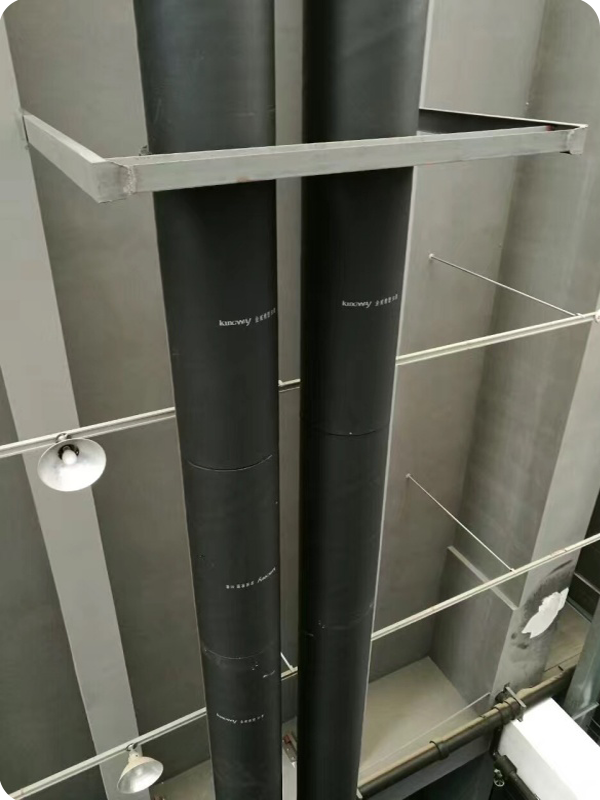
Ideal for silencing liquid transport noise and thermal losses in building systems, these pre-formed pipes wrap mechanical lines, preventing noise propagation through structural wall and ceiling joints.
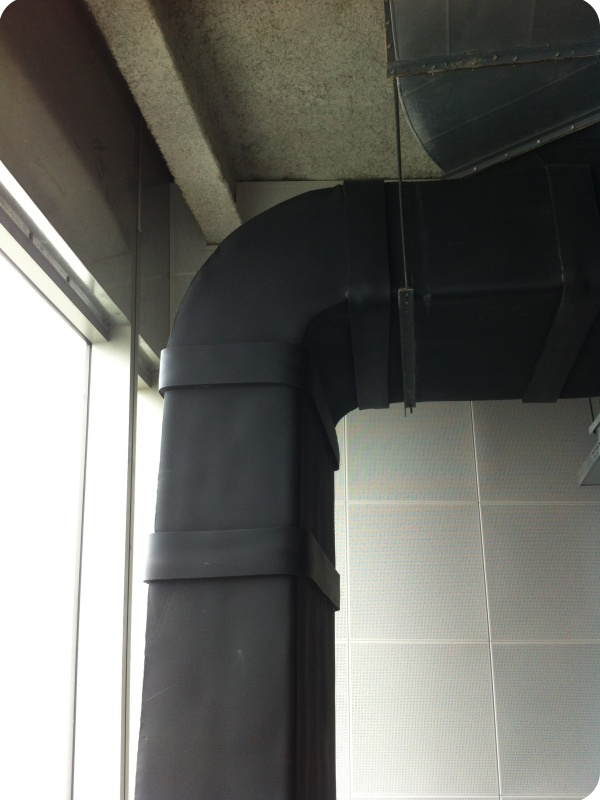
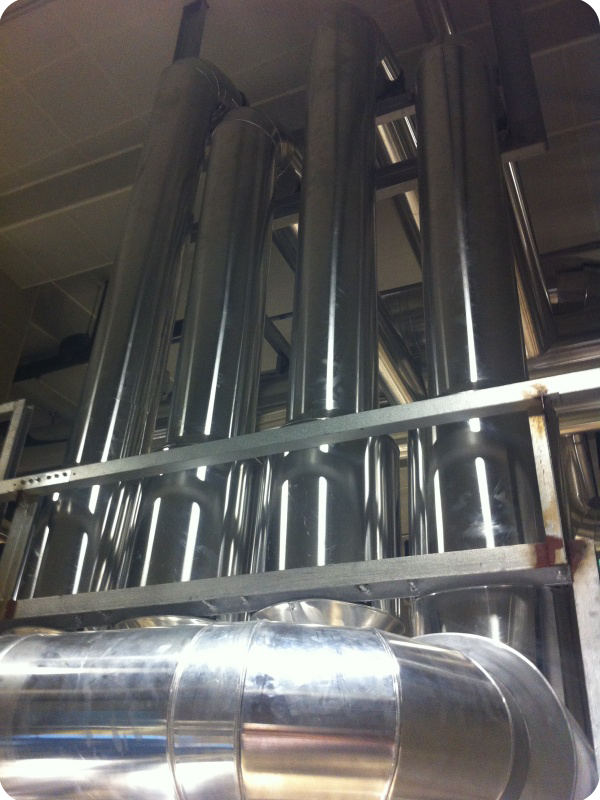
Prevents rumble, high-frequency motor noise, and temperature transfer within metallic ventilation ducts and complex chiller lines.
Decouples hardwood, laminate, or screed floors from structural subfloors. Drastically lowers the transmission of footsteps and impact noise to rooms below.
Protects industrial process lines from vibration-induced fatigue and extreme thermal loss, operating reliably in temperatures ranging down to cryogenic levels.
Kingflex insulation products are trusted in construction, petroleum processing, chemical manufacturing, national defense, and aerospace projects. Our materials are currently exported to over 66 countries, establishing a proven track record of international compliance and customer satisfaction.




 Kingflex