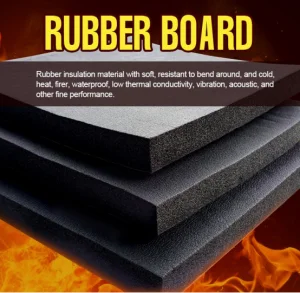
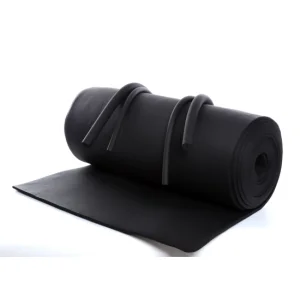
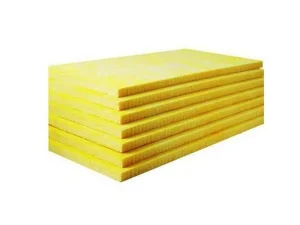
Engineered high-performance materials for optimal thermal conservation, acoustic mitigation, and cryogenic defense systems.
In industrial utility networks and district energy infrastructures, steam pipelines serve as the circulatory system of thermal energy. Operating at temperatures ranging from 120°C (low-pressure saturated steam) to upwards of 500°C (superheated process steam), these systems demand rigorous thermal design. Steam pipe insulation thickness calculation is not merely a task of applying insulation; it is a multi-parameter thermodynamic optimization designed to minimize heat flux, mitigate moisture ingress, eliminate condensation, and protect personnel from safety hazards.
Using inaccurate calculations or suboptimal insulation materials leads to catastrophic losses. Excess heat loss causes steam pressure drops and wet steam formation, which accelerates pipeline erosion and can cause thermal shock or hammer events. For this reason, professional calculation models rely on standards like ASTM C680 (Standard Practice for Estimate of Heat Gain or Loss and Surface Temperatures of Insulated Pipe and Equipment Systems) and ISO 12241 (Thermal insulation for building equipment and industrial installations — Calculation rules).
Determining the optimal thickness of elastomeric rubber foam or fiberglass wool requires analyzing five key variables. Under-calculating leads to heat waste and energy loss, while over-calculating increases material and installation costs without providing a proportional increase in thermal efficiency.
Outdoor installations are exposed to ambient temperature swings and wind. Higher wind speeds increase convective heat transfer, cooling the outer cladding. If calculating for condensation control, the design must account for the peak humidity and lowest wind speed (stagnant air conditions) to ensure the surface temperature remains above the dew point.
The k-value indicates a material's capacity to conduct heat. For closed-cell elastomeric rubber foam, this value is exceptionally low (typically ≤ 0.035 W/(m·K) at 0°C). Unlike open-cell products, our closed-cell structure prevents moisture ingress, ensuring the k-value remains stable throughout the system's operational lifetime.
The emissivity (ε) of the outer jacket significantly impacts heat dissipation. Bright, shiny metal jackets (like aluminum or polished stainless steel) have low emissivity, which raises the surface temperature but can restrict heat release. In contrast, dark, non-metallic elastomeric sheets have high emissivity, making them highly efficient at controlling condensation.
Occupational safety guidelines (such as OSHA and ASTM C1055) require that hot surfaces in work zones remain below a safe threshold—typically 60°C (140°F) for metallic claddings or up to 70°C for plastic/elastomeric finishes—to prevent contact burns.
Below is a representative calculation table for a 3-inch NPS steam pipe operating at 150°C in an ambient temperature of 25°C, illustrating heat loss reduction across various insulation thicknesses:
| Insulation Thickness (mm) | Outer Surface Temp (°C) | Heat Loss (W/m) | Efficiency Improvement (%) | Risk of Surface Burn |
|---|---|---|---|---|
| Bare Pipe (0mm) | 150°C | 1,120 W/m | Reference (0%) | Extreme Danger |
| 13mm | 62°C | 185 W/m | 83.5% | Marginal Warning |
| 25mm | 44°C | 112 W/m | 90.0% | Safe (Touch) |
| 38mm | 36°C | 84 W/m | 92.5% | Safe (Touch) |
| 50mm | 31°C | 69 W/m | 93.8% | Safe (Touch) |
Modern procurement strategies have shifted from prioritizing lowest initial purchase costs to evaluating the **Total Cost of Ownership (TCO)** of thermal systems. In response to global decarbonization mandates and volatile energy costs, EPC (Engineering, Procurement, and Construction) firms and plant operators require high-performance insulation solutions.
In Europe and North America, strict energy codes (like ASHRAE 90.1 and the European Energy Performance of Buildings Directive) require detailed calculations for thermal loss. Additionally, there is a growing demand for halogen-free, low-smoke, and flame-retardant materials to prevent toxic emissions during fire events. In tropical climates, such as Southeast Asia and the Middle East, high humidity increases the risk of Corrosion Under Insulation (CUI). Consequently, closed-cell structures that resist moisture absorption are heavily preferred over open-cell options.
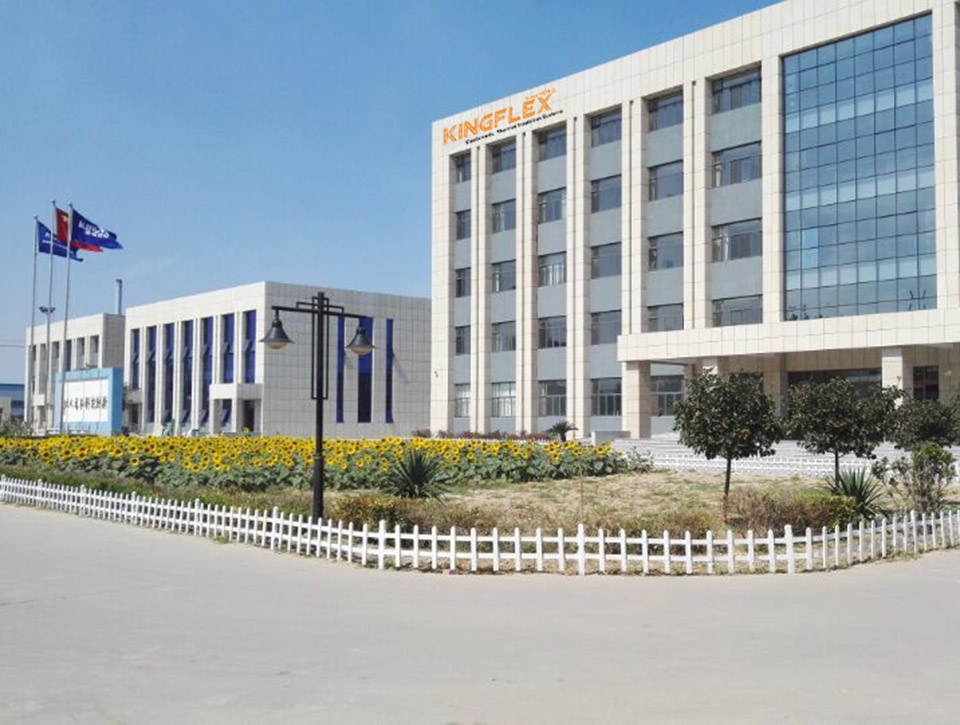
Located in Dacheng, China—a major capital for green building materials—Kingflex Insulation Co., Ltd. represents the next generation of manufacturing, utilizing Industry 4.0 principles to maintain quality, consistency, and volume.
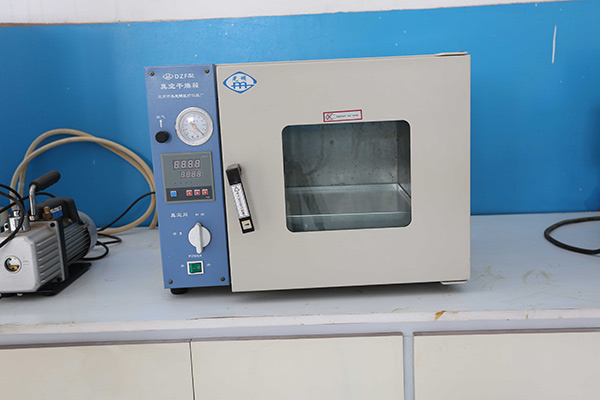
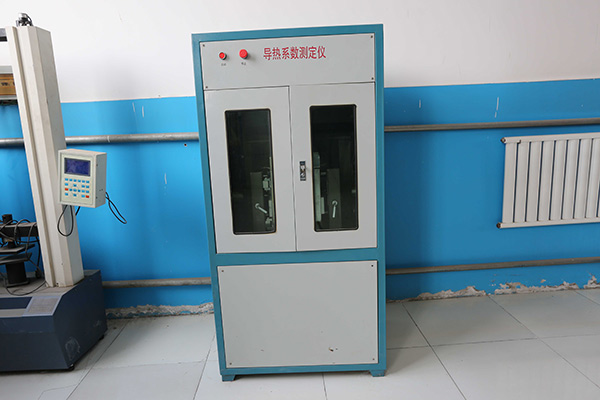
With five fully automated assembly lines, Kingflex achieves an annual production capacity exceeding 600,000 cubic meters. Our automated extrusion and foaming systems utilize precise temperature and pressure controls, ensuring a uniform closed-cell rate above 98% across every production run.
This advanced infrastructure provides significant supply chain advantages:
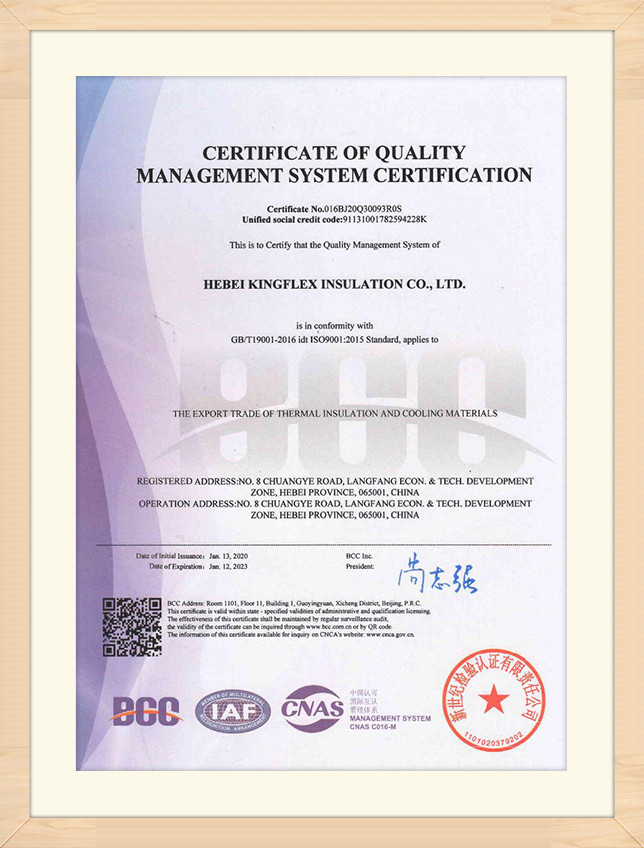
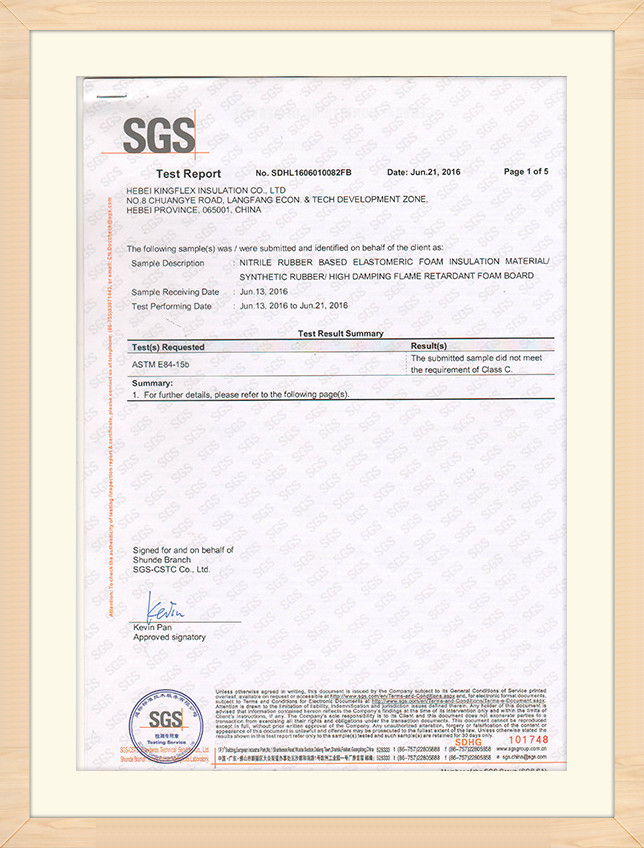
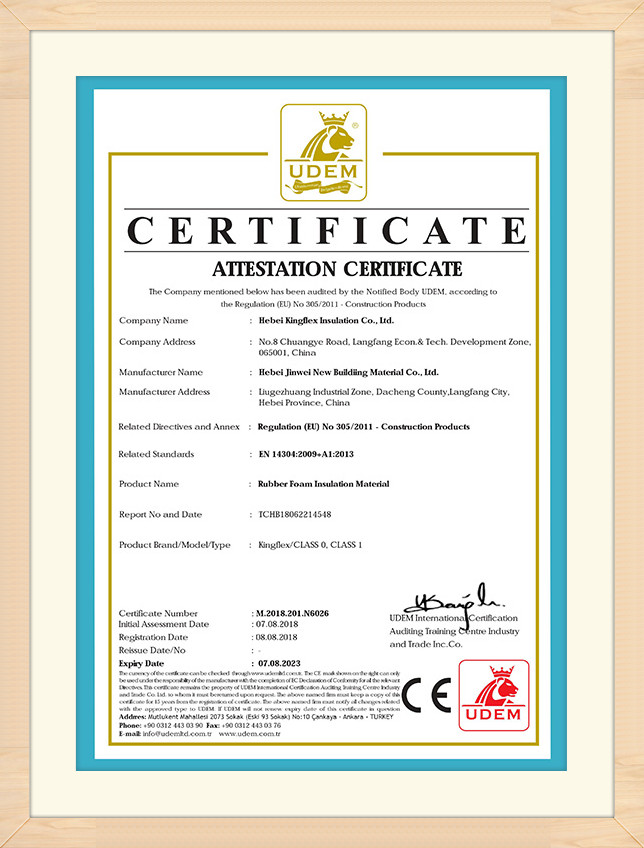
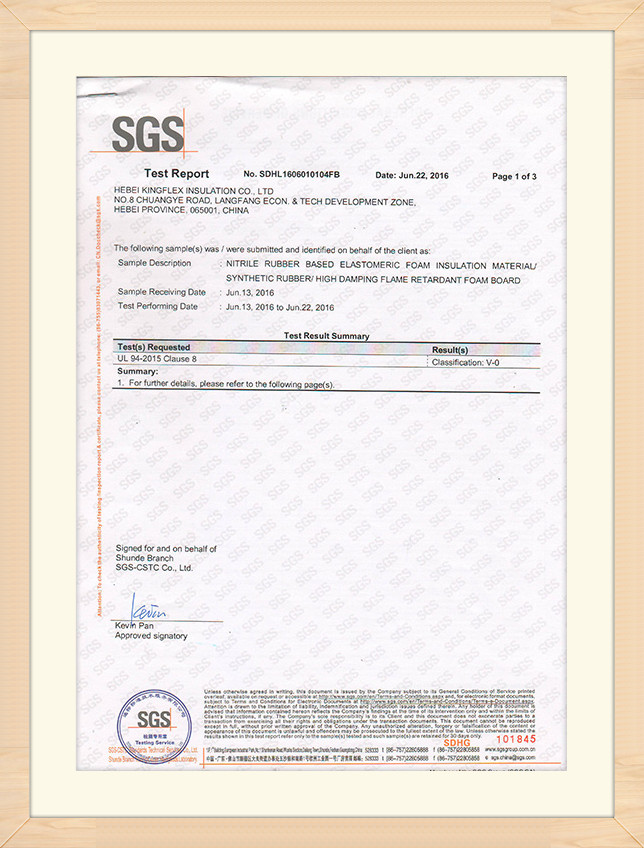
Different operating environments present unique challenges that must be addressed during the calculation phase. Below are the design configurations developed by Kingflex for key industrial applications:
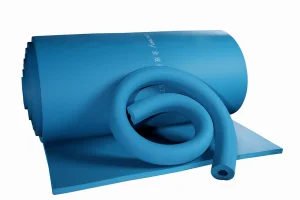
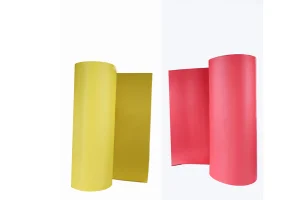
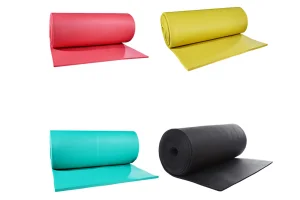
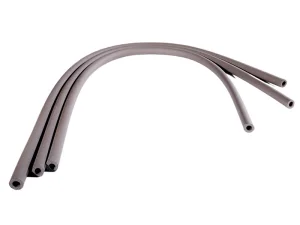
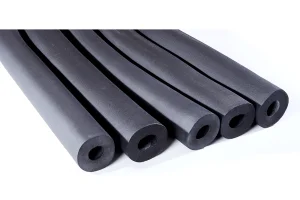
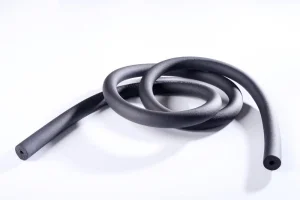
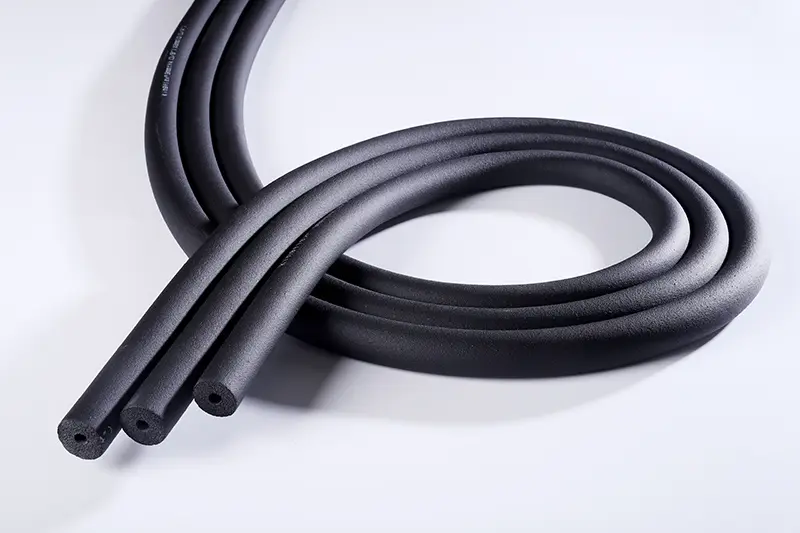
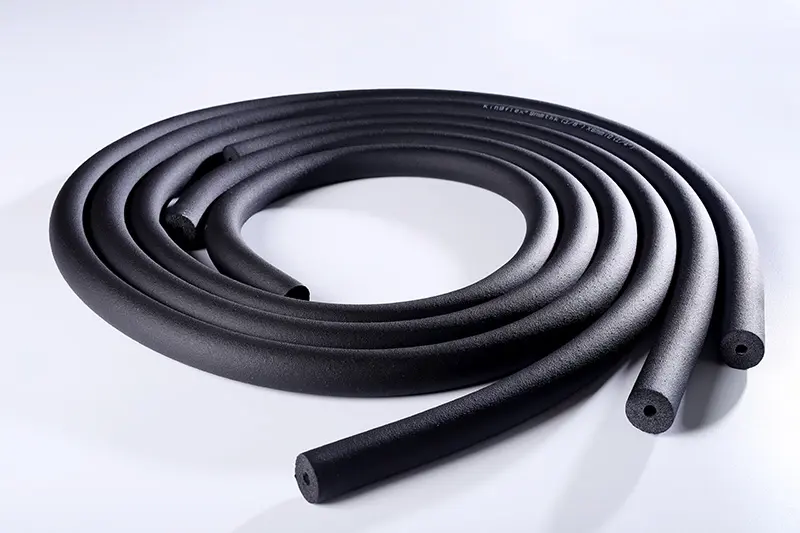
Designed to control condensation and limit heat gain. Uses elastomeric rubber foam sheets and tubes with a thickness of 9mm to 25mm. The highly flexible closed-cell material fits tightly around complex pipe joints and valves, preventing air gaps where moisture could collect.
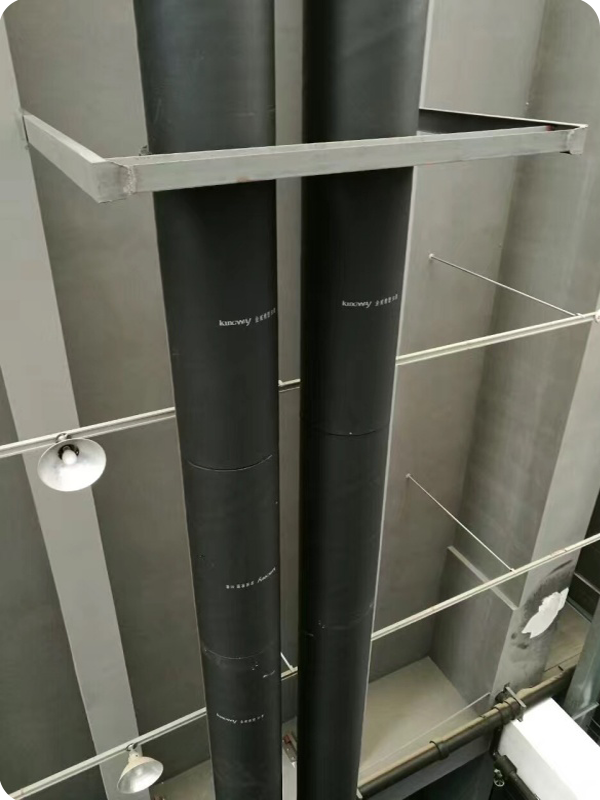
Designed to control heat loss and ensure surface safety. Utilizes higher thickness configurations (up to 50mm) or multi-layered combinations. The elastomeric outer layer provides vibration resistance and protects the system from wind and rain.
Requires severe-service cold preservation. Utilizes special NBR/PVC cryogenic elastomers that maintain flexibility down to -40°C. Calculations focus on eliminating surface condensation and frost build-up, preventing structural issues on pipe supports.








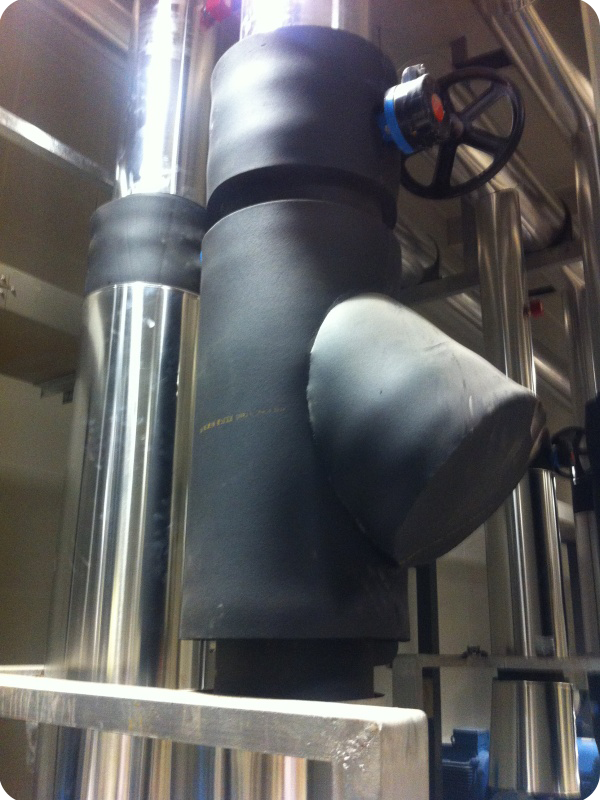
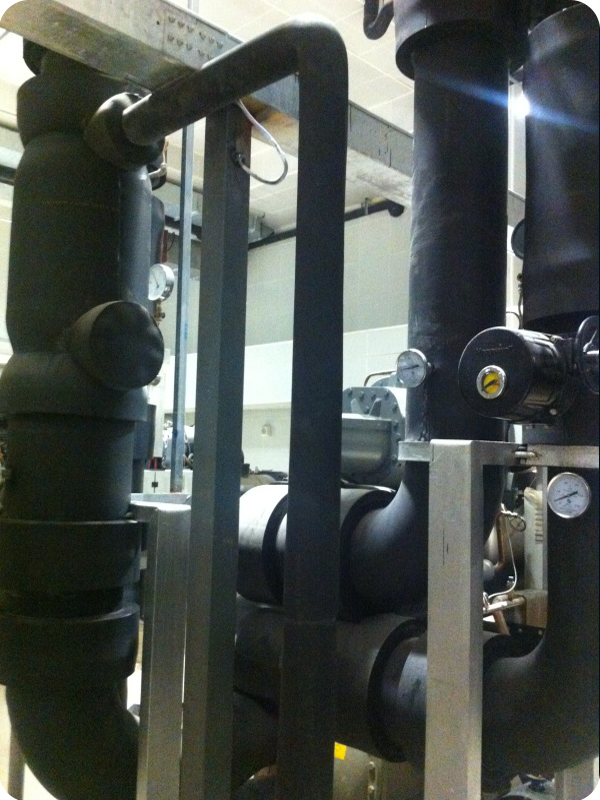

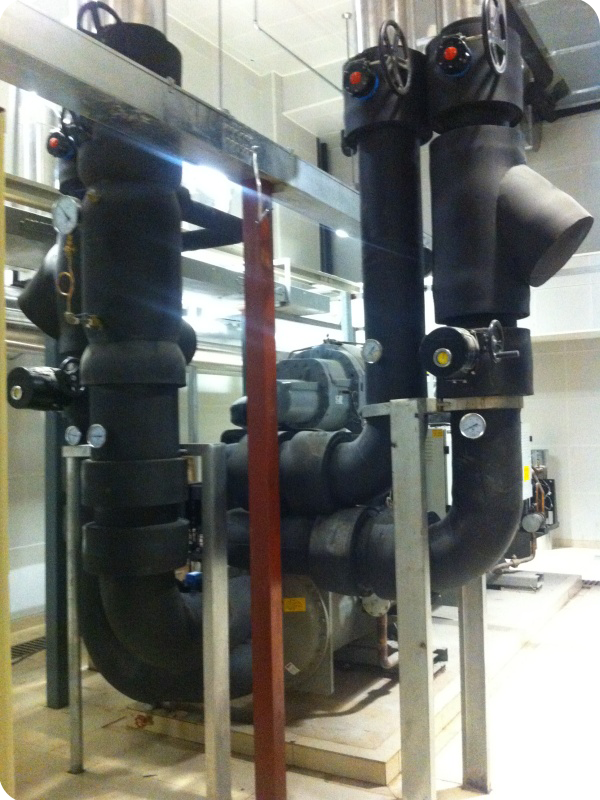
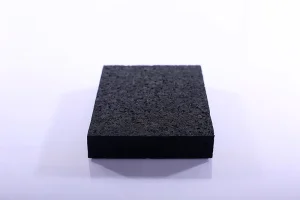
| Material | NBR / PVC Elastomer |
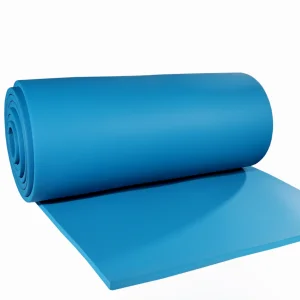
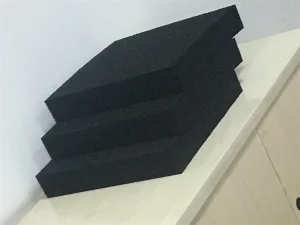
| Thickness | 6mm - 50mm |
| Density | 40 - 55 kg/m³ |
| Service Temp Range | -40°C to 105°C |
| Closed-Cell Rate | ≥ 98% |
| Flame Resistance | Class 1 / Class 0 (BS 476) |
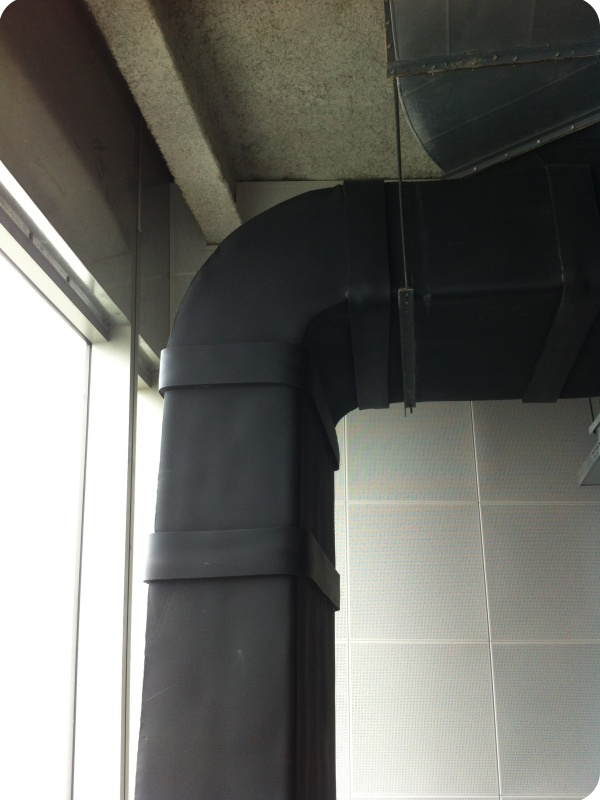
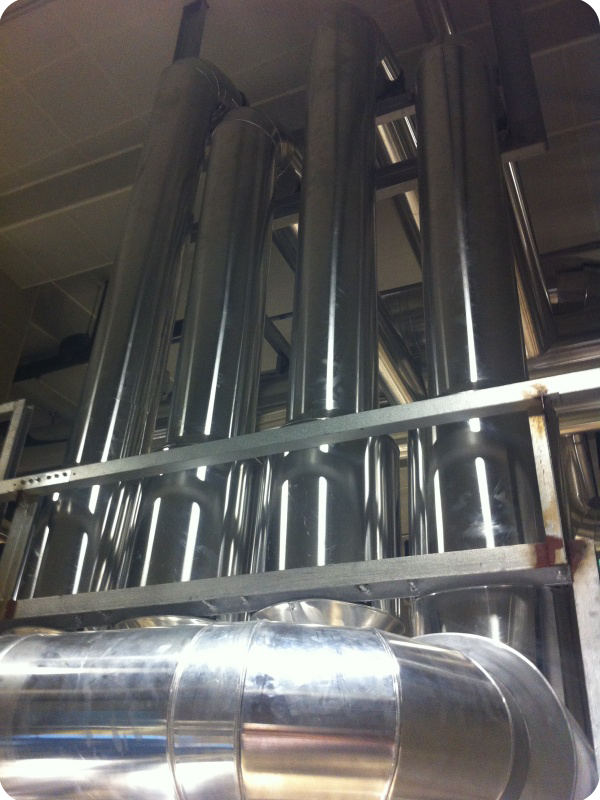
*Ideal for ventilation ducts, building roofing insulation, high-capacity industrial storage tanks, and steam trace return lines.
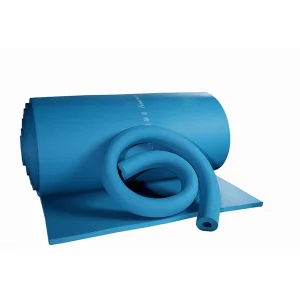
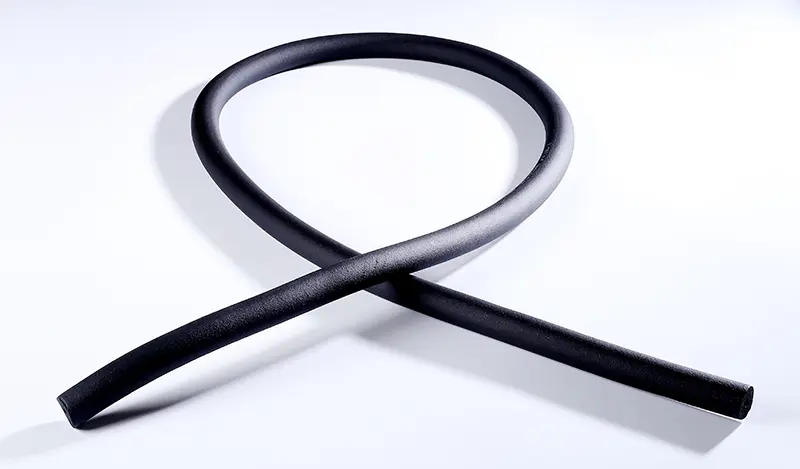
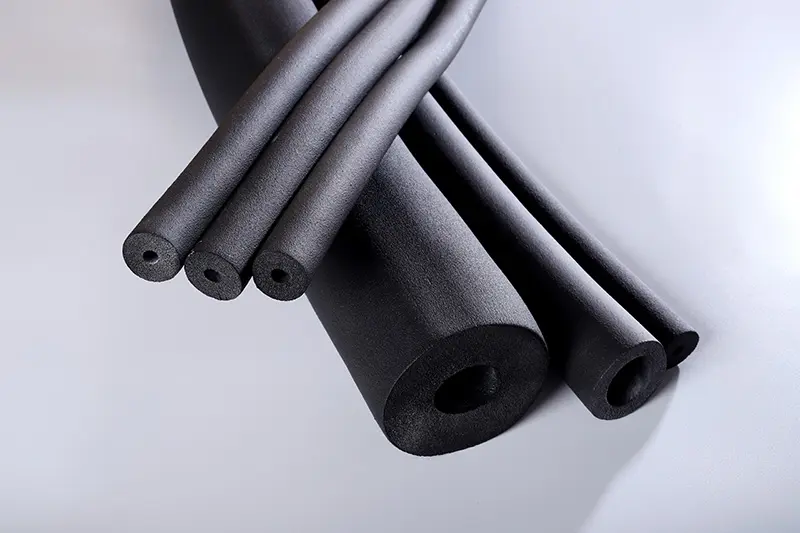
| Material | NBR / PVC Elastomer |
| Thickness | 9mm - 40mm |
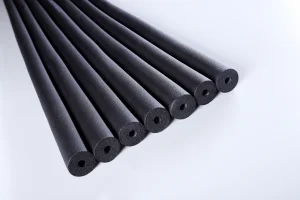
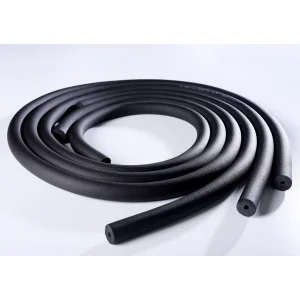
| Inner Diameter (ID) | 6mm - 114mm |
| Density | 40 - 55 kg/m³ |
| Vapor Permeability | μ ≥ 10,000 |
| Resilience | Compression Resilience ≥ 80% |
*Optimized for fast installation over copper and steel pipes, HVAC systems, industrial utility lines, and solar water installations.
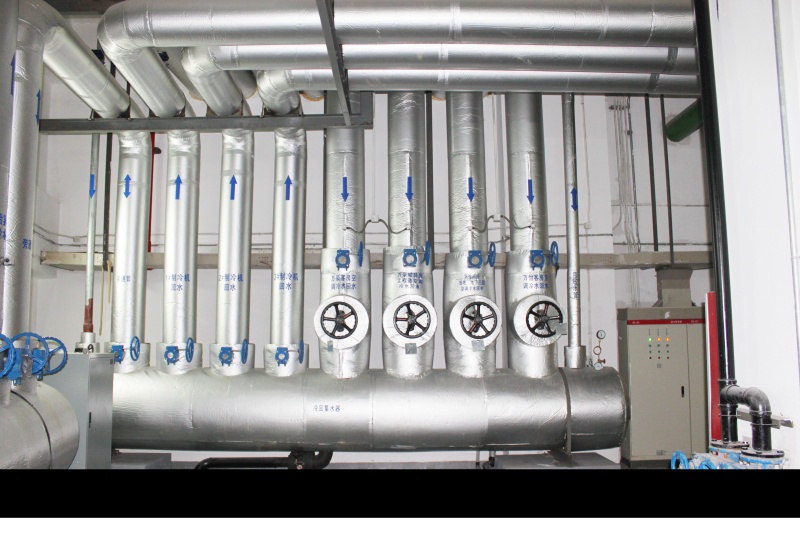
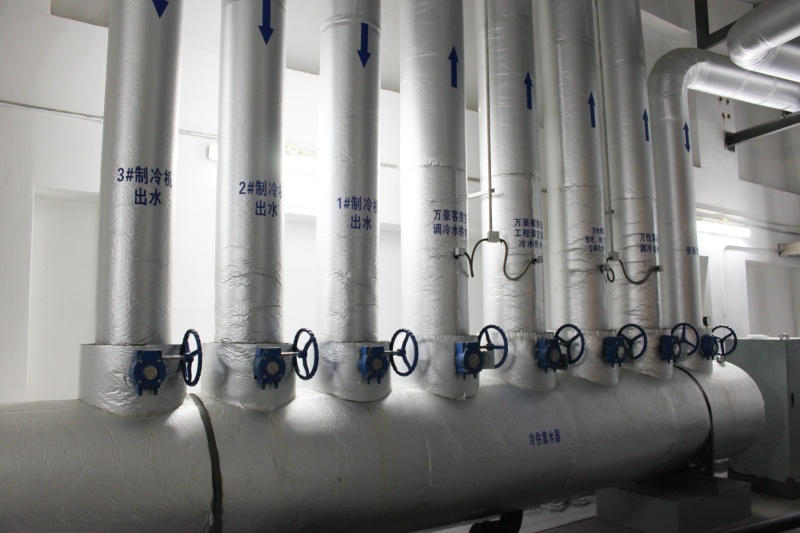
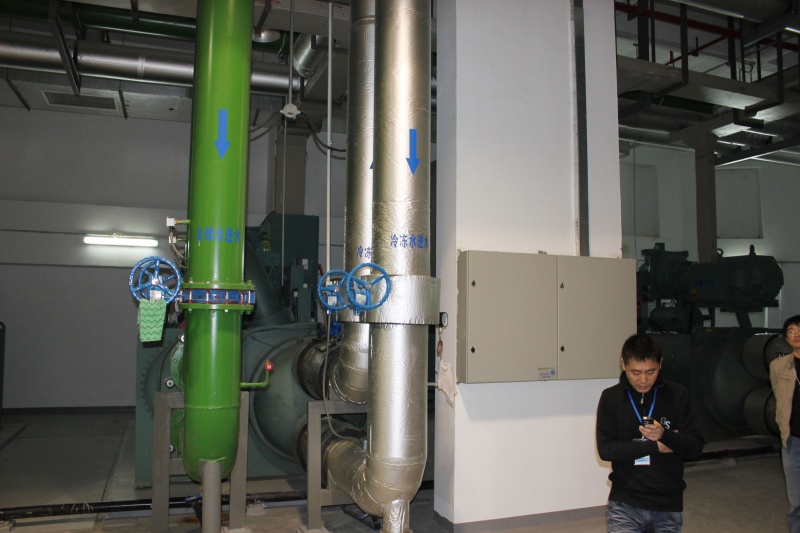
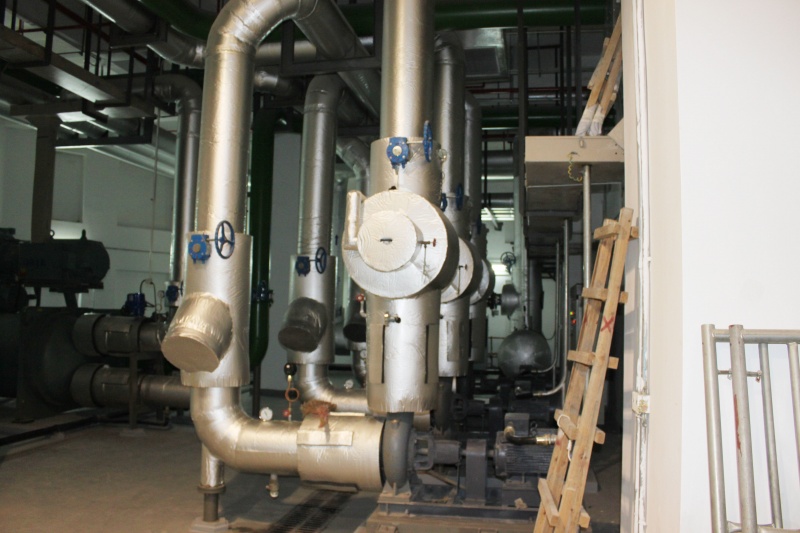
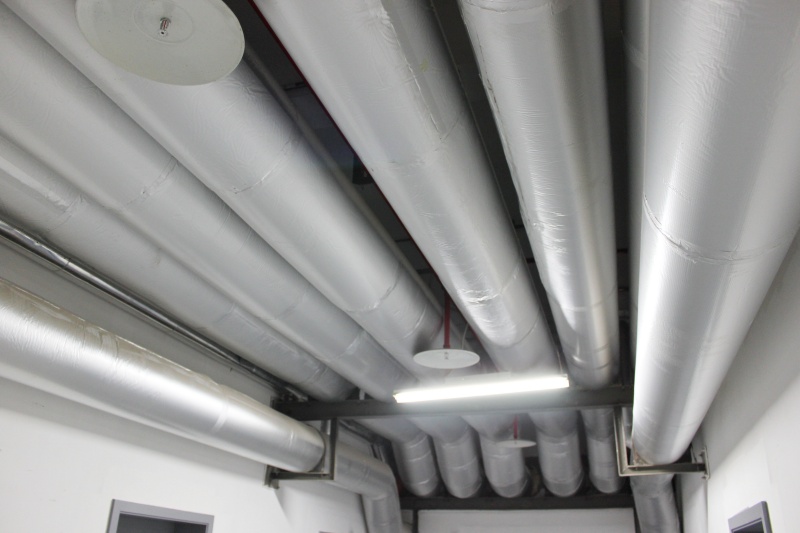

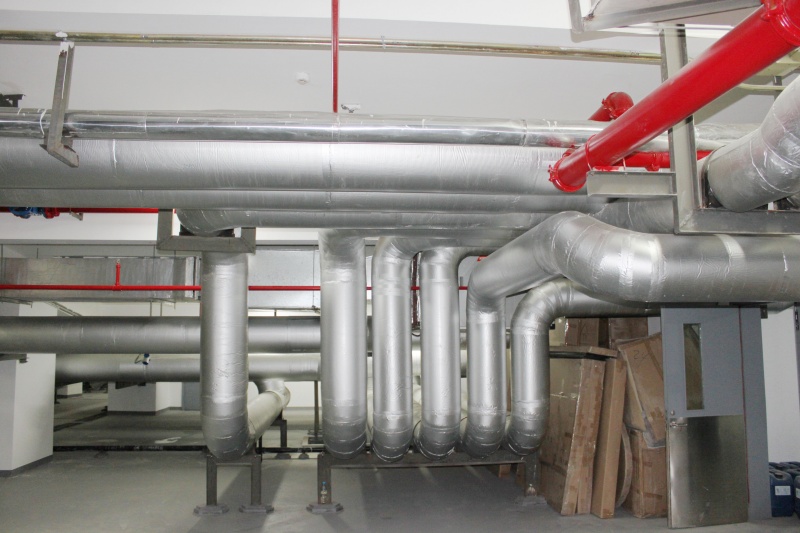

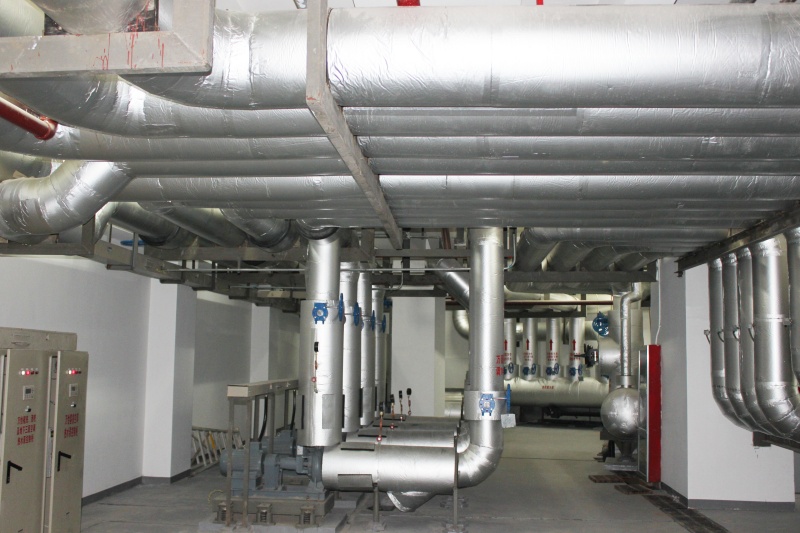
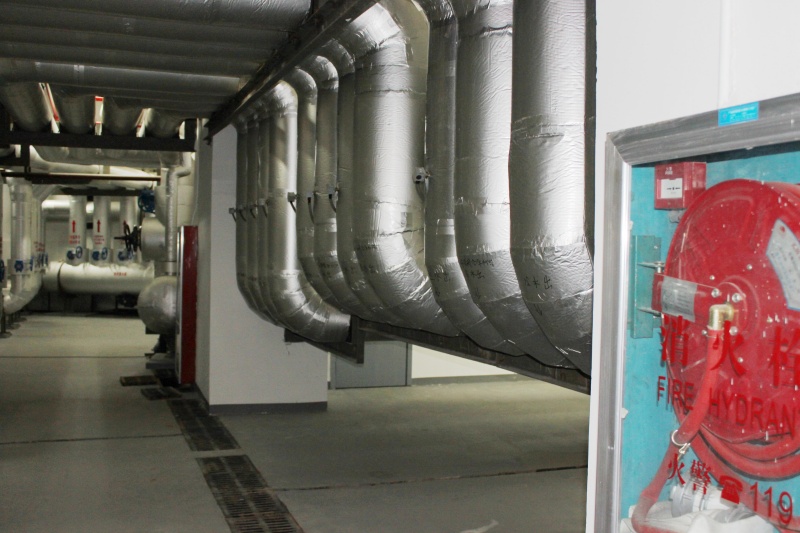
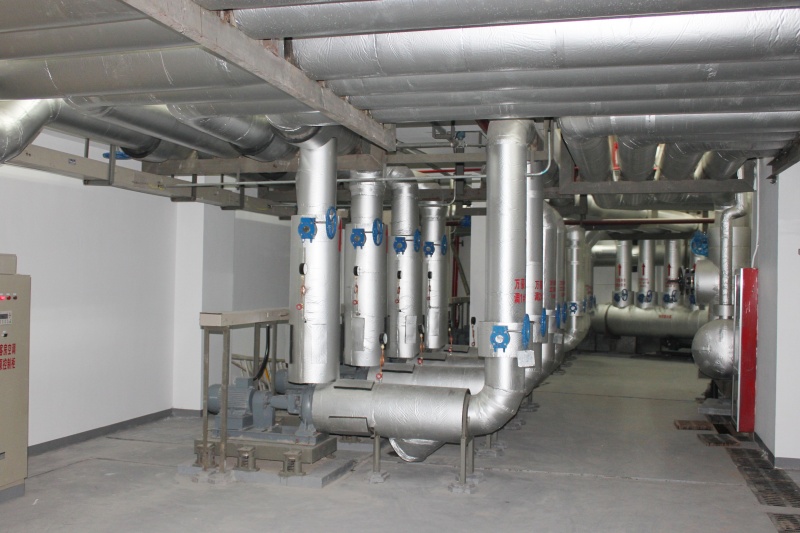
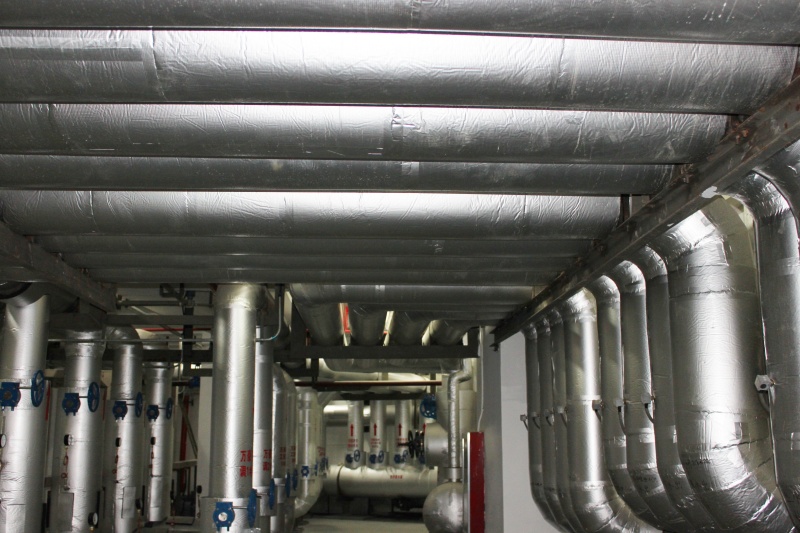
Kingflex Insulation Co., Ltd. is a professional manufacturing and trading combo for high-performance thermal insulation products. Our research, development, and production departments are located in Dacheng, China—a well-known capital for green building materials. We operate as an energy-saving, environmentally friendly enterprise focused on research, development, production, and sales.
In operation, Kingflex takes energy saving and consumption reduction as its core concept. We provide comprehensive insulation solutions through consulting, research and development, production, installation guidance, and post-sale service, leading the development of the global building materials industry.
Our Team: Our employees are talented professionals who work together to support a shared vision of delivering first-class service to our clients. Our facility includes eight professional engineers in the R&D Department, six dedicated international sales specialists, and 230 workers in our production department.





Technical and procurement answers from Kingflex engineering specialists.
Need assistance with thermal loss calculations, ASTM compliance reviews, or custom thickness specifications? Our technical team is available to help design your system configuration.
Submit Project SpecificationsHigh-durability insulation sheets, pipes, and panels engineered for extreme temperatures and noise reduction.


 Kingflex