Explore our premium grade thermal, acoustic, and cryogenic rubber-plastic insulation products configured for global standards.
Modern industrial architectures and complex building infrastructures demand advanced thermal management systems to counter energy losses, mitigate greenhouse gases, and ensure processing safety. As HVAC installations, cryogenic systems, and global processing lines grow, Tubular Sleeve Pipe Insulation has transitioned from standard building utilities to mission-critical infrastructure components.
Global architectural, environmental, and chemical codes require strict limits on thermal conductivity (k-value) and strict ratings on flame spread. NBR/PVC elastomeric rubber foams represent the modern frontier. Their closed-cell structural integrity ensures minimal thermal bridging, low moisture permeability, and high resistance to structural degradation caused by environmental moisture.
Understanding the molecular properties of high-quality elastomeric insulation compared to traditional options.
With an extremely low k-value across typical operating ranges (-40℃ to 105℃), NBR/PVC prevents thermal transfer, conserving energy in HVAC and industrial systems.
Unlike open-cell structures, Kingflex's closed-cell configuration locks dry air within individual micro-cells, preventing moisture absorption and maintaining stable, long-term k-values.
Built-in water vapor resistance eliminates the need for separate outer vapor barriers, significantly lowering installation and maintenance costs.
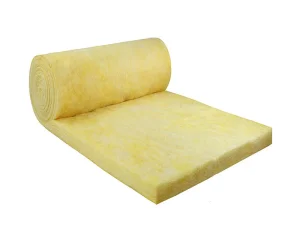
Traditional fiberglass and rock wool insulation are well-suited for high-temperature ranges but struggle in humid environments or on cold surfaces due to vapor transmission. Once moisture penetrates these fibrous systems, their insulation value drops significantly, which can lead to corrosion under insulation (CUI).
Advanced NBR/PVC elastomeric rubber solves this issue. The flexible rubber sleeve wraps tightly around piping, leaving no air gaps. Its high elastic recovery accommodates thermal expansion and contraction without cracking or separating, ensuring continuous thermal protection for building services, HVAC, and industrial processes.
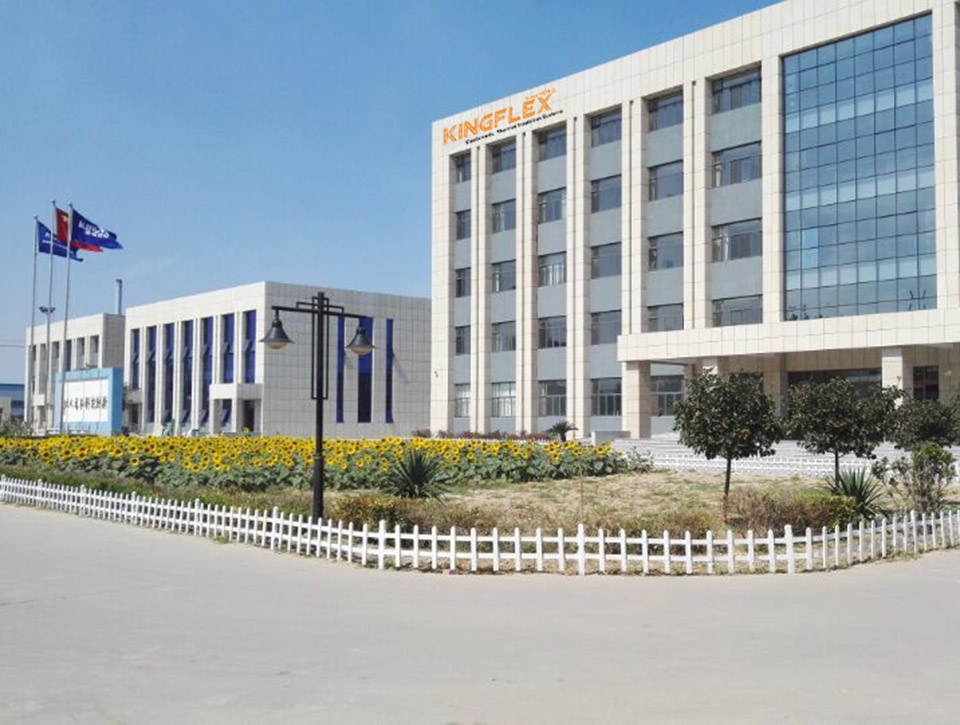
A look at Kingflex's modern production facilities and global export footprint.
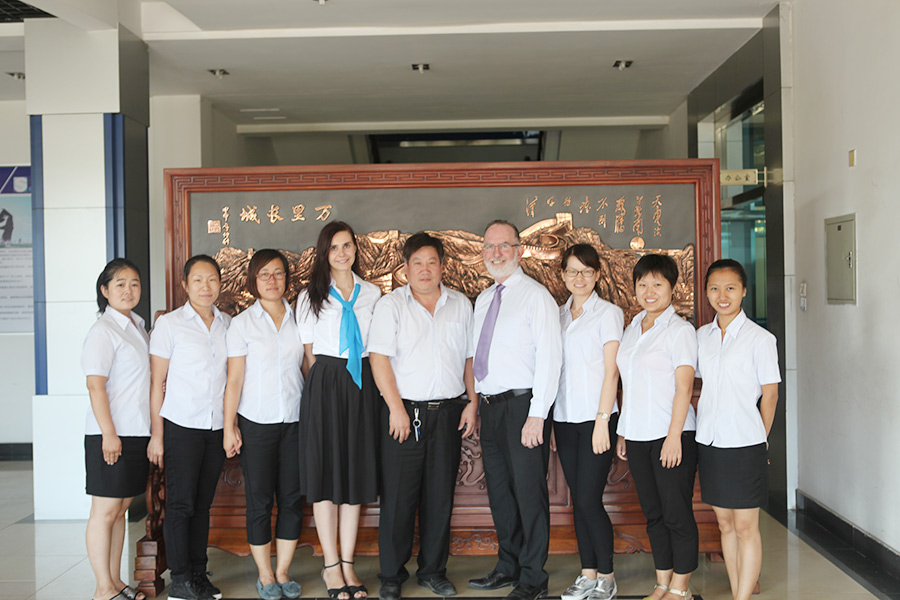
Located in Dacheng, China—a hub for green building materials—Kingflex operates five automated assembly lines. Our facilities integrate raw material processing, continuous extrusion, and computerized curing ovens to ensure uniform wall thickness and cell distribution across all production runs.
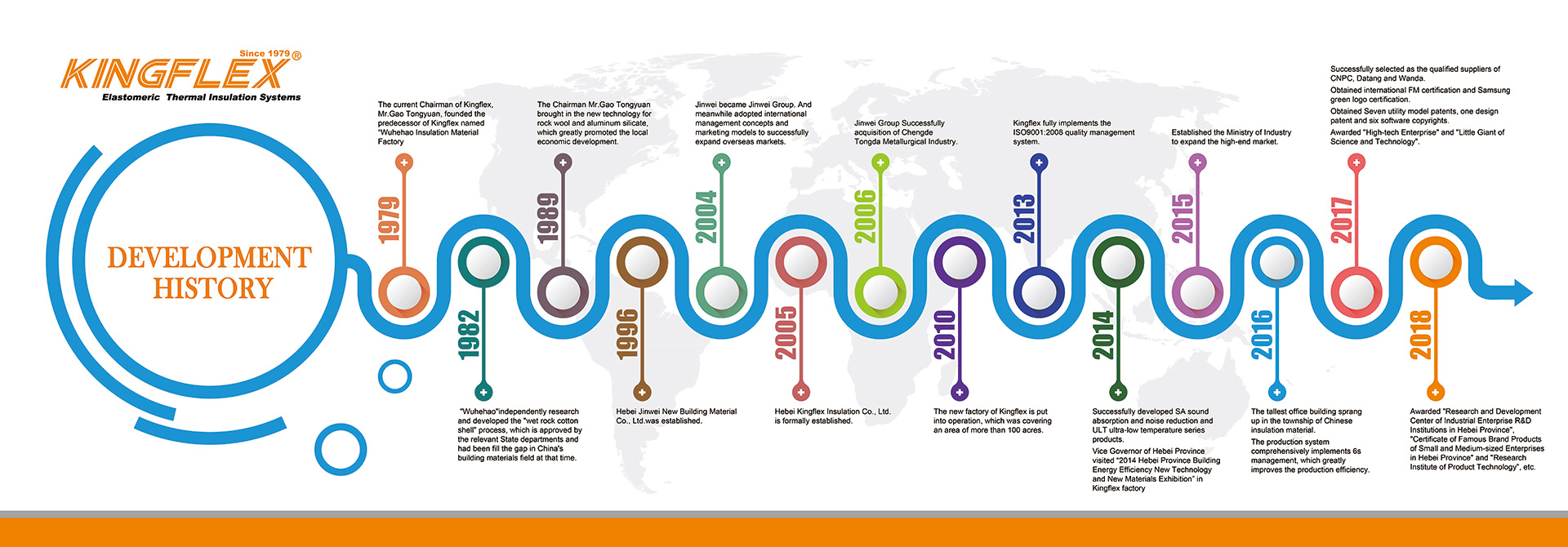
With an annual capacity of over 600,000 cubic meters, Kingflex is a designated supplier for major energy, chemical, and power projects, exporting to more than 66 countries over the past 16 years.

Leveraging state-of-the-art facilities to deliver premium-grade insulation worldwide.
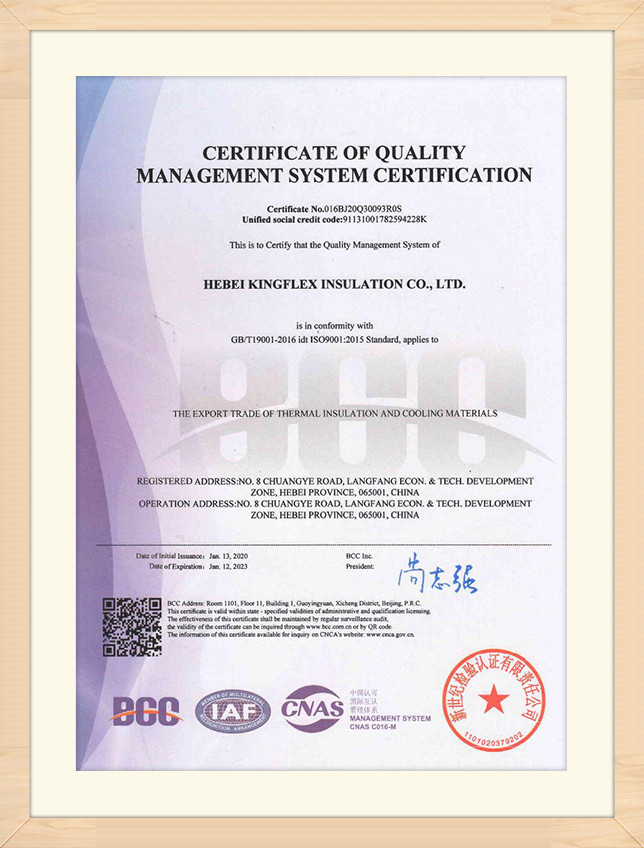
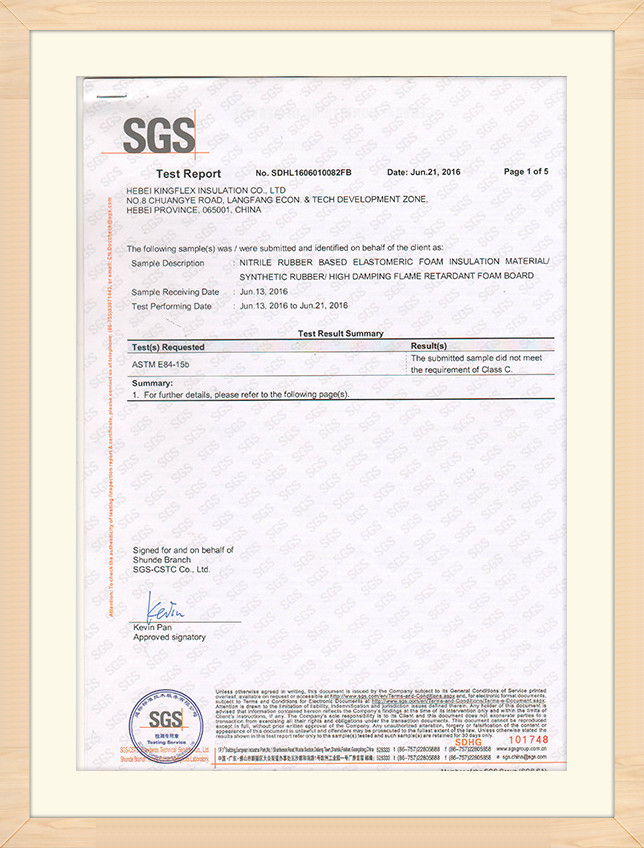
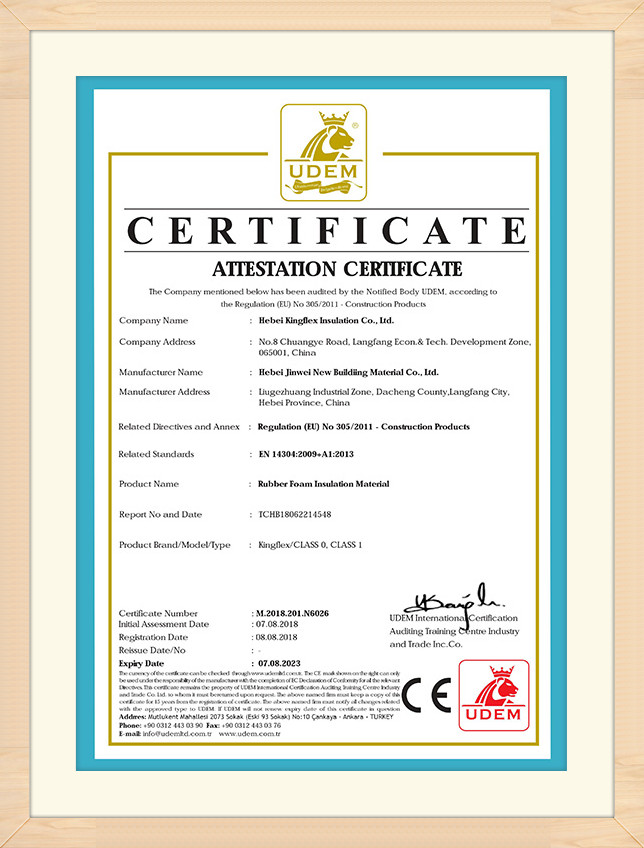
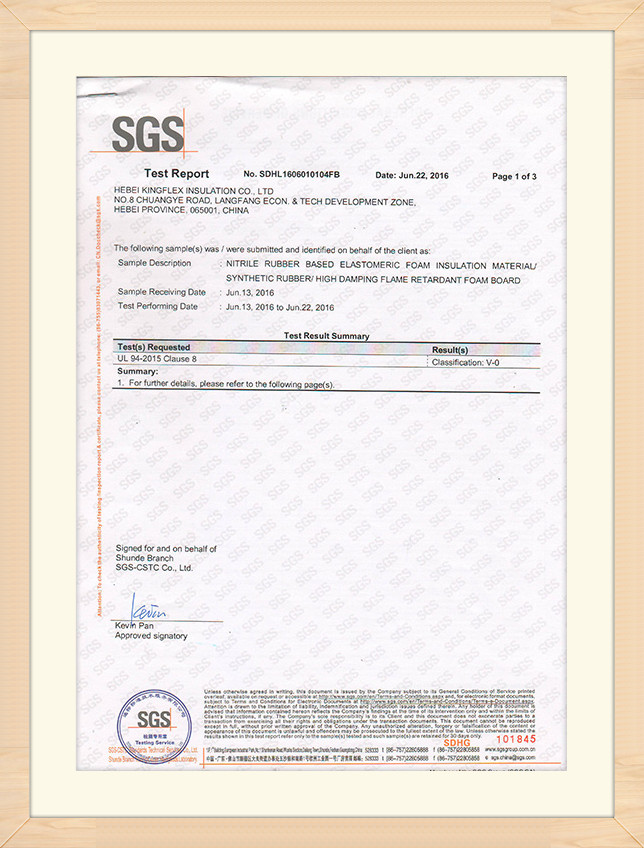

Comprehensive parameter matrix for engineers, consultants, and procurement managers.
| Property | Kingflex Elastomeric Tube Standard | Testing Standard reference |
|---|---|---|
| Material Composition | Nitrile Butadiene Rubber / Polyvinyl Chloride (NBR/PVC) blend | - |
| Temperature Limits | -40℃ to +105℃ (-40°F to 221°F) | ASTM C534 |
| Thermal Conductivity | ≤ 0.034 W/(m·k) at 0℃ | ASTM C177 / C518 |
| Water Vapor Permeability | μ-factor ≥ 10,000 (moisture diffusion resistance) | BS EN 12086 |
| Fire Performance | Flame Retardant, self-extinguishing off fire | BS 476 Part 6 & 7 / UL 94 |
| Density Range | 40 to 55 kg/m³ (controlled foaming process) | ASTM D1622 |
| Compression Resilience | ≥ 80% recovery rate | ASTM D1056 |
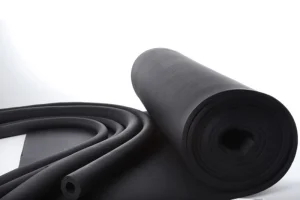
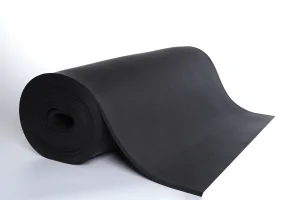
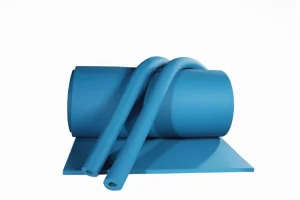
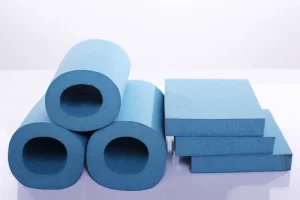
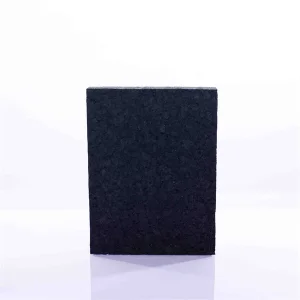
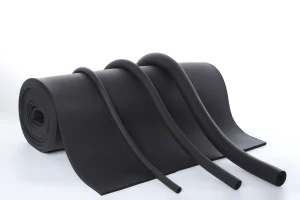
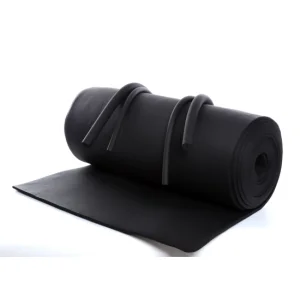
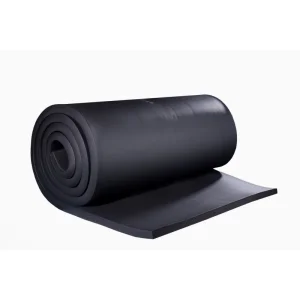
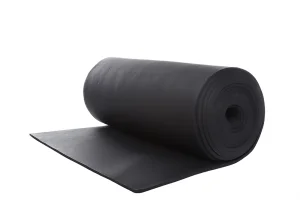
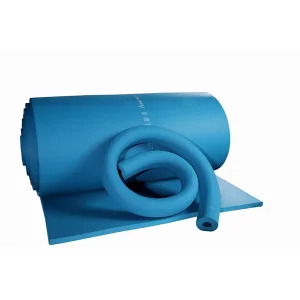
Designed for large-diameter pipes, ductwork, and flat surfaces, our sheet rolls provide clean, continuous coverage. The flexible NBR/PVC blend resists tearing during installation, making it well-suited for demanding architectural layouts.

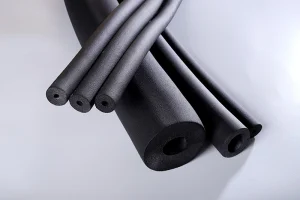
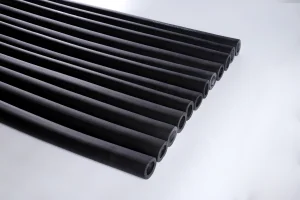
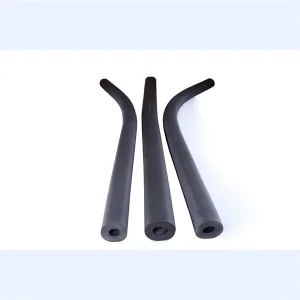
Specifically extruded to wrap around copper, steel, and plastic piping systems, our tubular sleeves feature uniform cell walls and consistent sizing to ensure clean joints and reliable thermal performance.
Verifying performance and quality standards through real-time communication logs and global projects.




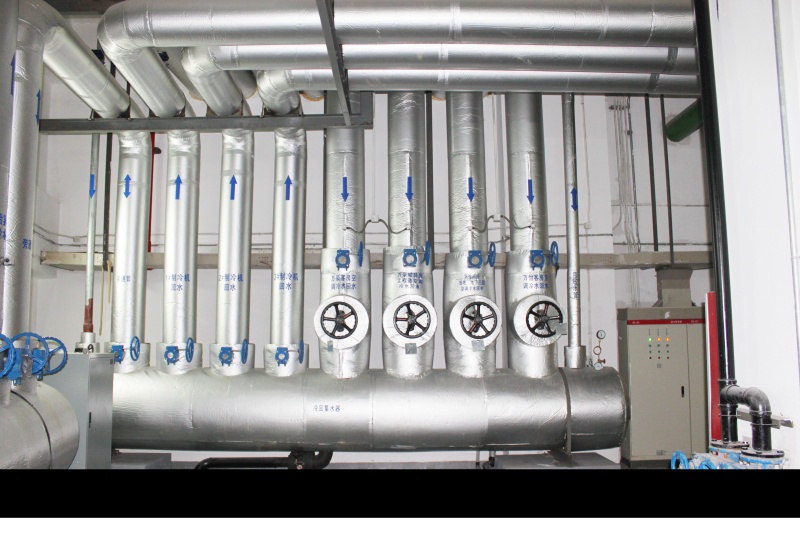
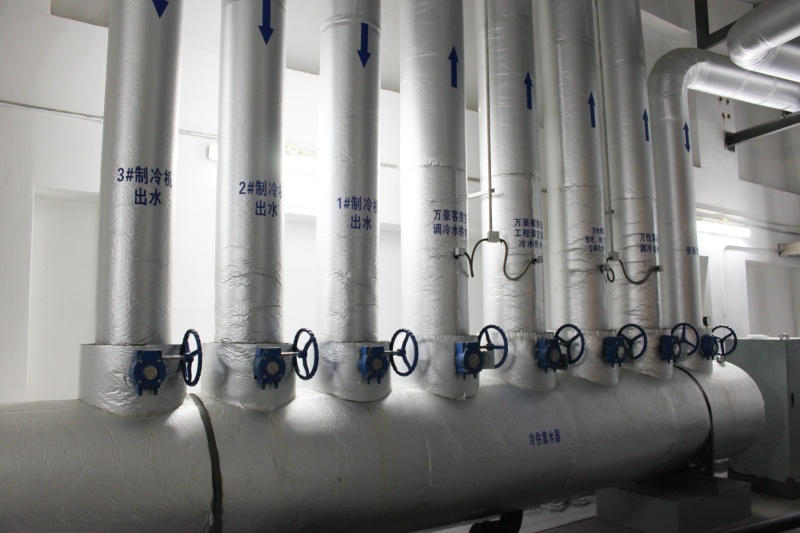
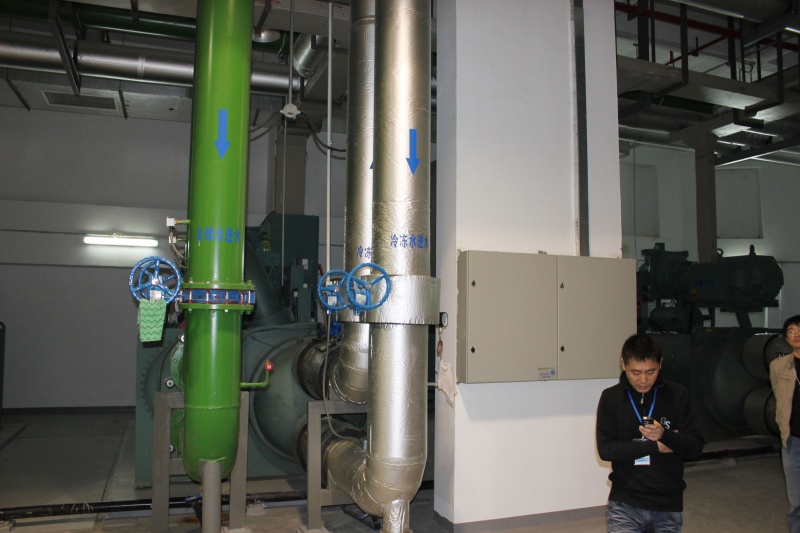
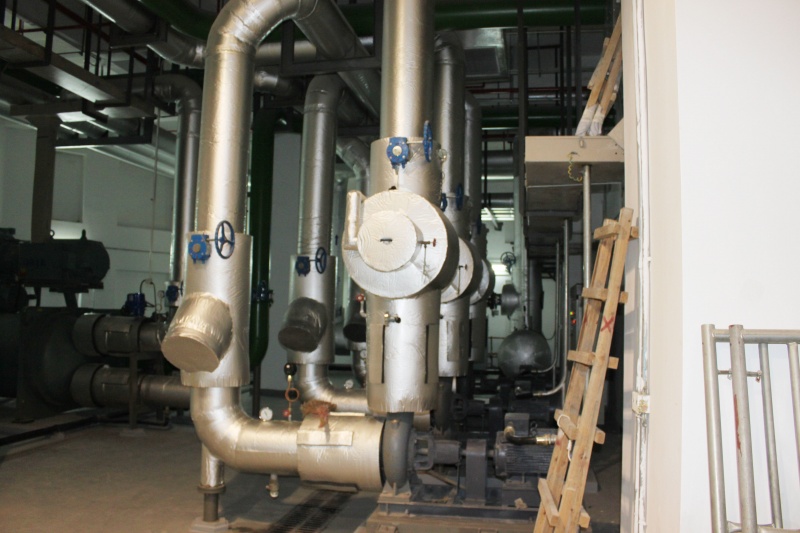
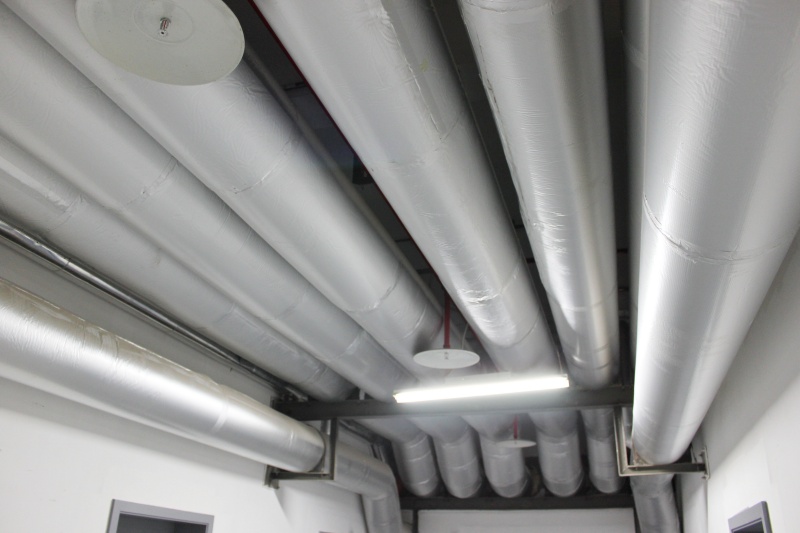
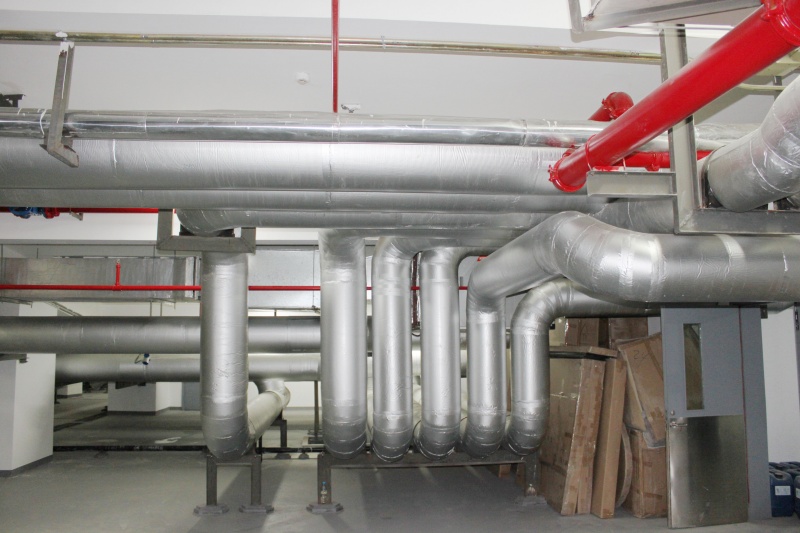
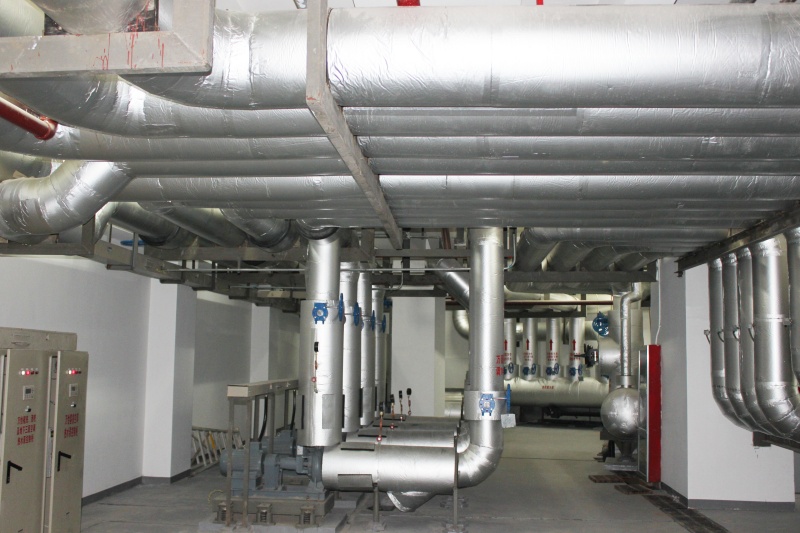
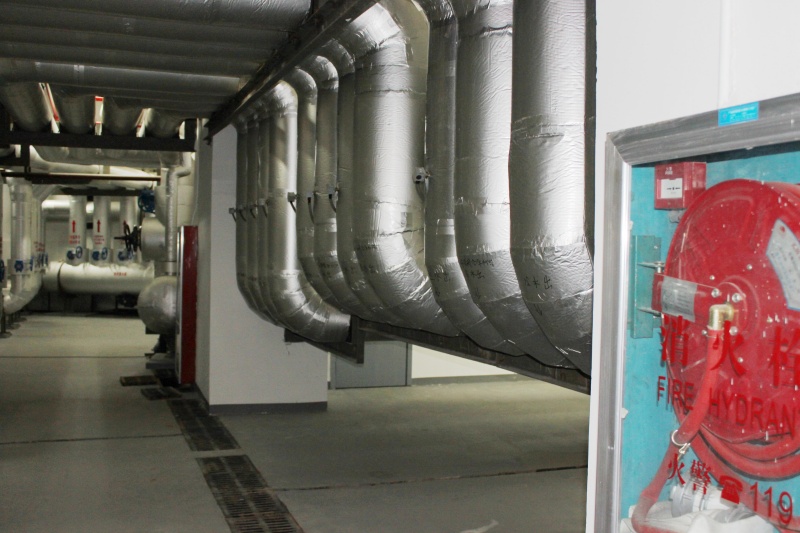
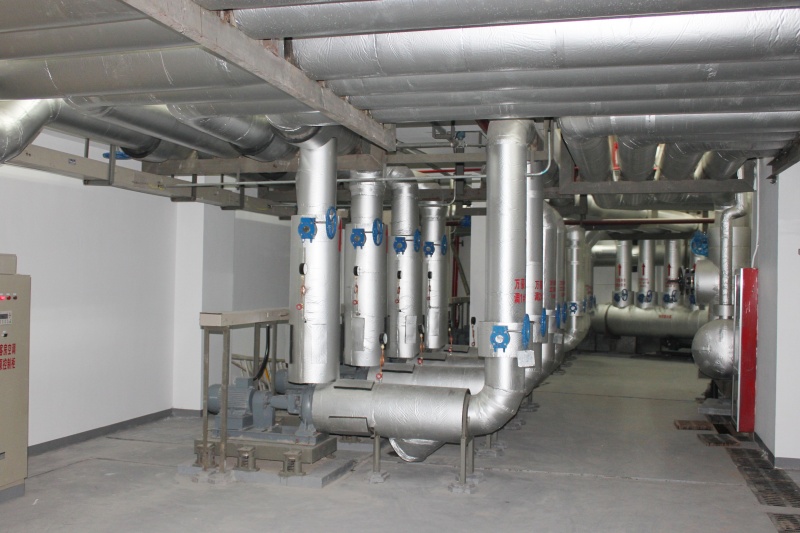
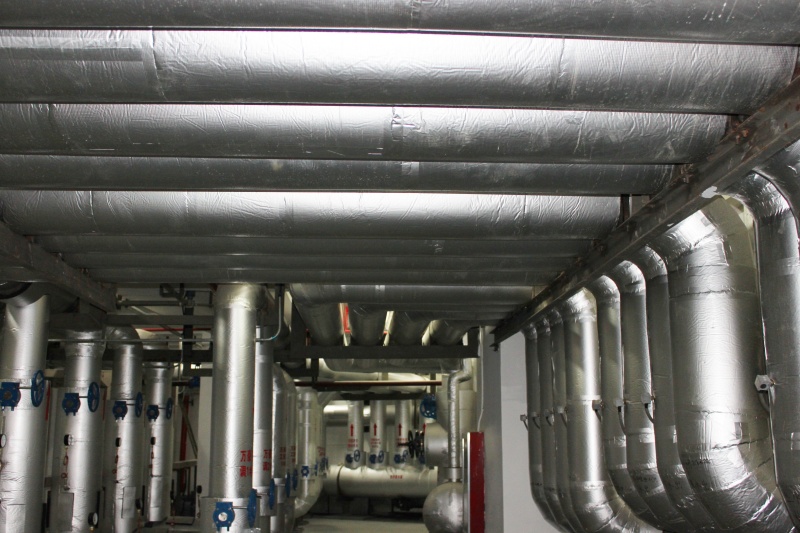
Our insulation materials are installed in high-performance mechanical rooms, HVAC systems, and chemical lines worldwide.
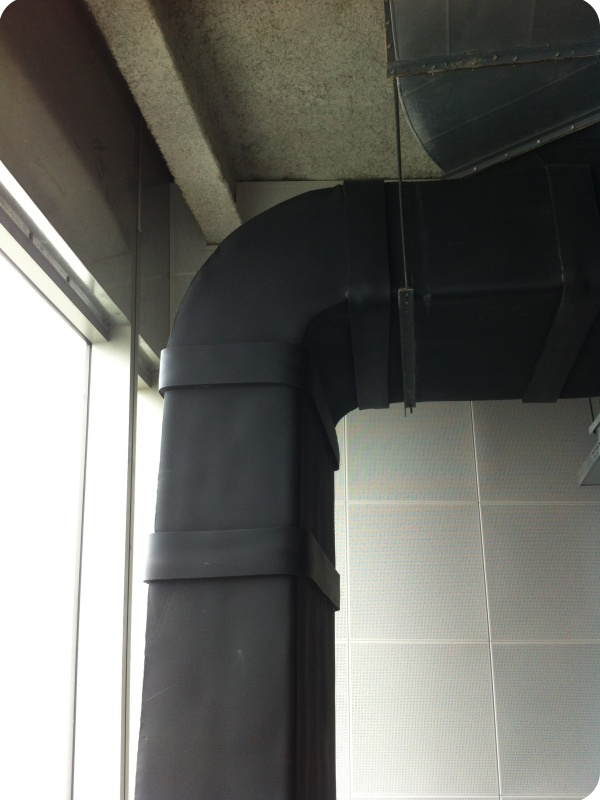

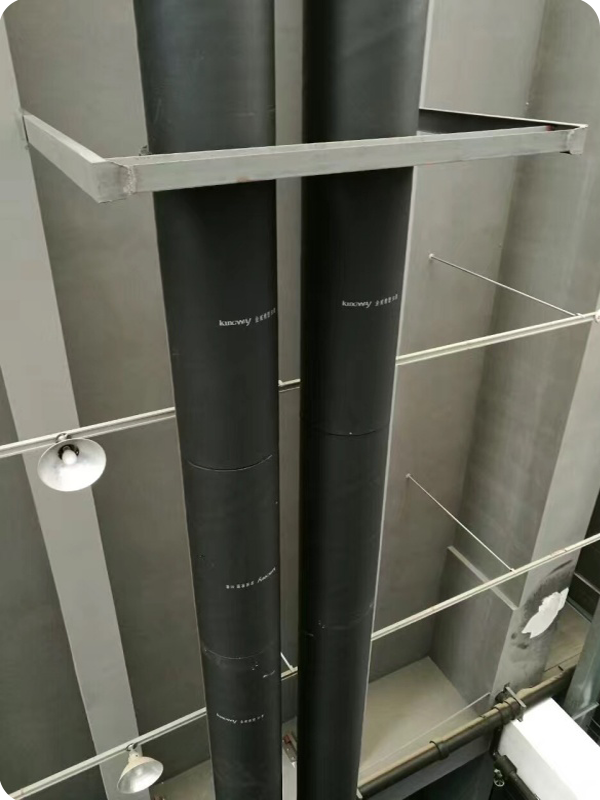
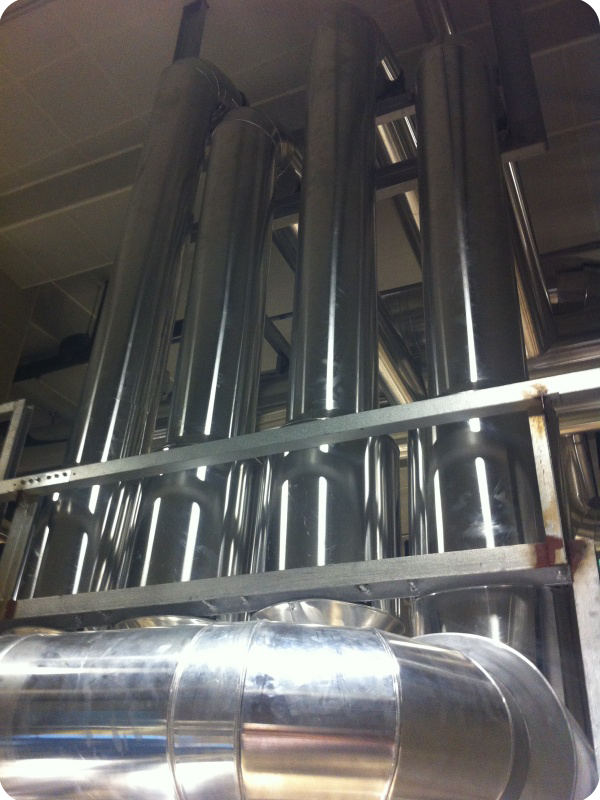
Technical details for installation and maintenance across diverse architectural environments.
Installed on chilled water and condensate lines to manage condensation and prevent thermal loss. The elastomeric material maintains line temperatures to reduce continuous chiller load.
Dust-free, fiber-free structures are ideal for cleanroom applications, preventing airborne contaminants and supporting hygienic requirements.
Maintains low thermal conductivity at extremely low temperatures, protecting cryogenic pipelines and ULT systems from ice build-up and structural stress.
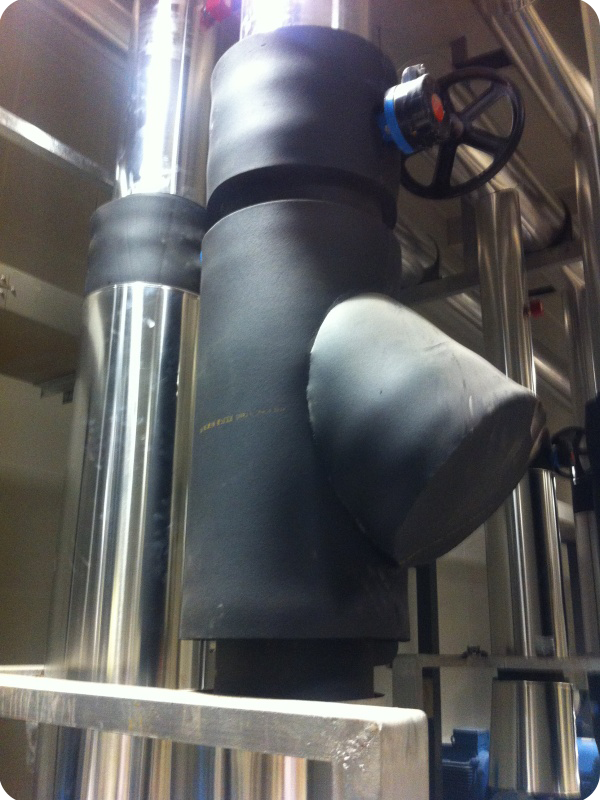
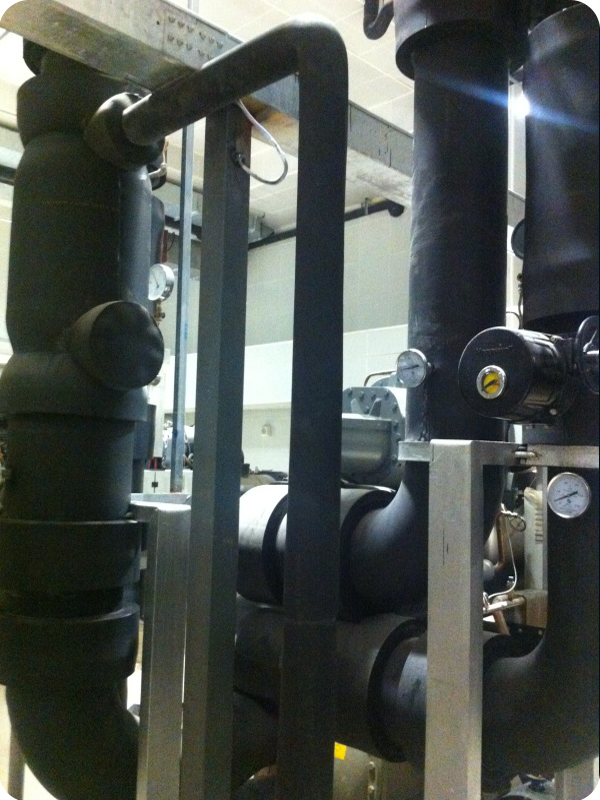

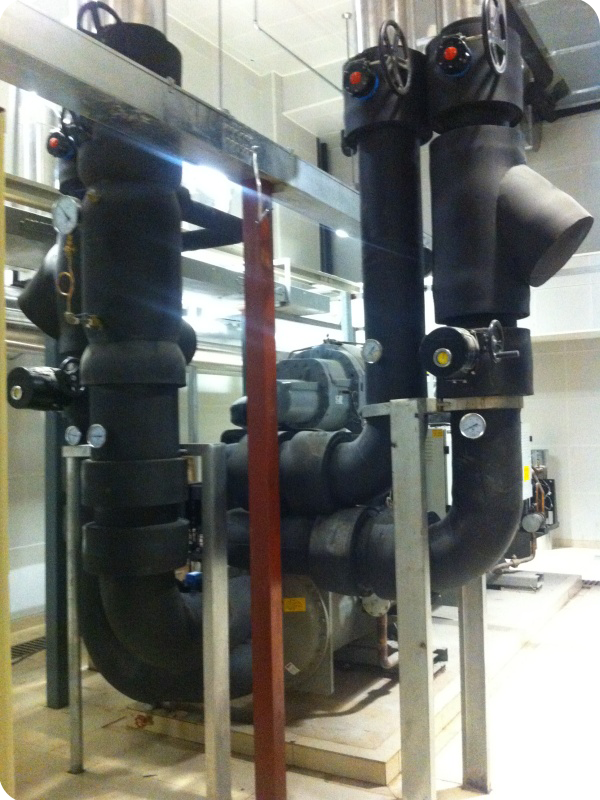
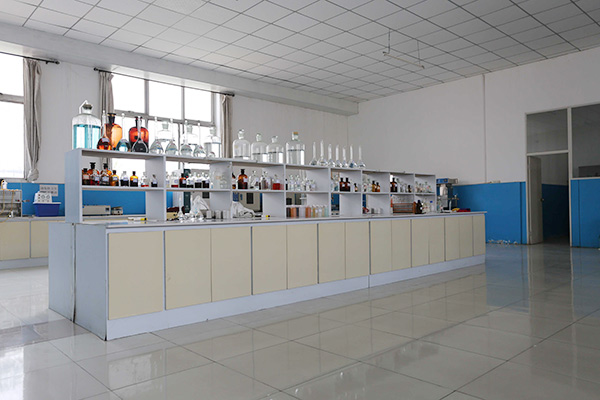
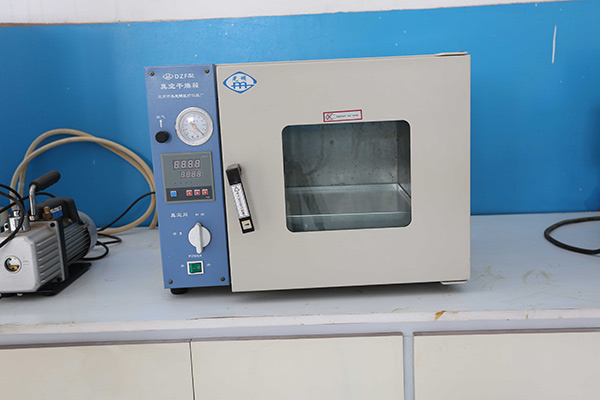
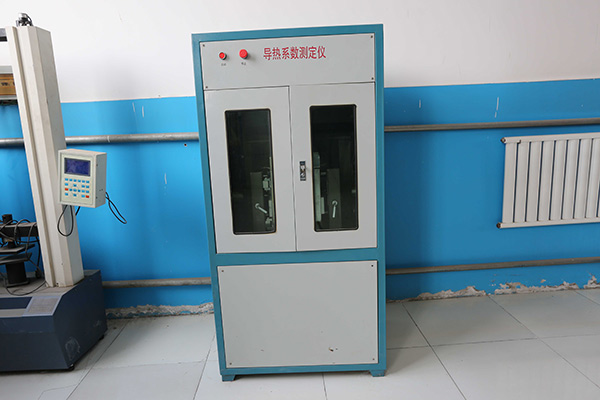
A closer look at Kingflex's quality control, testing procedures, and warehouse processes.


Common technical and logistical questions answered by our engineering and sales teams.
Explore our range of matching accessories, cryogenic tubes, and high-density sheets.
For specific structural parameters, custom bulk pricing, or testing reports, please contact our technical sales team.
 Kingflex