Premium glass wool and elastomeric thermal barrier products specified for Flanders, Wallonia, and Brussels projects.
In the context of the European Green Deal and Belgium’s regional climate action plans (Flemish Energy and Climate Agency - VEKA, Walloon Air Climate Energy Agency - AwAC, and Brussels Environment), thermal insulation standards have reached unprecedented stringency. With building retrofits and low-energy industrial operations taking center stage, selecting the appropriate insulation materials is no longer just about thermal resistance—it is a compliance blueprint.
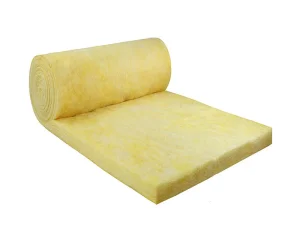
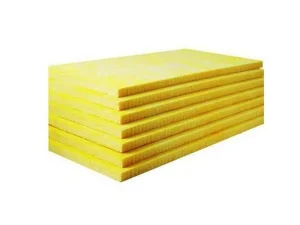
Glass wool insulation (composed of up to 80% recycled glass cullet) aligns seamlessly with Belgium's transition towards circular architecture. Architects and EPC contractors in regions like Antwerp, Ghent, and Liege prioritize glass wool due to its unparalleled lifecycle balance, structural stability, and superior acoustic decoupling. In densely populated urban areas across Brussels and Antwerp, noise attenuation inside multi-family dwellings and industrial complexes is highly regulated. Glass wool’s open porous structure efficiently absorbs acoustic energy, solving both acoustic and thermal criteria within a single product layer.
Furthermore, Belgium’s commercial and public sectors enforce strict fire safety protocols (NBN EN 13501-1). Glass wool insulation carries an Euroclass A1 or A2 non-combustible rating, rendering it the safest option for high-rise commercial structures, hospitals, and educational facilities throughout the country.
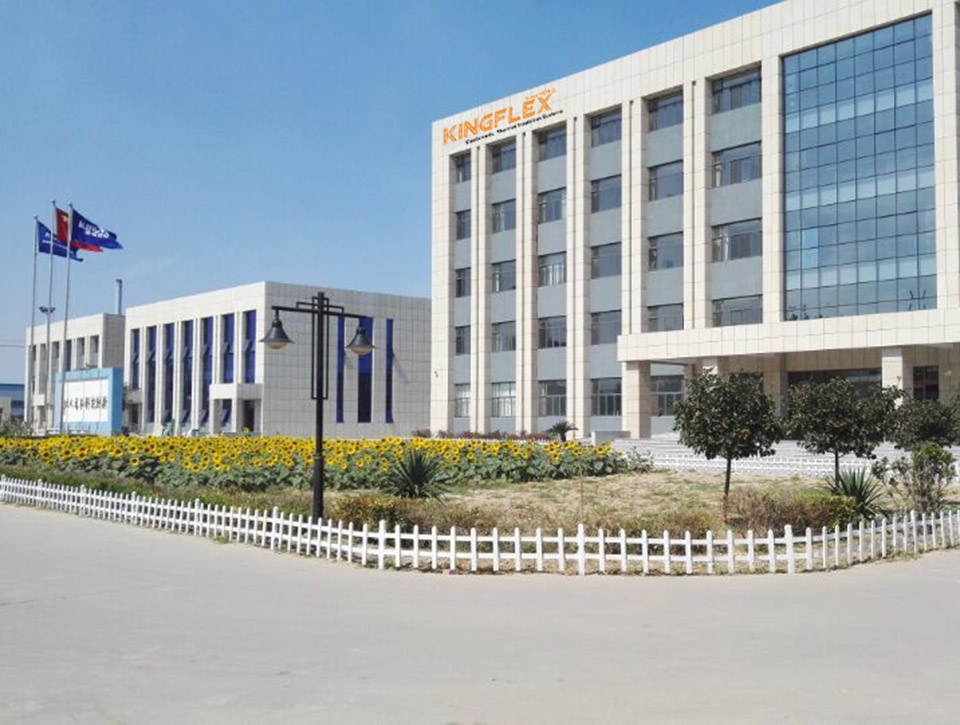
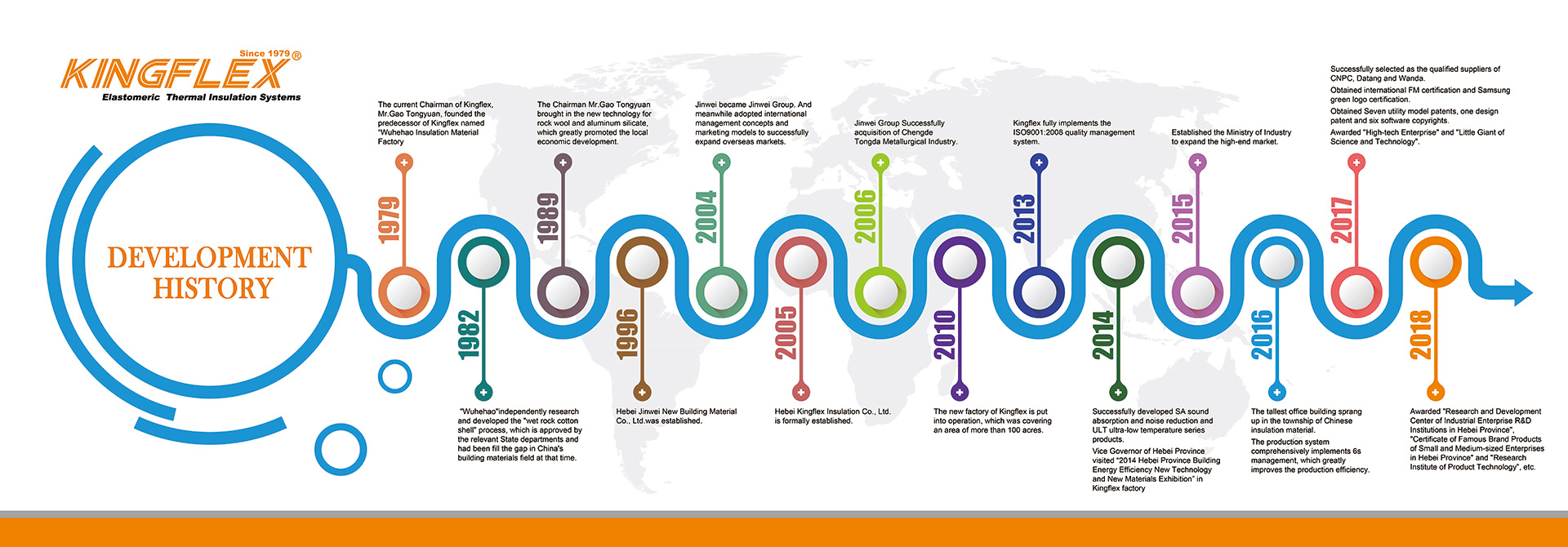
How Kingflex Insulation Co., Ltd. delivers institutional-grade quality and cost efficiencies to global supply chains.
Established as an elite manufacturing and trading combo by the Jinwei Group (which carries a heritage dating back to 1979 as the pioneer of thermal insulation north of the Yangtze River), Kingflex has grown into a modernized enterprise dedicated to energy conservation. Our research and development center is situated in China's premier green-building materials capital in Dacheng. We combine advanced chemistry, computerized structural modeling, and automated production processes to manufacture glass wool and elastomeric rubber foam insulation systems.
Currently operating five high-speed, fully automated assembly lines, our facilities ensure stable production output. We are proud to be designated as an approved manufacturer by the Ministry of Energy, the Ministry of Electric Power, and the Ministry of Chemical Industry, serving municipal, residential, and ultra-high-temperature industrial projects worldwide.

Our dedicated research and engineering team at the Dacheng testing facility.
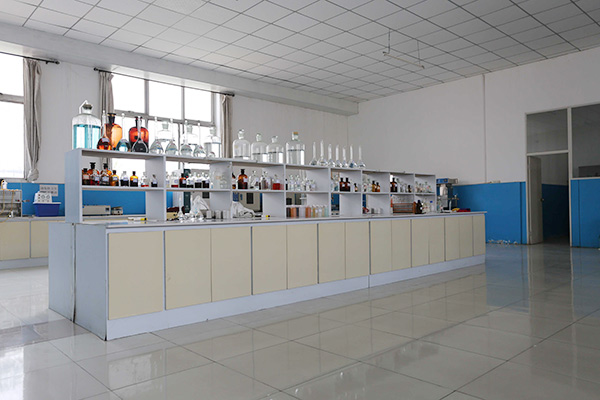
State-of-the-art testing systems verifying lambda and fire rating coefficients.
For industrial buyers, engineers, and construction managers, selecting the right material depends heavily on the operating temperatures, humidity profiles, and physical environments of the project. The table below represents standard testing variables observed under certified ASTM and EN testing guidelines.
| Performance Parameter | NBR/PVC Elastomeric Rubber Foam | High-Density Glass Wool Insulation |
|---|---|---|
| Operating Temp. Range | -40℃ to +105℃ | -120℃ to +400℃ |
| Thermal Conductivity (λ) | ≤ 0.035 W/(m·K) at 0℃ | ≤ 0.032 - 0.040 W/(m·K) at 20℃ |
| Closed-Cell Rate | > 98% | Open porous structure (Acoustic dominant) |
| Water Vapor Resistance (μ) | ≥ 7,000 (Built-in vapor barrier) | Requires external cladding/foil facing |
| Fire Safety Classification | Class B-s3, d0 (Euroclass) / UL94 V-0 | Euroclass A1 (Non-Combustible) / A2-s1,d0 |
| Primary Applications | HVAC, Chilled Water, Cold Chain, Cryogenics | Wall Cavities, Roofs, Drywall partitions, High-temp pipelines |
In municipal project bidding across Brussels and Flanders, projects must account for localized humidity and temperature conditions. While Glass Wool provides superior high-temperature limits and is highly recommended for building drywall, ventilated facades, and heavy-duty steam pipe setups, NBR/PVC Elastomeric Foam is optimal for condensation prevention in chilled water loops, air handling units (AHUs), and mechanical HVAC plumbing systems. Combining these materials allows HVAC designers to balance budget constraints, acoustic targets, and regulatory standards.
Purchasing thermal insulation systems at scale requires more than just low unit prices. Procurement managers must navigate international freight volatility, import tariffs, customs clearances at the Port of Antwerp-Bruges, and compliance paperwork. Kingflex removes these bottlenecks through standard quality control procedures and localized commercial support.
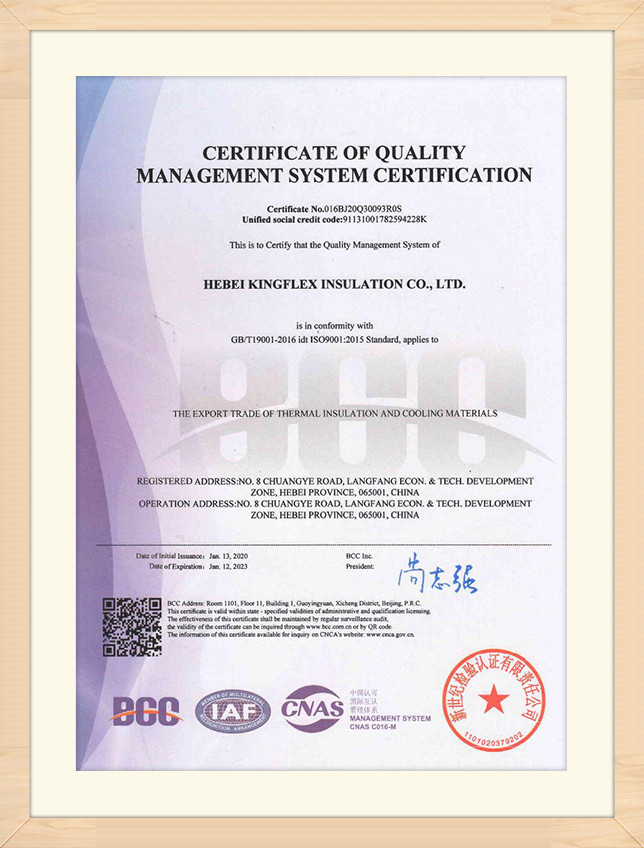
Our glass wool and rubber foam products conform to EN 13162, EN 14304, CE, REACH, RoHS, and ASTM standards. We provide complete testing reports for immediate submission to Belgian safety inspectors.
We work with global shipping lines to ensure smooth logistics routing directly to Antwerp or Zeebrugge. Vacuum compression technology is used for glass wool sheets to pack 3-4x more volume per container.
Every single batch undergoes quality verification before shipment. We label and log all batches to trace structural density, heat deflection, and flexural tensile properties.
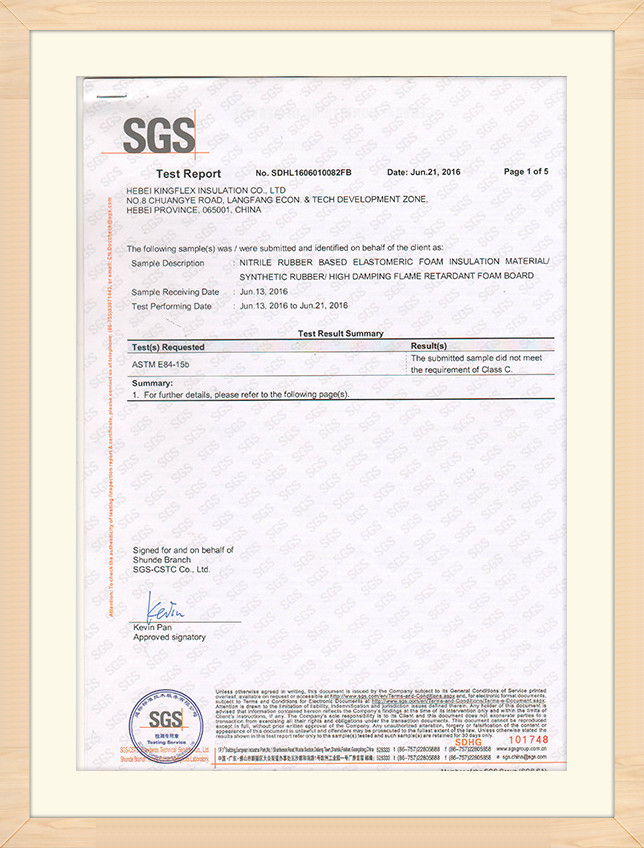
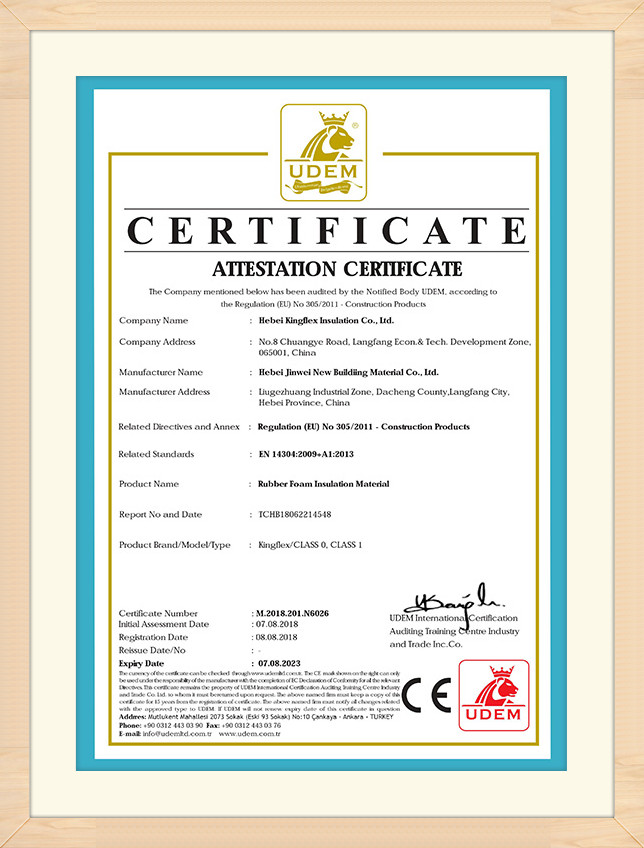
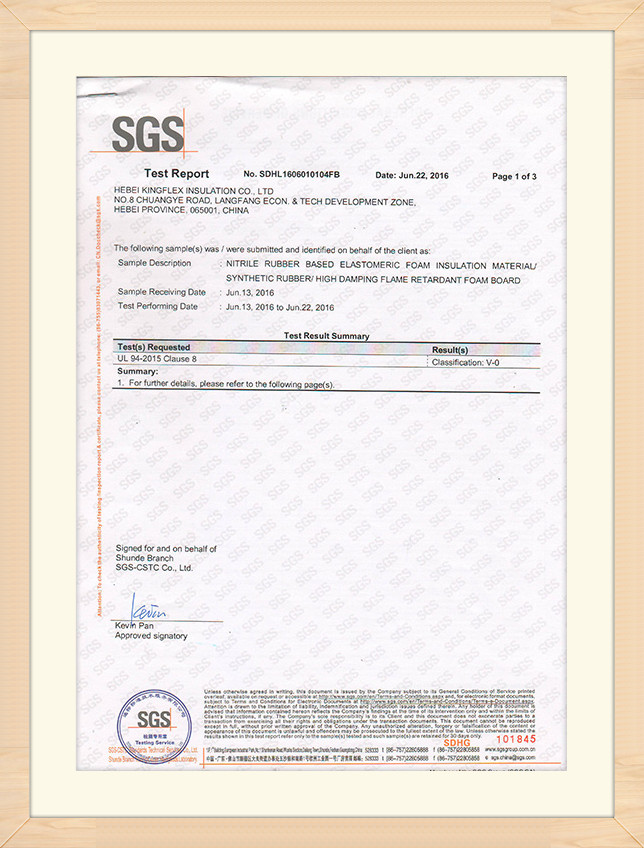
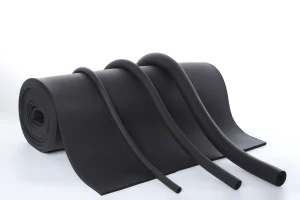
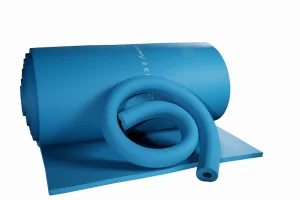
Our insulation systems are built around high-density formulations to maximize structural integrity and lifespan under extreme ambient conditions. Below are the physical profiles for our core elastomer configurations.
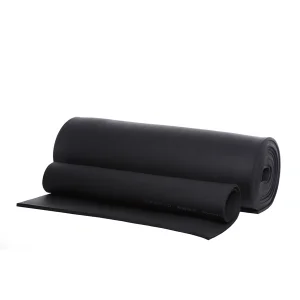
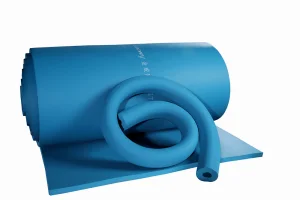
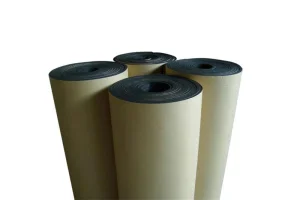
Material Structure: Closed-Cell NBR/PVC Blend
Thickness Available: 6mm - 50mm
Volumetric Density: 40 - 55 kg/m³
Service Temp. Range: -40℃ to +105℃
Primary Advantages: Uniform micro-cell structural matrix (98% closed rate); minimal long-term thermal drift; elastic structural bounce back (>80% recovery under standard compression test).
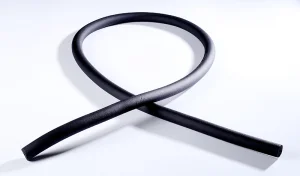
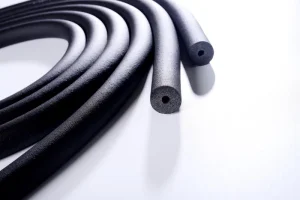
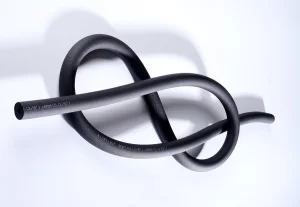
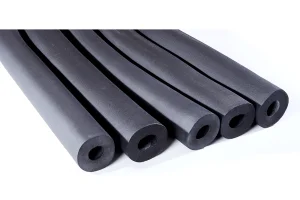
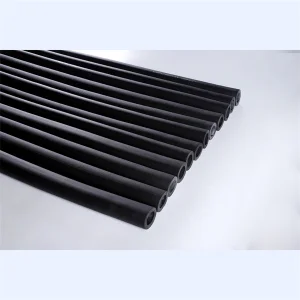
Material Structure: Extruded NBR/PVC Tube
Wall Thickness: 9mm - 40mm
Inner Diameter Range: 6mm - 114mm
Density Range: 40 - 55 kg/m³
Primary Advantages: Continuous extrusion process guarantees consistent wall density; smooth inner skin for friction-free mounting; reduces freezing and mechanical cracking on high-moisture piping systems.
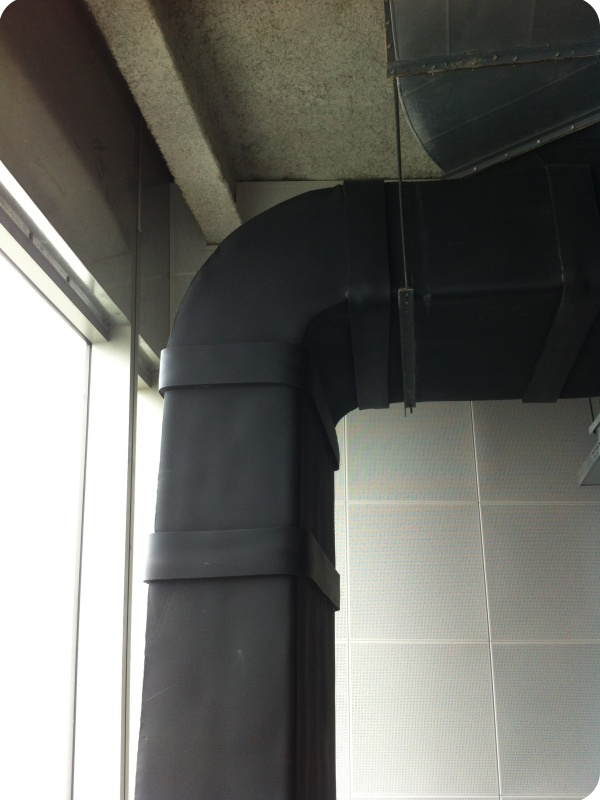
HVAC / Ducting: Air handling systems, duct wrap, thermal barrier lining.
Building Envelopes: Wall cavities, acoustics in partitions, ceiling insulation.
Industrial Process: Solar collectors, district heating, petrochemical pipes, LNG terminals.
Acoustics: Excellent mechanical vibration decoupling when wrapped around pipe channels and high-velocity duct networks.

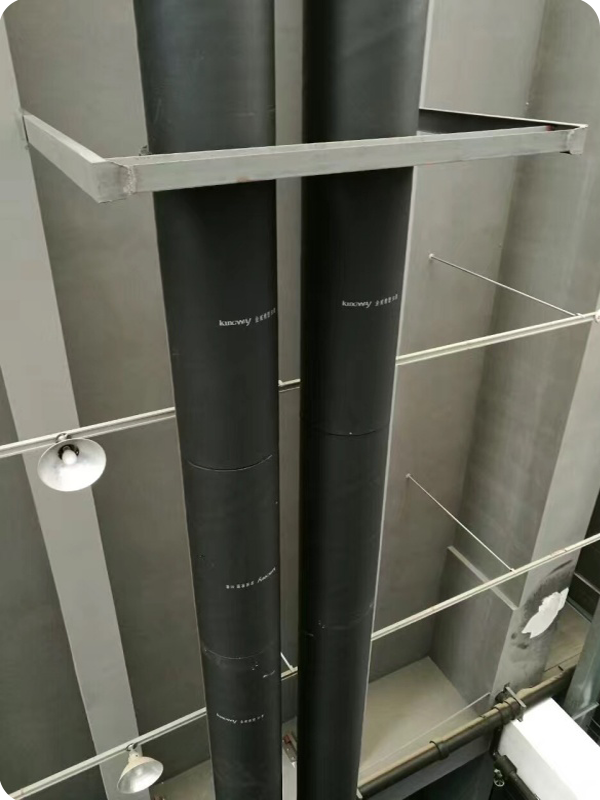
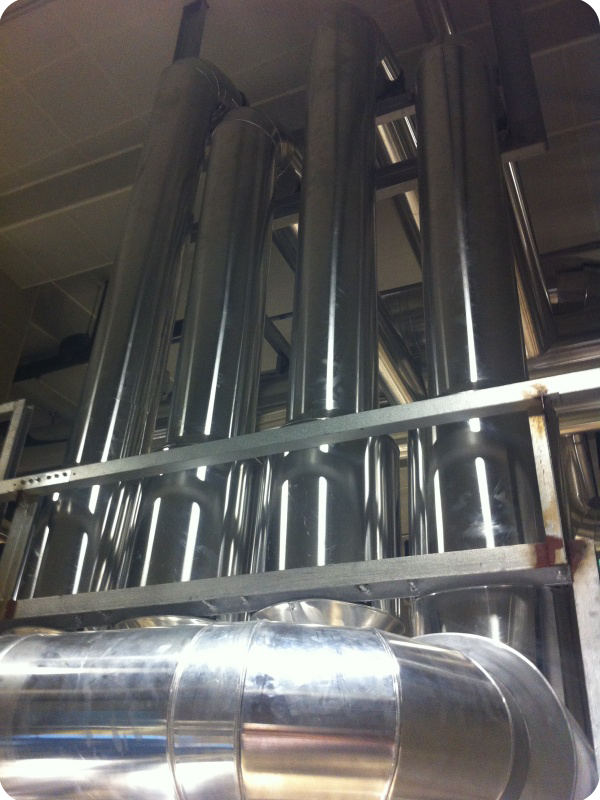
Detailed technical advice for engineering firms, distributors, and site managers regarding Kingflex insulation products.
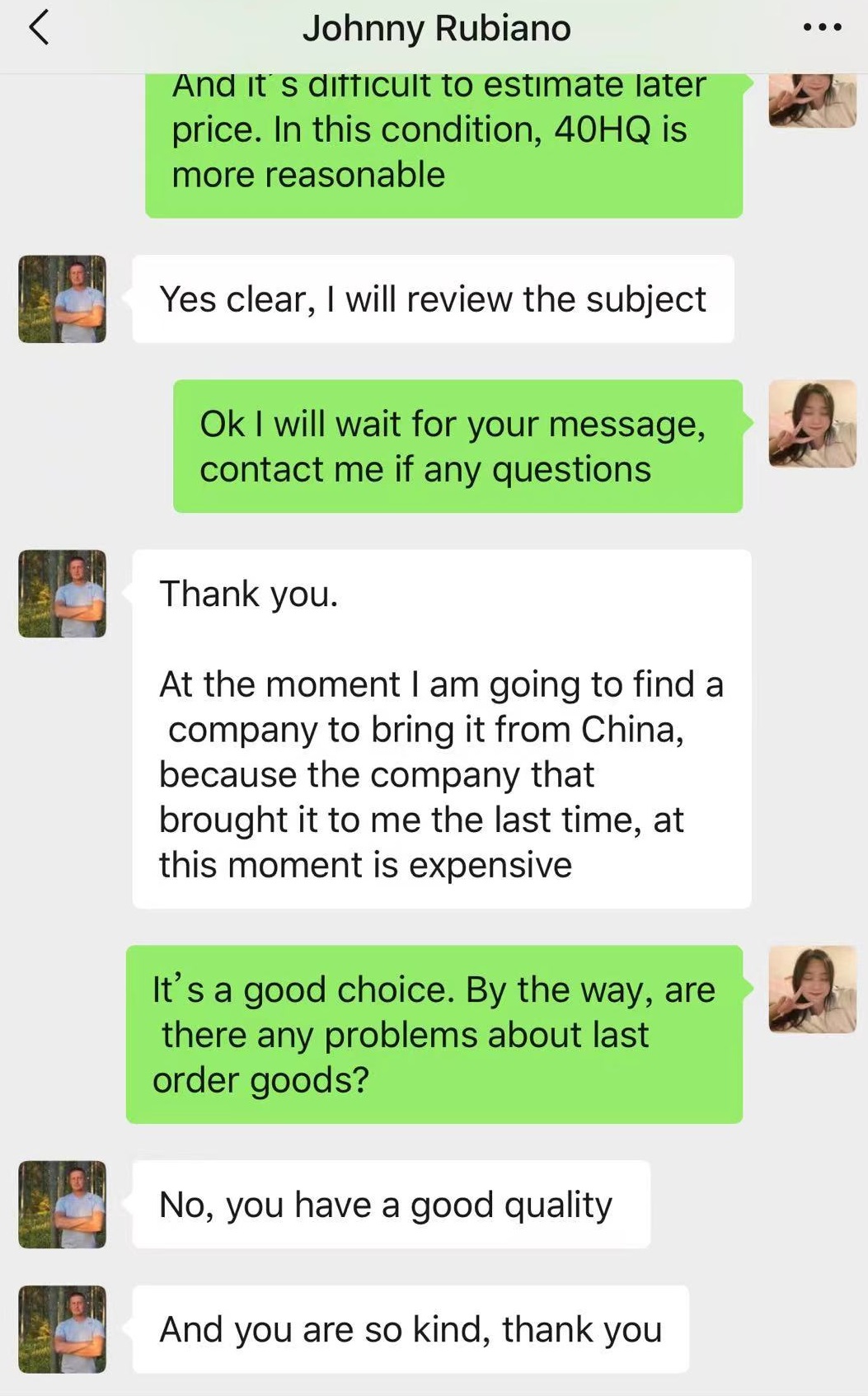
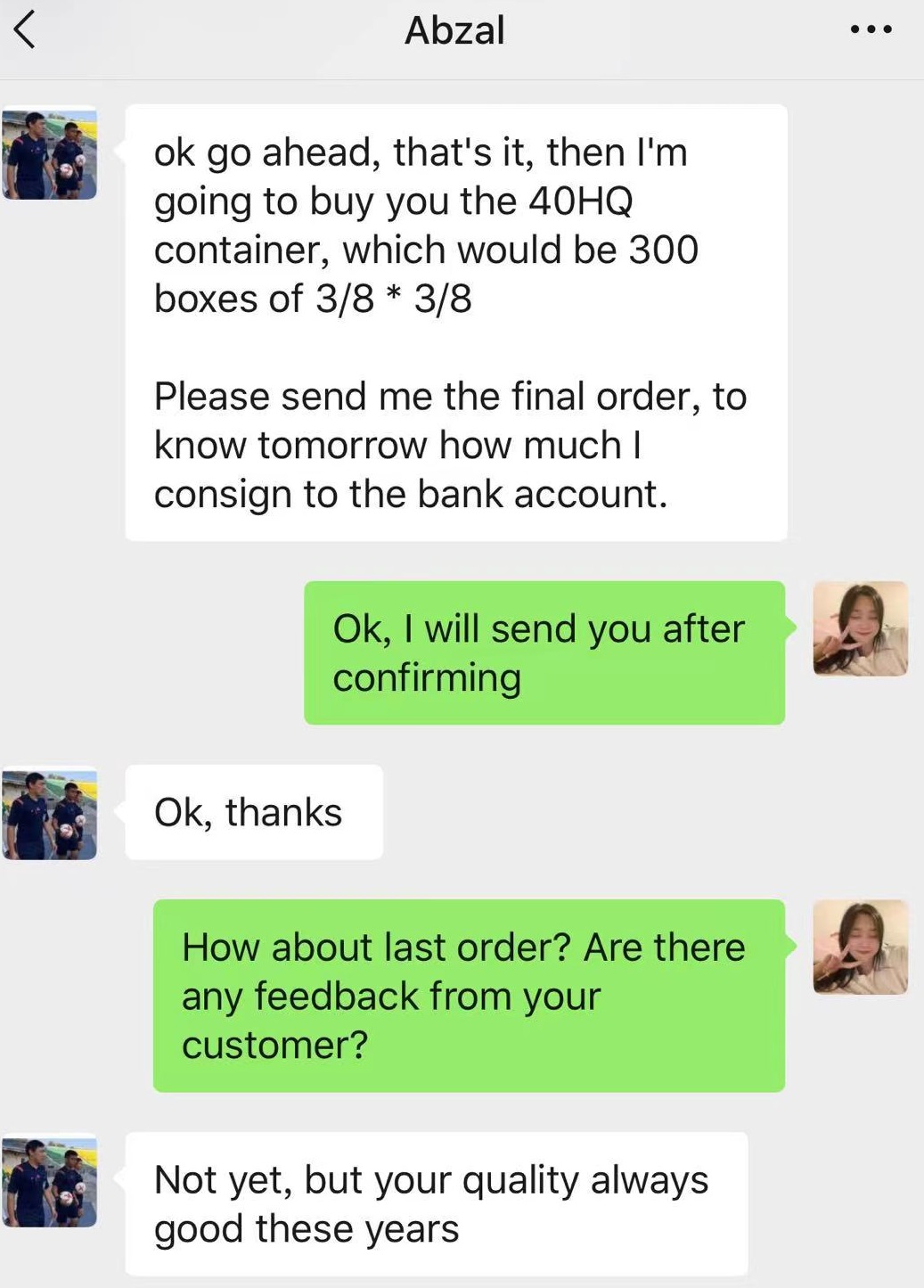
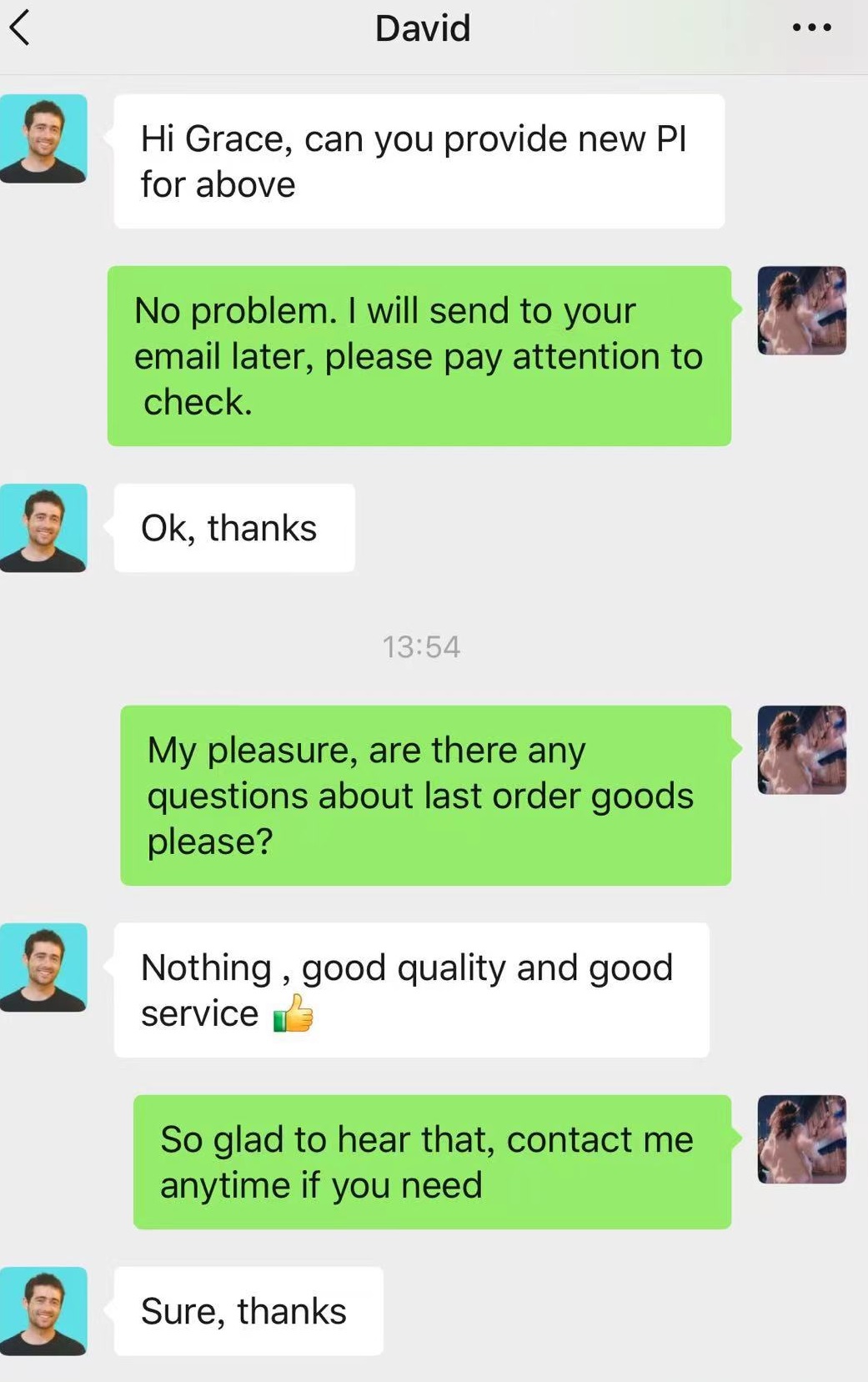
Review feedback, quality approvals, and dispatch confirmations from contractors, HVAC distributors, and OEM buyers.

Select from our complete range of specialized NBR/PVC elastomeric foams, cryogenic barriers, and rock wool boards.
Need complete pricing datasets, physical product samples, or customized material dimensions? Contact our international commercial engineering team today for technical support and project optimization.
Send Inquiry Now Kingflex