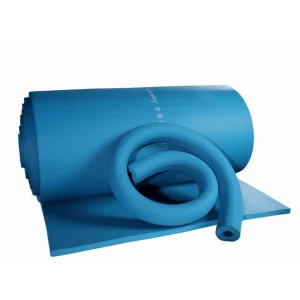
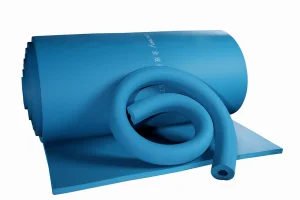
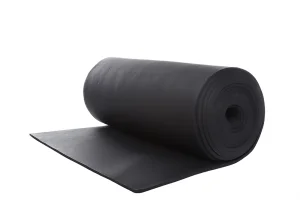
Premium auxiliary components engineered to secure continuous thermal performance, preventing condensation and heat transfer in variable marine and high-altitude climates.
In-depth technical overview of environmental, structural, and thermodynamic conditions dictating insulation choices in South America’s fastest-growing industrial economy.
From the arid, high-radiation Atacama Desert in northern Chile (Antofagasta, Calama) to the sub-antarctic conditions in Punta Arenas, thermal systems encounter high UV and extreme delta-T. Elastomeric closed-cell structures must possess high UV resistance and excellent water vapor transmission resistance (μ ≥ 10,000) to prevent condensation-induced corrosion under insulation (CUI).
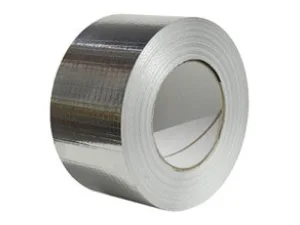
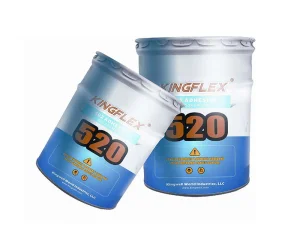
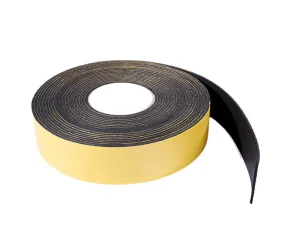
Santiago’s commercial high-rise buildings and corporate offices require robust HVAC setups. Given Chile’s strict energy rating systems and alignment with ASHRAE standards, ensuring airtight, condensation-free chilled water lines is a main concern. Our specialized insulation tapes and fast-setting Kingflex Glue 520 seal joints seamlessly to maintain thermal continuity.
Copper refining and extraction facilities demand thermal control for aggressive chemical lines and water transport over long distances in mountain ranges. High durability, flame retardance, and sound absorption are essential. NBR/PVC blended foams offer great impact resilience and chemical resistance against acids and salts common in mining environments.
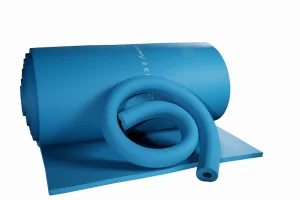
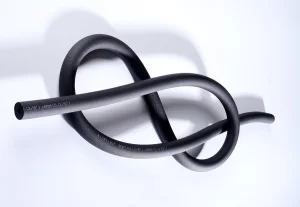
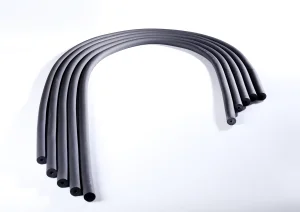
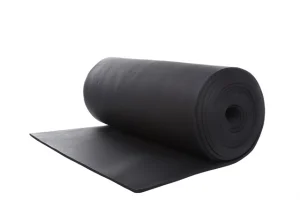
We supply premium elastomeric closed-cell rubber foam solutions developed for high-end thermal barriers. Our materials provide stable performance over long durations under harsh industrial stress.
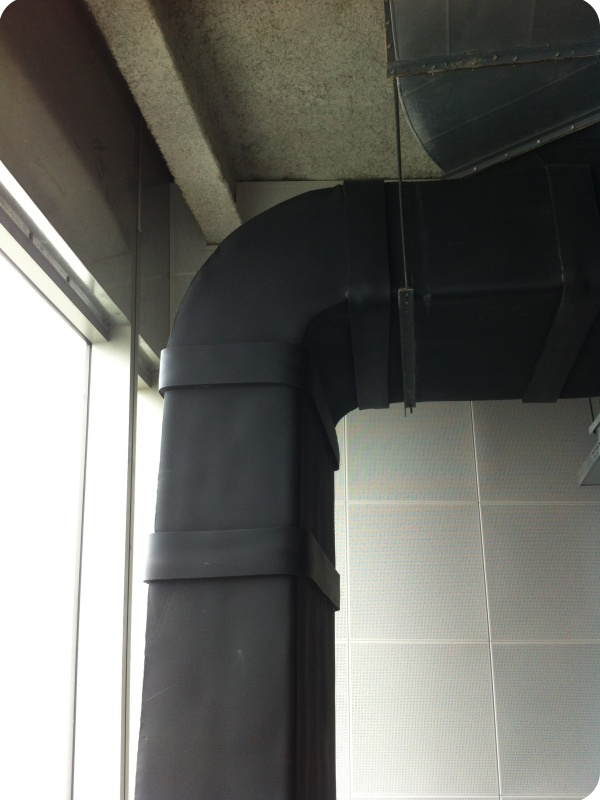
Our solutions target key infrastructure frameworks operating within the Chilean geographic corridor:

A globally trusted manufacturing and trading conglomerate delivering energy-saving, green-building thermal insulation system solutions.
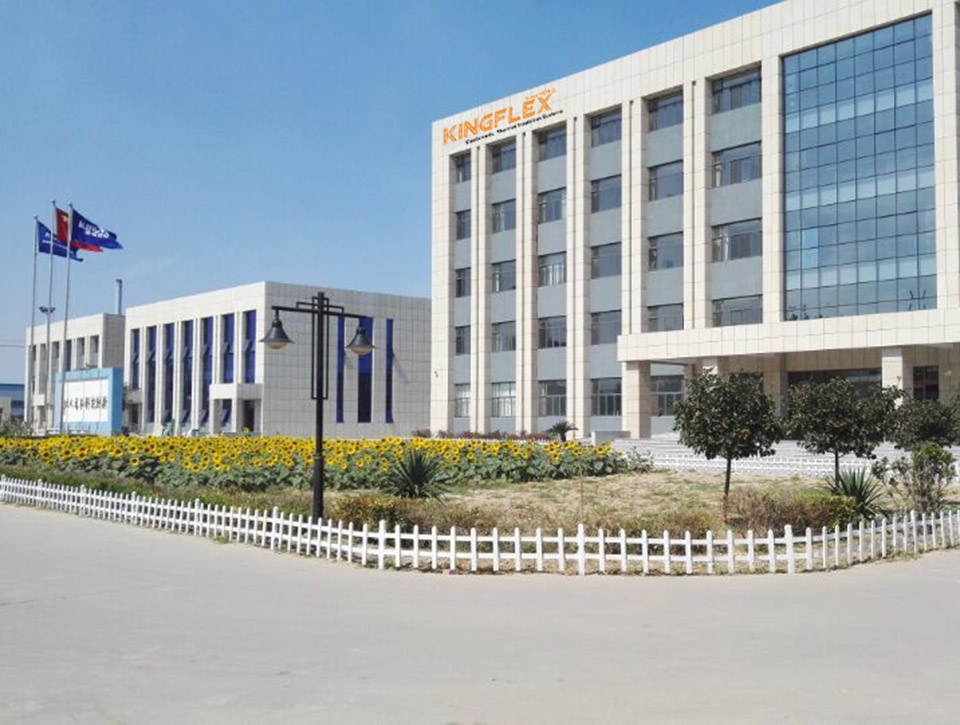
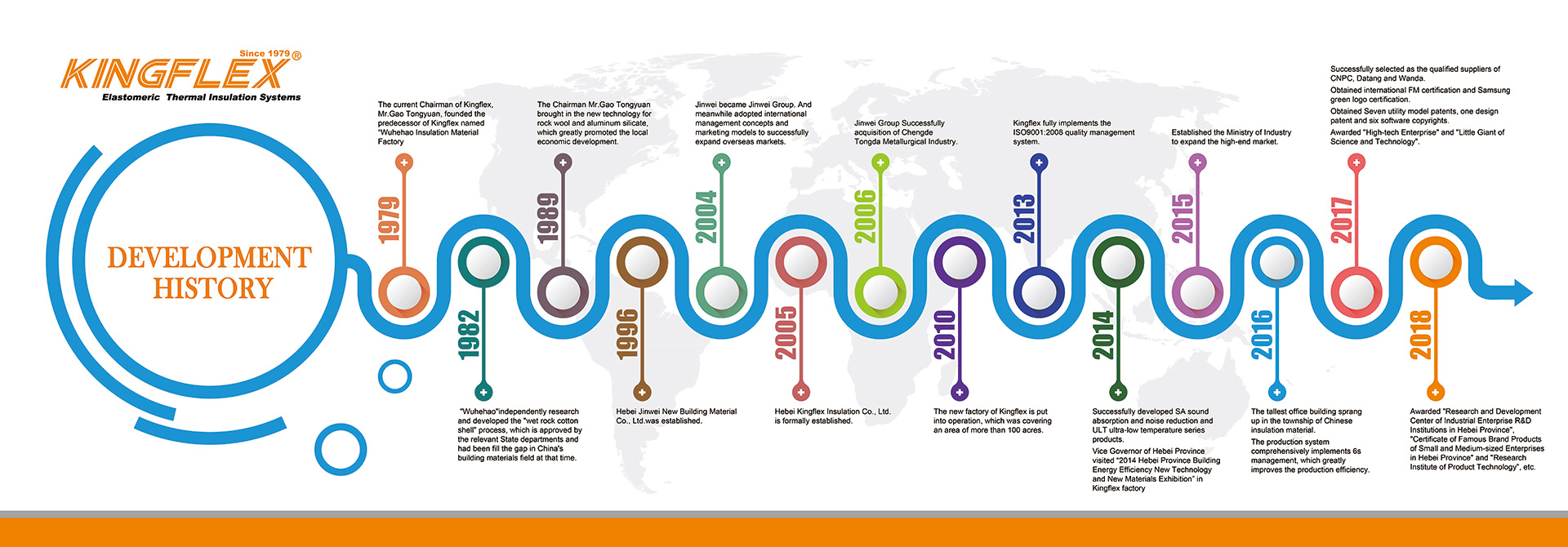
Established under the Jinwei Group, which boasts a rich industrial history dating back to 1979, Kingflex has stood as a pioneer in the thermal insulation industry. Jinwei Group was the first manufacturer of thermal insulation materials north of the Yangtze River.
Located in the capital of green building materials in Dacheng, China, our specialized production lines handle massive outputs for building, petroleum, chemical, and defense projects globally.
Today, Kingflex operates 5 large automatic assembly lines, generating an annual output of over 600,000 cubic meters. We are a designated production enterprise for regional energy and chemical ministries, supplying integrated thermal, cold, and acoustic abatement solutions worldwide.
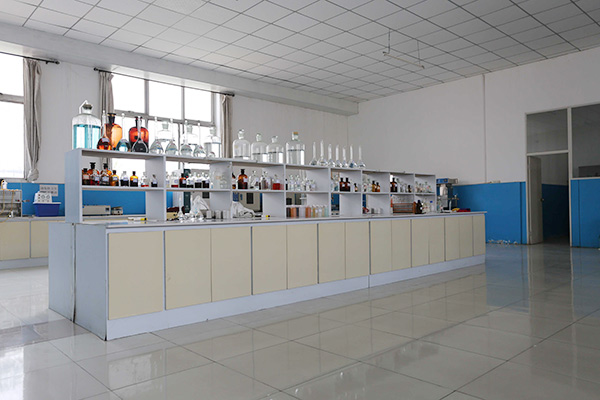
With 8 dedicated R&D engineers, Kingflex is continuously improving fire safety parameters and thermal conductivity performance to align with ASTM, BS 476, and European Standards.
Supported by 6 international sales consultants, Kingflex has exported high-efficiency insulation systems to over 66 countries for the past 16 years, with ongoing growth in South America.
Our products pass UL94, CE, REACH, RoHS, and ASTM checks, and we maintain complete raw material batch traceability to ensure absolute safety at site installations.
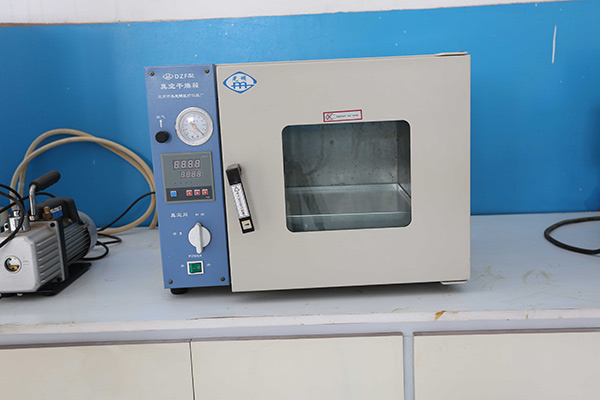
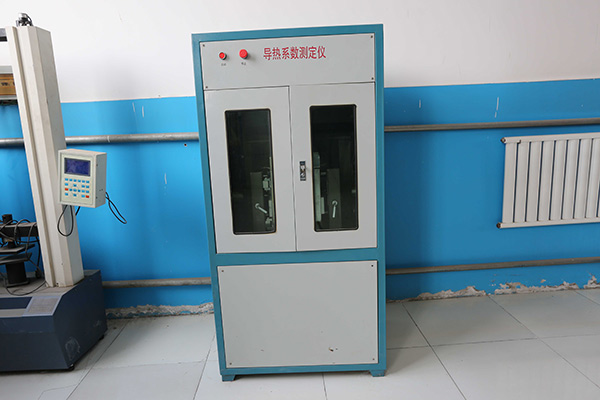
Our commitment to internationally recognized benchmarks ensures smooth Chilean custom clearance and technical approval from local regulatory bodies.
CE EN 14304
BS 476 Class 0
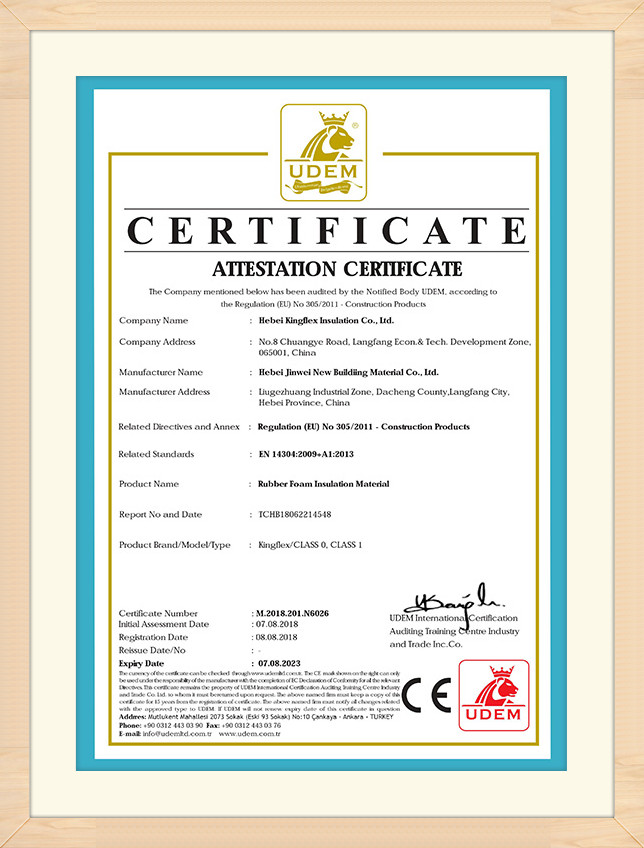
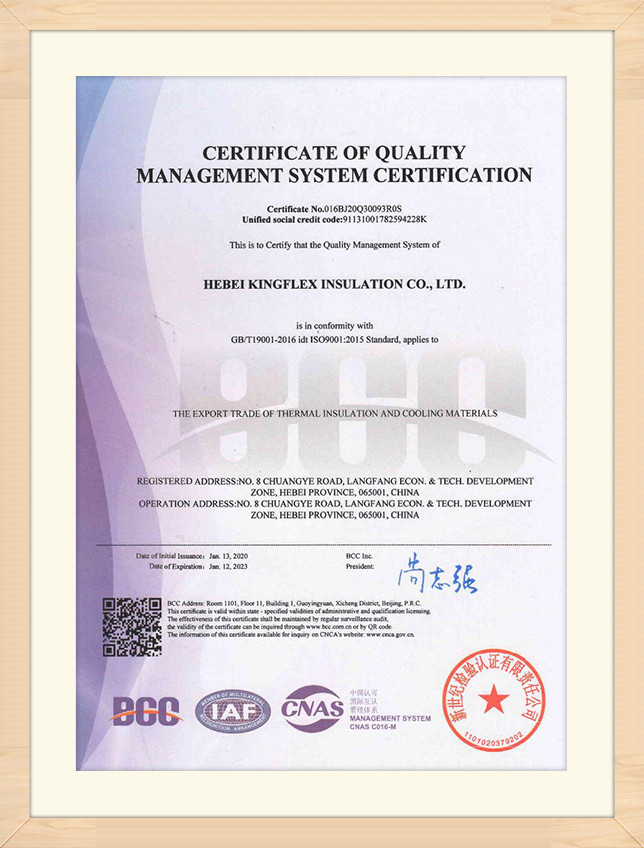
ISO 9001 Quality System
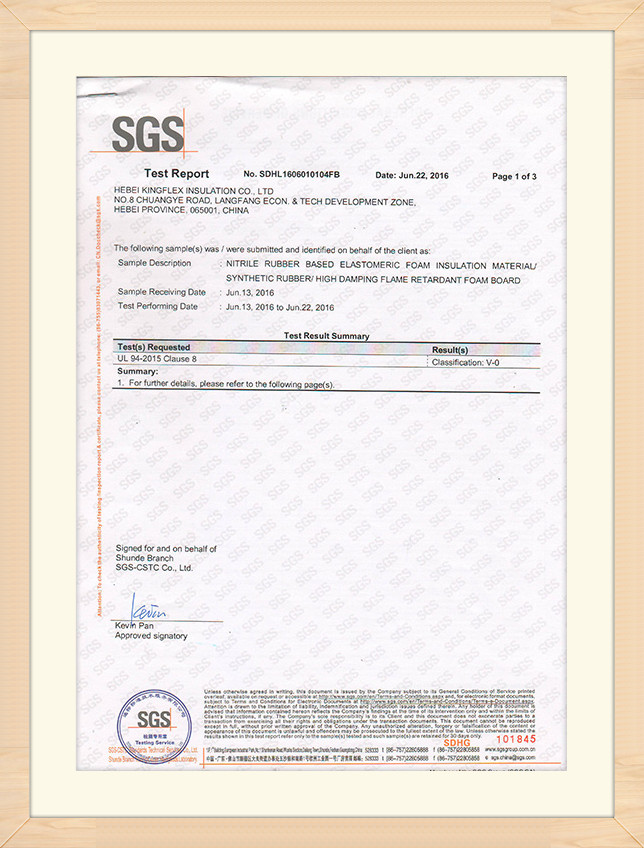
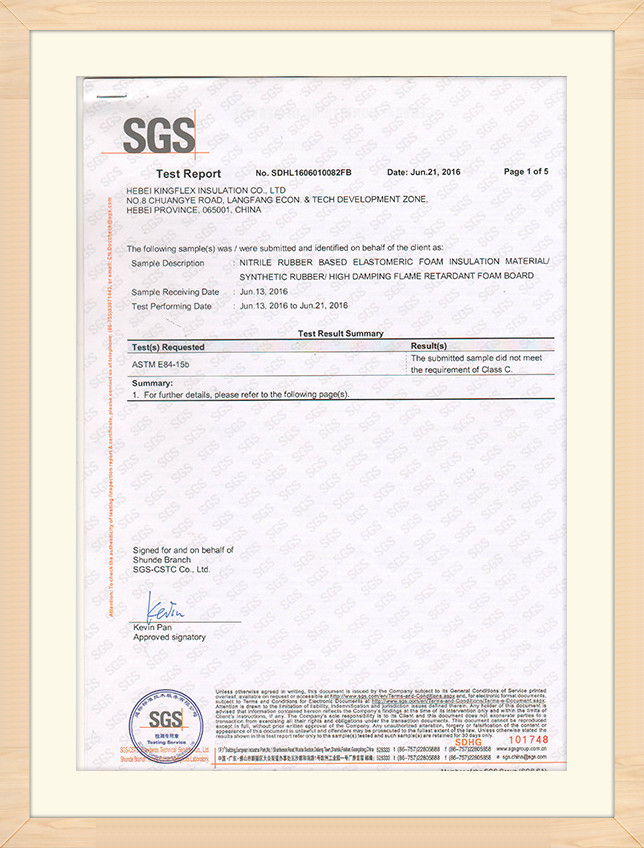
SGS, RoHS & REACH
Adapting insulation materials to Chile's national net-zero emissions targets and sustainable energy standards.
To reduce hazardous gases during fire incidents in public infrastructure (like the Santiago Metro expansion), Kingflex is advancing halogen-free (HFFR) elastomeric formulations. This provides high fire resistance without toxic halogen emission.
As Chile expands its liquid natural gas (LNG) processing capacity at Quintero and Mejillones terminals, our ultra-low temperature cryogenic elastomeric multi-layer insulation systems provide reliable vapor barriers down to -196℃.
Responding to energy efficiency standards in Chile (such as the Ley de Eficiencia Energética), Kingflex plans to publish verified Environmental Product Declarations (EPD) to assist developers in securing LEED and local Green Building certifications.
Discover how our manufacturing efficiency and specialized logistics routes directly benefit projects in Chile.
Operating out of Dacheng, China, our 5 automatic assembly lines maintain a consistent throughput. This capacity ensures that major commercial construction projects or industrial mining upgrades in Chile do not suffer from local supply shortages.
We work closely with major ocean carriers (such as COSCO, MSK, and CMA) to coordinate prompt shipping from Tianjin Port directly to key Chilean ports, including San Antonio and Valparaíso. Our logistics team handles international container stuffing carefully to prevent compression damage to the foam.
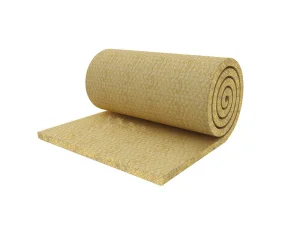
Premium elastomeric closed-cell foams, rock wool thermal blankets, and high-performance cryogenic systems for demanding conditions in Chile.
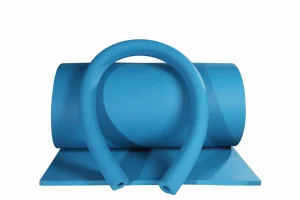
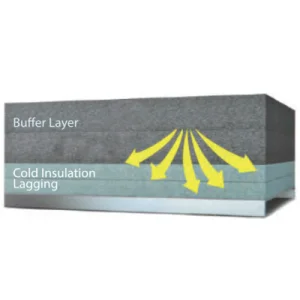
Targeted solutions designed for high-acoustic isolation and deep temperature processing terminals across Chile.
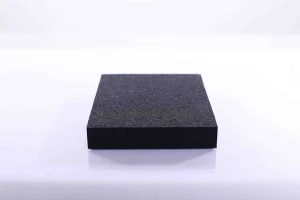
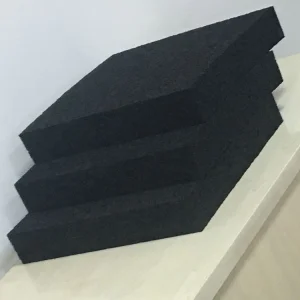
Proof of direct client correspondence and installation setups in structural build sites across our global markets.
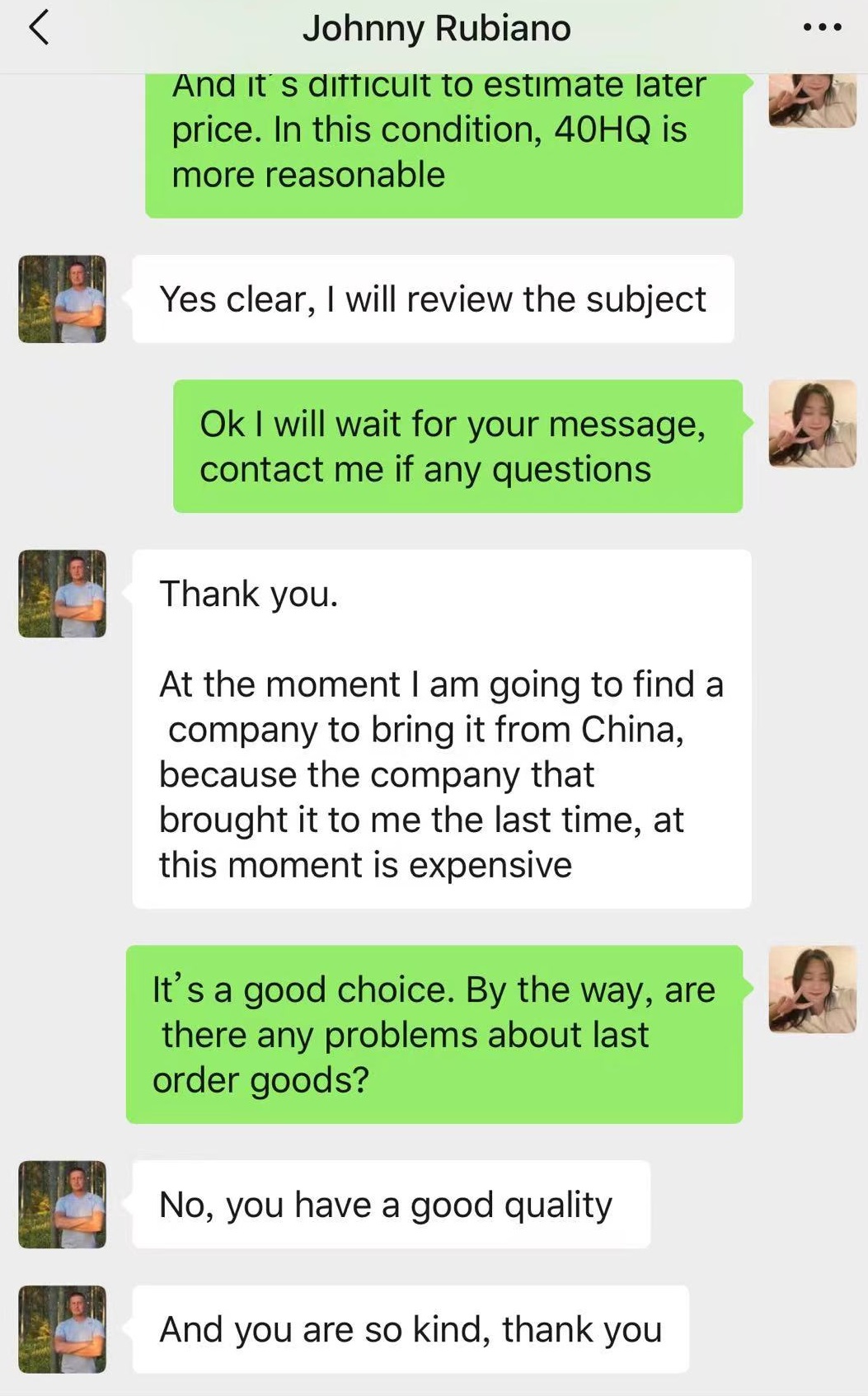
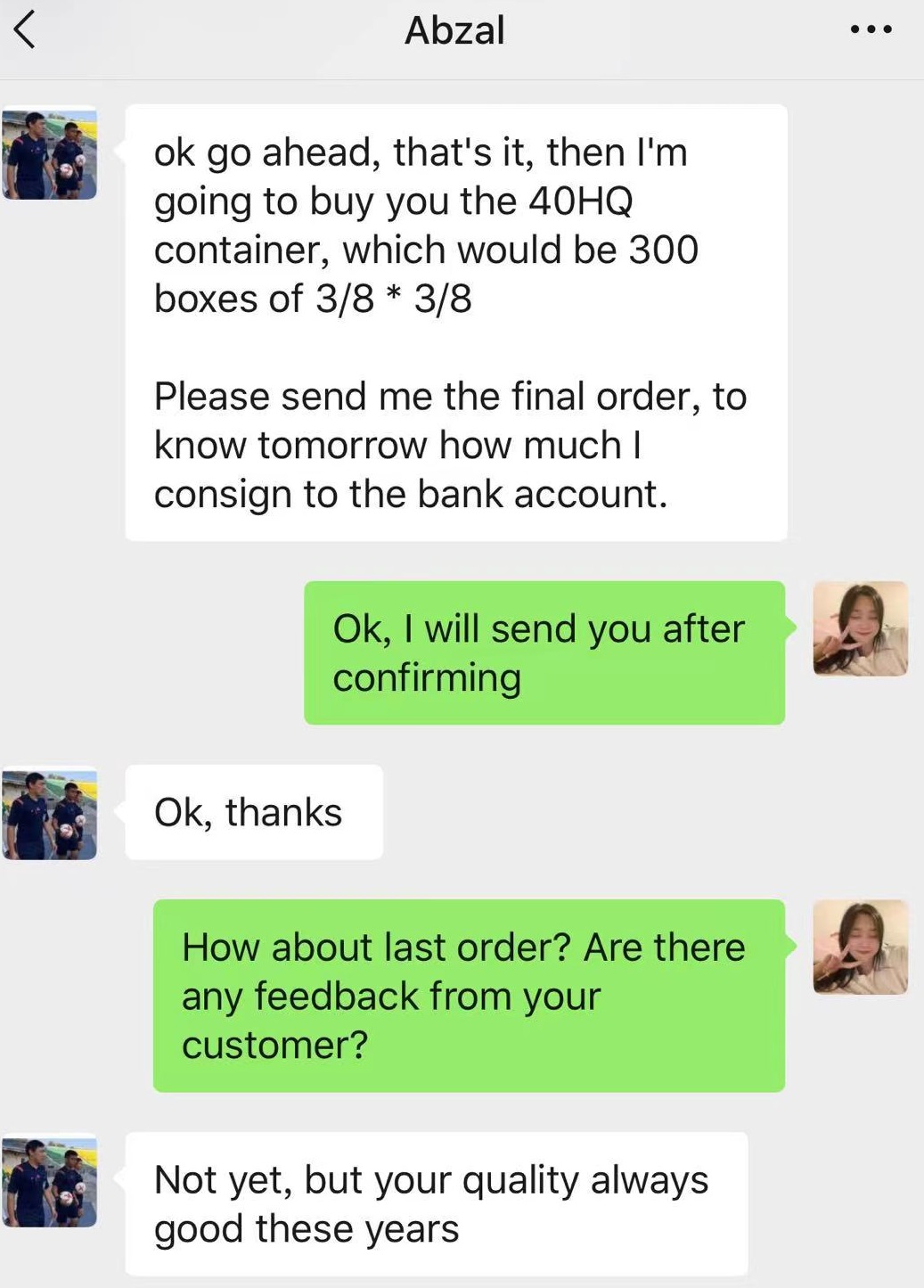


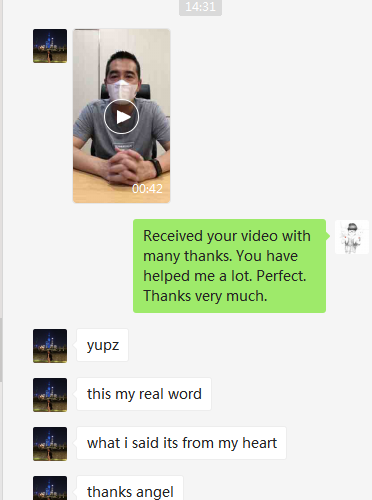
Technical guidance regarding elastomeric rubber foam insulation choices, fire ratings, and logistics options for Chile.
 Kingflex