Explore our top-tier elastomeric foam structures optimized for maximum sound attenuation, moisture barriers, and thermal regulation in building ventilation.

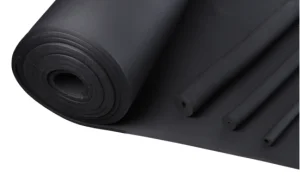
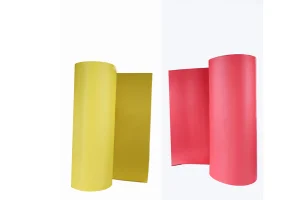
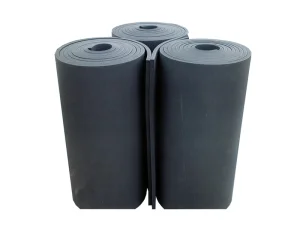
Modern architectural acoustic design demands a delicate balance between thermal efficiency, indoor air quality (IAQ), and noise control. Duct acoustic lining materials serve as a primary barrier against the propagation of fan noise, turbulence, and mechanical vibrations through heating, ventilation, and air conditioning (HVAC) networks. Historically, fibrous lining materials dominated the industry; however, the ongoing transition toward NBR/PVC elastomeric rubber foam has redefined expectations for sustainable and health-oriented HVAC system designs.
Unlike traditional mineral wools or fiberglass liners, modern elastomeric foam does not shed particulate fibers into the supply air. This is critical for hospitals, sterile cleanrooms, and educational facilities where inhalation hazards must be completely mitigated.
By trapping air in a homogeneous matrix of microscopic closed cells, elastomeric liners resolve two issues simultaneously: lowering energy loss (low thermal conductivity) and dampening low-to-mid frequency HVAC system noise.
The inherent water vapor diffusion resistance index (μ ≥ 10,000) prevents condensation inside the ductwork, denying moisture to potential mold and bacterial colonization sites.
In this comprehensive whitepaper, we dissect the shifting landscape of global commercial demand, analyze China’s Factory 4.0 automation paradigm, outline customized localized installation scenarios, and detail standard specifications engineered to guarantee optimal mechanical lifespan.
Global supply chain procurement specialists in standard-abiding markets (e.g., North America, EU, Gulf Cooperation Council, and APAC region) prioritize standardized test verification. The decision-making matrix for selecting a Duct Acoustic Lining Material Manufacturer focuses heavily on structural integrity, flame-retardant compliance, and traceability.
| Procurement Parameter | Industry Standard Requirements | Kingflex Verification Status |
|---|---|---|
| Fire Safety Standard | Class 0 / Class 1 (BS 476 Part 6 & 7), ASTM E84 (25/50 Flame/Smoke index) | Successfully certified under BS 476, UL 94 Class V-0, and ASTM criteria |
| Environmental Safety | RoHS Directive, REACH Compliance, VOC emission caps | Verified eco-friendly, zero dust/fiber release, low VOC formulation |
| Acoustic Performance | High sound absorption coefficient at 125Hz-1000Hz (speech and fan frequencies) | Optimized closed-cell matrix providing vibration dampening & sound barrier functions |
| Moisture Protection | Strict water vapor permeability and resistance (μ values) | NBR/PVC closed-cell structure requires no additional vapor barriers |
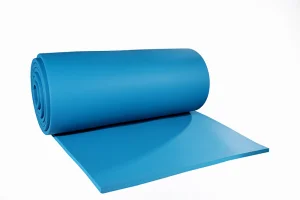
Commercial construction firms require material configurations that adapt to dynamic installation limits. Thin profiles (such as 9mm to 19mm sheets) are commonly specified for internal lining, while thicker sheets up to 50mm are requested for mechanical equipment room acoustic casings. We support custom OEM services to accommodate these complex design directives.
Combining deep technological integration, massive economy of scale, and localized material access to secure international supply stability.
Located in Dacheng, China, the renowned capital of green-building materials, Kingflex operates at the vanguard of green thermal-acoustic automation. By utilizing computerized continuous vulcanization systems and online thickness calibration monitors, we guarantee consistent cross-sectional density and uniform pore distribution. This structural consistency ensures that the thermal conductivity remains stable at ≤0.034 W/(m·K) at 0°C, preventing structural hot spots and local acoustic weak points.
Our integration within China's industrial networks ensures raw materials such as PVC, nitrile rubber, and halogen-free fire retardants are securely sourced. This protects our clients from market price fluctuations and guarantees reliable delivery schedules, even when global logistics are disrupted.
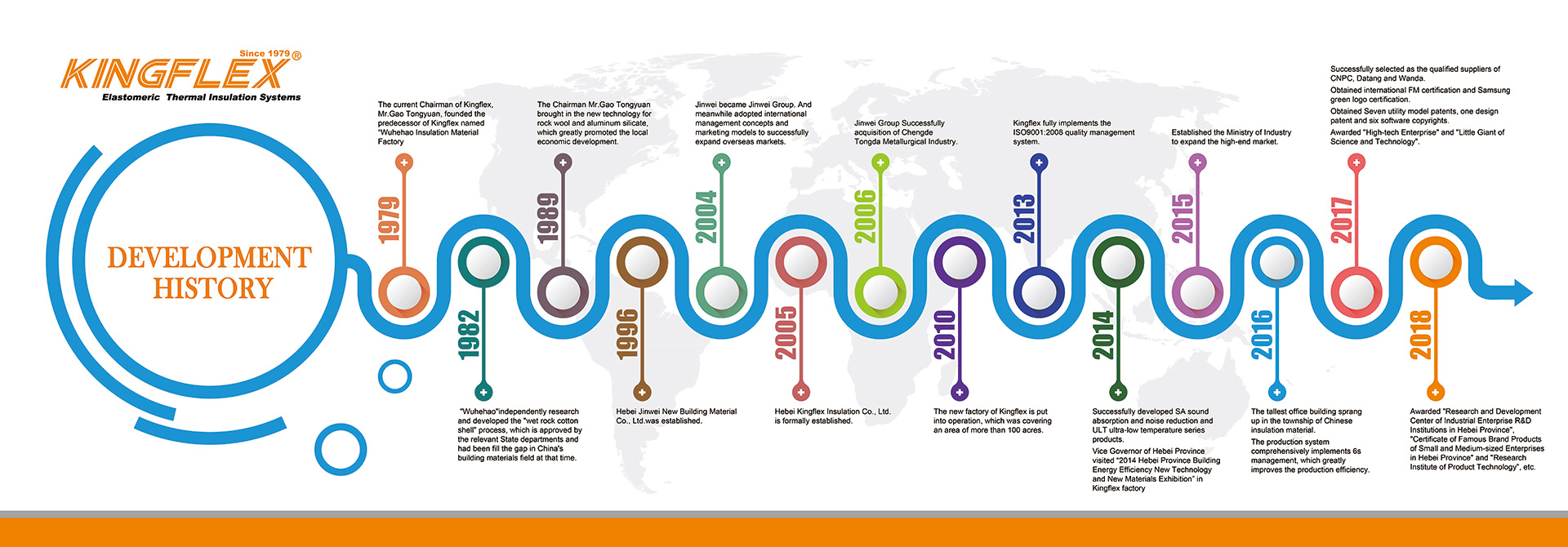
Kingflex Insulation Co., Ltd. is a professional manufacturing and trading combo for thermal insulation products. Kingflex research development and production department is located in the well-known capital of green-building materials in Dacheng, China. It is an energy-saving environmental friendly enterprise concentrated on research and development, production, and sales. In operation, Kingflex takes energy saving and consumption reduction as its core concept. We provide solutions regarding insulation by means of consultation, research and development, production, installation guidance, and post-sale service to lead the development of the global building materials industry.
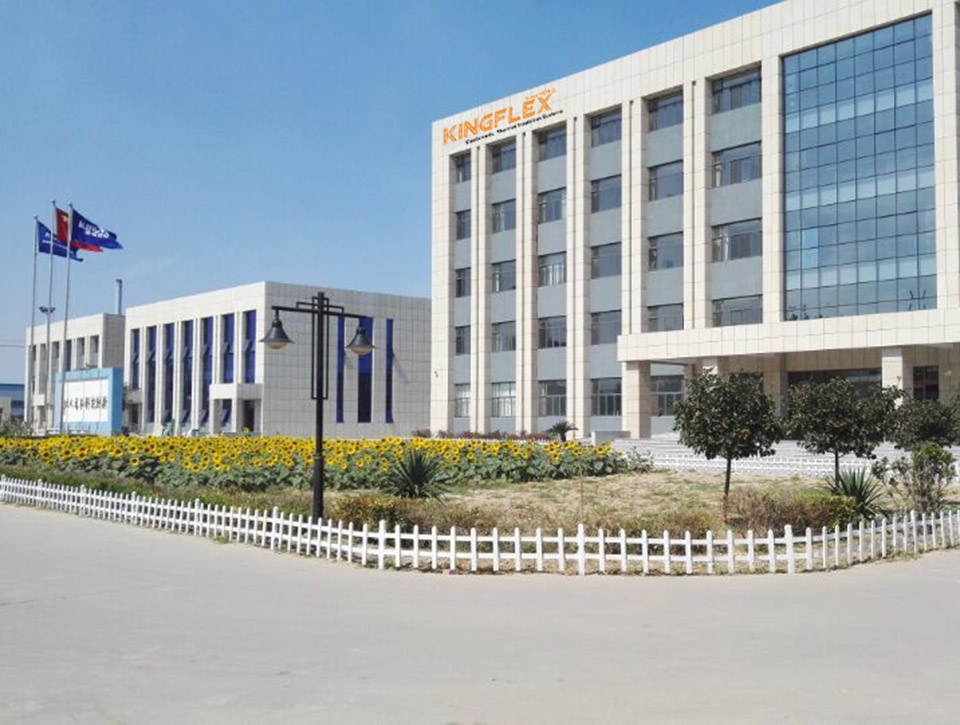
Kingflex is established by Jinwei Group, which possesses more than 40 years of industrial history. Jinwei Group was established in 1979. It was the first manufacturer of thermal insulation materials north of the Yangtze River. Decades of engineering refinement and scientific formulation development have paved the way for Kingflex to manufacture world-class elastomeric acoustical matrices.
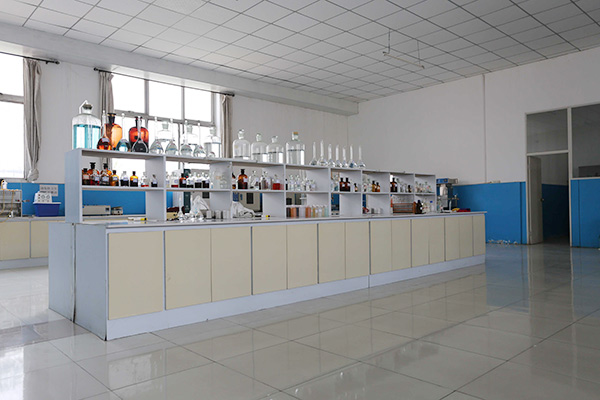
Our production facility is equipped with dedicated laboratories testing sound transmission loss, smoke generation density, thermal resistance stability, and tensile recovery parameters. Supported by our expert team comprising eight professional engineers in the R & D Department, 6 professional international sales, and 230 workers in the production department, we continuously advance the performance of our customized closed-cell solutions.
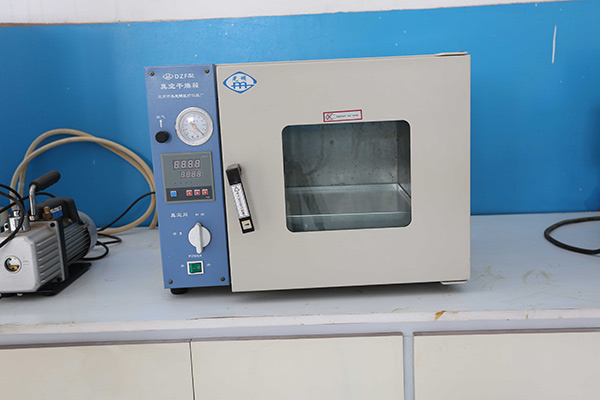
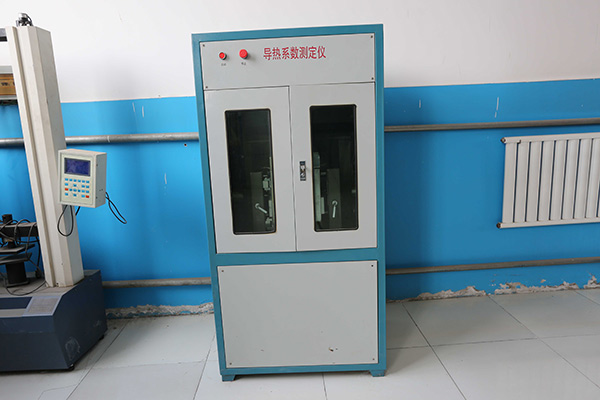
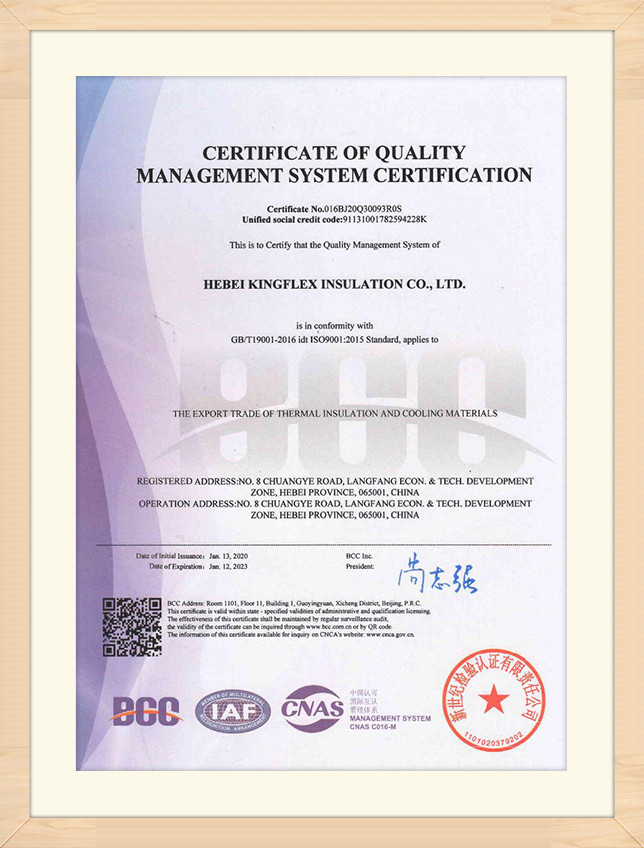
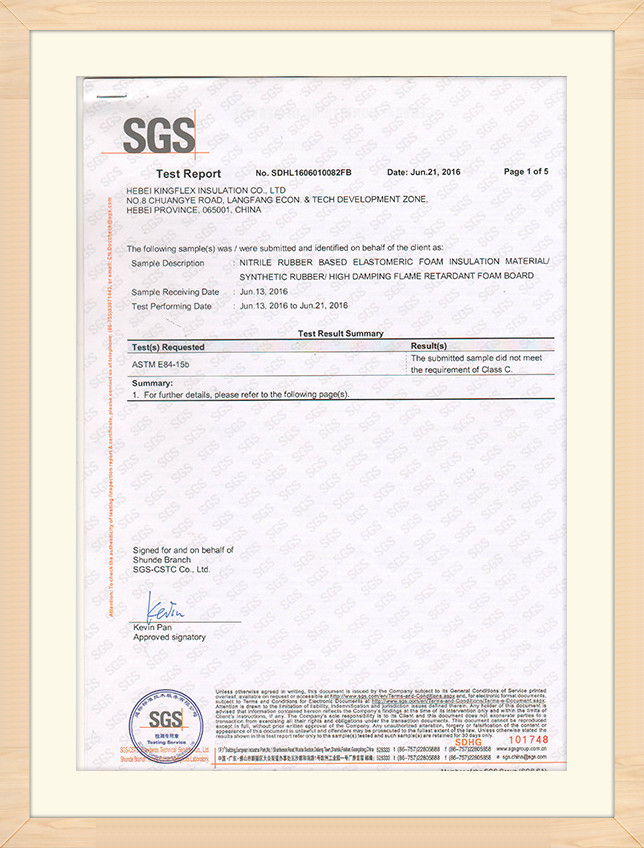
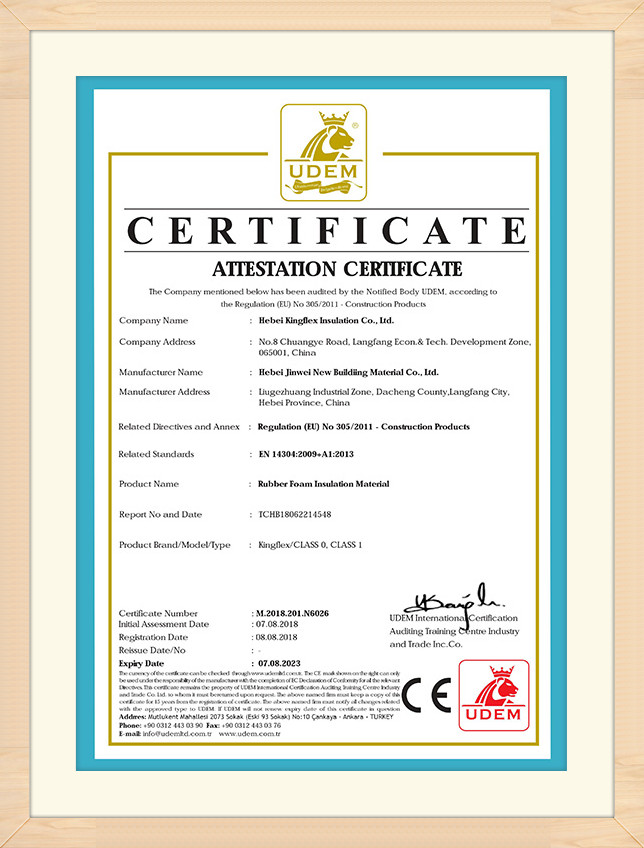
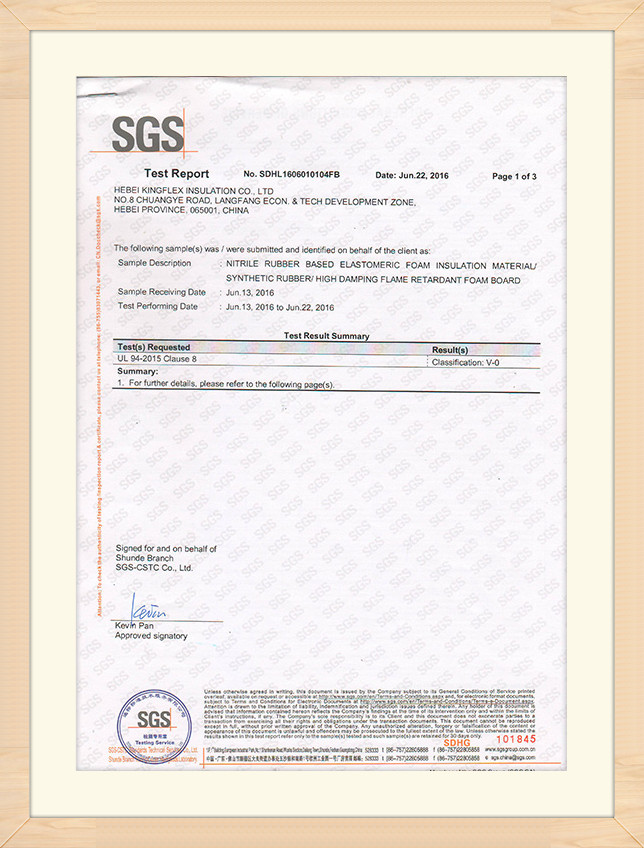
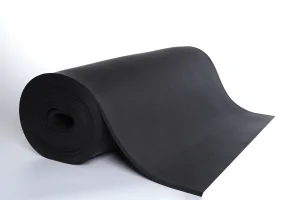
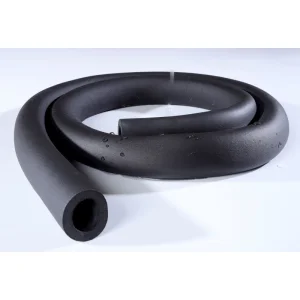
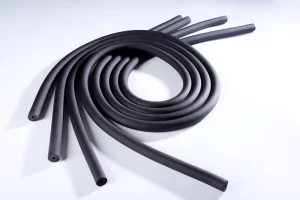
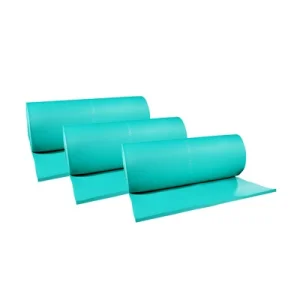
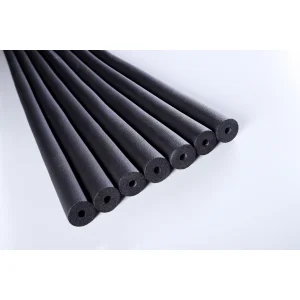
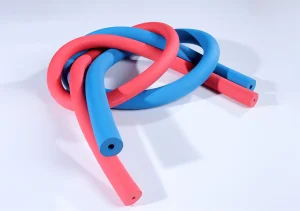
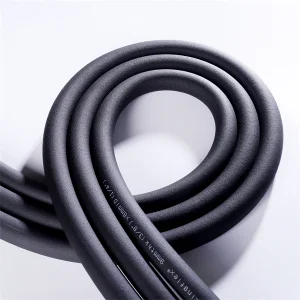
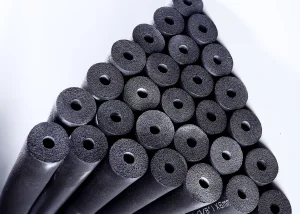
In-depth technical properties of our production sheets and pipes designed for internal and external duct insulation.
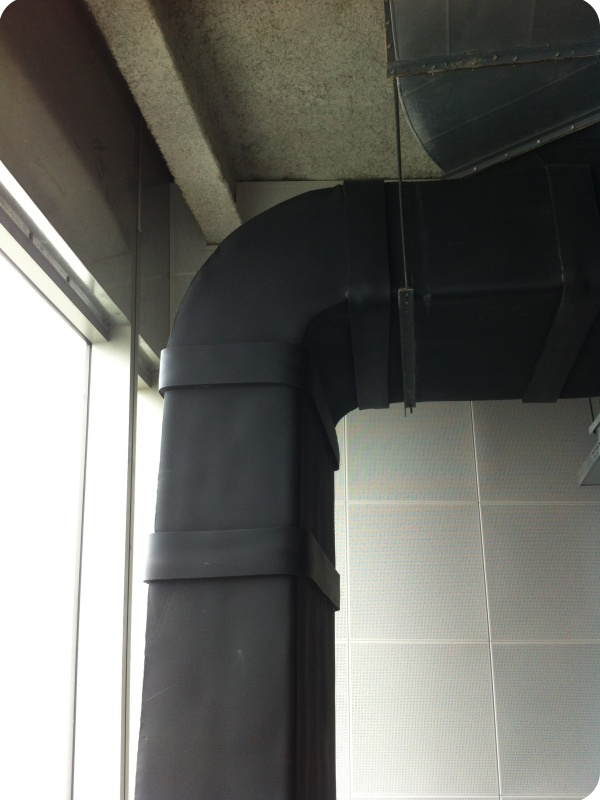

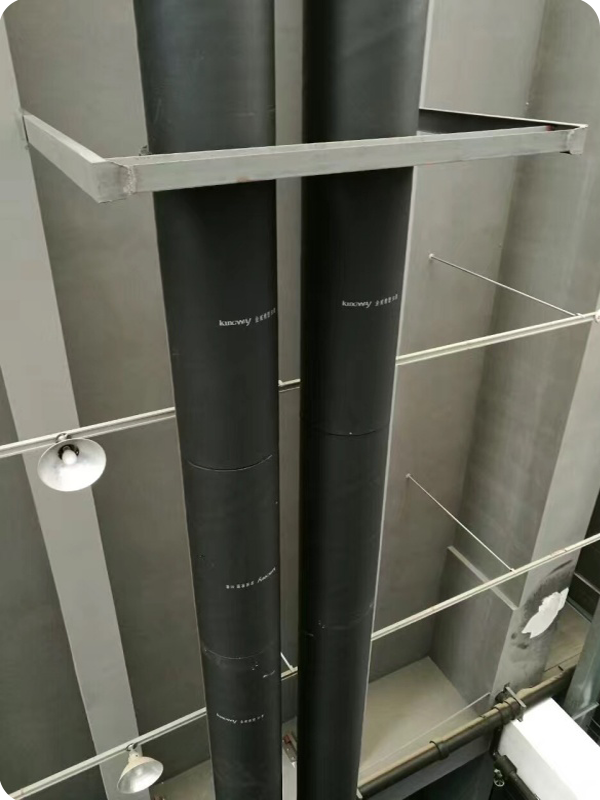
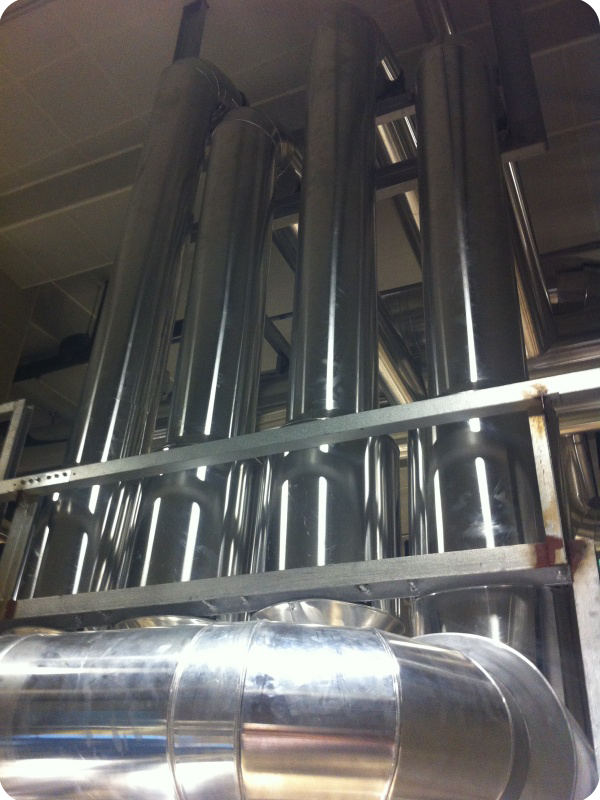
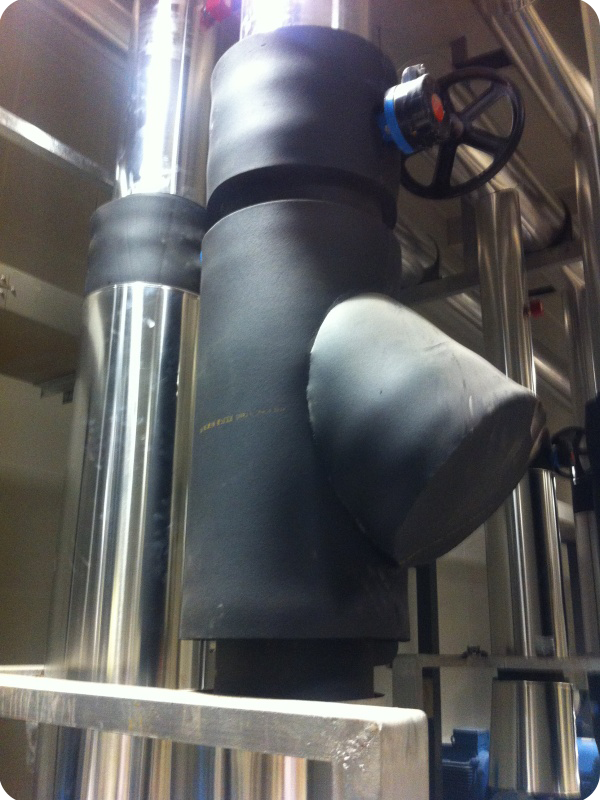
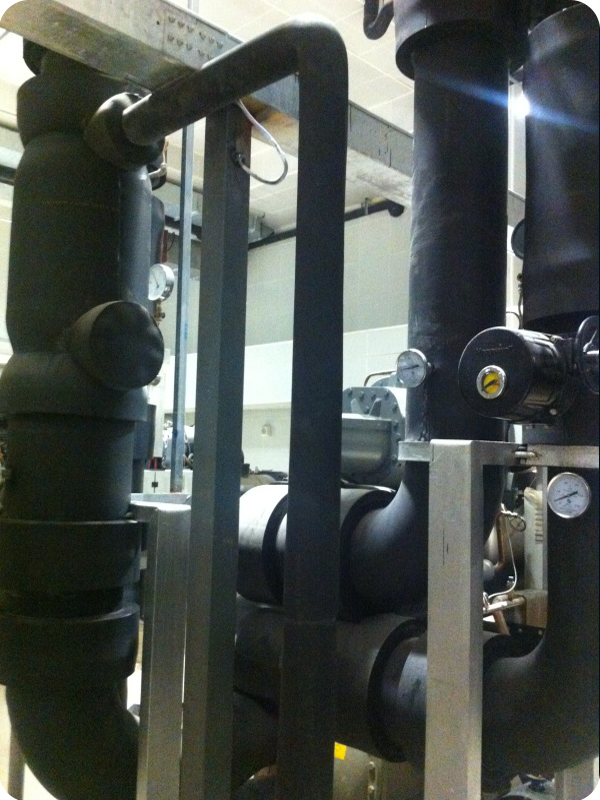

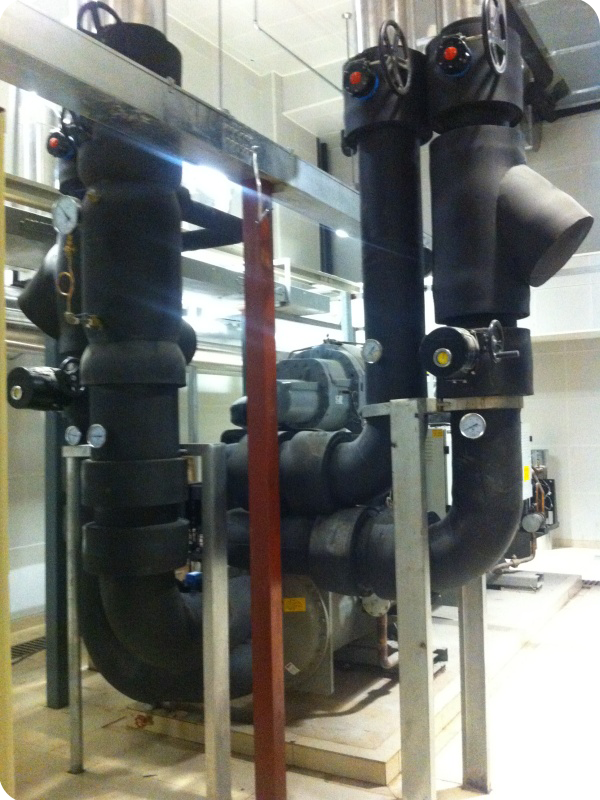
A visual overview of our continuous manufacturing, high-density extruders, and computerized warehousing systems.
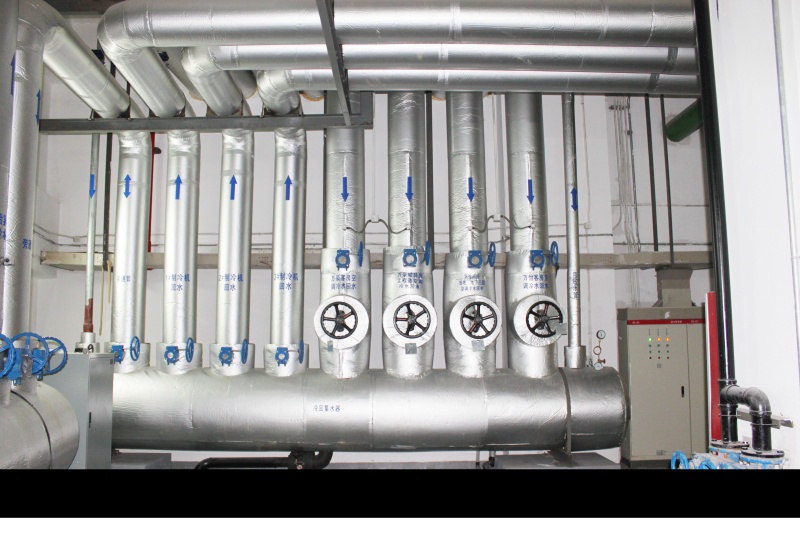
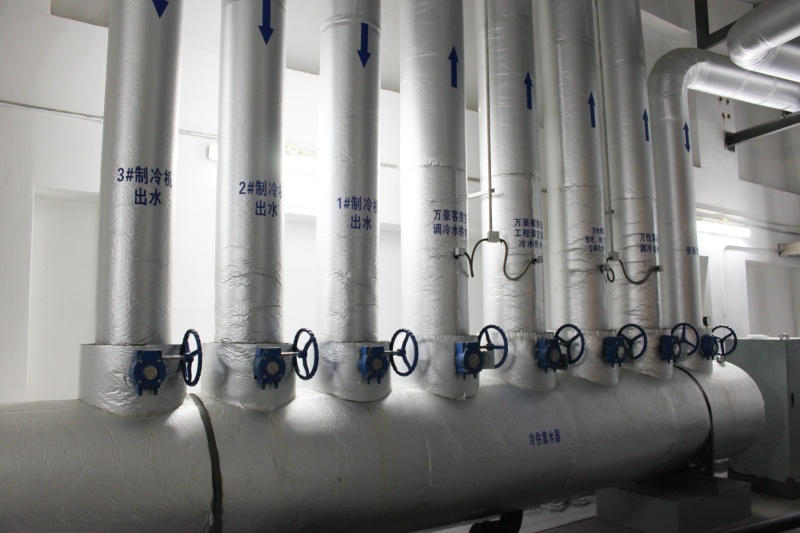
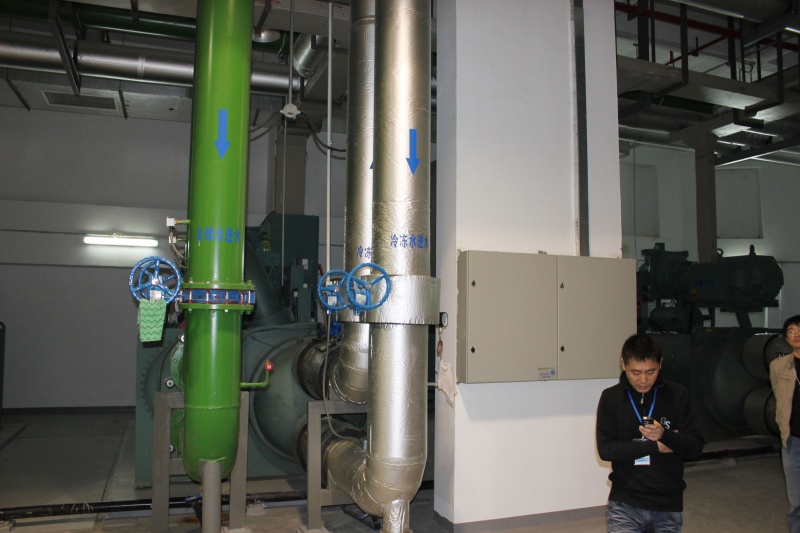
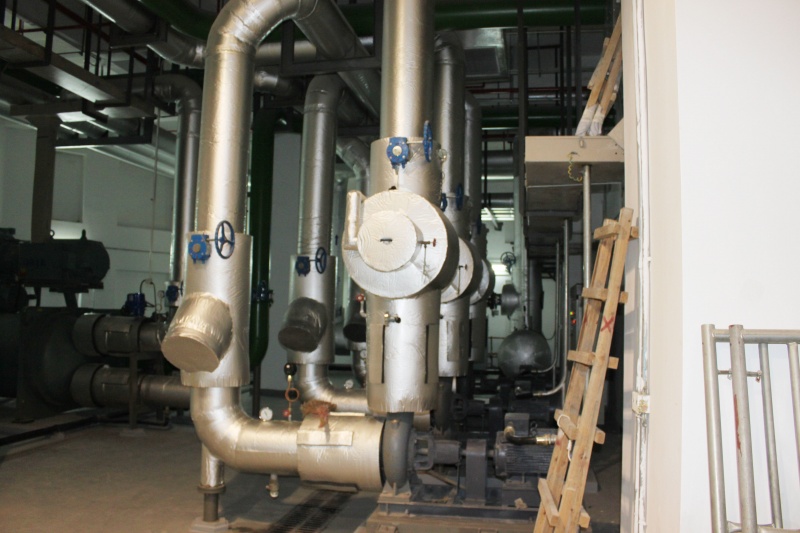
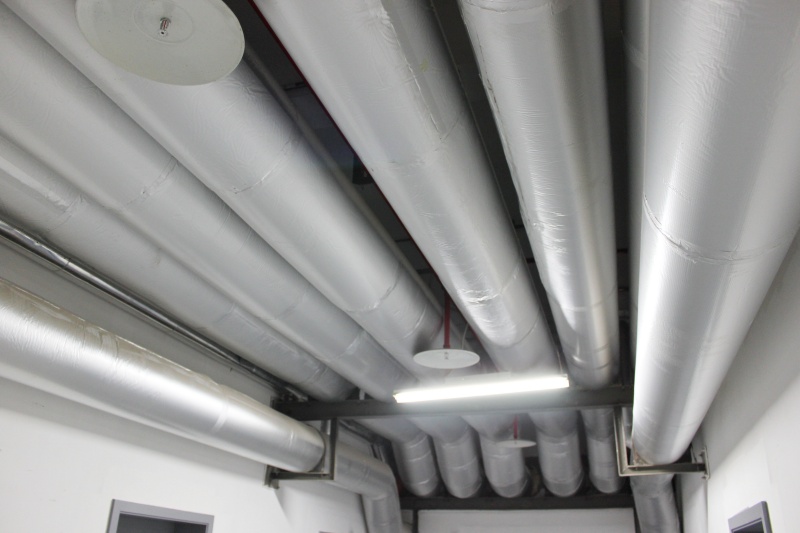

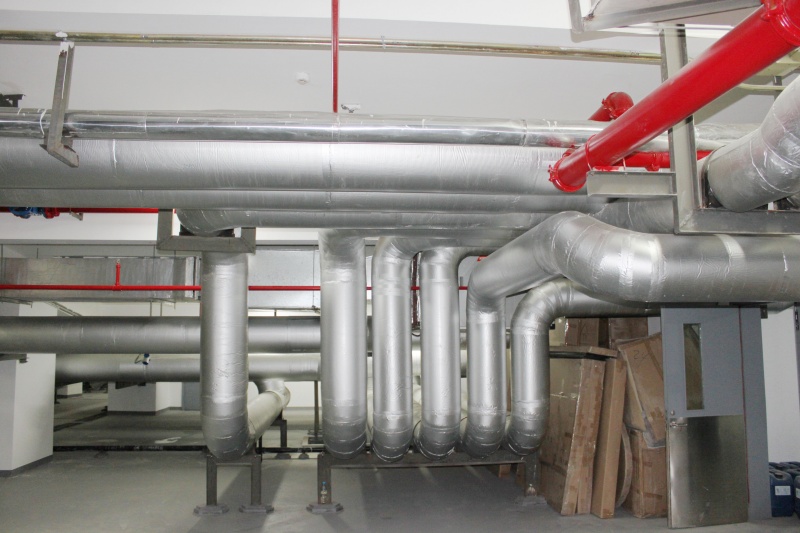

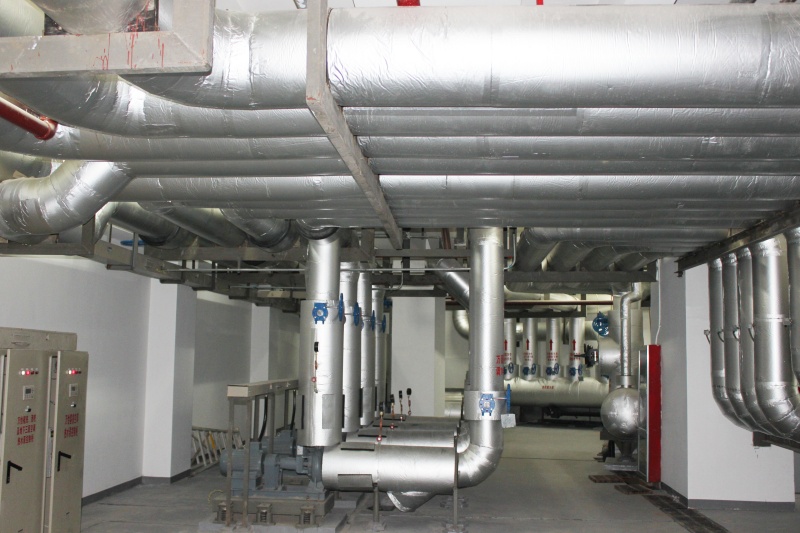
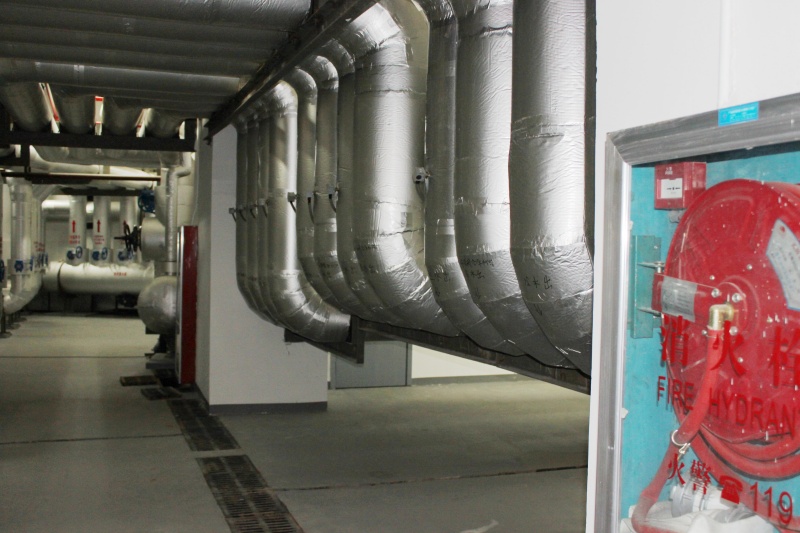
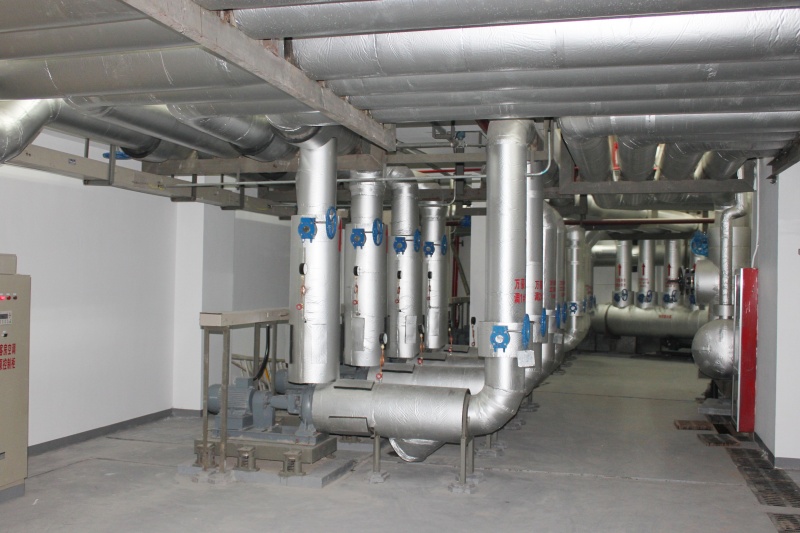
Acoustic and thermal properties perform differently depending on local weather conditions, installation styles, and building code specifications. Below are customized application guidelines designed for global engineering practices:
In regions such as Southeast Asia and Central America, the main risk for indoor air handling units is surface condensation. Choosing a closed-cell elastomeric liner eliminates the need for external vapor wraps. The high resistance index (μ ≥ 10,000) prevents moist outdoor air from penetrating the insulation layer, protecting structural metals from corrosion under insulation (CUI).
Hospitals, pharmaceutical packaging lines, and semiconductor foundries require ultra-low particulate concentrations. Kingflex NBR/PVC closed-cell foams are inherently fiber-free and do not support mold development. This guarantees that internal duct acoustics will not degrade over time or release microscopic fibers into the HEPA filtration chain.
In sub-zero industrial settings, maintaining system thermal equilibrium is essential. Using cryogenic-grade synthetic rubber sheets prevents rapid heat gain in liquid natural gas (LNG) pipe systems or ultra-cold air lines, and dampens low-frequency vibrations caused by high-pressure compressor pumps.
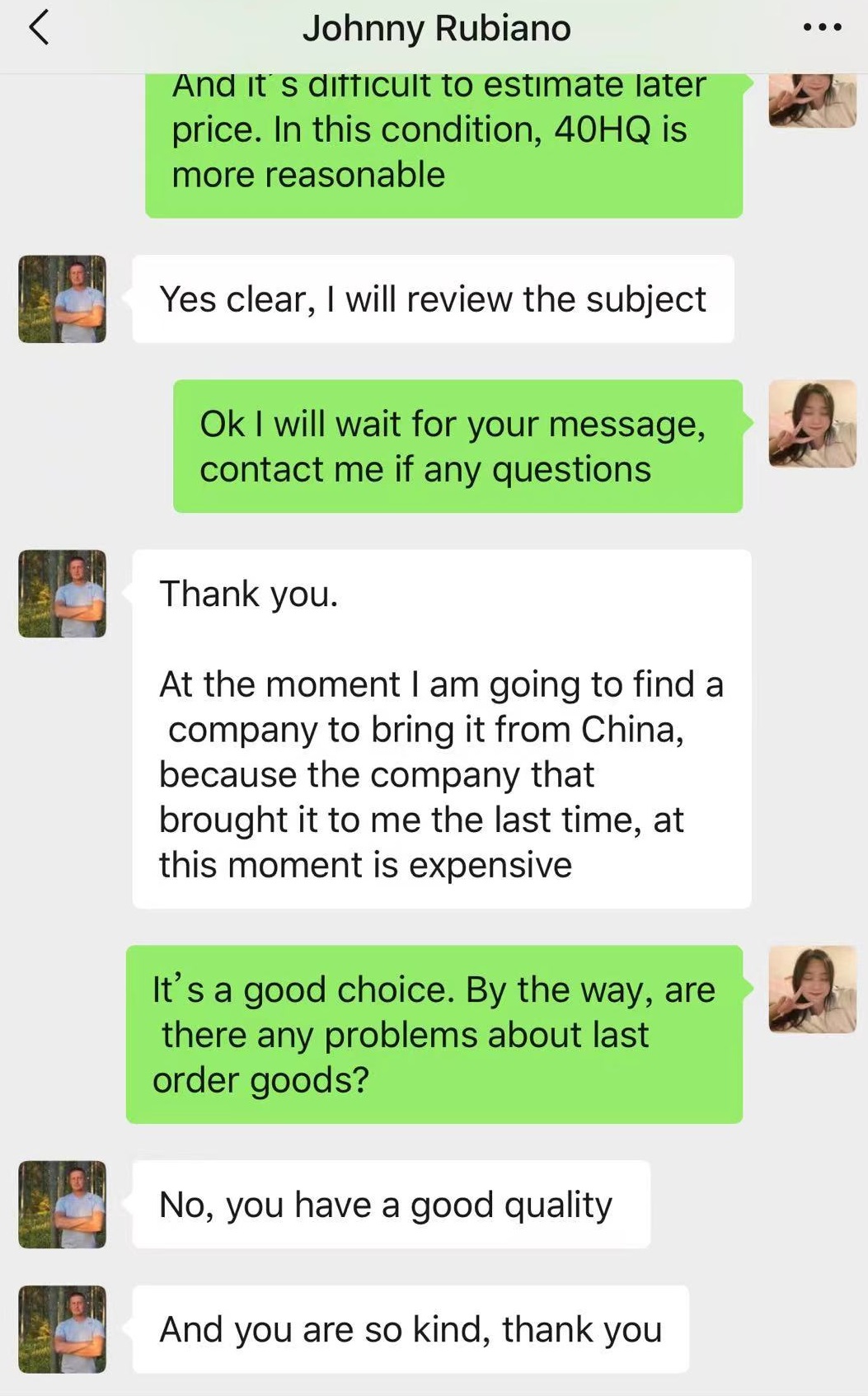
We foster long-term partnerships through transparent communications, rigorous quality verification, and efficient project execution. Below are real screenshots documenting our global client operations:




Technical clarifications regarding elastomeric acoustic properties, structural ratings, and project configurations.
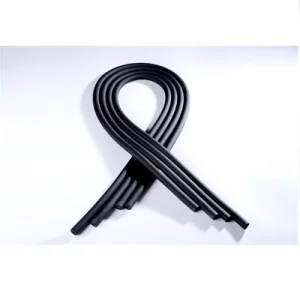
Review our comprehensive selection of closed-cell pipes, low-temperature systems, and specialized sound barriers.




 Kingflex