In today's highly dynamic global industrial infrastructure sector, engineered thermal insulation materials are no longer just basic construction products. They are structural components crucial to optimizing thermodynamic efficiency, carbon emissions reduction, and process stability. With governments globally setting ambitious Net-Zero targets, building services, district cooling, petrochemical, and chemical process piping networks demand high-performance thermal barriers.
The global commercial and industrial engineered insulation market is shifting rapidly from traditional fibrous materials toward high-density closed-cell elastomeric structures (primarily composed of NBR/PVC and EPDM compounds). Elastomeric foam insulation offers exceptional water vapor diffusion resistance, which is critical to preventing Corrosion Under Insulation (CUI)—one of the costliest maintenance challenges in modern refining and marine environments.
Currently, three distinct megatrends are driving structural technological innovation within the insulation production space:
The proliferation of LNG (Liquefied Natural Gas) receiving terminals, storage tanks, and transportation carriers requires thermal insulation capable of operating reliably at temperatures down to -165°C (-265°F), and occasionally lower for liquid nitrogen systems.
Modern building and maritime fire codes, including BS 476, UL 94, and EN 13501, demand low smoke generation and halogen-free configurations, while environmental rules limit volatile organic compounds (VOCs).
High labor costs globally are pushing contractors toward factory-engineered, pre-split insulation tubes and self-adhesive sheet rolls, shifting complexity from the field to the factory floor.
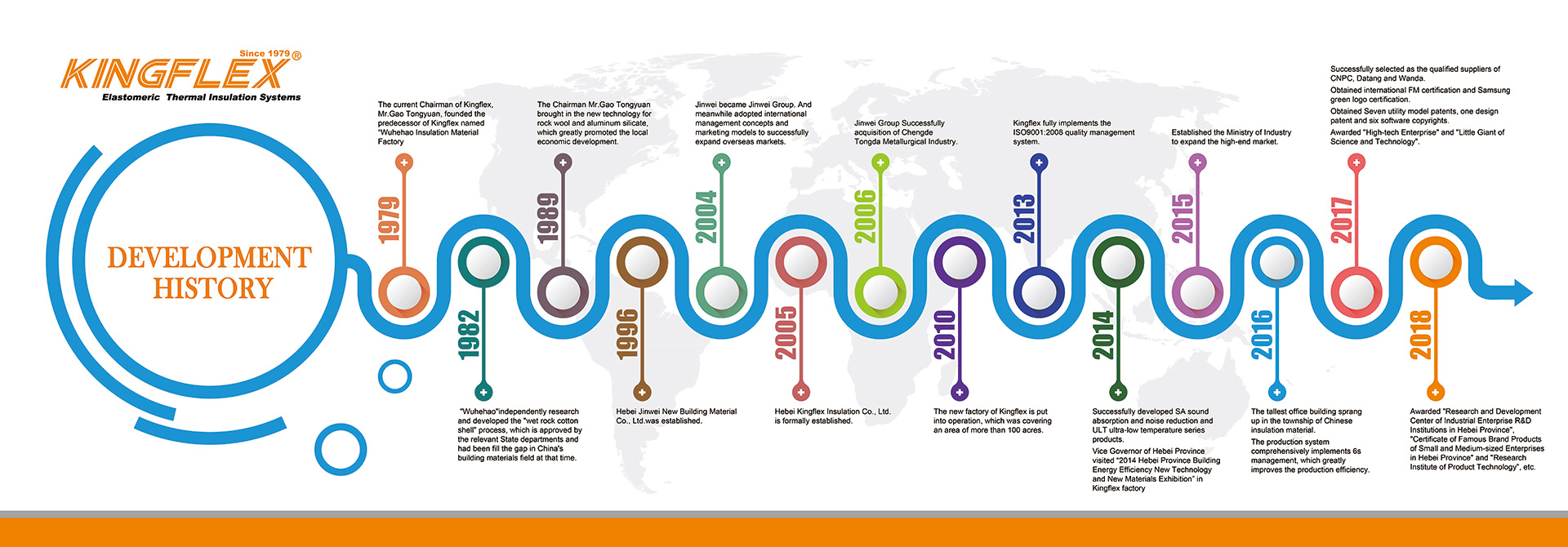
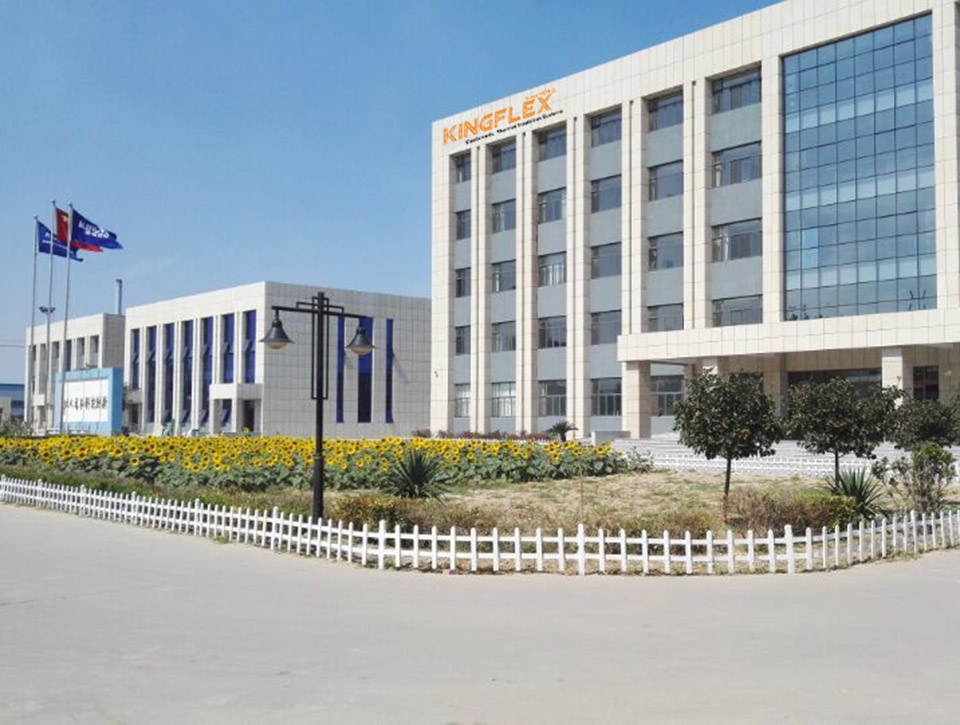
Established by the prestigious Jinwei Group, which holds a heritage of more than 40 years, Kingflex Insulation Co., Ltd. stands at the absolute vanguard of the thermal and acoustic insulation industry. Since 1979, the group has pioneered the manufacture of high-efficiency energy conservation insulation materials. Today, Kingflex is a modern, environmentally conscious combination of scientific research, large-scale production, global sales, and professional installation consulting services.
Operating out of Dacheng, China—widely recognized as the premier hub for green building materials—our production and R&D facilities are designed around energy saving and carbon footprint reduction. At present, Kingflex features five fully automated high-volume production lines, with an annual capacity exceeding 600,000 cubic meters.
Years of Legacy
Established in 1979M³ Capacity / Yr
5 Automated Assembly LinesExport Destinations
Global Distribution NetworkR&D / Production Team
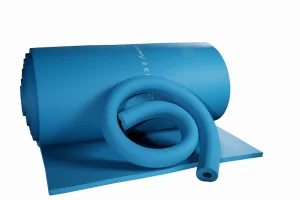
Skilled SpecialistsThe performance of Kingflex closed-cell elastomeric rubber foam insulation sheets and tubes is rooted in a fine-tuned chemical formulation. By mixing Nitrile Butadiene Rubber (NBR) and Polyvinyl Chloride (PVC) along with specific vulcanization and blowing agents, our manufacturing process produces a highly uniform cellular matrix. This structure features a closed-cell rate exceeding 98%.
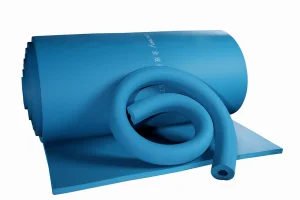
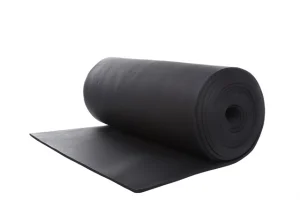
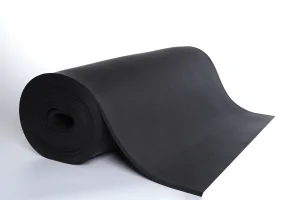
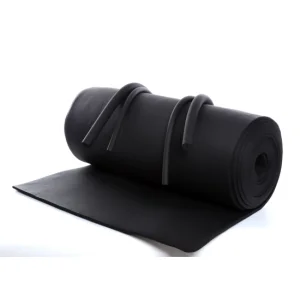
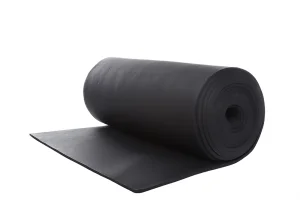
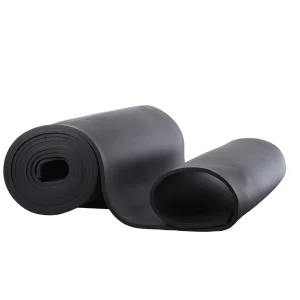
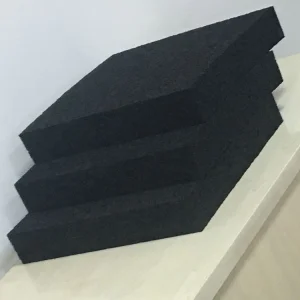
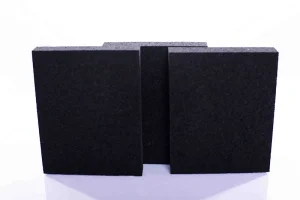
Designed for large surface areas such as commercial HVAC ductwork, building envelopes, cold storage chambers, and large-diameter pipelines.
| Specification | Parameter Metric |
|---|---|
| Base Compounds | NBR (Nitrile Butadiene Rubber) / PVC Blend |
| Available Thickness | 6mm to 50mm |
| Density Range | 40 - 55 kg/m³ |
| Temperature Compatibility | -40℃ to +105℃ |
| Thermal Conductivity (λ) | ≤ 0.034 W/(m·K) at 0℃ |
| Moisture Resistance (μ) | ≥ 10,000 (Vapor barrier built-in) |
Features: Even cell size, high elasticity, compression recovery >80%, self-extinguishing.
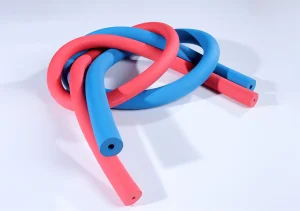
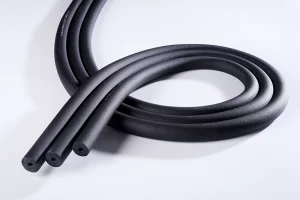
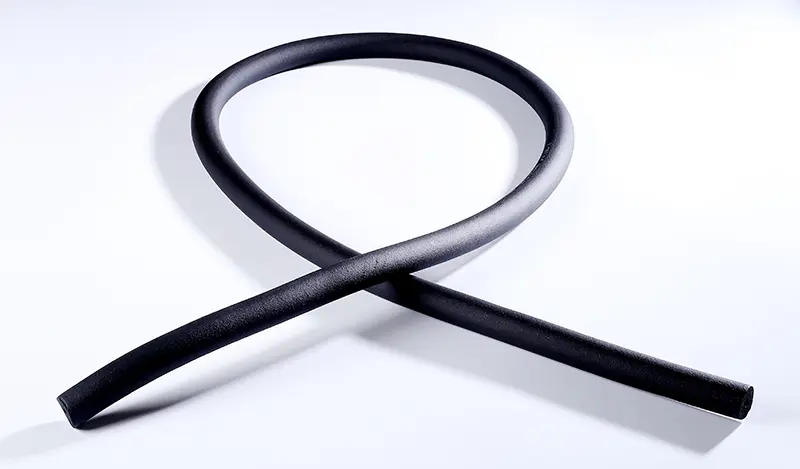
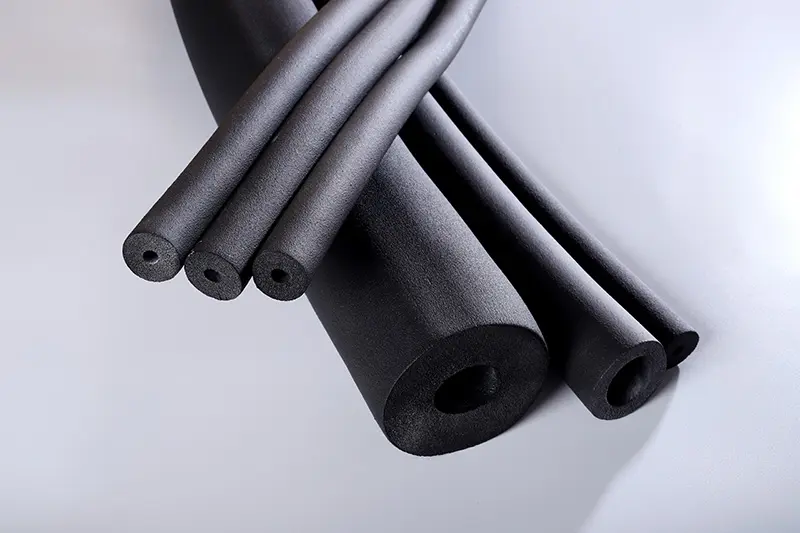
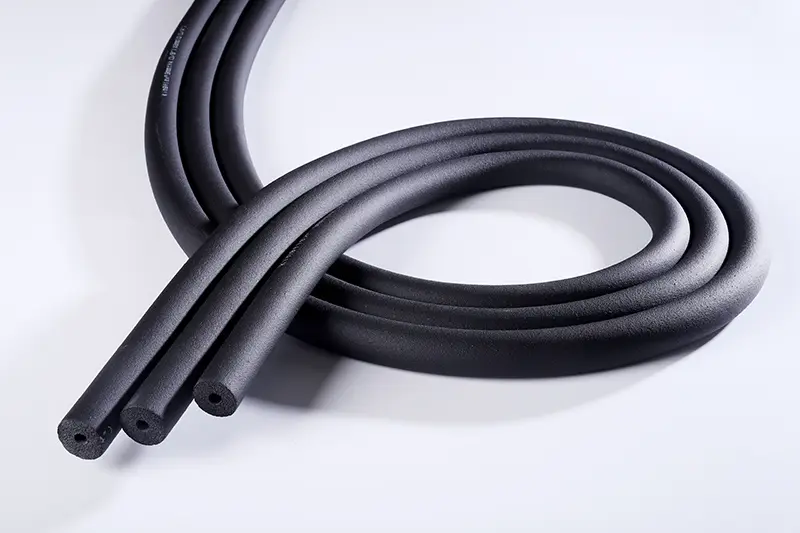
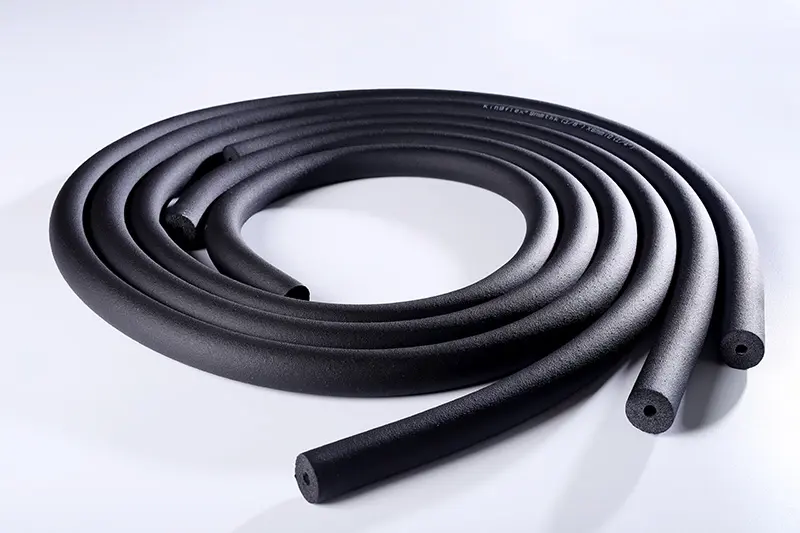
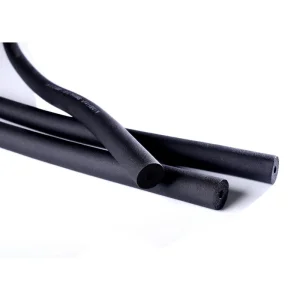
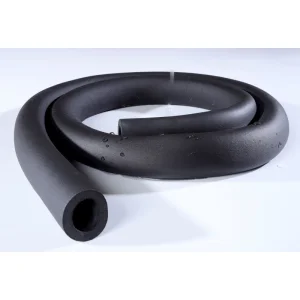
Pre-formed cylindrical profiles optimized for immediate installation on copper piping, steel water tubes, condensate lines, and industrial steam pipes.
| Specification | Parameter Metric |
|---|---|
| Base Compounds | NBR (Nitrile Butadiene Rubber) / PVC Blend |
| Thickness Options | 9mm to 40mm |
| Inner Diameter (ID) | 6mm to 114mm |
| Density Range | 40 - 55 kg/m³ |
| Temperature Range | -40℃ to +105℃ |
| Water Vapor Barrier | Built-in non-porous outer skin |
Features: Prevents pipe freezing and cracking, minimizes heat gain/loss, simplifies complex joint sealing.
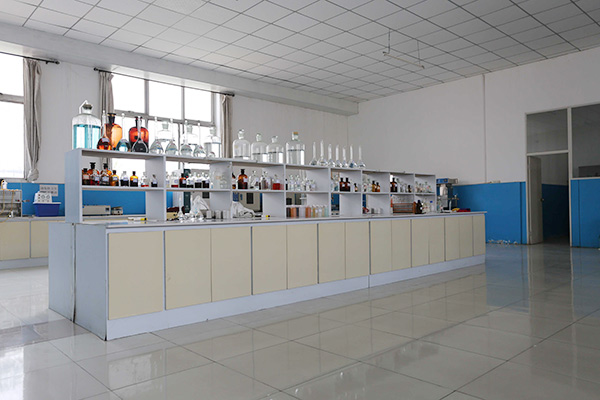
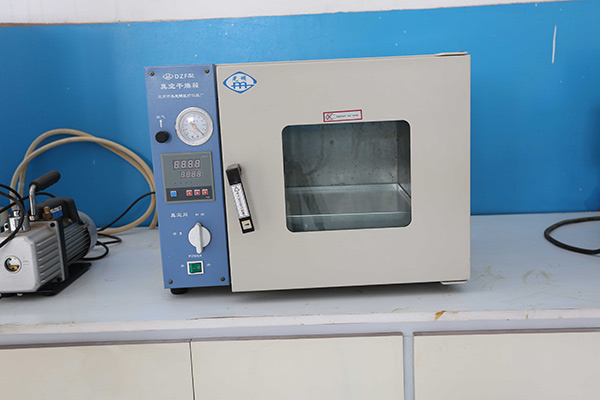
We employ eight dedicated research and development engineers who continuously test fire-retardant performance, chemical stability under cryogenic conditions, and anti-aging behavior. The manufacturing facility features advanced multi-stage automated extrusion ovens, precise temperature-profile baking tunnels, and integrated automated cutting machines.
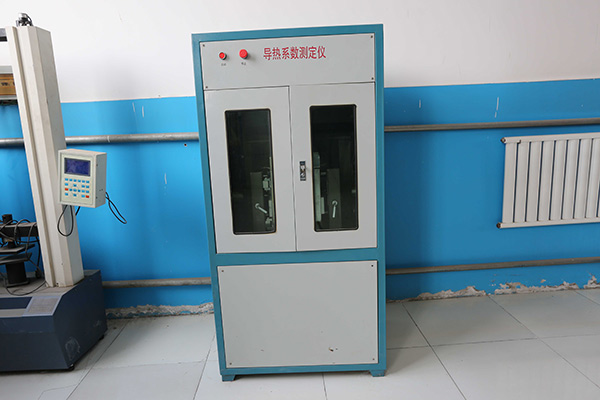


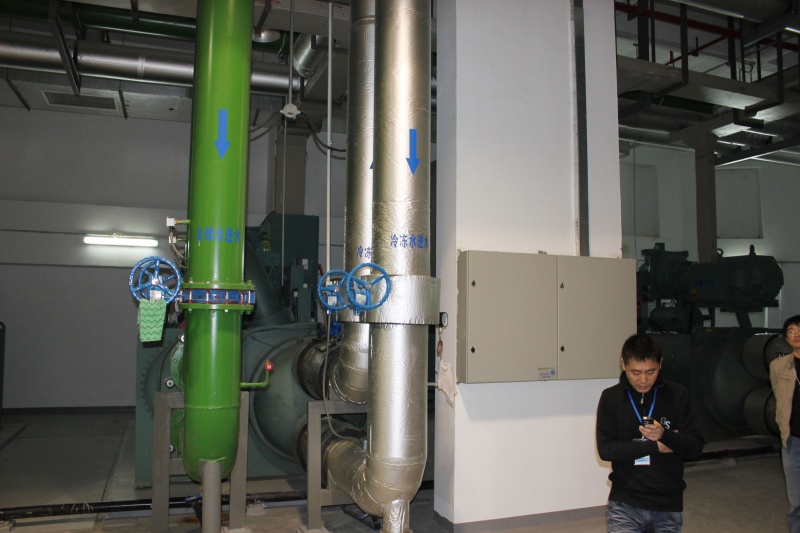
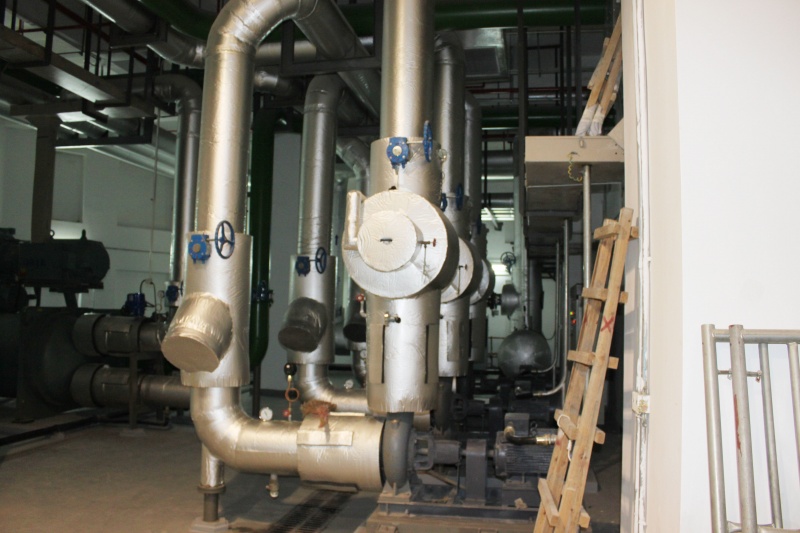
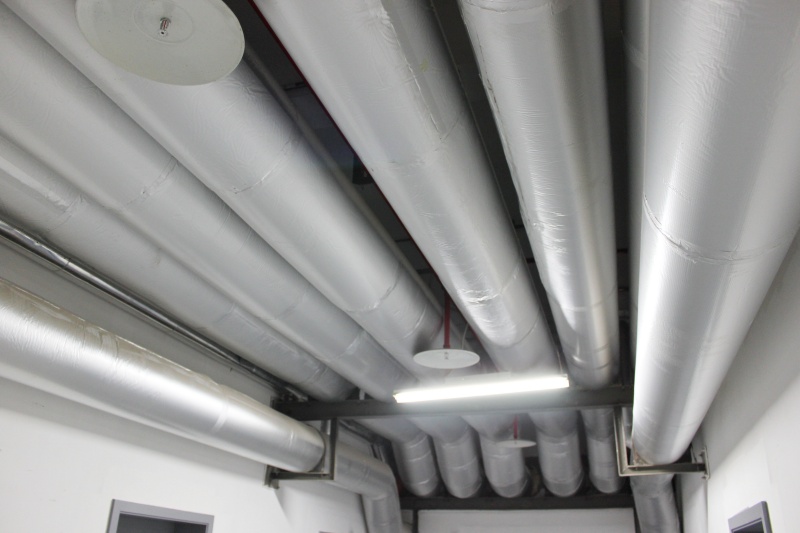

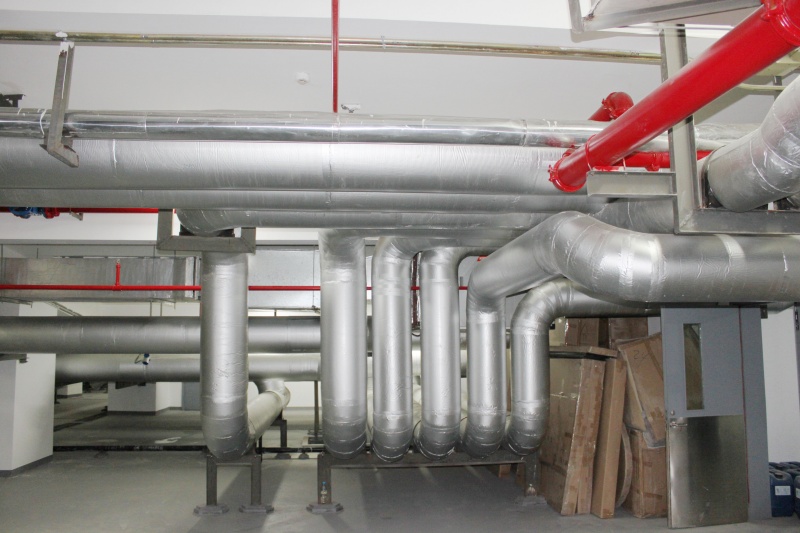

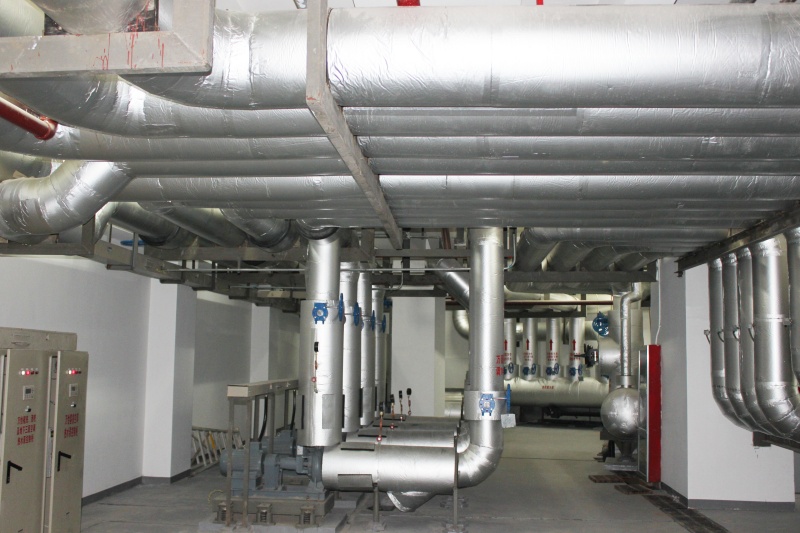
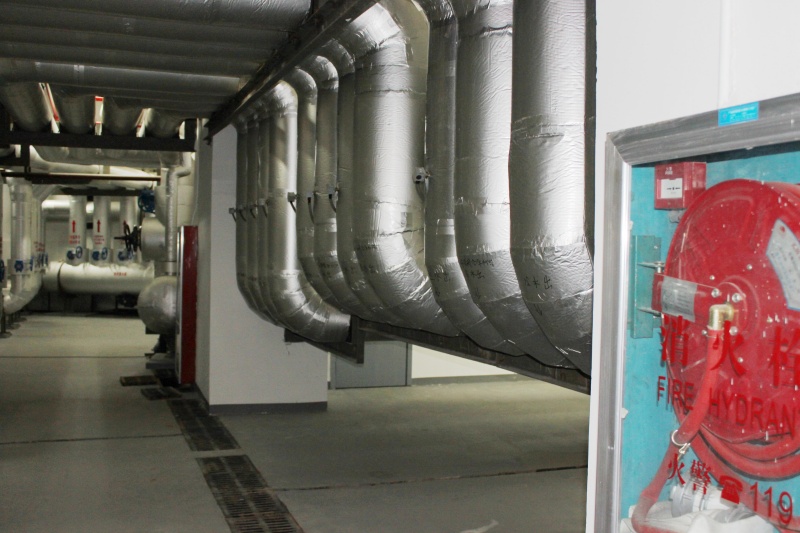
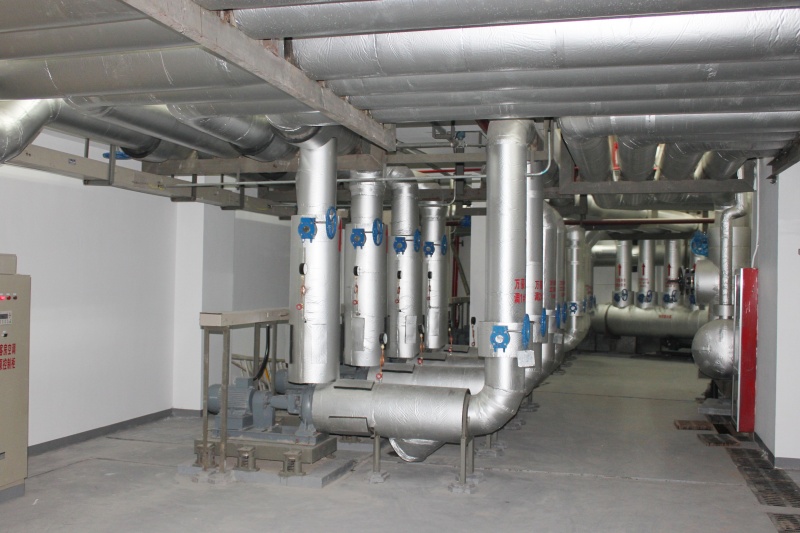
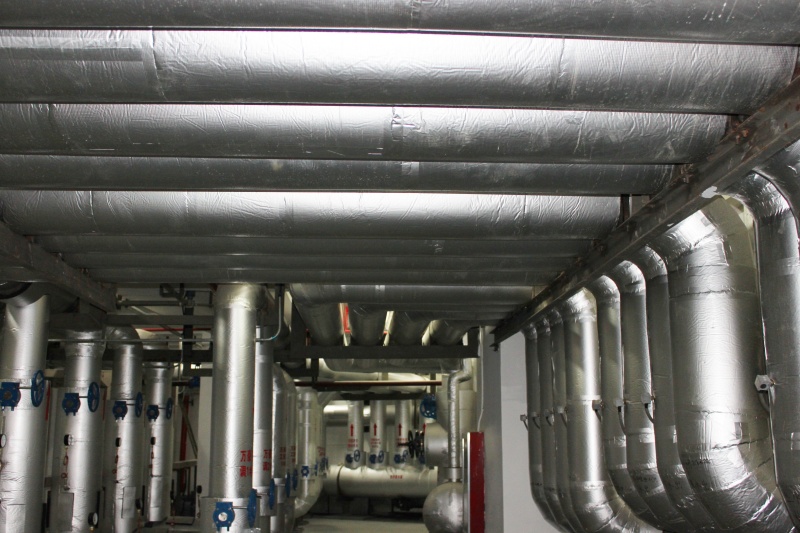


To ensure smooth procurement and compliance for engineering, procurement, and construction (EPC) contractors worldwide, our products undergo regular audits. Our materials hold various certifications to meet global standards:
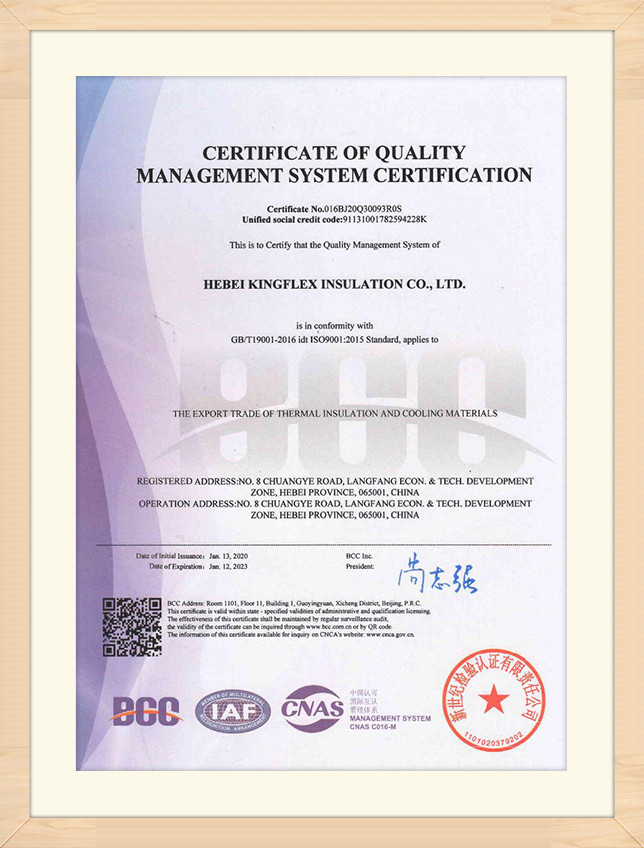
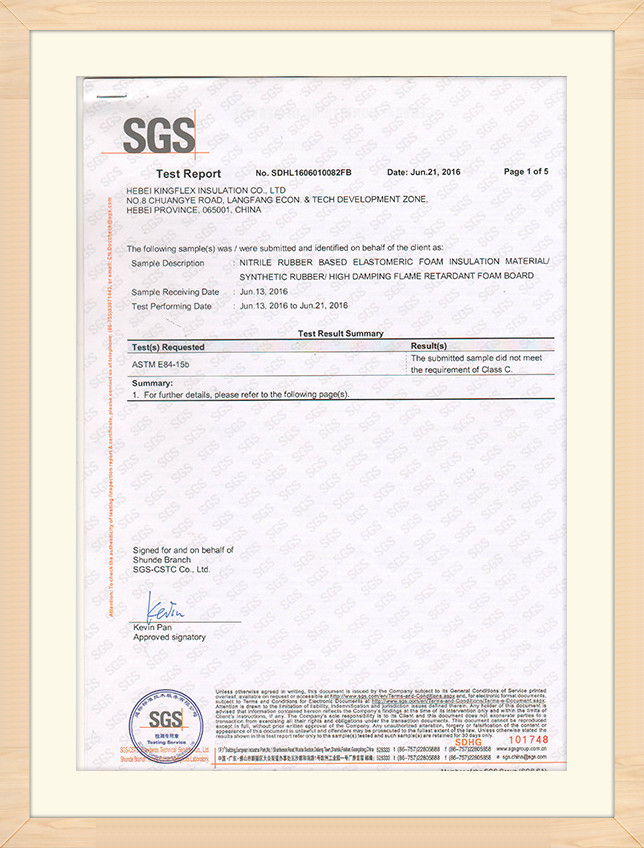
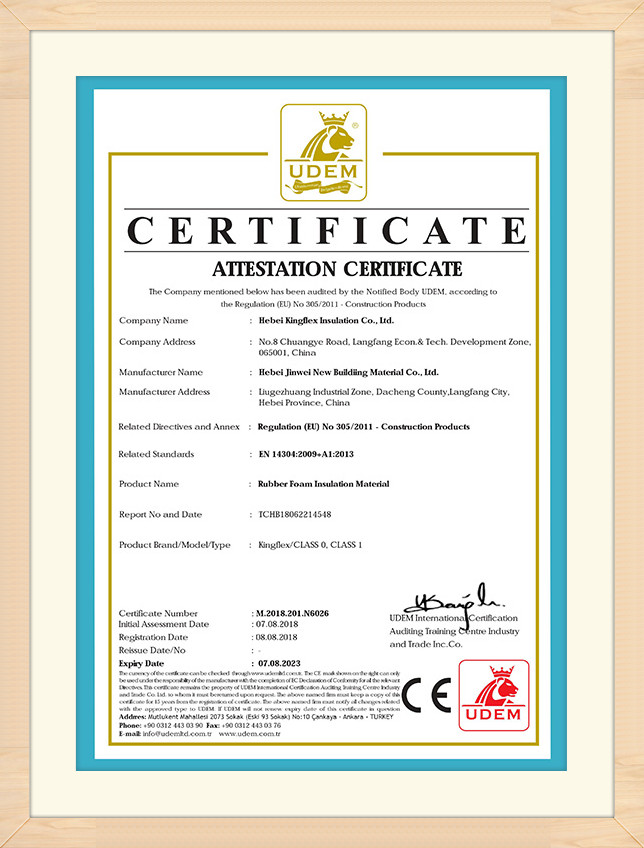
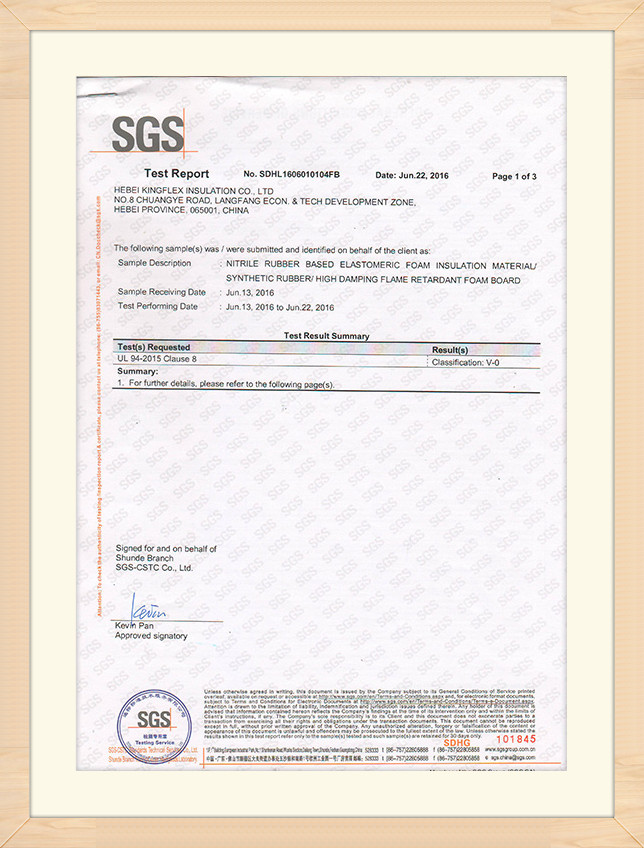
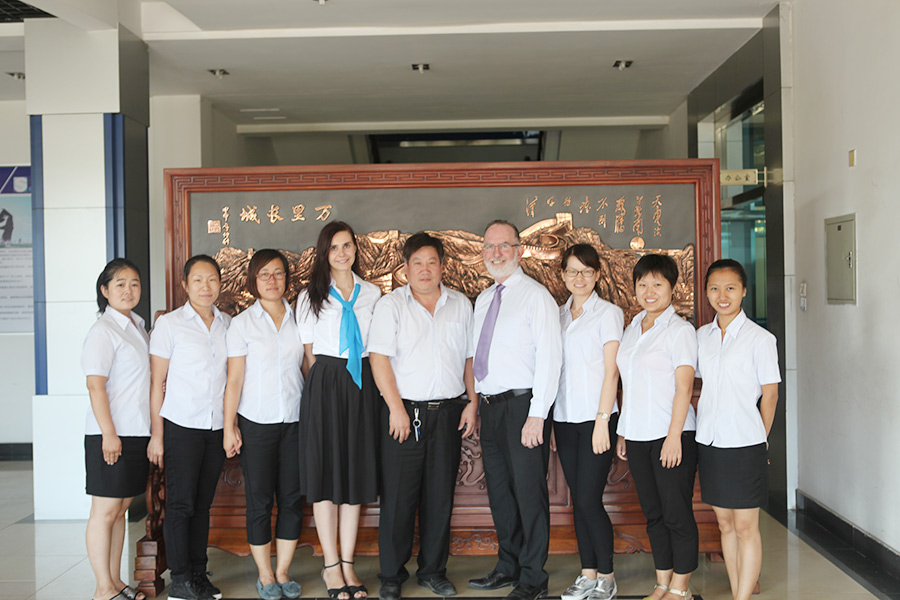
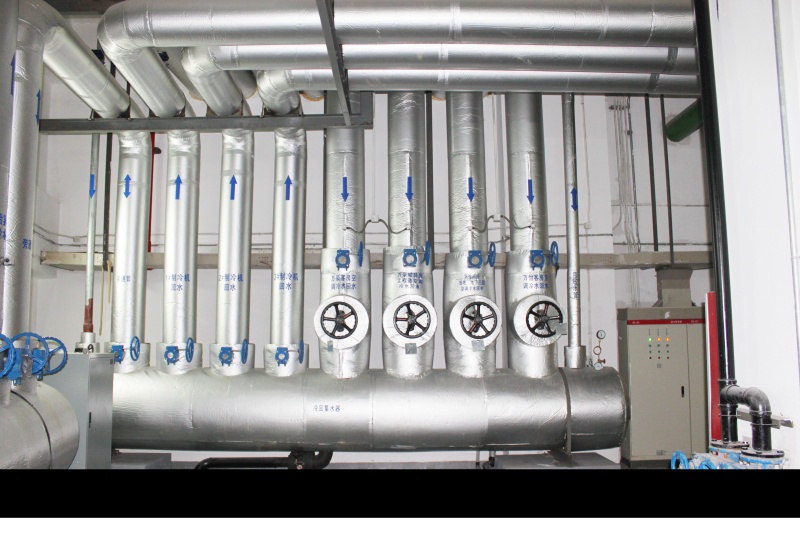
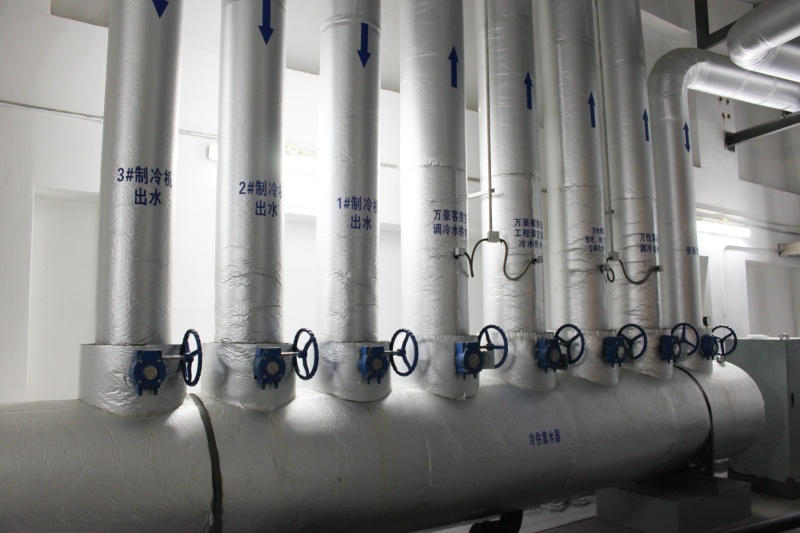
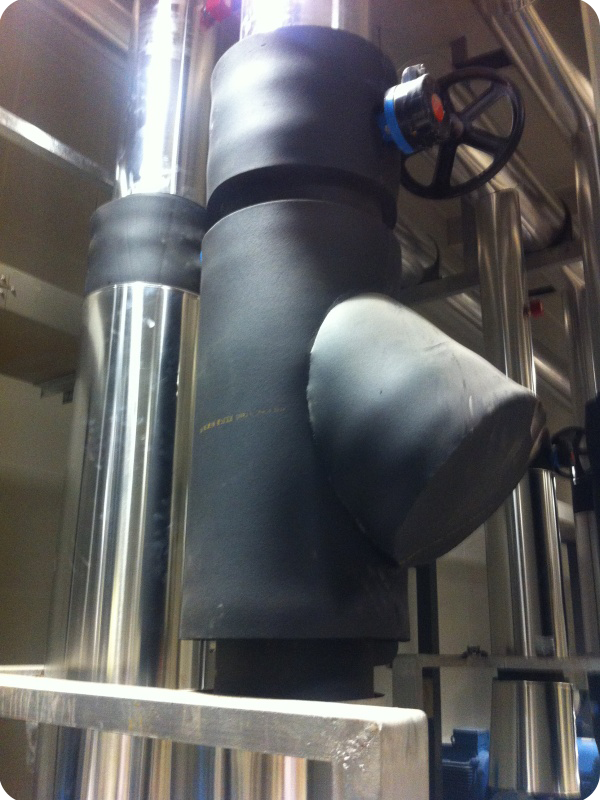
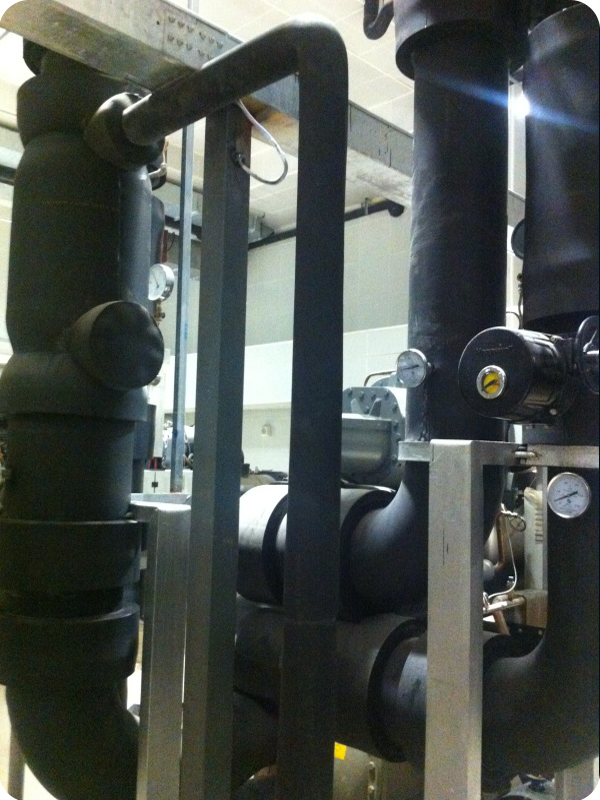
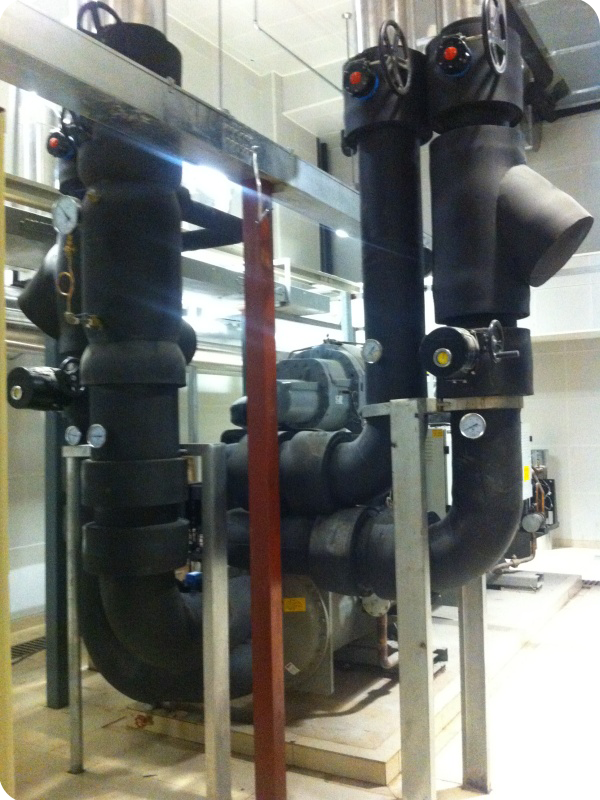
Over the past 16 years, Kingflex has built relationships with distributors, EPC contractors, and mechanical installers in over 66 countries. Below are highlights from our engineering projects, along with verification of our technical communications:
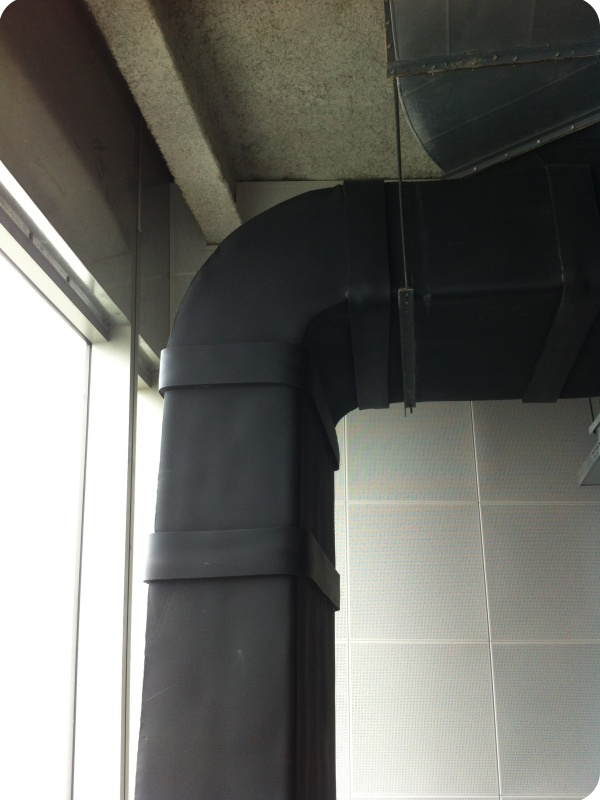

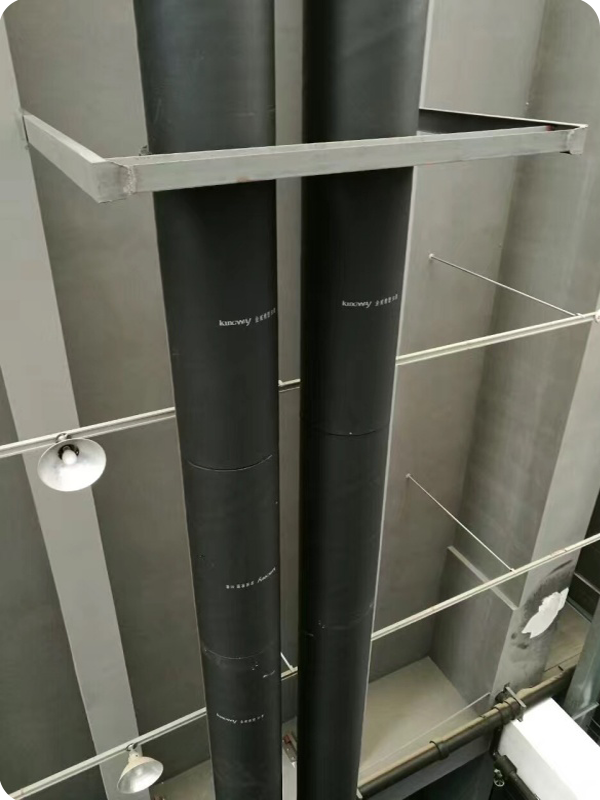
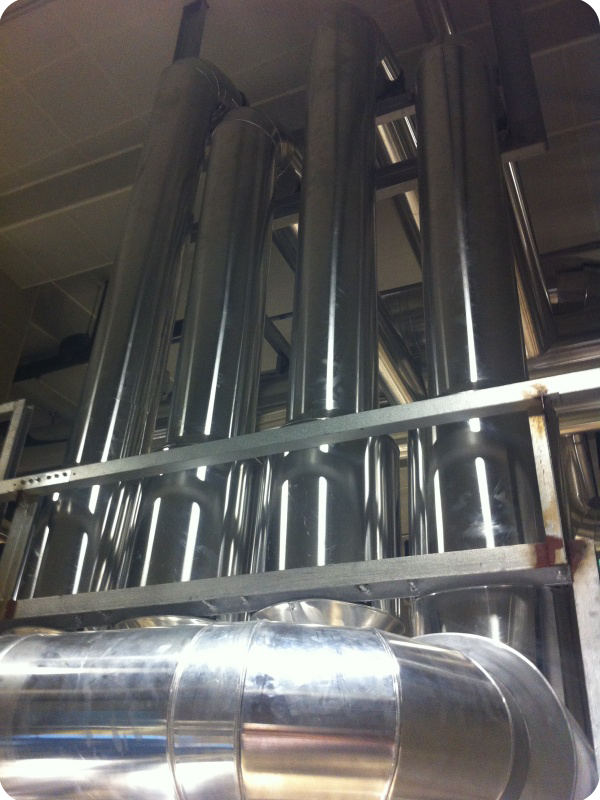
Customer satisfaction is built on consistent quality, traceable manufacturing batches, and prompt delivery. Below are verified logs from our international logistics and technical alignment sessions:
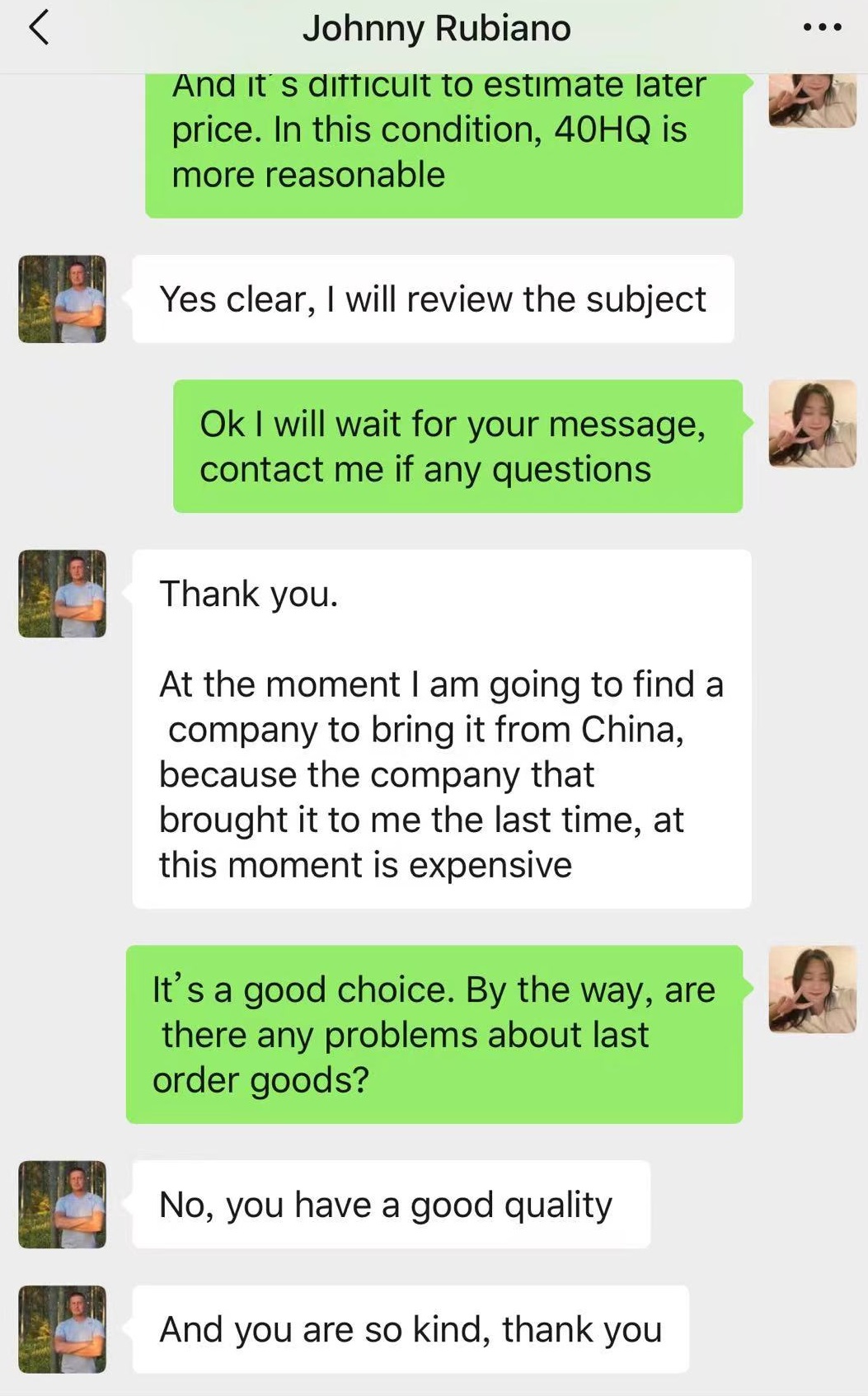



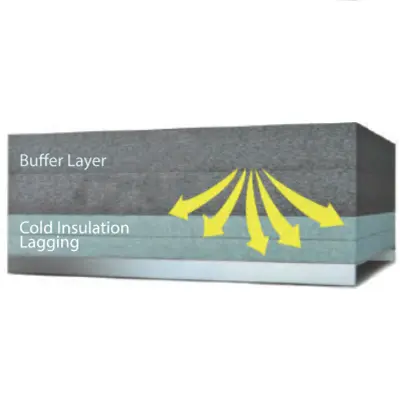
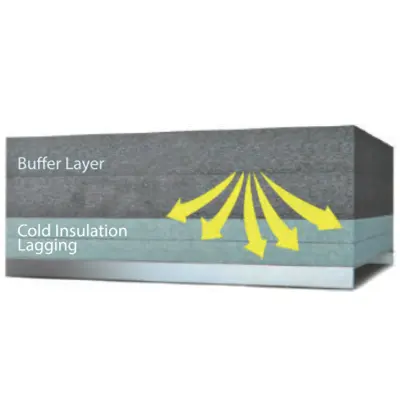
In outdoor installations, chemical plants, and heavy marine environments, bare elastomeric foam requires defense against mechanical impact, ultraviolet (UV) degradation, and chemical exposure. Kingflex offers factory-laminated options including aluminum foil protective layers, high-tensile fiberglass coatings, and heavy-duty PVC wrap skins.

The thermal insulation sector is moving toward smarter, thinner, and more environmentally stable systems. Key developments in our engineering roadmap include:
Combining the thin profile of silica aerogels with the flexibility of elastomeric NBR foams to achieve thermal conductivities below 0.020 W/(m·K), saving space in high-density piping corridors.
Developing rubber compounds that do not release toxic acid gases during fires, satisfying strict regulations for mass transit, underground railways, and cleanroom installations.
Phasing out conventional greenhouse-impact fluorocarbon blowing agents in favor of water-blown and CO₂-based gas injection systems to target zero Global Warming Potential (GWP).
 Kingflex