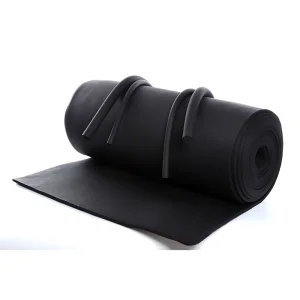
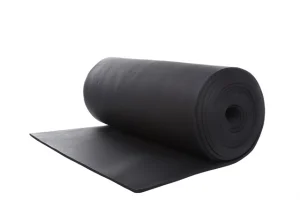
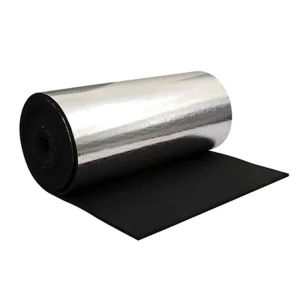
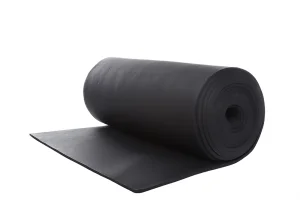
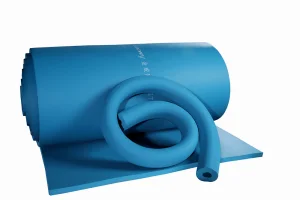
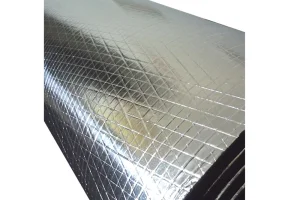
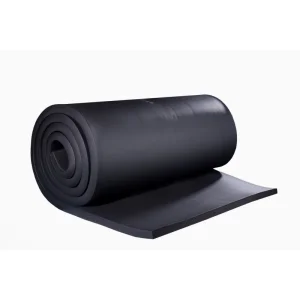
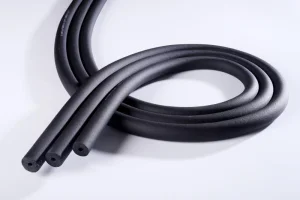
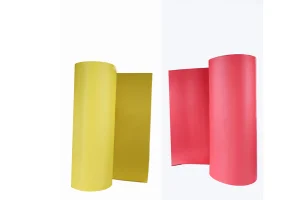
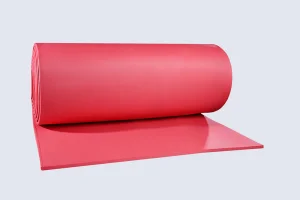
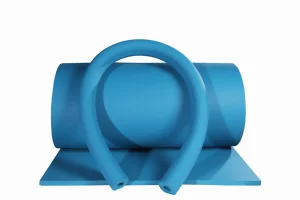
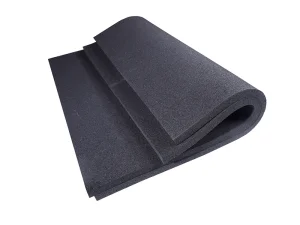
Select from our specialized elastomeric foam boards, thermal jackets, and foil-faced lagging products directly from China's largest manufacturing plant.
Under modern structural regulations, optimizing external ductwork thermal envelope remains the key element to passive building standards.
In modern industrial and commercial facilities, HVAC (Heating, Ventilation, and Air Conditioning) systems account for roughly 40% to 50% of the total building energy footprint. External duct lagging acts as the critical thermal barrier preventing systemic thermal drift, mitigating acoustic resonance, and avoiding atmospheric condensation. With worldwide efforts shifting towards net-zero carbon goals, construction codes including ASHRAE 90.1, the EU Energy Performance of Buildings Directive (EPBD), and China’s GB50189 Green Building Standards have made the implementation of high-performance closed-cell insulation materials mandatory.
Historically, duct lagging primarily comprised basic fiberglass and standard rock wool wraps. However, extreme challenges in high humidity, coastal salinity, and chemical process plant atmospheres have driven the market toward robust closed-cell elastomeric rubber foams (NBR/PVC). The structural composition of these materials offers intrinsic protection against moisture diffusion, eliminates the risk of Insulation Under Corrosion (CUI), and presents a dust-free solution suitable for critical cleanrooms, pharmaceutical hubs, and high-occupancy hospitals.
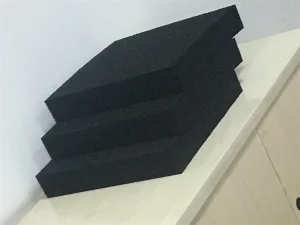
Ensuring silent indoor air distribution in skyscrapers, malls, and public transit terminals. Closed-cell rubber sheet structures reduce the hum of HVAC blowers, providing both energy conservation and sound dampening.
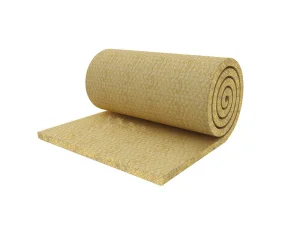
Safeguarding temperature-sensitive chemical pipelines, high-temperature boilers, and steam networks. Rock wool blanket solutions provide fire protection up to temperatures exceeding 650°C.
Advanced elastomeric systems optimized for extreme low-temperature fluid lines (liquefied natural gas, liquid oxygen, cryogenic processing) operating from -40°C down to cryogenic ranges.
Explore the technical properties of NBR/PVC elastomer systems manufactured at the Kingflex Dacheng facility.
The standard composition of Kingflex Elastomeric Rubber Foam involves an optimized polymer blend of Nitrile Butadiene Rubber (NBR) and Polyvinyl Chloride (PVC). This chemical integration creates a uniform closed-cell network (exceeding 98% cell density) that guarantees low thermal conductivity and exceptional water vapor resistance.
Our sheets feature densities between 40-55 kg/m³ and support operational temperatures from -40℃ to 105℃ (up to cryogenic limits with specialized formulations). This flexibility prevents cracking, degradation, or thermal failure over prolonged life cycles.
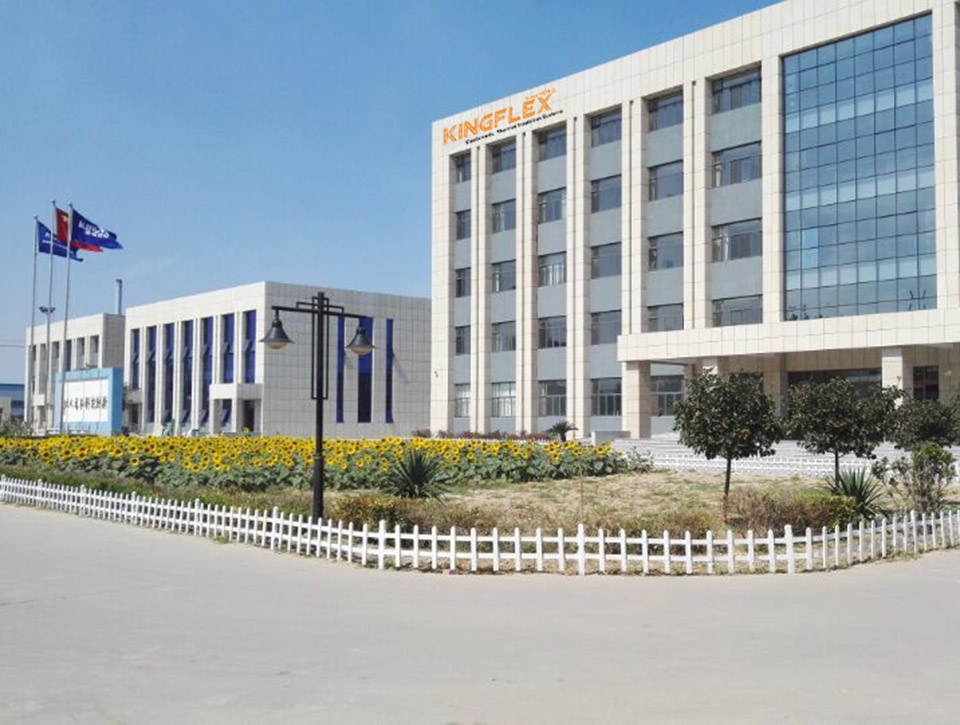
Over four decades of dedication to energy-saving structural and industrial thermal isolation materials.
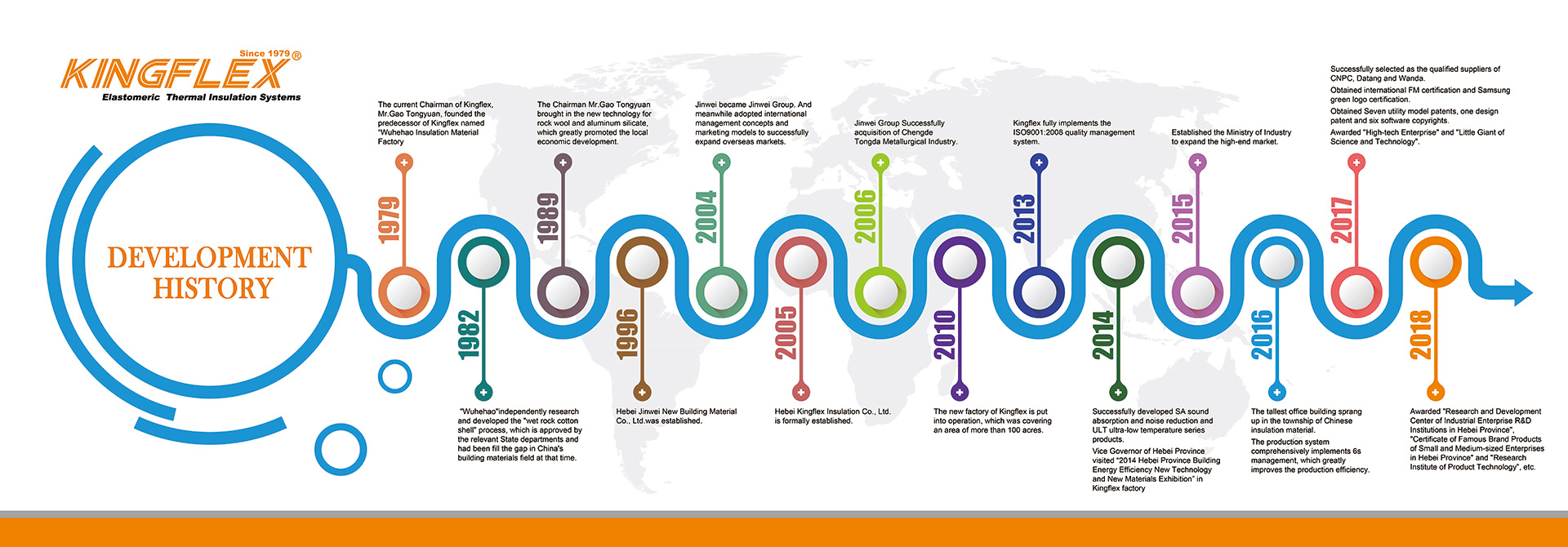
Kingflex Insulation Co., Ltd. is a professional manufacturing and trading combo for thermal insulation products. Our R&D and primary production department is located in Dacheng, China, the well-known capital of green-building materials. As an energy-saving, environmentally friendly enterprise, we concentrate on the research, development, production, and sales of high-performance insulation solutions.
Kingflex was established by the Jinwei Group, which carries a legacy of more than 40 years. Founded in 1979, Jinwei Group was the first manufacturer of thermal insulation materials north of the Yangtze River, paving the way for thermal conservation developments in China.
In our current operations, Kingflex operates 5 large automatic assembly lines, yielding an annual production capacity exceeding 600,000 cubic meters. This scale has earned us designated production status under the Ministry of Energy, the Ministry of Electric Power, and the Ministry of Chemical Industry.
Our workforce forms the backbone of Kingflex's market leadership. Our team consists of 8 professional engineers in our R&D Department, 6 international sales experts, and 230 skilled production workers. Together, they align on a shared vision to provide first-class service and premium materials to our global clientele.
We take responsibility for supplying clients worldwide with complete energy-saving insulation systems. As an integrated solution provider of thermal, cold, and acoustic insulation for buildings and industries, we lead with sustainable practices at our core.

Tested and certified by international laboratories to ensure compliance with global fire safety and environmental policies.
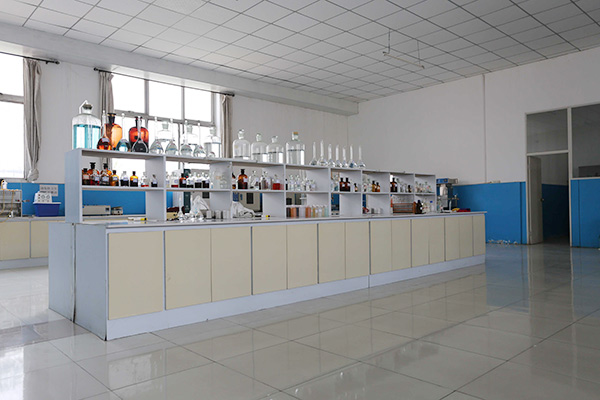
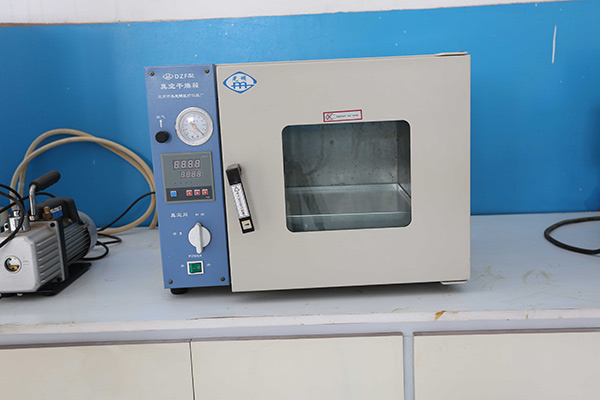
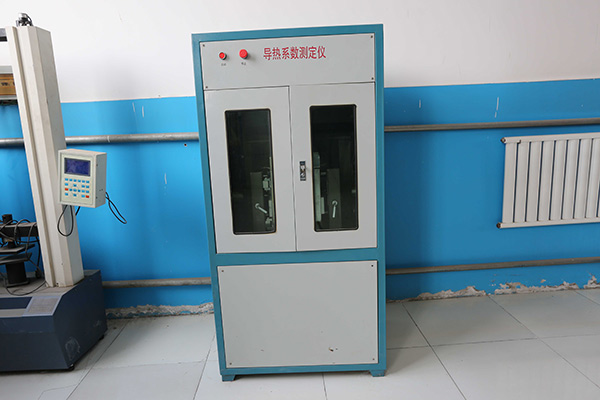
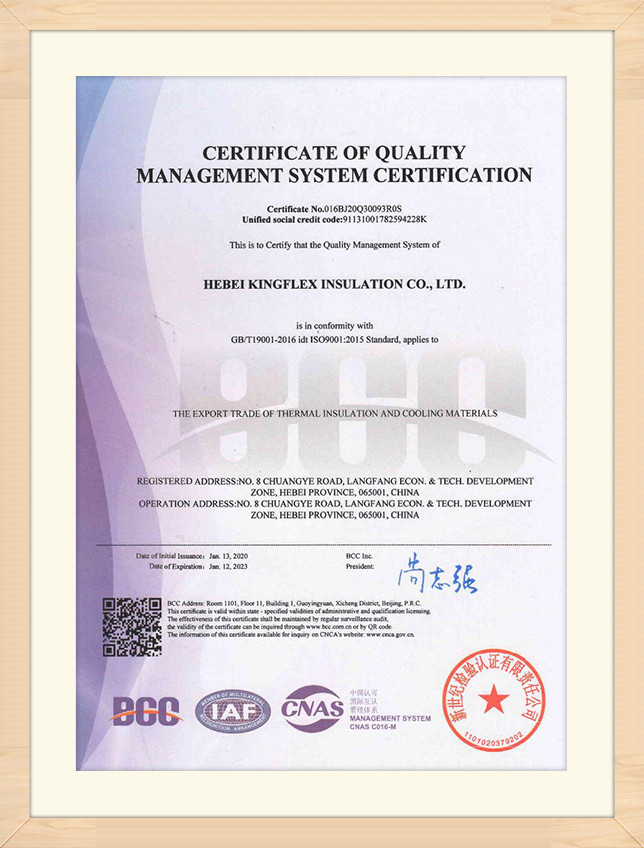
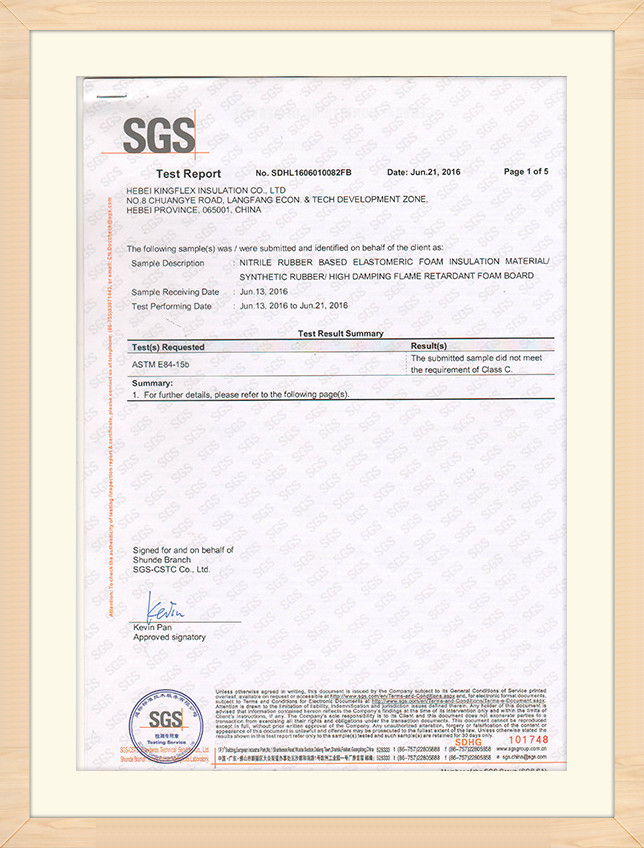
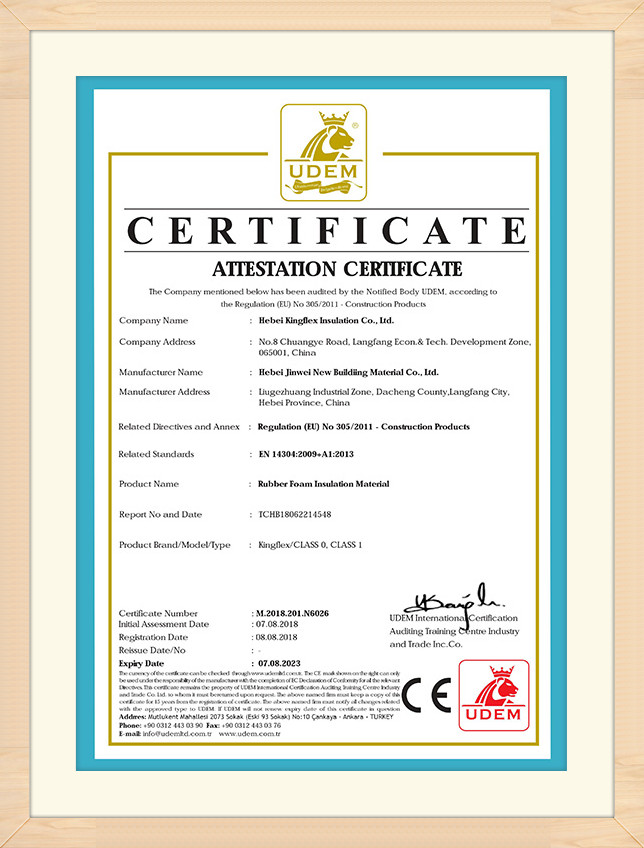
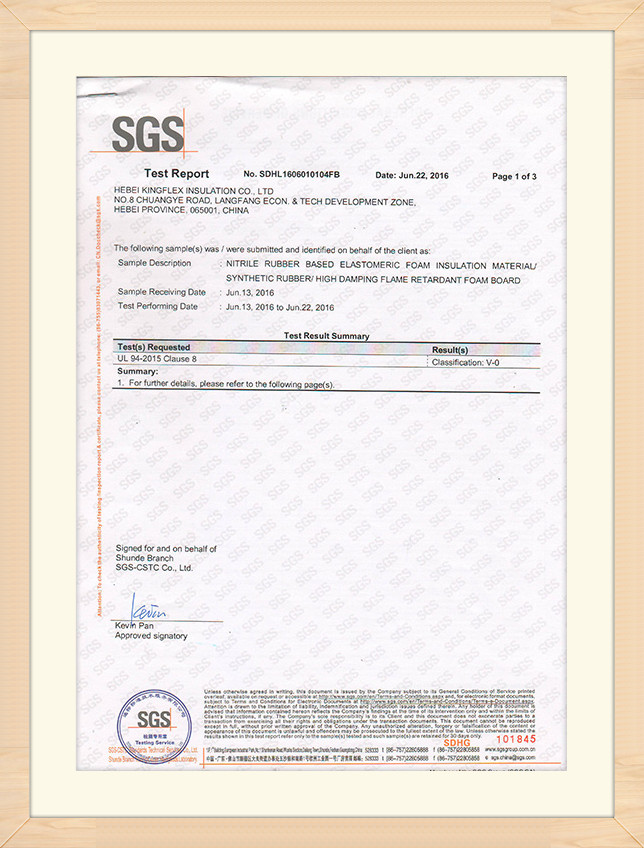
How our external duct lagging performs under diverse geographic and climatic demands.
In hot, humid areas (such as Southeast Asia, Middle Eastern coastal cities, and Central America), HVAC systems run continuously near dew point temperatures. Standard insulation materials absorb ambient moisture, which degrades their thermal resistance. Kingflex closed-cell rubber sheets provide an integrated moisture barrier that prevents water ingress, avoiding mold growth and localized structural corrosion.
In Northern Europe, Canada, and Northern China, insulation must prevent heating pipes and ducts from freezing while reducing high thermal losses. High-density elastomeric foam wraps combined with rock wool blankets ensure that outdoor duct networks resist freezing temperatures without cracking under mechanical strain.
Modern hospitals, pharmaceutical laboratories, and microelectronics plants demand dust-free environments. Traditional mineral wool may shed microfibers if damaged, but our NBR/PVC elastomeric rubber foam sheets are fiber-free and emit low VOCs, helping maintain clean air delivery in strict indoor environments.
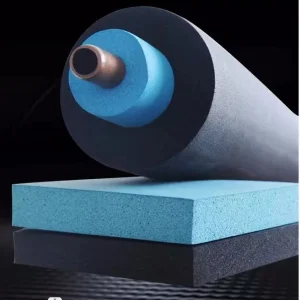
Comparative physical metrics for Black Rubber Foam Insulation Sheets and Insulation Pipes.
| Parameters | Standard Value |
|---|---|
| Material Basis | Premium NBR / PVC Elastomeric Polymer Blend |
| Available Thickness | 6 mm to 50 mm |
| Apparent Density | 40 to 55 kg/m³ |
| Service Temp. Range | -40℃ to 105℃ |
| Thermal Conductivity (0℃) | ≤ 0.034 W/(m·K) |
| Moisture Resistance (μ) | ≥ 10,000 (Closed-cell structure) |
| Compression Resilience | Over 80% recovery rate |
| Parameters | Standard Value |
|---|---|
| Material Basis | NBR / PVC Foam Compound |
| Available Wall Thickness | 9 mm to 40 mm |
| Internal Diameter (ID) | 6 mm to 114 mm |
| Service Temp. Range | -40℃ to 105℃ |
| Flame Retardancy | Self-extinguishing (Class 0 / Class 1) |
| Coating Technology | Uniform automated spray technology |
| Core Application | Chilled water, steam, and industrial pipes |
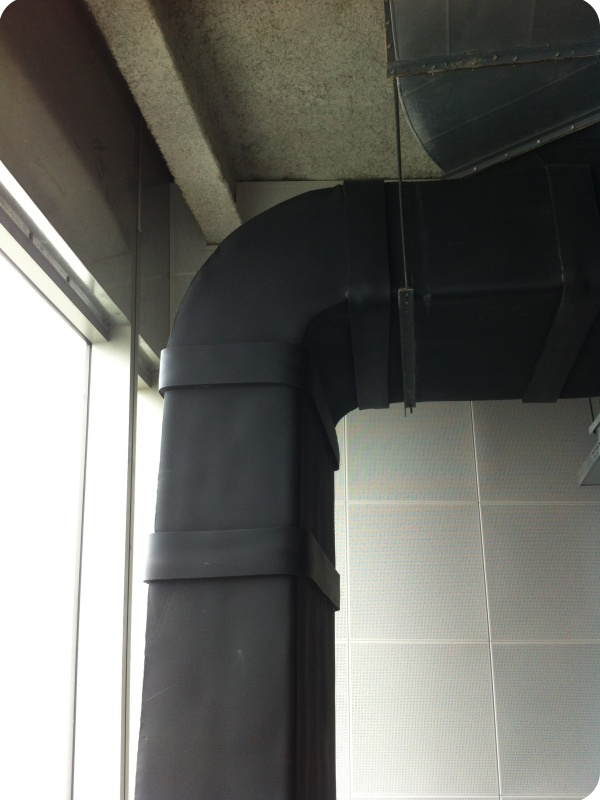
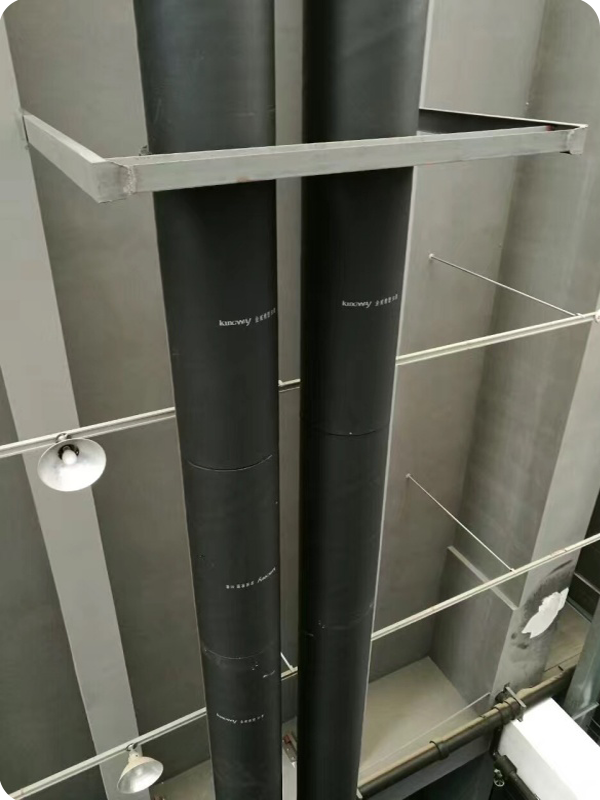
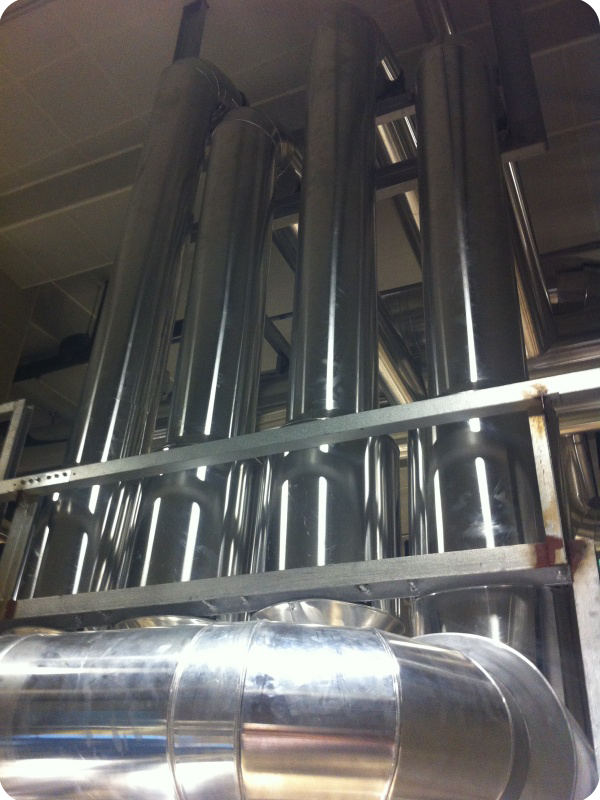
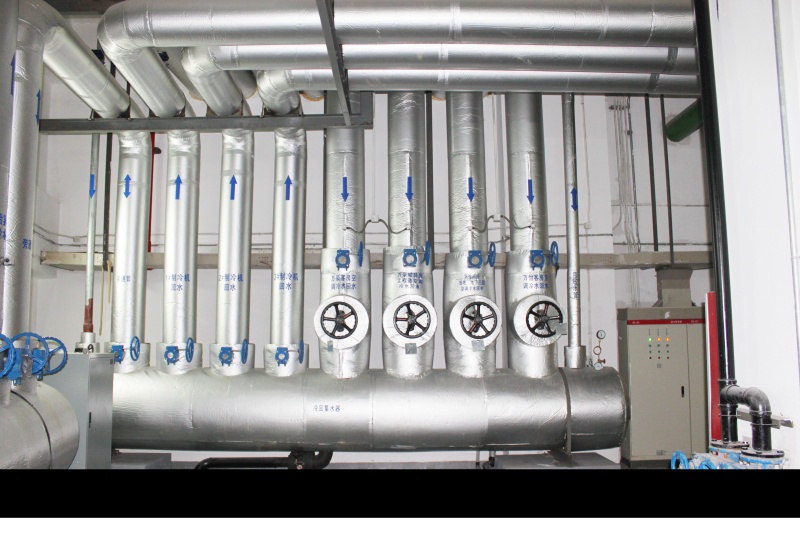
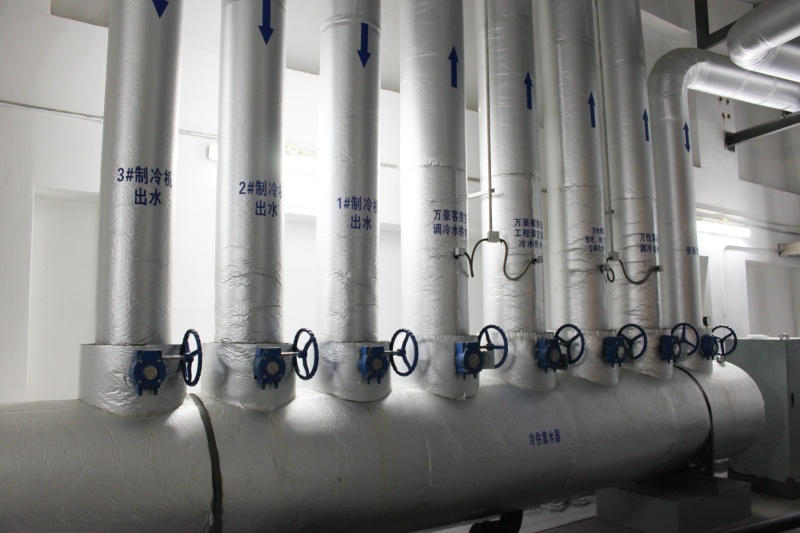
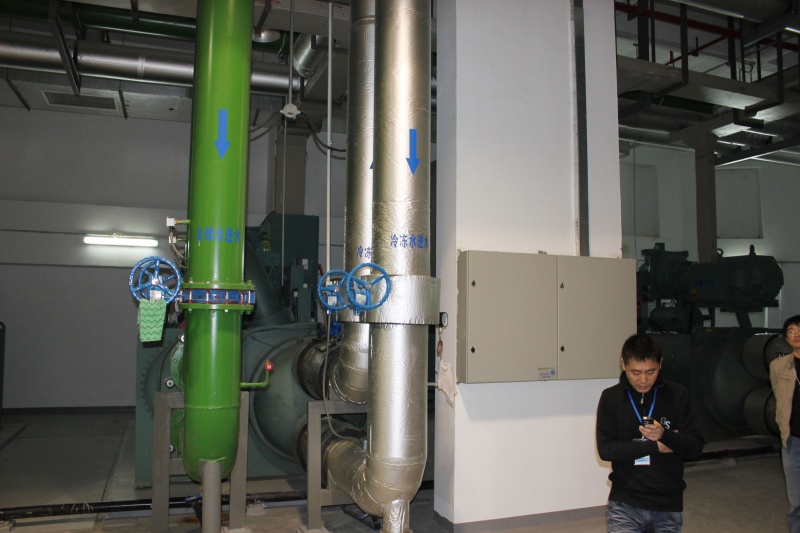
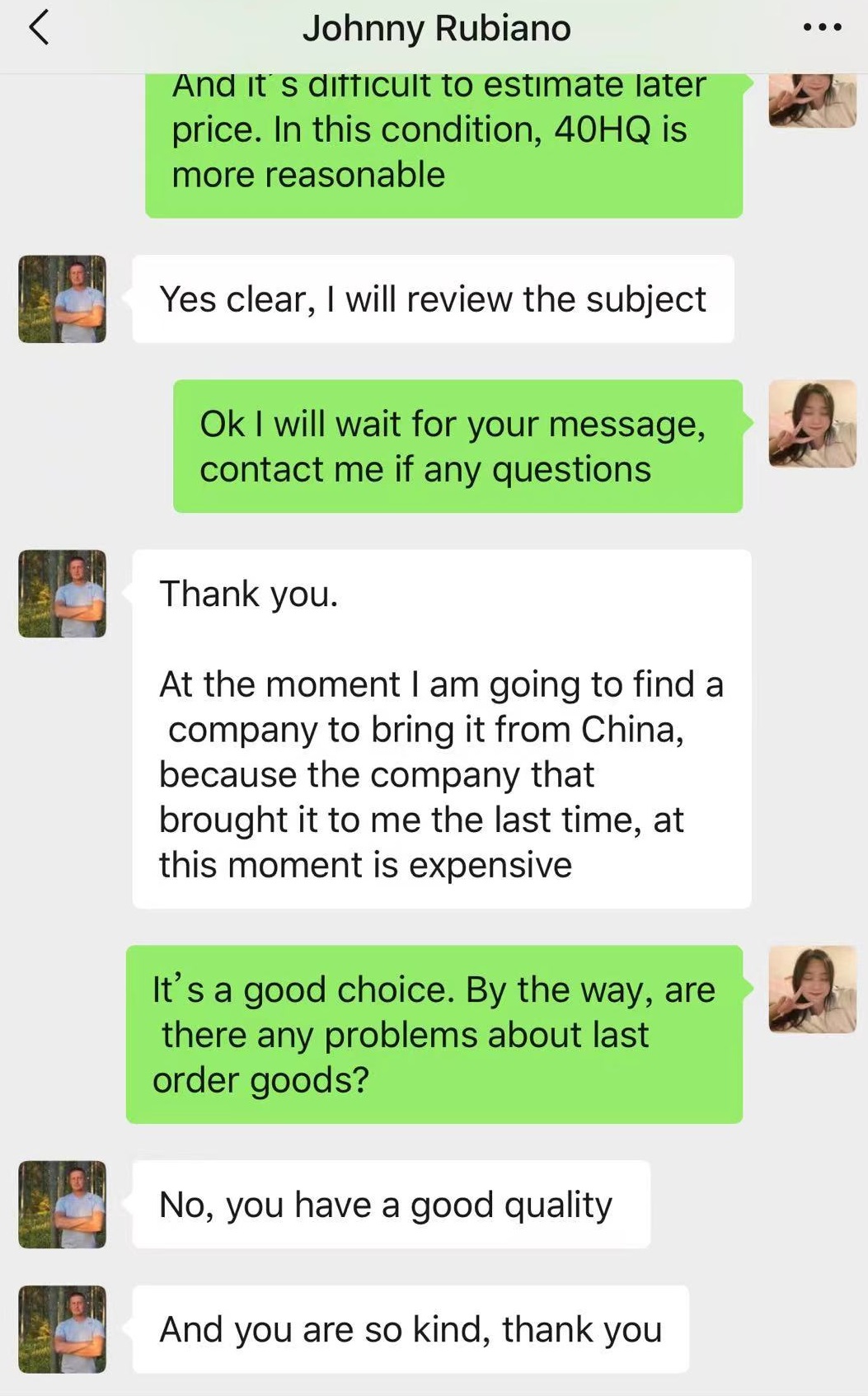
See real-world installations of Kingflex systems globally along with screenshots of direct customer communication.




Pioneering tomorrow's insulation demands through eco-conscious material science.
We are researching bio-derived polymers to replace petroleum-based materials. This pathway aims to lower carbon footprints while maintaining fire classification performance.
By infusing silica aerogel particles into our closed-cell rubber matrices, our next-generation prototypes achieve thermal conductivity values below 0.028 W/(m·K), reducing required wall thicknesses.
Transitioning toward advanced, halogen-free fire retardants ensures compliance with environmental standards like REACH and RoHS, preventing toxic smoke emissions in fire situations.
Technical clarifications regarding performance, lifespan, application protocols, and specifications.
Select from our specialized elastomeric foam tubes, cryogenic insulation products, and rock wool options.
 Kingflex