Engineered to withstand rigorous environments, our range of elastomeric, rock wool, and soundproof products offer certified performance under worldwide building codes.
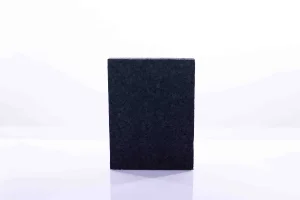
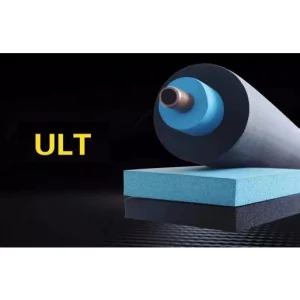
As global energy mandates shift towards structural decarbonization and near-zero energy building (NZEB) designs, the requirement for premium, high-integrity thermal barriers has intensified. Specifically, China Glass Wool Insulation Boards have transitioned from low-cost commodities to high-performance, precision-engineered building envelope products. Modern manufacturing facilities situated in national green-building clusters, such as Dacheng in Hebei, leverage fully automated, state-of-the-art rotary production technologies to achieve thermal conductivity coefficients (λ) as low as 0.031 W/(m·K) at room temperature.
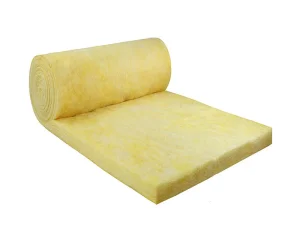
The manufacturing excellence of Chinese glass wool insulation factories centers on raw material purity and fine-fiber attenuation. Utilizing ultra-high-speed centrifuge processes, producers melt silicate mineral matrices to generate glass fibers with average diameters below 6 microns. This meticulous control of fiber morphology yields high mechanical elasticity, superior tensile strength, and excellent structural recovery factors when compressed for maritime container transport.
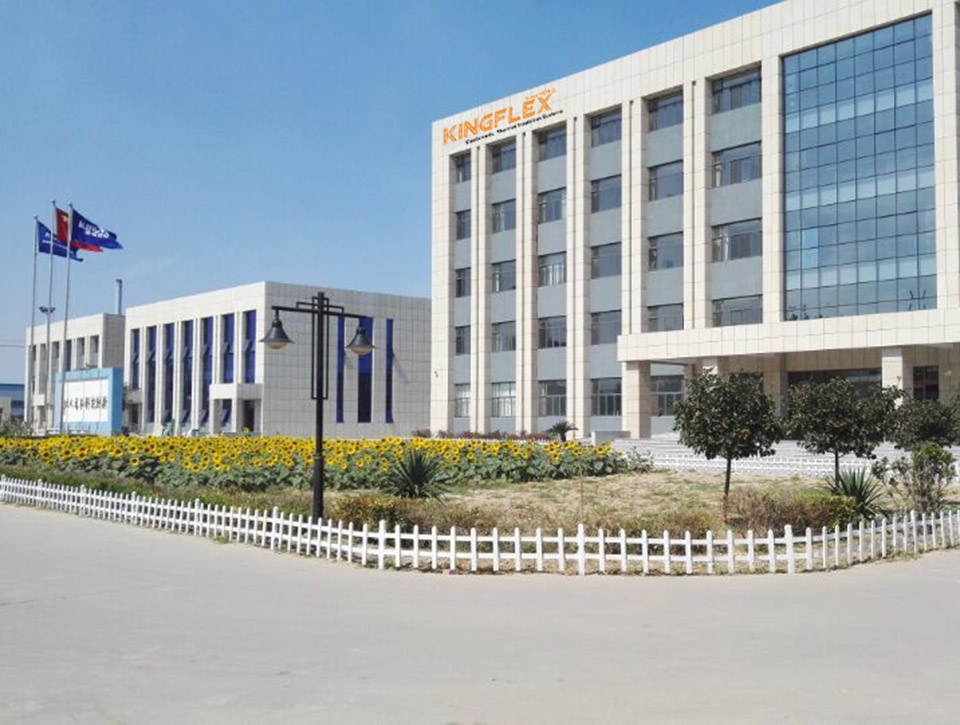
Located in the heart of Dacheng, China's premier green-building material industrial hub, Kingflex secures local raw materials, continuous downstream supplies, and efficient logistics corridors to primary Chinese shipping ports, minimizing overall lead times.
Operating 5 large-scale, automated production lines with output exceeding 600,000 m³ annually, computerized weight regulation, density distribution monitoring, and dynamic inline thickness adjustments eliminate batch variation.
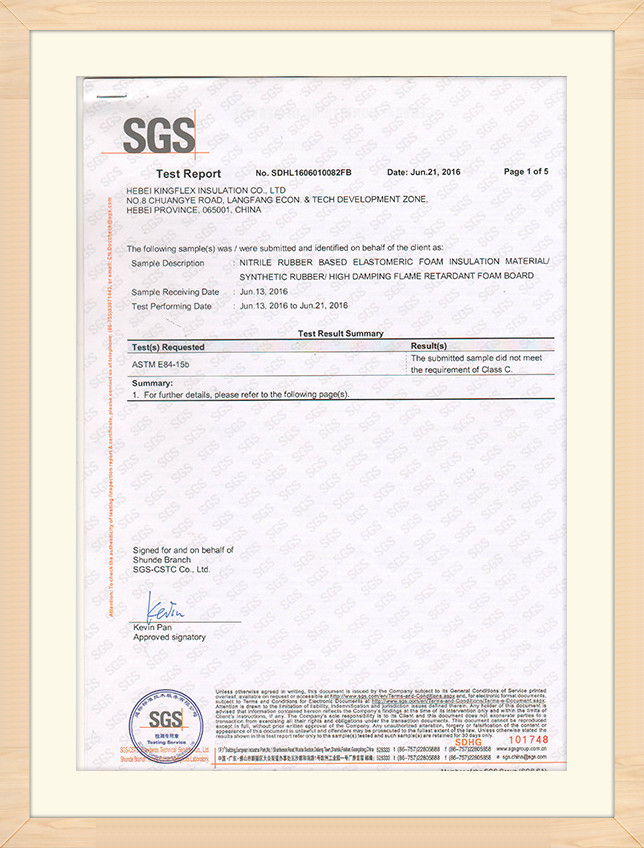
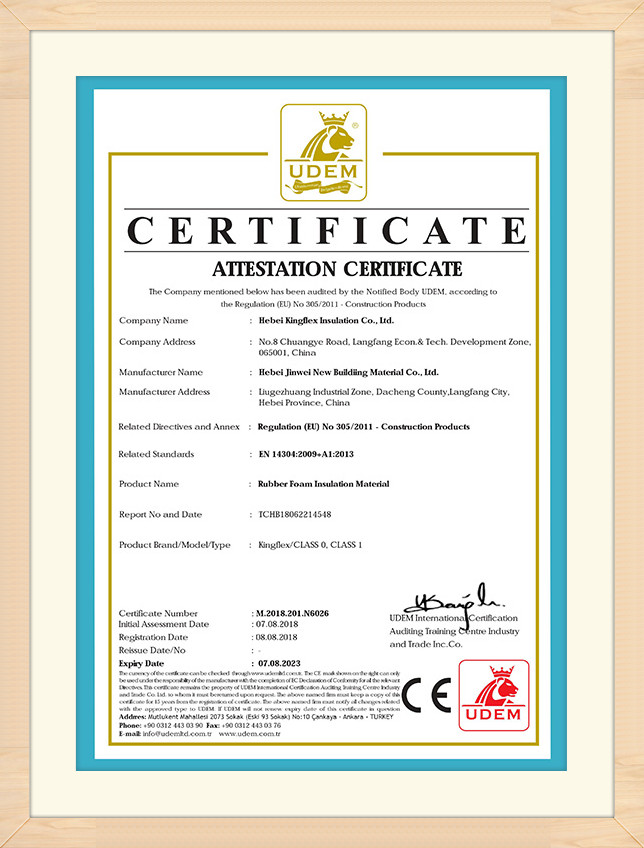
Each production run undergoes comprehensive mechanical and fire test evaluations to assure full compliance with international testing frameworks, including ASTM C612, EN 13162, CE, REACH, RoHS, and BS 476 fire resistance protocols.
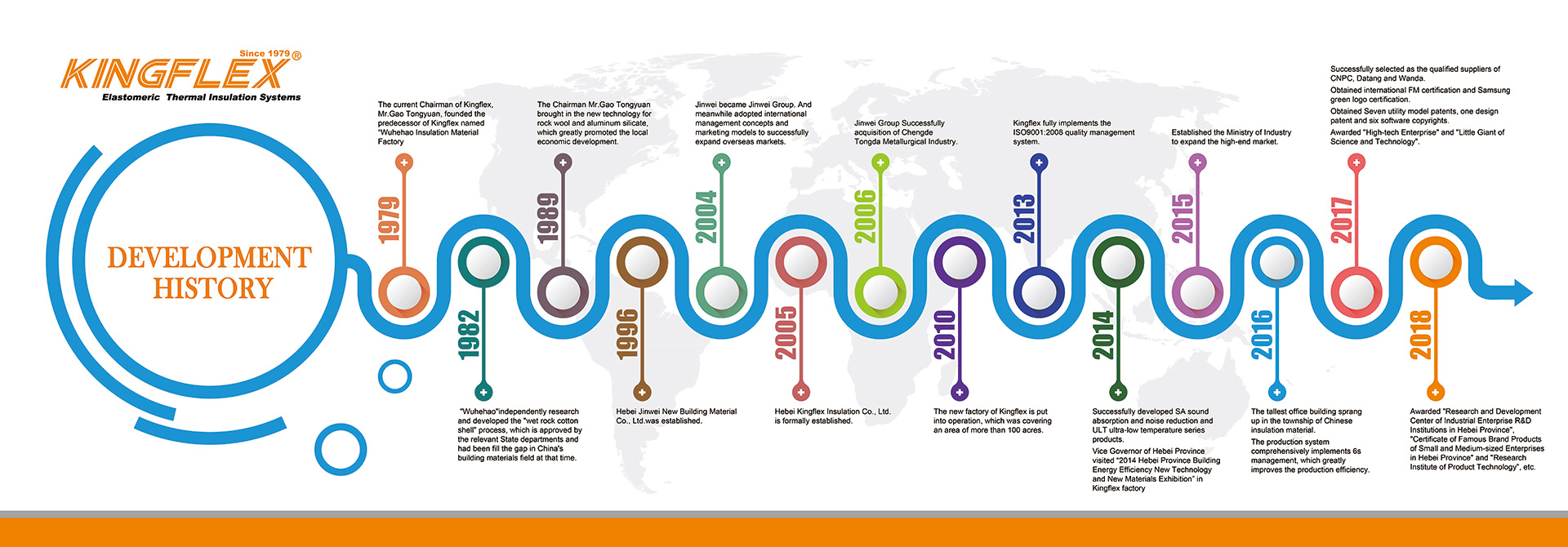
Kingflex Insulation Co., Ltd. represents a premier joint manufacturing and trading corporate conglomerate, concentrating exclusively on the R&D, processing, and distribution of energy-saving building envelopes and thermal barriers.
Established on the foundations of the Jinwei Group, which traces its pioneering roots back to 1979 as the first thermal insulation manufacturer north of the Yangtze River, Kingflex draws upon over 40 years of industry experience. Over these decades, we have evolved to provide engineering consultations, customized manufacturing, testing compliance, installation guidance, and global post-sale service support.
Our R&D division has 8 dedicated professional engineers who continually improve the cell structure, binders, and facing components of our glass wool and rubber foam products. Supported by 6 international sales consultants and 230 production specialists, our footprint now spans more than 66 countries globally.
A breakdown of physical characteristics and parameters cross-comparing Glass Wool, Rock Wool, and Elastomeric Rubber Foam Insulation Boards.
| Insulation Material | Density Range (kg/m³) | Thermal Conductivity (λ W/m·K) | Temperature Resistance (°C) | Fire Classification | Primary Industrial Applications |
|---|---|---|---|---|---|
| Glass Wool Board | 24 – 96 | 0.031 – 0.038 (at 25°C) | -120 to +400 | Class A1 / Class 0 (BS 476) | HVAC Plenums, Acoustic Partitions, Metal Roofs |
| Rock Wool Board | 60 – 180 | 0.035 – 0.044 (at 25°C) | -180 to +650 | Class A1 Non-combustible | Curtain Walls, Industrial Furnaces, Fire Barrier Zones |
| Rubber Foam (NBR/PVC) | 40 – 55 | 0.032 – 0.035 (at 0°C) | -40 to +105 | Class 1 / Class 0 (BS 476) | Chilled Water Pipes, AC Ducts, Cryogenic Lines |
Due to their open-pore, interconnected fiber network, Glass Wool Insulation Boards function as highly efficient sound absorption media. Sound waves entering the fibrous matrix encounter air friction within the interstitial spaces, converting acoustic energy into thermal energy. The Noise Reduction Coefficient (NRC) of an unfaced 50mm glass wool board can exceed 0.90, making it an essential component for interior partition walls, acoustic ceilings, and industrial silencers.
Our commitment to quality, product traceability, and continuous research is demonstrated by our modern facilities and internationally recognized certifications.
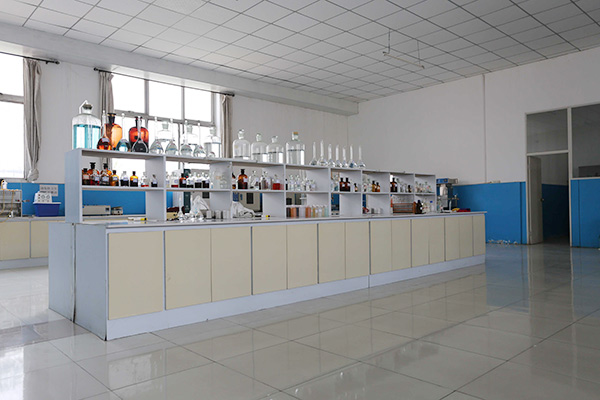
State-of-the-art testing equipment verifies compressive strength, moisture absorption, and thermal performance values for every batch.
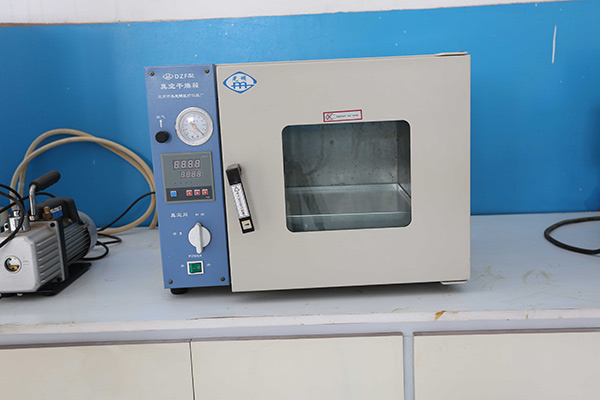
A strict quality assurance system traces materials from raw components to finished goods, maintaining transparency across all operations.
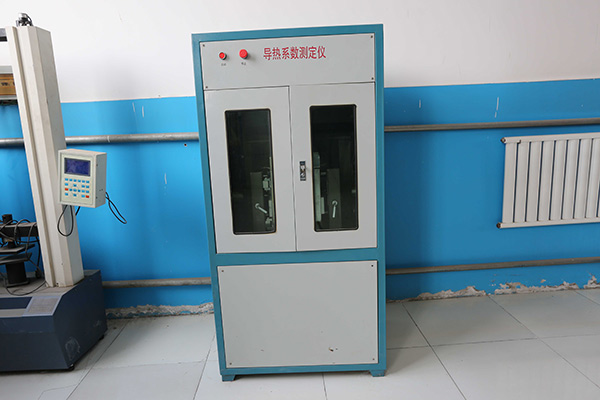
Automation controls during fiber formation, curing, and packaging preserve the mechanical integrity of the insulation boards.
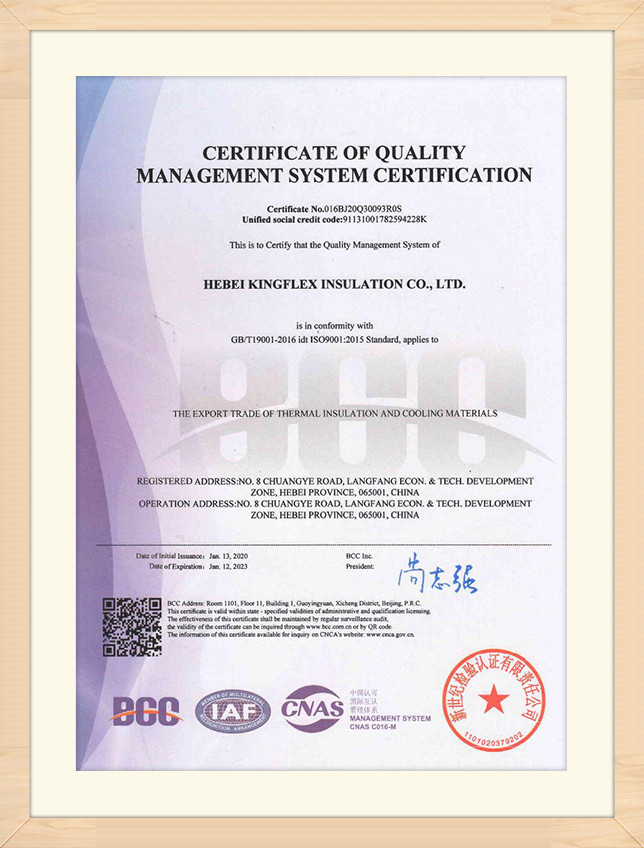
BS 476 Standard
CE Compliance
ASTM Specifications
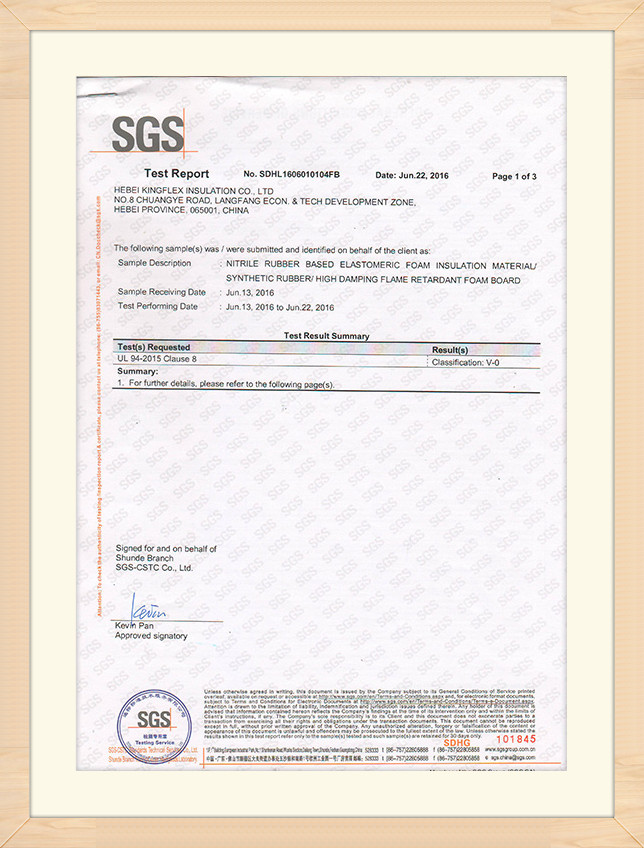
ISO Systems & Traceability
For global engineering consultants and procurement managers in charge of projects in the Middle East, Southeast Asia, Europe, and North America, sourcing thermal insulation requires matching materials to regional standards and performance demands.
In high-humidity, high-ambient-temperature regions, HVAC duct systems are susceptible to condensation, which can lead to moisture ingress, mold growth, and eventual damage to building materials. Glass wool insulation boards faced with FSK (Foil-Scrim-Kraft) or reinforced aluminum foil barriers function as highly effective vapor retarder systems. These barriers minimize thermal transfer and prevent warm, moist air from reaching the colder metal surface of the duct.
Industrial facilities, including LNG terminals and ethylene plants, require specialized insulation to support cryogenic operation. In these contexts, we supply elastomeric systems designed for ultra-low temperature pipes. While rock wool is ideal for high-temperature applications, our closed-cell NBR/PVC elastomeric formulations offer moisture resistance and flexural stability under cryogenic cycles, helping to protect piping networks against corrosion under insulation (CUI).
Modern building codes mandate Class A non-combustible materials for curtain walls and interior partitions. Glass wool boards meet these requirements, withstanding high thermal loads without contributing to flame spread or releasing toxic gases. This provides critical protection for egress corridors and structural elements during fire events.
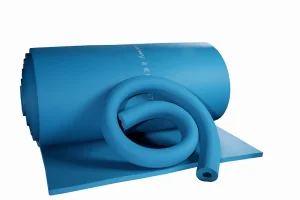
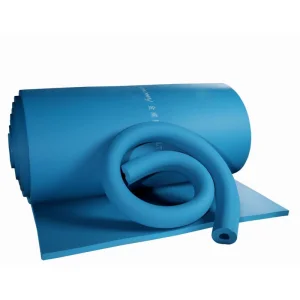
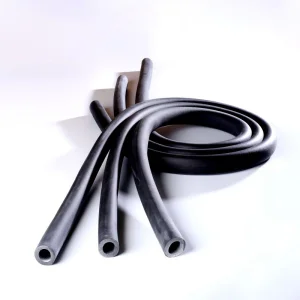
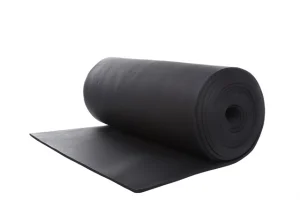
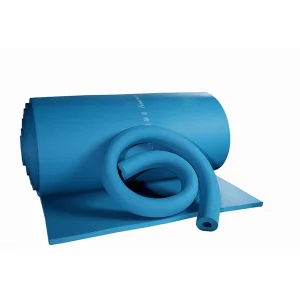
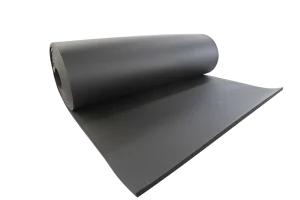
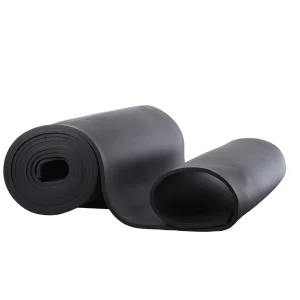
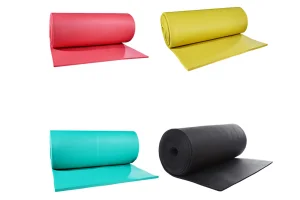
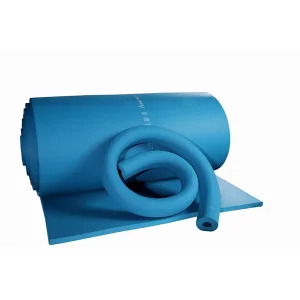
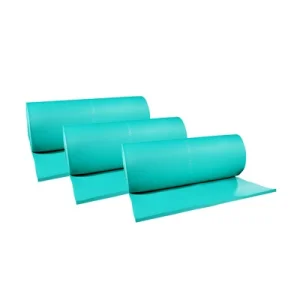
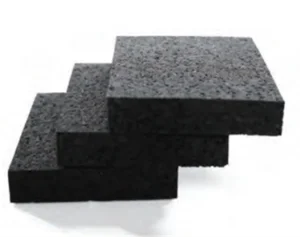
Our premium elastomeric closed-cell insulation designed for HVAC ducts, mechanical pipe systems, and soundproofing applications.
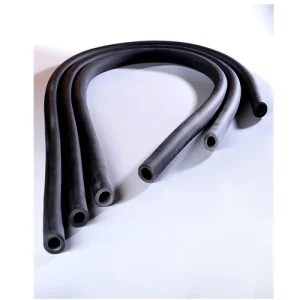
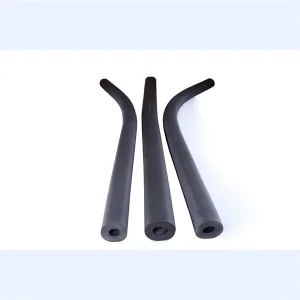
Pre-formed elastomeric insulation tubes designed to fit copper, steel, and plastic HVAC pipelines.
Our sales and logistics teams work with international partners to ensure reliable material delivery and compliance with local construction regulations.


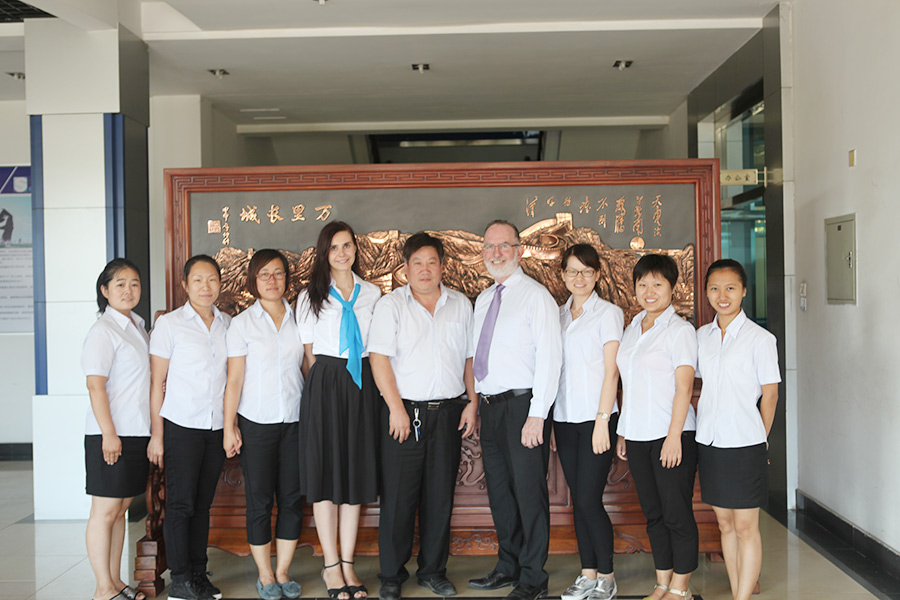
Kingflex has established a global footprint, exporting insulation solutions to over 66 countries. Our logistics infrastructure supports large-scale cargo movements, utilizing compression packaging for rolls and boards to optimize shipping container volume, reduce ocean freight costs, and ensure materials arrive in stable condition.
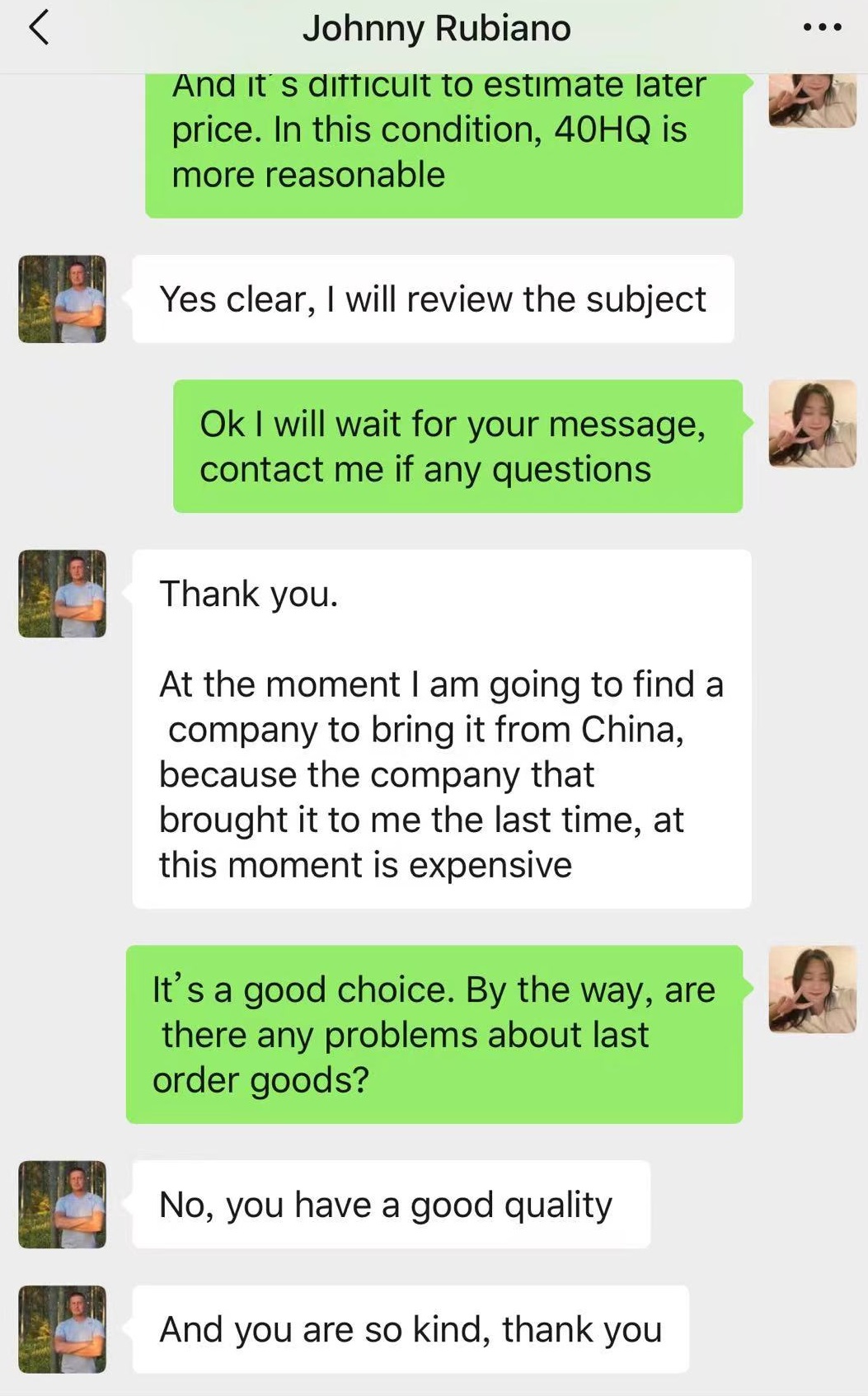
Excerpts of communications with global engineering partners regarding sample testing, compliance validation, and order fulfillment.


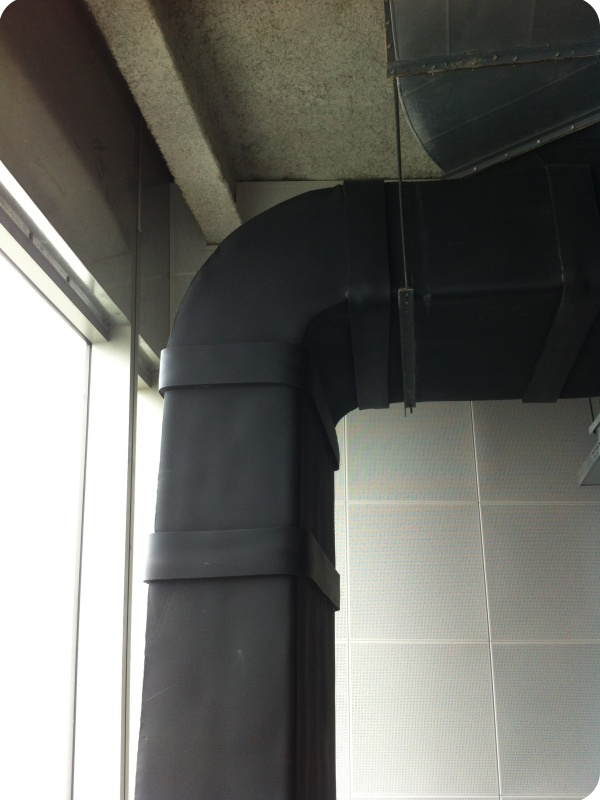
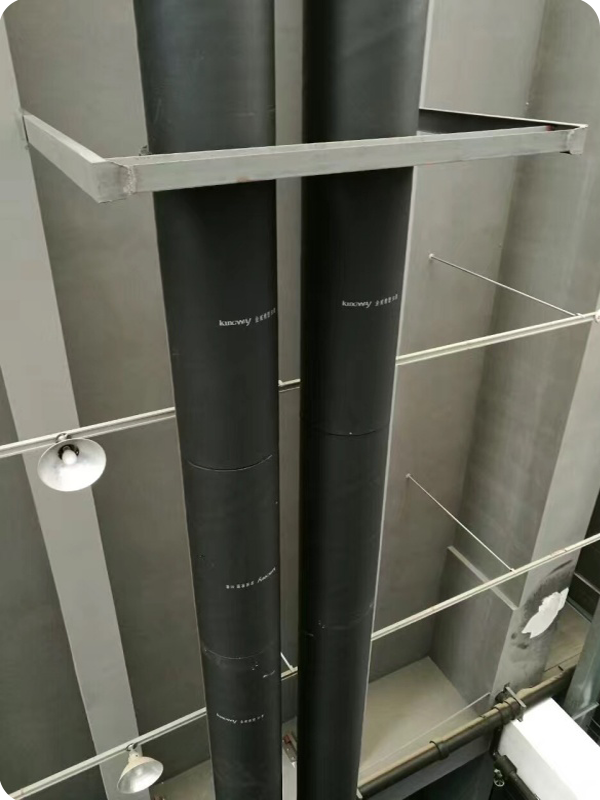
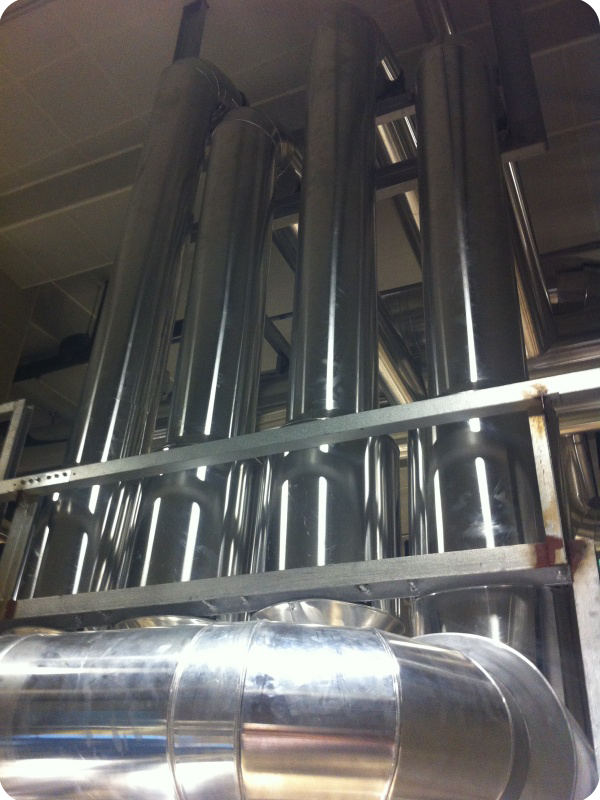
A selection of projects utilizing our rubber foam, glass wool, and high-performance insulation systems.

Technical guidance and product specifications for our global client network.
Explore our range of elastomeric, mineral fiber, and custom-faced insulation products designed for commercial HVAC, cryogenic installations, and acoustic applications.
 Kingflex