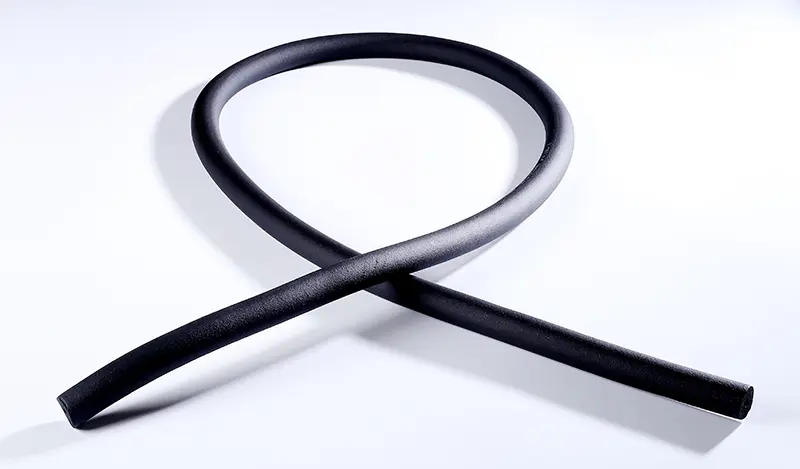
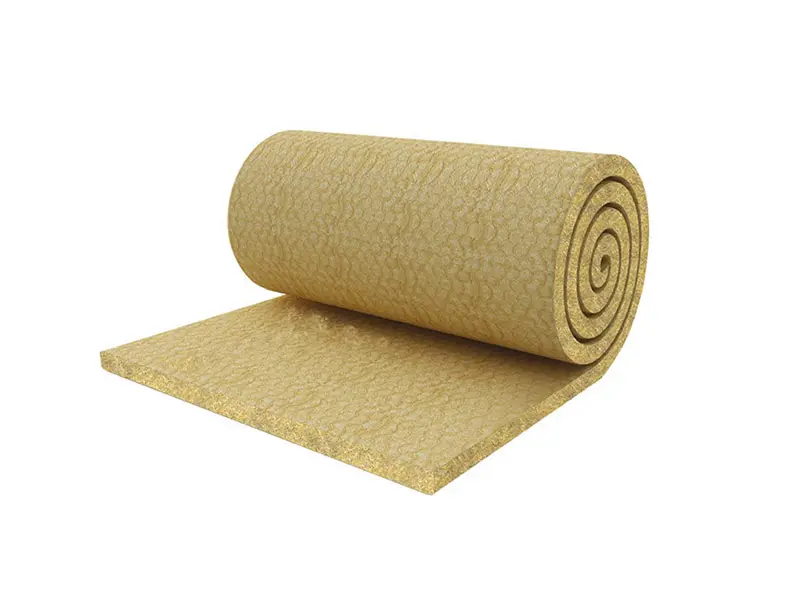
High-performance industrial-grade elastomeric sheets, tubes, and cryogenic systems.
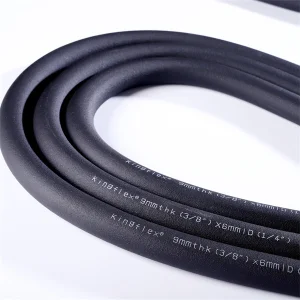
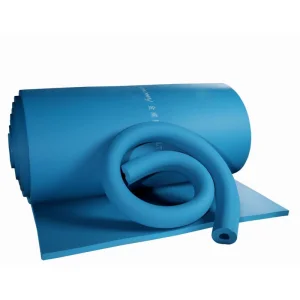
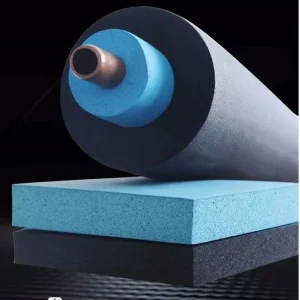
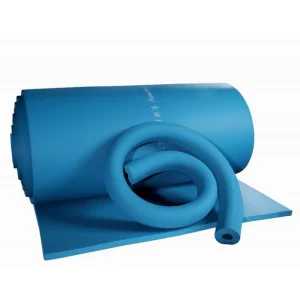
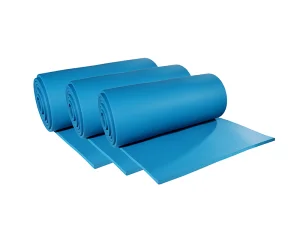
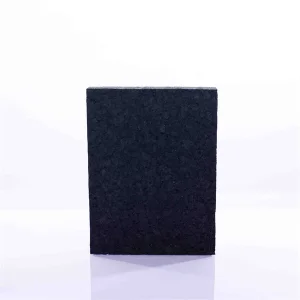
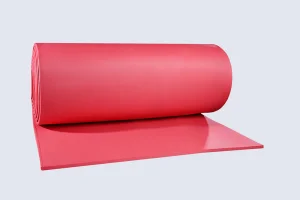
In modern commercial architecture and complex process industries, thermal insulation is no longer just a regulatory box to check; it is a critical driver of thermodynamic optimization, environmental sustainability, and mechanical longevity. As Singapore pushes the boundaries of green engineering through the Building and Construction Authority (BCA) Green Mark 2021 framework, the requirements for superior heat insulation sheets have elevated significantly.
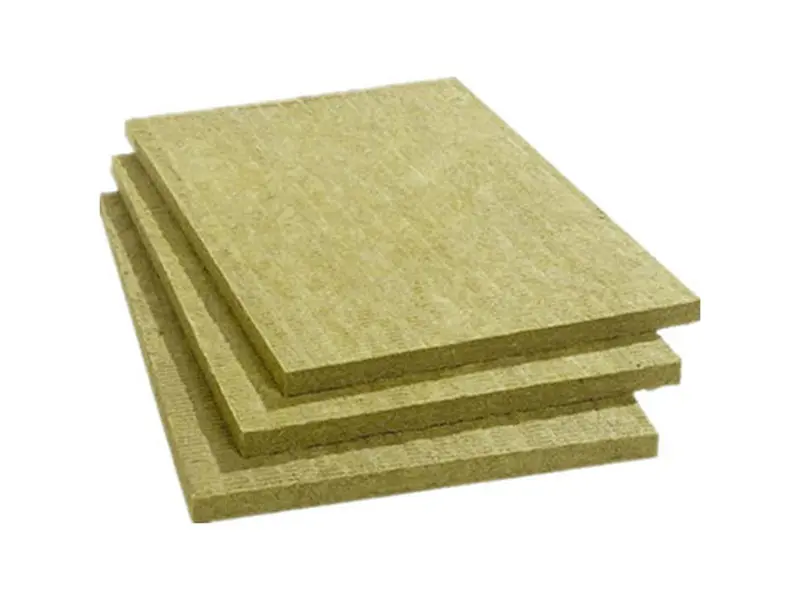
This whitepaper explores the supply-chain pathways, technical specifications, and performance paradigms of high-grade NBR/PVC elastomeric thermal insulation sheets. Designed for HVAC systems, cold storage facilities, chemical process plants, and high-tech semiconductor cleanrooms, our insulation sheets represent the pinnacle of modern elastomeric compounding science.
Industrial thermal engineering requires unique specifications depending on the vertical sector. Kingflex provides tailored insulation solutions addressing specific thermodynamic demands across multiple domains:
Singapore is a primary hub for global data infrastructure. High cooling requirements make condensation control vital. Kingflex NBR/PVC sheets prevent moisture buildup near critical compute nodes while ensuring low VOC output to preserve air purity inside cleanrooms.
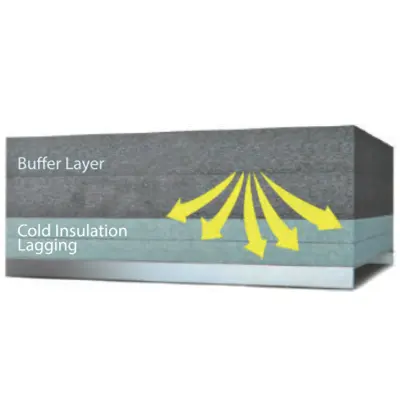
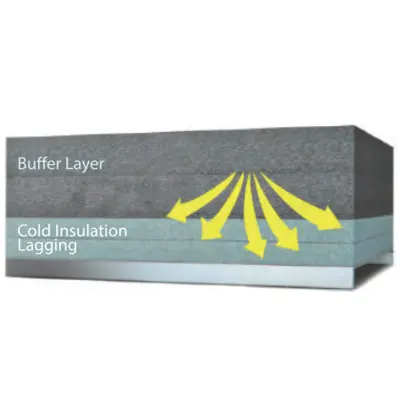
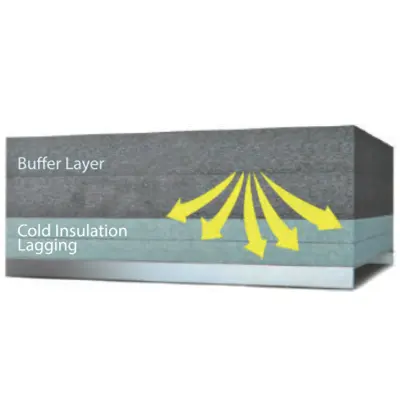
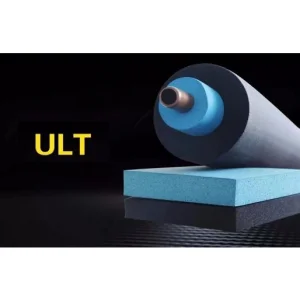
Operating at extreme cold levels requires elite cryogenic engineering. Our ultra-low temperature elastomeric lines withstand cryogenic stresses down to -40℃ (and beyond for specialized cryogenic systems), resisting cracking, vibration damage, and marine salt corrosion.
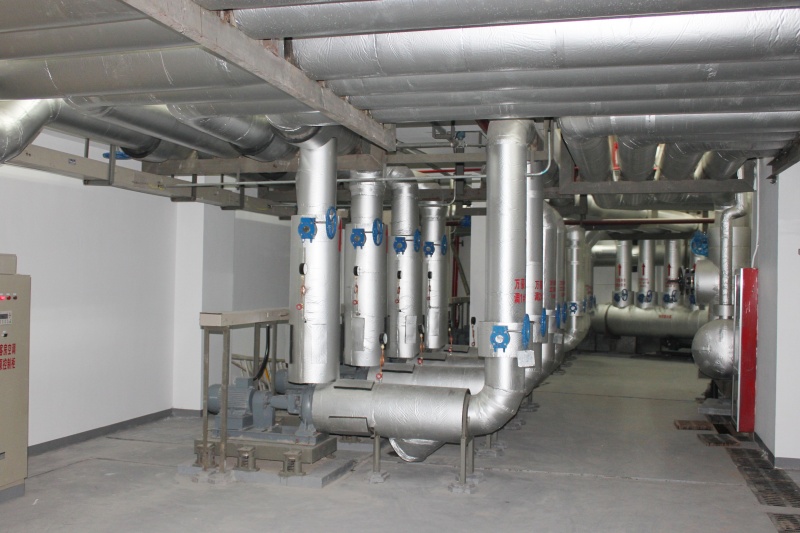
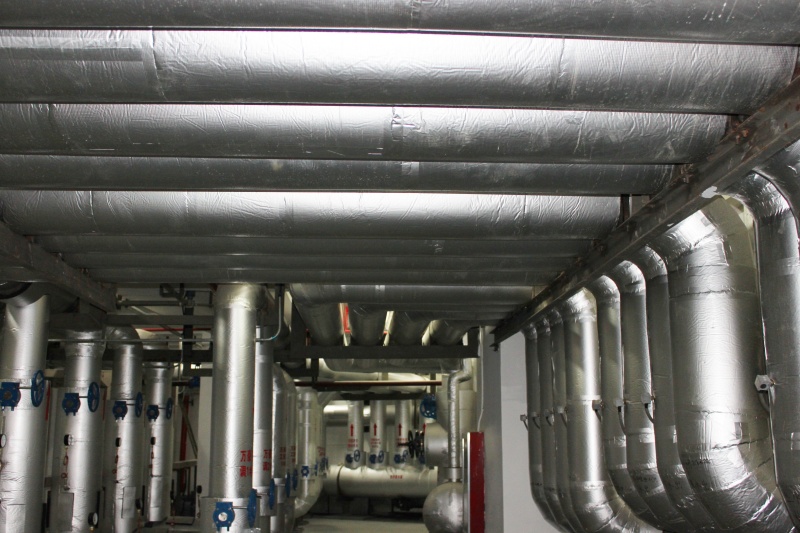
Large commercial buildings, mixed-use developments, and medical facilities rely on extensive ductwork and chilled water networks. Kingflex ensures minimum energy loss during transport, cutting down active cooling power loads.
Combining 40+ years of industrial heritage with advanced manufacturing engineering.
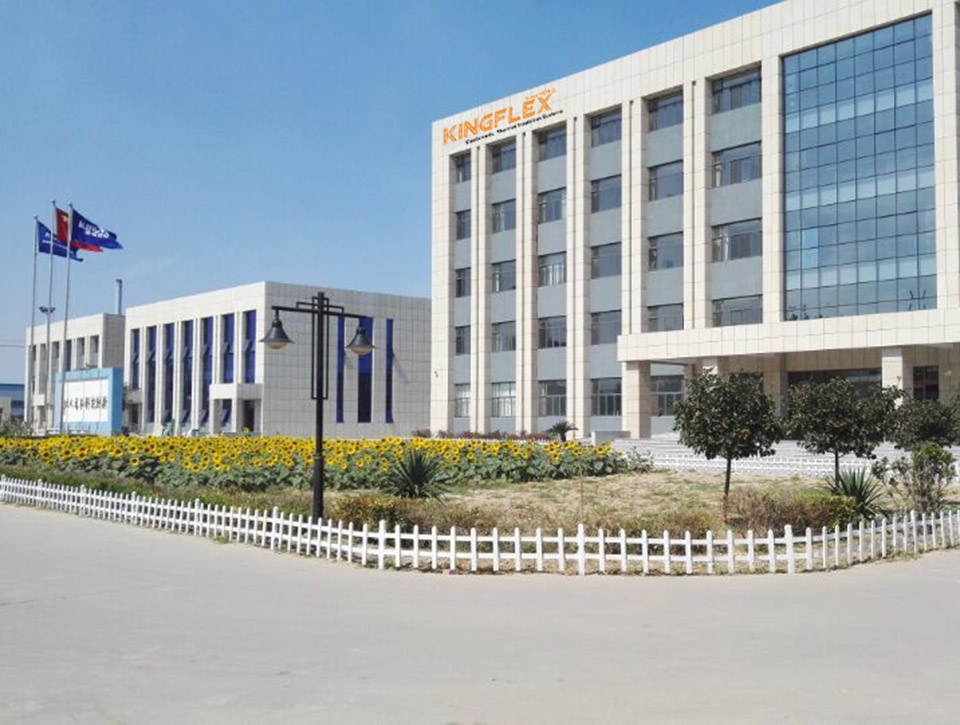
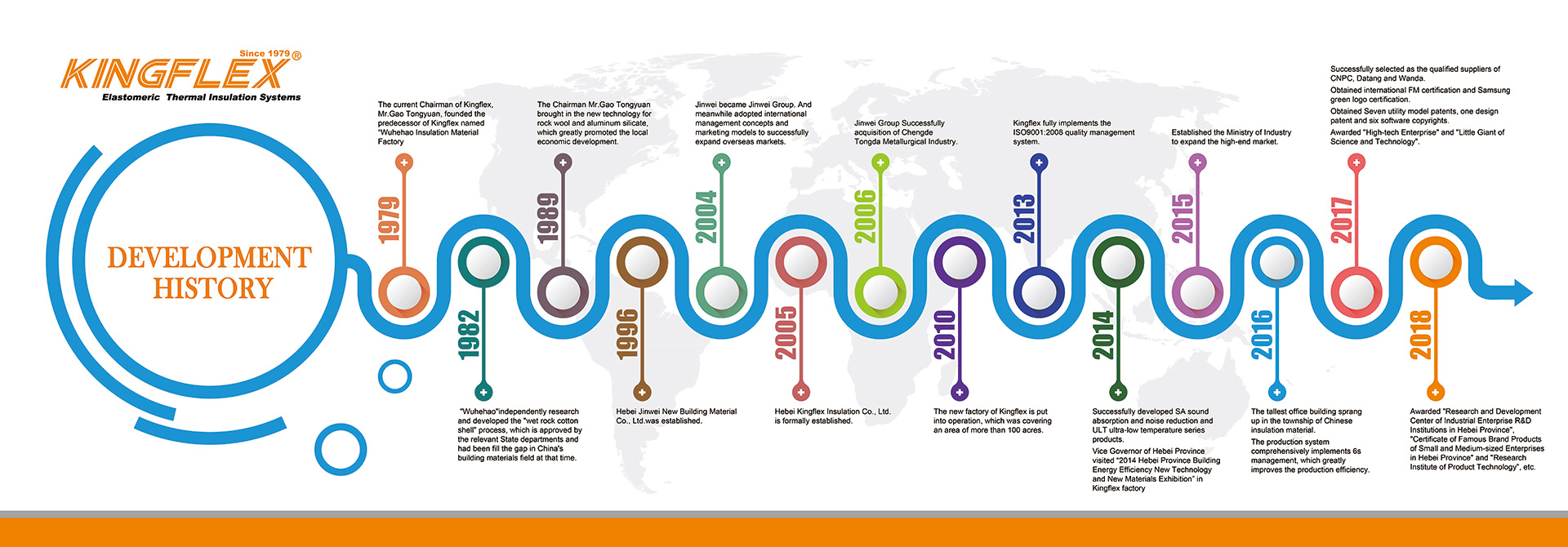
Kingflex Insulation Co., Ltd. is a professional manufacturing and trading combo for thermal insulation products. Kingflex research development and production department is located in well-known capital of green-building materials in Dacheng, China. It is an energy-saving environmental friendly enterprise concentrating on research and development, production, and sales. In operation, Kingflex takes energy saving and consumption reduction as the core concept. We provide insulation solutions by means of consultation, R&D production, installation guidance, and post-sale service to lead the development of the global building materials industry.
Kingflex is established by Jinwei Group which has more than 40 years of history. Jinwei Group was established in 1979. It was the first manufacturer of thermal insulation materials north of the Yangtze River. Over four decades, our company has grown from a regional supplier to a global powerhouse in elastomeric foam technology.
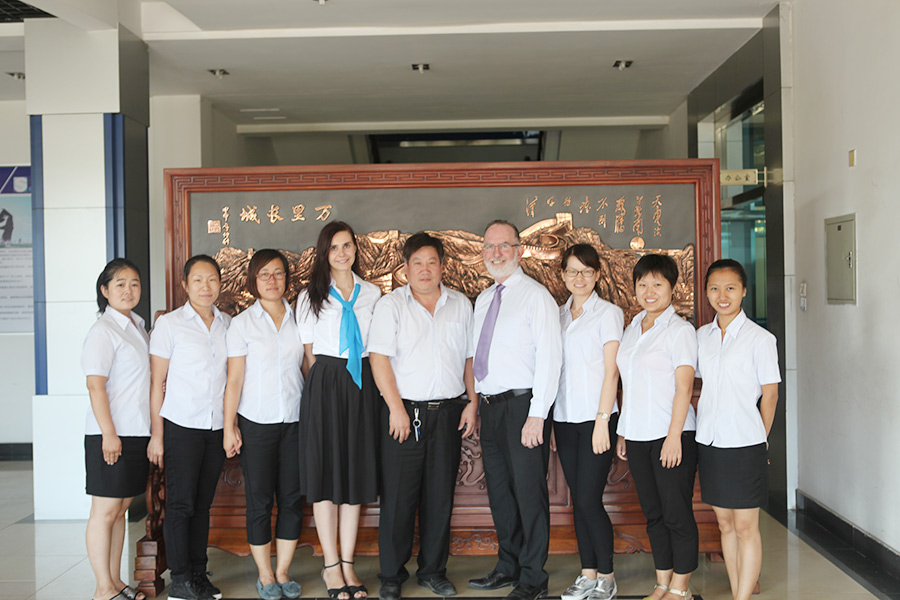
Our employees are amazing in their own right, but together they make Kingflex a rewarding place to work. The Kingflex team is a tight-knit, talented group with a shared vision of giving consistently first-class service to our clients. Kingflex has 8 professional engineers in the R&D Department, 6 professional international sales, and 230 workers in the production department.
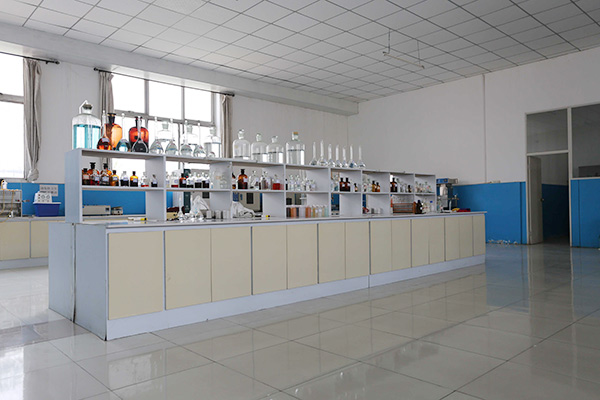
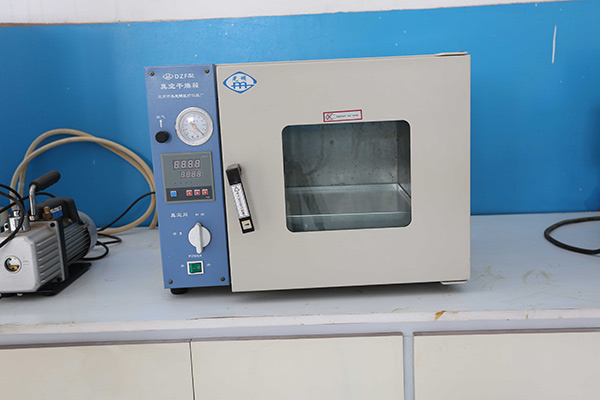
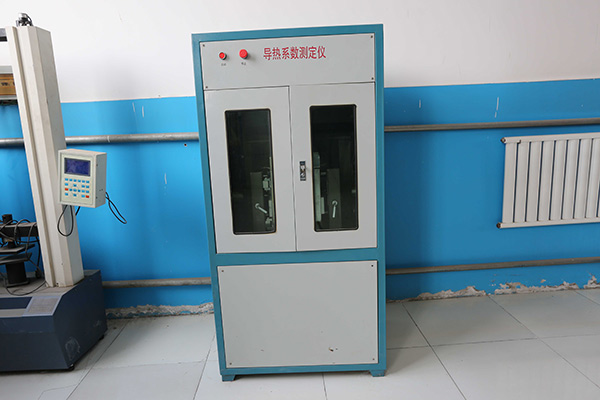

Globally verified certifications matching standard quality expectations.
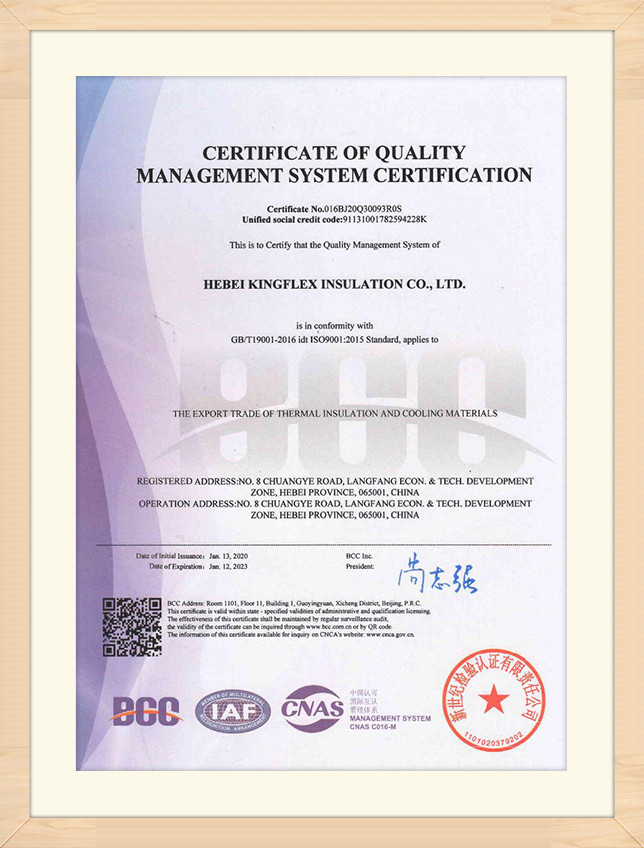
BS 476 Part 6 & 7 Class 0
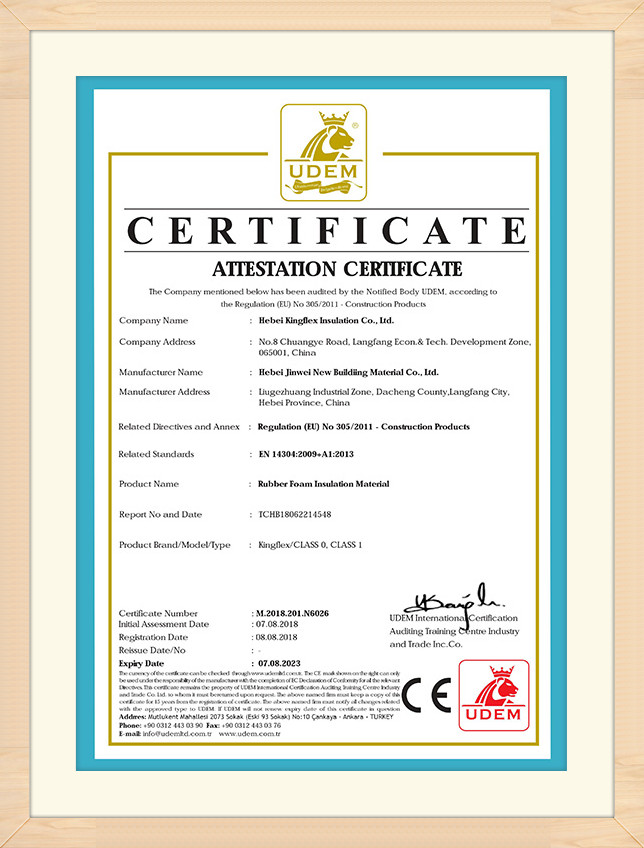
European Conformity EN 14304
REACH & ROHS Environmental compliance
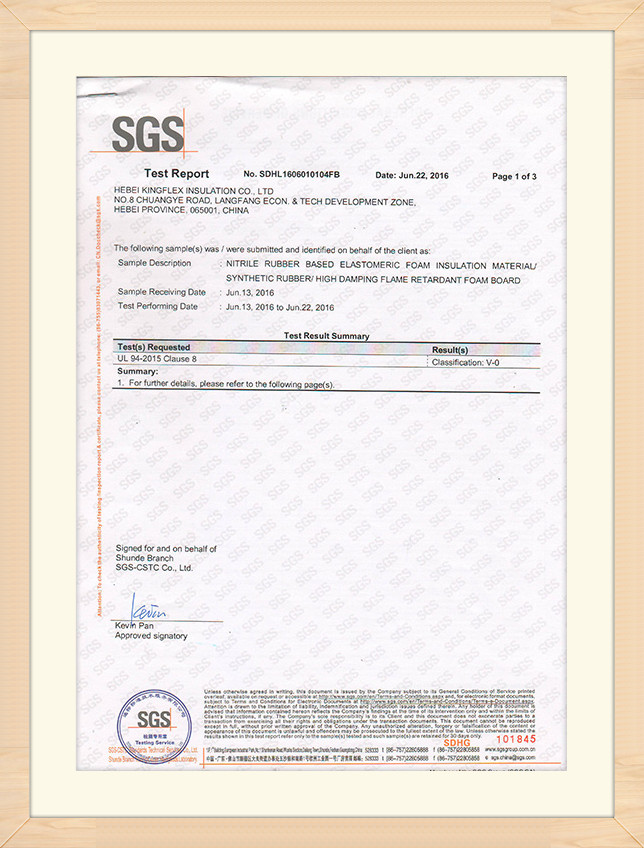
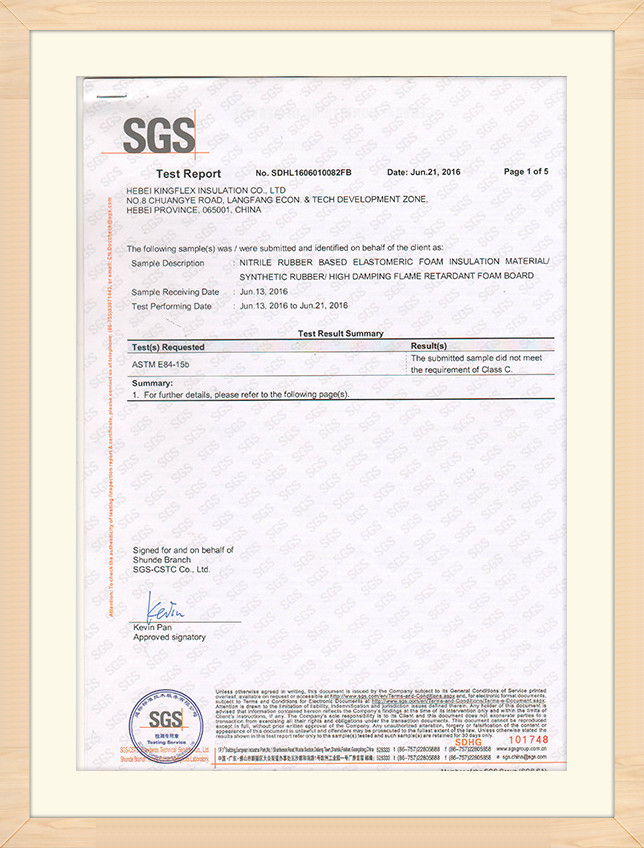
UL94 & ASTM Standards certified
Building in Singapore comes with strict architectural codes due to the tropical environment. Relative humidity (RH) averages 84% year-round, which places heavy demand on HVAC systems. For standard cold-water pipes and ventilation ducts, low-performance insulation sheet rolls lead to condensation drippage, ceiling stains, mold growth, and loss of structural efficiency.
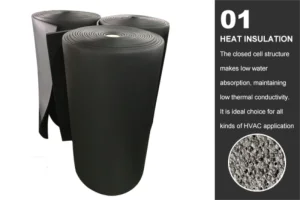
Kingflex's elastomeric foam sheets are formulated to meet Singapore's high fire-safety protocols. With a closed-cell rate exceeding 98%, our products prevent air moisture from reaching cold pipe surfaces. This eliminates the dew-point activation risk that causes system dripping, ensuring long-term insulation performance in hot and humid climates.
At present, Kingflex has 5 large automatic assembly lines, with an annual production capacity of more than 600,000 cubic meters. Our facilities serve as a designated production enterprise approved by the Ministry of Energy, the Ministry of Electric Power, and the Ministry of Chemical Industry.
By integrating computerized precision mixing, continuous vulcanization, and advanced temperature-controlled expansion processes, we maintain absolute product consistency across all production batches. This level of output scale ensures a stable supply chain, helping global customers manage risk, avoid project delays, and secure stable pricing schedules.
Procuring thermal insulation at an enterprise scale requires balancing technical compliance, durability, and cost. Kingflex offers direct commercial support, ensuring transparent pricing and custom options like self-adhesive backings and protective aluminum foils.
Our pricing model operates on a tier system calculated by volume (cubic meters) and specific product grades (Class 0, Class 1, or Halogen-Free). Larger project orders benefit from volume discounts, which offsets shipping costs and helps contractors manage tight budgets. Contact our Singapore sales division to request a current quotation tailored to your project requirements.
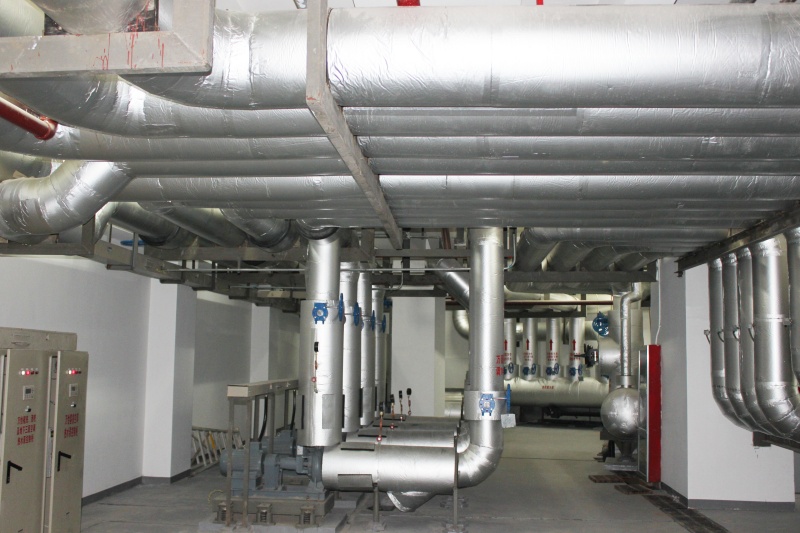
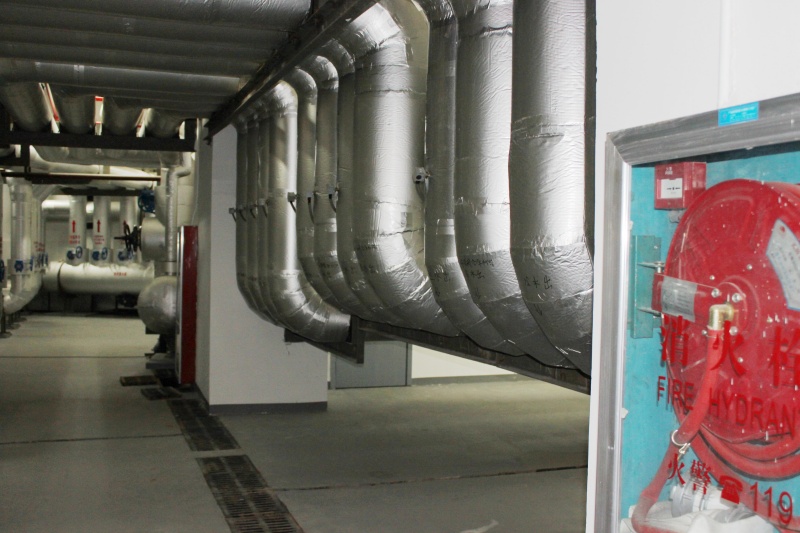
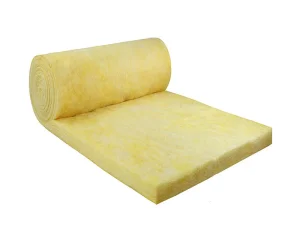
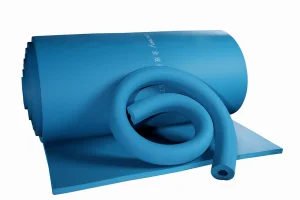
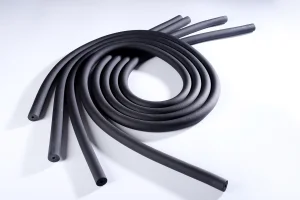
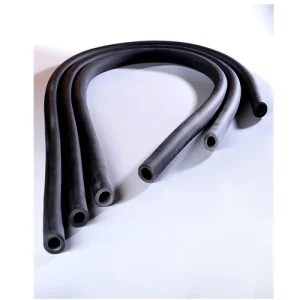
Visual highlights of our insulation systems applied across critical structures.
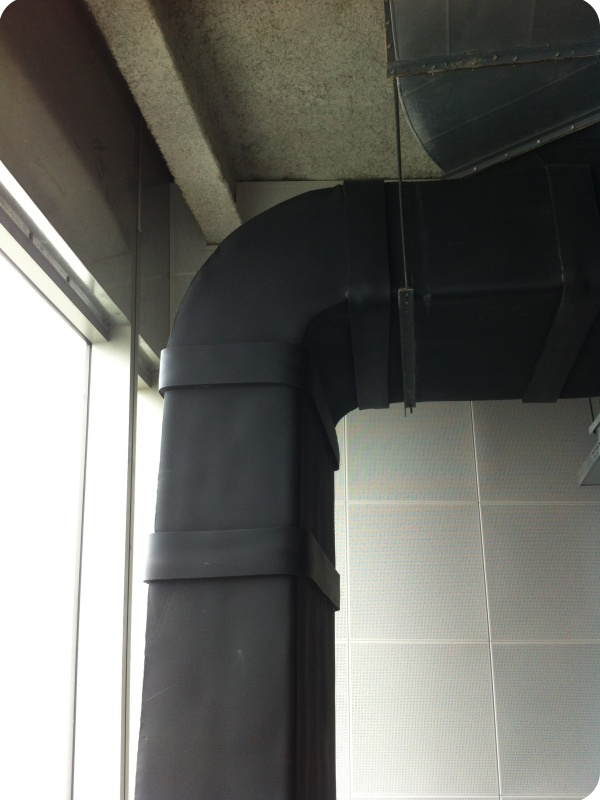

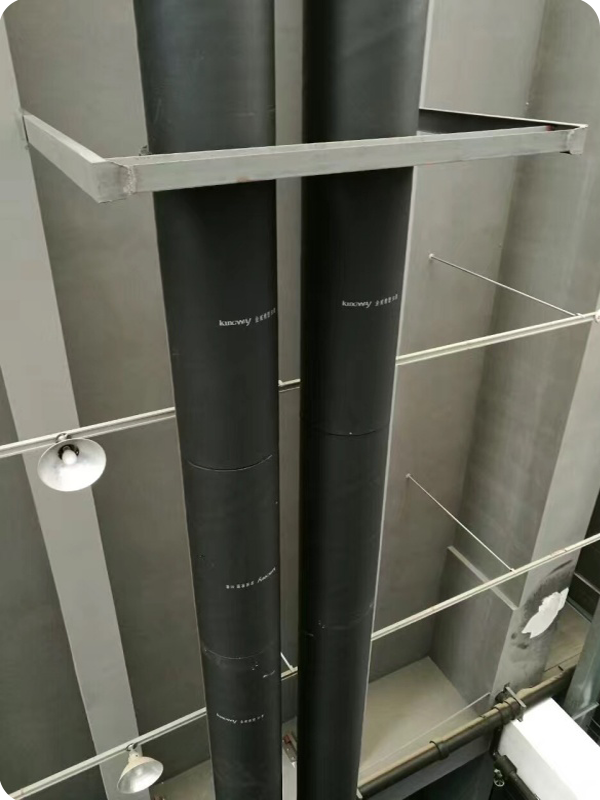
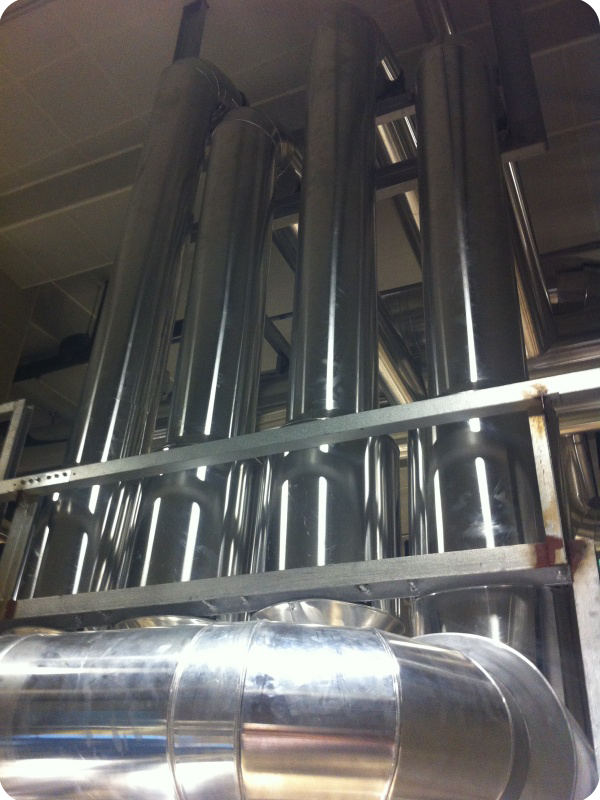
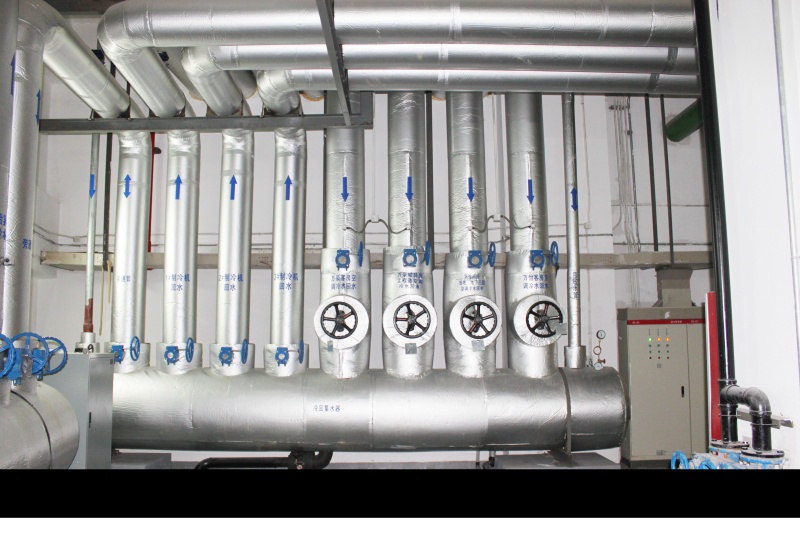
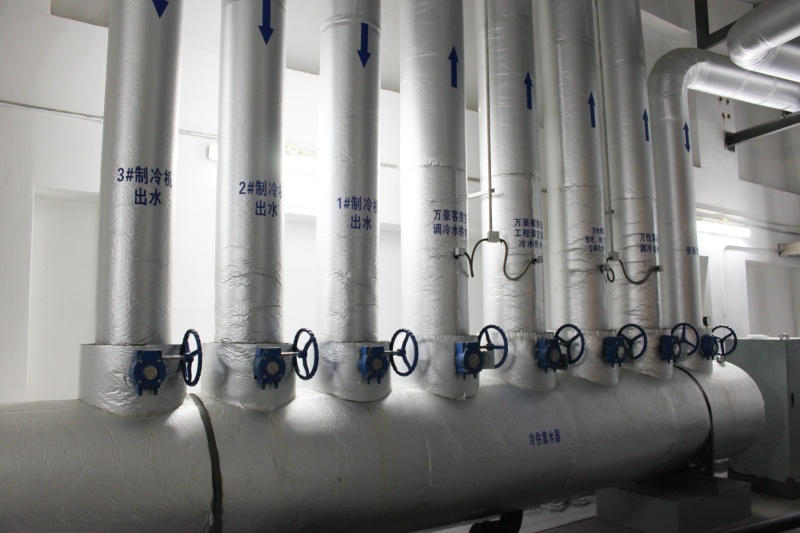
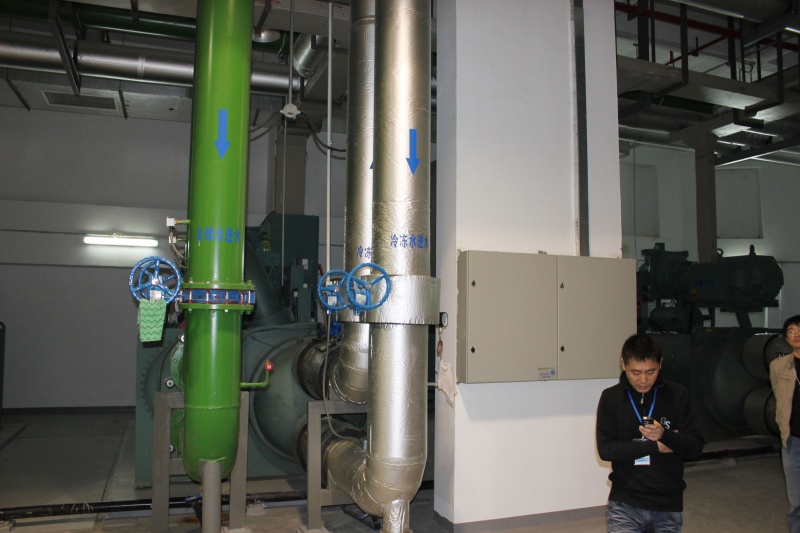
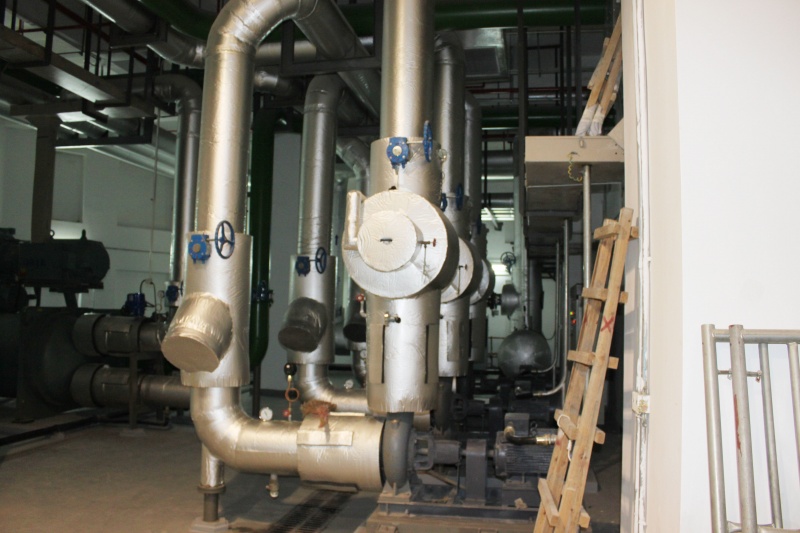
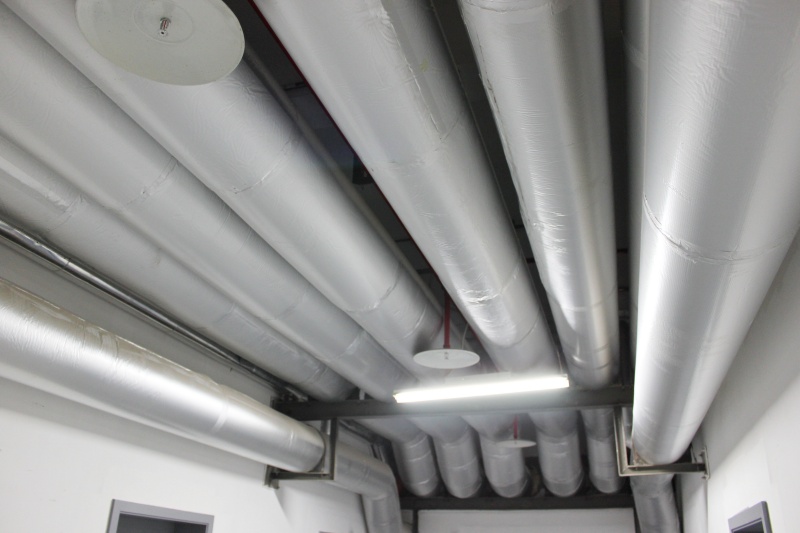

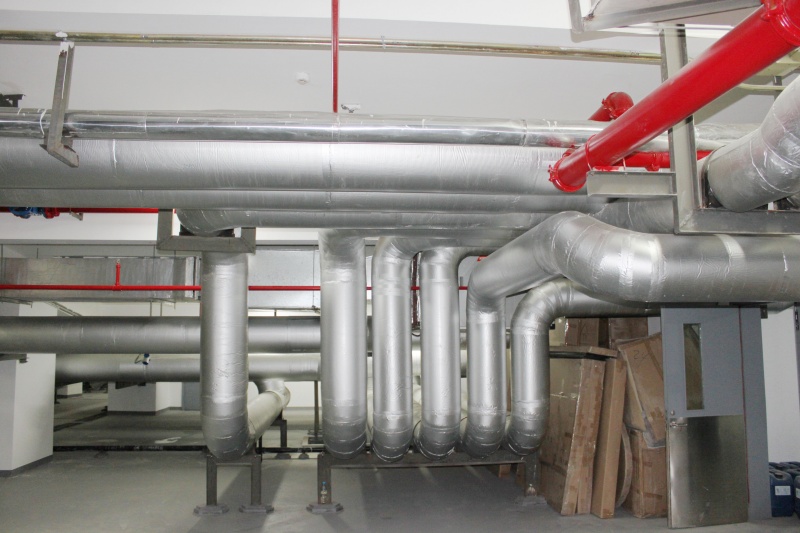

As carbon metrics influence global supply decisions, Kingflex continues to invest in advanced material science. Our technology roadmap focuses on three main developments:
1. Evolution of Halogen-Free Chemistries: While traditional NBR/PVC foams use halogenated flame retardants to achieve Class 0 ratings, our R&D team has developed advanced halogen-free alternatives. These formulations reduce smoke toxicity, making them ideal for high-occupancy settings like commercial shopping centers and public transit networks.
2. Bio-Based Raw Material Alternatives: We are testing polymer bases derived from renewable botanical oils to replace petroleum-based rubbers. This allows us to reduce our overall carbon footprint while maintaining the insulation performance of the closed-cell foam structure.
3. Aerogel Integration: Our research includes incorporating silica aerogels into our elastomeric compounds. This hybrid material targets a thermal conductivity value (λ) below 0.030 W/(m·K), allowing for thinner insulation profiles in space-restricted installations.
Clear answers to your technical, regulatory, and procurement questions.
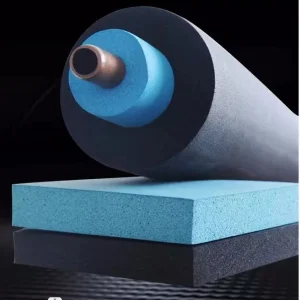
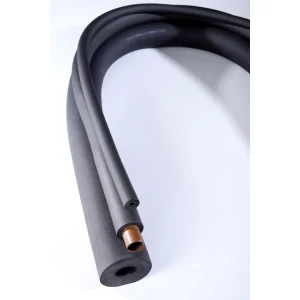
Supporting a wide range of temperature profiles and architectural designs.
 Kingflex