
Traditional thermal insulation solutions such as ceramic fibers and glass wool have served the high-temperature processing industries for decades. However, modern environmental, health, and engineering standards have driven a significant pivot toward Fibre-Free High Temperature Thermal Insulation. Synthetic vitreous fibers pose respiratory hazards during installation, maintenance, and decommissioning. In contrast, fibre-free formulations produce zero airborne particulates, safeguarding cleanroom environments and manufacturing personnel.
Additionally, fibre-free closed-cell systems exhibit high resistance to moisture intrusion, effectively minimizing the risk of Corrosion Under Insulation (CUI), a leading cause of catastrophic structural failure in petrochemical and piping systems. As global industries align with strict decarbonization and green building mandates, manufacturers are turning to specialized elastomeric structures capable of operating efficiently across diverse thermal profiles.
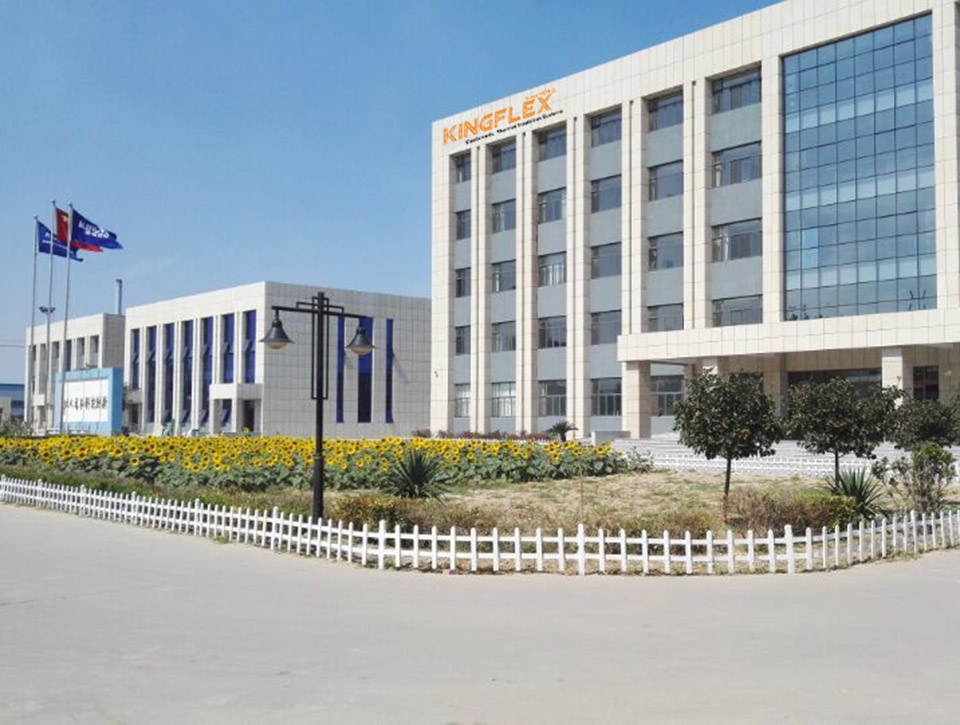
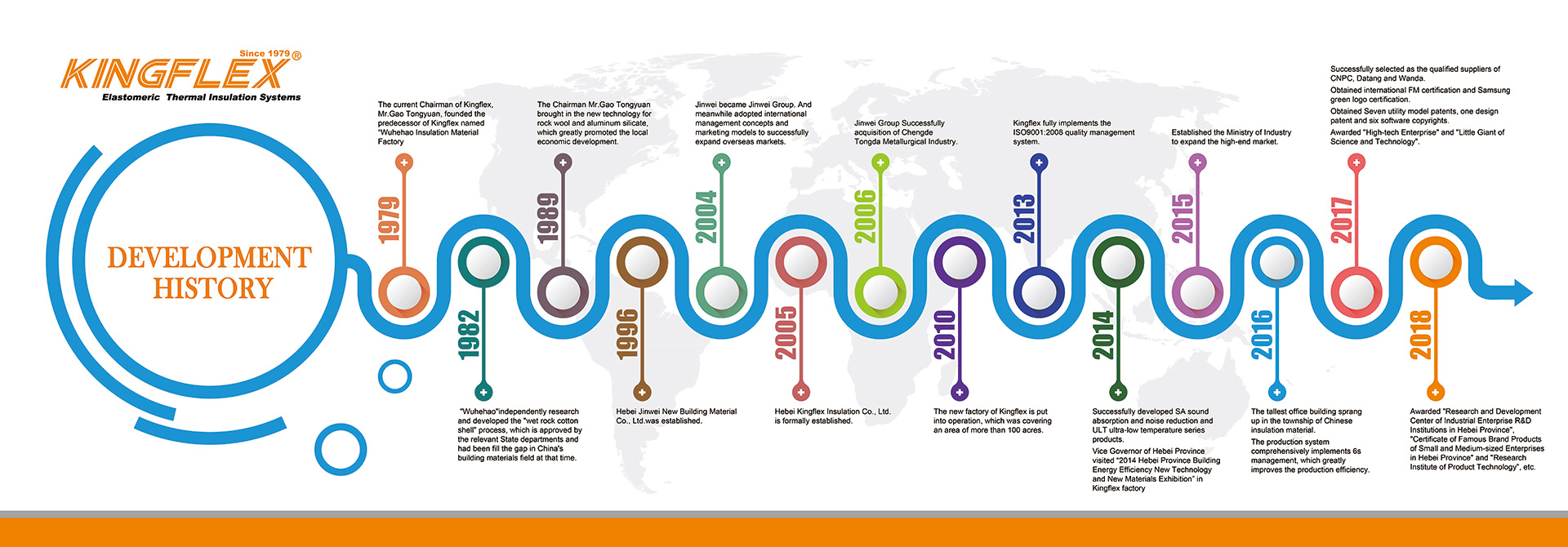
Established under the prestigious Jinwei Group, which dates back to 1979, Kingflex Insulation Co., Ltd. has developed into a premier manufacturing and trading configuration. As the pioneer manufacturer of thermal insulation materials north of the Yangtze River, we represent a legacy of quality control and operational stability.
Operating from Dacheng, China—the recognized capital of green building materials—Kingflex integrates advanced R&D with production capacity to supply thermal and acoustic insulation systems globally. Today, the facility has expanded to house 5 large automated assembly lines, supporting an annual capacity exceeding 600,000 cubic meters.
| Performance Characteristic | NBR/PVC Elastomeric Foam Sheet / Tube | Fibre-Free Rock Wool Core Systems |
|---|---|---|
| Base Material Structure | Closed-Cell Micro-Elastomeric Structure | Fibrous Mineral Core (Encapsulated) |
| Service Temperature Limit | -40°C to 105°C | Up to 650°C (Heavy Industrial Grade) |
| Thermal Conductivity (λ at 0°C) | ≤ 0.034 W/(m·K) | ≤ 0.039 W/(m·K) |
| Moisture Resistance Factor (μ) | ≥ 10,000 | Water Repellent Base (Non-hygroscopic) |
| Density Range | 40 - 55 kg/m³ | 60 - 150 kg/m³ |
| Fire Safety Rating | BS 476 Part 7 Class 1, UL94 V-0, ASTM E84 | Non-Combustible Class A1 (EN 13501) |
Closed-cell processing ensures consistent pore distribution, offering sustained insulation performance and thermal stability for critical pipelines.
Excellent resistance to vapor transmission protects steel structures from corrosion under insulation (CUI) without requiring additional coatings.
Completely free of dust, fibers, and organic particulates, making it ideal for semiconductor facilities, cleanrooms, and pharmaceutical labs.
Large-scale construction, chemical processing, and HVAC infrastructure development require stable material supply chains. Technical buyers look for manufacturers that can supply diverse insulation options for standard building requirements as well as cryogenic systems. Essential factors in evaluating manufacturers include production capacity, compliance documentation, and raw material access.
Kingflex offers direct factory support, clear cost breakdown structures, and customized OEM sizing options. Having five automated assembly lines allows us to meet high-volume orders for major construction projects while maintaining reliable delivery timelines.
Adding advanced hydrophobic compounds directly into the elastomer blend to ensure the material maintains its thermal insulation properties even under high-humidity conditions.
Extending the upper operational limits of closed-cell polymers to 150°C, providing a clean, fiber-free alternative for medium-temperature process lines.
Re-engineering chemical blowing processes to eliminate halogenated compounds, supporting low Global Warming Potential (GWP) and zero Ozone Depletion Potential (ODP) targets.
Insulation degradation can lead to significant energy losses over time. Fiber-based insulation materials can sag or absorb moisture, which reduces their effectiveness. Closed-cell rubber foam insulation remains structurally stable, providing reliable thermal performance over a typical service life of 10 to 15 years.
By preventing moisture intrusion, Kingflex products maintain steady energy efficiency in HVAC, refrigeration, and industrial process piping, supporting long-term operational targets.
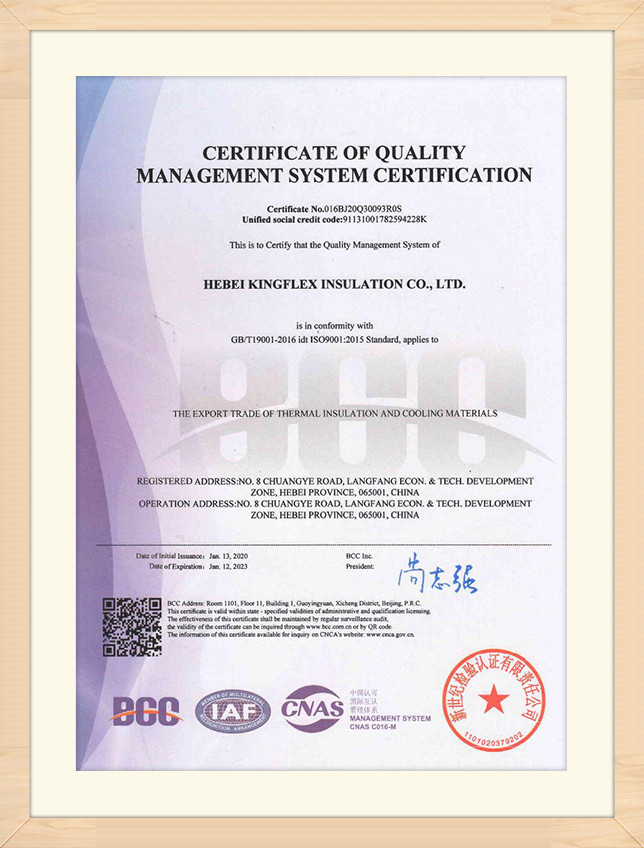
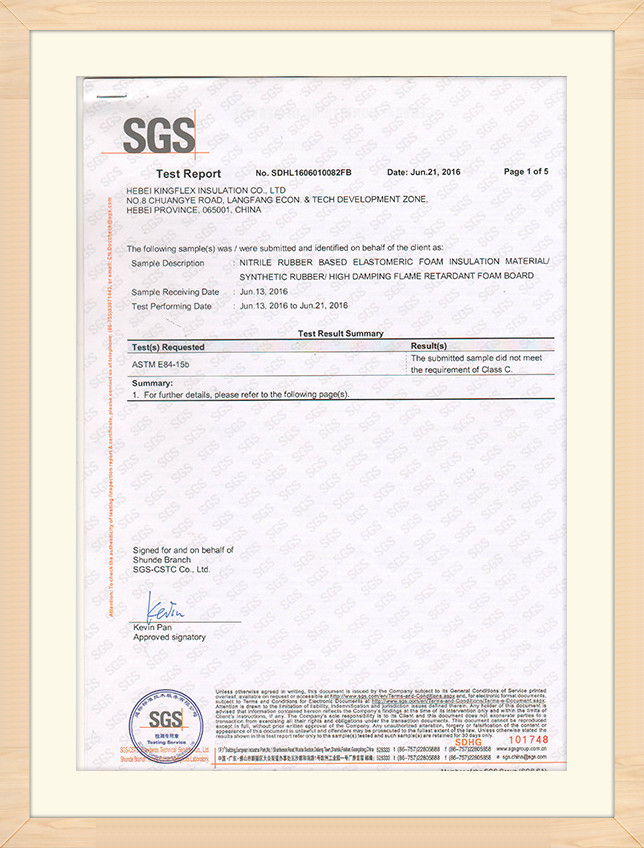
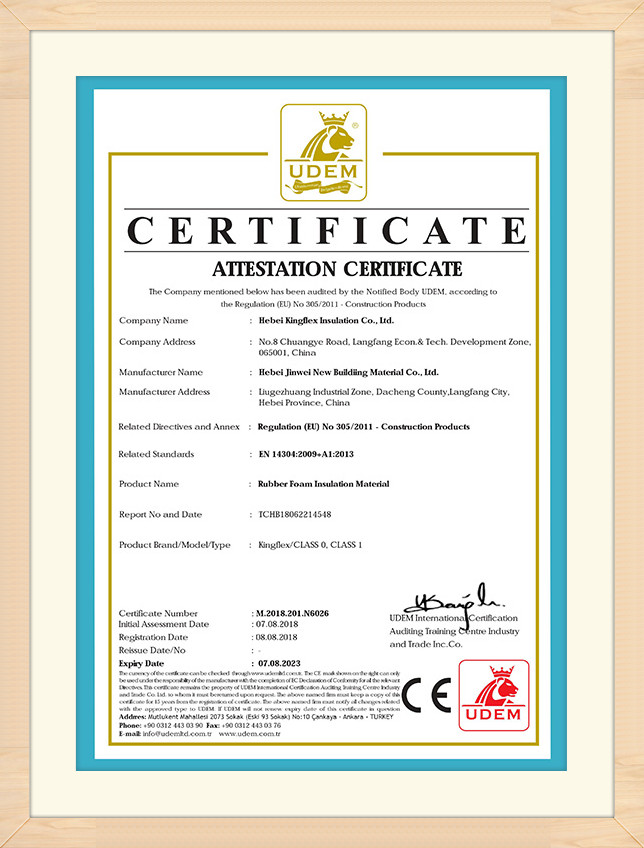
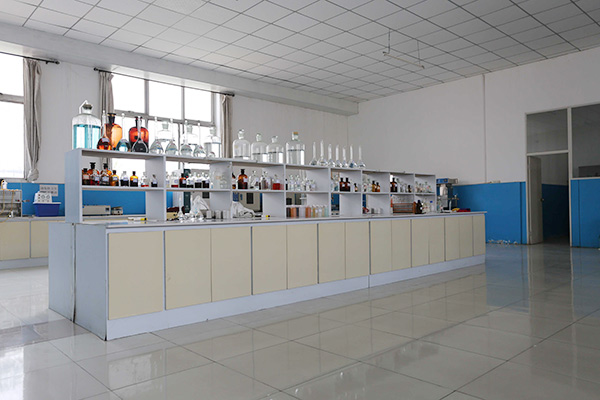
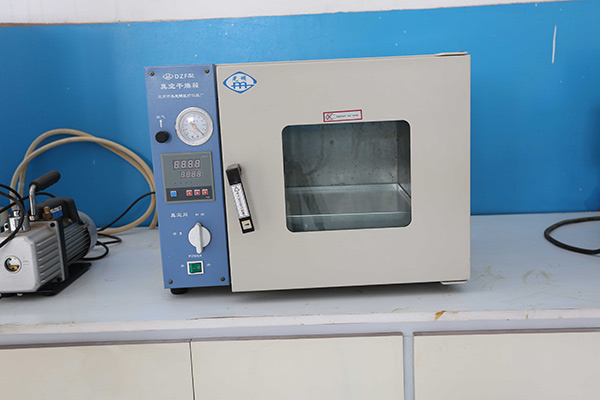
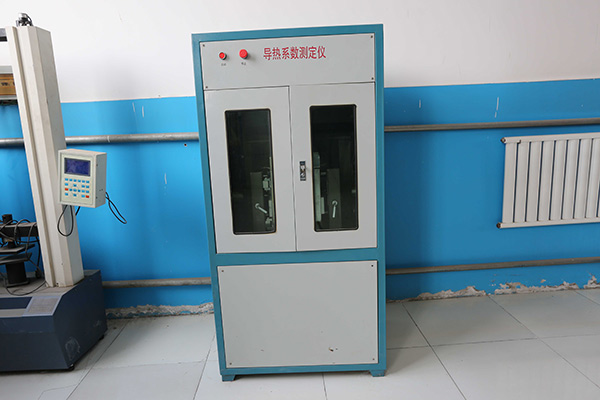
Our dedicated team—comprising 8 R&D engineers, 6 international sales consultants, and 230 manufacturing staff—ensures all products meet rigorous technical standards. Our materials have successfully passed the BS 476 fire test, CE certifications, and REACH/RoHS compliance tests. Additional certifications include UL94 and ASTM ratings, confirming our products meet global safety standards.

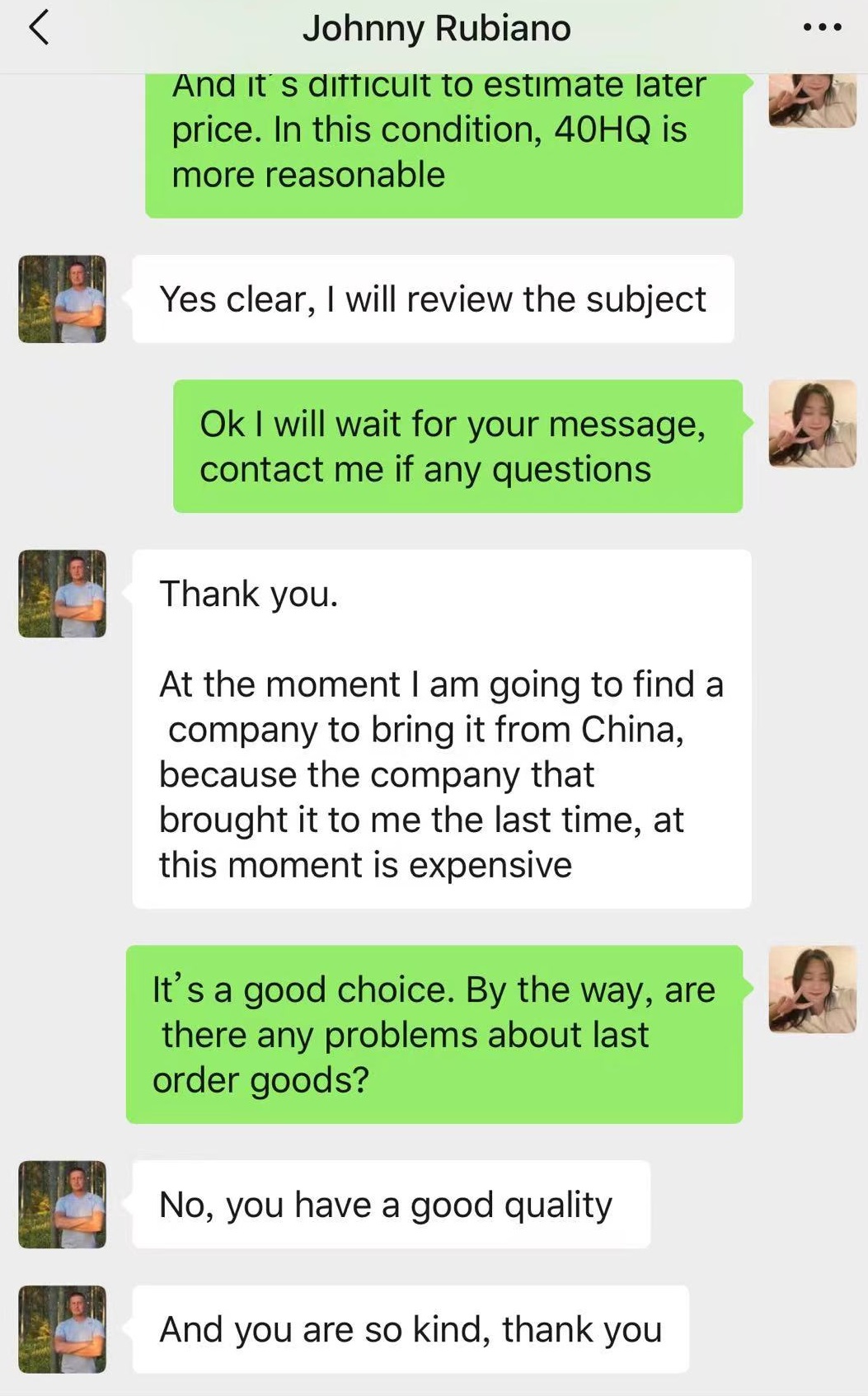
We work closely with clients across engineering, procurement, and project management roles. These interactions highlight our focus on transparent specifications, product traceability, and reliable delivery, helping us build long-term partnerships worldwide.



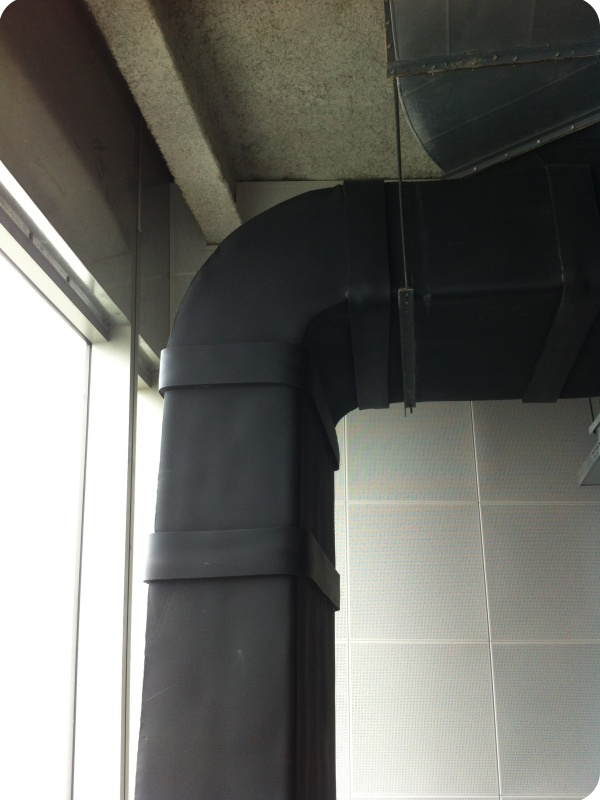
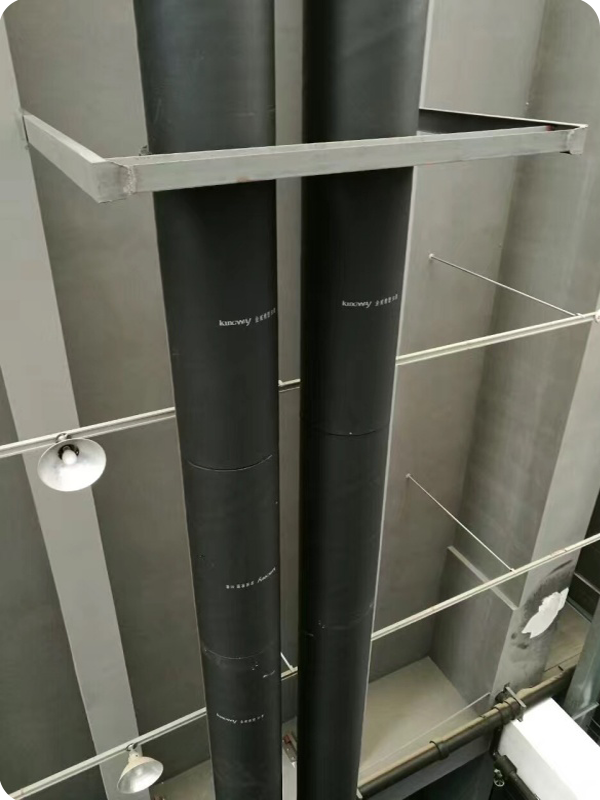
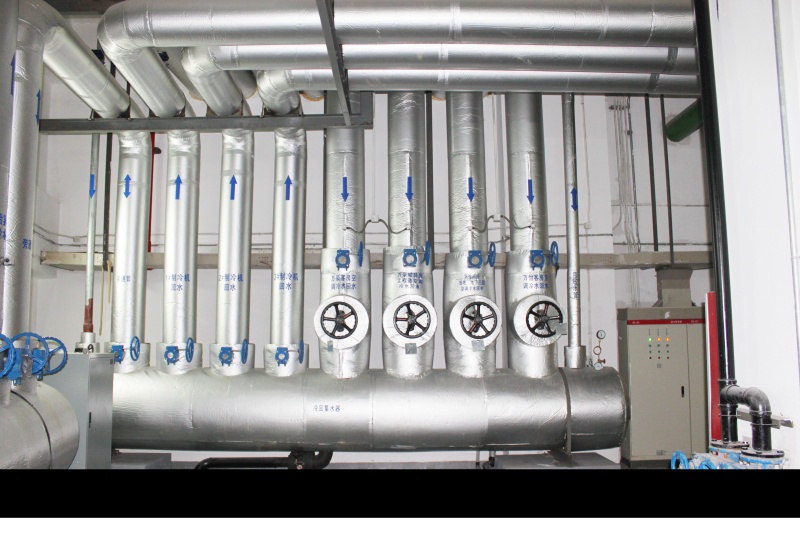
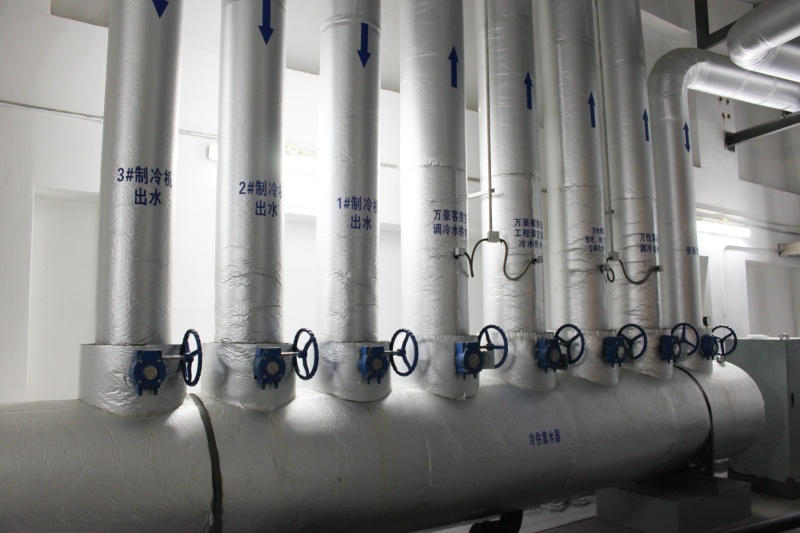
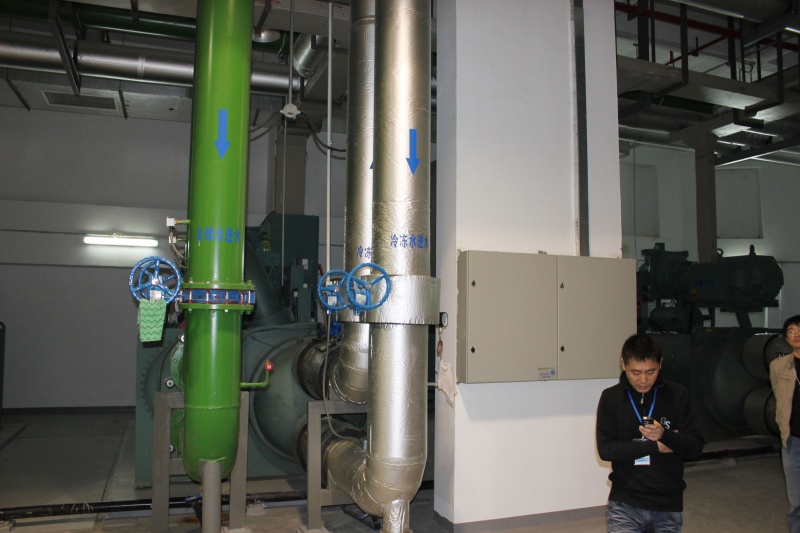
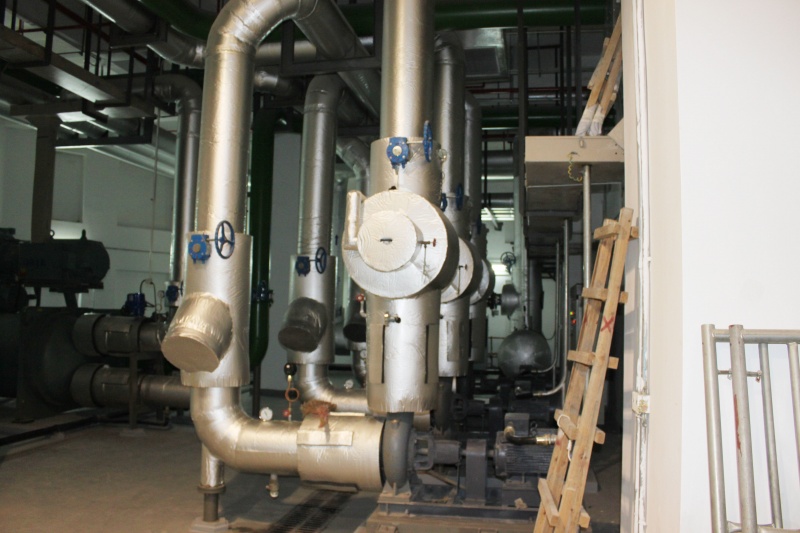
Condensation control and thermal protection for central air conditioning lines, chilled water loops, and air ducts.
Thermal control for low-temperature environments, preventing freezing and thermal shock in liquid gas and processing equipment.
Thermal insulation and acoustic dampening for high-pressure steam, oil, and chemical process lines.
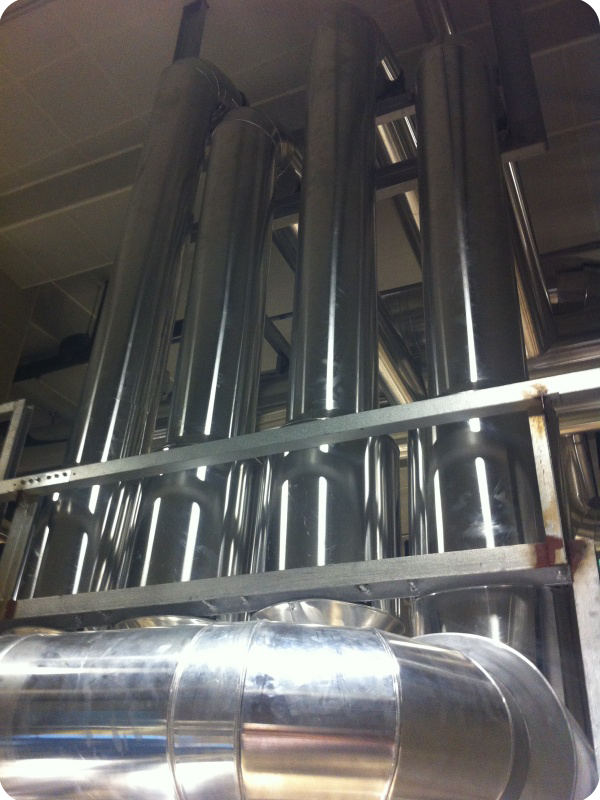
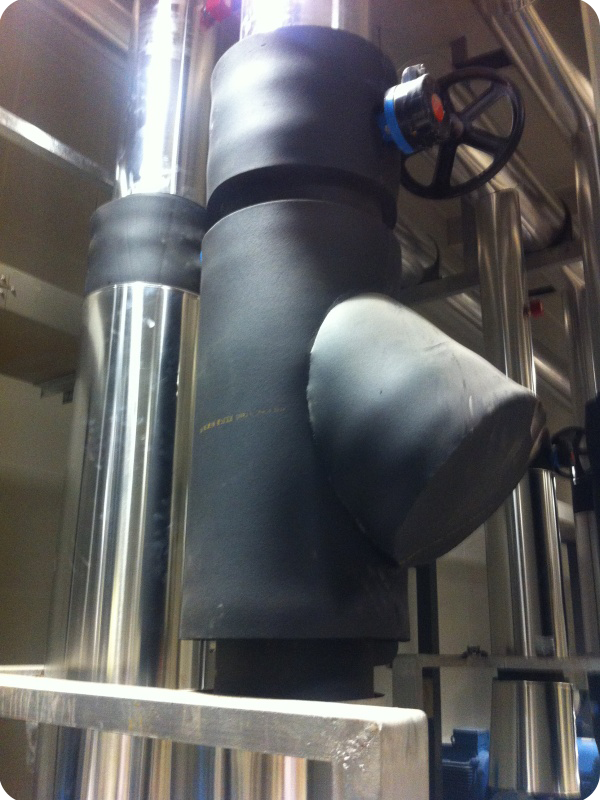
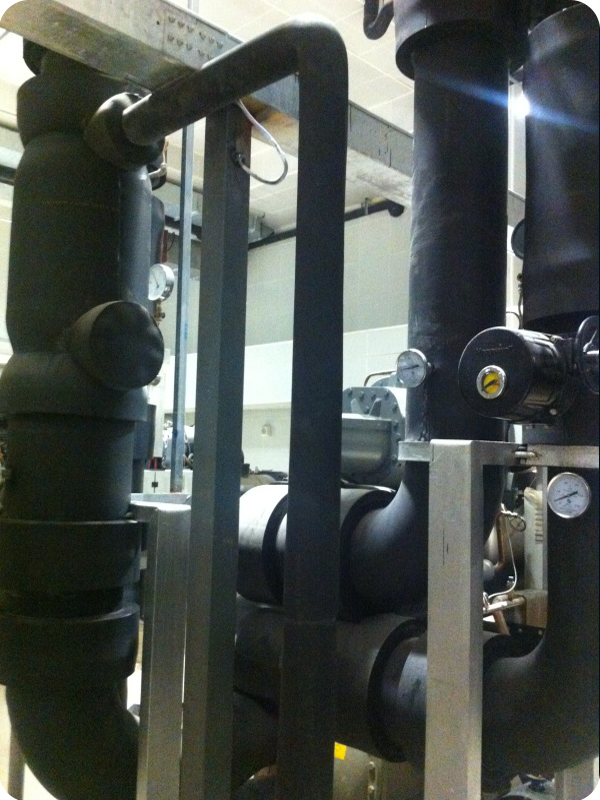

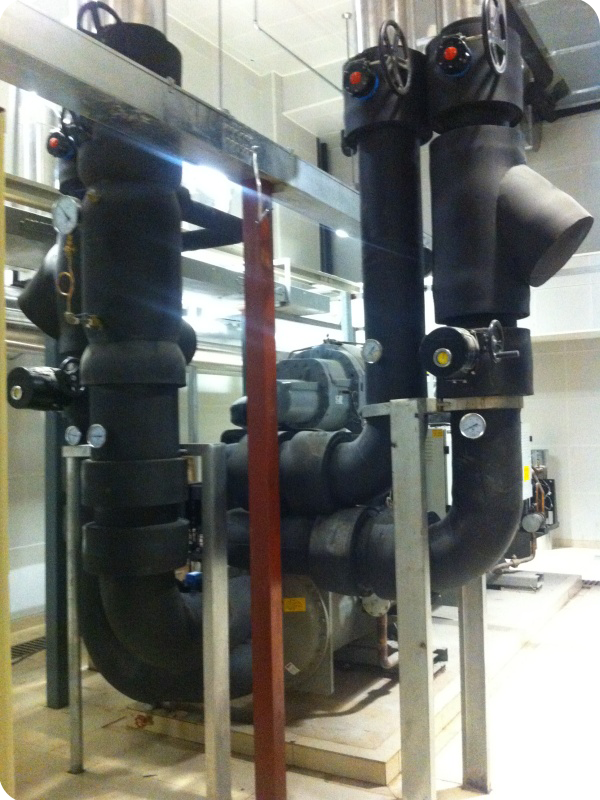
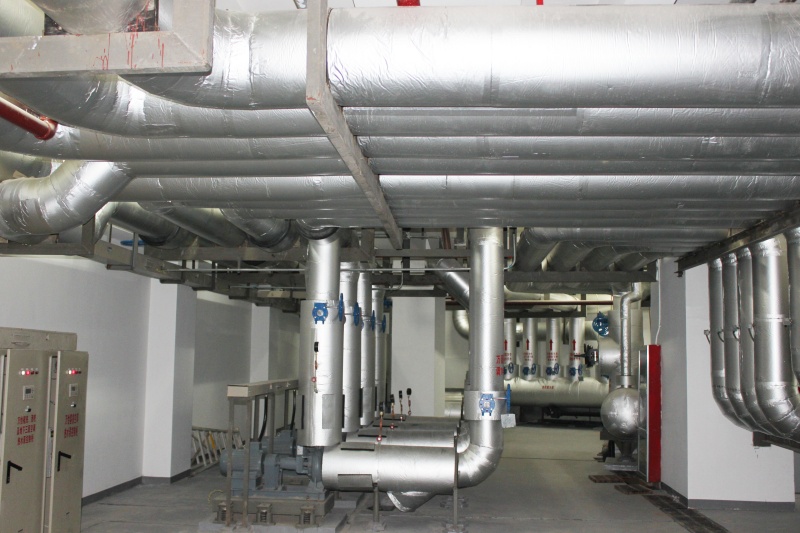
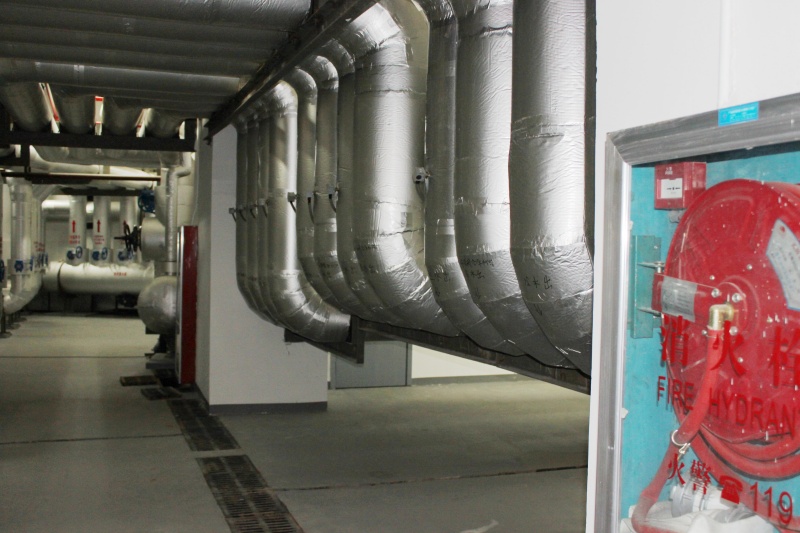
It is primarily used for HVAC ductwork, commercial air conditioning piping, building envelope thermal management, and industrial pipeline systems requiring cold and acoustic insulation.
Yes. Kingflex rubber foam contains flame-retardant compounds that meet standard fire safety requirements. It is self-extinguishing and complies with BS 476, UL94, and international building safety regulations.
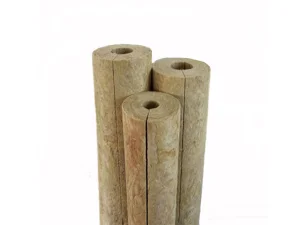
Rubber foam is a flexible, closed-cell material that offers high moisture resistance, making it suitable for cold pipelines and HVAC systems. Rock wool is a fibrous material with high temperature resistance, making it ideal for high-temperature industrial steam pipes.
Yes. We support custom sizing, thickness options, and sheet roll dimensions tailored to specific project requirements.
Our materials have passed BS 476, CE, REACH, RoHS, UL94, and ASTM testing, ensuring compliance with international safety and quality standards.
Yes. We maintain batch production logs from raw material mixing to the final curing process to ensure consistent quality control.
Our standard sheet rolls are available in thicknesses ranging from 6mm up to 50mm, accommodating various insulation requirements.
Under standard operating conditions and with proper installation, our products have an expected service life of 10 to 15 years.
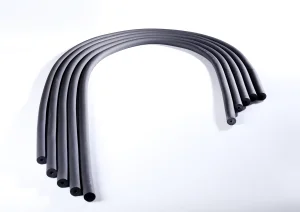
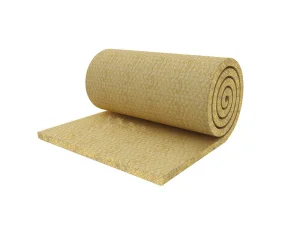
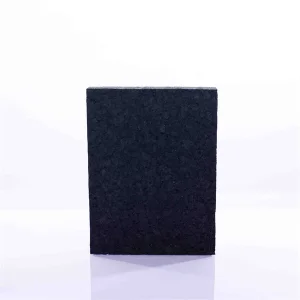
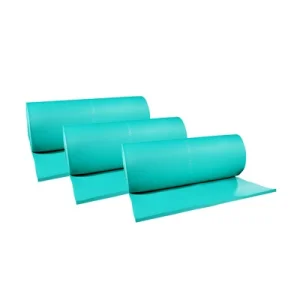
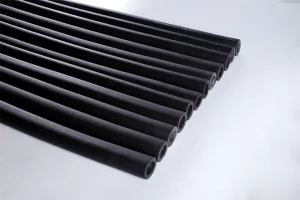
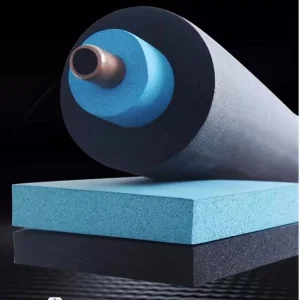
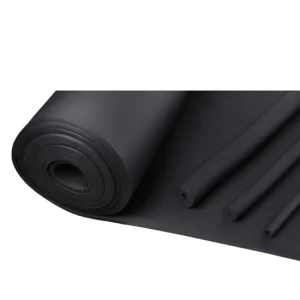
Uniform micro-cell structure with a closed-cell rate exceeding 98% for low, stable thermal conductivity. High elastic recovery helps maintain insulation thickness and performance in tight configurations.
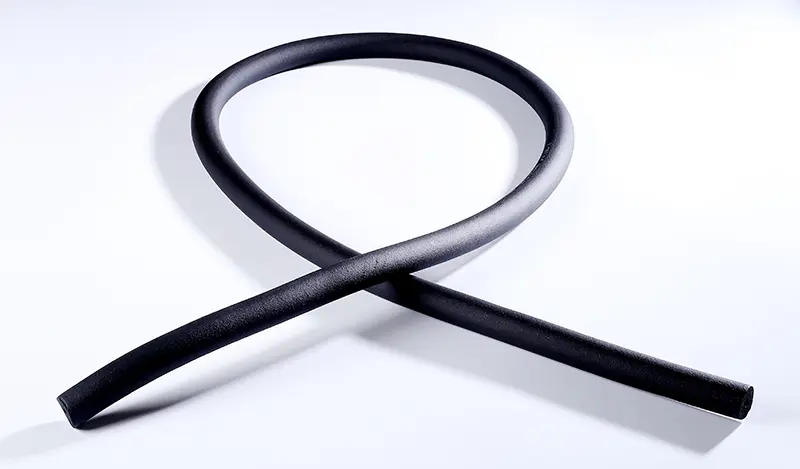
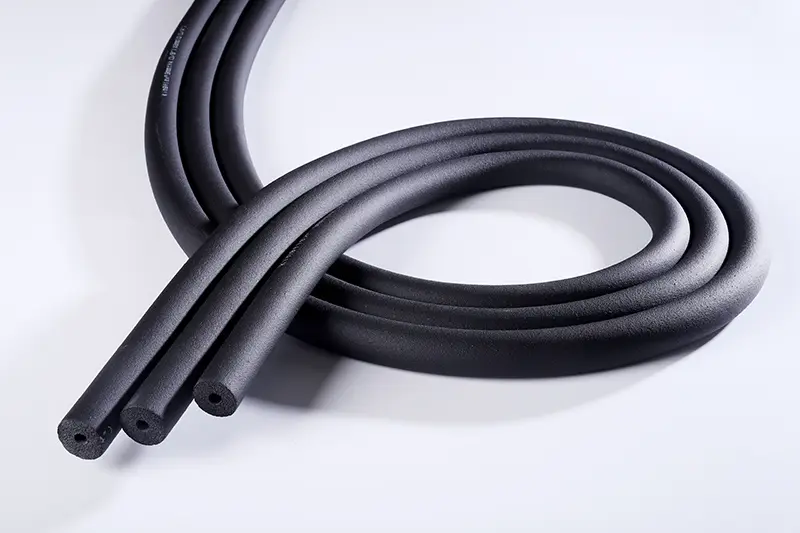
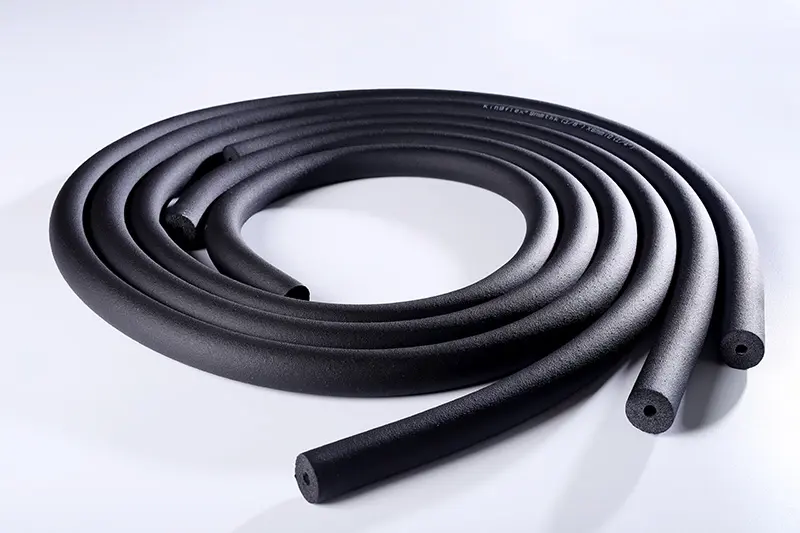
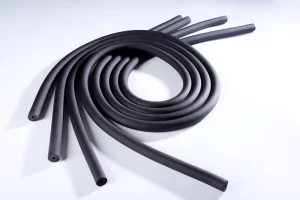
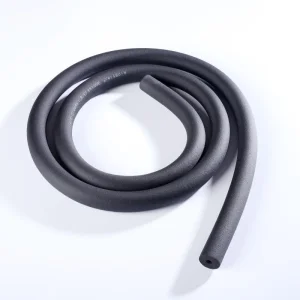
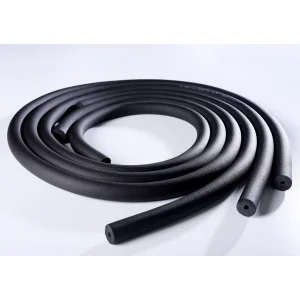
Continuous extrusion ensures uniform wall thickness and consistent fit. Highly flexible design simplifies installation around bends and complex pipeline shapes.



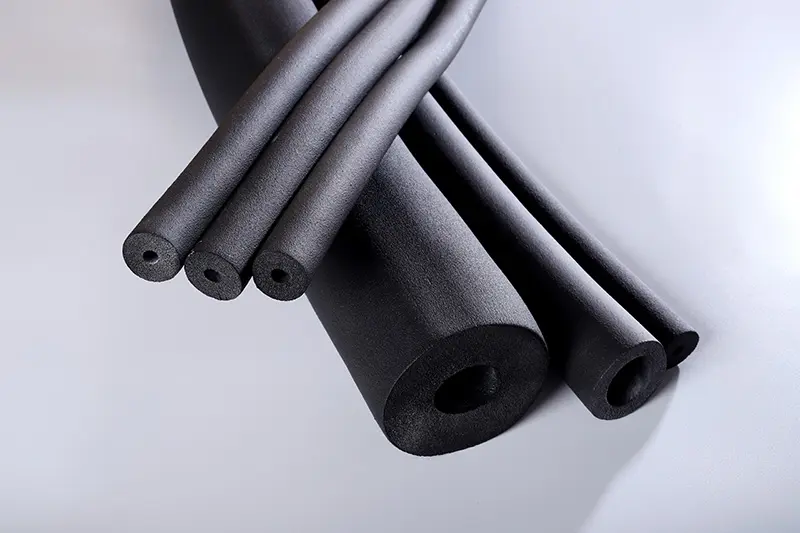
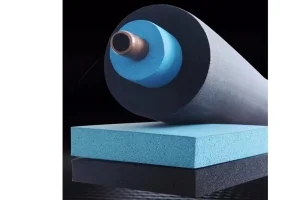
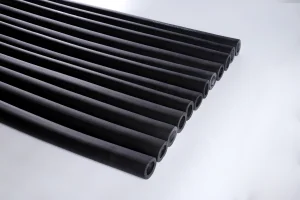
Standard and high-density NBR/PVC elastomeric insulation sleeves designed for quick installation on HVAC copper lines and hot water piping.
Formulated with high water-vapor resistance, helping to protect metallic piping systems from corrosion under insulation (CUI).
Highly flexible elastomeric sleeves that slide easily onto copper lines and pipe bends during installation.
High-performance black rubber foam piping designed for condensation control and energy conservation in commercial HVAC systems.
Thick-walled rubber insulation sleeves engineered for demanding industrial refrigeration systems and chilled process lines.
Standard closed-cell NBR/PVC insulation sleeves designed to limit heat loss in building HVAC and air conditioning pipework.
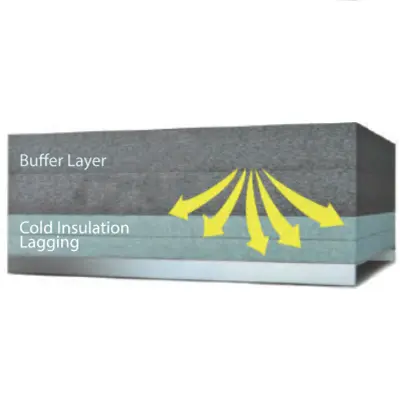
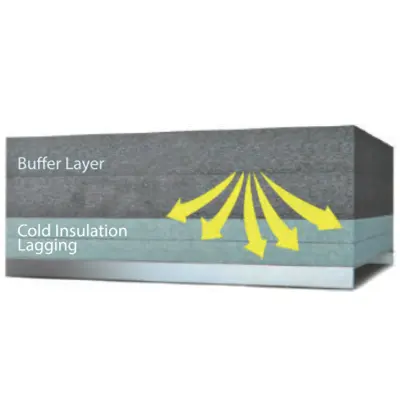
Multi-layered closed-cell insulation designed to prevent vapor entry and maintain thermal control in cryogenic process lines.
Specialty low-temperature elastomers engineered to maintain flexibility and resist cracking in cold-chain piping systems.
High-performance insulation sleeves designed to limit thermal loss and control condensation in demanding cryogenic applications.
Insulation cores engineered for deep cooling loops, gas processing facilities, and sub-zero storage systems.
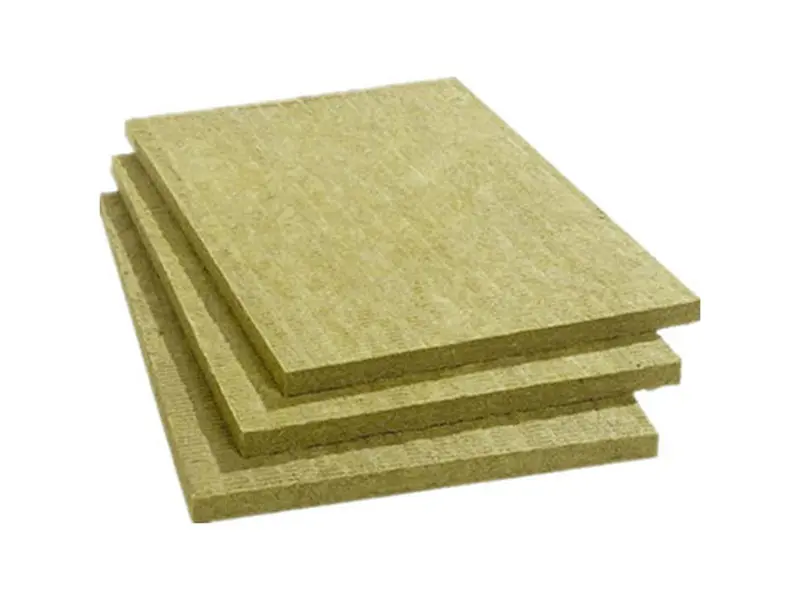
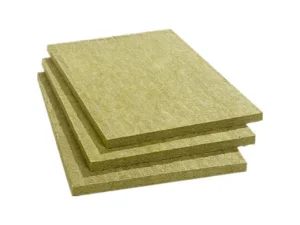
Rigid mineral fiber insulation boards offering thermal and acoustic performance for power generation plants and high-heat systems.
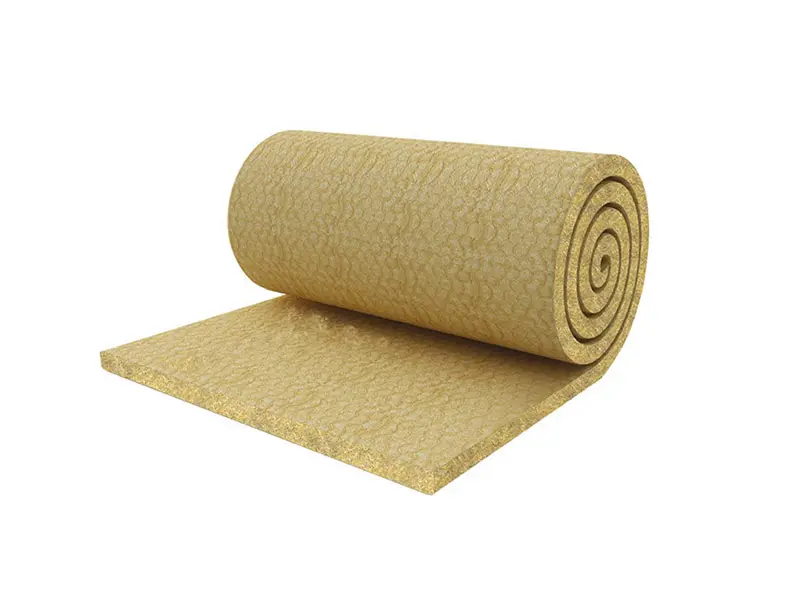
Flexible mineral fiber blankets designed for wrapping high-temperature industrial pipelines, tanks, and process vessels.
 Kingflex