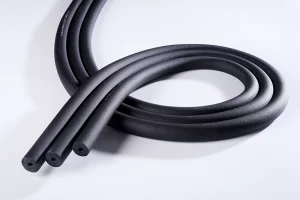
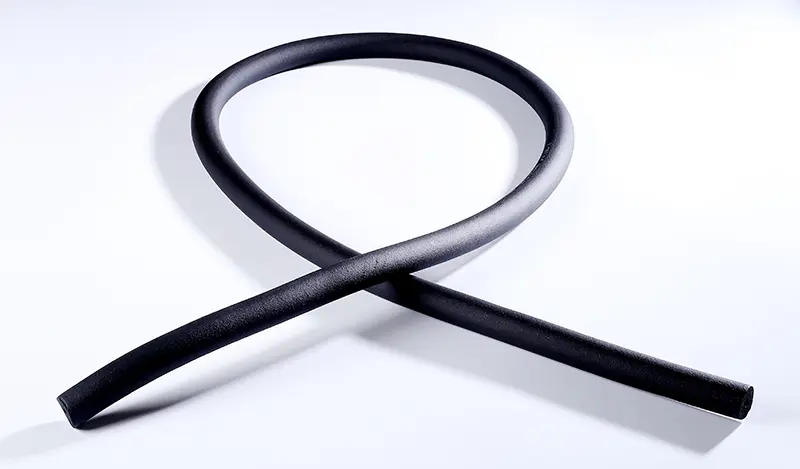
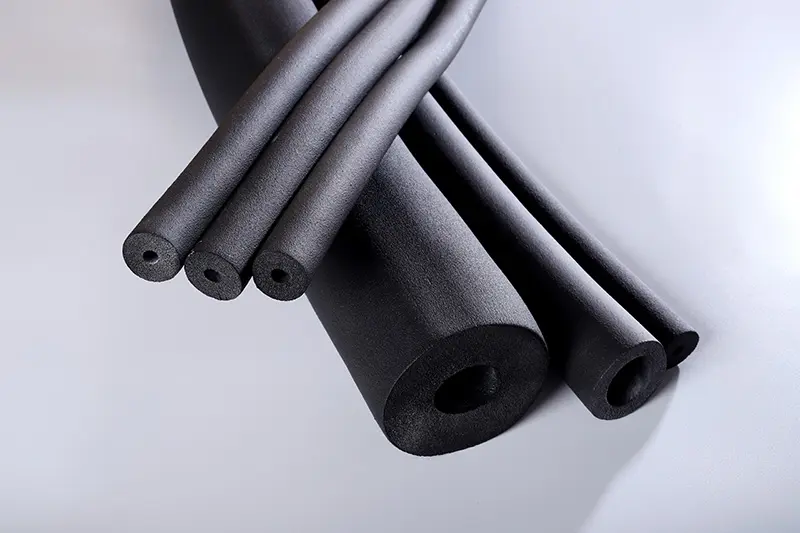
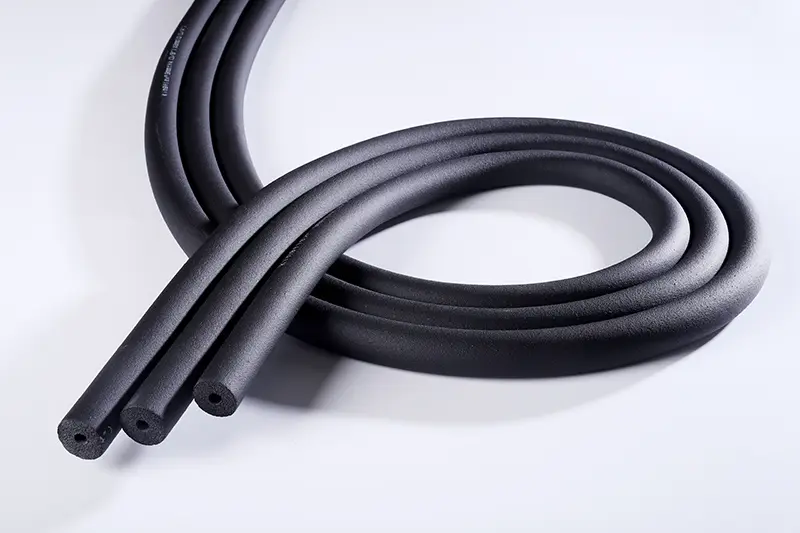
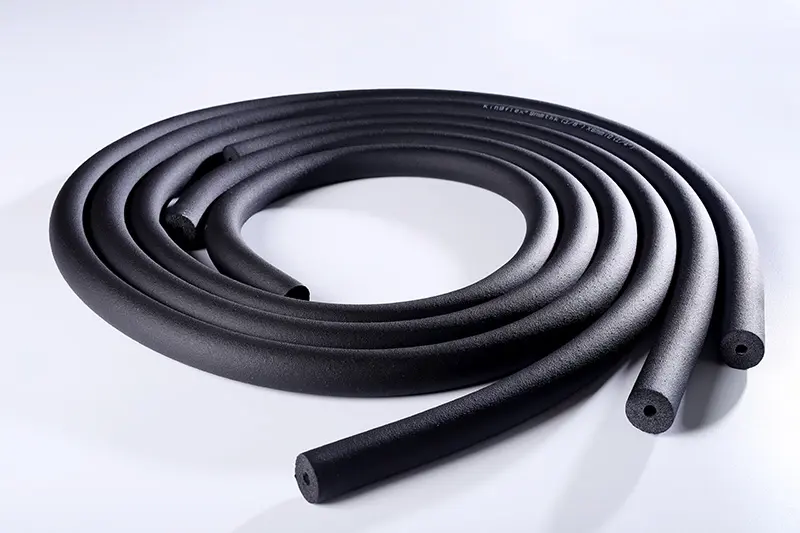
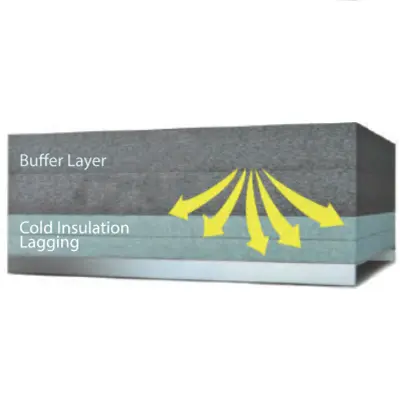
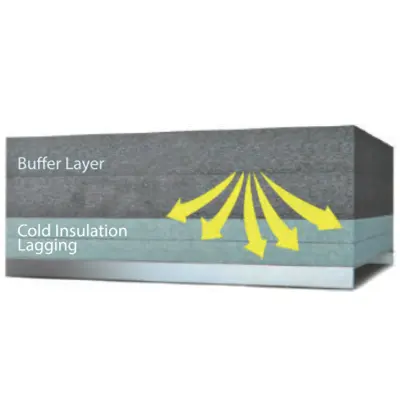
Explore our elite range of high-performance closed-cell elastomeric rubber foam sheets and pipeline tubing, built to stop condensation and reduce thermodynamic losses.
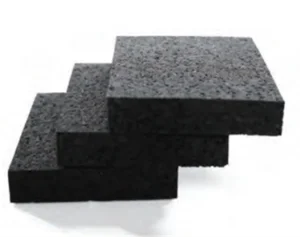
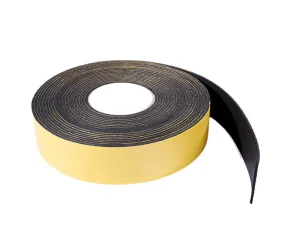
In global HVAC, industrial refrigeration, and cryogenic processing systems, determining the precise thickness of thermal insulation is not a matter of guesswork; it is governed by rigorous thermodynamic mathematics. An Insulation Calculator is an essential engineering tool used to calculate heat gain or loss, surface temperature, and, most critically, the prevention of condensation.
To prevent moisture buildup, the outer surface temperature of the insulated pipe or sheet must remain strictly above the ambient air's dew point temperature ($T_{dew}$). Condensation on cold surfaces leads to mold growth, physical structural decay, and the catastrophic phenomenon of Corrosion Under Insulation (CUI). The thickness ($L$) required to prevent surface condensation is calculated utilizing the thermal resistance of both the insulation material and the outer surface air film:
Where:
By partnering with an advanced Chinese manufacturer that provides localized insulation calculators, global sourcing departments can determine the exact volume of materials required, eliminating material wastage and optimizing thermal ROI.
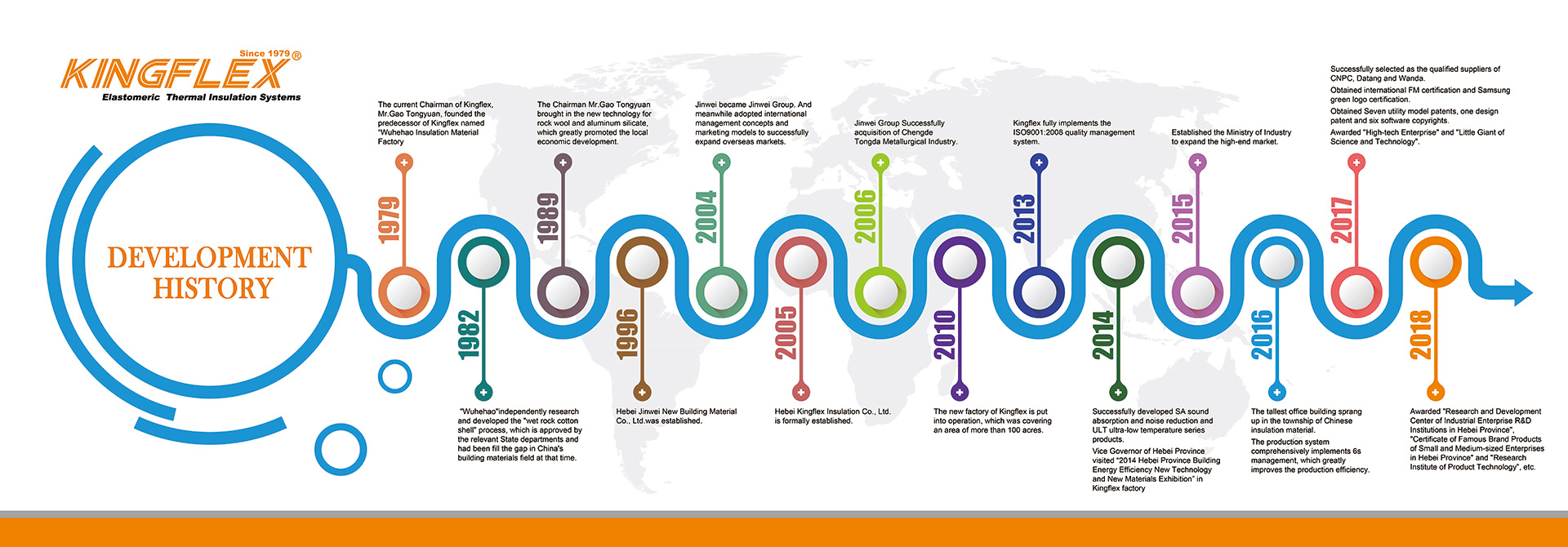
Kingflex Insulation Co., Ltd. stands as a premier manufacturing and trading conglomerate dedicated to advanced thermal and cryogenic insulation solutions. Our modern research, development, and state-of-the-art manufacturing hubs are strategically positioned in Dacheng, China—the globally recognized capital of green-building materials.
Established under the parentage of the Jinwei Group (founded in 1979), Kingflex inherits over 40 years of pioneering technical expertise in thermal materials production. We were the absolute first thermal insulation manufacturer established north of the Yangtze River. Today, we supply custom-engineered elastomeric closed-cell materials to over 66 countries globally.
Our core operating philosophy centres on deep-level energy conservation. We don't just sell insulation; we deliver end-to-end consulting, customized calculator configurations, raw production, and post-sale installation supervision for large-scale infrastructure complexes.
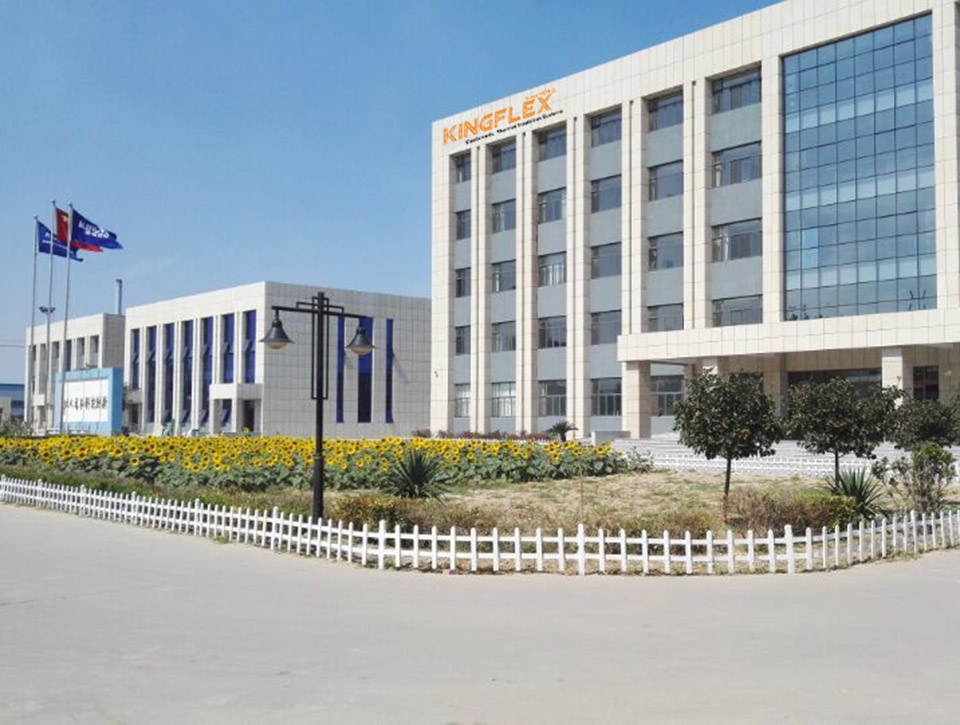
Understanding the structural, economic, and technological advantages of the Dacheng Industrial Cluster.
Our proximity to petrochemical refining centers gives us direct access to high-grade raw Nitrile Butadiene Rubber (NBR) and Polyvinyl Chloride (PVC) resins. This drastically lowers input costs and ensures consistent polymer batch chemistry.
Kingflex operates 5 large-scale automated continuous foaming assembly lines. By using physical foaming systems rather than chemical blowing agents, we maintain highly uniform cell structures and consistent densities (40-55 kg/m³).
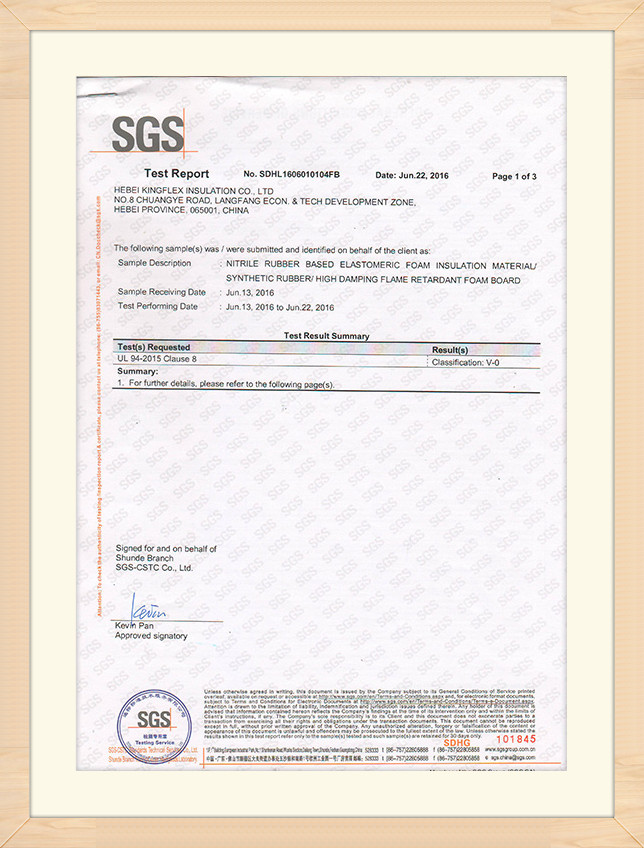
Our plants are strictly compliant with global construction and marine codes, maintaining CE, UL94 (Class V-0/V-1), RoHS, REACH, ASTM C534, and BS 476 Part 6 & 7 Class O credentials.

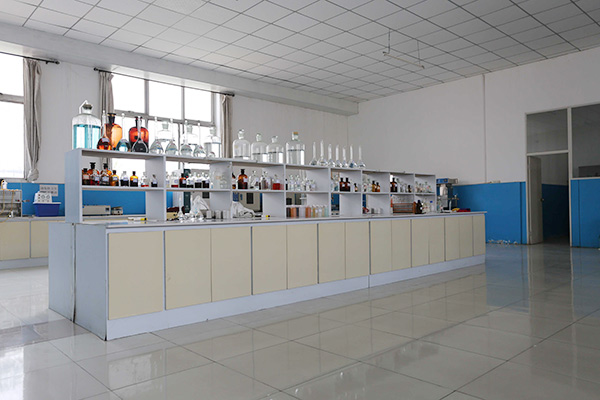
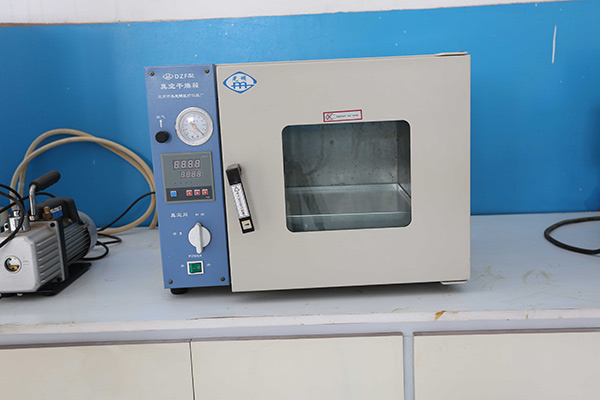
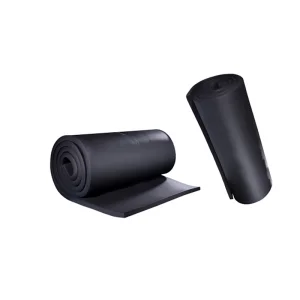
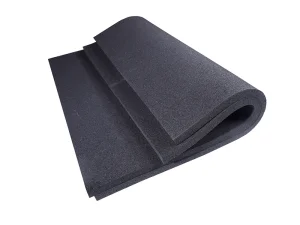
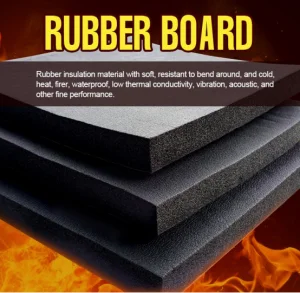
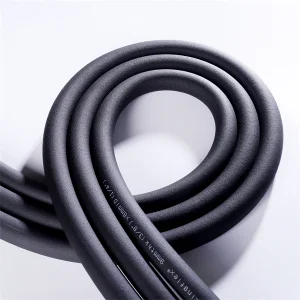
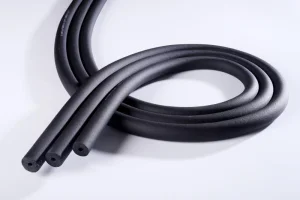
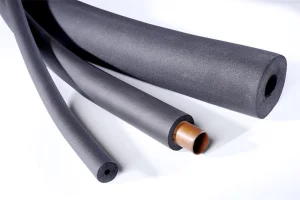
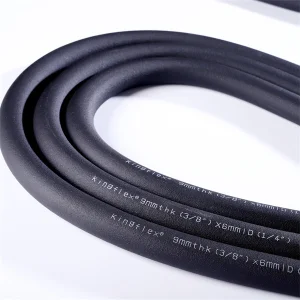
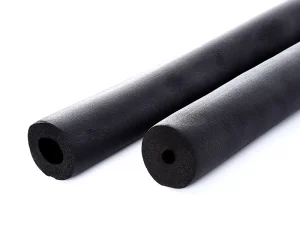
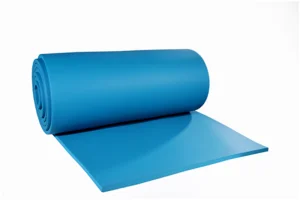
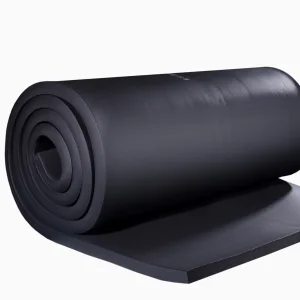
Our materials are formulated from premium elastomeric NBR/PVC compounds. Compare standard dimension arrays below to configure your calculator criteria.
| Material Composition: | Premium NBR/PVC blend |
| Thickness Options: | 6mm to 50mm |
| Density Profile: | 40 - 55 kg/m³ |
| Temperature Limits: | -40℃ to 105℃ |
| Closed-Cell Rating: | > 98% |
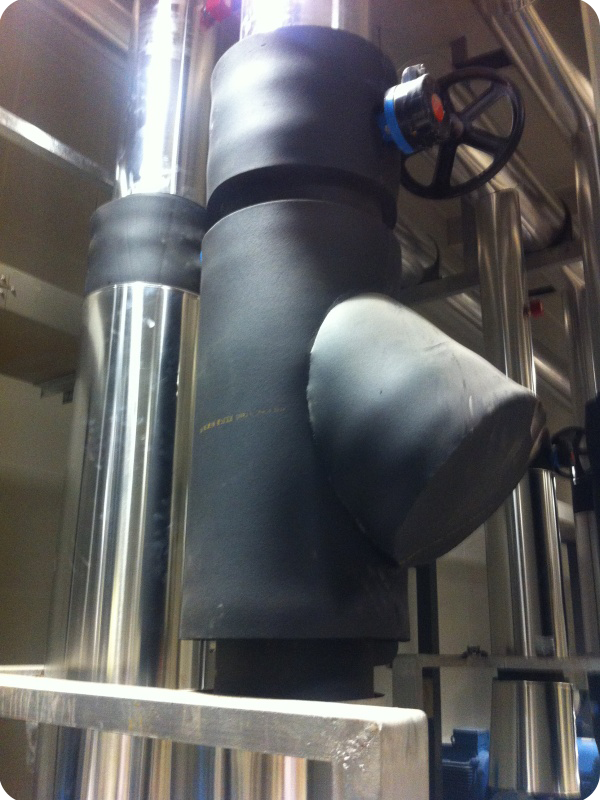
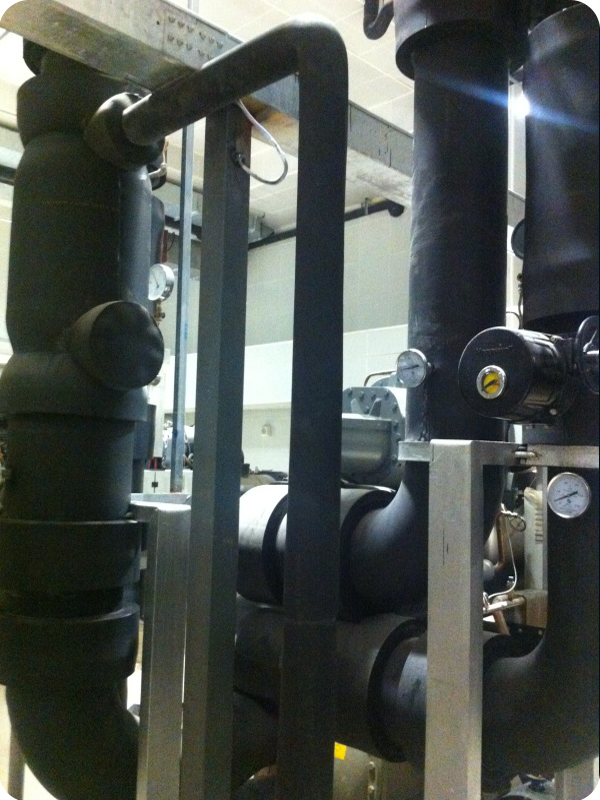
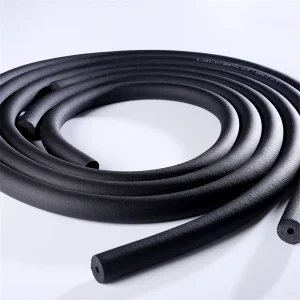
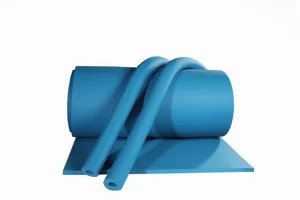
| Material Composition: | Premium NBR/PVC blend |
| Thickness Options: | 9mm to 40mm |
| Inner Diameter (ID): | 6mm to 114mm |
| Density Profile: | 40 - 55 kg/m³ |
| Key Advantages: | Uniform inner surface, highly flexible |

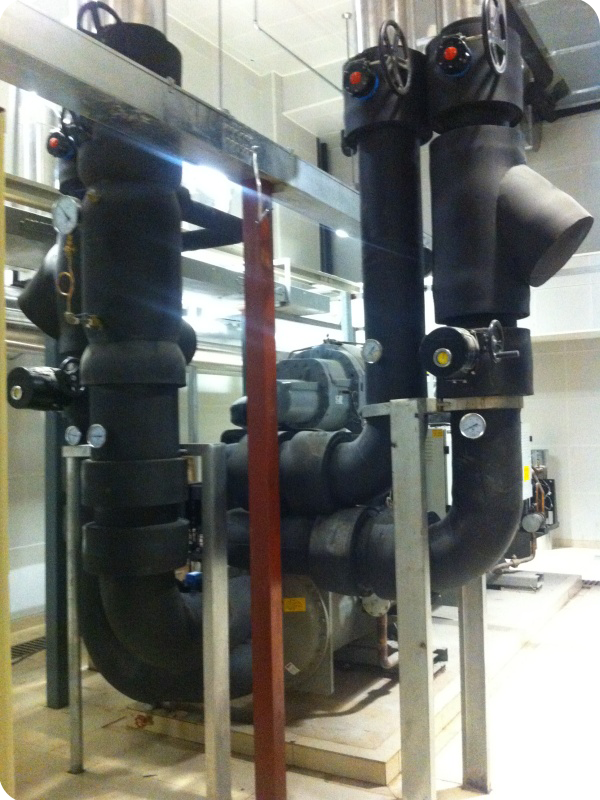
From standard commercial ventilation to complex ultra-low temperature cryogenic logistics, we supply optimized setups for every operational scale.
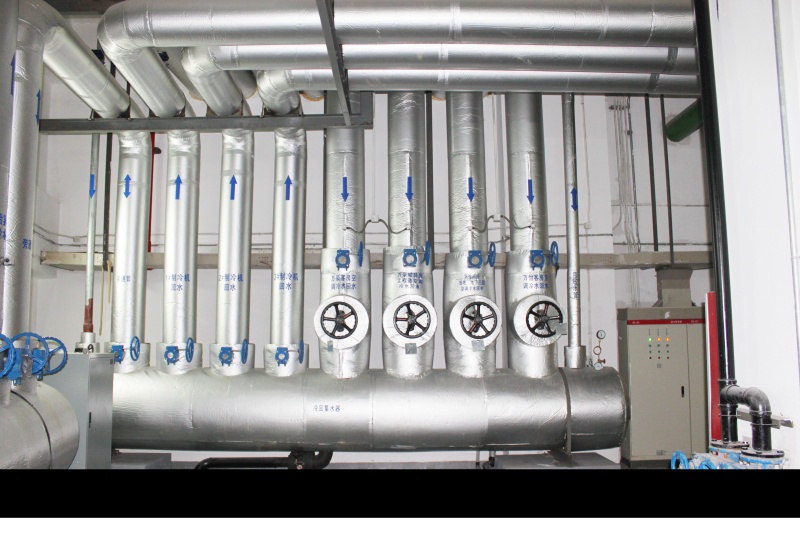
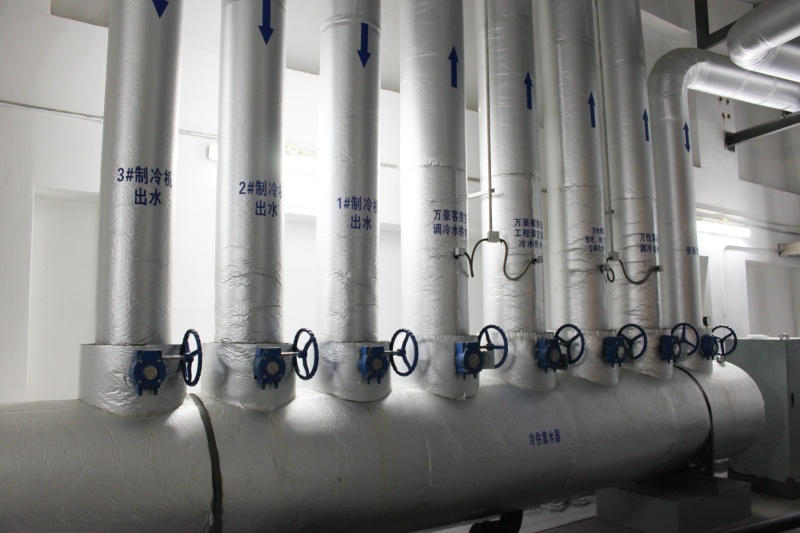
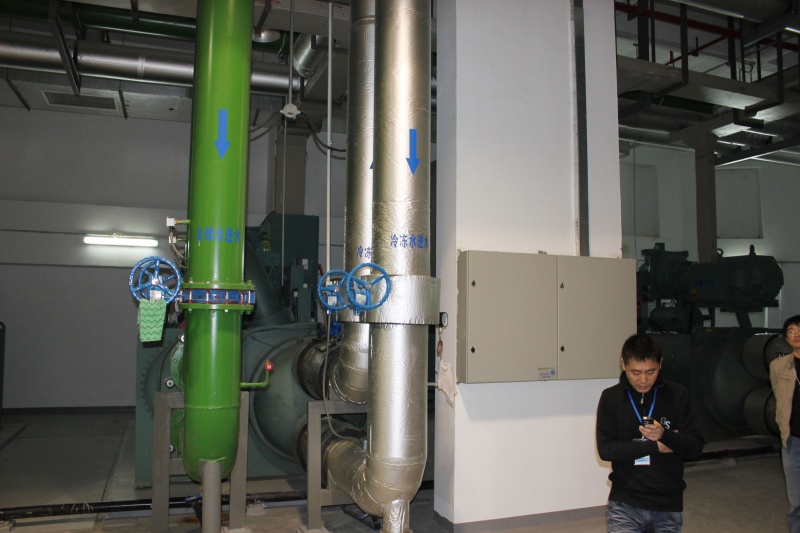
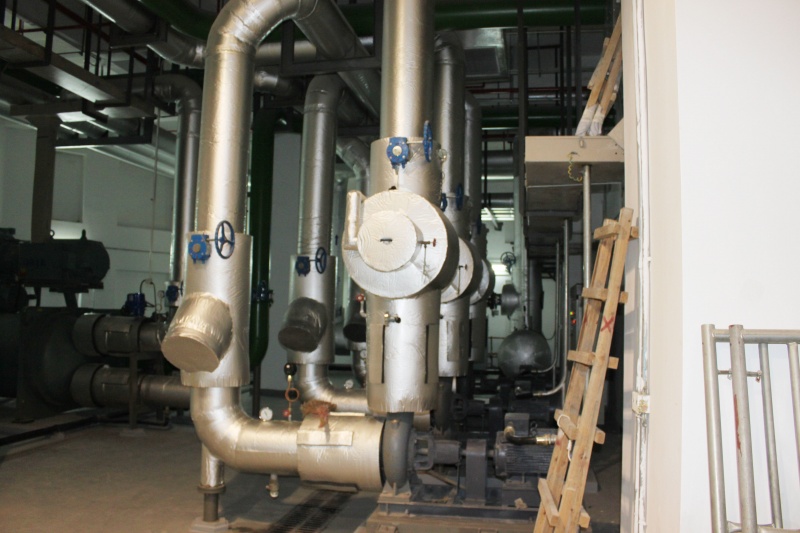
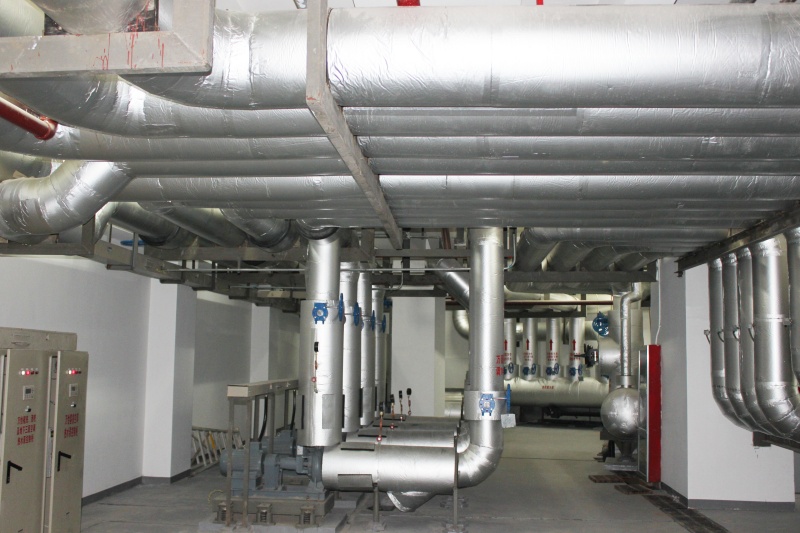
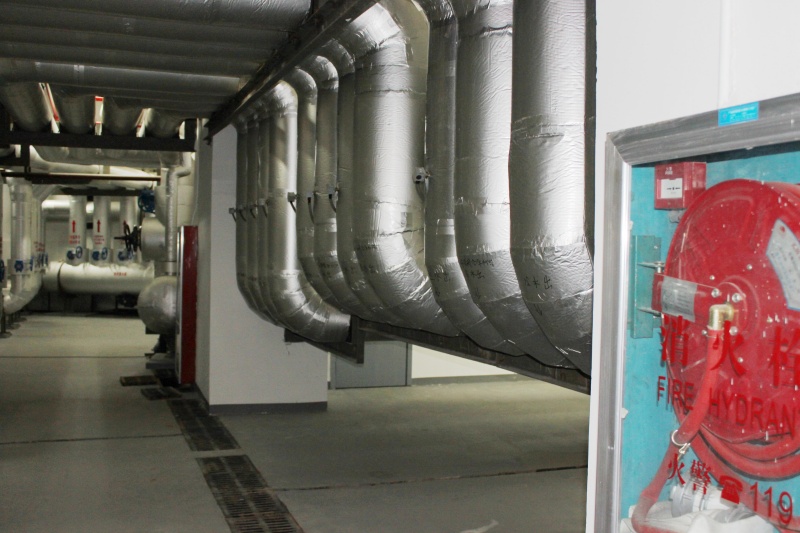
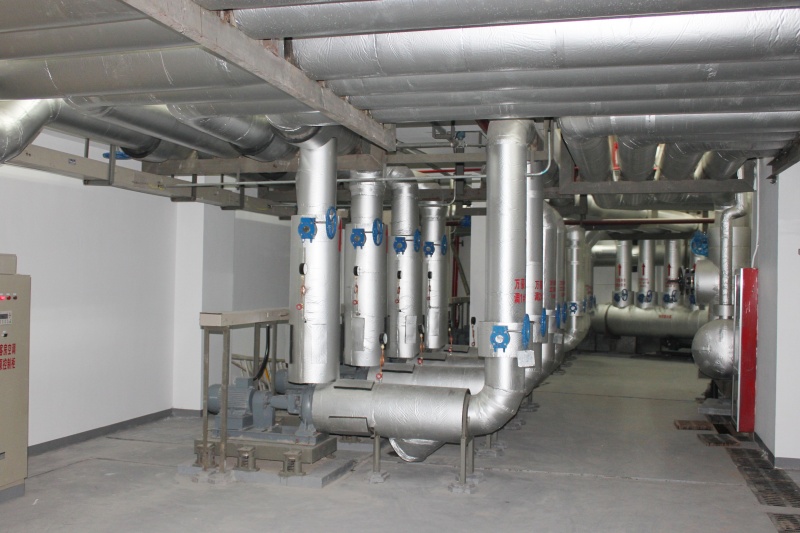
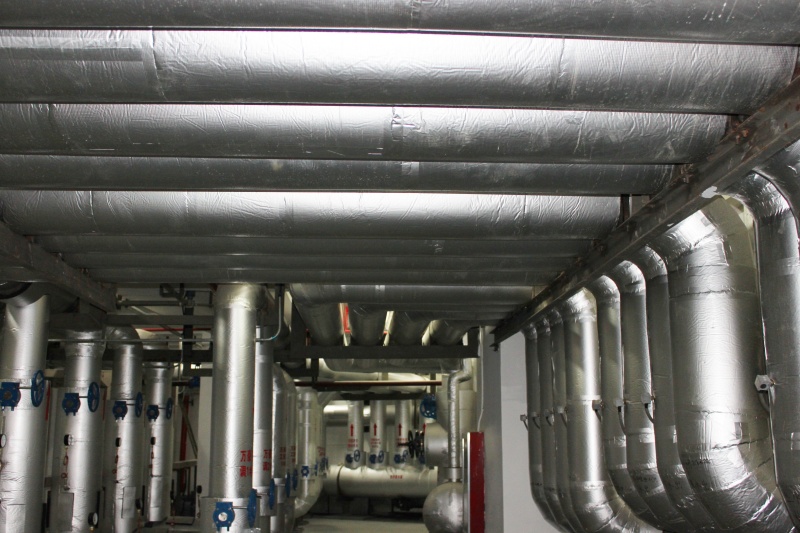
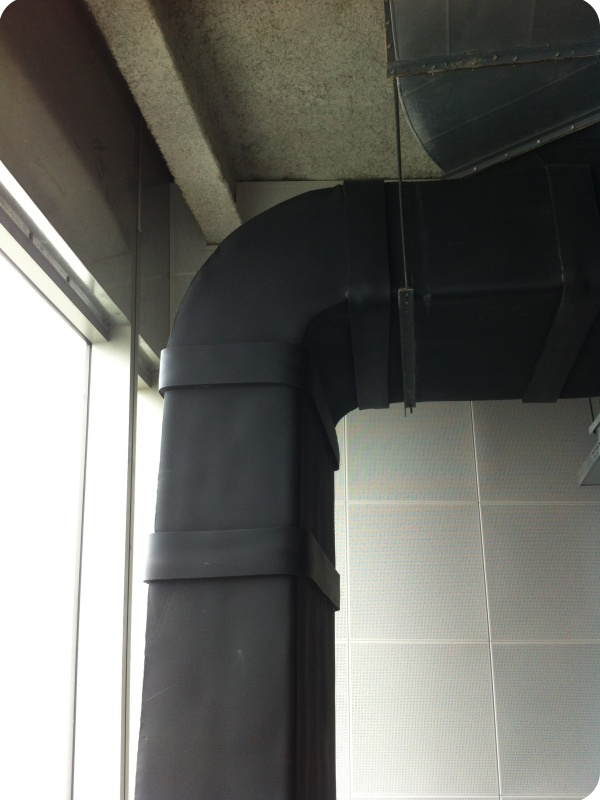
Our thermal insulation sheets are widely configured in high-capacity central air-conditioning ducting to minimize ambient heat gains, optimize Coefficient of Performance (COP) values of chillers, and drastically reduce acoustic reverberations inside fan coil plenums.
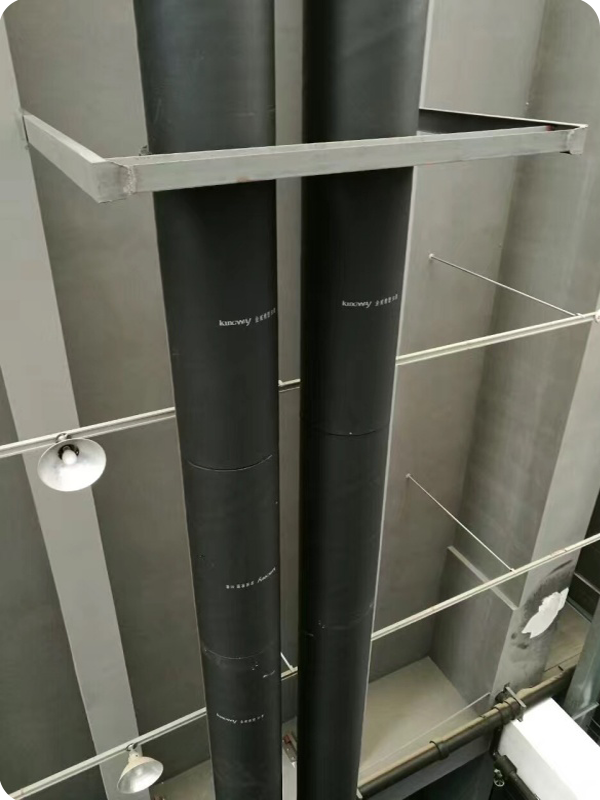
For liquefied gas networks and pharmaceutical chemical pipelines operating down to -200°C, our custom Alkadiene systems provide structural resilience against thermal shock, maintaining elasticity without fracturing or losing dimensional stability.
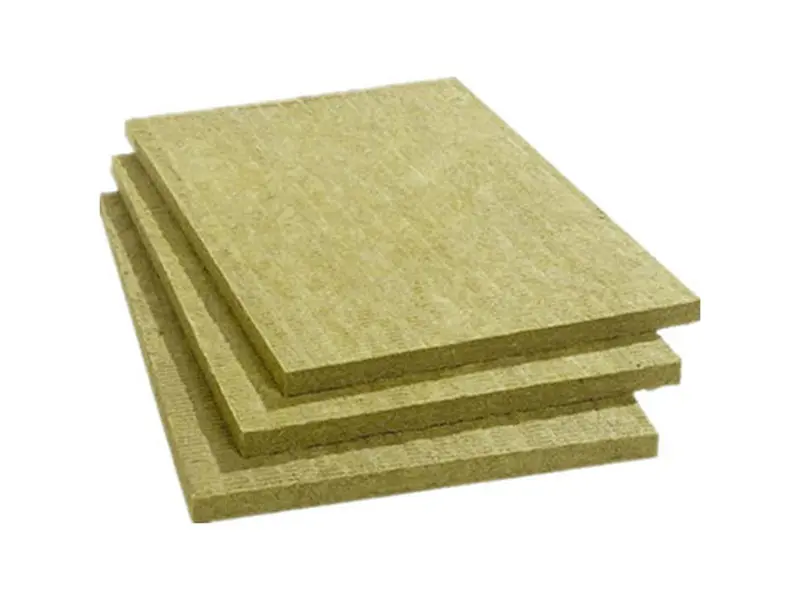
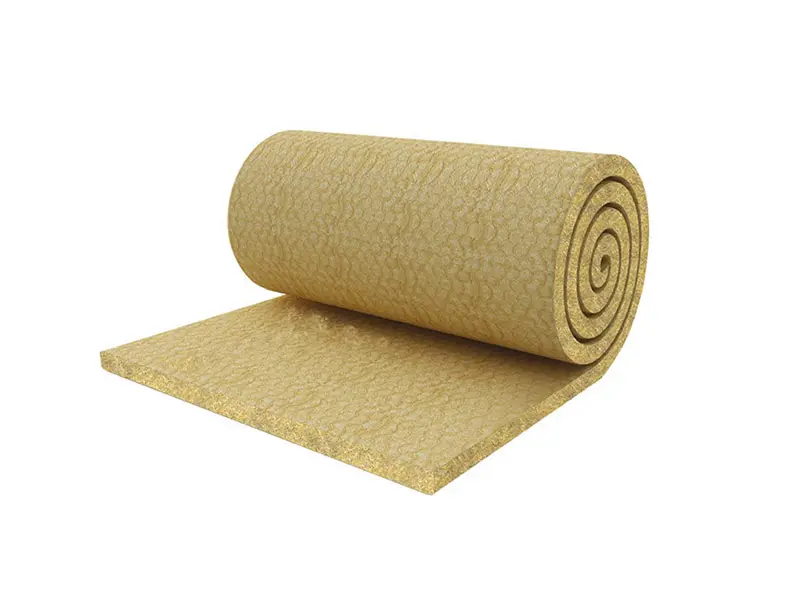
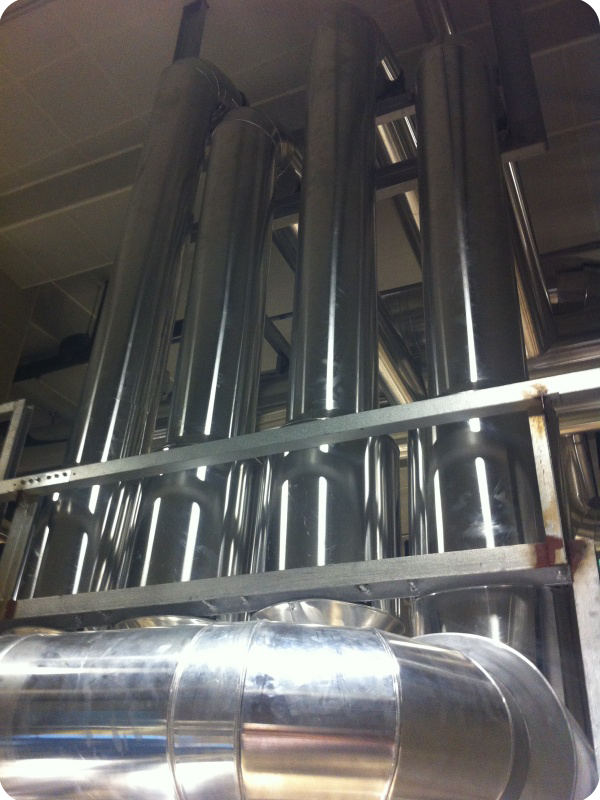
Combining our high-temperature elastomeric formulations with industrial mineral rock wool guarantees high fire protection (Class A non-combustible) and excellent thermal efficiency on high-pressure steam distribution headers.
International infrastructure developers and EPC contractors require traceable material certifications to fulfill building codes. Kingflex products go through continuous, rigorous validation by third-party testing agencies.
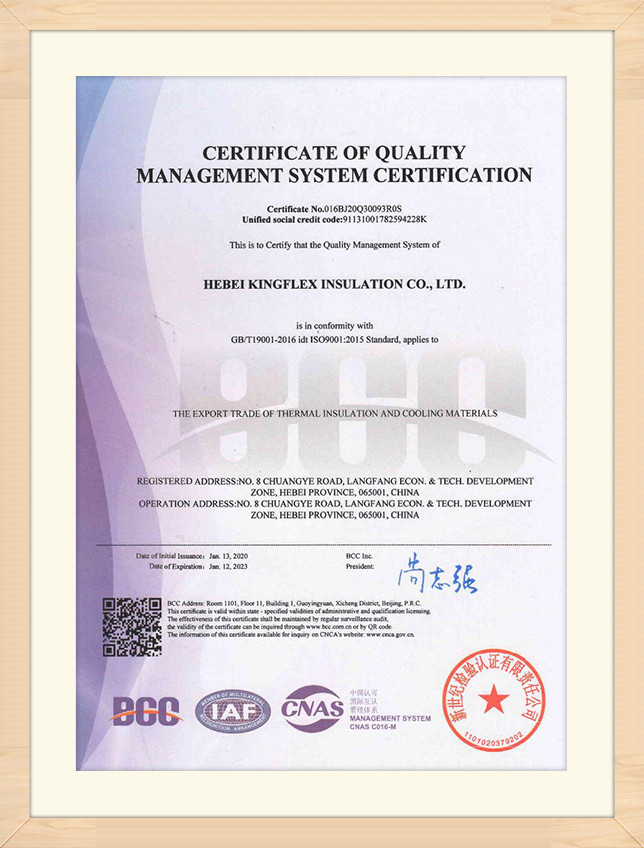
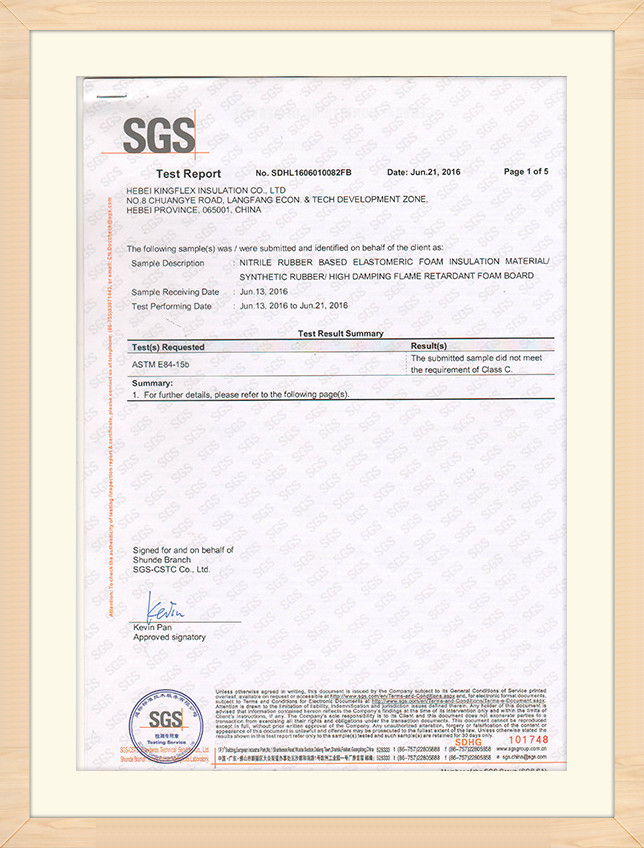
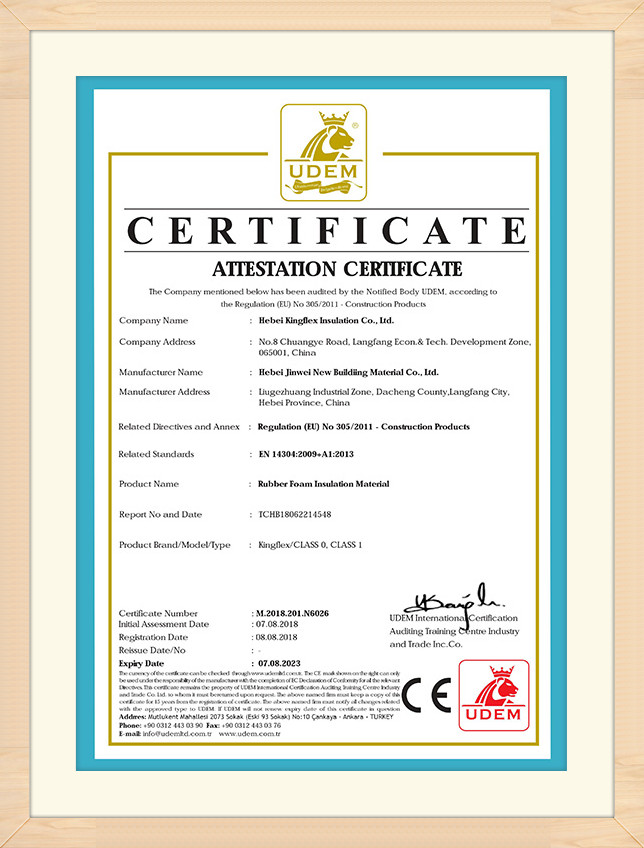
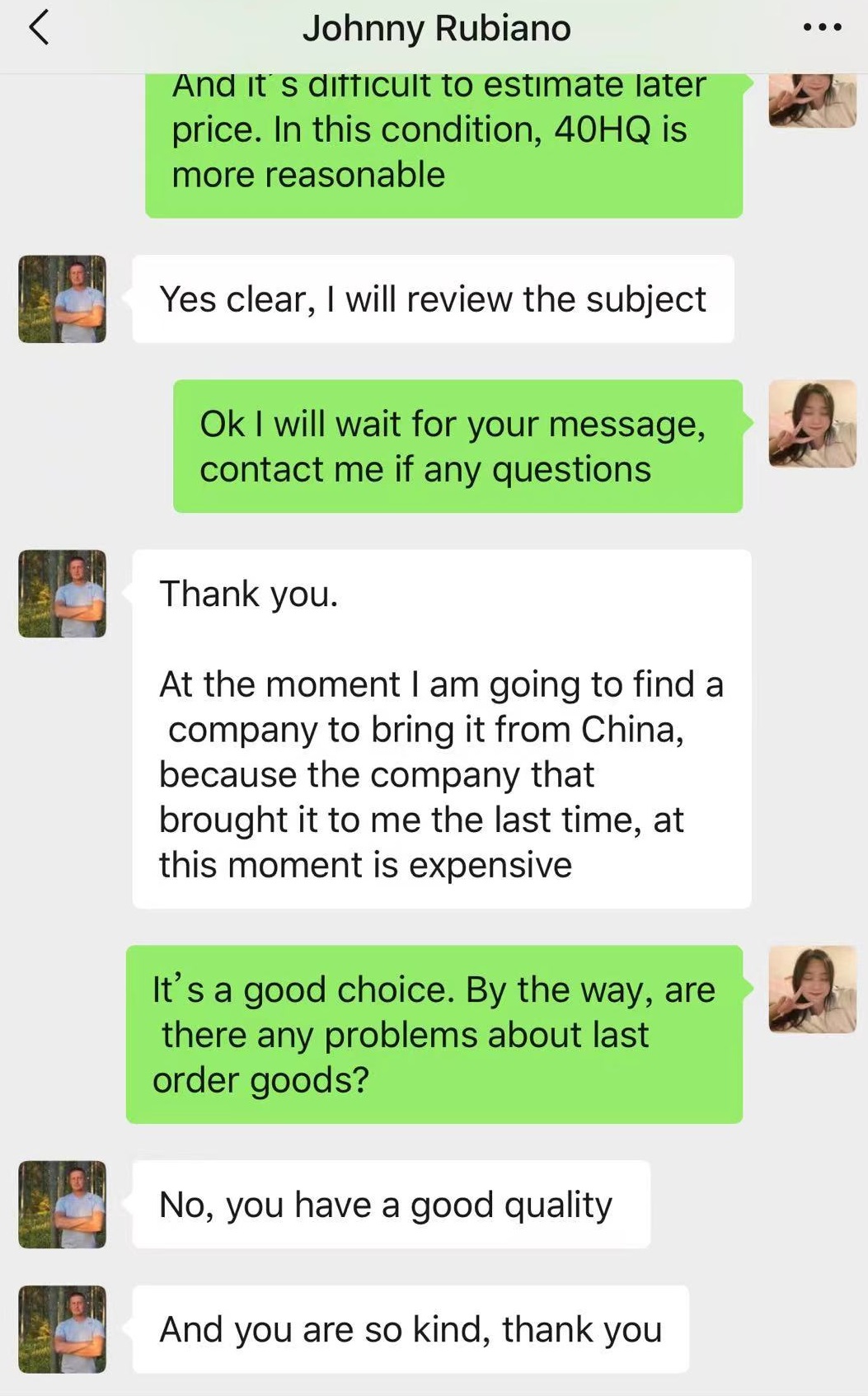
We maintain transparent communications and verify every single consignment. Explore authentic feedback and shipment screenshots from our international clientele.




A deep look into our plant operations, including continuous material testing, chemical compounding, and high-volume extrusion lines.
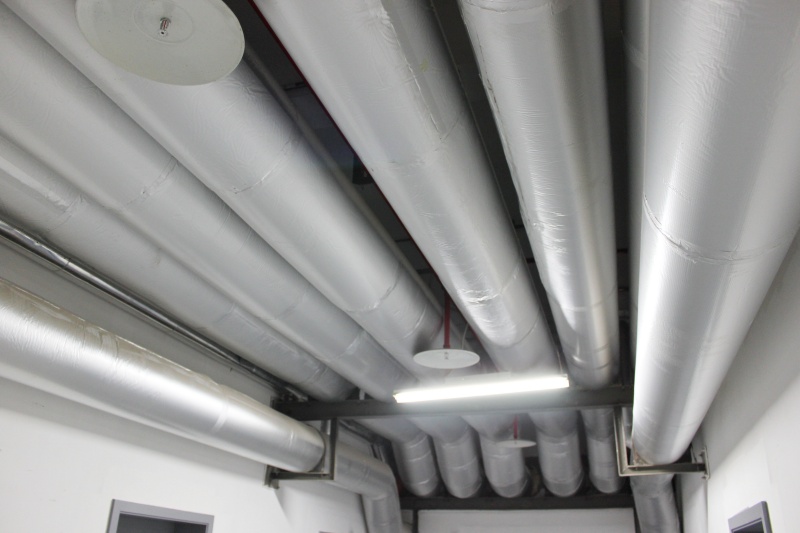

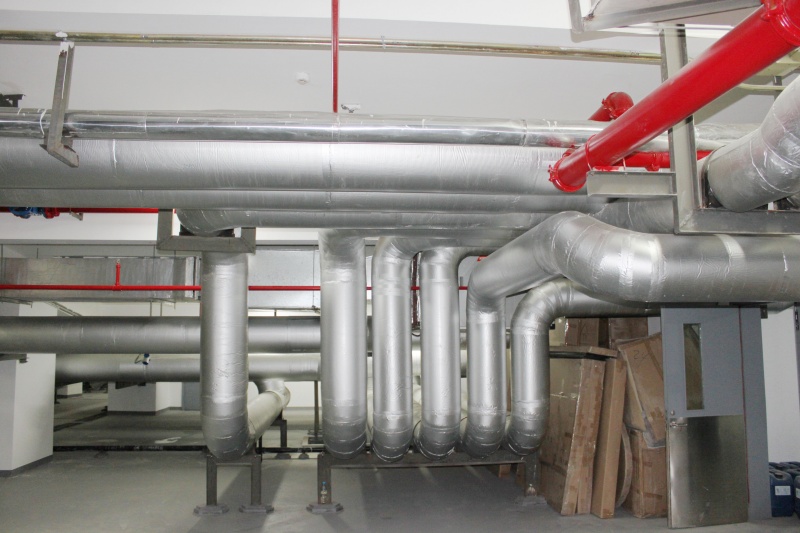

Expert technical insights regarding engineering calculations, material properties, and thermal insulation procurement criteria.
Configure your mathematical thermal design software with our standard physical properties profiles.
| Physical Property | Standard Value | Testing Protocol Reference |
|---|---|---|
| Material Polymer Type | NBR/PVC (Nitrile Butadiene Rubber & Polyvinyl Chloride) | ASTM C534 / ISO 9001 |
| Density Profile | 40 - 55 kg/m³ | GB/T 6343 |
| Thermal Conductivity (λ) at 0℃ | ≤ 0.034 W/(m·k) | GB/T 10294 / ASTM C177 |
| Water Vapor Permeability Resistance Factor (μ) | ≥ 10,000 | GB/T 17146 / ISO 9346 |
| Compression Resilience (50% compression, 70 hrs) | ≥ 80% recovery rate | GB/T 6669 |
| Service Temperature Range | -40℃ to 105℃ | ASTM C411 |
| Fire Performance Rating | Class 0 (BS476 Part 6/7) / Class V-0 (UL94) | BS476 / UL94 |

Select options for specialized systems, including anti-corrosive wraps, rock wool substrates, and cryogenic pipelines.






Select your material category below to request a detailed pricelist based on your custom thickness calculations.
 Kingflex