Premium elastomeric rubber foam sheets, pipes, and thermal rolls certified to international ASTM & CE standards.
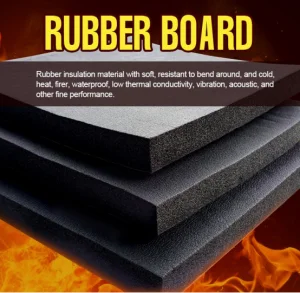
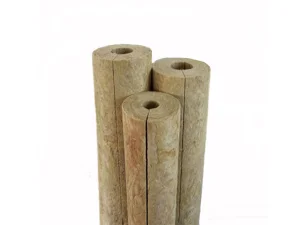
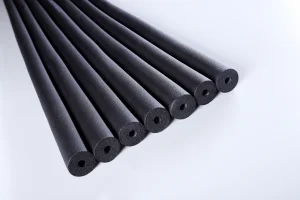
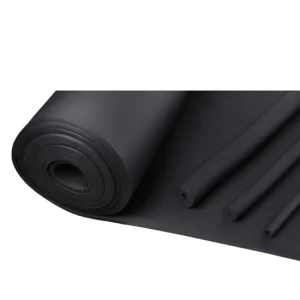
Analyzing thermal efficiency, regulatory updates, and structural challenges across international industrial sites.
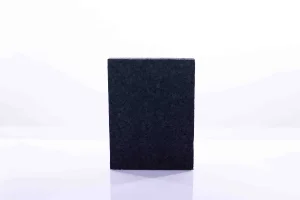
As international emissions frameworks tighten under the pressure of net-zero building directives, pipe insulation has transformed from a mere building standard into a core element of environmental governance. Today, over 40% of building energy losses are caused by unoptimized HVAC networks and process pipes. By implementing advanced elastomeric closed-cell insulation systems and mineral wool solutions, engineers can lower operating costs while ensuring condensation protection.
From North American industrial clusters conforming to ASTM C534 specifications to European chemical projects adhering to EN 14304, thermal insulation remains a foundational component of modern piping engineering. High-density rubber foams provide a complete moisture barrier, minimizing risk of Corrosion Under Insulation (CUI) while maintaining a steady thermal state across a service spectrum of -40℃ to 105℃.
Combining forty years of manufacturing expertise with automated line capabilities to serve over 66 nations.
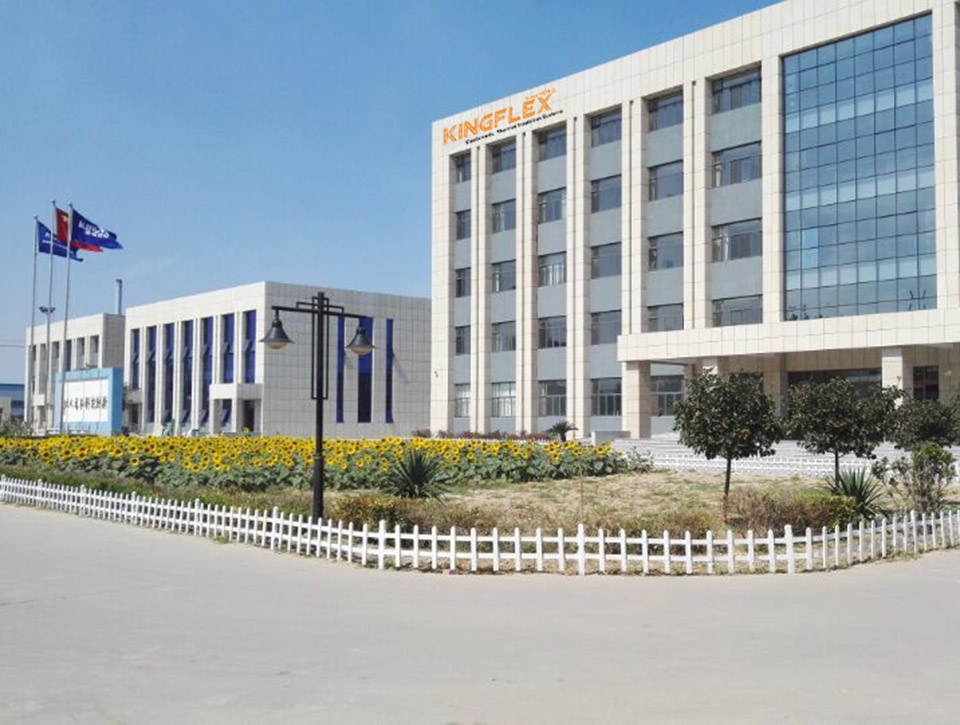
Kingflex Insulation Co., Ltd. operates as a professional manufacturing and trading combo for thermal insulation systems. Our central research development and manufacturing department is set up in Dacheng, China—a well-known capital of green building materials. Kingflex is focused on the research, production, and sales of high-performance energy-saving materials.
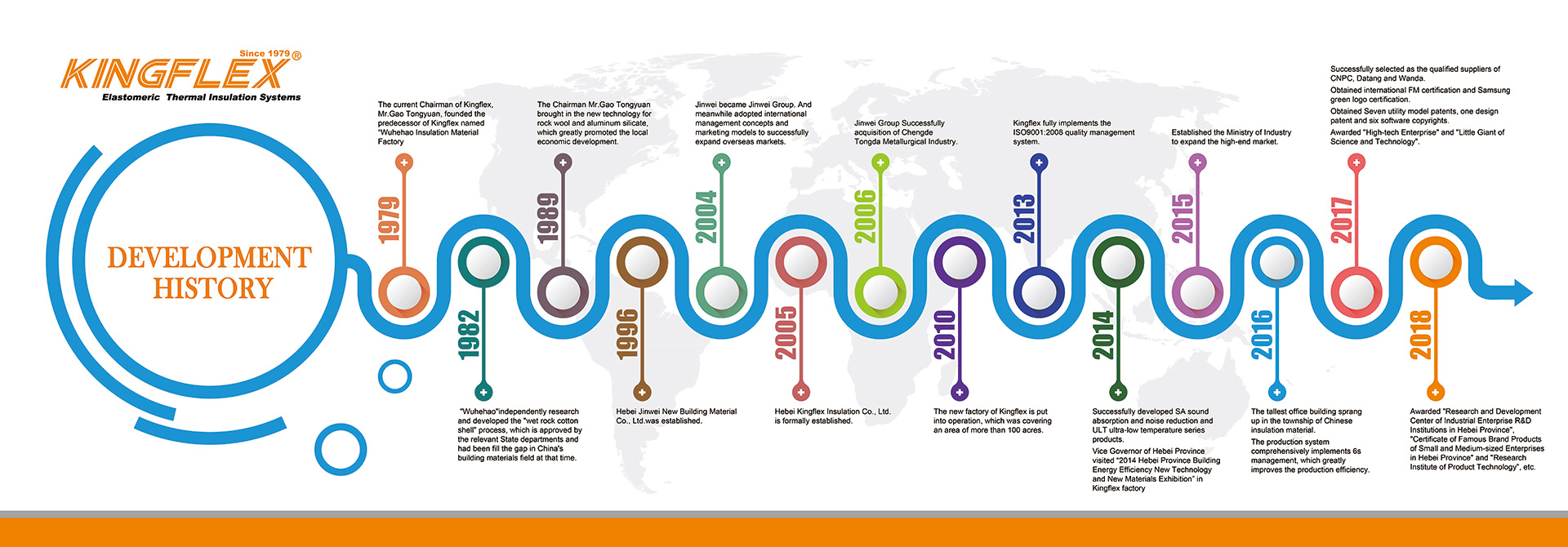
Originally established by the Jinwei Group, which carries a heritage spanning more than 40 years since 1979, we represent the first manufacturer of thermal insulation materials north of the Yangtze River. Through structural research, advanced engineering, and consultation, we deliver solutions across HVAC and process lines.
Our workforce is the foundation of Kingflex's engineering capabilities. Our team is a tight-knit, talented group with a shared vision of providing reliable service to our clients. The Kingflex workforce is comprised of 8 professional engineers in our R&D Department, 6 international sales specialists, and 230 workers in the production department.
At present, we are a designated production enterprise certified by the Ministry of Energy, the Ministry of Electric Power, and the Ministry of Chemical Industry of China, confirming our standing as an industrial supplier.



Accurate metrics, performance benchmarks, and chemical structural specifications of Kingflex products.
| Property | NBR/PVC Elastomeric Foam | Rock Wool Material | Testing Methods |
|---|---|---|---|
| Density Range | 40 - 55 kg/m³ | 80 - 150 kg/m³ | ASTM D1622 / EN 1602 |
| Thermal Conductivity (λ) | ≤ 0.034 W/(m·k) at 0℃ | ≤ 0.040 W/(m·k) at 70℃ | ASTM C177 / C518 |
| Moisture Permeability | μ ≥ 10,000 (Closed cell rate > 98%) | Water absorption ≤ 1.0% | ASTM E96 / EN 12086 |
| Service Temp. Range | -40℃ to +105℃ | -120℃ to +650℃ | ASTM C411 / EN 14706 |
| Fire Performance | Class 0 / Class 1 / B1 | Non-combustible Class A1 | BS 476 Part 7 / UL 94 / EN 13501 |
| Resilience Rating | Compression resilience ≥ 80% | Not applicable | GB/T 17794 |
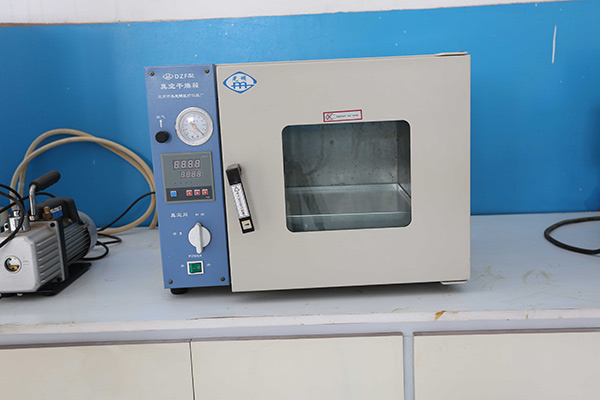
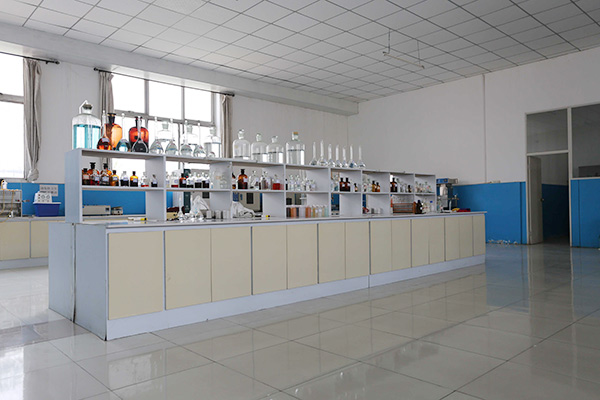
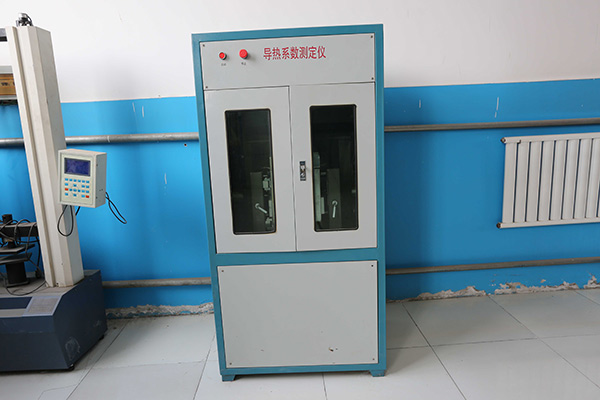
Our labs test raw materials through gas chromatography, heat flow meters, and environmental chambers. This guarantees that all batches of NBR/PVC elastomer foam match or exceed global limits for smoke emission, moisture absorption, and thermal aging.
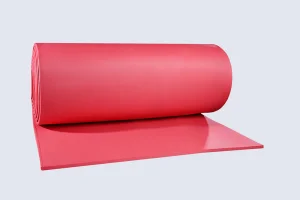
By blending fine organic pigments and stabilizers into the polymer matrix during mixing, we produce specialized lines, such as colors for pipeline identification and cryogenic options for liquefied gas terminals.
A step-by-step engineering standard for contractors, project managers, and HVAC technicians.
Professional installation is vital to ensure thermal performance and prevent condensation. Ensure the system is completely shut down and that the pipe surface is dry and free of dirt, oil, and rust.
Required Equipment: Sharpened utility knives, steel rulers, calipers, template guides, high-strength contact adhesive (e.g., Kingflex Adhesive), and seam tape.
Avoid pulling or stretching the foam during installation. Use calipers to check the outer diameter of the pipe. Cut the insulation material to size, allowing an extra 5-10mm in length to prevent seams from pulling apart due to contraction.
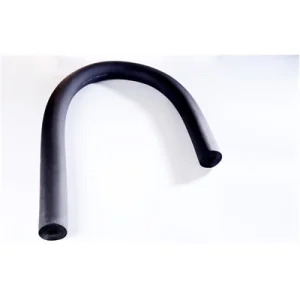
For bends and T-joints, use mitred cuts as shown in project blueprints to ensure a flush fit around pipe elbows without compressing the material.
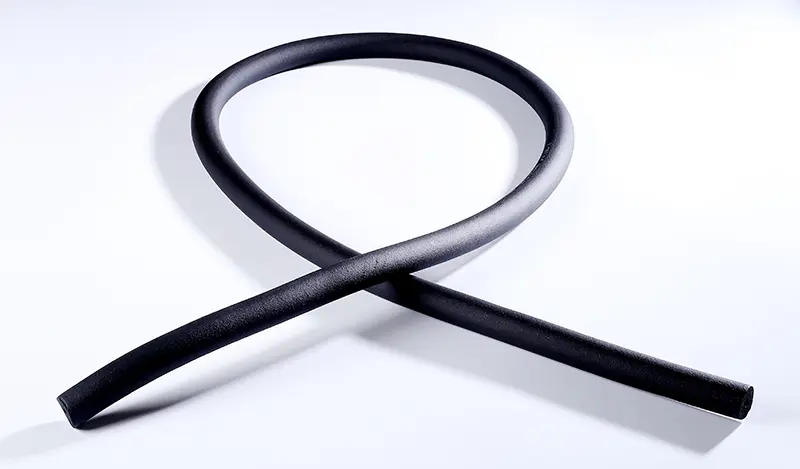
Apply a thin, even coat of contact adhesive to both cut edges. Let it dry to the touch (usually 3 to 10 minutes depending on ambient temperature) before pressing the surfaces together. Press firmly along the seam to ensure a secure bond.
For outdoor setups, apply an additional UV-protective coating or aluminum cladding to shield the elastomeric foam from solar radiation and mechanical damage.
Detailed design specifications for specialized industrial installations.
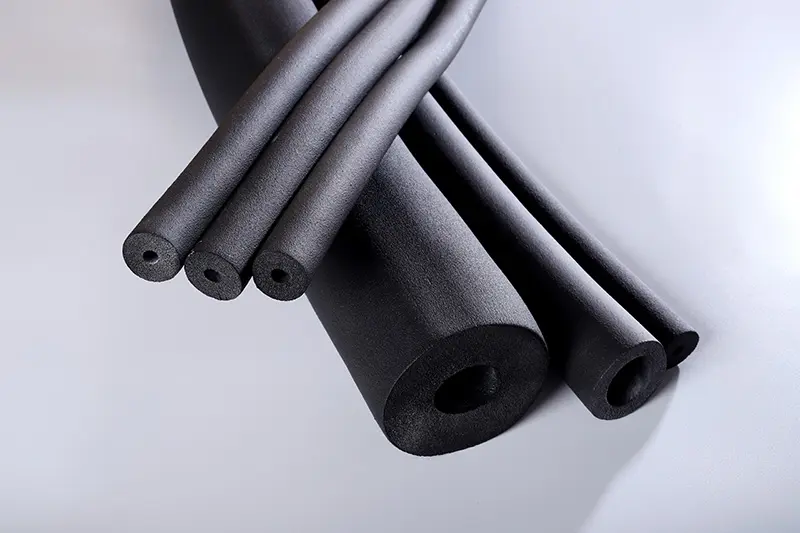
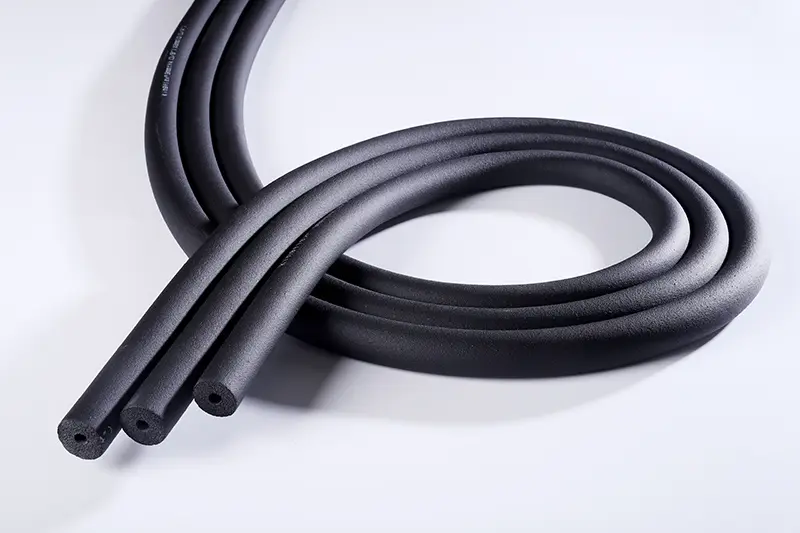
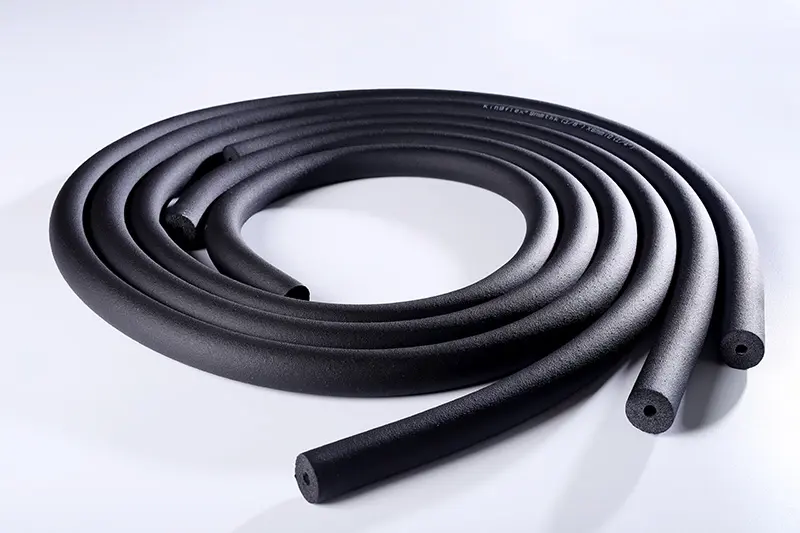


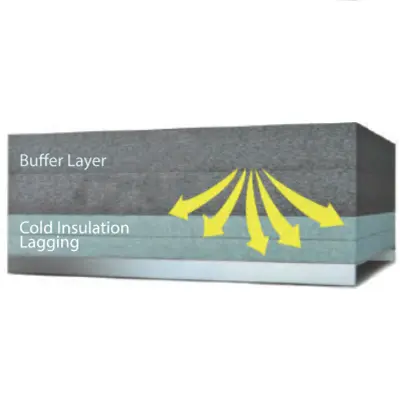
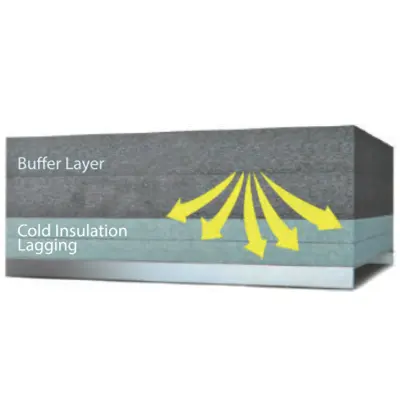
How Kingflex insulation sheets and pipe tubes are deployed in diverse engineering environments.
Our insulation keeps air ducts and pipes thermically balanced, minimizing energy loss in commercial complexes, hotel ventilation networks, and institutional HVAC systems.
Engineered for high-temperature steam lines, industrial machinery, and storage tanks. Prevents heat loss and protects operators from accidental surface burns.
Designed for low-temperature settings, our cryogenic rubber foams prevent heat ingress and condensation in deep-cold systems and chemical shipping containers.
High-density foam configurations damp mechanical vibrations in plant machinery rooms and public transit systems, keeping sound levels within target limits.
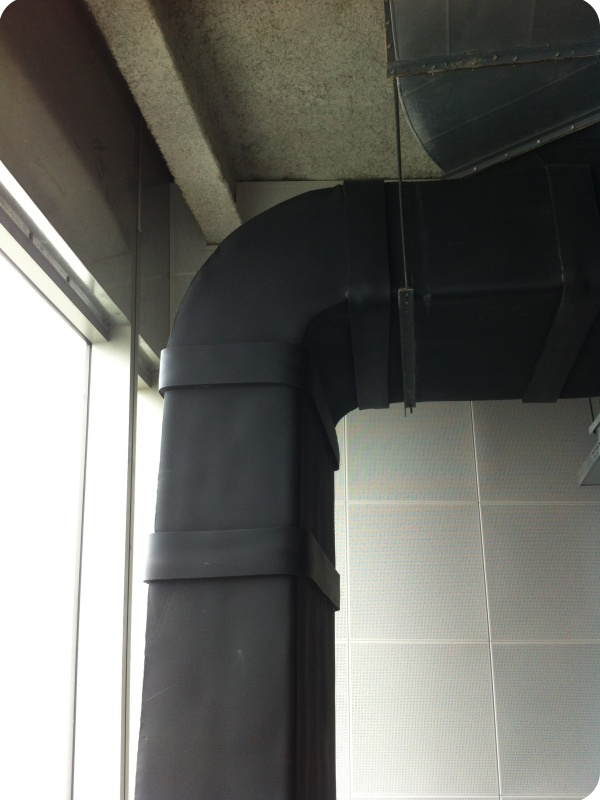

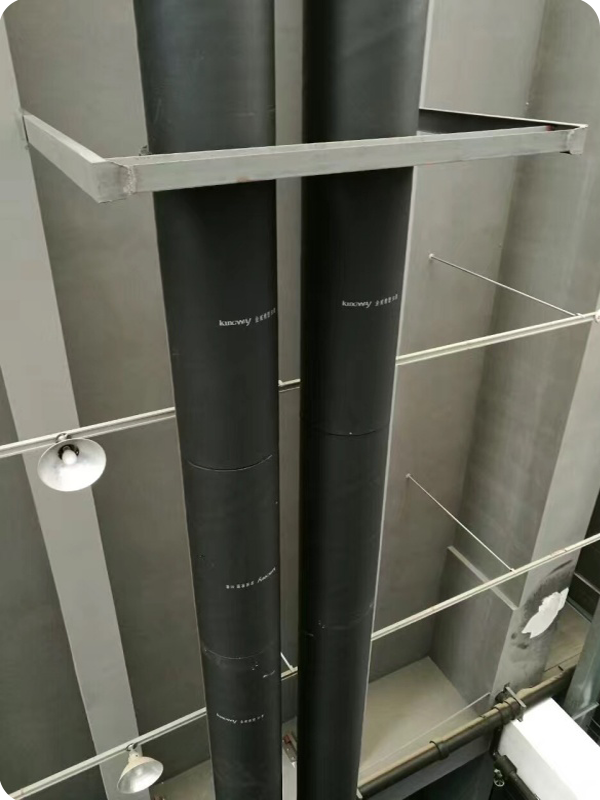
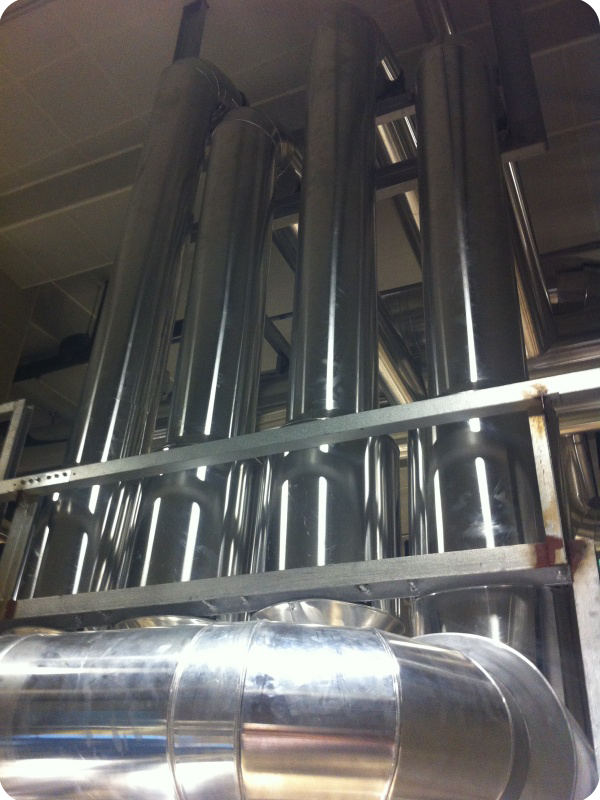
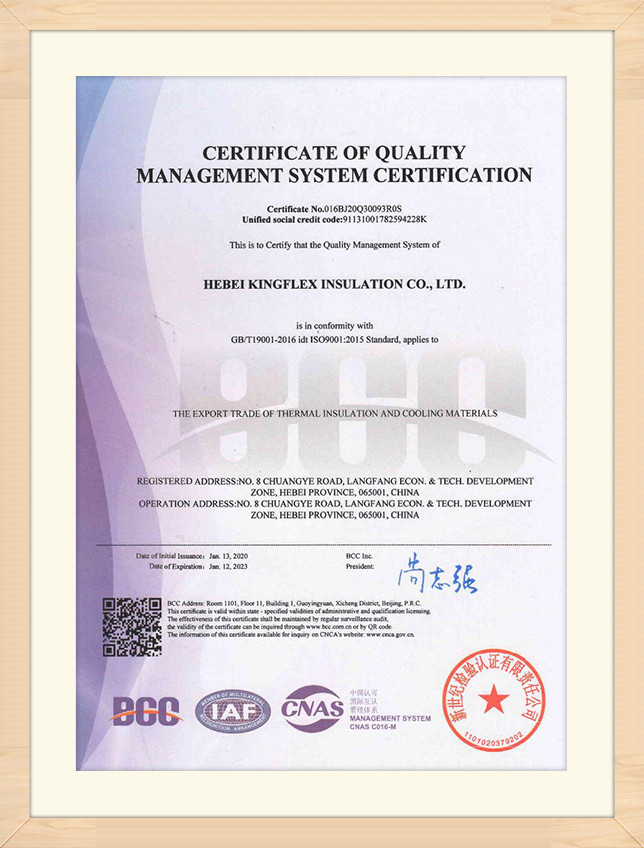
Our solutions carry international safety and performance certifications.
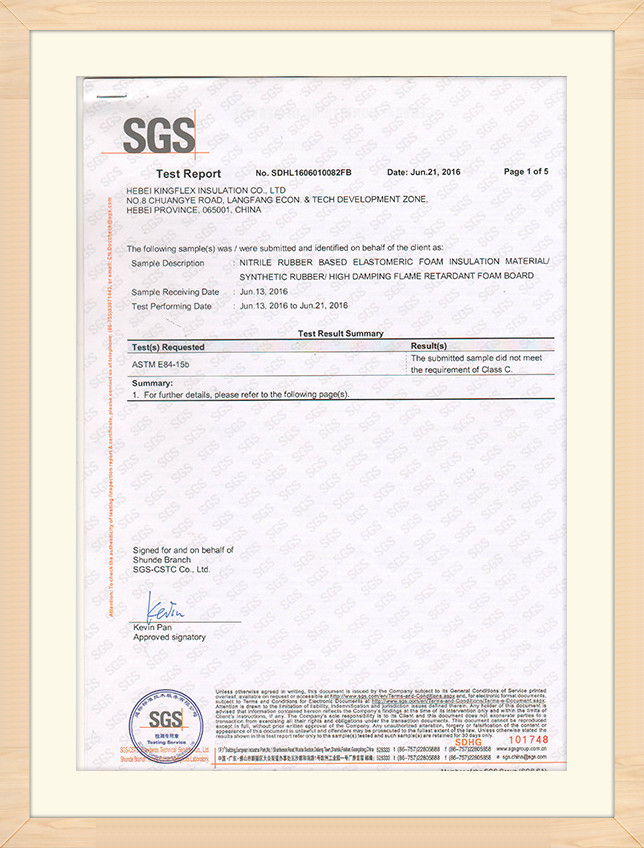
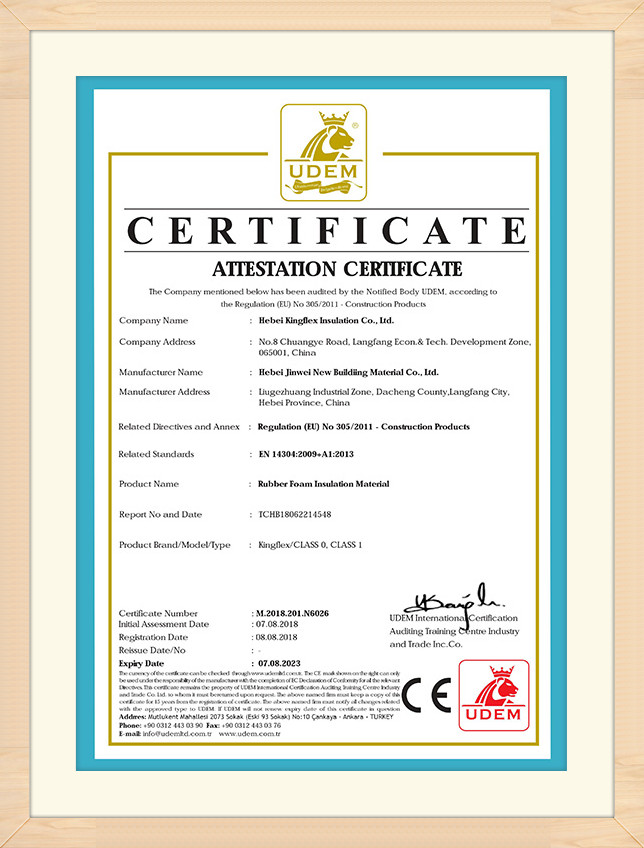
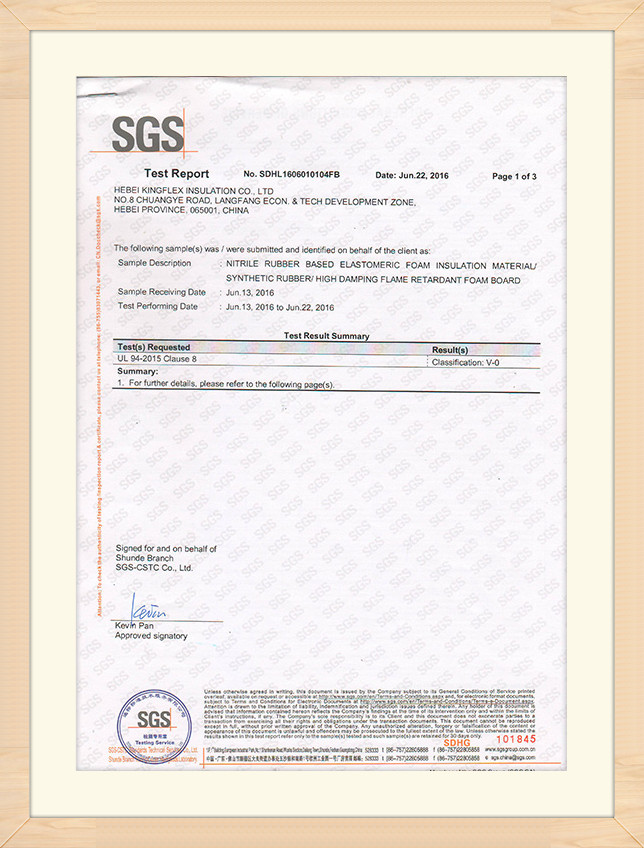
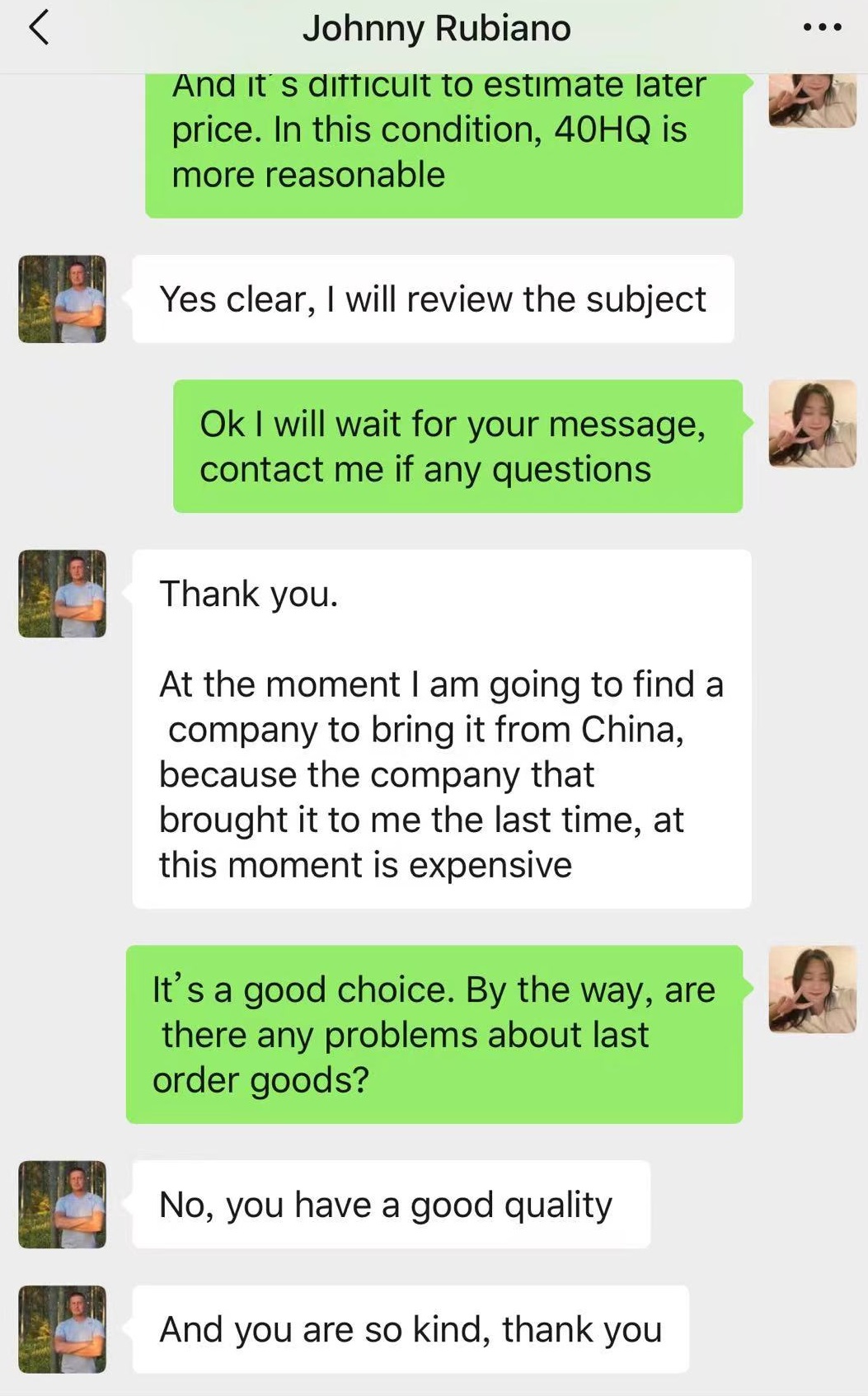
Our client interactions show transparency and tracking for bulk industrial projects. From order fulfillment tracking to technical specification reviews, we provide clear communication to international buyers.
Our products carry traceability tags that link raw material batches directly to production line records. This ensures consistent quality across large supply runs.
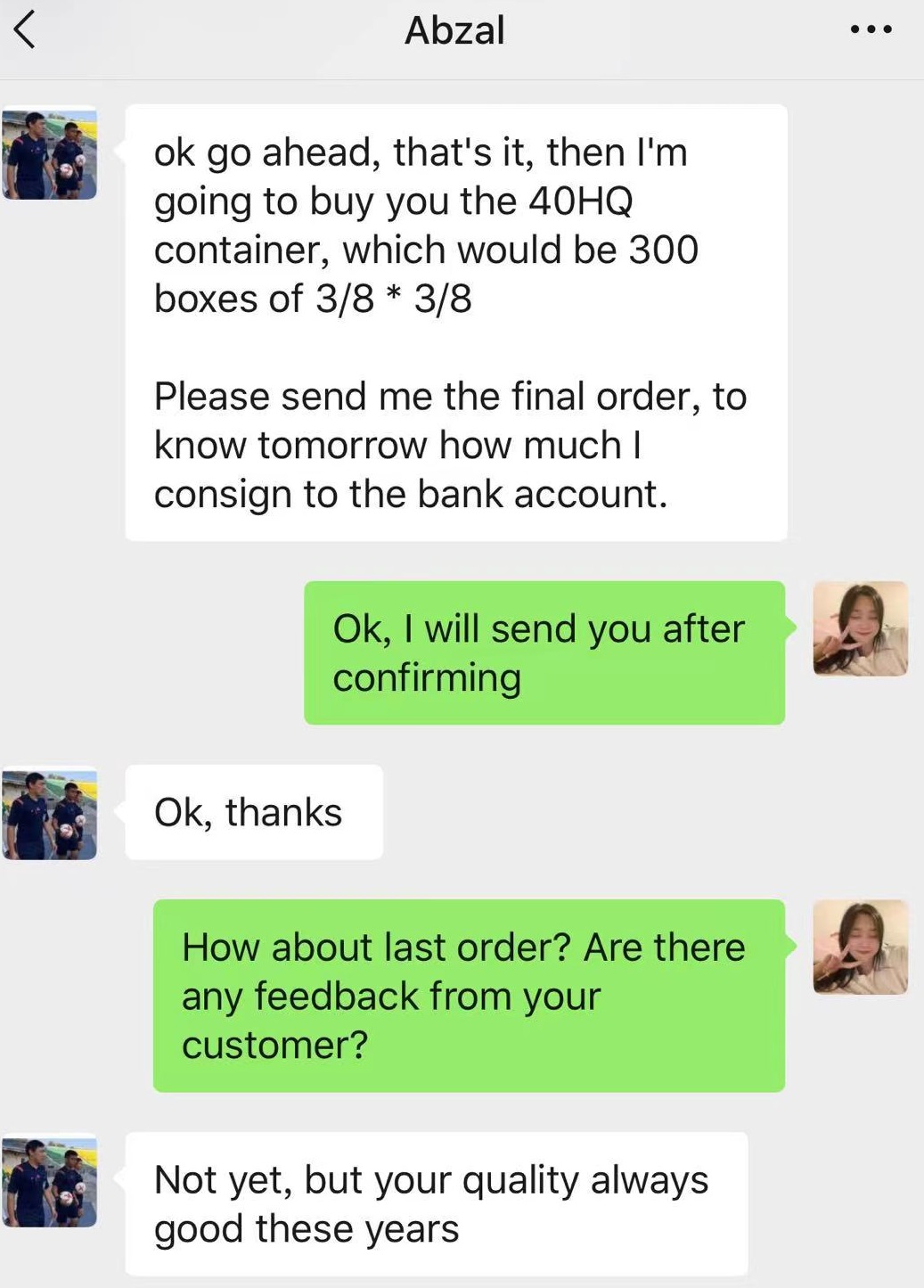

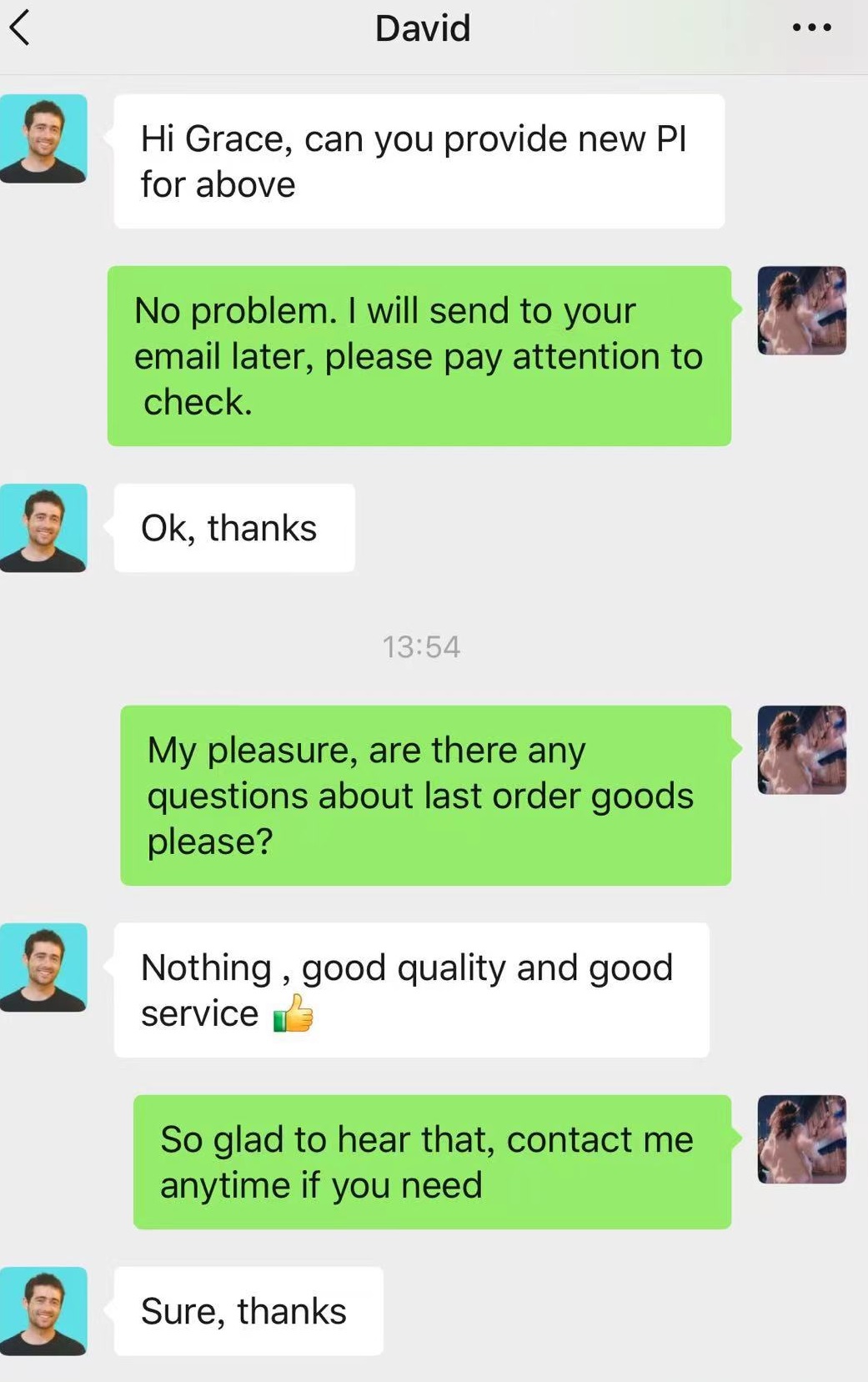
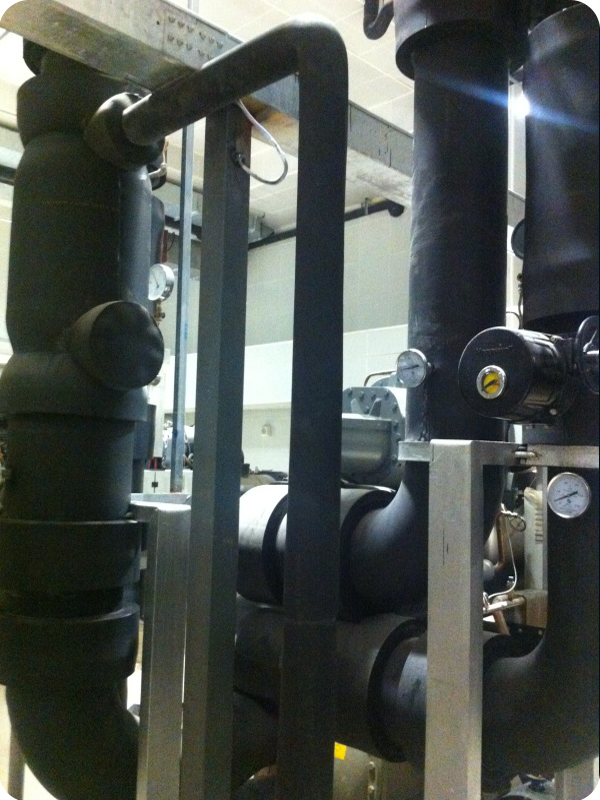
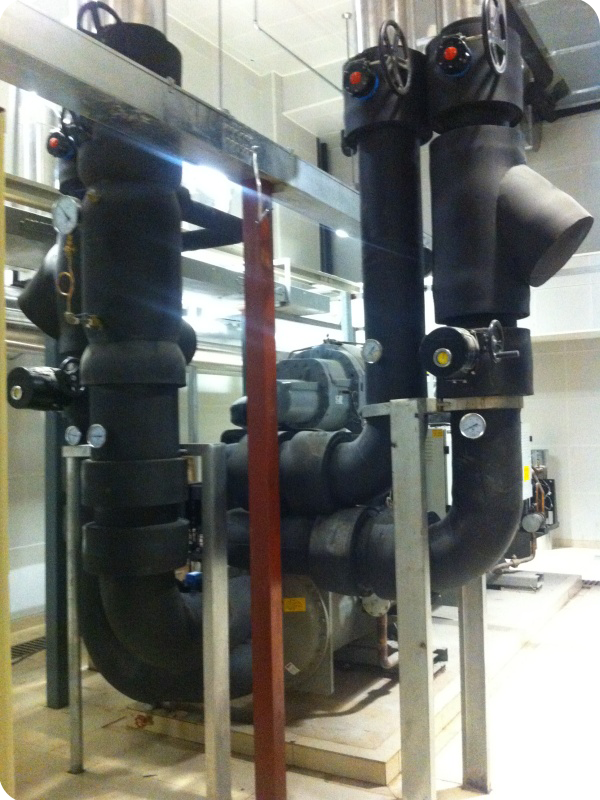
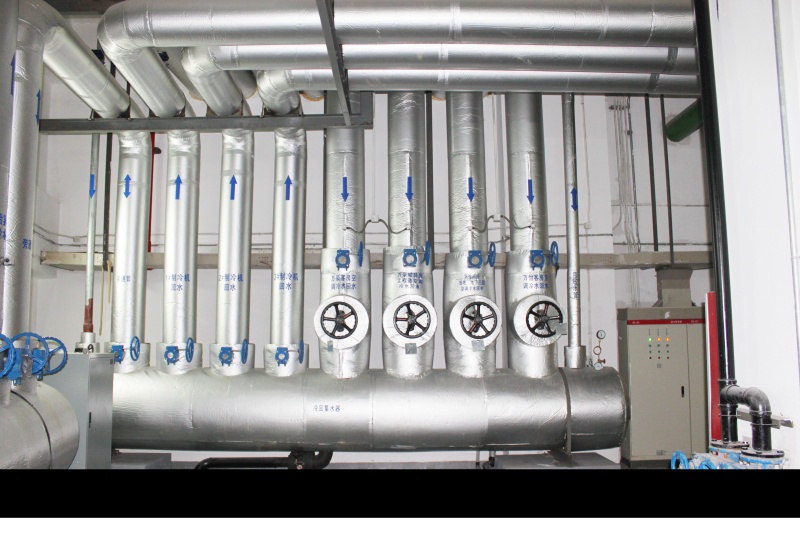
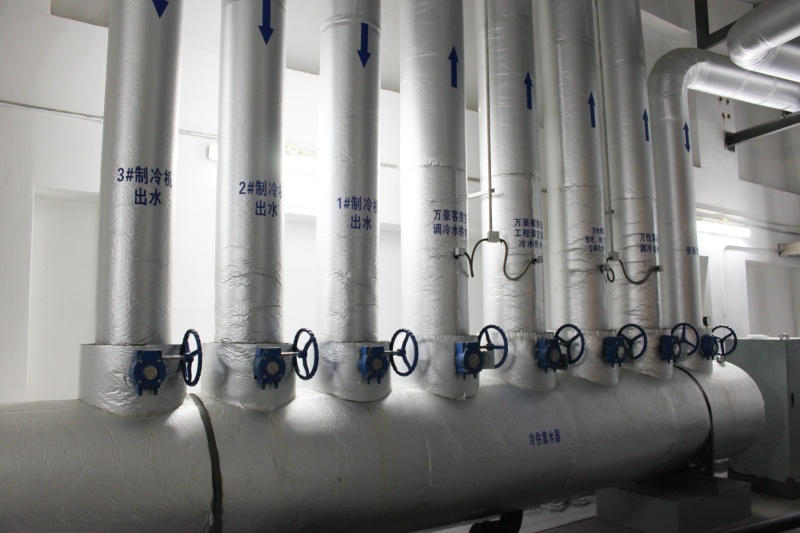
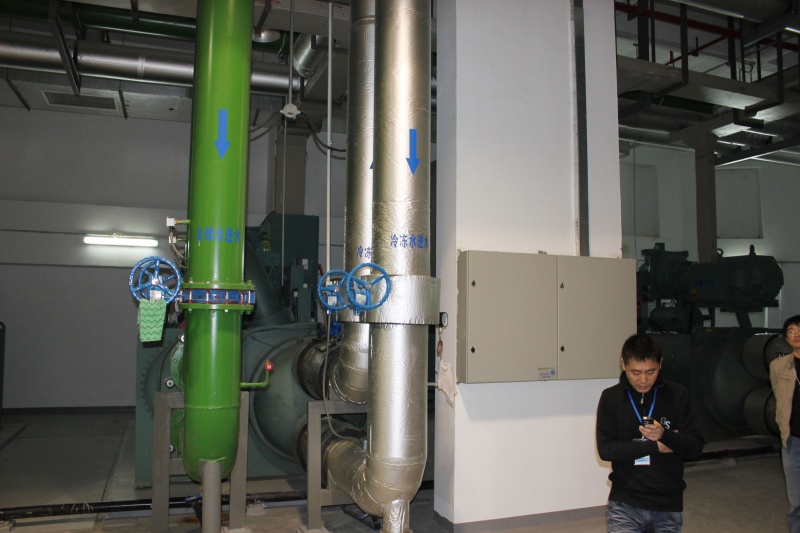
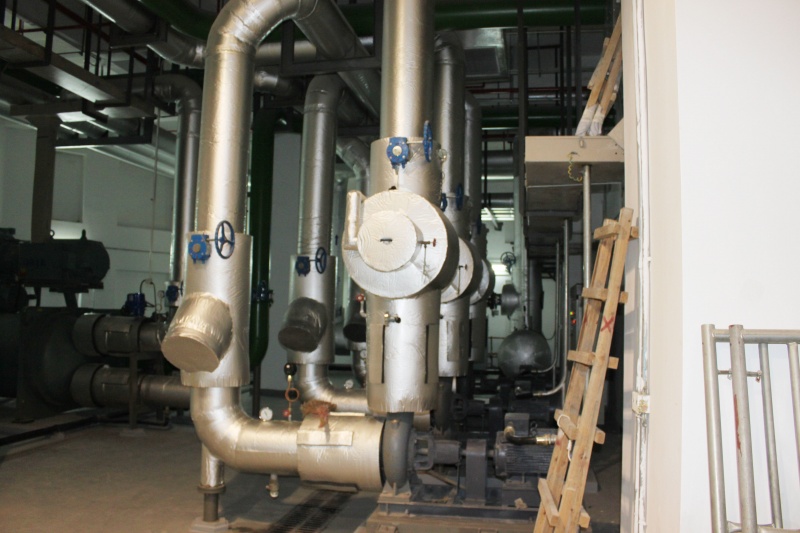
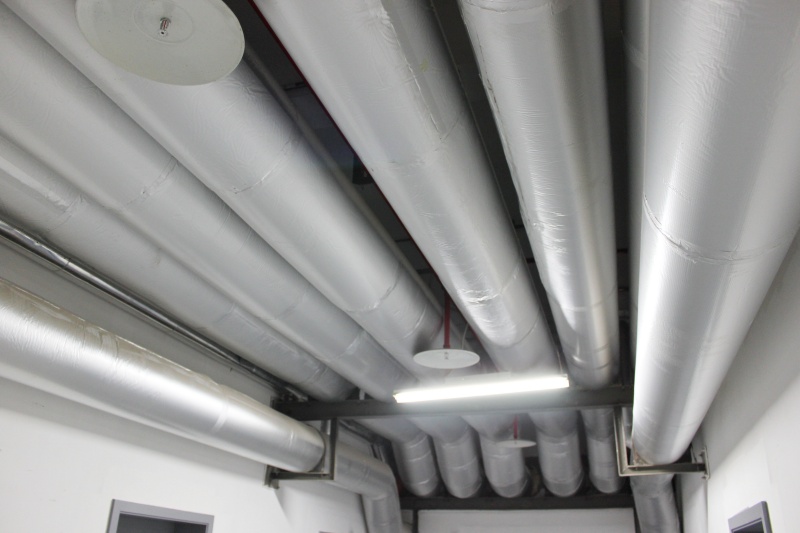
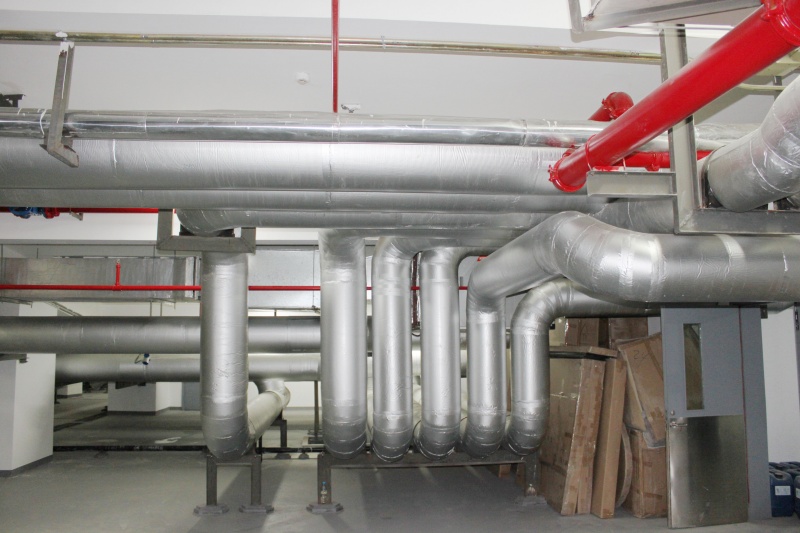
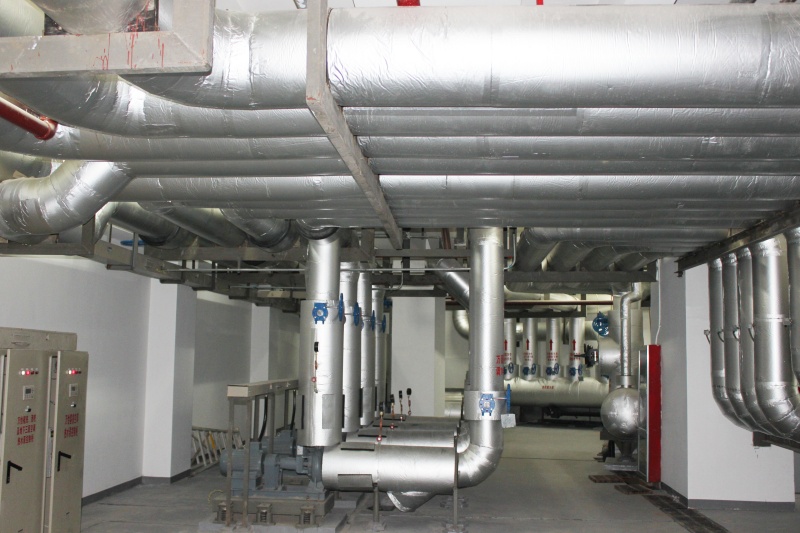
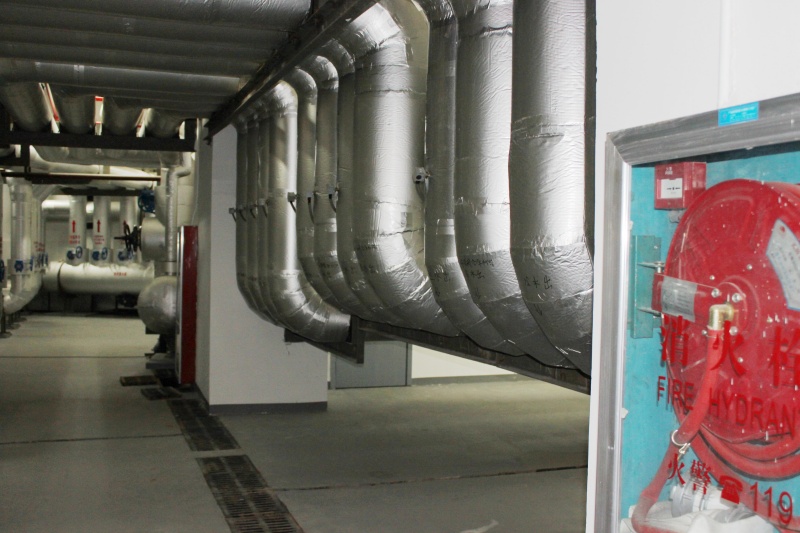
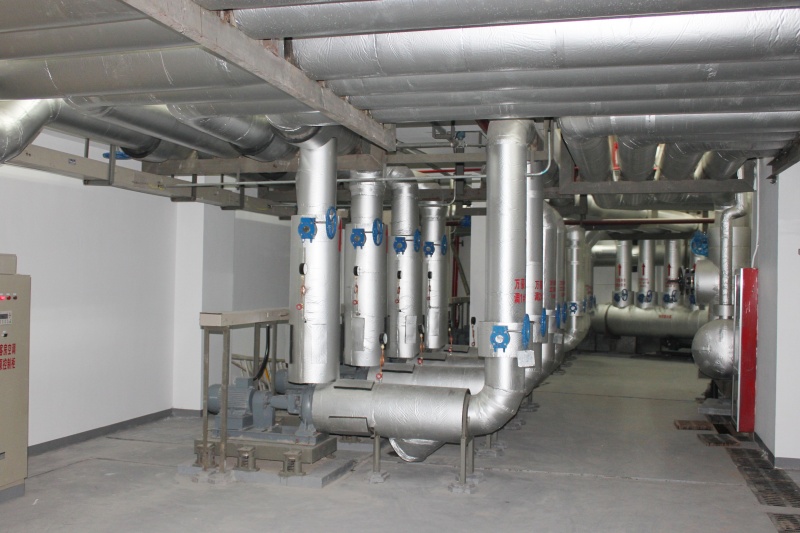
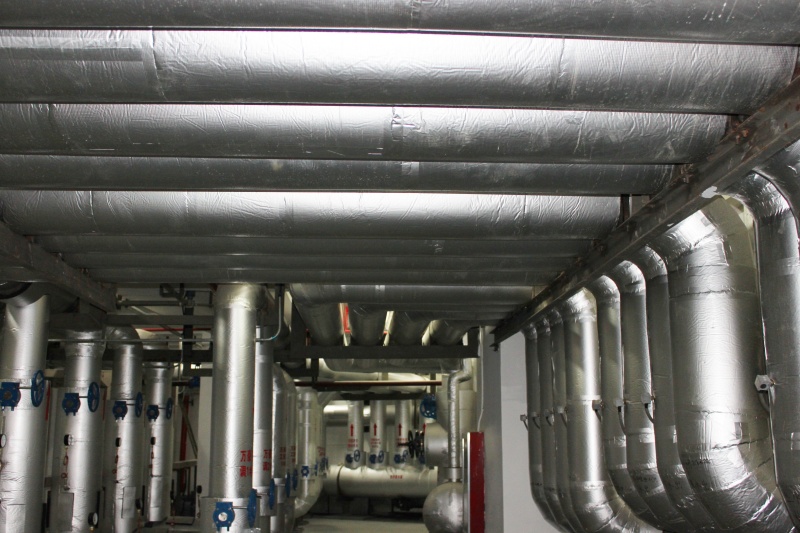
Proven project experience: Kingflex materials installed in commercial and industrial settings worldwide.
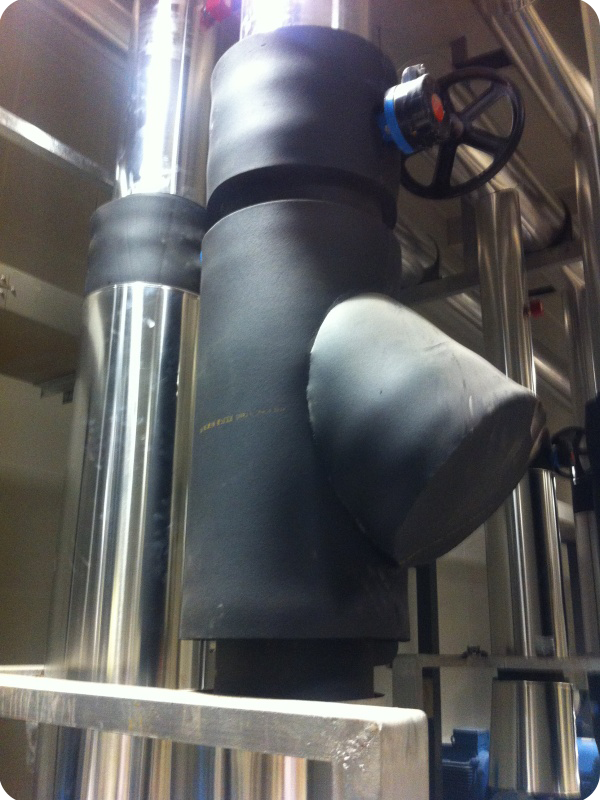







Answers to common questions from design engineers, contractors, and project managers.
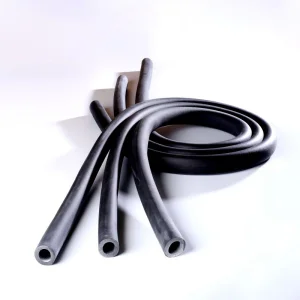
It is primarily used for HVAC ducts, air conditioning pipes, building thermal insulation, industrial pipeline cold insulation, and sound insulation. Its closed-cell structure prevents moisture ingress, making it effective for chilled water lines where condensation control is required.
Yes, our rubber foam insulation materials are fire retardant, meeting the fire safety standards for building and industrial projects (certified to BS 476 Part 7 Class 1 and Class 0, and Class B according to EN 13501).
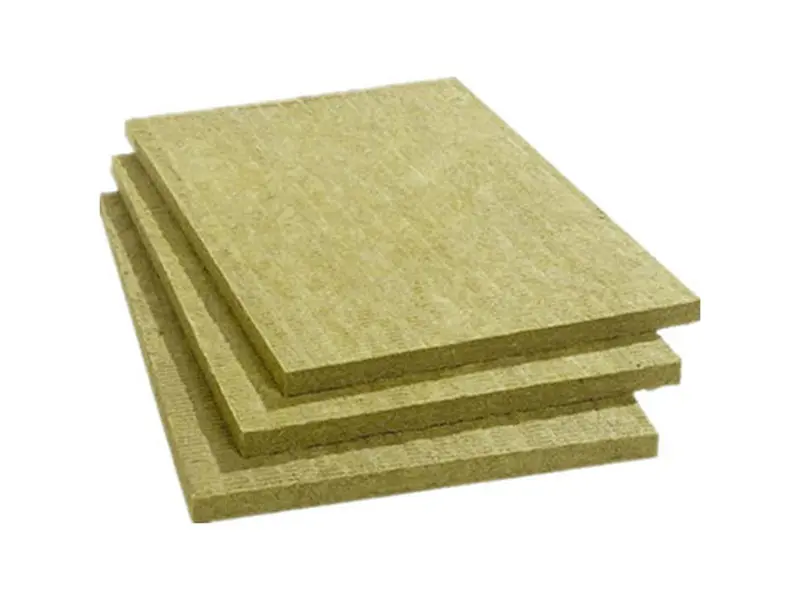
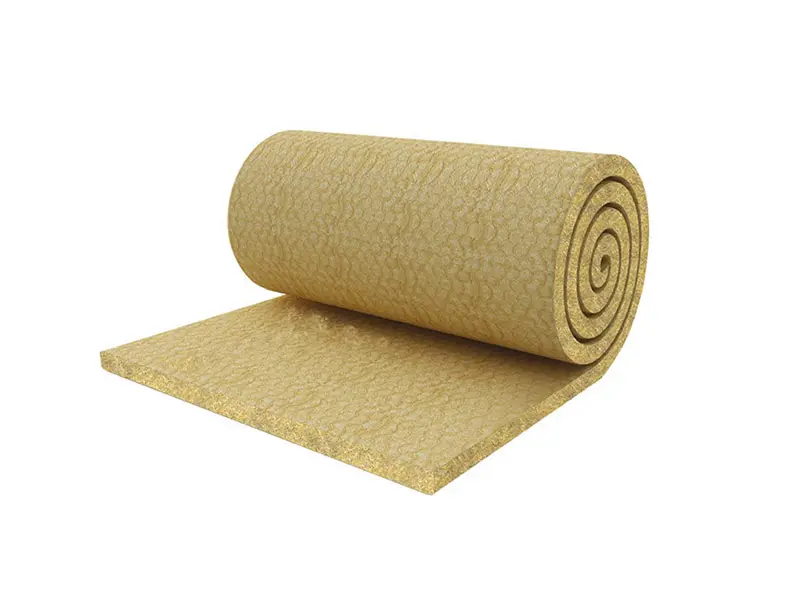
Rubber foam is a flexible, closed-cell material with high moisture resistance, making it suitable for HVAC, chilled water lines, and building insulation. Rock wool is a high-density, non-combustible fibrous insulation, suitable for high-temperature industrial pipelines (up to 650℃) and heavy firewalls.
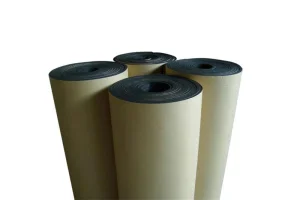
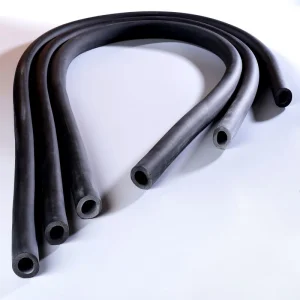
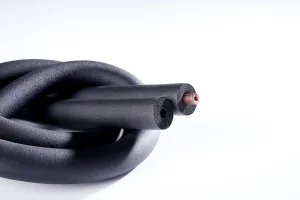
Yes, we offer comprehensive OEM services, including custom thicknesses (6mm to 50mm), customized inner diameters for pipes, factory-applied self-adhesive backings, and aluminum foil jacketing for mechanical and UV protection.
Our materials are certified to BS 476, CE, REACH, RoHS, UL94, and ASTM standards. This ensures compliance with regional environmental directives and building codes in major global markets.
Yes. Every production run has a unique batch code printed directly on the carton and insulation liner. This allows us to track raw material inputs, curing temperatures, and quality control logs back to the production date.
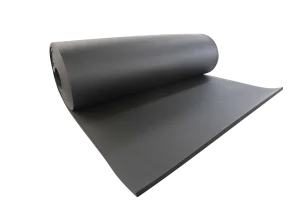
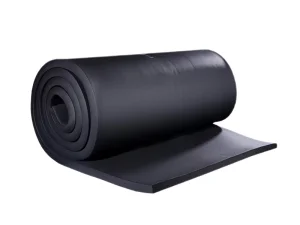
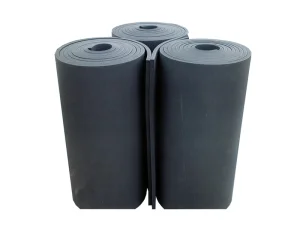
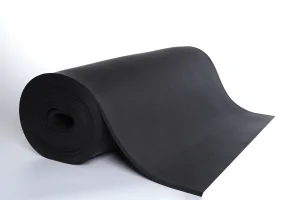
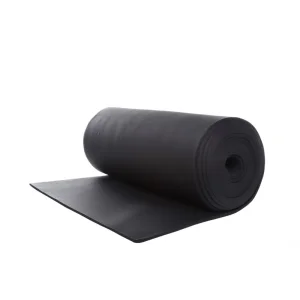
We manufacture sheets and rolls in thicknesses ranging from 6mm up to 50mm. Standard thicknesses include 6mm, 9mm, 13mm, 19mm, 25mm, 32mm, 40mm, and 50mm, available in standard widths of 1m, 1.2m, and 1.5m.
When installed according to our engineering guidelines, Kingflex rubber foam insulation provides a service life of 10 to 15 years in indoor HVAC applications. In outdoor settings, service life depends on the protective jacketing and exposure to weather.
Contact us for bulk order pricing, container logistics, and customized product options.
 Kingflex