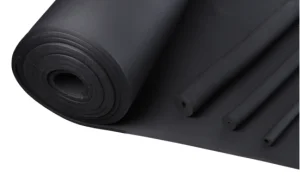
Premium solutions certified for HVAC/R systems, cryogenic applications, acoustic engineering, and sound attenuation.
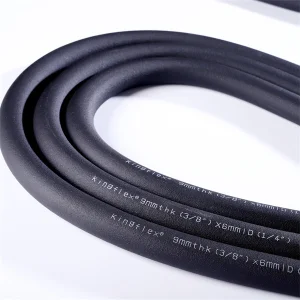
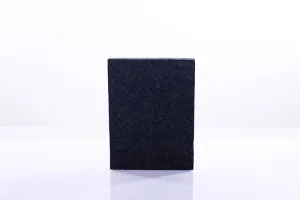
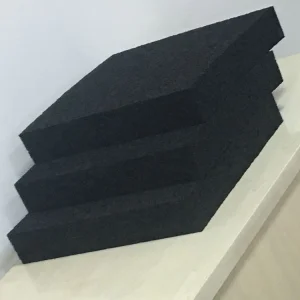
A comprehensive research analysis on modern insulation systems, manufacturing standards, and supply chain efficiencies.
In the modern era of commercial and industrial infrastructure, thermodynamic efficiency has transitioned from a structural option to a strict economic and environmental compliance directive. As energy costs experience high volatility and global regulations tighten under carbon-neutral mandates, the thermal insulation of building shells, HVAC/R air distribution ducts, heat exchangers, and cryogenic pipelines plays an indispensable role.
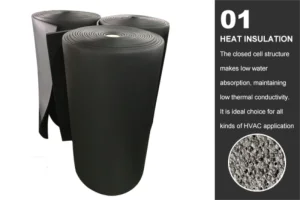
Elastomeric rubber foam insulation, composed predominantly of crosslinked Nitrile-Butadiene Rubber (NBR) and Polyvinyl Chloride (PVC), stands out due to its closed-cell physical architecture. The closed-cell formation limits convection routes by trapping millions of micro-bubbles of air or inert gas. This specific micro-structure provides an exceptionally low thermal conductivity ($\lambda \le 0.034$ W/mK at 0°C), while preventing moisture ingress. NBR/PVC insulation represents a primary solution for anti-condensation and thermal protection in high-moisture settings where standard open-cell fibrous products fail.
"The choice of insulation material directly determines the lifecycle energy performance of industrial projects. Closed-cell NBR structures eliminate the threat of convective moisture transfer, mitigating Corrosion Under Insulation (CUI) and extending pipe lifespans significantly."
Kingflex's material research focuses on optimization across three critical parameters: Thermal Resistance, Water Vapor Permeability, and Fire Propagation Delay.
During NBR formulation blending, elastomer compounds undergo chemical cross-linking under heat and high pressure. By balancing NBR and PVC levels, our R&D group increases structural resilience and improves oil and chemical resistance. Standard NBR/PVC formulations can be modified to provide customized characteristics:
| Performance Characteristic | NBR/PVC Elastomeric Foam Standard Value | Test Methods Reference |
|---|---|---|
| Thermal Conductivity ($\lambda$) | ≤ 0.034 W/(m·k) at 0 °C | ASTM C518 / ISO 8301 |
| Moisture Resistance Factor Factor (μ) | ≥ 10,000 (Closed-cell structure > 98%) | BS EN 12086 / ASTM E96 |
| Service Temperature Limit | -40 °C to +105 °C (Specialized types down to -200 °C) | EN 14706 / ASTM C411 |
| Fire Safety Rating | Class 0 / Class 1, Flame Spread Index < 25, Smoke Developed < 50 | BS 476 Part 6/7, UL 94, ASTM E84 |
| Compression Resilience Rate | ≥ 80% (Original thickness recovery) | ASTM D1667 |
Thermal and acoustic insulation needs depend heavily on the target installation environment. Design requirements vary between sub-zero chemical storage terminals and tropical high-rise commercial structures:
HVAC Air Distribution & Condensation Prevention: In hot, humid regions (e.g., Southeast Asia, Central America), chilled water pipes run at temperatures between 4°C and 7°C. Ambient warm air can quickly condense on cold pipe surfaces, leading to mold growth and structure damage. Kingflex elastomeric tubes isolate cold pipes, preventing condensation without requiring an external vapor barrier.
Low-Temperature Industrial Piping & Cold Chain Logistics: In quick-freezing food processing, dry ice transport, and LNG terminals, pipes operate at extreme sub-zero temperatures. Cryogenic rubber foam systems absorb the high thermal shock and movement of lines contracting at startup, ensuring system integrity.
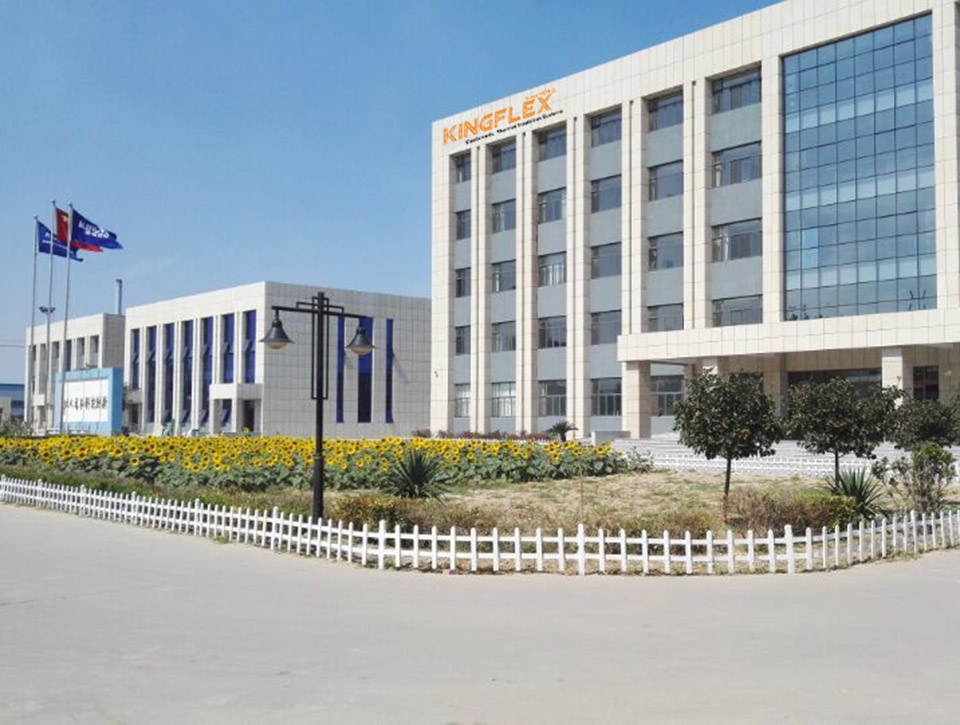
Kingflex's main production and research facilities are located in Dacheng, China—a major global hub for green building materials. This industrial concentration creates a robust supply network:
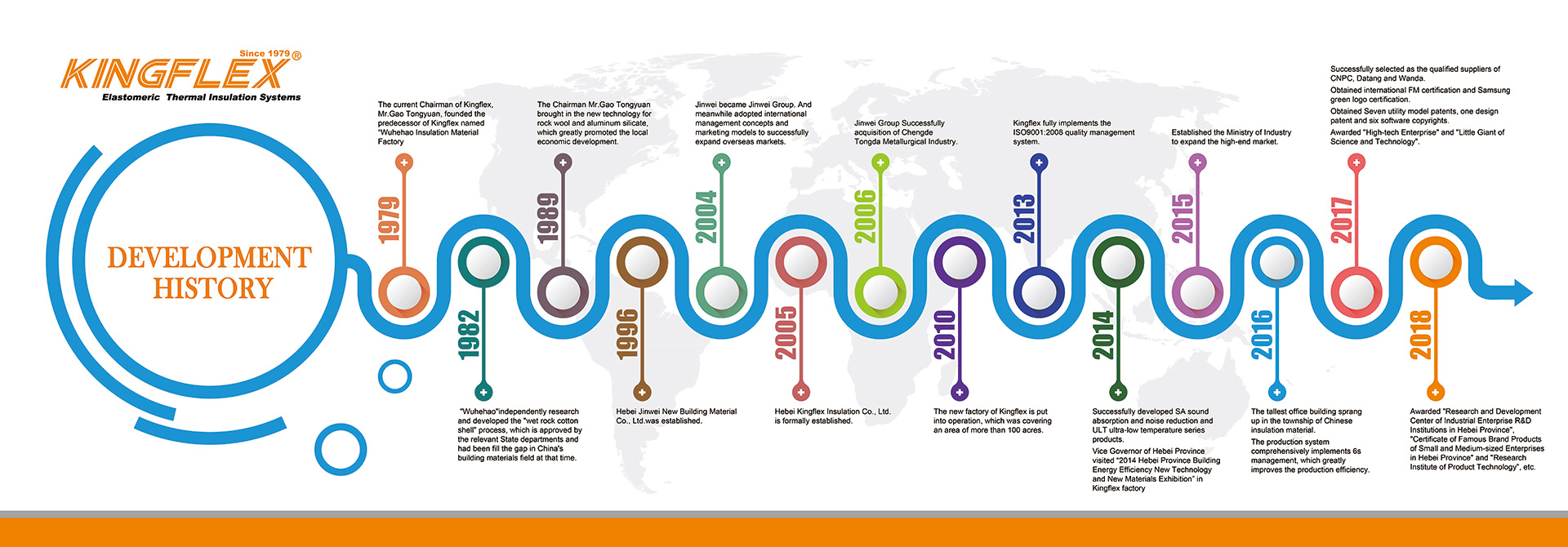
Operating as part of the Jinwei Group (established in 1979, with over 40 years of insulation manufacturing history), Kingflex employs an engineering team dedicated to chemical and physical quality control.
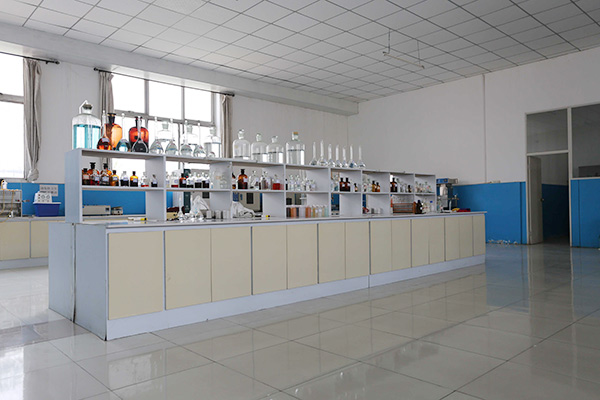
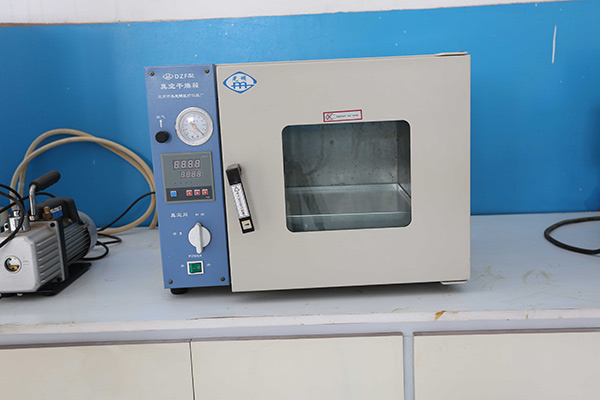
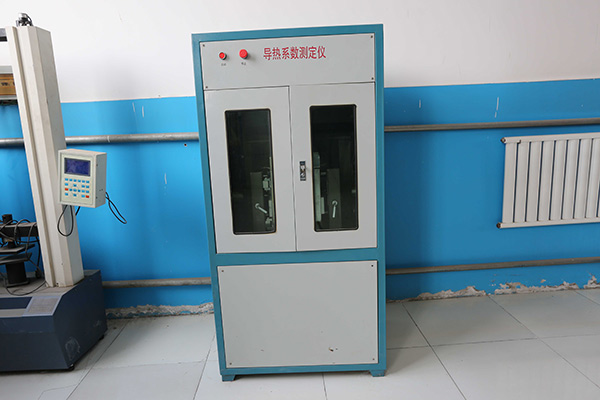
Our dedicated research laboratories conduct daily verification testing on every batch produced. Using laser-flash thermal conductivity analysis, environmental humidity chambers, and smoke-density vertical test furnaces, we ensure consistent production performance that meets international standards.
Exporting to over 66 countries requires adherence to localized regulatory structures. Kingflex NBR/PVC elastomeric products maintain full compliance across international frameworks:
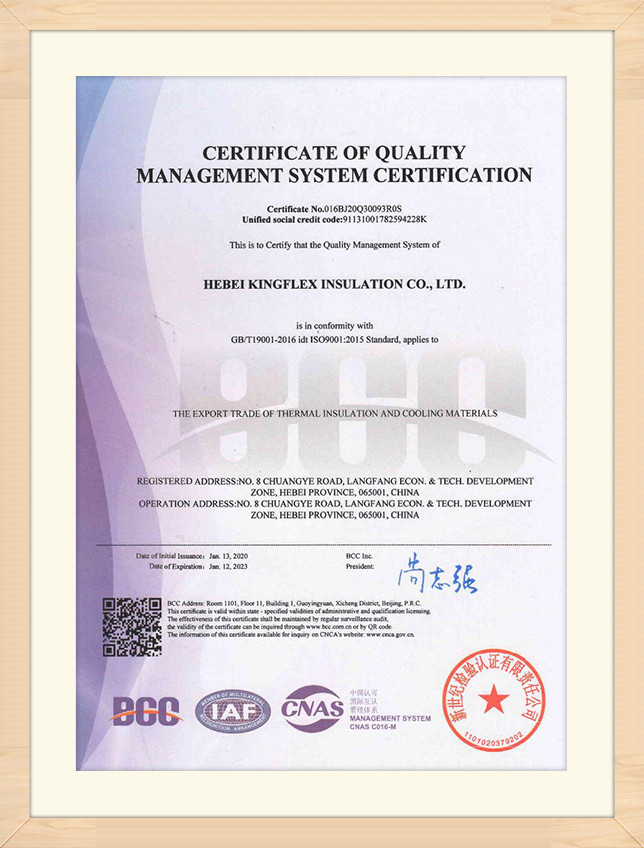
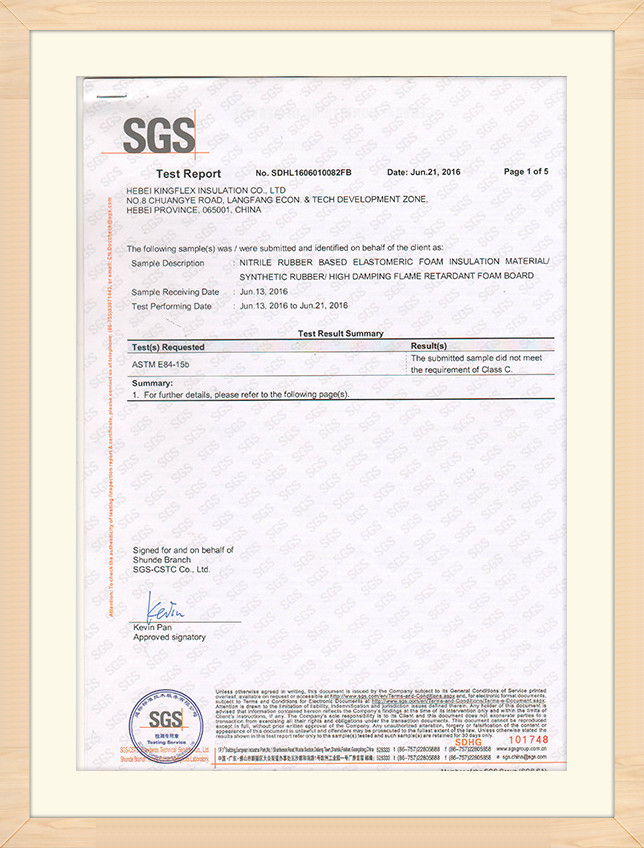
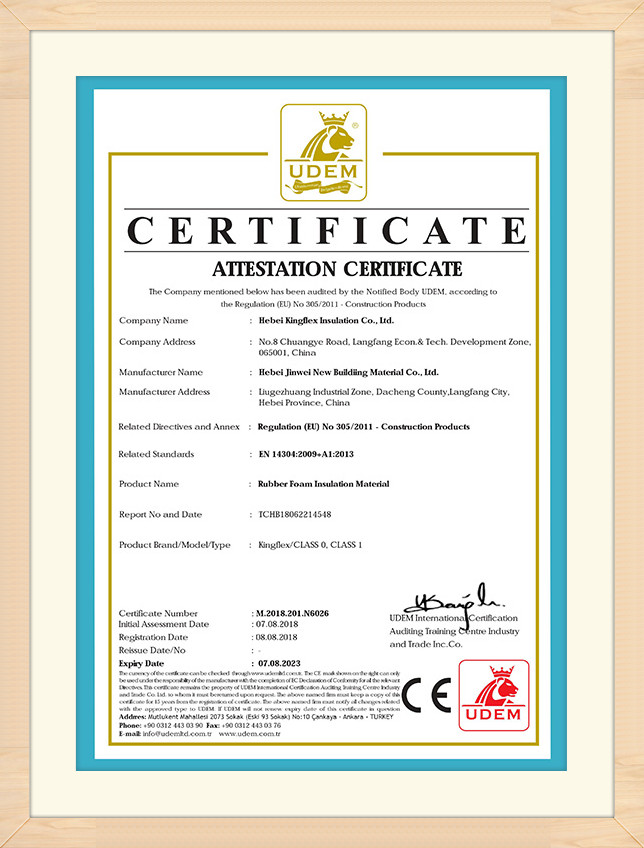
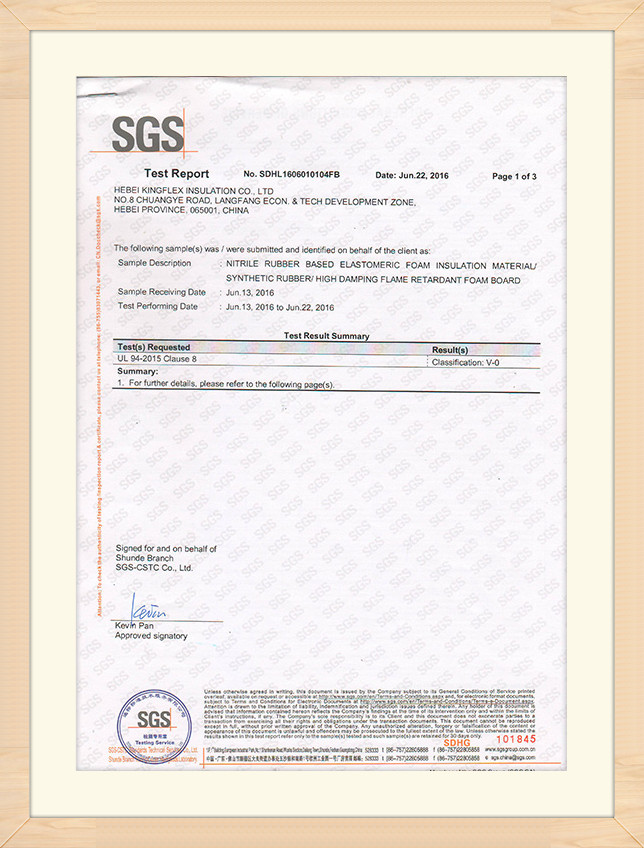
Our certifications include:
A look at our professional team, international logistics, and client communication verification.

Eight professional R&D engineers, six international sales representatives, and 230 production personnel work to maintain our manufacturing standards.

Our five automatic production lines yield over 600,000 cubic meters of high-density thermal products annually.
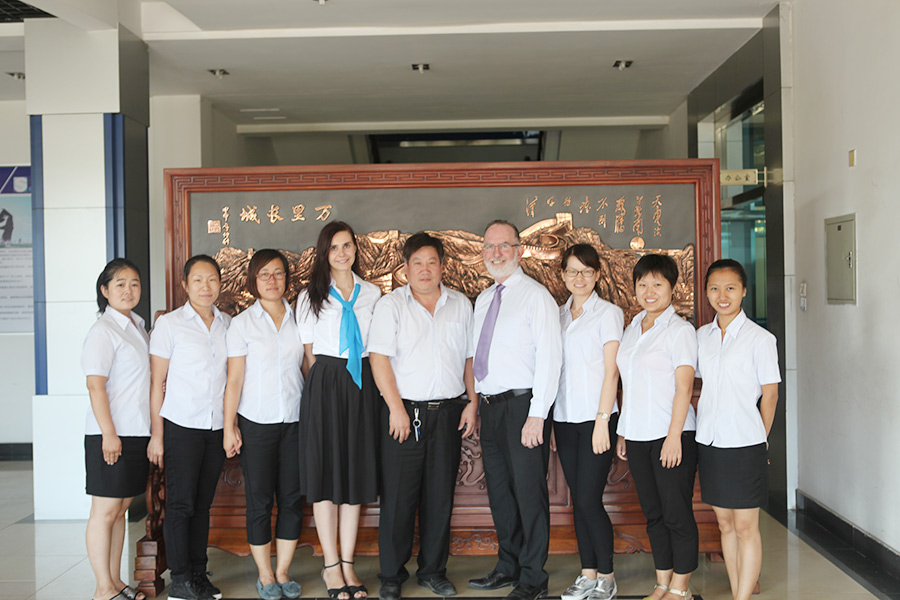
Exporting to 66 countries, Kingflex manages logistics from raw material procurement to destination port delivery.





Verified installations of Kingflex elastomeric insulation sheets and pre-formed tubes across international projects.
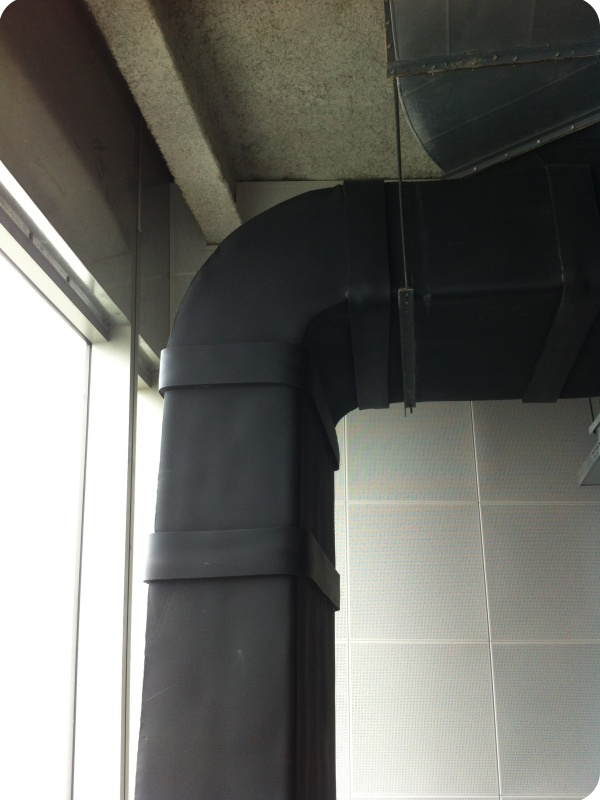

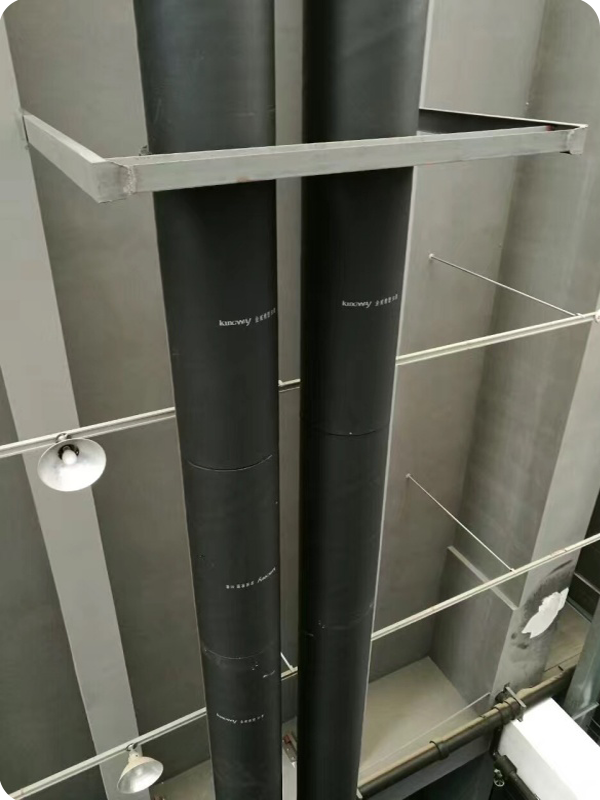
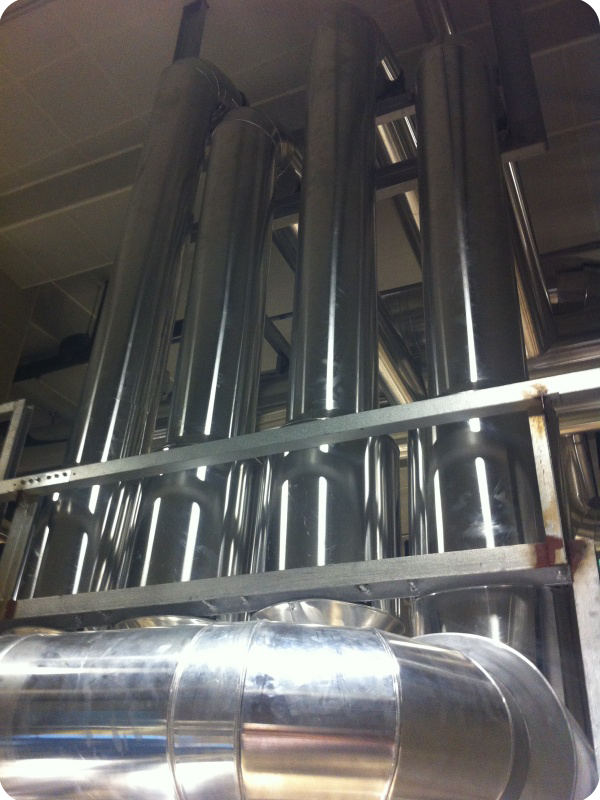
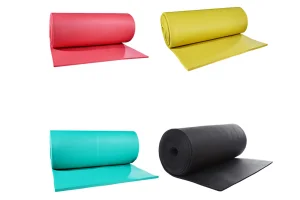
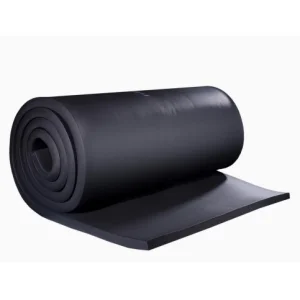
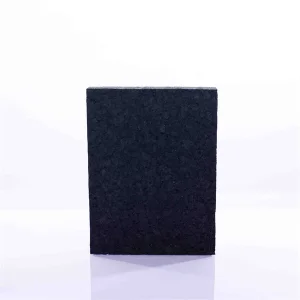
Industrial installations require materials built to exact tolerances. Kingflex manufactures elastomeric products in standard industrial dimensions to simplify installation and reduce field modifications.
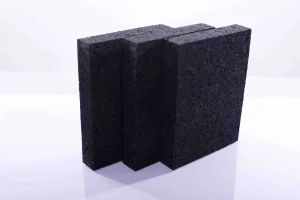
Thickness: 6mm - 50mm | Density: 40 - 55 kg/m³ | Temperature Range: -40°C to +105°C
Key Features: Fine, uniform cell structure with >98% closed-cell rating, high moisture resistance, and low thermal conductivity.
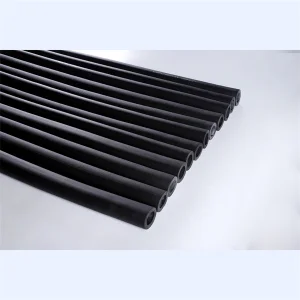
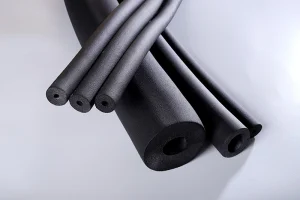
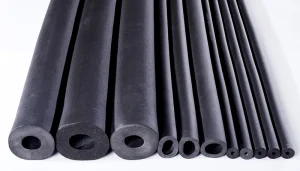
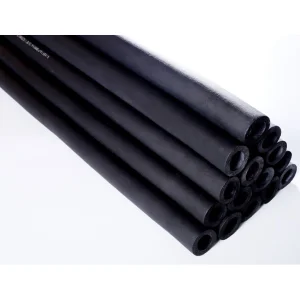
Thickness: 9mm - 40mm | Inner Diameter: 6mm - 114mm | Compression Resilience: >80%
Key Features: Even internal coatings for smooth installation over standard pipelines, mitigating pipe freezing and cracking risks.
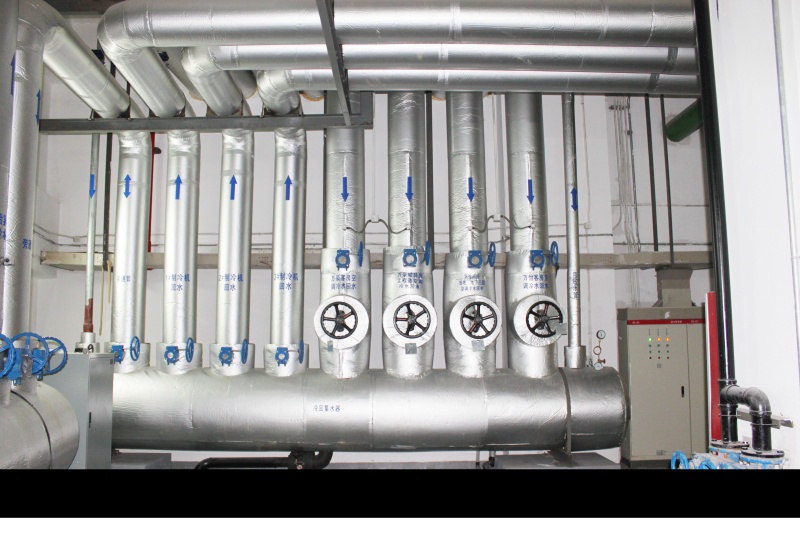
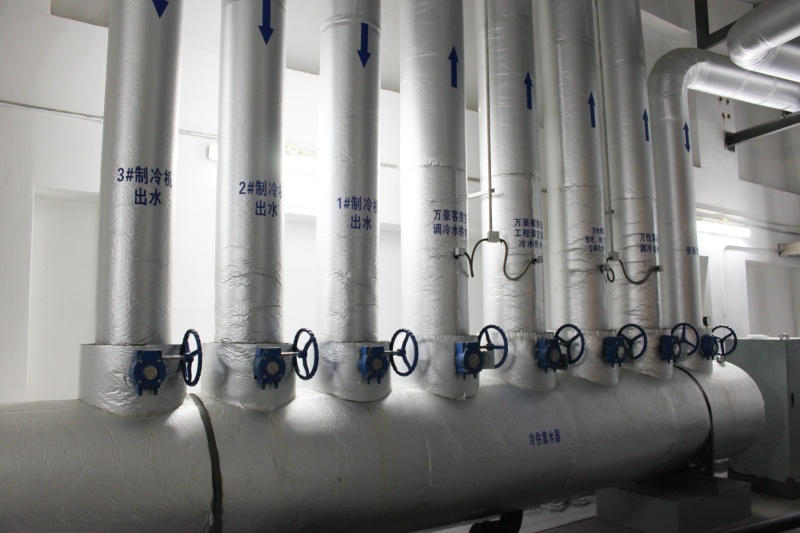
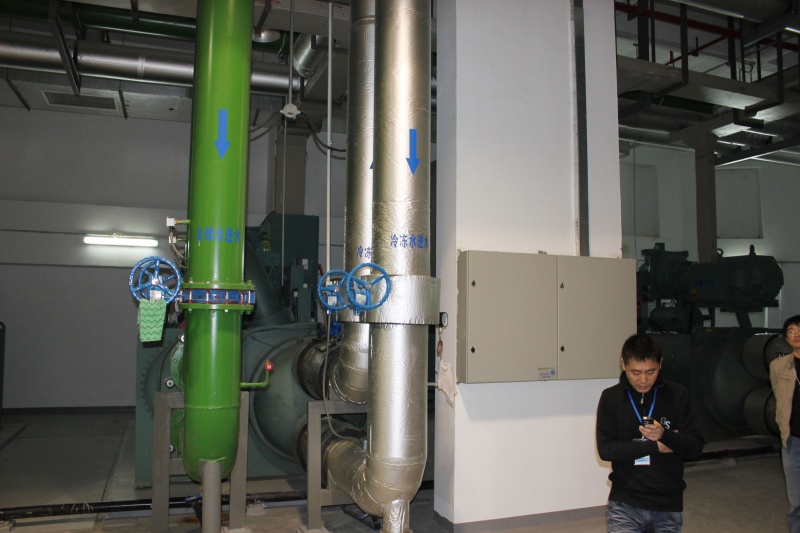
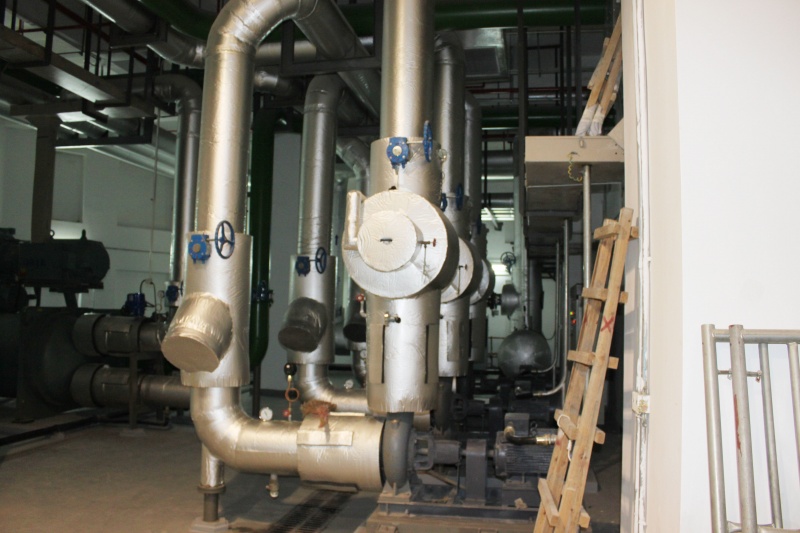
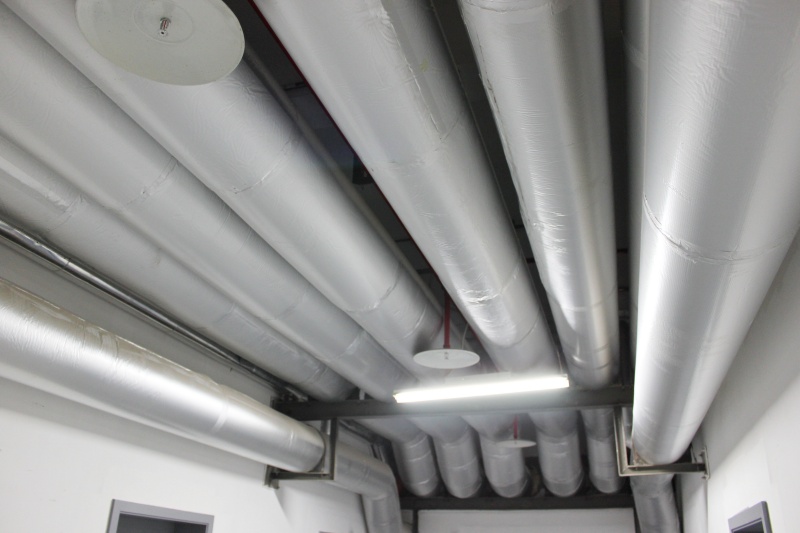

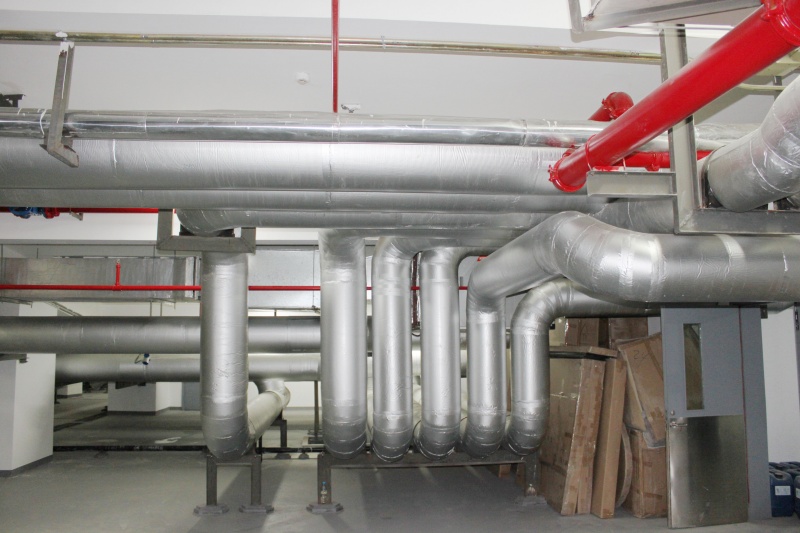

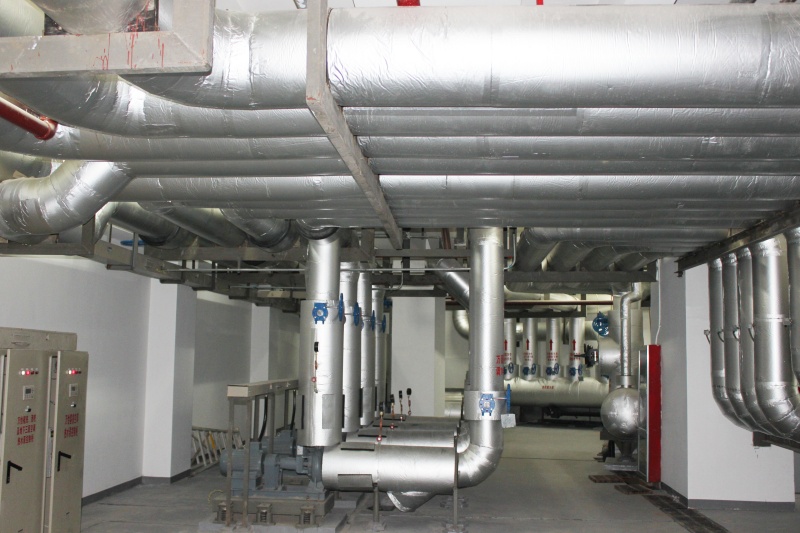
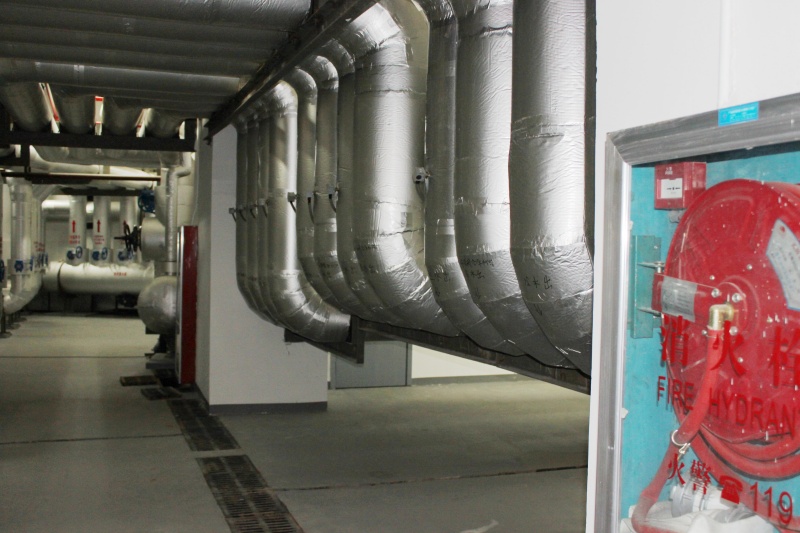
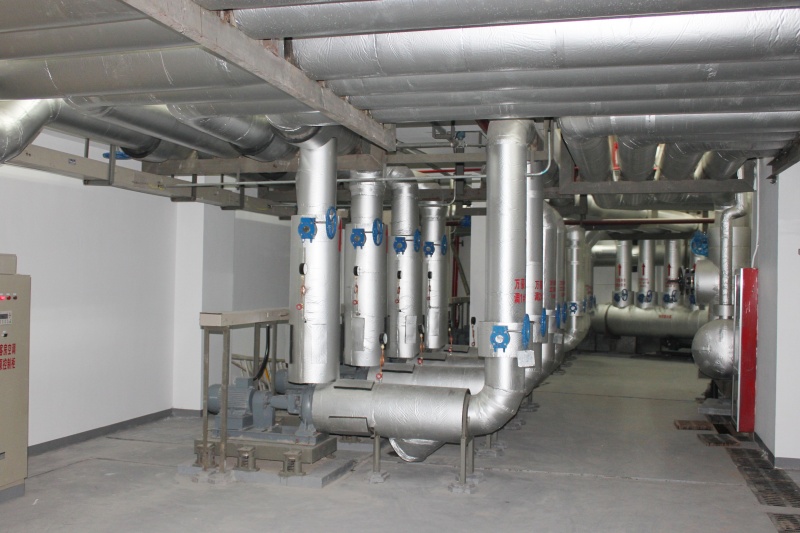
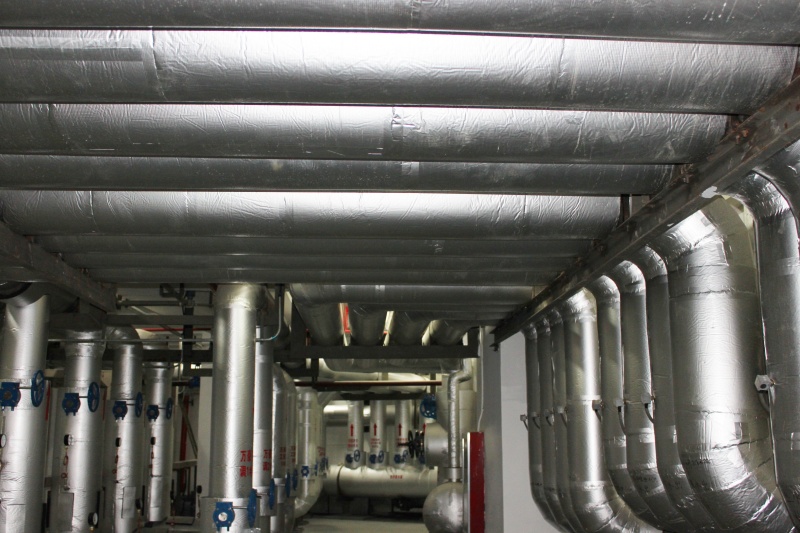
Engineered materials designed for extreme cold system protection, structural fire containment, and acoustic attenuation.
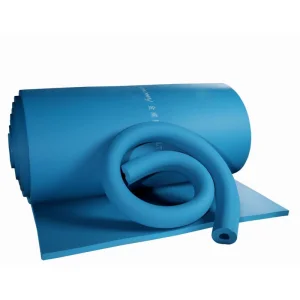
Expanding the operational scope with structural Rock Wool and complex multi-layered elastomeric configurations.
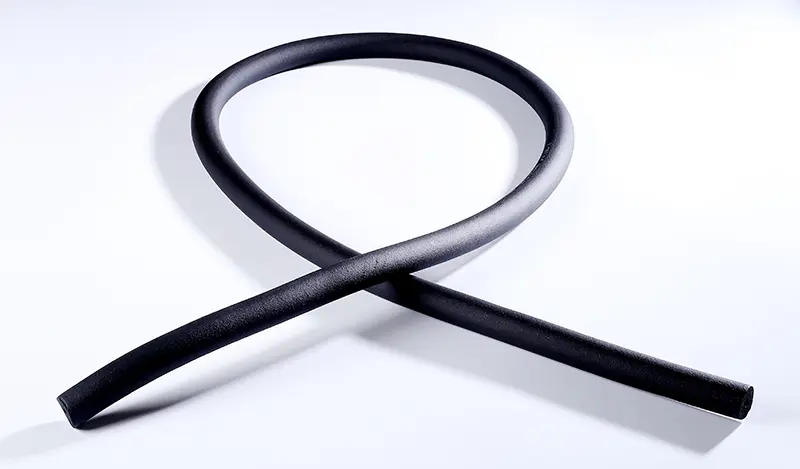
Manufactured under strict extrusion metrics to ensure concentric uniformity and mechanical fitment.
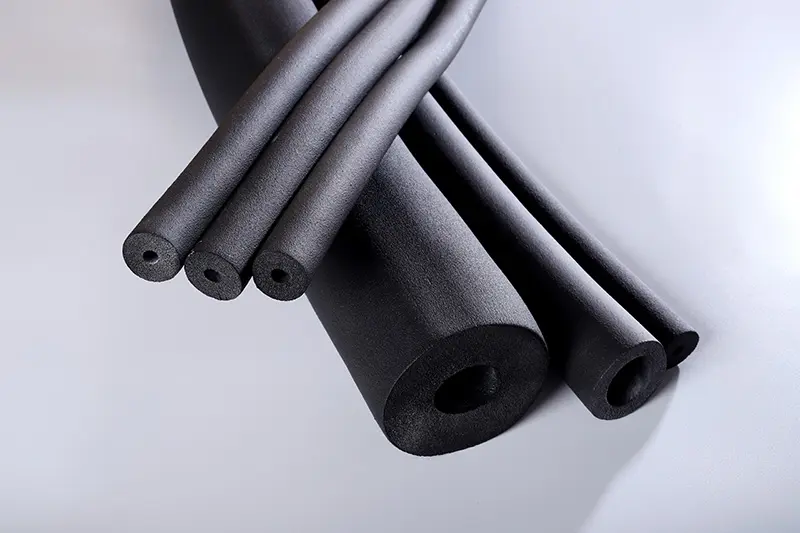
Formulated with protective additives to minimize acid exposure degradation on copper and steel lines.
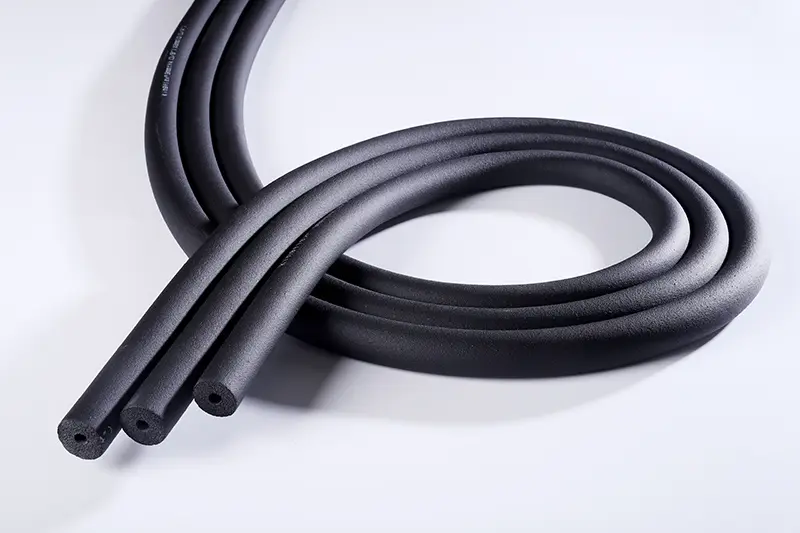
High-flexibility line configurations designed for tight turns and complex HVAC configurations.
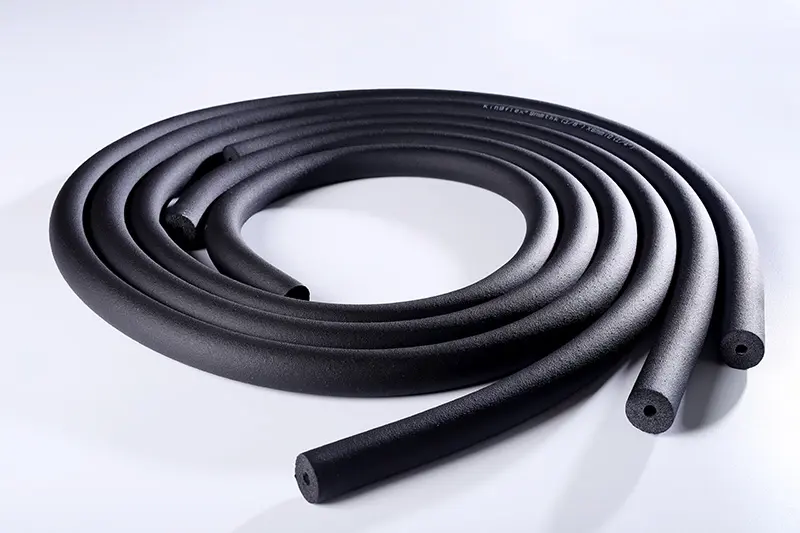
Standard industrial-grade NBR insulation designed for cold and hot water piping applications.

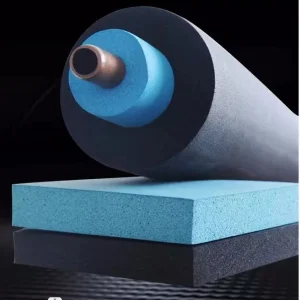
Dual-foamed structure offering optimized insulation properties and mechanical protection.

Optimized thermal resistance and condensation prevention for commercial HVAC projects.
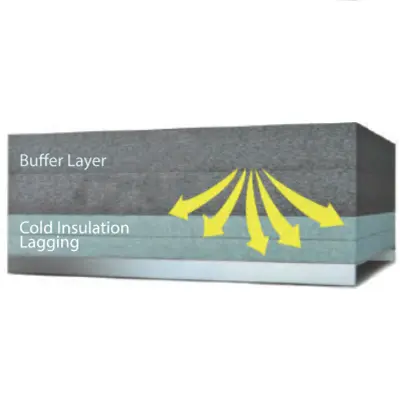
System engineered for large-diameter pipelines and tank structures.
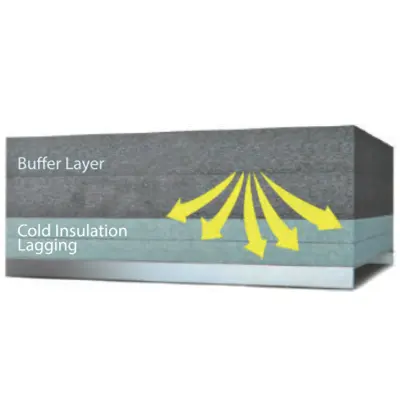
Specialized composition designed to maintain elastomeric properties at extreme sub-zero temperatures.
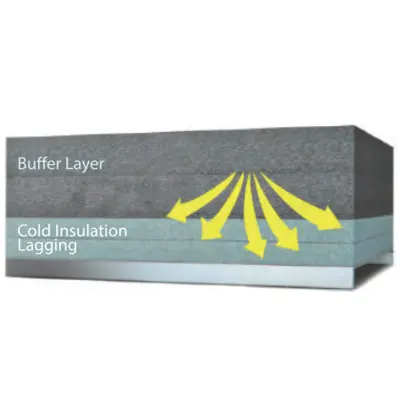
Wide temperature range insulation designed for high-demand industrial process piping.
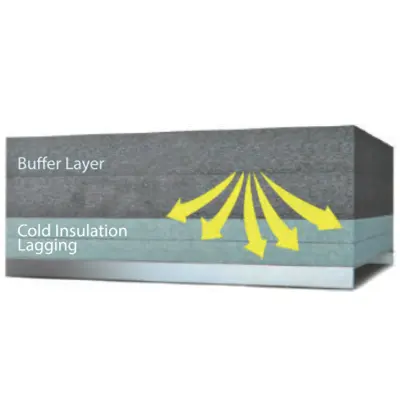
Multi-layered thermal barrier designed for extreme industrial systems.
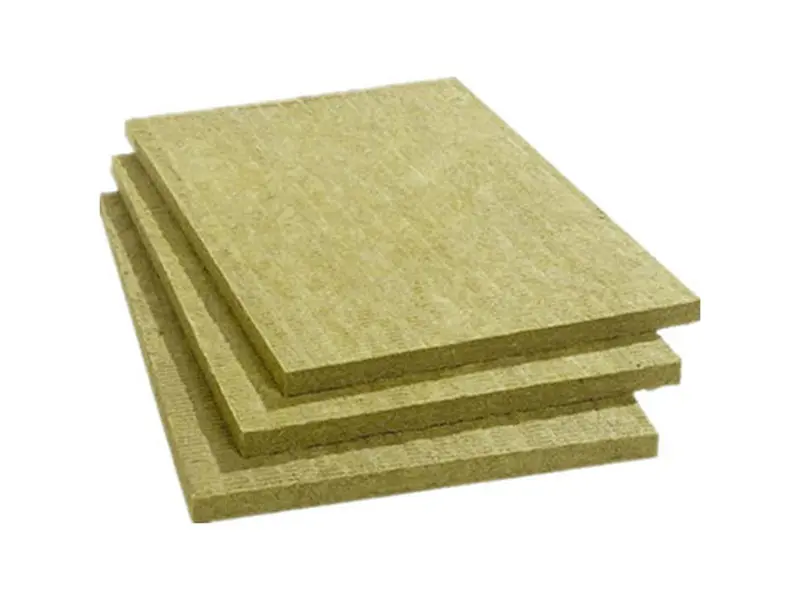
High-density mineral fiber boards designed for structural fire resistance and acoustics.
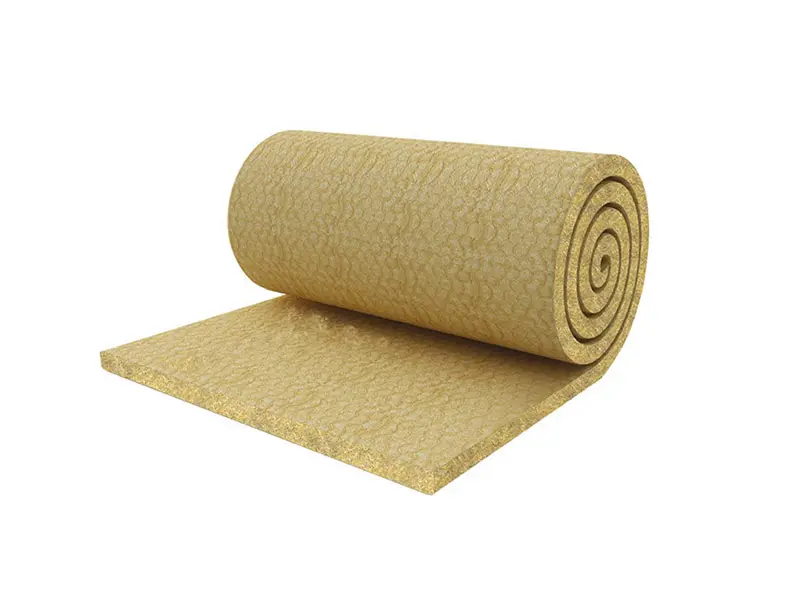
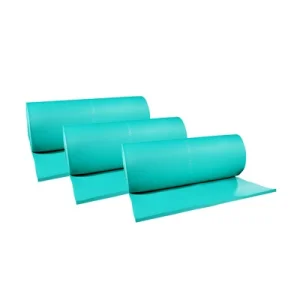
Flexible mineral wool rolls designed for high-temperature boilers and ducts.
Expert answers addressing specifications, chemical formulations, application techniques, and procurement processes.
 Kingflex