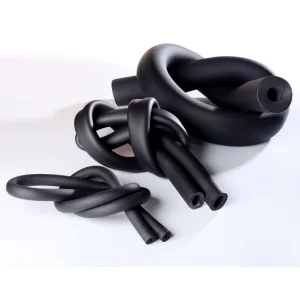
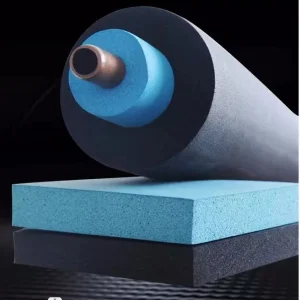
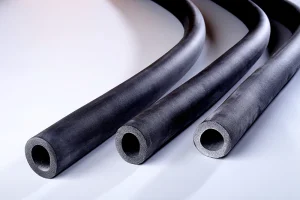
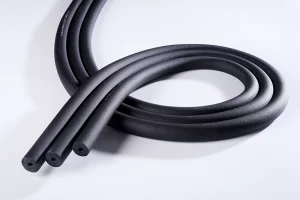
Explore our high-performance industrial elastomeric rubber foam solutions designed for ultimate thermal efficiency and durability.
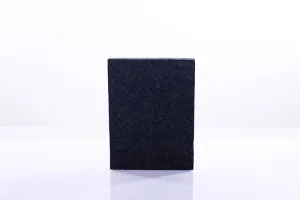
Why evaluating systemic supplier risks and choosing the correct technical specification is critical for the lifecycle of mechanical systems.
Poorly manufactured insulation pipes suffer from uneven foaming, causing localized condensation. This leads to moisture accumulation, dripping ceilings, and accelerated Corrosion Under Insulation (CUI) on steel pipes.
Non-compliant insulation acts as a chimney for building fires. Ensuring suppliers meet rigorous standards like BS 476, Class 0, and UL 94 is paramount to guarantee self-extinguishing performance and low smoke toxicity.
Large-scale construction and industrial projects cannot afford installation delays. Working with a high-capacity supplier utilizing automated production lines ensures stable quality and consistent shipment timelines.
China’s green-building material cluster in Dacheng represents the world's most consolidated supply chain for thermal insulation. Choosing Kingflex as your qualified OEM/ODM supplier mitigates structural purchasing risks through several key factors:
A detailed engineering reference for procurement departments to cross-check structural mechanical requirements against design parameters.
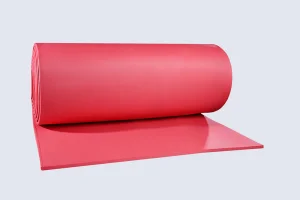
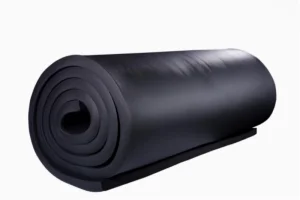
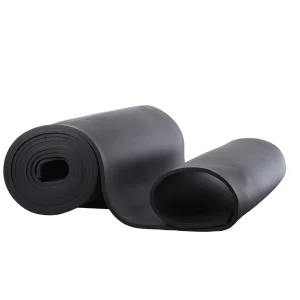
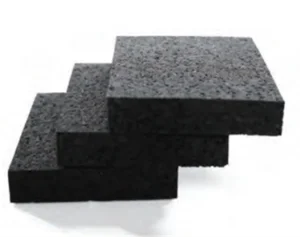
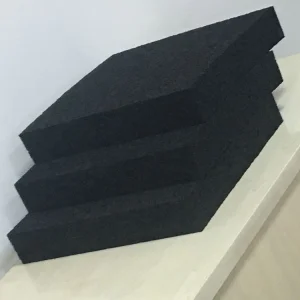
Material: Nitrile-Butadiene Rubber & Polyvinyl Chloride (NBR/PVC)
Thickness: 6mm to 50mm
Density Range: 40 to 55 kg/m³
Service Temperature: -40℃ to 105℃
Key Advantages: High elasticity, compression resilience over 80%, low thermal conductivity, and high water vapor diffusion resistance index. Perfect for central air conditioning duct wrapping and large-diameter process piping.
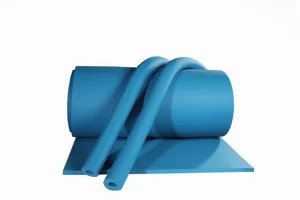
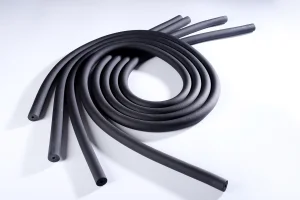
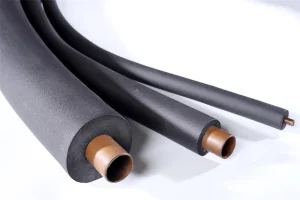
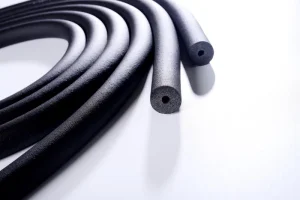
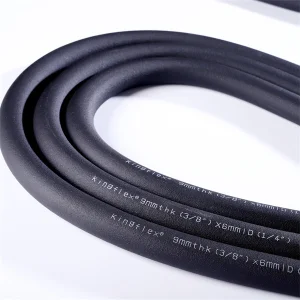
Material: NBR/PVC Composite
Thickness: 9mm to 40mm
Inner Diameter (ID): 6mm to 114mm
Density Range: 40 to 55 kg/m³
Key Advantages: Seamless integration with copper and steel pipes. Precise pipe spraying equipment guarantees a consistent inner surface, minimizing installation effort and ensuring uniform moisture protection.
| Risk Dimension | Specific Performance Parameter | Testing & Compliance Standards | Risk Mitigation Value |
|---|---|---|---|
| Thermal Efficiency Loss | Low Heat Conductivity (λ ≤ 0.034 W/m·K at 0°C) | ASTM C518 / ISO 8301 | Prevents energy waste and controls condensation in refrigeration and chilled water systems. |
| Moisture Intrusion | High Closed-Cell Rate (≥ 98%), Stable Vapor Barrier | ASTM E96 / BS EN 12086 | Eliminates risk of water logging that degrades insulation capability over time. |
| Fire & Flame Hazards | Flame Retardant, Self-Extinguishing, Class 0/1 | BS 476 Part 6 & 7, UL94, ASTM E84 | Ensures mechanical building systems meet local structural fire safety codes and delay flame spread. |
| Aging & Corrosion | Excellent UV Resistant & Anti-Ozone Properties | ASTM G154 / ISO 4892 | Prevents premature cracking, extending piping lifespan up to 10–15 years. |
How to balance initial procurement cost against long-term risk and operational expenditures (OPEX).
In global mechanical engineering tenders, procurement groups frequently make the mistake of evaluating suppliers solely on the initial pricelist per cubic meter. Selecting lower-tier manufacturers without certified QA/QC parameters introduces massive installation and operational risks. An optimized procurement risk assessment should calculate Total Cost of Ownership (TCO), factoring in installation speed, product lifetime, structural fire compliance, and shipping logistics.
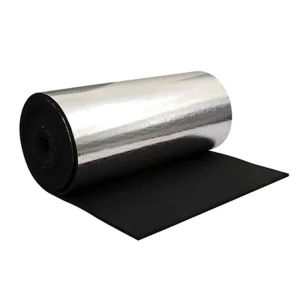
At Kingflex, we operate under a transparent tier pricing model based on thickness, density, and special modifications (such as aluminum foil cladding or color coding). By coordinating with our R&D department during the engineering design phase, clients can avoid the cost of over-specification while ensuring full compliance with local regulatory guidelines.
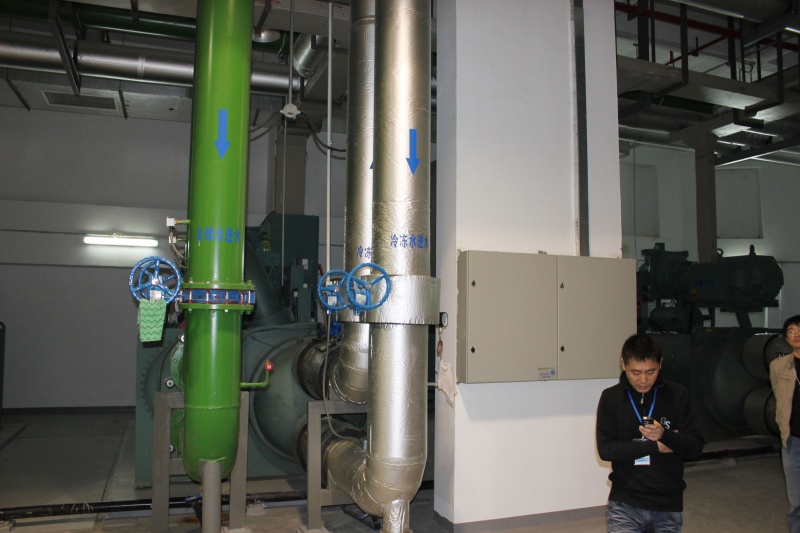
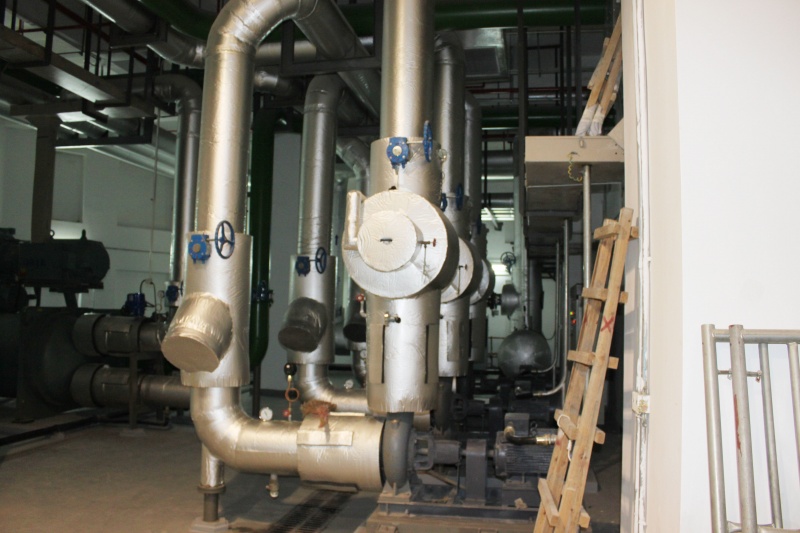
Unmatched expertise and heritage in producing advanced building materials since 1979.
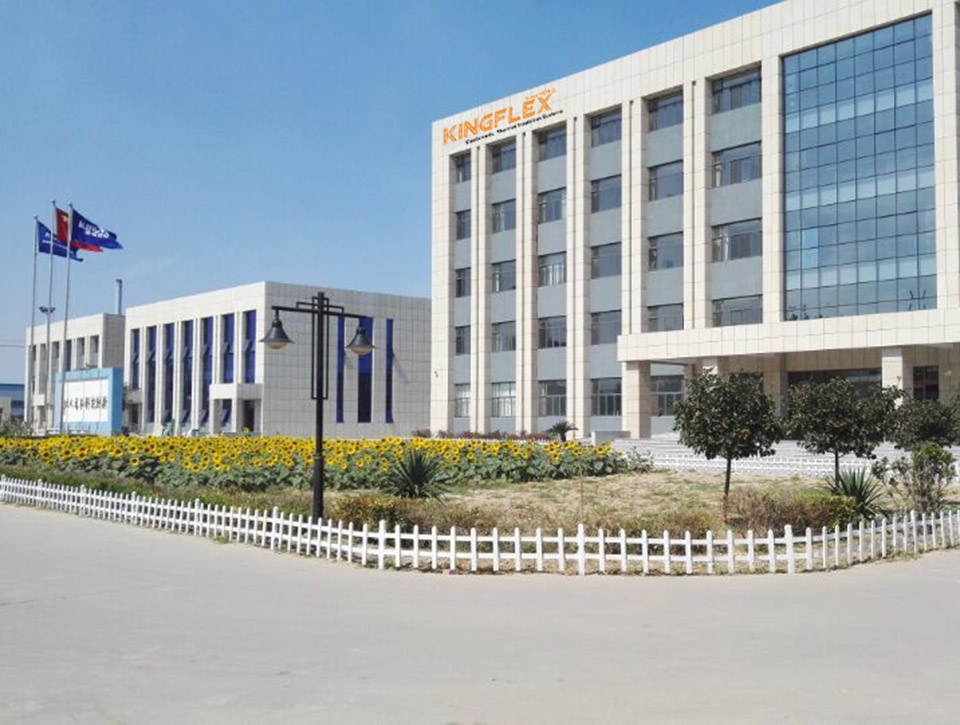
Kingflex Insulation Co., Ltd. is a professional manufacturing and trading combo for thermal insulation products. Our research, development, and production department is situated in the well-known capital of green-building materials in Dacheng, China. As an energy-saving, environmental-friendly enterprise, we concentrate heavily on the research, development, production, and sale of advanced elastomeric solutions.
Kingflex is established by the Jinwei Group, which boasts more than 40 years of history. The Jinwei Group was founded in 1979 and stands as the pioneer manufacturer of thermal insulation materials north of the Yangtze River. Operating under energy-saving and consumption-reduction core philosophies, we provide complete consultation, design optimization, installation guidance, and post-sale technical service to lead the global building materials industry.
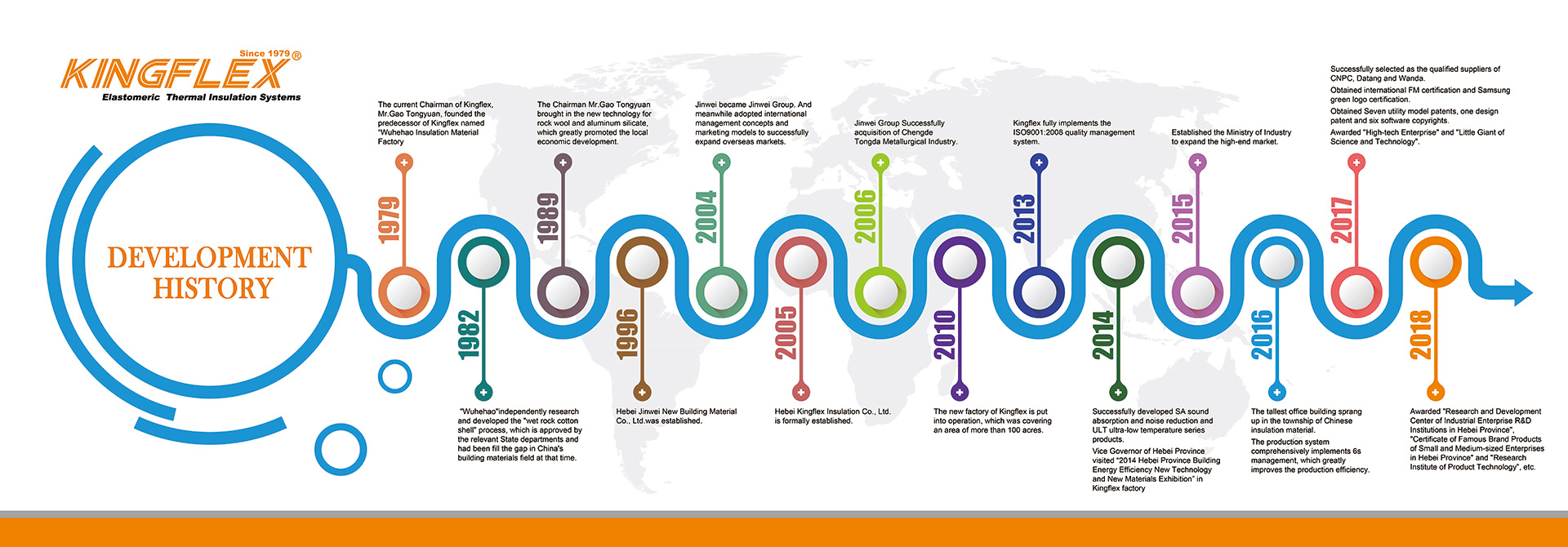

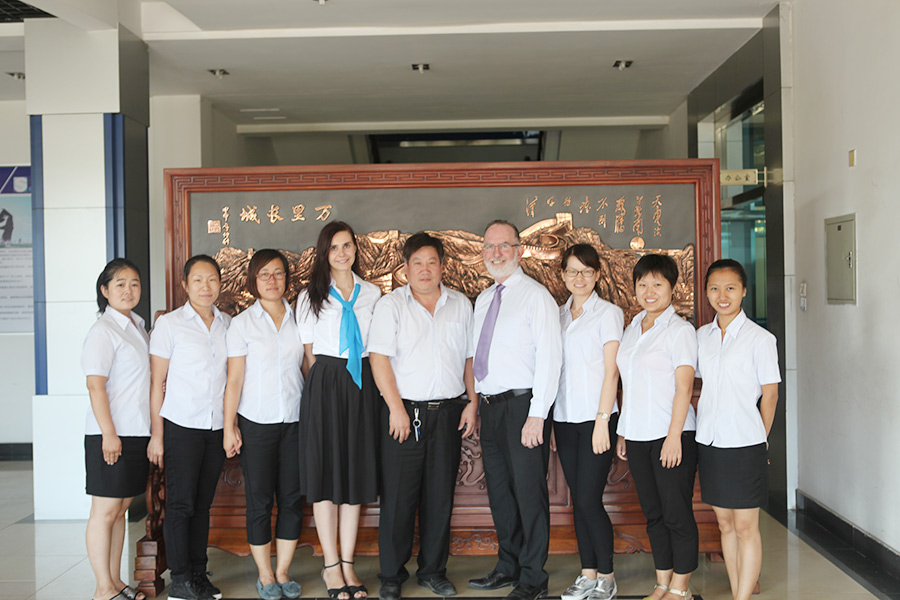
Our employees are exceptional individually, but together they form the cohesive force that makes Kingflex a reliable partner. The Kingflex team is a tight-knit, talented group sharing a unified vision of delivering consistently first-class service to our international clients.
Currently, our structure includes 8 professional engineers in the R&D Department constantly optimizing compound recipes, 6 professional international sales managing global project portfolios, and 230 workers operating our production divisions.
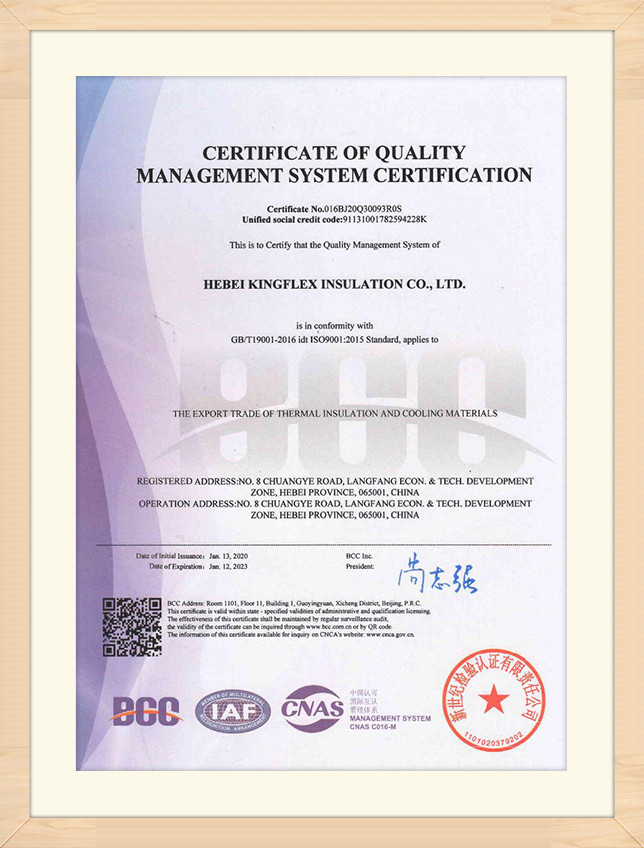
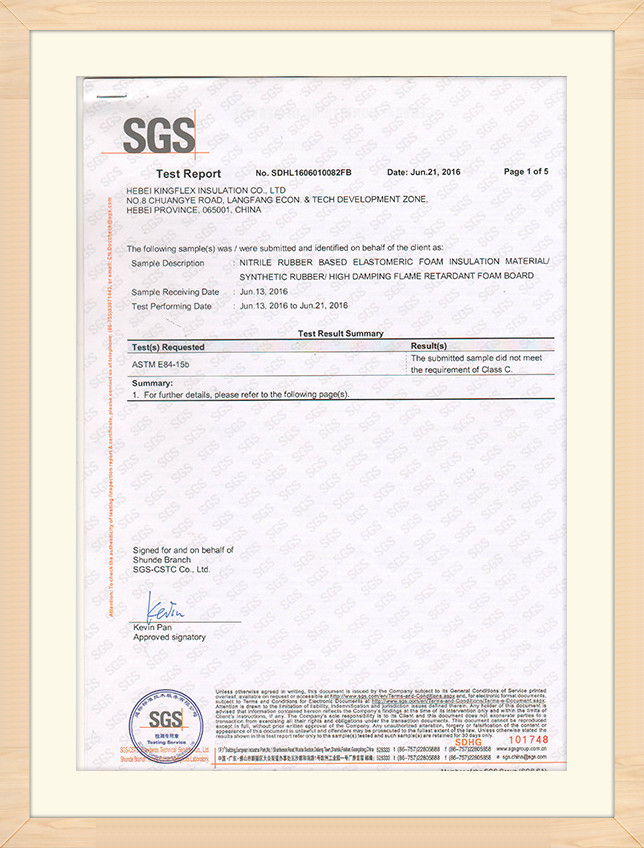
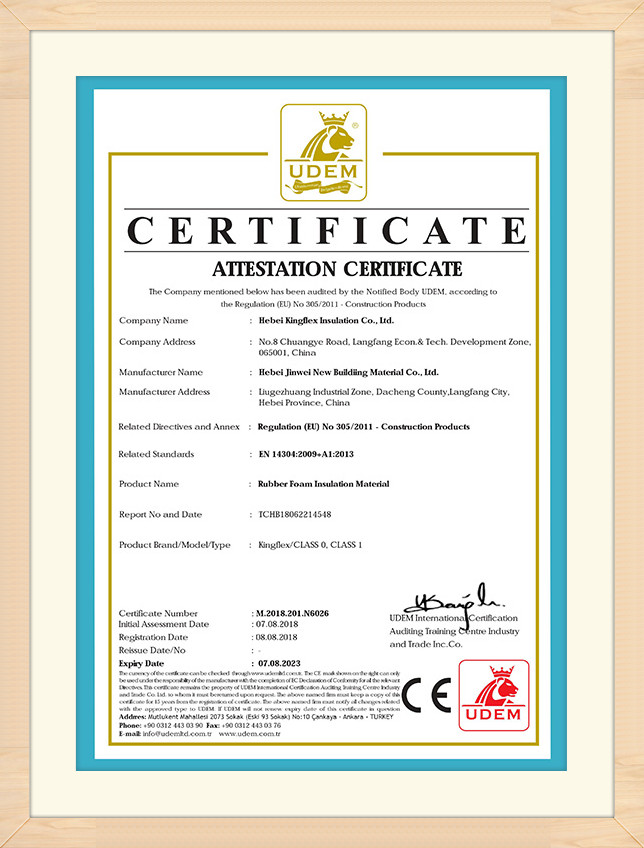
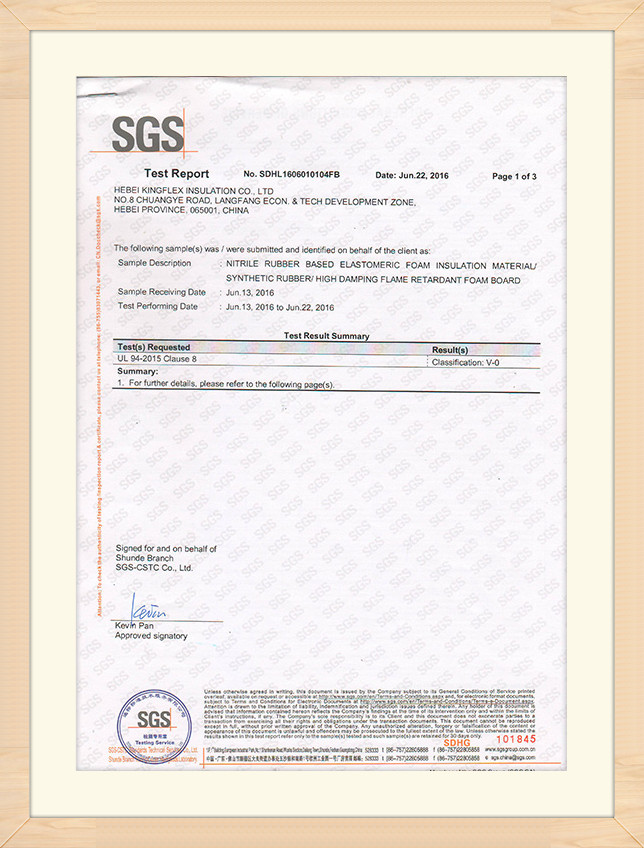
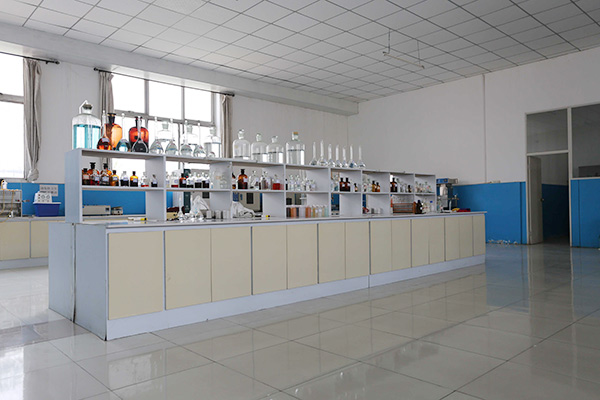
Our commitment to technical excellence and material innovation ensures zero-defect quality delivery.
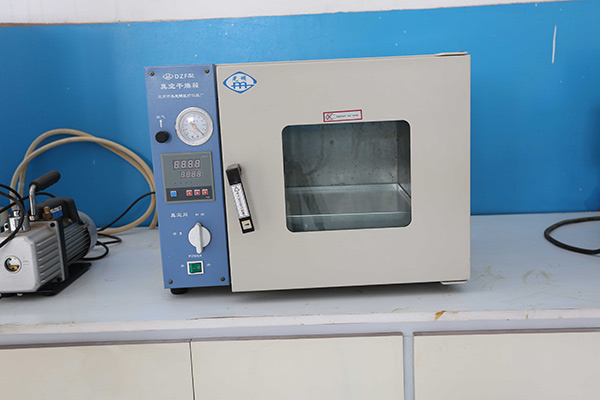
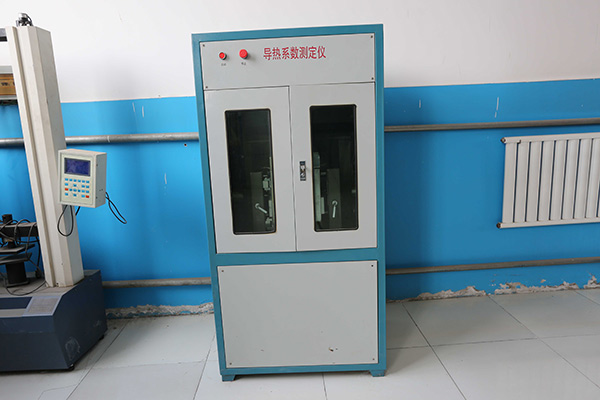
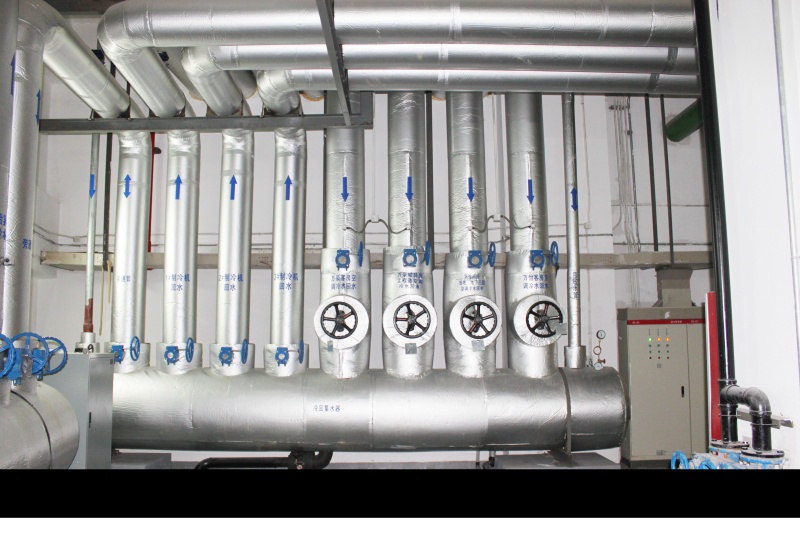
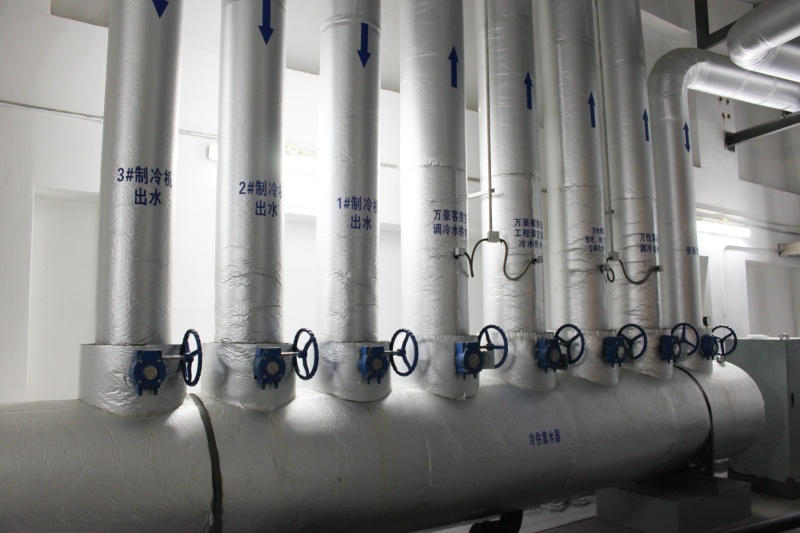
Proven execution across commercial real estate, heavy petrochemical plants, cold storage networks, and marine engineering.
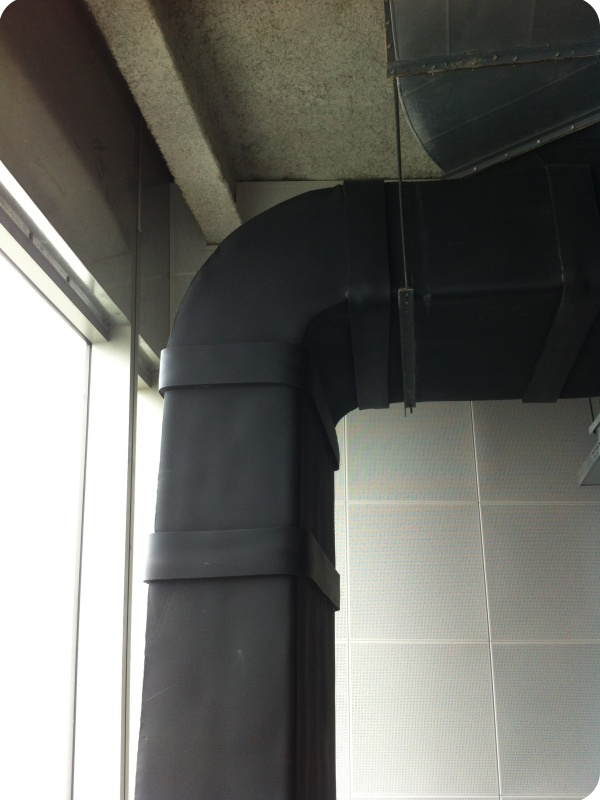

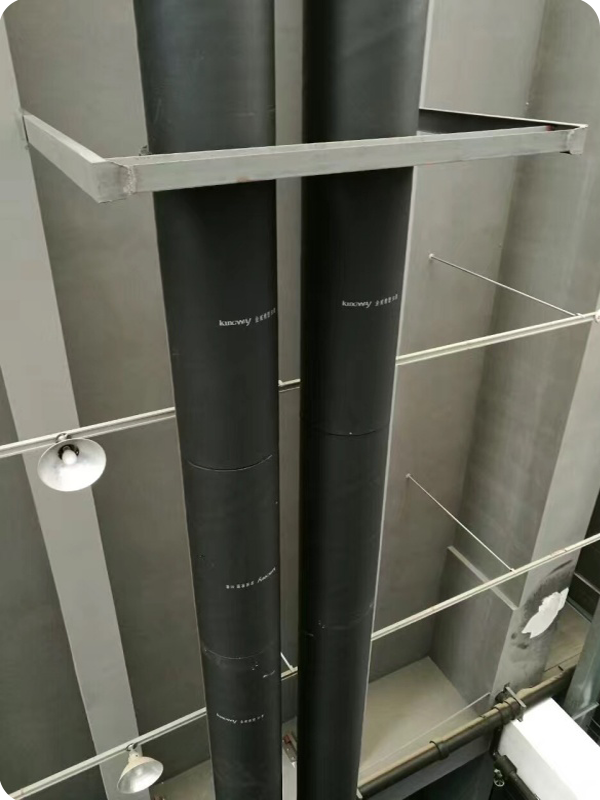
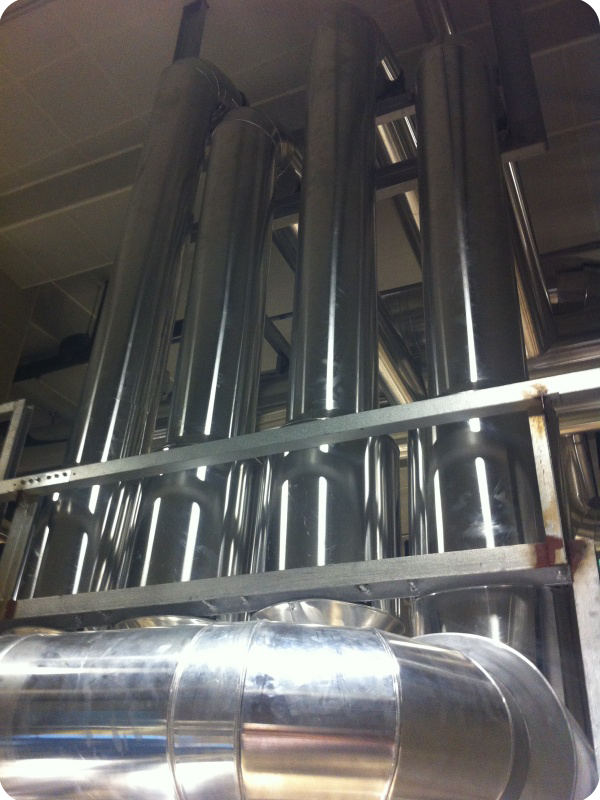
Widely implemented in premium grade-A office towers, medical research facilities, and retail centers. Ensures minimal temperature drop and acoustic noise reduction inside ventilation duct networks.
Nitrile rubber's fiber-free structural properties eliminate particle release risks in semiconductor, pharmaceutical, and electronic manufacturing facilities.
Engineered to handle severe thermal stresses down to -40°C, providing structural cracking resistance and preventing ice formation on low-temperature process lines.
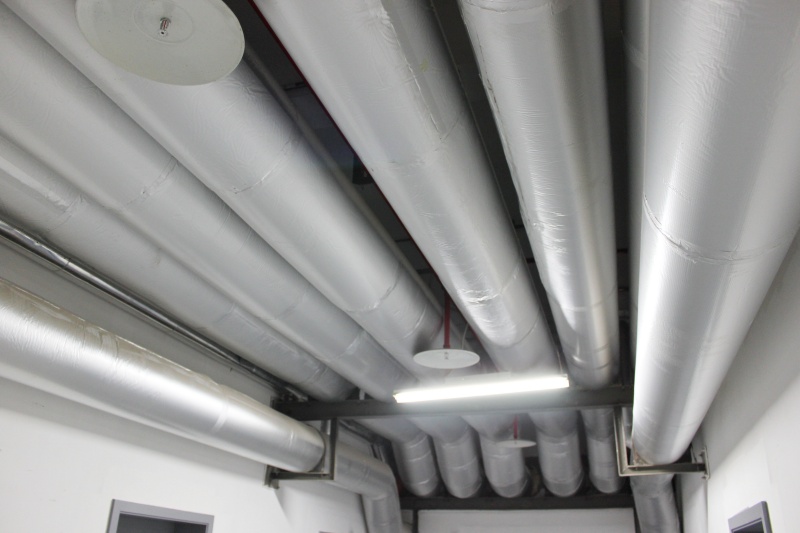

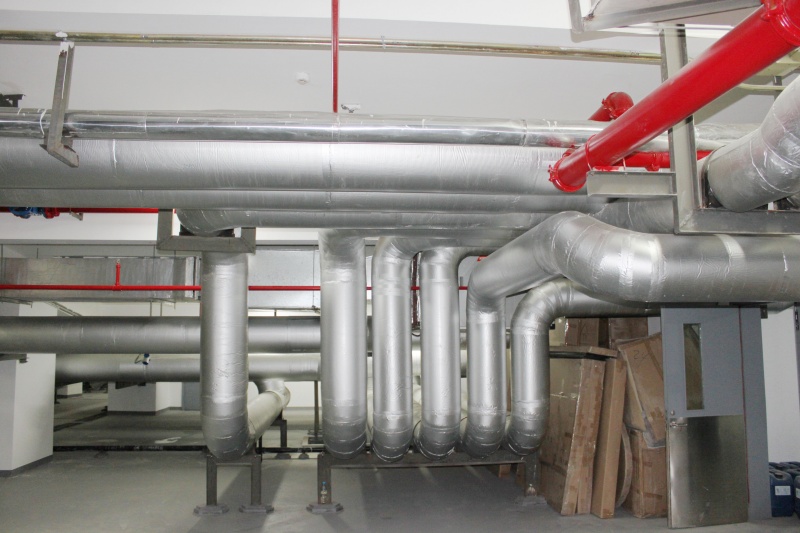

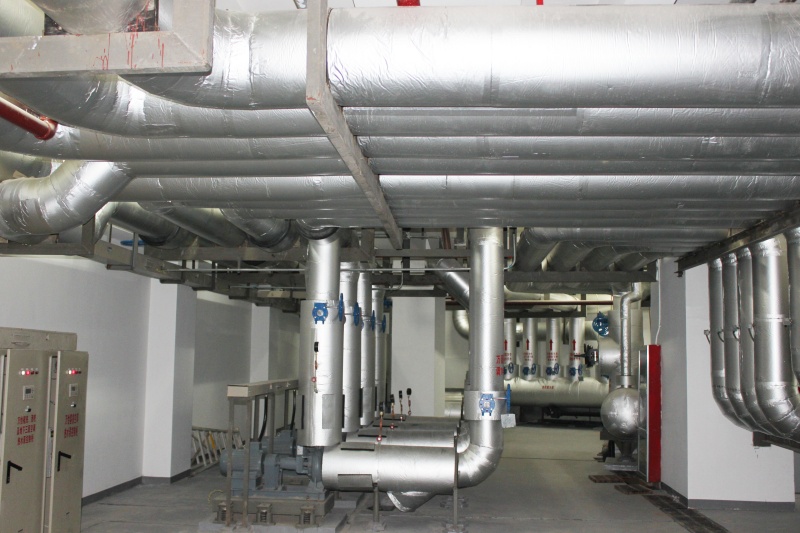
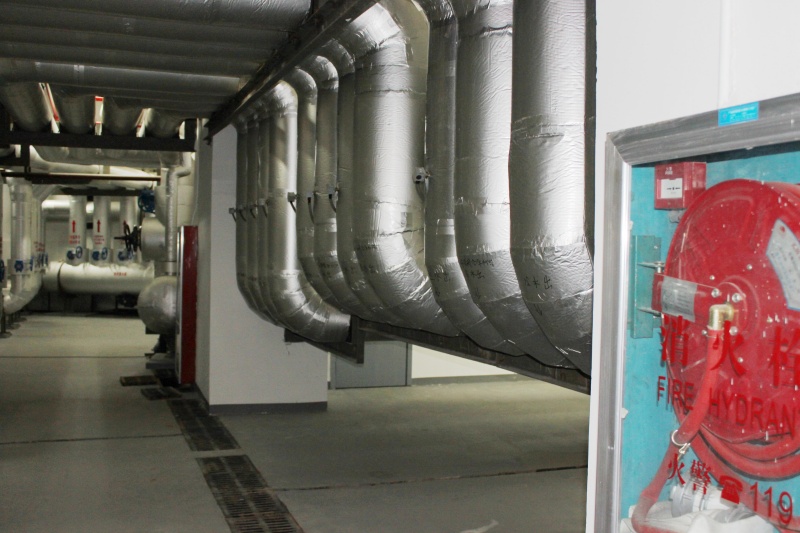
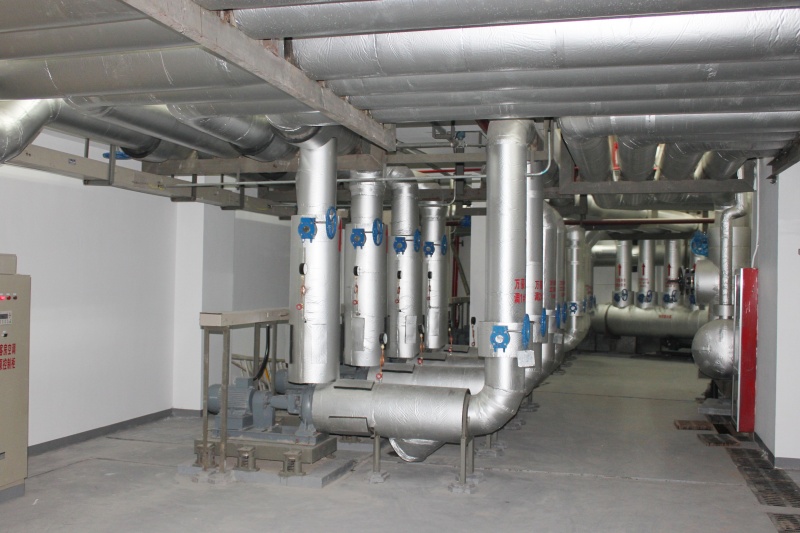
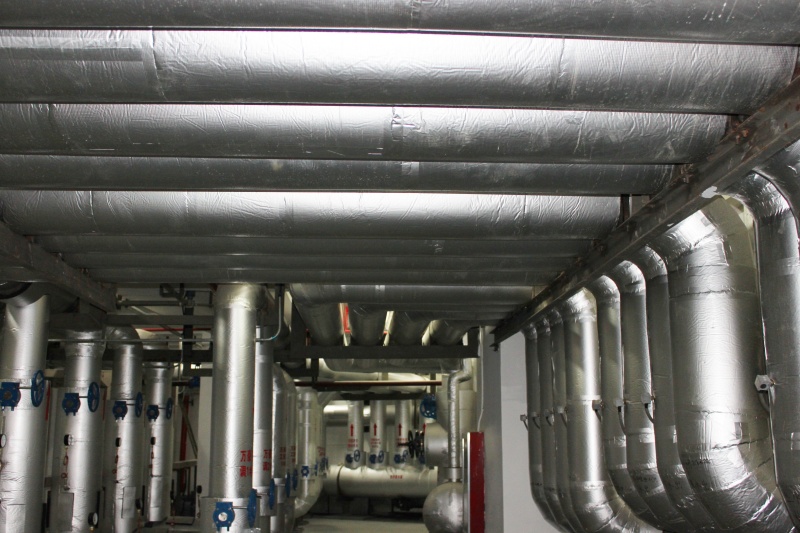
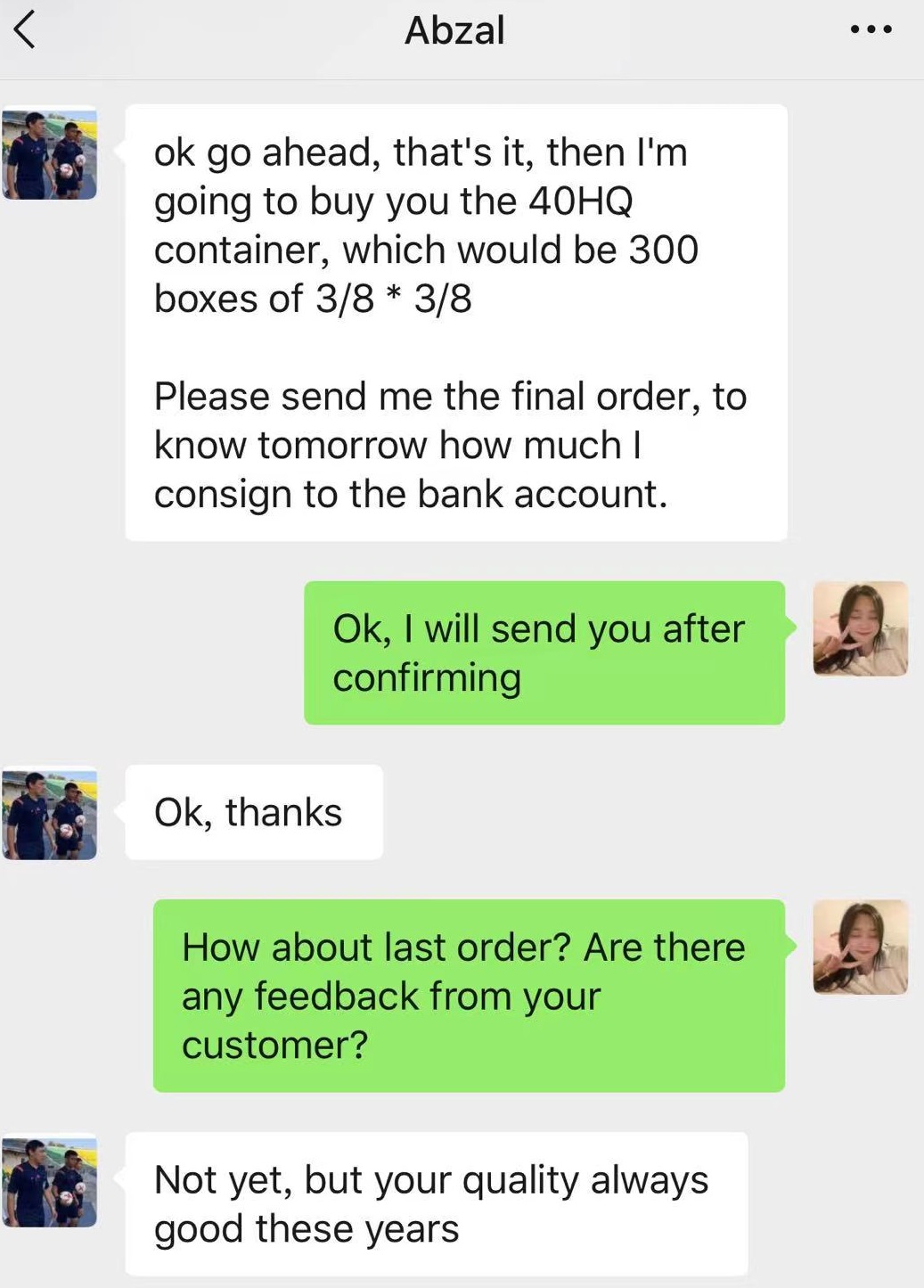
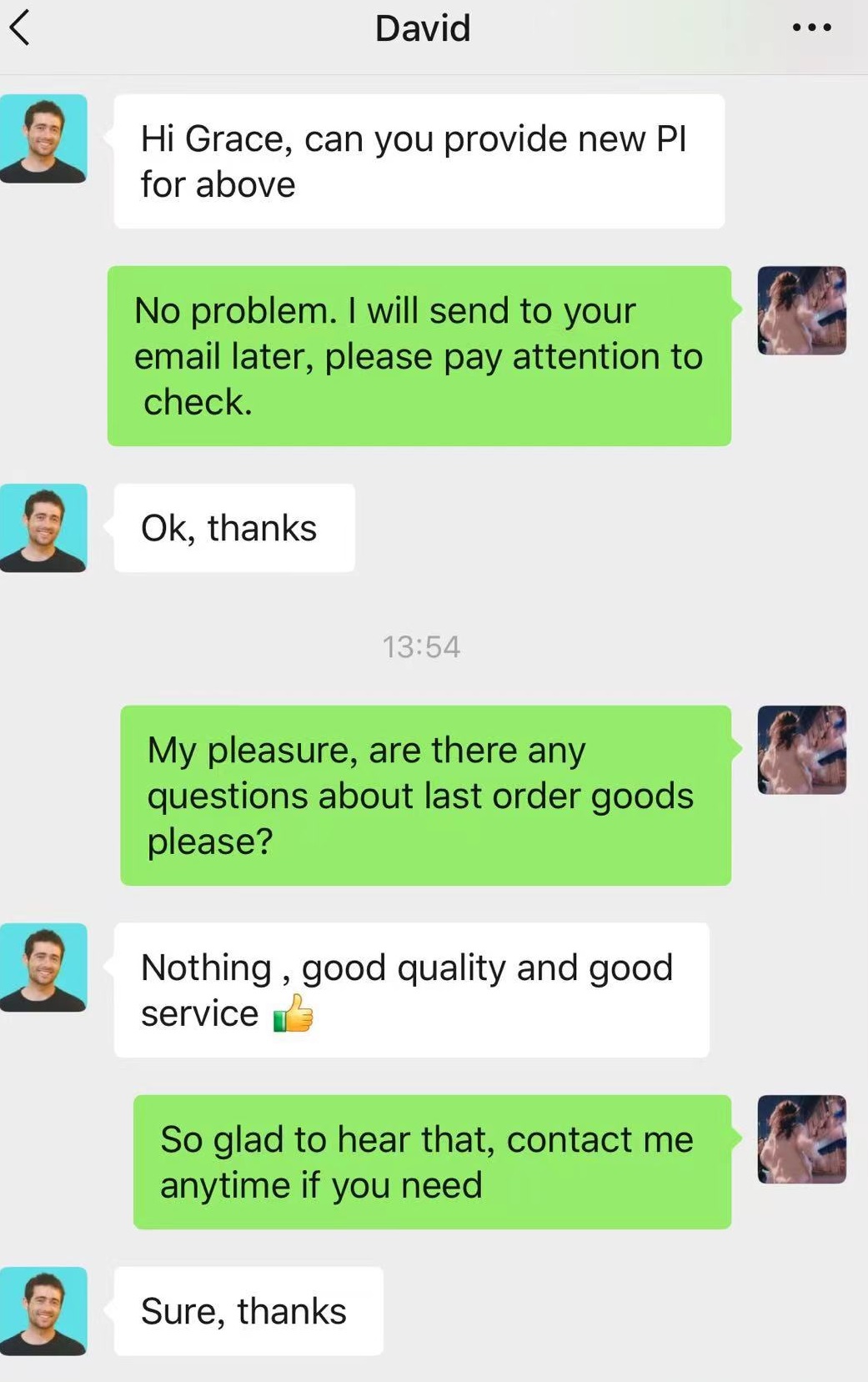
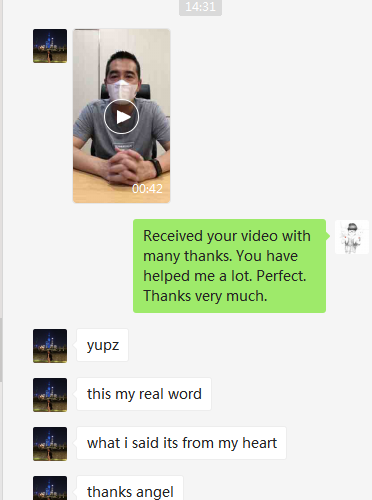
Proof of rapid response, technical support, and logistical transparency with our global commercial accounts.

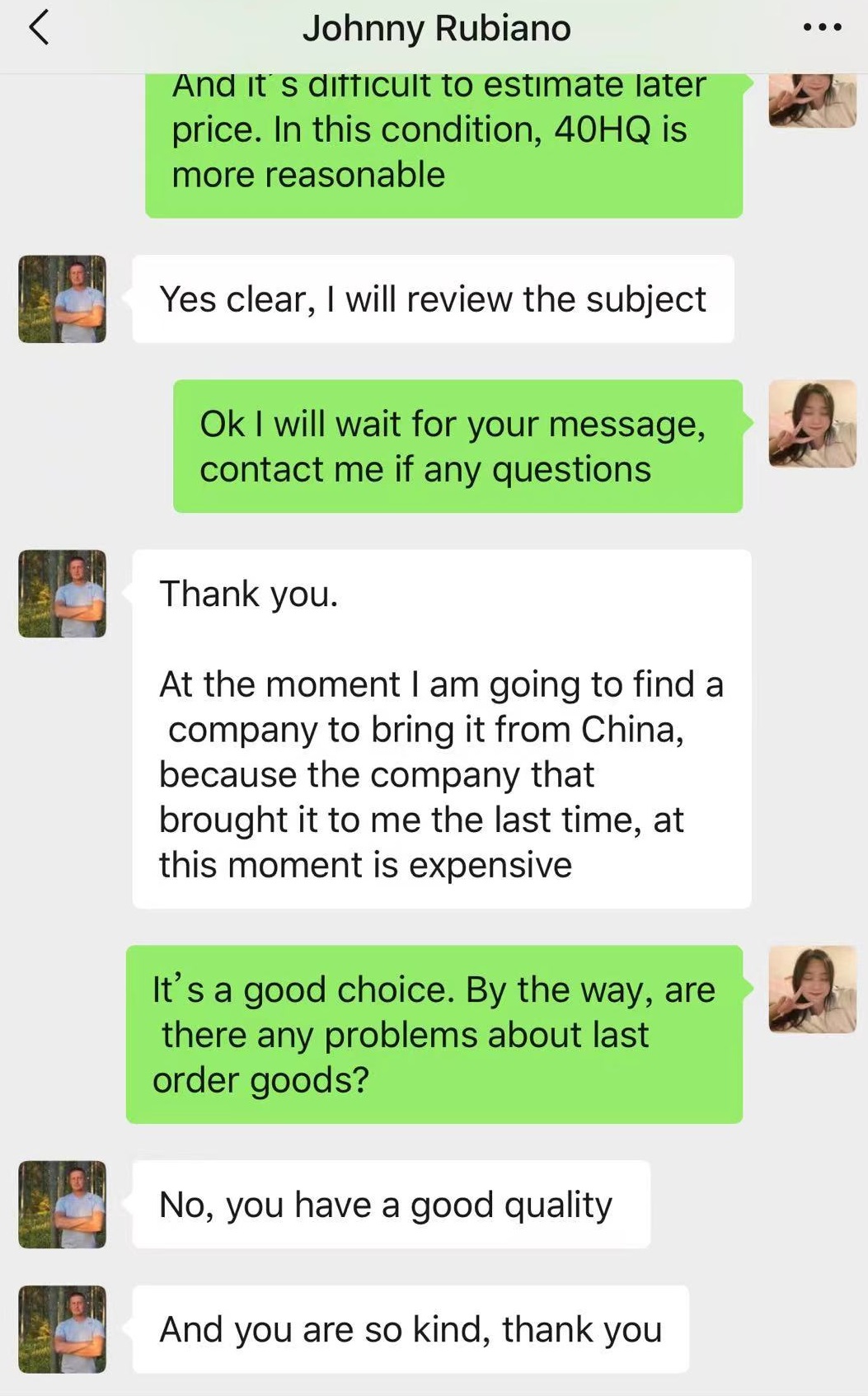

Comprehensive technical guidance addressing the most common concerns faced by mechanical engineers and global purchasing managers.
Select from our range of specialized elastomeric rubber foam sheets, acoustic panels, and custom composite tubes.
Direct factory links for advanced commercial and mechanical thermal insulating products.
 Kingflex