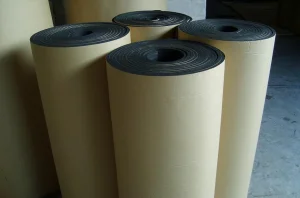
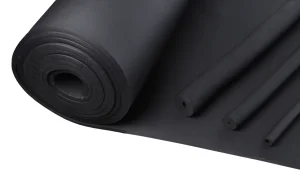
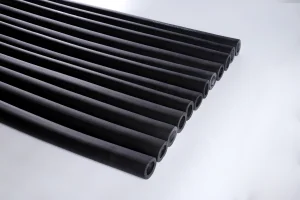
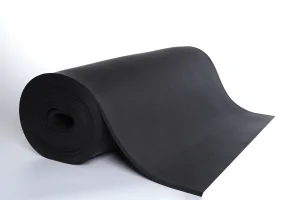
High-performance NBR/PVC elastomeric rubber foam sheets, rolls, and pre-formed pipe insulations manufactured to meet stringent international standards.
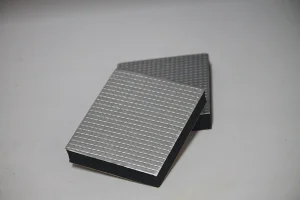
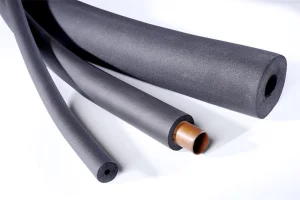
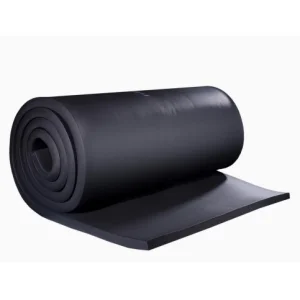
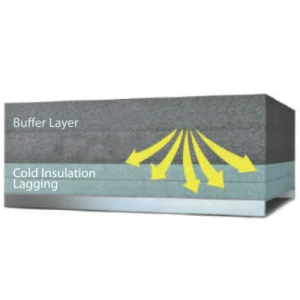
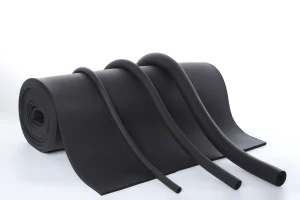
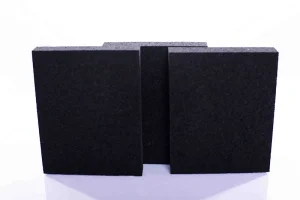
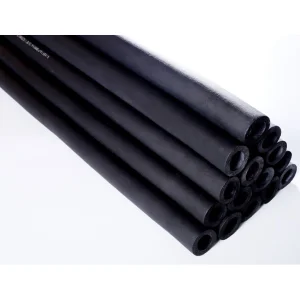
Modern engineering demands higher energy-efficiency footprints, absolute moisture protection, and active noise control. The global commercial and industrial sectors are shifting rapidly towards closed-cell elastomeric rubber foam insulation rolls as a primary defense against thermodynamic loss, condensation, and corrosion under insulation (CUI).
In highly regulated environments—such as high-rise urban structures, pharmaceutical laboratories, clean rooms, chemical processing centers, and heavy-duty maritime vessels—traditional mineral fibers often fail due to moisture ingress. When fibers absorb moisture, their thermal conductivity rises exponentially, rendering the system inefficient and promoting structural rot. Elastomeric rubber foam, consisting of dense, closed cells, prevents water vapor permeability, ensuring consistent thermal resistance (R-value) throughout its operational lifetime.
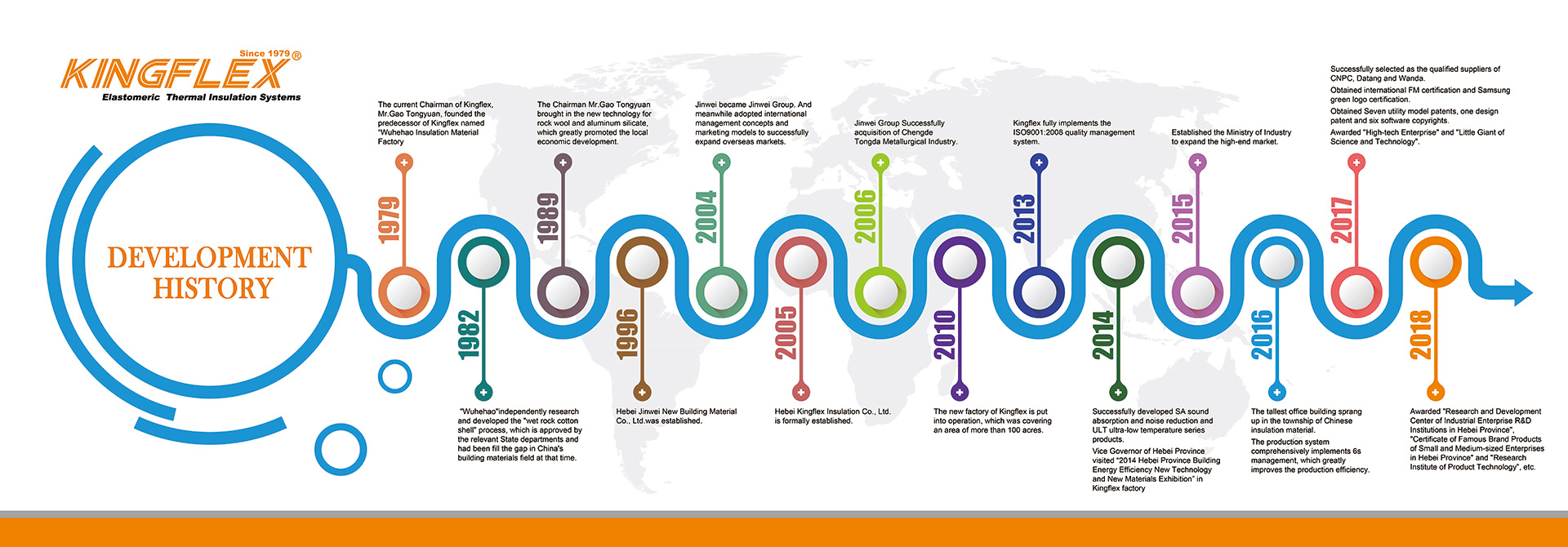
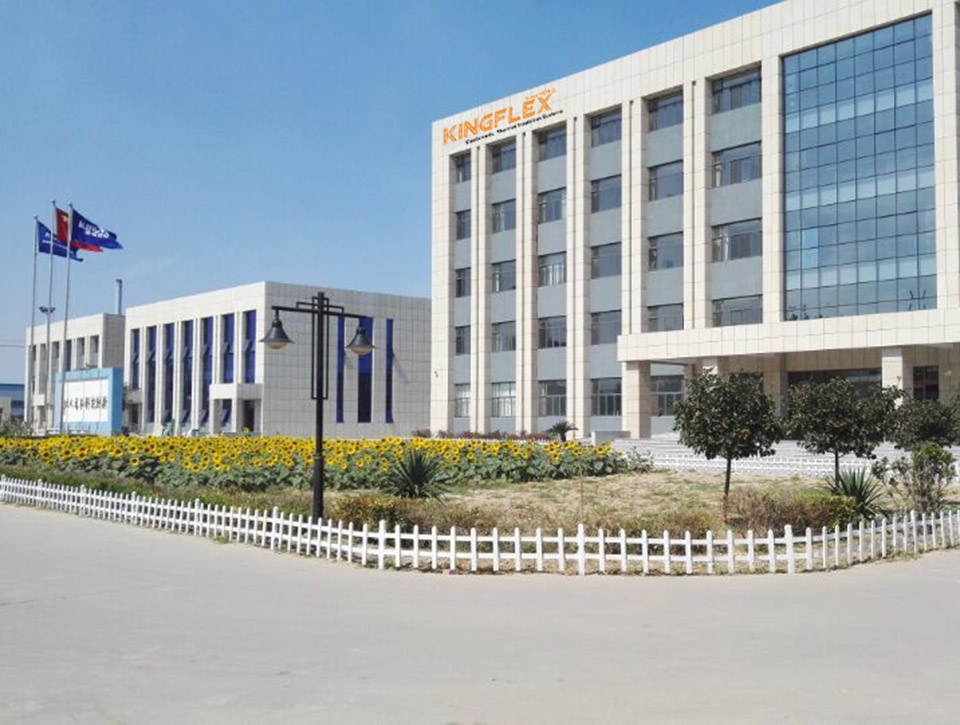
Kingflex Insulation Co., Ltd. represents a powerhouse of research, development, production, and sales. Nestled in Dacheng, China—historically recognized as the capital of green-building materials—our parent group, Jinwei Group, has built a legacy stretching back to 1979. As the pioneer manufacturer of thermal insulation materials north of the Yangtze River, we have spent over four decades perfecting thermodynamic barrier technologies.
Today, Kingflex operates five fully automated, state-of-the-art continuous vulcanization and foaming assembly lines. Our annual output capacity exceeds 600,000 cubic meters of premium thermal and acoustic insulation materials. Because of our strict quality controls, we are designated as a trusted product manufacturer by the Ministry of Energy, Ministry of Electric Power, and Ministry of Chemical Industry in China, while supplying commercial complexes and heavy industries across sixty-six countries globally.
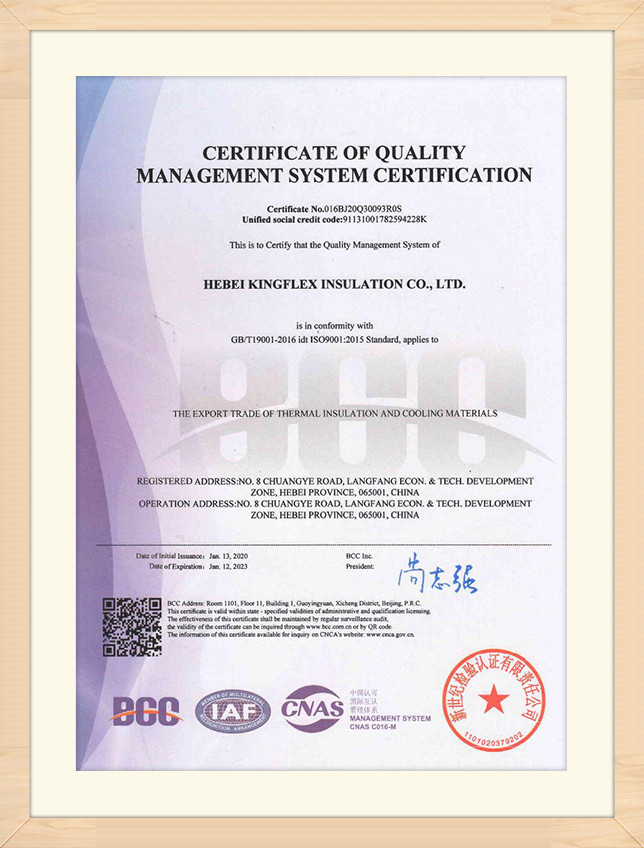
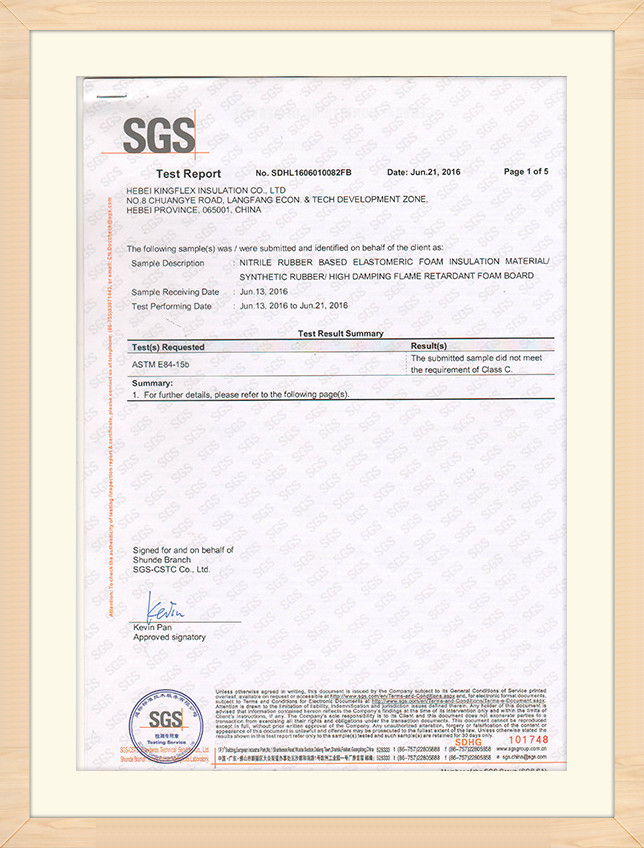
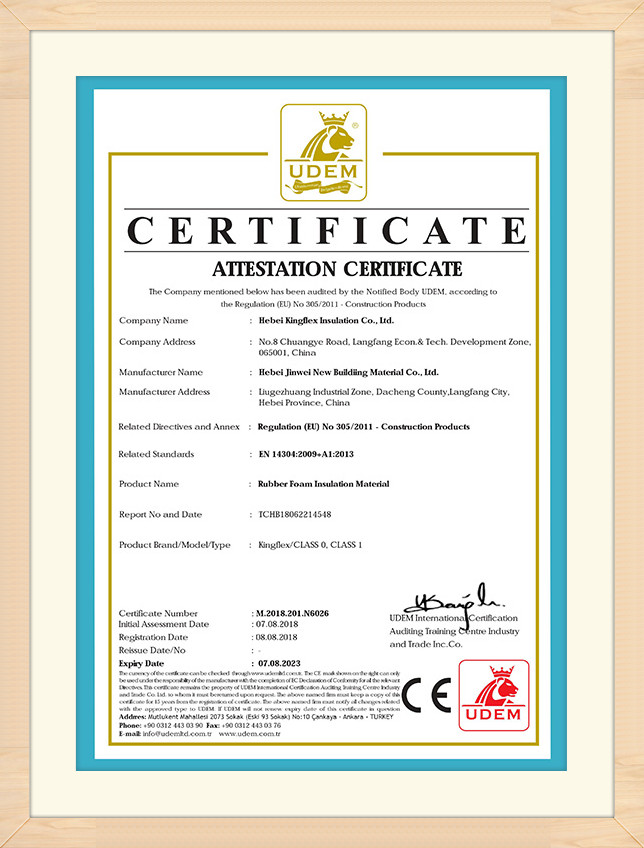
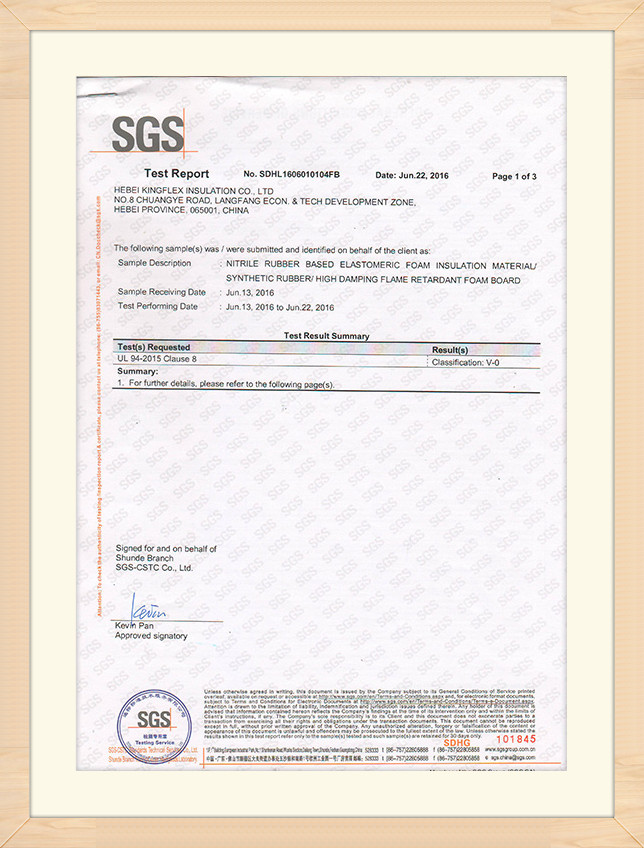
Our R&D team is staffed by eight senior materials engineers who focus on optimizing polymer cross-linking structures and fire safety additives. Our production conforms to world-class manufacturing certifications, including BS 476, CE, REACH, RoHS, UL 94, and ASTM.
Under the hood of Kingflex elastomerics. Explore the chemical formulation, physical parameters, and thermodynamic properties that govern our insulation rolls.
Our NBR/PVC blend undergoes a specialized gas-injection vulcanization process. This leads to thousands of microscopic, isolated bubbles containing trapped nitrogen gas, which has a very low thermal conductivity. Because these individual cells are completely sealed from one another, they act as an integrated barrier against moisture.
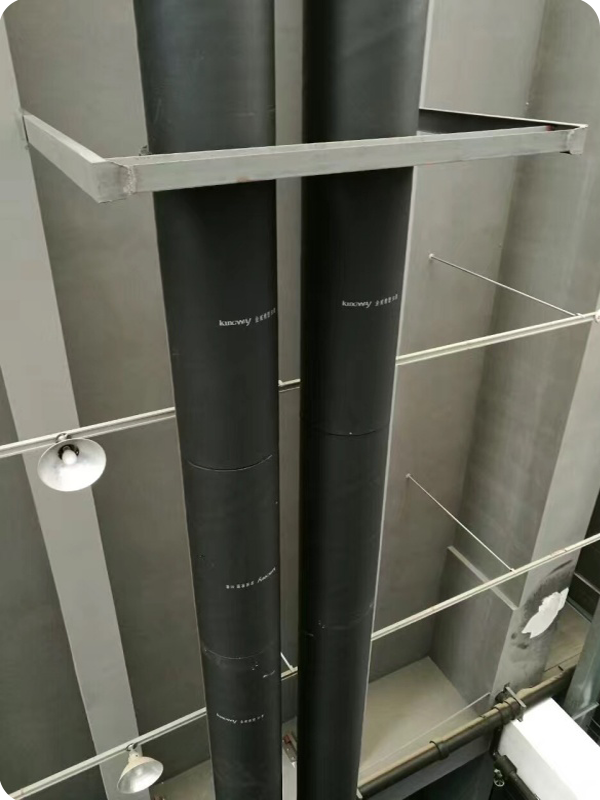
In standard HVAC and refrigeration (HVAC/R) setups, the condensation of warm ambient moisture onto cold piping runs is a constant threat. When liquid water forms on metal surfaces, it leads to rapid oxidation and pipe degradation. The high moisture resistance factor (μ ≥ 10,000) of Kingflex elastomeric insulation sheets prevents moisture migration, eliminating the need for an external vapor barrier jacket.

From ultra-low temperature liquid natural gas terminals to central ventilation ducts in large modern hospitals.
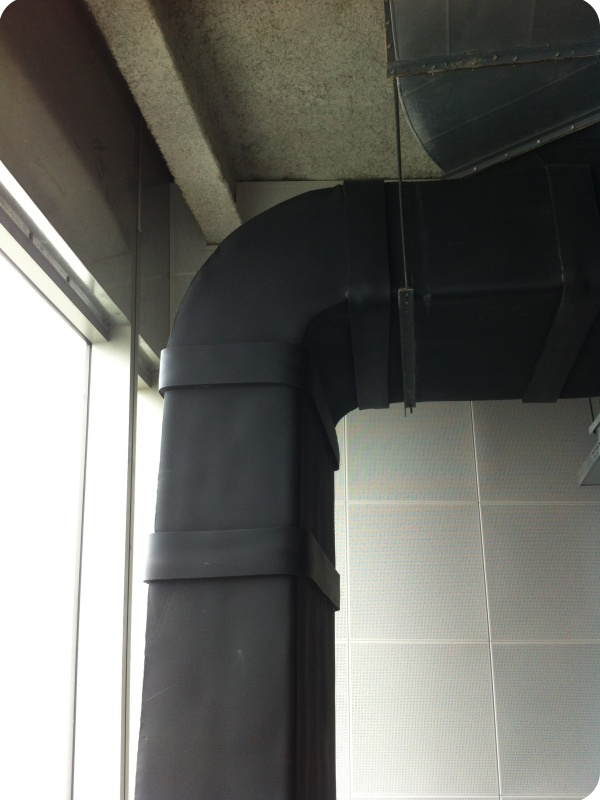
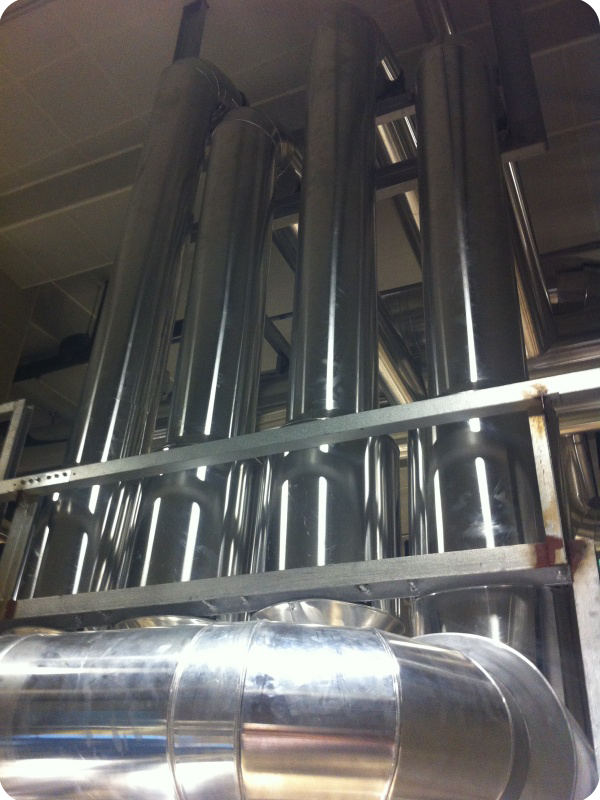
Large-scale building air distribution ducts rely on our NBR/PVC rolls to prevent thermal gain or loss. The flexible, lightweight sheets conform to rectangular and round duct profiles, lowering installation costs and energy use.
Specifically engineered for liquid storage tanks and low-temperature process piping down to cryogenic levels. These sheets remain highly flexible, preventing cracking caused by extreme temperature swings.
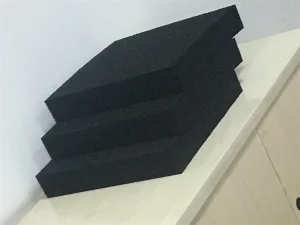
With high-density structures and elastic NBR matrices, our acoustic-grade insulation boards absorb structure-borne noise, hums, and low-frequency vibrations in HVAC equipment rooms.

How environmental mandates, clean-air standards, and fire-behavior regulations are shaping the next generation of insulation rolls.
In modern construction, fire dynamics are highly prioritized. Historically, chlorine- and bromine-based fire retardants were added to polymers to meet flame-retardant standards. However, in a fire, these halogens release dense, corrosive acid gases. The industry is rapidly moving toward halogen-free formulations.
Kingflex is developing advanced nitrogen-phosphorus and metal hydroxide flame-retardant systems. These new formulations maintain a Class 1 fire rating under BS 476, while drastically reducing smoke density and toxicity, protecting occupants and emergency personnel during building evacuations.
Detecting corrosion under insulation (CUI) on long pipelines can be difficult and costly. If the outer cladding leaks, moisture can enter, causing rapid, unseen rust on hot process pipes.
The next generation of Kingflex systems integrates smart, moisture-sensitive sensor strips under the insulation layer. These sensors feed real-time moisture data to centralized building management systems (BMS), alerting facility managers to moisture leaks before corrosion damages the piping network.
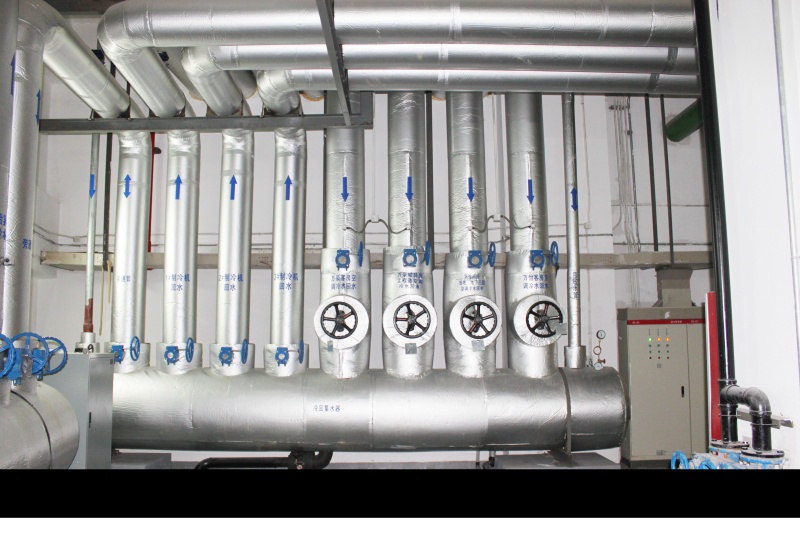
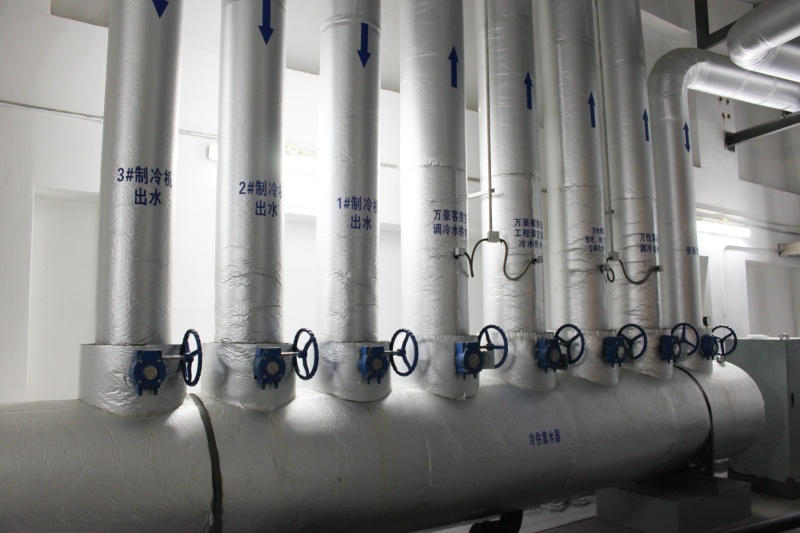
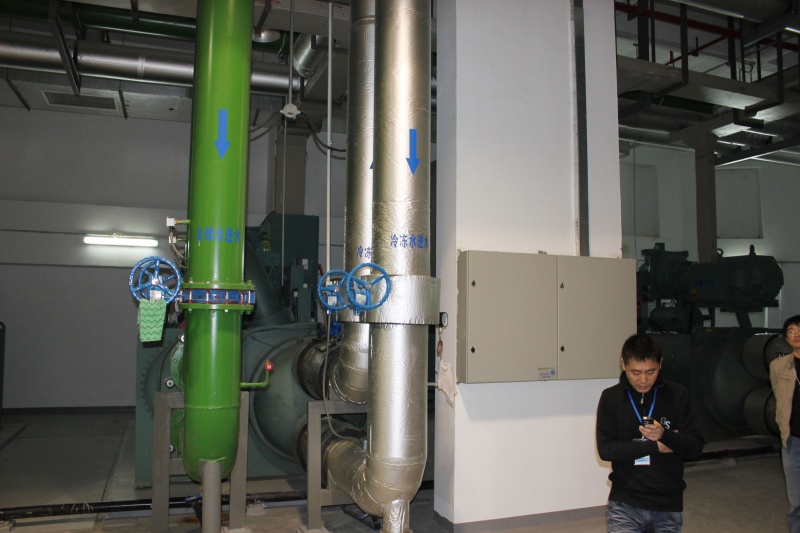
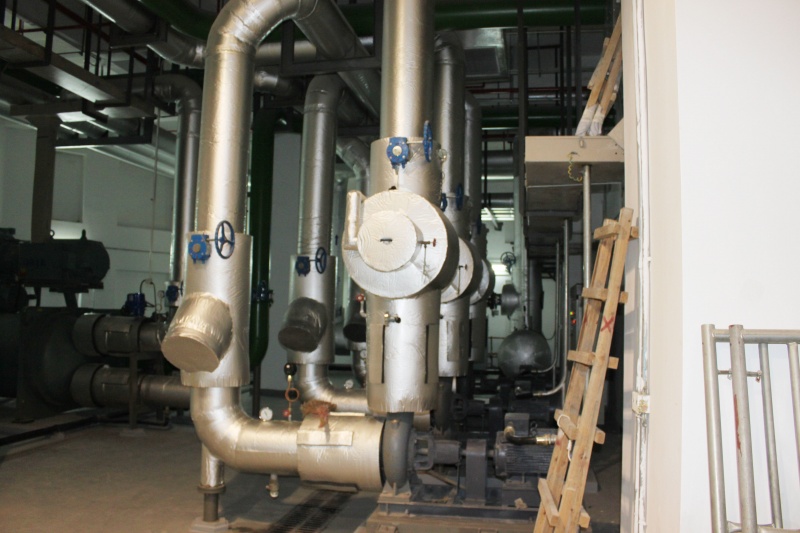
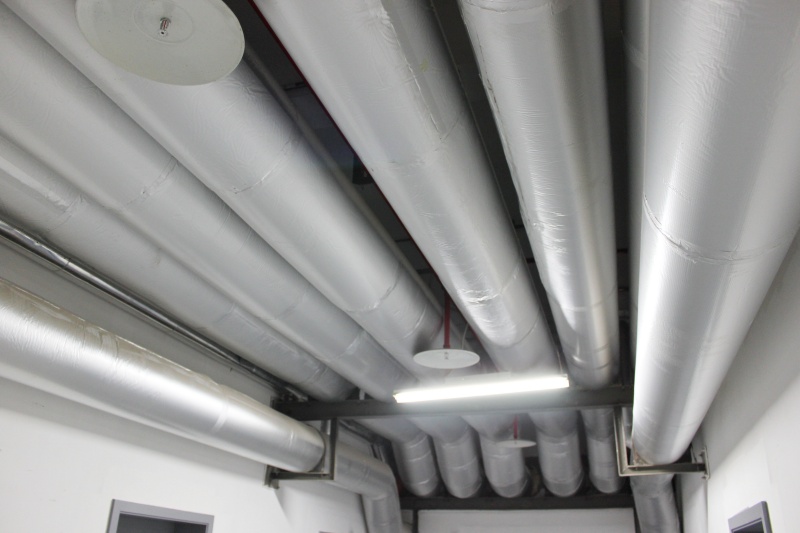

Select the appropriate insulation thickness and material combination based on ambient humidity, line temperature, and mechanical safety demands.
Purchasing thermal insulation products requires aligning material properties with project conditions. Selecting the wrong thickness can cause condensation, which reduces performance and risks building damage. When requesting a quote, please specify your average ambient relative humidity (RH), design line temperatures, and any local fire rating requirements.
| Insulation Thickness | Common NBR Density | Target Piping Application | Recommended Ambient Temp | Vapor Barrier Facing Type |
|---|---|---|---|---|
| 6 mm - 9 mm | 48 - 55 kg/m³ | Domestic AC Copper Pipes, Condensate Lines | 15°C to 35°C (Low Humidity) | Plain Elastomeric / Smooth Finish |
| 13 mm - 19 mm | 45 - 50 kg/m³ | Chilled Water Pipes, Small Ventilation Ducts | -10°C to 40°C (Medium Humidity) | Glass Fiber Mesh / Reinforced Foil |
| 25 mm - 35 mm | 40 - 45 kg/m³ | Large Air Handling Units, Commercial HVAC Mains | -20°C to 45°C (High Humidity Areas) | Aluminum Foil / Adhesive-Backed |
| 40 mm - 50 mm | 40 - 42 kg/m³ | Industrial Steam Systems, Cryogenic Gas Networks | -40°C to 50°C (Extreme Conditions) | Multi-layer Elastomeric Composite |
Kingflex helps project managers optimize thermal insulation costs. Working directly with our factory in China simplifies the supply chain, reduces distributor markups, and allows you to customize lengths, thicknesses, and adhesive backings. Our automated lines produce consistent wall thicknesses, reducing installation waste and saving time on site.
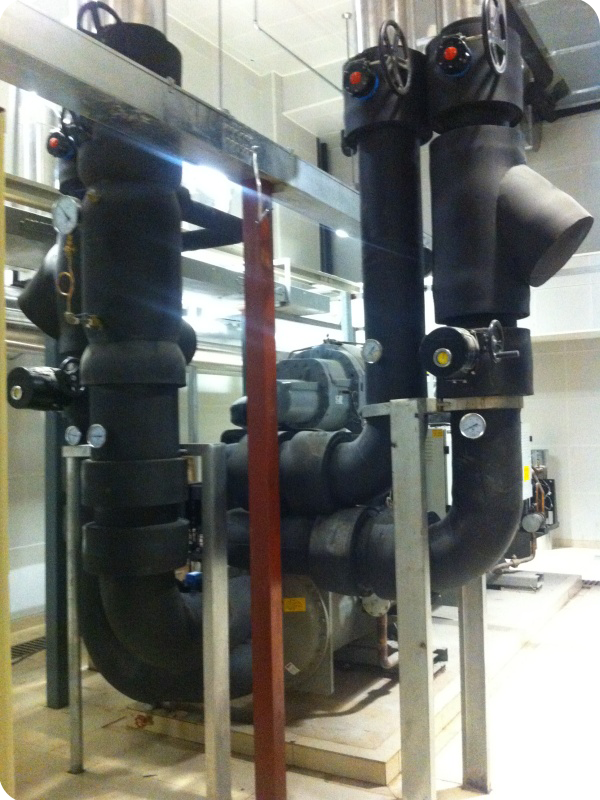
Expert answers on material properties, fire ratings, installation methods, and global shipping policies.
It is mainly used for HVAC ducts, air conditioning pipes, building thermal insulation, industrial pipeline cold insulation, and sound insulation. Its closed-cell design prevents moisture absorption, making it ideal for systems prone to condensation, like chilled water lines.
Yes, our rubber foam insulation is fire retardant, meeting standard building and safety guidelines. It passes Class 1 testing under BS 476 Part 7, achieves a V-0 rating under UL 94, and is self-extinguishing to prevent flames from spreading.
Rubber foam is a flexible, closed-cell, moisture-resistant material designed for HVAC, cold refrigeration, and mid-range thermal insulation. Rock wool is a high-density mineral fiber that excels in very high-temperature applications (up to 650°C+) and offers structural fire barriers, but requires a separate vapor jacket to keep out moisture.
Yes, we support full OEM and ODM services. We can adjust the thickness (from 6mm to 50mm), inner diameters of pre-formed pipe tubes, customize adhesive backings, and laminate decorative or weather-resistant aluminum foil facings to meet project requirements.
Our products pass multiple international testing protocols, including BS 476, CE, REACH, RoHS, UL 94, and ASTM. This ensures our materials comply with fire, health, and environmental safety regulations globally.
Yes. Every production run has a batch number printed on the packaging or backing paper. This lets us trace raw materials, production line settings, and QC records for every roll or tube we ship.
We produce insulation sheets and rolls in thicknesses from 6mm to 50mm. Thinner rolls offer more flexibility, while thicker sheets provide higher thermal resistance for larger pipes and air handling units.
When properly installed and protected from direct weathering (or shielded with protective jackets like aluminum or UV-resistant paints), Kingflex elastomeric materials typically last between 10 to 15 years.
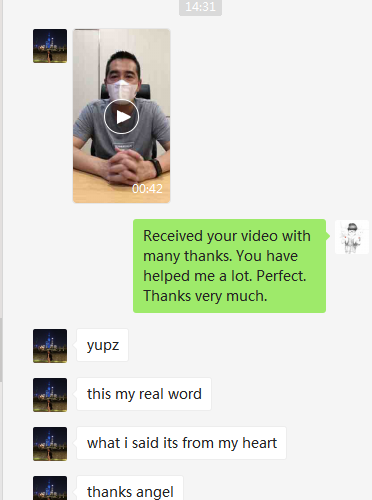
We work closely with procurement agents around the world. Below are typical chat and logistics verification updates from clients who rely on Kingflex for their projects.
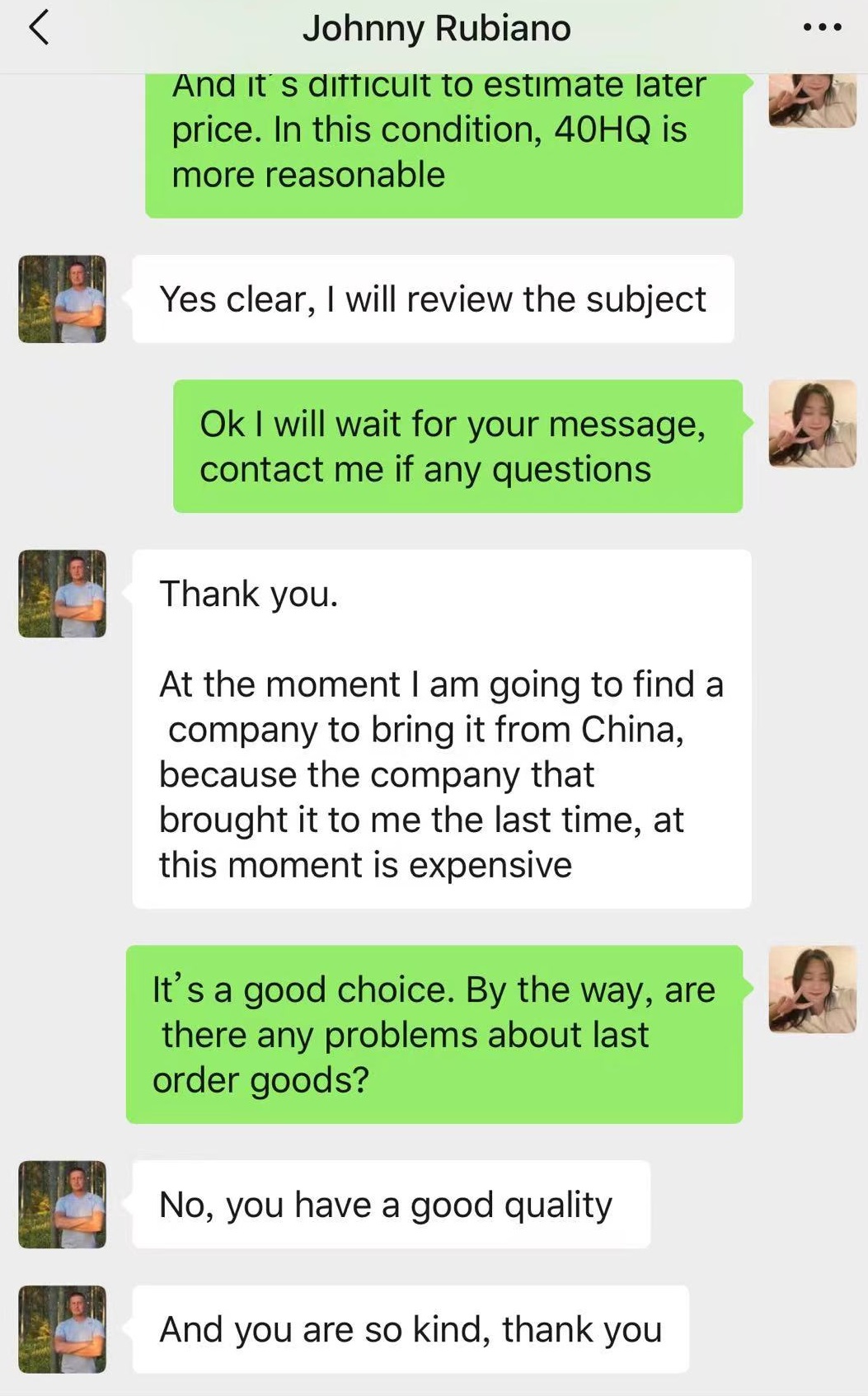
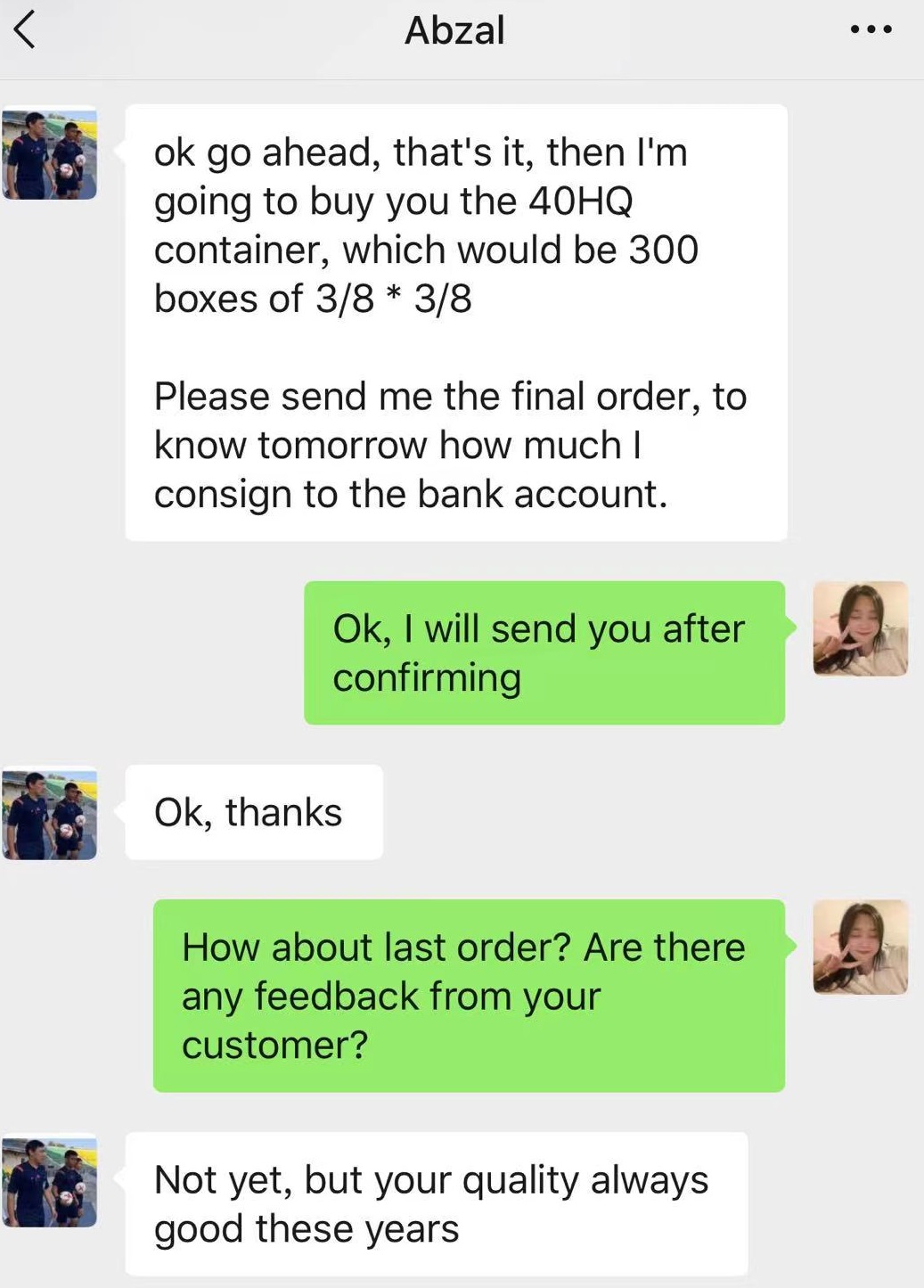


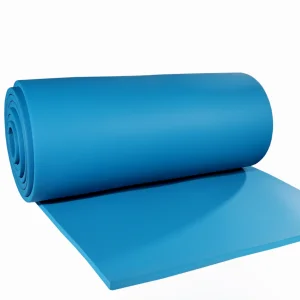
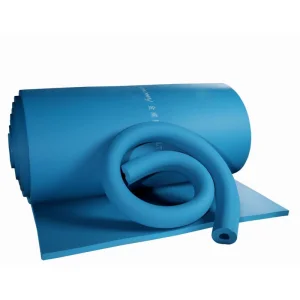
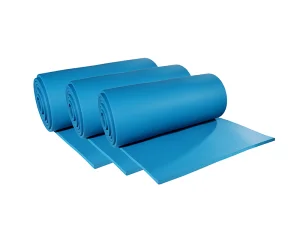
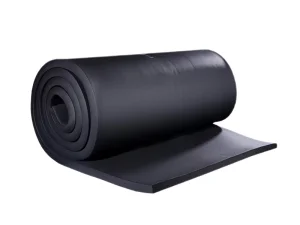
Browse our specialized range of elastomeric tubes, cryogenic rolls, and multi-layered insulation jackets designed for demanding engineering setups.
 Kingflex