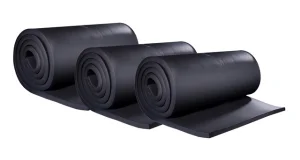
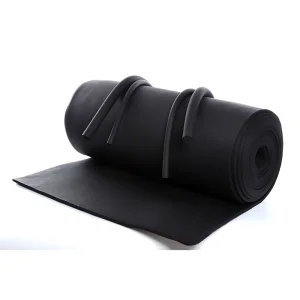
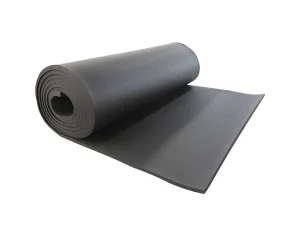
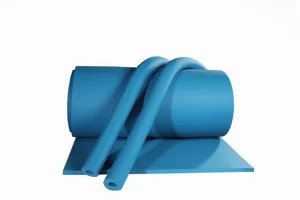
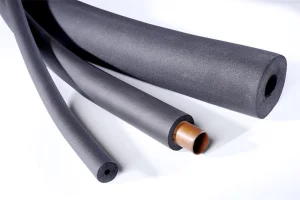
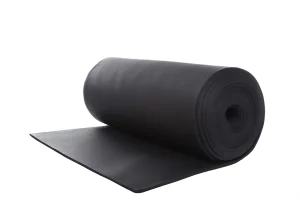
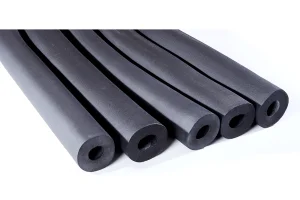
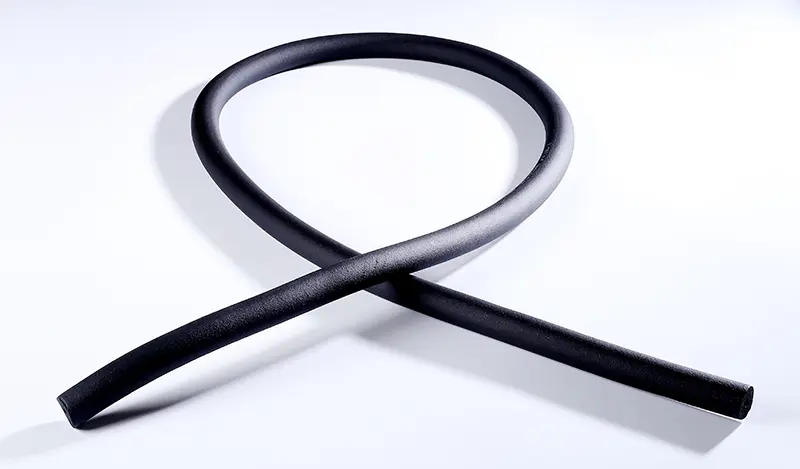
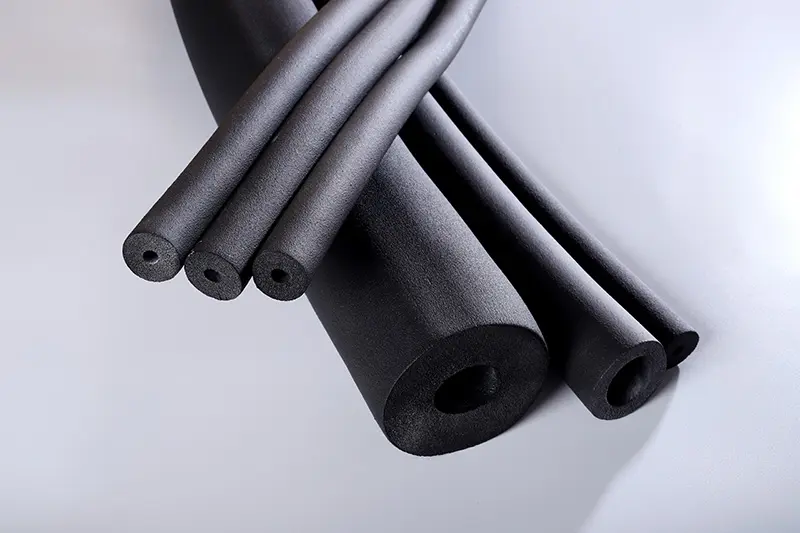
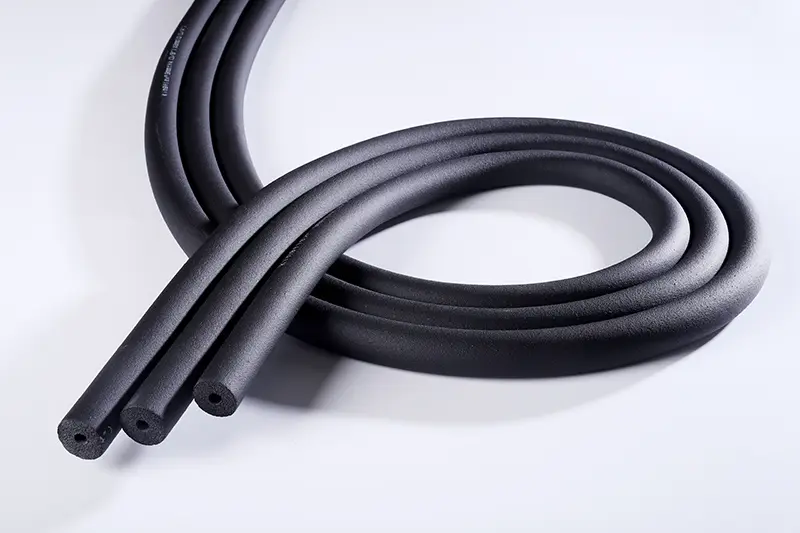
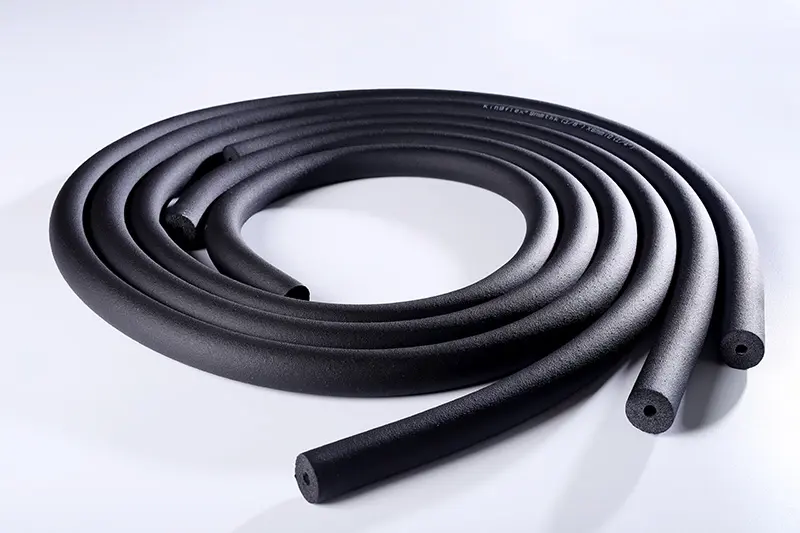
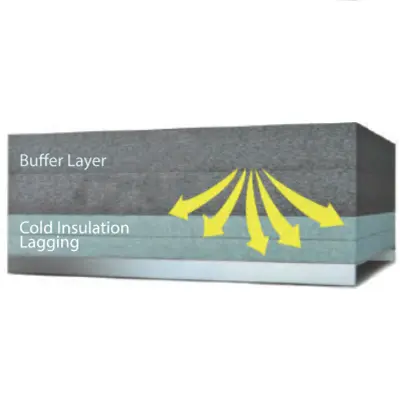
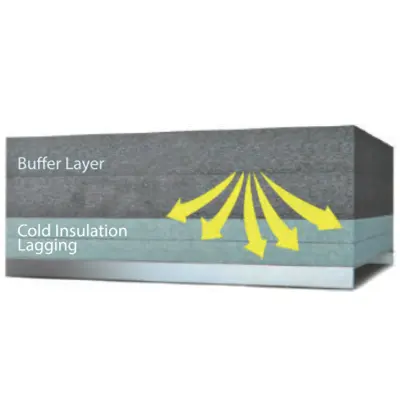
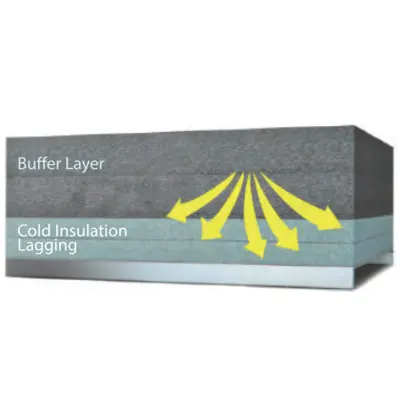
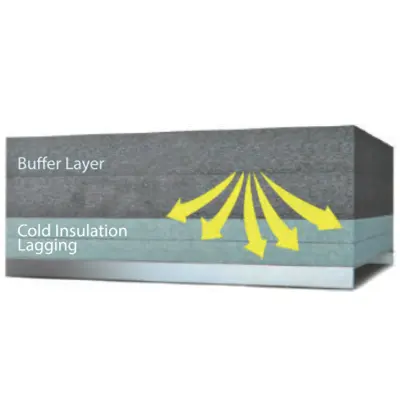
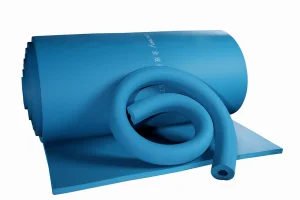
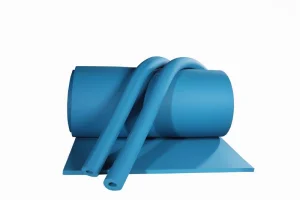
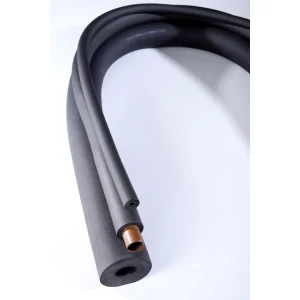
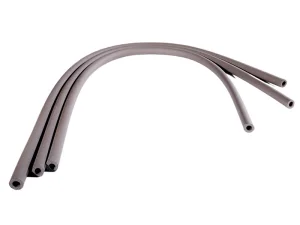
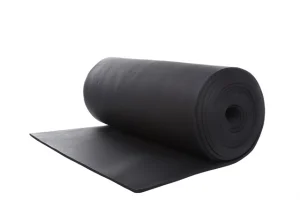
In modern building infrastructure and heavy industrial complexes, thermal efficiency, moisture control, and fire protection systems represent critical indicators of systemic durability. Among the materials selected for these purposes, NBR/PVC closed-cell elastomeric rubber foam insulation has emerged as a premier engineering standard. Exhibiting a microscopic matrix of uniform, independent gas cells, this material prevents heat exchange while demonstrating robust resistance to moisture vapor transmission.
As a leading global manufacturer, Kingflex Insulation Co., Ltd. produces structural components engineered to perform under extreme ambient conditions, spanning from cryogenic settings to high-temperature heating conduits. This technical report details the physical properties, manufacturing processes, application scenarios, and regional supply chain configurations defining modern black rubber foam insulation sheet rolls.
The performance of rubber foam insulation relies on the stability of its cell structure. The production process integrates nitrile butadiene rubber (NBR) and polyvinyl chloride (PVC) into a synthesized polymer matrix, which is then expanded using controlled chemical blowing agents.
The closed-cell configuration, with a closed-cell rate exceeding 98%, traps microscopic pockets of dry gas. This restricts convection within the cells, maintaining a low thermal conductivity rating (λ ≤ 0.034 W/m·K at 0°C).
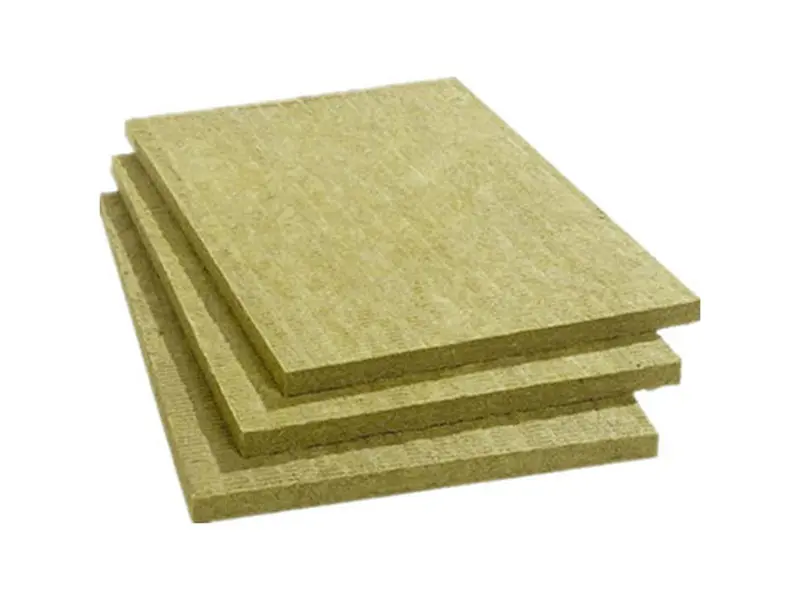
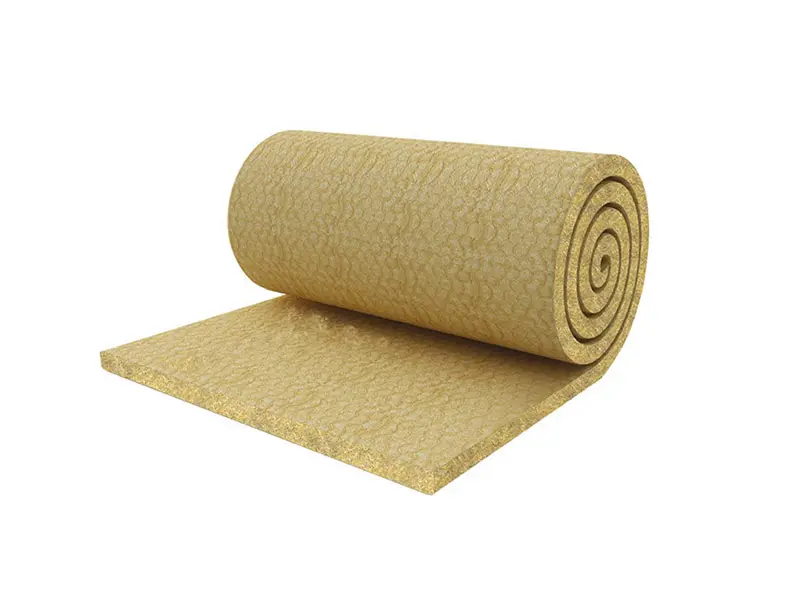
Traditional open-cell fibers like rock wool require external vapor barriers. NBR/PVC rubber foam features built-in resistance throughout its profile, maintaining thermal integrity even in high-humidity applications.
The elastomer matrix provides high vibration damping, flexibility, and a compression resilience rate exceeding 80%, allowing it to absorb expansion stresses in mechanical systems.
Selecting the appropriate insulation material requires balancing physical performance, installation parameters, and environmental durability. The table below compares the properties of closed-cell NBR/PVC foam with mineral rock wool:
| Performance Vector | NBR/PVC Elastomeric Rubber Foam | Mineral Rock Wool Insulation |
|---|---|---|
| Structural Composition | Microscopic closed-cell elastomeric matrix (>98% cell density) | Fibrous, open-pore inorganic mineral structures |
| Moisture Absorption | Near-zero moisture penetration; high vapor diffusion resistance | Prone to absorption; requires dedicated outer vapor barriers |
| Corrosion Prevention | Non-corrosive, prevents condensation-induced pipe corrosion | Can retain moisture against metal surfaces if wet |
| Dust and Fiber Hazard | Zero particulate shedding; compatible with cleanrooms | Releases airborne mineral fibers requiring PPE during handling |
| Installation Profile | Highly flexible, conforms easily to bends and complex geometries | Rigid or semi-rigid; requires mechanical pinning or wrapping |
Kingflex Standard Specifications:
• Material Base: Premium NBR/PVC Elastomeric Blend
• Thickness Range: 6mm to 50mm
• Core Density: 40 kg/m³ to 55 kg/m³
• Operating Temperature Limit: -40℃ to 105℃
Primary Advantages:
1. Uniform micro-foaming process ensuring a consistent >98% closed-cell structure.
2. Built-in moisture barrier for long-term thermal performance.
3. Dynamic compression resilience (>80%) to absorb mechanical vibration.
4. Self-extinguishing fire performance, compliant with building codes.
5. Low thermal conductivity and high moisture resistance factor (μ ≥ 10,000).
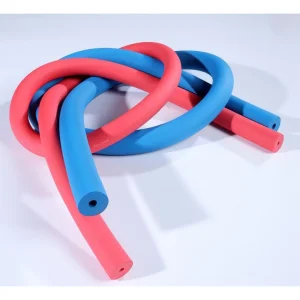
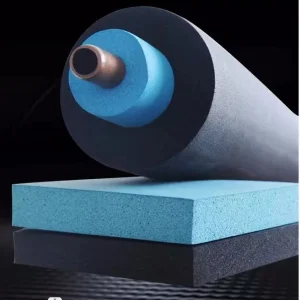
Kingflex Standard Specifications:
• Material Base: NBR/PVC Elastomeric Polymer Matrix
• Wall Thickness: 9mm to 40mm
• Inner Diameter (ID): 6mm to 114mm
• Core Density: 40 kg/m³ to 55 kg/m³
• Temperature Range: -40℃ to 105℃
Primary Advantages:
1. Uniform extrusion ensures consistent wall thickness and thermal properties.
2. Pre-slit and flexible options available for quick installation on new or existing systems.
3. Excellent elasticity protects pipes from freezing and cracking in cold environments.
4. Resistant to UV radiation, environmental weathering, and ozone degradation.
5. Smooth interior bore reduces friction and speeds installation over long pipe runs.
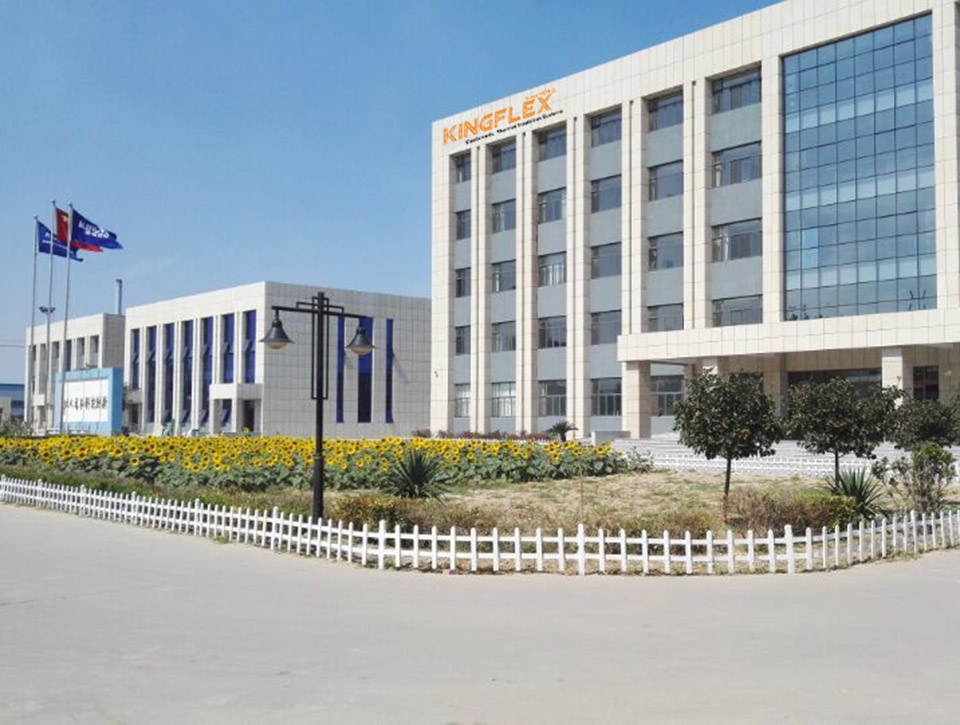
Kingflex Insulation Co., Ltd. is an integrated manufacturing and trading corporation focused on thermal insulation solutions. Our research, development, and production divisions are located in Dacheng, China—a hub for green building materials manufacturing.
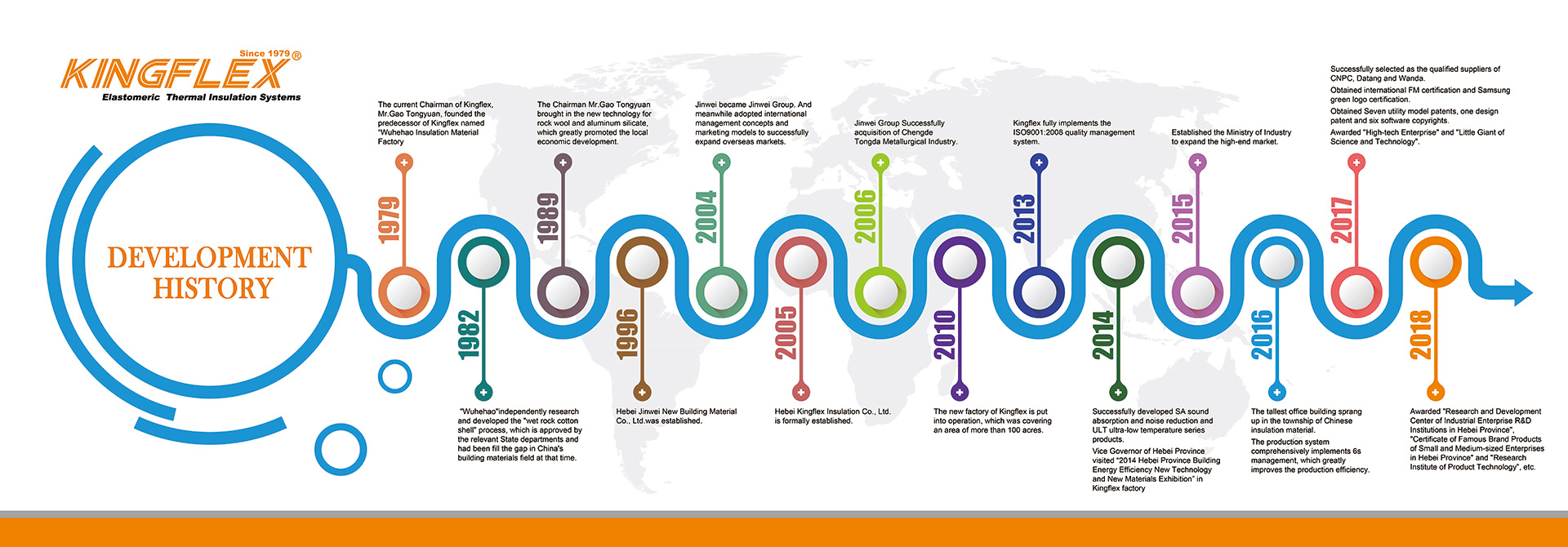
Established by the Jinwei Group, which brings over 40 years of industry experience (dating back to the establishment of the Kingway Group in 1979 as a thermal insulation pioneer north of the Yangtze River), Kingflex has grown to meet large-scale global demand.

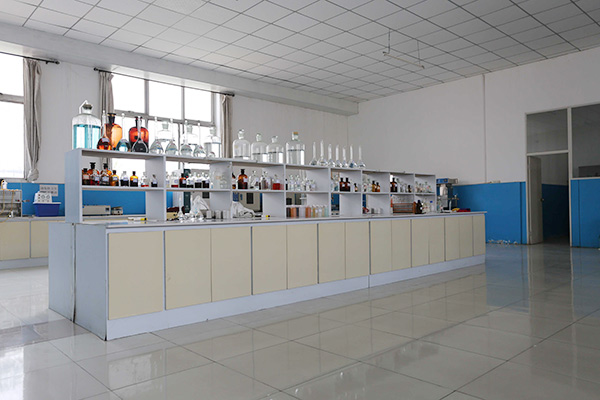
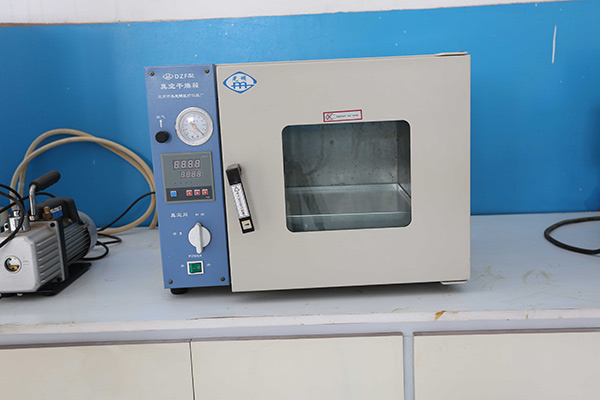
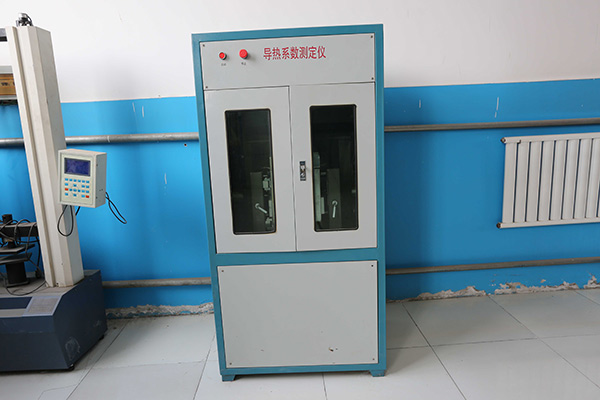
Our manufacturing facility operates 5 automated assembly lines with an annual production capacity exceeding 600,000 cubic meters. Kingflex is designated as a production enterprise by the Ministry of Energy, the Ministry of Electric Power, and the Ministry of Chemical Industry in China.
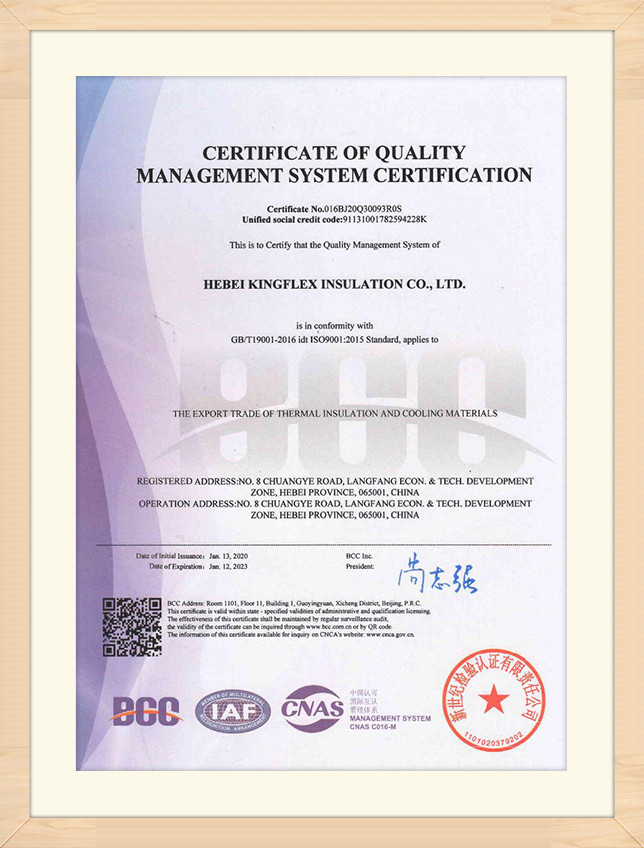
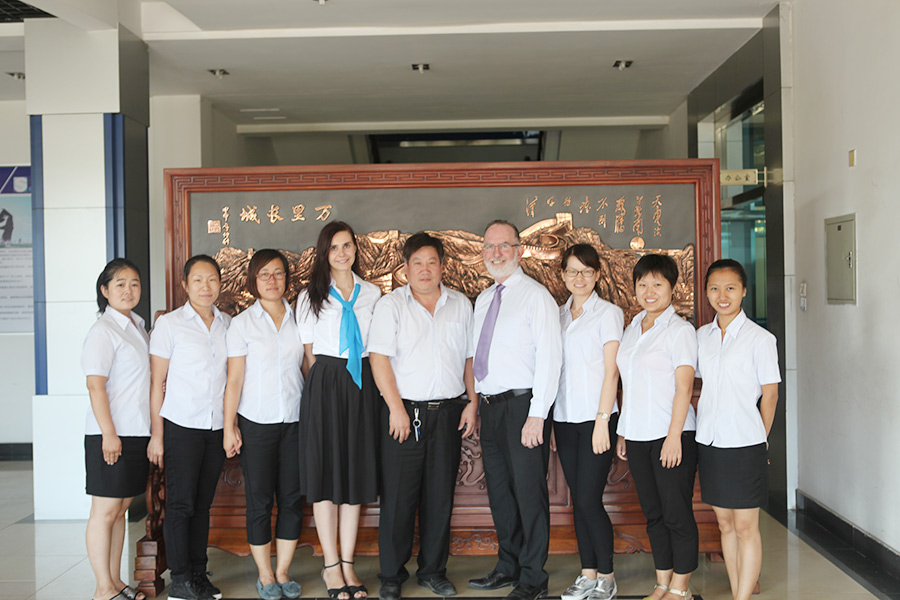
Our team includes 8 R&D engineers, 6 international sales specialists, and 230 production workers. Our systems are backed by international certifications including BS 476, CE, REACH, RoHS, UL94, and ASTM.
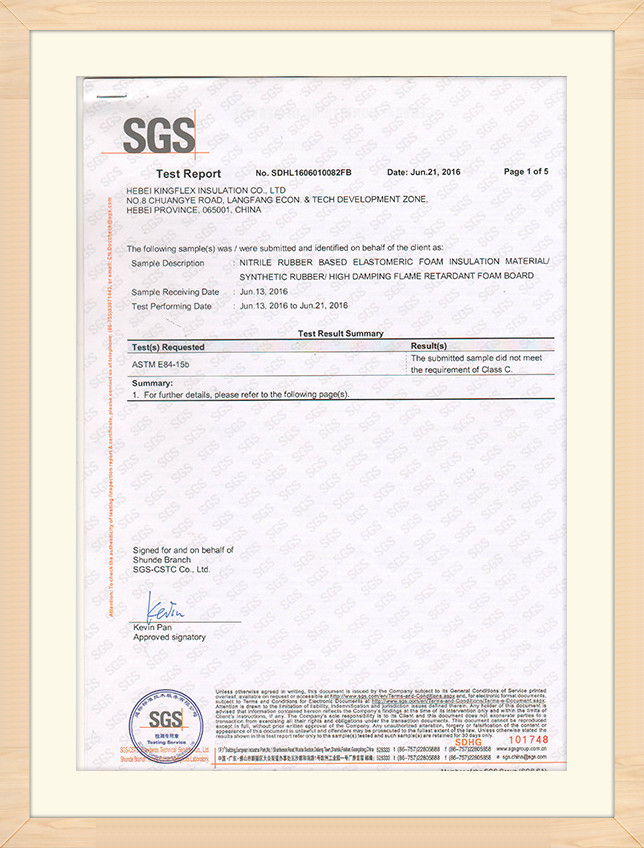
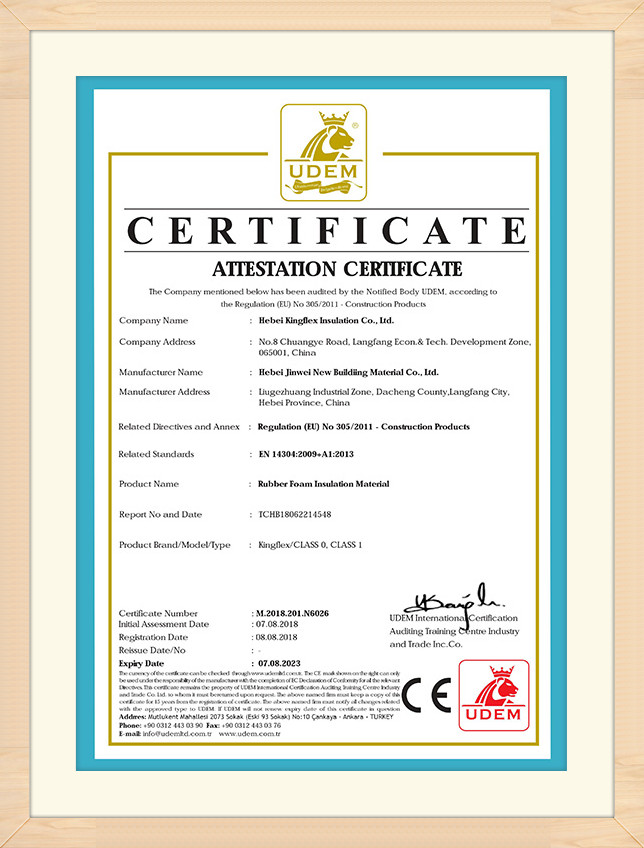
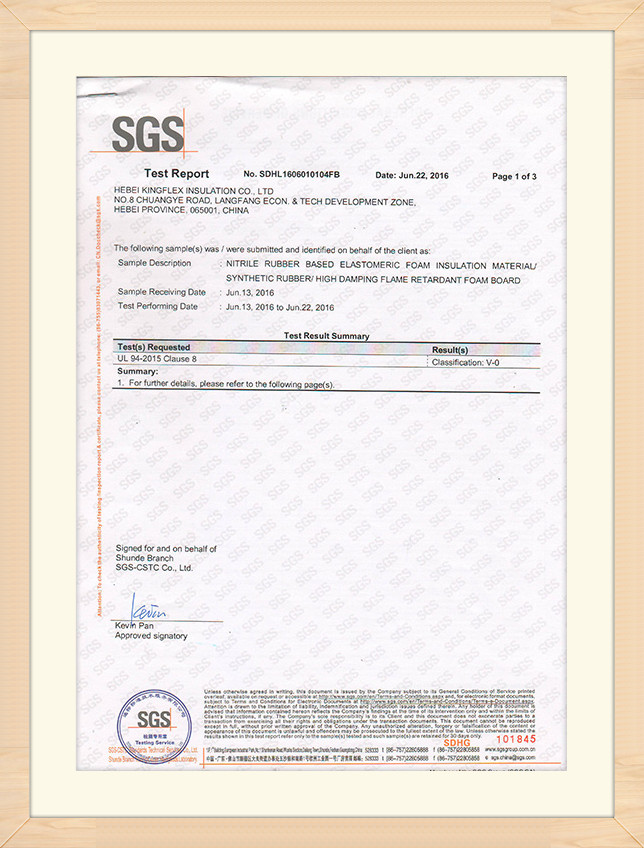
Kingflex elastomeric insulation is designed for projects across diverse environmental settings:


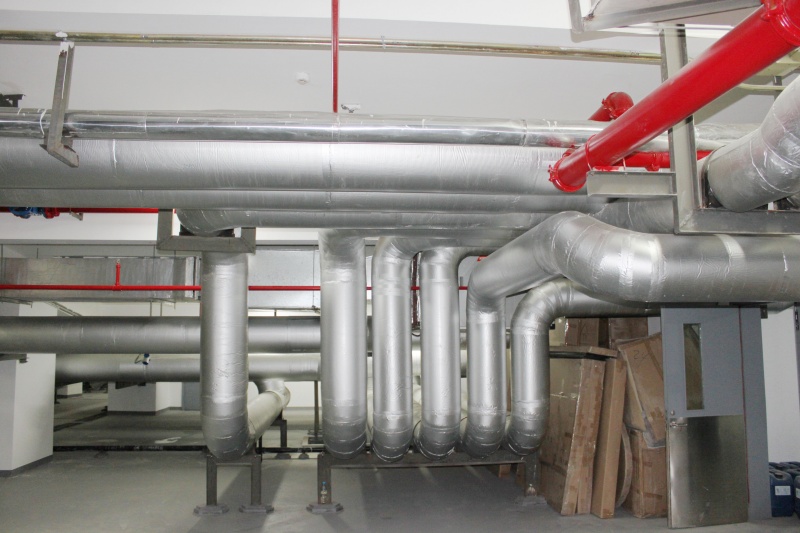
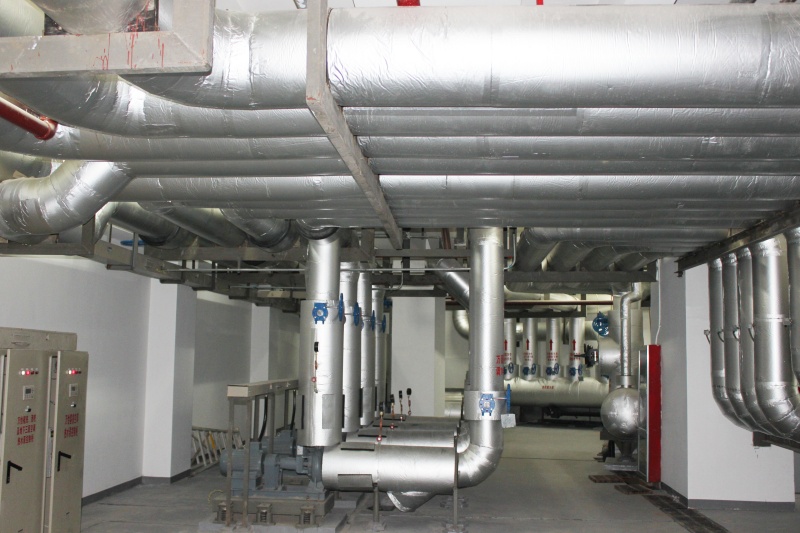
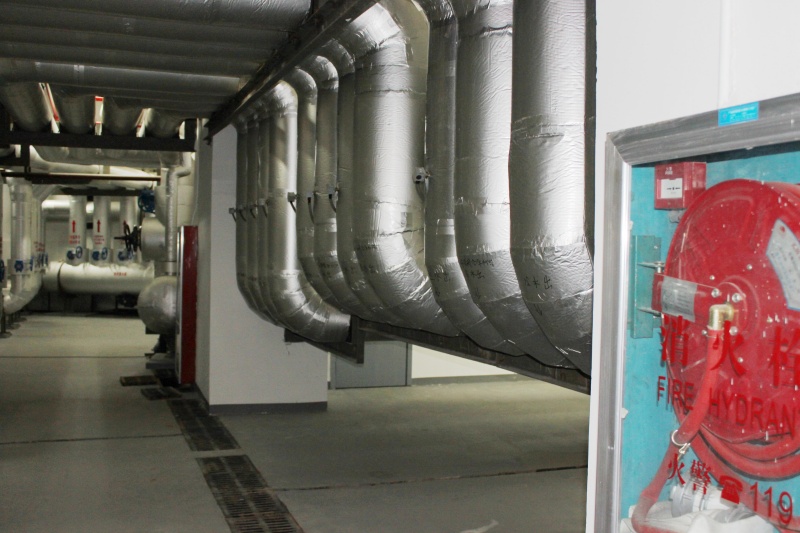
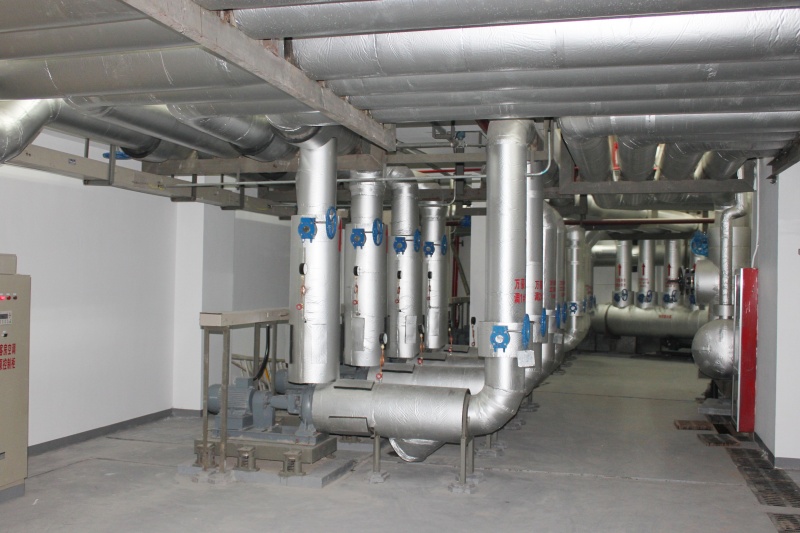
Our products are deployed in municipal networks, manufacturing plants, and commercial developments globally. Project site records and client feedback confirm their performance under various conditions:



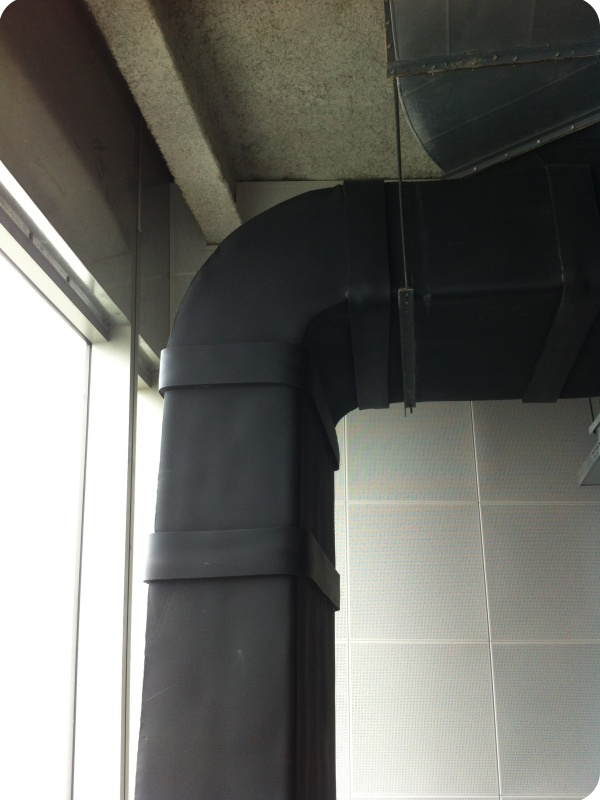

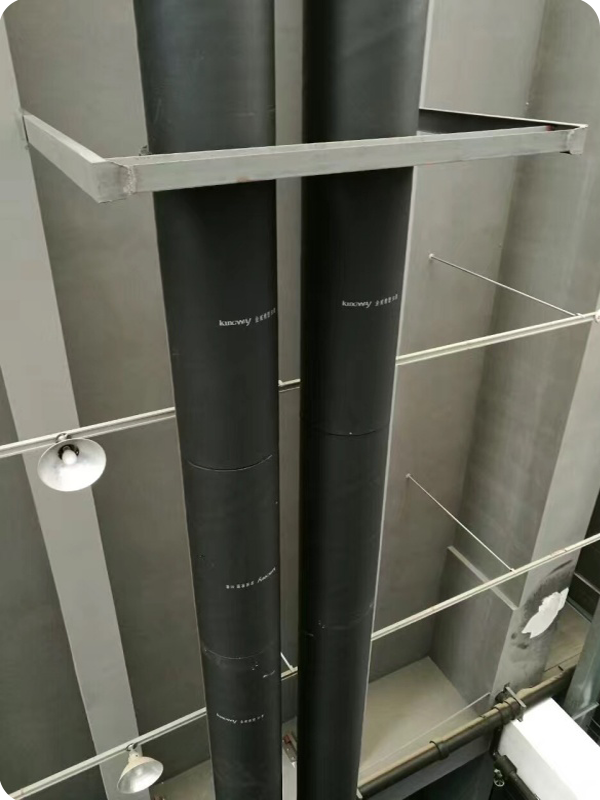
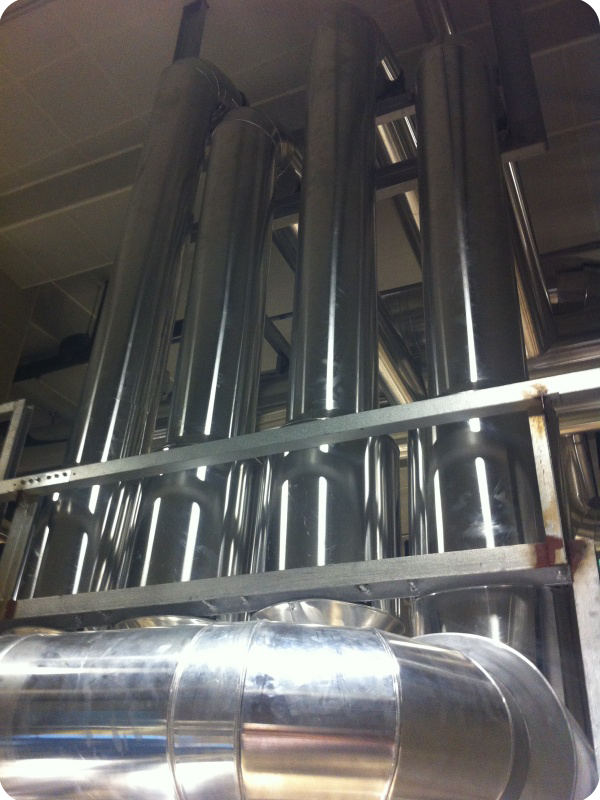
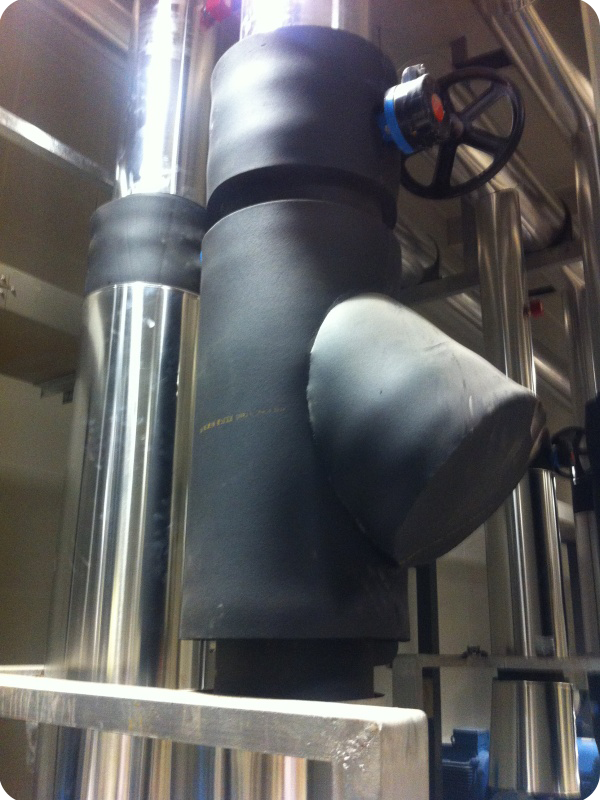
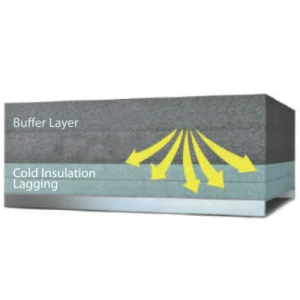
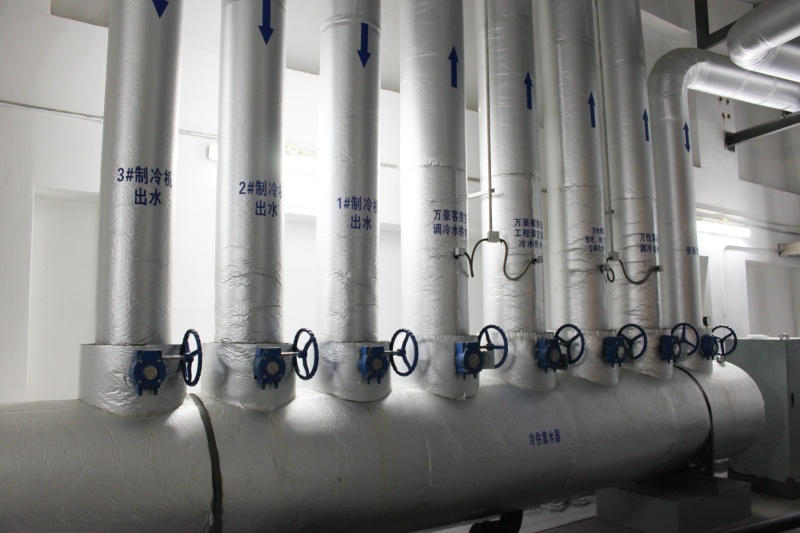
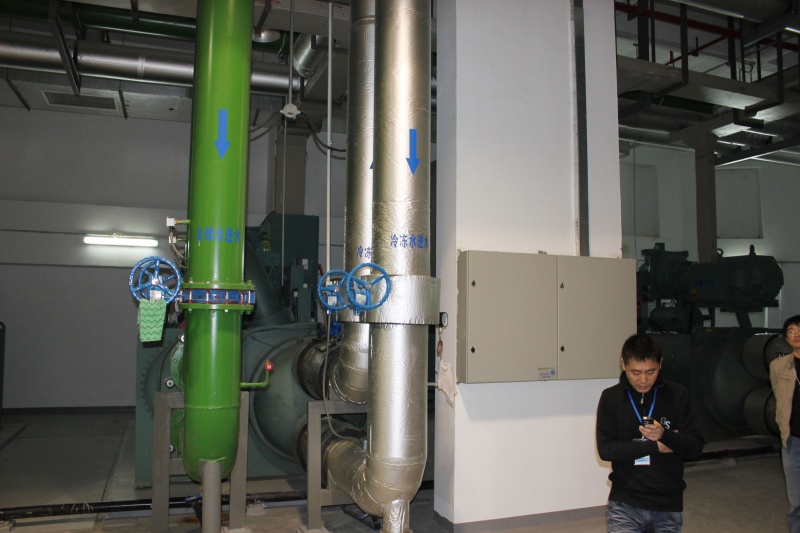
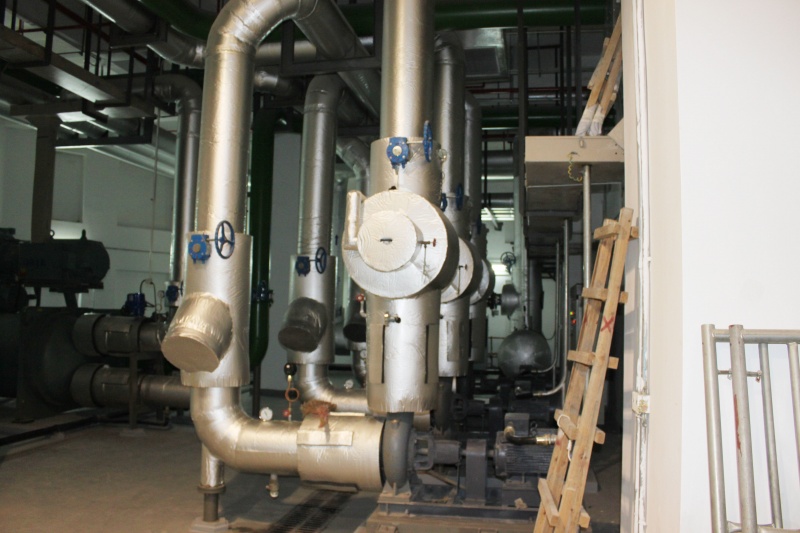
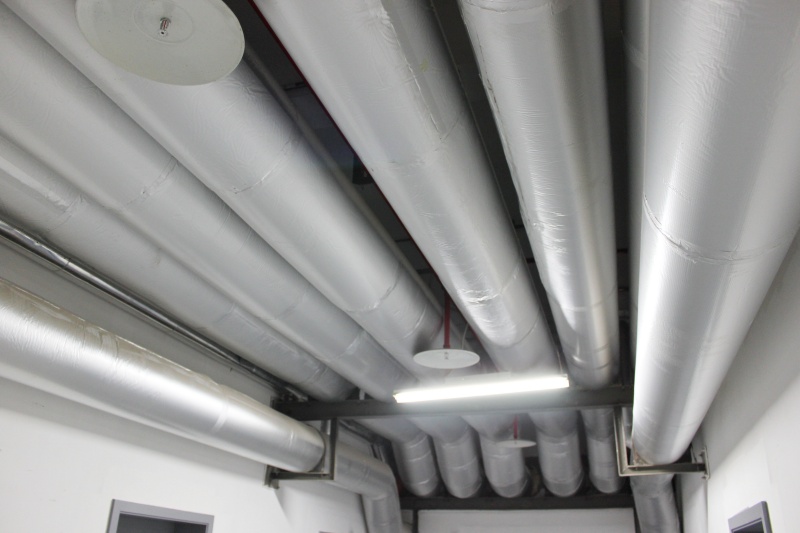
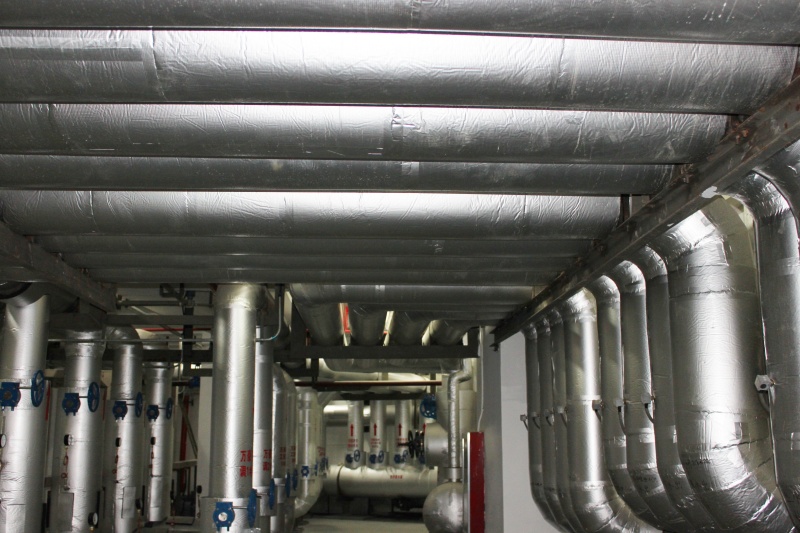
Elastomeric insulation is engineered to address condensation issues in chilled water applications. In these systems, if the surface temperature of the insulation drops below the ambient dew point, water vapor can condense on the surface.
Traditional porous materials like mineral wool are vulnerable to moisture infiltration, which can degrade their structure and lower their insulation properties. In contrast, NBR/PVC closed-cell rubber foam functions as a continuous barrier that resists moisture penetration throughout its thickness.
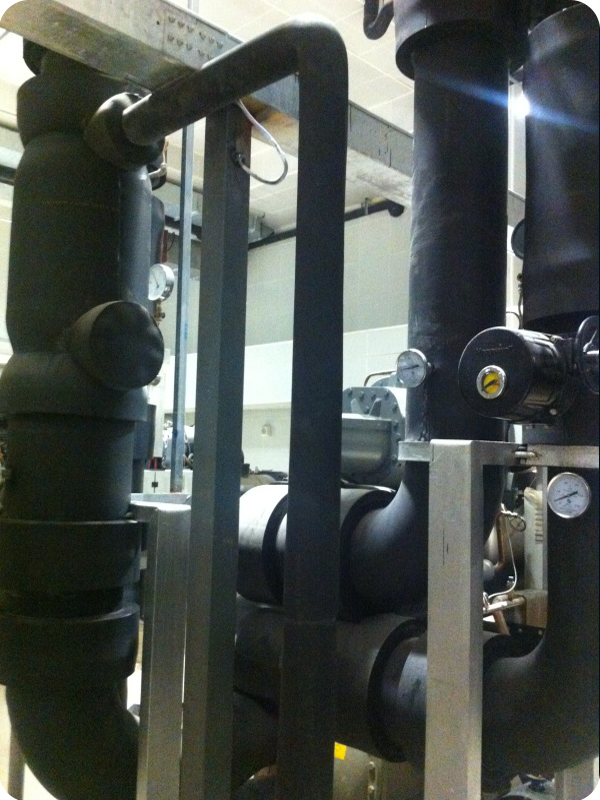

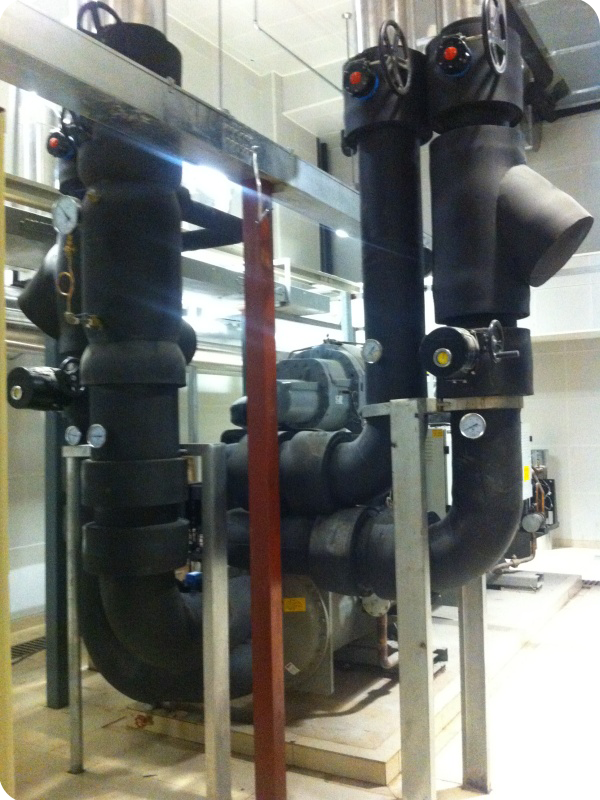
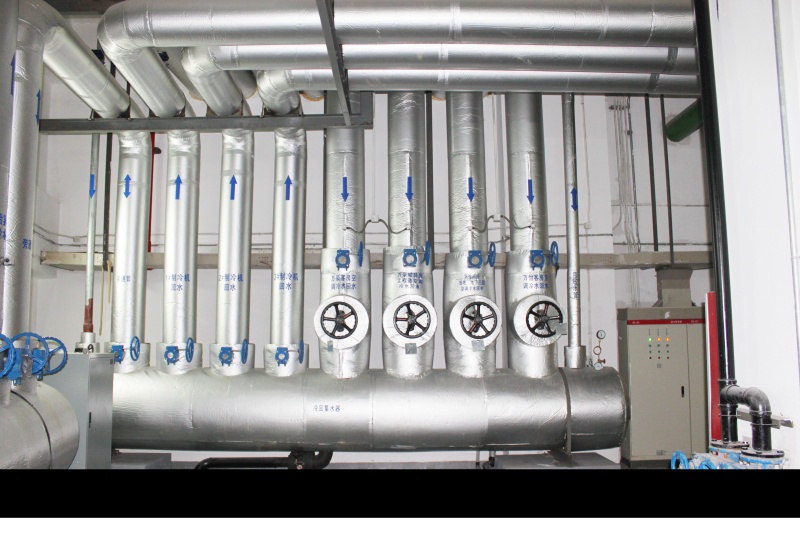


The production of rubber foam insulation sheets and tubes at Kingflex follows a multi-stage process designed to control physical properties and material consistency:
At Kingflex, we offer end-to-end service designed to support our global distribution partners:
Contact our technical engineering team for raw material specifications, flame-retardant certifications, sample requests, and wholesale factory quotes.
Request Technical Quotation Kingflex