Explore our leading collection of professional-grade Nitrile Butadiene Rubber (NBR) insulation systems, featuring superior moisture resistance and thermal stability.
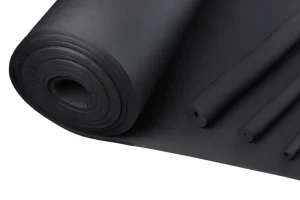
High closed-cell structure offering elite water vapor barrier properties for structural envelope applications.
Get Quote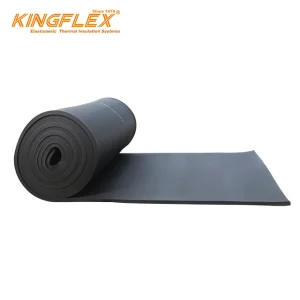
Engineered elastomeric foam designed for extreme cryogenic processing and pipeline safety mitigation.
Get Quote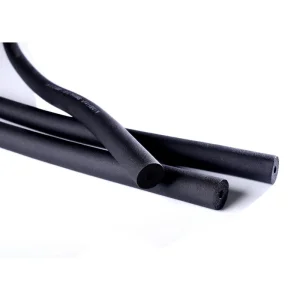
Reliable closed-cell elastomeric material with standard-setting low thermal conductivity.
Get Quote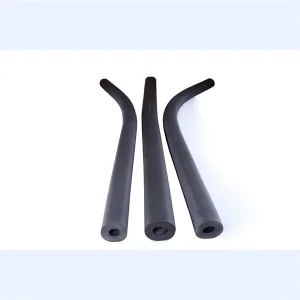
Flexible insulation tubes built to reduce energy loss on commercial copper piping lines.
Get Quote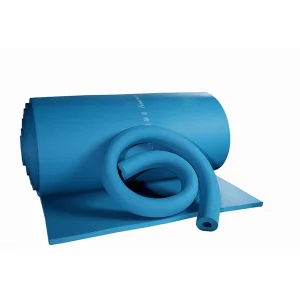
High-durability elastomer configurations optimized for LNG and cryogenic pipeline networks.
Get Quote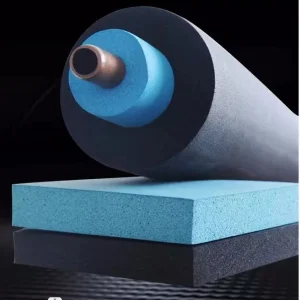
Provides consistent thermal barrier and structural flexibility under deep thermal cycles.
Get Quote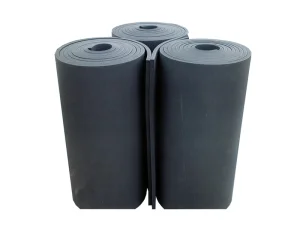
A balanced synthetic rubber blend showcasing enhanced UV resistance and tensile strength.
Get Quote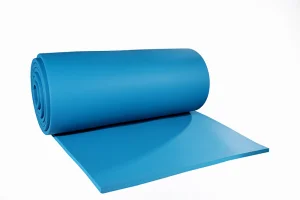
Custom-thickness synthetic rubber sheets providing premium protection for industrial pipes.
Get QuoteIn modern industrial design, building science, and large-scale thermal management, heat loss and condensation control are critical variables directly affecting overall operational efficiency. Nitrile Butadiene Rubber (NBR) insulation, specifically modified with polyvinyl chloride (PVC), represents the apex of flexible, closed-cell insulation technology. This material meets the performance demands of harsh environments where traditional mineral wool, fiberglass, or rigid foam materials fall short.
As carbon neutrality mandates reshape the construction and industrial manufacturing sectors, the demand for high-performance insulation has shifted from basic thermal barriers to comprehensive systems. Kingflex Insulation Co., Ltd. is positioned at the intersection of material innovation and high-volume, reliable production, providing custom-engineered NBR/PVC insulation configurations to address these global industry dynamics.
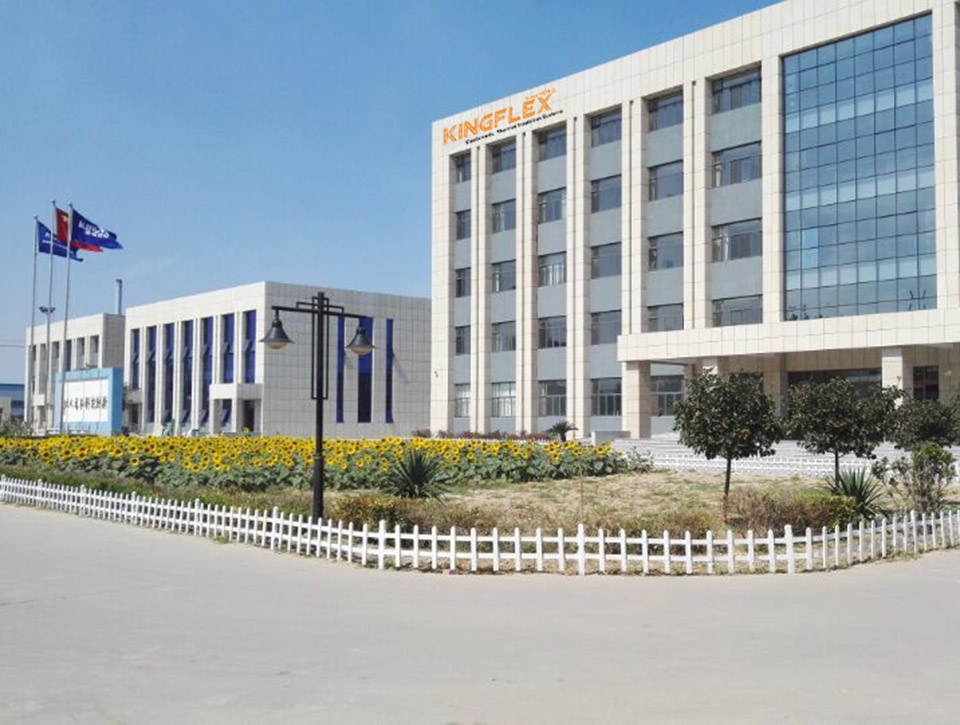
Analyzing the cellular architecture, micro-porosity, and physical metrics of Supreme Nitrile Rubber.
Our Supreme Nitrile Rubber products are manufactured using a specialized vulcanization process that creates a closed-cell rate of over 98%. Each tiny cell contains clean, stagnant air, which prevents heat transfer by convection. The non-porous structure resists moisture penetration, ensuring the thermal conductivity (λ value) remains low and stable throughout the material's service life.
| Physical Property | Standard Specification (NBR/PVC Sheet & Tube) | Test Protocol Reference |
|---|---|---|
| Density Range | 40 - 55 kg/m³ | ASTM D1622 / ISO 845 |
| Thermal Conductivity (λ) | ≤ 0.034 W/(m·K) at 0°C | ≤ 0.038 W/(m·K) at 40°C | ASTM C518 / ISO 8301 |
| Service Temperature Range | -40°C to +105°C (Cryogenic variants down to -196°C) | ASTM C411 / EN 14707 |
| Water Vapor Permeability (μ) | ≥ 10,000 (Resistance Factor) | BS EN 12086 / ASTM E96 |
| Fire & Flammability Safety | Class 0 & Class 1, Self-Extinguishing, Low Smoke Density | BS 476 Part 6 & 7 / UL 94 V-0 / ASTM E84 |
| Compression Resilience Rate | ≥ 80% recovery after constant deformation | ASTM D1056 |
| Environmental Toxicity | Halogen-Free, CFC-Free, Zero Ozone Depletion Potential (ODP) | REACH / RoHS Compliance |
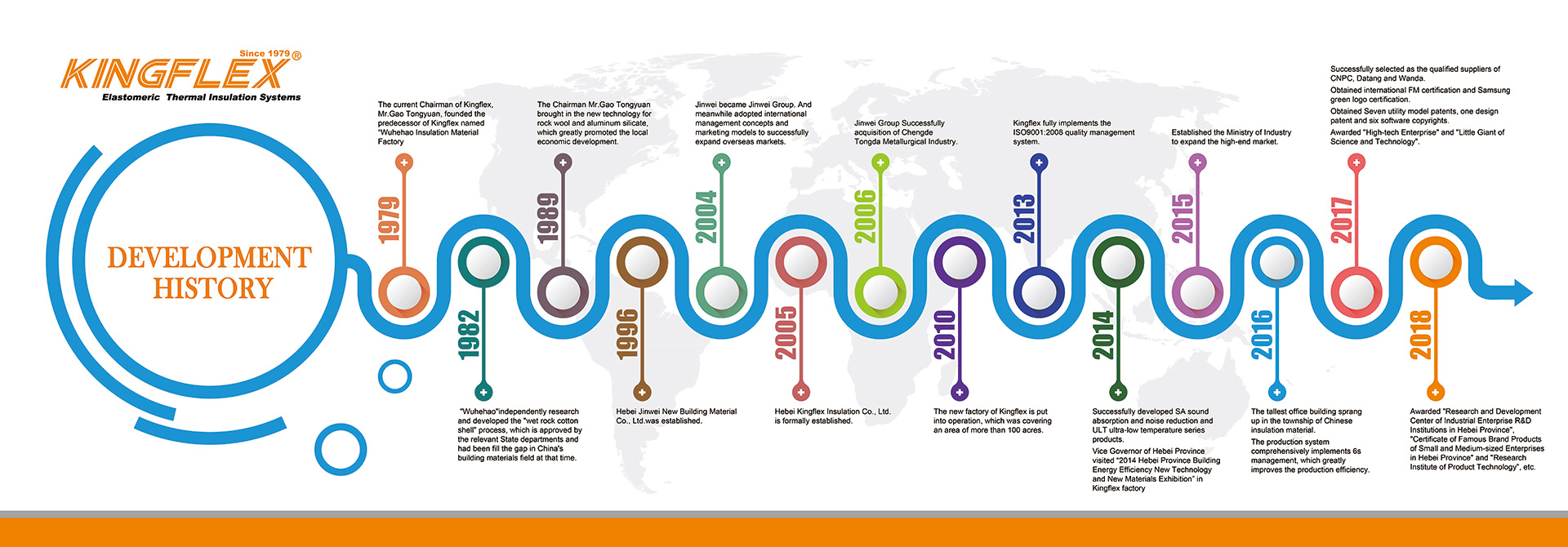
Kingflex was established by the Jinwei Group, which has a manufacturing history spanning over 40 years. Established in 1979, the group was the first thermal insulation manufacturer north of the Yangtze River. Decades of research have refined our vulcanization processes, allowing us to combine synthetic Nitrile Butadiene Rubber (NBR) and Polyvinyl Chloride (PVC) into a durable, flexible elastomeric matrix.
By optimizing the molecular weight distribution of the rubber base, we improve both flame retardancy and resistance to mechanical degradation. This makes the material suitable for long-term use in high-vibration applications, such as chiller plants and industrial pipeline networks.
How automation and advanced manufacturing control consistent density and quality in large-scale production.
Kingflex operates 5 high-volume automatic assembly lines, delivering an annual production capacity of over 600,000 cubic meters. These manufacturing processes are recognized by the Ministry of Energy, the Ministry of Electric Power, and the Ministry of Chemical Industry, establishing Kingflex as a key supplier for high-standard national infrastructure and global industrial projects.
Our automation control loop uses continuous laser-monitoring systems to measure sheet and tube wall thickness down to fractions of a millimeter. This real-time process monitoring ensures consistent thermal performance and helps avoid thin spots that can cause surface condensation and localized energy loss.
Our operation is supported by 230 manufacturing specialists, 6 international sales consultants, and an engineering team in our dedicated Research and Development department. This team focuses on improving thermal performance, flame-retardant additives, and cryogenic capabilities.
By maintaining control over our compound formulations, we can adapt product batches to specific requirements. This includes modified density ranges, custom adhesive backing, or protective weather-resistant outer jackets for outdoor pipelines.

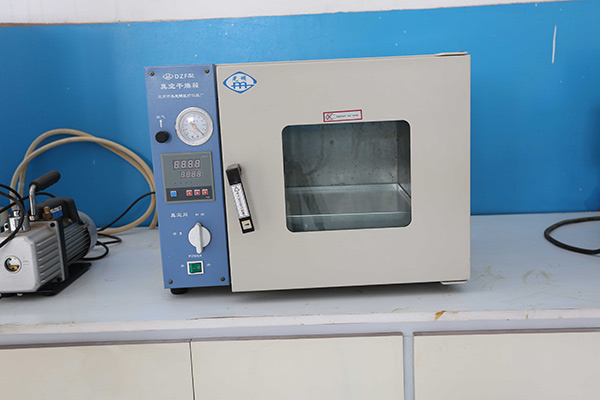
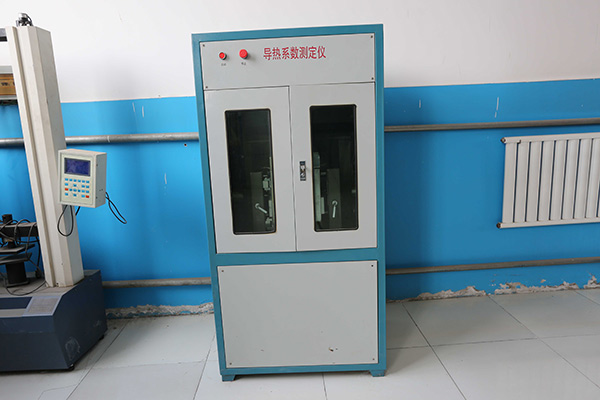
Innovative elastomer developments designed to meet evolving industrial requirements.
As industrial processes operate under increasingly demanding parameters, standard NBR/PVC blends are being augmented. Kingflex's engineering team is actively researching three distinct material technologies designed for next-generation systems:
Typical elastomeric insulation products utilize halogenated flame retardants (chlorine and bromine) to achieve fire safety ratings like BS 476 Class 0. While highly effective, these additives release toxic smoke under extreme heat. Our upcoming halogen-free NBR line uses organic phosphorus-nitrogen compounds and mineral flame retardants, ensuring low smoke toxicity in high-density areas, public transit, and offshore platforms.
By infusing silica aerogel particles directly into the elastomeric matrix, we aim to lower the thermal conductivity limit of flexible insulation down to 0.028 W/(m·K). This composite material will allow thinner insulation profiles to achieve the same performance, which is valuable in tight spaces like marine bulkheads or crowded pipe racks.
Standard NBR becomes brittle and cracks at cryogenic temperatures. Kingflex's modified diene and olefin-elastomeric formulations maintain structural flexibility at temperatures down to -196°C. This allows these materials to be used in liquefied natural gas (LNG) pipe systems, where they help prevent thermal stress cracking and control boil-off gas rates.
How flexible closed-cell rubber systems perform across varied sectors.
Insulation requirements vary significantly between commercial buildings, chemical processing facilities, and deep-freeze logistics networks. Kingflex systems are engineered to address the specific performance needs of these diverse environments:
Condensation on cold piping can lead to building mold and structural degradation. Our closed-cell vapor barrier limits moisture penetration, protecting copper pipe runs in commercial and residential properties.
Deep sub-zero fluid transportation requires insulation that handles significant thermal contraction. Kingflex cryogenic solutions protect industrial pipe runs from frost formation and mechanical wear.
The viscoelastic properties of our NBR matrix absorb mechanical vibration and noise, making it suitable for lining air ducts, engine rooms, and waste pipes in hotels and hospitals.
A comprehensive overview of our elastomeric and mineral-based insulation systems.
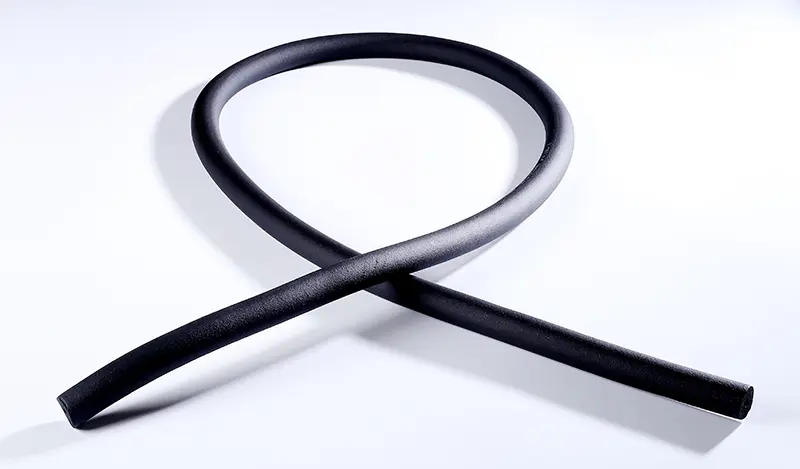
Standard pipe insulation designed for fast installation on HVAC copper lines.
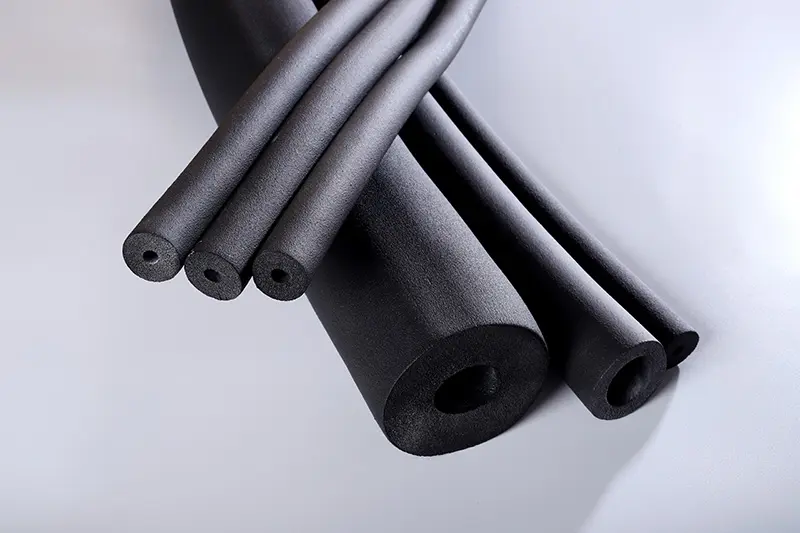
Formulated to protect steel and copper pipelines from corrosion under insulation (CUI).
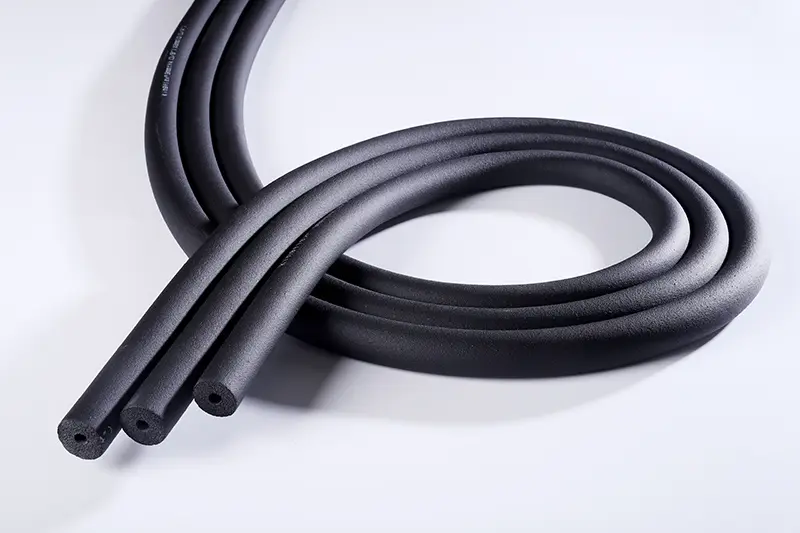
High flexibility pipes that bend easily around elbows and complex fittings.
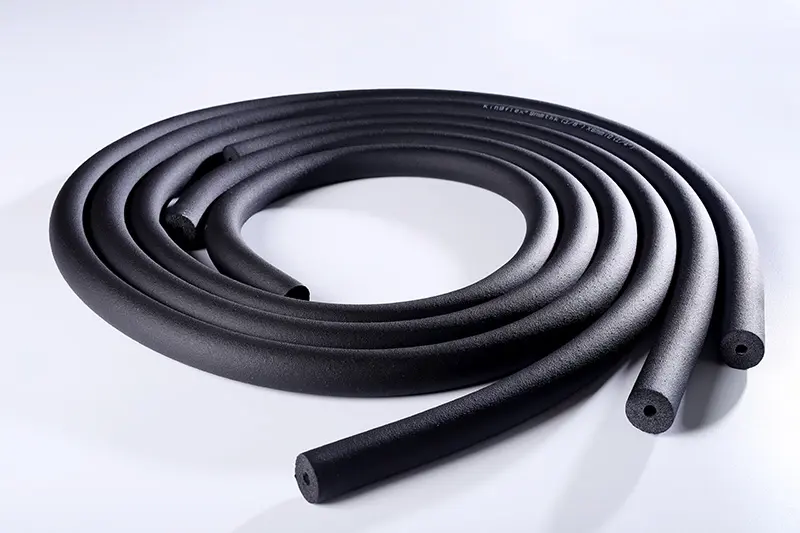
Dense, UV-stable outer surface suitable for exposed pipe designs.

Multi-purpose insulation for building utilities and process automation piping.

Optimized for residential heat pumps and commercial ventilation units.
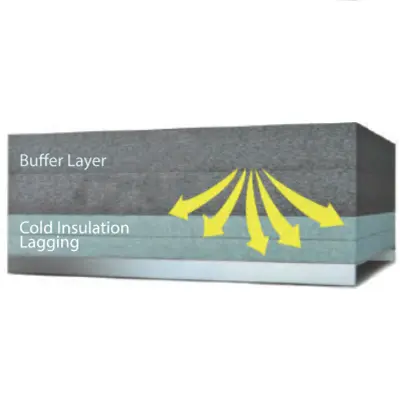
An integrated insulation system including adhesive, tape, and precision pre-cut sheets.
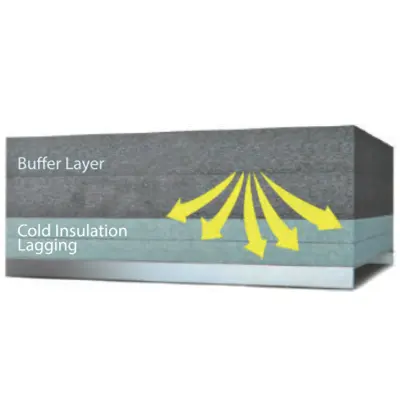
Modified formulation optimized for extreme temperature drops and industrial cold storage.
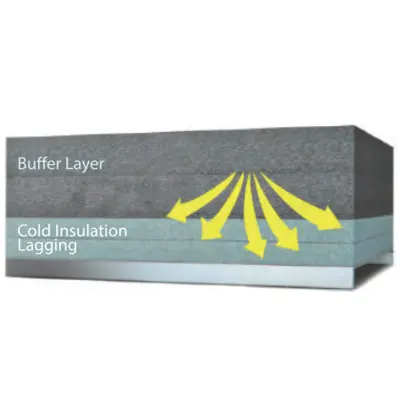
High-density cryogenic barrier for chemical processing pipelines.
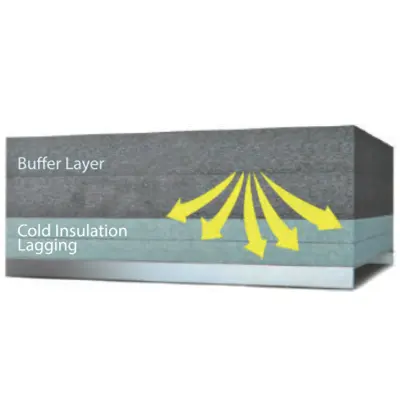
Provides thermal stabilization and crack resistance down to -196°C.
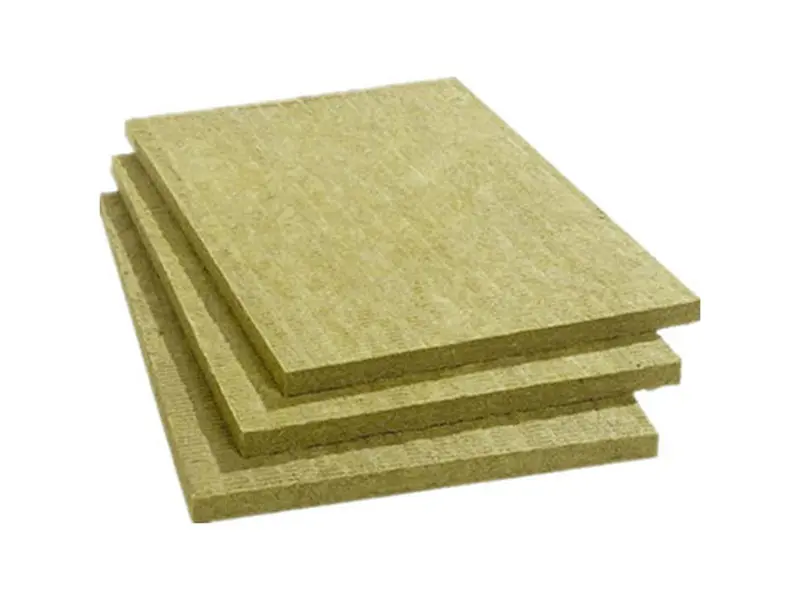
High-density mineral fibers designed for industrial furnace and high-heat insulation.
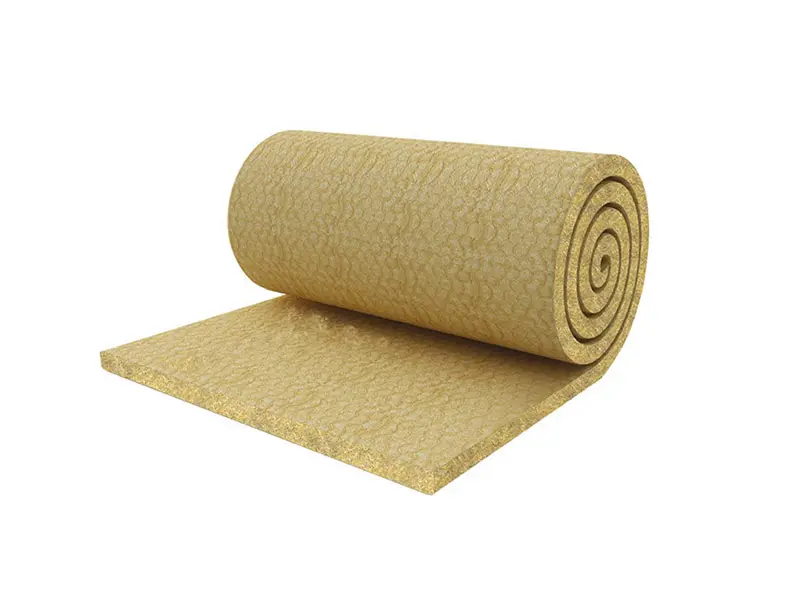
Flexible high-temperature insulation blanket for large vessels and thermal exhausts.
Navigating the procurement process, transport packing, and bulk shipping dynamics.
For international projects, purchasing elastomeric foam insulation involves evaluating factors beyond the initial price per cubic meter. Bulk volume transportation can impact logistics budgets. Because flexible rubber foam contains a high ratio of closed air cells, shipping uncompressed material means paying to transport air.
Kingflex offers compression-packing options for overseas shipments. Our sheet rolls can be vacuum-packaged and rolled under tension to reduce their volume for transport. Once opened at the job site, the material recovers over 98% of its original thickness within hours, reducing shipping volume requirements and overall ocean freight costs.
When requesting quotes, engineering buyers should provide precise dimensional requirements (inner diameter and wall thickness for tubes, thickness and length for sheets) along with the project's local fire safety standards. This helps our R&D team verify that the supplied foam chemistry meets local building code requirements.
Verified testing protocols ensuring product quality and traceability for global installations.
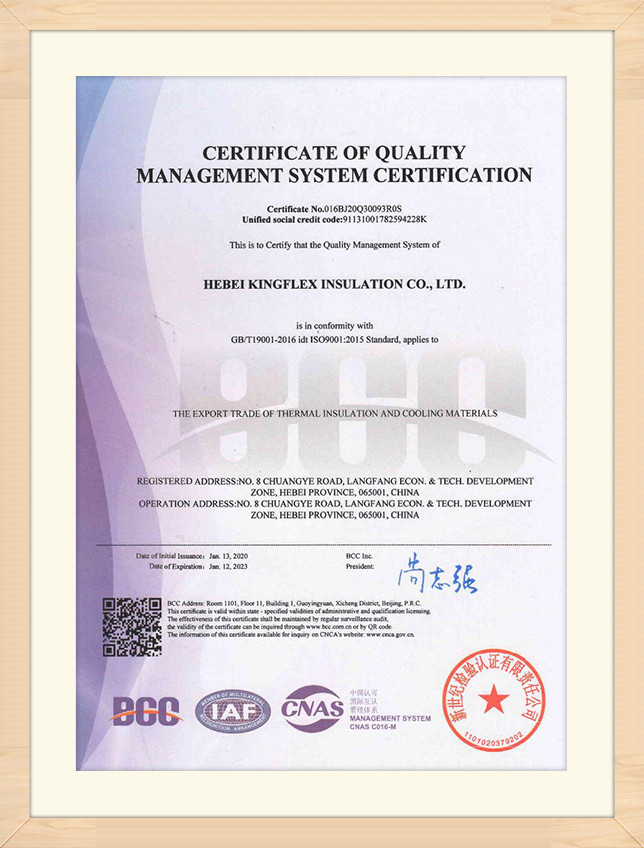
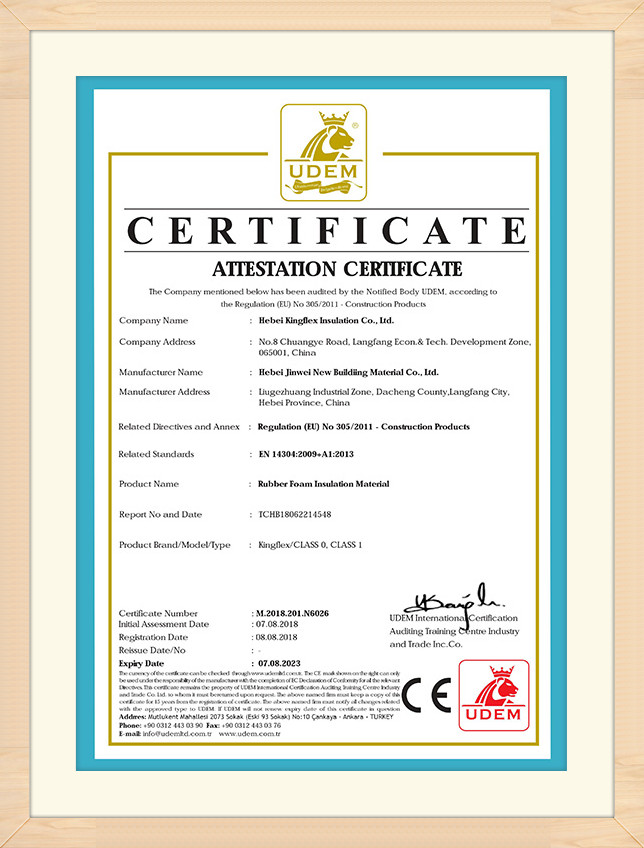
Kingflex products are manufactured to meet recognized global compliance standards, which simplifies approval processes with local building authorities and insurance inspectors. Our manufacturing plant holds ISO 9001 and ISO 14001 certifications, reflecting our focus on consistent product quality and environmental management.
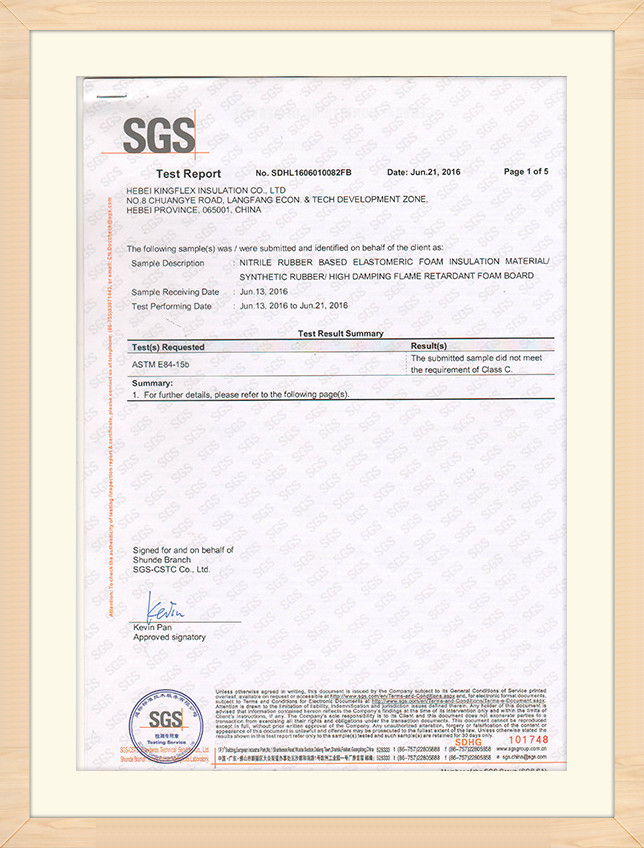
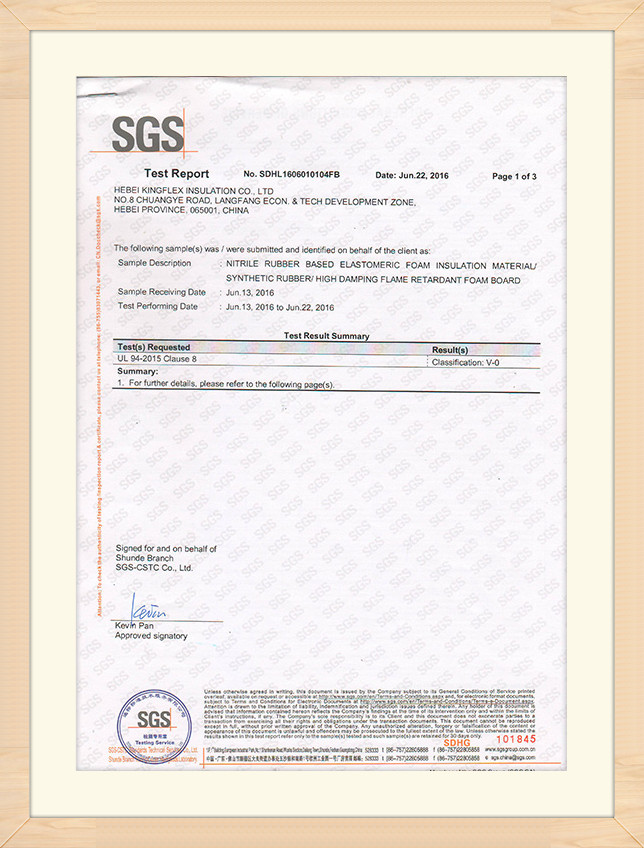
Our elastomeric formulas are tested to meet several international fire safety and chemical safety regulations. This includes testing for flame spread and smoke development, as well as verification that the materials do not contain hazardous chemical additives.
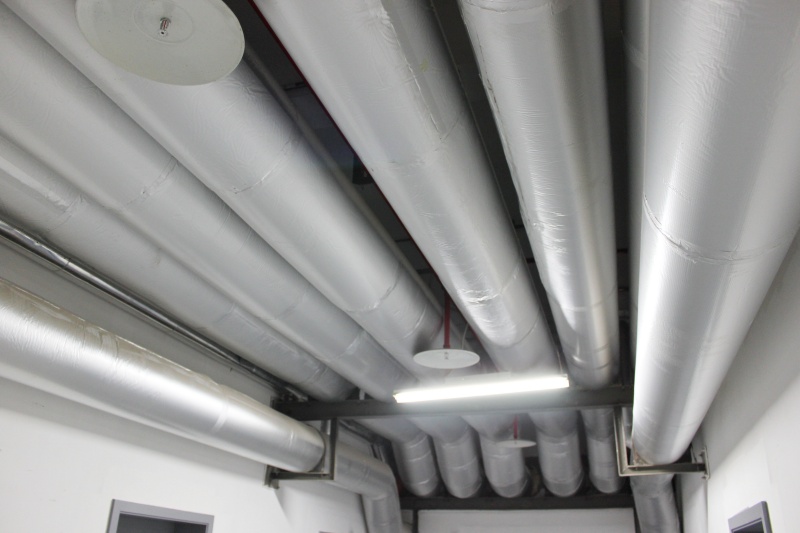
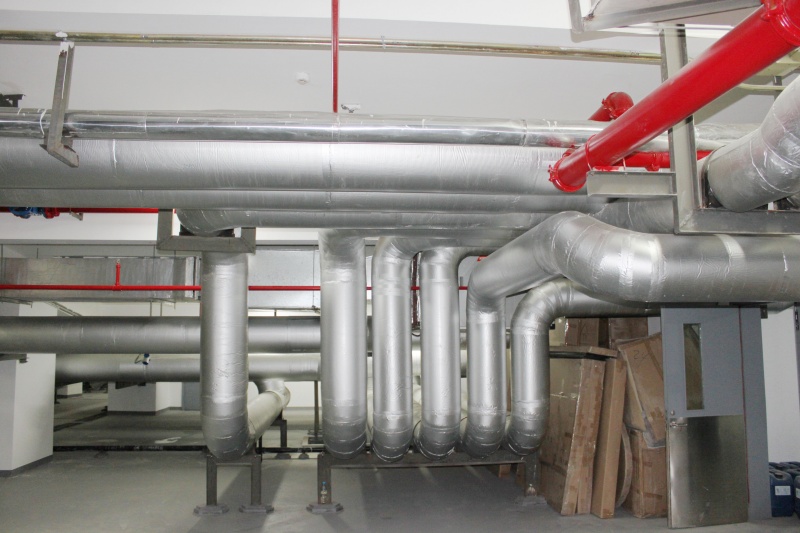
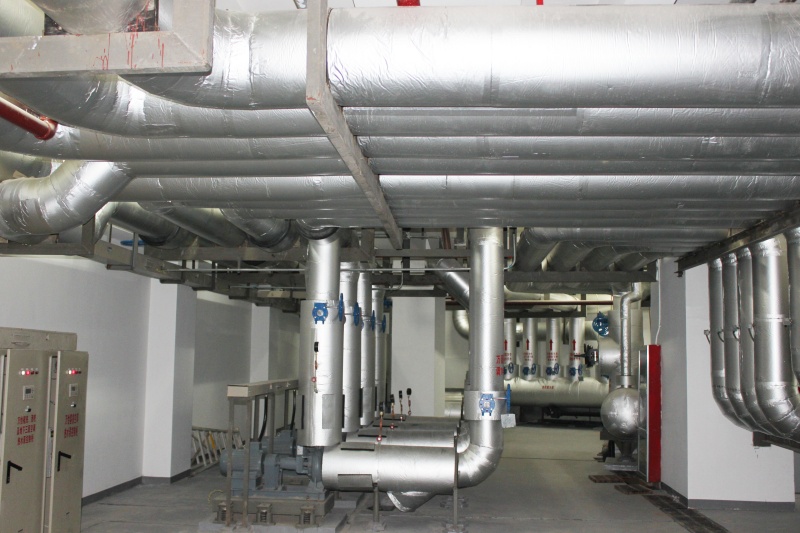
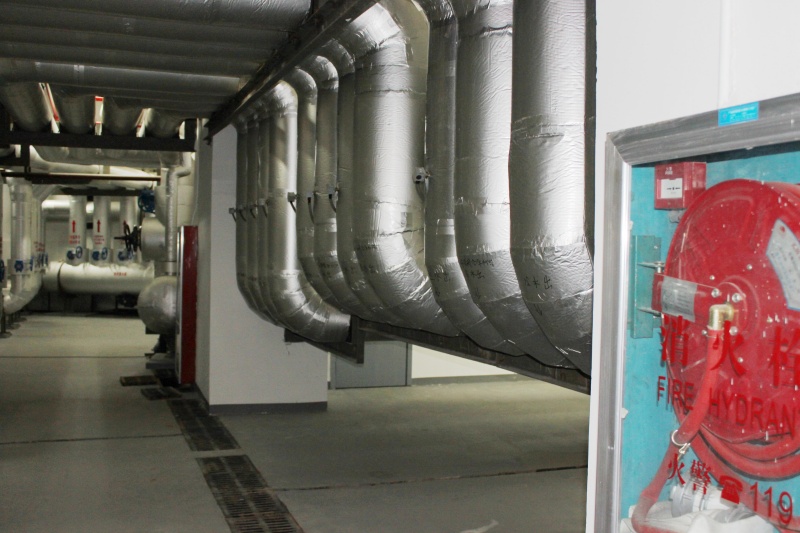
Kingflex insulation systems applied across municipal, industrial, and high-performance commercial construction.
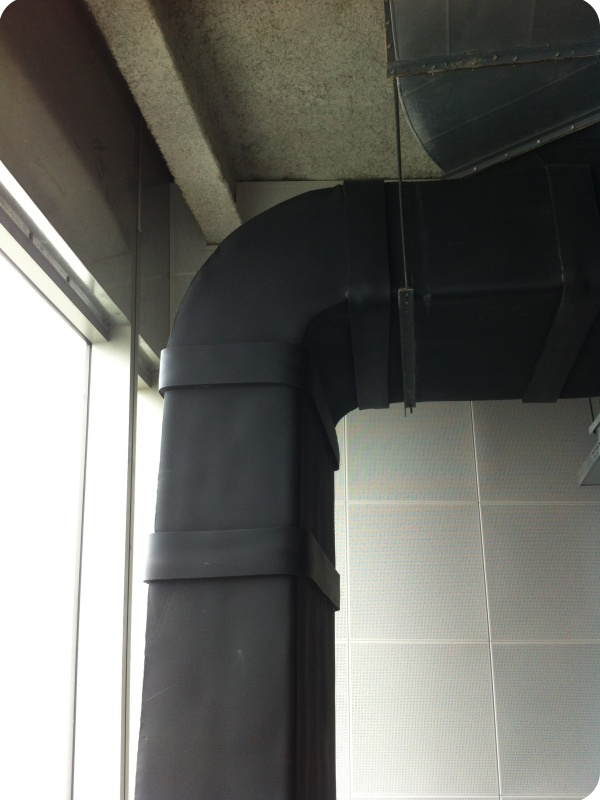
Application of our Black Rubber Foam Pipe insulation in a high-temperature industrial steam and process loop, reducing pipe corrosion risks.

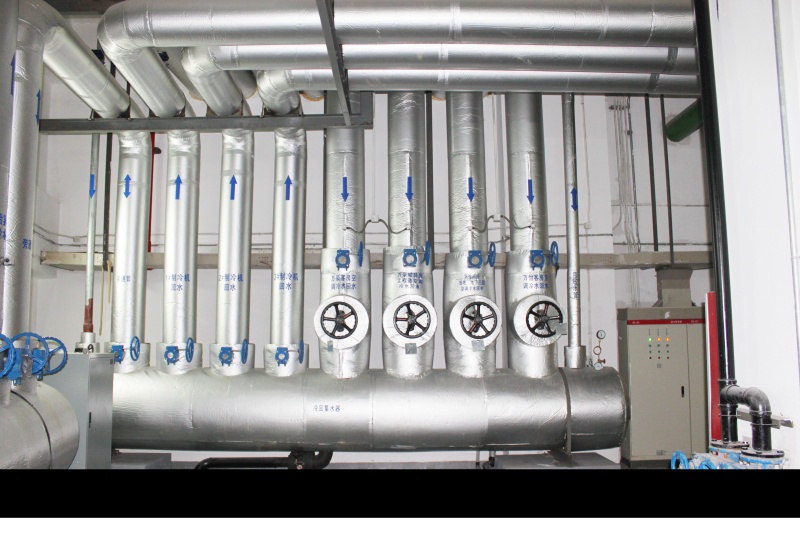
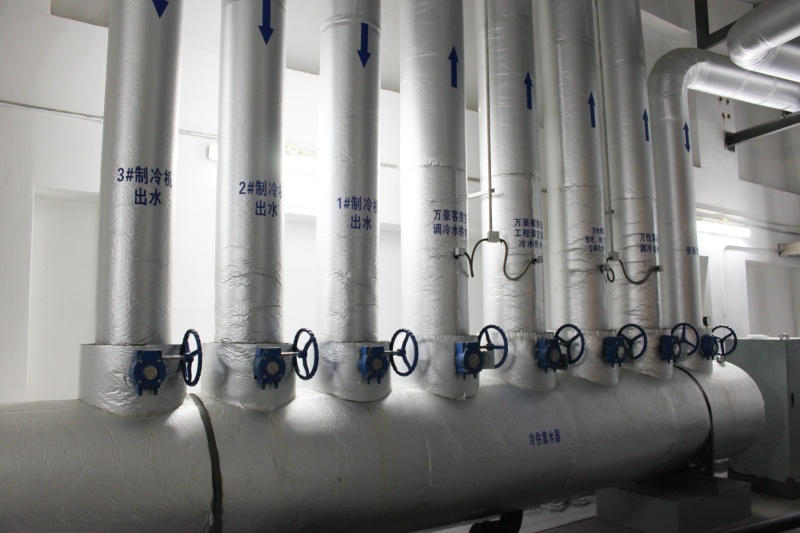
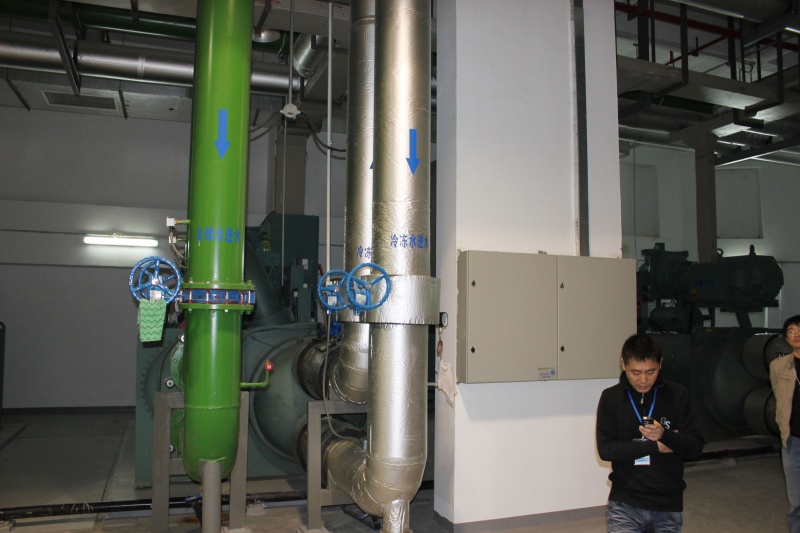
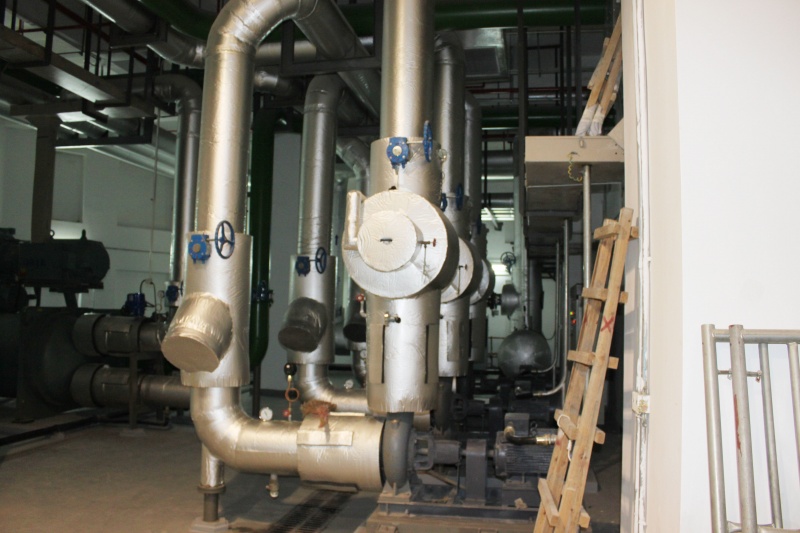
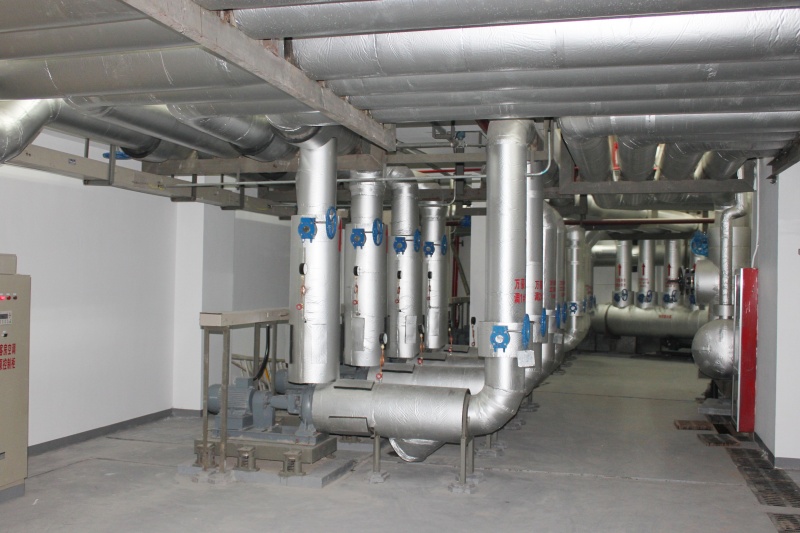
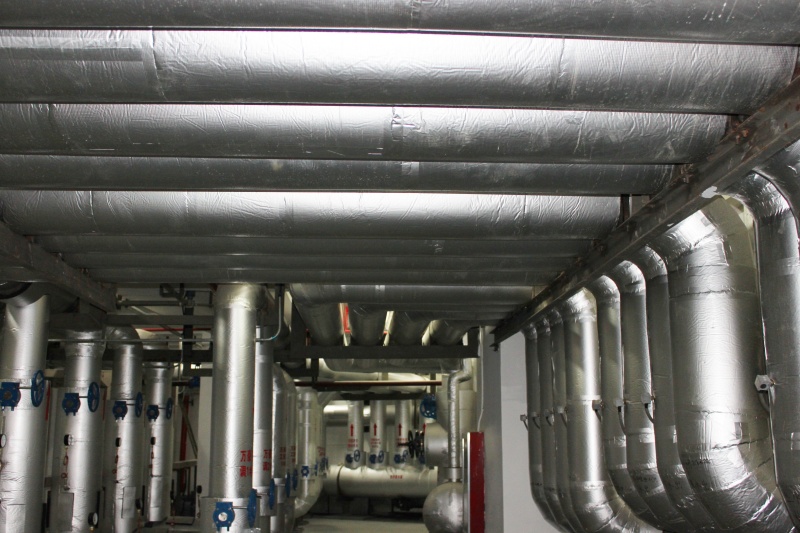
Commercial HVAC water supply system showing anti-condensation and anti-freezing protection on large-bore lines.
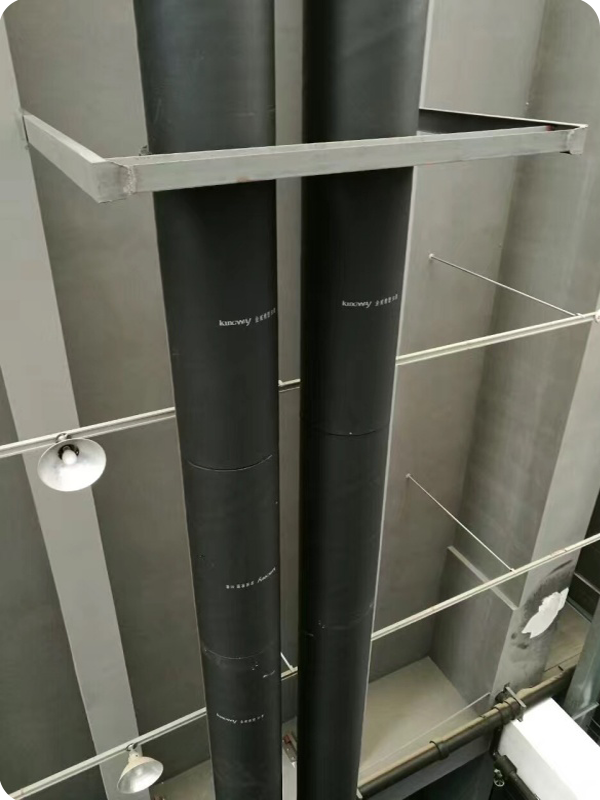
Long-distance cryogenic pipeline protection utilizing customized diene insulation for thermal regulation.
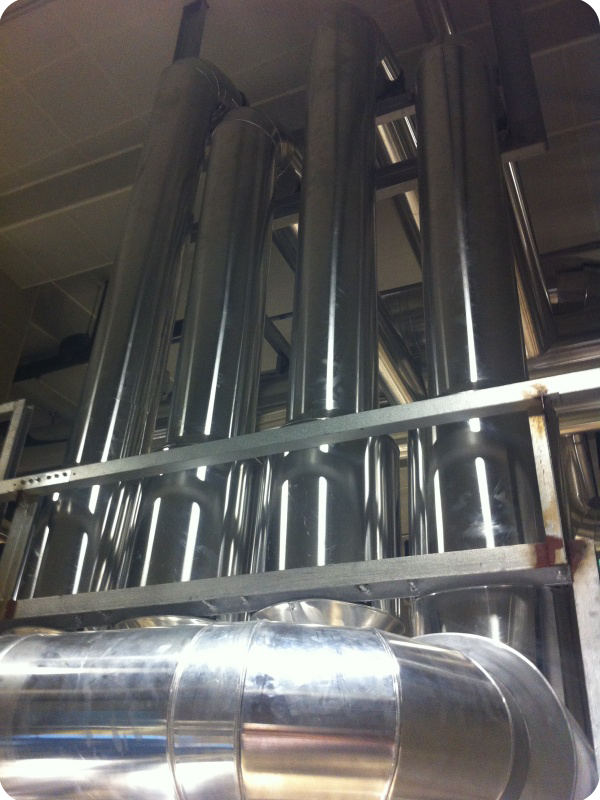
Fitted sheet rolls inside commercial HVAC duct systems, providing both sound dampening and thermal barrier protection.
We work closely with engineering and procurement teams to address project specifications during planning. Our logistics processes support tracking for bulk orders, helping to align deliveries with construction schedules.
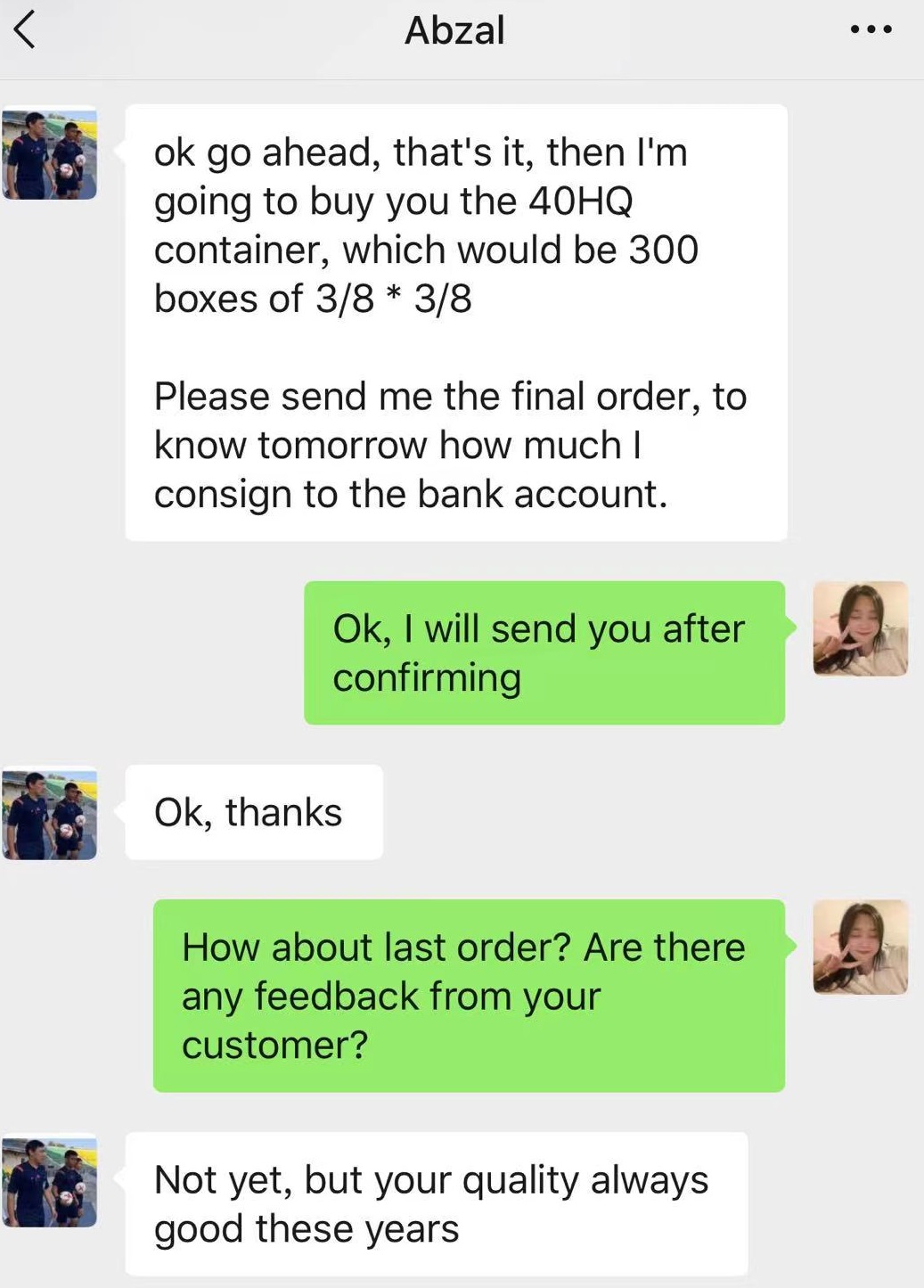



Technical details, design considerations, and performance parameters for elastomeric rubber foam insulation.
Explore our advanced formulations for extreme low temperature systems and high-specification industrial applications.
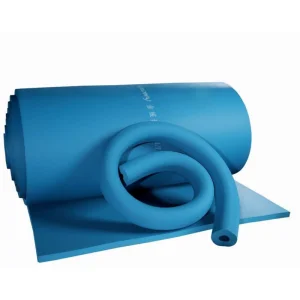
High-performance polyolefin-based insulation developed for sub-zero processing applications.
Get Quote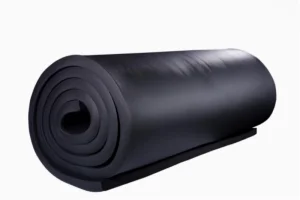
Supplied in bulk rolls for lining large duct walls and industrial storage tanks.
Get Quote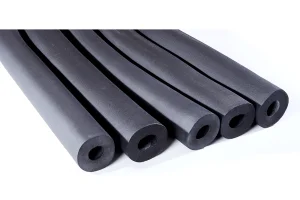
Custom fit refrigeration tubing built to reduce energy loss in mini-split systems.
Get Quote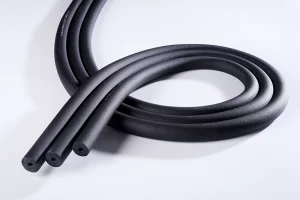
A flexible elastomeric pipe insulation designed for plumbing and heating setups.
Get Quote
Modified density profile designed to reduce fluid flow noise in building piping.
Get Quote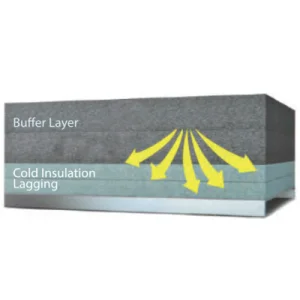
High-performance insulation engineered for temperature stability in liquid nitrogen piping.
Get Quote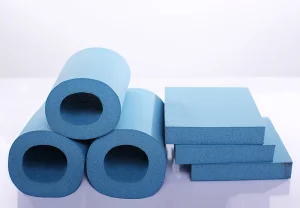
Multilayered elastomeric barrier designed for industrial cryogenic containment pipelines.
Get Quote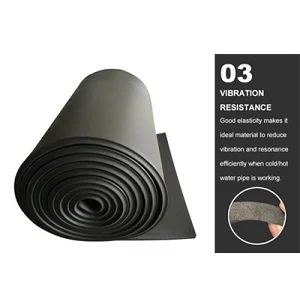
Engineered for uniform cell distribution to provide consistent thermal insulation.
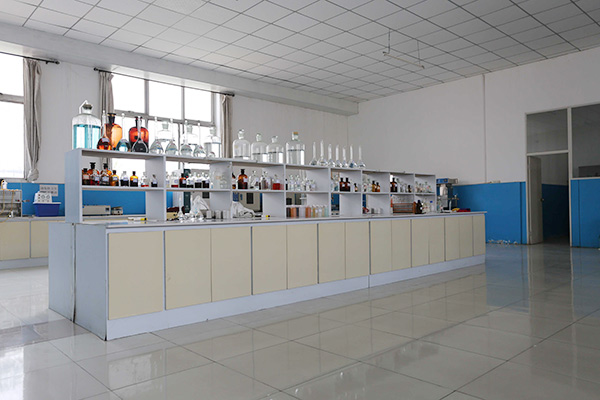
Get QuoteA look inside our automated production lines, testing laboratories, and shipping facilities.


 Kingflex