 Kingflex
The Engineering Science Behind 35mm Pipe Insulation
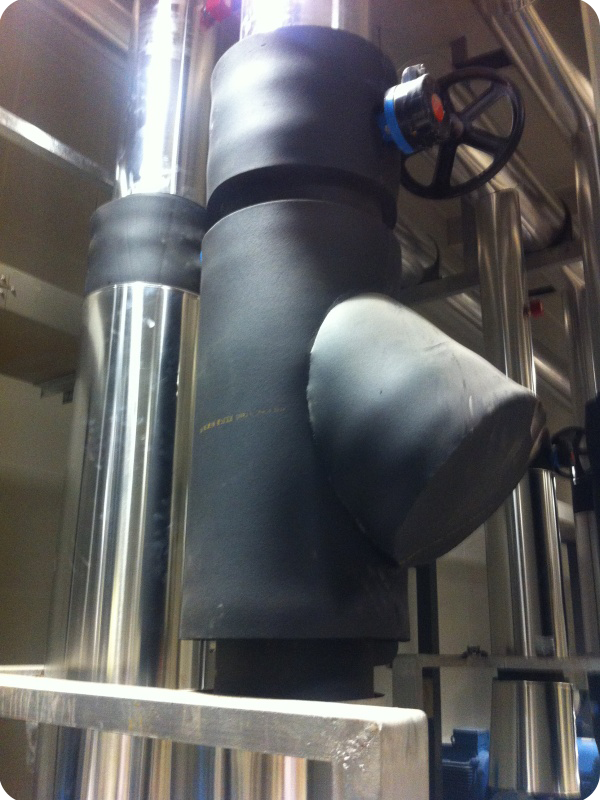
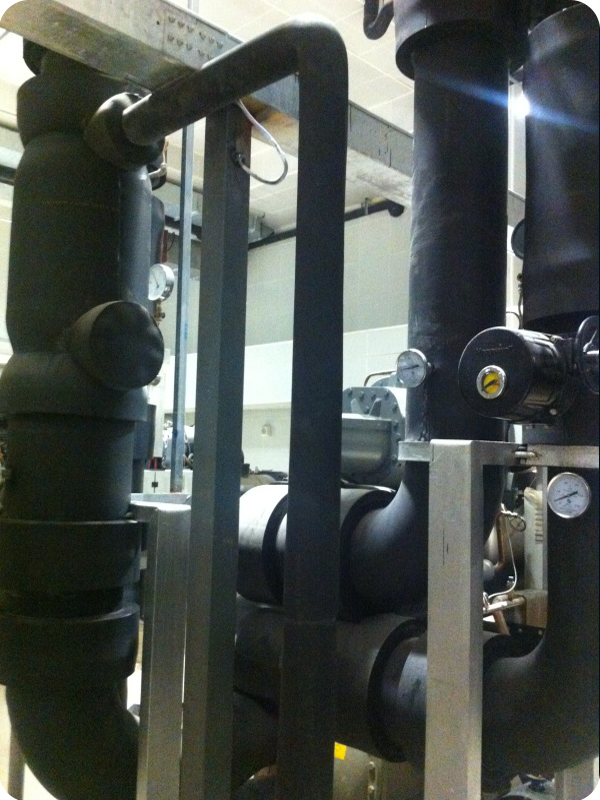
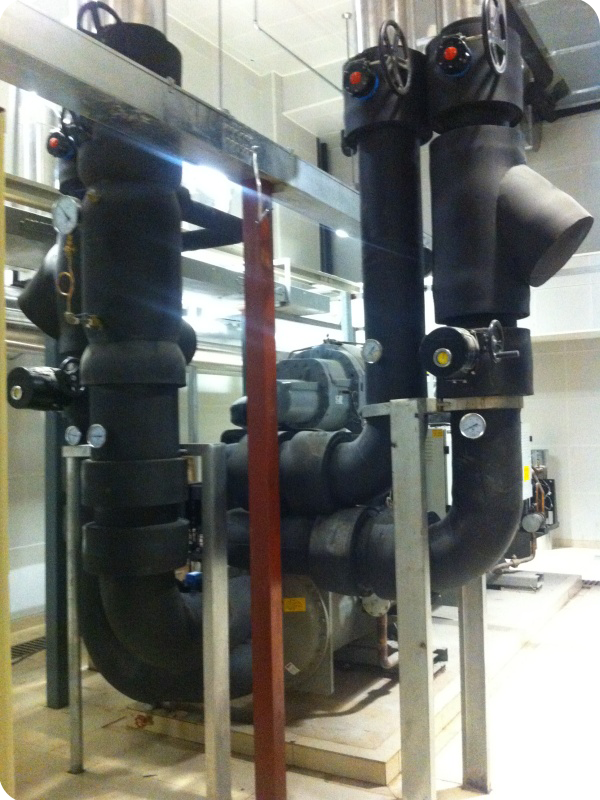
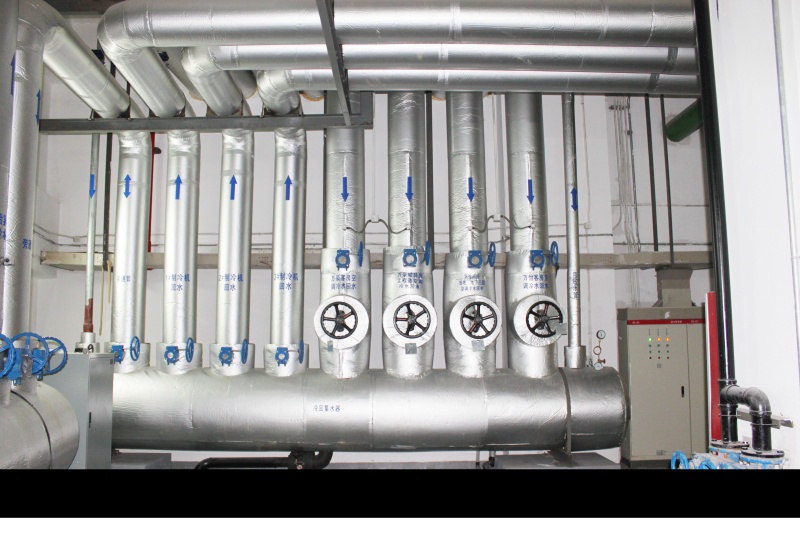
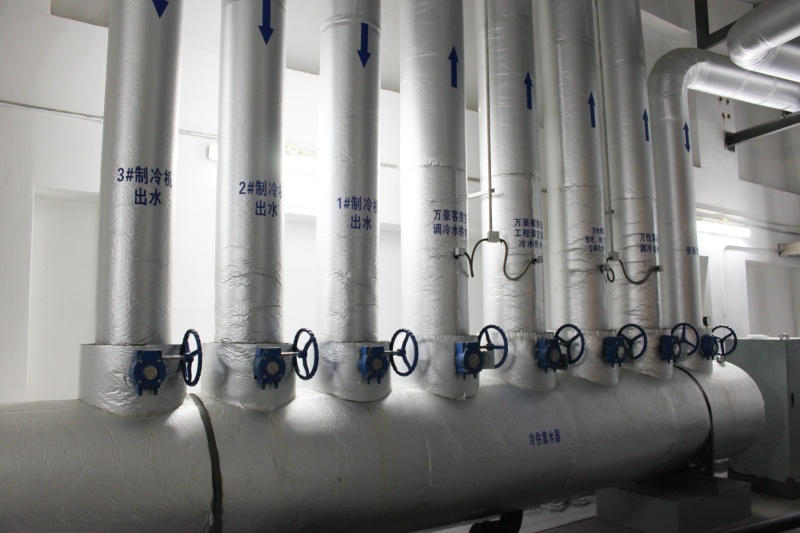
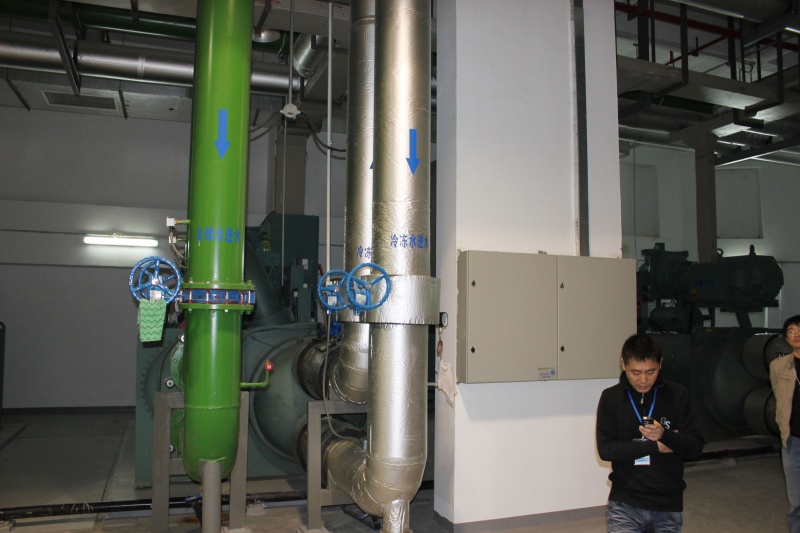
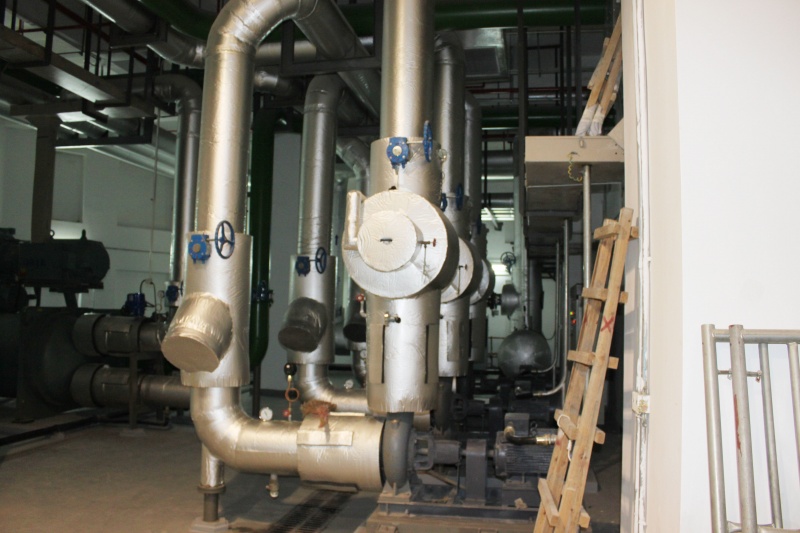
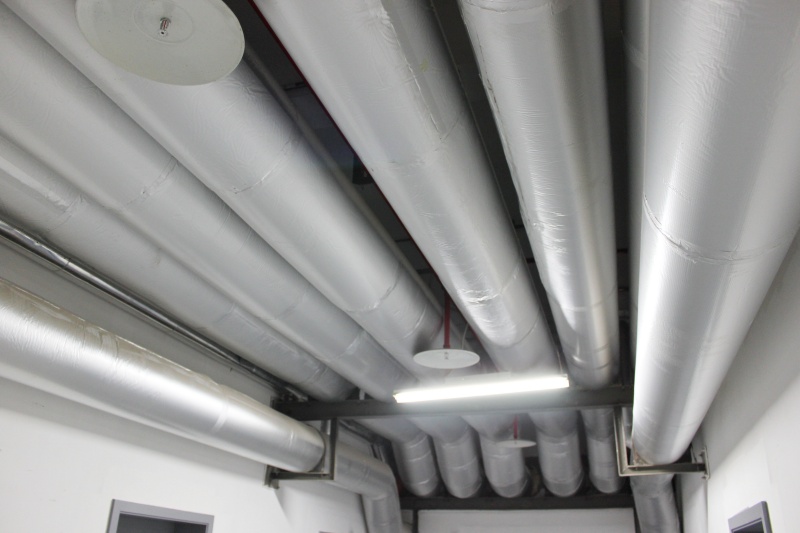
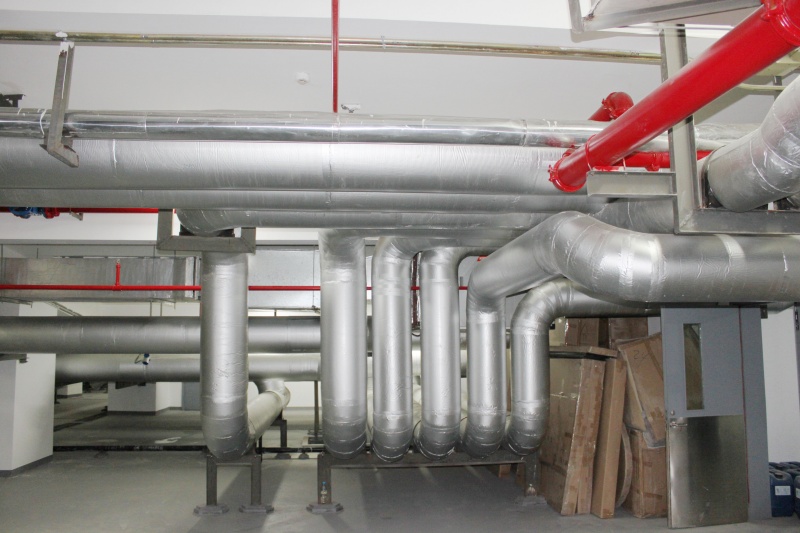
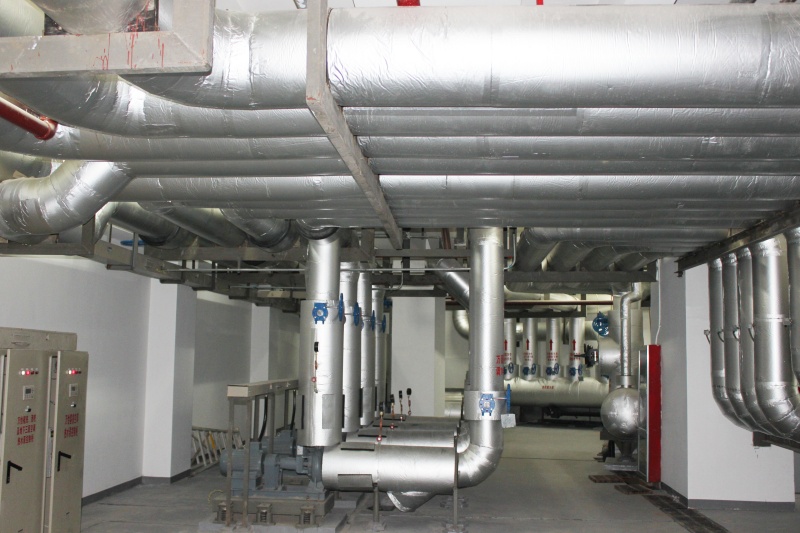
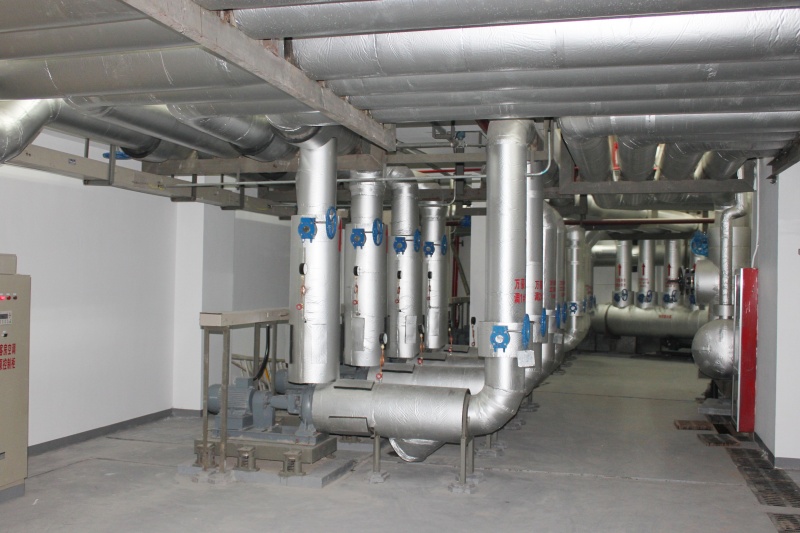
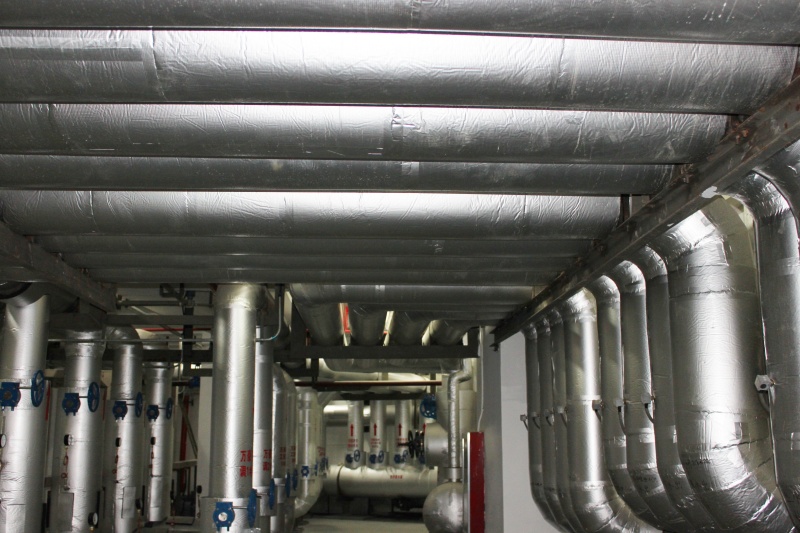
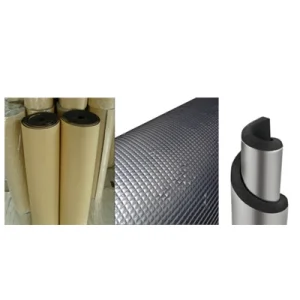
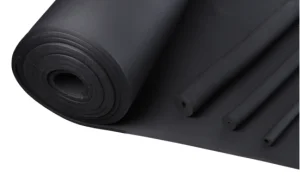
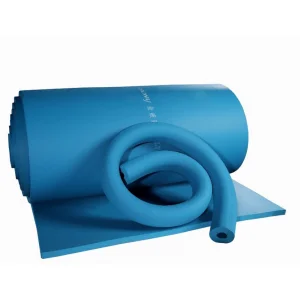
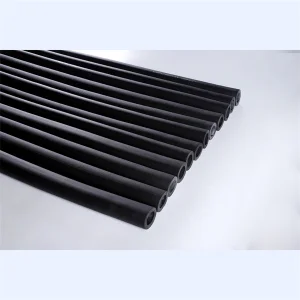
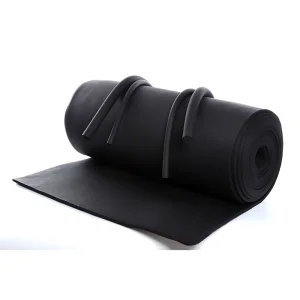
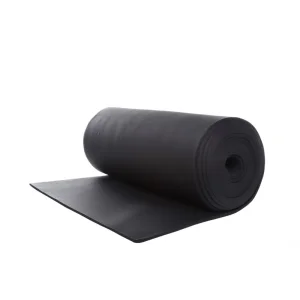
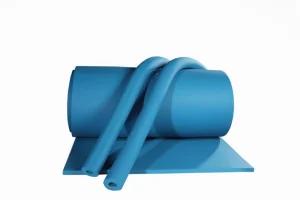
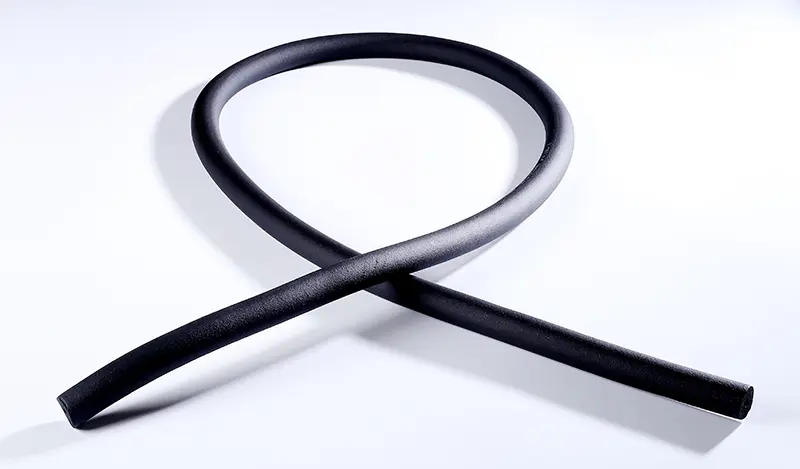
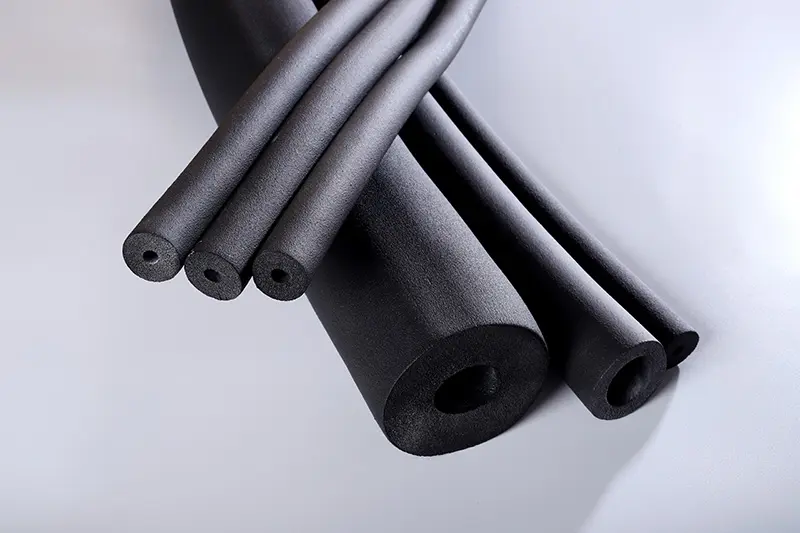
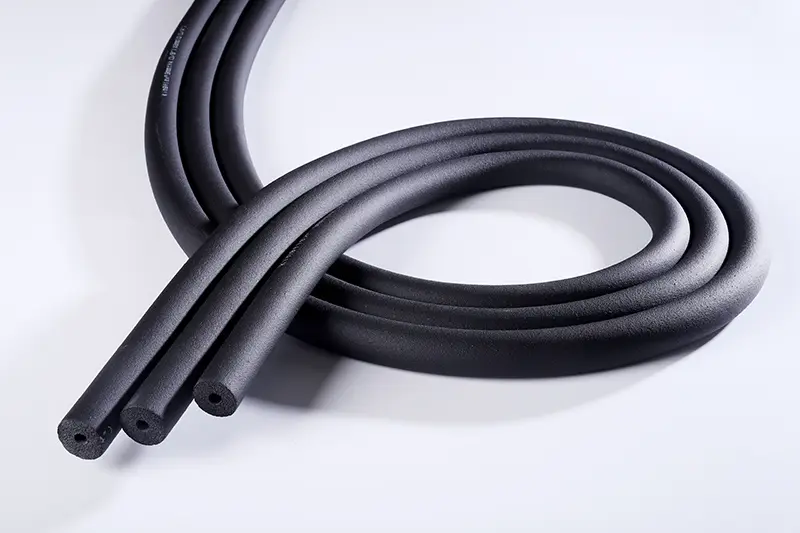
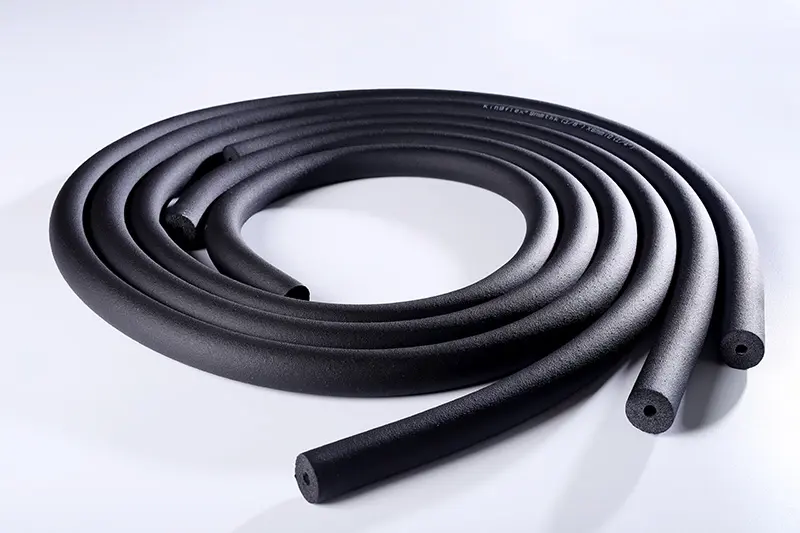
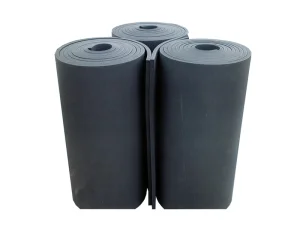
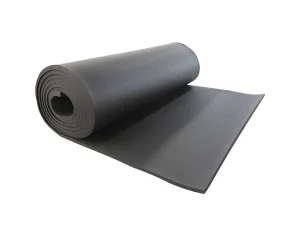
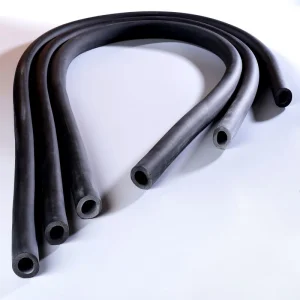
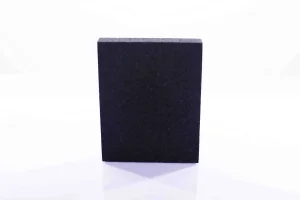
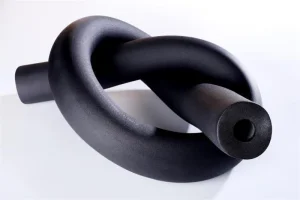
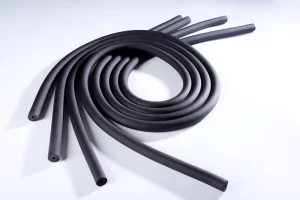
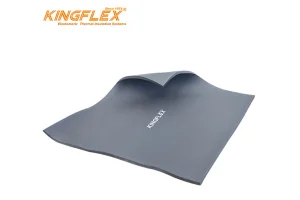
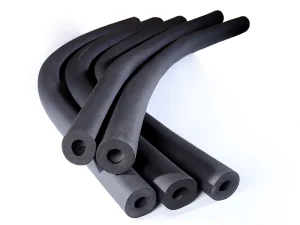
Within large-scale commercial HVAC systems, process engineering, and fluid distribution networks, pipeline insulation is not merely a protective jacket but a vital thermodynamic component. Specifically, 35mm nominal pipe insulation represents a critical threshold for balancing energy conservation, thermal bridging defense, and condensation mitigation. When selecting elastomeric rubber foam (predominantly synthesized from a optimized combination of NBR (Nitrile Butadiene Rubber) and PVC (Polyvinyl Chloride)), mechanical engineers look at precise physical properties.
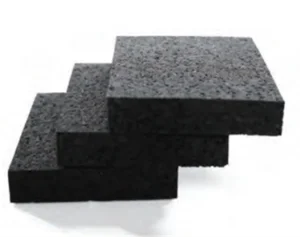
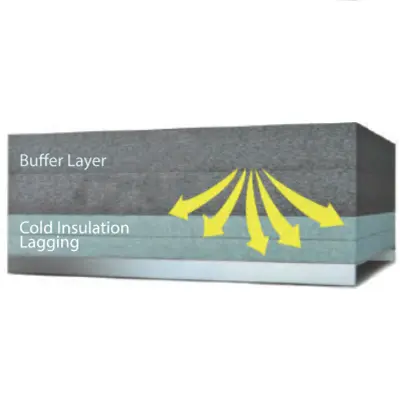
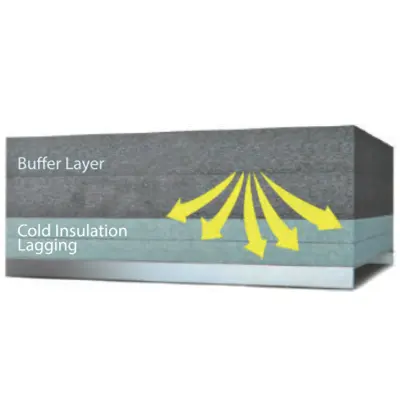
The core material parameters of Kingflex 35mm Insulation systems feature a closed-cell structural ratio exceeding 98%. This high concentration of microscopic, inactive air pockets ensures an incredibly low and stable thermal conductivity ($\lambda \le 0.034 \text{ W/(m}\cdot\text{K)}$ at $0^\circ\text{C}$). By utilizing high-density formulation methods ($40\text{--}55 \text{ kg/m}^3$), the material guarantees physical structural resilience under severe compressive loads, maintaining its nominal thickness on critical pipe bends, hangers, and supports.
Energy Optimization
Reduces active heat loss or gain, ensuring rapid return on investment (ROI) within 12–18 months of system installation.
Condensation Control
Keeps the outer surface temperature of 35mm copper or steel pipelines safely above the surrounding ambient dew point.
Corrosion Under Insulation (CUI)
The completely impervious moisture barrier prevents corrosive condensation buildup on metal pipe outer layers.