Direct manufacturer supply chain delivering high-density elastomeric tubes and heavy-duty vapor protection plates. Click items below to explore specifications.
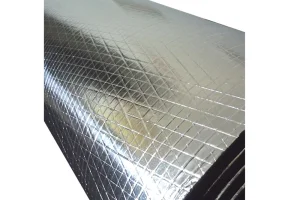
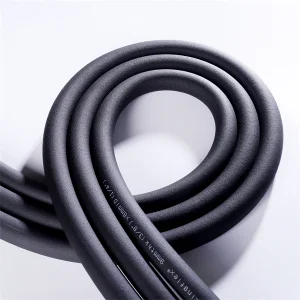
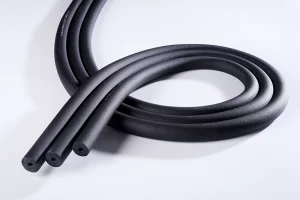
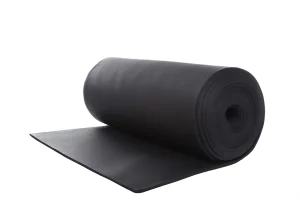
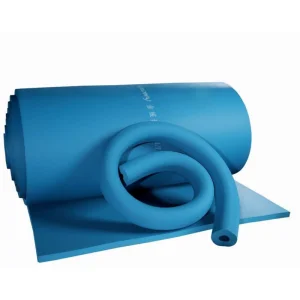
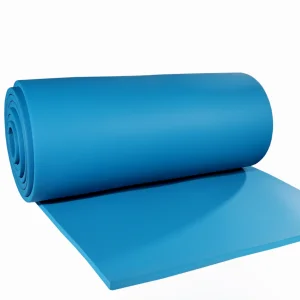
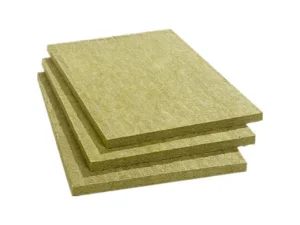
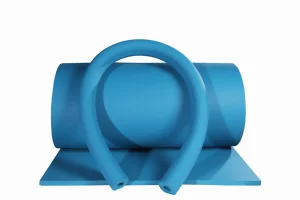
"The modern thermodynamic efficiency of industrial infrastructure relies directly on vapor barrier integrity. Nitrile Butadiene Rubber (NBR) compounded with Polyvinyl Chloride (PVC) forms the benchmark polymer matrix for closed-cell engineering."
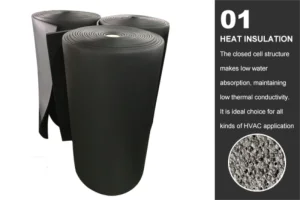
Closed-cell elastomeric nitrile rubber insulation is synthesized utilizing an advanced gas-expansion vulcanization process. This chemical pathway constructs billions of independent, microscopic gas cavities per cubic meter. Unlike open-cell structural foams, these cells are entirely enclosed by high-tensile polymer membranes, preventing mechanical fluid pathways.
Consequently, the water vapor transmission rate (WVTR) drops close to absolute zero. This characteristic is critical for preventing under-insulation corrosion (CUI), a multi-billion dollar challenge across mechanical plumbing networks and commercial HVAC loops.
By controlling the polymer ratio of NBR/PVC, engineers can tailor the thermodynamic properties of the resulting elastomer sheet or tubing. Superior low-temperature flexibility allows these materials to withstand thermal shock down to -40°C in standard formulations and -200°C in modified cryogenic systems.
Simultaneously, the continuous operating temperature boundary stretches safely up to 105°C, offering complete coverage for chilled water lines, dual-temperature piping, hot water service systems, and chemical process conduits.
Global building codes are increasingly mandating low life-cycle carbon footprints. NBR foam systems prevent thermal loss during operation, significantly reducing HVAC operating emissions over decades of building use.
For sensitive settings like data centers, high-tech cleanrooms, and naval submarine compartments, the demand for halogen-free, non-toxic insulation variants has escalated to mitigate toxic smoke hazards during fire outbreaks.
Production automation scales output while maintaining tight cell structure tolerances. Precision extrusion lines ensure consistent wall thickness in every insulated tube, eliminating cold spots.
Navigating global bulk purchasing cycles requires a detailed understanding of NBR/PVC compound costs, logistics profiles, and production lead times.
Pricing matrices for elastomeric insulation are highly dependent on technical specifications, raw material inputs, and mechanical design requirements:
International engineering contractors utilize several protocols to optimize total cost of ownership (TCO) during industrial procurement:
Direct material comparative values for Kingflex Standard NBR/PVC closed-cell elastomers against competitive insulation categories.
| Material Metric | Kingflex Standard NBR/PVC | Conventional Fiberglass | Industrial Rock Wool |
|---|---|---|---|
| Thermal Conductivity (λ) | ≤ 0.034 W/m·K at 0°C | ≤ 0.038 W/m·K at 0°C | ≤ 0.040 W/m·K at 0°C |
| Water Vapor Permeability (μ) | ≥ 10,000 (Built-in Vapor Barrier) | μ ≈ 1 (Requires external jacket) | μ ≈ 1 (Hygroscopic structure) |
| Operating Temp Range | -40°C to +105°C | -120°C to +450°C | -260°C to +850°C |
| Elastic Recovery | Compression Resilience ≥ 80% | Poor (Permant compression deform) | Zero (Brittle fiber orientation) |
| Fire Safety Compliance | Class 0 (BS 476 Part 6/7), UL 94 V-0 | Class A1 (Non-combustible) | Class A1 (High heat barrier) |
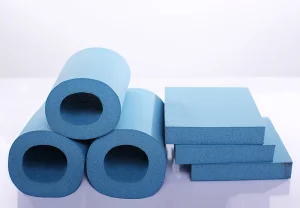
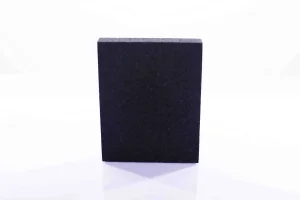
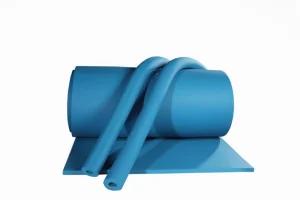
Manufactured in highly integrated automatic lines, our elastomeric sheet rolls are delivered in thickness ranges from 6mm to 50mm. Standard density ranges between 40-55kg/m³. These rolls feature high density, uniform cell distribution, and flexibility, making them suitable for wrapping large-diameter HVAC ducts, process tanks, and marine bulkheads.
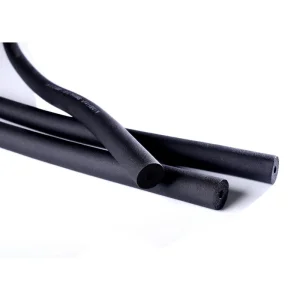
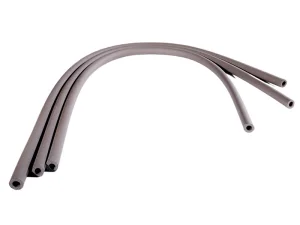
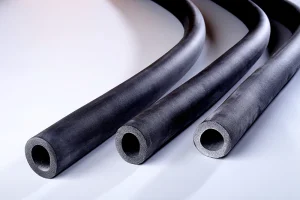
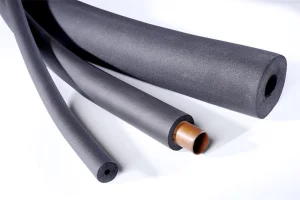
Extruded and vulcanized under tight quality control, insulation pipe sections are produced in wall thicknesses ranging from 9mm to 40mm. Inner diameters span from 6mm up to 114mm. Engineered to slide over standard copper, steel, and PVC piping, these sections provide thermal control and condensation protection.
High-occupancy structures require quiet, efficient indoor climate control. Our closed-cell rubber sheets provide thermal insulation and acoustic dampening, reducing equipment noise transmission through ductwork.
For systems operating at temperatures down to -200°C, such as liquefied natural gas (LNG) piping, our modified cryogenic systems utilize multilayer elastomeric matrices to prevent thermal ingress and ice formation.
Process control in chemical plants requires stable pipeline temperatures. Our rubber insulation protects pipelines from external elements, chemical exposure, and humidity, helping to prevent moisture-related corrosion.
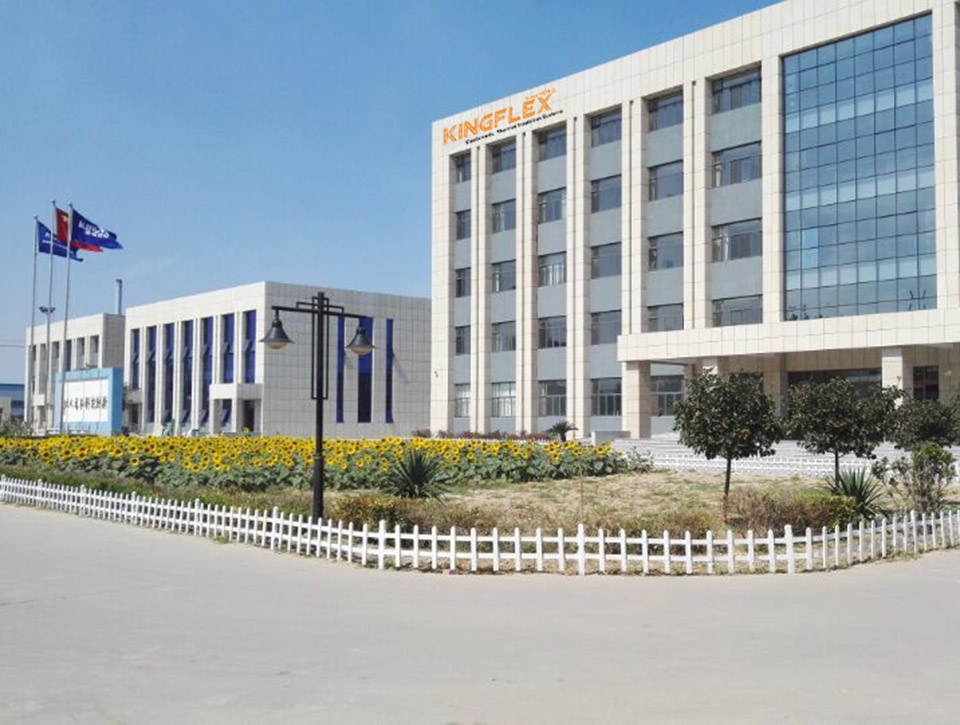
Kingflex Insulation Co., Ltd. is a specialized manufacturer and distributor of thermal insulation products. Our research, development, and primary production facility is located in Dacheng, China, a recognized hub for energy-efficient building materials. As an environmental management enterprise, Kingflex integrates research, manufacturing, and distribution, with a focus on energy conservation.
We offer thermal management solutions through technical consulting, customized research and development, installation support, and post-sale technical audits, helping to drive energy efficiency standards in the global building materials industry.
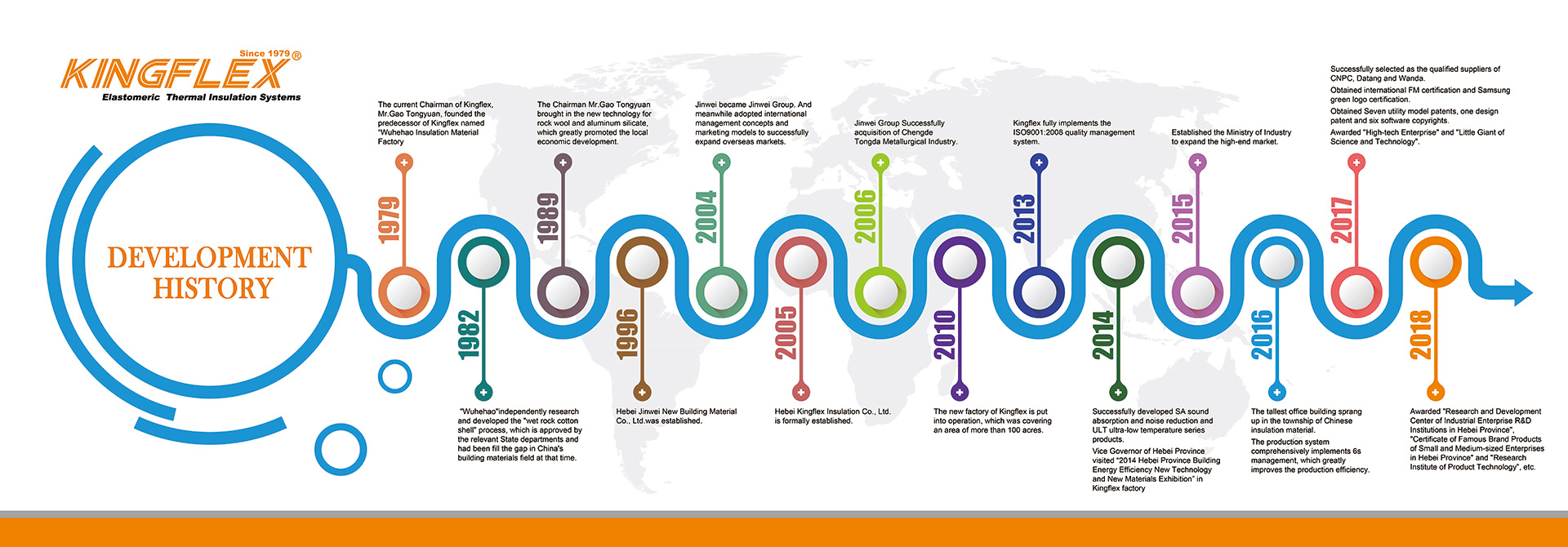
Founded by the Jinwei Group, which has over 40 years of manufacturing history since its establishment in 1979, Kingflex builds on decades of experience as one of the early thermal insulation material manufacturers in northern China.
Our engineering team designs insulation systems to address complex thermodynamic challenges in challenging environments.
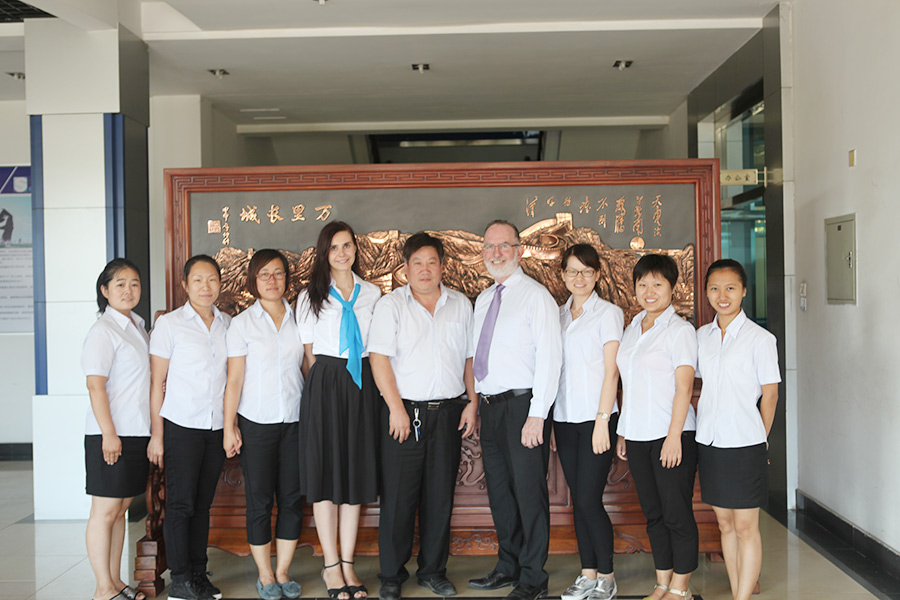
Kingflex relies on a dedicated team focused on delivering consistent product performance and customer support. Our R&D department features eight materials science engineers, supported by six international trade specialists and 230 manufacturing professionals.
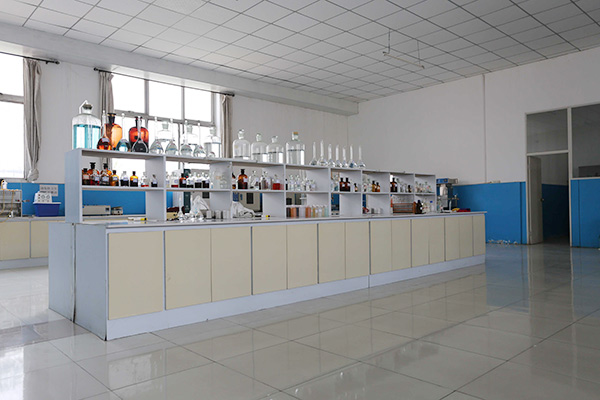
Our manufacturing operations are designed to maintain tight tolerances and chemical composition consistency, ensuring that products meet specified thermal performance and fire safety criteria upon arrival at the project site.


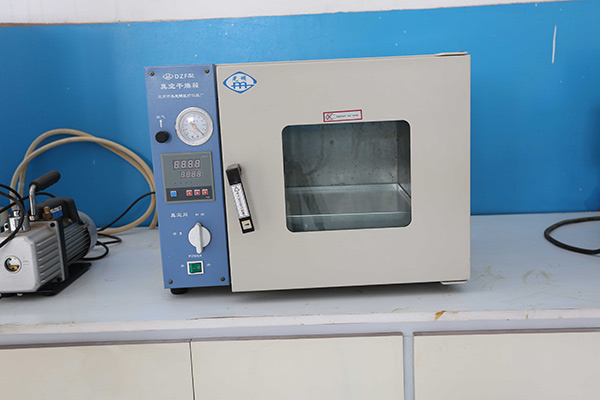
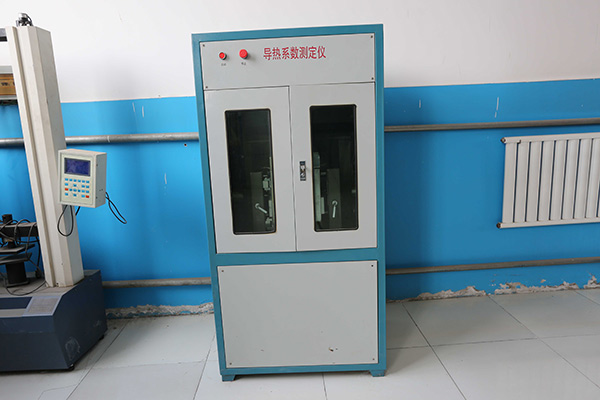
Our products are tested and certified to comply with global fire, toxicological, and energy efficiency standards.
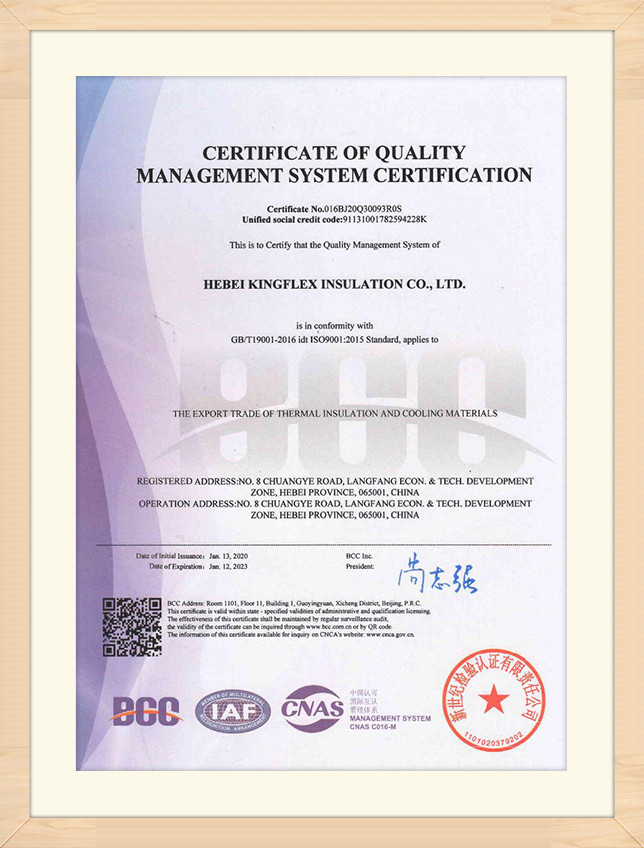
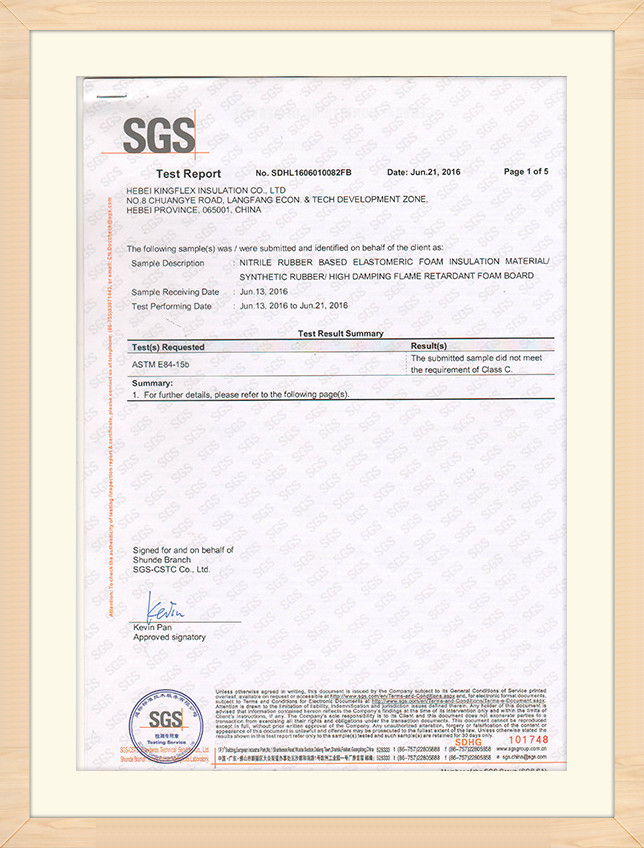
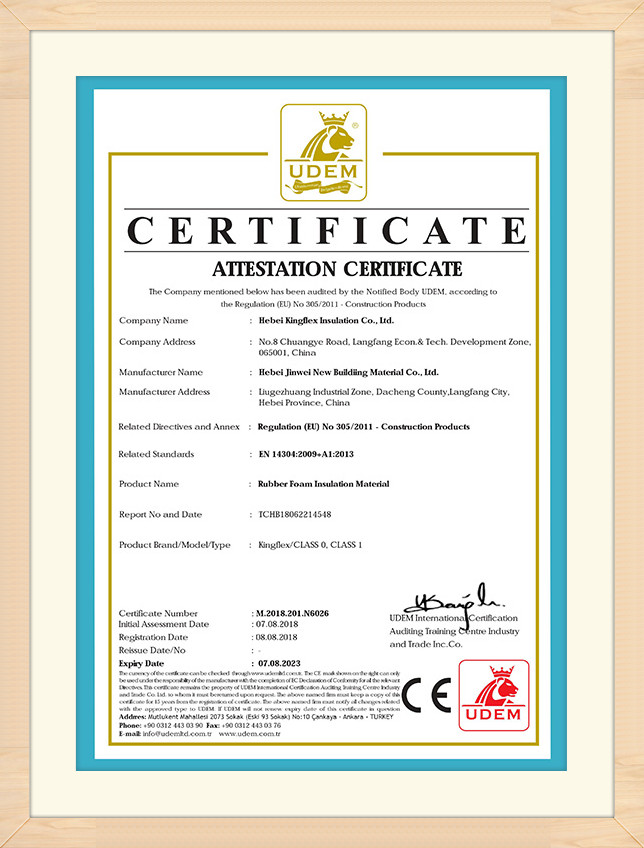
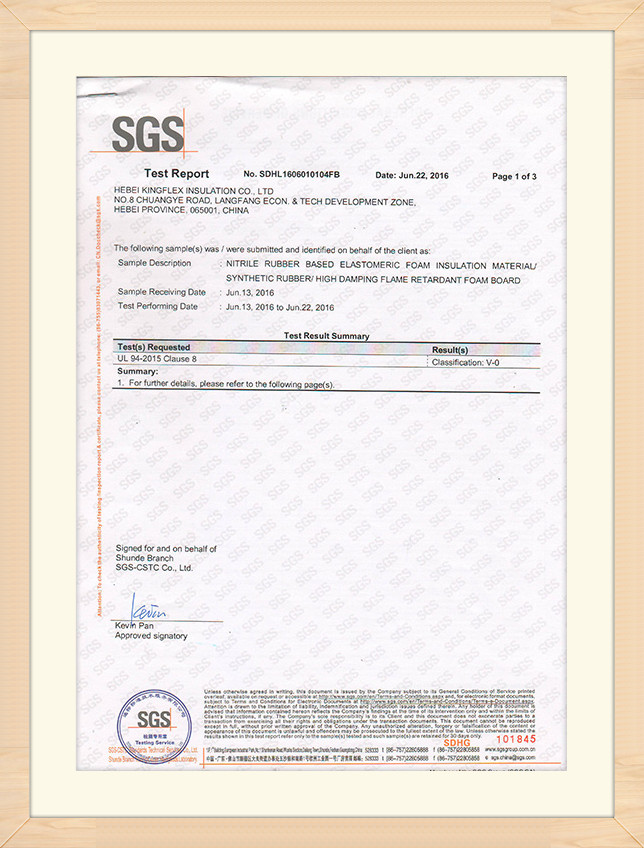
Our manufacturing processes are verified to produce products meeting regional standards for building projects worldwide:
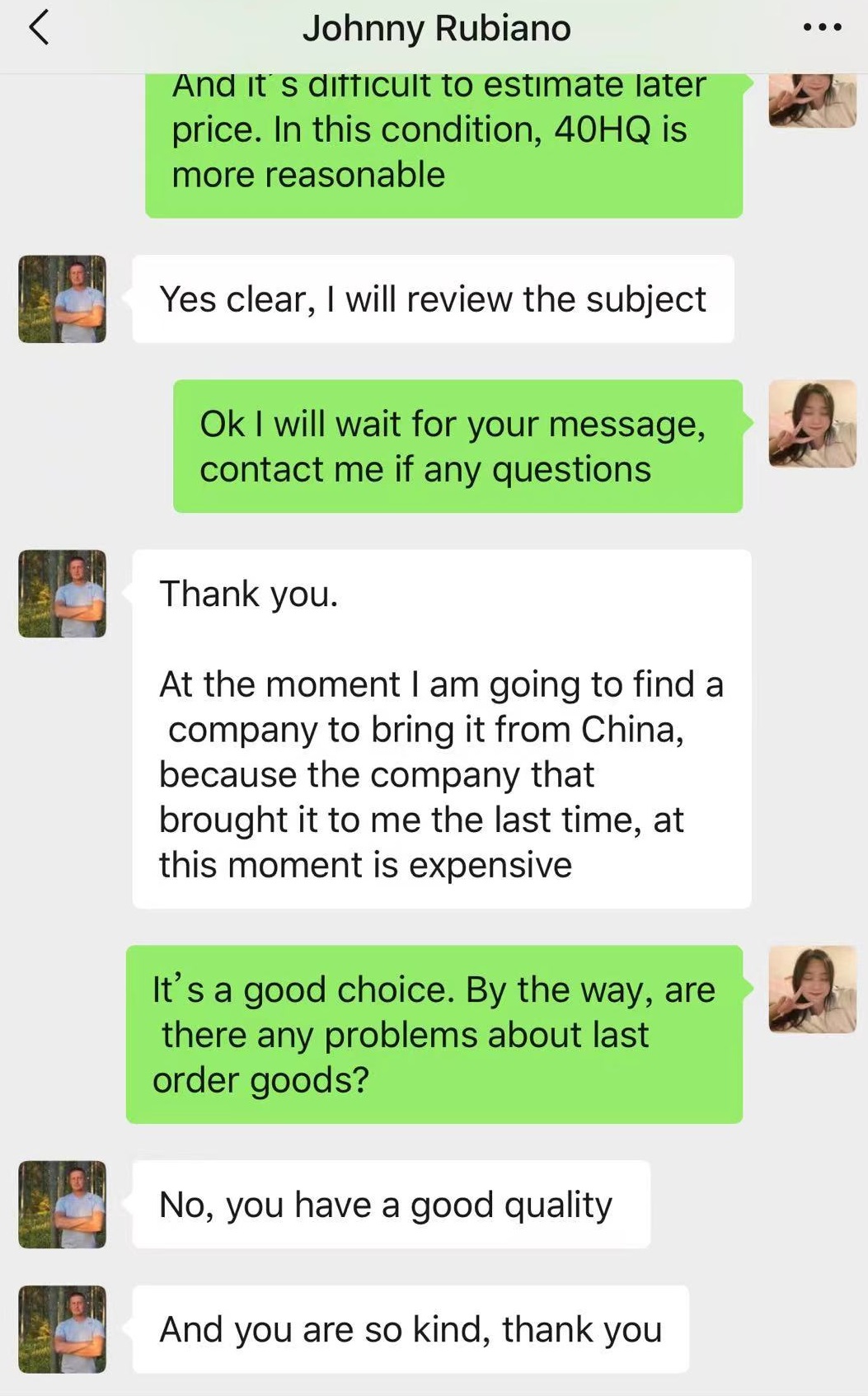
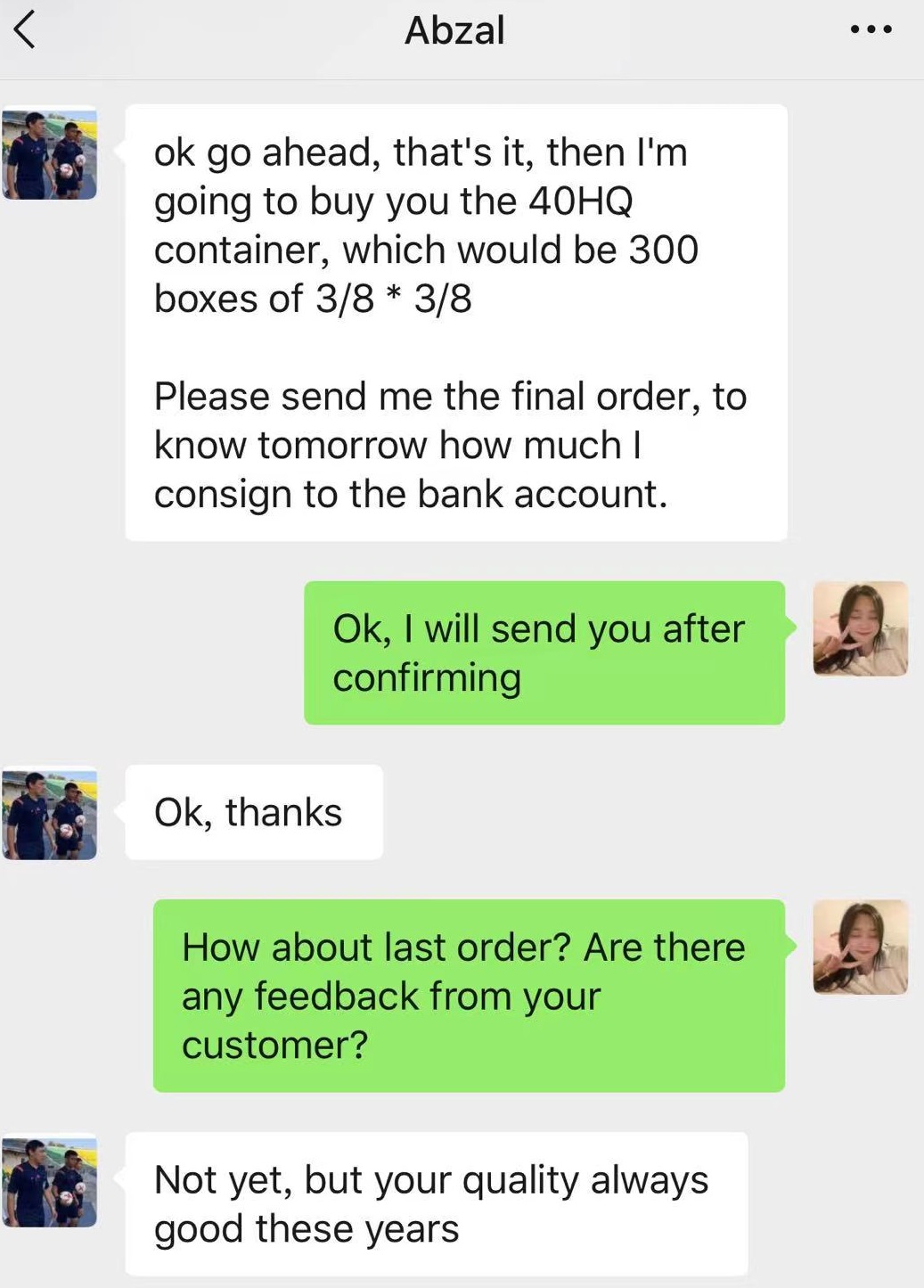
Direct customer correspondence showing procurement discussions, container logistics coordinates, and structural approvals.



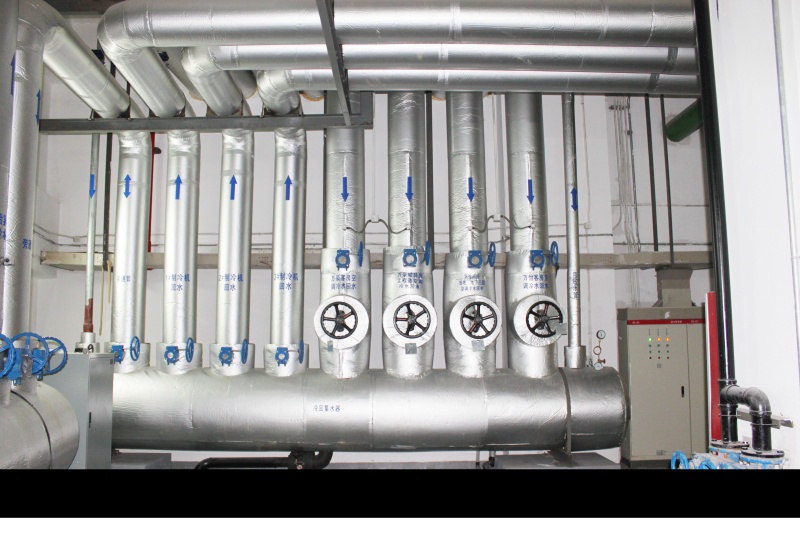
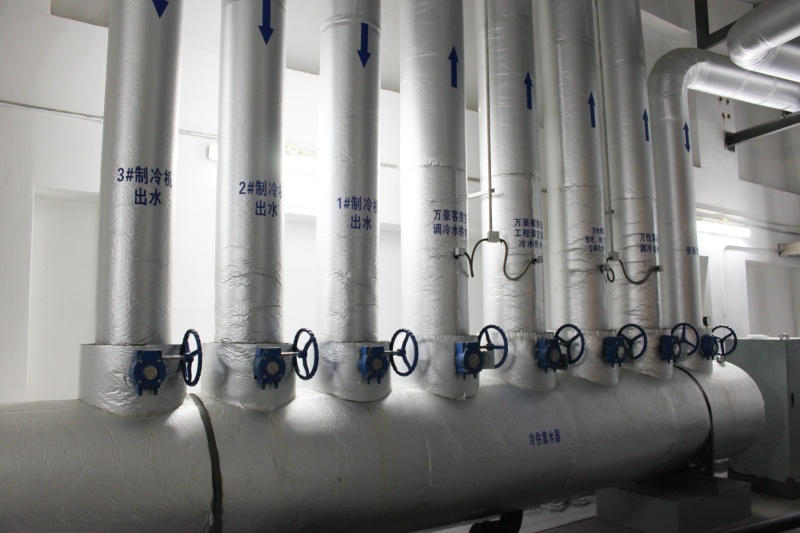
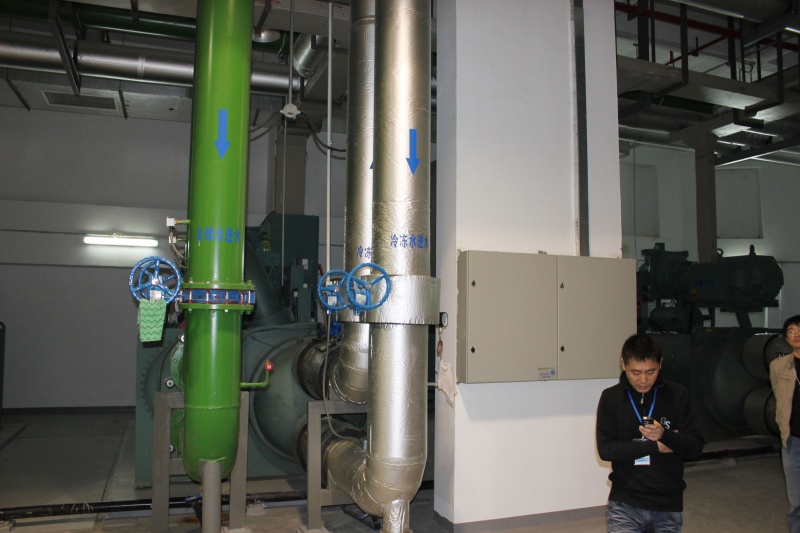
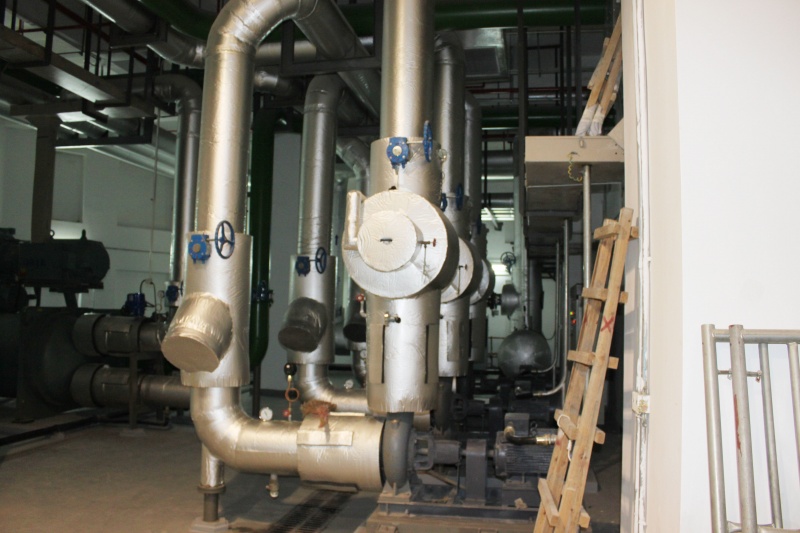
Reviewing field installations of Kingflex elastomeric insulation systems in demanding environments.
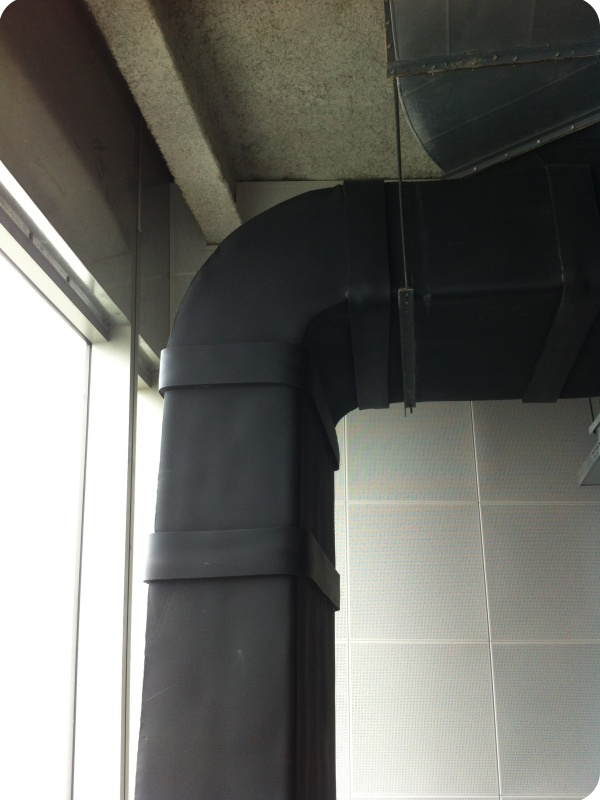

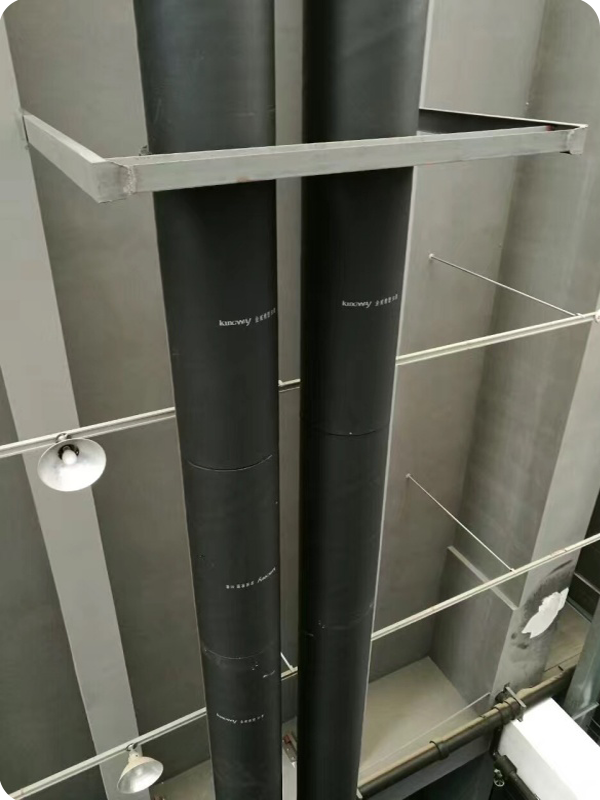
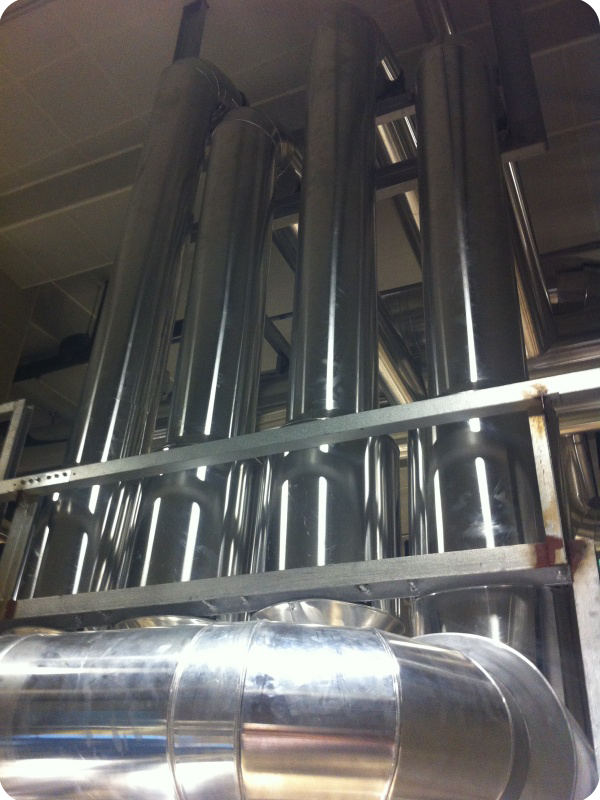
Designed for large surface area applications such as rectangular air ducts, large tanks, and bulkheads.
A pre-formed solution designed for quick installation on plumbing, process, and HVAC pipelines.
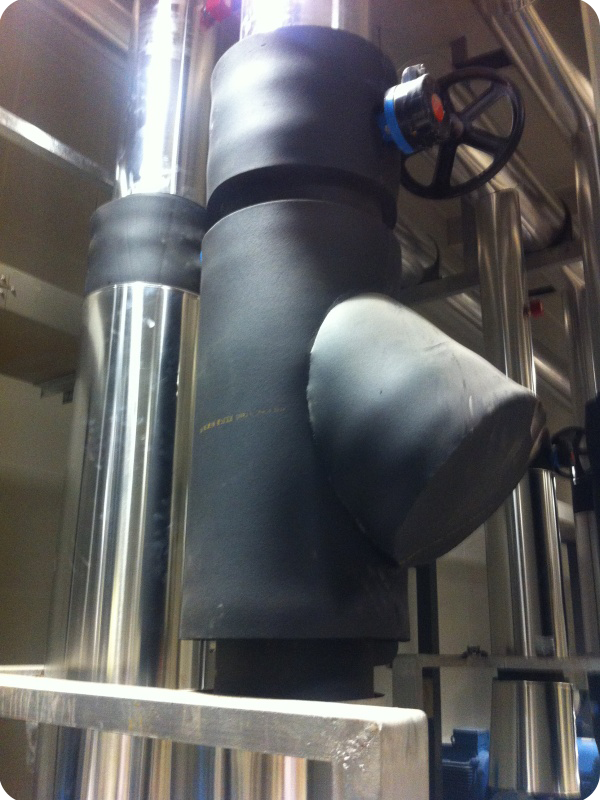
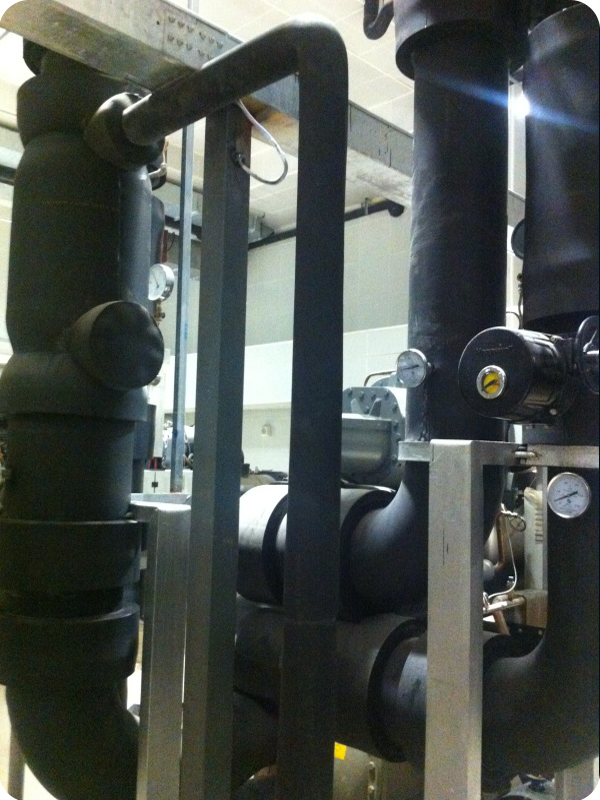

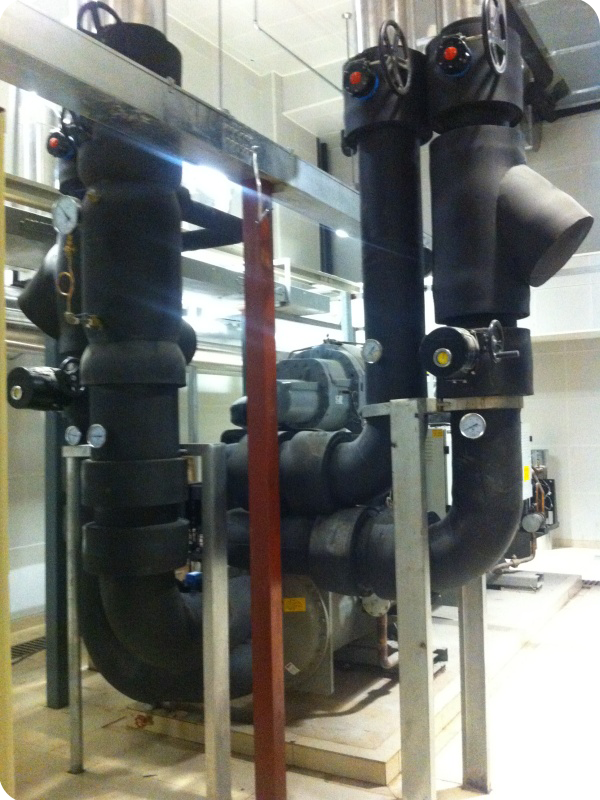
Our research and development program is transitioning to eco-friendly physical blowing agents. By using agents with zero Ozone Depletion Potential (ODP) and Global Warming Potential (GWP) < 1, we aim to meet international environmental regulations while maintaining structural cell integrity.
In response to sustainability targets, our laboratory is testing bio-derived elastomers that integrate plant-based raw materials. This work aims to reduce fossil feedstock reliance while maintaining the chemical and physical properties of standard NBR compounds.



Detailed technical information addressing questions from engineering specialists, specifiers, and procurement managers.
Direct factory supply channels for technical projects and cryogenic installations.
Direct links to detailed product catalogs and manufacturing specifications.
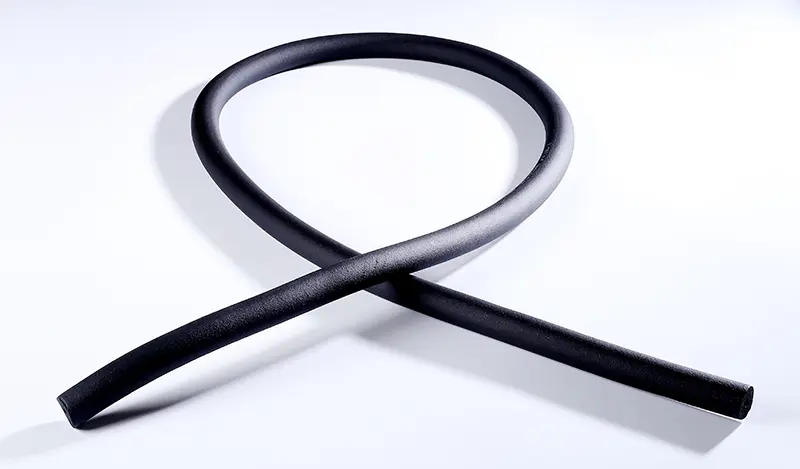
Rubber elastomeric foam insulation tube
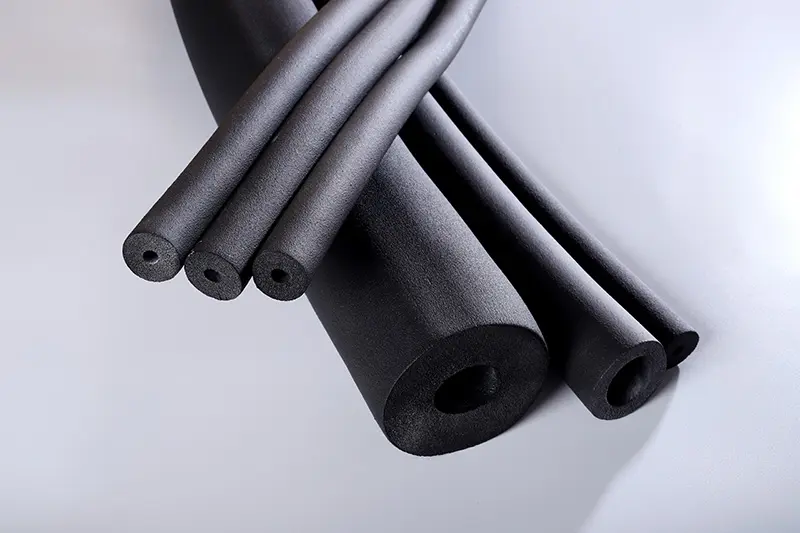
Corrosion Resistant Tube
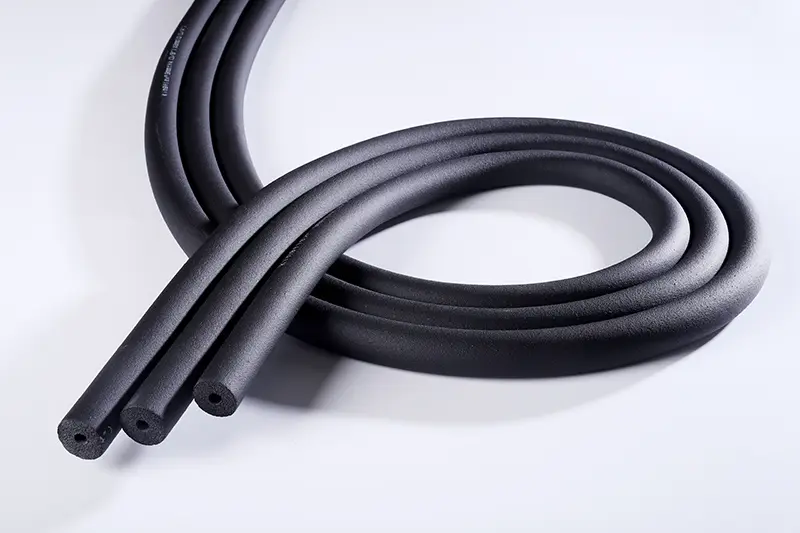
Elastic Foam Pipe
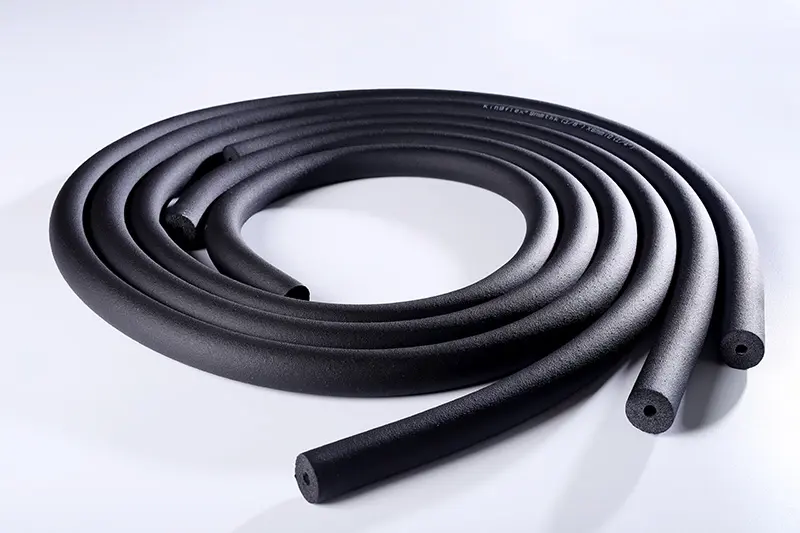
Black Rubber Foam Insulation Pipe

Foam Rubber Foam Insulation Tube

HVAC Rubber Foam Insulation Tube
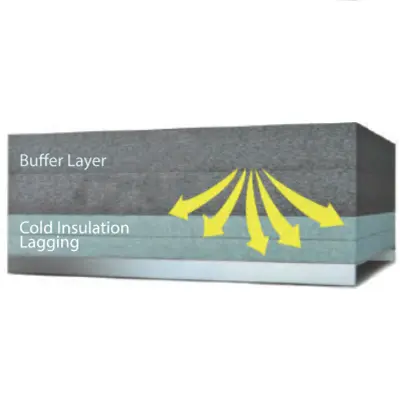
Elastomeric rubber foam insulation system
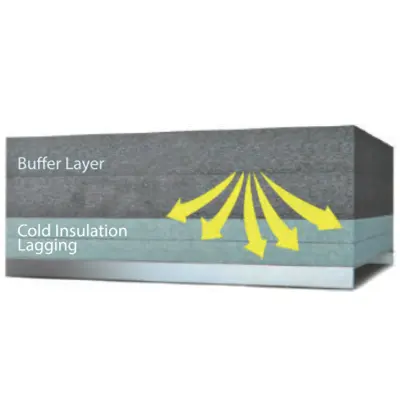
Kingflex flexible insulation material
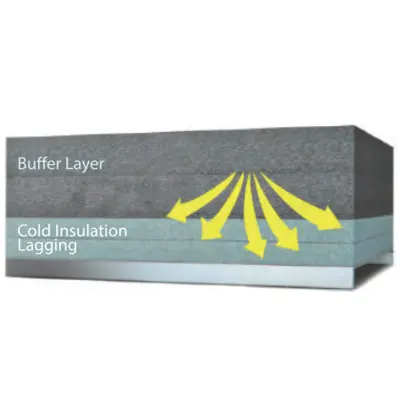
Cryogenic rubber foam
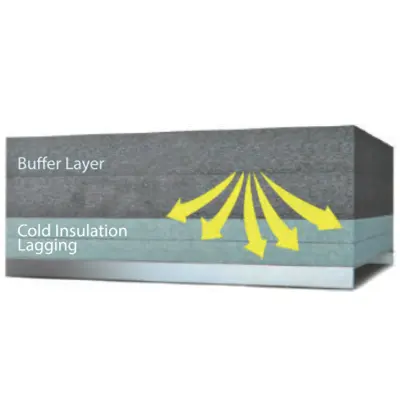
Elastomeric cryogenic insulation
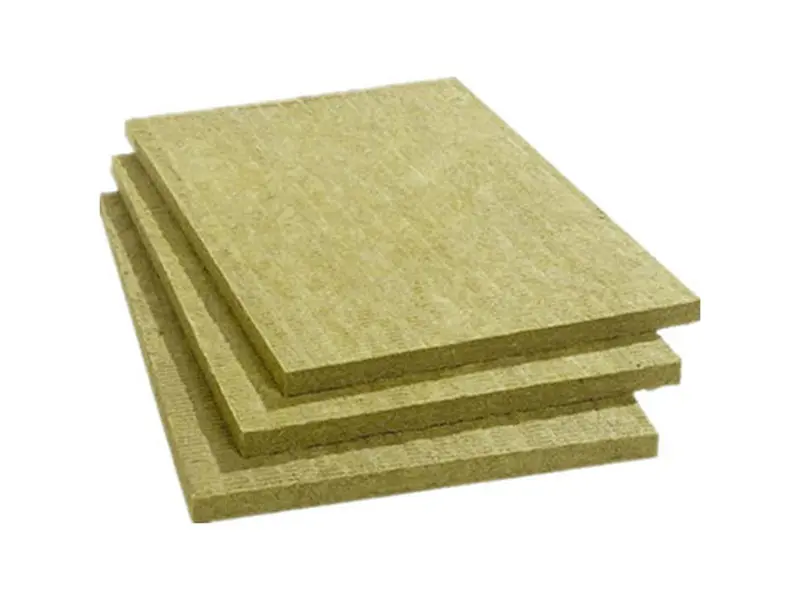
Rock Wool Insulation Board
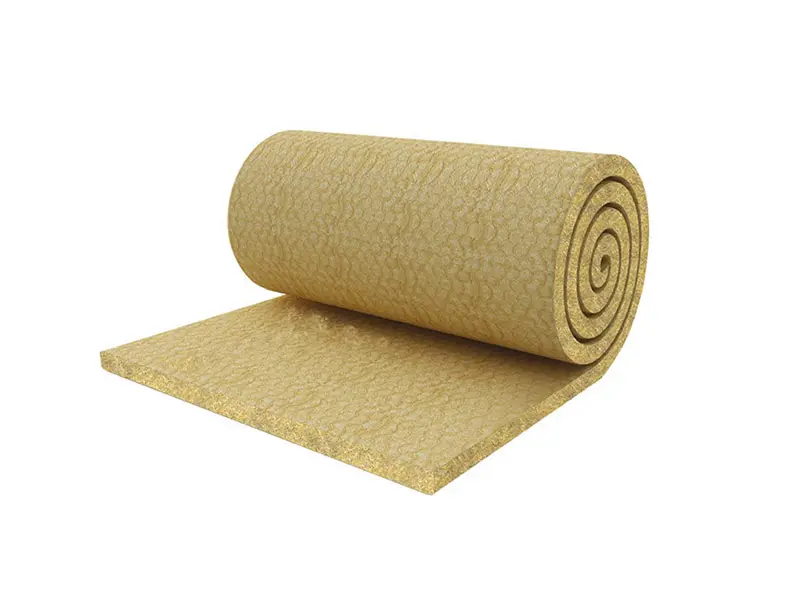
Rock wool thermal insulation blanket
 Kingflex