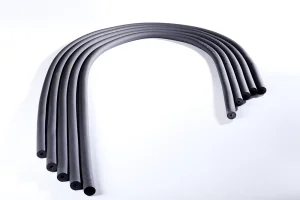
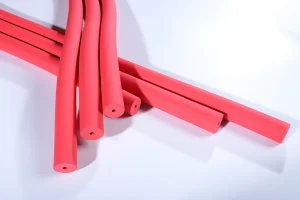
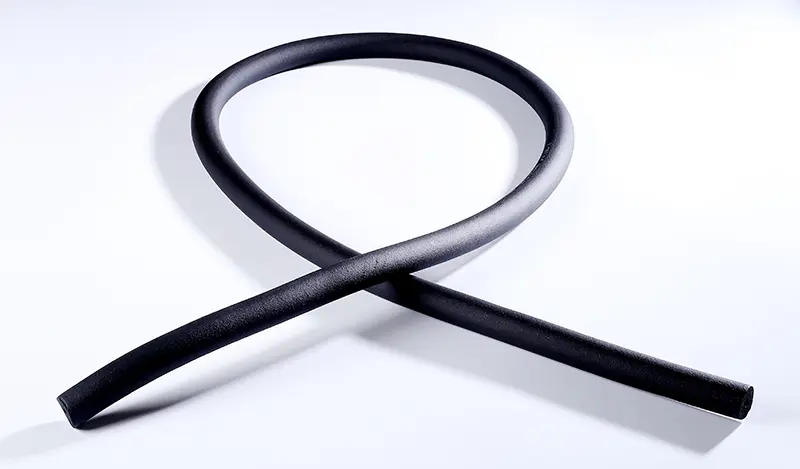
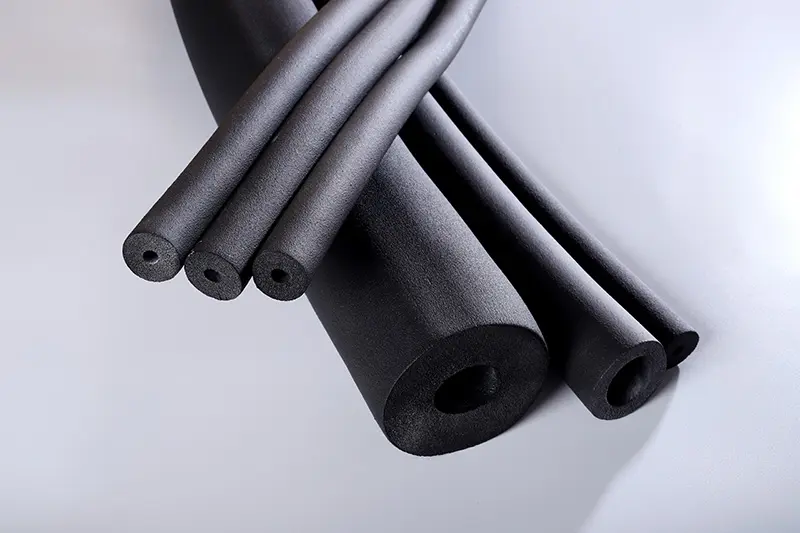
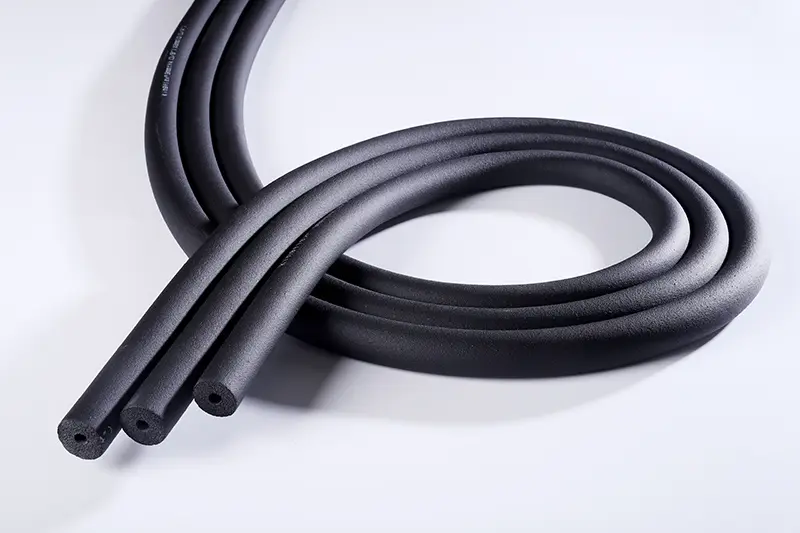
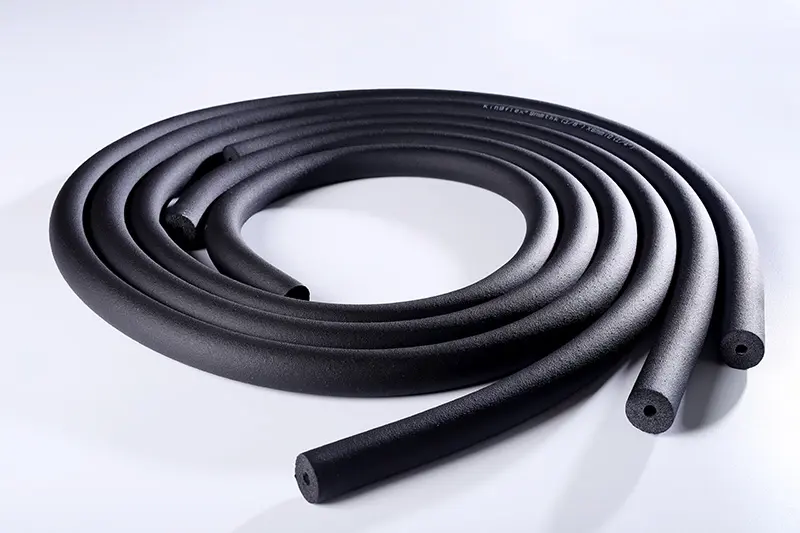
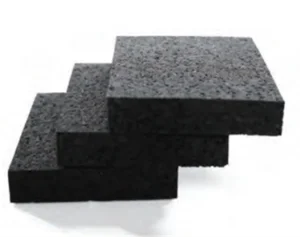
Premium-grade flexible elastomeric foam products engineered for extreme sub-zero pipelines, acoustic soundproofing, and HVAC distribution lines.
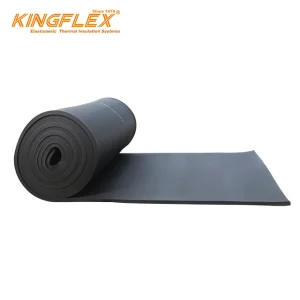
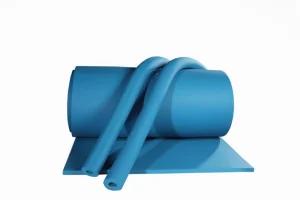
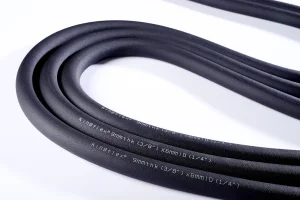
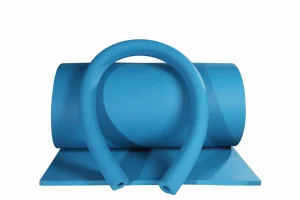
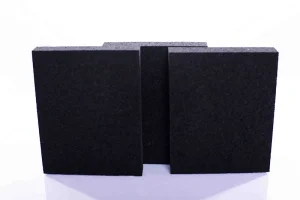
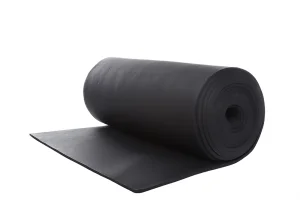
For engineering firms, plant managers, and procurement professionals, selecting the proper insulation barrier is not simply a matter of dimension; it is an optimization problem based on thermodynamic physics. Flexible elastomeric foam (FEF), specifically synthesized NBR/PVC blends, represents a highly engineered closed-cell structure. By capturing micro-pockets of gas within a dense polymer matrix, convective and conductive heat transfer is minimised.
Our manufacturing processes ensure a closed-cell rate exceeding 98%. This high proportion of isolated cells acts as an integrated vapor retarder. In chilled-water systems, condensate formation is a major hazard, leading to corrosion under insulation (CUI) and energy loss. A high water vapor resistance factor ($\mu \ge 10,000$) eliminates the need for auxiliary vapor barriers, reducing long-term failure risk and overall installation costs.
Kingflex insulation products provide a continuous service envelope ranging from -40°C to +105°C (and down to -200°C for specialized elastomeric cryogenic variations), ensuring structural stability, flexibility, and physical integrity across varied operational conditions.
A B2B comparative data sheet detailing elastomeric rubber foam profiles versus conventional rock wool media.
| Performance Parameters | Kingflex Elastomeric NBR/PVC Foam | Conventional Cryogenic Rubber | Industrial Rock Wool Media |
|---|---|---|---|
| Operating Temperature Range | -40°C to +105°C (-200°C for cryogenic series) | -100°C to +105°C | Ambient to +650°C (Unsuitable for sub-zero) |
| Thermal Conductivity (0°C) | ≤ 0.034 W/(m·K) | ≤ 0.036 W/(m·K) | ≥ 0.042 W/(m·K) |
| Water Vapor Permeability Resistance (μ) | ≥ 10,000 (Self-Sealing Structure) | ≥ 7,000 | No internal vapor resistance (requires cladding) |
| Mechanical Compression Resilience | ≥ 80% Elastic Recovery | ≥ 75% Recovery | Fragile structure (susceptible to crushing) |
| Fire Classification & Safety Ratings | Class 0 / Class 1 (BS 476), UL 94 V-0 | Class 1 / Flame Retardant | Non-Combustible (Class A1) |
| Acoustic Dampening Capabilities | Excellent Sound Barrier (Low Frequencies) | Moderate Acoustic Absorber | High Open-cell Sound Absorption |
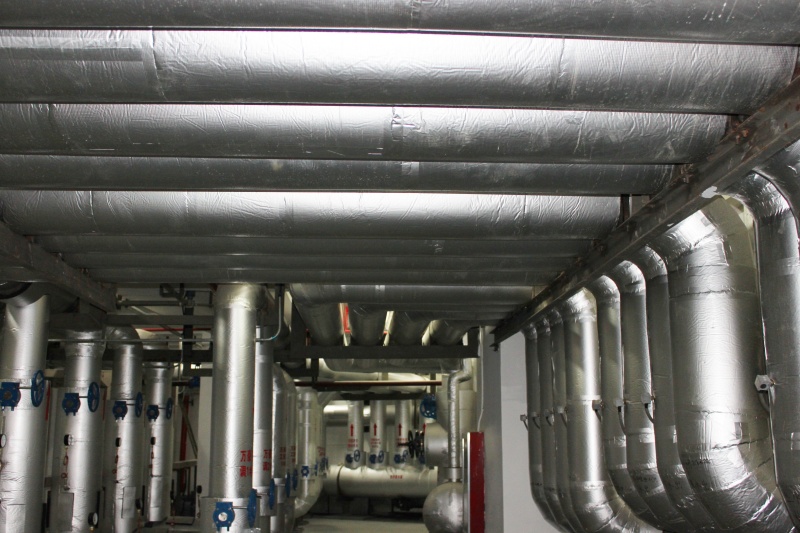
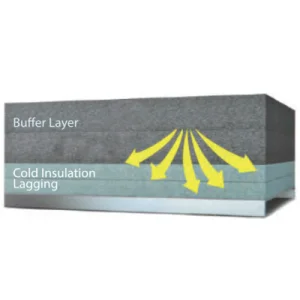
In chilled pipe infrastructure, external warm air meets colder metal surfaces, causing condensation. When water penetrates open insulation fibers (like fiberglass or mineral wool), it sits directly on the metal, initiating CUI. Kingflex's closed-cell rubber structure keeps water out of the substrate, preventing hidden pipeline degradation.
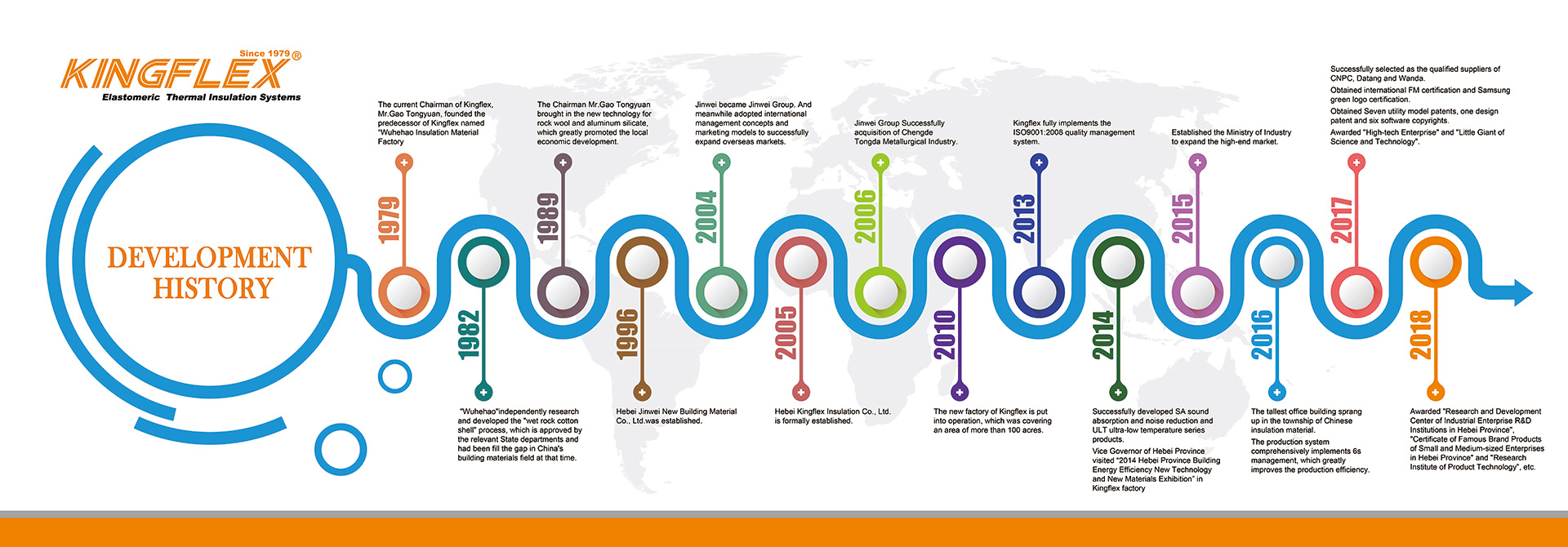
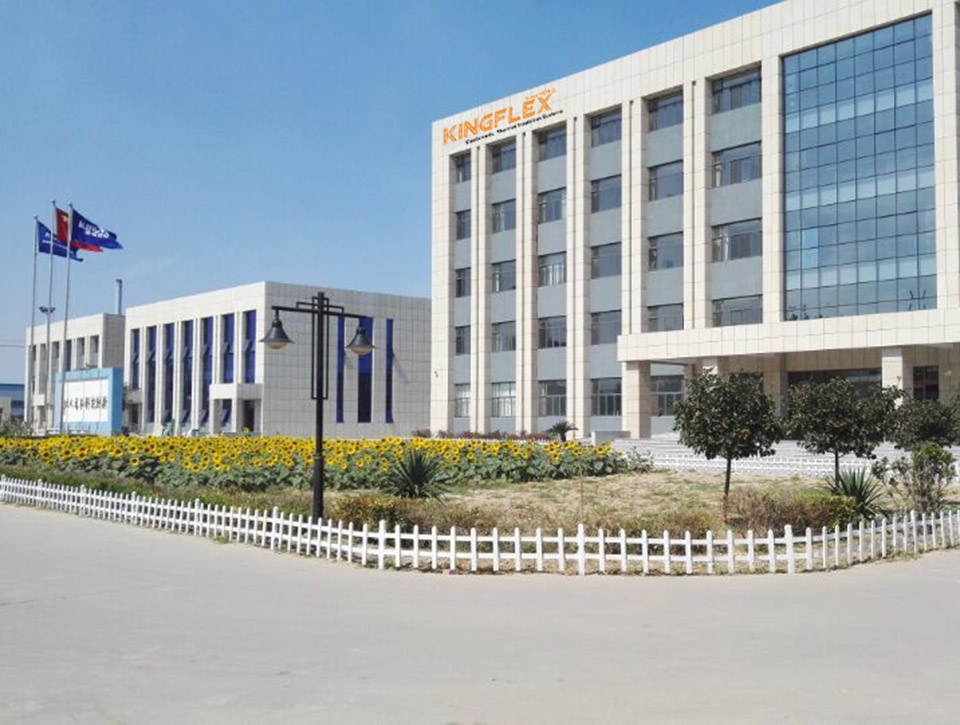
Kingflex Insulation Co., Ltd. functions as an integrated production and trading operation specializing in thermal and acoustic insulation. Our research facility is located in Dacheng, China, an established industrial cluster for green-building technology. Our core operations focus on reducing energy consumption by providing customized insulation products and system configurations. We assist clients from project evaluation and sizing to final installation and post-sale monitoring.
Kingflex was founded by the Jinwei Group, which has over 40 years of manufacturing history. Established in 1979, the group operated as the first manufacturer of thermal insulation products north of the Yangtze River, contributing to the development of early district heating and heavy industrial thermal networks across the country.
We believe that robust product quality is a direct result of ongoing technological investment. Our engineering team designs and manufactures high-density rubber polymers capable of maintaining structural stability under heavy mechanical load.
Our workforce operates as a structured group focused on delivering consistent product parameters. The Kingflex team includes 8 professional R&D engineers, 6 international sales consultants, and 230 trained production operators.

We supply insulation systems configured for specific engineering sectors, ensuring compliance with local energy and safety standards.
Our insulation helps control energy loss in commercial ductwork and chilled water lines, preventing sweat-induced damage in variable humilities.
Designed for low-temperature settings down to -200°C, protecting gas processing pipelines and liquid nitrogen transfer loops from cracking.
High-density acoustic sheets absorb low-to-medium frequency vibrations within machine rooms, pump jackets, and large commercial fan housings.
Continuous automated production provides high product consistency and enables high-volume B2B supply.
Kingflex operates 5 large automatic assembly lines, generating an annual production capacity of more than 600,000 cubic meters. Our plant is recognized as a supplier for regional utility projects in energy, electricity, and chemical process insulation.
Our production facilities utilize direct injection foaming and inline curing ovens to maintain consistent thickness, cell density, and dimensional tolerances. Integrated laser sensors continuously measure diameter and thickness on the line, ensuring that every shipment meets client specifications.
By controlling our primary chemical raw materials, we maintain product quality and offer stable, factory-direct pricing to our international distributors.
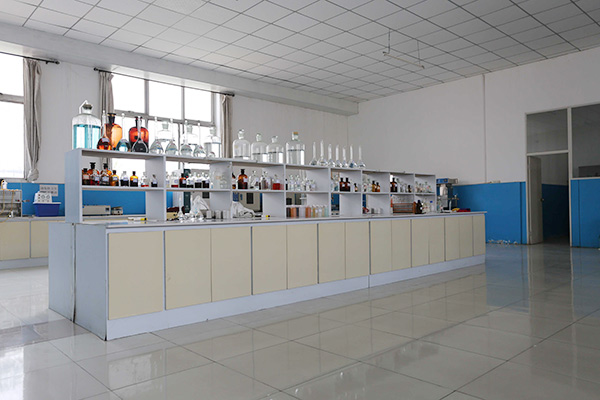
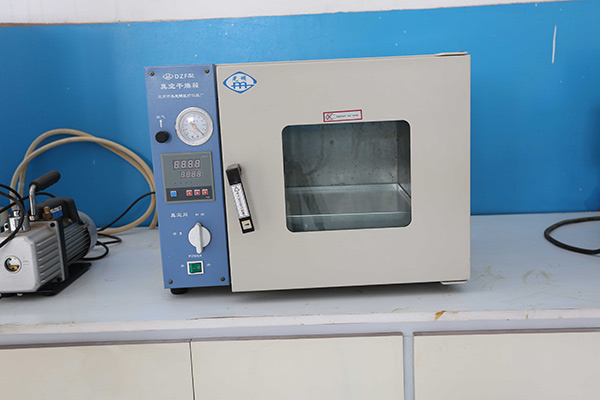
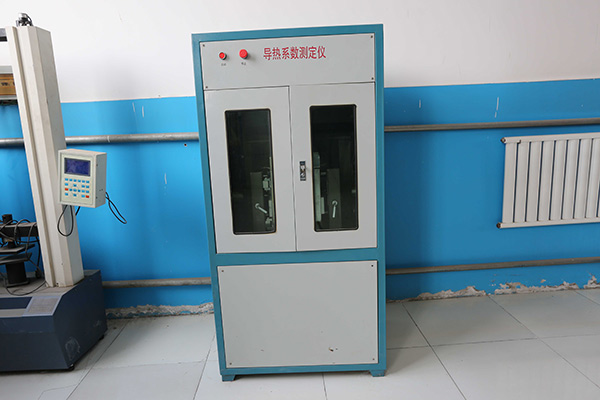
Our elastomeric insulation line is manufactured in compliance with international testing frameworks to meet regional safety codes.
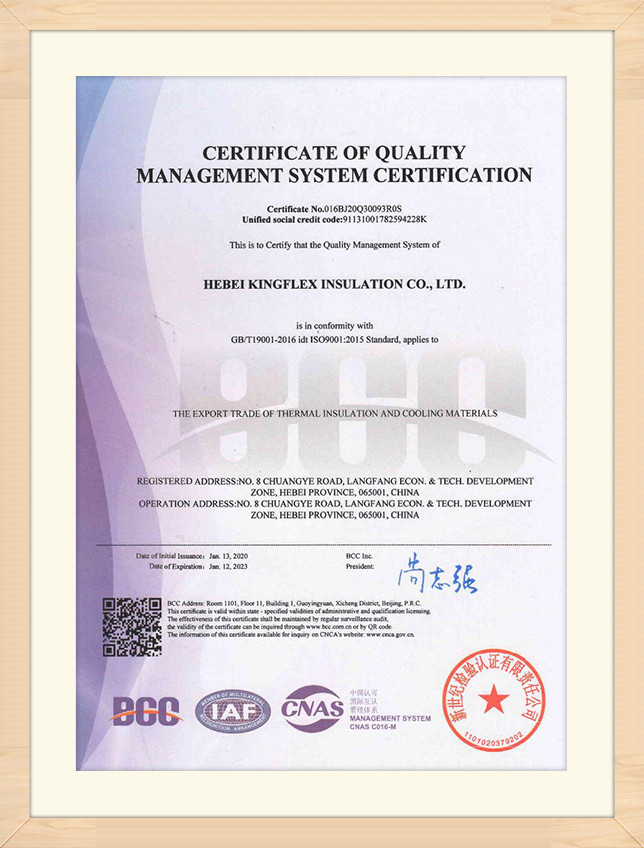
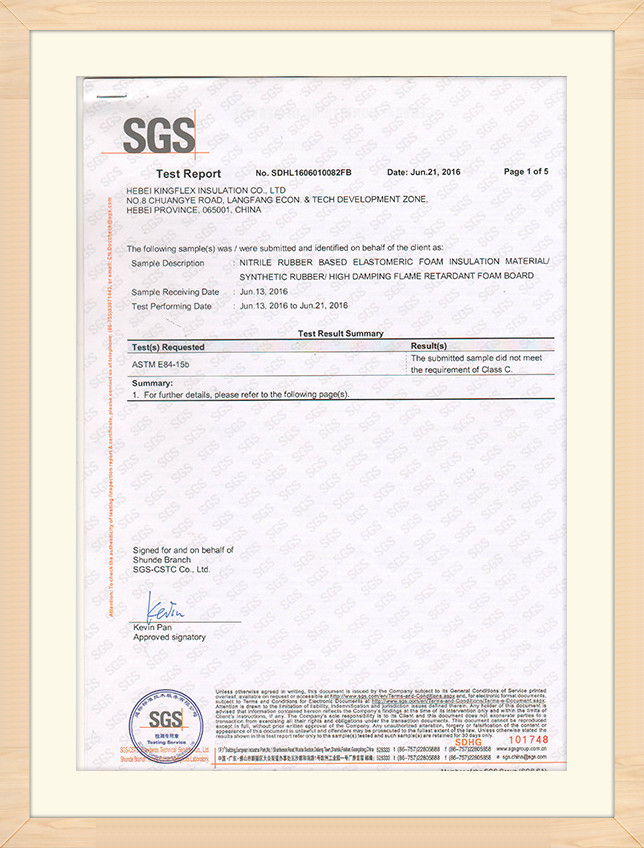
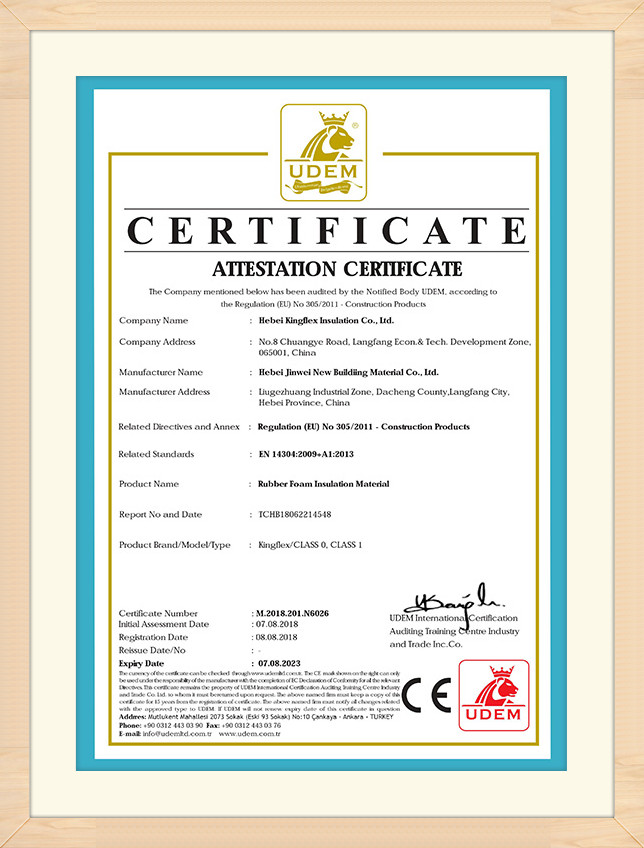
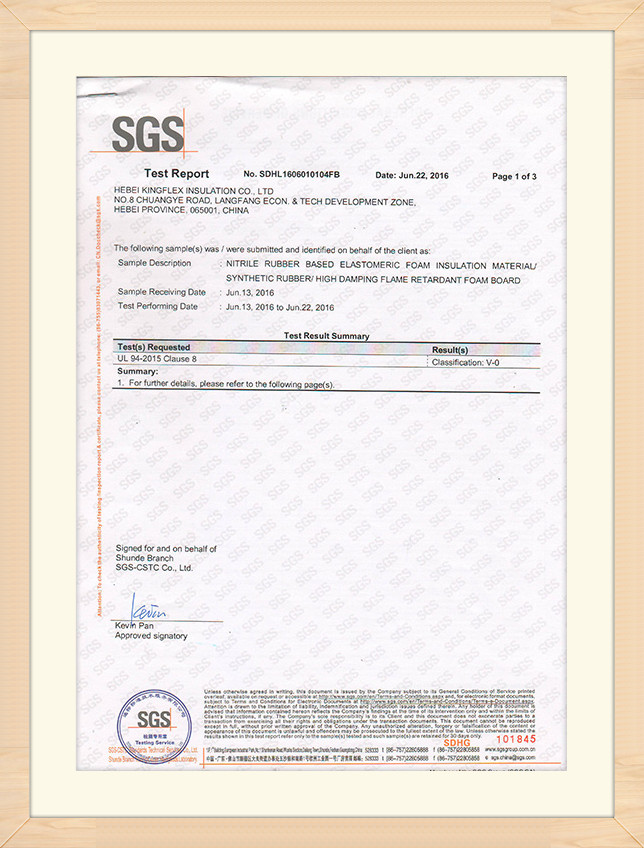
Our products carry certifications including BS 476 (Part 6 & 7 Class 0/1), CE Mark, REACH, RoHS, UL 94 (V-0 rating), and ASTM C534. This compliance supports direct project approval in regulated regions across Europe, North America, and the Asia-Pacific.
As chemical restrictions change globally, we are working to develop halogen-free (HF) elastomeric foam lines. Halogenated flame retardants are effective but emit acidic smoke when exposed to high temperatures. Our R&D team is refining mineral-based formulations that improve safety profiles without affecting thermal performance.
We are also researching bio-based raw materials. By incorporating plant-derived polyols into our formulation matrix, we aim to reduce product carbon footprint and align with green building certification requirements such as LEED and BREEAM.
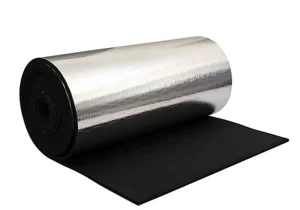
Additionally, we are exploring the integration of thin-film sensor arrays beneath the protective aluminum foil cladding. This setup enables monitoring of temperature and humidity gradients, helping operators detect moisture issues early.

B2B considerations to help procurement managers evaluate total cost of ownership and logistical planning.
NBR/PVC foam is low density and high volume, which affects shipping costs. We compress materials for transit with a focus on recovery rate. Our materials are designed to return to over 80% of original thickness after unpacking, reducing logistics-related dimensional issues.
Ensure that inner diameter (ID) and wall thickness dimensions match your pipe sizes. Variations can cause gaps between the pipe and the foam, which leads to condensation and reduces thermal performance.
Assess materials based on purchase cost, installation speed, and lifespan. Kingflex's integrated vapor barrier reduces labor steps, and the material's typical 10-to-15-year lifespan helps lower maintenance costs.
Explore our main line of flexible pipe sections, roll systems, sound dampening boards, and high-temperature mineral rock wool variations.
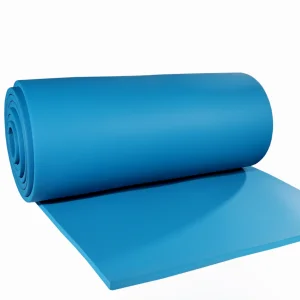
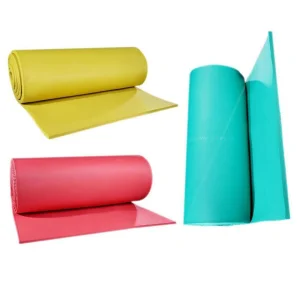
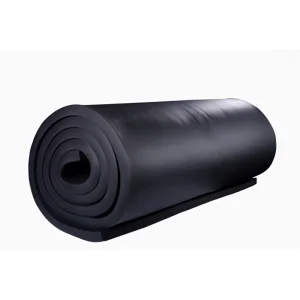
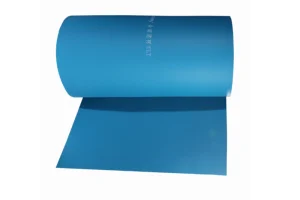
Our insulation sheet rolls are formatted for quick application on large flat structures, square air ducts, and custom-diameter piping.
Key Advantages: Dynamic structural foaming delivers uniform cell configuration, achieving a closed-cell rate above 98%. Low water absorption prevents moisture penetration, and the material remains flexible to handle structural vibrations without cracking.
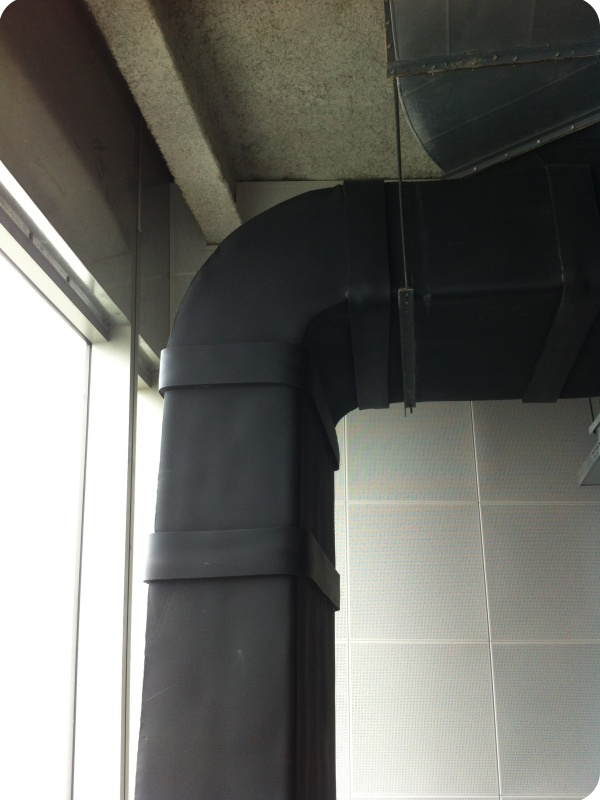

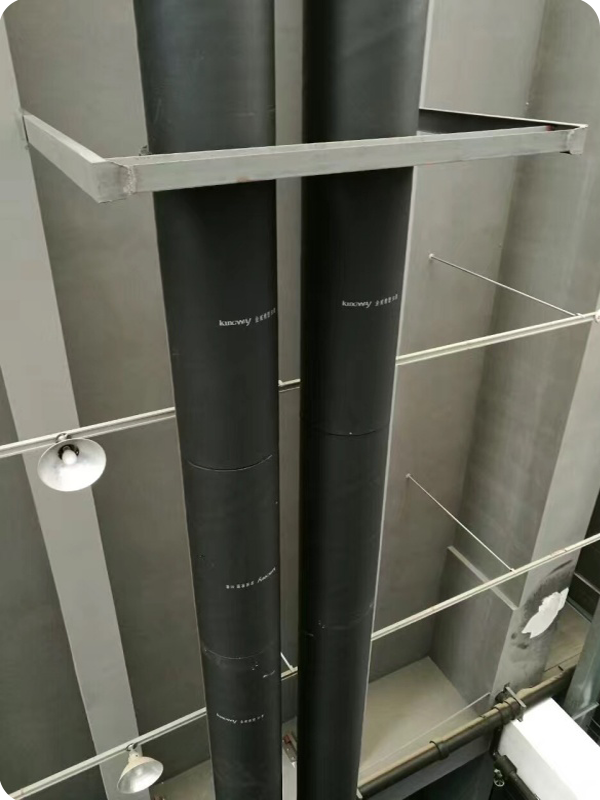
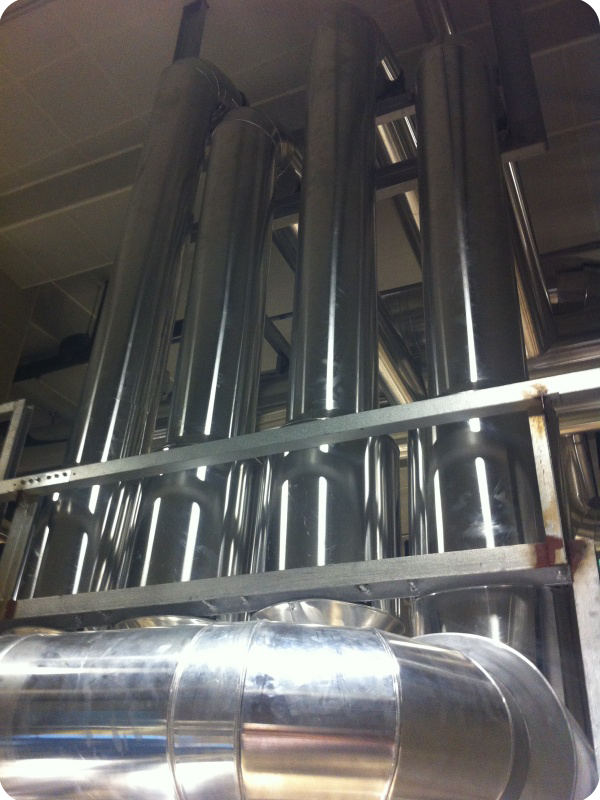
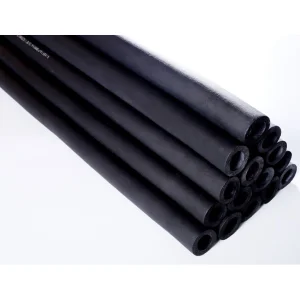
Our tubular insulation sections are pre-slit or extruded continuously to fit standard copper and steel pipe sizes.
Key Advantages: Uniform sizing simplifies installation over joints and bends. The material offers fire resistance and helps mitigate freezing risks in exposed outdoor utility lines.
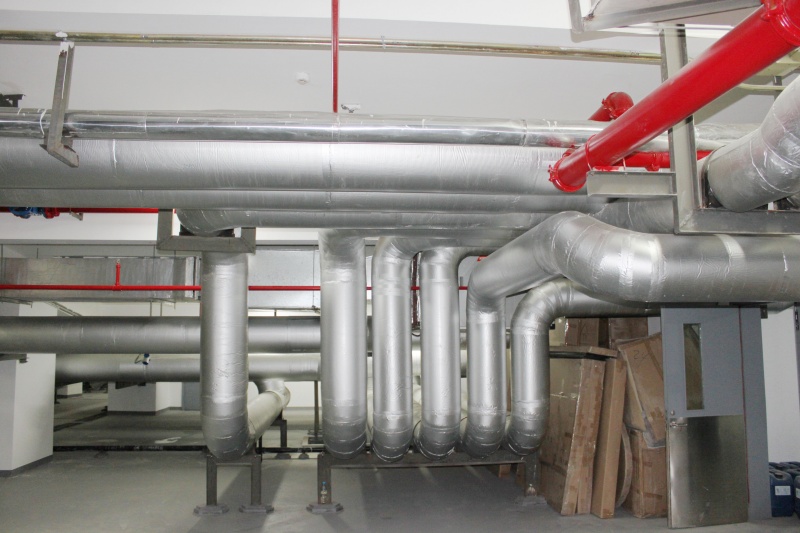
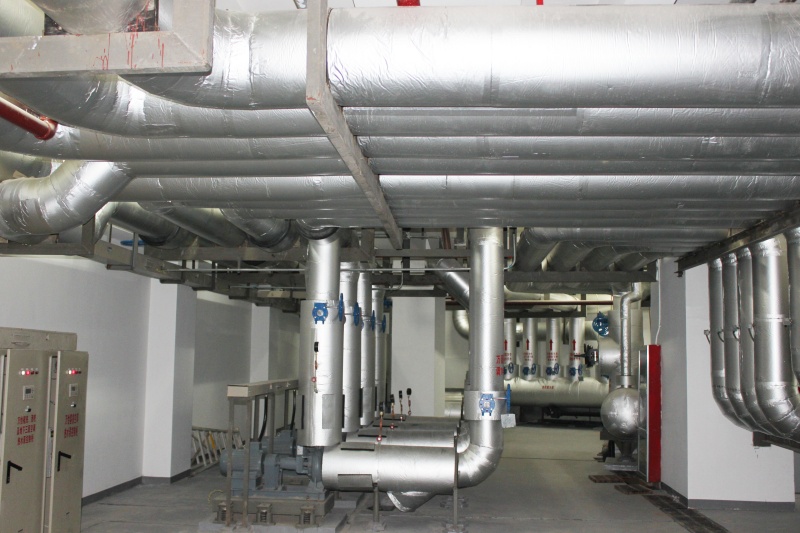
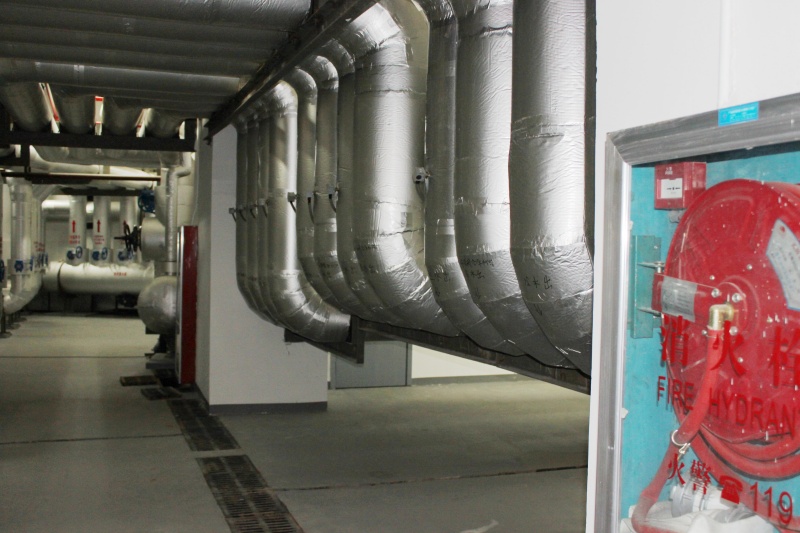
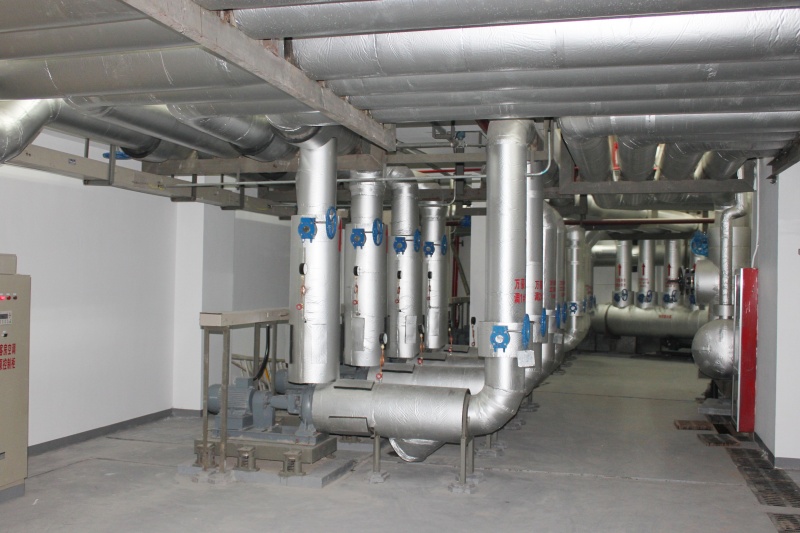
Our materials are used in building HVAC, sub-zero facilities, and industrial manufacturing plants globally.
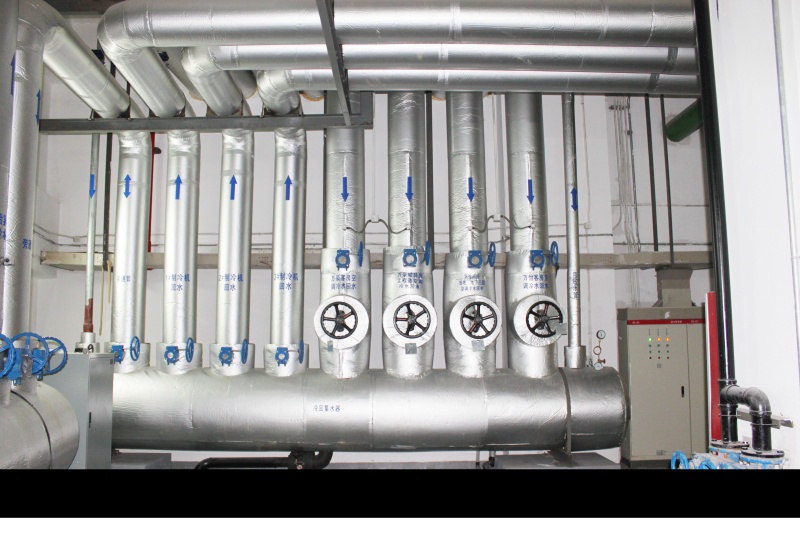
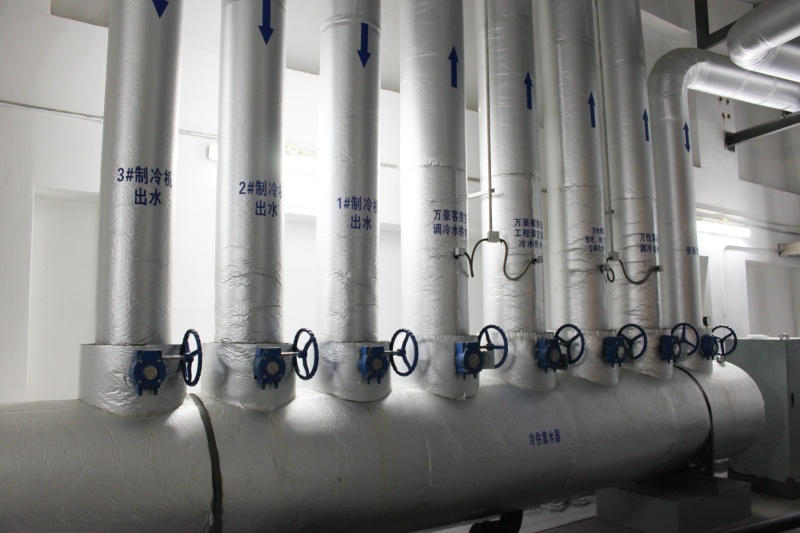
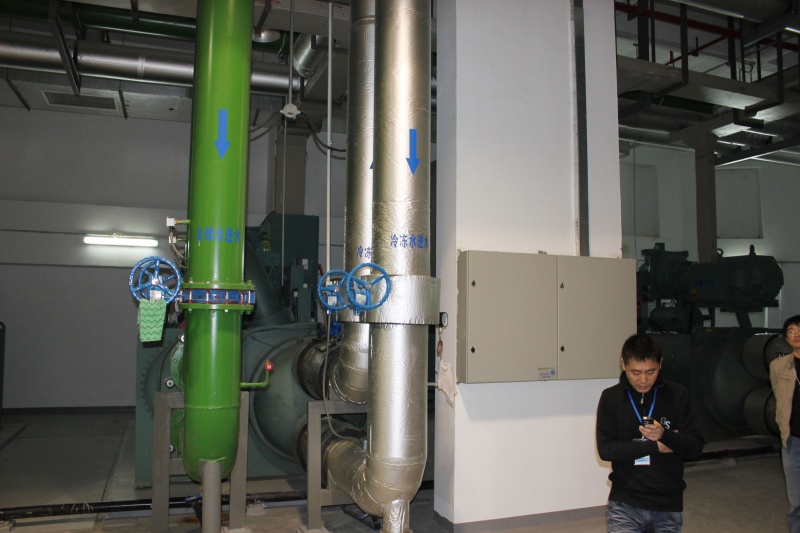
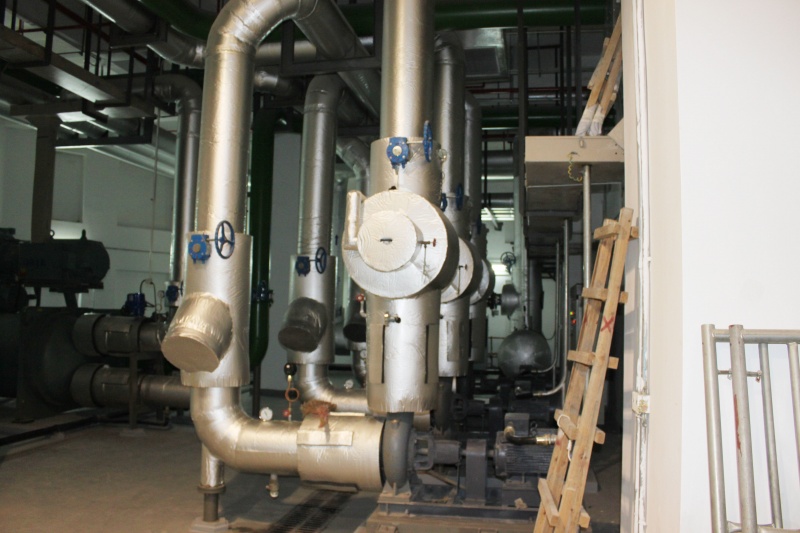
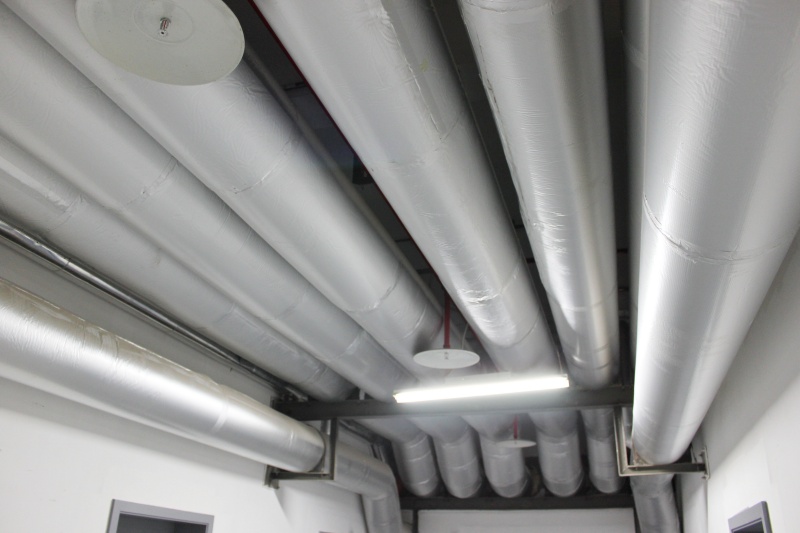


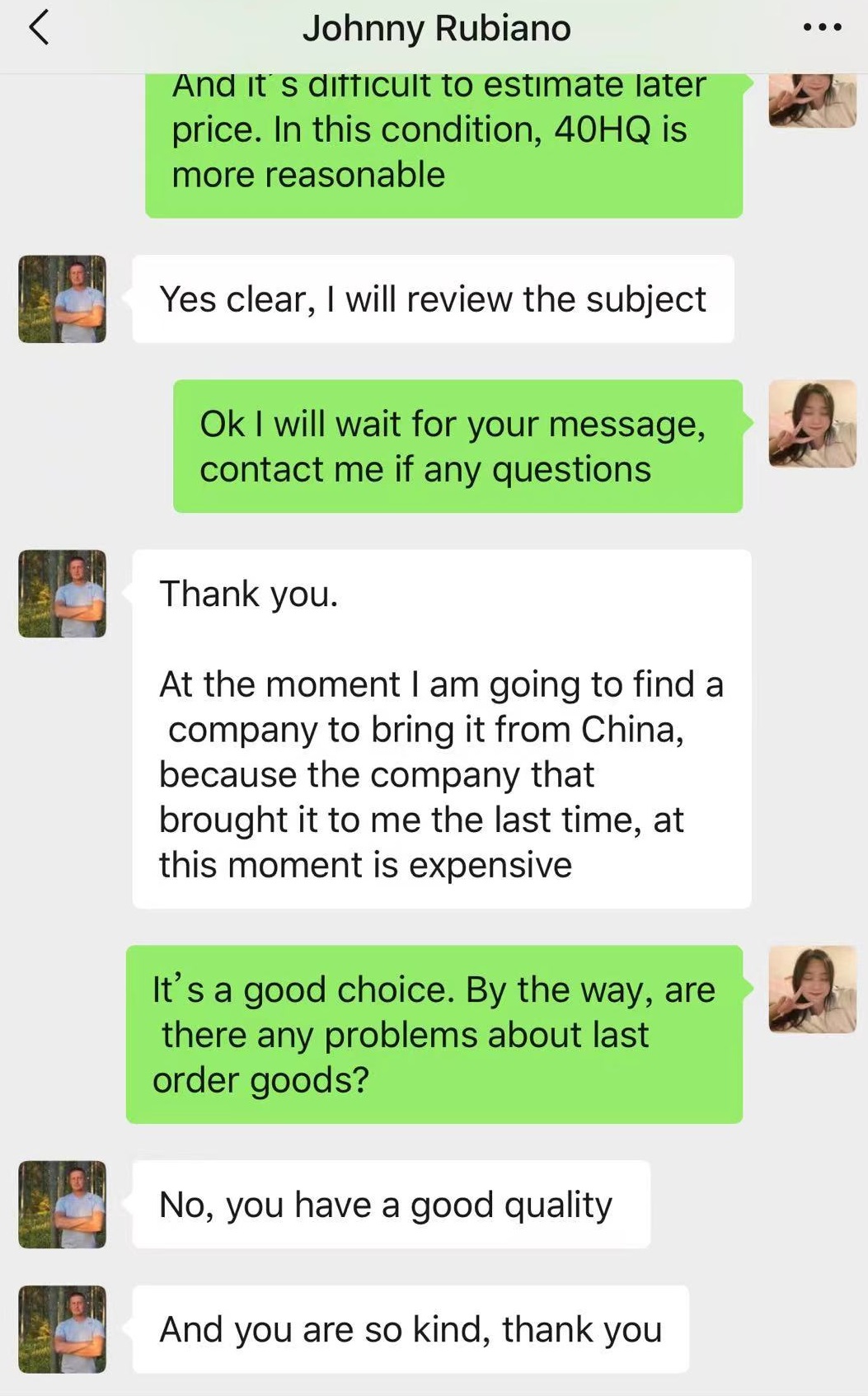
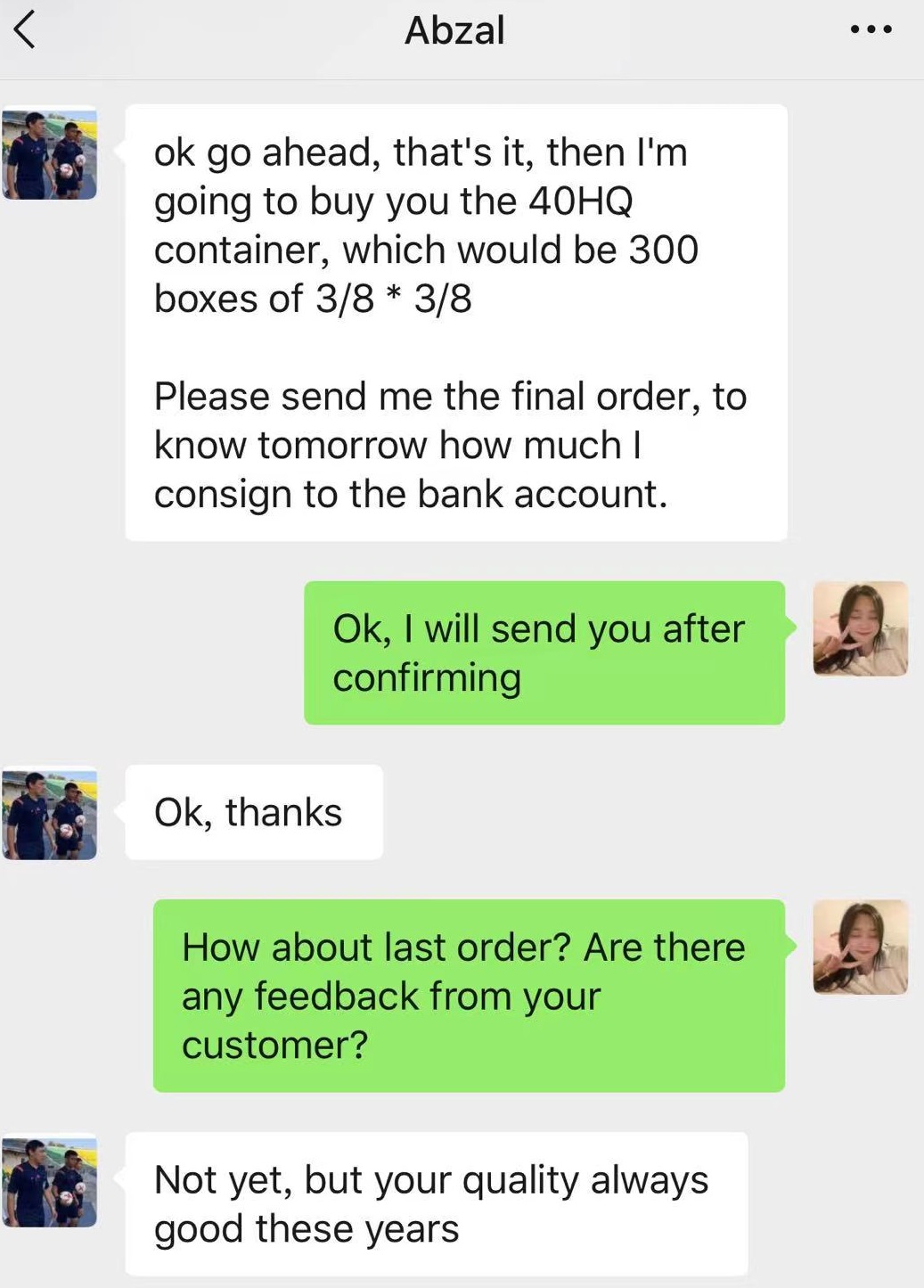
Documented communications showing product parameter verification and cargo release approvals from international clients.


Detailed technical answers addressing standard inquiries from B2B buyers and project engineers.
Flexible elastomeric foam (FEF) is primarily used to control heat flow and condensation in commercial HVAC systems, chilled-water lines, refrigeration piping, and industrial installations. Its closed-cell structure helps limit thermal transfer and prevents moisture penetration, which helps avoid corrosion under insulation (CUI) on steel pipelines. It is also used for low-frequency sound dampening in mechanical equipment enclosures.
Yes. Our elastomeric foam formulations meet Class 0 and Class 1 standards under BS 476 (Part 6 and Part 7). They are designed to self-extinguish when the direct flame source is removed, and they comply with UL 94 V-0 safety criteria.
The primary differences lie in cell structure, operating limits, and moisture resistance:
1. Rubber Foam: Features a flexible, closed-cell structure with a high water vapor resistance factor (μ ≥ 10,000). It is suitable for chilled-water, refrigeration, and cryogenic systems operating between -200°C and +105°C, where moisture protection is required.
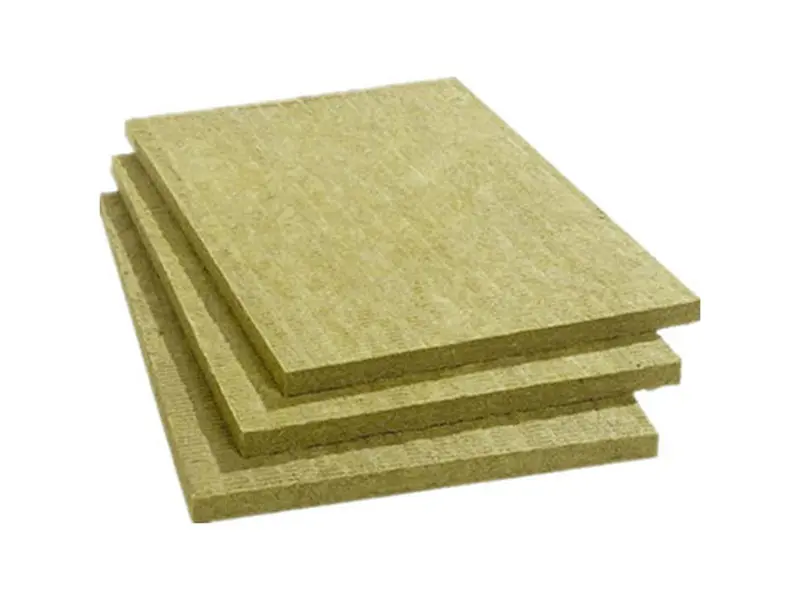
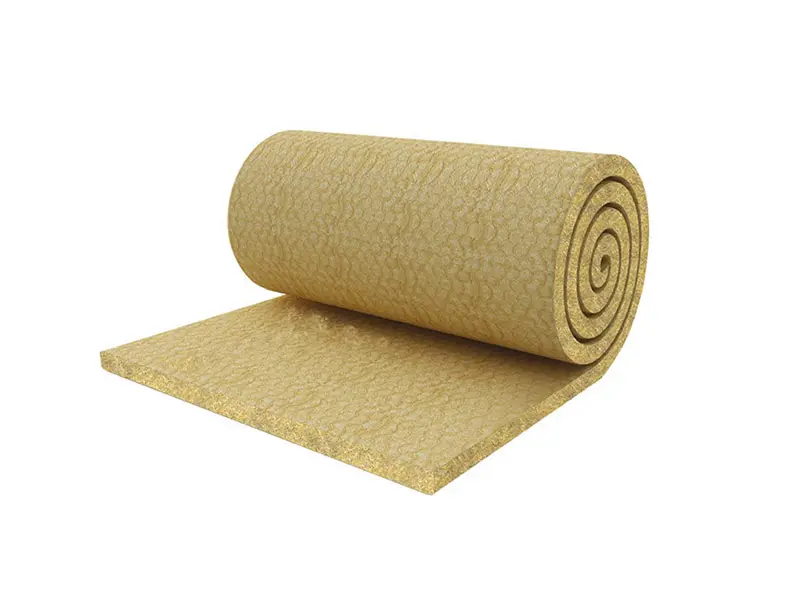
2. Rock Wool: An open-cell mineral fiber product suitable for high-temperature applications (up to +650°C). It requires an external vapor barrier to prevent moisture accumulation in cold or humid conditions.
Yes. We support custom dimensions, including specific wall thicknesses, inner diameters (ID), and lengths, as well as specialized backing adhesives, color coding, and composite surface coatings (such as aluminum foil cladding).
Our product lines are certified under BS 476, CE, REACH, RoHS, UL 94, and ASTM C534. These certifications support import compliance and project approvals in Europe, North America, and other regulated markets.
Yes. We maintain batch-level traceability. Each production lot is cataloged with raw material inspection reports, processing parameters, line extrusion times, and QA verification sheets, allowing us to trace quality details back to specific production conditions.
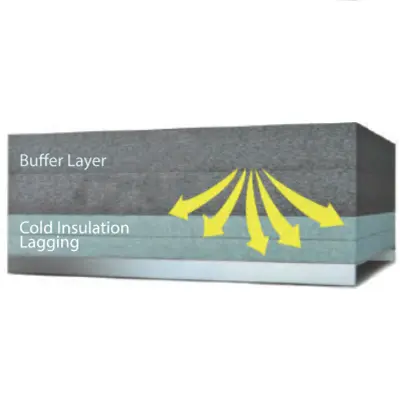
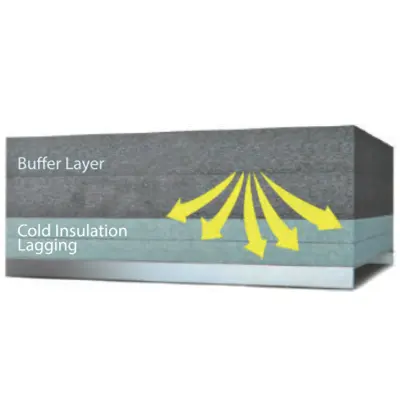
We manufacture continuous elastomeric foam sheet rolls and boards in thicknesses ranging from 6mm to 50mm. Custom multi-layer laminations are also available for applications requiring higher thermal resistance.
When sized and installed according to specifications, Kingflex rubber foam insulation typically has a service life of 10 to 15 years, depending on operating temperatures, local environment, and UV protection.
Complete product range supporting low-temperature process lines, flexible thermal sheets, and aluminum-foil systems.
Our production facilities maintain stock across common specifications to support consistent delivery schedules to international destinations.




 Kingflex