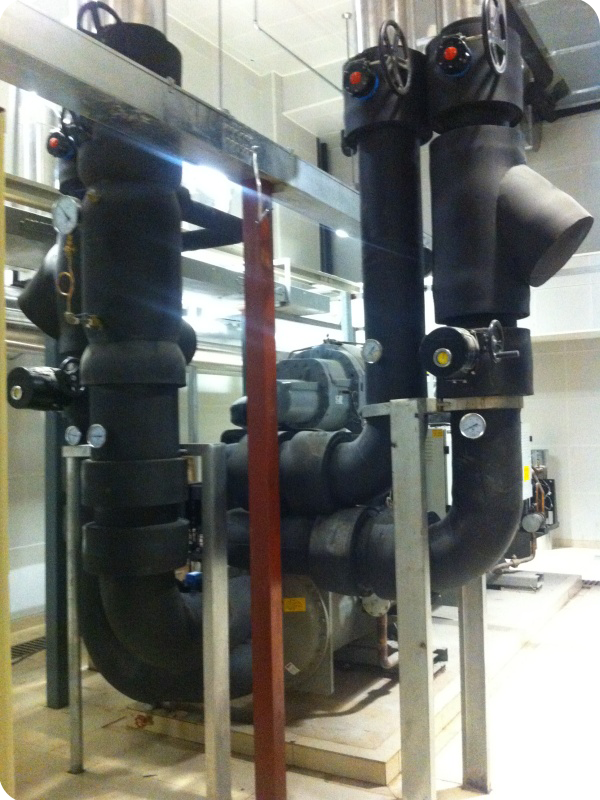
Direct supply from state-of-the-art production lines designed to meet French RE2020 energy efficiency standards and CSTB mechanical certifications.
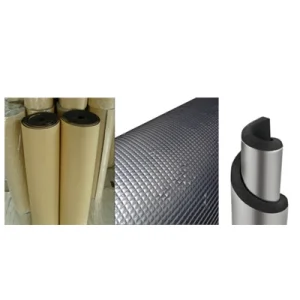
The Paris metropolitan area (Île-de-France) is experiencing an intense transformation driven by the Paris Climate Action Plan (Plan Climat Paris) and the comprehensive RE2020 environmental regulation. These frameworks mandate rigorous targets for thermal efficiency, low-carbon materials, and building life-cycle performance. Within this context, the demand for elastomeric rubber foam sheets has expanded from traditional HVAC duct wrap to specialized, micro-engineered thermal barriers. These barriers prevent condensation, suppress structural vibration, and drastically minimize thermal bleed in complex local pipe networks.
Preserving Haussmannian facades requires compact insulation materials with exceptional thermal efficiency. Low thickness NBR sheets permit high insulation performance without reducing valuable square footage.
The "Climespace" network under Paris, one of the largest cooling grids worldwide, relies heavily on cryogenic-grade rubber foam to eliminate energy waste across sub-surface chill lines.
Due to the high population density in Paris multi-family residences, NBR/PVC blended sound absorption sheets are widely specified to meet strict European indoor acoustic codes.
Globally, the flexible elastomeric insulation market is experiencing rapid expansion due to the rise in infrastructure retrofits and LNG transport logistics. Standardizing production around unified certificates such as BS 476, CE, REACH, RoHS, UL94, and ASTM is crucial. By integrating bulk automated production lines from our central manufacturing hubs with dynamic European shipping lanes, we supply the Paris region with consistent, high-density insulation sheets that reduce total cost of ownership (TCO) for regional contractors.
For engineering offices and HVAC architects operating in France, the primary performance criteria revolve around thermal conductivity, moisture migration resistance, and flame behavior. Below are the standard specifications for our NBR/PVC elastomeric rubber foam sheets.
| Property Parameter | Value / Standard Compliance | Testing Reference Method |
|---|---|---|
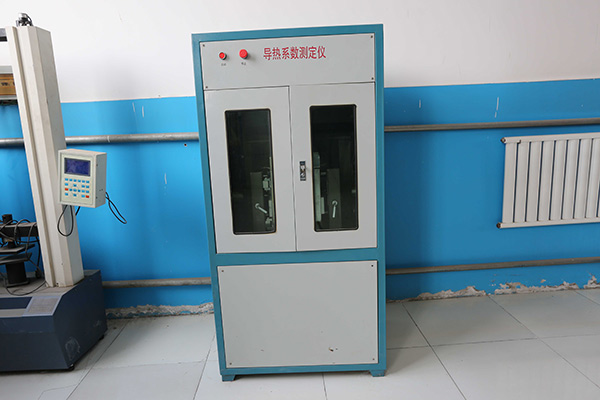
| Thermal Conductivity (λ) | ≤ 0.034 W/(m·K) at 0°C | ASTM C518 / ISO 8301 |
| Water Vapor Diffusion Factor (μ) | ≥ 10,000 | EN 12086 / ASTM E96 |
| Fire Safety Rating | Euroclass B-s3, d0 / Class 0 & Class 1 | BS 476 Part 6 & 7 / EN 13501-1 |
| Temperature Range Limit | -40°C to +105°C (specialty grades to -200°C) | ASTM C534 |
| Density Range | 40 to 55 kg/m³ | GB/T 6343 |
| Vacuum Compression Resilience | Over 80% recovery rate | Internal QC / Standard ISO 1856 |
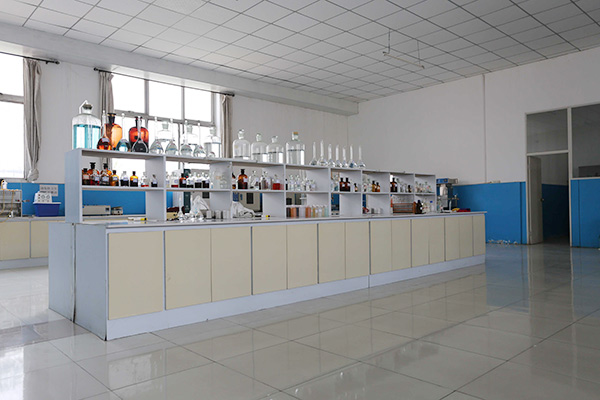
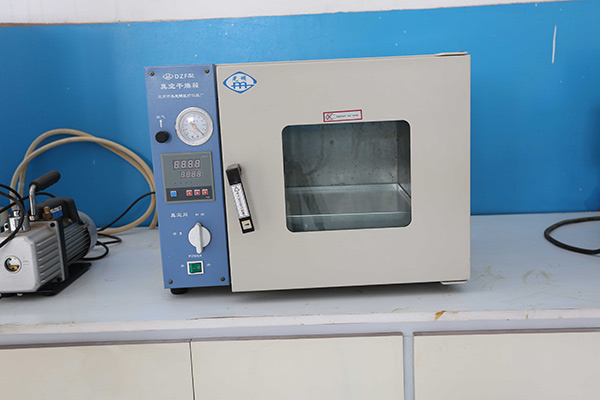
Our sheets undergo rigorous evaluation using automatic chemical dispersion systems to verify that the closed-cell matrix remains 98% uniform. This consistency prevents local moisture pocket formation and keeps thermal performance stable over a lifespan of 10 to 15 years.
Kingflex Insulation Co., Ltd. is a professional manufacturing and trading combo for thermal insulation products. Kingflex research development and production department is located in the well-known capital of green building materials in Dacheng, China. It is an energy-saving, environmentally friendly enterprise concentrating on research and development, production, and sales. In operation, Kingflex takes energy saving and consumption reduction as its core concept.
We provide comprehensive solutions regarding insulation by means of consultation, research and development, production, installation guidance, and post-sale service to lead the development of the global building materials industry.
Established by the Jinwei Group, which has more than 40 years of history (established in 1979), our legacy represents the pioneering generation of thermal insulation materials manufacturing north of the Yangtze River.
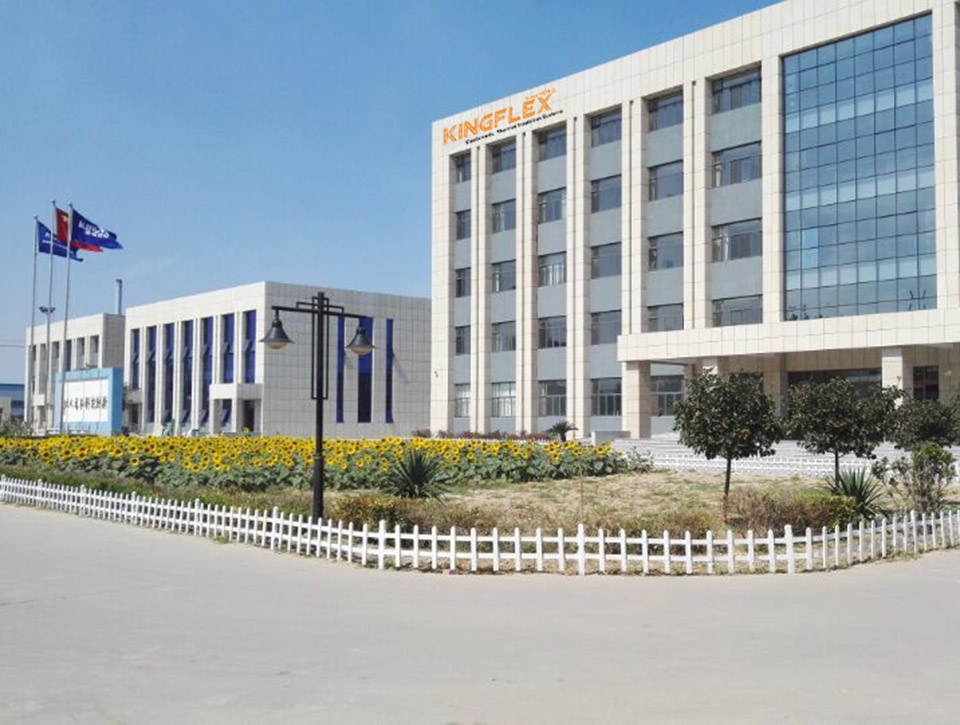
Our technical superiority is supported by a dedicated team of engineers who continuously iterate NBR/PVC blends to improve environmental profile indices. Our employees are amazing in their own right, but together they make Kingflex a productive and rewarding place to work. The Kingflex team is a close-knit, talented group with a shared vision of delivering first-class service to our global clients. Kingflex has 8 professional engineers in the R&D Department, 6 professional international sales specialists, and 230 skilled production workers.

We focus on supply chain integration to deliver comprehensive energy-saving insulation systems for residential, commercial, and industrial facilities. Our thermal, cold, and acoustic barriers help reduce carbon emissions globally.
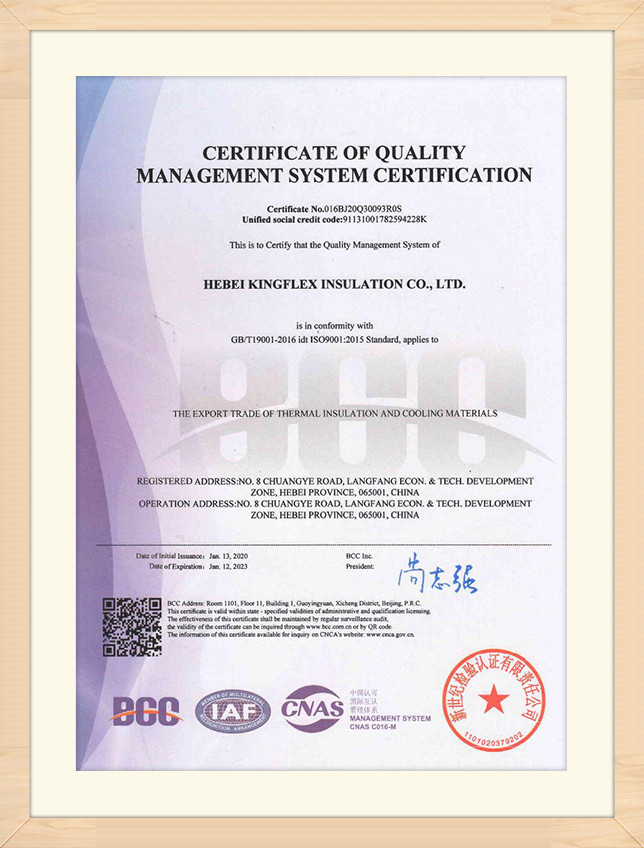
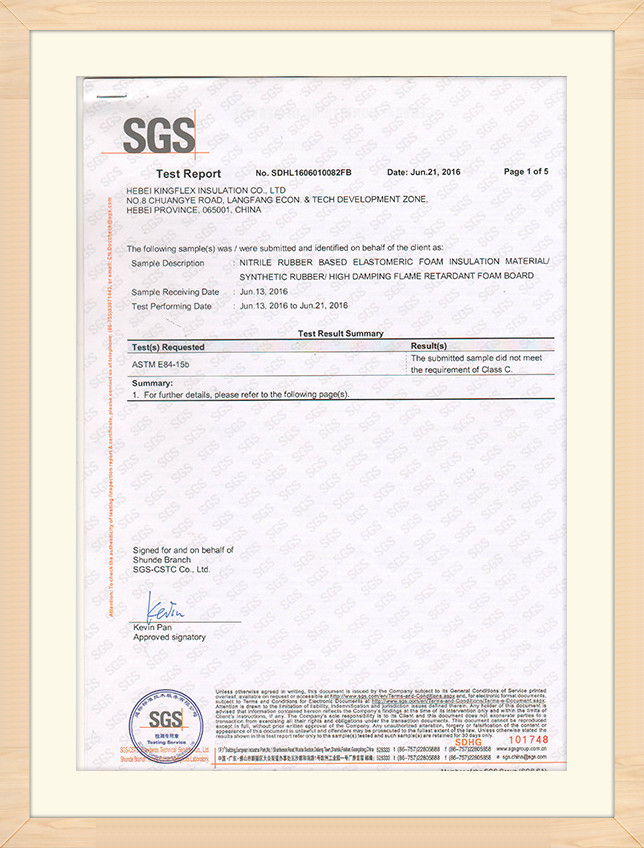
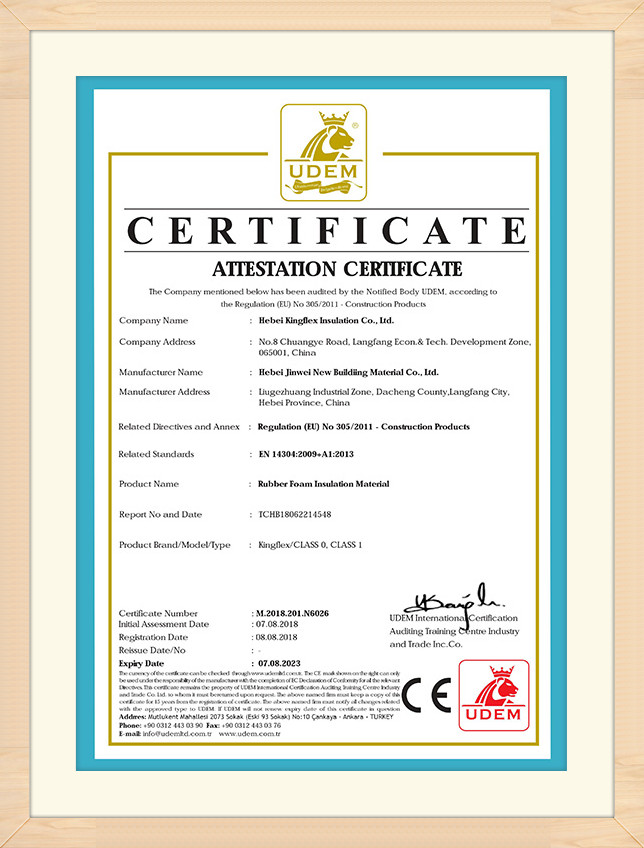
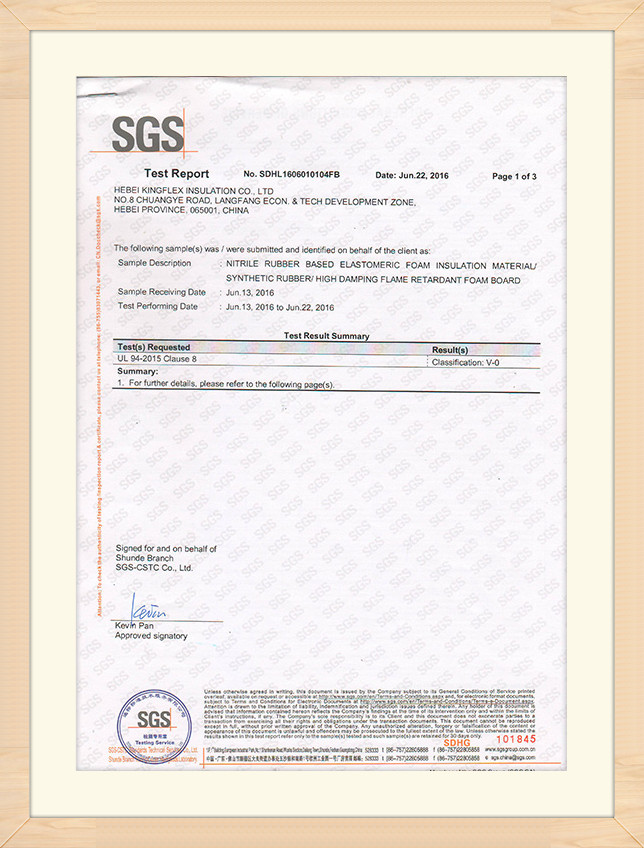
Our product compliance roadmap ensures compliance with European standards, including French environmental regulations and chemical tracking. Our certificates include BS 476, CE, REACH, RoHS, UL94, and ASTM, guaranteeing traceability across our batch manufacturing cycles.

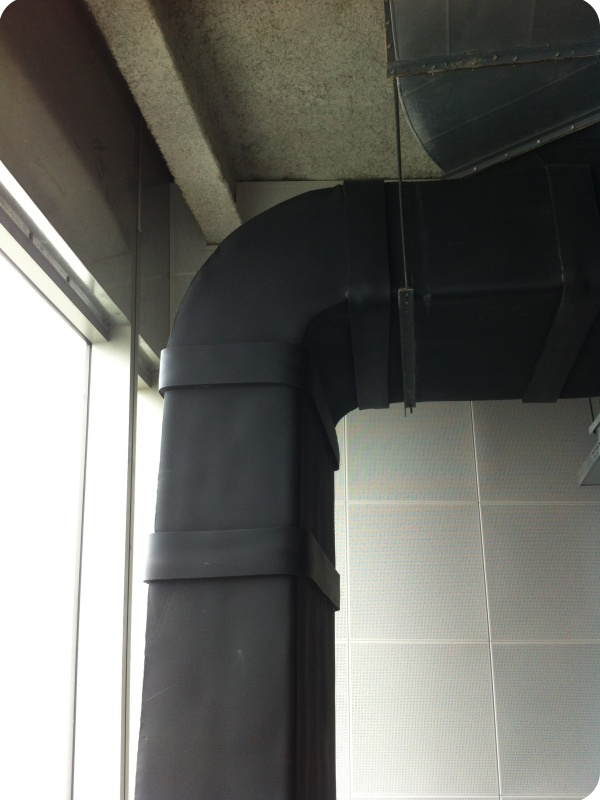
Applying industrial rubber foam sheets in Paris requires a thorough understanding of the local building designs and engineering challenges. Here are the four primary application domains:
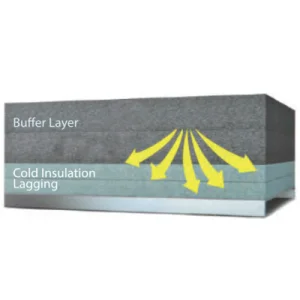
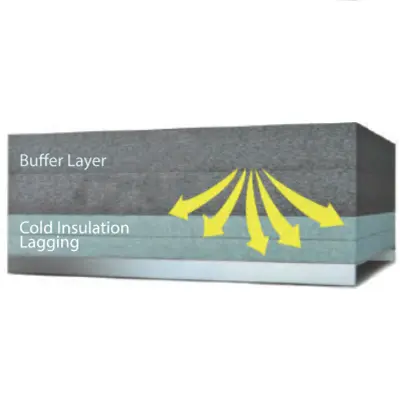
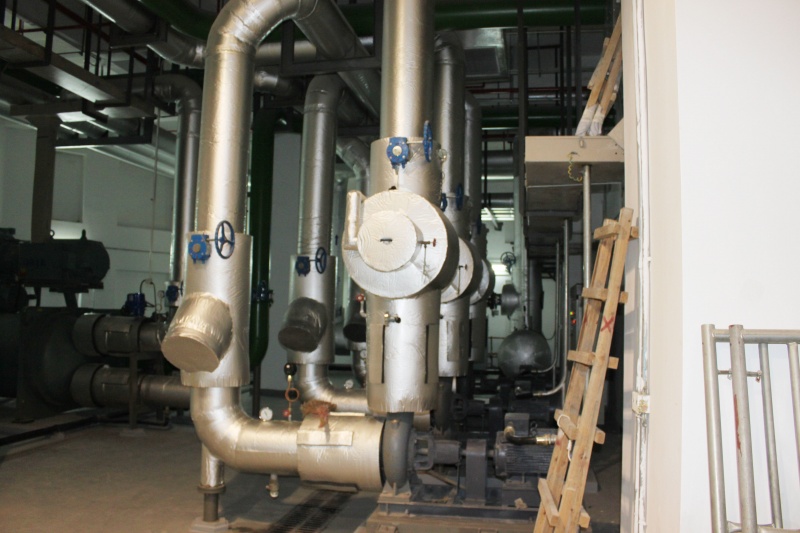
Paris runs a massive sub-surface chilled water grid. Our closed-cell rubber sheet rolls, featuring an aluminum foil layer, prevent condensation and moisture buildup in high-humidity subterranean channels.
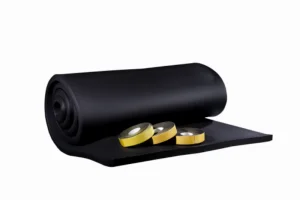
Traditional stone structures are vulnerable to moisture accumulation. Installing thin, self-adhesive rubber foam insulation sheets prevents thermal bridging without affecting historic timber work.
The new rail lines require advanced sound absorption and structural vibration dampening. Our high-density NBR/PVC panels provide long-term acoustic isolation for underground tunnels and stations.
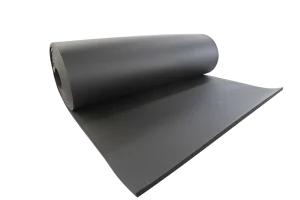
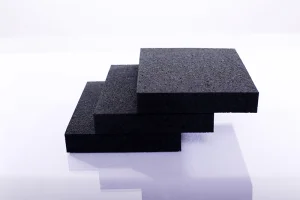
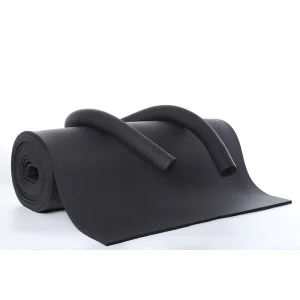
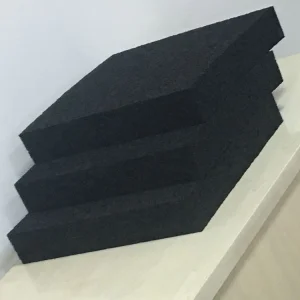
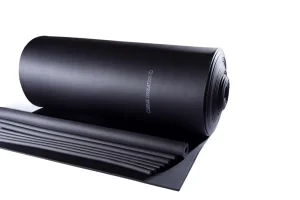
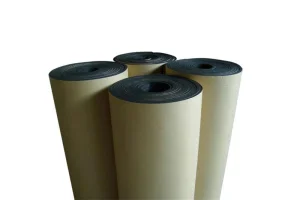
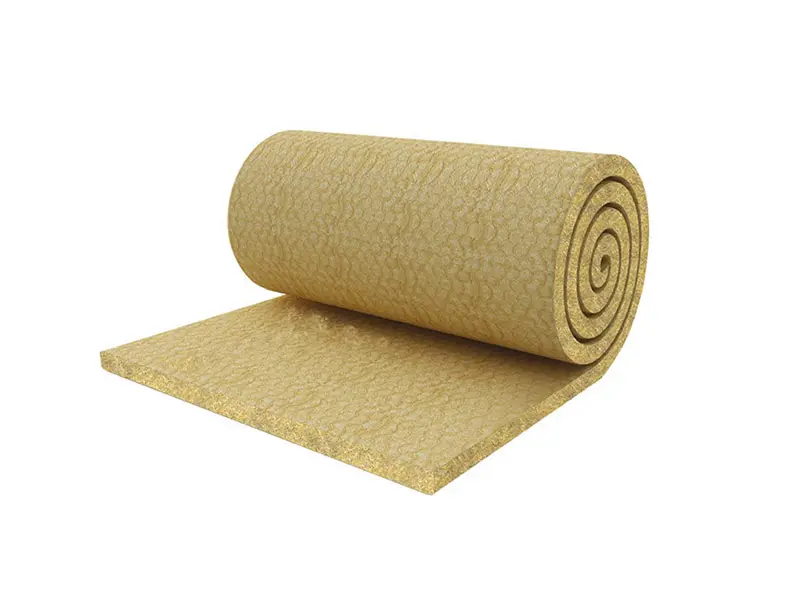
Black Rubber Foam Insulation Sheet Roll Specifications:
- Material: NBR/PVC blend
- Thickness: 6mm - 50mm
- Density: 40 - 55 kg/m³
- Temperature range limit: -40°C to 105°C
- Performance benefits: Uniform foaming structure (closed-cell rate > 98%), compression resilience over 80%, flame retardant, and high moisture resistance factor.
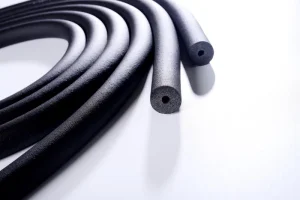
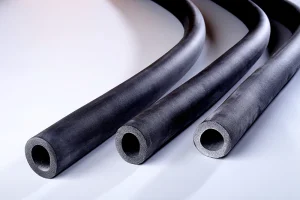
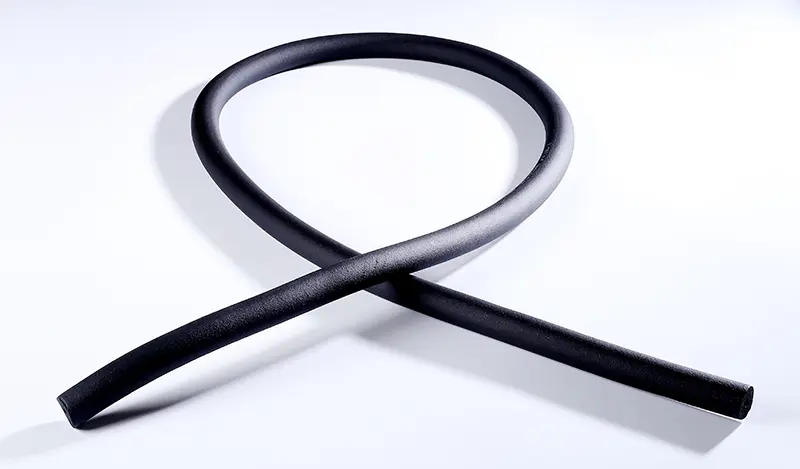
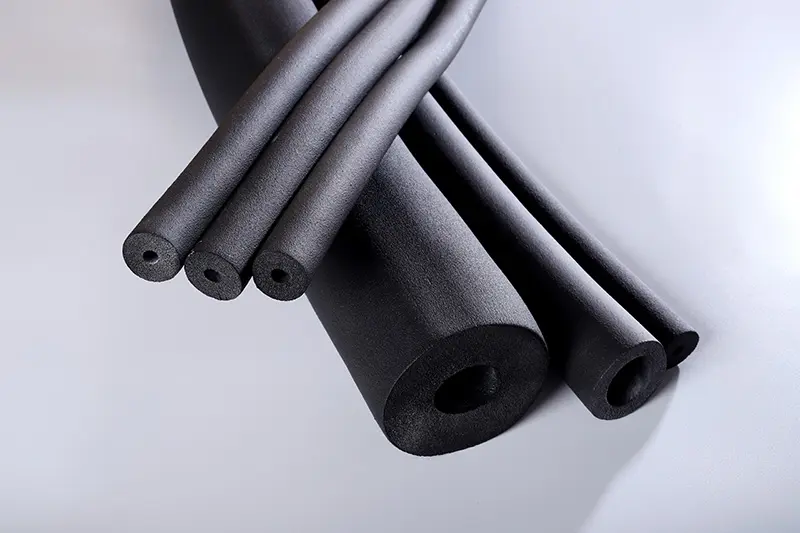
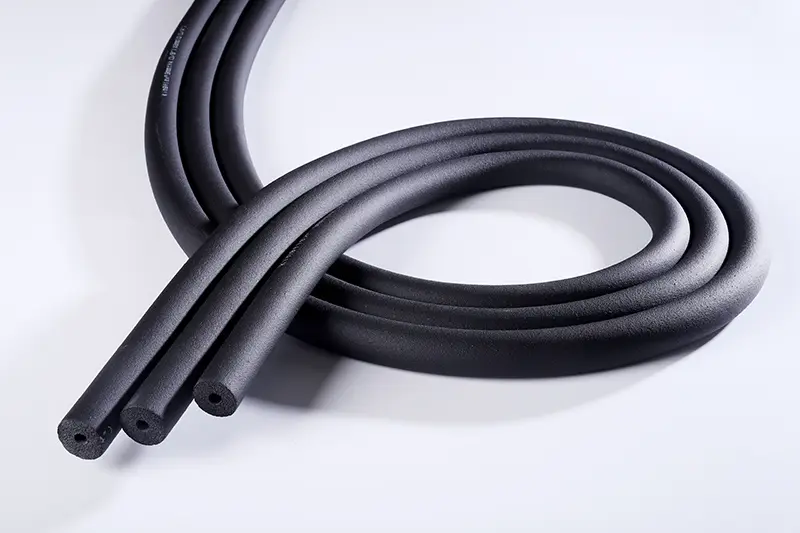
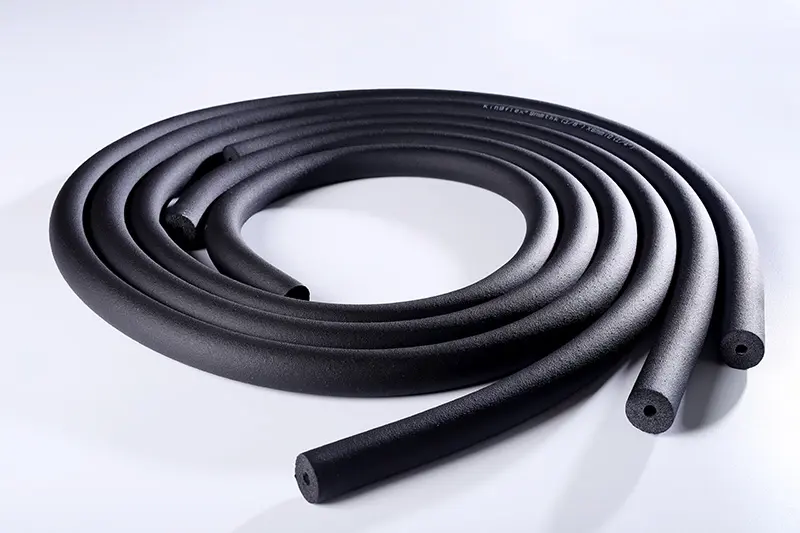
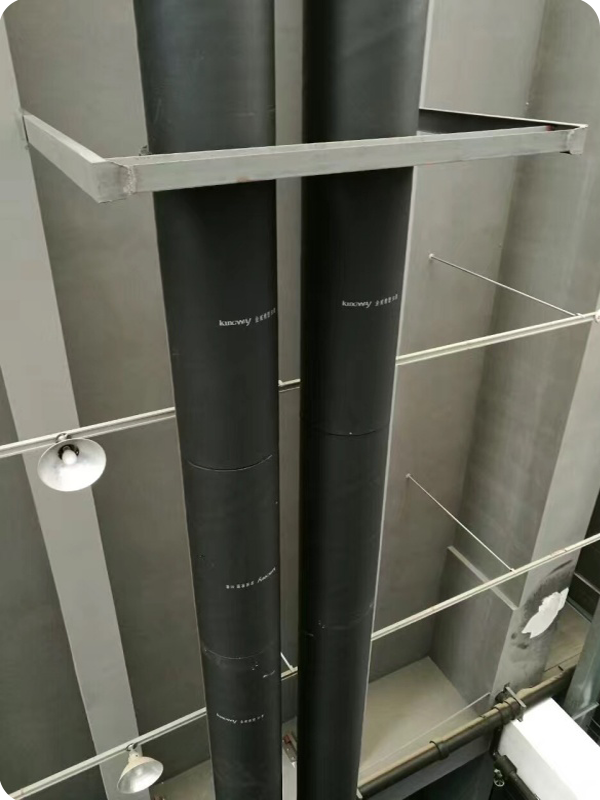
Black Rubber Foam Insulation Pipe Specifications:
- Inner Diameter (ID): 6mm - 114mm
- Wall Thickness: 9mm - 40mm
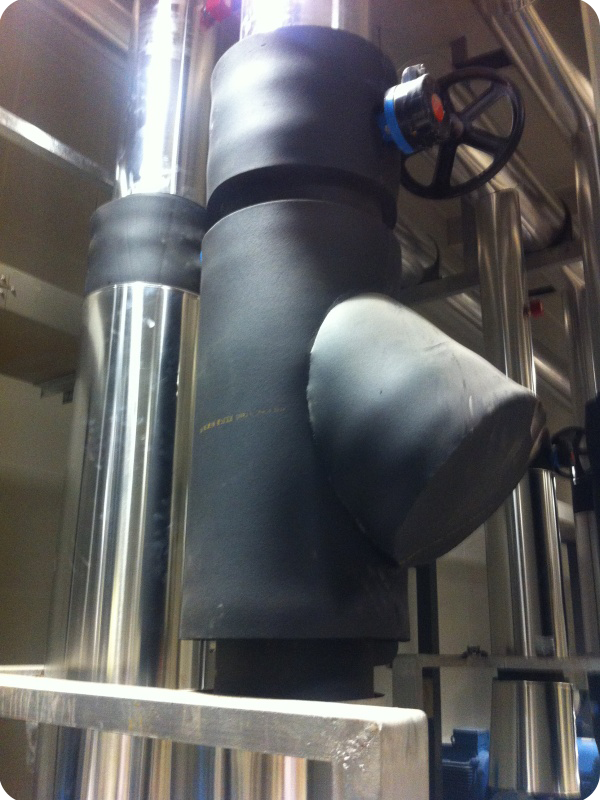
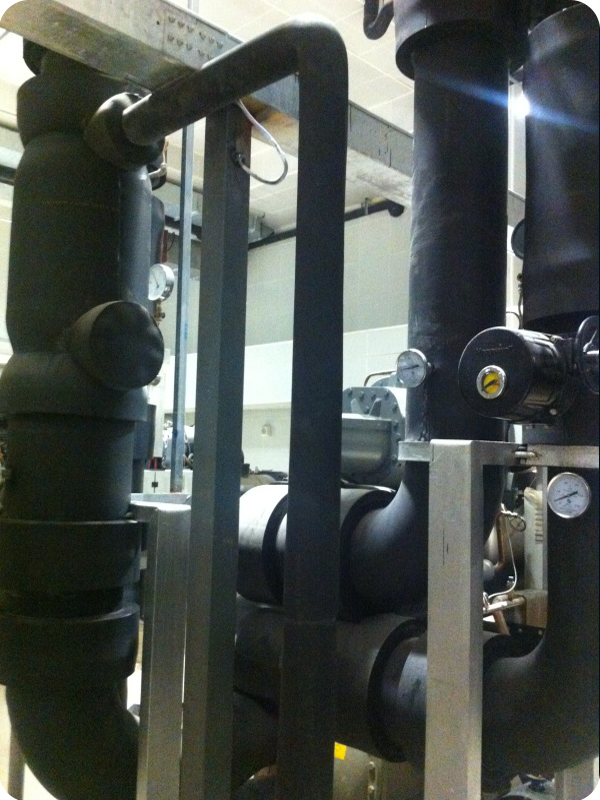
- Application: Designed for central HVAC chilled/hot water pipes, hot water systems, and cold chain distribution systems.

As the European construction sector moves toward carbon-neutral materials, standard chemical manufacturing must evolve. The transition from NBR/PVC to bio-based and halogen-free elastomers is essential to mitigate toxic smoke risks in public buildings. Our R&D facility is currently refining three technical developments:
Standard NBR/PVC formulations release halogenated gases under combustion. Next-generation compounds utilize aluminum trihydrate (ATH) and phosphorus-based flame retardants to achieve Euroclass A2/B ratings without compromising flexibility.
To comply with high-level indoor environmental requirements, we are transitioning to water-based, solvent-free acrylic adhesives that minimize VOC off-gassing and maintain adhesion at cold temperatures.

Transparency and reliable customer support are core pillars of our operations. Below are screenshots illustrating our interactions with global and local European purchasing agents.





Expert answers to common engineering questions regarding compliance, installation, and performance criteria in commercial projects.
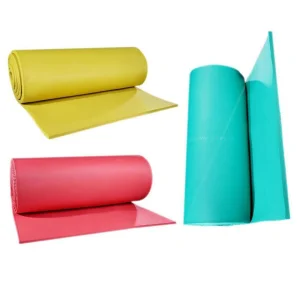
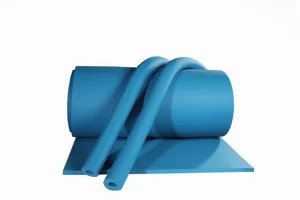
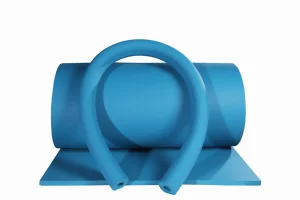
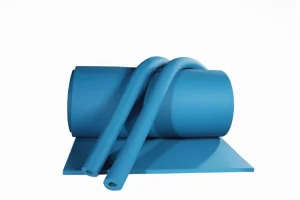
Select from our complete range of flexible elastomeric sheets, rolls, and tube systems. All items include original manufacturer certifications and are ready for delivery to project sites in Paris.
 Kingflex