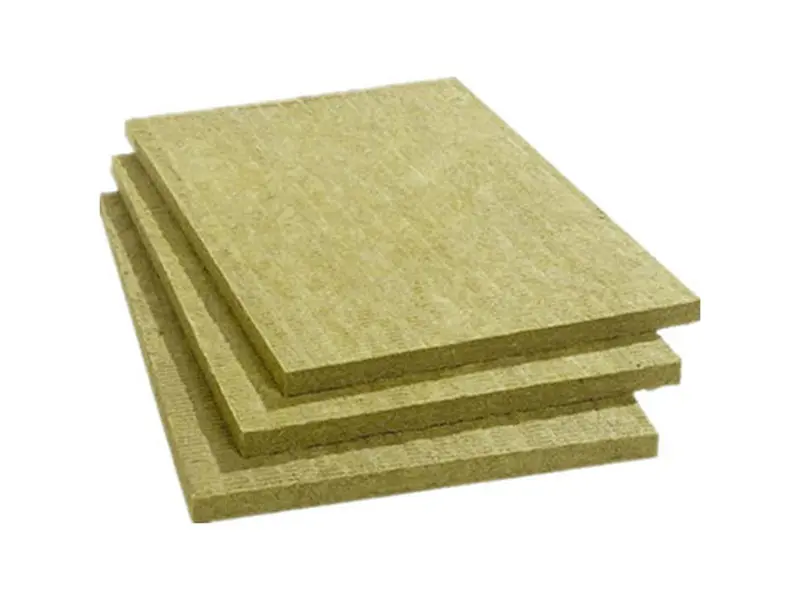
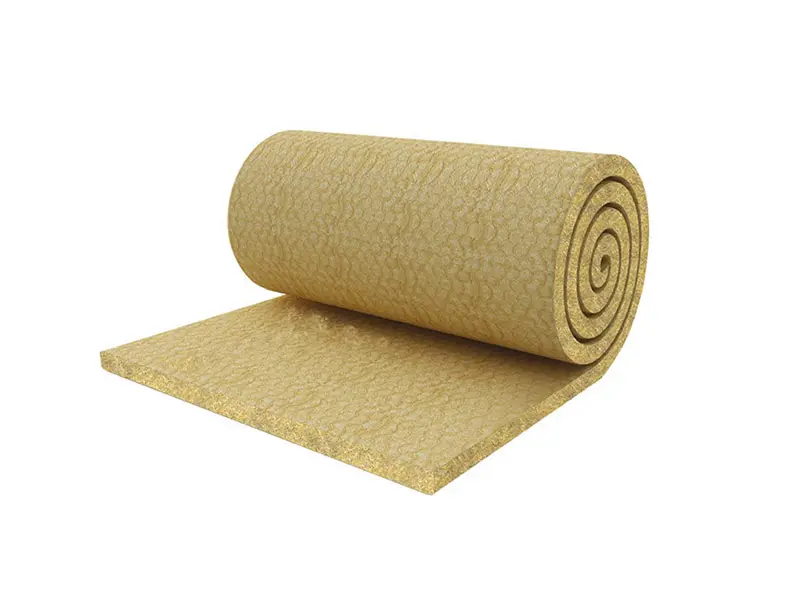
High-density elastomeric materials designed to resist localized humidity fluctuations and demanding thermodynamic conditions across the Kansai industrial cluster.
Heavy-duty nitrile butadiene rubber rolls featuring micro-cellular gas trapped structures designed for premium thermal insulation shielding.
Request Price
Superior condensation barrier sheets optimized for maritime warehouses and severe HVAC installations across Japan’s coastal economic regions.
Request Price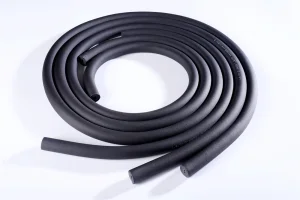
Volume-tiered factory price listings ensuring high-margin distribution channels for Japanese commercial building suppliers.
Request Price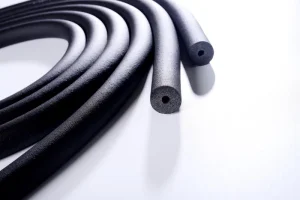
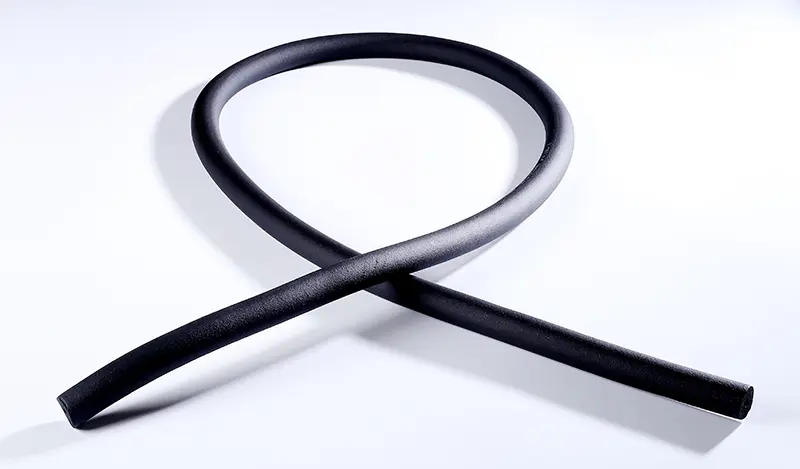
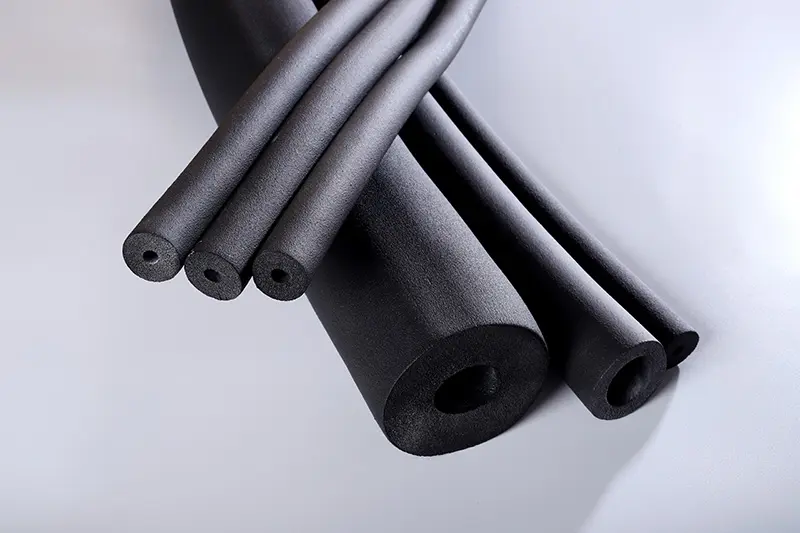
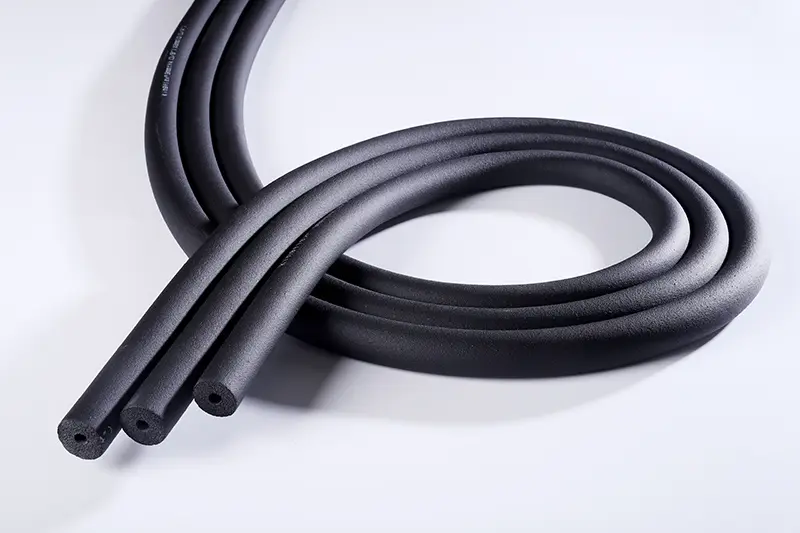
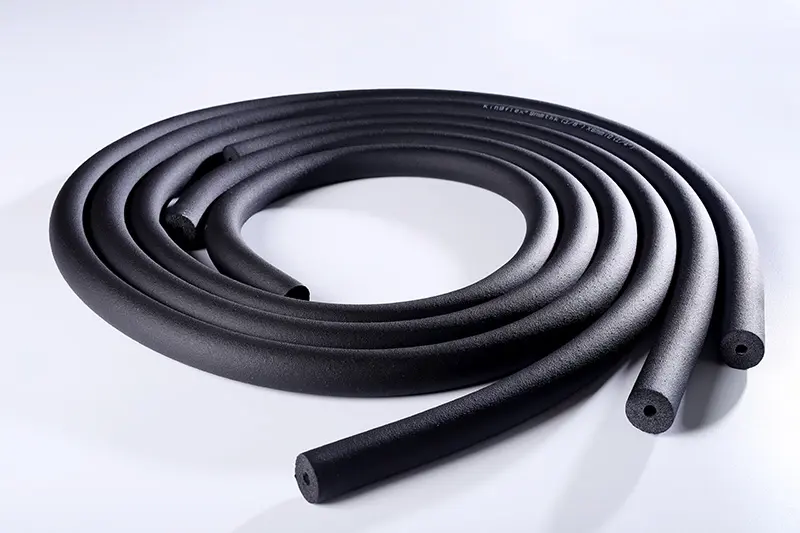
Specialized thick-walled thermal tubing engineered to prevent heat transfer loss in large commercial chillers and pipe networks.
Request PriceOsaka, the historic commercial heartbeat of the Kansai region, stands today as a central hub for heavy industries, petrochemical refinement, high-tech manufacturing, and sophisticated shipping infrastructure. However, the geographic realities of the Osaka Bay area present significant challenges to industrial installations. High relative humidity during the summer months, mixed with saline marine atmospheres, subjects piping, cold-storage facilities, and ventilation systems to severe condensation and accelerated corrosion under insulation (CUI).
Traditional open-cell insulation materials fail catastrophically under these conditions by absorbing ambient moisture, which dramatically elevates thermal conductivity. Therefore, the implementation of premium-grade, closed-cell NBR/PVC rubber foam sheets has become the default technical spec. With a water vapor transmission resistance (μ-factor) exceeding 10,000 and a high-density cell matrix, our rubber foam sheets create an impenetrable envelope that prevents moisture ingress, guaranteeing long-term thermodynamic stability.
SEO Information Gain Insight: Unlike standard generic insulation materials, elastomeric foam sheets designed for the Osaka market must comply with strict fire safety regulations under Japan’s Fire Service Act, alongside meeting JIS A 9511 standards for thermal conductivity and physical performance.
To understand the utility of closed-cell elastomeric rubber foam sheets, we examine the primary local economic drivers demanding this technology:
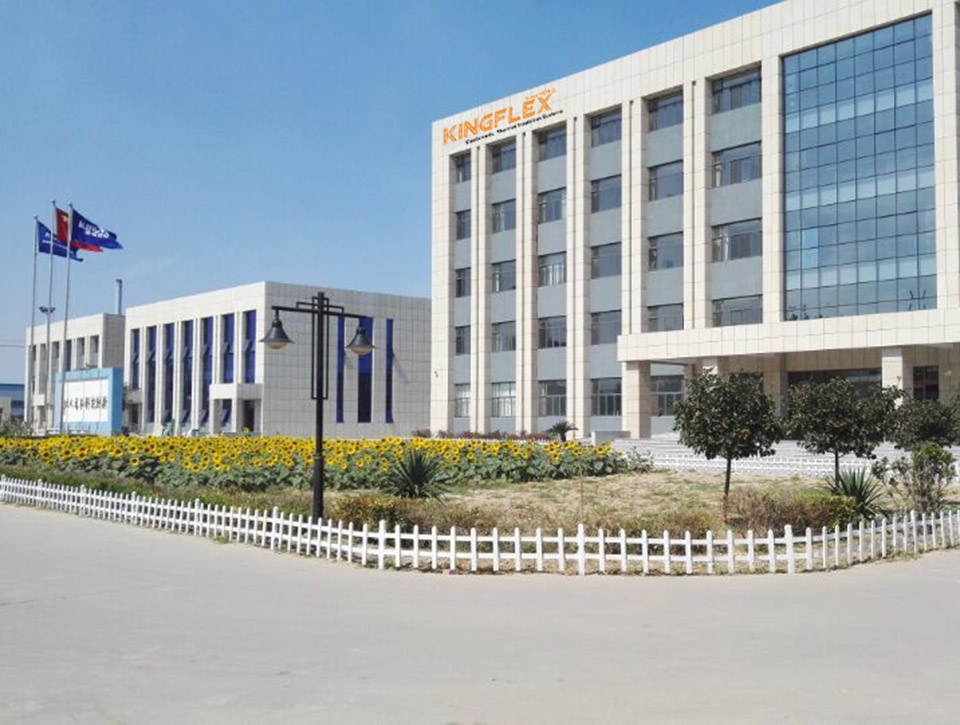
The core formulation of Kingflex elastomeric foam relies on a premium Nitrile Butadiene Rubber (NBR) and Polyvinyl Chloride (PVC) copolymer blend. This chemical architecture combines the elastic memory and low-temperature flexibility of NBR with the ozone, oil, and flame-retardant properties of PVC.
During our continuous vulcanization and foaming processes, micro-bubbles are uniformly distributed throughout the matrix. Over 98% of these micro-bubbles are completely sealed, blocking thermal bridges and the capillary absorption of moisture. This ensures that even when exposed to high-pressure washdowns or mechanical friction, the material’s structural integrity is preserved.
As the global HVAC and industrial manufacturing sectors align with net-zero carbon initiatives, the insulation industry is undergoing a critical transition. Kingflex's engineering department is spearheading key innovations to ensure our products remain future-proof:
Transitioning to advanced physical foaming agents with Zero Ozone Depletion Potential (ODP) and ultra-low Global Warming Potential (GWP), meeting Japan's stringent F-gas regulations.
Collaborating with local Osaka sensor startups to integrate ultra-thin thermal sensors beneath the rubber foam layer, enabling real-time monitoring of pipe temperature and moisture indicators.
Developing halogen-free elastomeric foams that minimize smoke toxicity while maintaining Class 0 and JIS fire ratings, satisfying architectural safety regulations in highly populated urban districts.
For industrial procurers and contractors in Osaka, procurement security relies heavily on supply chain speed and cost predictability. Kingflex operates out of Dacheng, China—the globally recognized capital of green-building materials. This geographical advantage aggregates chemical suppliers, logistics infrastructure, and skilled technical personnel, minimizing raw material costs.
Our facility features 5 state-of-the-art automatic assembly lines with an annual capacity exceeding 600,000 cubic meters. This massive industrial footprint allows us to handle large-scale commercial orders rapidly. Rather than relying on local small-batch compounders, Kingflex leverages economies of scale to deliver superior pricing alongside consistent quality metrics.
Furthermore, the strategic shipping pipeline from Tianjin Port directly to Osaka Port offers rapid transit times (typically 4 to 6 days). This JIT (Just-in-Time) delivery potential reduces warehouse costs for Osaka distributors, ensuring project timelines are met.
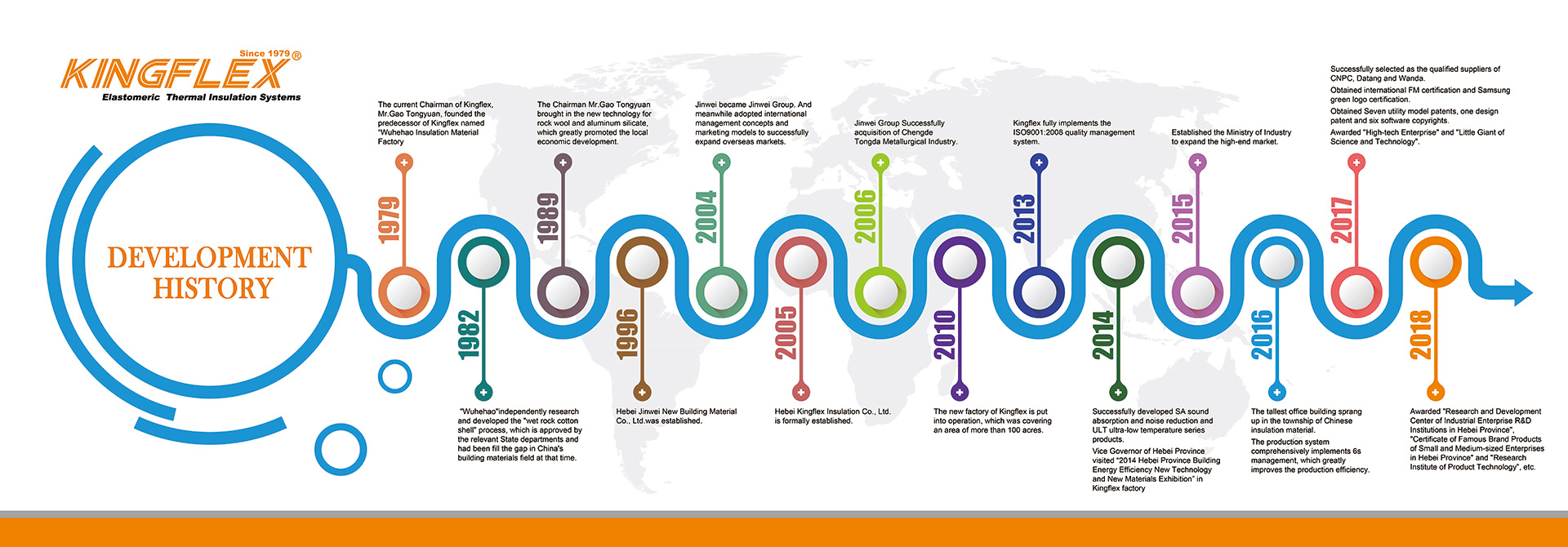
Kingflex Insulation Co., Ltd. was established under the Jinwei Group, which holds a rich historical lineage dating back to 1979. As the first thermal insulation manufacturer north of the Yangtze River, we have pioneered raw material compounding, continuous extrusion, and quality inspection methodologies over four decades.
We believe in manufacturing responsibility: supplying global construction, petrochemical, and aerospace partners with energy-saving systems that curb carbon emissions. Today, Kingflex is a designated supplier for major state agencies and global engineering firms, backed by exhaustive quality compliance checks.

Comprising 8 dedicated research engineers and over 230 manufacturing associates focused on delivering precision NBR products.
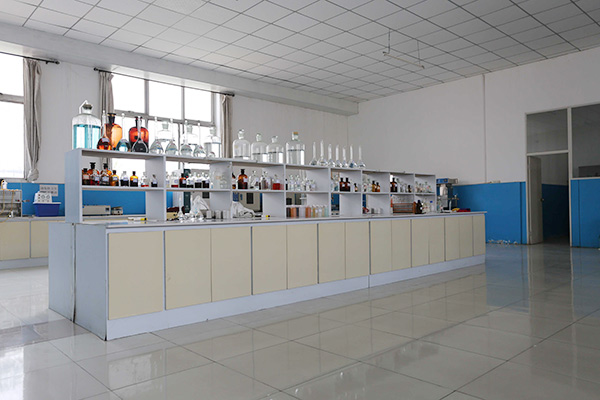
Equipped with thermal conductivity analyzers, chamber smoke density testers, and moisture permeability cells.
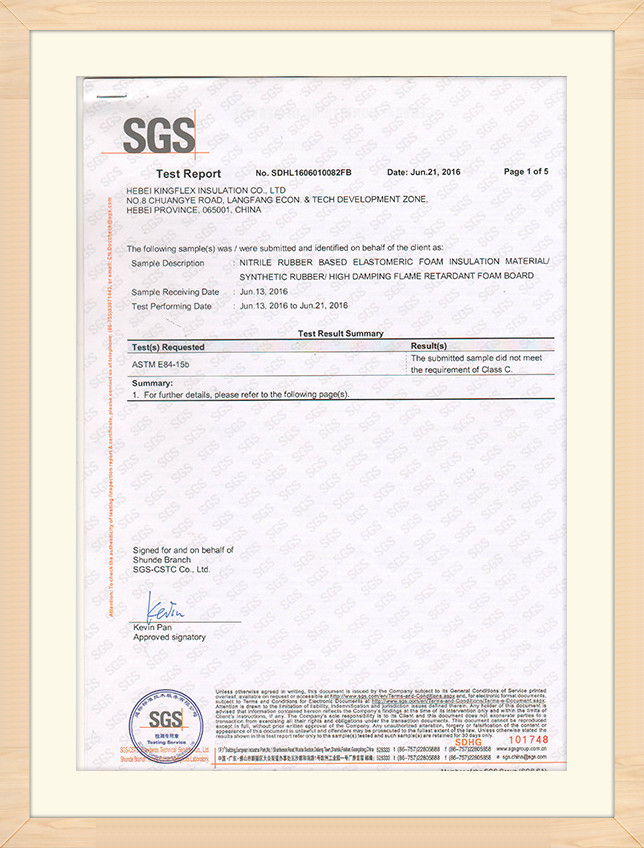
Fully certified under BS 476, CE, REACH, RoHS, UL94, and ASTM parameters, satisfying regional safety mandates in Japan.
These technical details match standard NBR/PVC formulations used across industrial refrigeration, chillers, and HVAC ducts.
| Property Indicator | NBR/PVC Elastomeric Sheet Spec | Testing Methodology Reference |
|---|---|---|
| Material Density Range | 40 - 55 kg/m³ | GB/T 6343 / ASTM D1622 |
| Thermal Conductivity (at 0°C) | ≤ 0.034 W/(m·K) | GB/T 10294 / ASTM C518 |
| Moisture Permeability Resistance Factor (μ) | ≥ 10,000 (Closed-cell rate > 98%) | GB/T 17146 / EN 12086 |
| Operational Temperature Range | -40°C to +105°C | GB/T 17794 / ASTM C411 |
| Fire Safety Rating | Class 0 / Class 1 / UL94 V-0 | BS 476 Part 6 & 7 / UL94 |
| Vacuum Recovery/Resilience Factor | Compression resilience > 80% | GB/T 6669 |
In addition to our strong manufacturing presence in mainland China, our global projects span across Europe, the Middle East, Southeast Asia, and South America. Below are highlights of our customer partnerships and technical communications, demonstrating real-world project transparency and supply chain reliability.
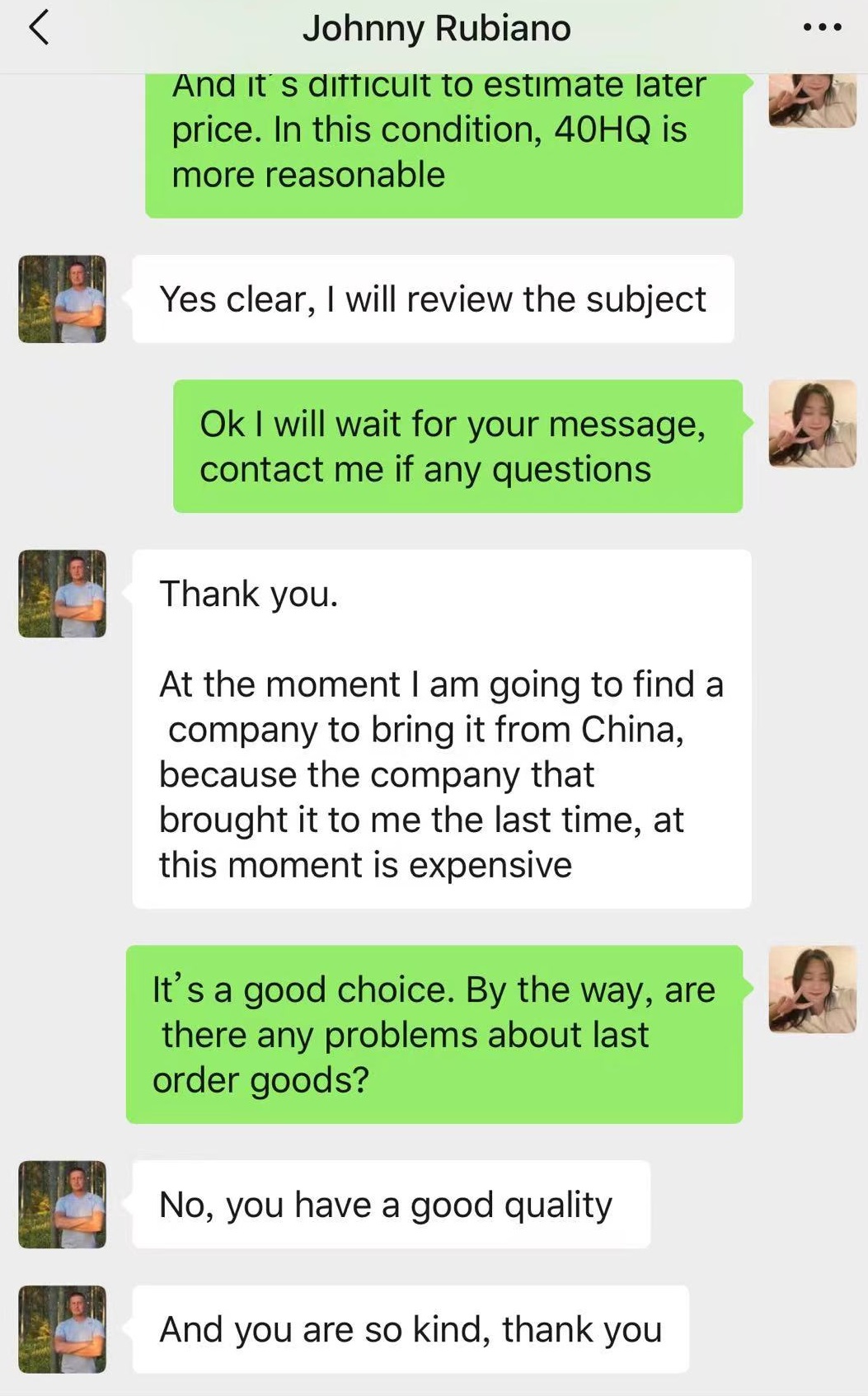
Client Ordering Process & Document Verification
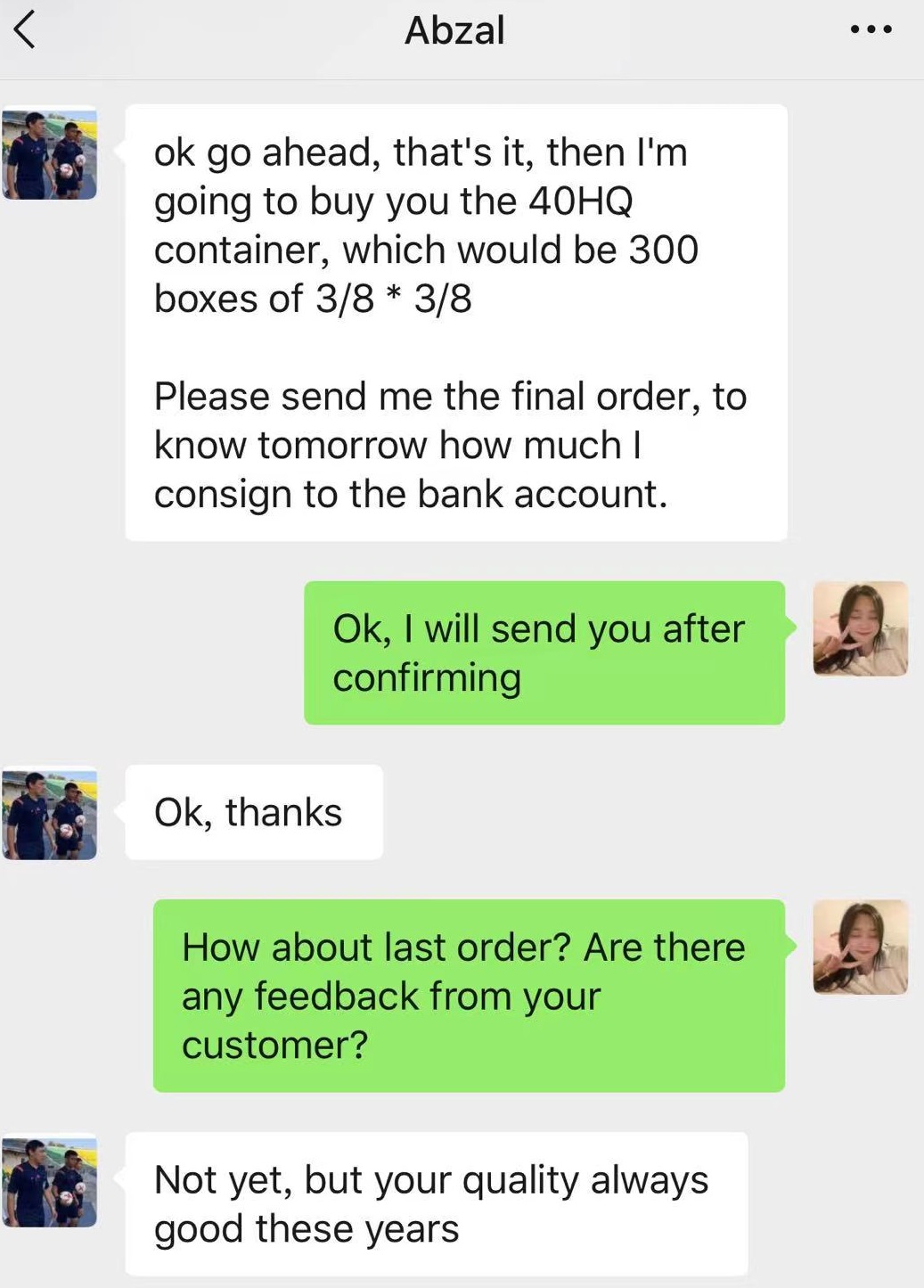
Real-time Product Packaging Confirmation

Technical Parameter Discussion with Kansai Distributor

Feedback and Multi-point Custom Inspection Approvals
We work closely with local Japanese contracting engineers to ensure that every shipment of rubber foam insulation meets specific construction codes. For example, during installation phases inside Osaka high-rises, contractors require custom widths to minimize seam counts, reducing thermal leakage points. Our production lines can adjust NBR/PVC roll sheet widths from the standard 1-meter format up to custom specifications, complete with a self-adhesive backing mesh.

Explore our complete closed-cell product range, designed for diverse applications including HVAC piping, acoustic dampening, and low-temperature refrigeration systems.
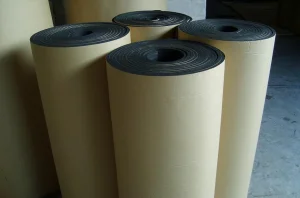
High-performance rolls optimized for acoustic attenuation and condensation control on high-rise air duct configurations.
Request Price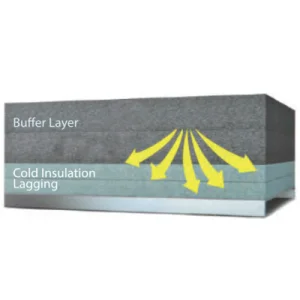
Specially formulated elastomeric compound that retains flexibility at low temperatures, designed for liquified gas piping.
Request Price
Dual-action piping jacket providing thermal regulation alongside structural noise dampening for high-velocity transfer lines.
Request Price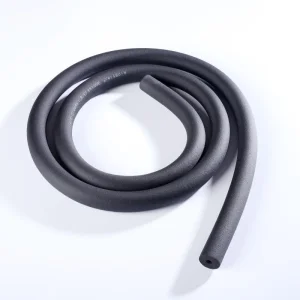
Complete catalog of custom pre-cut sheets, insulation tape, and NBR fittings available for large-volume imports.
Request Price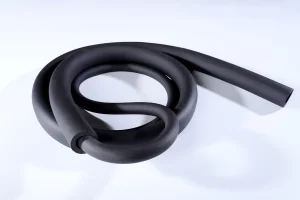
Pre-formed NBR/PVC elastomeric pipe sections designed for rapid slip-on installation during plumbing configurations.
Request Price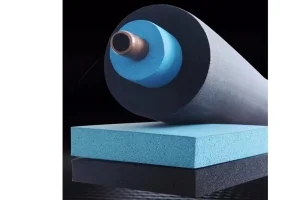
Engineered to prevent heat gain in low-temperature ammonia pipelines and liquid nitrogen handling infrastructure.
Request Price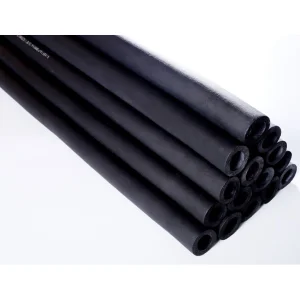
Premium blend tubing providing ozone resistance, high flexibility, and protection against chemical washdown cycles.
Request Price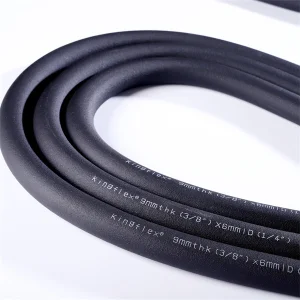
Low thermal conductivity and high moisture resistance factors prevent sweating in humid plant environments.
Request PriceFor applications exceeding NBR/PVC temperature profiles, we provide high-density rock wool and fiberglass thermal systems for high-pressure boilers and furnaces.
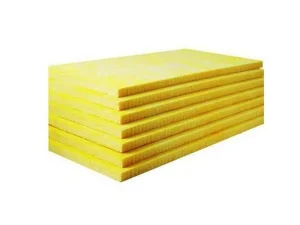
Stable glass wool boards designed to minimize radiation losses on high-temperature plant equipment.
Request Price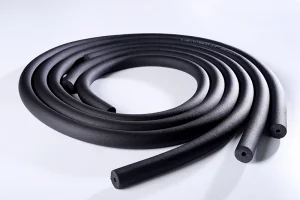
Tough-skin outer surface resists weathering and UV degradation on exposed outdoor installations.
Request Price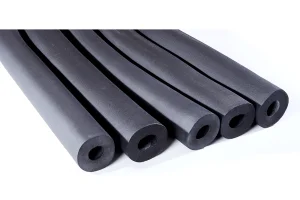
Optimized for variable refrigerant volume air conditioning applications requiring strict thermal barriers.
Request Price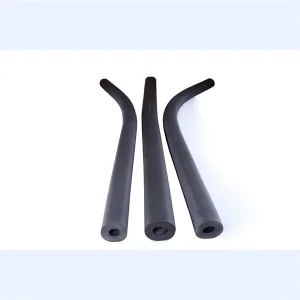
Easy-to-bend elastomeric tubing providing fast slip-over integration on complex plumbing manifolds.
Request PriceThese specialized tubes and boards undergo double vulcanization processing to verify cell uniformity before export.
A look inside our 5 automated production assembly lines and specialized logistics processes.
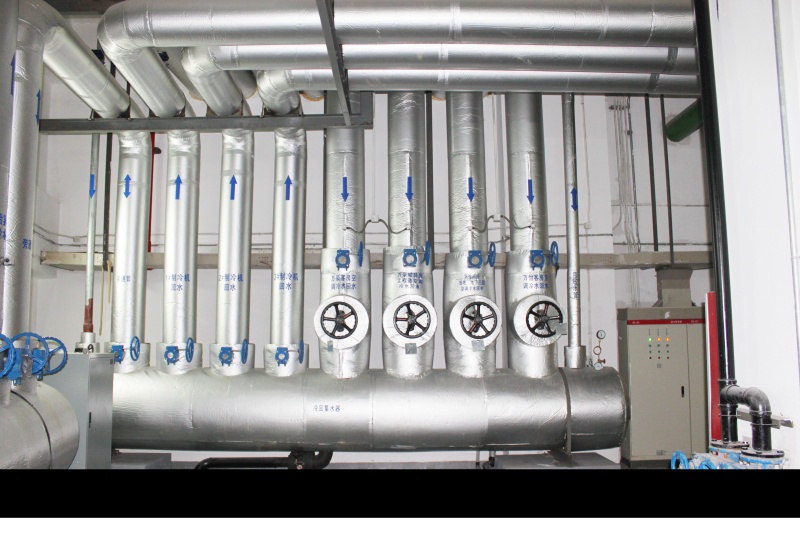
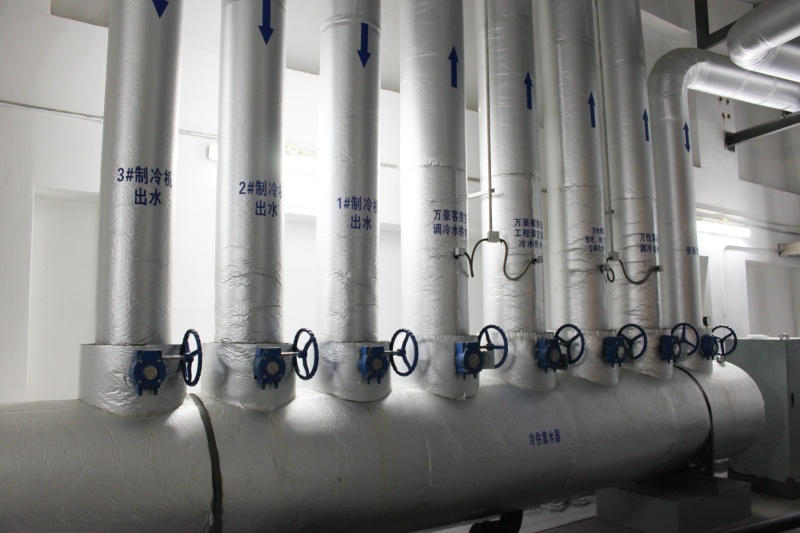
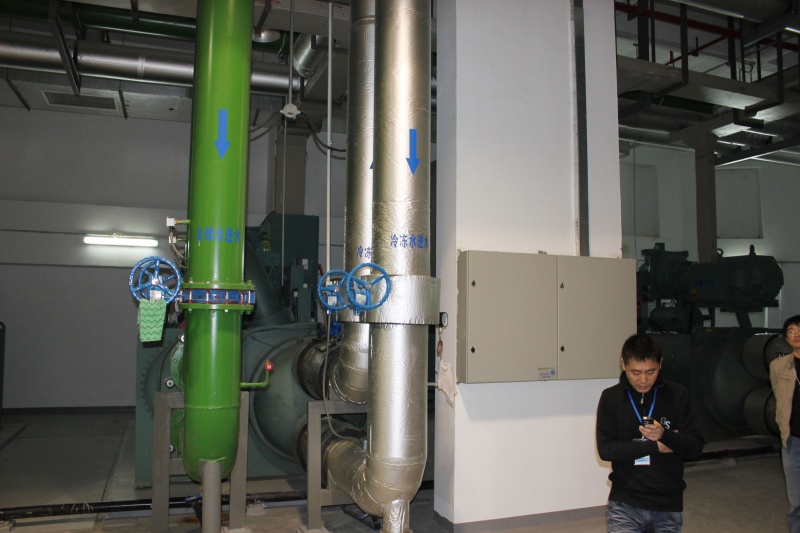
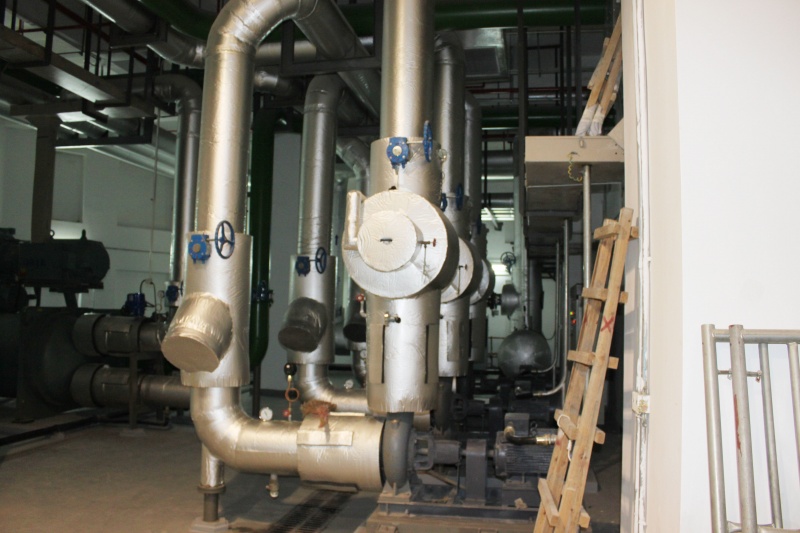
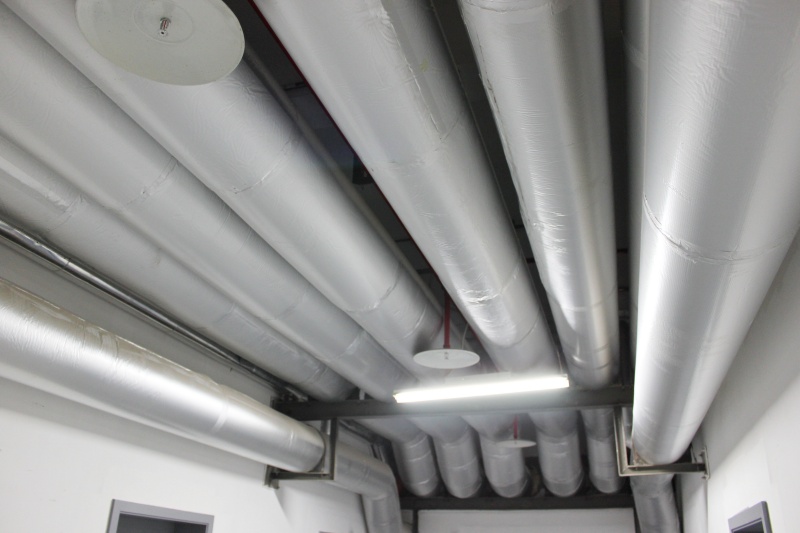

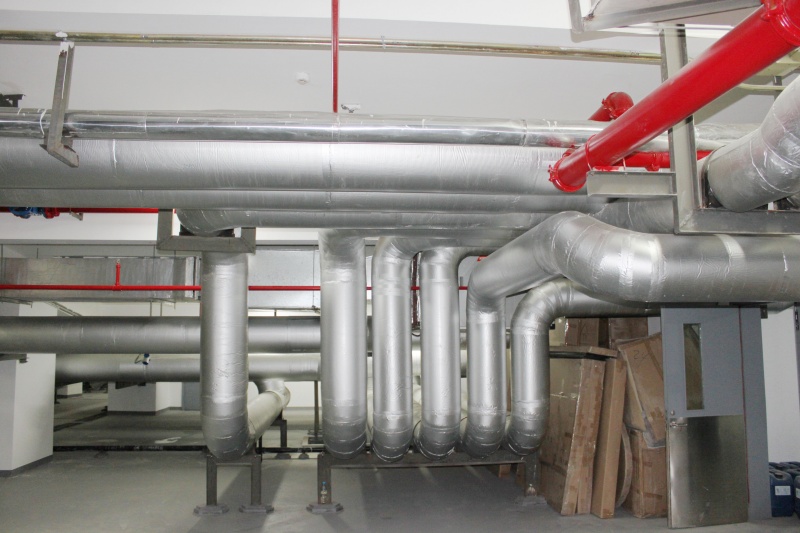

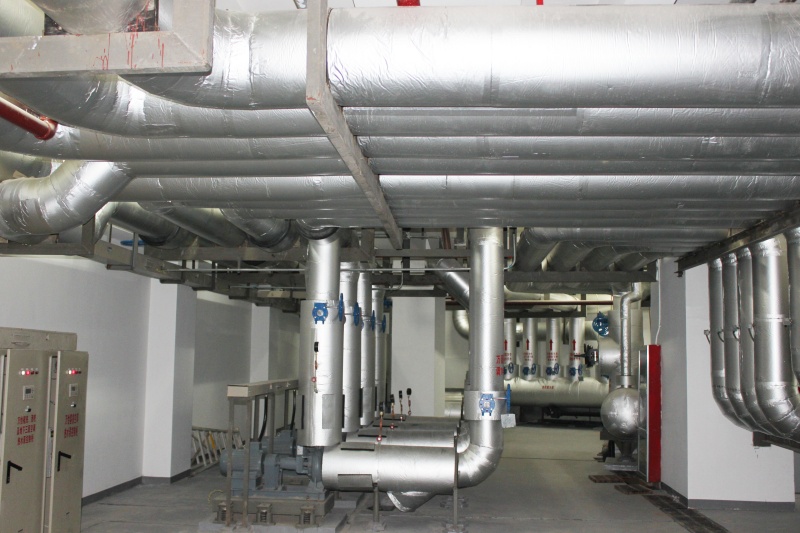
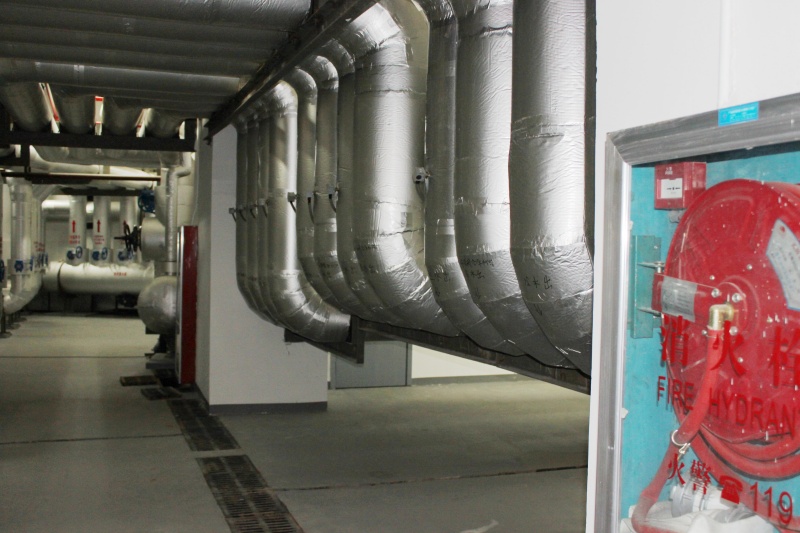
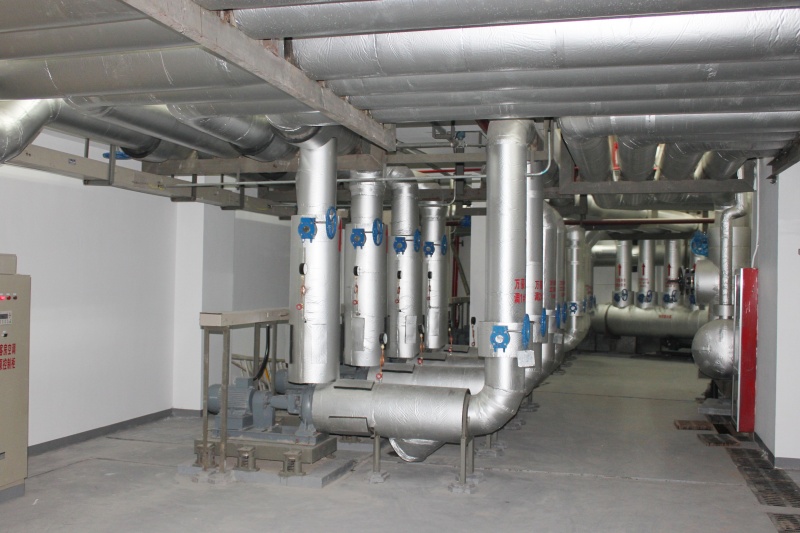
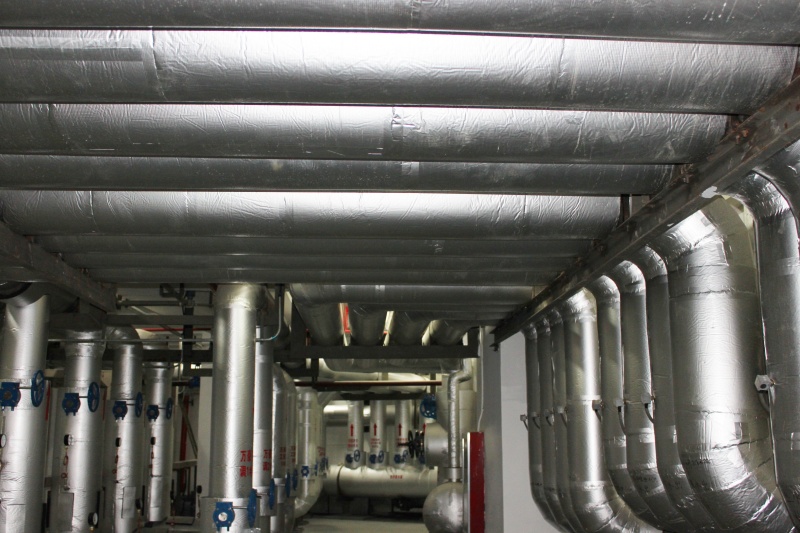
Correct installation is vital to maintaining the long-term performance of closed-cell elastomeric insulation systems. In highly humid areas near Osaka Port, even minor installation errors can cause vapor bridging and subsequent condensation. Our field engineers recommend the following guidelines:
Before installing Kingflex rubber foam sheets, the metal substrate must be completely cleaned of oil, dust, and rust. We recommend using a specialized adhesive formulated for high humidity. Apply a thin, even layer of adhesive to both the metal pipe or duct and the clean-cut surface of the rubber foam. Allow the adhesive to become tacky (typically 3-5 minutes, depending on local humidity levels) before pressing the surfaces together.
Avoid stretching the rubber foam sheet during installation. Instead, slightly compress the material toward joints to ensure a tight fit. All longitudinal and circumferential seams must be sealed using Kingflex adhesive. In critical cold-storage and chilled-water applications, apply a layer of self-adhesive elastomeric foam tape over the seams to provide redundant vapor protection.
A common failure point in HVAC networks is thermal bridging at pipe support points. Piping weight can compress the elastomeric foam, reducing its thickness and leading to condensation. To prevent this, use rigid, high-density polyurethane or wood block inserts wrapped with elastomeric tape at all hanger locations. This maintains the continuous thickness of the insulation envelope.
Frequently asked technical questions regarding the performance, compliance, and logistics of Kingflex elastomeric insulation systems.
Partner with a manufacturer that understands the Kansai industrial landscape, JIS standards, and high-performance closed-cell elastomeric technology.
 Kingflex