Singapore’s tropical climate presents unique engineering challenges for HVAC and district cooling system (DCS) installations. With average relative humidity levels routinely exceeding 80% to 90% and high ambient temperatures, the dew point is exceptionally high. When cold refrigerant piping (operating at temperatures between 4°C and 7°C) or chilled water systems interface with warm, humid ambient air, condensation occurs instantaneously if the insulation surface temperature falls below the local dew point. This phenomenon, known as the dew point crisis, is the leading cause of structural mold growth, indoor air quality (IAQ) degradation, and mechanical system corrosion in Southeast Asia.
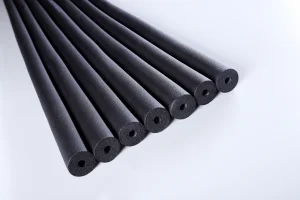
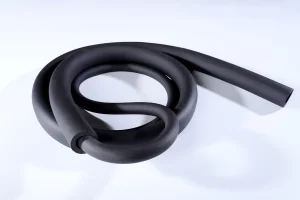
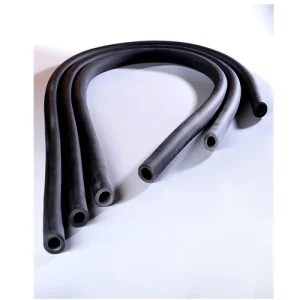
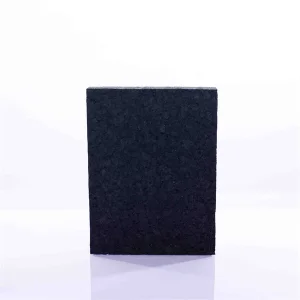
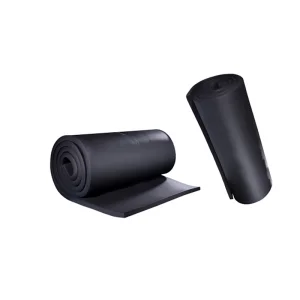
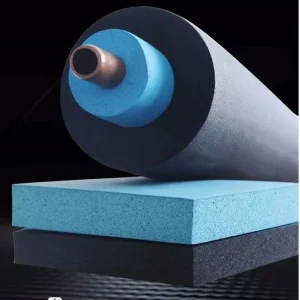
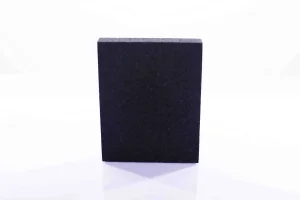
To prevent condensation, mechanical, electrical, and plumbing (MEP) specifiers rely heavily on advanced closed-cell elastomeric Nitrile Butadiene Rubber / Polyvinyl Chloride (NBR/PVC) foam insulation. Unlike open-cell alternatives or fibrous materials like mineral rock wool (which absorb moisture upon vapor barrier failure), closed-cell NBR/PVC exhibits an inherent resistance to water vapor transmission ($WVT$). The closed-cell matrix serves as an integrated continuous vapor barrier, meaning that the thermal conductivity ($\lambda$) remains stable over decades of continuous operation, preventing the drop in performance that typically triggers condensation failures.
With an extremely high density of closed cells, water vapor is physically blocked from migrating through the matrix. This eliminates the risk of hidden moisture accumulation that degrades thermal performance and corrodes internal steel pipework.
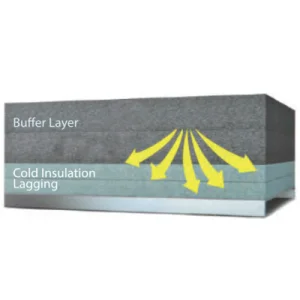
Exhibiting a $\lambda$ value of $\le 0.034 \text{ W/(m}\cdot\text{K)}$ at 0°C, Kingflex elastomeric materials isolate the cold pipe interior from warm outside air, maintaining the surface temperature of the insulation jacket above the ambient dew point.
Engineered to comply with Singapore Fire Safety Department (FSD) protocols, achieving BS 476 Part 6 & Part 7 Class 0 classification. This ensures high flame retardant capability and minimal toxic gas production during smoke exposure.
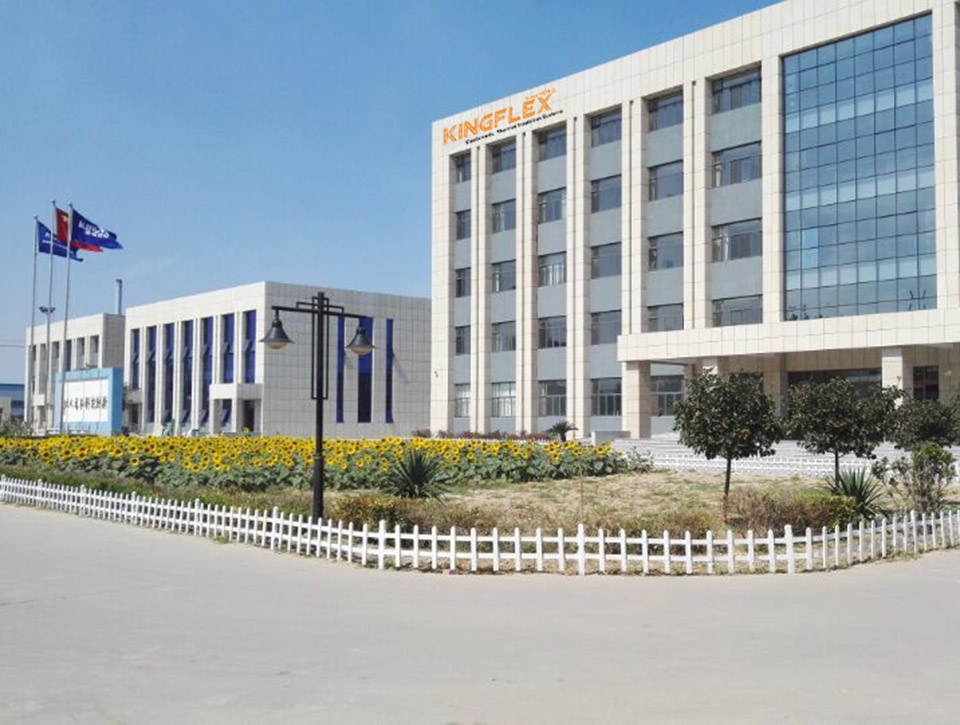
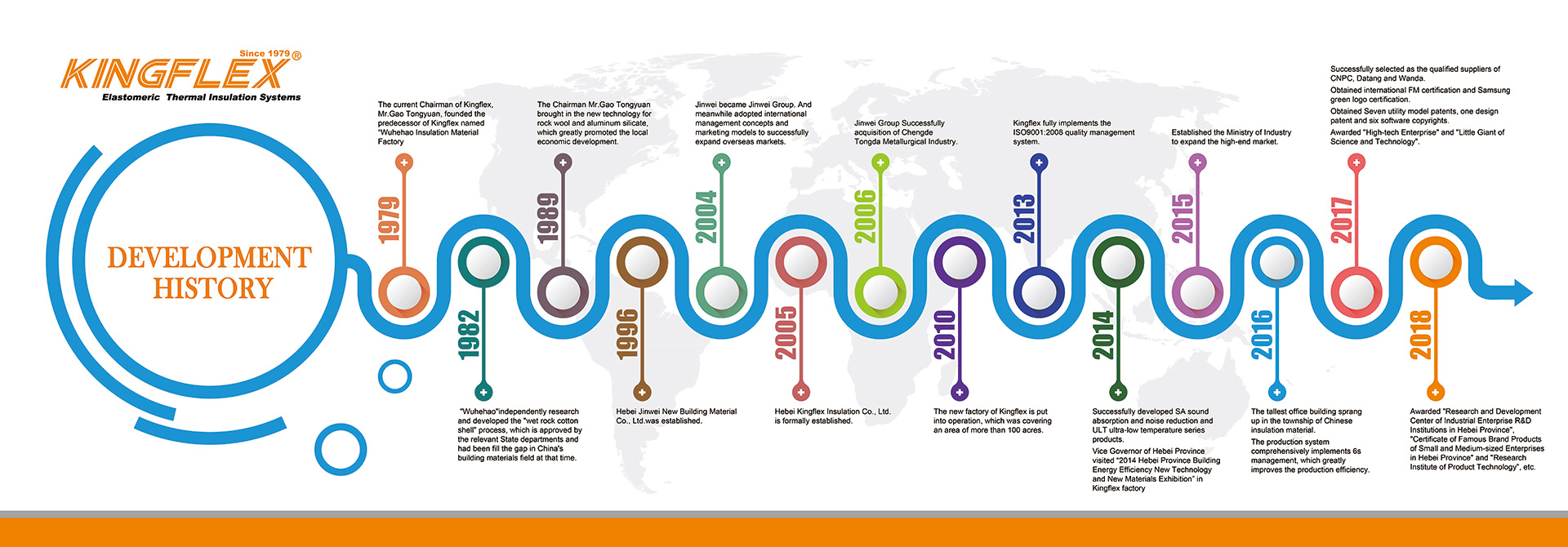
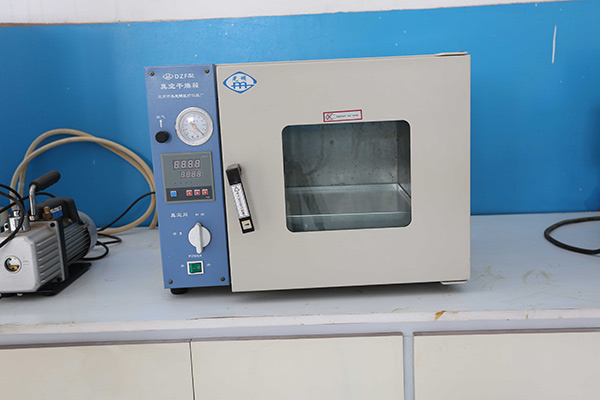
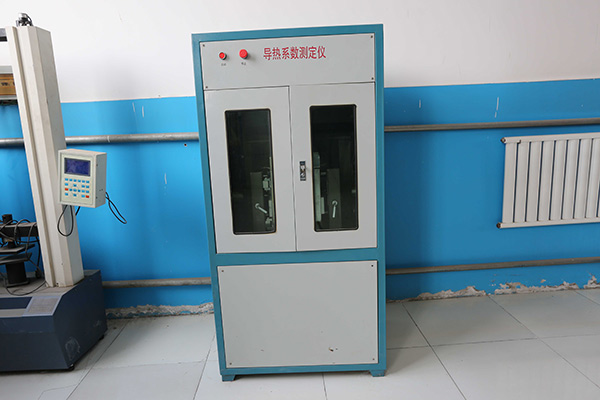
Our research and production department is situated within Dacheng, widely recognized as the epicenter of green-building insulation technology in Northern China. Operating under a comprehensive energy-saving and consumption-reduction methodology, our manufacturing setup leverages advanced vertical extrusion and continuous automated foaming lines. Key details include:
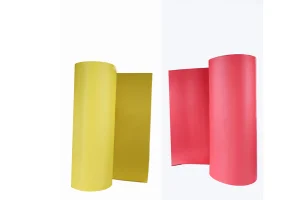
For international supply chain managers, importing directly from a verified Chinese factory translates to significant competitive pricing advantages. By bypassing intermediaries, Singapore contractors secure mill-certified batch consistency, customized thicknesses (ranging from 6mm up to 50mm), and customizable NBR/PVC blend compositions optimized for local mechanical specifications.
| Physical Property Metric | NBR/PVC Elastomeric Foam | Rock Wool / Mineral Wool | Glass Fiber (Fiberglass) |
|---|---|---|---|
| Thermal Conductivity ($\lambda$ at 20°C) | $\le 0.035 \text{ W/(m}\cdot\text{K)}$ | $\approx 0.040 \text{ W/(m}\cdot\text{K)}$ | $\approx 0.038 \text{ W/(m}\cdot\text{K)}$ |
| Moisture Absorption Behavior | Hydrophobic (Closed-cell matrix >98%) | Hydrophilic (requires external cladding) | High absorption rate under dynamic load |
| Water Vapor Resistance ($\mu$) | $\ge 10,000$ (Integrated vapor barrier) | $\approx 1$ (Vapor-permeable) | $\approx 1.2$ (Vapor-permeable) |
| Operating Temperature Range | -40°C to +105°C | Up to +650°C (High temp focus) | Up to +250°C (requires jacketing) |
| Installation Flexibility | Highly flexible, seamless jointing | Rigid / Semi-rigid panels | Fibrous, potential skin irritant |

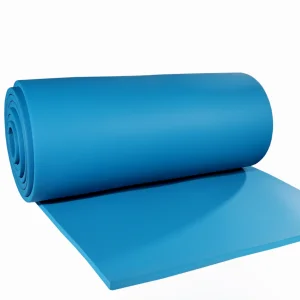
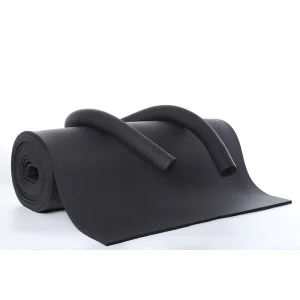
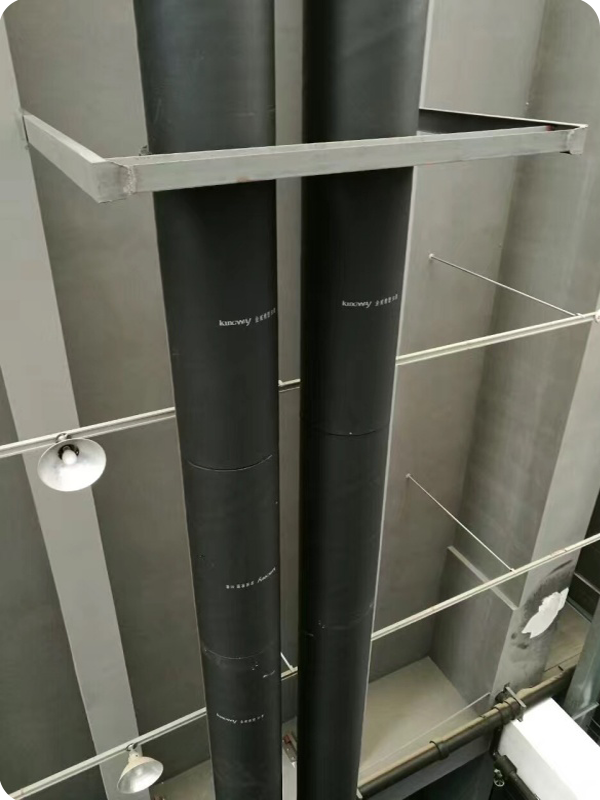
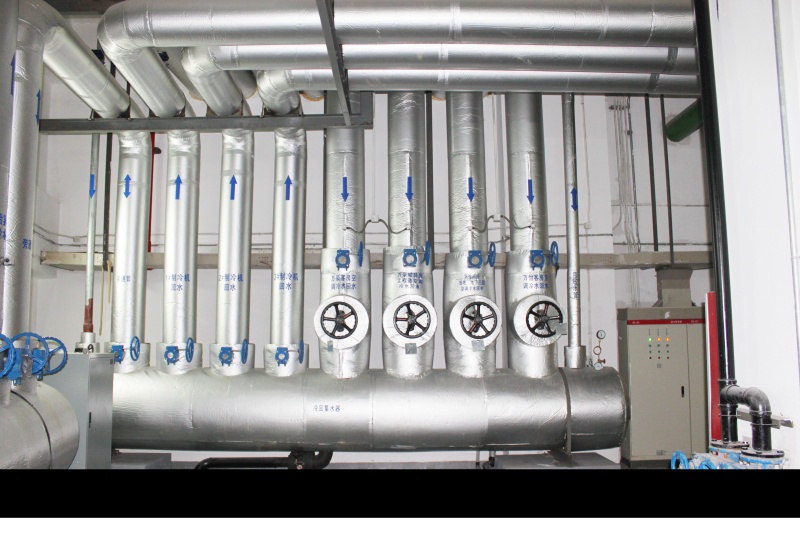
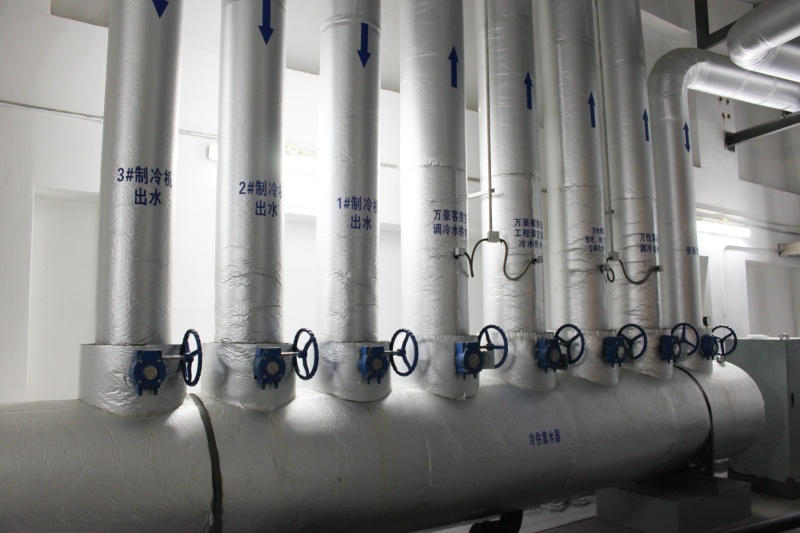
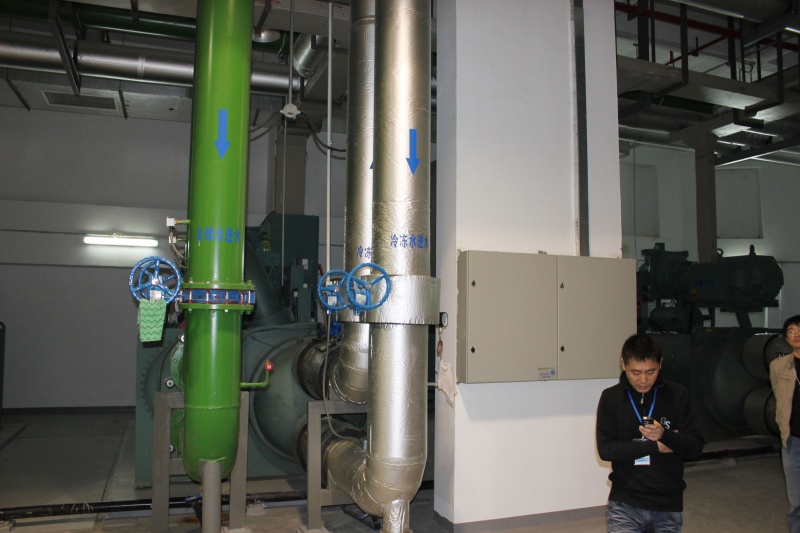
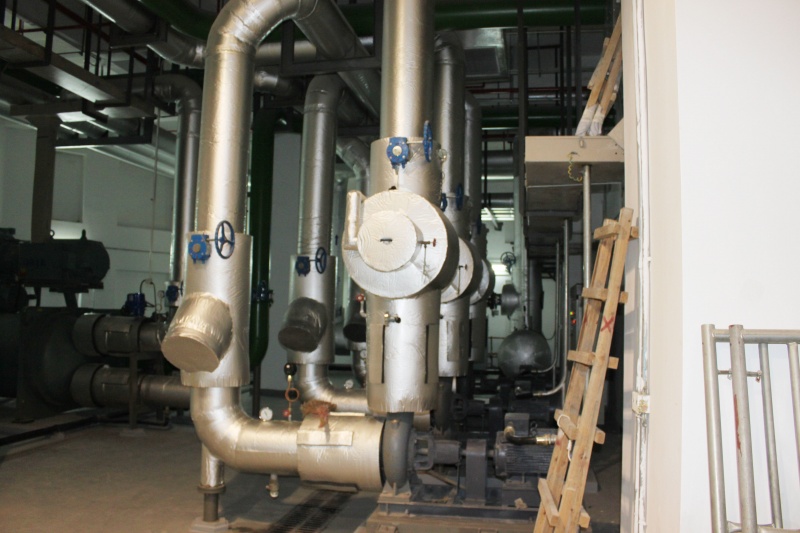
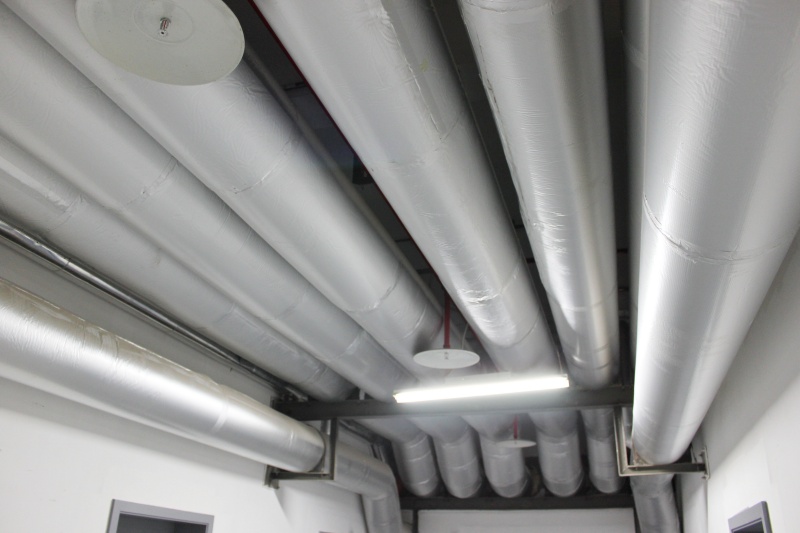
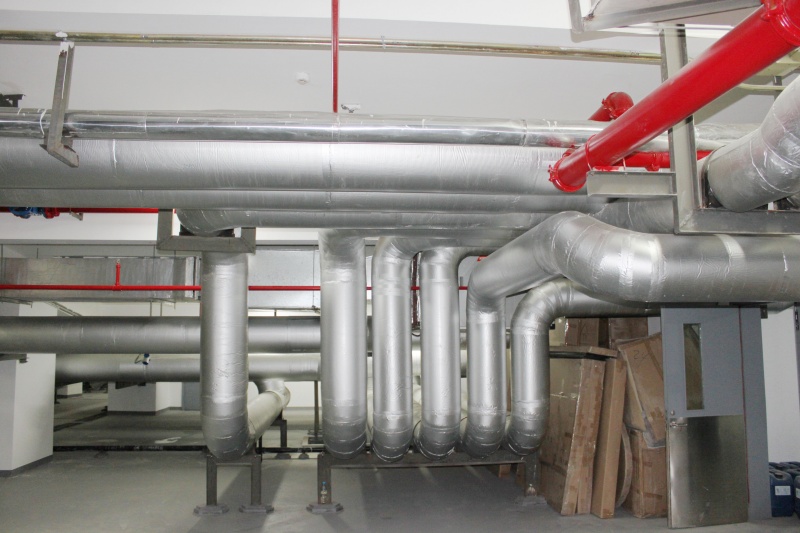
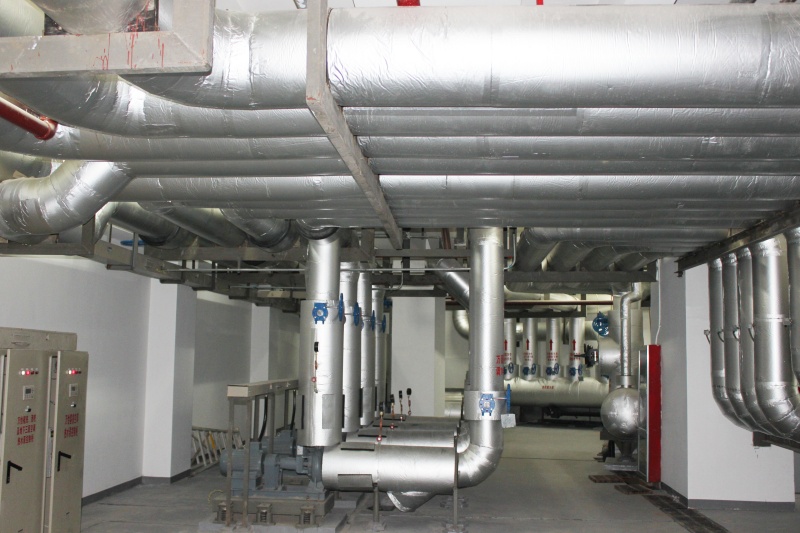
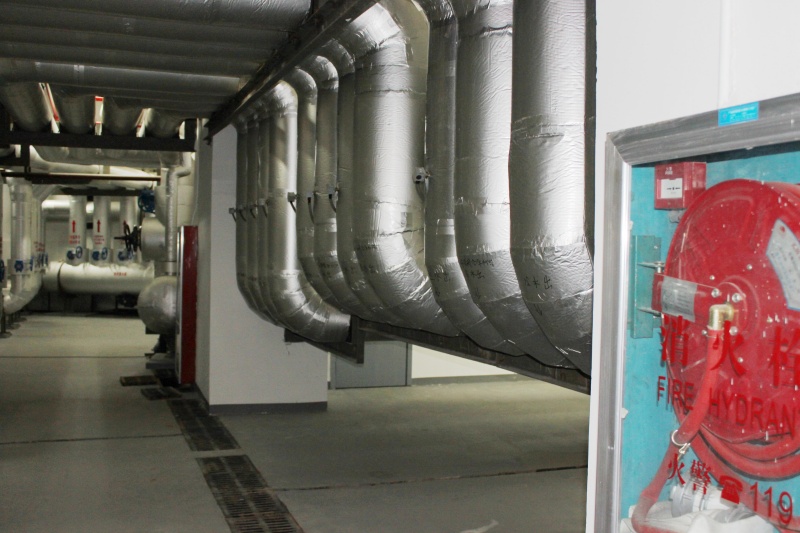
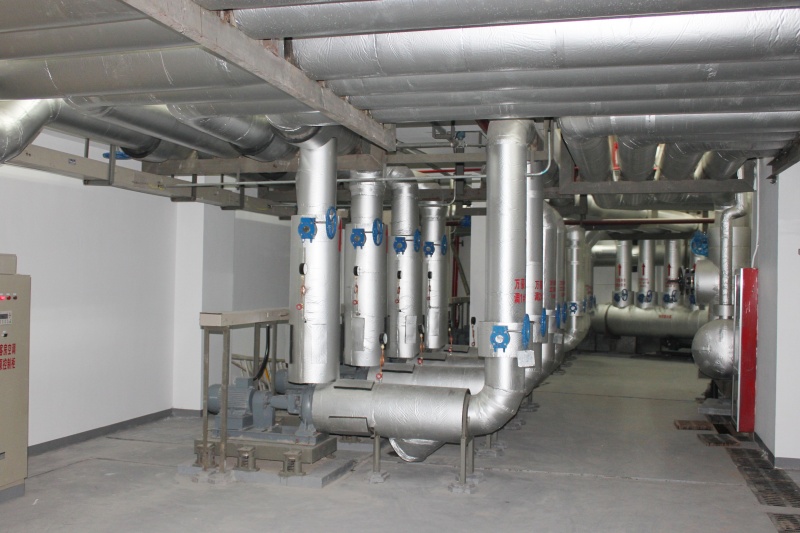
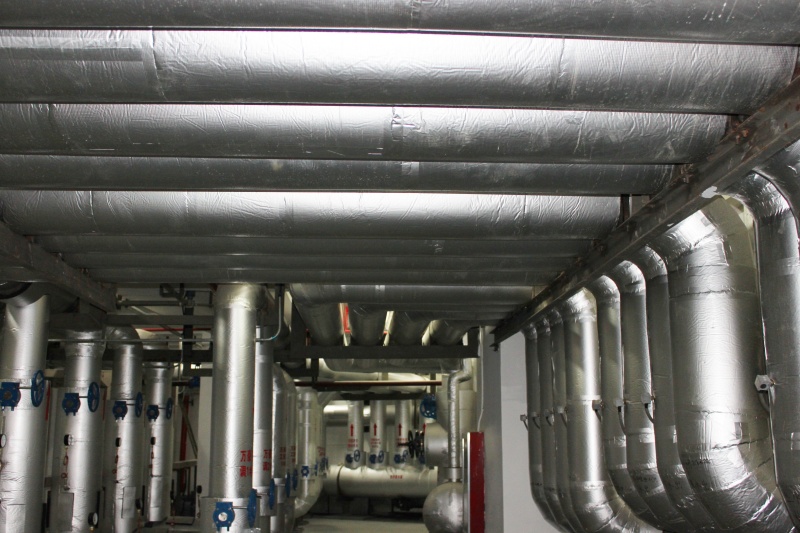
Under Singapore's Building and Construction Authority (BCA) guidelines, large scale commercial structures and data centers are turning to District Cooling Systems (DCS). Chilled water distribution loops transport fluid at temperatures below 6°C across long distances. This requires robust insulation thick enough to prevent temperature loss and physical condensation along the distribution lines. The application of NBR/PVC rubber foam rolls, customized to exact wall thicknesses (such as 25mm to 50mm), ensures maximum thermal performance along these critical paths.
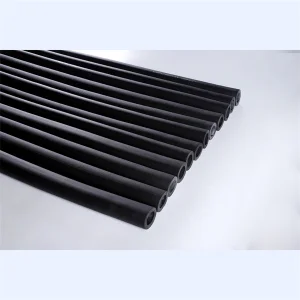
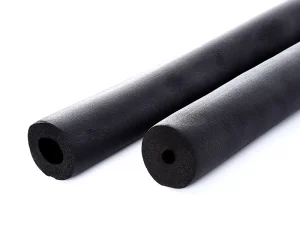
Variable Refrigerant Flow (VRF) and Variable Refrigerant Volume (VRV) multi-split air-con systems are standard in residential HDB flats, private condominiums, and high-rise commercial structures across Singapore. Specifying elastomeric foam sleeves prevents ambient heat loads from warming liquid and gas refrigerant copper lines, reducing compressor workload and overall power consumption.
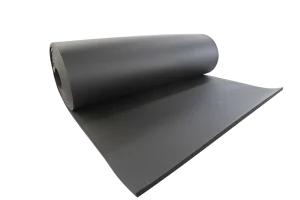
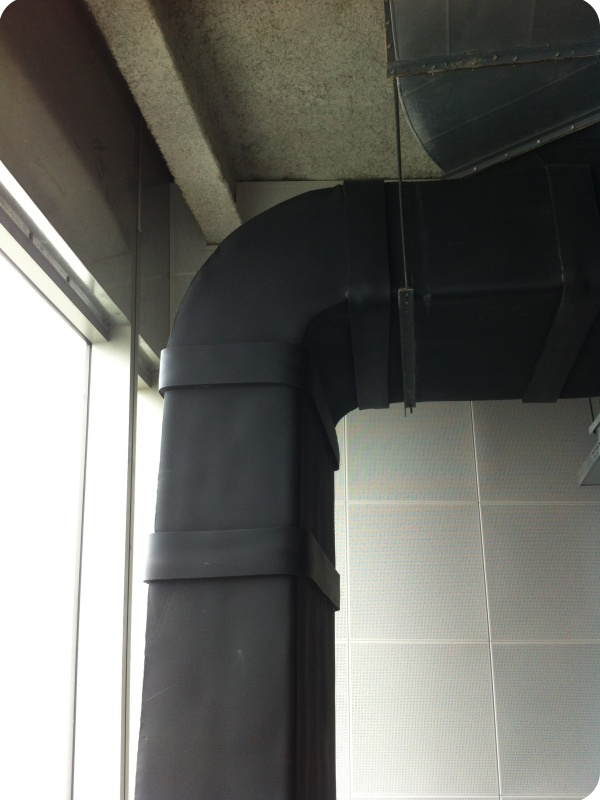
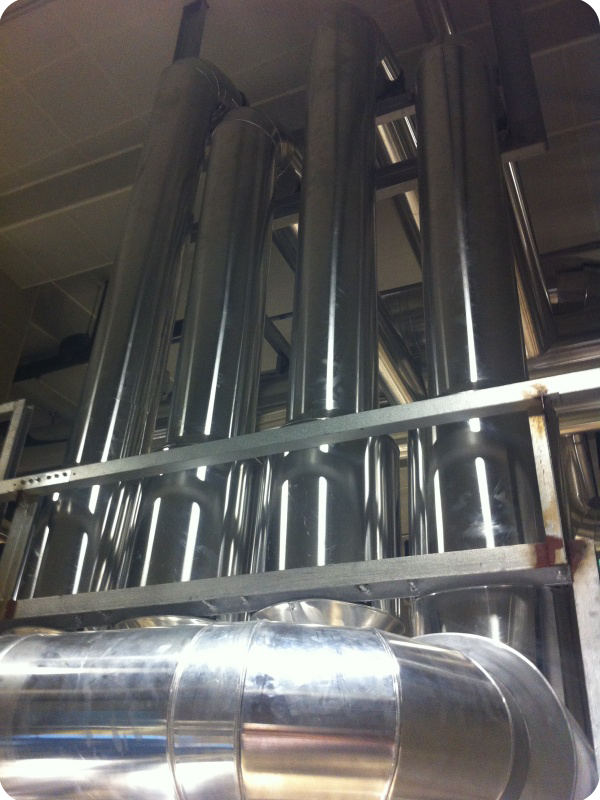
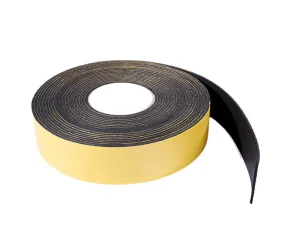
Indoor air distribution systems are susceptible to condensation along metal sheet casings. Applying self-adhesive rubber foam insulation sheet rolls simplifies duct insulation wrapping. The low smoke index and fire classification ensure compliance with civil defense safety requirements for high-density public structures like hotels, hospitals, and transit hubs.
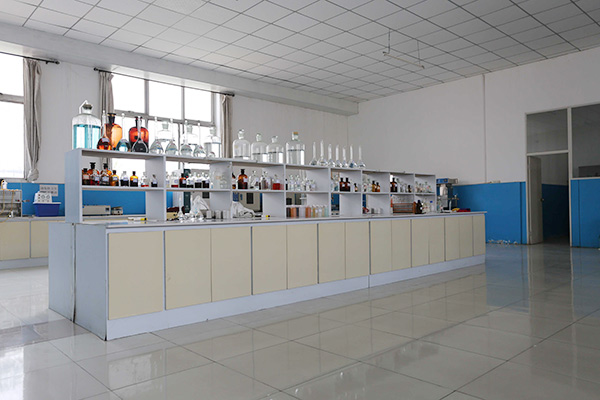

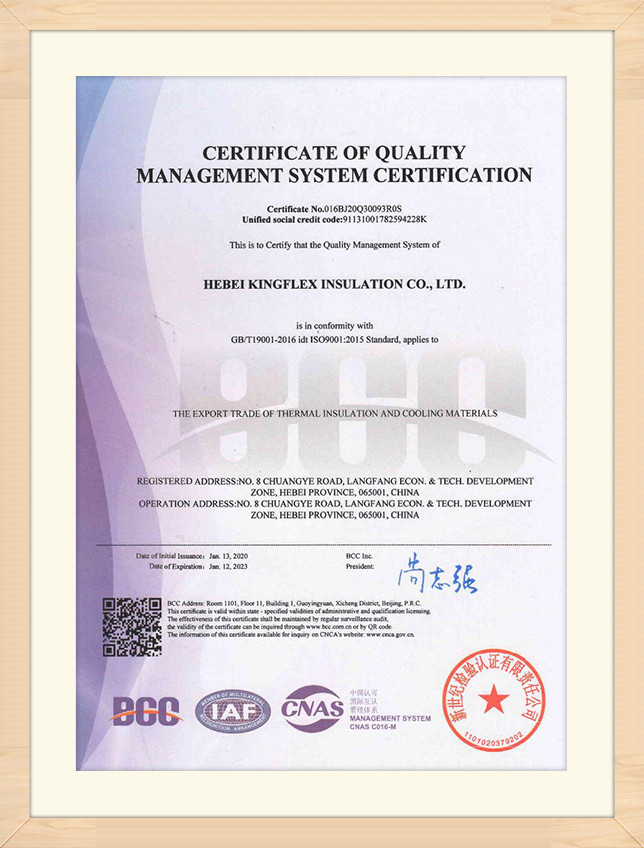
ISO 9001
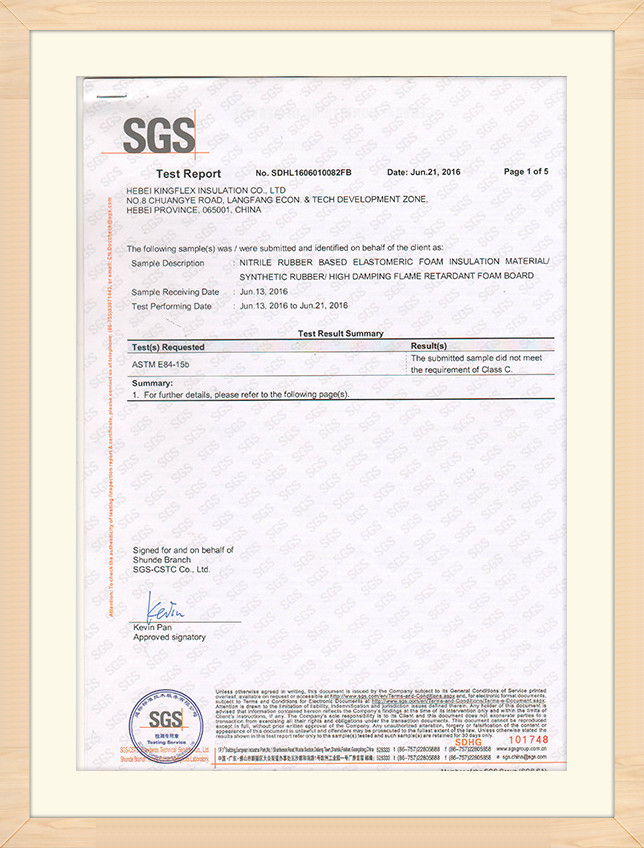
BS 476 Class 0
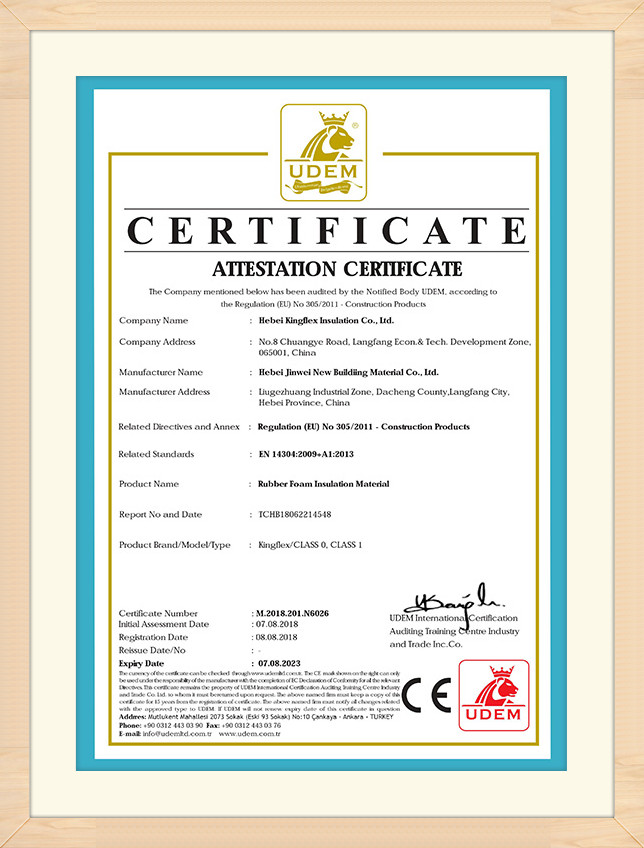
CE Compliance
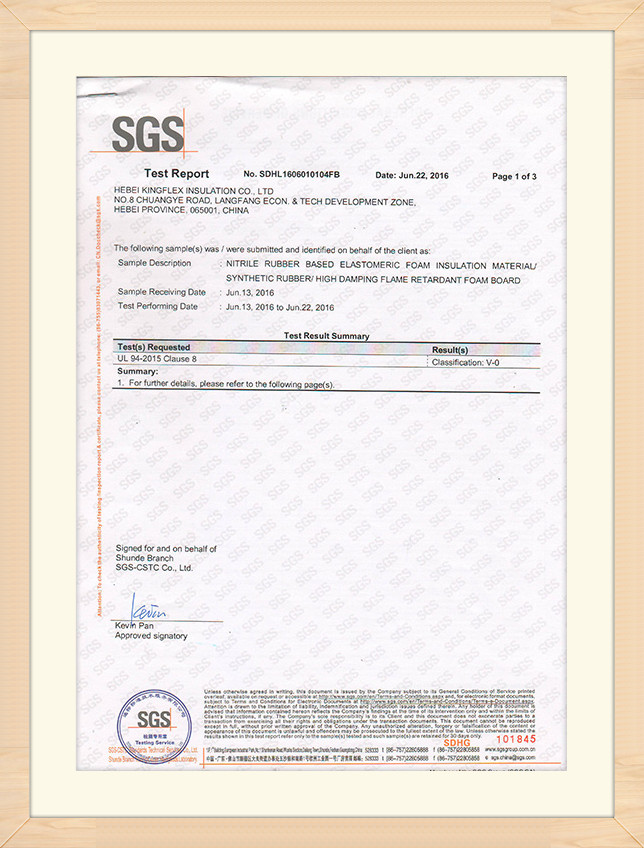
RoHS & REACH

Ordering from Kingflex ensures full integration with global shipping protocols. We support multiple shipping options including FOB (Free on Board) at Tianjin Xingang port (the primary maritime gateway for Northern China) or CIF (Cost, Insurance, and Freight) delivery to Singapore Port (PSA). This streamlined setup optimizes shipping lanes to ensure timely arrival at regional warehouses or project locations.
Our logistics workflow prioritizes careful packaging to prevent compression damage. Since elastomeric foam is susceptible to dimensional distortion if compressed for extended periods, we utilize heavy-duty protective cartons and custom wrapping. Standard rolls are packaged in protective plastic wrapping, keeping them clean, dry, and ready for fast onsite installation.
We work with international logistics providers to coordinate container packing, customs documentation, and certificates of origin, supporting seamless customs processing upon arrival in Singapore.




 Kingflex