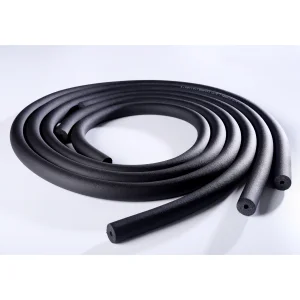
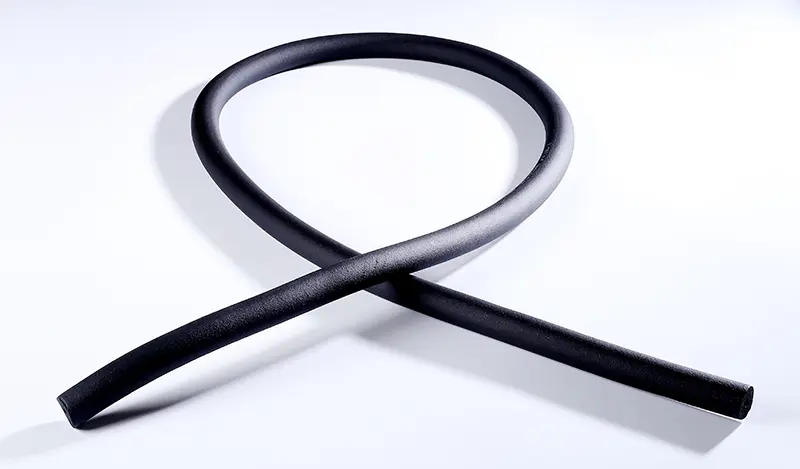
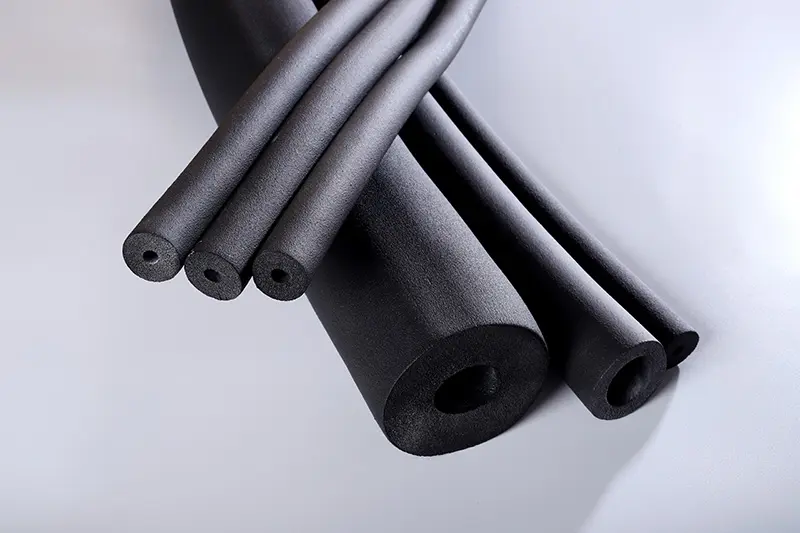
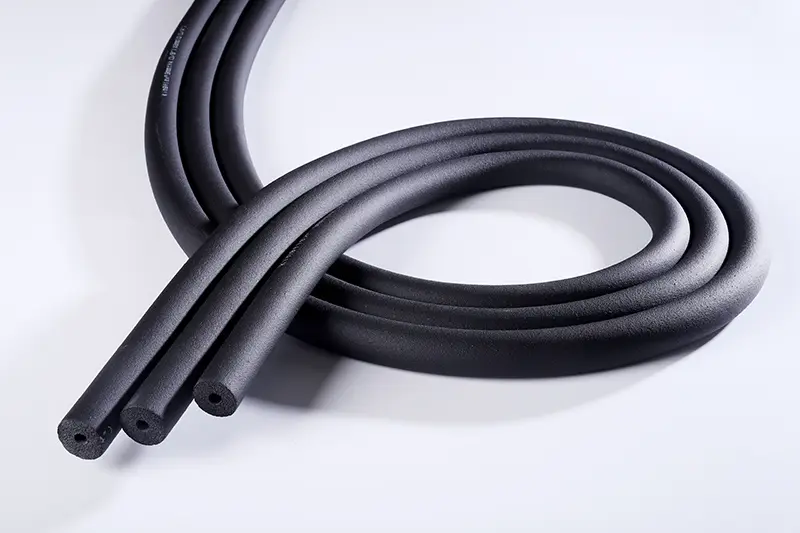
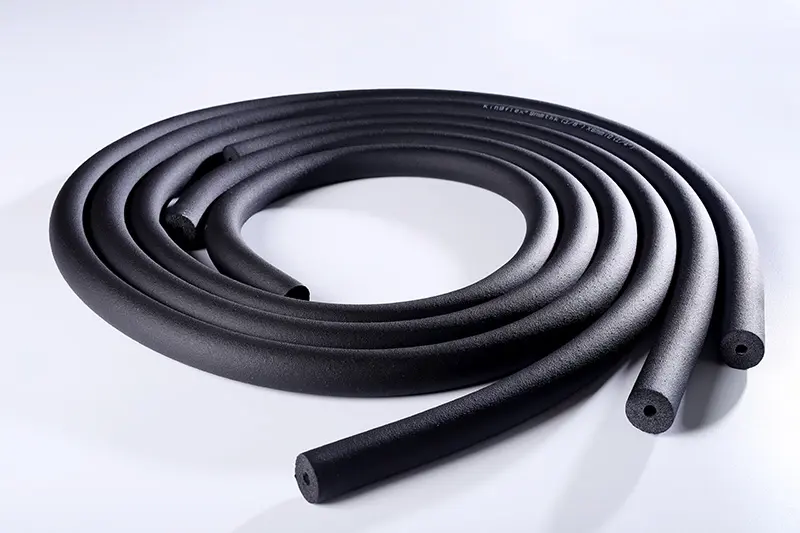
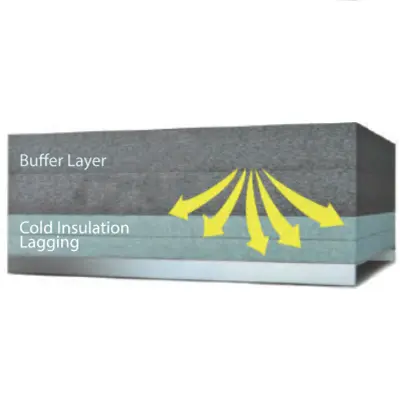
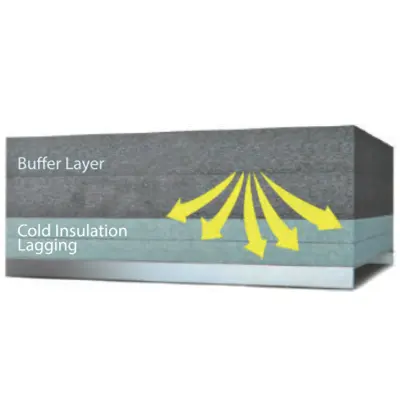
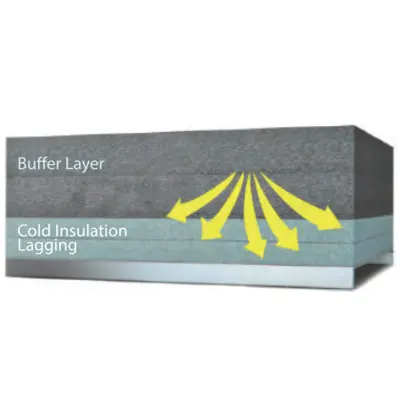
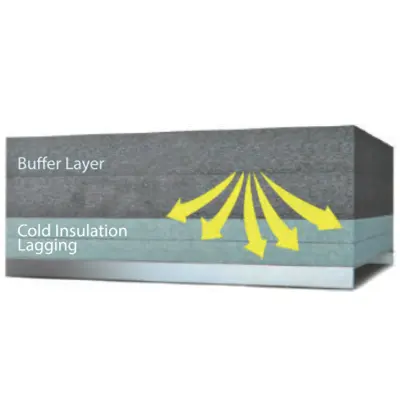
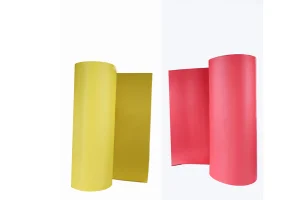
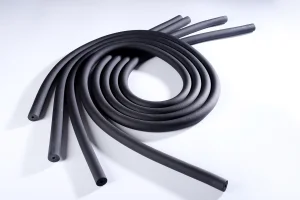
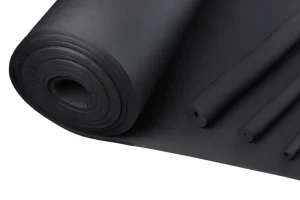
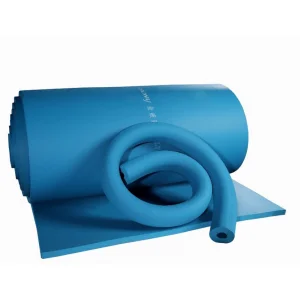
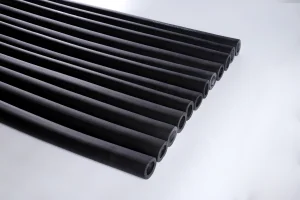
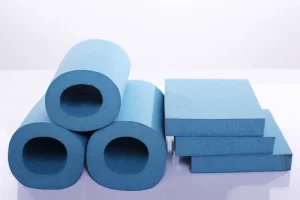
Engineered to mitigate boil-off gas (BOG) rates, eliminate corrosion under insulation (CUI), and ensure structural stability down to sub-zero temperatures.
Understanding the critical demand for specialized insulation solutions in the rapidly expanding Indian energy, pharmaceutical, and aerospace sectors.
The demand for high-grade cryogenic insulation systems in India has seen unprecedented growth over the past decade. Driven by nationwide initiatives to increase the share of natural gas in the energy mix, massive liquefied natural gas (LNG) terminal expansions (such as Dhamra, Jaigarh, and Mundra), and the rapid expansion of petrochemical complexes, India has become a central hub for low-temperature industrial operations. Furthermore, the country's thriving biotechnology, pharmaceutical cold chain networks, and specialized aerospace research projects require reliable insulation materials that perform continuously under severe sub-zero thermal gradients.
Procuring engineered solutions from leading Chinese manufacturers like Kingflex Insulation Co., Ltd. addresses India's local industrial challenges, particularly atmospheric humidity. In regions like Gujarat, Maharashtra, and Tamil Nadu, ambient temperatures and high relative humidity frequently cause severe condensation on uninsulated cold lines. This condensation leads to Corrosion Under Insulation (CUI)—a major risk factor causing system failures and multi-million dollar maintenance shutdowns.
By sourcing advanced NBR/PVC elastomeric rubber foam insulation with high resistance to water vapor transmission, Indian procurement departments secure long-term thermal performance, low installation costs, and immediate material availability.
Custom-engineered thermal insulation systems tailored to meet the strict demands of global petrochemical, HVAC, and cleanroom installations.
Protecting pipelines transporting liquefied natural gas at -162°C requires multi-layered insulation arrays. Kingflex closed-cell structures drastically lower boil-off rates and maintain gas liquid states during high-volume transshipment.
In chemical synthesis and processing plants, temperature fluctuations can alter product stability. Our elastomeric solutions provide thermal buffering, reducing energy draw and ensuring process control.
With low VOC profiles and dynamic resistance to mold, fungi, and dust shedding, Kingflex elastomeric materials meet international standards for cleanrooms in pharmaceutical and biological processing.
Tested parameters validating our insulation systems' fire-safety rating, temperature endurance, and moisture barrier integrity.
Selecting materials for cryogenic and ultra-low temperature environments requires strict engineering validation. The table below details the performance parameters of Kingflex standard NBR/PVC elastomeric rubber foam insulation.
| Performance Characteristic | NBR/PVC Elastomeric Foam Specification | Reference Standards |
|---|---|---|
| Service Temperature Limit | -40°C to 105°C (Extended down to -200°C in engineered multi-layer setups) | ASTM C534 |
| Thermal Conductivity (λ) | ≤ 0.035 W/(m·K) at 0°C | ≤ 0.032 W/(m·K) at -20°C | ASTM C518 / ISO 8301 |
| Water Vapor Diffusion Resistance (µ) | ≥ 10,000 (Completely closed-cell structure) | EN 12086 / ISO 1663 |
| Fire & Flammability Performance | Class 1 / Class 0 Flame Spread | Self-extinguishing | BS 476 Part 6 & 7 / UL 94 V-0 |
| Compression Resilience | ≥ 80% recovery under sustained load | ASTM D1667 |
| Density Range | 40 - 55 kg/m³ | ASTM D1622 |
For extreme cryogenic conditions, Kingflex utilizes a Diolefin flexible rubber foam insulation matrix. This matrix remains flexible at sub-zero temperatures, eliminating the risk of micro-fracturing caused by pipe contraction and expansion during thermal cycling.
Anticipating next-generation materials, regulatory updates, and sustainability benchmarks in low-temperature insulation technology.
The future of cryogenic insulation lies in improving fire safety, reducing chemical hazards, and integrating smart technologies. Kingflex's current R&D efforts focus on several main areas:
By developing these advanced technologies, Kingflex maintains its position as an industry leader, ensuring our global supply chains meet both current and future regulatory requirements.
From the first Northern China manufacturer of thermal insulation to a global export leader with 5 automated production lines.
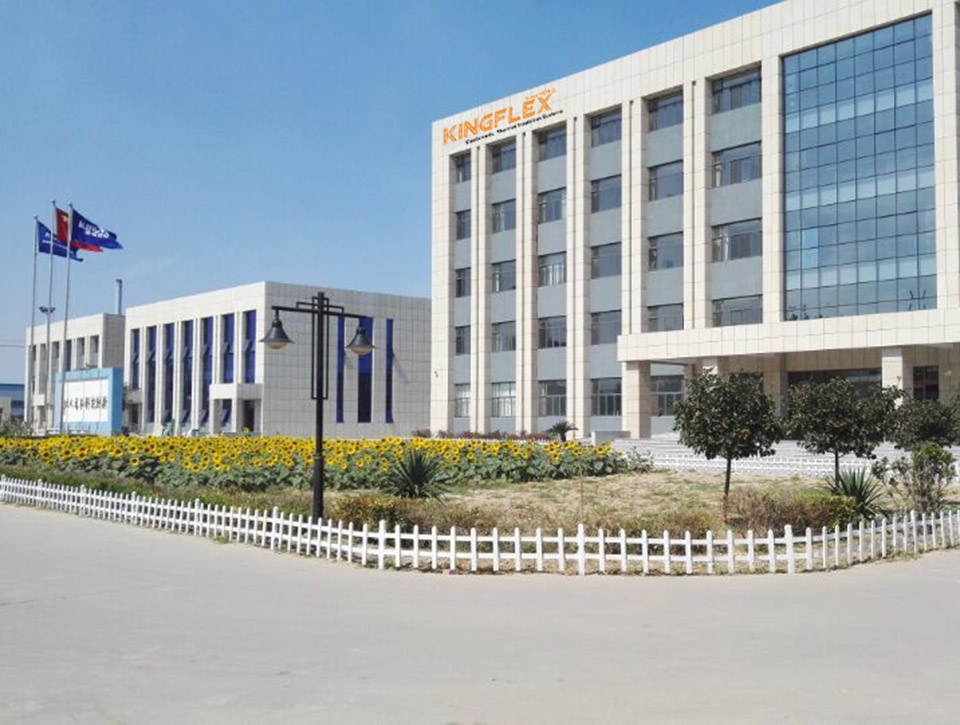
Kingflex Insulation Co., Ltd. is a professional manufacturing and trading combo for thermal insulation products. Kingflex research development and production department is located in well-known capital of green-building materials in Dacheng , China. It is an energy-saving environmental friendly enterprise concentrate the research and development, production and sales. In operation, Kingflex takes energy saving and consumption reduction as the core concept. We provide the solutions regarding the insulation by means of consultation, research and development production, installation guidance, and post-sale service to lead the development of global building materials industry.
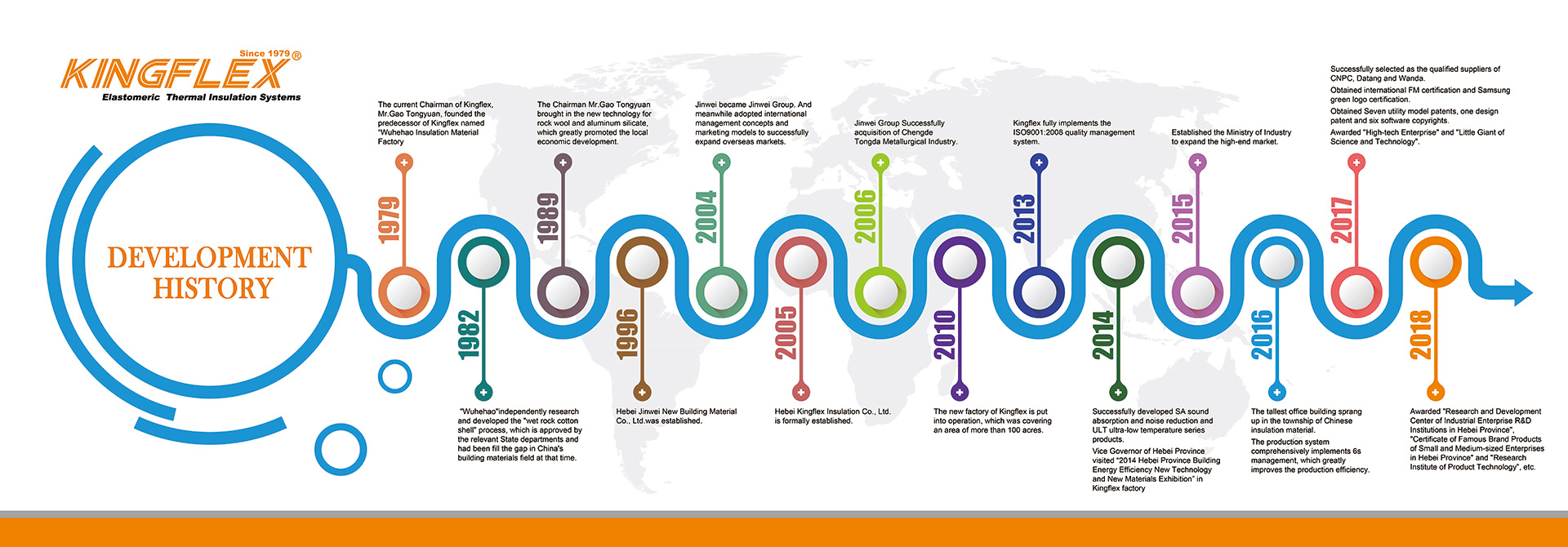
Kingflex is established by Jinwei Group which has more than 40 years history. Jinwei Group is established in 1979. It was the first manufacturer of thermal insulation materials north of the Yangtze River.
At present, Kingflex has 5 large automatic assembly lines, with an annual production capacity of more than 600,000 cubic meters, and has become a designated production enterprise designated by the Ministry of Energy, the Ministry of Electric Power and the Ministry of Chemical Industry.

Our employees are amazing in their own right, but together they are what makes Kingflex such a fun and rewarding place to work. Kingflex team is a tight-knit, talented group with a shared vision of giving consistently first-class service for our clients. Kingflex has 8 professional engineers in the R&D Department, 6 professional international sales, and 230 workers in the production department.
Tested and verified to comply with BS 476, CE, REACH, RoHS, UL94, and ASTM requirements for international projects.
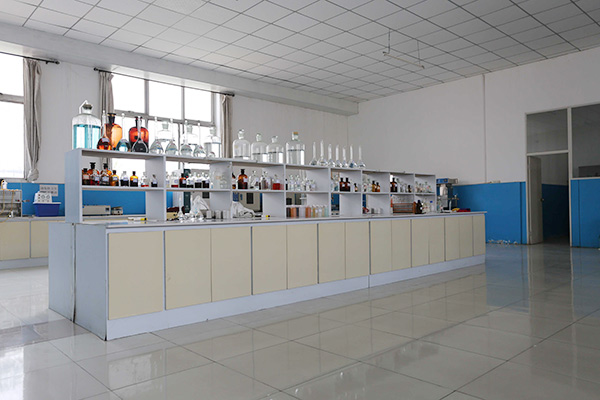
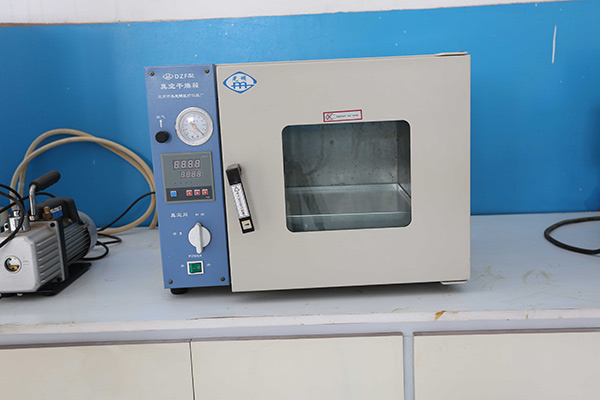
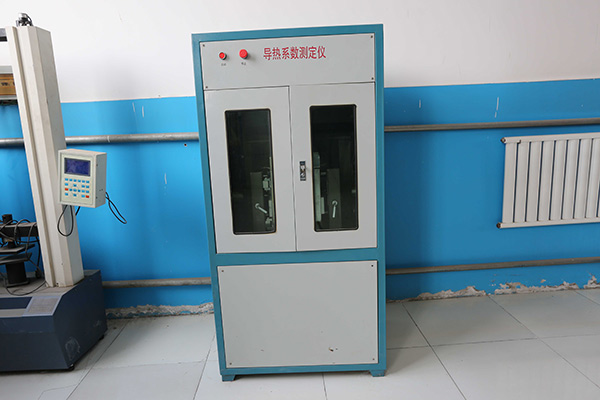
Each batch of Kingflex elastomeric insulation undergoes testing for thermal stability, cell structure uniformity, and fire resistance. Our R&D facility monitors formulation ratios to ensure stable performance across all batch shipments.
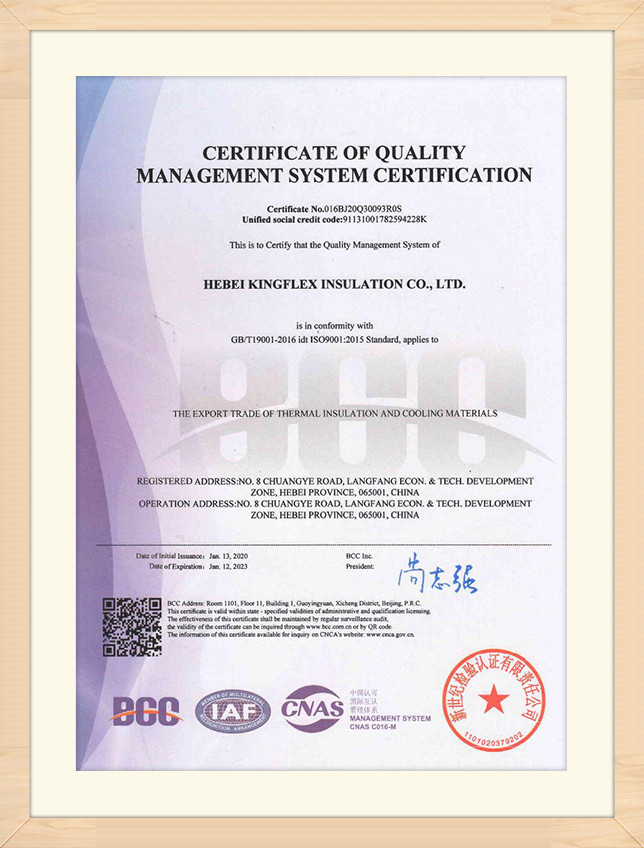
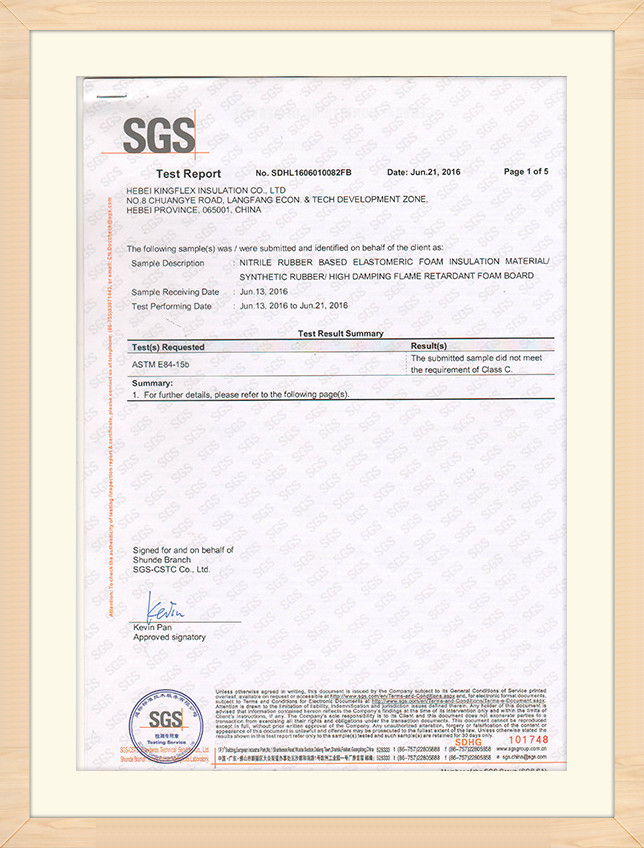
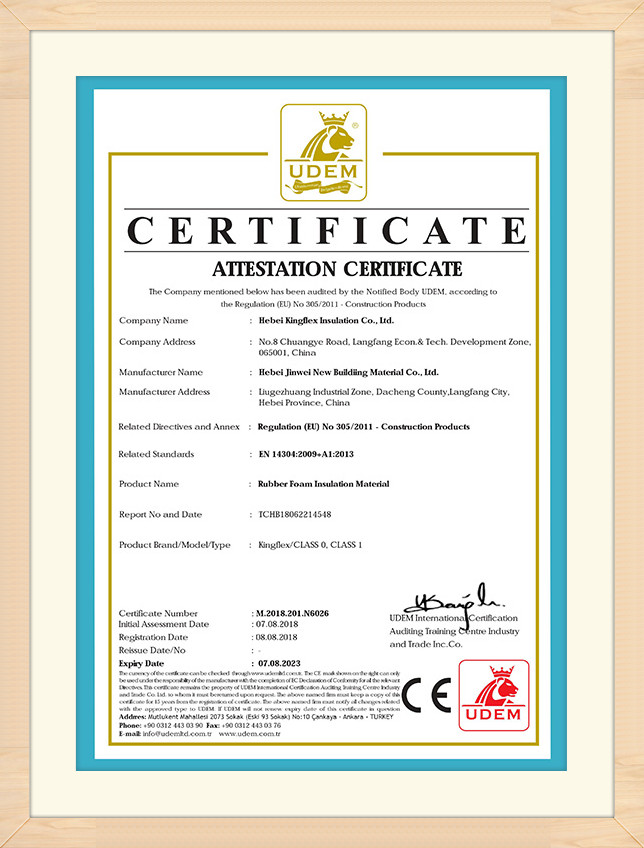
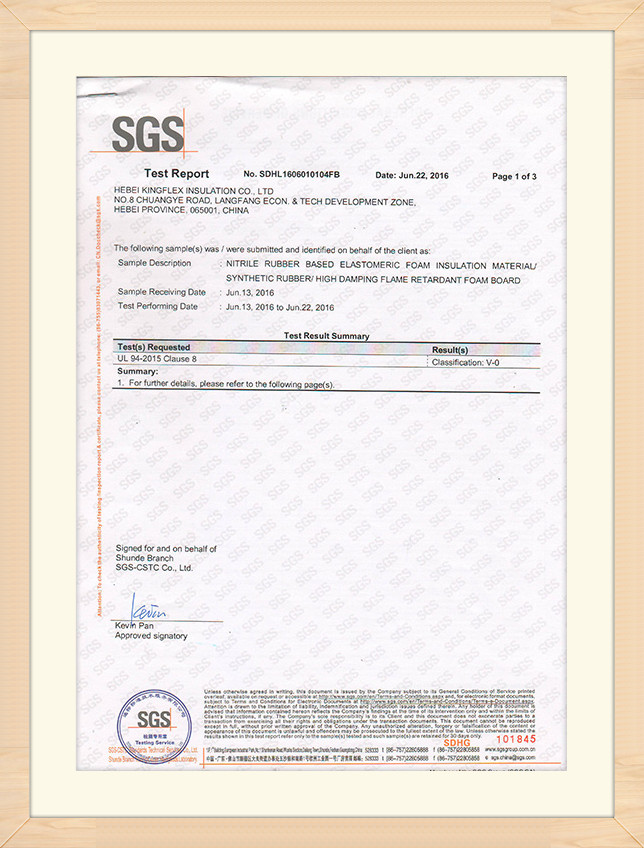
Our products meet international certification standards. Kingflex insulation maintains compliance with BS 476, CE, REACH, RoHS, UL94, and ASTM requirements. Every order has raw material and processing traceability.
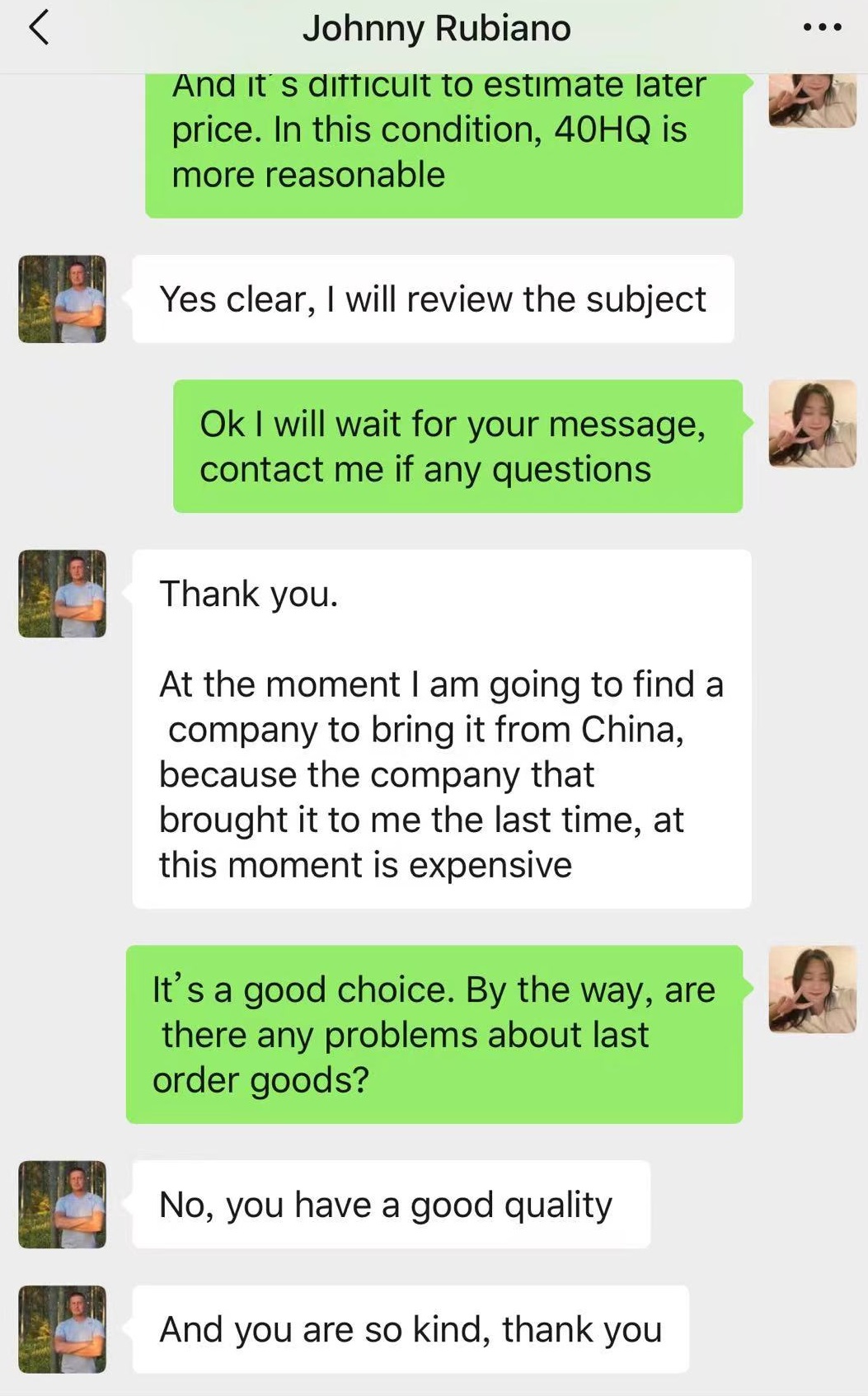
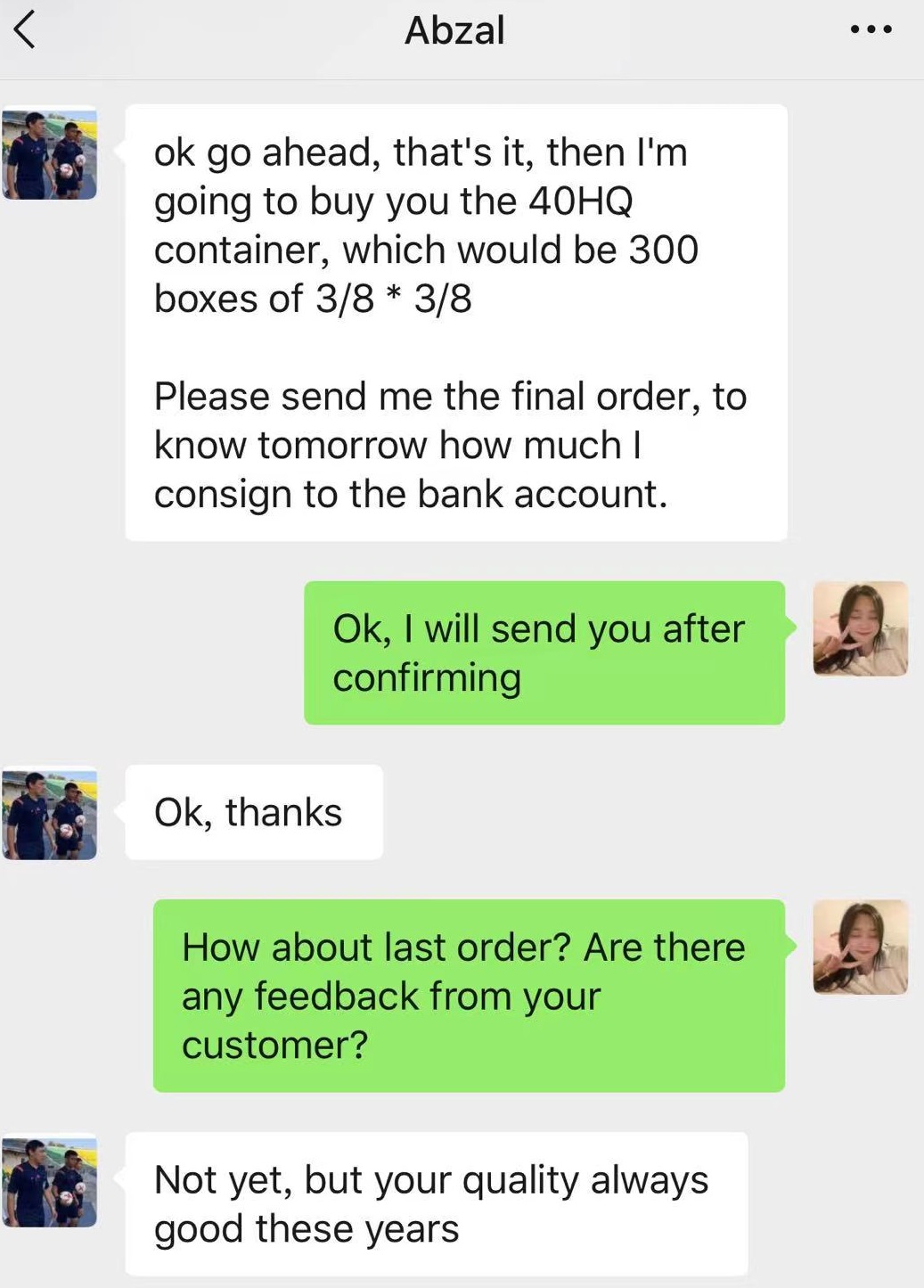
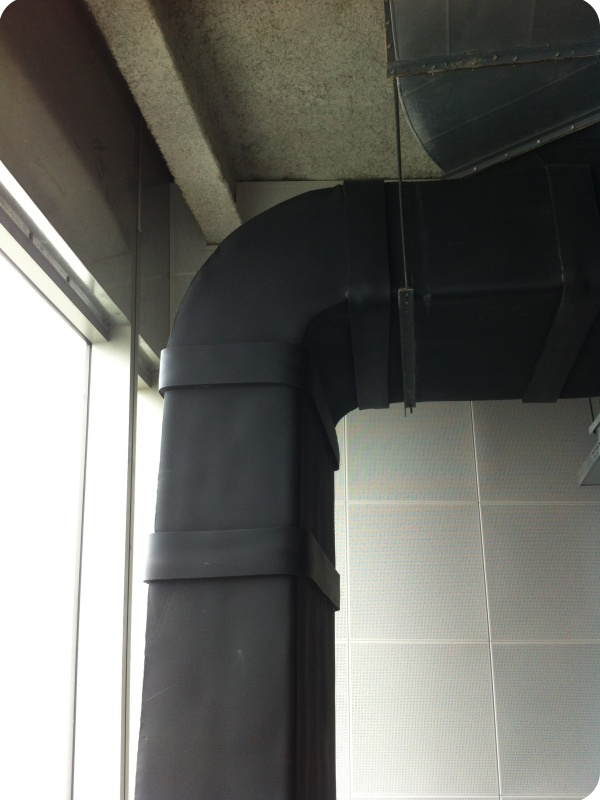
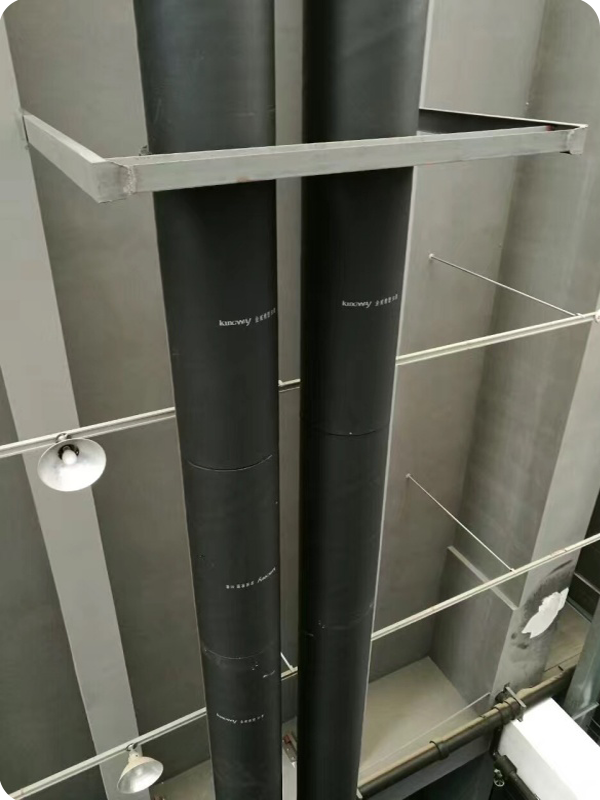
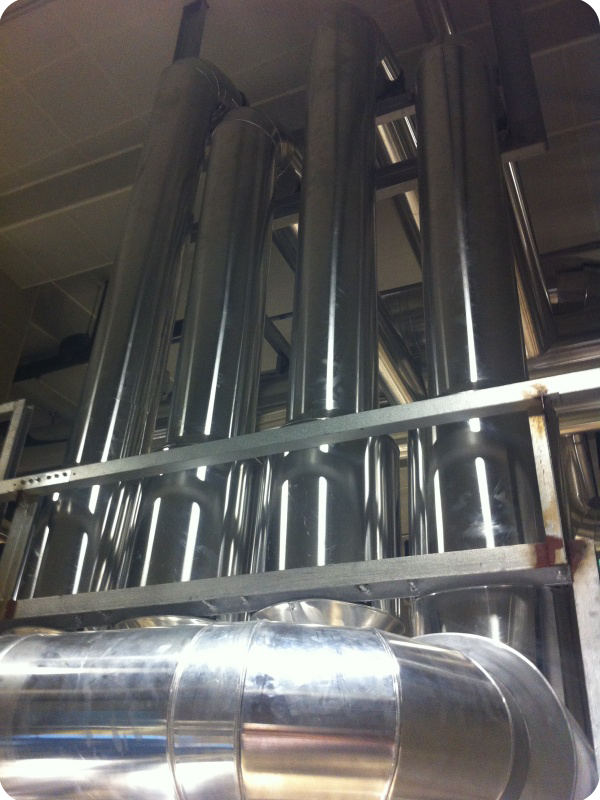
Verified projects and customer chat logs demonstrating Kingflex's reliability under low-temperature conditions.
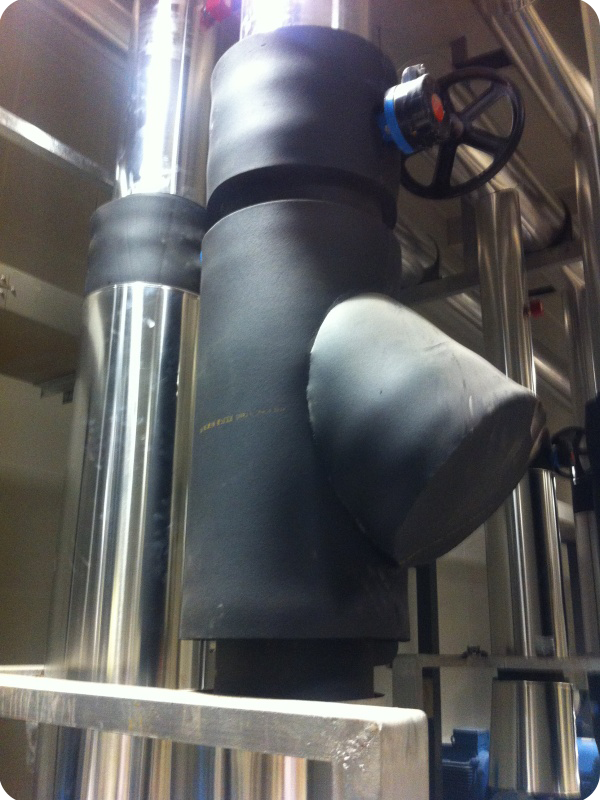
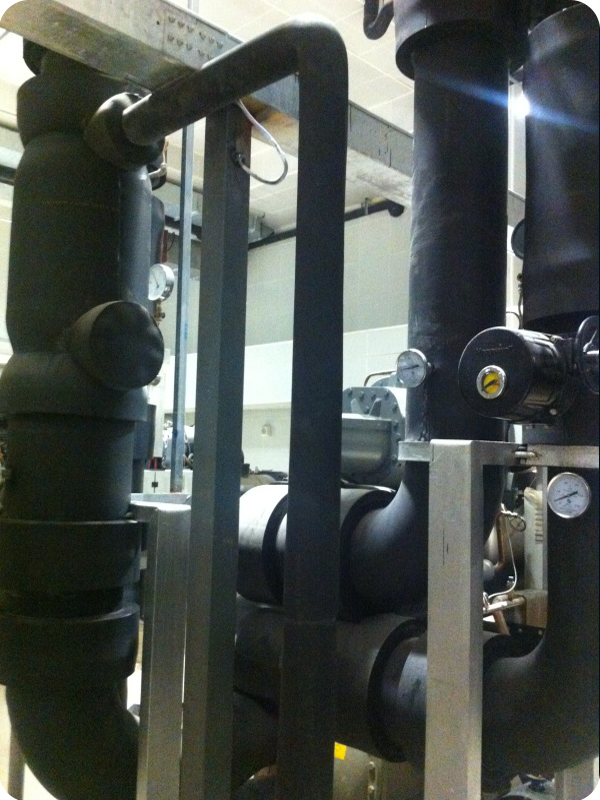
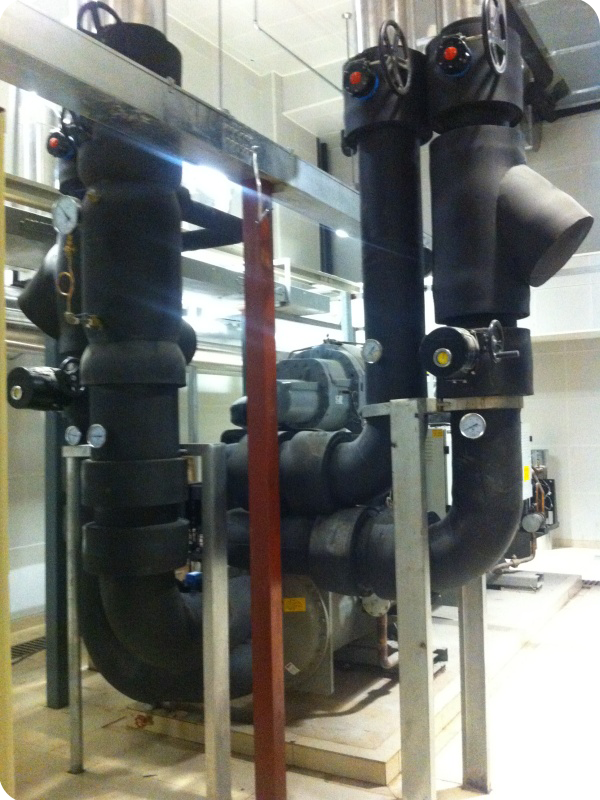
We work with engineering contractors worldwide. Below are real project sites and customer chat logs showing our quality standard and delivery execution.





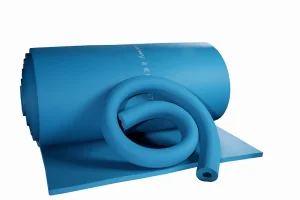
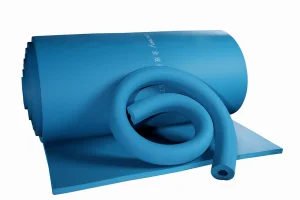
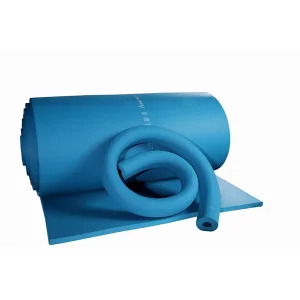
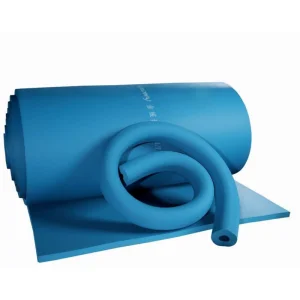
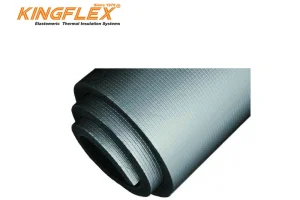
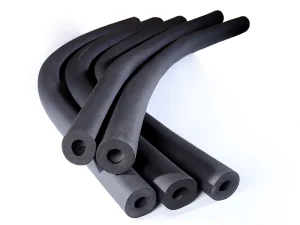
Direct dimensions, sizing, and structural advantages for sheet rolls and insulation pipes.
Central air conditioning ducting, building walls and basement insulation, HVAC system water pipelines, and heavy industrial steam and processing equipment.
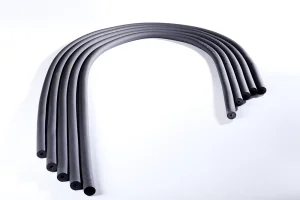
Central air conditioning chilled/hot water pipes, building water supply pipes (antifreeze), cold chain pipelines, and chemical or petrochemical transfer pipes.
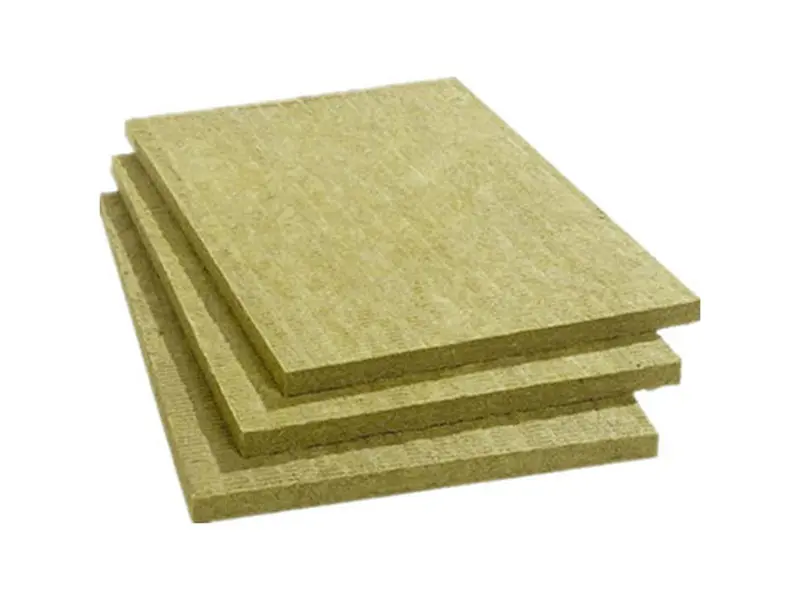
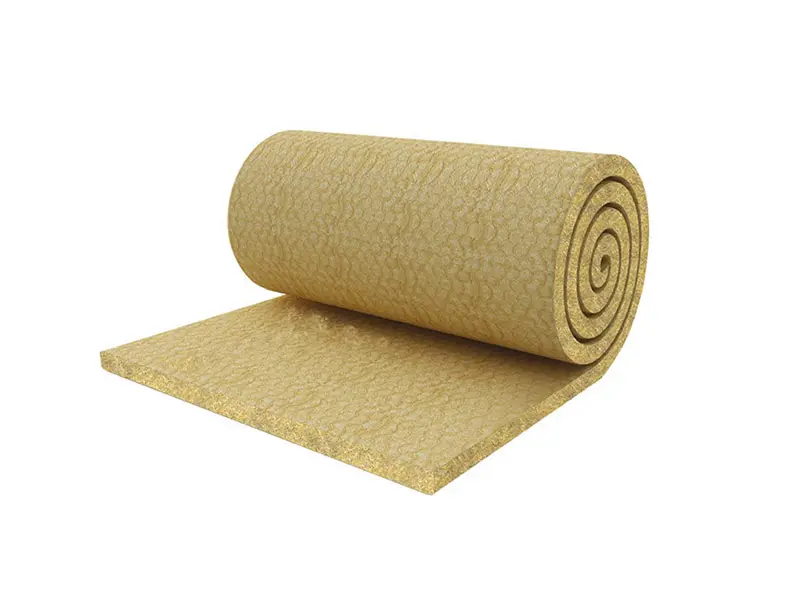
Explore our wider range of thermal, elastomeric, and structural insulation boards and blankets.
Detailed technical advice addressing critical thermal insulation questions from engineers, inspectors, and buyers.
Inside our automated facilities, showcasing manufacturing execution and bulk export preparations.
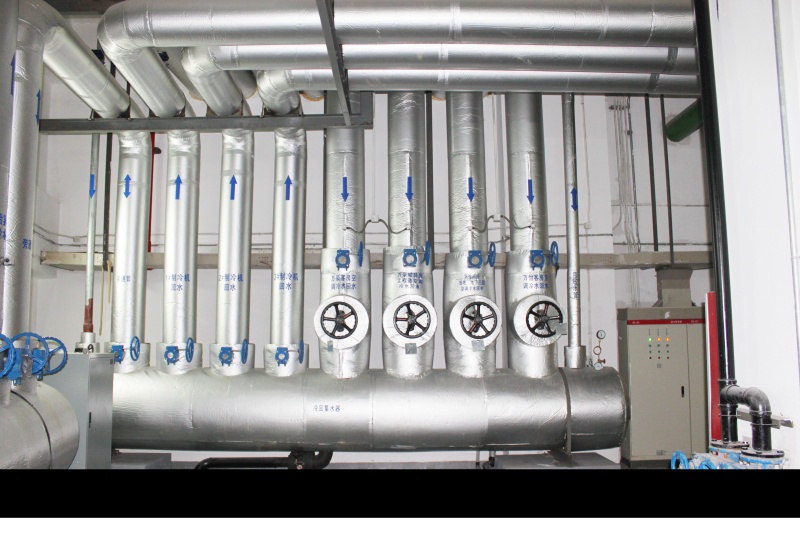


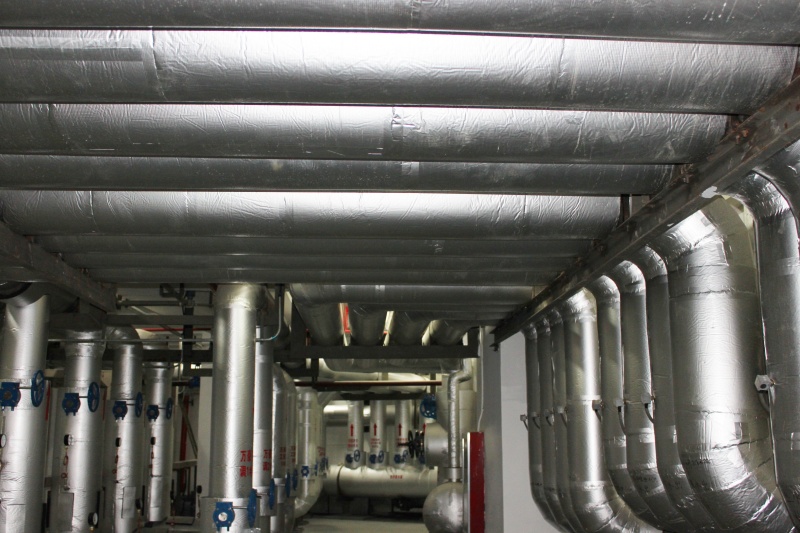
Standard packaging for global distribution, minimizing volume and shipping transit damage.


Get in touch for custom dimensions, thermal insulation performance assessments, and volume discounts on regional cargo shipments.
 Kingflex