Premium elastomeric engineered foam systems direct from our advanced manufacturing plant
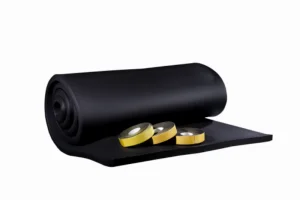
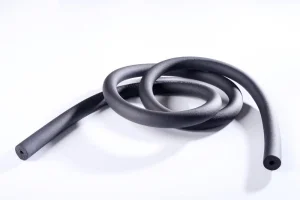
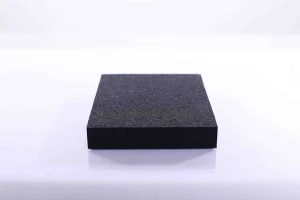
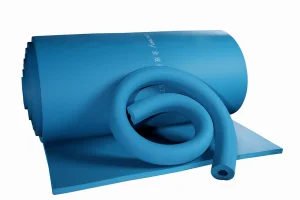
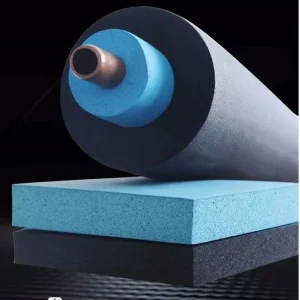
In modern structural engineering, noise pollution within high-velocity heating, ventilation, and air conditioning (HVAC) systems has become a critical operational challenge. The noise generated by turbulent airflow, mechanical fan vibrations, and cross-talk through metal ductwork degrades the indoor environmental quality (IEQ) of commercial towers, healthcare facilities, and academic institutions. Consequently, acoustic duct lagging has evolved from an optional treatment to a regulatory necessity mandated by ASHRAE guidelines, local building codes, and green initiatives such as LEED and BREEAM.
Beyond simple soundproofing, global infrastructure networks demand multi-functional materials that concurrently address thermal loss, condensation prevention, and fire safety. Elastomeric rubber-based insulation complexes—composed of closed-cell and open-cell structures engineered with Nitrile Butadiene Rubber (NBR) and Polyvinyl Chloride (PVC)—offer a superior solution. They decouple acoustic energy while blocking thermal energy transfer. This combined performance represents a critical element in high-performance green buildings.
Information Gain Insights: Unlike traditional glass wool or rock wool laggings that easily decay when exposed to moisture, elastomeric NBR/PVC structures act as a built-in vapor barrier. This eliminates the need for separate vapor retarders while maintaining a high Sound Transmission Class (STC) rating over a long service lifespan of 10 to 15 years.
Acoustic duct lagging functions via two physical principles: sound barrier insulation (preventing noise breakout from the duct walls) and vibration damping (minimizing structural resonance). The raw noise from HVAC air handlers consists of low-frequency rumble and mid-to-high frequency airflow hiss. A high-density elastomeric rubber sheet, particularly when backed by mass-loaded vinyl (MLV) or a heavy foil jacket, creates a decoupled barrier.
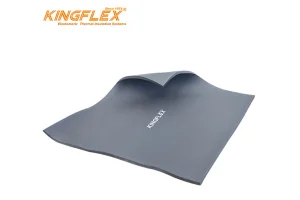
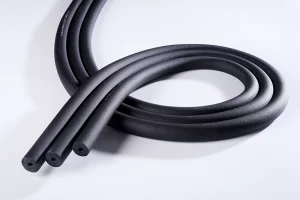
Standard acoustic systems utilize open-cell structures to absorb sound wave energy, transforming kinetic wave energy into minor thermal energy within the cells. Meanwhile, closed-cell structures prevent heat transfer (conduction and convection) by trapping microscopic nitrogen gas bubbles within an impermeable matrix. Leading engineering projects often utilize a hybrid layering approach: open-cell elastomeric panels (such as Kingflex Open Cell Acoustic Panel) are paired with closed-cell elastomeric pipe covers to achieve optimal noise absorption alongside moisture resistance.
| Property | NBR/PVC Elastomeric Foam | Traditional Rock Wool / Mineral Fiber |
|---|---|---|
| Primary Acoustic Mechanism | Resonance Damping & Sound Breakout Barrier | Porous Absorption (High Frequency only) |
| Moisture Resistance | Impermeable Closed-Cell structure (Moisture Barrier Built-in) | Hydrophilic (Requires external vapor barrier) |
| Installation Thickness | 6mm to 50mm (Highly Space Efficient) | 50mm to 100mm (Bulky) |
| Fibers & Particle Shedding | Zero fiber shedding (Safe for cleanrooms & hospitals) | High fiber shedding risk during installation |
| Vibration Damping | Excellent, high viscoelasticity polymeric matrix | Poor, rigid fibers transfer mechanical energy |
Established by the Jinwei Group, which boasts a rich legacy extending back to 1979, Kingflex Insulation Co., Ltd. stands as a professional manufacturing and trading powerhouse for industrial thermal and acoustic insulation systems. The Jinwei Group holds the historic distinction of being the first manufacturer of thermal insulation materials north of the Yangtze River.
Our state-of-the-art research, development, and primary production facilities are strategically located in Dacheng, China—globally recognized as the capital of green-building materials. As a modern, energy-saving, and environmentally conscious enterprise, Kingflex integrates core concepts of resource conservation, structural security, and environmental compliance into all operations. We deliver comprehensive insulation solutions spanning technical consultation, custom material formulation, strict laboratory testing, installation guidance, and dedicated post-sale technical support.
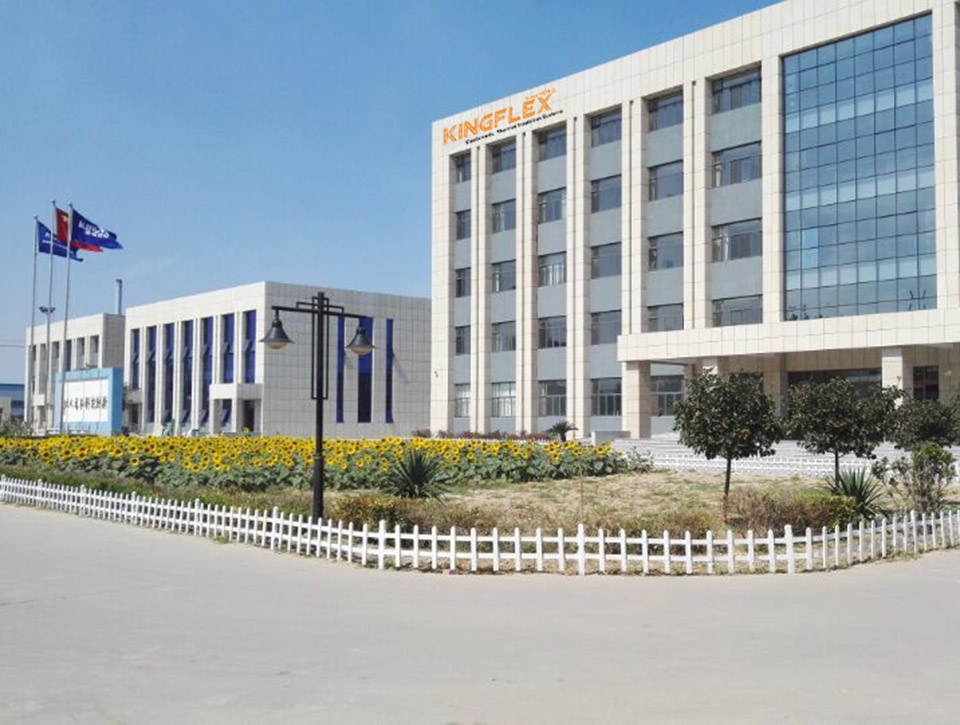
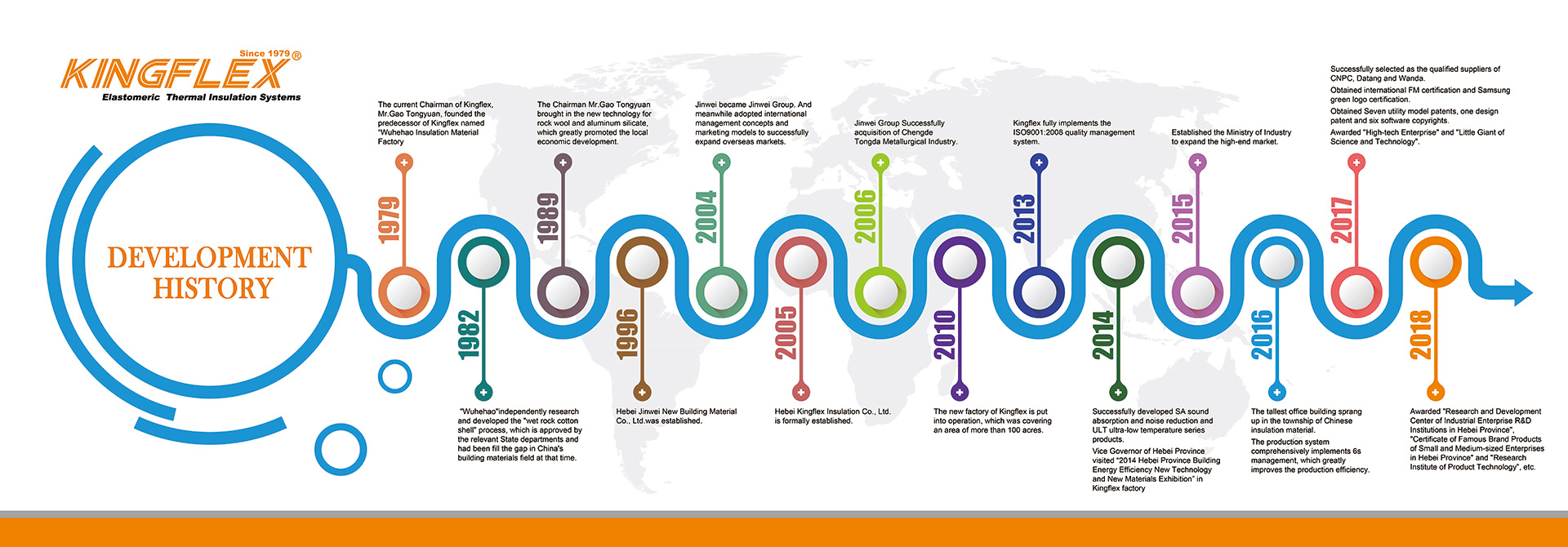


We operate 5 large-scale, automated continuous extrusion and vulcanization lines. This infrastructure yields an annual capacity of over 600,000 cubic meters, ensuring rapid delivery timelines for large-scale municipal and industrial contracts.
Kingflex is a designated production enterprise approved by the Ministry of Energy, the Ministry of Electric Power, and the Ministry of Chemical Industry, cementing our status as a trusted supplier for sensitive public infrastructure.
Our workforce features 8 professional R&D engineers, 6 international trade experts, and 230 specialized production workers. They continuously refine our polymeric formulations to optimize acoustic attenuation.
High-performance acoustic duct lagging and elastomeric insulation systems are deployed across diverse applications:
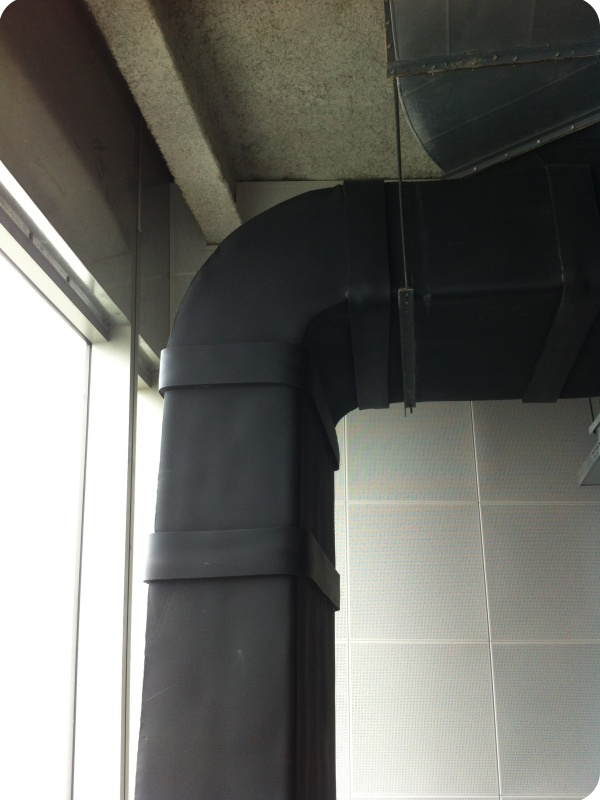
Installed directly on rectangular and round sheet metal air-handling ducts to prevent airflow rumble and fan noise from entering offices, conference rooms, hotel suites, and hospital wards.
Specially formulated elastomeric foams prevent freeze-thaw cracking on cold piping down to -40°C. They are widely used in cryogenic applications, liquid gas transport, and cold-chain distribution terminals.
Insulation solutions for high-pressure steam pipelines, chemical mixing vessels, and storage tanks. These systems mitigate high-frequency motor noise while reducing heat loss, maximizing plant energy efficiency.
Applied to passenger train carriages, marine vessel bulkheads, and engine rooms. These systems minimize structural acoustic vibration while meeting strict transport fire safety standards.
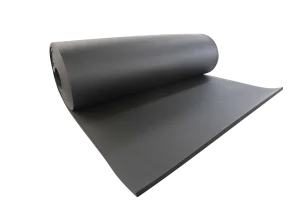
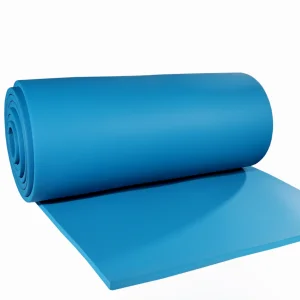
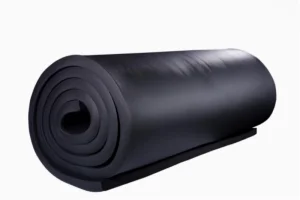
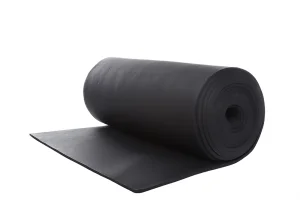
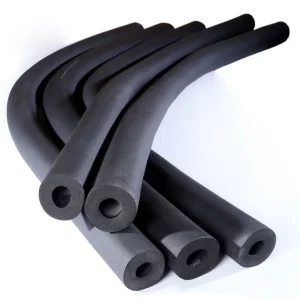
To satisfy diverse engineering constraints, Kingflex produces customized insulation sheet rolls ranging from 6mm to 50mm in thickness. Our products ensure uniform expansion, high density control (40-55kg/m³), and reliable thermal conductivity parameters across all environments.
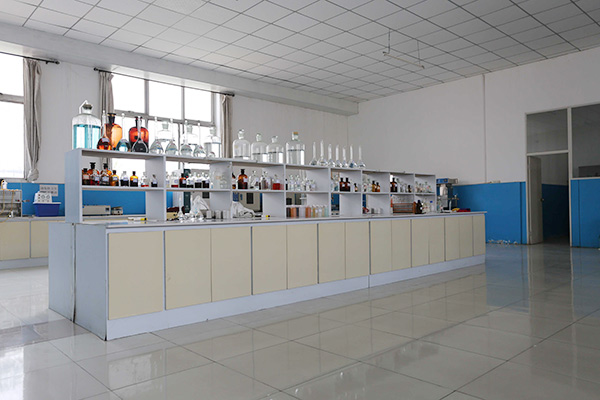
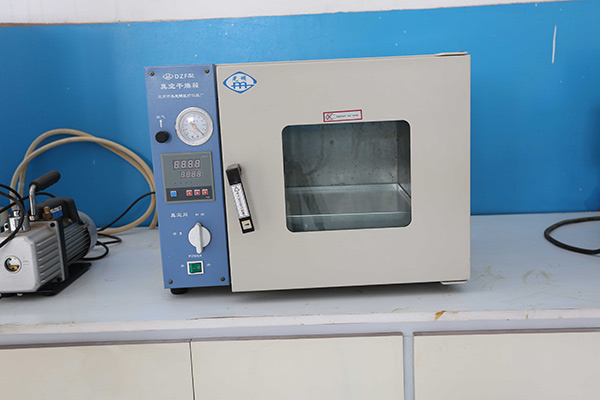
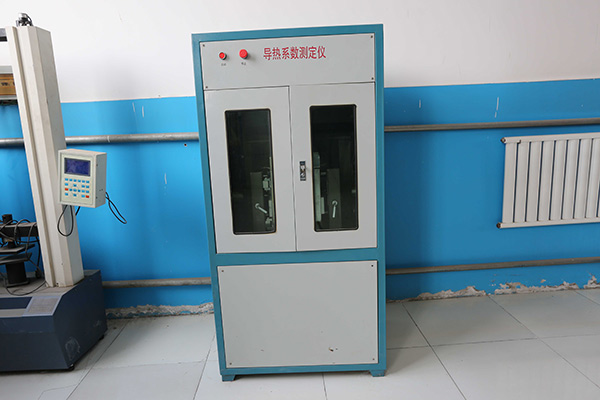
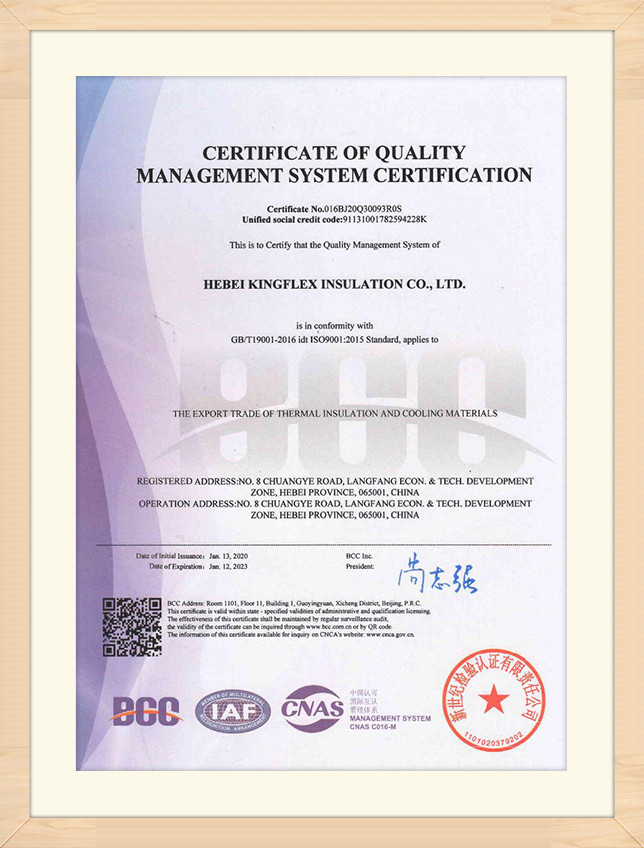
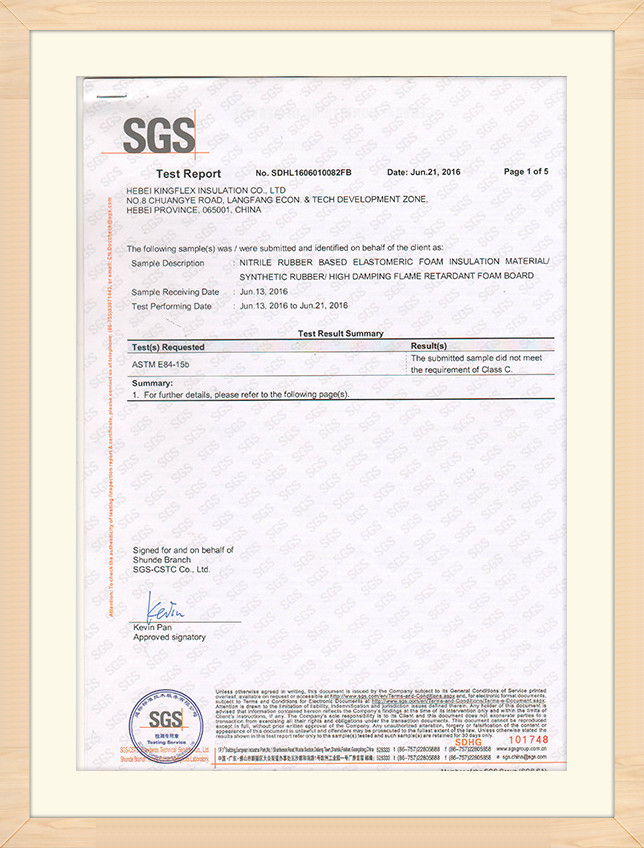
For global engineering consultants and procurement officers, product reliability is confirmed through independent, third-party laboratory certifications. Kingflex insulation products undergo thorough evaluations to ensure full compliance with international safety, environmental, and thermal efficiency frameworks.
Our manufacturing processes are certified to ISO 9001 quality management, ISO 14001 environmental management, and ISO 45001 occupational health and safety standards. Furthermore, our NBR/PVC elastomeric formulations are certified to BS 476 Part 6 & 7 (Class 0 and Class 1 flame spread ratings), CE Mark (European Conformity), REACH, ROHS, UL94, and ASTM. This guarantees safety, performance, and environmental compliance on all building projects.
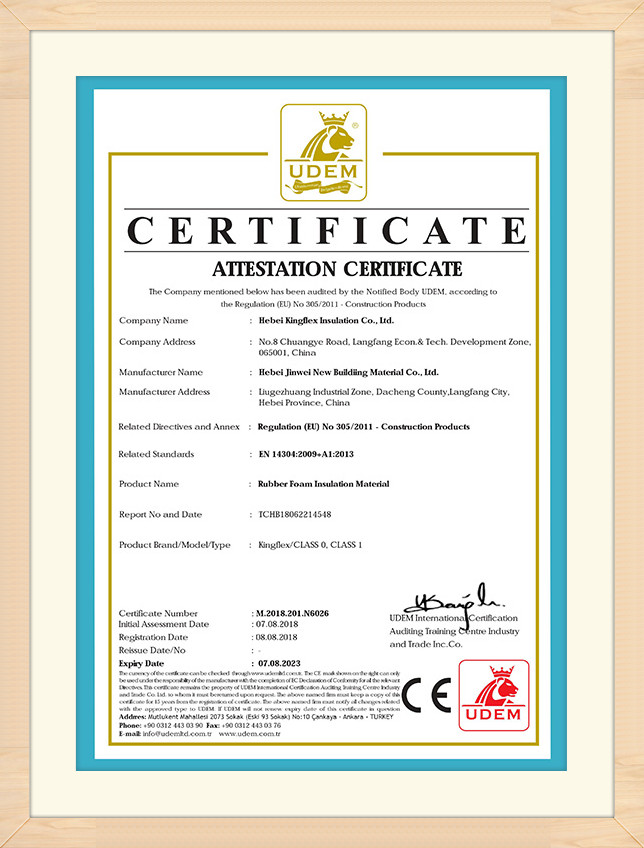
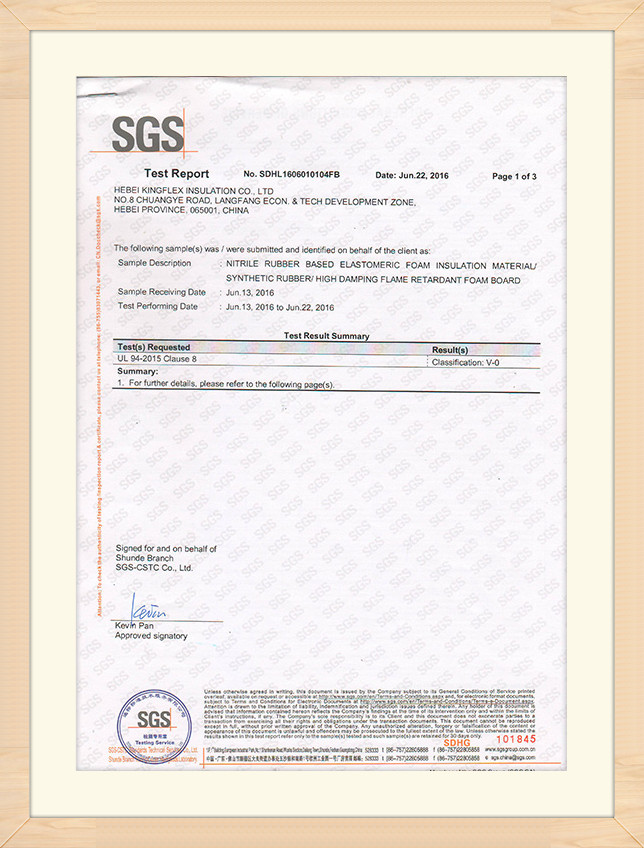
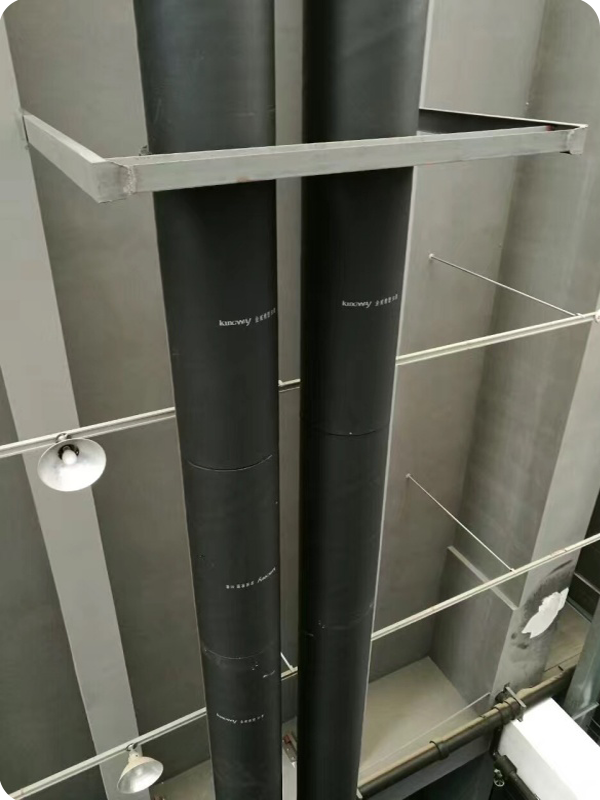
Proof of reliability through industrial installations and verified B2B transactions






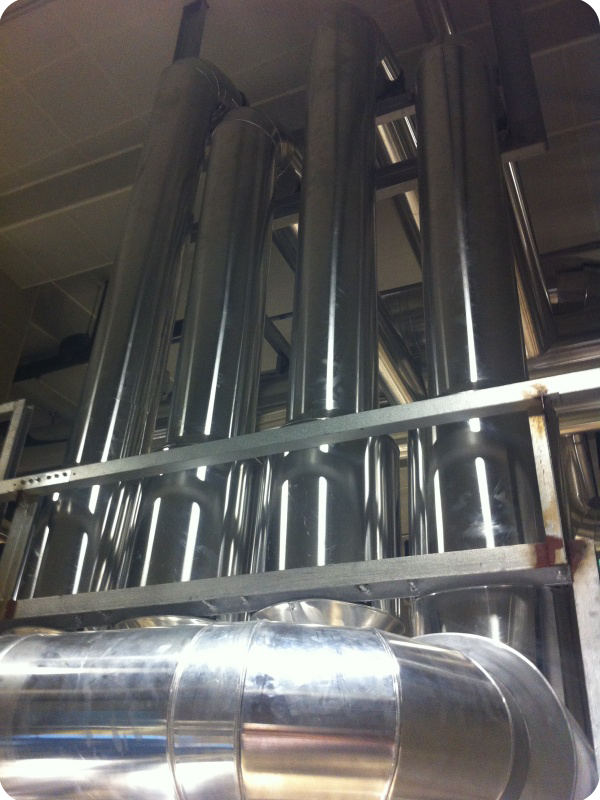
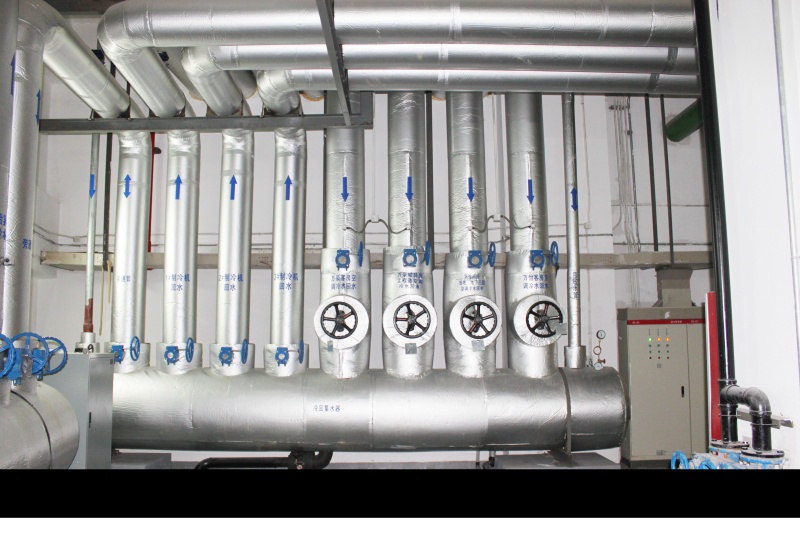
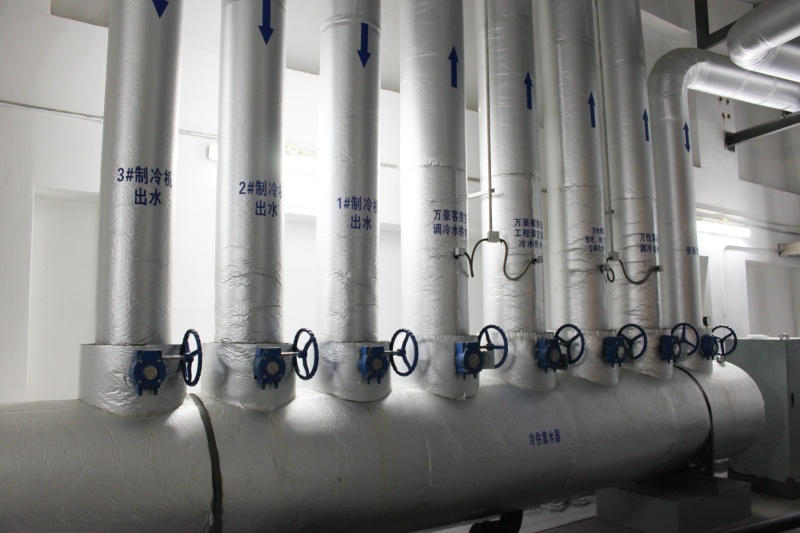
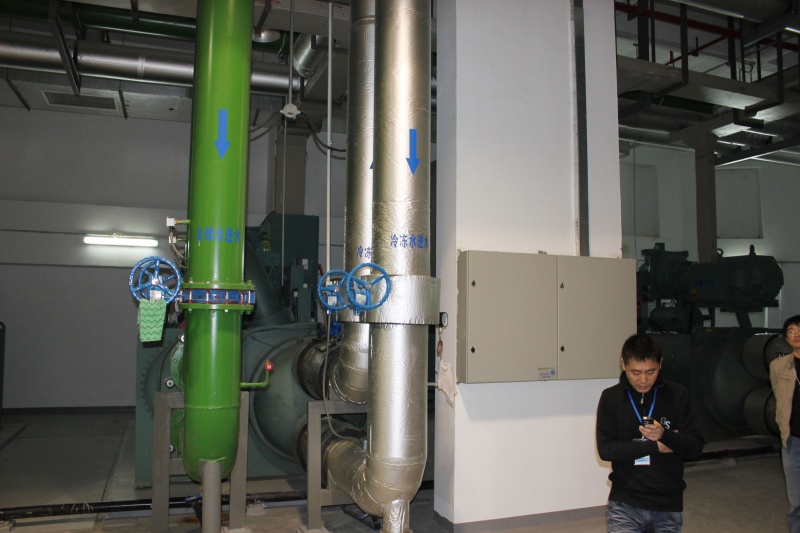
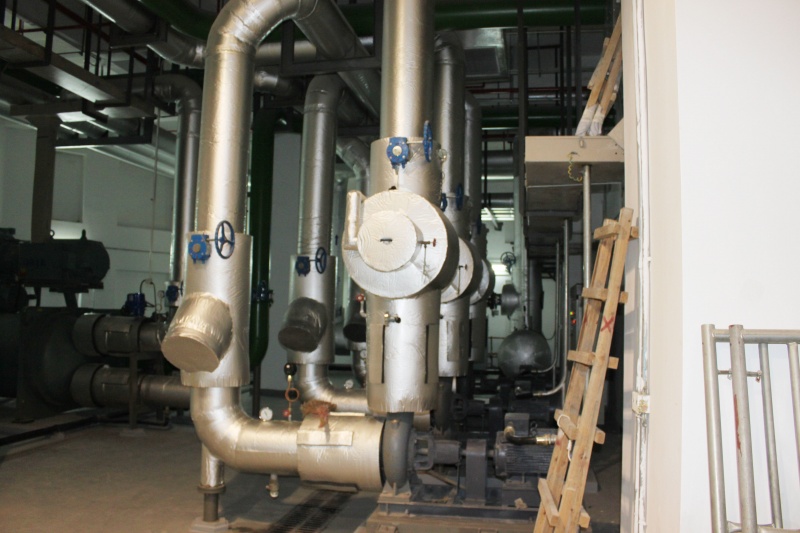
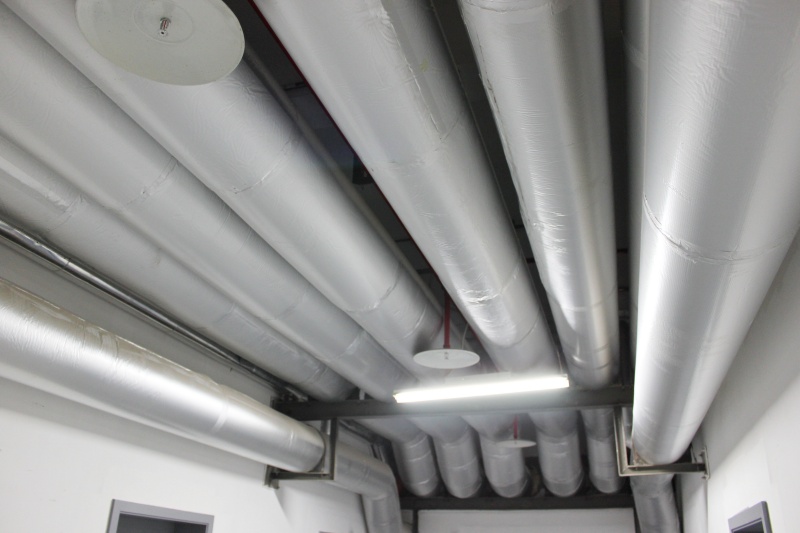

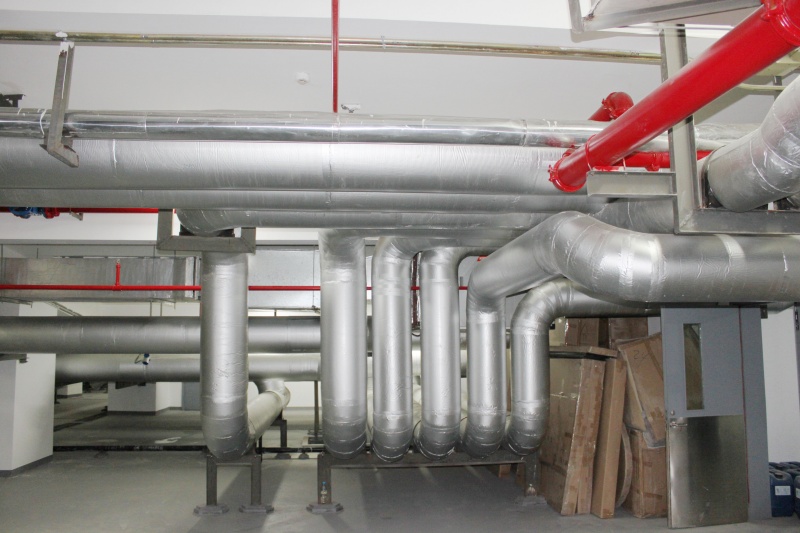

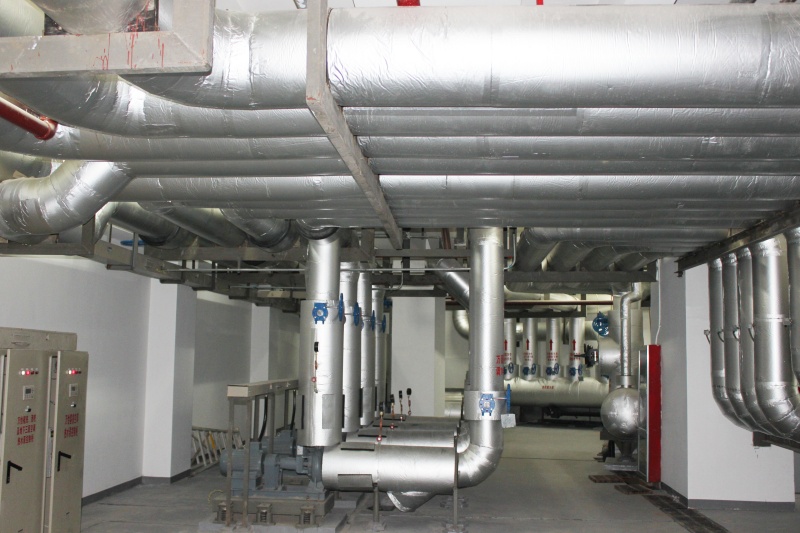
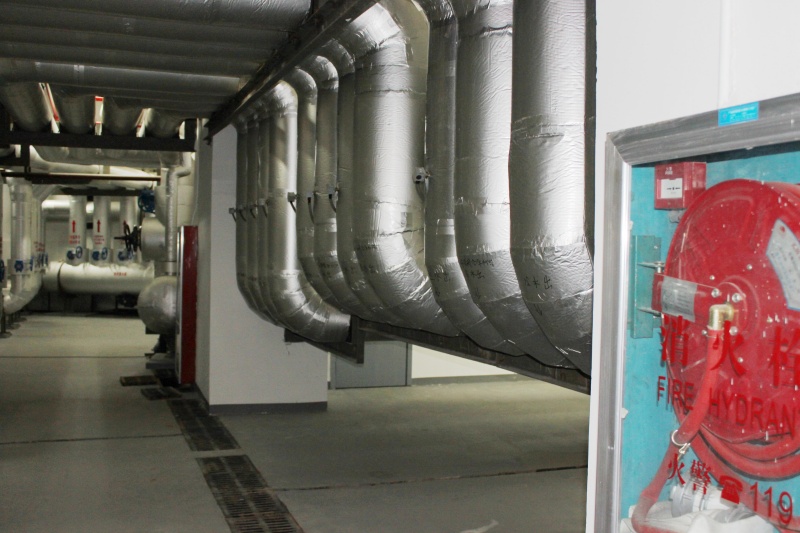
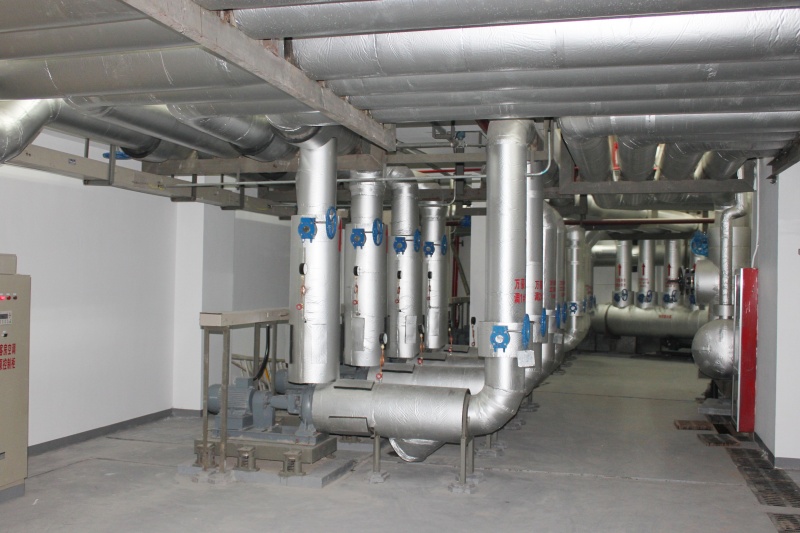
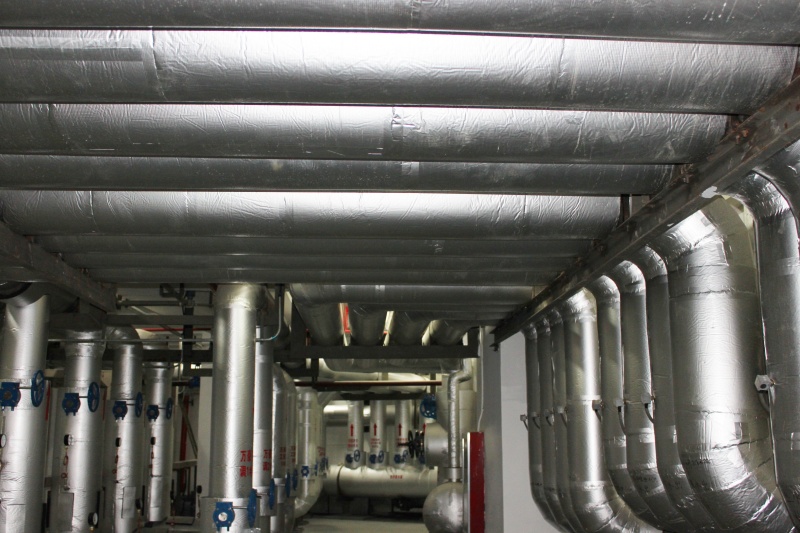
Our manufacturing line conforms to exact dimensional tolerances and density gradients, delivering consistent thermal resistance (R-value) and vibration isolation metrics. Below are the key engineering specifications for our core elastomeric ranges:
Material Base: Premium NBR/PVC blend
Thickness Options: 6mm - 50mm
Density: 40 - 55 kg/m³
Service Temp Limit: -40°C to +105°C
Performance: Uniform foaming, closed-cell rate >98%, compression resilience >80%, self-extinguishing safety profile.
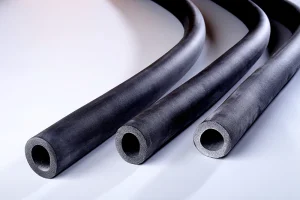
Thickness Range: 9mm - 40mm
Inner Diameter (ID): 6mm - 114mm
Density: 40 - 55 kg/m³
Thermal Resistance: Low thermal conductivity, high moisture resistance index
Key Benefit: Reduces pipeline thermal loss and prevents sub-zero freezing/condensation risks.
Expert answers addressing the design, installation, and procurement of acoustic and thermal lagging
Explore our full range of cryogenic, high-temperature, and elastomeric foam insulation products
 Kingflex