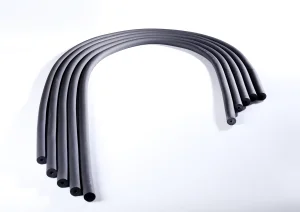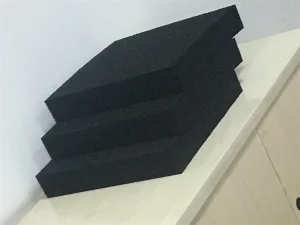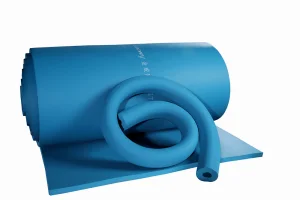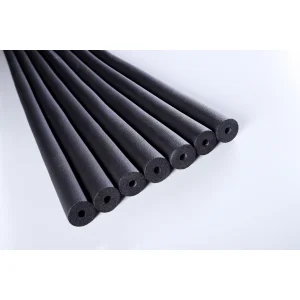
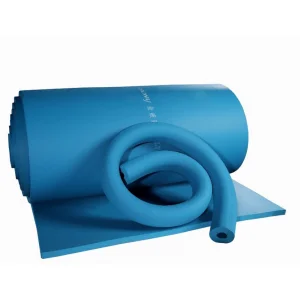
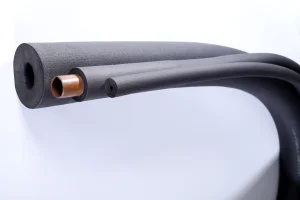
The oil and gas sector runs on critical systems operating at absolute limits—from offshore platforms in Arctic storms to midstream liquefaction facilities processing LNG at cryogenic temperatures (-196°C). In these demanding setups, high-performance thermal insulation is more than just energy management; it is a core line of defense protecting operational safety, mechanical integrity, and environmental compliance.
1. Strict Carbon-Neutrality Mandates: Global energy majors are systematically tracking Scope 3 supply chain emissions. Using high-efficiency thermal insulation directly reduces heat loss in steam systems and minimizes boil-off gas (BOG) in LNG processes, helping operators hit decarbonization targets.
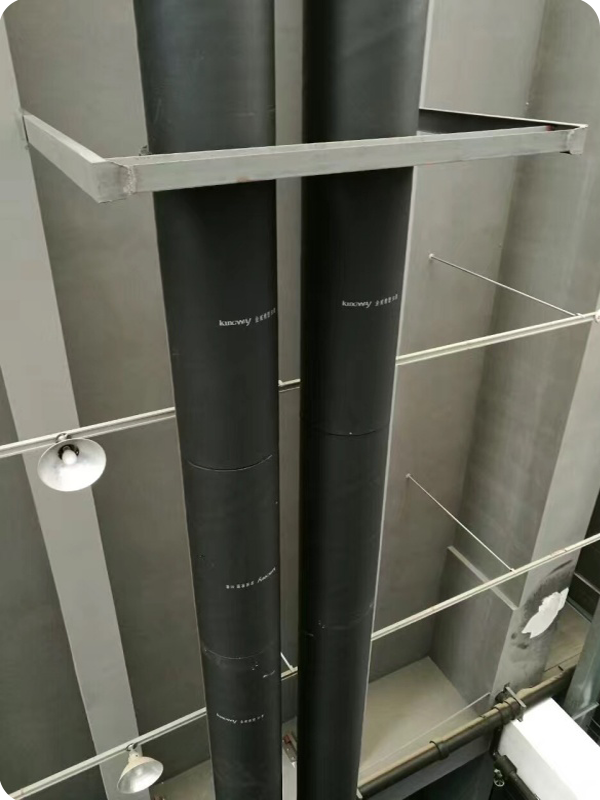
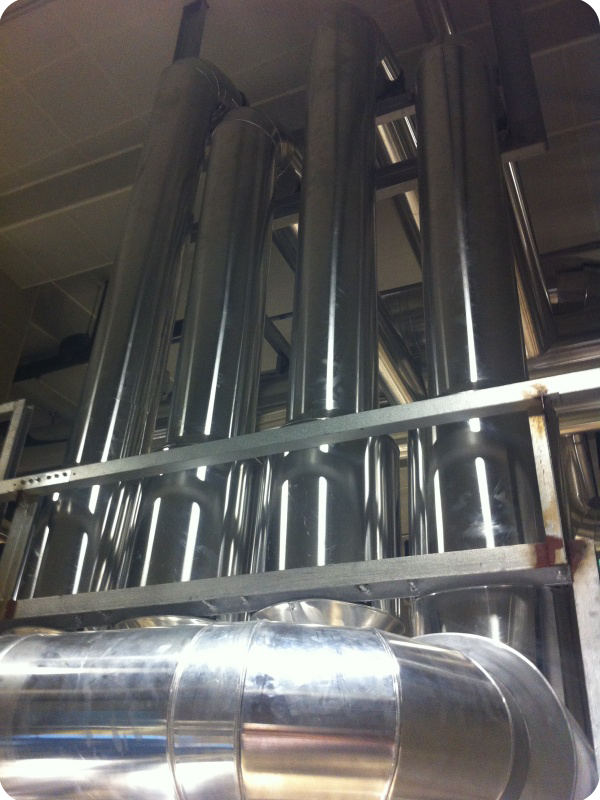
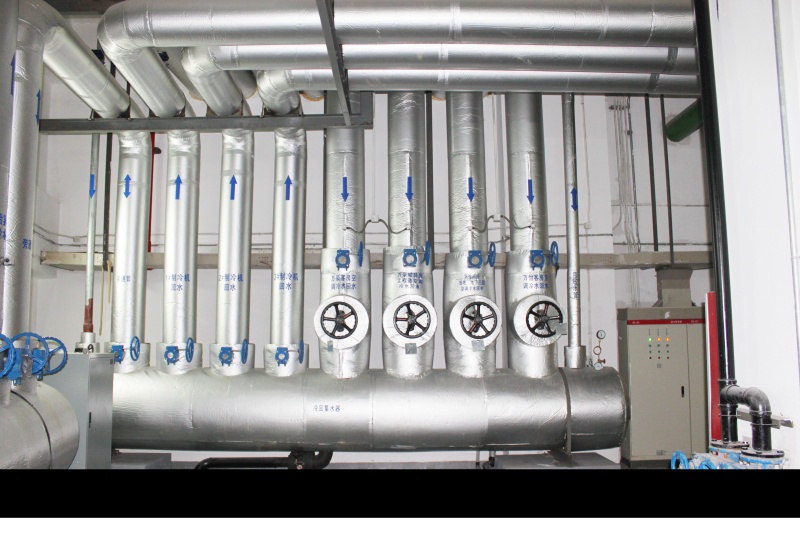
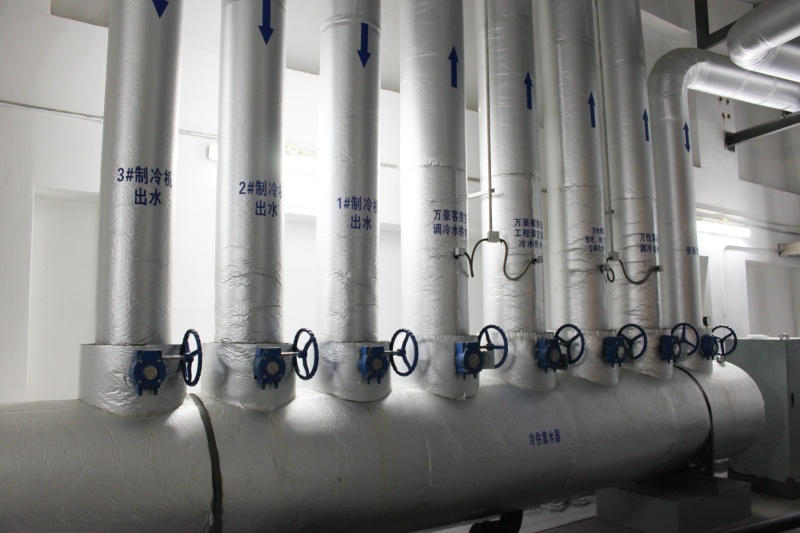
2. Moving Towards Pre-insulated Systems: As field labor costs rise, global EPCs (Engineering, Procurement, and Construction contractors) are shifting toward modular fabrication yards. Our elastomeric rubber foam sheets and custom-cut pipes integrate smoothly into offsite assembly lines, reducing installation time by up to 40%.
3. Expanded Cryogenic Safety Requirements: The growth of liquified natural gas (LNG) distribution networks requires reliable dual-temperature insulation. Kingflex cryogenic systems use multi-layered elastomeric technologies to manage extreme contraction and expansion without cracking or losing thermal efficiency.
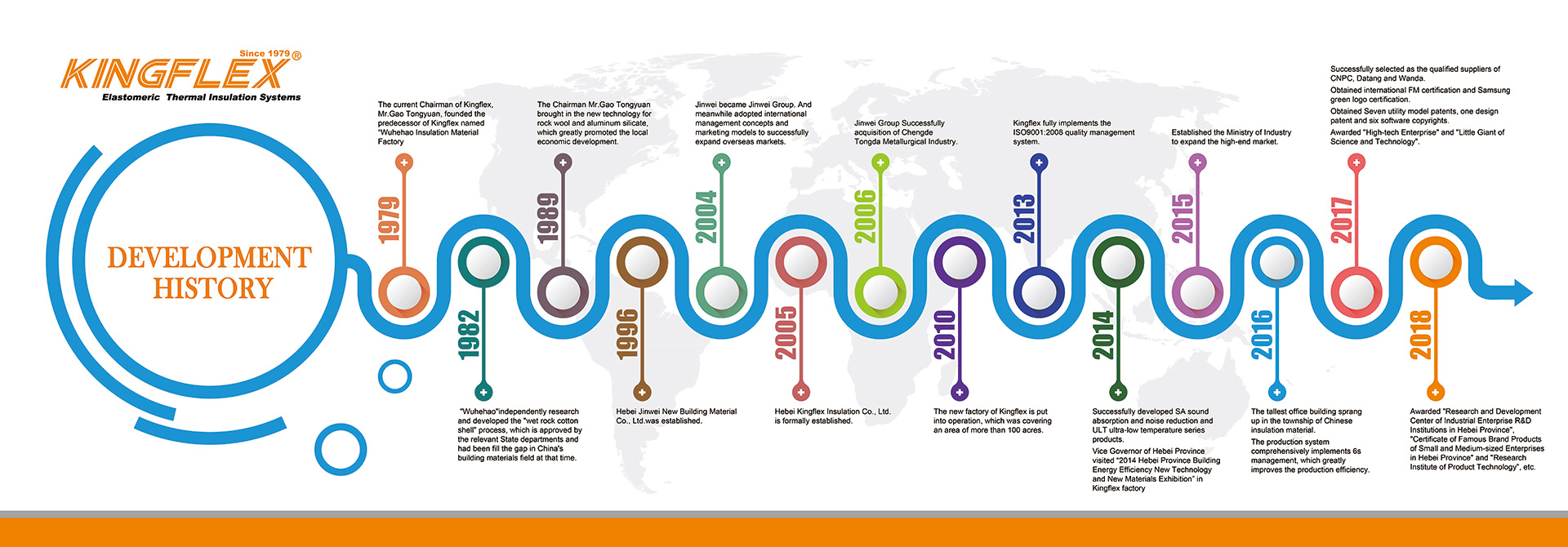
Kingflex Insulation Co., Ltd. stands as a premier manufacturing and trading combo for thermal insulation systems worldwide. Headquartered in Dacheng, China—widely recognized as the green-building materials capital—we operate as an energy-saving, environmentally focused enterprise that integrates research, development, production, and international sales under one roof.
Our core philosophy revolves around energy saving and emission reduction. We provide end-to-end, customized insulation consulting, advanced R&D, specialized production, onsite installation guidance, and dedicated post-sale technical service. Our goal is to drive innovation across the global building materials and petrochemical process industries.
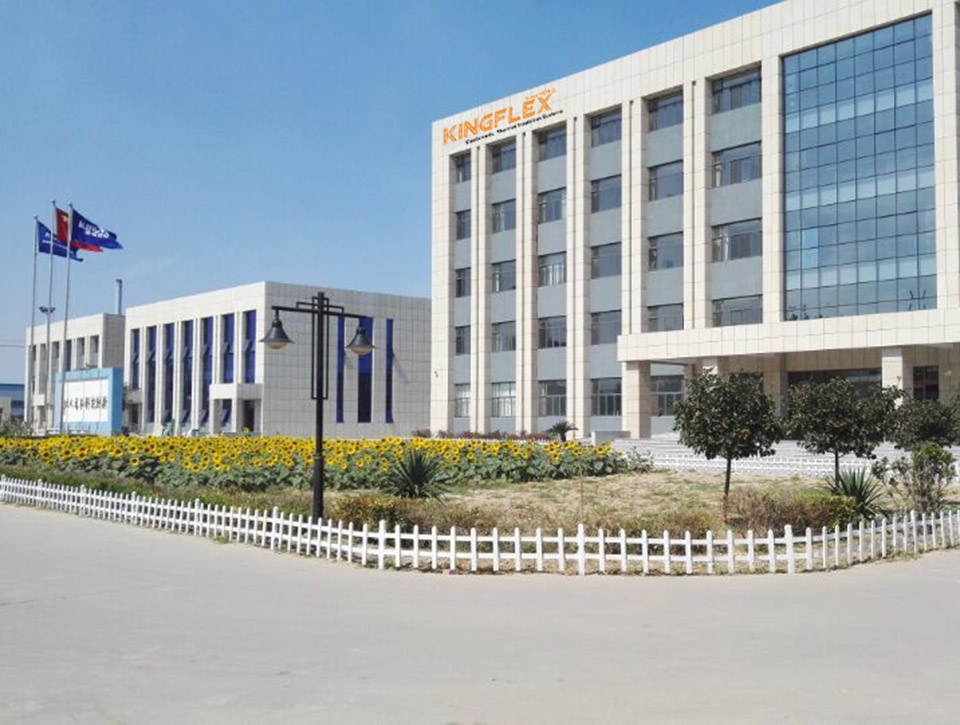
Kingflex was established by the Jinwei Group, which brings more than 40 years of industry experience to our operations. Founded in 1979, the group was the first major manufacturer of thermal insulation materials north of the Yangtze River. Decades of research and production expertise allow Kingflex to deliver reliable performance for demanding energy infrastructure projects.
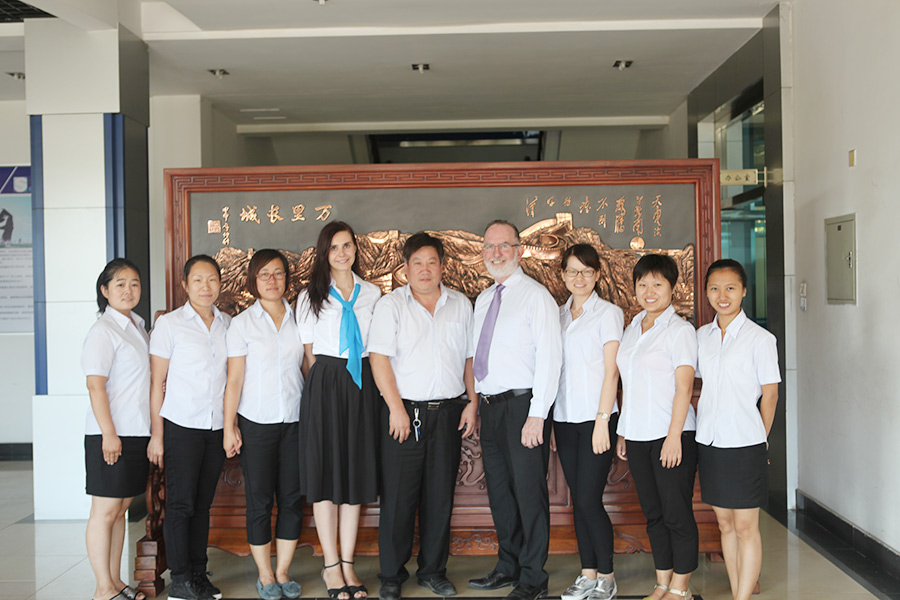
Our team is composed of dedicated industry professionals. We bring together a tight-knit group of technical experts committed to delivering top-tier service to our global partners. Today, our organization includes 8 professional R&D engineers, 6 international sales consultants, and 230 skilled production technicians, ensuring consistency in every shipment.


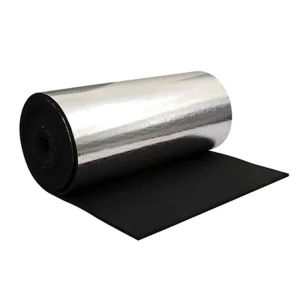
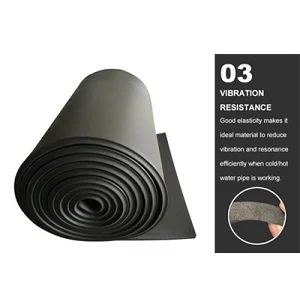
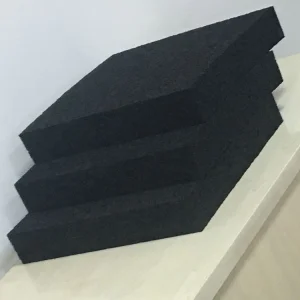
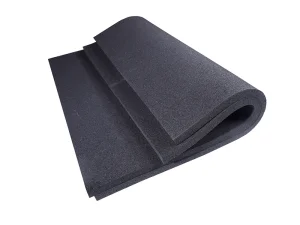
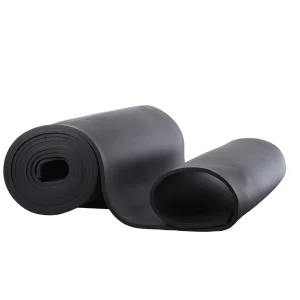
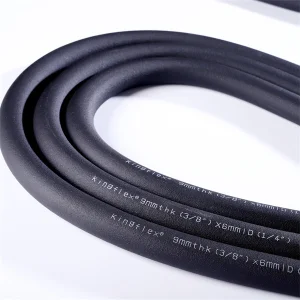
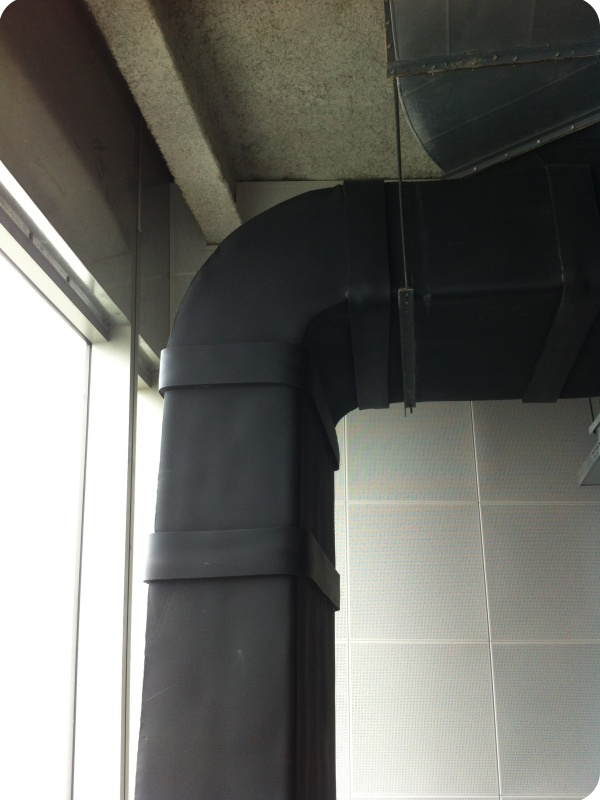
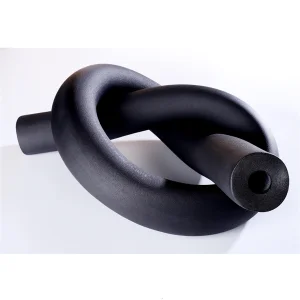
Kingflex rubber foam insulation is manufactured using high-performance NBR/PVC raw materials and advanced continuous vulcanization lines. The resulting closed-cell structure offers consistent thermal properties, high moisture resistance, and excellent flexibility across hot and cold operating conditions.
| Parameter | NBR/PVC Sheet Roll Standard | NBR/PVC Pipe Insulation Standard |
|---|---|---|
| Material Base | Nitrile Butadiene Rubber / Polyvinyl Chloride | Nitrile Butadiene Rubber / Polyvinyl Chloride |
| Thickness Range | 6mm - 50mm | 9mm - 40mm |
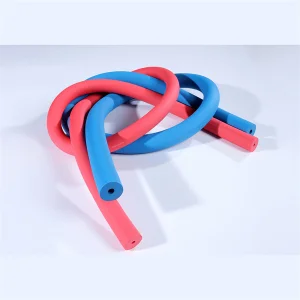
| Inner Diameter (ID) | N/A | 6mm - 114mm |
| Density | 40 - 55 kg/m³ | 40 - 55 kg/m³ |
| Service Temperature | -40℃ to 105℃ | -40℃ to 105℃ |
| Closed-Cell Rate | ≥ 98% | ≥ 98% |
| Compression Resilience | ≥ 80% | ≥ 80% |
| Thermal Conductivity | ≤ 0.034 W/(m·k) at 0℃ | ≤ 0.034 W/(m·k) at 0℃ |
A closed-cell structure with a high water vapor diffusion resistance factor (µ ≥ 10,000) prevents moisture absorption. This provides stable thermal conductivity and protection against corrosion under insulation (CUI).
Our formulations meet strict fire safety standards (BS 476, Class 0/1, UL94 V-0). The material is self-extinguishing off fire and generates low smoke density in fire scenarios.
Advanced micro-cellular extrusion ensures even cell distribution, preserving mechanical strength and flexibility during high-stress pipeline installations.
At present, Kingflex operates five large-scale automatic assembly lines, delivering an annual production capacity of over 600,000 cubic meters. With this capacity, we serve as a designated supplier for major state agencies, including the Ministry of Energy, the Ministry of Electric Power, and the Ministry of Chemical Industry.
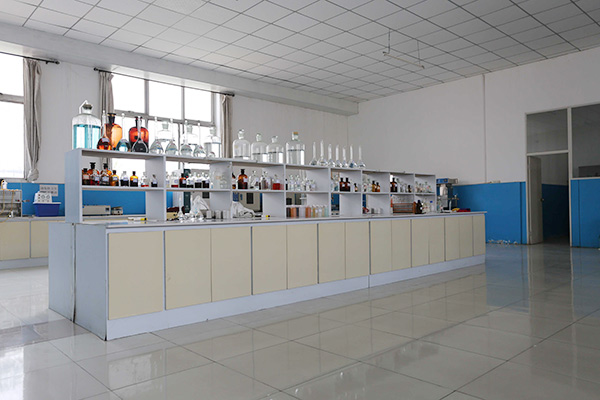
To support global supply chains, our materials undergo testing and certification by international verification bodies. We maintain strict production control systems, with end-to-end batch traceability from raw material selection through final shipping.
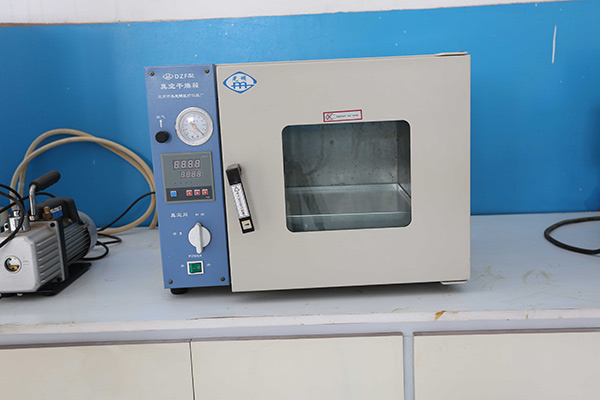
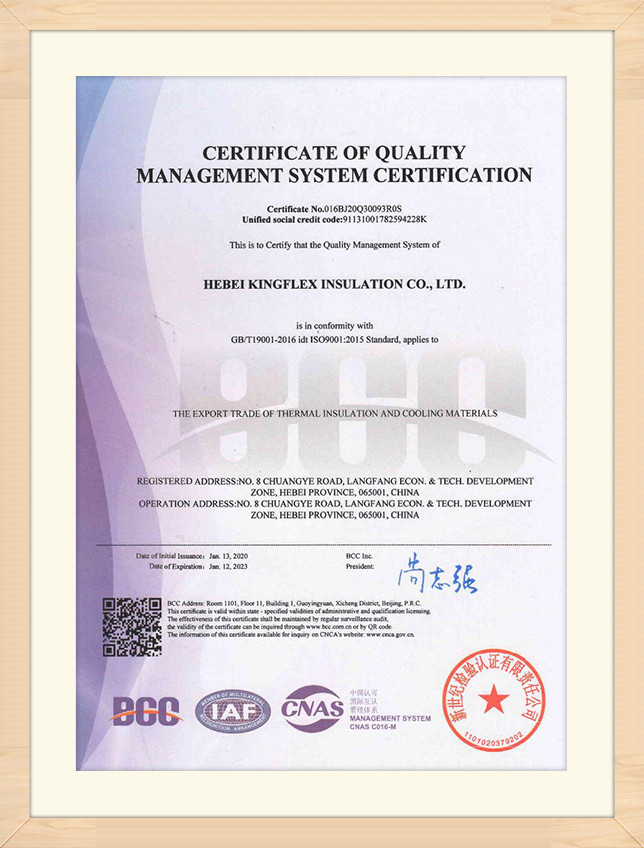
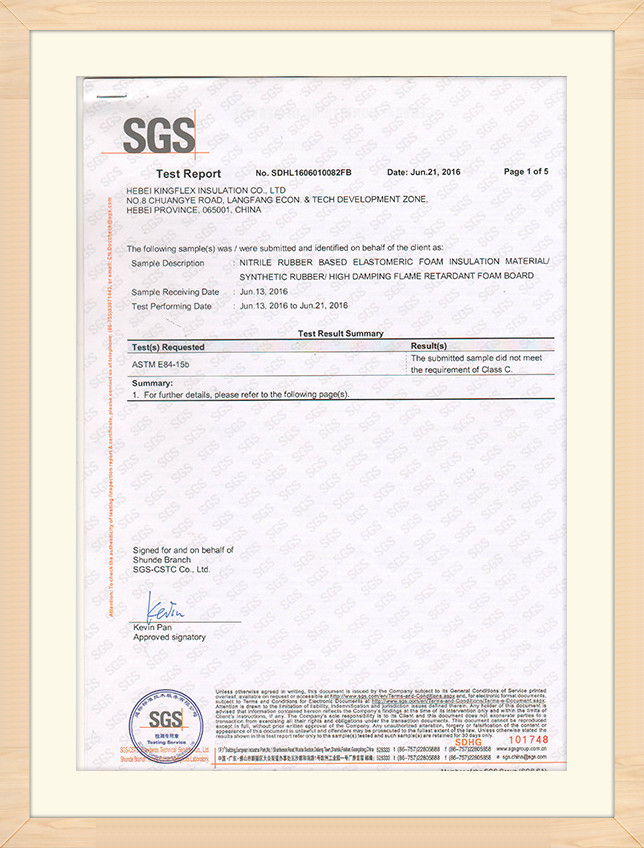
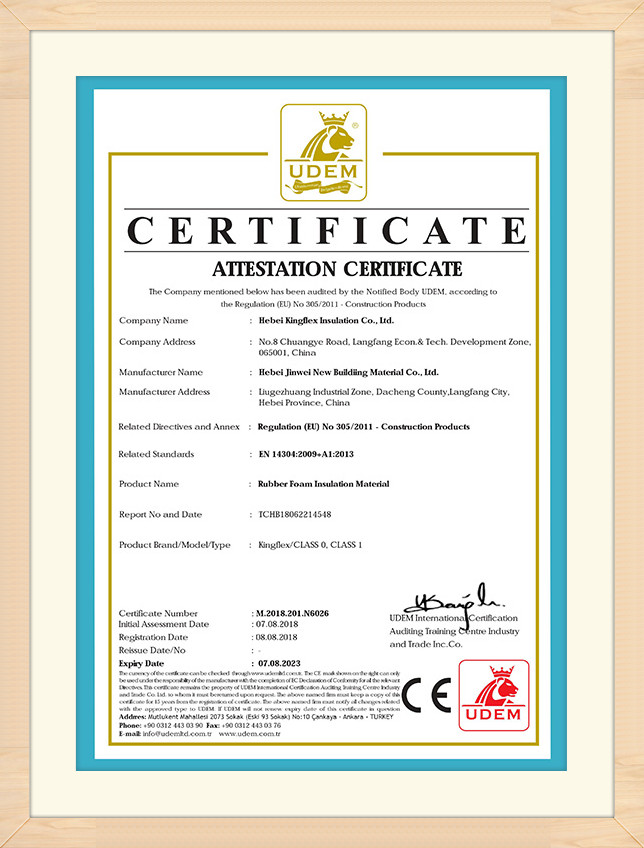
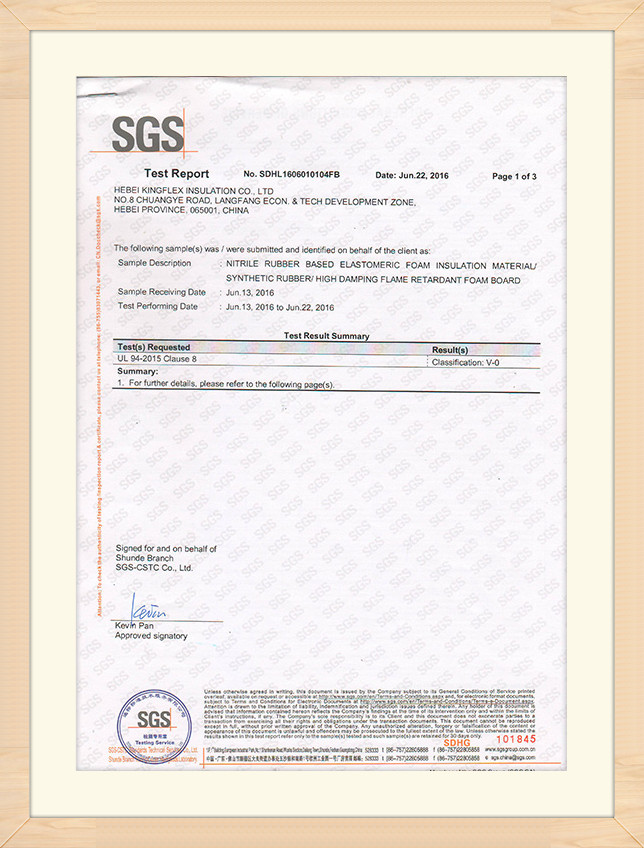
We work closely with procurement managers, quality control inspectors, and design engineers. By maintaining transparency through video inspections, third-party laboratory tests, and complete documentation, we build long-term international supply partnerships.



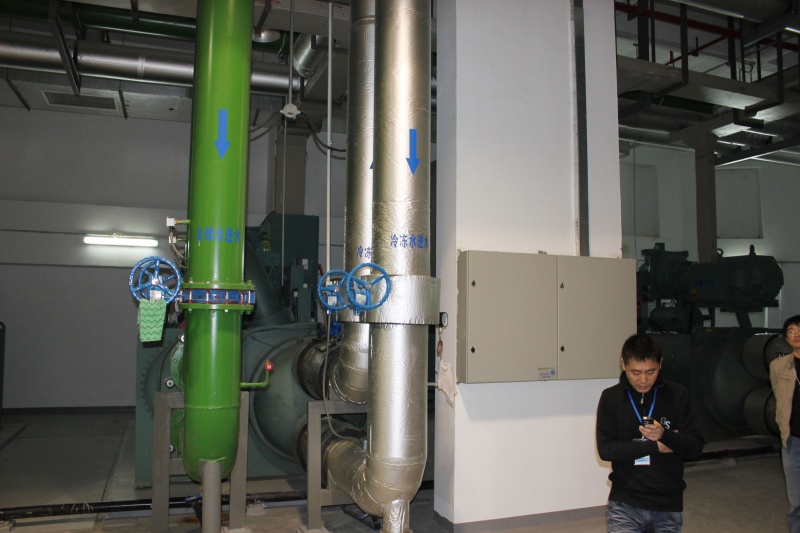
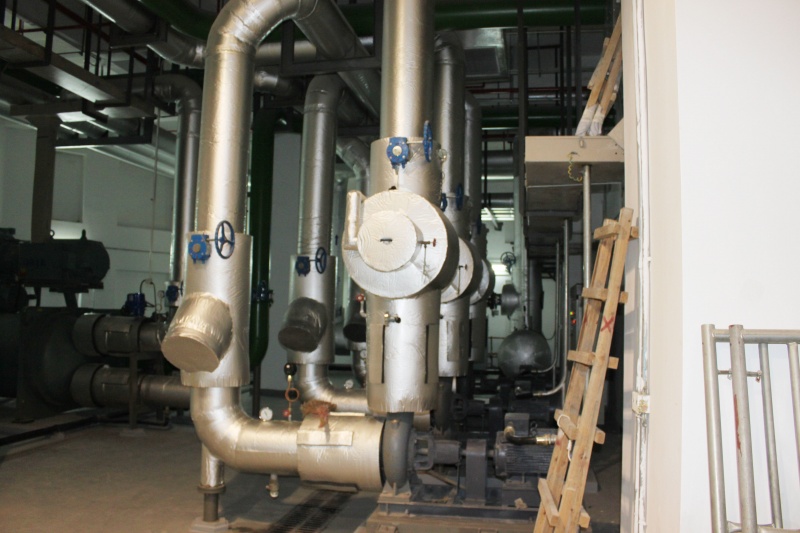
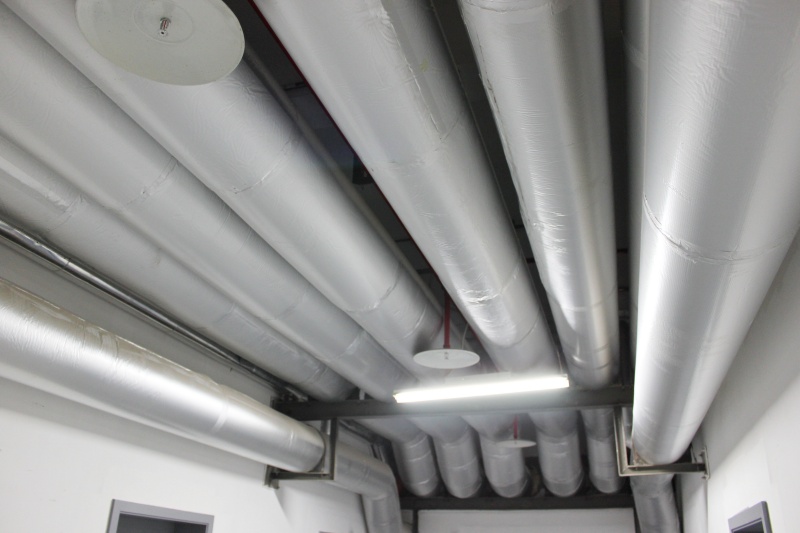

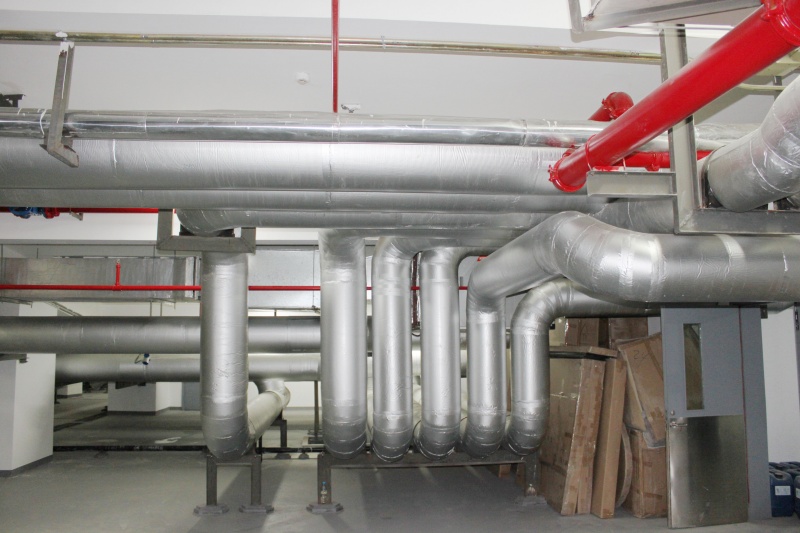

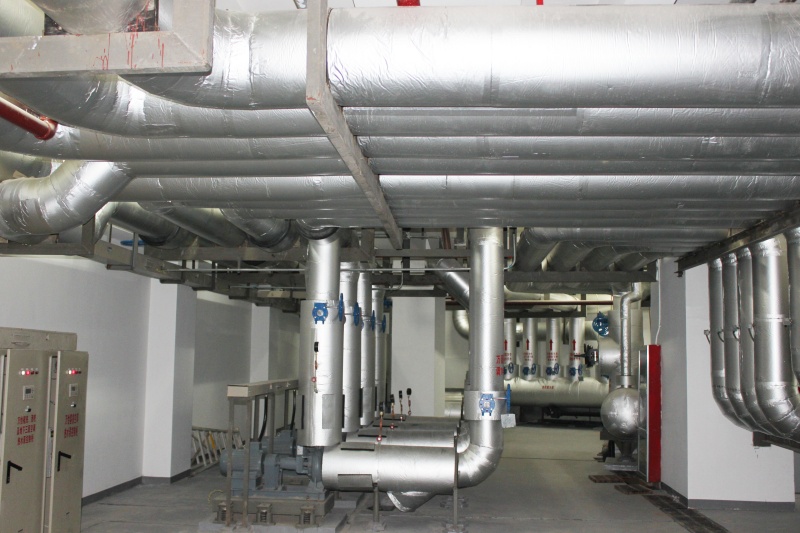
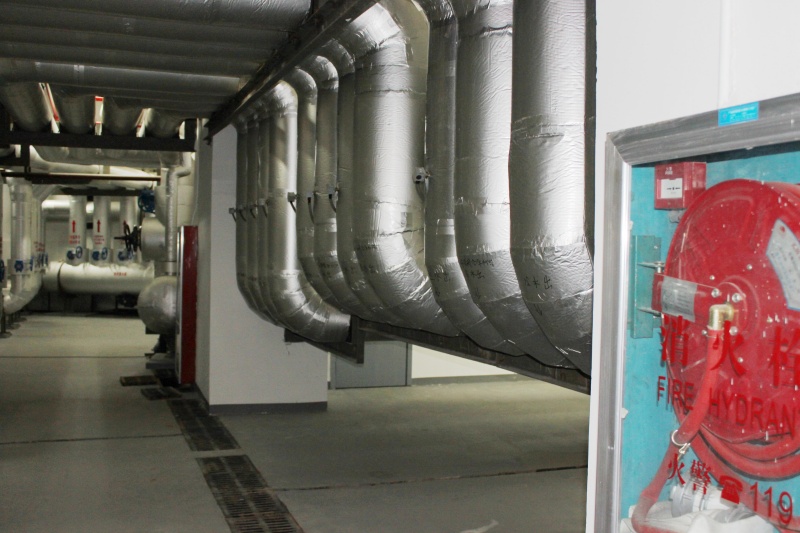
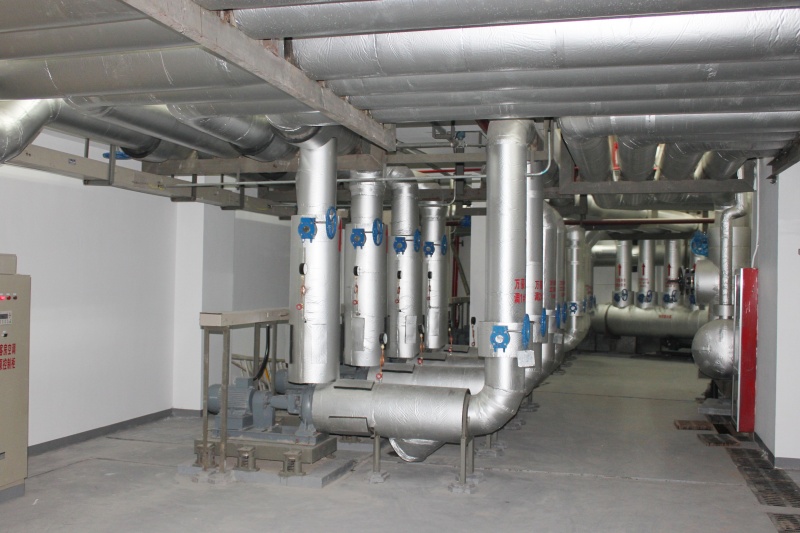
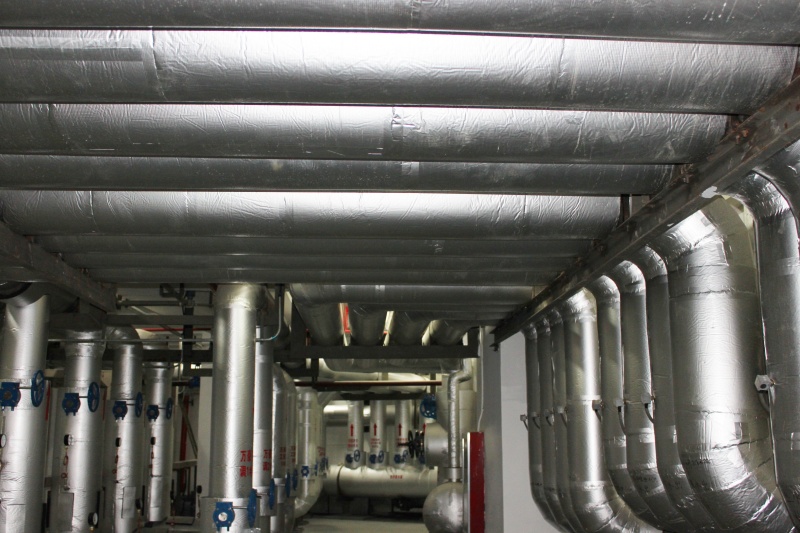
As operating parameters in deepwater drilling, subsea recovery, and ultra-cold LNG refining become more challenging, Kingflex's engineering department is focused on three primary areas for next-generation insulation:
By incorporating silica aerogel components into the rubber foam matrix, we aim to lower the thermal conductivity values to less than 0.027 W/(m·k) at 0°C. This allows for thinner insulation layouts without compromising safety or energy efficiency.
We are phasing out halogenated flame retardants in favor of phosphorus-nitrogen formulations. This reduces toxicity and smoke density in fire conditions, aligning with REACH and RoHS standards.
Our engineering team continues to test flexible, low-temperature, closed-cell materials down to -200°C. These systems are designed to remain flexible under severe thermal shock conditions, avoiding the micro-cracking common in traditional rigid foams.
A1: It is primarily used for HVAC ducts, process piping, low-temperature water lines, cold storage systems, noise reduction installations, and cryogenic piping systems where preventing water condensation and corrosion under insulation (CUI) is critical.
A2: Yes. Our products are formulated to be flame retardant, meeting international safety codes including BS 476 Class 0 and Class 1, UL94 V-0, and ASTM flammability testing parameters.
A3: Rubber foam is flexible, features a closed-cell structure, and provides a built-in moisture barrier, making it ideal for cooling lines and preventing corrosion (CUI). Rock wool is a rigid fibrous material with excellent high-temperature resistance and fire protection, typically used on high-temperature process steam pipelines.
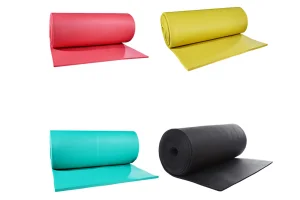
A4: Yes. We offer OEM and ODM services, including customized sizing, densities, thicknesses, factory-applied protective jackets, and aluminum foil laminations based on project specifications.
A5: Our products are certified under BS 476, CE, REACH, RoHS, UL94, and ASTM standards. We test our materials regularly with independent third parties to verify compliance for international construction and energy projects.
A6: Yes. We use a batch coding system to trace our products back to raw material inputs and quality control logs, providing documentation to support quality audits.
A7: We can produce roll thicknesses from 6mm up to 50mm, allowing for single-layer installations that meet target heat-loss limits.
A8: When properly specified, installed, and maintained, our insulation materials have an expected service life of 10 to 15 years in typical industrial environments.
 Kingflex