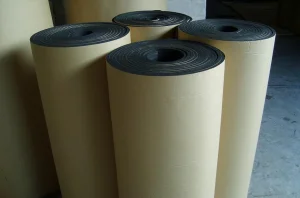
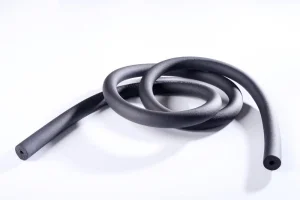
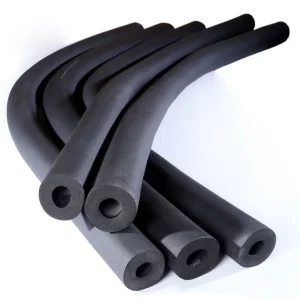
Engineered elastomeric foam materials specifically optimized for high-frequency noise attenuation and thermal management.
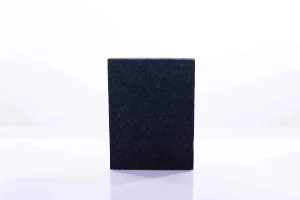
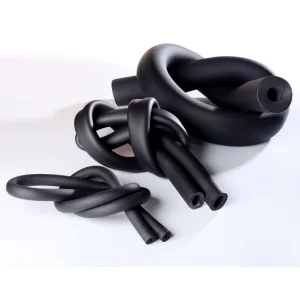
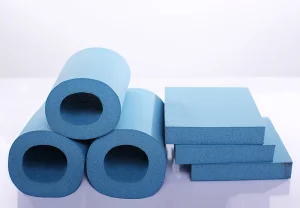
Exploring the technical differences, sound damping structures, and NRC parameters of elastomeric acoustics.
In the field of high-performance architectural acoustics and industrial noise suppression, the choice of cellular geometry in elastomeric materials represents the difference between basic thermal barriers and specialized acoustic energy dissipation systems. While closed-cell configurations excel in blocking moisture transmission and preventing thermal bridging, they fall short in dampening sound energy due to the reflecting membranes of isolated gas cavities. In contrast, open-cell elastomeric rubber foam sound absorption relies on a complex, interconnected matrix of cell walls that force acoustic waves into viscous shear cycles.
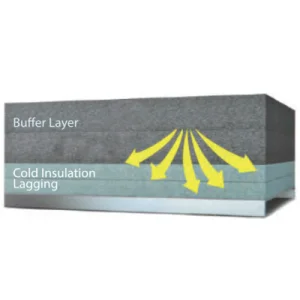
The matrix compound of NBR/PVC delivers viscoelastic damping. When sound waves pass through the material, the flexible elastomeric matrix vibrates and absorbs low-frequency structure-borne noise, reducing mechanical resonance.
Achieving optimal sound absorption requires matching acoustic flow resistance with air density. Kingflex adjusts cell density (40-55 kg/m³) to prevent sound reflection, allowing sound waves to enter the material and dissipate.
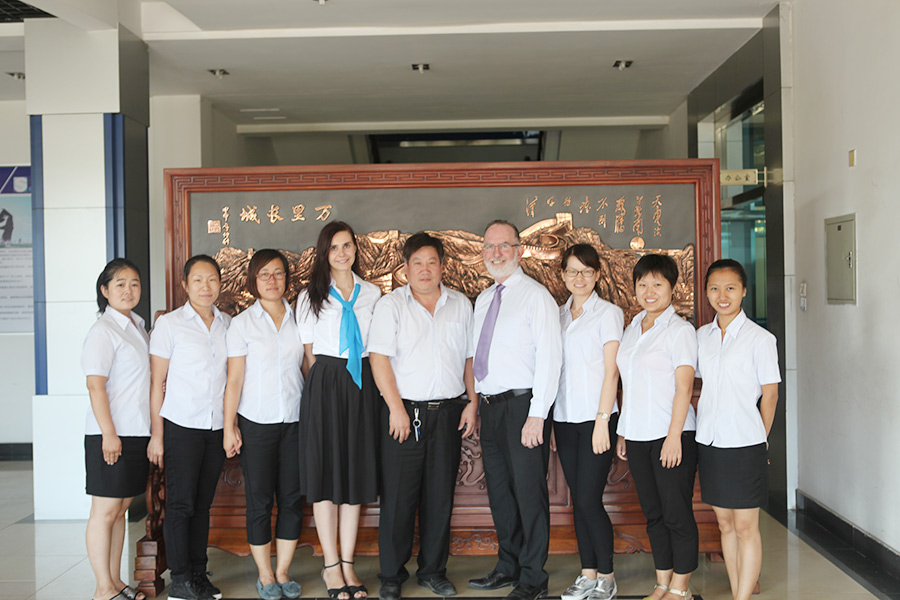
Kingflex Insulation Co., Ltd. is a professional manufacturing and trading combo for thermal insulation products. Kingflex's research development and production department is located in the well-known capital of green building materials in Dacheng, China. It is an energy-saving, environmentally friendly enterprise concentrating on research, development, production, and sales.
In operation, Kingflex takes energy saving and consumption reduction as its core concept. We provide insulation solutions via consulting, R&D production, installation guidance, and post-sale service to lead the development of the global building materials industry.
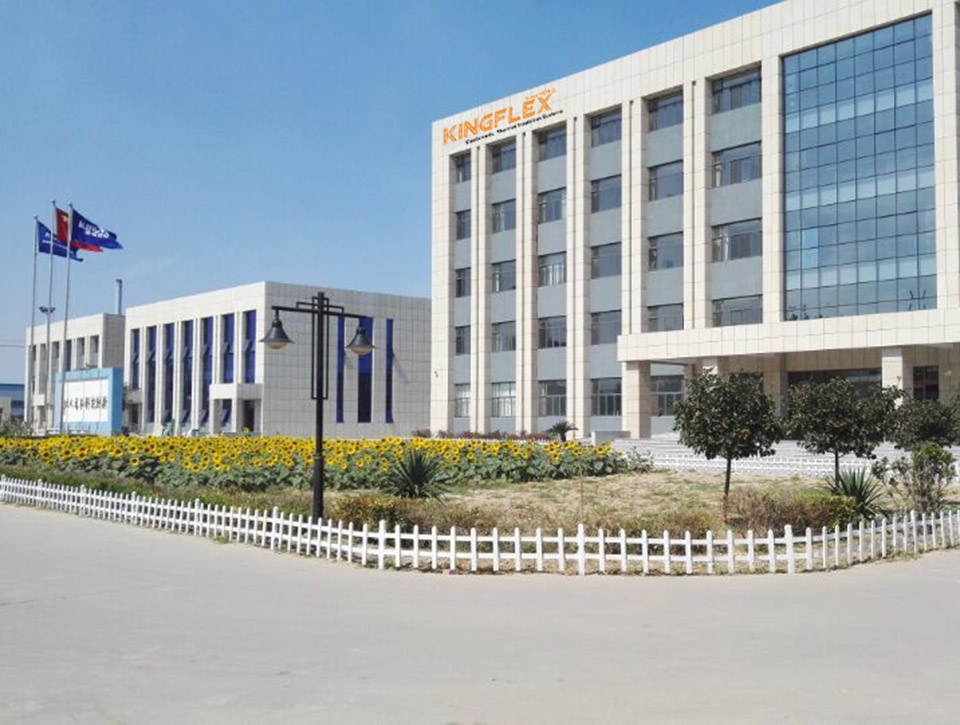
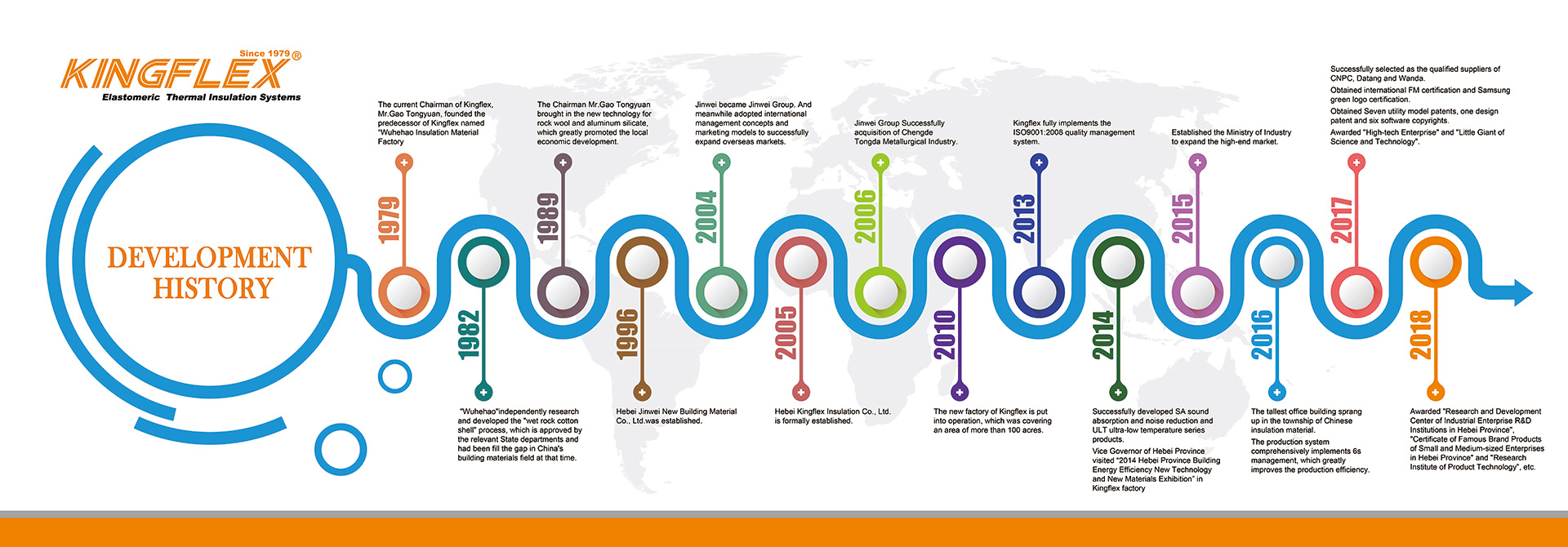
Kingflex has become a designated production enterprise selected by the Ministry of Energy, the Ministry of Electric Power, and the Ministry of Chemical Industry. Our team is a tight-knit, talented group with a shared vision of delivering first-class service to our clients.
Kingflex employs eight professional engineers in our R&D Department, 6 international sales experts, and 230 workers in the production department. Our testing facilities analyze thermal conductivity, fire performance, and noise reduction coefficients, keeping our products at the forefront of the industry.
Comprehensive physical dimensions and performance ratings for NBR/PVC elastomeric foam products.
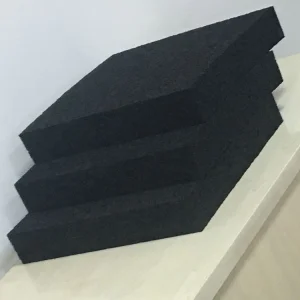
| Material Formulation | NBR/PVC blend |
| Available Thickness | 6mm to 50mm |
| Density Range | 40 - 55 kg/m³ |
| Service Temperature Range | -40℃ to 105℃ |
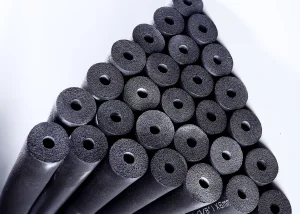
| Closed-Cell / Open-Cell Options | Closed cell (thermal) >98% / Selected Open Cell (acoustic) |
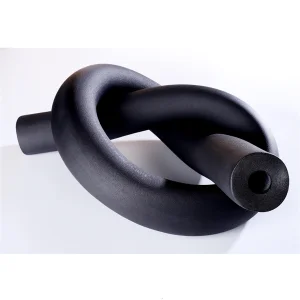
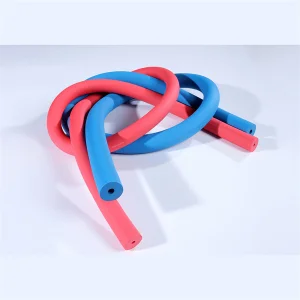
| Material Formulation | NBR/PVC blend |
| Available Thickness | 9mm to 40mm |
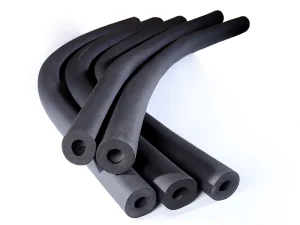
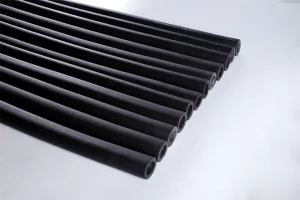
| Inner Diameter (ID) | 6mm to 114mm |
| Density Range | 40 - 55 kg/m³ |
| Features | Uniform coating, flame retardant, self-extinguishing |
Addressing procurement challenges for industrial, commercial, and extreme low-temperature projects.
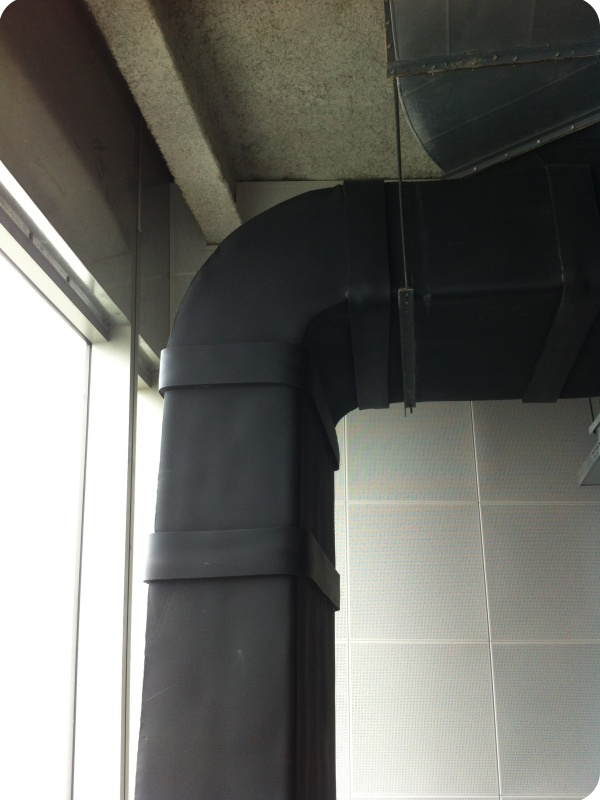
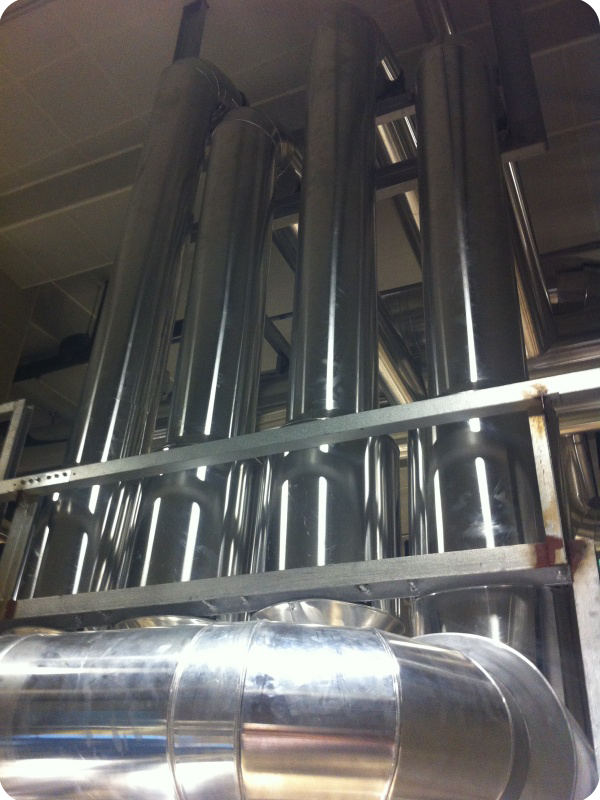
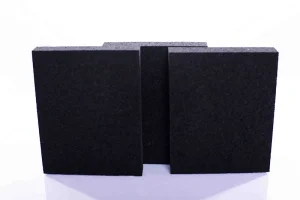
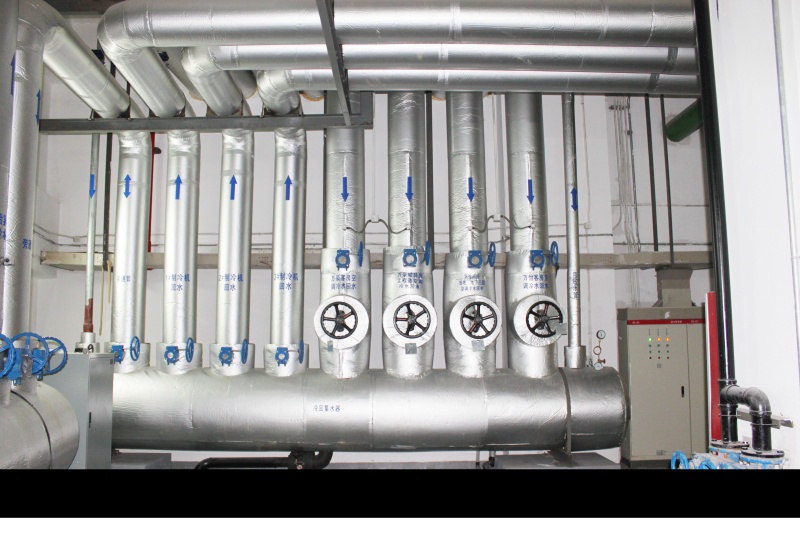
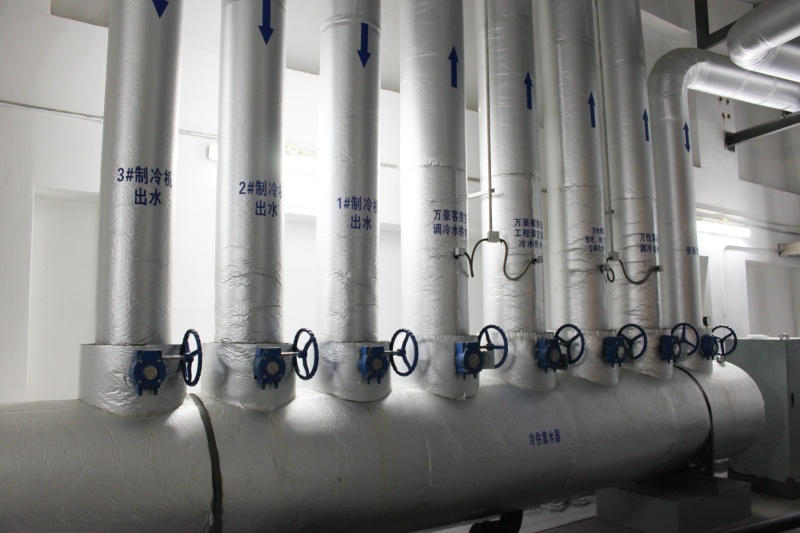
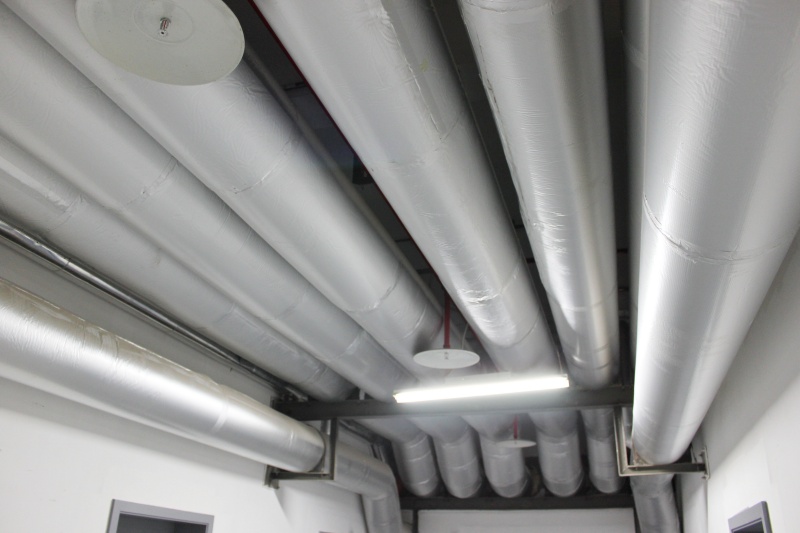
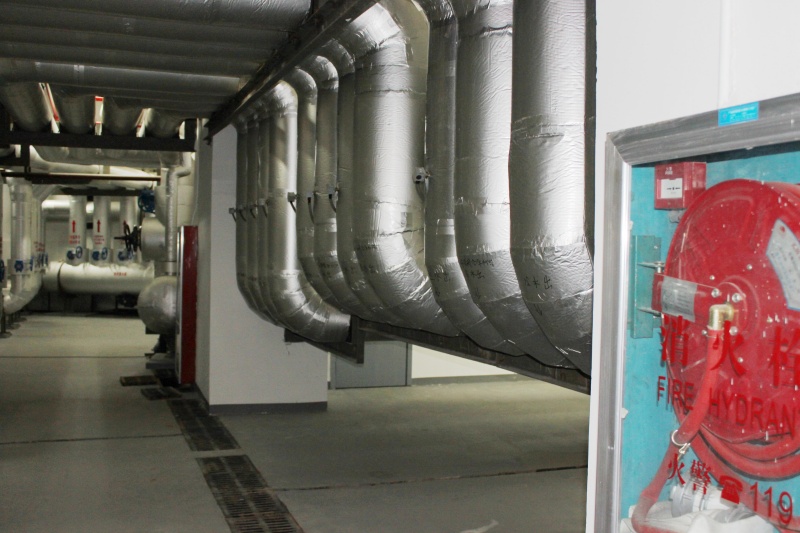
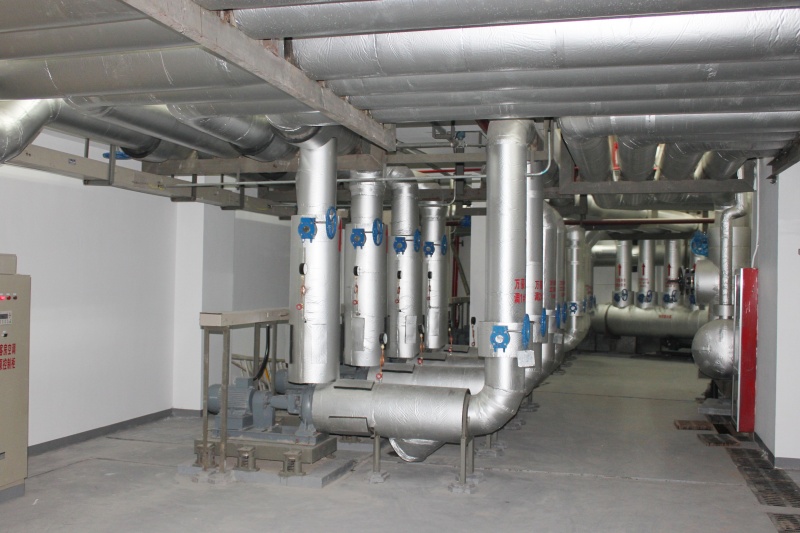
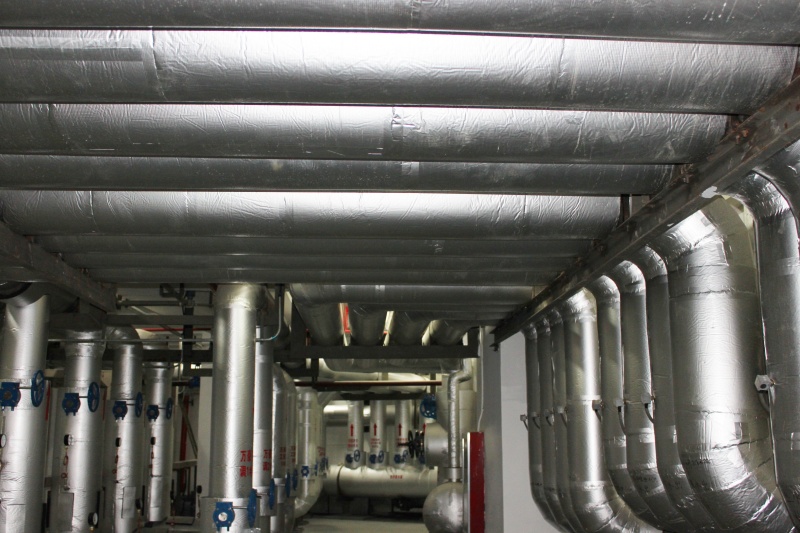
Large-scale buildings require integrated soundproofing and thermal control. Our high-density acoustic rubber foam insulation boards prevent noise transmission in HVAC air handling ducts while preventing condensation and thermal loss.
For liquid natural gas (LNG) processes and ultra-low temperature (ULT) refrigeration, Kingflex provides flexible cryogenic elastomeric systems that remain elastic down to cryogenic limits, preventing cracking and thermal intrusion.
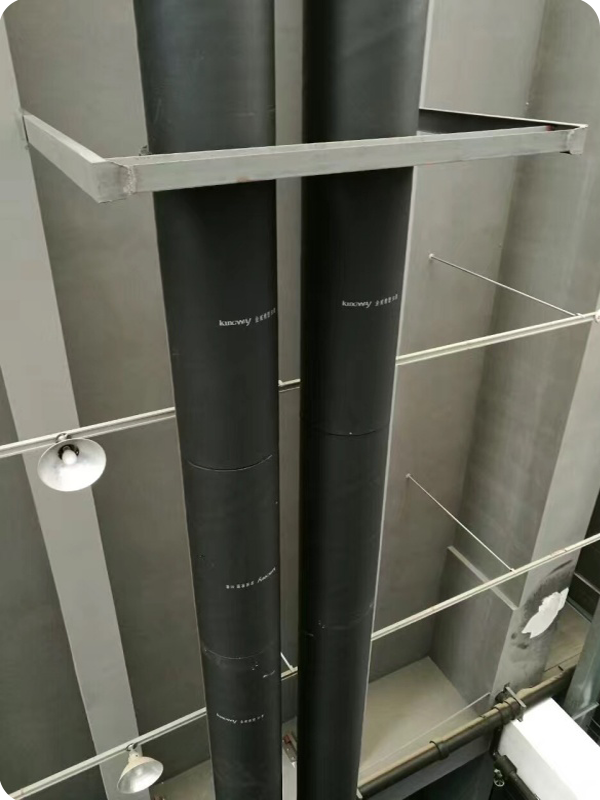
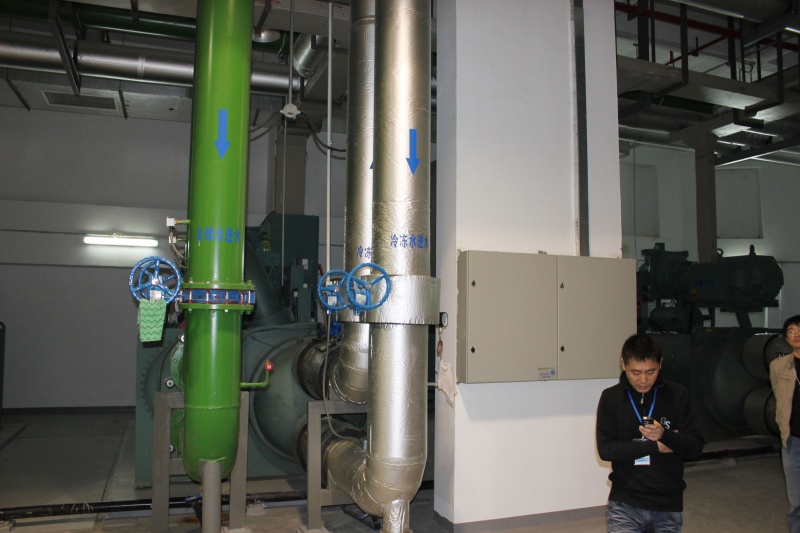
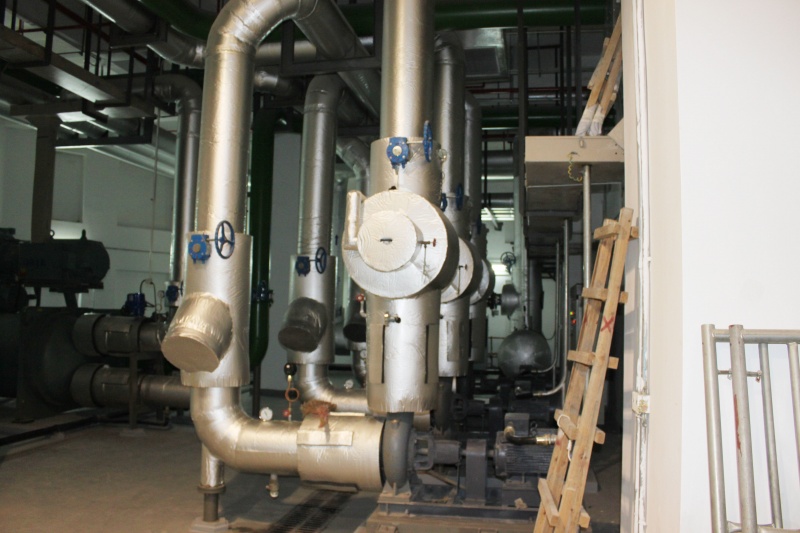
Industrial steam pipes and chemical tanks generate broad-spectrum noise. Applying our open-cell acoustic wraps dampens high-frequency mechanical vibration and minimizes acoustic radiation across chemical and power plants.
We test cell consistency, thermal conductivity, and fire safety in-house to ensure high product quality.
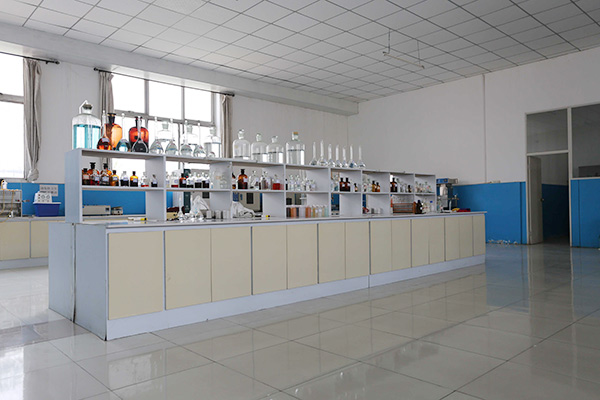
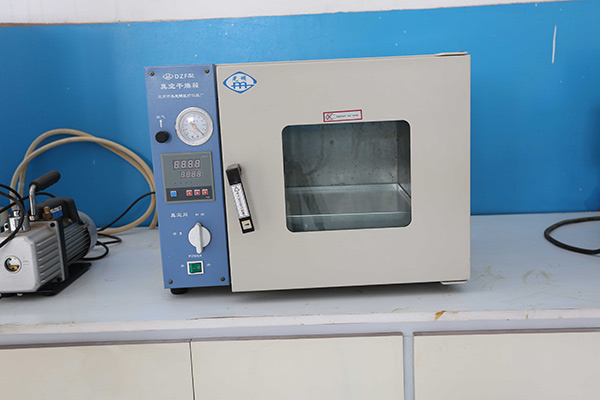
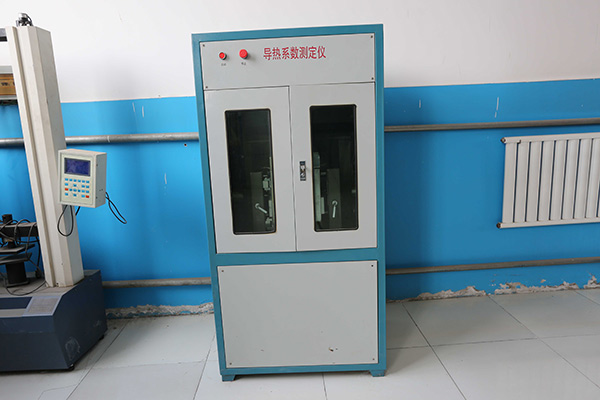
Meeting building codes and international standards for fire safety, environmental health, and quality tracking.
Exporting to over 66 countries requires adherence to localized building regulations and safety standards. Kingflex products have passed rigorous testing protocols to ensure global compatibility.
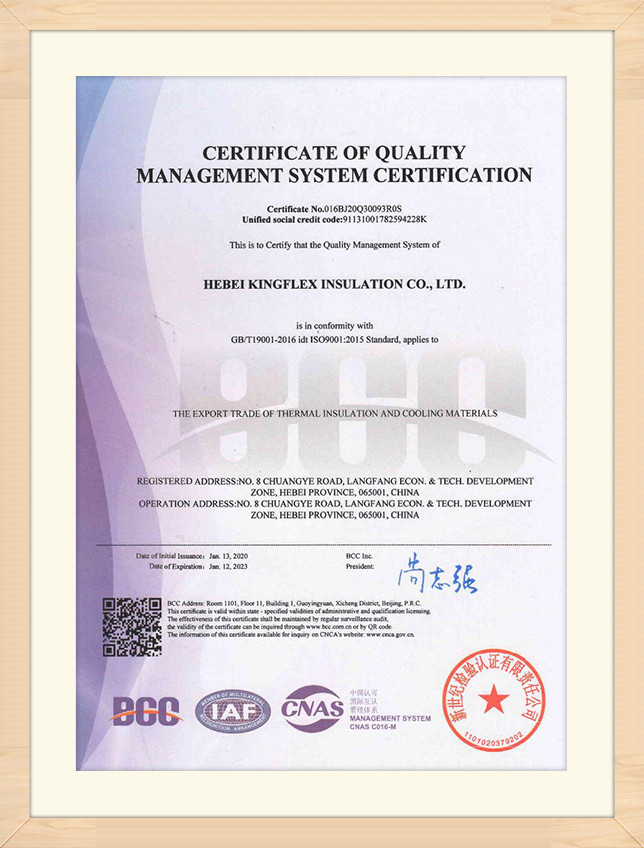
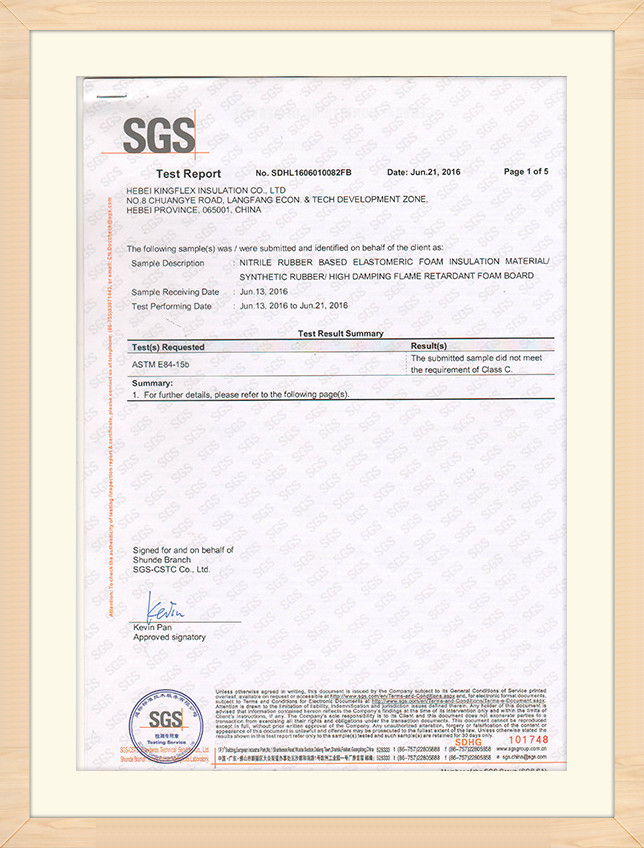
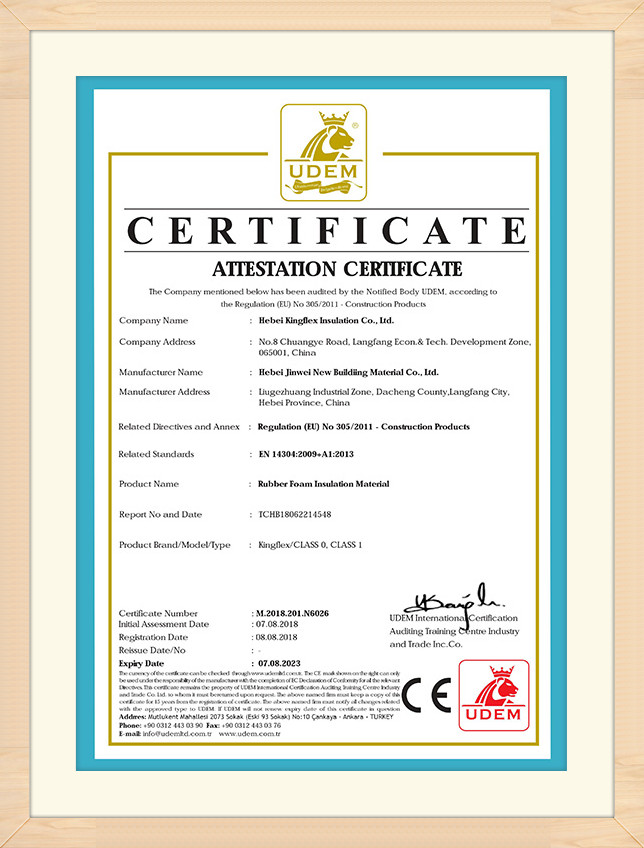
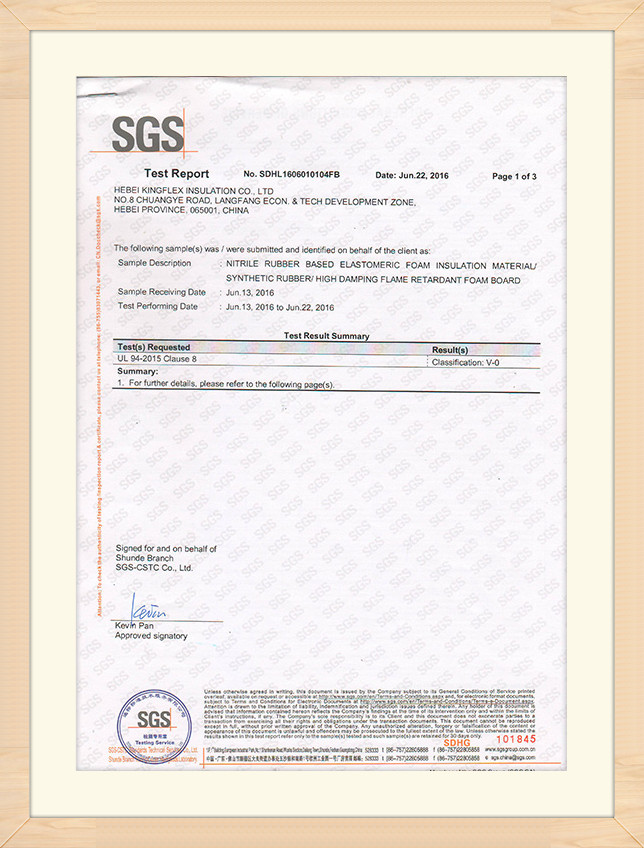
How Kingflex is advancing the acoustic and thermal properties of rubber foam insulation.
By integrating nano-scale carbon structures into the NBR/PVC polymer blend, we increase the mechanical strength of the cell walls. This enhances sound attenuation in the 500Hz-2000Hz range without increasing density.
In response to global demand for low-VOC building materials, we are developing a bio-based elastomer line that reduces dependency on fossil-fuel hydrocarbons while maintaining BS 476 Class 0 fire ratings.
We are researching external surface treatments that indicate local moisture intrusion or pipeline corrosion under insulation (CUI) through non-destructive visual checks, simplifying plant maintenance.

Technical explanations and product guidance for developers, acoustic engineers, and purchasing teams.




Select from our certified thermal and acoustic insulation line for architectural and industrial projects.




 Kingflex