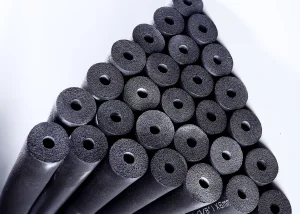
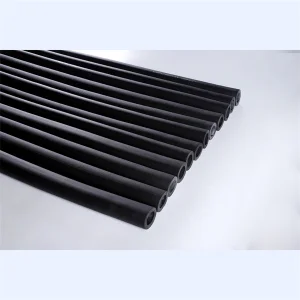
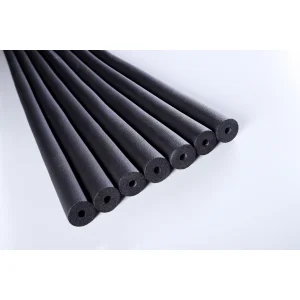
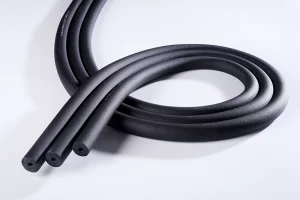
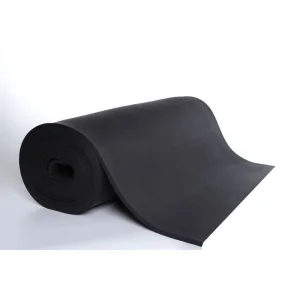
Explore our foundational range of elastomeric closed-cell pipes, tubes, and specialized acoustic materials designed to reduce thermal loss and optimize HVAC/R systems.
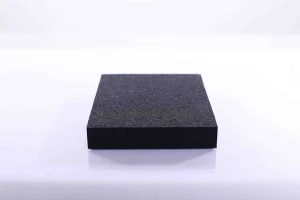
In mechanical engineering, the term R-Value serves as the primary metric for evaluating a material's capacity to resist conductive heat flow. The higher the R-value, the greater the insulating effectiveness. For pipe insulation, maintaining an optimized, consistent R-value is not merely a matter of efficiency; it is critical for preventing moisture condensation, avoiding pipeline freezing in sub-zero environments, and minimizing systemic heat loss in high-temperature installations.
As a leading Chinese manufacturer, Kingflex designs elastomeric rubber foam insulation using advanced foaming technologies that optimize cell structures. By locking in billions of micro-sized cells, we reduce thermal conductivity to a bare minimum ($\lambda \le 0.034 \text{ W/(m·K)}$ at 0°C), resulting in superior R-values for thin-wall applications. This micro-structural optimization prevents the formation of convection currents inside the material, ensuring the preservation of the system's thermal integrity over a lifecycle of 10 to 15 years.
| Insulation Thickness (mm) | Typical Copper Pipe size (ID) | Calculated R-value (metric) | k-Factor at 0°C (W/m·K) | Anticipated Lifespan |
|---|---|---|---|---|
| 9mm | 1/4" to 4" (6 - 114mm) | R-2.2 to R-3.5 | 0.034 | 10 - 15 Years |
| 19mm | 3/8" to 4" (10 - 114mm) | R-4.8 to R-6.2 | 0.034 | 10 - 15 Years |
| 32mm | 1/2" to 4" (13 - 114mm) | R-8.0 to R-9.5 | 0.034 | 10 - 15 Years |
| 50mm | 1" to 4" (25 - 114mm) | R-12.5 to R-14.2 | 0.034 | 10 - 15 Years |
A professional manufacturing and trading combo for high-performance thermal insulation solutions with over four decades of industrial heritage.
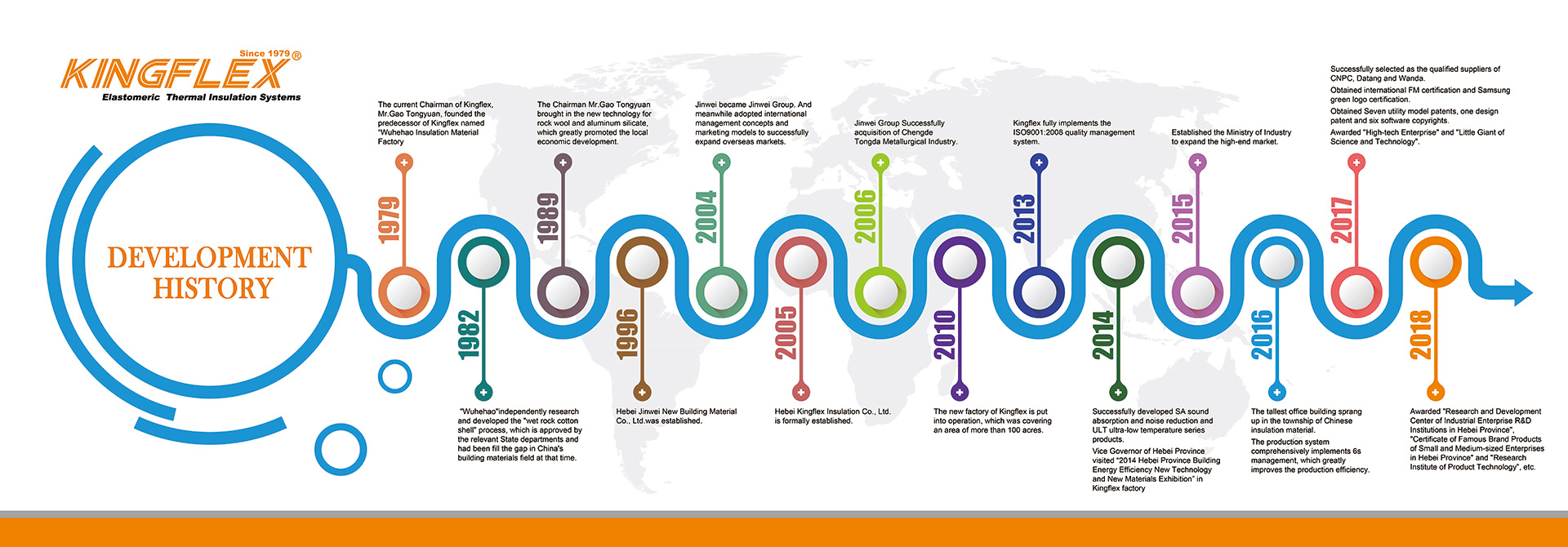
Established under the umbrella of the Jinwei Group, which holds a prestigious history dating back to 1979, Kingflex was built upon the foundations of the first thermal insulation manufacturer north of the Yangtze River. Located in Dacheng, China—the globally recognized capital of green-building materials—our facility integrates research, development, mass production, and export distribution into a singular, highly efficient corporate mechanism.
Today, Kingflex operates 5 large automatic assembly lines, yielding an annual output capacity in excess of 600,000 cubic meters. This scale of operation has earned Kingflex designation as a key production enterprise recognized by the Ministry of Energy, the Ministry of Electric Power, and the Ministry of Chemical Industry of China. We have exported our engineered solutions to over sixty-six countries, covering regions in North America, the EU, South America, and Southeast Asia.
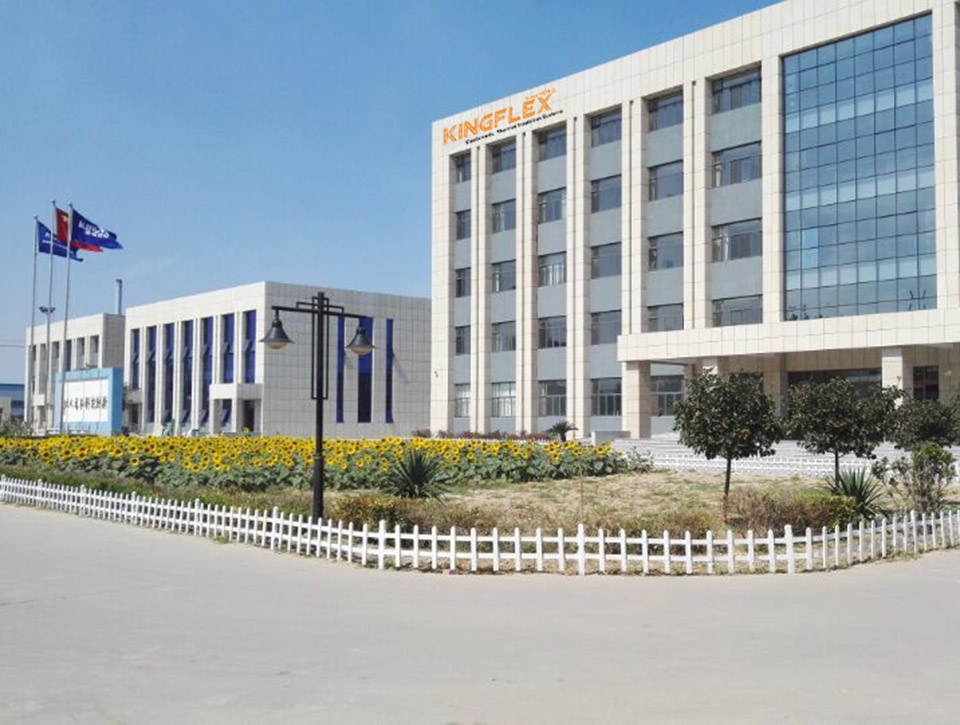
Industrial procurement departments in the HVAC/R and petrochemical sectors require more than just low unit prices. To sustain modern logistics structures and ensure project deadlines are met, global enterprises demand structural reliability, scalability, and strict international compliance. This is where Kingflex’s location in the Dacheng building materials cluster provides distinct economic and logistical advantages.
Located at the hub of China’s green chemical and synthetic rubber industries, Kingflex sources high-grade NBR and PVC polymers locally. This geographical proximity stabilizes raw material pricing and mitigates international supply chain shocks, ensuring that our quotes remain competitive even during periods of global inflation.
With 5 automated production lines operating continuously, Kingflex can process bulk container orders with minimal lead times. While localized suppliers in Western markets face capacity backlogs and logistics bottlenecks, our continuous output of over 600,000 cubic meters annually guarantees constant stock availability.
Every product batch manufactured by Kingflex is fully traceable. We adhere to rigorous global certifications, including BS 476 (Class 0 & Class 1), CE, UL94, ASTM thermal standards, and environmental standards such as REACH and RoHS. This ensures smooth passage through international customs and guarantees compliance with local building regulations.
Supported by 8 dedicated design and testing engineers in our R&D department, we customize dimensions, wall thicknesses, and colors to match specific regional building codes. Whether you need cryogenic rubber foam for LNG lines or ultra-thick tubing for industrial HVAC, our team provides tailored technical support.
Kingflex insulation utilizes a proprietary blend of Nitrile Butadiene Rubber (NBR) and Polyvinyl Chloride (PVC) as its primary polymer base. Through precise thermal blowing processes, we produce a closed-cell matrix with a high moisture resistance factor ($\mu \ge 10,000$), ensuring sustained R-value performance over time.
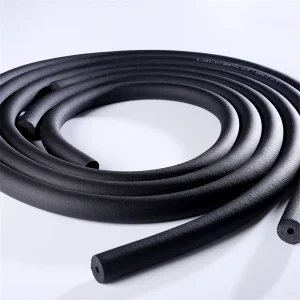
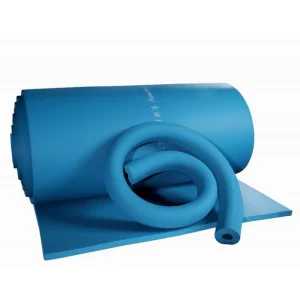
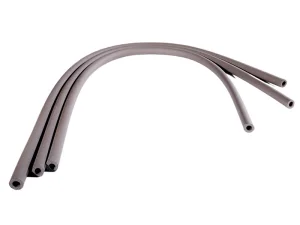
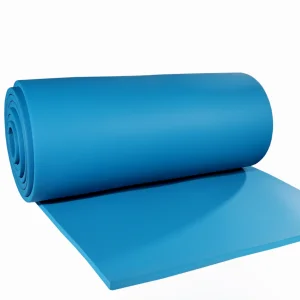
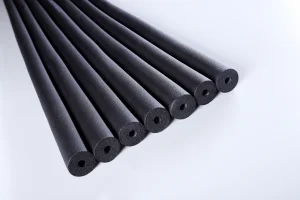
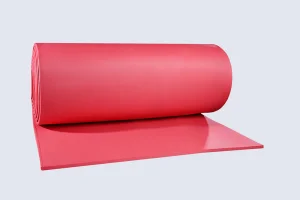
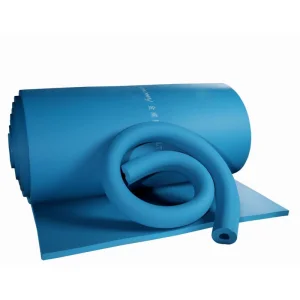
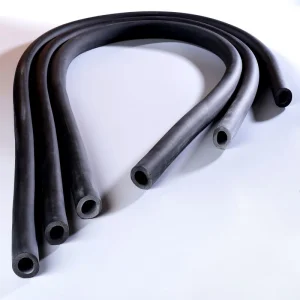
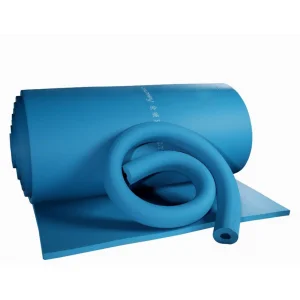
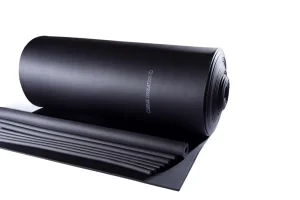
Our product lines are split into two primary forms: Flexible Rubber Foam Insulation Sheets/Rolls and Rubber Foam Insulation Pipes/Tubes. Both are designed for easy installation, high flexibility, and resilient performance across a wide temperature spectrum.

Our quality control program is overseen by our dedicated R&D engineers, ensuring that every production run complies with international standards. We monitor the raw material mixing stage, the density profiles during the foaming process, and the final mechanical dimensions of the finished products. This meticulous process ensures that our materials provide reliable insulation performance, preventing heat transfer and moisture condensation in HVAC and industrial systems.
Our performance-engineered insulation materials are tested and certified by independent global agencies to ensure safety, reliability, and code compliance.
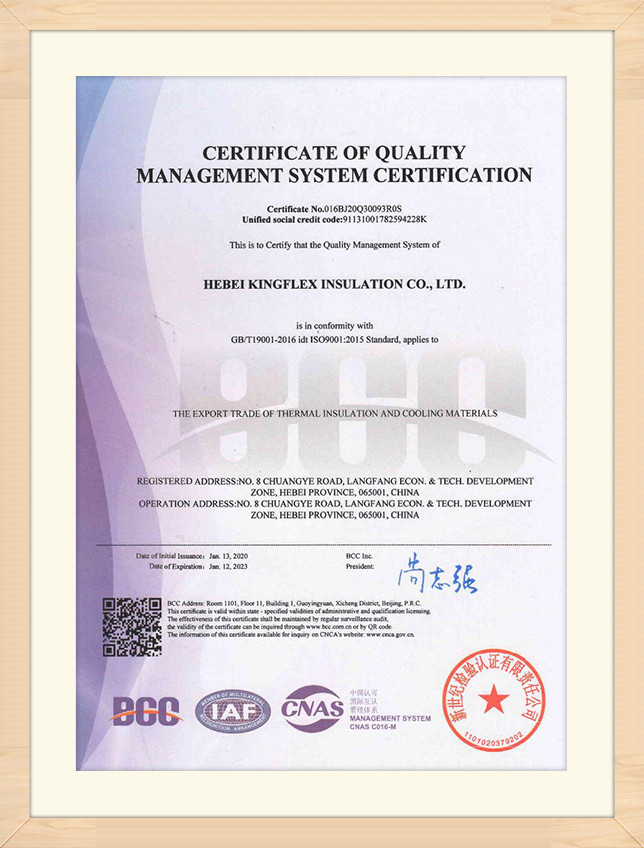
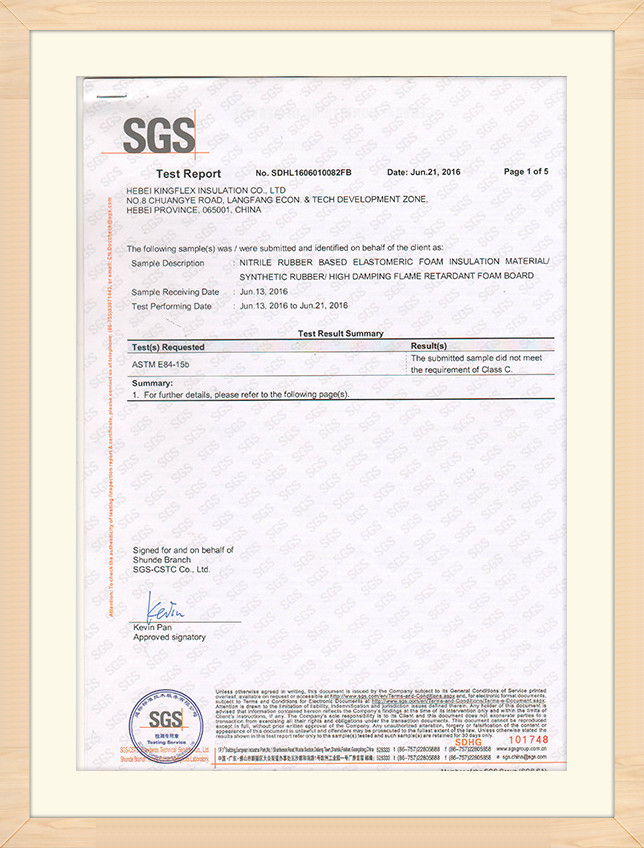
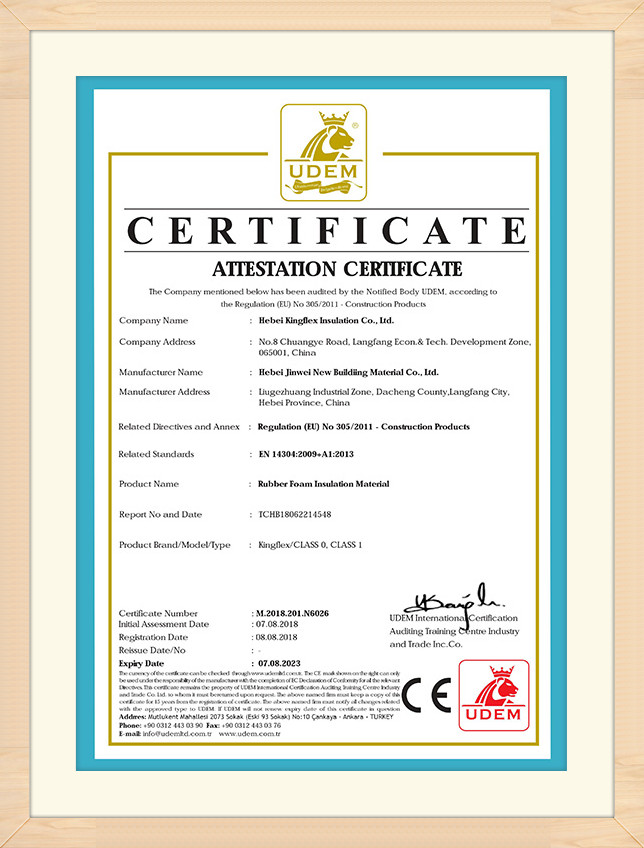
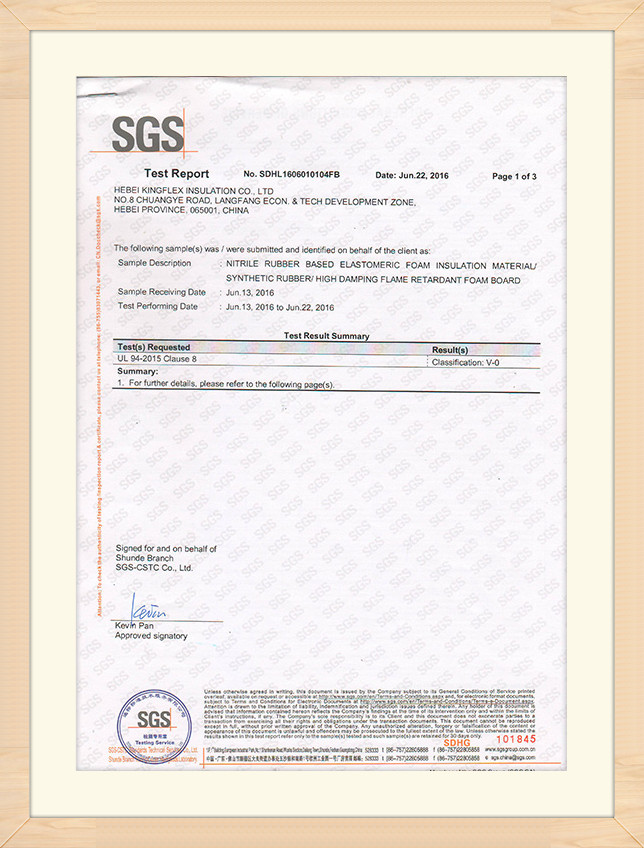
Different operating environments present distinct challenges for insulation systems. A simple residential HVAC line faces different degradation factors than a subsea oil pipeline or a hospital ventilation system. To ensure optimal performance and long service life, insulation materials must be selected based on the specific requirements of the application scenario.
In modern commercial high-rises, hotels, and hospitals, indoor air quality and noise control are critical design factors. Our closed-cell rubber foam provides both thermal insulation and sound damping. Installing it on chilled water pipelines and air ducts prevents surface condensation—which can lead to mold growth—and reduces mechanical vibration noise. This helps maintain occupant comfort and energy efficiency.
Cold chain facilities require precise temperature maintenance to prevent product spoilage. Condensation control is critical; any moisture accumulation on the pipe exterior can freeze, causing physical stress to the piping and degradation of the insulation material. Our NBR/PVC closed-cell structure blocks water vapor transmission, ensuring consistent thermal resistance and protecting the pipeline from damage.
Industrial applications involving liquefied gases (such as LNG) operate at temperatures as low as -160°C or below. Under these extreme conditions, standard elastomeric foam can become brittle and lose its structural integrity. Kingflex has developed specialized cryogenic insulation formulations that maintain flexibility and thermal performance at ultra-low temperatures, protecting process equipment and reducing energy consumption.
Continuous investment in testing facilities and transparency in customer feedback forms the core of our business philosophy.
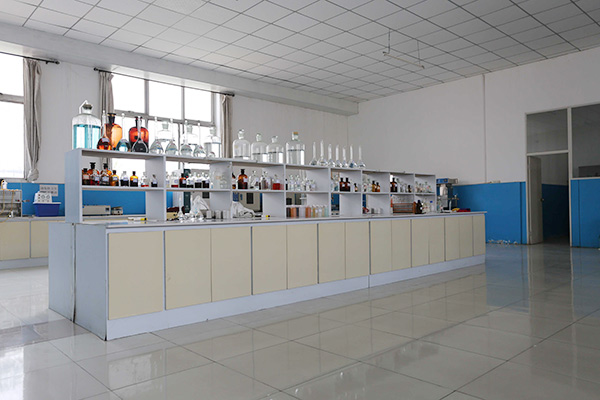
Laser Thermal Conductivity Testing
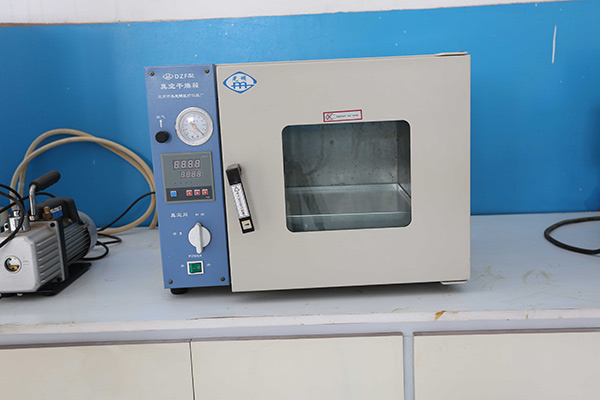
Micro-Structure Verification
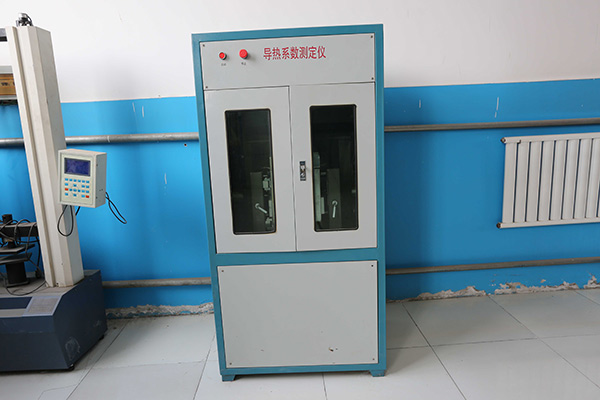
Flammability Chambers
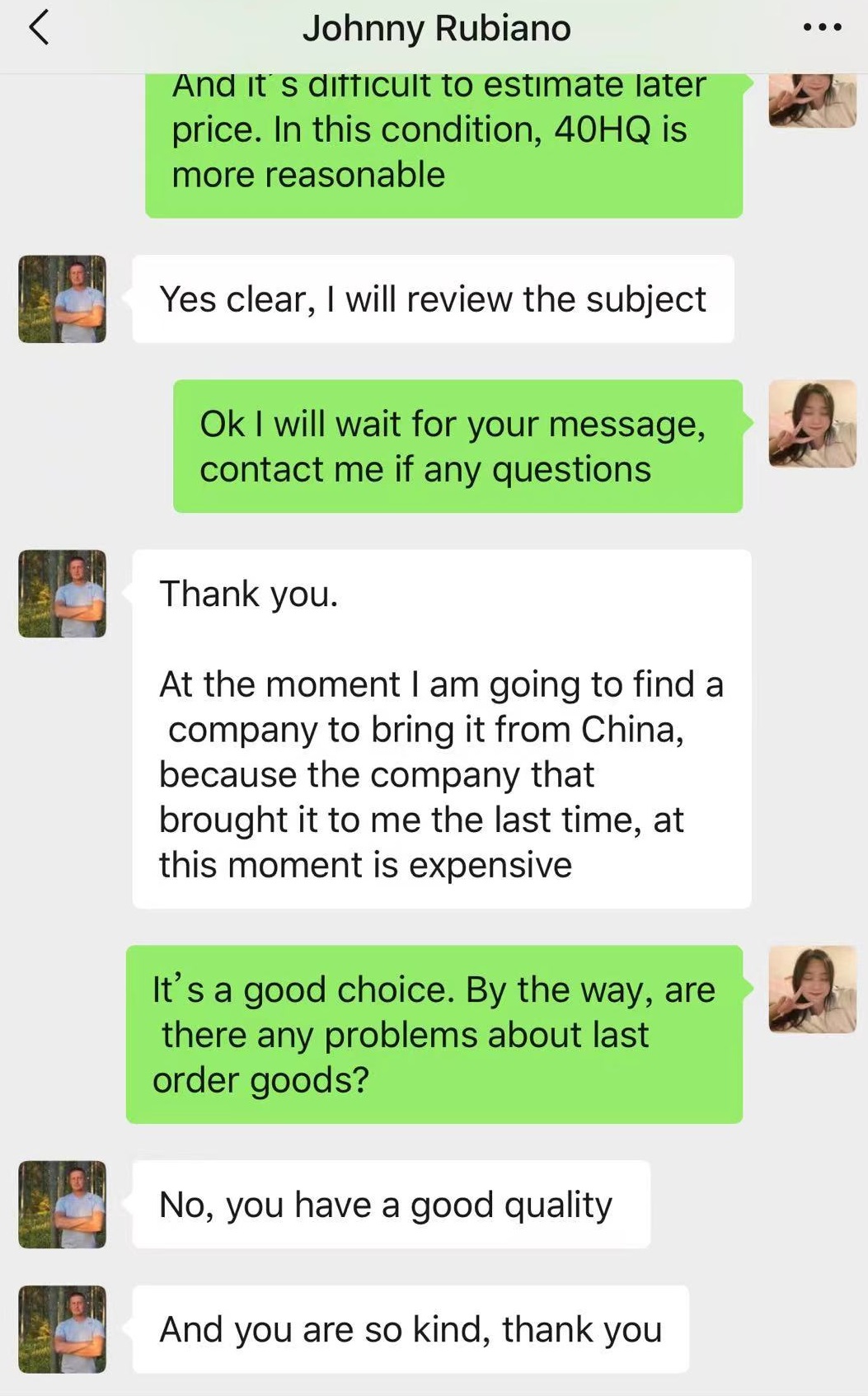
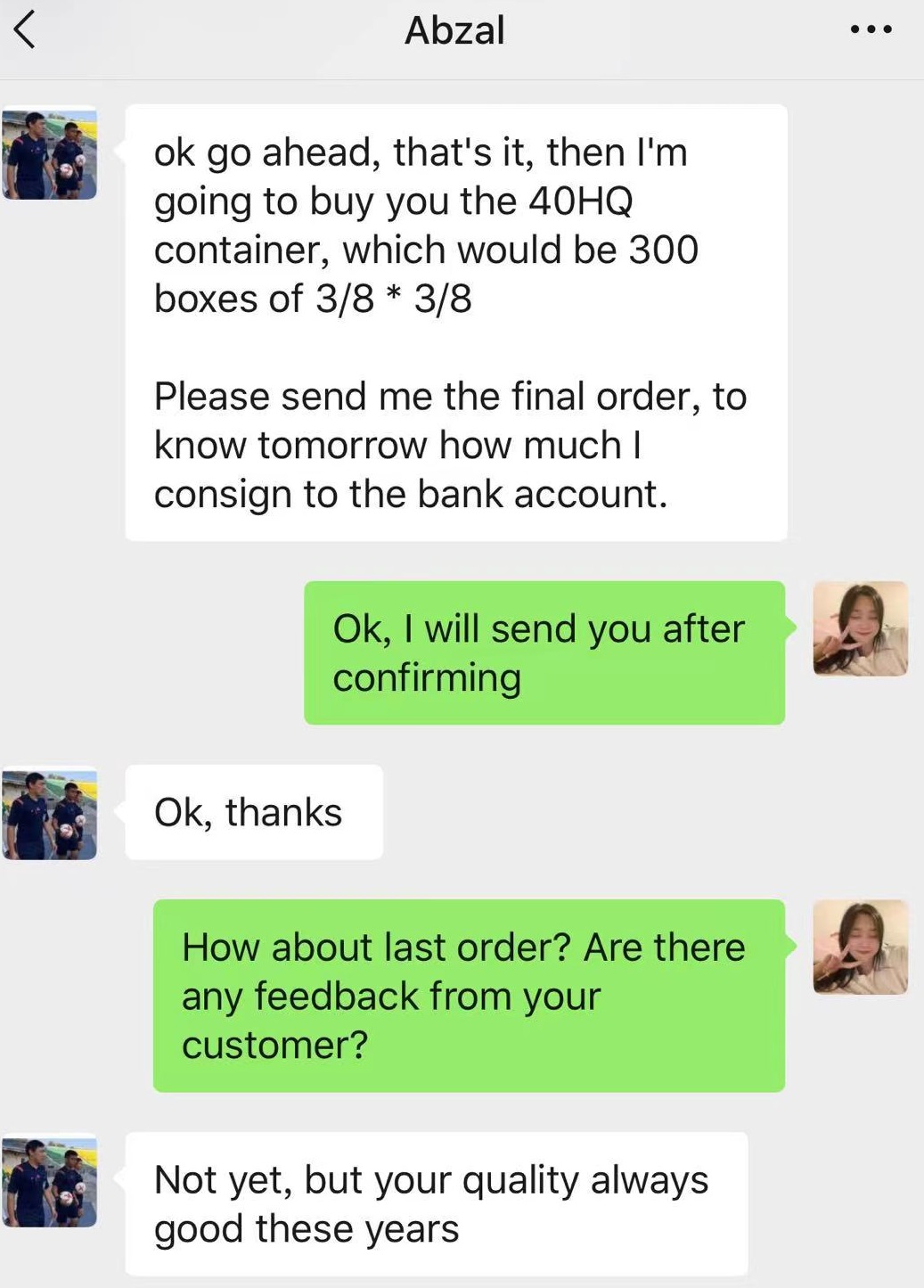
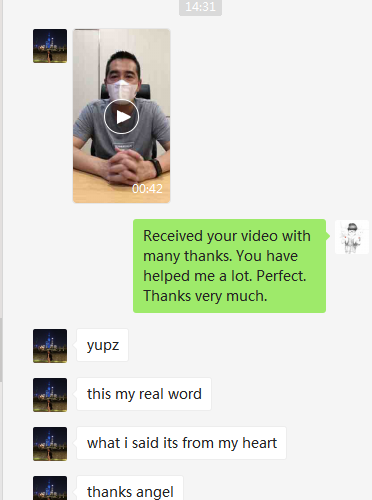
Direct feedback from international buyers confirms our performance standards and commitment to customer service.


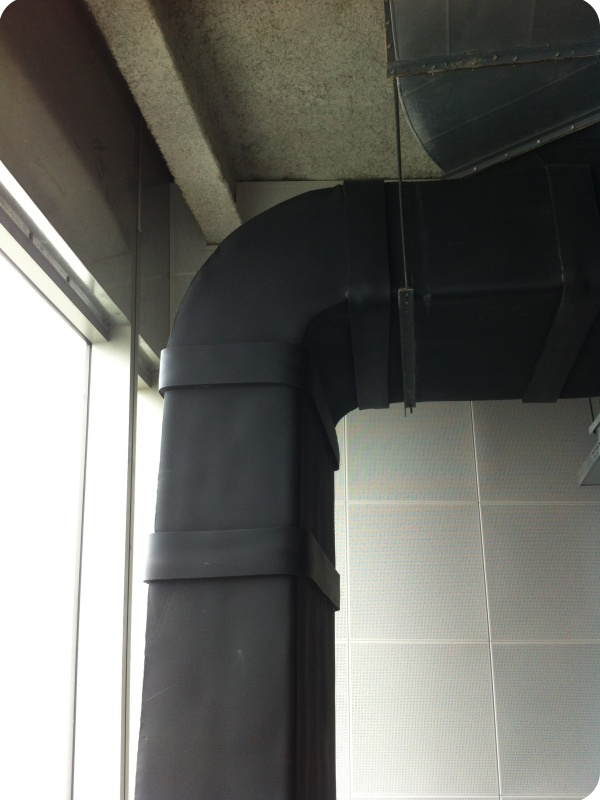
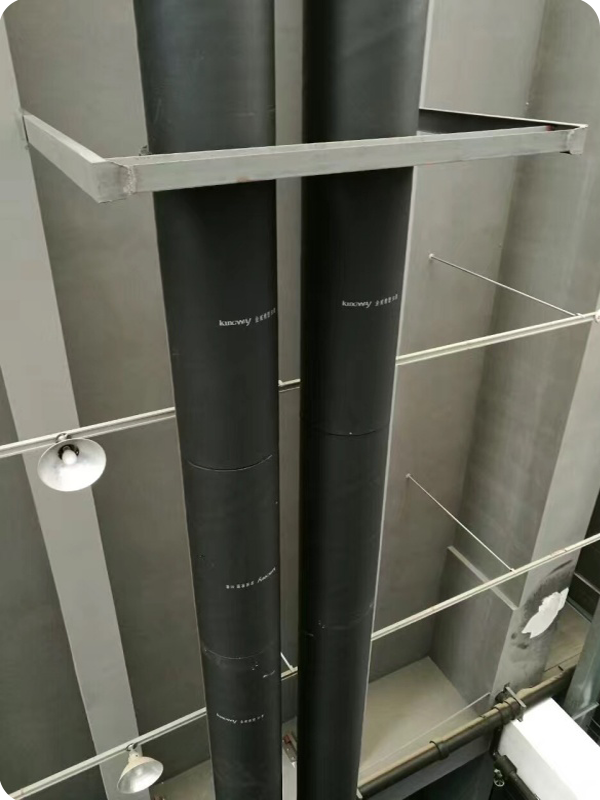
Our insulation materials are installed in major commercial, industrial, and public infrastructure projects worldwide.

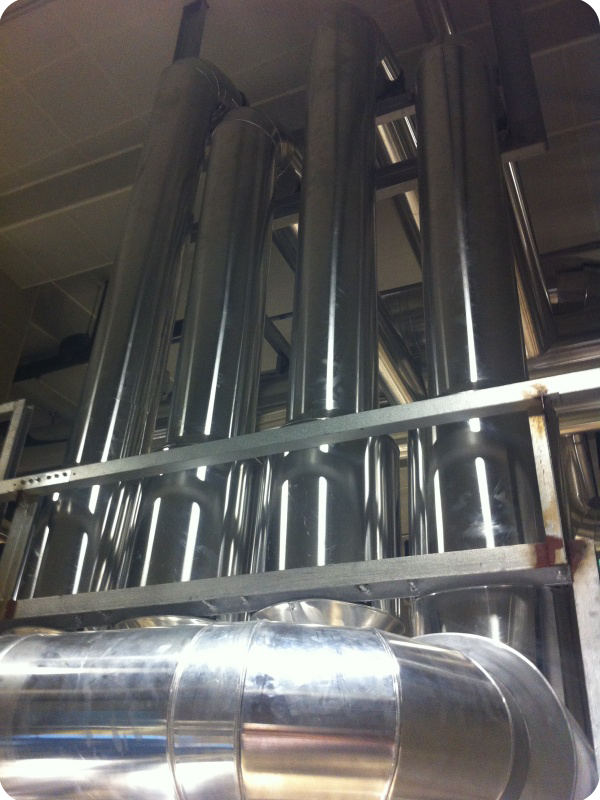
Get answers to common technical, commercial, and regulatory questions regarding elastomeric rubber foam insulation products.
Explore our specialized range of NBR/PVC foam sheets, low-temperature cryogenic systems, and mineral fiber blankets designed for heavy industrial installations.
 Kingflex