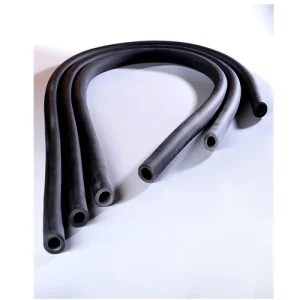
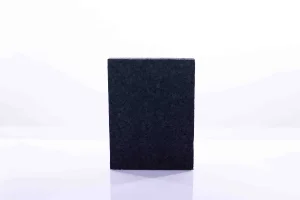
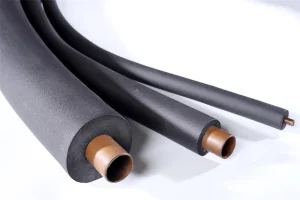
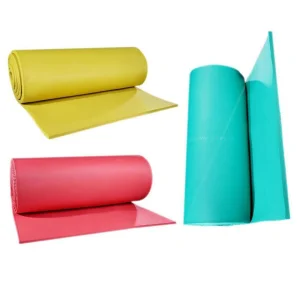
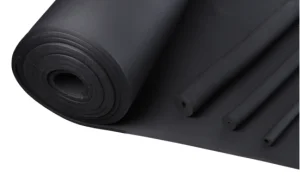
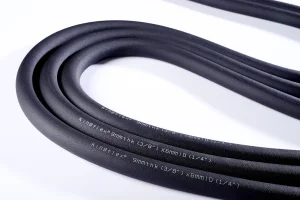
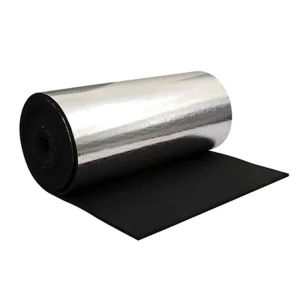
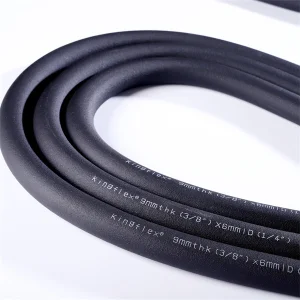
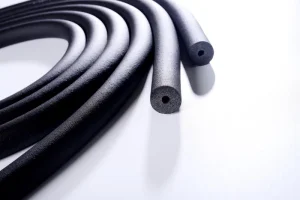
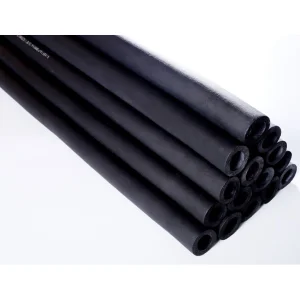
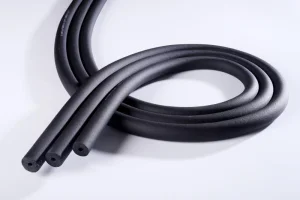
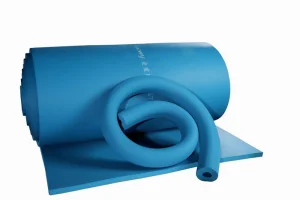
Explore our leading closed-cell foam insulation materials engineered to satisfy industrial acoustics, structural thermal barriers, and mechanical pipe safety standards.
Analyzing structural acoustics, market vectors, and material engineering advancements in international building acoustics.
The global demand for high-efficiency architectural acoustics has surged in response to modern multi-family urbanization, rigorous code requirements (such as International Building Code Section 1206), and the growth of high-density hotel, office, and commercial environments. Traditional carpet underlayments, historically made from open-cell polyurethane foam or re-bonded scrap fibers, fail to satisfy demanding sound transmission and moisture metrics simultaneously.
As a result, architects and building science consultants are prioritizing advanced elastomeric materials like Nitrile Butadiene Rubber (NBR) and Polyvinyl Chloride (PVC) co-polymer blends. Manufactured by leading factories in China, these advanced closed-cell systems serve as dual thermal barriers and acoustic mitigators. Because of their dense structure and high viscoelasticity, closed-cell materials decouple the hard finish materials (like luxury vinyl tiles, hardwood, or heavy commercial carpeting) from the subfloor structure, minimizing impact sound transfer.
From a commercial standpoint, the carpet underlayment sector has shifted from simple comfort additions to essential mechanical components. Today, acoustic underlayment systems are critical to meeting Noise Reduction Coefficient (NRC) and Impact Insulation Class (IIC) specs in mid-to-high-rise construction. Under-carpet pads from specialized Chinese factories serve as vital thermal and acoustic solutions, showing outstanding performance in preventing sound transmission and thermal bridging.
A trusted industrial leader with verified output capacities and international quality compliance.
Engineered for high-performing residential complexes, industrial facilities, and heavy-duty infrastructure.
Reduces Impact Insulation Class (IIC) noise generated by footsteps, dropped items, and heavy furniture across intermediate subfloors, meeting strict building codes for multi-family residential projects.
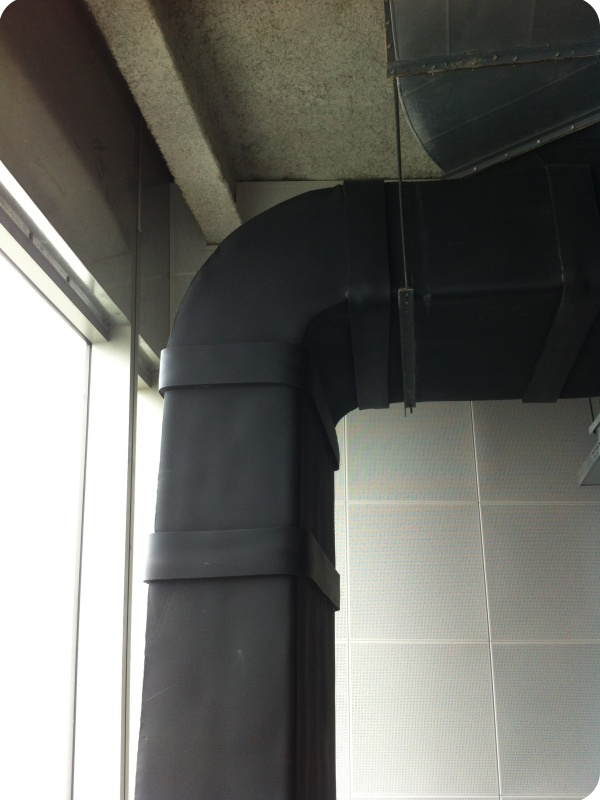
Damps airborne noise from mechanical HVAC systems, water pumps, and air duct vibrations. It prevents structural resonance from transferring through structural walls and floors to adjacent offices.
Improves acoustic privacy in luxury hotel suites, conference halls, and ballrooms by providing deep-cushioned shock absorption and high-frequency sound isolation under high-traffic textile carpets.
A detailed breakdown of Kingflex elastomeric foam specifications, thermal parameters, and application scopes.
| Parameters | Kingflex Standard Specification |
|---|---|
| Material Composition | NBR/PVC (Nitrile Butadiene Rubber / Polyvinyl Chloride Copolymer) |
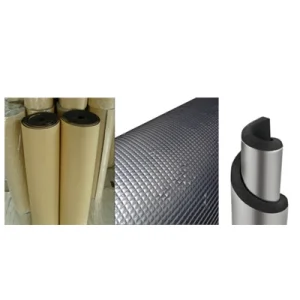
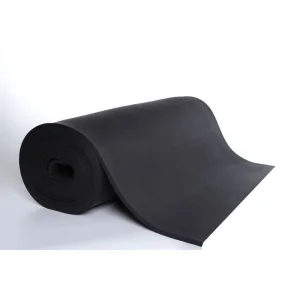
| Thickness Range | 6mm to 50mm |
| Density Profile | 40 - 55 kg/m³ |
| Service Temperature Range | -40℃ to 105℃ |
| Parameters | Kingflex Standard Specification |
|---|---|
| Material Composition | NBR/PVC (Nitrile Butadiene Rubber / Polyvinyl Chloride) |
| Thickness Range | 9mm to 40mm |
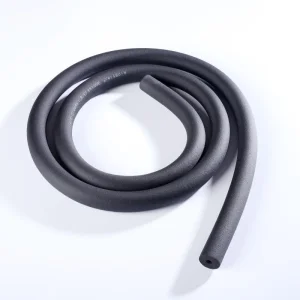
| Inner Diameter (ID) | 6mm to 114mm |
| Density Profile | 40 - 55 kg/m³ |
| Service Temperature Range | -40℃ to 105℃ |
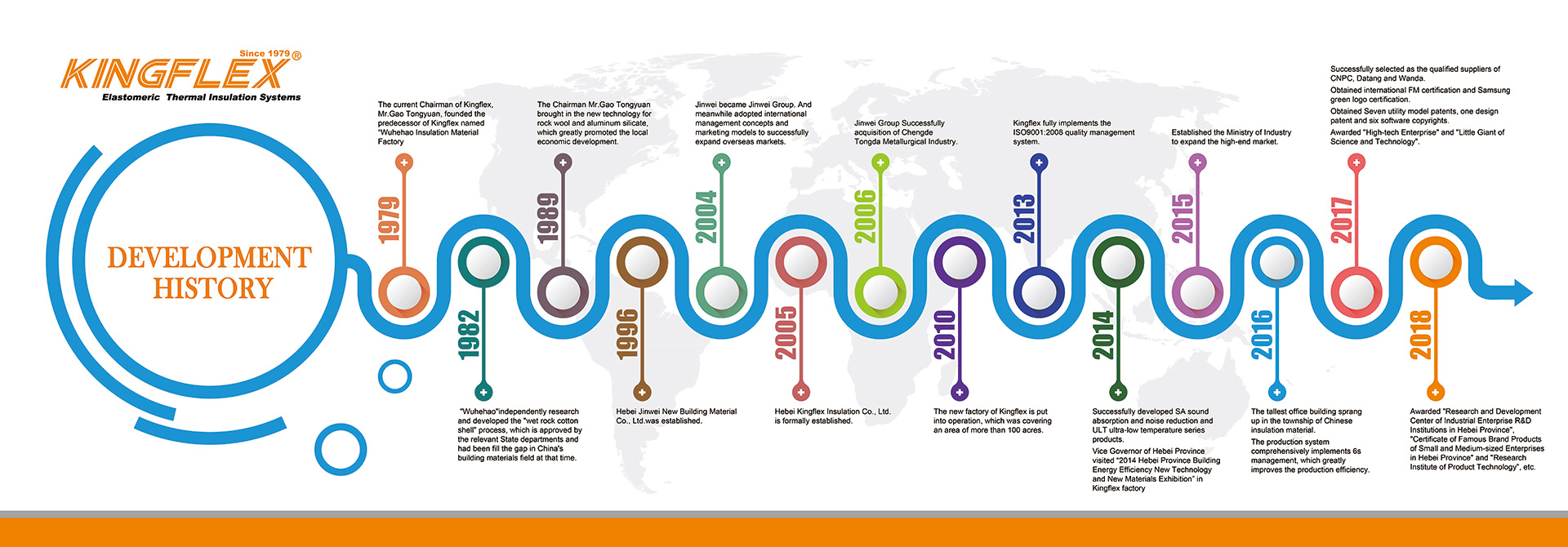
Over four decades of leadership in high-quality structural and industrial insulation products.
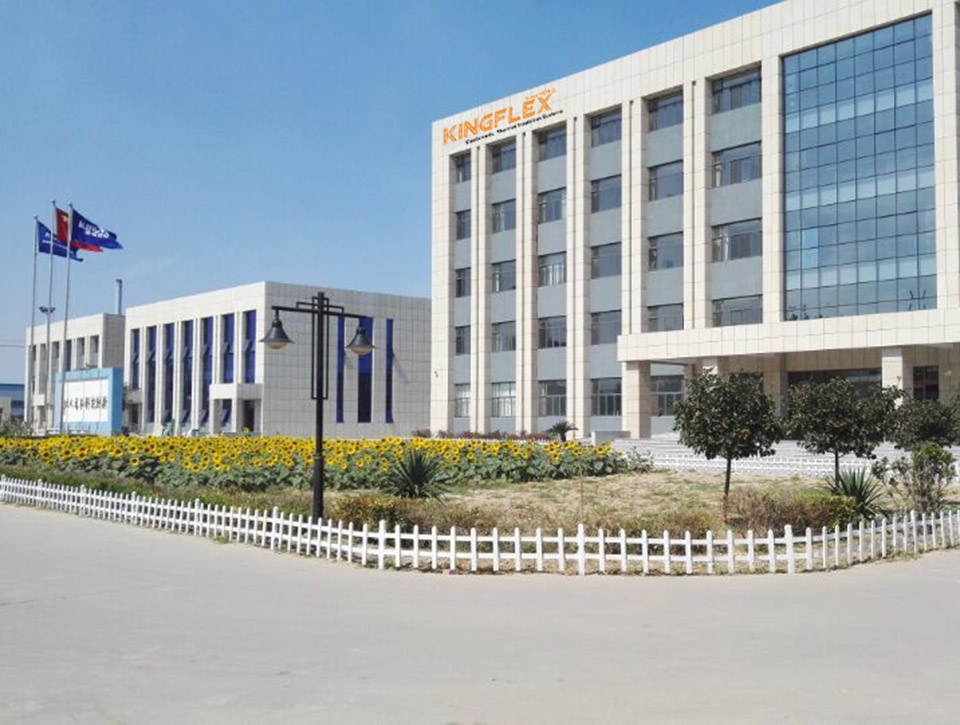
Kingflex Insulation Co., Ltd. is a professional manufacturing and trading combo for thermal insulation products. Our R&D and production departments are located in Dacheng, China—a well-known capital of green-building materials. As an energy-saving and environmentally friendly enterprise, Kingflex integrates research, development, production, and sales. We focus on energy saving and consumption reduction as core concepts. We provide complete insulation solutions through professional consultation, research, development, production, installation guidance, and post-sale service to lead the development of the global building materials industry.
Kingflex was established by Jinwei/Kingway Group, which carries a history of more than 40 years. Founded in 1979, Kingway Group was the first manufacturer of thermal insulation materials north of the Yangtze River. This heritage provides our engineers with unparalleled industrial expertise.
Our employees are amazing in their own right, but together they make Kingflex a rewarding place to work. The Kingflex team is a tight-knit, talented group with a shared vision of delivering first-class service to our clients. Our dedicated R&D department features 8 professional engineers, supported by 6 international sales managers and 230 factory technicians.

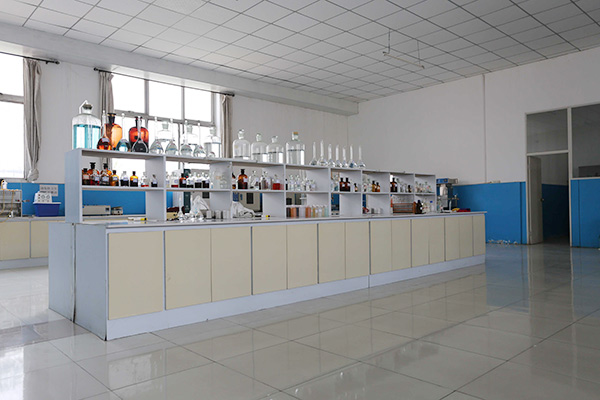
Our engineers test acoustic properties, thermal performance, and fire behavior to guarantee international compliance.
Our automatic lines maintain structural consistency, uniform cell distribution, and precise thickness control.

Exporting to more than 66 countries, we manage shipping, customs clearance, and delivery seamlessly.
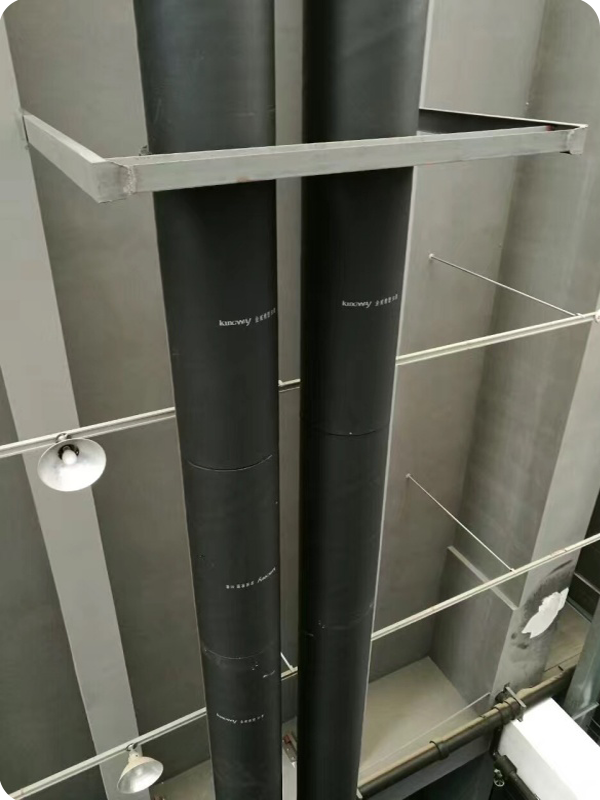
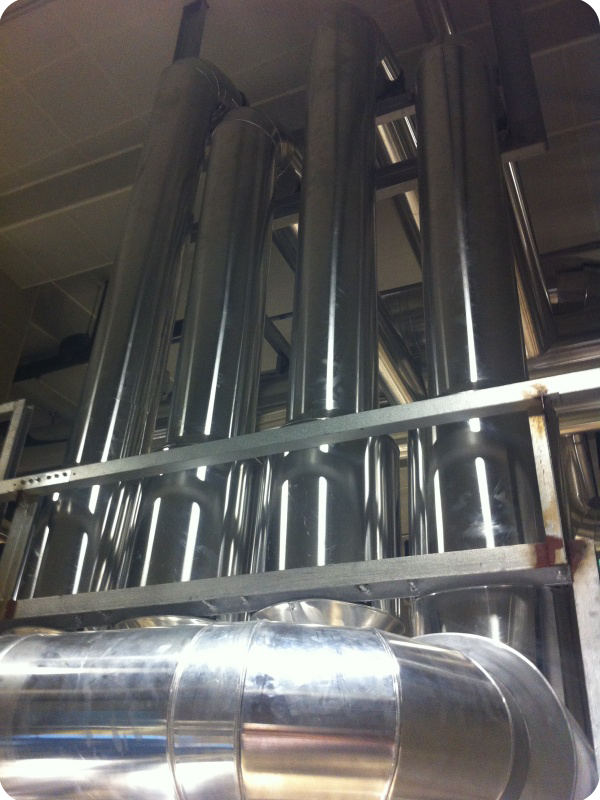
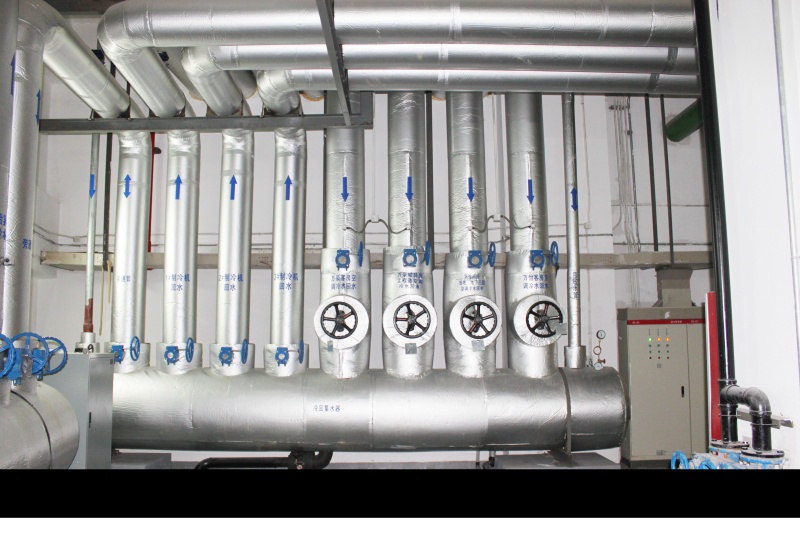
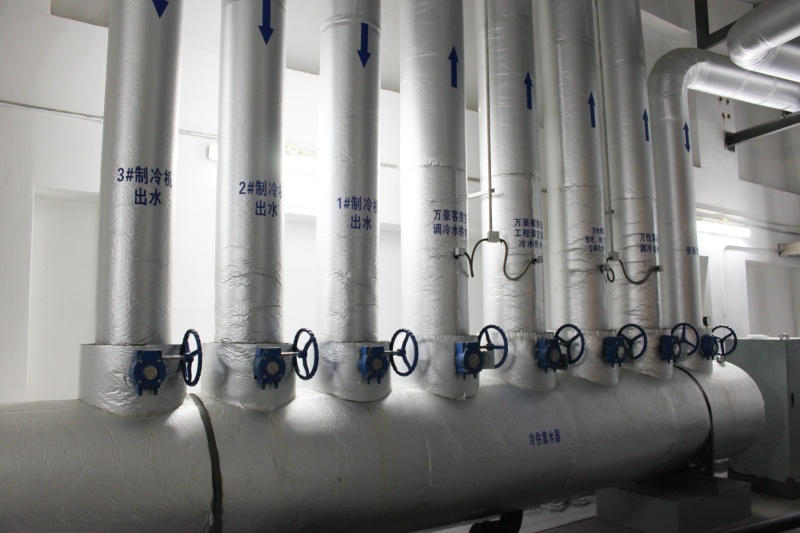
A showcase of our industrial insulation products successfully installed in architectural, chemical, and cryogenic projects worldwide.

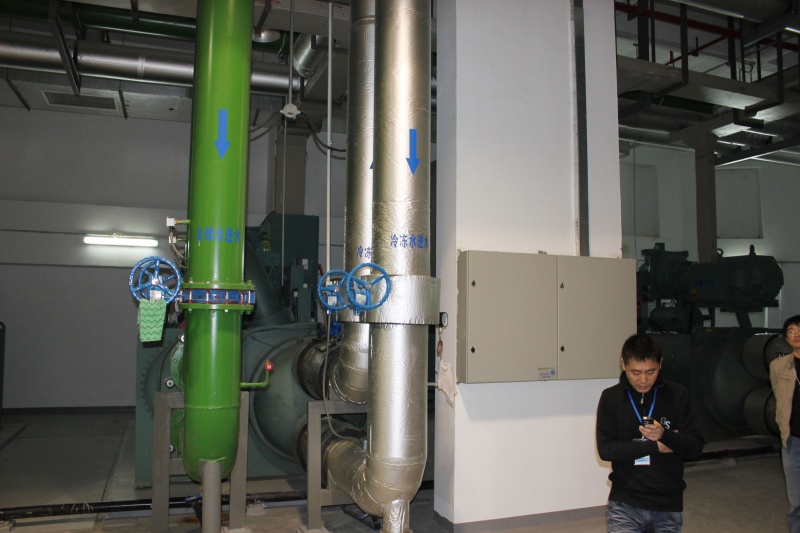
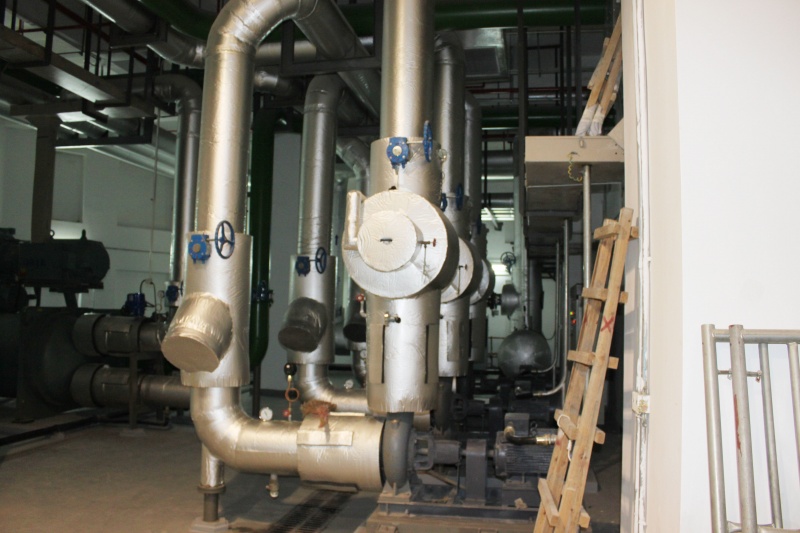
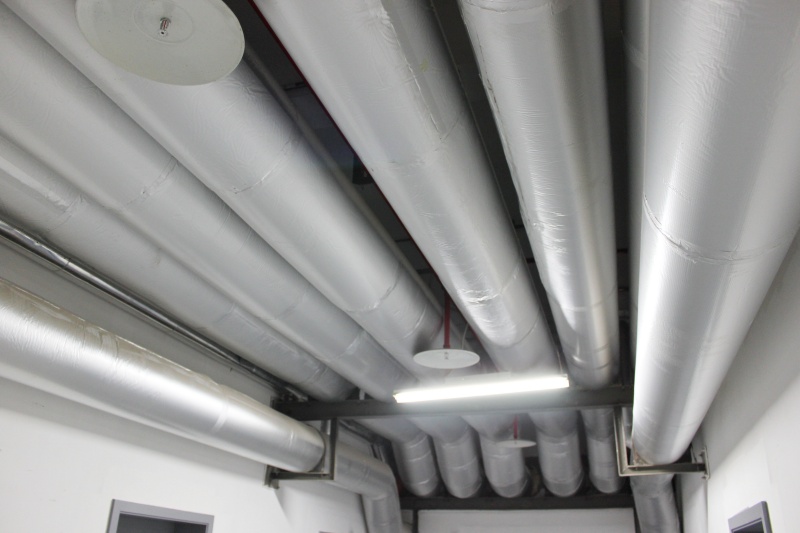

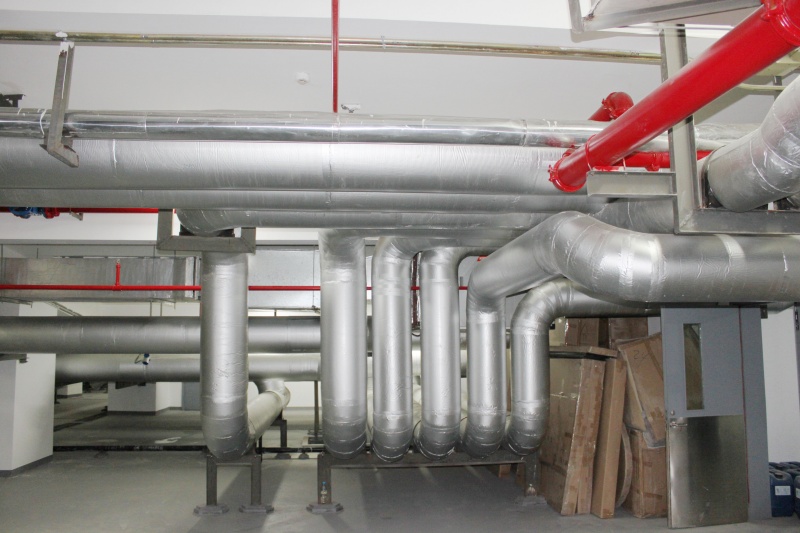

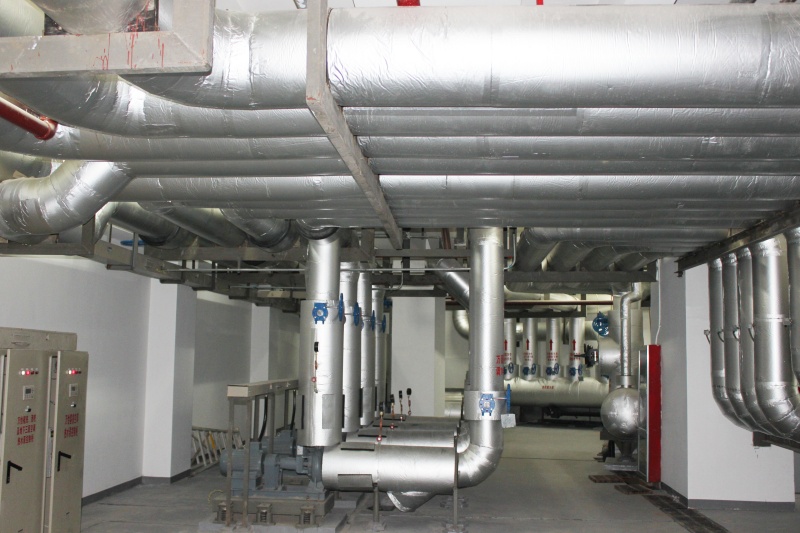
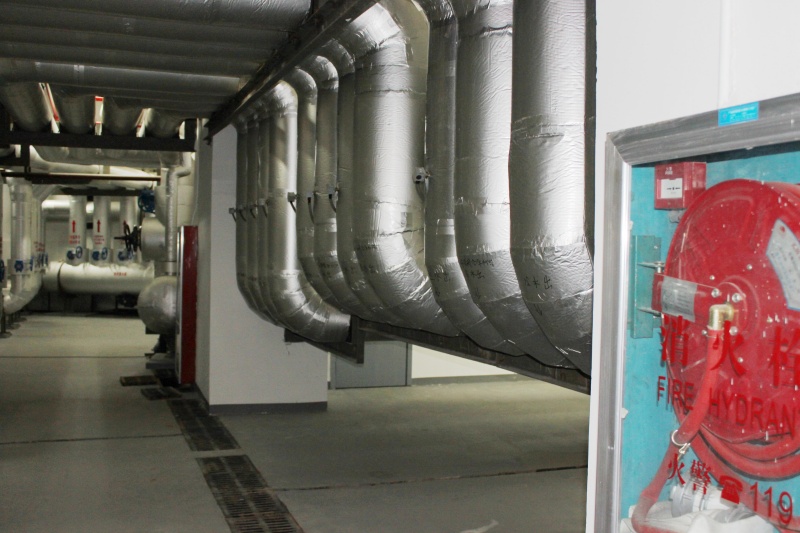
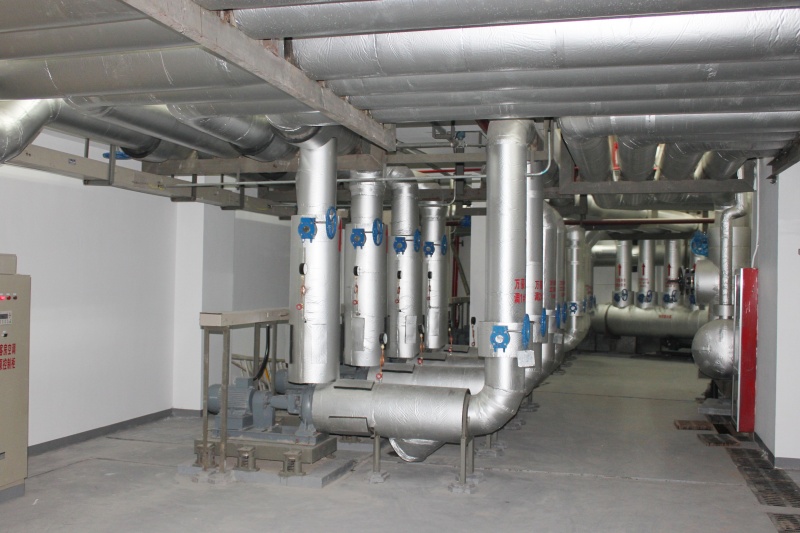
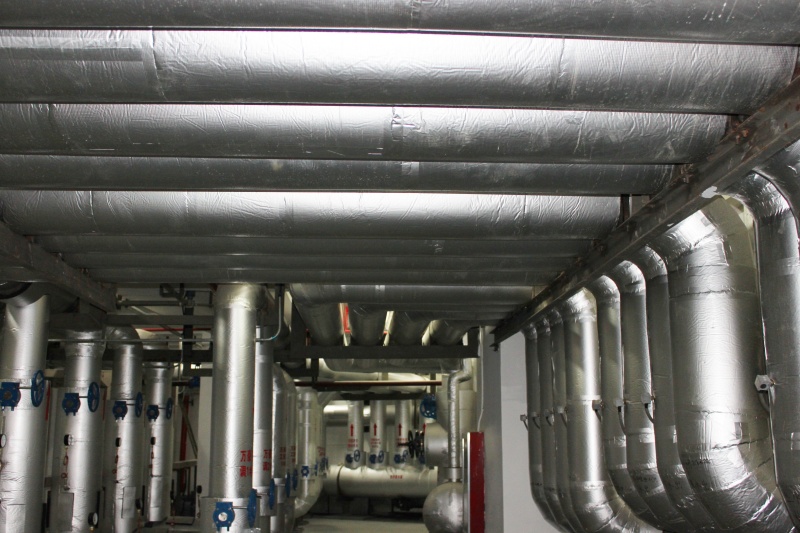
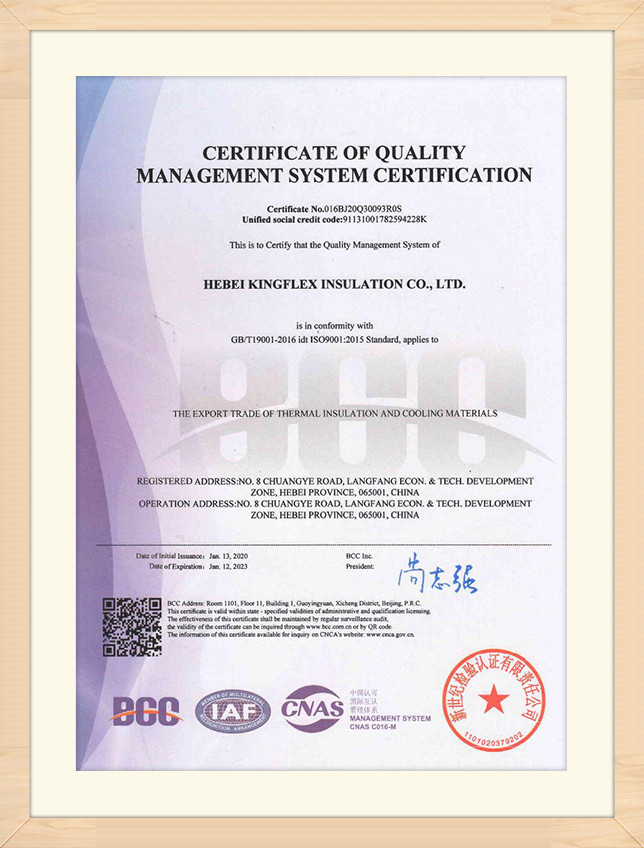
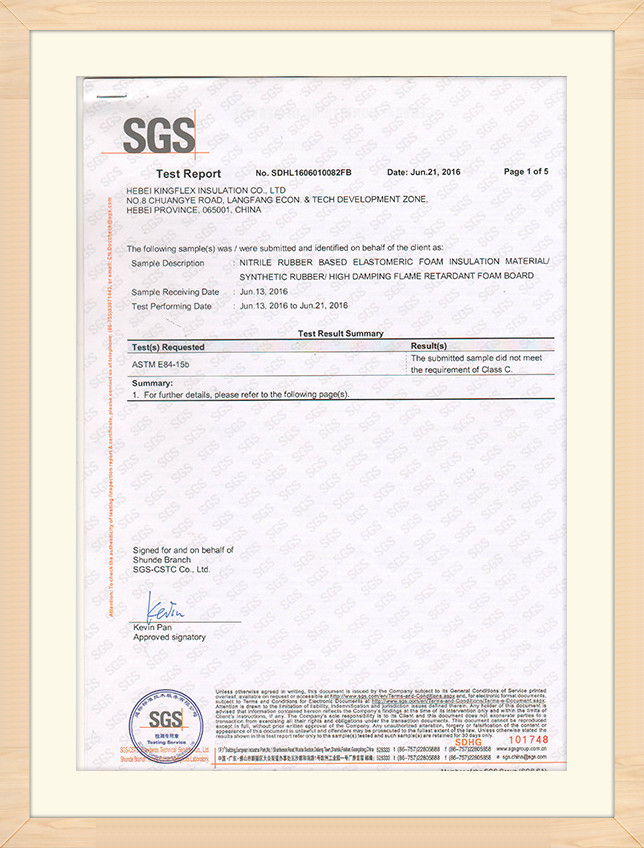
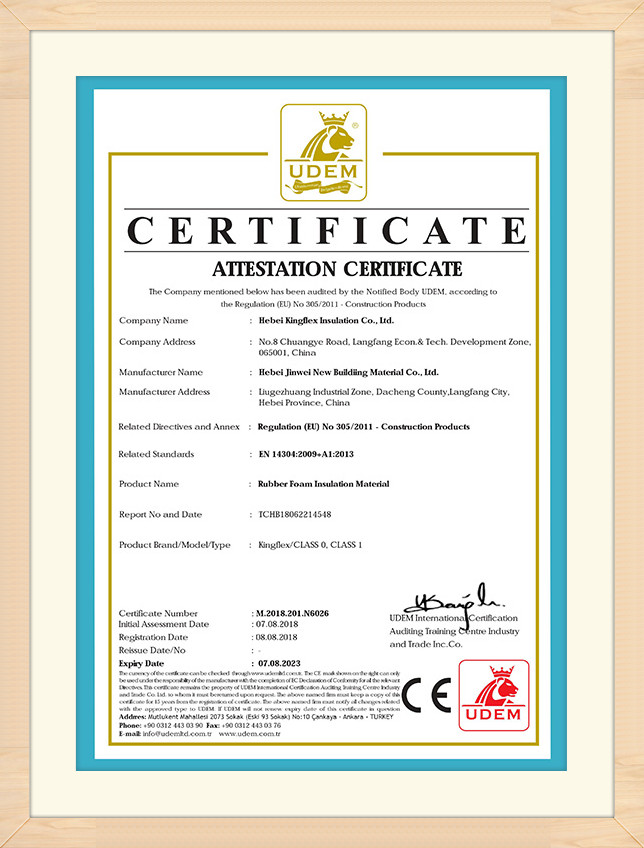
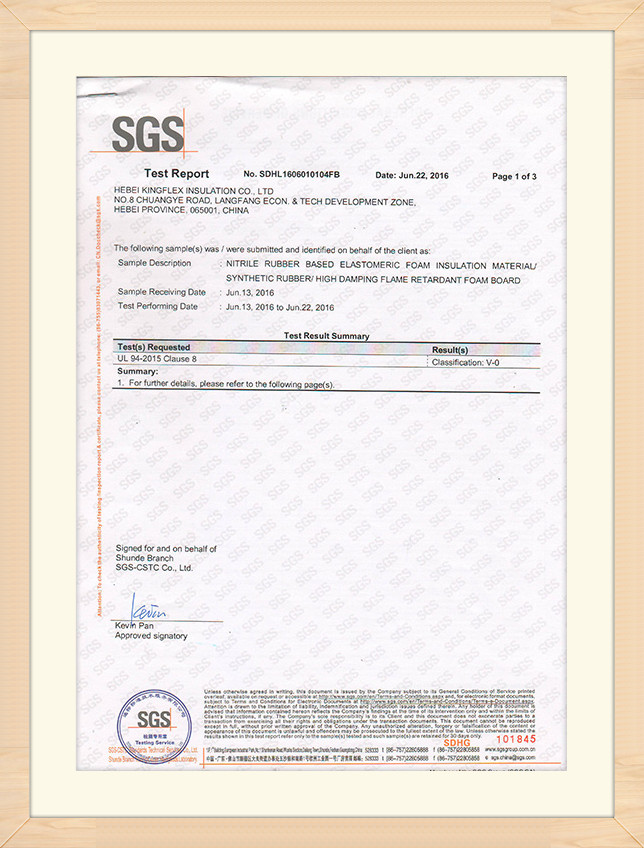
Tested and certified by international testing agencies for safety, sustainability, and quality compliance.
How polymer cellular membranes prevent acoustic bypass and structural noise transmission.
Understanding structural acoustics requires looking at two distinct pathways of acoustic energy: airborne sound transmission and impact sound transmission. Airborne sound travels through the air (such as voices or television noise), while impact noise is caused by physical contact with a floor surface (like footsteps or dragging furniture).
When a carpet is laid directly over structural concrete or wood, impact forces travel straight through the floor assembly as mechanical waves. Kingflex’s sound-absorbing carpet padding solves this by acting as a decoupling spring. Our elastomeric NBR/PVC blend consists of millions of microscopic, independent gas-filled cells per cubic meter. When hit by an impact, these closed cells compress and shear, converting mechanical sound waves into low-grade thermal energy.
Additionally, Kingflex closed-cell underlayments have a high density profile (between 40 and 55 kg/m³). Unlike open-cell foam padding that can flatten over time and lose its damping power, Kingflex rubber foam keeps its shape and thickness under heavy foot traffic and furniture loads. This ensures consistent, long-term acoustic performance for the lifetime of the floor.
Our products also feature a high water vapor resistance factor (µ ≥ 7000), making them highly resistant to moisture. This is critical for carpet padding installed on concrete subfloors. Moisture rising through concrete can cause mold growth in carpets, leading to bad indoor air quality and chemical smells. Kingflex closed-cell underlayments block this moisture, keeping the flooring dry and healthy.
Innovation, environmental sustainability, and material improvements shaping the future of acoustic insulation.
The acoustic insulation industry is moving rapidly toward sustainable, high-performing materials. At Kingflex, we focus our product development on three key areas:
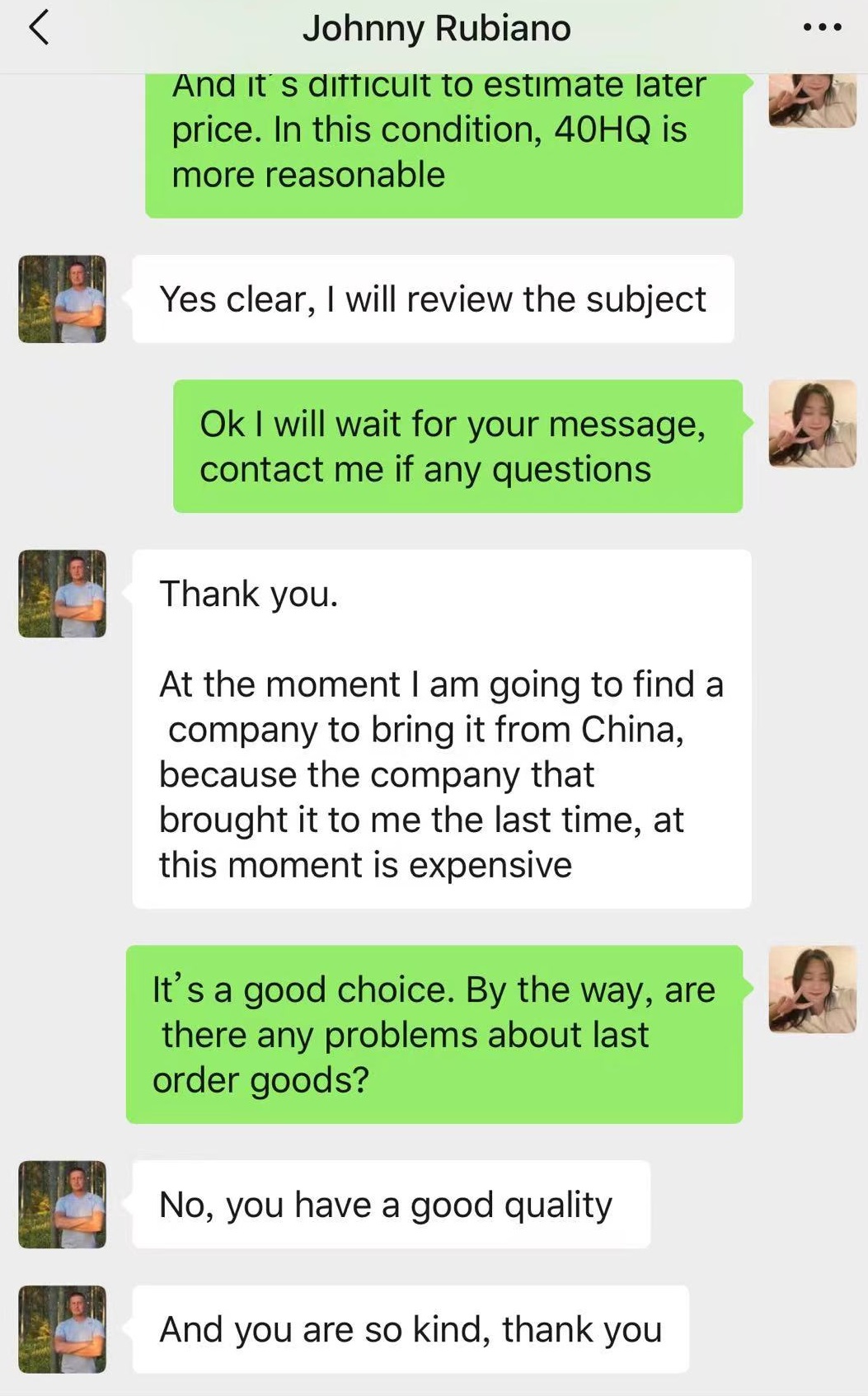
Honest feedback and satisfaction from our global clients and partners.




Get answers to common technical, design, and order questions about elastomeric underlayments.
High-performance insulation sheets, cryogenic materials, and customized tubes for specialized industrial environments.
 Kingflex