Engineered Closed-Cell and Structural Insulation Materials for High-Demand Steam Lines
In high-pressure steam distribution systems, thermal efficiency isn't just about saving fuel; it is a critical variable for process stability, plant safety, and carbon emission mitigation. Performing a precise steam line insulation thickness calculation forms the cornerstone of industrial utility design. If insulation is too thin, excessive energy loss, massive condensate loading, and surface safety hazards occur. Conversely, over-specifying insulation leads to unnecessary capital expenditure and physical clearance issues. This paper examines the variables, formulas, and modern factory solutions that govern optimal steam insulation design.
Steam lines operate at elevated temperatures, typically ranging from 120°C up to 550°C. The mechanism of heat transfer from the steam to the ambient environment involves three key stages:
| Parameter Name | Standard Design Value Range | Impact on Calculation Profile |
|---|---|---|
| Thermal Conductivity (λ) | 0.032 to 0.045 W/m·K at 0°C | Primary material resistance factor; lower values yield thinner insulation requirements. |
| Surface Emissivity (ε) | 0.05 (Shiny Aluminum) to 0.90 (Rubber Foam) | Controls radiative heat transfer; lower emissivity keeps jacket temperatures higher but reduces total loss. |
| Wind Speed | 0 m/s (Indoor) to 5.0 m/s (Average Outdoor) | Significantly accelerates convective cooling on external claddings. |
| Allowable Surface Temp | ≤ 50°C (Personnel Safety Limit) | Critical design constraint to prevent third-degree burns. |
Industrial calculations generally conform to ASTM C680 (Standard Practice for Estimate of Heat Gain or Loss and Surface Temperatures of Insulated Flat, Cylindrical, and Spherical Systems) or ISO 12241 (Thermal insulation for building equipment and industrial installations — Calculation rules). The heat loss rate per linear meter ($q_L$, in W/m) for a single-layer insulated pipe is represented by:
Where:
Because the thermal conductivity of insulation material varies dynamically with the average temperature of the layer, the system requires iterative calculation cycles until the surface temperature converges. Our engineering R&D team utilizes computerized algorithms to calculate exact thicknesses tailored to specific regional conditions.
China has established itself as the global manufacturing epicentre for green building and industrial thermal insulation materials. Specifically, Dacheng County in Hebei province hosts highly integrated raw material and production clusters. Key strategic advantages of sourcing from our facility include:
Our elastomeric rubber foam and rock wool insulation assemblies serve crucial roles across several critical infrastructure sectors:
Kingflex Insulation Co., Ltd. is a professional manufacturing and trading combo for thermal insulation products. Kingflex research development and production department is located in well-known capital of green-building materials in Dacheng, China. It is an energy-saving environmental friendly enterprise concentrating on research, development, production, and sales.
In operation, Kingflex takes energy saving and consumption reduction as the core concept. We provide comprehensive solutions regarding insulation by means of expert consultation, research and development production, installation guidance, and dedicated post-sale service to lead the development of the global building materials industry.
Kingflex is established by the Jinwei Group, which boasts more than 40 years of industrial history. The Kingway Group was established in 1979, representing the first manufacturer of high-quality thermal insulation materials north of the Yangtze River.
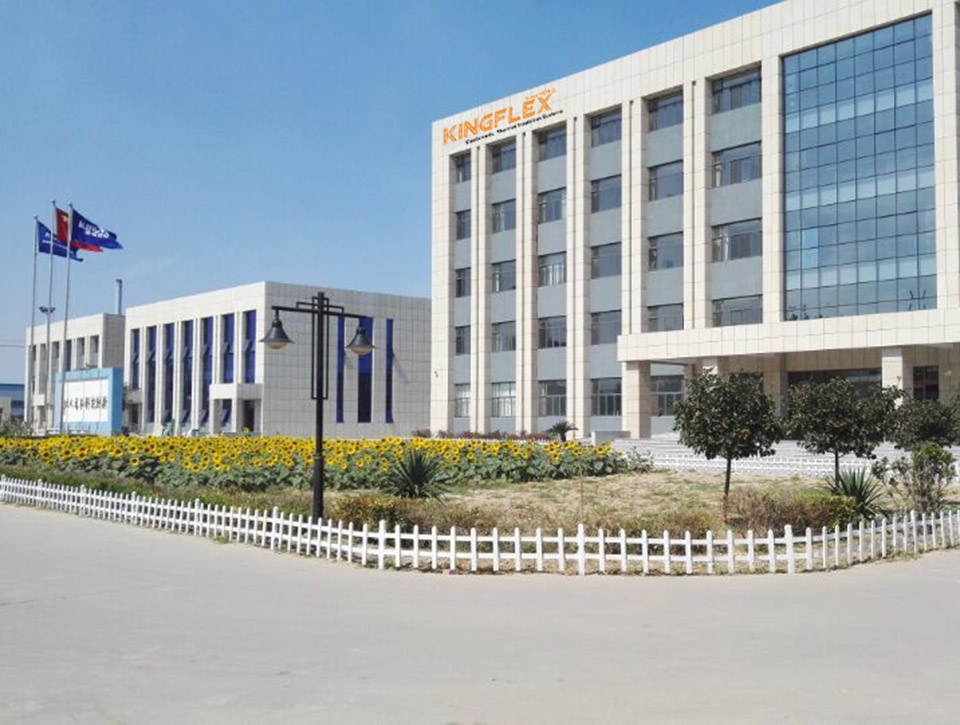
Underpinning our manufacturing with high-precision laboratories and certified testing validation
Equipped with thermal conductivity testing devices, oxygen index combustion analyzers, and density testers, our engineering team monitors physical characteristics continuously.
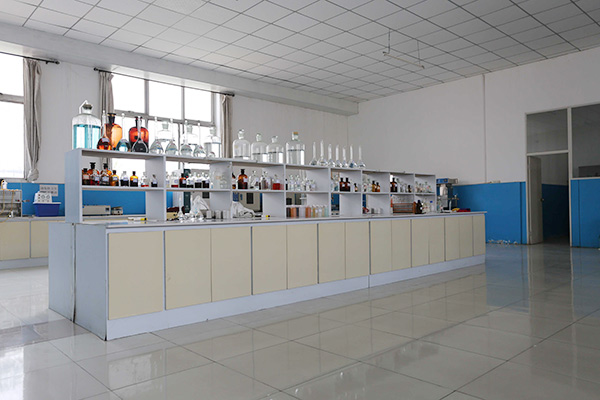
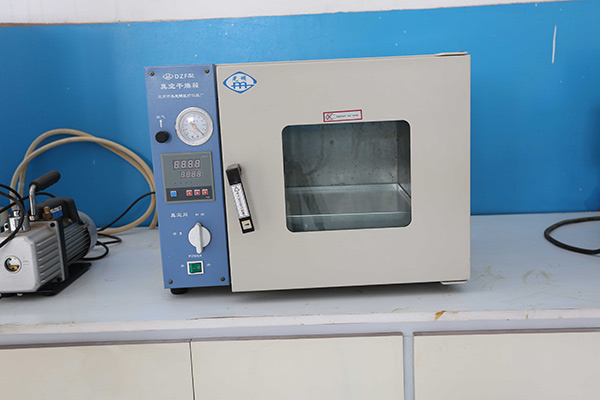
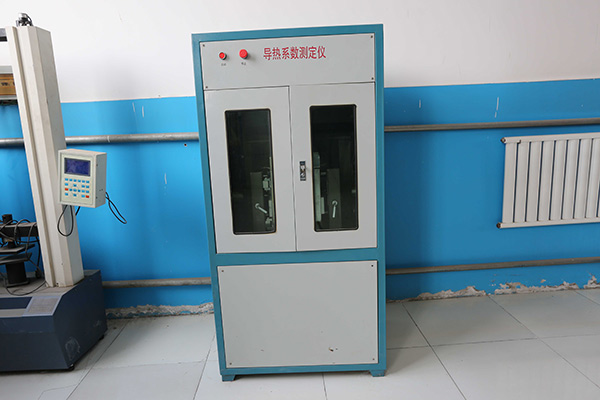
Our solutions hold globally recognized certificates: BS 476, CE, REACH, ROHS, UL94, and ASTM. This guarantees compliance in highly regulated markets.
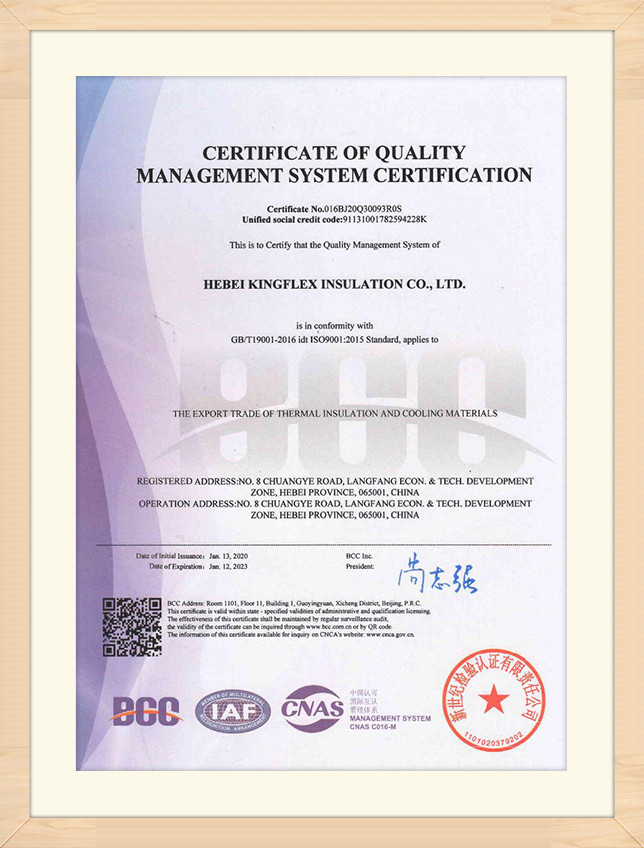
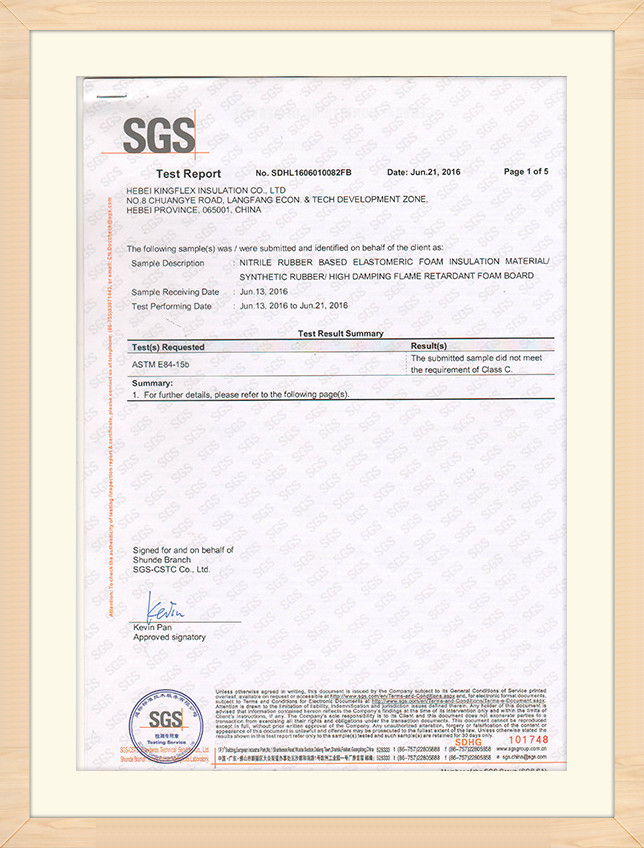
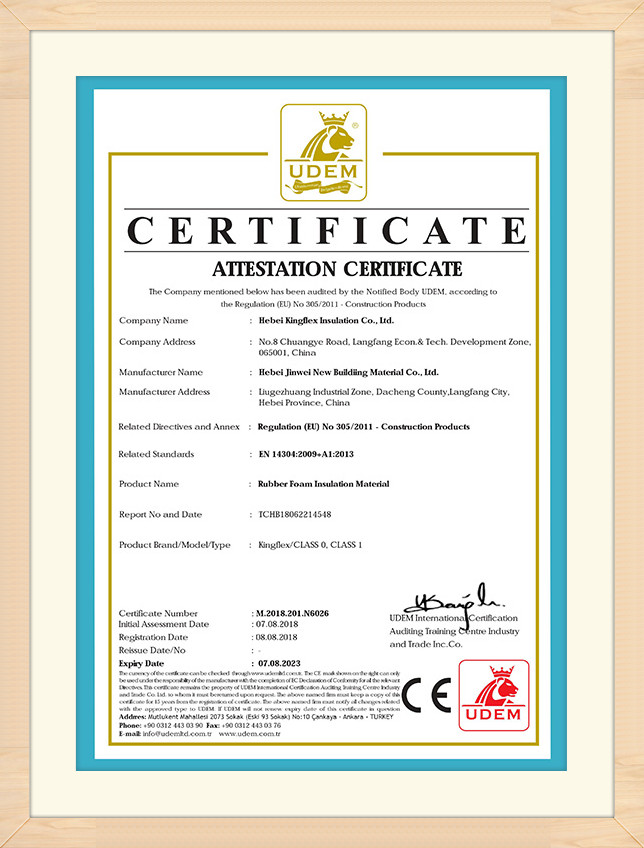
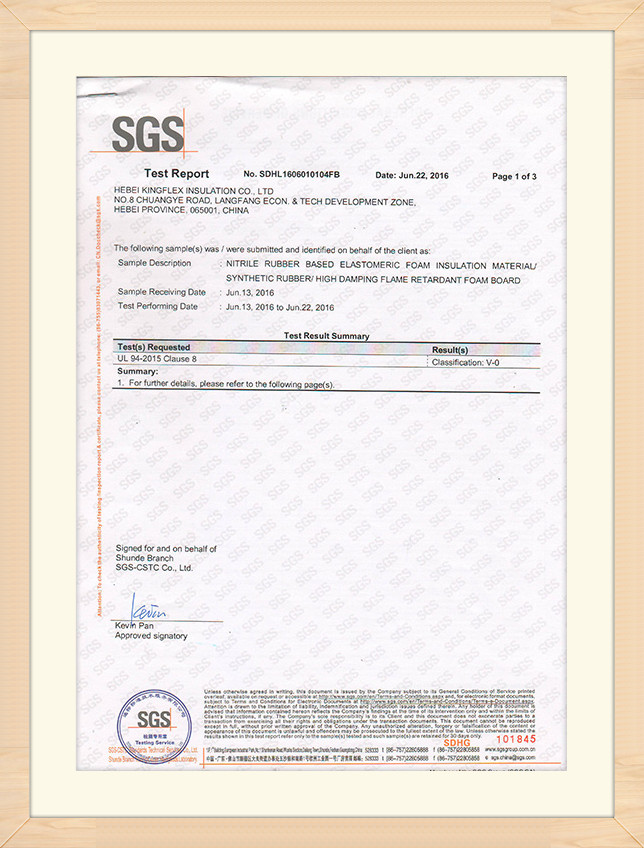
Kingflex boasts 8 professional engineers in our R&D Department, 6 dedicated international sales managers, and 230 skilled production employees.

Original sizing and core mechanical profiles for NBR/PVC insulated sheet rolls & pipe sections
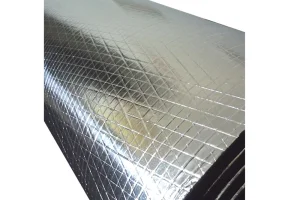
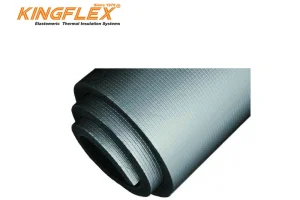
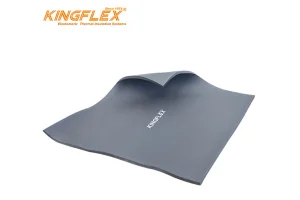
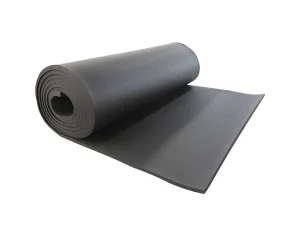
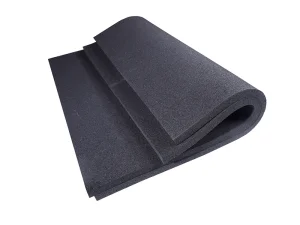
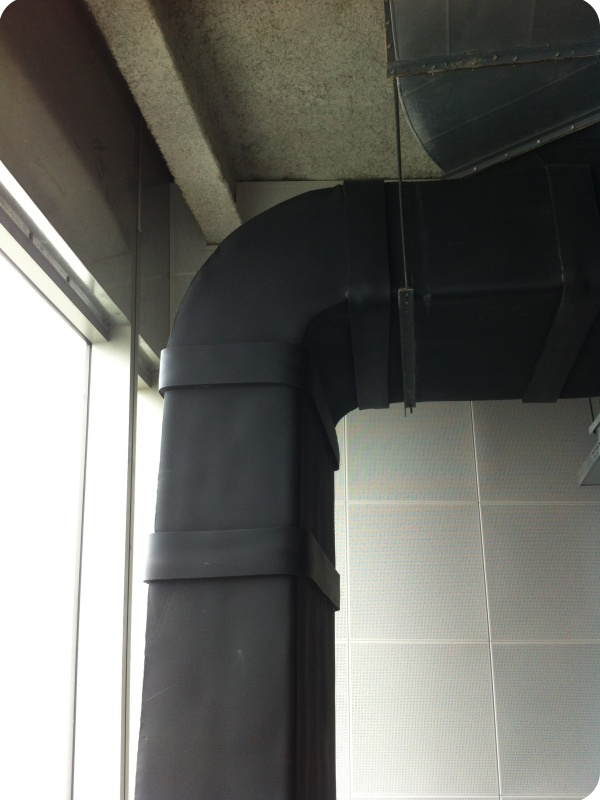
Premium flexible roll sheet for ducts, large tanks, flat walls, and steam distribution fittings.

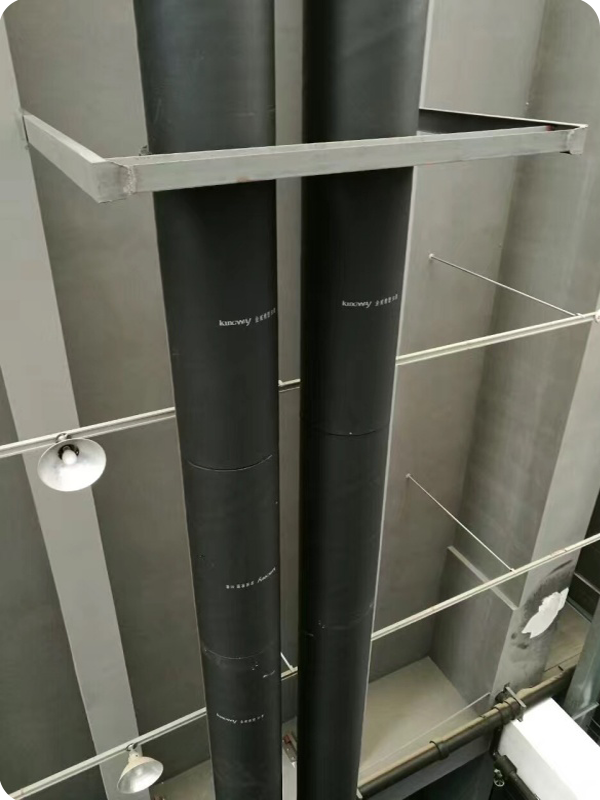
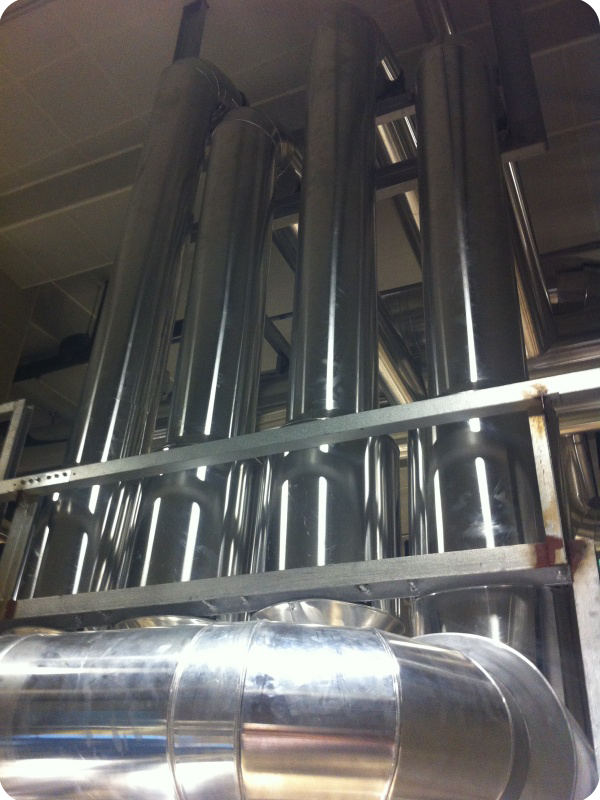
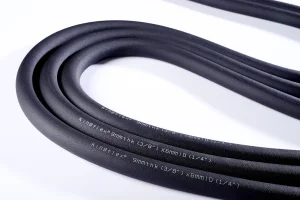
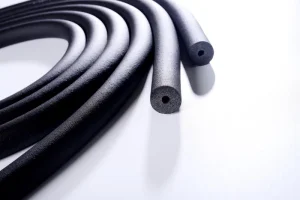
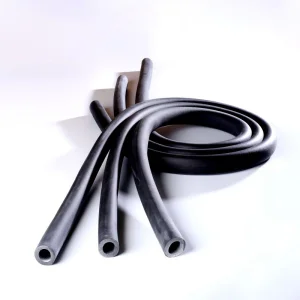
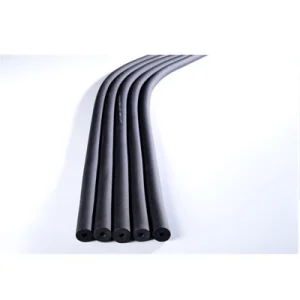
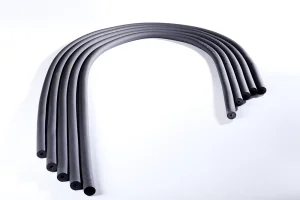
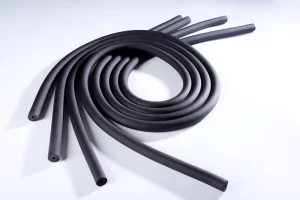
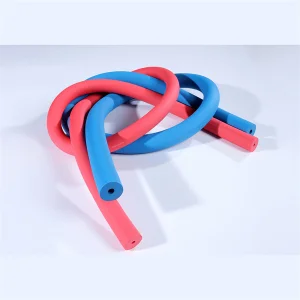
Pre-formed elastomeric tubing specifically engineered for rapid installation on steam distribution pipes.
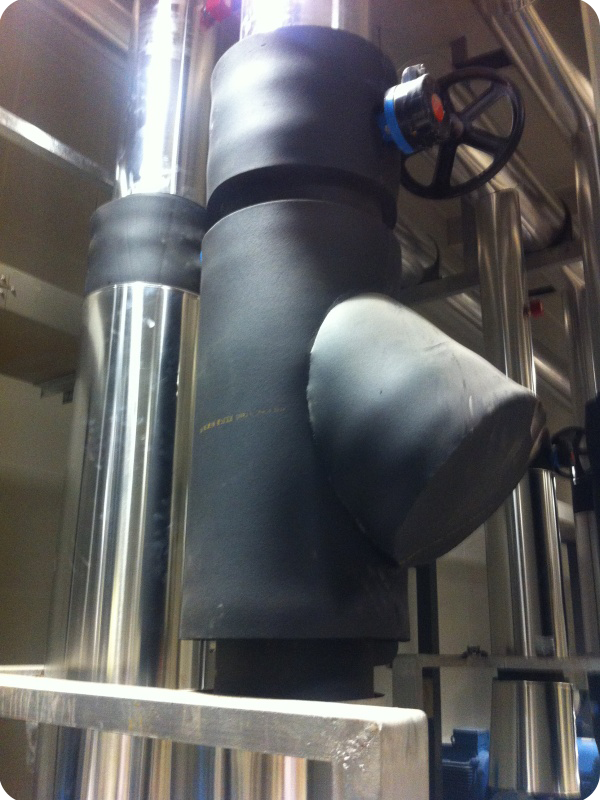
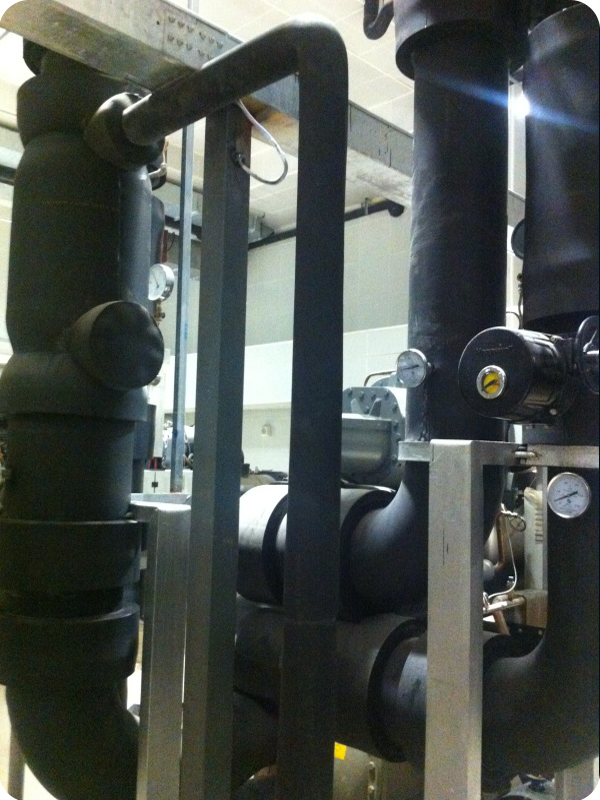

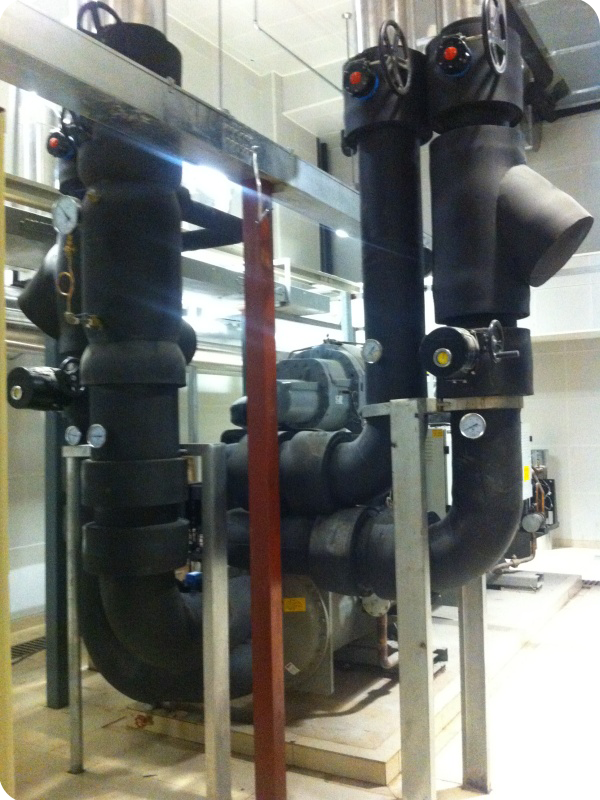
Take a virtual walk through our advanced production lines and packaging divisions
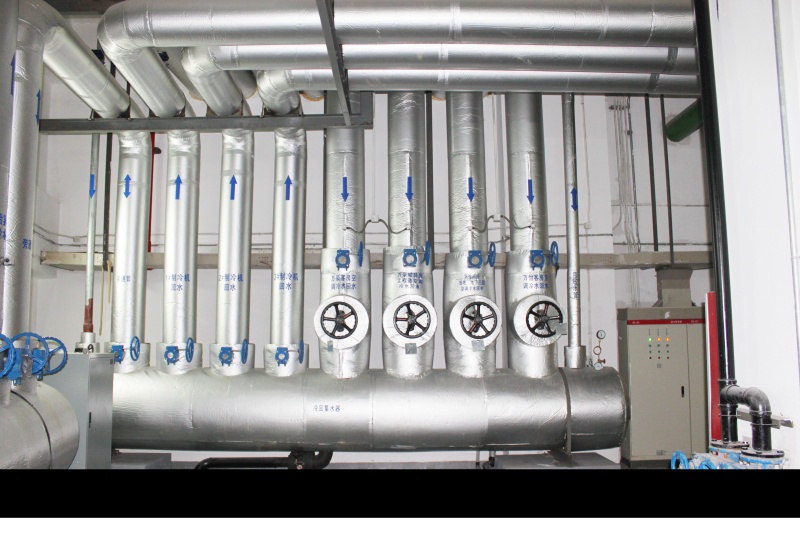
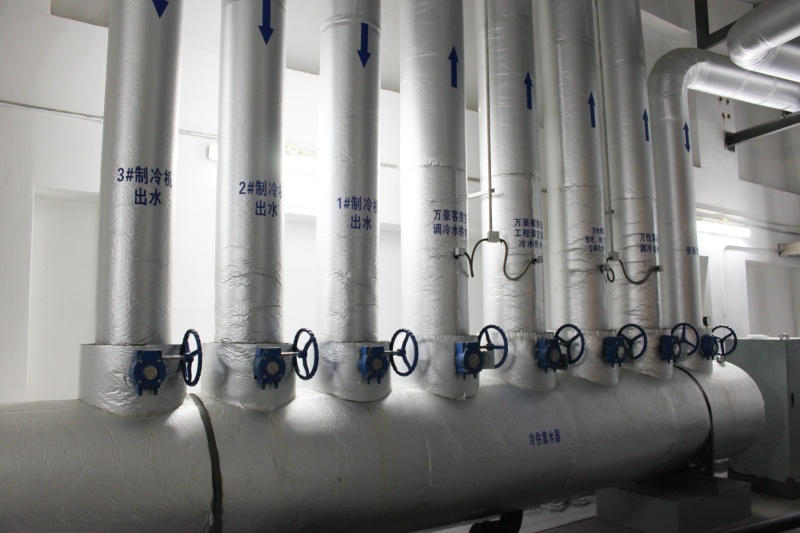
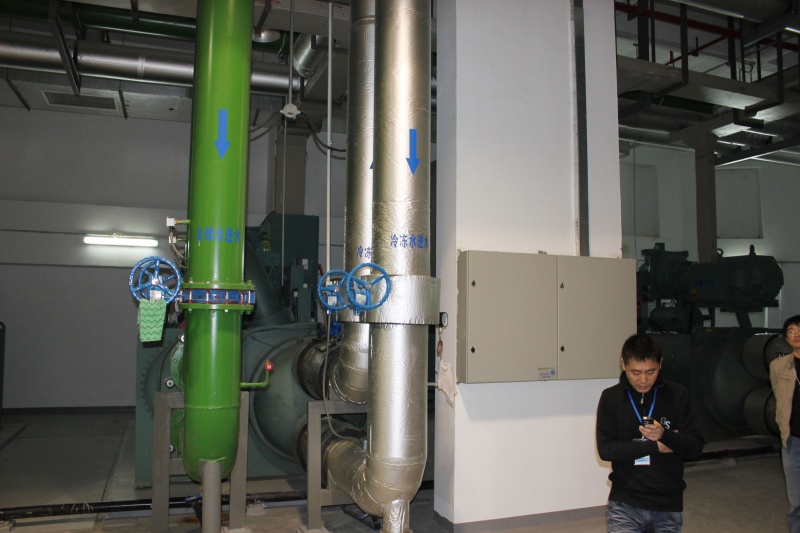
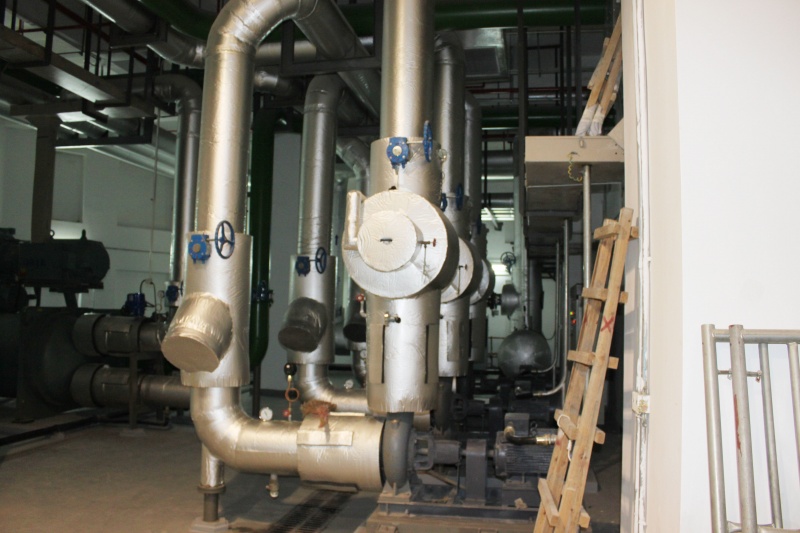
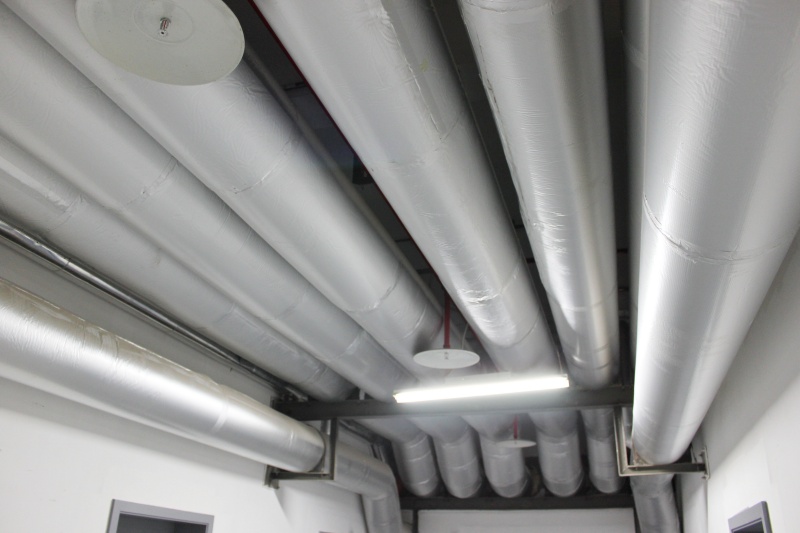

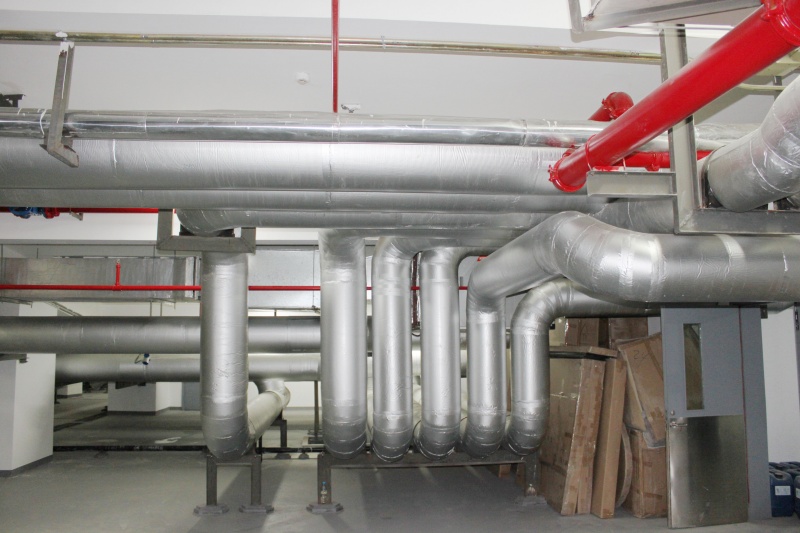

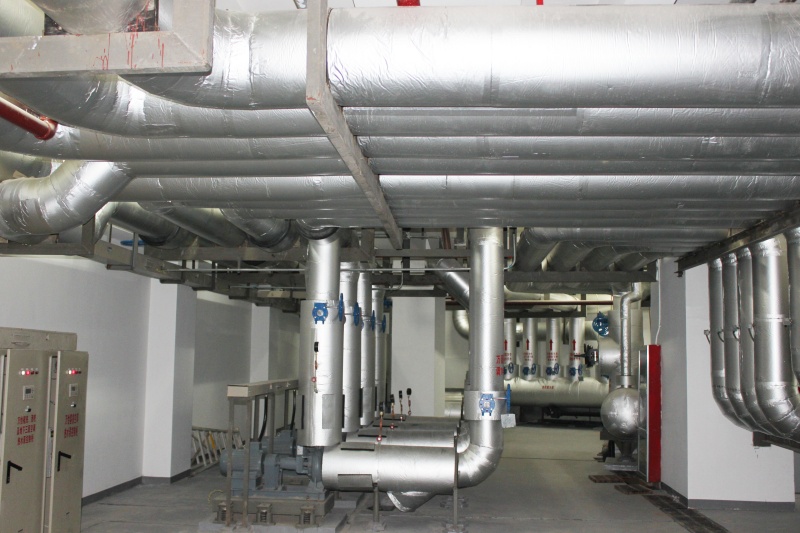
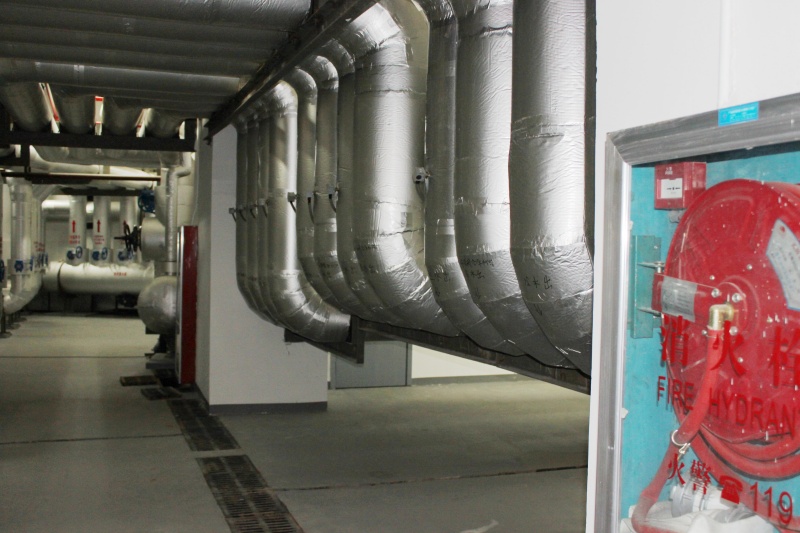
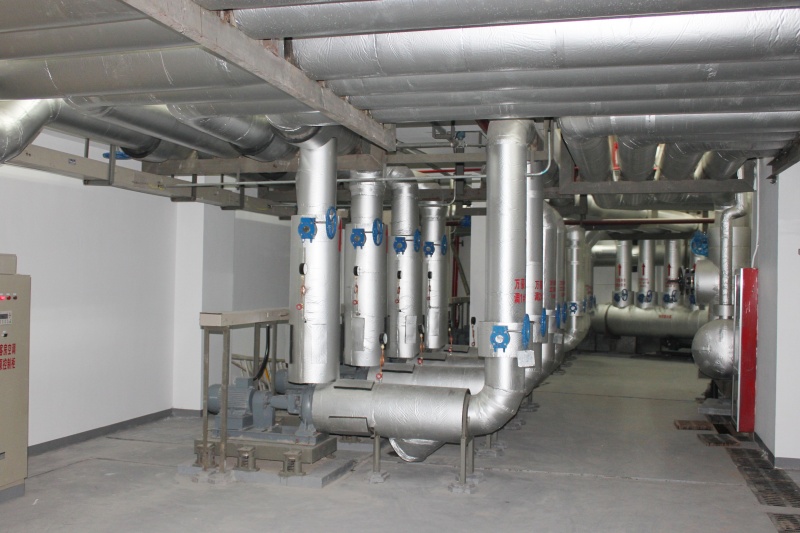
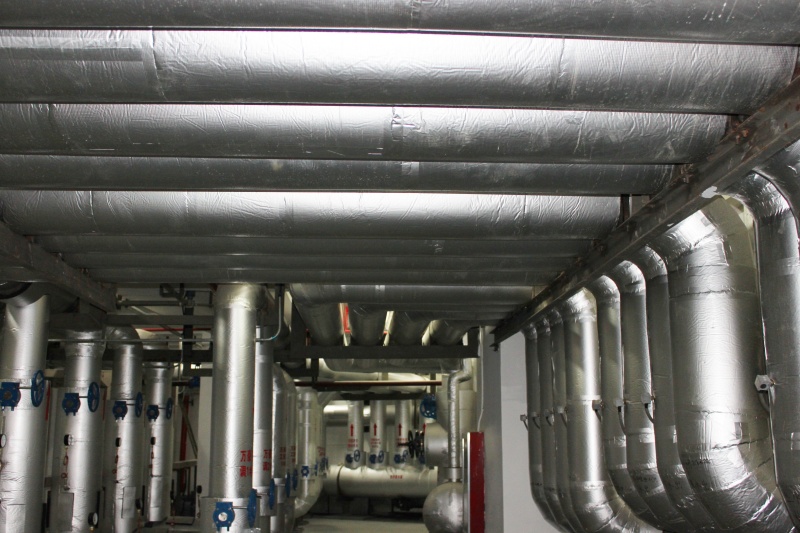
Transparent screenshots of actual communications, validation orders, and customer satisfaction
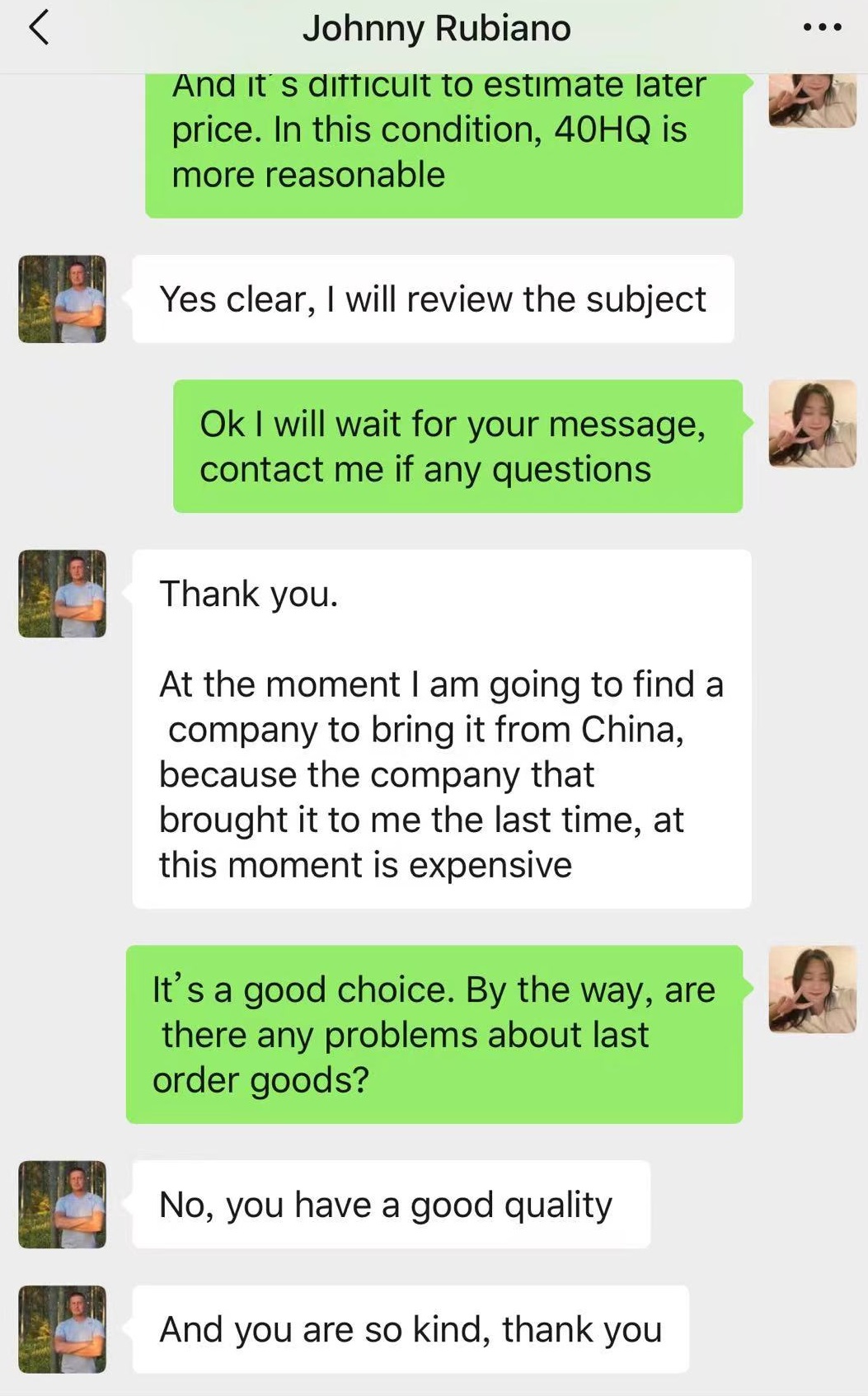




Expert technical responses to typical client inquiries regarding steam calculations and elastomeric materials
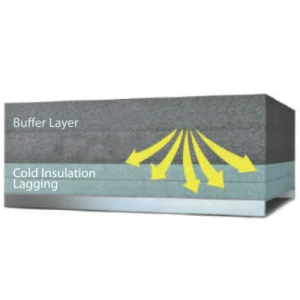
It is mainly used for HVAC ducts, air conditioning pipes, building thermal insulation, industrial pipeline cold insulation, and sound insulation.
Yes, our rubber foam insulation products are fire retardant, meeting strict international safety standards (such as BS 476 and UL94) required for commercial building and industrial infrastructure projects.
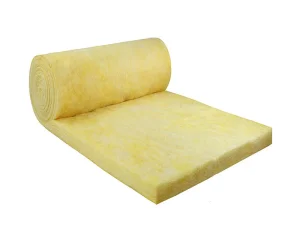
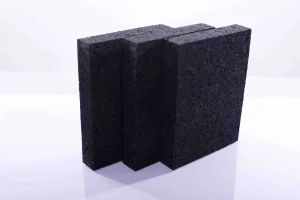
Rubber foam is highly flexible, closed-cell, and moisture-proof, making it exceptionally suited for HVAC systems, cold water lines, and light-to-medium thermal building insulation. Rock wool is high-temperature resistant and fireproof, suited for industrial superheated high-temperature steam pipeline insulation.
Yes, we support comprehensive OEM services to meet different project specifications, including custom inner diameters, outer wall thickness, factory-applied protective cladding, and self-adhesive backing options.
Our products have successfully passed BS 476, CE, REACH, ROHS, UL94, ASTM, and other major international certifications, ensuring reliable product quality and compliance with global environmental regulations.
Yes, all Kingflex production batches are systematically logged, tracked, and stored with trace documentation linking raw polymer verification tests to finished production run numbers.
We can manufacture standard and customized sheet rolls ranging from 6mm up to 50mm in thickness, optimizing for any target thermal resistance requirements.
When installed and maintained properly, our premium-grade rubber plastic insulation lines provide an average service life of 10 to 15 years.
Need assistance with thermal loss computations or custom thicknesses? Contact our engineering team for a comprehensive calculation report and factory-direct pricing.
Request Technical ConsultationsSelect from our wider range of high-density tubes, blankets, and specialized thermal board arrays
 Kingflex