Direct sourcing from China's leading automated manufacturing facilities for global infrastructure and industrial engineering projects.
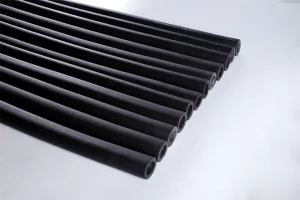
Understanding the thermodynamics of degradation and structural failures in industrial insulation systems.
In high-precision industrial, HVAC, and cryogenic architectures, a compromised thermal solution immediately initiates a catastrophic sequence of efficiency losses. When thermal barriers fail, the system absorbs ambient heat or sheds critical thermal energy, causing temperature regulation equipment to operate under extreme overload conditions. This thermodynamic breakdown is typically caused by three primary factors: moisture intrusion, degradation of cell structure, and inadequate material specification for localized atmospheric demands.
Traditional open-cell thermal materials act like sponges in high-humidity zones. Once vapor breaches the outer cladding, moisture occupies the cell voids. Water's thermal conductivity ($\lambda \approx 0.6 \text{ W/m·K}$) is over twenty times higher than that of dry air or closed-cell elastomeric structures ($\lambda \approx 0.034 \text{ W/m·K}$). This moisture absorption compromises the entire thermal system, leading to rapid energy leakage, surface condensation, and the silent hazard of Corrosion Under Insulation (CUI).
HVAC maintenance supervisors and petrochemical facility managers frequently face warnings of compromised thermal lines. Visible pooling water beneath horizontal piping, ice build-up on low-temperature suction lines, and persistent micro-biological growth are typical indicators. Our scientific research demonstrates that substituting substandard, poorly cured elastomeric foam with high-density, closed-cell NBR/PVC matrices stops these thermal failures. This preserves structural integrity across the standard lifetime of 10 to 15 years.
How automation, raw material access, and advanced polymerization lines secure global supply chains.
Kingflex runs 5 high-speed automatic assembly lines with an annual capacity of over 600,000 cubic meters. Continuous vulcanization ensures consistent cell diameter distribution across thousands of production runs.
By blending Nitrile Butadiene Rubber (NBR) and Polyvinyl Chloride (PVC) under digital temperature controls, our facilities achieve a closed-cell ratio exceeding 98%, giving the material strong natural water vapor resistance.
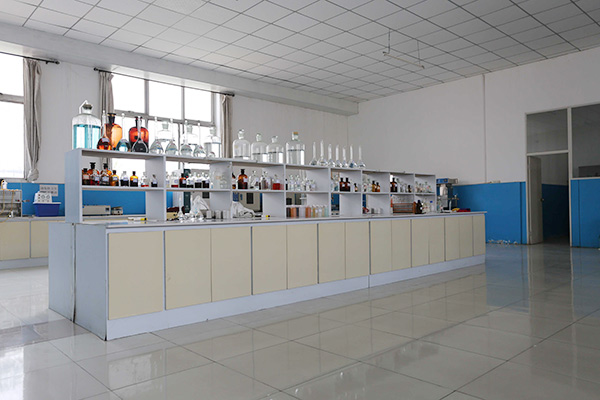
Our raw material testing lab checks chemical safety and fire ratings against international standards including BS 476, CE, REACH, RoHS, UL94, and ASTM. This guarantees compliance in complex markets.
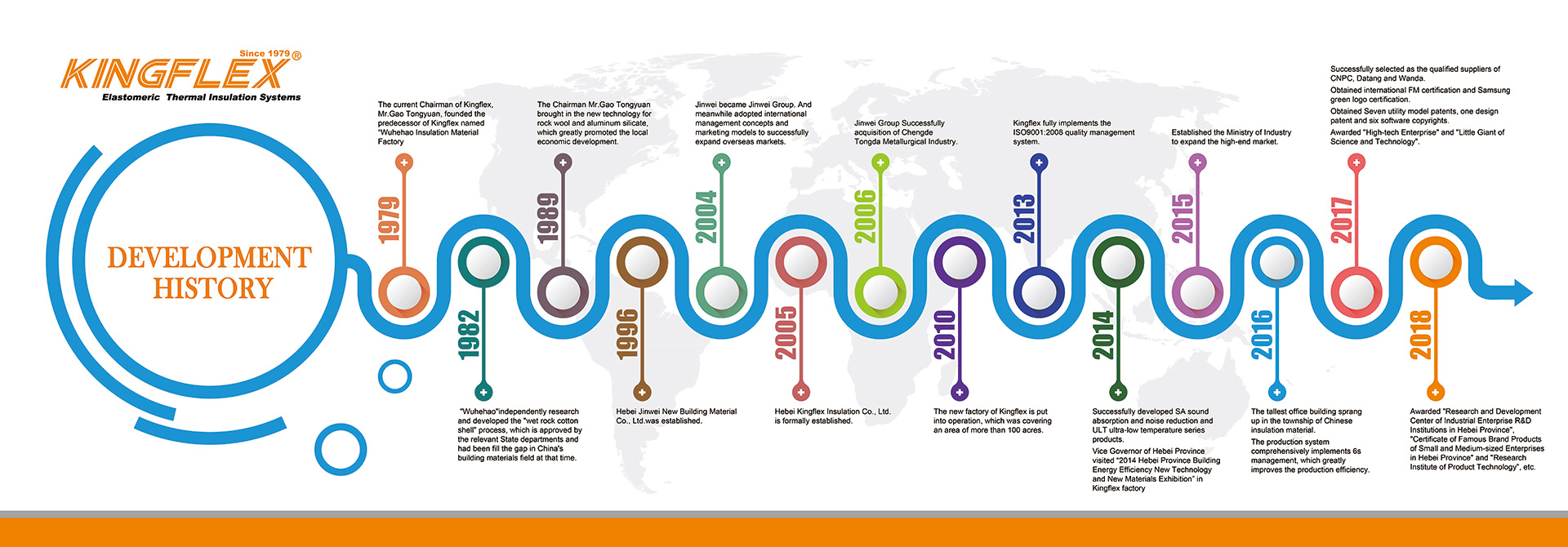
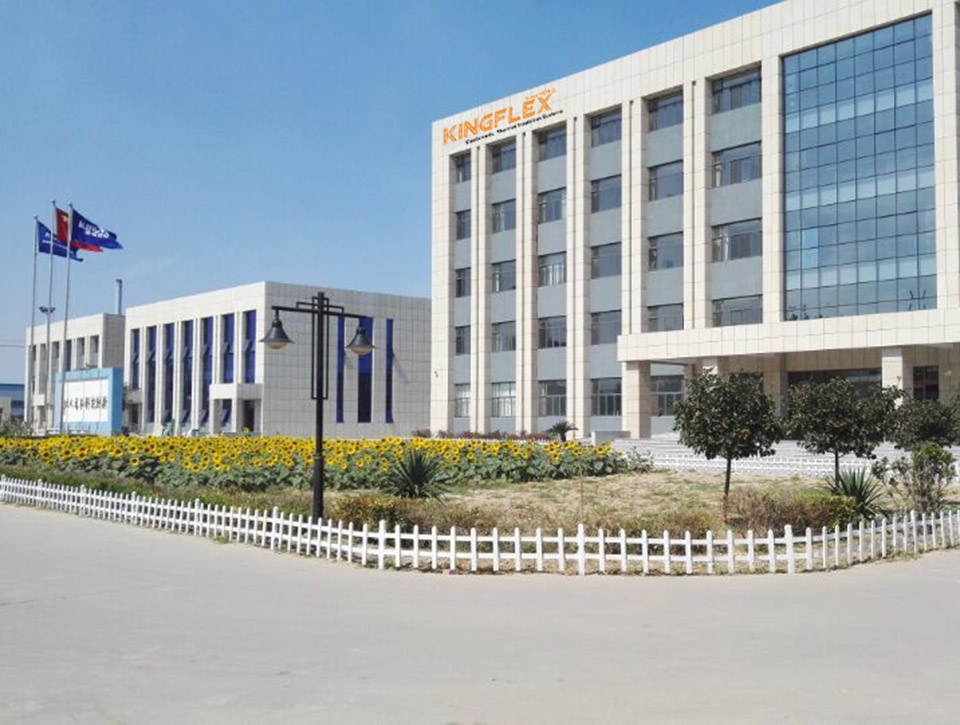
Founded by the Jinwei Group (established 1979), Kingflex Insulation Co., Ltd. builds on a 40-year history of thermal innovation. As the first insulation materials manufacturer north of the Yangtze River, we have pioneered raw material formulations to meet changing global demands.
Located in Dacheng, China's green building materials capital, our facility operates on an eco-friendly foundation. We design systems that help cleanroom, commercial HVAC, and heavy process industries hit zero-emission goals without compromising performance.
Targeted insulation systems engineered for diverse and challenging operating conditions.
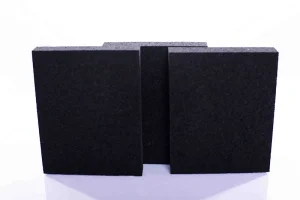
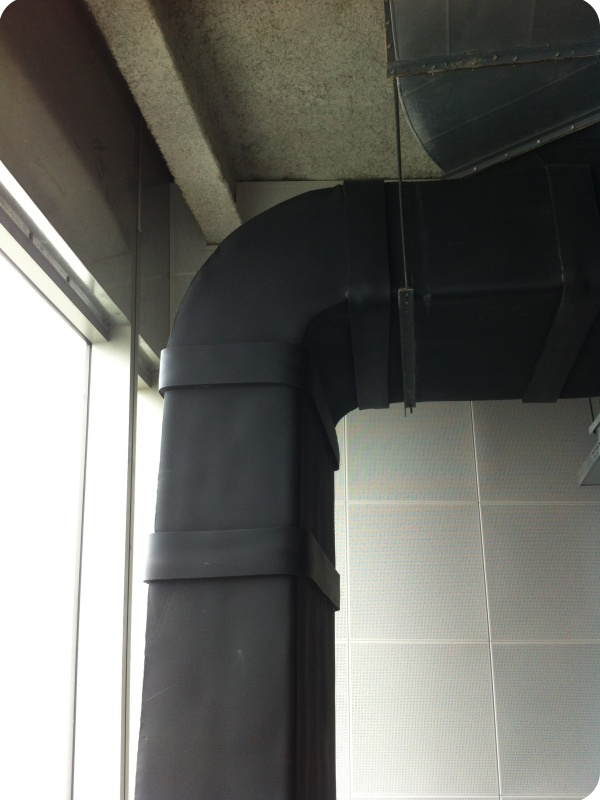
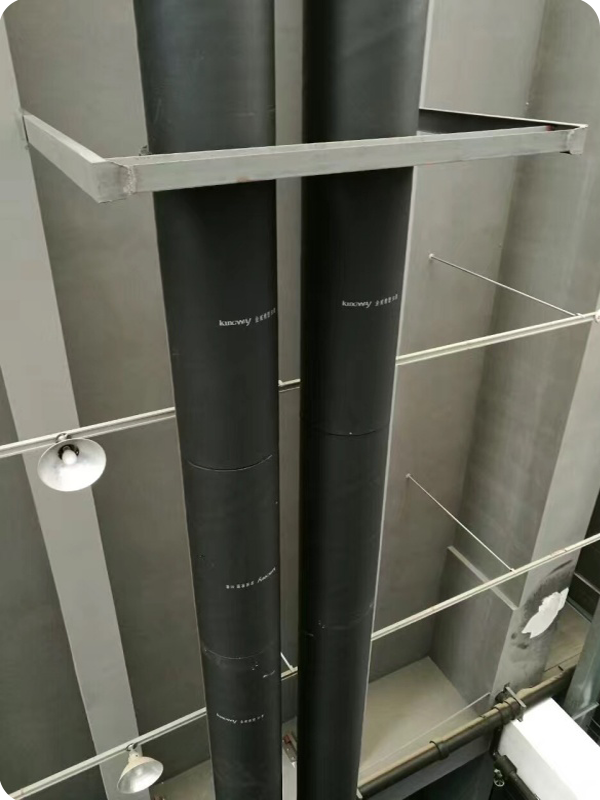
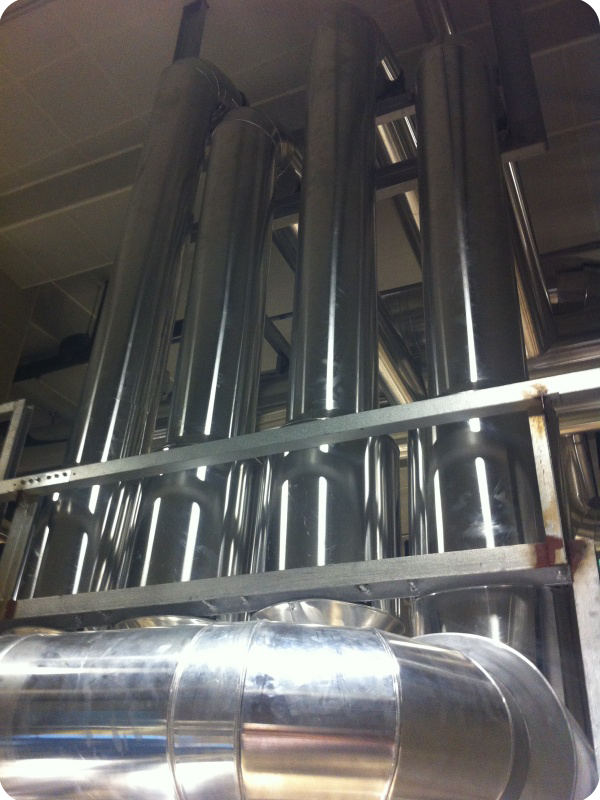
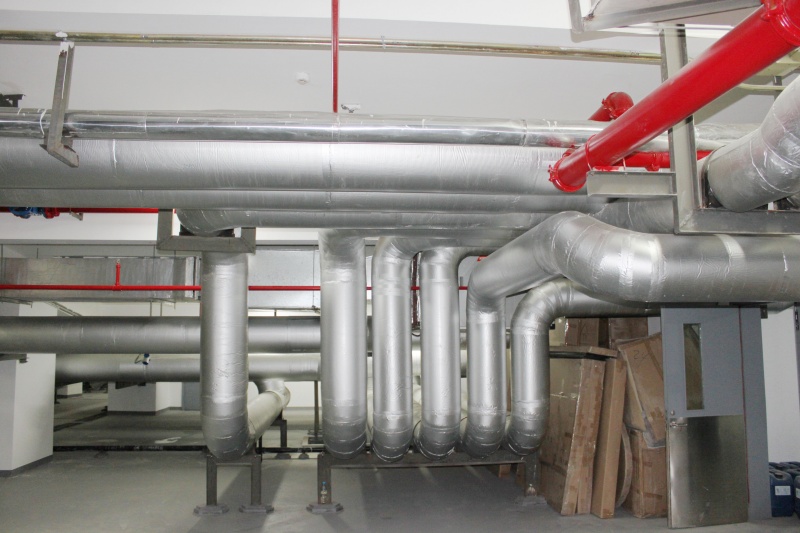
Large commercial complexes, cleanrooms, and hospitals need strong moisture management to prevent mold growth and maintain IAQ (Indoor Air Quality). Kingflex high-density acoustic rubber foam boards protect sheet metal ducts from thermal bridging and absorb fan vibration noise.
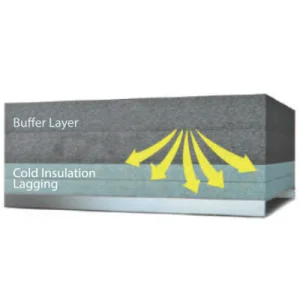
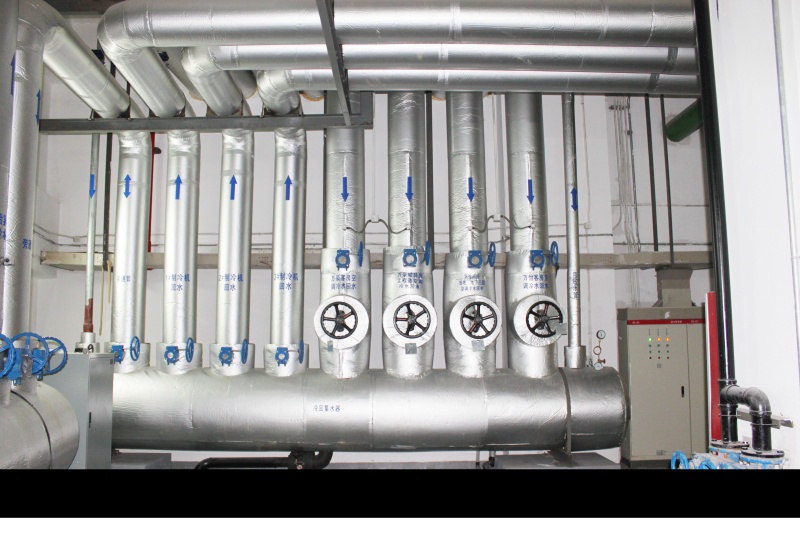
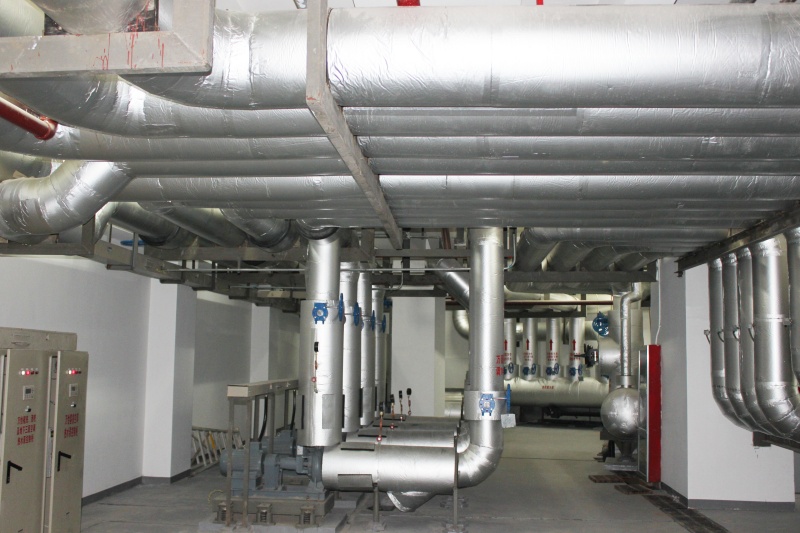
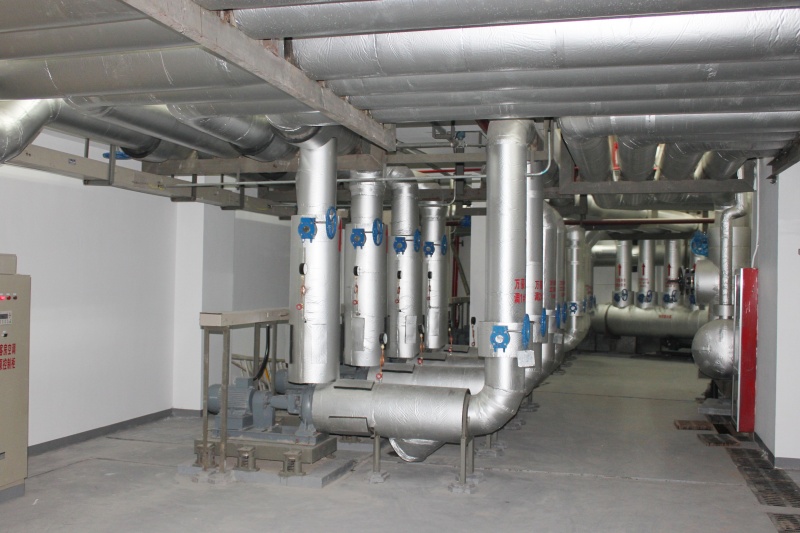
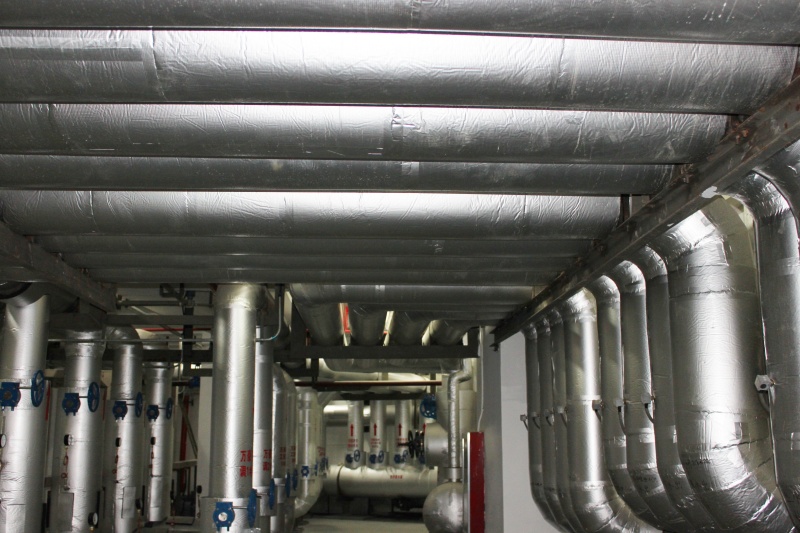
Liquefied gas lines, chemical reactors, and chilled water networks operate in extreme temperature ranges. Our specialized cryogenic elastomeric foam provides long-term thermal stability down to -40°C, and prevents structural cracking or frost formation on pipe surfaces.
For high-temperature energy systems, we provide composite insulation lines that combine elastomeric rubber foam with rock wool blankets. This setup handles high temperatures while offering flexibility and impact resistance.
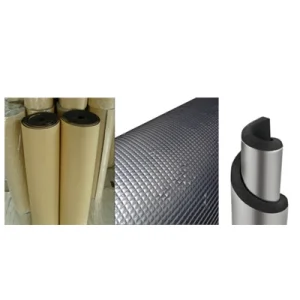
Our localized solutions focus on specific climate challenges. For example, in warm coastal environments with high salt levels, standard metal cladding can suffer from accelerated galvanic corrosion. Using Kingflex aluminum-foil faced self-adhesive rubber sheets provides a tough dual barrier against moisture and atmospheric salts, protecting the underlying steel pipe.
In high-traffic areas like subway systems and airport hubs, smoke toxicity and flame spread are critical life-safety concerns. Our halogen-free, flame-retardant thermal insulation sheets meet strict standards like BS 476 Part 7 and Class 0 ratings. This ensures they don't produce toxic halogen gases if a fire occurs.

Verified physical properties and standard product dimensions for engineering design calculations.
| Property | Standard Value / Details |
|---|---|
| Material Base | Nitrile Butadiene Rubber / Polyvinyl Chloride (NBR/PVC) |
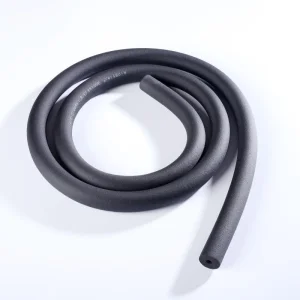
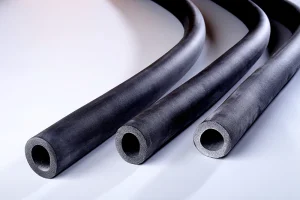
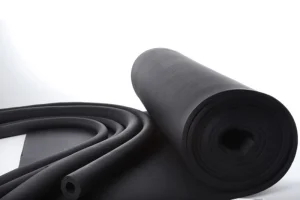
| Available Thicknesses | 6mm to 50mm |
| Density Range | 40 to 55 kg/m³ |
| Thermal Conductivity ($\lambda$) | $\le 0.034$ W/m·K at 0°C |
| Service Temperature Limit | -40°C to 105°C |
| Closed Cell Rate | Over 98% |
| Compression Resilience | Over 80% |
| Property | Standard Value / Details |
|---|---|
| Material Base | Premium NBR/PVC Blend |
| Available Thicknesses | 9mm to 40mm |
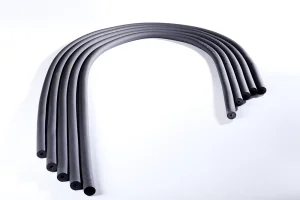
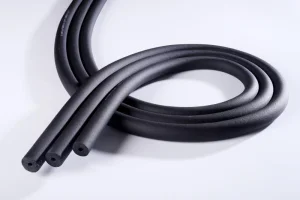
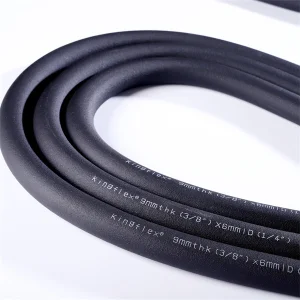
| Inner Diameter (ID) Range | 6mm to 114mm |
| Water Vapor Resistance ($\mu$) | $\ge 10,000$ (High moisture resistance factor) |
| Fire Propagation Class | Class 0 / Class 1 (BS 476), Self-Extinguishing |
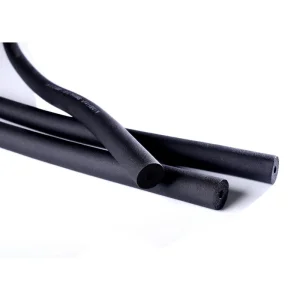
| Application Performance | Prevents pipe freezing, condensation control |
| Surface Finishing | Uniform smooth surface with spraying options |
How we ensure continuous product compliance and trace raw materials from formulation to shipment.
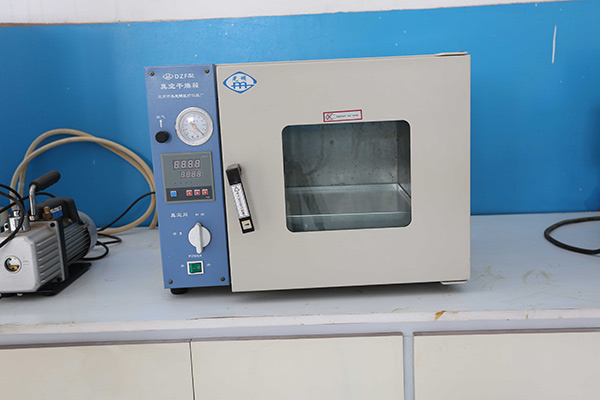
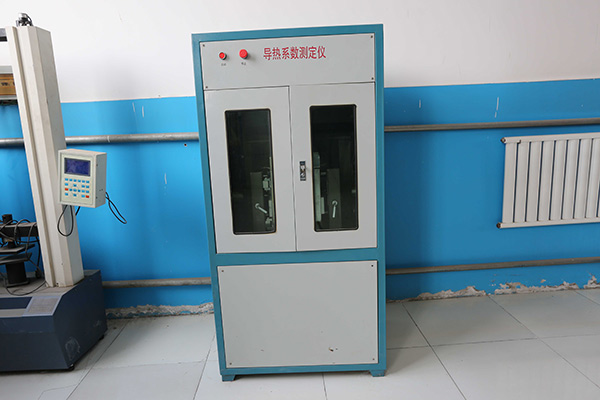
Our research and development center employs eight professional engineers who run tests on fire safety, vapor barrier performance, and thermal stability. Our testing processes ensure that all batches of our closed-cell structures meet safety and performance standards before leaving the factory.
We test every raw material delivery for consistency, keeping batch logs to support trace investigations. With this traceable documentation, global partners can verify raw material purity and manufacturing records for any project site.
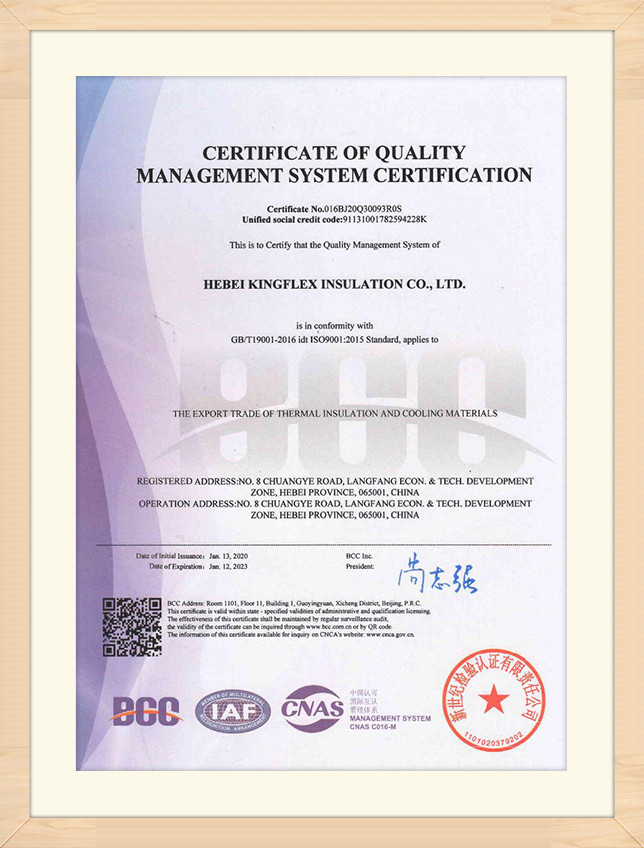
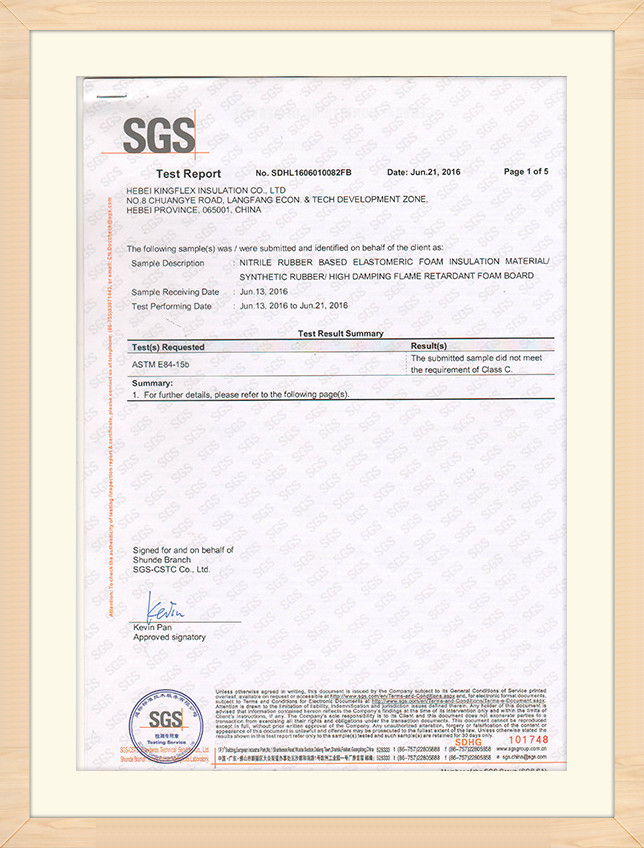
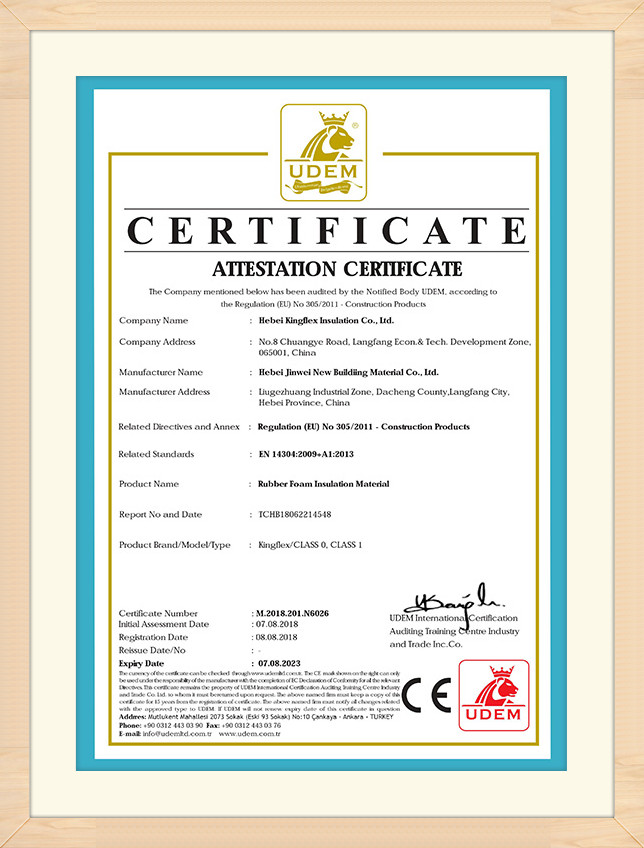
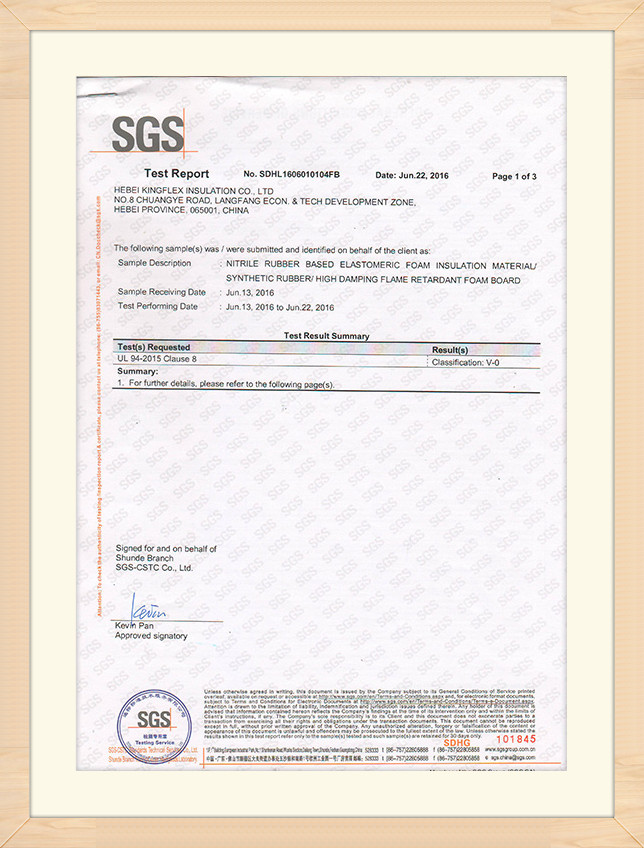
Our thermal insulation products are certified by third-party testing organizations to confirm safety and performance. Kingflex products carry approvals for BS 476, CE, REACH, RoHS, UL94, and ASTM. This certification record makes our products suitable for high-spec projects like airport terminals, corporate headquarters, cleanrooms, and chemical plants.
Real-world coordination records with procurement and engineering managers globally.
We work with international logistics providers, engineering groups, and wholesale networks to ensure prompt delivery across continents. Our export team coordinates container packing, customs paperwork, and port delivery to keep project timelines on track.
Our sales and support team handles technical requests, shipping schedules, and custom packaging, helping clients resolve thermal challenges quickly and effectively.
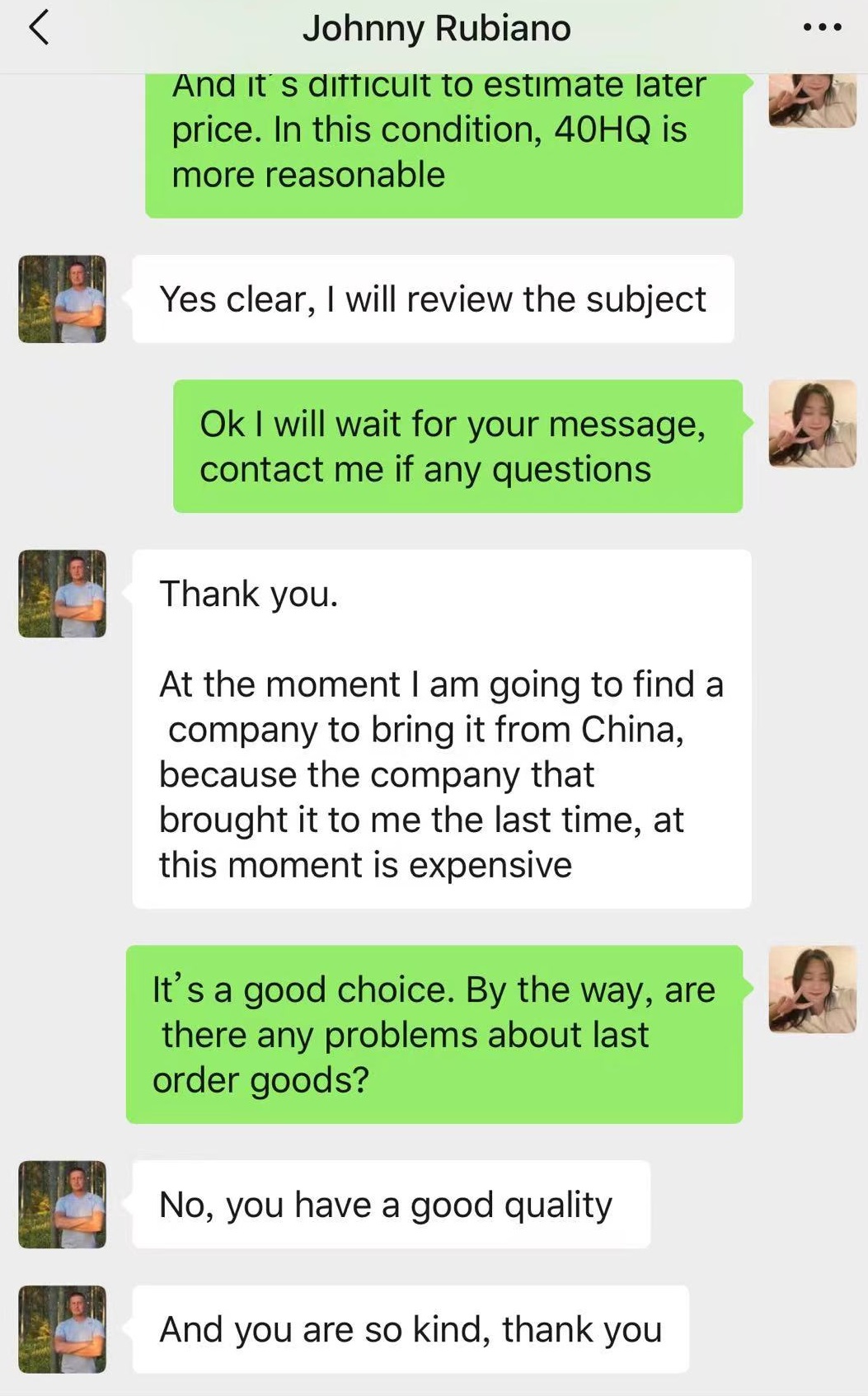



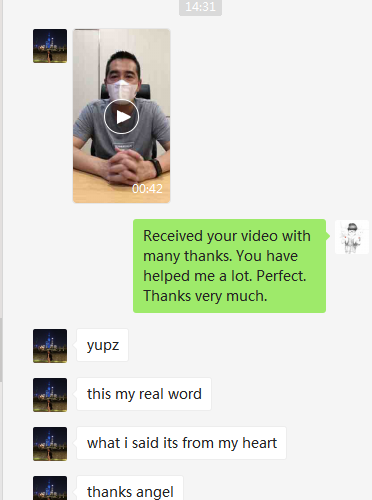

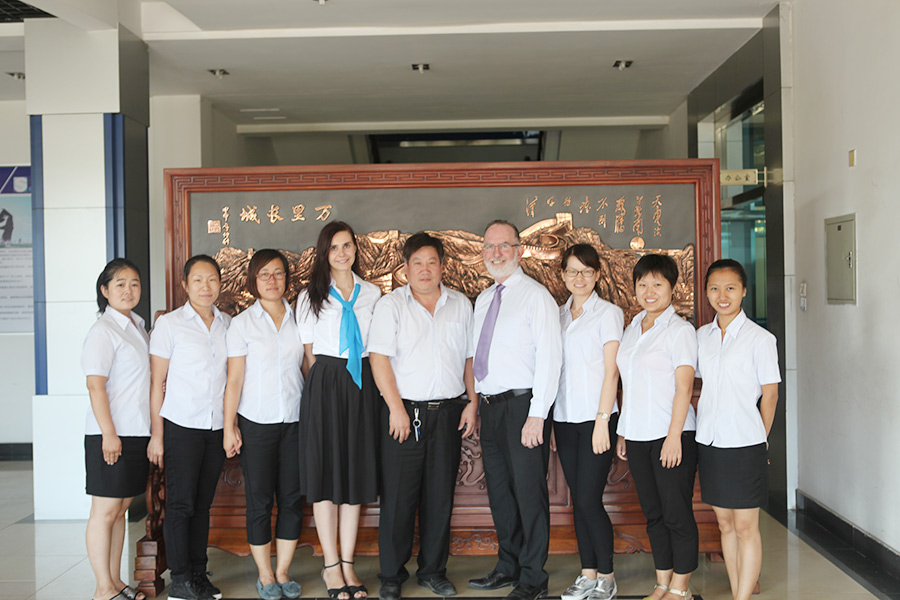
Our facility runs with a dedicated team: eight specialized R&D engineers, six international sales representatives, and 230 production workers. This structure helps us manage custom engineering orders and maintain consistent quality across all product lines.
Technical guidance on selecting and specifying elastomeric rubber foam insulation.
A1: It is primarily used for central HVAC ducts, chilled water lines, split system air conditioning pipes, building thermal envelopes, industrial piping, and soundproofing panels. Its closed-cell design resists moisture absorption, making it effective for preventing condensation on cold surfaces.
A2: Yes. Our materials are formulated to be flame-retardant and self-extinguishing. They meet fire safety standards like BS 476 Part 6 & 7 (Class 0/1), UL94, and ASTM. This performance makes them suitable for use in commercial buildings and heavy industrial facilities.
A3: Rubber foam is a flexible, closed-cell material that prevents moisture vapor intrusion, making it suitable for cold processes and HVAC lines. Rock wool is a fibrous material with high temperature resistance, making it ideal for high-heat steam lines and industrial ovens.
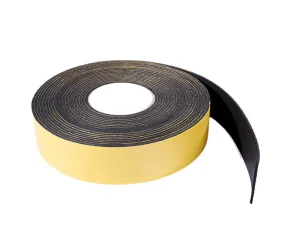
A4: Yes, we provide OEM and ODM services. We can adjust dimensions (from 6mm to 50mm thickness for sheets, and up to 114mm ID for pipes) and supply special facings like aluminum foil or self-adhesive backings to fit specific project requests.
A5: Our products are certified under BS 476, CE, REACH, RoHS, UL94, and ASTM. These certifications ensure compliance with safety and environmental standards in key international markets.
A6: Yes. We trace our manufacturing batches back to raw material inputs and testing logs. This documentation ensures consistent quality control and helps resolve field performance issues.
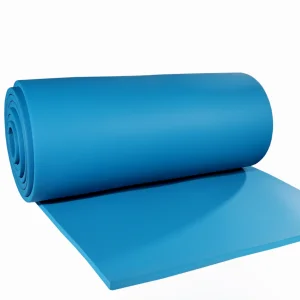
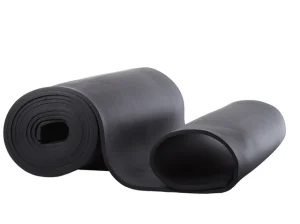
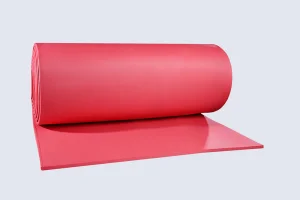
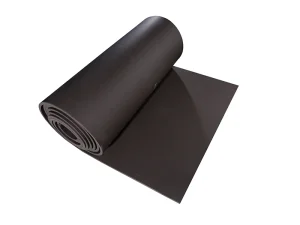
A7: We manufacture elastomeric sheet rolls in thicknesses ranging from 6mm to 50mm, allowing designers to select the appropriate thickness for their local dew point requirements.
A8: When properly installed and maintained under standard operating conditions, our elastomeric materials provide a service life of 10 to 15 years, maintaining stable thermal conductivity over time.
Specialized insulation solutions for low-temperature containment, heavy industry, and acoustic engineering.
Inside our advanced production facility: raw mixing, vulcanization lines, and packing stations.


 Kingflex