High-performance elastomeric tubes, rolls, and self-adhesive sheets engineered to prevent heat gain and condensation in low-temperature pipelines.

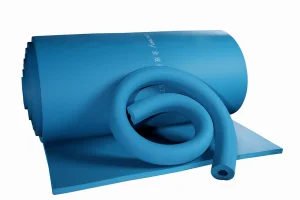
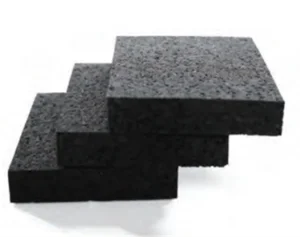
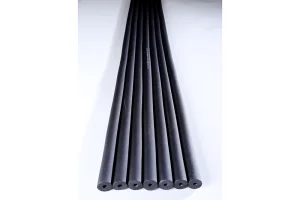
An authoritative guide to condensation prevention, vapor drive, and thermal efficiency.
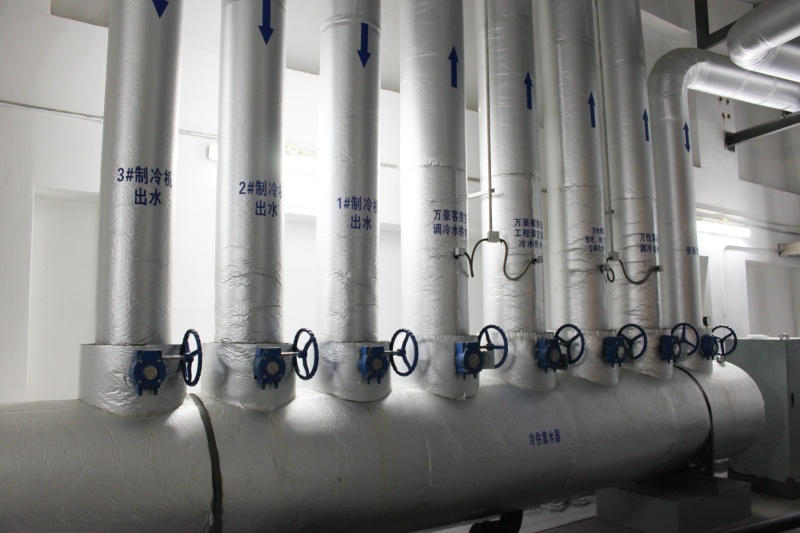
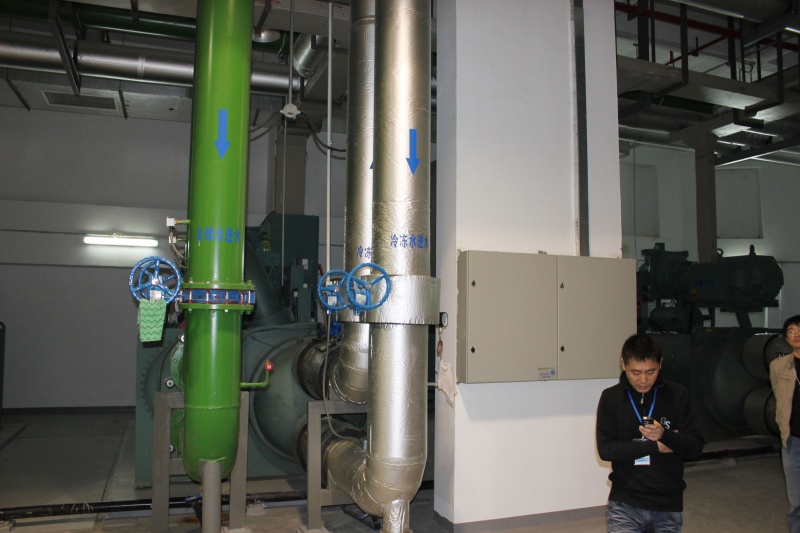
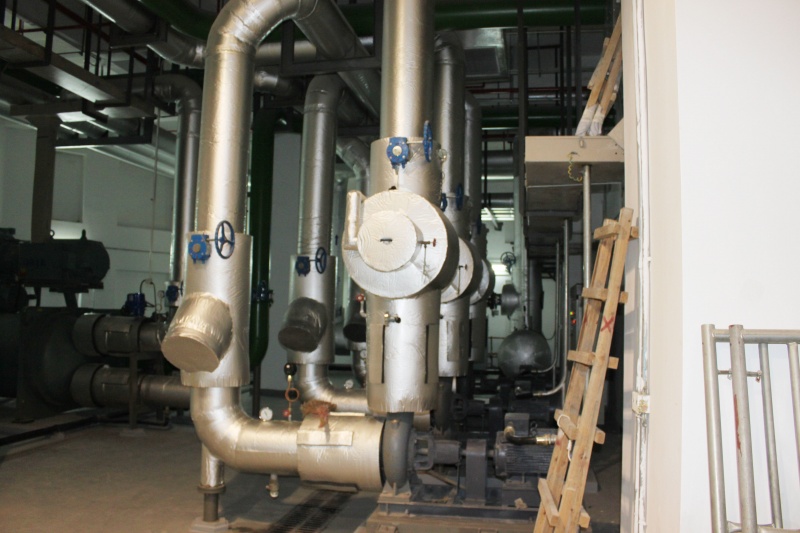
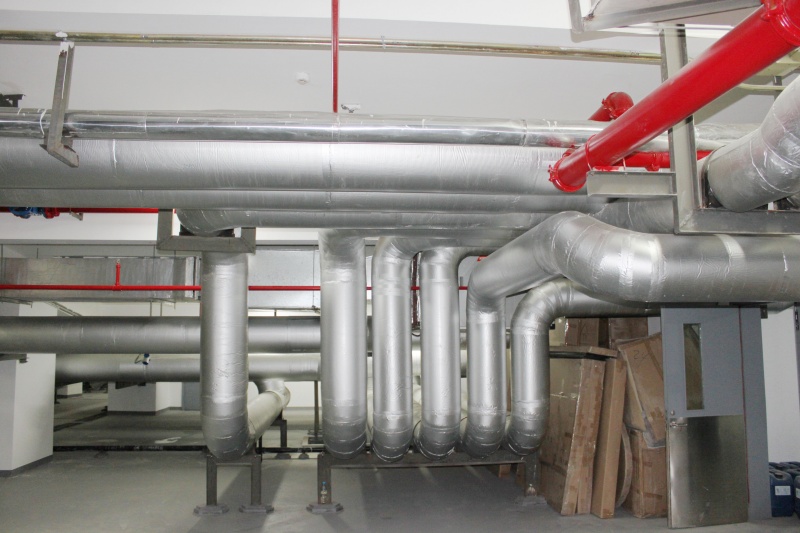
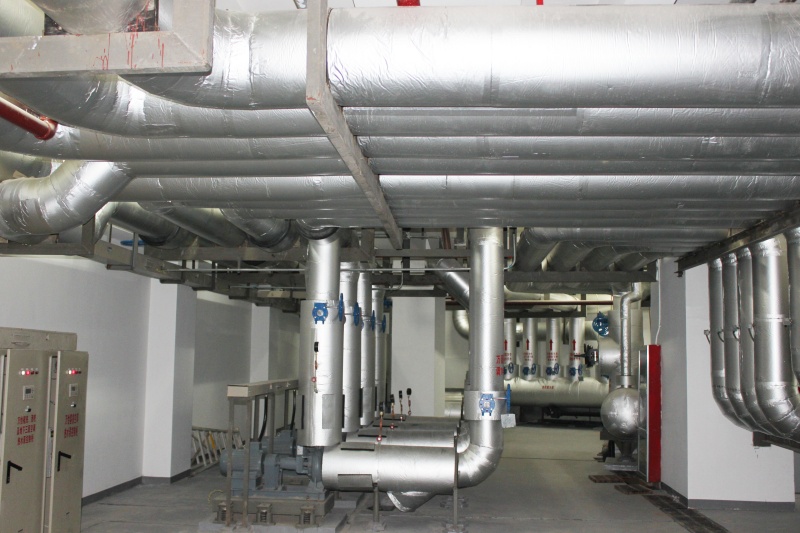
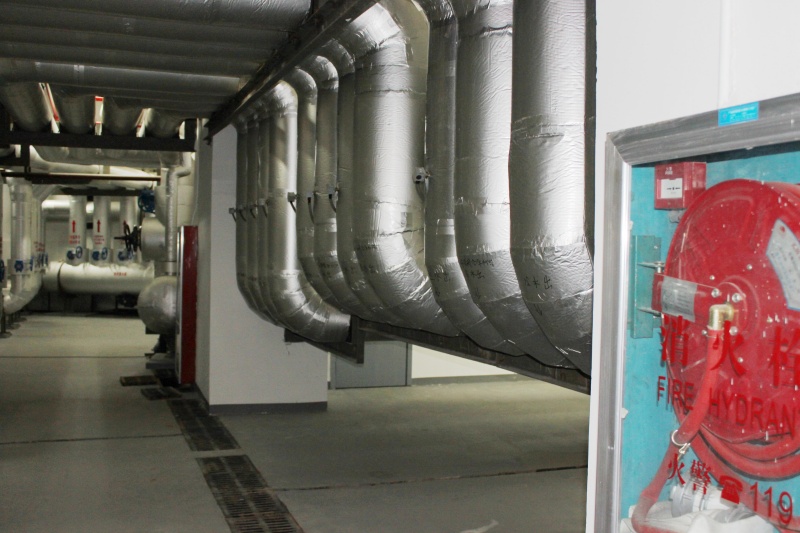
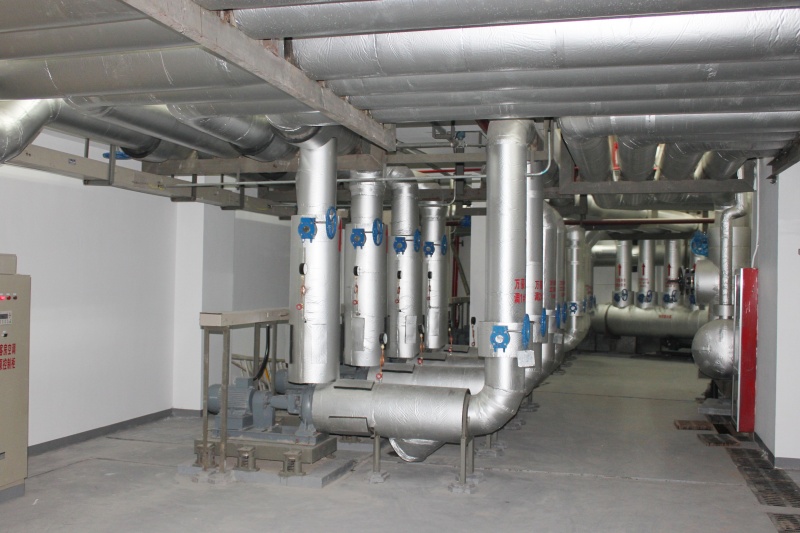
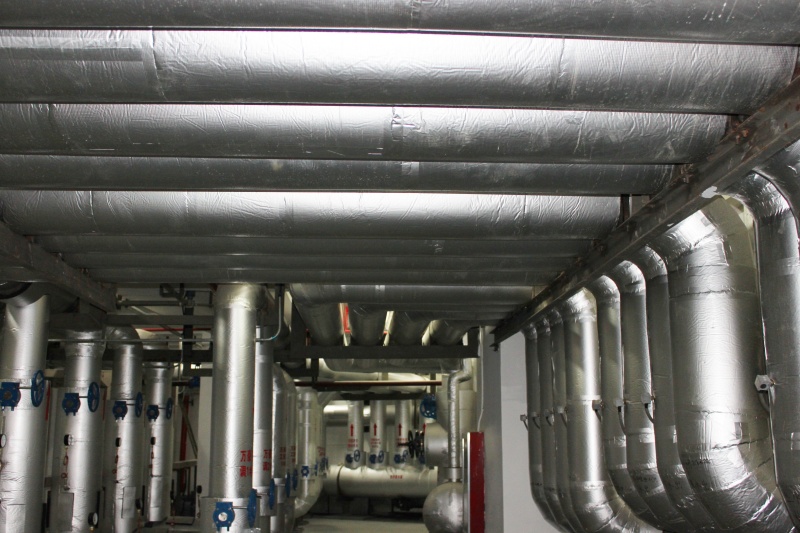
Chilled water systems are the backbone of modern commercial HVAC infrastructures, district cooling networks, and process-critical industrial systems. Transporting cooling fluids between temperatures of 4°C (40°F) and 7°C (45°F) establishes a perpetual thermodynamic challenge: the line surface temperature falls significantly below the ambient dew point. Left unmitigated, this temperature difference drives water vapor from the surrounding atmosphere toward the cold pipe surface. The resulting condensation leads to liquid moisture accumulation, structural water damage, mechanical mold colonization, and severe pipe degradation via Corrosion Under Insulation (CUI).
“True efficiency in cold-process piping relies entirely on maintaining a continuous, vapor-tight insulation boundary. Any breach in the vapor barrier allows moisture ingress, accelerating thermal loss and line deterioration.”
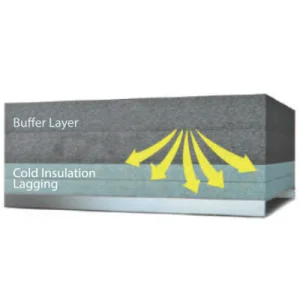
The primary function of chilled water insulation is not merely saving energy, but maintaining the structural integrity of the piping network. Unlike heating lines where thermal movement pushes moisture out, cold pipelines suffer from inward vapor pressure. Ambient humidity constantly forces vapor to migrate inward, looking to condense against the cold steel, copper, or PVC piping interface. Selecting elastomeric foam with high vapor diffusion resistance (represented by the µ-value) ensures that the material acts as a built-in vapor barrier, eliminating the need for delicate secondary external jackets in standard interior installs.
Low, stable thermal conductivity (λ ≤ 0.034 W/m·K at 0°C) reduces cooling load losses and slashes operating expenses across massive HVAC setups.
Excellent cross-linked matrix structural cell system ensures high water vapor resistance, preventing structural absorption over decades.
Complies with rigorous BS 476 Part 6 & 7 flame spread regulations, self-extinguishing without generating toxic droplets.
Kingflex Insulation Co., Ltd. - A Legacy of Energy Saving and Environmental Stewardship.
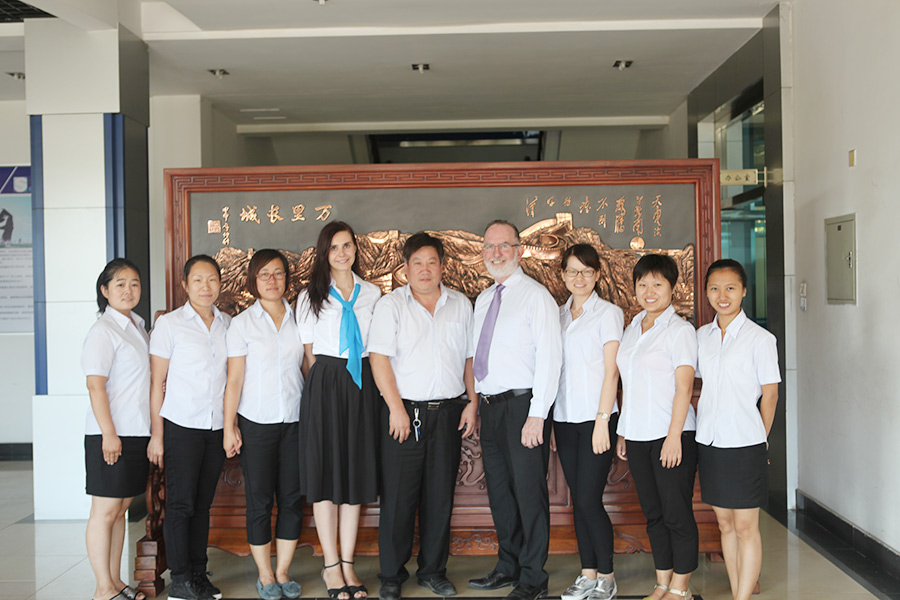
Established by the renowned Jinwei Group (boasting a rich manufacturing heritage dating back to 1979), Kingflex Insulation Co., Ltd. stands as the first prominent thermal insulation material pioneer located north of the Yangtze River. Operating in Dacheng, China—globally recognized as the capital of energy-efficient green building materials—our group has championed environmental responsibility, clean manufacturing, and advanced polymer foam research for over four decades.
Today, Kingflex operates as a highly integrated manufacturing and trading powerhouse, offering expert technical consulting, custom fabrication, installation support, and rigorous post-sale tracking to keep your HVAC and district cooling projects performing efficiently under harsh environments.
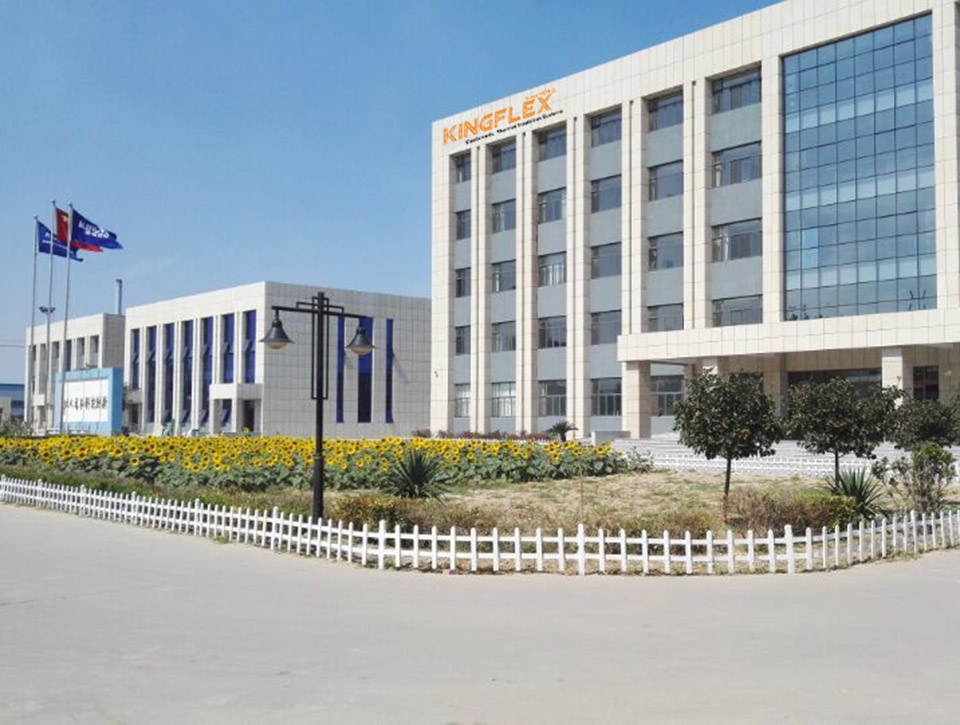
Our capacity to deliver large-scale batches quickly relies on 5 high-speed, fully automated assembly lines. Producing over 600,000 cubic meters of high-density elastomeric insulation annually, Kingflex is an official key supplier recognized by the Ministry of Energy, Ministry of Chemical Industry, and Ministry of Electric Power in China.
Our ongoing success is supported by our dedicated team: 8 professional R&D engineers developing advanced polymer formulations, 6 international customer support representatives coordinating global shipments, and 230 skilled line operators driving quality consistency in our state-of-the-art facility.
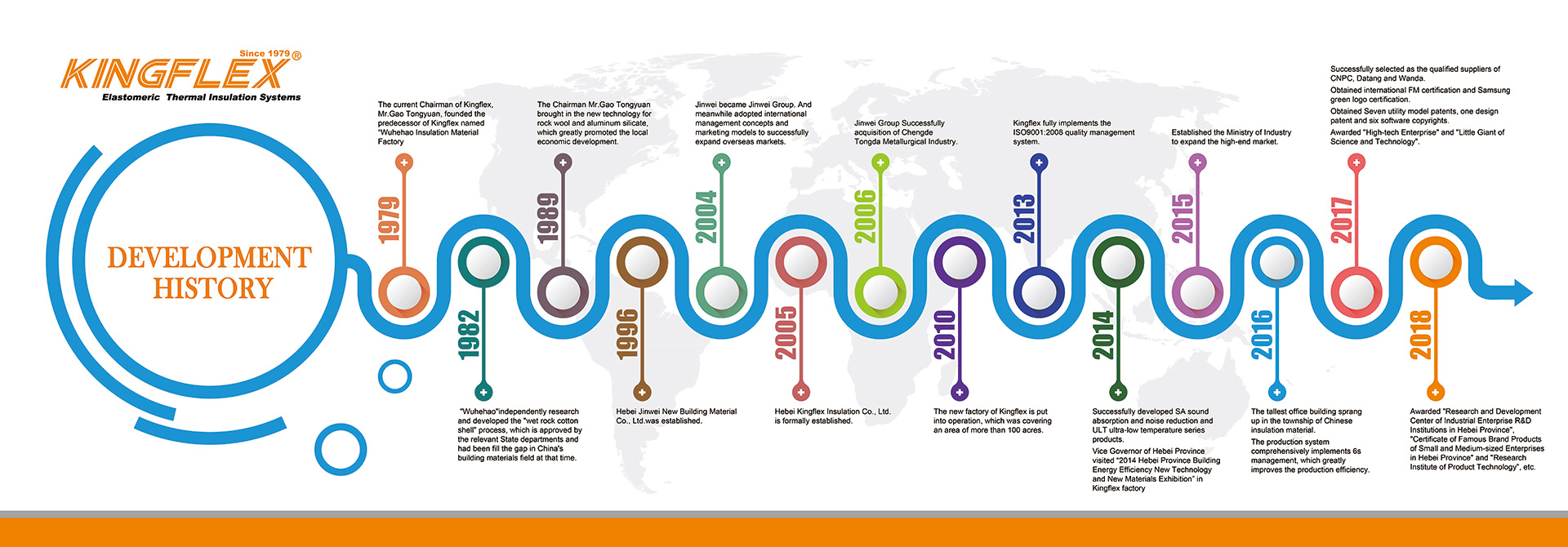
The structural, financial, and logistical competitive edge of Dacheng manufacturing.
Global HVAC and commercial builders face rising energy costs, strict green building compliance, and tight margins. Sourcing direct from China’s leading industrial insulation hub, Dacheng, gives purchasers a combination of capacity, customized options, and cost savings that local domestic distributors struggle to match.
Located in the heart of China’s green insulation raw material supply chain, Kingflex maintains continuous access to raw NBR (Nitrile Butadiene Rubber) and PVC resins. By mixing compounds in-house and using 5 automatic continuous extrusion-foaming lines, we avoid the material bottlenecks common with smaller assembly plants. This vertical integration allows us to supply large infrastructure projects with consistent density, wall thickness, and chemistry across every container.
Standard thicknesses often fail to prevent condensation in hot, humid locations like Southeast Asia or the Middle East. Our R&D team regularly creates custom configurations, including:
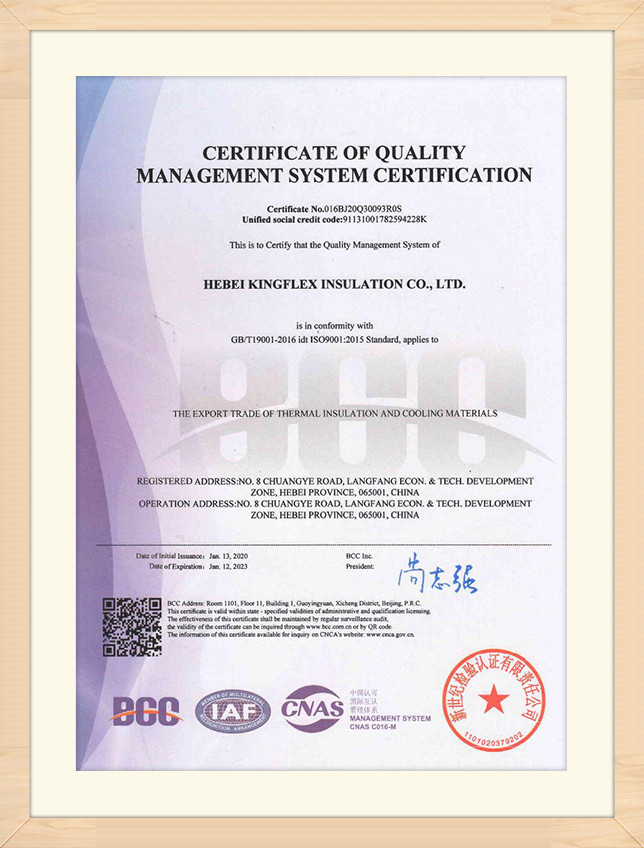
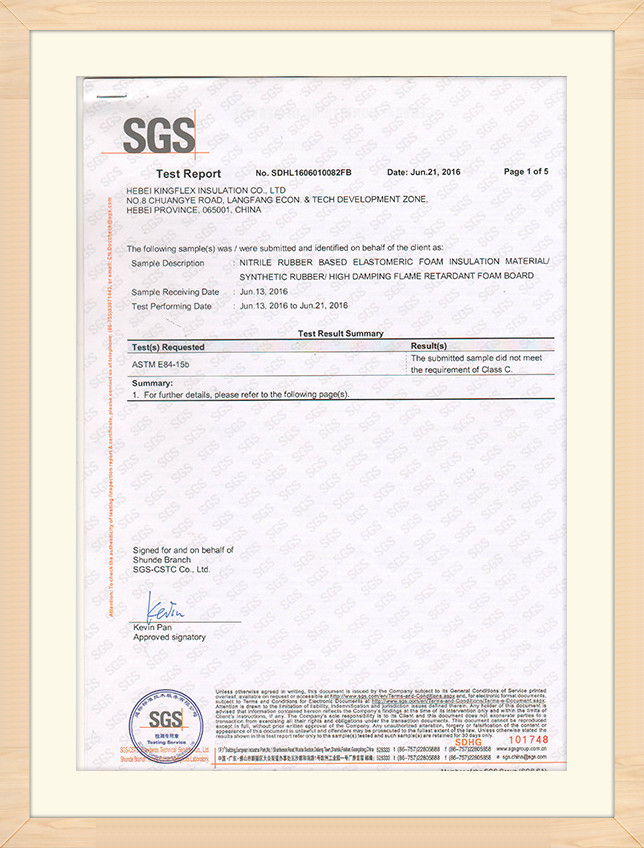
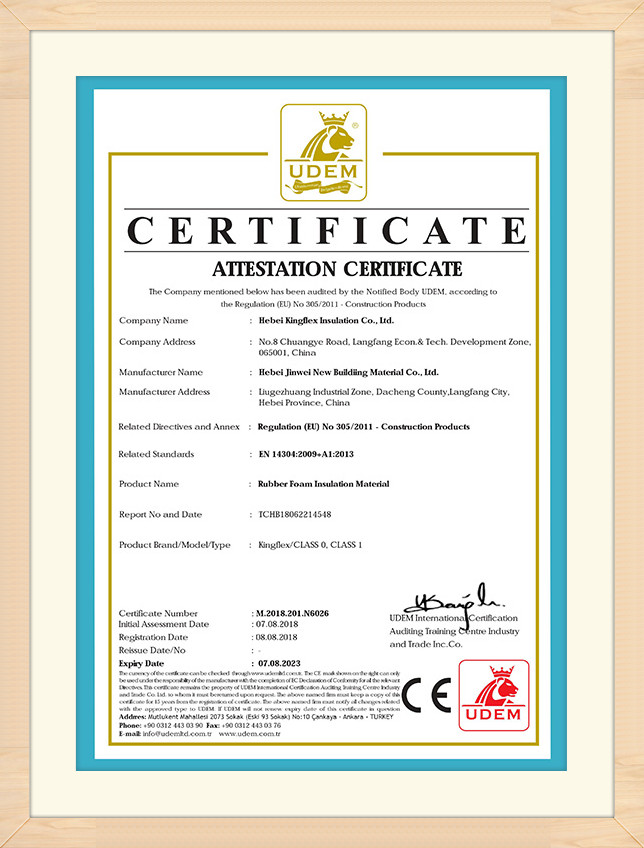
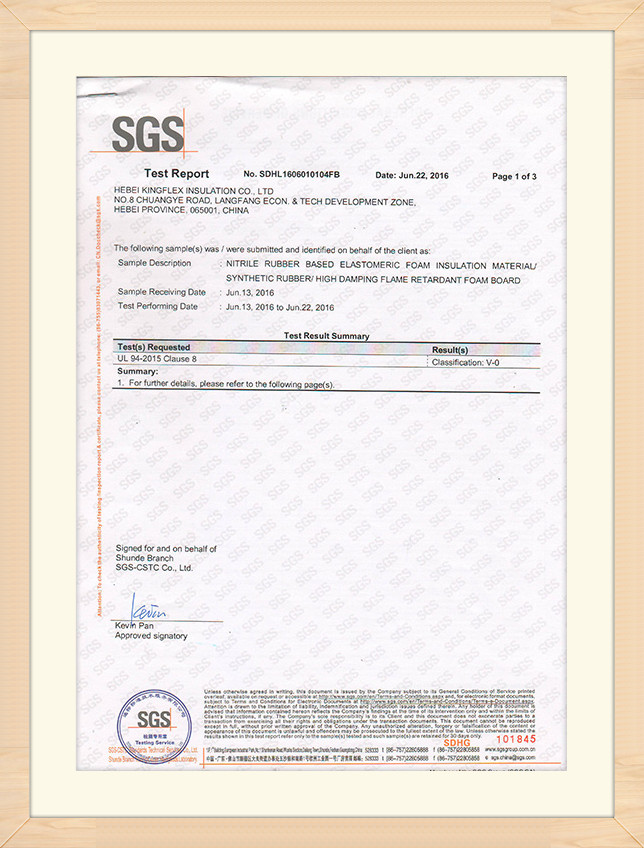
To ensure smooth project approvals, Kingflex products undergo third-party laboratory tests matching global regulations, including BS 476, CE, REACH, ROHS, UL94, and ASTM. This guarantees compliance with strict building safety standards worldwide.
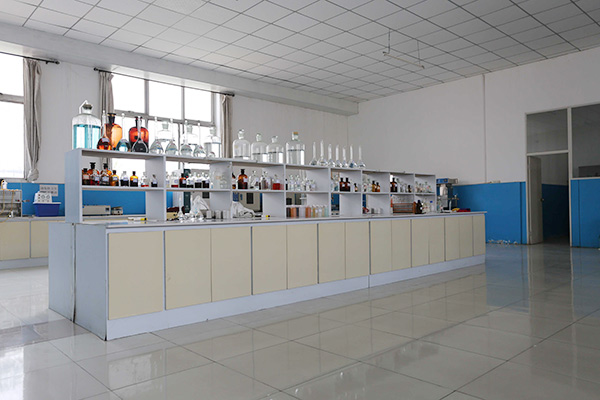
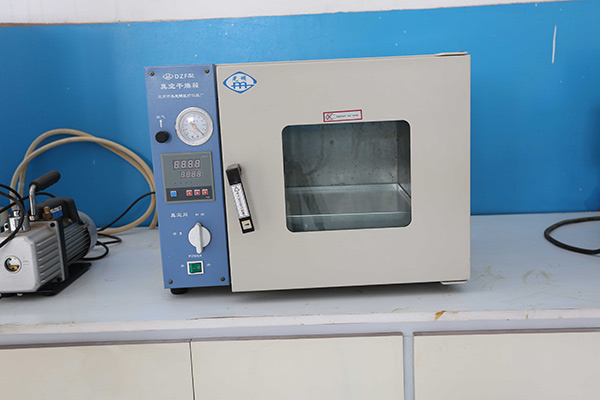
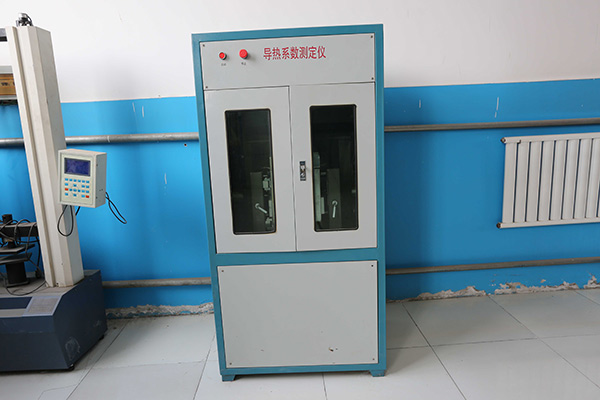
Our in-house QC laboratory continuously tests thermal conductivity, smoke density, moisture permeation, and compression recovery. This guarantees that every roll or tube leaving the factory floor meets our strict performance criteria.

Comprehensive performance parameters for Kingflex Black Rubber Foam Insulation.
| Parameter | NBR/PVC Tube Standard | Elastomeric Sheet / Roll Standard |
|---|---|---|
| Material Matrix | Nitrile-Butadiene Rubber & PVC Blend | Nitrile-Butadiene Rubber & PVC Blend |
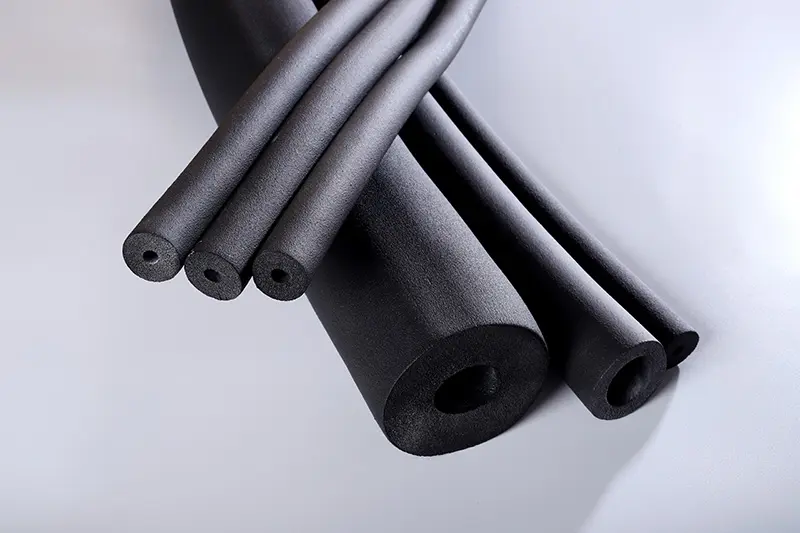
| Thickness Ranges | 9mm, 13mm, 19mm, 25mm, 32mm, 40mm | 6mm, 9mm, 13mm, 15mm, 19mm, 25mm, 32mm, 40mm, 50mm |
| Inner Diameter (Tubes) | 6mm up to 114mm | N/A (Flat sheet/roll profile) |
| Apparent Density | 40 to 55 kg/m³ | 40 to 55 kg/m³ |
| Thermal Conductivity (0°C) | ≤ 0.034 W/(m·K) | ≤ 0.034 W/(m·K) |
| Water Vapor Resistance (µ) | ≥ 10,000 (DIN 52615) | ≥ 10,000 (DIN 52615) |
| Service Temp. Threshold | -40°C to +105°C | -40°C to +105°C |
| Fire Safety Classification | Class 0 (BS 476 Part 6/7) / Class 1 (UL94) | Class 0 (BS 476 Part 6/7) / Class 1 (UL94) |
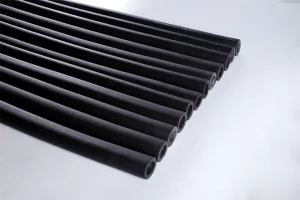
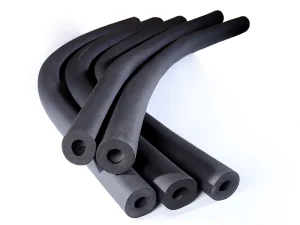
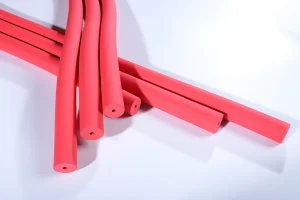
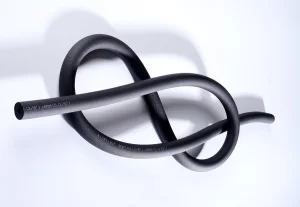
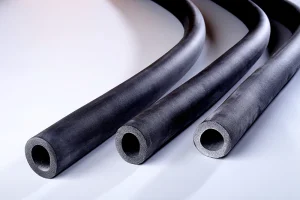
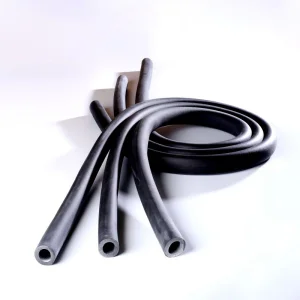
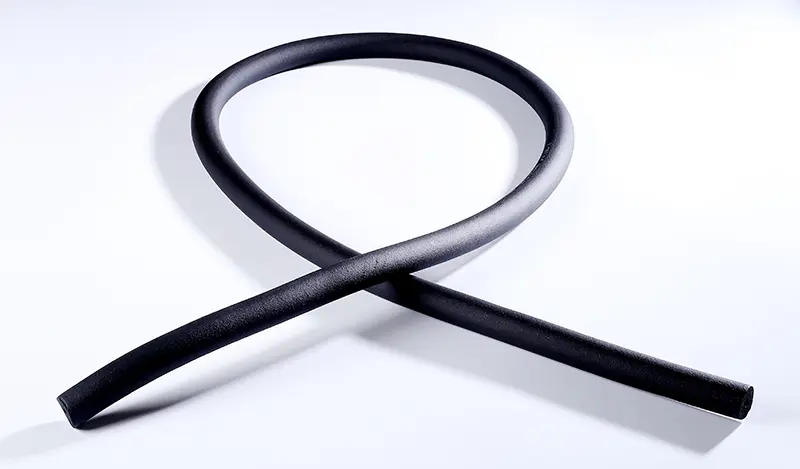
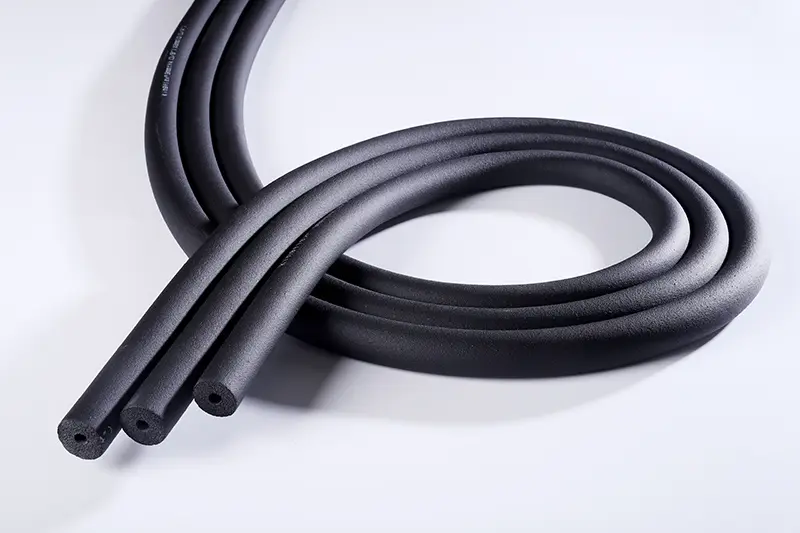
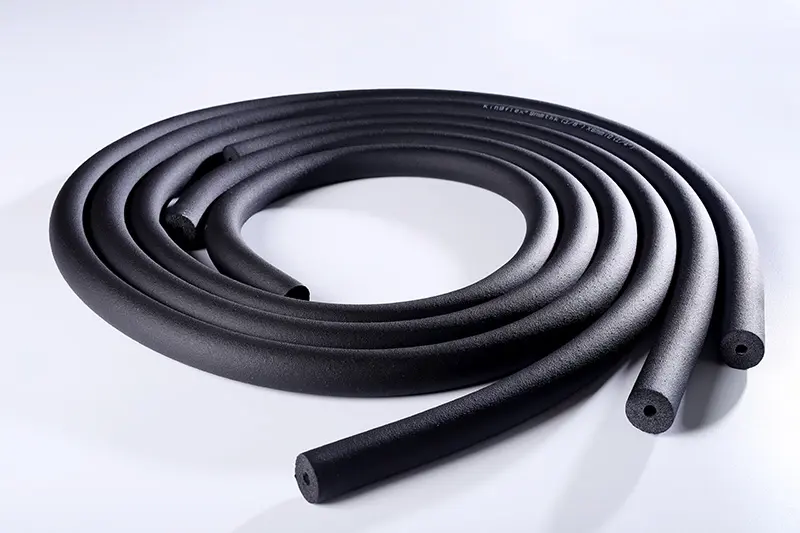
Designed for quick installation on copper, steel, and iron pipes, our tubing is highly flexible, making it easy to slide around tight bends and elbows. The uniform closed-cell structure prevents heat entry, while its clean, fiber-free composition eliminates skin irritation for installers.
Tailoring elastomeric insulation properties to meet the requirements of specific projects.
Commercial and industrial projects operate under varied, demanding environments. Kingflex designs specific solutions for these conditions, ensuring long-term thermal performance, fire safety, and condensation control.
In airports, high-rise office towers, and large shopping centers, HVAC systems run constantly. Kingflex Class 0 rubber foam offers low thermal conductivity to minimize energy losses, while meeting local building safety regulations by limiting smoke development during fires.
Servers generate significant heat, requiring constant cooling. Chilled water pipe systems in data centers must operate without condensation, as water droplets can damage sensitive electronics. Our high-density, closed-cell insulation prevents moisture buildup, keeping the facility safe and dry.
Saltwater environments can quickly corrode metal pipes. Kingflex closed-cell insulation resists moisture and salt air, protecting pipelines from Corrosion Under Insulation (CUI) and extending the service life of shipboard cooling networks.
For systems operating at extremely low temperatures (LNG, liquid nitrogen, or low-temp process chemistry), standard insulation will freeze and crack. Kingflex elastomeric cryogenic foam retains its flexibility at low temperatures, absorbing pipe movement and preventing thermal bridging.
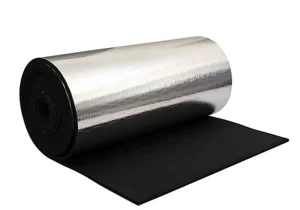
For outdoor installations exposed to sunlight, weather, and physical wear, we offer pre-laminated aluminum foil rolls. The metallic facing blocks UV rays, resists punctures, and provides an extra vapor barrier for harsh environments.

Key criteria for international procurement managers sourcing from overseas.
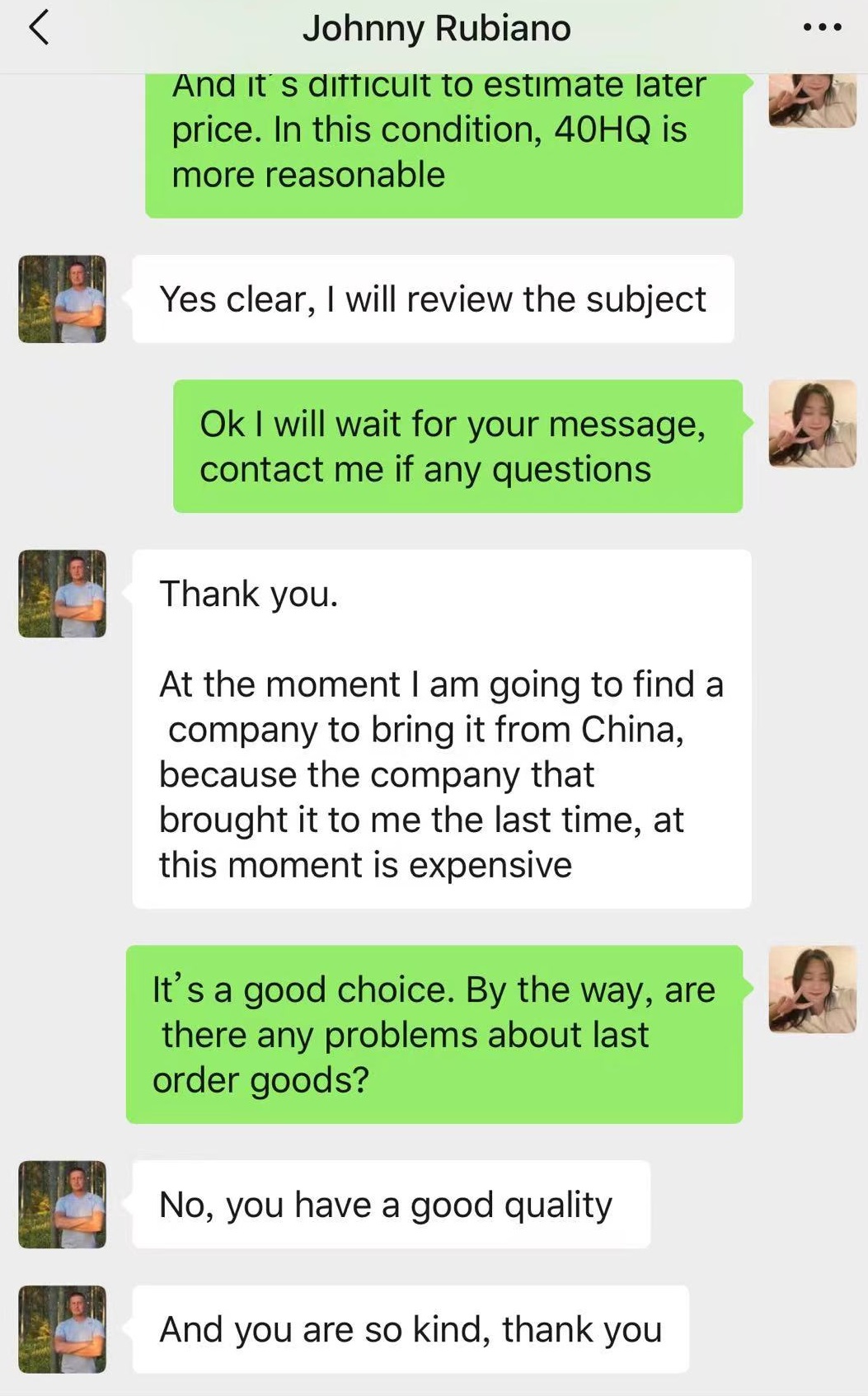
Sourcing commercial insulation requires looking beyond the basic price per linear meter. To protect your investment and avoid project delays, verify that your supplier meets these four critical requirements:
Ensure the supplier provides valid, traceable certificates for BS 476 Part 6 & Part 7 (Class 0), ASTM C534, CE, UL94, and REACH. Clear product markings and production batch codes are essential for on-site quality compliance and inspections.
Avoid materials that require thick secondary jackets. Confirm the closed-cell foam has a tested water vapor diffusion resistance index of µ ≥ 10,000. This built-in vapor barrier ensures long-term performance without moisture buildup.
Low-density elastomeric materials can compress or deform during long sea transit. Choose suppliers that use heavy-duty cartons or double-walled PE bags to protect tubes and rolls from crushing during shipping.
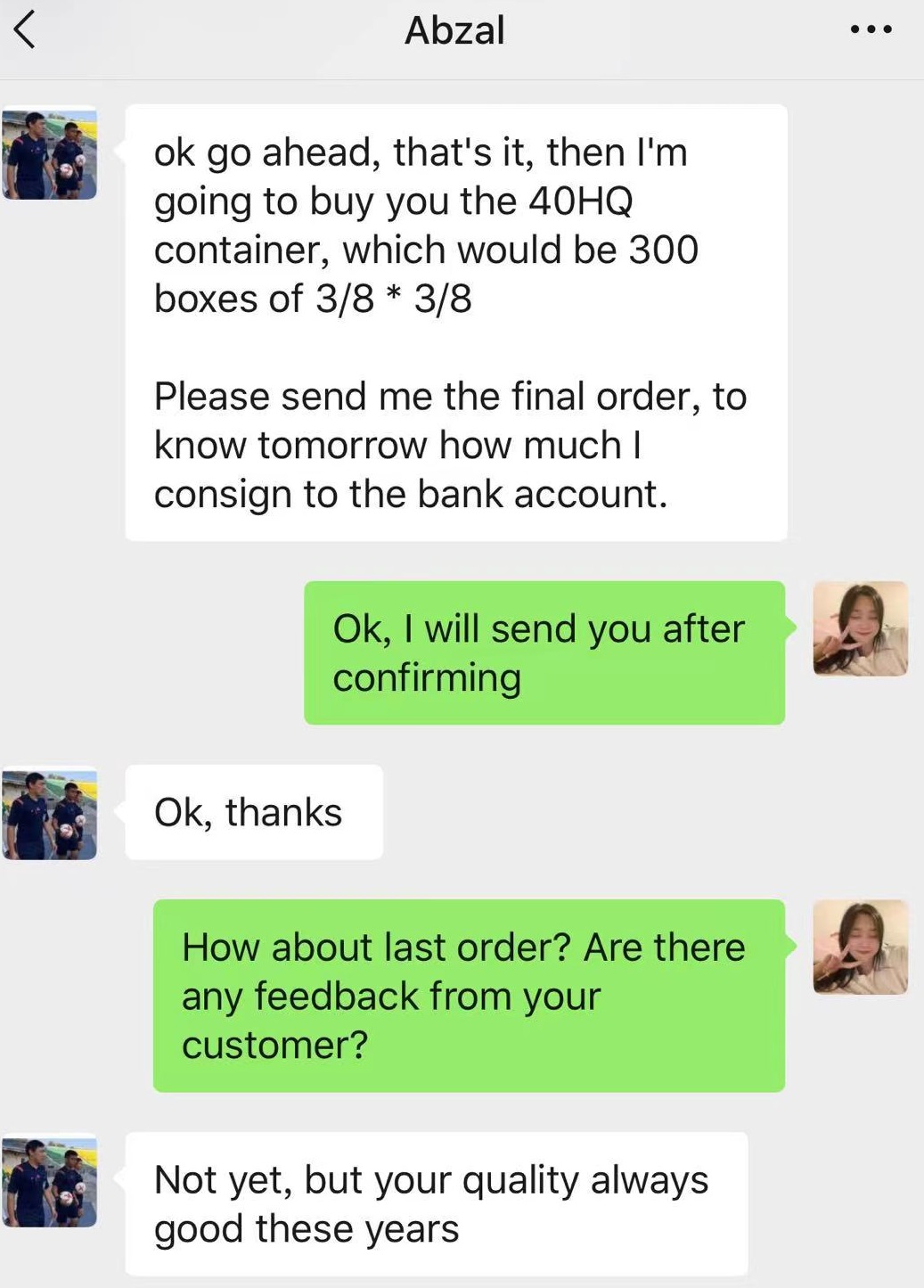


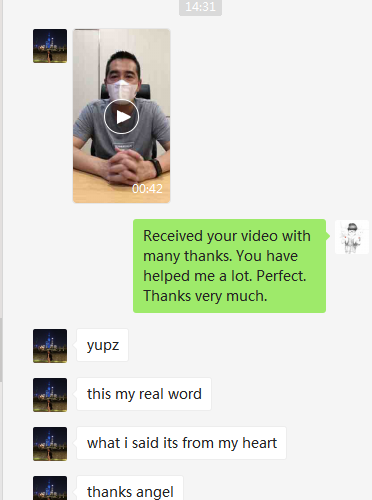
Kingflex materials are used in demanding projects worldwide. Our team has supplied insulation for major shopping complexes, petrochemical lines, and critical central ventilation plants in Asia, the Americas, and Europe.
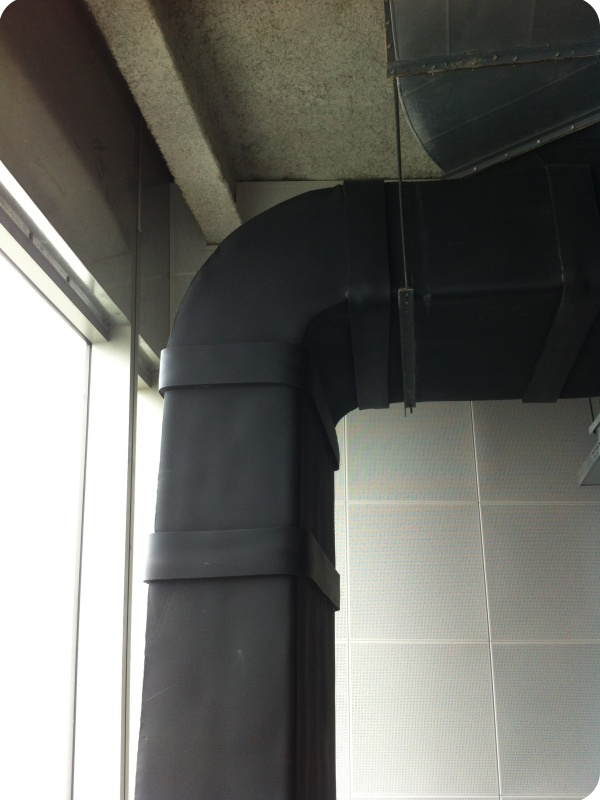
How green policies, smart monitoring, and advanced materials are shaping the industry.
The thermal insulation industry is shifting toward more sustainable and high-performing materials. The following trends are driving the next generation of cold insulation systems:
Strict environmental regulations are forcing manufacturers away from traditional halogen blowing agents. Kingflex is leading this transition by using eco-friendly agents that offer Zero Ozone Depletion Potential (ODP) and ultra-low Global Warming Potential (GWP), meeting international green building codes like LEED and BREEAM.
Corrosion Under Insulation (CUI) can be difficult to detect before a pipe leaks. New designs include thin moisture sensors and temperature probes embedded inside the insulation, allowing facilities to monitor pipeline conditions and address issues early.
For installations with tight space limits, standard insulation thick walls may not fit. Thin, flexible aerogel-infused rubber sheets are emerging to provide high thermal resistance in a compact profile, making them ideal for dense equipment rooms and shipboard piping.

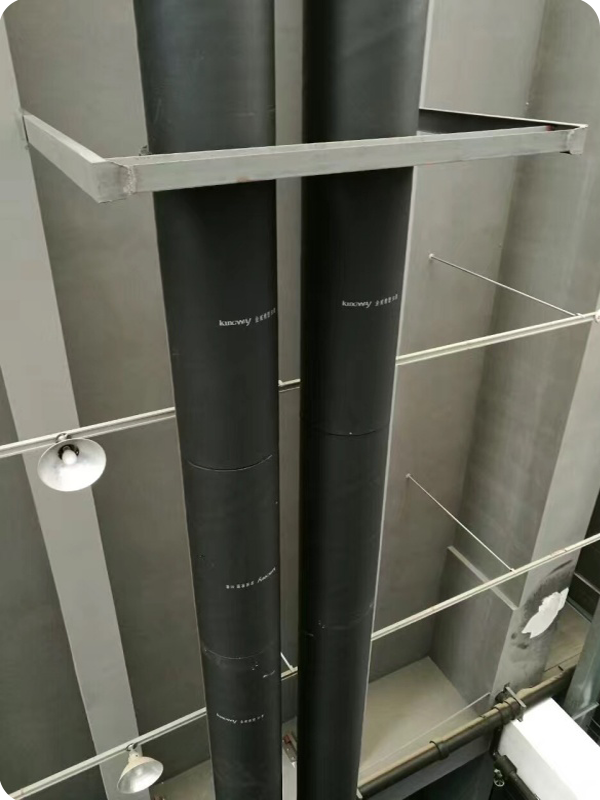
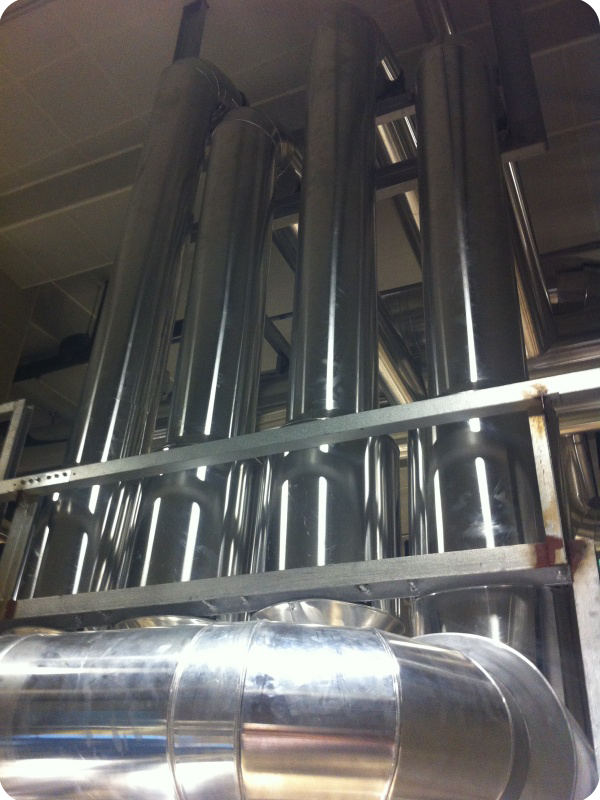
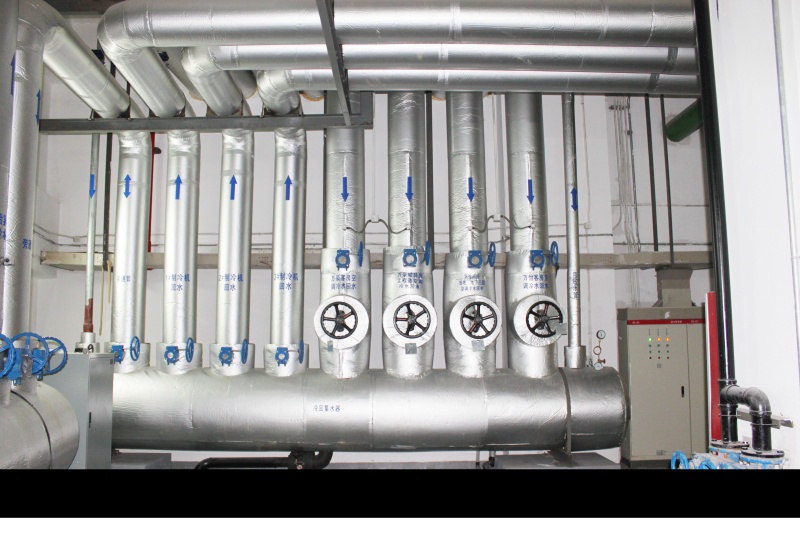
Explore our high-performance thermal barriers, aluminum foil-clad sheets, and professional-grade piping accessories.
Expert technical answers to common questions about chilled water pipe insulation design, compliance, and selection.
It is mainly used for HVAC ducts, air conditioning pipes, building thermal insulation, industrial pipeline cold insulation, and sound insulation. Because of its closed-cell structure and resistance to moisture vapor, it is highly effective at preventing condensation on chilled water lines.
Yes, our rubber foam insulation products are flame retardant. They are tested to meet international safety standards, including BS 476 Part 6 & Part 7 (Class 0 rating) and UL94, ensuring they are safe for commercial and industrial projects.
Rubber foam is flexible, closed-cell, and moisture-proof, making it suitable for HVAC, chilled water, and refrigeration lines where condensation control is key. Rock wool is high-temperature resistant and fireproof, making it better suited for high-temperature steam lines and industrial furnace pipes.
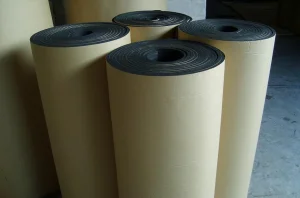
Yes, we support OEM/ODM services to meet specific project needs. We can customize dimensions, thicknesses (from 6mm to 50mm), inner diameters, and supply specialized laminations like aluminum foil or self-adhesive backings.
Our products have passed BS 476, CE, REACH, ROHS, UL94, ASTM, and other international certifications, ensuring compliance with global building codes and environmental regulations.
Yes, all Kingflex products have full traceability. Every batch is marked with production codes, allowing us to track raw materials, manufacturing shifts, and QC test records to ensure consistent quality.
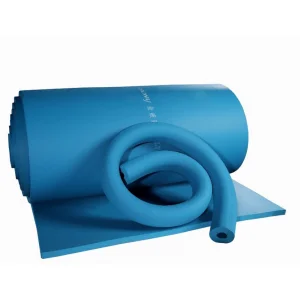
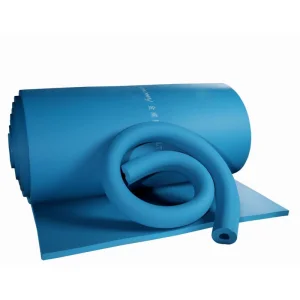
We can produce elastomeric foam sheet rolls in thicknesses ranging from 6mm up to 50mm. This wide range allows engineers to select the exact thickness needed to match local relative humidity and temperature conditions.
Under normal operating conditions, when properly installed and protected from physical damage and extreme weathering, our insulation materials typically last between 10 and 15 years.
On cold lines, the vapor pressure drives moisture from the warm ambient air toward the cold pipe surface. If the insulation material allows vapor to pass through, moisture will condense against the pipe, causing corrosion and reducing thermal efficiency. On hot lines, the vapor pressure pushes moisture outward away from the pipe, making condensation less of an issue.



 Kingflex