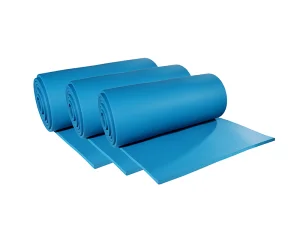
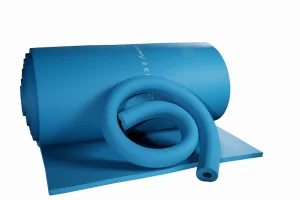
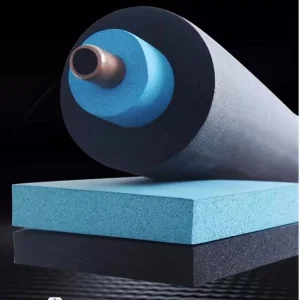
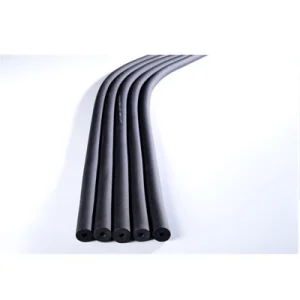
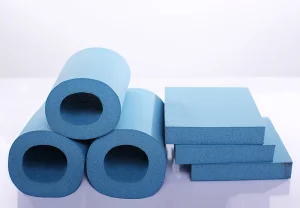
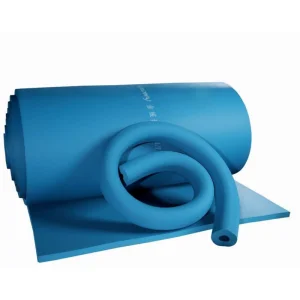
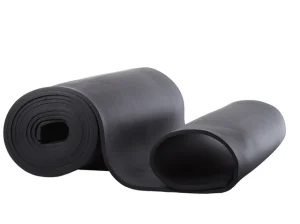
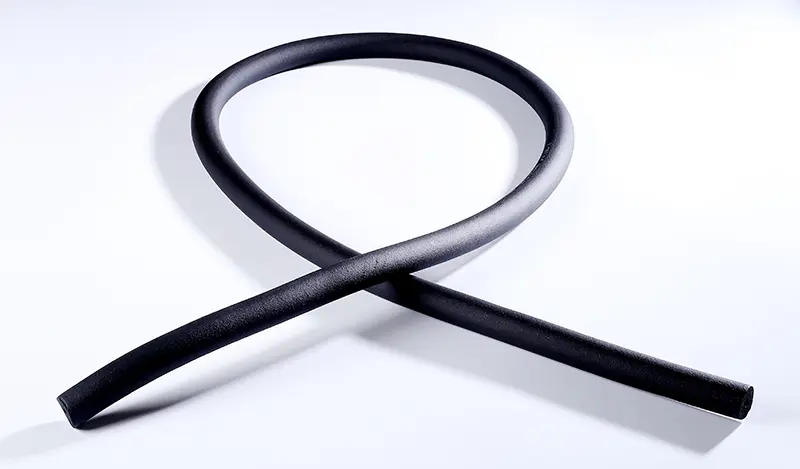
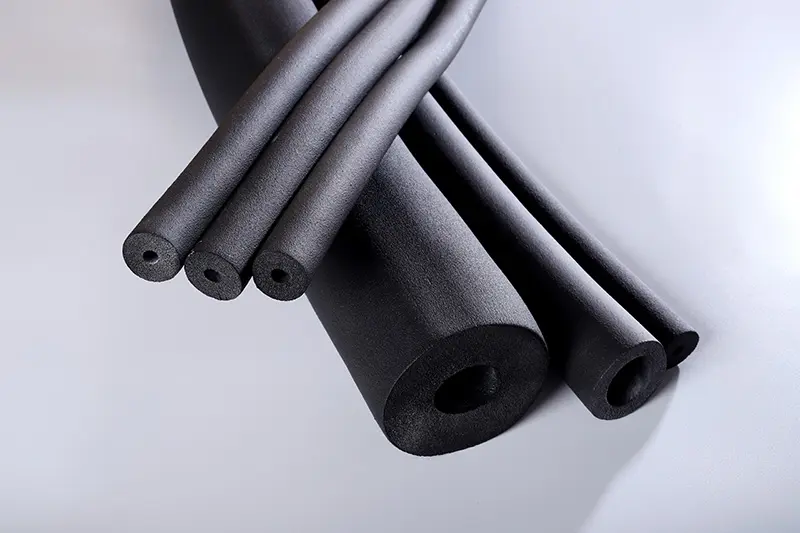
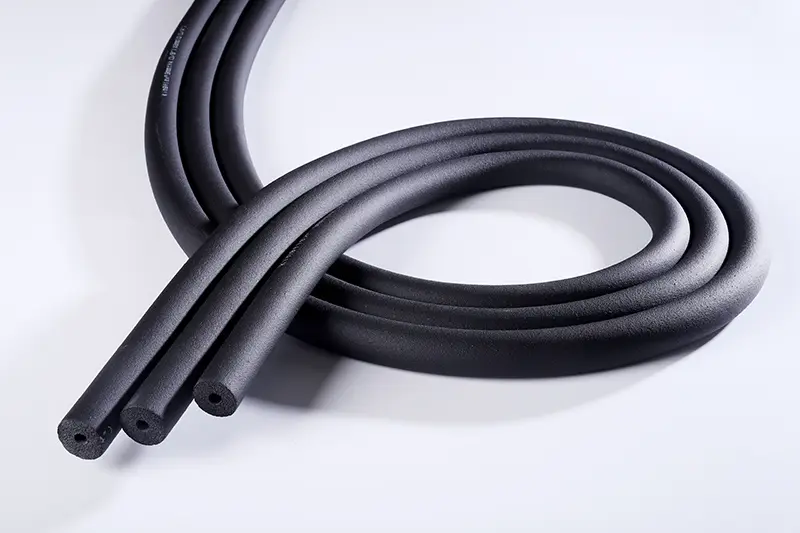
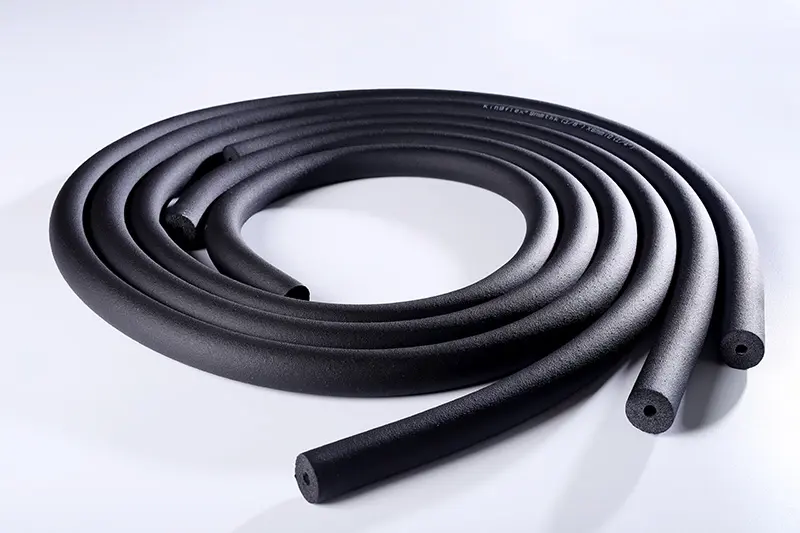
Wholesale How To Install Pipe Insulation Foam Manufacturer & Factories

A Comprehensive Engineering & Whitepaper Guide to Elastomeric Rubber Foam Insulation: Advanced Manufacturing, Optimization, and Installation Methodologies for Industrial Scale Applications.

🌐

Global Industrial Pipeline Insulation Landscape & Energy Dynamics

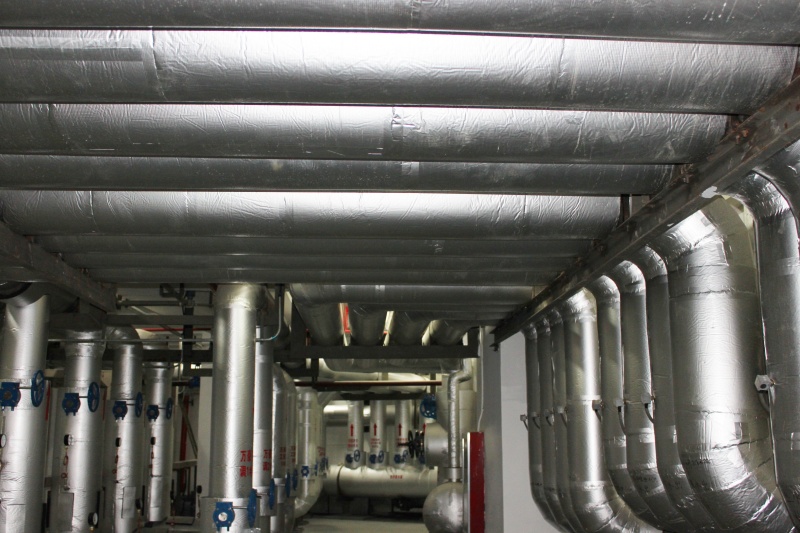
Thermal management is at the absolute core of global industrial sustainability directives. In modern commercial structures, chemical processing plants, and cryogenic infrastructure, pipelines act as primary energy arteries. Uninsulated or improperly insulated pipelines lead to massive systemic thermodynamic inefficiencies, thermal energy loss, and high risk of Corrosion Under Insulation (CUI).

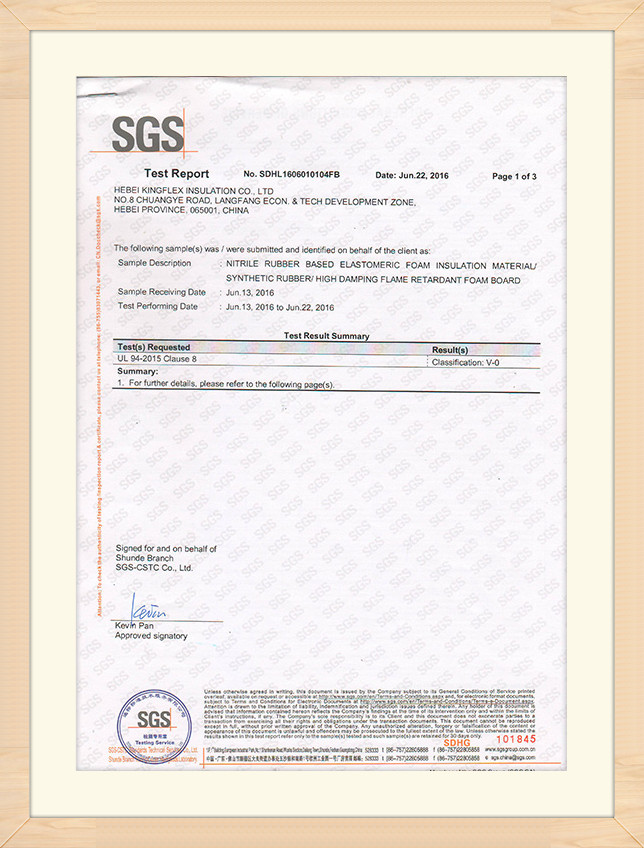
Key Compliance Standard: ASTM C534 outlines the standards for elastomeric, preformed insulation in sheet and tubular form. Our manufacturing systems ensure compliance with global specifications including European CE (EN 14304), British BS 476, and UL 94 fire ratings.

Our solutions target these issues directly, providing custom formulated, high-density elastomer products designed to withstand temperatures ranging from -40°C to 105°C (and specializing in extreme ULT systems). This thermal integrity is essential for HVAC equipment, chilled water piping, refrigeration systems, and chemical processing facilities globally.
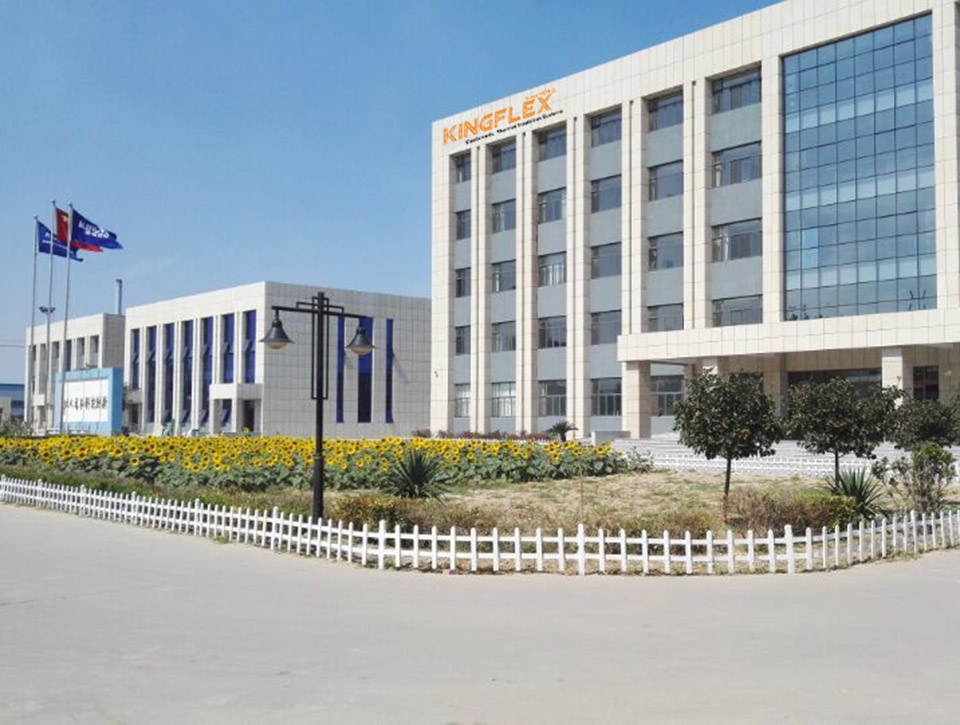
Kingflex Manufacturing Line and Warehouse Facility

🛠️ Engineering Guide: How to Install Pipe Insulation Foam

A step-by-step technical standard operating procedure (SOP) designed for commercial insulation installers and mechanical engineering supervisors.

1

Preparatory Phase & Pipe Inspection

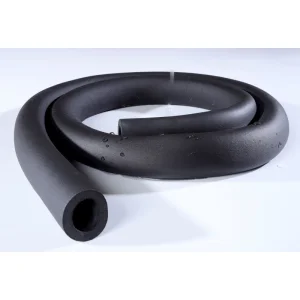
Before applying the elastomeric rubber foam insulation (such as Kingflex NBR/PVC pipe insulation), it is imperative to prep the metal surfaces. Any residual dust, grease, moisture, or active corrosion will weaken the adhesive bond and promote Corrosion Under Insulation (CUI).

  • Decontaminate the pipe surface using a rapid-evaporating safety solvent or denatured alcohol.
  • Verify that the pipe is offline and at ambient temperature. Applying foam or adhesive to hot pipes causes fast solvent flashing, while cold/sweating pipes introduce moisture that destroys the adhesive barrier.
2

Measuring and Sizing Protocol

Accurate dimensions prevent structural tension in the elastomeric structure. Stretching or squeezing the foam compromises the closed-cell matrix, raising thermal conductivity (K-value) and lowering moisture-resistance.

  • Determine the Outside Diameter (OD) of the pipe and check against the Inner Diameter (ID) of the insulation tube.
  • Measure the exact length of the pipe segment. Always cut the insulation slightly longer (roughly 1/4 inch per foot) to account for longitudinal compression and thermal expansion.
3

Slitting and Wrapping (For Existing Pipelines)

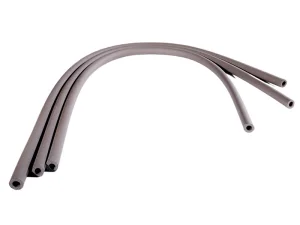
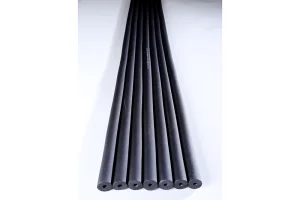
If you are retrofitting existing lines, the insulation tube must be split longitudinally. Uncut tubes can be slipped over new lines before final assembly.

  • Use a razor-sharp utility knife with a non-serrated edge to cut clean, straight lines down the side of the foam sleeve.
  • Gently open the sleeve and wrap it around the piping, making sure not to stretch or rip the foam.
4

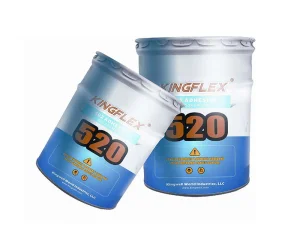
Adhesive Application (Kingflex 520 Thermal Insulation Glue)

Elastomeric foam systems rely on chemical bonding rather than physical taping for reliable vapor barrier integrity.

  • Stir the Kingflex 520 Glue thoroughly. Apply a thin, uniform coating of adhesive to both matching cut edges using a stiff-bristle brush.
  • Let the glue tack dry (typically 3 to 10 minutes depending on ambient humidity). The adhesive is ready when it is dry to the touch but tacky when pressed.
  • Align the cut seams precisely and press them together firmly, starting from the ends and moving inward. Apply compression along the joint to guarantee a strong bond.
5

Mitering Elbows and T-Joints

Elbows and T-connections are prone to thermal leakage if they aren't measured and cut correctly.

  • For 90-degree elbows, cut two matching 45-degree wedge miters from the insulation tube. Join them using Kingflex 520 adhesive to create a seamless, leak-proof bend.
  • For T-joints, cut a wedge profile out of the main line and shape the branch line's end to fit flush inside. Glue the seam securely.

🔬 The Science Behind Kingflex Elastomeric Foam

Our proprietary formulation optimizes thermal insulation, moisture resistance, and mechanical durability.

🌡️

Closed-Cell Engineering

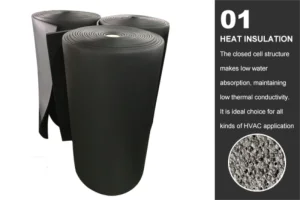
Features a closed-cell rate of over 98%, trapping air inside tiny pockets to deliver exceptional thermal resistance and prevent moisture ingress.

🔥

Flame Retardant Composition

Engineered to meet BS 476 and UL94 class standards, our foam is self-extinguishing and will not spread flame or release toxic halogen gas during combustion.

💪

High Compression Resilience

Boasts a compression resilience rating of over 80%, maintaining its shape and insulation properties under structural weight and dynamic pipe vibration.
Standard Technical Specifications Matrix:

  • Material: Premium NBR/PVC blend
  • Density Range: 40 - 55 kg/m³
  • Thermal Conductivity: ≤ 0.035 W/(m·k) at 0°C
  • Temperature Range: -40°C to +105°C
  • Thickness Options: 6mm to 50mm
  • Inner Diameter Scope: 6mm to 114mm (For pipes)
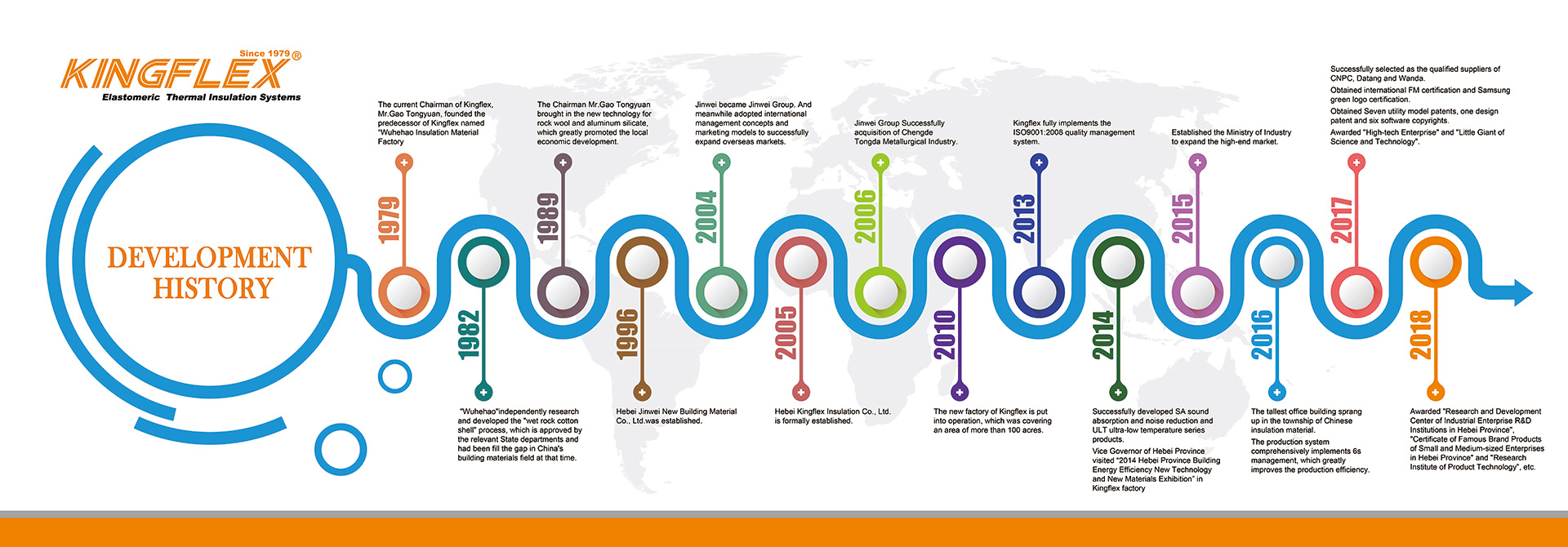
Kingflex R&D Team and Engineering Labs
Est. 1979

Kingflex Insulation Co., Ltd.

Founded by the Jinwei Group (which has over 40 years of industrial history), Kingflex stands as an industry-leading manufacturing and trading combo for thermal insulation systems. Located in Dacheng, China—known as the capital of green building materials—our company is dedicated to creating energy-saving, environmentally friendly insulation solutions.

Our core philosophy centers on minimizing energy consumption. We provide end-to-end support for our clients, offering technical consultations, custom research and development, installation guidance, and reliable after-sales support.

600,000+ m³

Annual Capacity

5 Lines

Auto Assembly Lines

66+ Countries

Global Exports

40+

Years of Legacy

230+

Skilled Artisans & Operators

8

Professional R&D Engineers

16+

Years of Global Export Experience

🔬 R&D Labs & Quality Control Systems

Our continuous testing protocols verify that every production run meets international safety and performance standards.

Advanced Quality Assurance

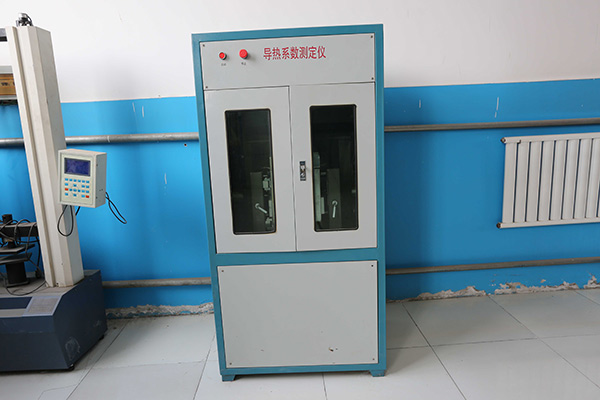
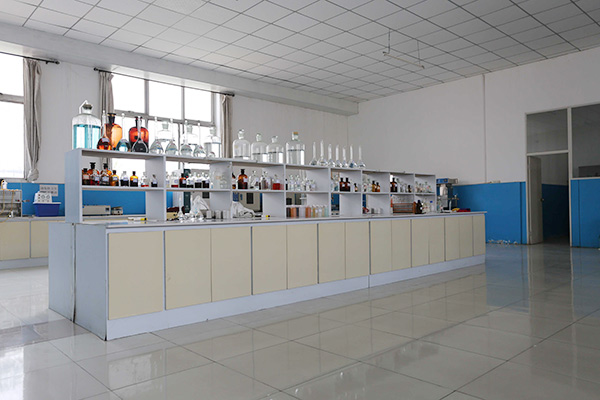
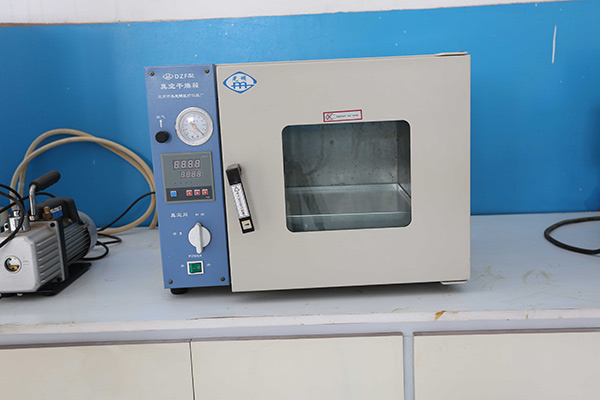
Our R&D department is staffed by eight expert thermal engineering specialists. We use advanced testing equipment to measure thermal conductivity, smoke density, flame spread rates, and tensile elasticity under simulated weathering conditions.

Kingflex is proud to be a certified supplier for key industrial applications designated by the Ministry of Energy, the Ministry of Electric Power, and the Ministry of Chemical Industry.

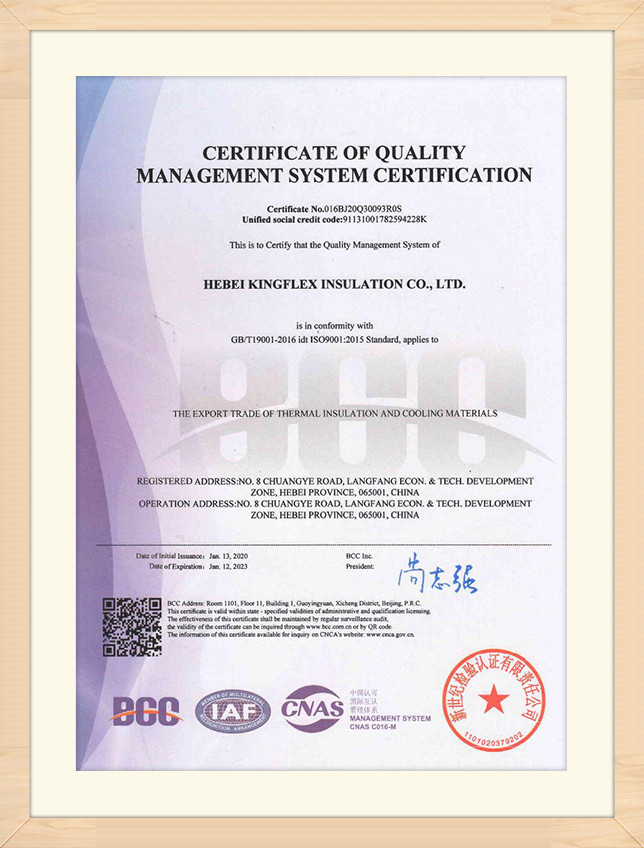
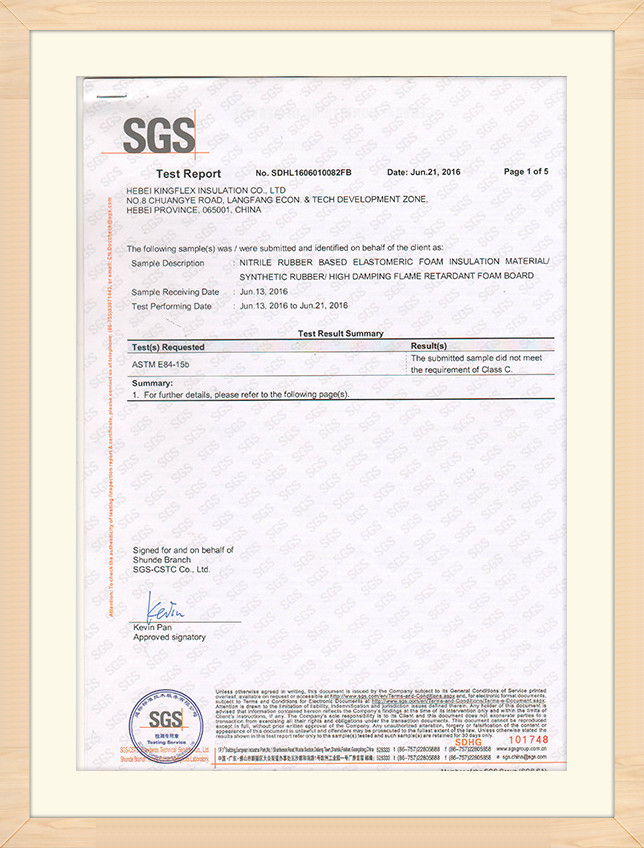
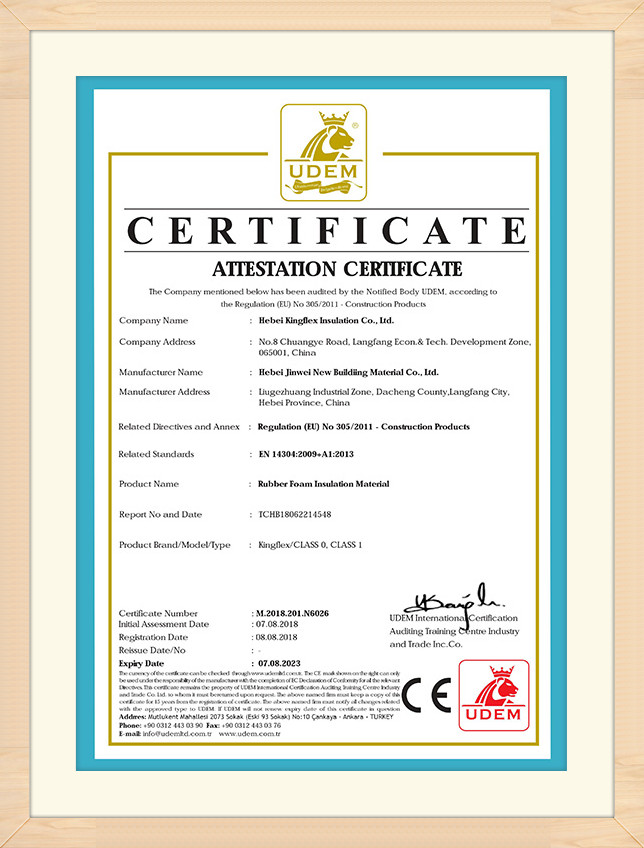
Global Certification Compliance

Our products are fully certified and traceable, ensuring they comply with strict regulatory frameworks globally:
  • BS 476 Fire Safety
  • CE Mark
  • REACH Compliant
  • RoHS Directive
  • UL 94 Classification
  • ASTM Standard

International Standard Certificates

🏢 Global Project Installations & Engineering Portfolios

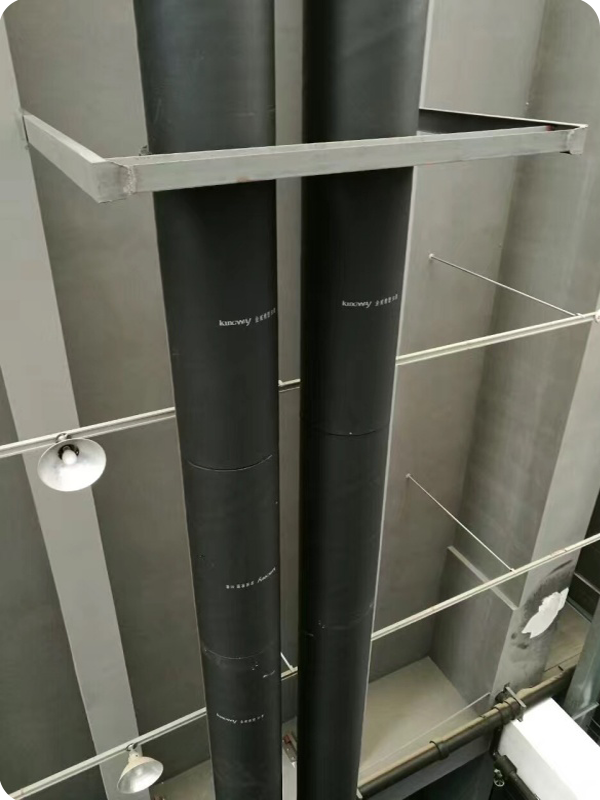
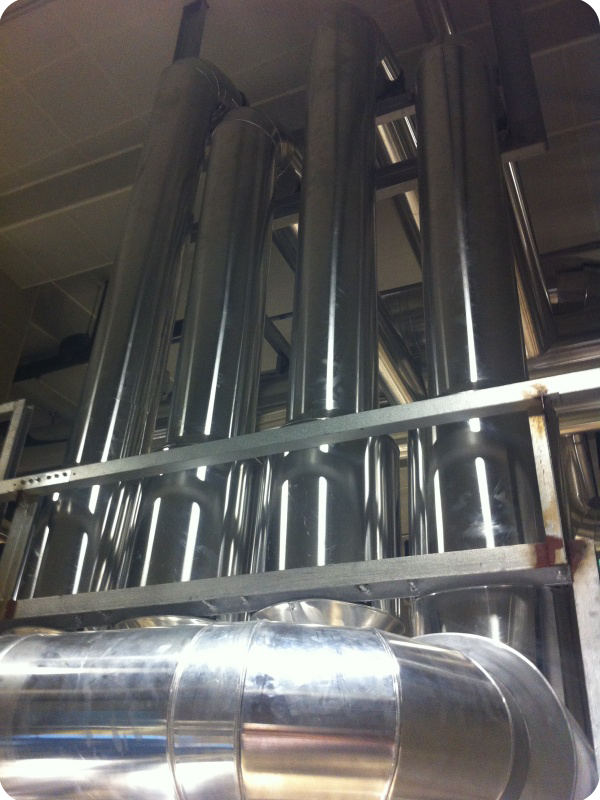
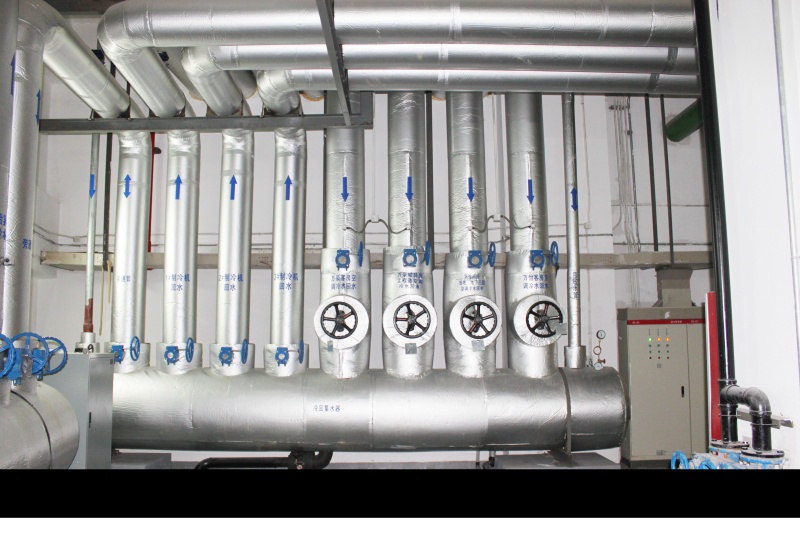
From central HVAC systems in commercial skyscrapers to process pipelines in petrochemical refineries, Kingflex provides reliable insulation performance.
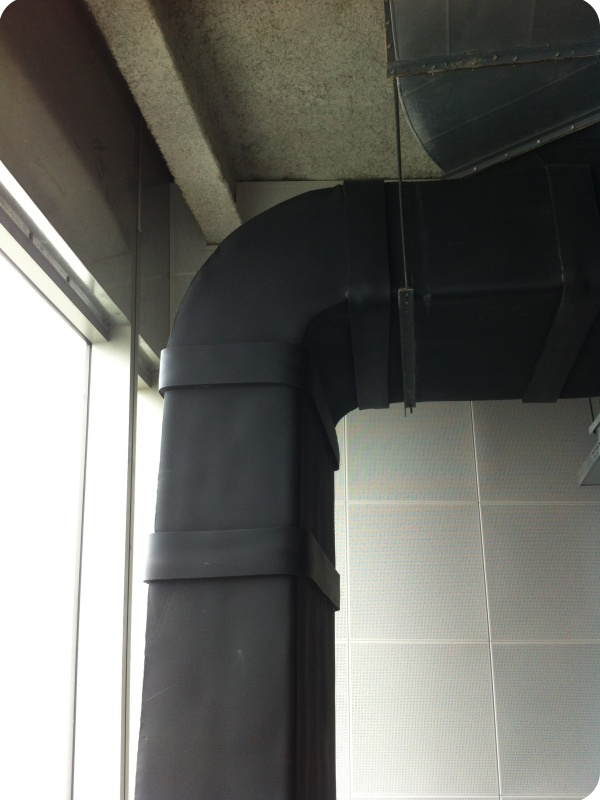
Manufacturing Facility Gallery

💬 Verified Client Testimonials & Traceability

Clear communication and responsive support form the foundation of our long-term global partnerships.

Customer Support and Global Communication

We work closely with logistics coordinators, site developers, and purchasing managers to ensure smooth project delivery. With six dedicated international sales professionals, Kingflex guarantees quick responses, transparent updates, and reliable order tracking.
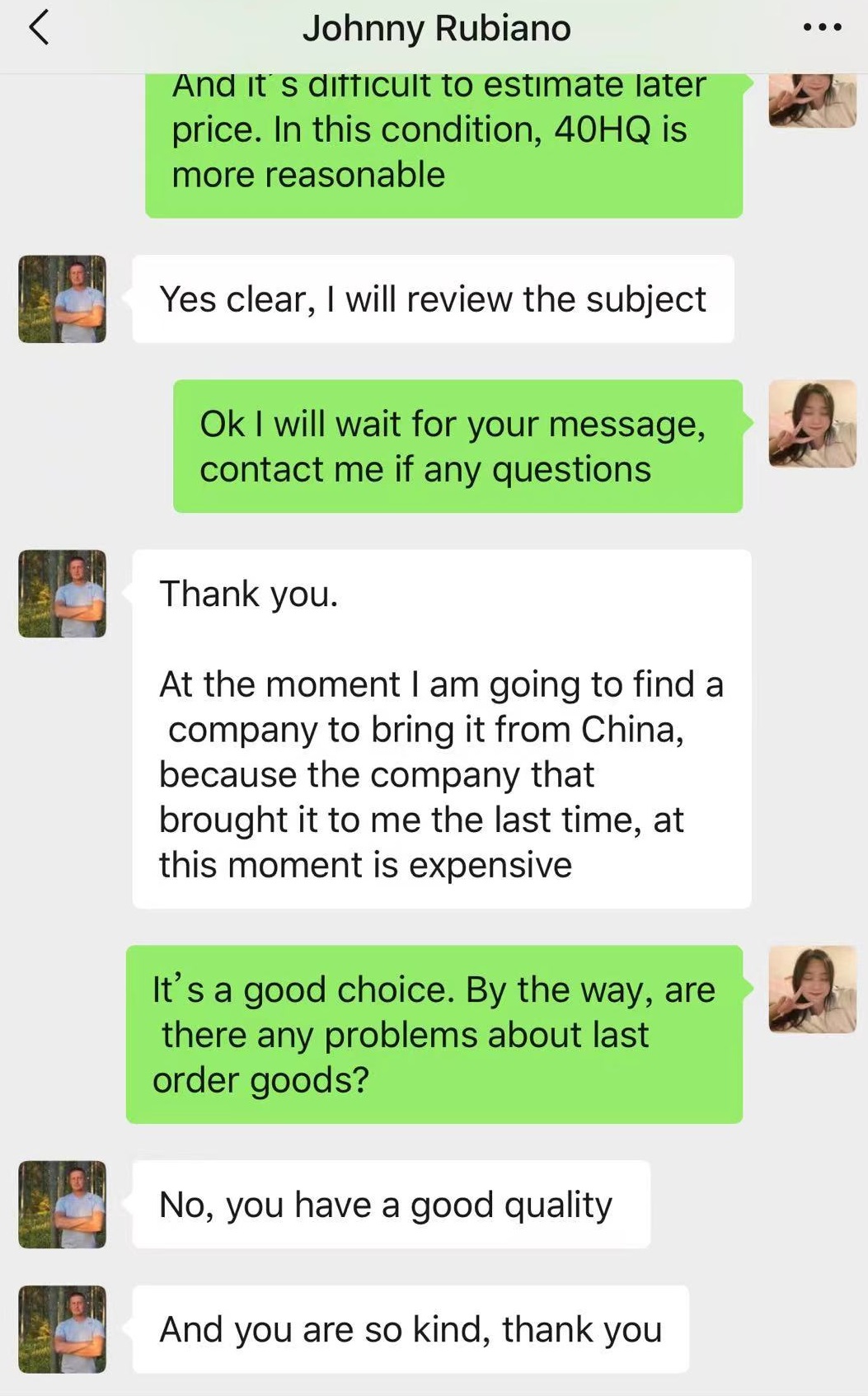
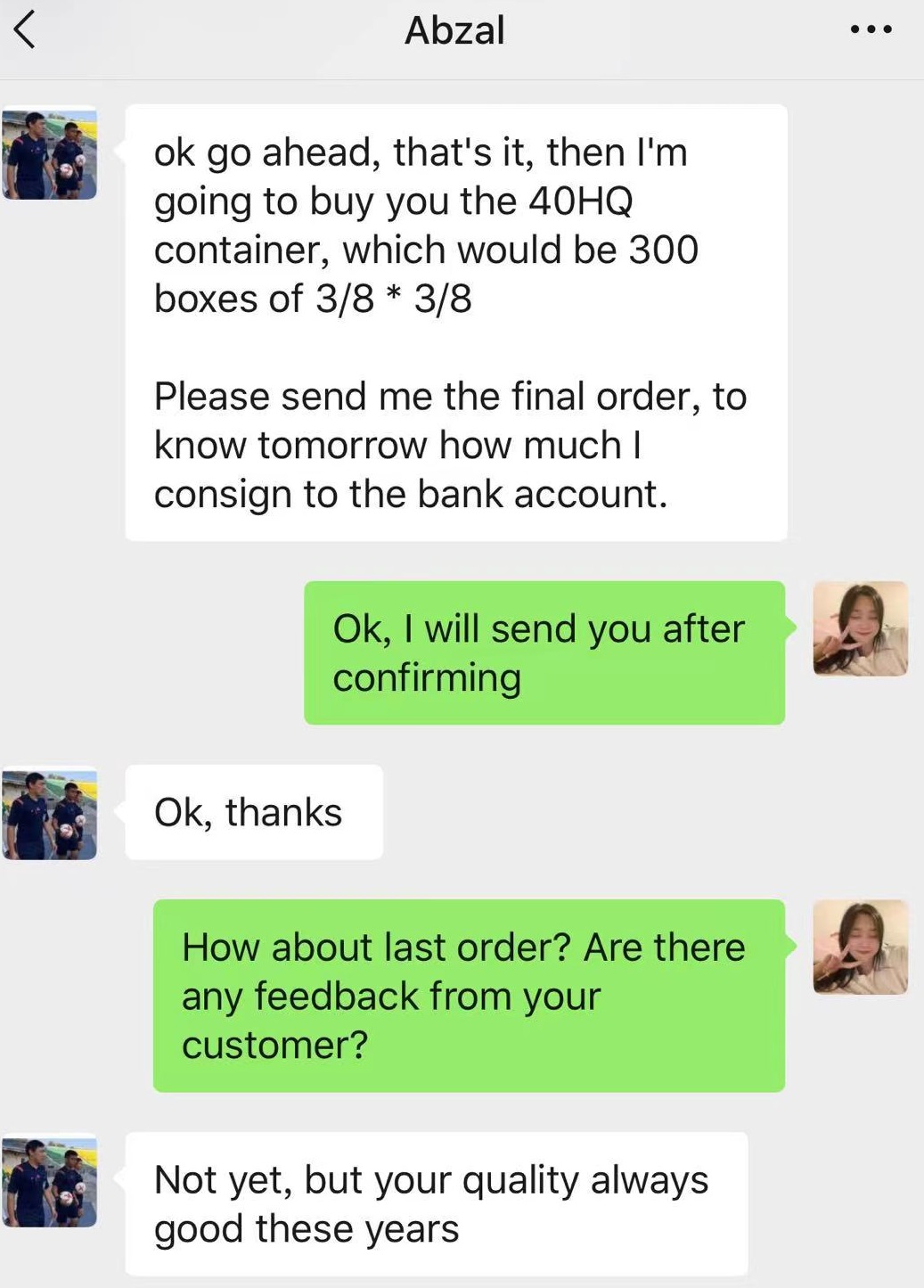
Traceability Commitment: Every production batch is marked with an identification code, allowing for quick tracing of raw material properties and QC testing results.

Multi-Sector Product Catalog

Exploring our versatile elastomeric and specialized mineral wool insulation formats.

Technical Knowledge Hub & FAQ

Find answers to common questions about selecting, specifying, and installing elastomeric foam systems.

🔹 What is elastomeric rubber foam insulation used for?
It is primarily used to insulate HVAC ductwork, refrigeration lines, plumbing, industrial process piping, and cryogenic systems. Its closed-cell structure makes it excellent for preventing condensation and reducing heat gain or loss.
🔹 Is Kingflex rubber foam insulation fire resistant?
Yes, our rubber foam is formulated with fire-retardant additives. It meets key fire safety standards including BS 476 Part 7 (Class 1), UL 94 vertical burn ratings, and ASTM E84 flame/smoke requirements.
🔹 What is the difference between rubber foam and rock wool insulation?
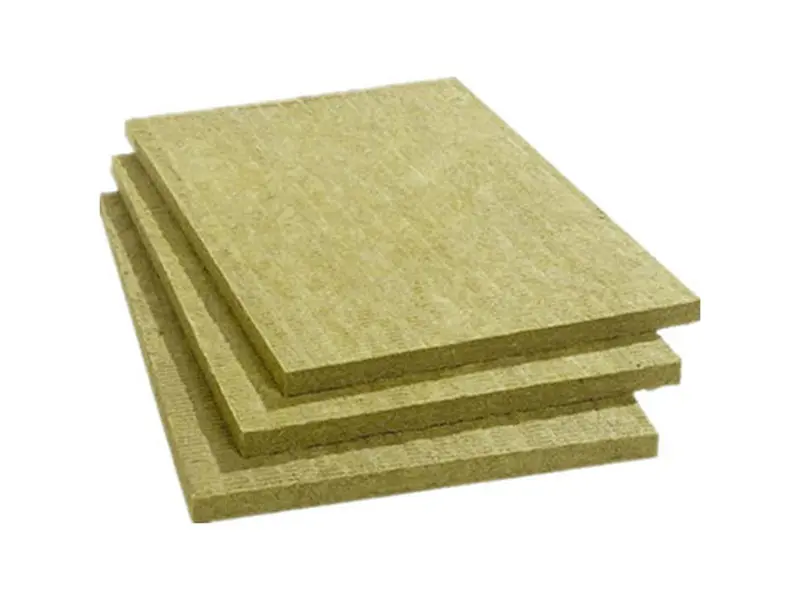
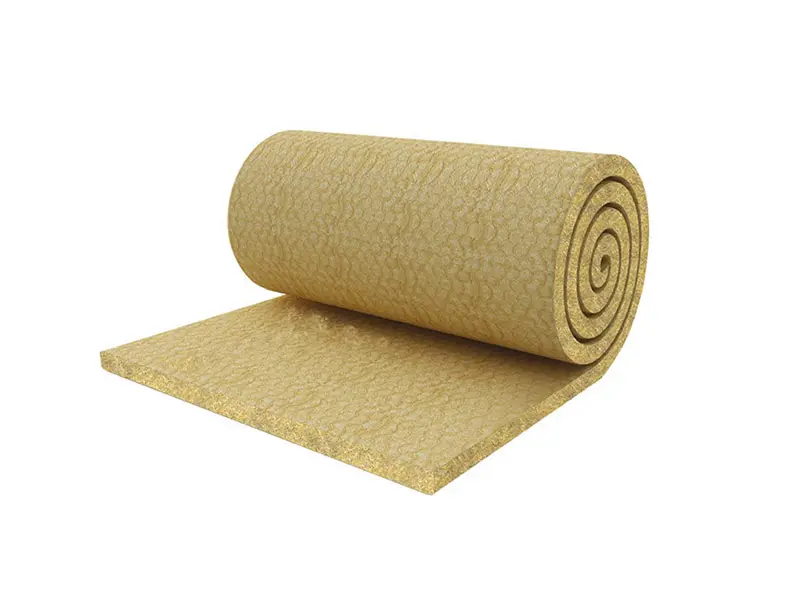
Elastomeric rubber foam is flexible, has a closed-cell structure, and offers built-in moisture protection, making it ideal for cold lines and HVAC systems. Rock wool is a high-density mineral fiber that excels in high-temperature settings and provides superior fire protection.
🔹 Do you provide customized insulation products?
Yes, we provide full OEM and ODM services. We can customize tube wall thicknesses, internal diameters, color coding, and apply self-adhesive backings to meet specific project needs.
🔹 What certifications do your products have?
Our manufacturing processes and products are certified under BS 476, CE, REACH, RoHS, UL94, and ASTM. This guarantees compliance with global construction and environmental regulations.
🔹 Are Kingflex products traceable?
Yes. Every production run has a unique batch code printed on the packaging, allowing us to trace quality control records, raw material inputs, and production parameters.
🔹 What thicknesses of rubber foam insulation rolls can you produce?
We produce insulation rolls in thicknesses ranging from 6mm to 50mm, providing a wide variety of thermal resistance options for different environments.
🔹 What is the expected service life of your rubber insulation products?
When installed correctly using Kingflex 520 adhesive and protected from excessive UV exposure, our rubber foam insulation typically lasts 10 to 15 years in standard conditions.

🏭 Factory Production Quality Control Lines

A closer look at our automated assembly setups and batch packaging processes.