Engineered for high thermal resistance, anti-condensation performance, and premium structural integrity across critical cooling, heating, and ducting systems.
Navigating modern energy efficiency standard regulations, safety protocols, and advanced thermodynamic parameters in building designs.
Thermal management in heating, ventilation, and air conditioning (HVAC) systems represents one of the largest leverage points for commercial energy conservation. Uninsulated or poorly insulated ventilation ducts act as thermal bridges, resulting in massive convective and conductive heat losses, compromised indoor air quality (IAQ), and dangerous condensation events that lead to microbial growth. Modern building envelopes demand high-performing materials that limit thermal energy transfer, satisfy rigorous flame and smoke propagation indexes, and deliver long operational lifetimes.
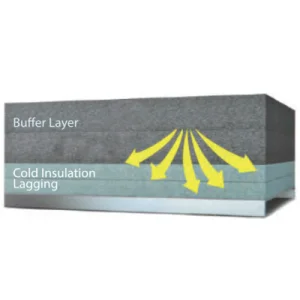
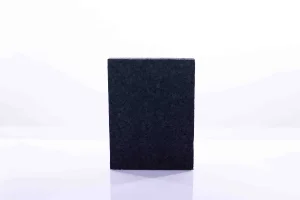
Closed-cell elastomeric rubber foam insulation (NBR/PVC) has emerged as the premier industry standard for medium and low-temperature ductwork. Unlike traditional open-cell materials like mineral wool or fiberglass, closed-cell materials incorporate millions of tiny micro-voids containing trapped air. This microscopic geometry provides a built-in water vapor retarder, driving the moisture permeability resistance factor (μ) upward of 10,000, preventing condensation in warm, humid climates while retaining a low and stable thermal conductivity value ($\lambda \le 0.034$ W/m·K at 0°C).
For B2B procurement directors, building designers, and mechanical contractors, choosing high-performance insulation directly reduces operational carbon footprints and complies with global mandates such as the European Union’s Energy Performance of Buildings Directive (EPBD) and ASHRAE 90.1. Mitigating thermal bridging in complex HVAC ducting projects is critical to passing green building rating systems like LEED (Leadership in Energy and Environmental Design) and BREEAM.
Understanding the critical performance metrics and regulatory landscapes shaping global distribution and engineering selection.
High moisture resistance prevents water vapor transmission, eliminating mold growth risk and preservation of the metal duct structure against Corrosion Under Insulation (CUI).
The viscoelastic properties of modified NBR/PVC polymer structures absorb low-frequency vibrations, minimizing mechanical noise transmission in hotels, hospitals, and offices.
Fully compliant with international fire safety standards including BS 476 Part 6 & 7 (Class 0) and UL94 V-0, generating low smoke toxicity and zero flaming droplets.
Compare physical and chemical characteristics of Kingflex elastomeric insulation materials under standard testing protocols.
| Parameter | Elastomeric NBR/PVC Foam (Kingflex) | Traditional Mineral Wool | Standard Fiberglass Blanket |
|---|---|---|---|
| Thermal Conductivity (0°C) | ≤ 0.034 W/(m·K) | ≤ 0.040 W/(m·K) | ≤ 0.036 W/(m·K) |
| Moisture Resistance (μ-value) | ≥ 10,000 (Built-in Vapor Barrier) | ~ 1 (Requires external barrier foil) | ~ 1.2 (Prone to moisture collection) |
| Service Temperature Range | -40°C to +105°C (Cryogenic lines up to -200°C) | Up to +650°C | Up to +400°C |
| Fire Safety Rating | BS 476 Class 0, UL94 V-0, ASTM E84 Class A | Non-combustible (Class A1) | Class A1 / Class 0 |
| Dust & Fiber Hazard | Zero emissions, completely dust-free | Fibers can dislodge, requiring sealing | Requires protective lining to prevent shedding |
Leveraging 40+ years of manufacturing expertise, continuous material R&D, and large-scale automated manufacturing output.
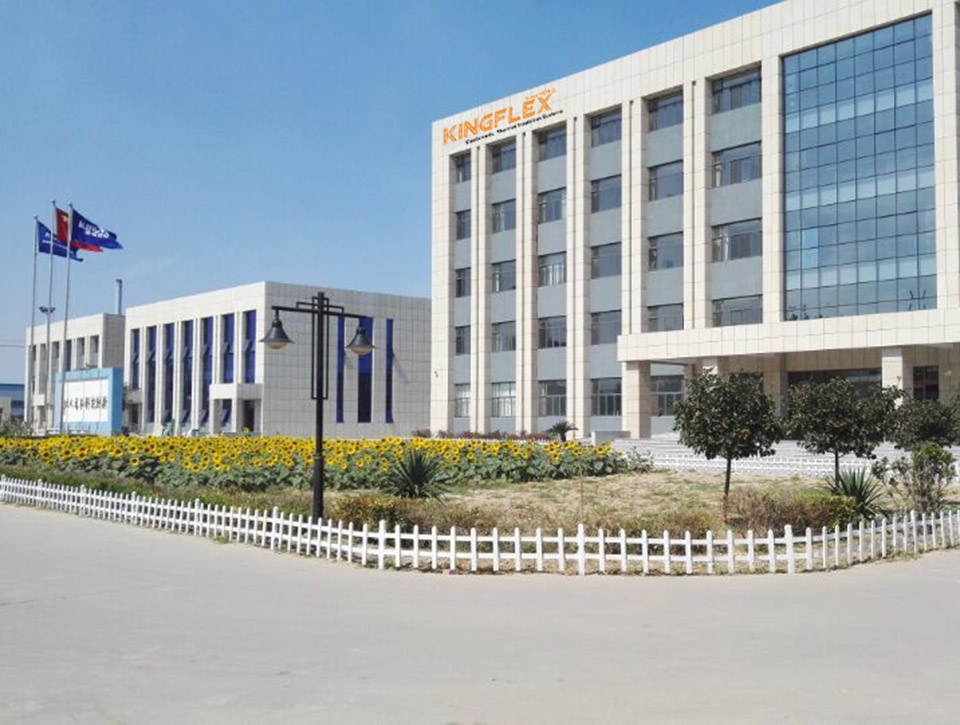
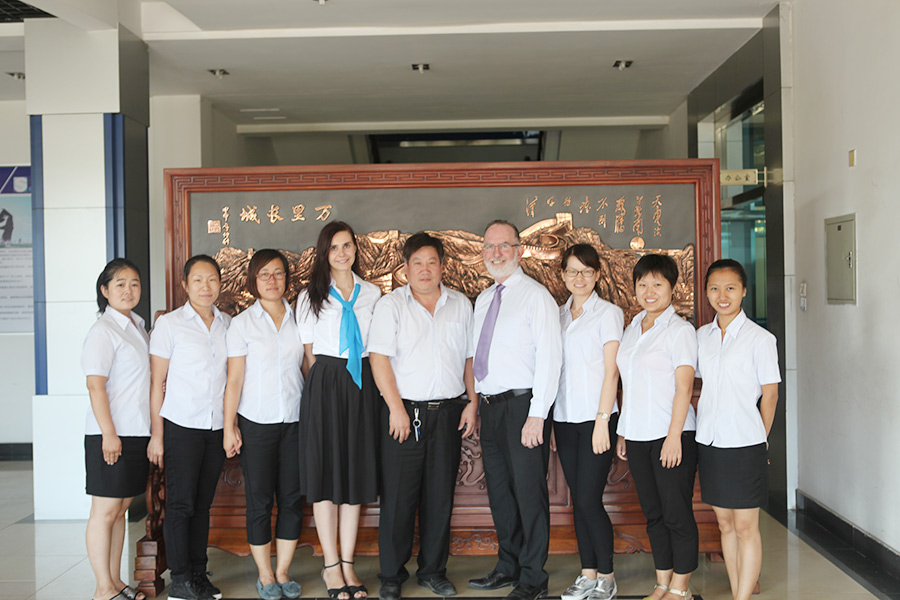
Kingflex Insulation Co., Ltd. is a professional manufacturing and trading combo for thermal insulation products. Our core research, development, and state-of-the-art production department is located in Dacheng, China—the globally recognized capital of green-building materials. We are an energy-saving, environmental-friendly enterprise concentrating on the research, development, production, and sales of high-tier insulation.
In operation, Kingflex takes energy saving and consumption reduction as its core concept. We provide turnkey industrial solutions by offering professional consultation, high-end production, installation guidance, and post-sale technical audits, leading the global building materials industry to a greener future.
Kingflex was established by the Jinwei Group, which boasts more than 40 years of corporate history. Established in 1979, Jinwei Group was the first manufacturer of thermal insulation materials north of the Yangtze River. Today, our team is a tight-knit, talented group with a shared vision. We employ 8 professional R&D engineers, 6 experienced international B2B sales leads, and 230 skilled production technicians.
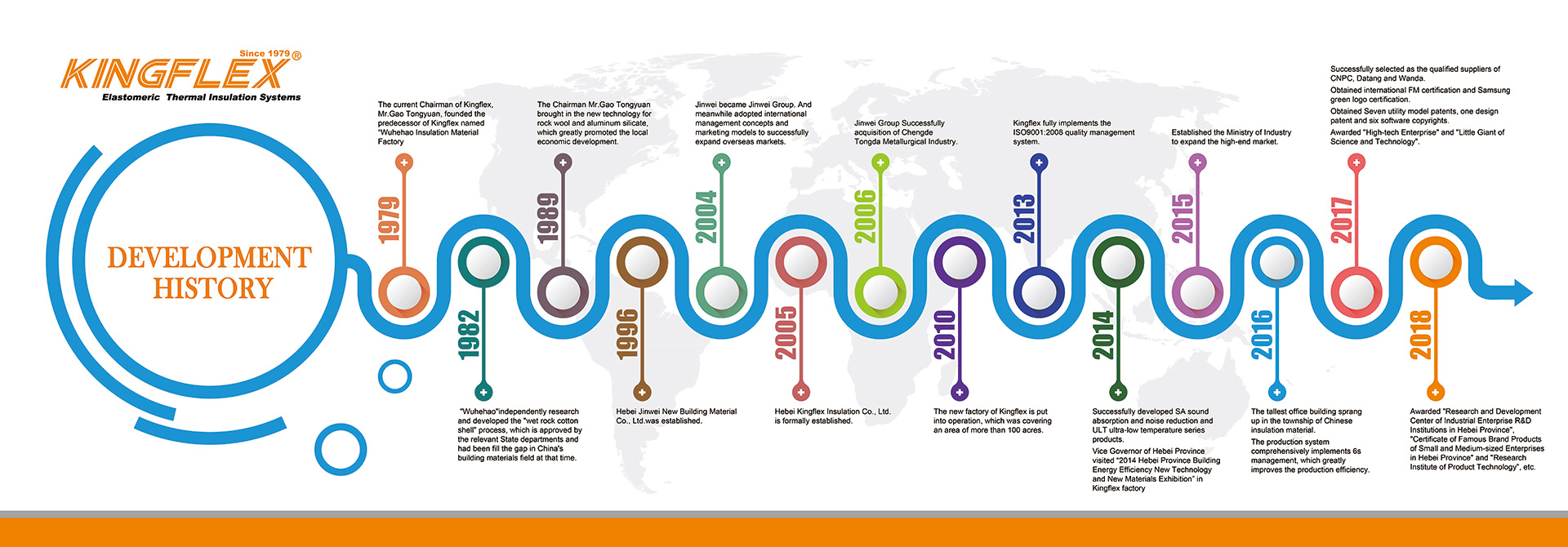
How four decades of innovation have shaped our modern closed-cell rubber plastic formulations.
Inception of thermal insulation manufacturing. Pioneer in bringing structural glass wool and mineral insulation products to the market.
Transition to high-demand NBR/PVC foaming technologies, delivering solutions targeting commercial HVAC and condensate prevention applications.
Our formulas achieved BS 476 Class 0 and UL94 certifications. Expanded export routes into European, Middle Eastern, and American B2B supply lines.
Operationalization of 5 fully automated continuous lines producing 600,000+ cubic meters annually. Certified supplier to regional energy and chemical ministries.
Direct material technical values, physical dimensions, and application instructions for engineers.

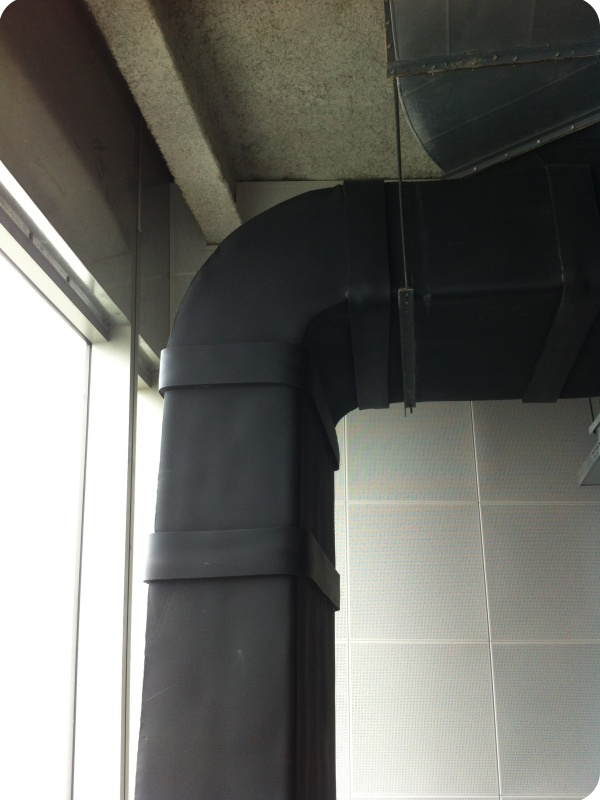

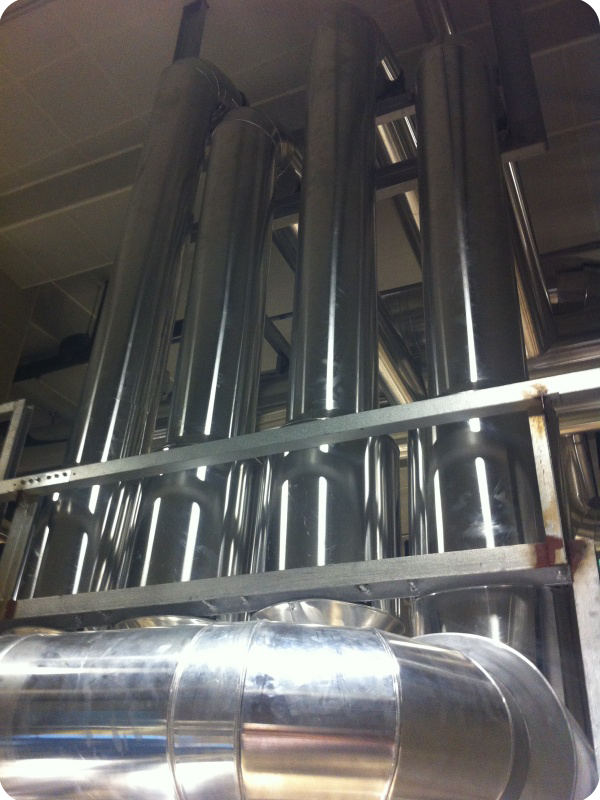
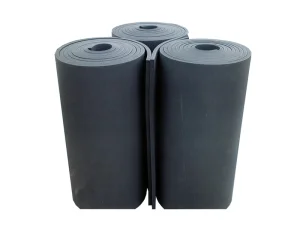
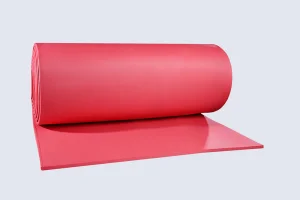
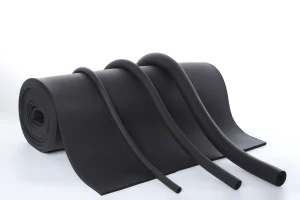
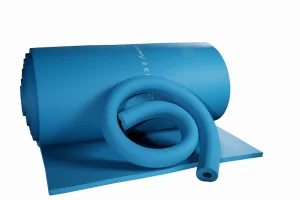
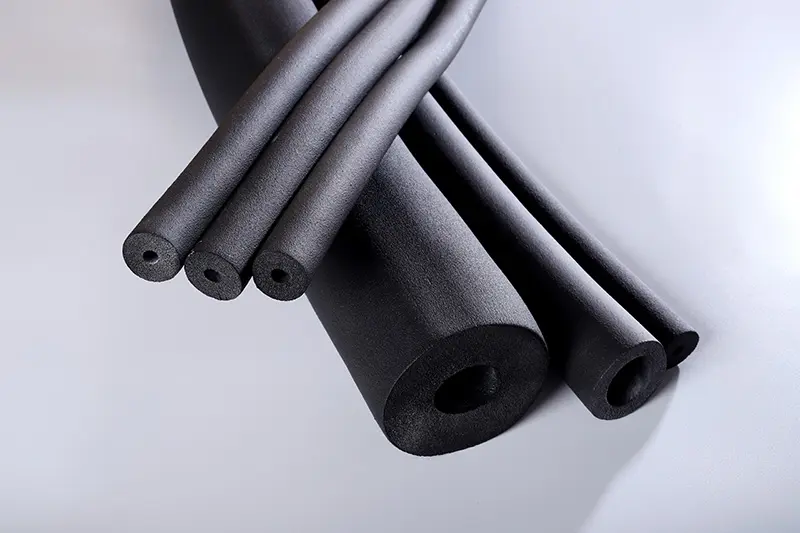
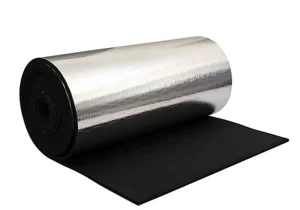
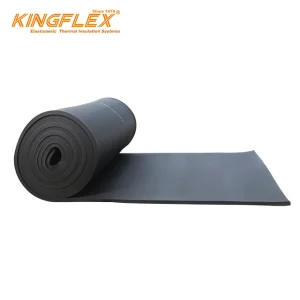
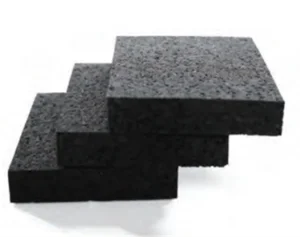
Designed for large flat surfaces and large-diameter ventilation air ducts. Its high flexibility enables quick installation around corners, flanges, and irregular structural components.
Central HVAC air duct wrapping, structural roof/wall insulation, mechanical plant rooms, anti-freezing wraps for chilled water pipelines, solar hot water storage systems, and mass transit carriage thermal insulation.
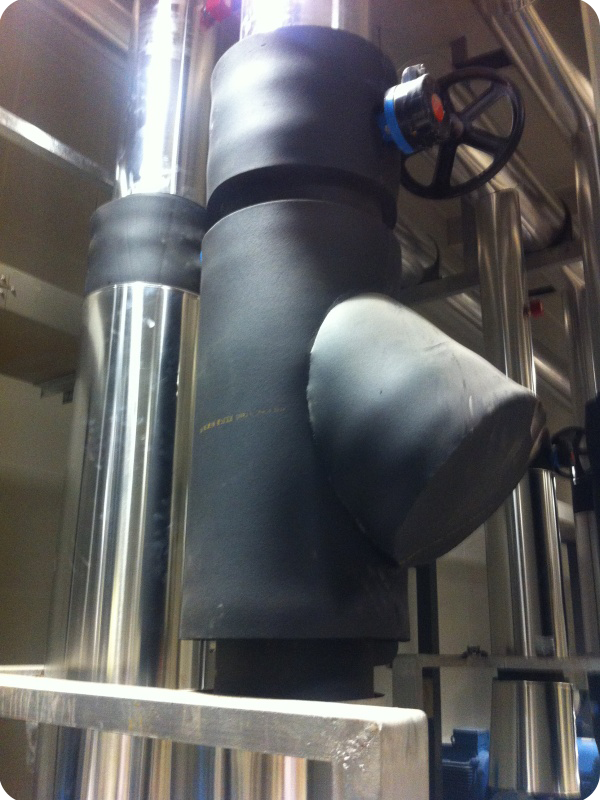
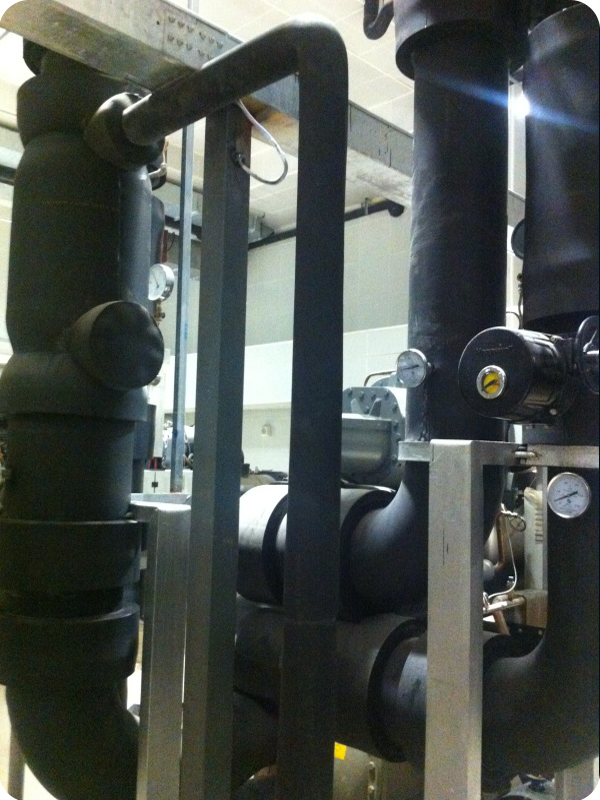

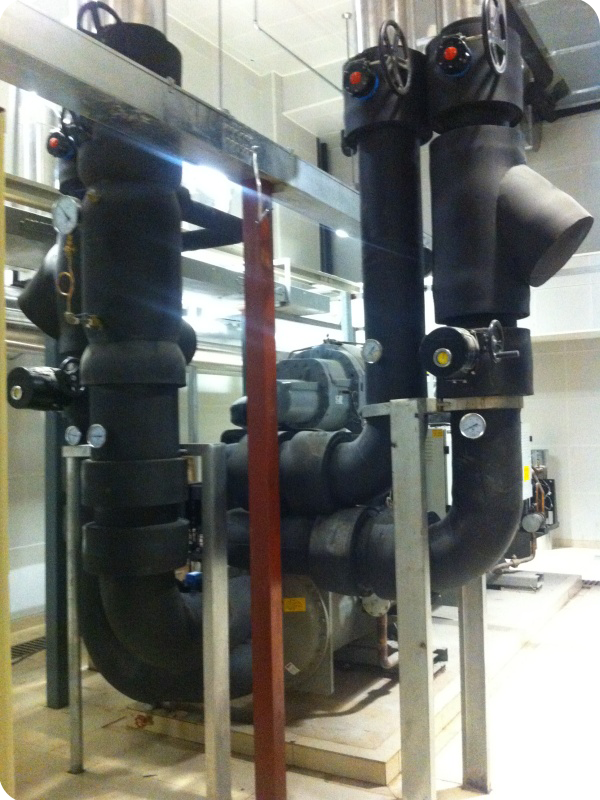
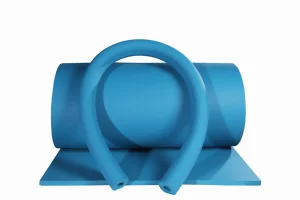
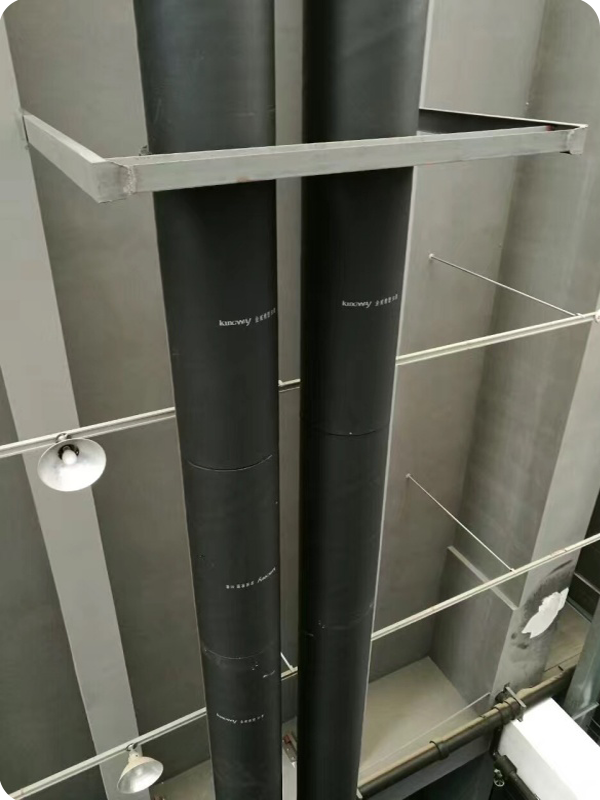
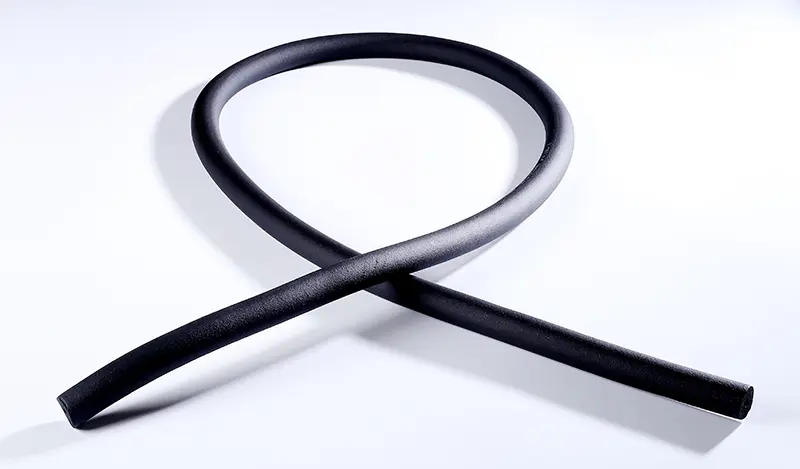
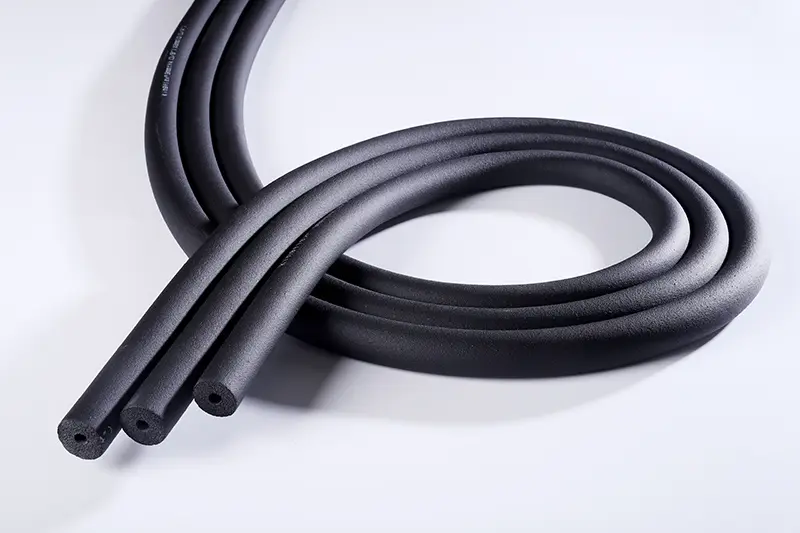
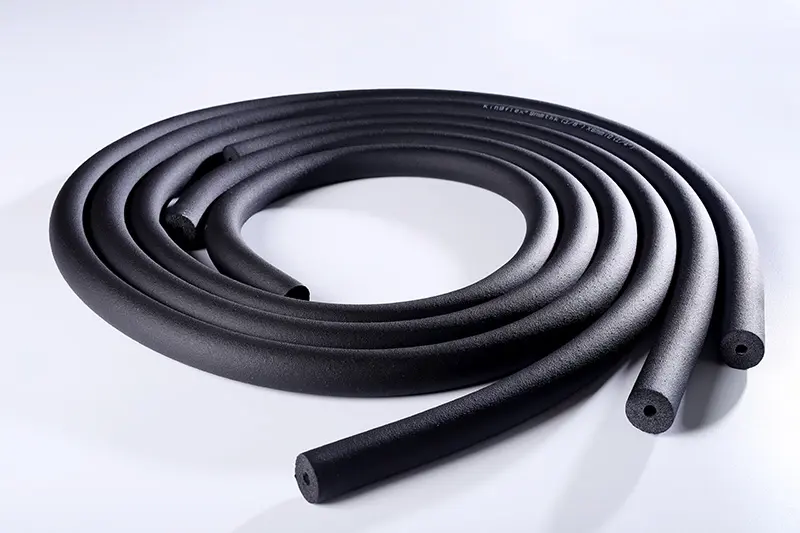
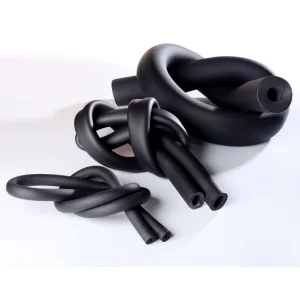
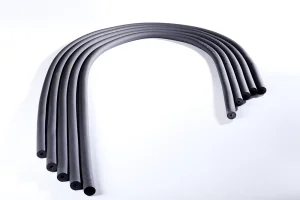
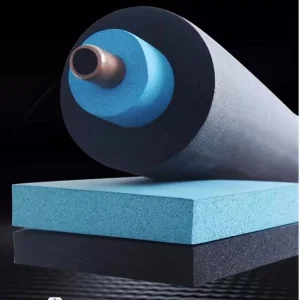
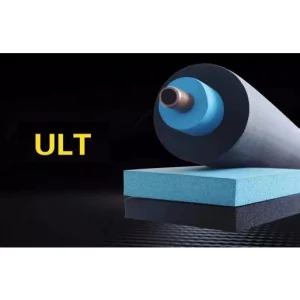
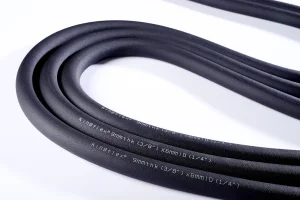
Specifically extruded to slide onto standard copper pipes and steel tubes easily. Designed to protect mechanical lines against freezing, external impact, and structural vibration.
Condensate drain lines, domestic warm/cold water lines, commercial chilled water circulation piping, heavy industrial process pipelines, soundproofing, and vibration damping of HVAC pipe networks.
Procure custom-tailored duct and pipe insulation products directly from the manufacturer.


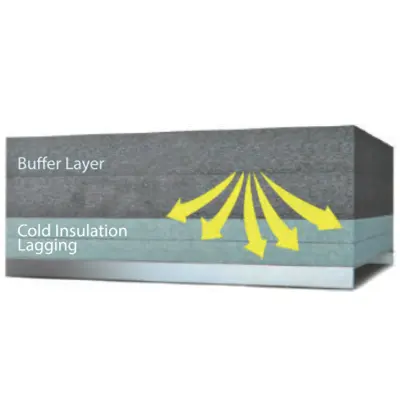
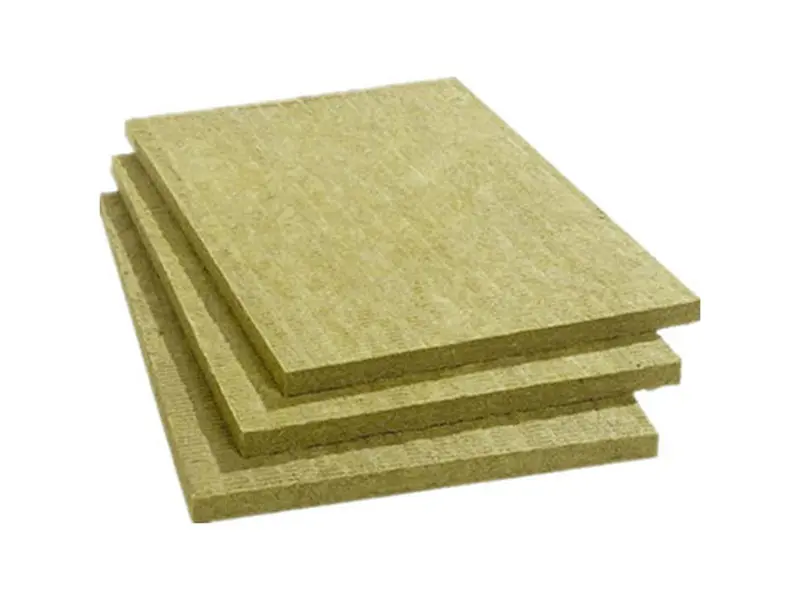
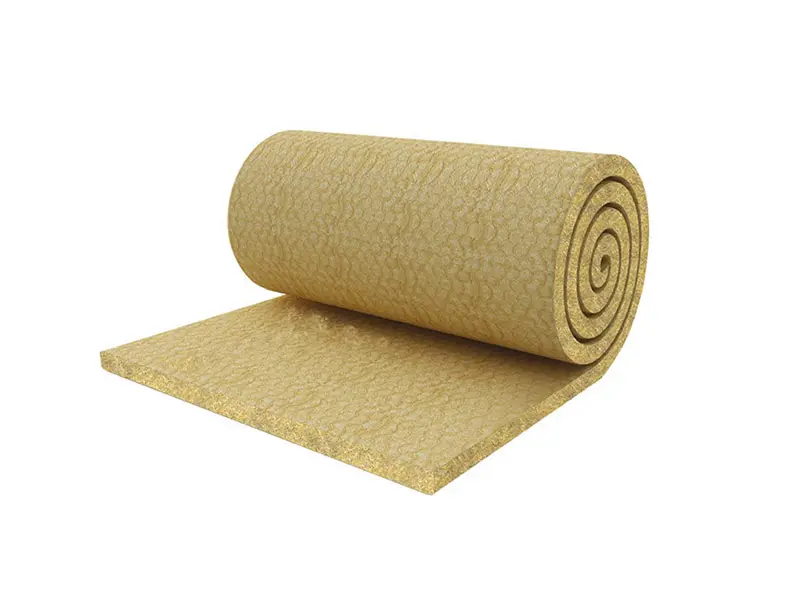
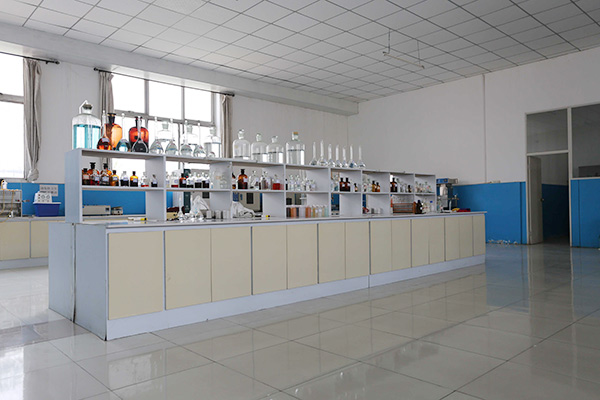
Audited by third-party verification institutes. Guaranteed performance that meets ASTM, BS476, UL, and CE requirements.
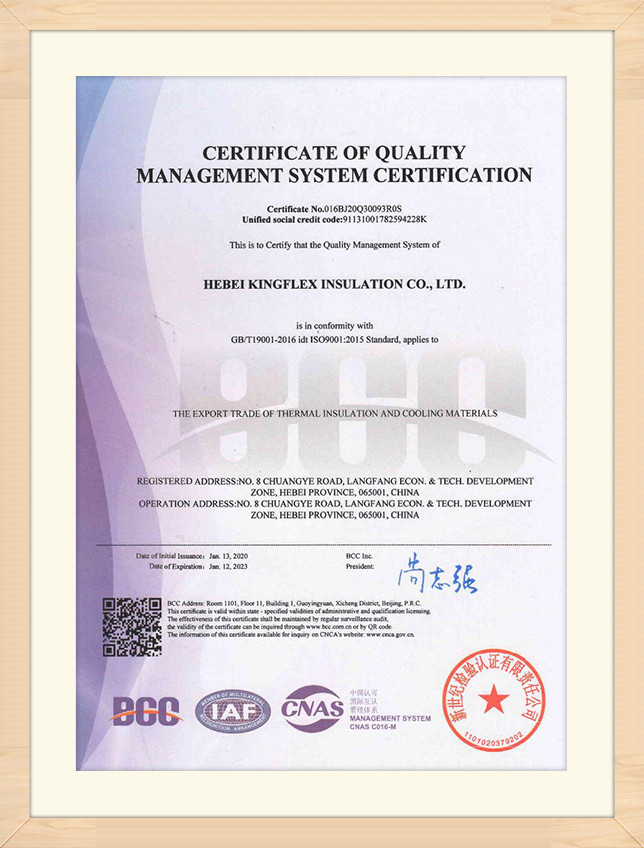
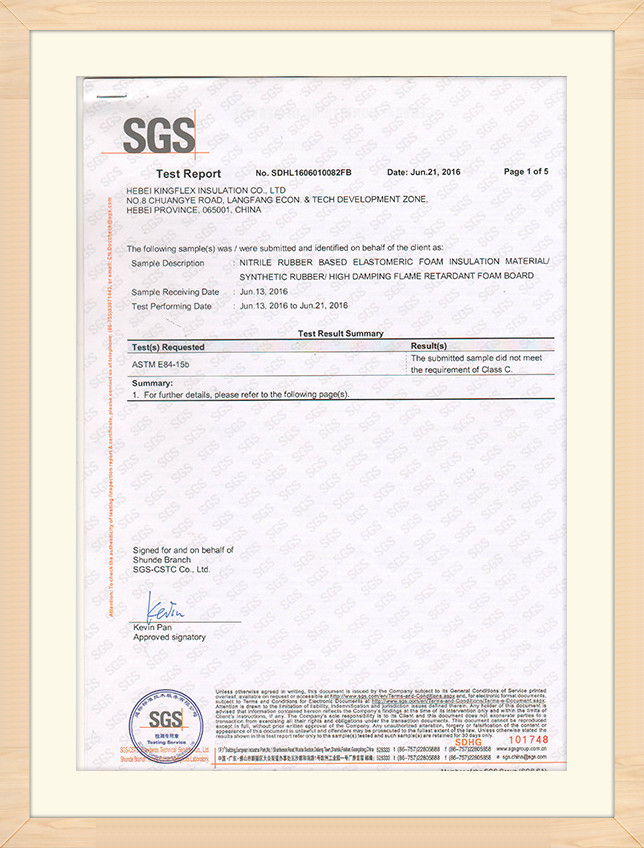
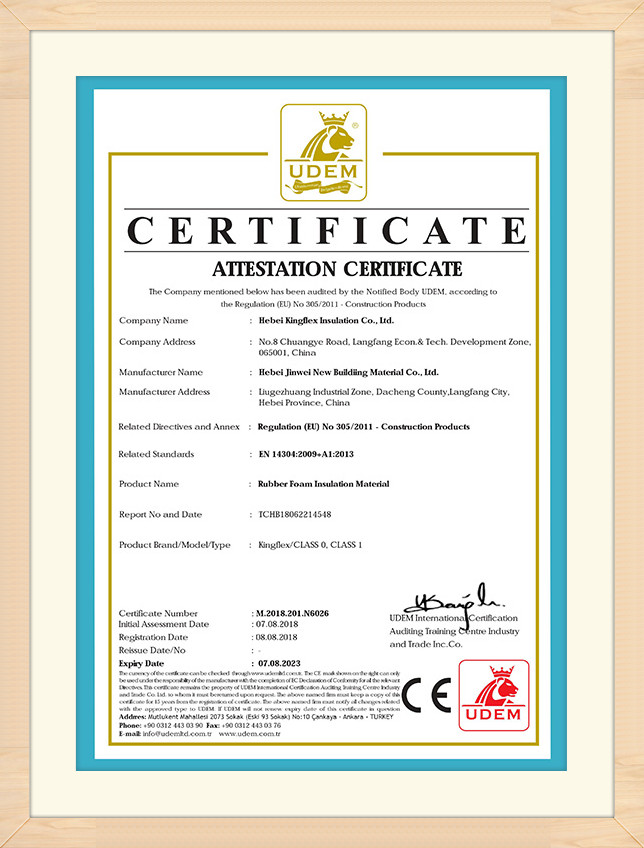
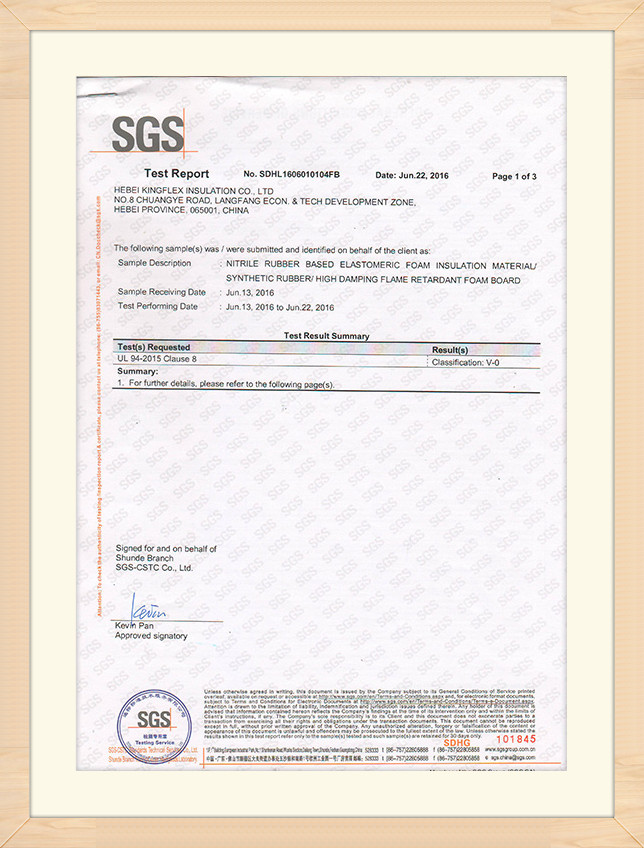
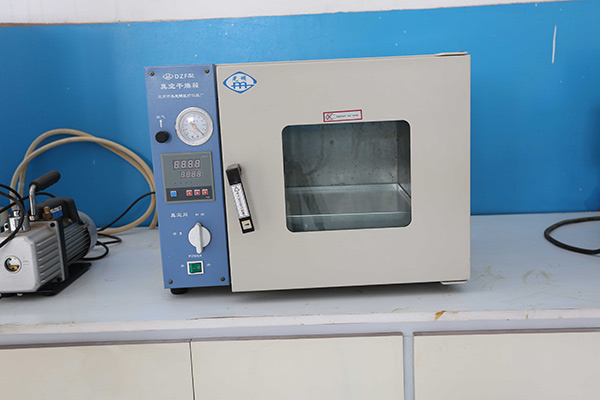
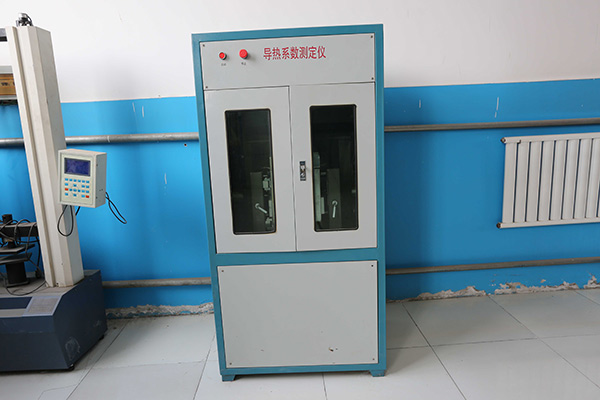
To support global supply chains, our products undergo regular mechanical and chemical testing. We hold certificates for BS 476 Part 6 & Part 7 (Class 0 & Class 1), UL94 Flammability Standard, REACH, RoHS, CE Directive compliance, ASTM E84, and ISO 9001 quality management standards. Full batch traceability data is maintained from raw material blending through to final extrusion, ensuring quality assurance at every stage of the manufacturing process.
Delivering high performance in actual building engineering and global operations.

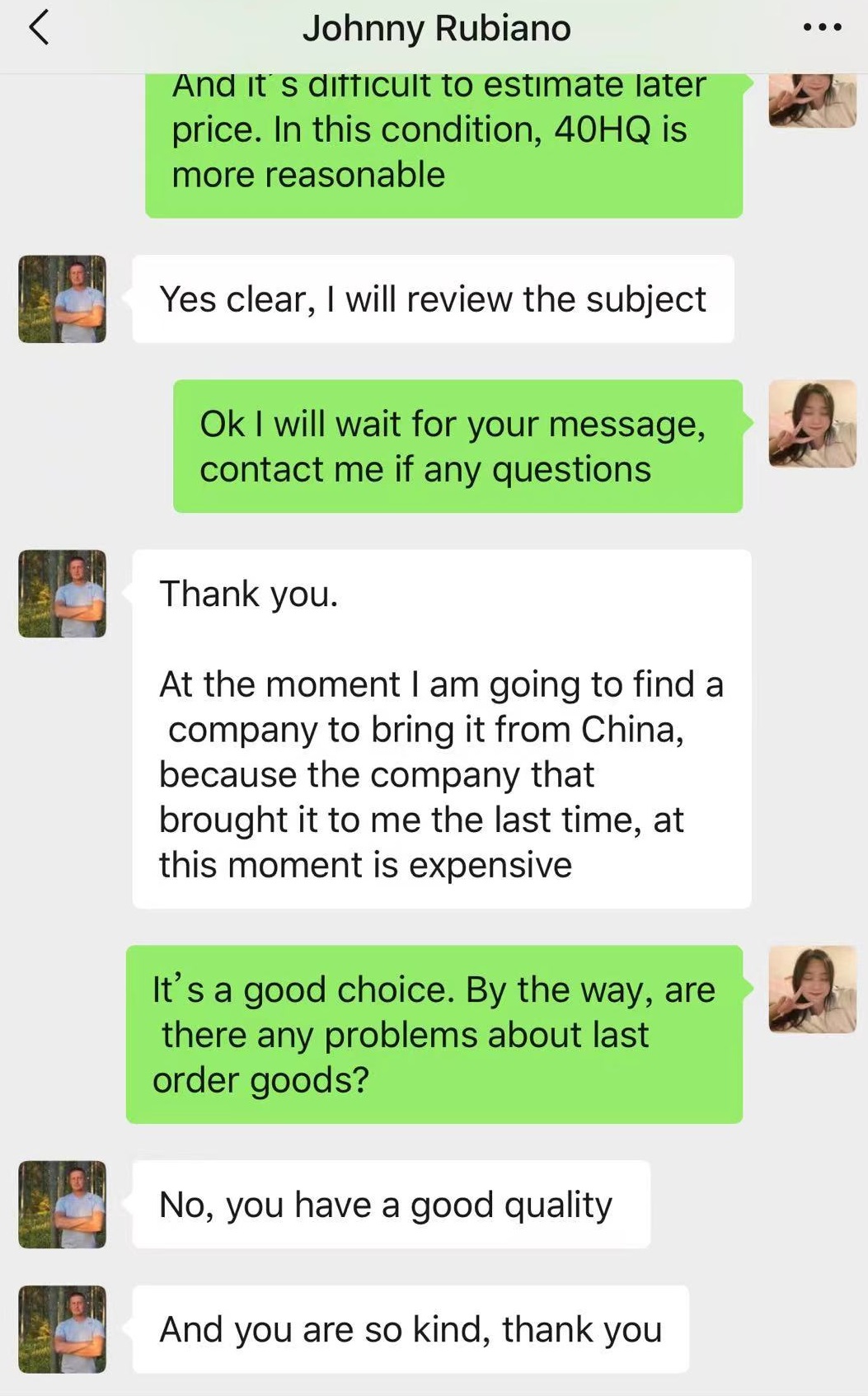
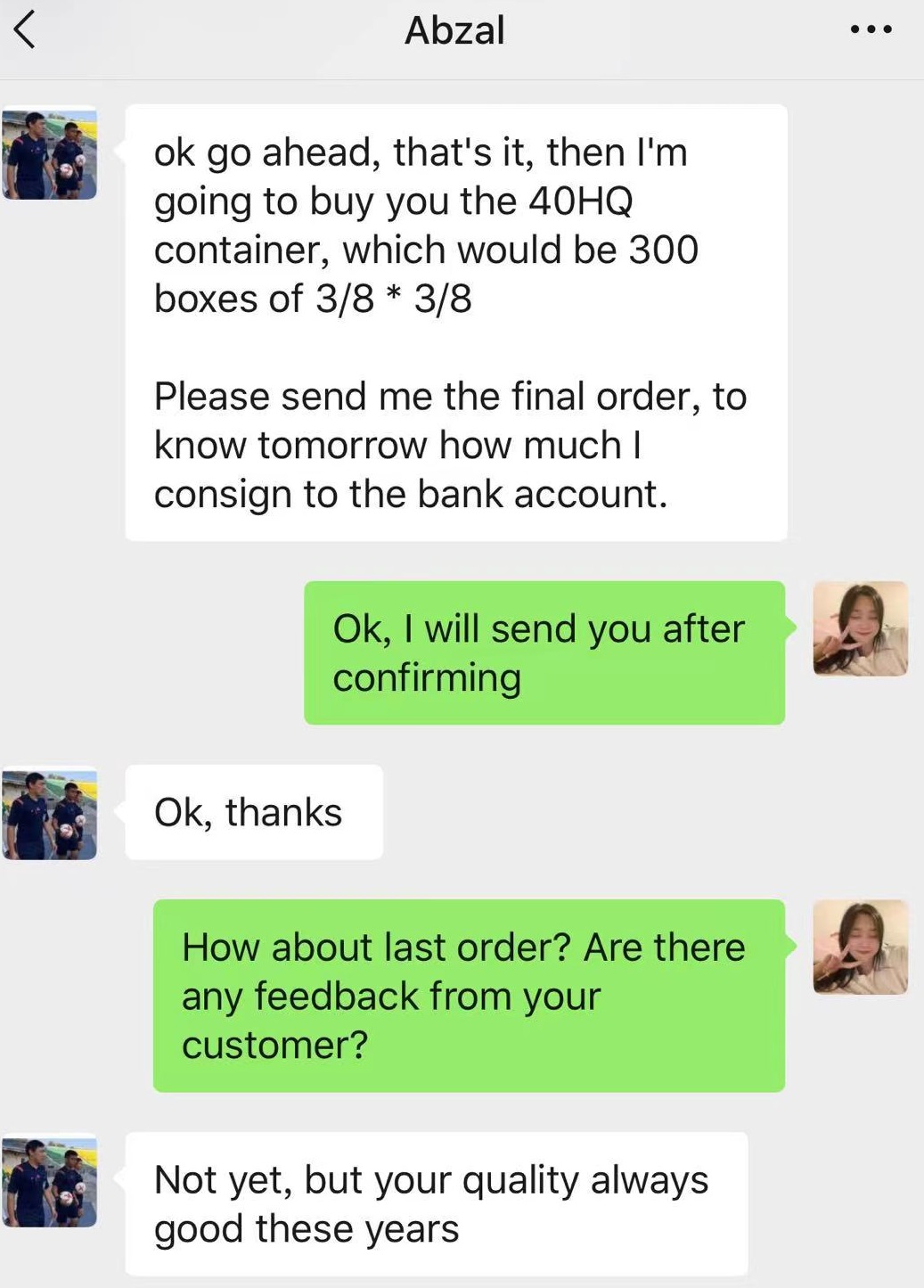
Kingflex materials are widely specified in prestigious industrial structures across 66+ countries, serving as the default insulation barrier in oil and chemical complexes, pharmaceutical cleanrooms, civil infrastructure, and cryogenic gas pipelines.


Answers to common technical questions asked by project engineers, procurement managers, and mechanical installers.
A1: It is primarily used for central HVAC ducts, chilled and hot water pipes, domestic air conditioning units, industrial pipelines, cold storage walls, and sound damping. Its flexible closed-cell structure makes it ideal for complex pipe networks and large-surface air ducts where space is limited.
A2: Yes. Kingflex rubber foam insulation is formulated with built-in flame-retardant elements. It is certified to meet international standards such as BS 476 Class 0, UL94, and ASTM E84, ensuring it resists ignition, suppresses fire propagation, and generates low smoke density.
A3: Rubber foam features a flexible, closed-cell polymer structure with a built-in water vapor barrier, making it highly effective for preventing condensation on chilled water pipes and HVAC ducts. Rock wool is a rigid, open-cell fibrous material designed for high-temperature applications (up to 650°C) and structural fire protection, but it requires a separate external vapor barrier for cooling lines.
A4: Yes. We offer comprehensive OEM/ODM services. We can customize physical attributes including sheet width, roll length, thickness (ranging from 6mm to 50mm), pipe inner diameter (ID), surface options (e.g., self-adhesive backings, aluminum foil facings), and packaging to meet specific project guidelines.
A5: Our materials have passed rigorous testing programs to achieve certifications including BS 476 Part 6 & 7 (Class 0/1), CE compliance, REACH, RoHS, UL94, and ASTM E84 Class A, ensuring safe and compliant installation globally.
A6: Yes. Every batch of Kingflex insulation is marked with tracking codes, linking the final product back to the manufacturing date, raw material input batches, and quality control test reports for complete accountability.
A7: We can produce thicknesses from 6mm up to 50mm, allowing engineers to specify the exact thickness required to meet thermal calculations and prevent condensation across varied environmental conditions.
A8: When properly specified and installed in indoor or shielded outdoor environments, Kingflex elastomeric materials have an operational lifespan of 10 to 15 years, during which they maintain stable thermal conductivity.
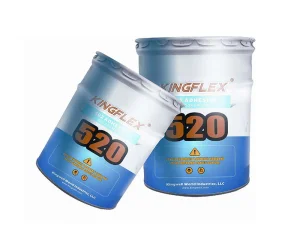
Complete your HVAC engineering specifications with specialized technical insulation tubes, foils, and glues.
 Kingflex