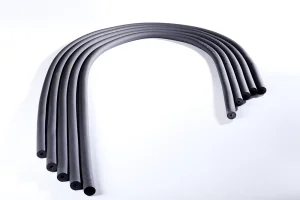
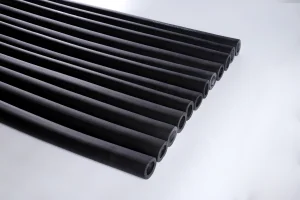
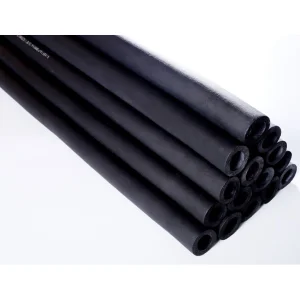
Advanced elastomeric closed-cell insulation integrated with composite aluminum cladding and high-tack adhesive systems for ultimate energy efficiency, environmental safety, and structural longevity.
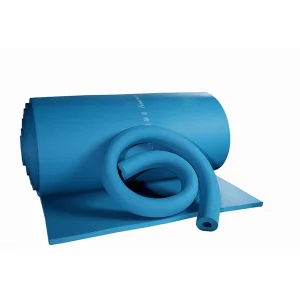
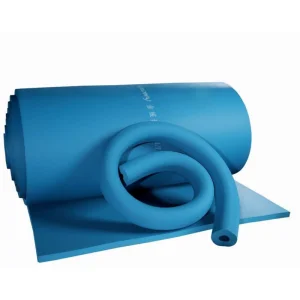
Explore our premium range of elastomeric rubber foam sheets, rolls, and pre-formed pipe insulation systems engineered for harsh cooling, heating, and acoustic environments.
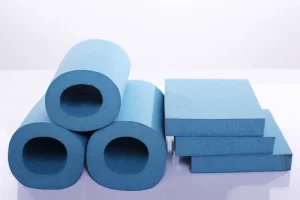
Modern engineering demands insulation systems that do more than restrict heat transfer. Across global industrial pipelines, commercial HVAC systems, marine settings, and cryogenic setups, basic elastomeric foam is increasingly upgraded to composite configurations featuring reinforced aluminum foil cladding and high-strength self-adhesive backings.
Aluminum foil cladding acts as an impervious vapor barrier, rendering the material resistant to mechanical stress, moisture penetration, and UV degradation. Meanwhile, the factory-applied pressure-sensitive adhesive layer eliminates the need for manual, solvent-based contact adhesives on-site, cutting labor costs by up to 60% while ensuring uniform bonding and minimizing fire hazard risks during application.
Combining aluminum foil cladding with a self-adhesive layer transforms flexible elastomeric foam (NBR/PVC) into a highly durable, dual-protection thermal barrier. Here is an overview of the key benefits:
In high-humidity environments, cooling lines are prone to sweating, dripping, and mold growth. Applying a factory-sealed aluminum barrier prevents humid air from reaching the cold pipe surface. This minimizes the risk of condensation and keeps thermal conductivity low throughout the system's life cycle.
Our composite sheets and pipes are manufactured under precise quality controls to deliver balanced flexibility, density, and thermal resistance:
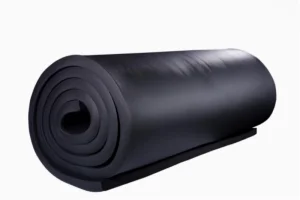
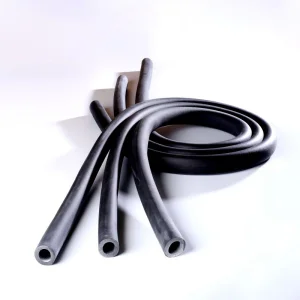
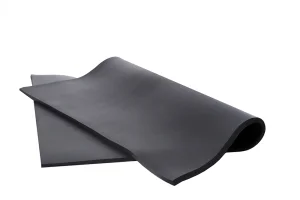
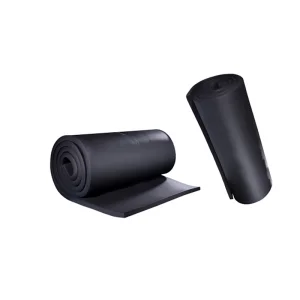
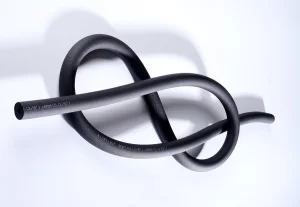
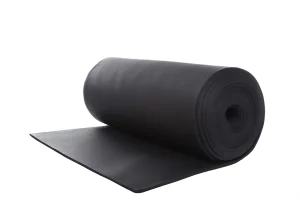
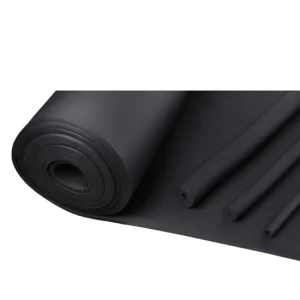
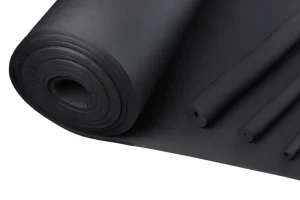
| Property | Black Rubber Foam Sheet Roll | Black Rubber Foam Insulation Pipe |
|---|---|---|
| Core Material | Premium NBR/PVC Closed-Cell Foam | Premium NBR/PVC Closed-Cell Foam |
| Thickness Range | 6mm to 50mm | 9mm to 40mm |
| Inner Diameter (ID) | N/A | 6mm to 114mm |
| Density | 40 - 55 kg/m³ | 40 - 55 kg/m³ |
| Service Temperature | -40℃ to 105℃ | -40℃ to 105℃ |
| Water Vapor Resistance | Closed-cell rate > 98% (μ ≥ 10,000) | Closed-cell rate > 98% (μ ≥ 10,000) |
| Adhesive Backing | Reinforced mesh pressure-sensitive adhesive | High-tack self-adhesive sealing strip option |
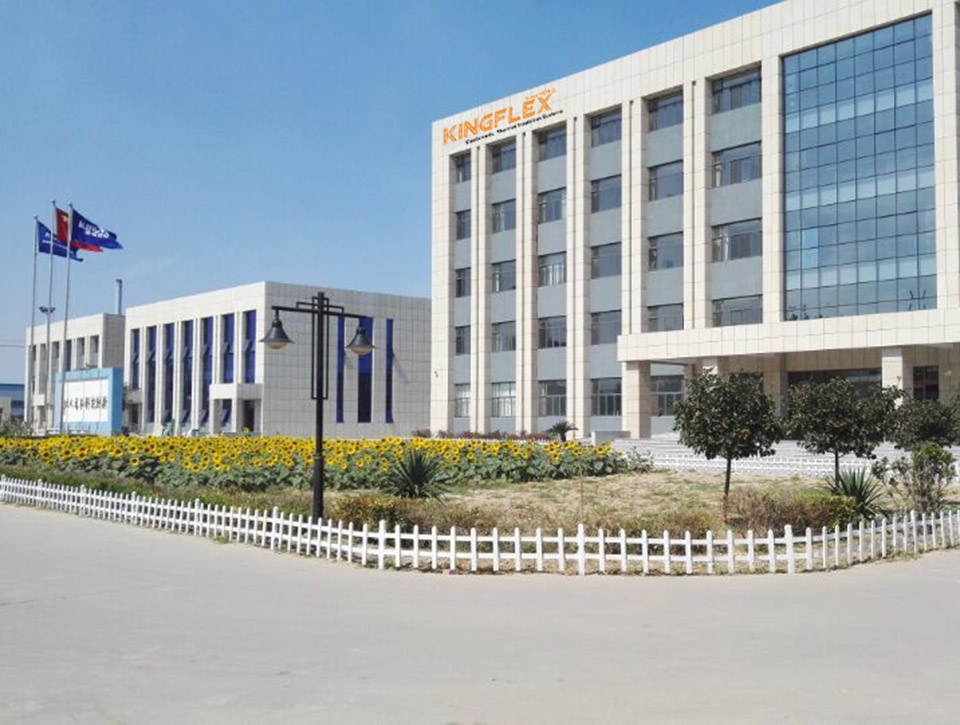
Operating from Dacheng, China—a hub for green building materials—Kingflex Insulation Co., Ltd. leverages a highly integrated local supply chain. This strategic location enables reliable raw material sourcing, automated continuous foaming, and advanced lamination processing.
With 5 automated assembly lines producing over 600,000 cubic meters annually, our operations are optimized to handle large-scale global orders. We maintain strict manufacturing controls, keeping production costs competitive while ensuring compliance with global certifications like BS 476, CE, REACH, RoHS, UL94, and ASTM.
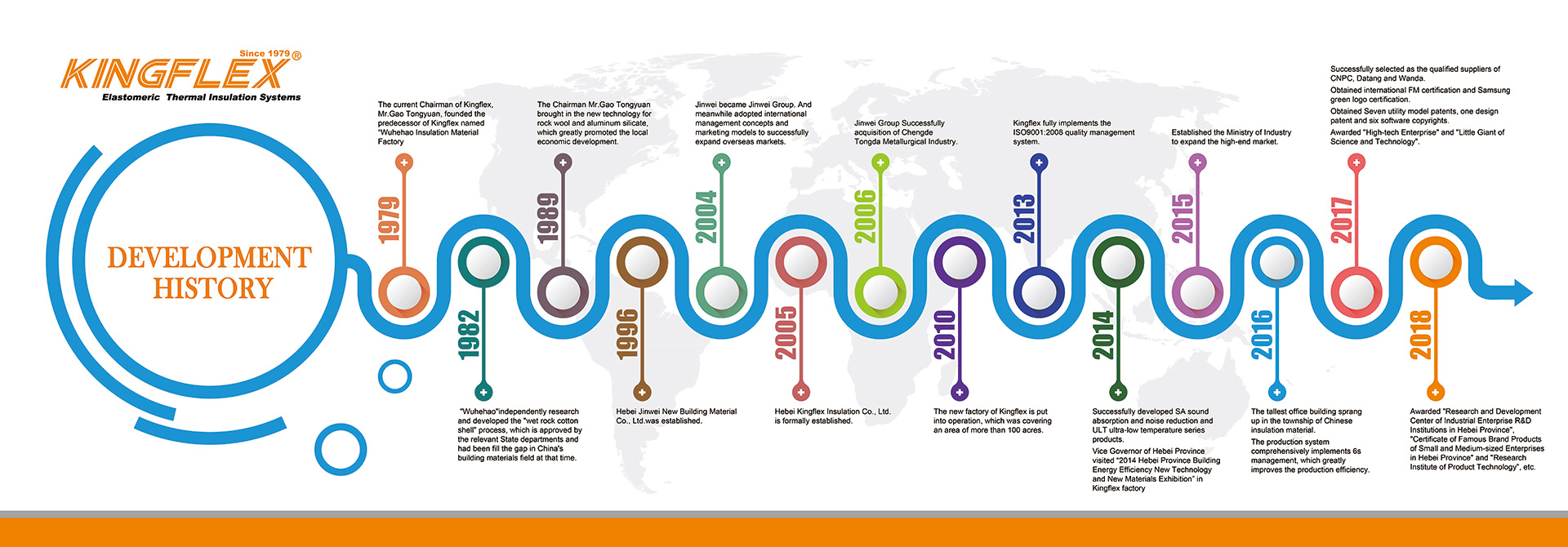
Established under the Jinwei Group (formerly Kingway Group, founded in 1979), Kingflex inherits over 40 years of thermal insulation expertise. As one of the early pioneers of thermal insulation production in northern China, the group has evolved into a leading global provider of energy-saving insulation systems.


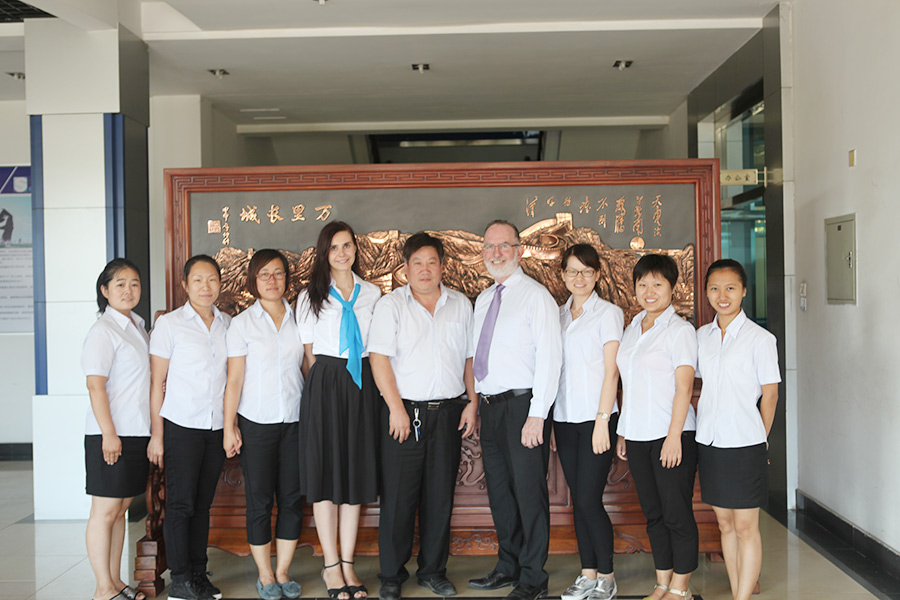
Our dedicated team includes 8 professional R&D engineers, 6 international sales representatives, and 230 production specialists. We work together to deliver robust, code-compliant solutions tailored for building and industrial projects worldwide.
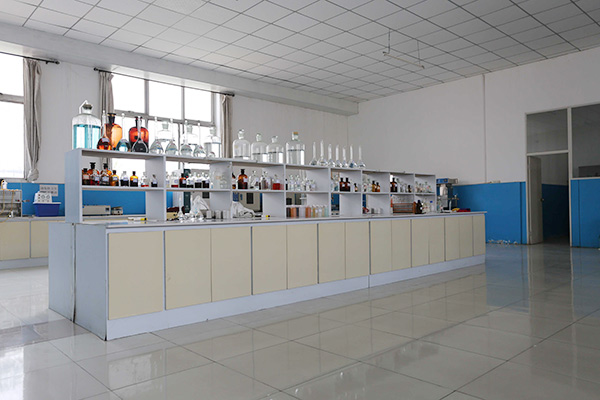
Continuous investment in research and development ensures that Kingflex insulation materials maintain high performance and stable thermal properties over time.
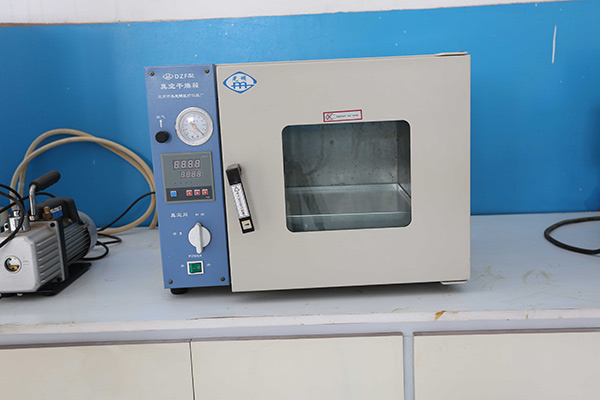
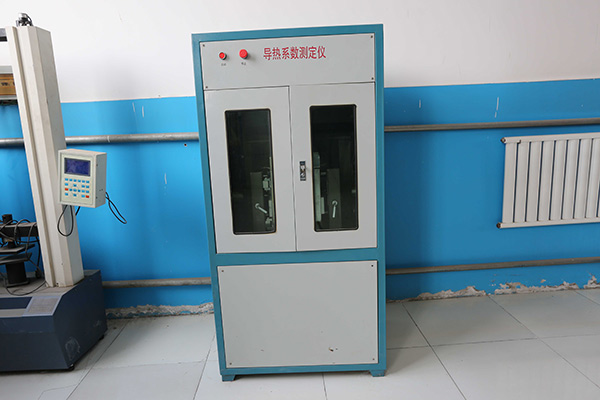
Thanks to their robust, composite construction, our aluminum-clad self-adhesive insulation systems are well-suited for a variety of challenging applications:
Kingflex insulation products are certified to meet international safety and environmental regulations, ensuring reliable performance in global markets.
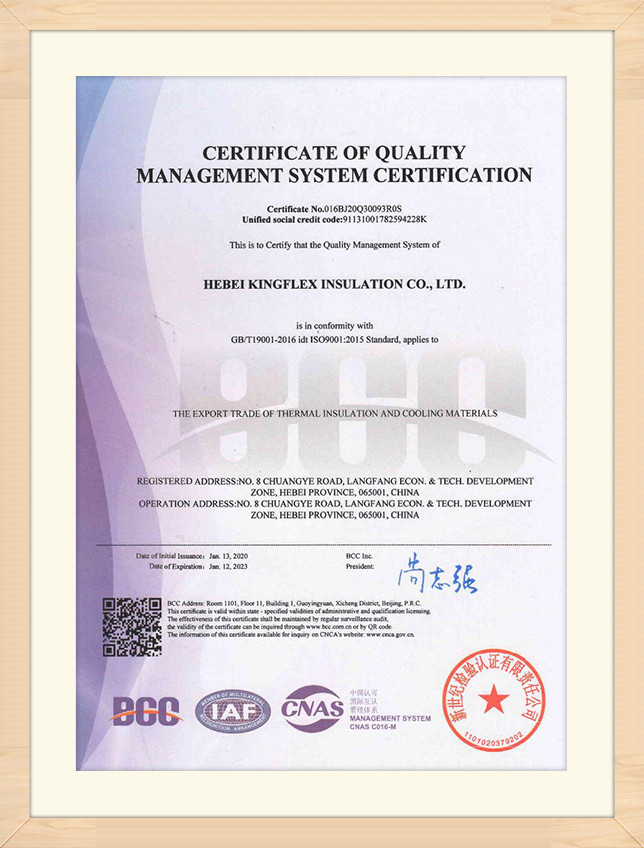
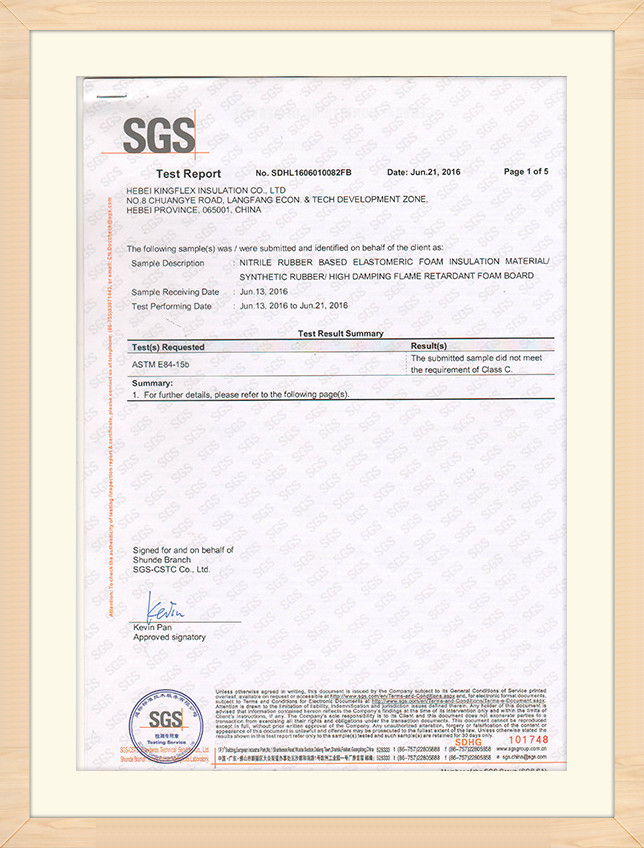
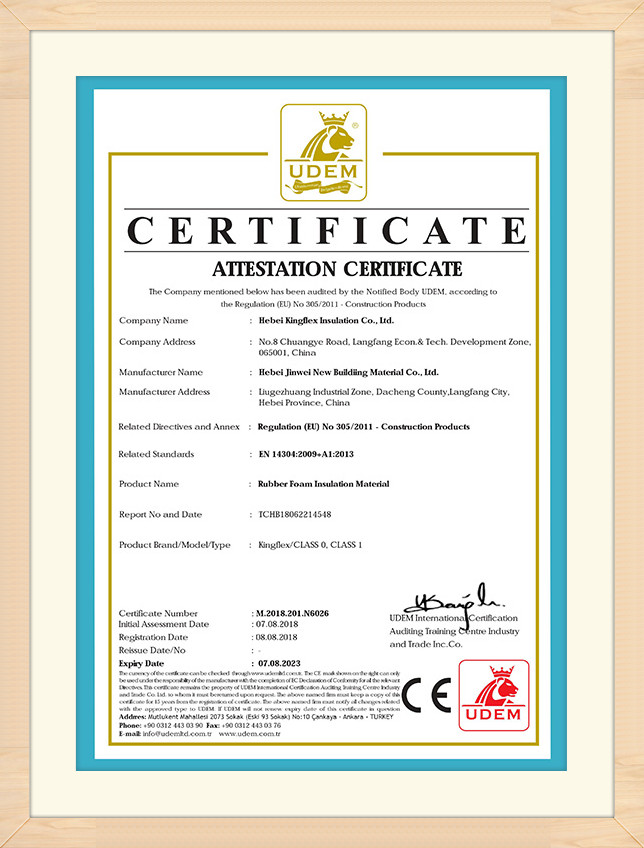
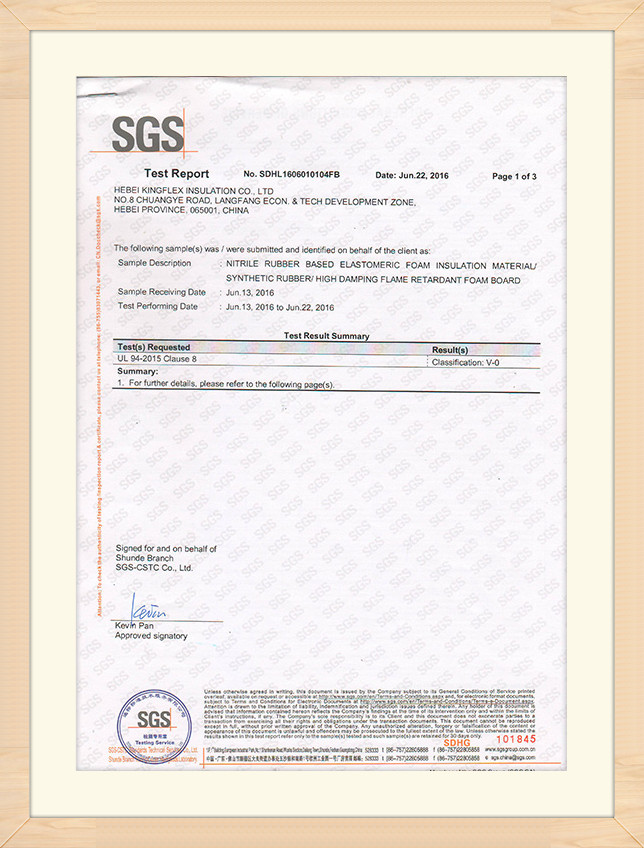
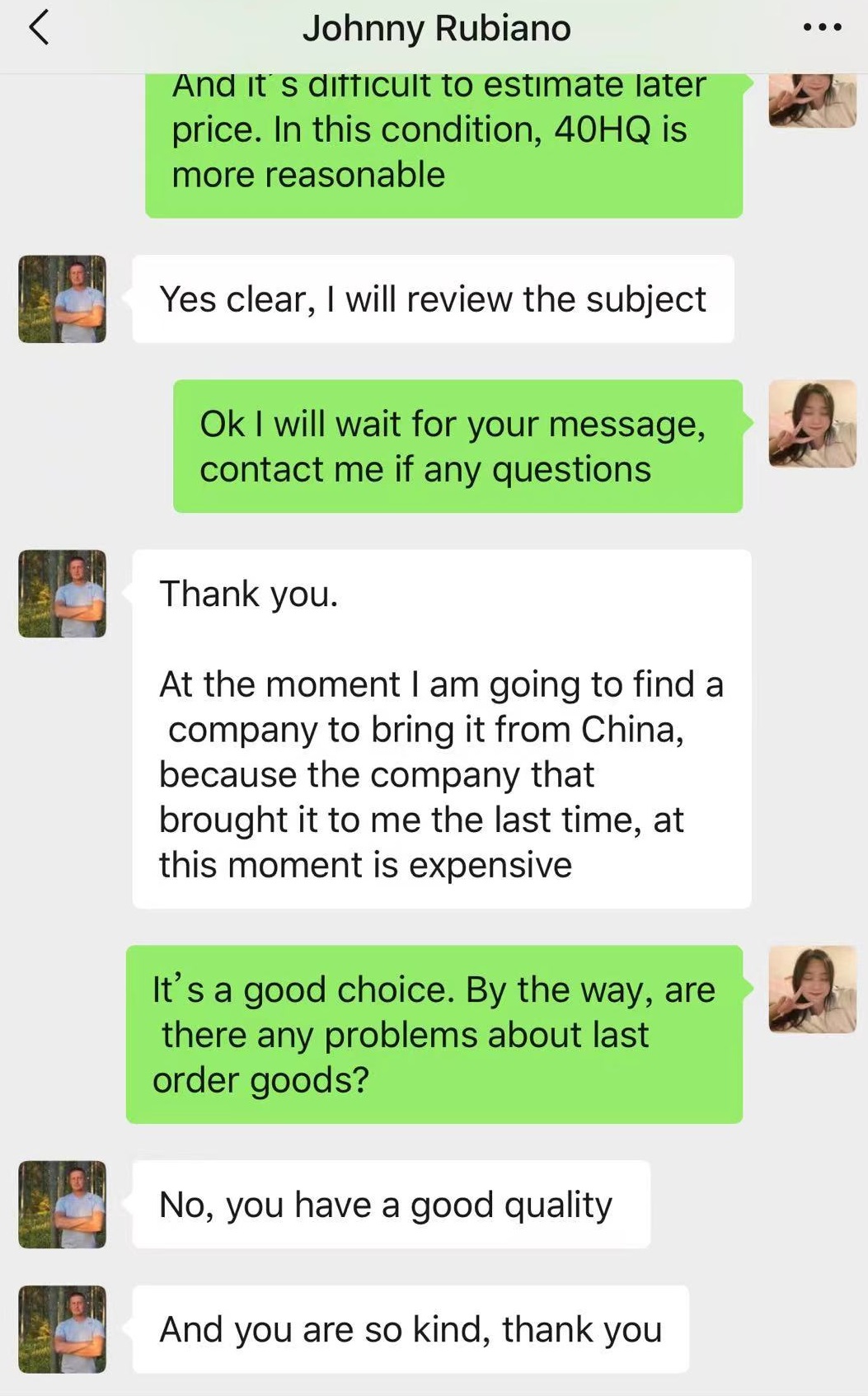
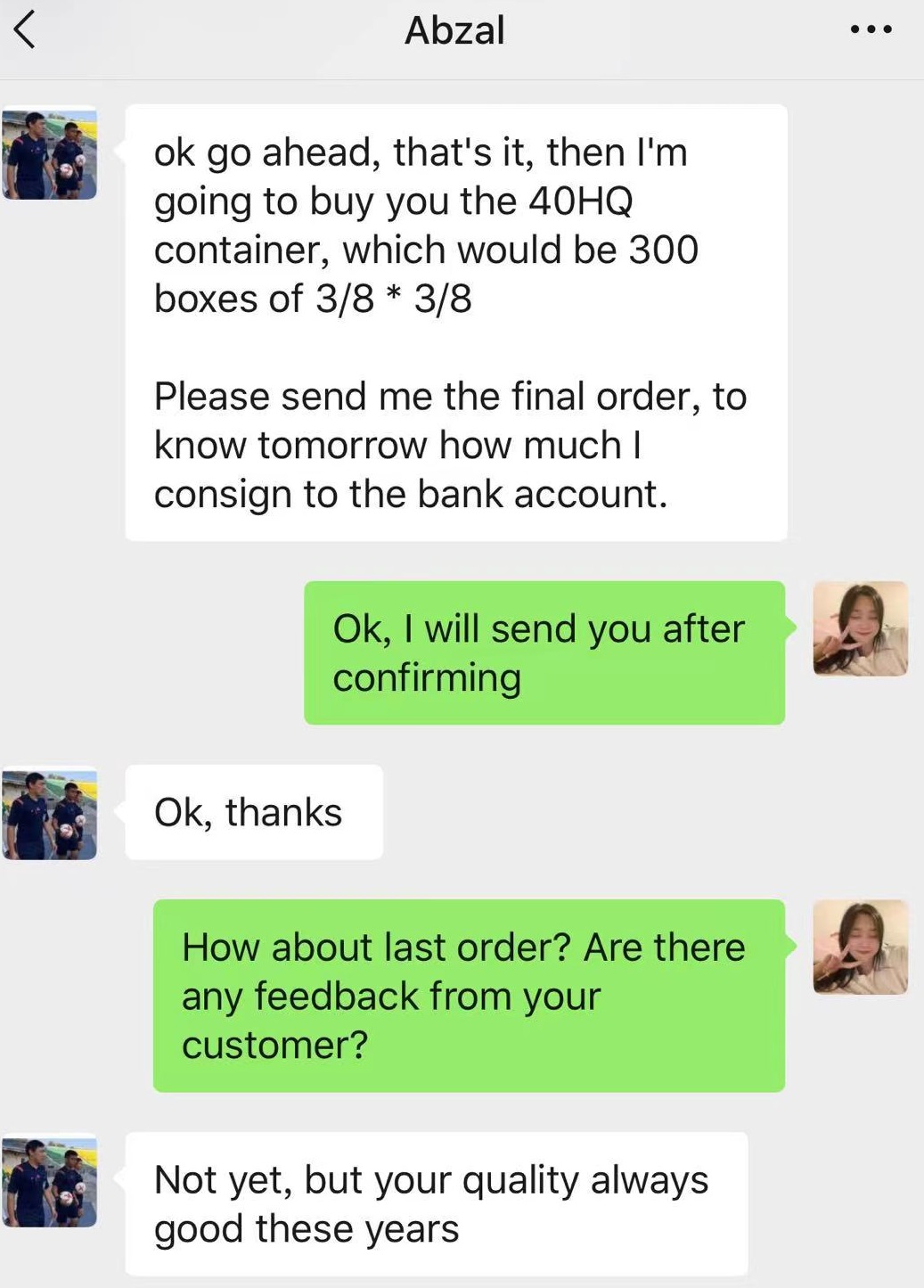
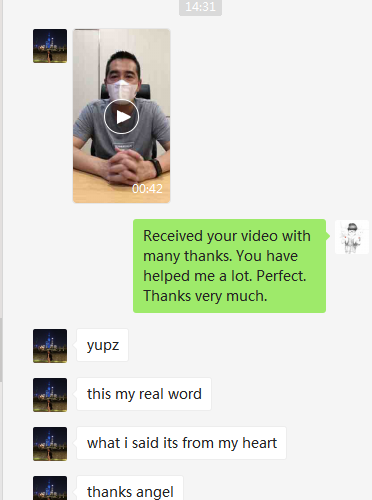
Our dedication to quality has helped us establish long-term partnerships with customers in over 66 countries. Below are recent transaction screenshots showing client feedback on product quality, shipping lead times, and on-site performance:


See our elastomeric rubber foam sheets, rolls, and pipes installed on real-world HVAC systems, industrial plants, and infrastructure projects.
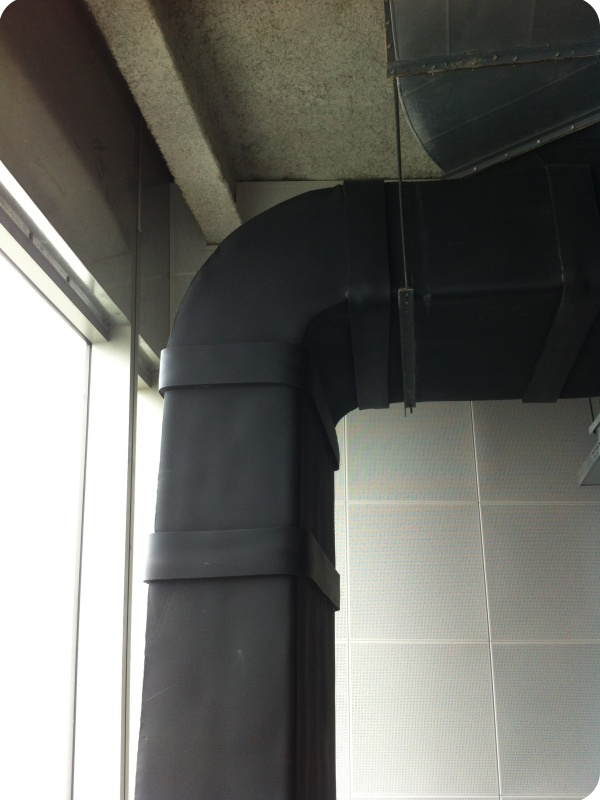

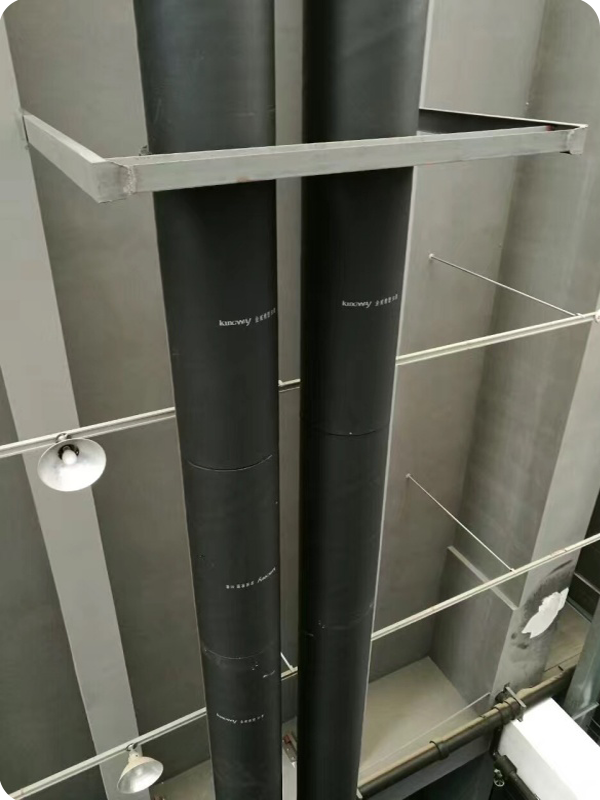
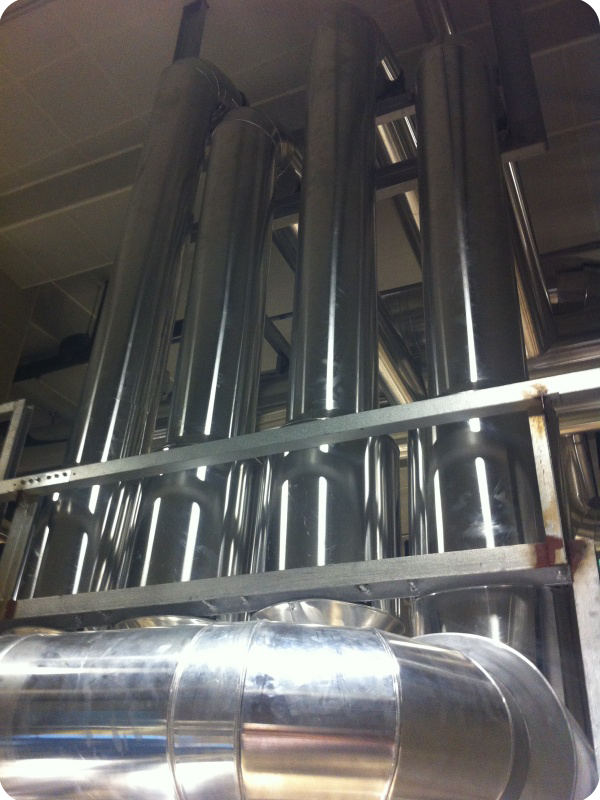
Our composite insulation systems are regularly chosen for large-scale infrastructure developments because of their reliable thermal properties, high condensation control, and straightforward, fast installation process.
Find answers to common technical, design, and procurement questions about our composite insulation materials.
Browse our complete catalog of specialized closed-cell thermal solutions, cryogenic materials, and pre-formed tubes designed for industrial process pipes.
 Kingflex