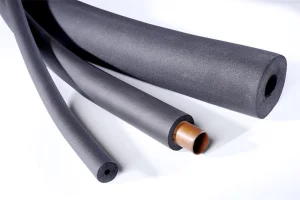
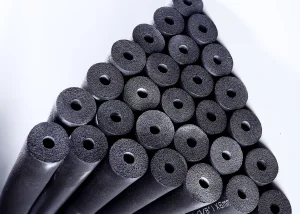
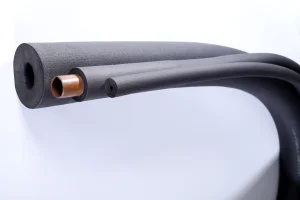
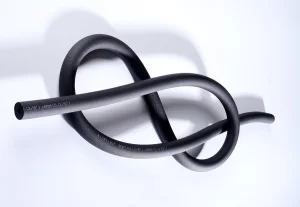
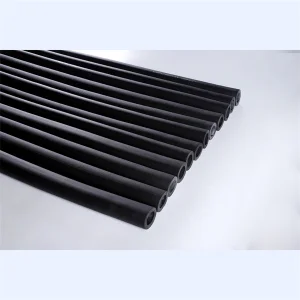
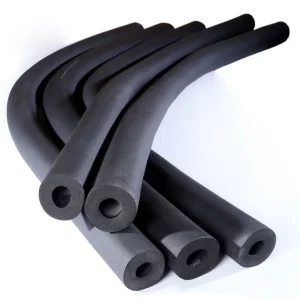
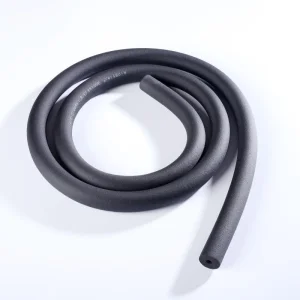
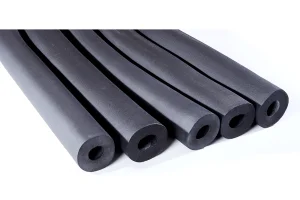
Engineered for maximum thermal efficiency and optimal resistance to coastal saltwater humidity.
Chittagong (Chattogram), as the chief seaport and second-largest city of Bangladesh, serves as the gateway to the country's growing economy. Undergoing massive industrialization through key zones such as the Chittagong Export Processing Zone (CEPZ), Karnaphuli EPZ, and the landmark Matarbari Deep Sea Port project, the city has become a hub for heavy manufacturing, shipbuilding, ready-made garments (RMG), steel mills, and chemical processing. These large-scale facilities require advanced mechanical infrastructure, where precise environmental control is not a luxury, but an operational necessity.
Located along the Bay of Bengal, Chittagong features a tropical monsoon climate characterized by extremely high relative humidity, often exceeding 85% for most of the year. This environment poses severe challenges to mechanical pipes, chiller units, and HVAC systems. When cold water or refrigerant pipes are exposed to warm, humid ambient air, condensation occurs instantly. Unprotected pipes quickly develop mold, suffer severe thermal energy loss, and experience Corrosion Under Insulation (CUI). Closed-cell rubber foam insulation, boasting an exceptionally high water vapor diffusion resistance factor (μ ≥ 10,000), acts as a built-in vapor barrier to protect structural integrity and prevent thermal bridging.
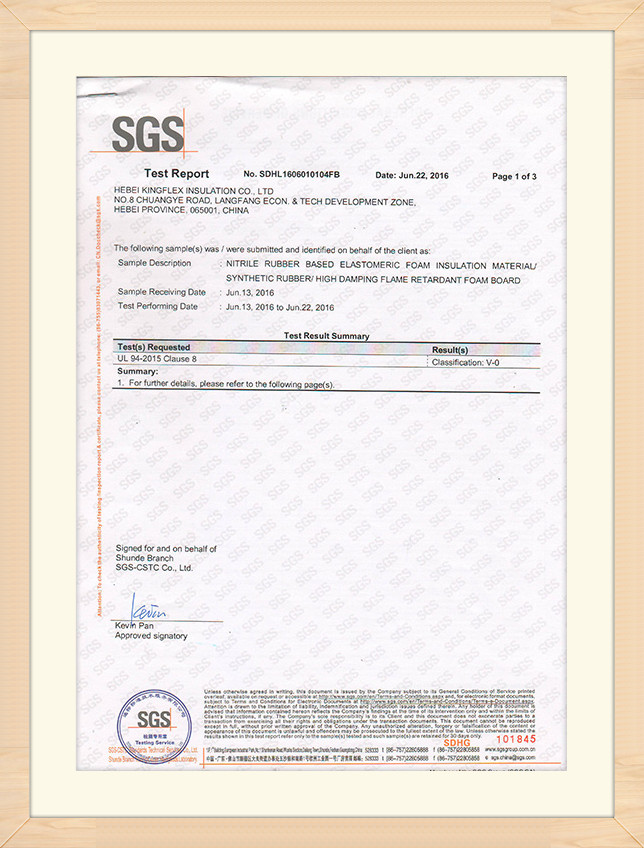
Internationally, building codes and industrial development plans are prioritizing carbon reduction and energy saving. The transition to green buildings (such as LEED certifications) demands thermal insulation with low thermal conductivity (λ ≤ 0.034 W/m·K at 0°C). Furthermore, global procurement officers are increasingly mandating fire-rated elastomeric products that comply with strict fire-safety regulations such as BS 476 Part 6 & 7 Class 0, and UL 94 V-0, ensuring that human lives and heavy capital assets are protected during operations.
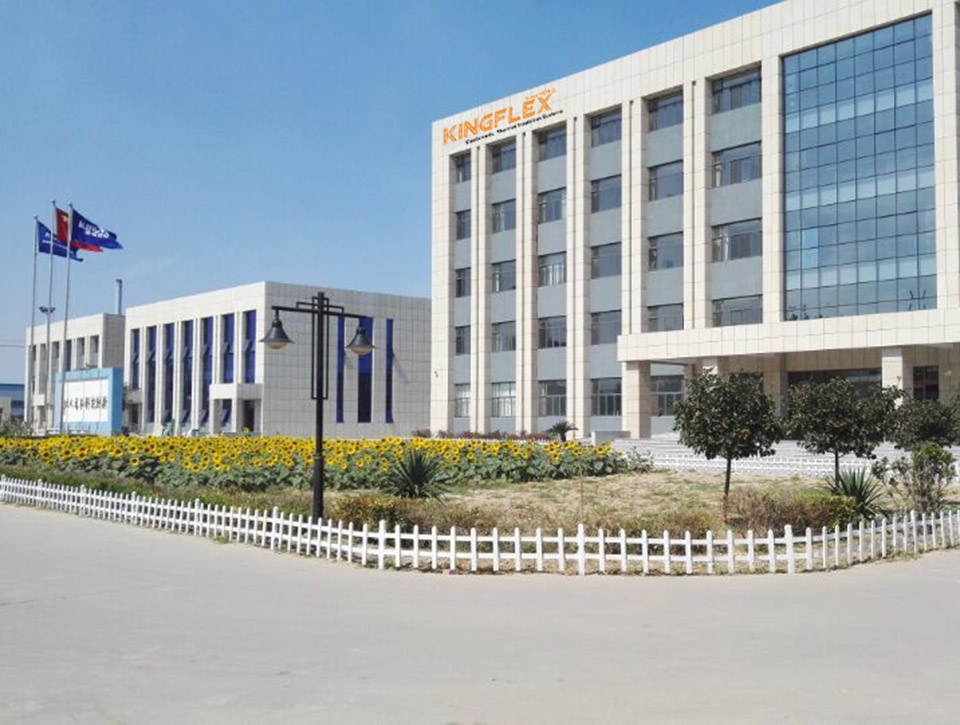
Kingflex Insulation Co., Ltd. is a professional manufacturing and trading combo for thermal insulation products, with research, development, and production departments situated in Dacheng, China—widely recognized as the green building materials capital. Operating with the core philosophy of energy saving and emission reduction, our smart factories have transitioned to Factory 4.0 standards.
Equipped with 5 high-speed, fully automated assembly lines, Kingflex ensures precision control over cell size distribution, density, and chemical composition. This automated approach guarantees consistent batch-to-batch quality, reducing thermal variance by up to 15% compared to semi-automated factories. By optimizing production workflows, we can scale up production to handle sudden procurement demand fluctuations from major international project contracts.
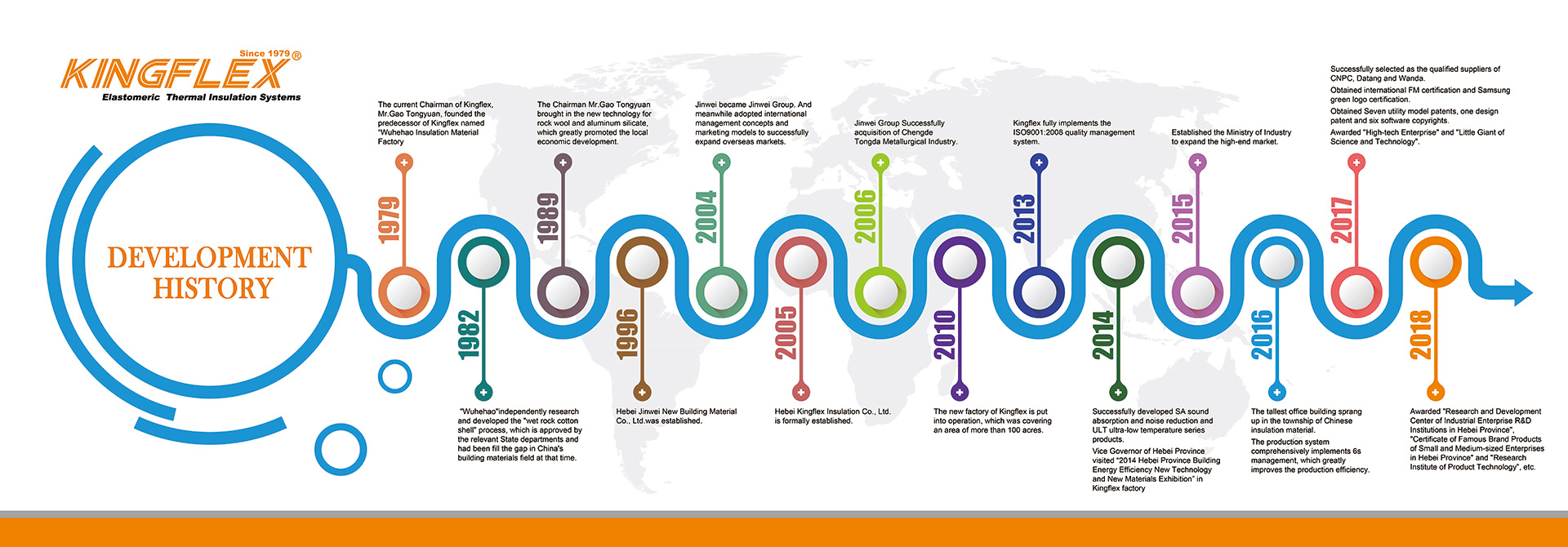
Established by the Jinwei Group, which possesses over 40 years of pioneering history in energy management (founded in 1979 as the first manufacturer of thermal insulation materials north of the Yangtze River), Kingflex has grown to lead global industrial insulation supply chains. We operate as the designated production supplier for the Ministry of Energy, Ministry of Electric Power, and the Ministry of Chemical Industry in key regional projects.
Our expert staff consists of 8 professional R&D engineers, 6 dedicated international trade managers, and 230 specialized production personnel. By integrating cutting-edge materials science with reliable customer service, Kingflex has successfully exported top-tier insulation solutions to 66 countries across the globe, providing reliable cold insulation and noise-reduction capabilities to diverse industries.
A comparative look at standard dimensions and core installation environments for Chittagong engineering projects.
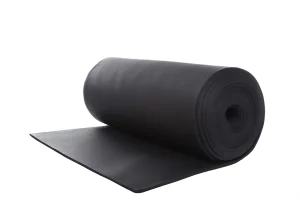
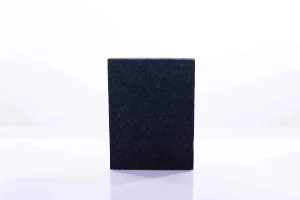
Applications: Central HVAC air ducts, wall/roof insulation in high-temperature processing zones, sound attenuation in generator rooms, and ship cabin thermal barriers.
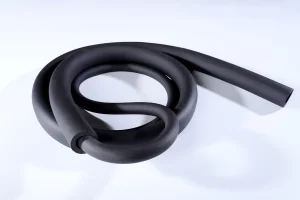
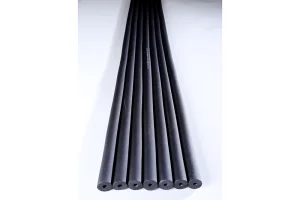
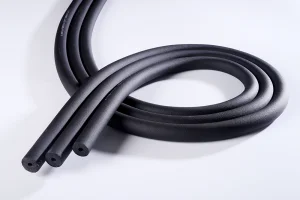
Applications: Chilled water pipes, split-system refrigerant copper tubes, heavy industrial chemical pipelines, cold chain storage systems, and hot water supply pipelines.
Verifiable credentials conforming to European, American, and British international standards.
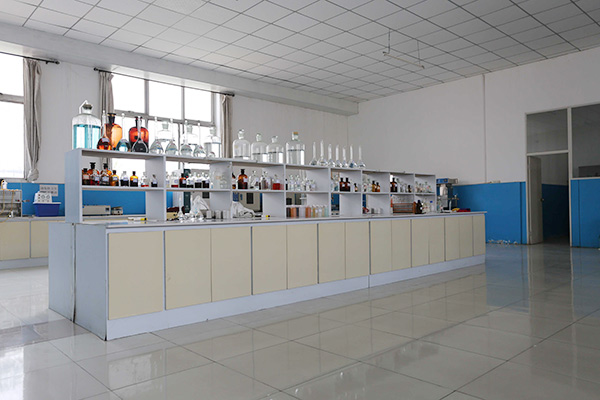
Tensile Testing
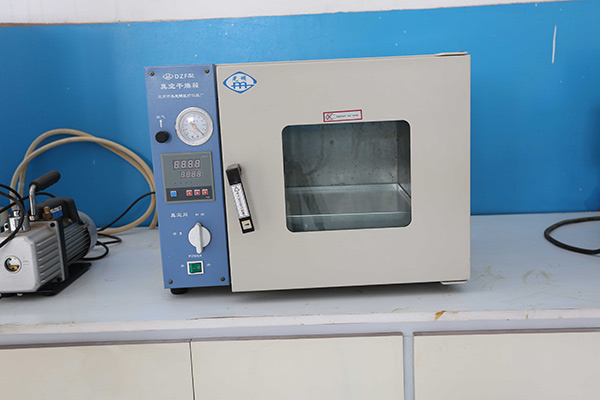
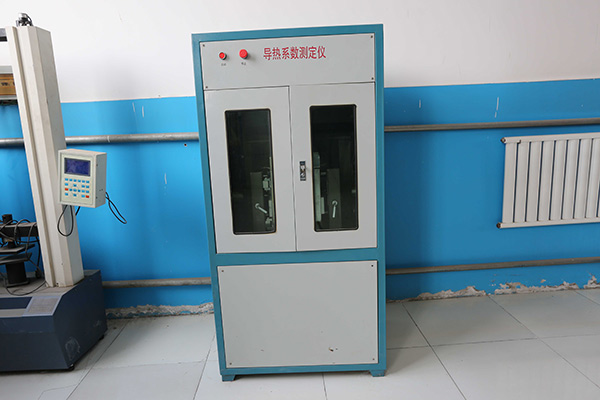
Thermal Chamber Analysis
Cell Structure Quality Control
Traceability Systems
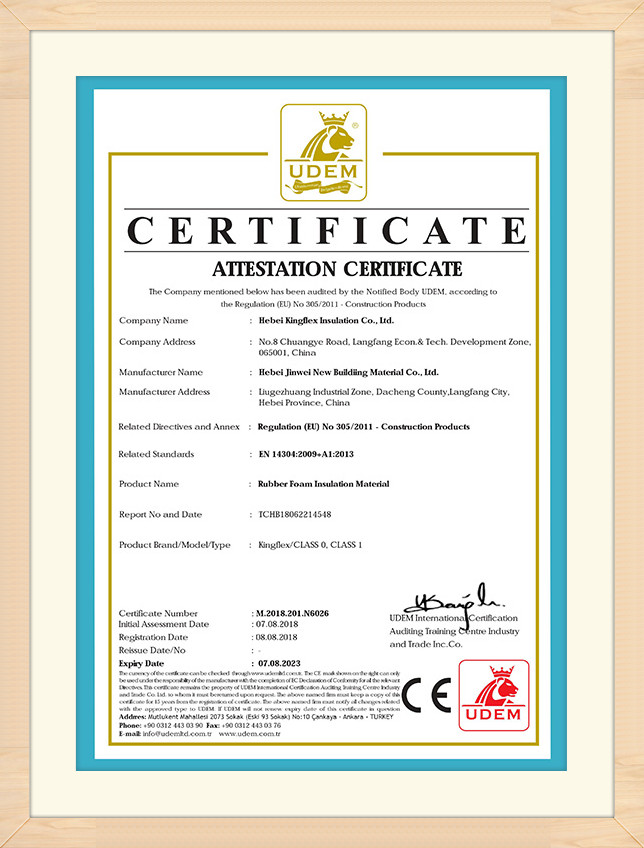
CE Certification
RoHS & REACH Directive
BS 476 Fire Rated

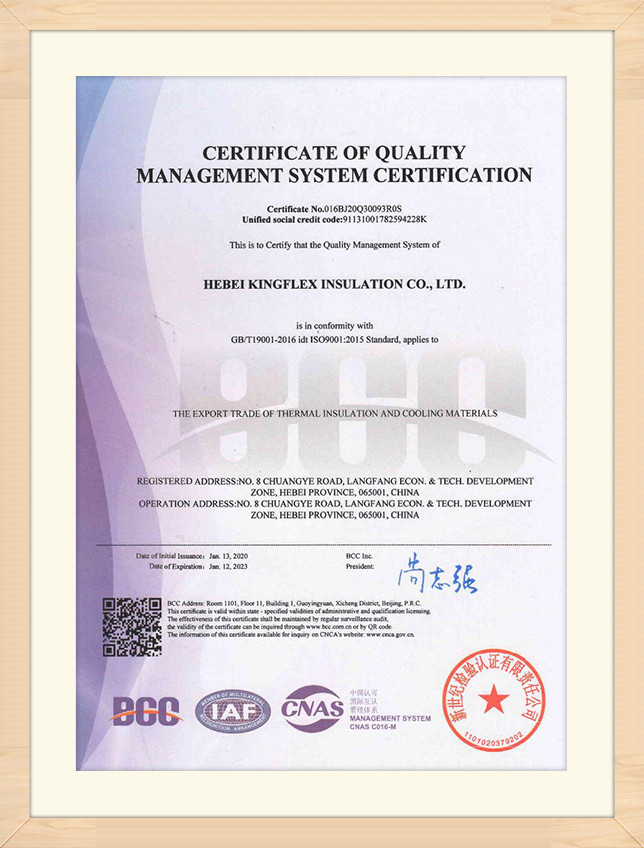
ISO 9001 Quality System
Proven project track records and direct communications with procurement engineers.
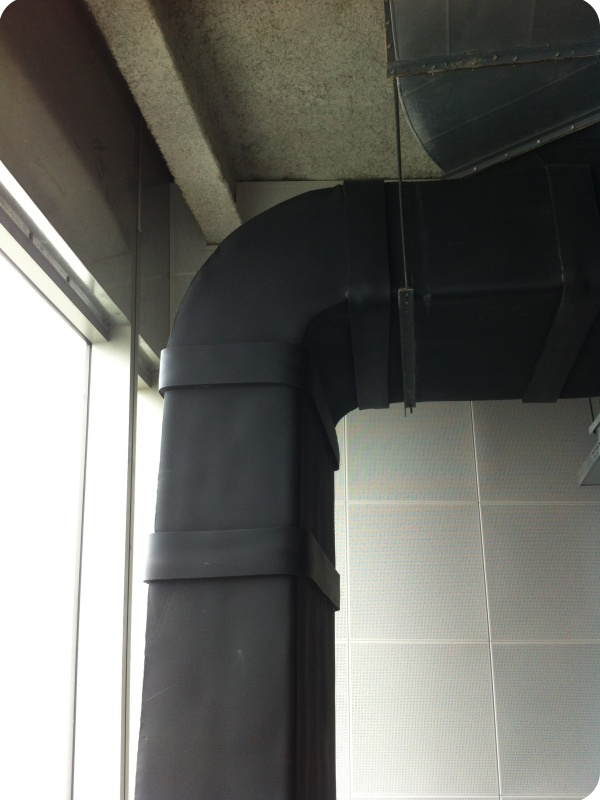

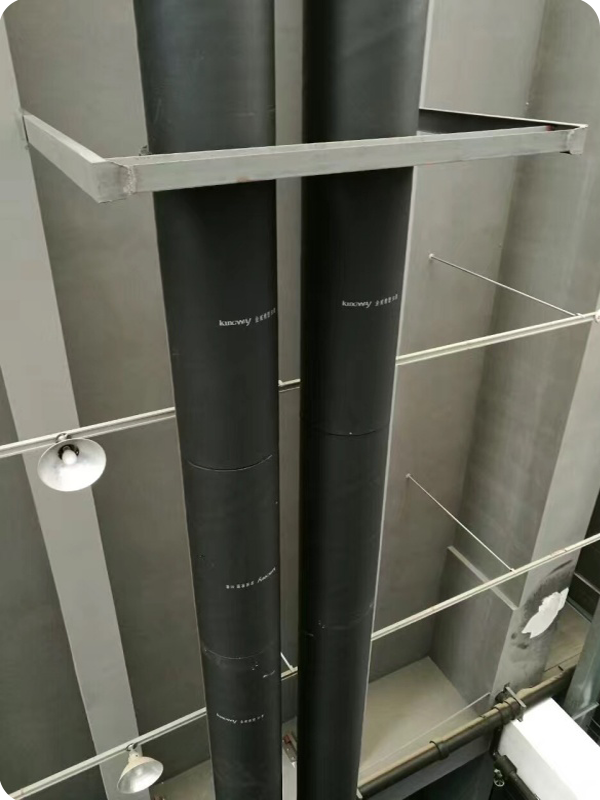
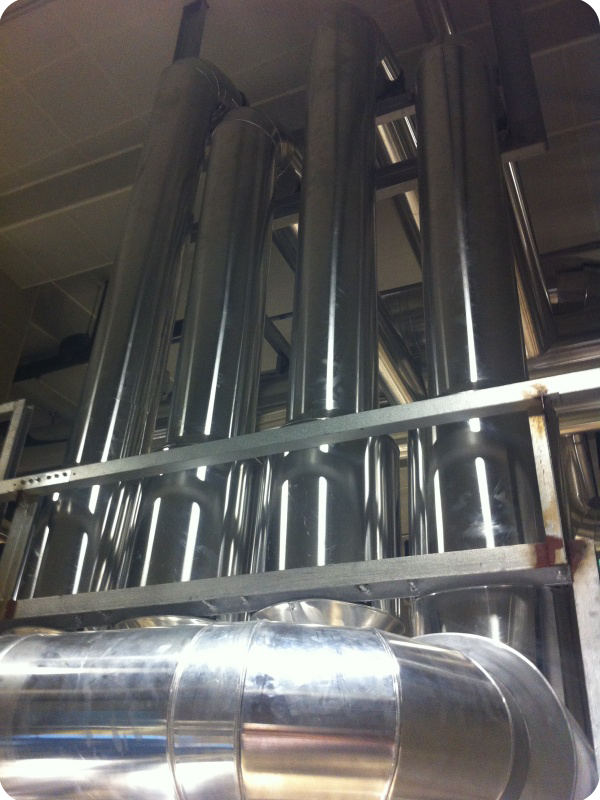



Explore our complete production line available for direct container shipping to Chittagong Seaport.
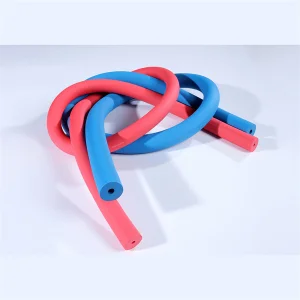
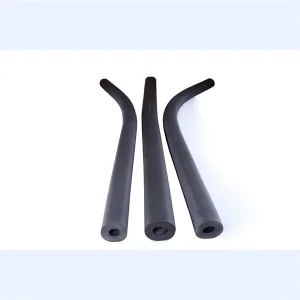
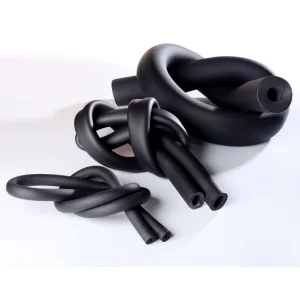
Detailed technical advice on specifying, installing, and procuring elastomeric insulation for maritime environments.
A1: It is mainly used for HVAC ducts, air conditioning pipes, building thermal insulation, industrial pipeline cold insulation, and sound insulation. Its high water vapor resistance makes it particularly suitable for prevent condensation in hot, humid climates.
A2: Yes, our rubber foam insulation products are flame retardant and meet safety standards such as BS 476 Part 6 & 7 Class 0, and UL94 V-0. They are self-extinguishing and do not drip fire when exposed to extreme heat.
A3: Rubber foam is flexible, closed-cell, and highly moisture-proof, making it suitable for HVAC, chilled water pipes, and damp industrial environments. Rock wool is high-temperature resistant and fireproof, which makes it suitable for high-heat steam pipes but susceptible to moisture absorption if not properly jacketed.
A4: Yes, Kingflex supports full OEM services, including custom inner diameters (ID) for pipes, customized sheet thicknesses, self-adhesive backing, and protective aluminum foil pre-laminations to meet specific project guidelines.
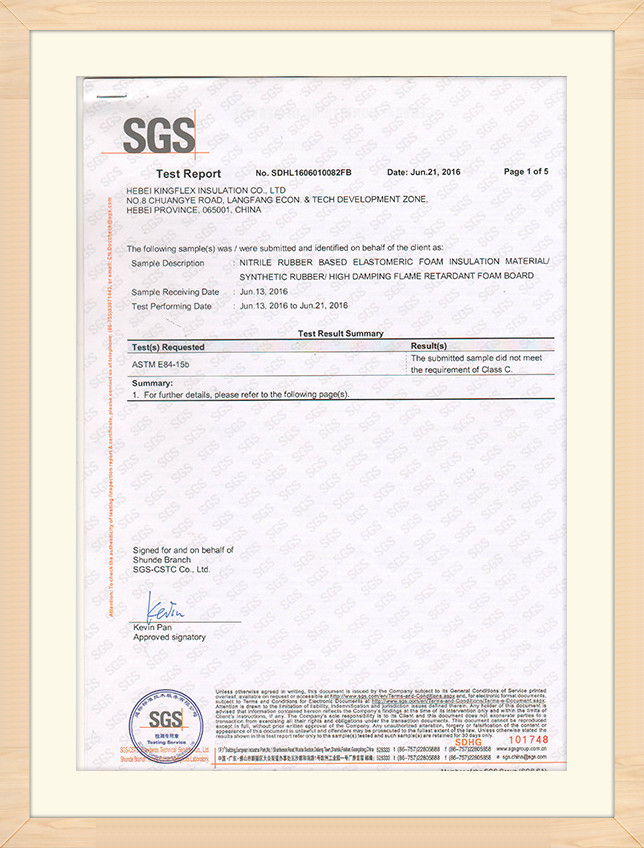
A5: Our products have passed CE, BS 476, REACH, RoHS, UL94, and ASTM testing, ensuring total compliance with environmental and physical performance criteria required globally.
A6: Yes, every batch is encoded with manufacturing timestamps and material batches to ensure traceability and maintain accountability across commercial procurement pipelines.
A7: We can produce sheet rolls ranging from 6mm to 50mm in thickness, with options for colored outer coatings or mechanical armoring.
A8: When correctly specified and installed according to technical guides, the average service life in commercial HVAC installations is between 10 and 15 years, depending on environmental stress levels.
A9: Extreme relative humidity requires a calculation-based increase in insulation wall thickness. To prevent condensation, the surface temperature of the insulation layer must remain above the dew point of the ambient air. Kingflex offers dedicated engineering calculations for Chittagong's marine climate zones.
 Kingflex