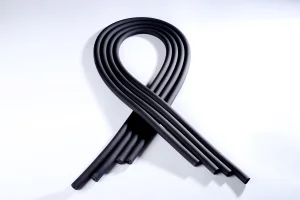
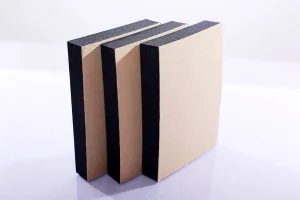
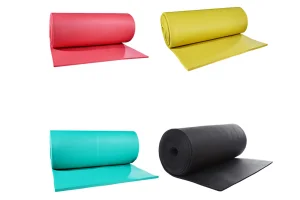
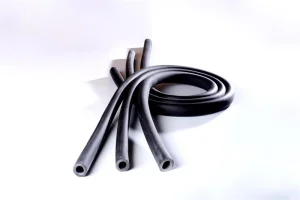
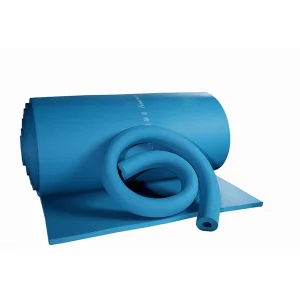
Direct supply from state-of-the-art Chinese manufacturing facilities ensuring optimal thermal efficiency, flame retardance, and sound absorption.
In modern building design, industrial processing facilities, and commercial HVAC systems, energy efficiency is no longer optional—it is a critical metric for regulatory compliance and operational cost reduction. Hot air ducts and thermal distribution pathways lose billions of BTUs annually due to sub-standard, degradation-prone, or poorly installed insulation systems. Selecting the correct insulation medium, such as elastomeric rubber foam or high-density rock wool, determines the systemic efficacy of the entire plant.
According to modern engineering standards, thermal leakage in ductworks increases fan energy consumption, loads chillers and heaters unnecessarily, and causes localized thermal zones that degrade working environments. Globally, building and HVAC specifications (such as ASHRAE 90.1 and the European EN 12828) mandate strict insulation values for air ducting systems operating at extreme temperatures. By limiting thermal transfer, modern insulation materials maintain the delta-T of transported hot or cold air over immense physical runs.
Furthermore, condensation control remains a crucial issue for system integrity. For refrigeration and dual-zone hot/cold systems, air duct surface temperature must remain above the dew point of the surrounding ambient air to prevent biological growth, corrosion, and structural structural failure. Highly flexible, elastomer-based closed-cell insulation materials provide a built-in vapor barrier that prevents moisture penetration, offering long-term reliability where fibrous materials often require complex outer vapor barriers.
Industrial insulation must be custom-tailored to the localized environments where it is deployed. A system that excels in a high-humidity coastal region will face vastly different degradation pathways than a network in a sub-zero petrochemical refinery.
In areas with high ambient relative humidity, standard fibrous insulation can absorb water, resulting in "under-insulation corrosion" (CUI) and loss of thermal efficacy. Kingflex's closed-cell elastomerics maintain an water vapor transmission coefficient (μ) exceeding 10,000, eliminating moisture ingress.
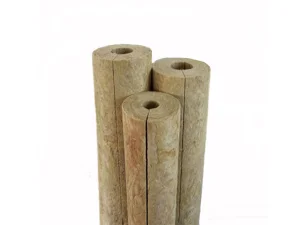
Steam pipes, metallurgical processing ducts, and heavy manufacturing duct networks experience extreme continuous temperatures. Here, high-density rock wool insulation boards and blankets are essential, providing thermal stability and high-temperature fire breaks.
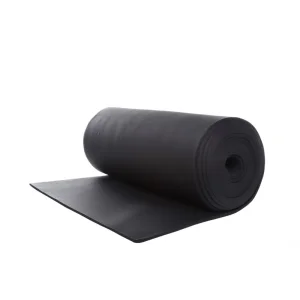
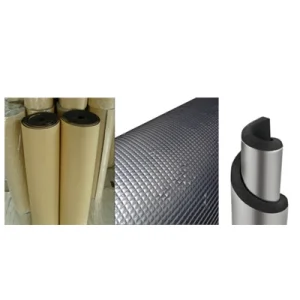
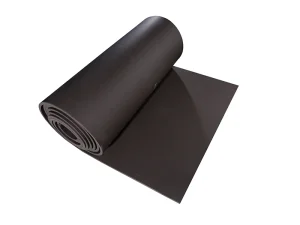
For malls, hospitals, and cleanroom complexes, low-VOC emissions, smoke suppression, and acoustic insulation are required. Kingflex flexible rubber sheet rolls with factory-applied self-adhesive options ensure seamless installation, reducing duct noise while meeting indoor air standards.
Designing a stable thermal insulation system requires an understanding of structural parameters. Kingflex products are manufactured from NBR/PVC elastomeric rubber foam and premium rock wool compounds, developed over decades of research.
| Property Parameter | Kingflex Elastomeric Rubber Foam (Sheet/Pipe) | Kingflex Rock Wool Board / Blanket |
|---|---|---|
| Base Material Structure | NBR/PVC Elastomeric Foam (Closed-Cell Rate >98%) | Inorganic Basalt & Mineral Fibers (Fibrous) |
| Thickness Availability | 6mm to 50mm (Sheets) / 9mm to 40mm (Pipes) | 25mm to 150mm (Customizable) |
| Density Range | 40 - 55 kg/m³ | 60 - 150 kg/m³ |
| Service Temperature Limit | -40℃ to 105℃ | Up to 650℃ |
| Thermal Conductivity (λ) | ≤ 0.034 W/(m·K) at 0℃ | ≤ 0.039 W/(m·K) at 25℃ |
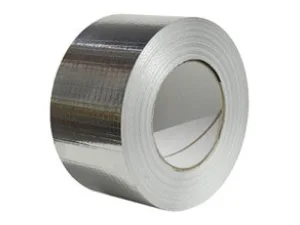
| Moisture Resistance (μ) | High moisture resistance factor, preventing surface dew | Permeable, requires secondary aluminum cladding |
| Compression Resilience | Over 80% recovery under standard deflection | Rigid / Semi-rigid depending on density |
Kingflex's elastomeric foam undergoes a continuous vulcanization and gas-injection extrusion process. This produces a micro-cellular closed-cell distribution that encapsulates millions of pockets of dry air. These microscopic pockets resist thermal movement, resulting in low thermal conductivity.
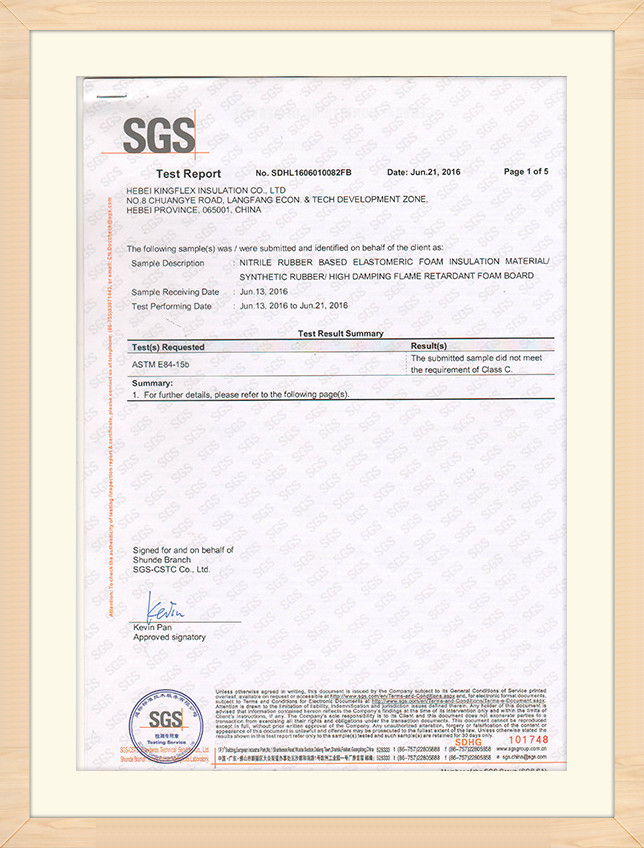
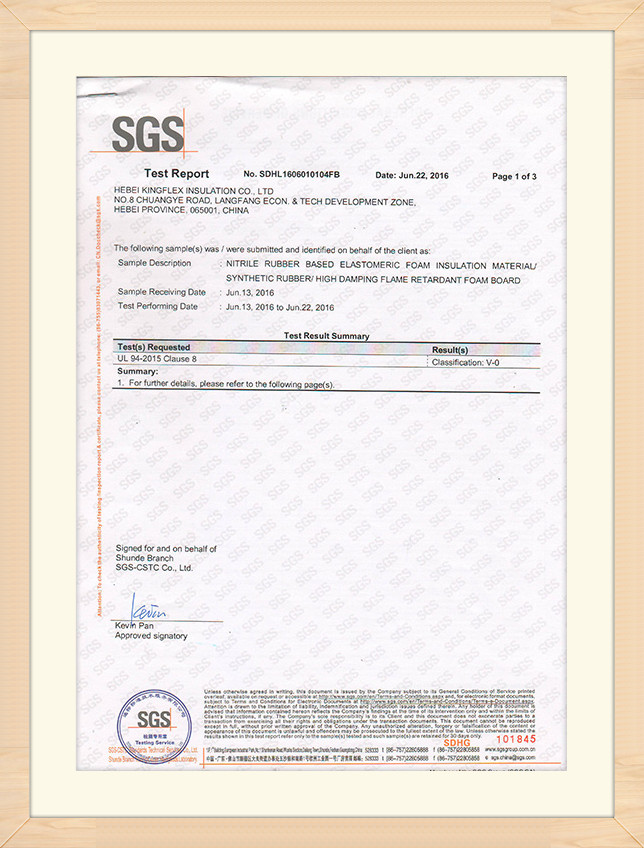
The chemical formulation contains halogen-free flame retardants, allowing Kingflex products to pass international fire tests, including BS 476 Part 7 (Class 1) and UL 94 (V-0 rating). In a fire event, the elastomer self-extinguishes, producing minimal toxic smoke.
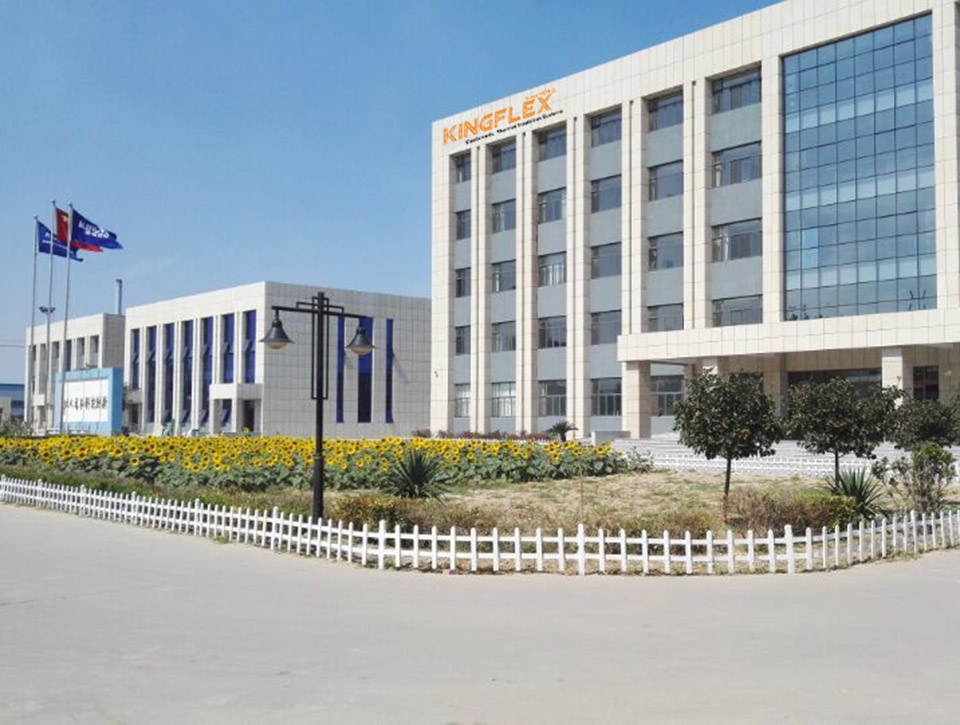
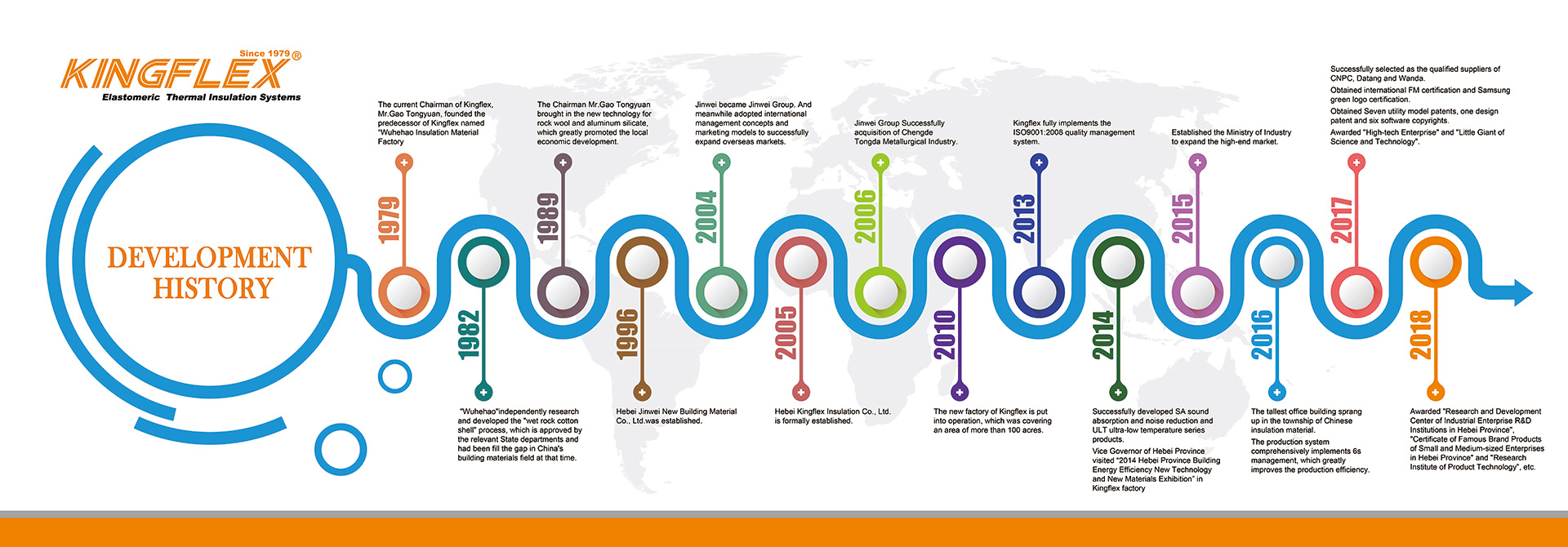
Kingflex operates out of Dacheng, China—widely recognized as the capital of green building materials. This strategic positioning provides access to chemical feedstocks, local energy infrastructure, and an experienced manufacturing workforce. As a subsidiary of the Jinwei Group (established in 1979), Kingflex brings over 40 years of manufacturing experience to the industry.
Our automated, continuous-foaming production lines use laser-gauge thickness sensors and temperature control profiles to ensure consistent density, dimensional stability, and surface quality.
This high production volume allows us to supply large-scale global projects with minimal lead times. We maintain inventory reserves to mitigate raw material price fluctuations.
Kingflex is a designated manufacturer for China's Ministry of Energy, Ministry of Electric Power, and Ministry of Chemical Industry, indicating compliance with strict government quality standards.
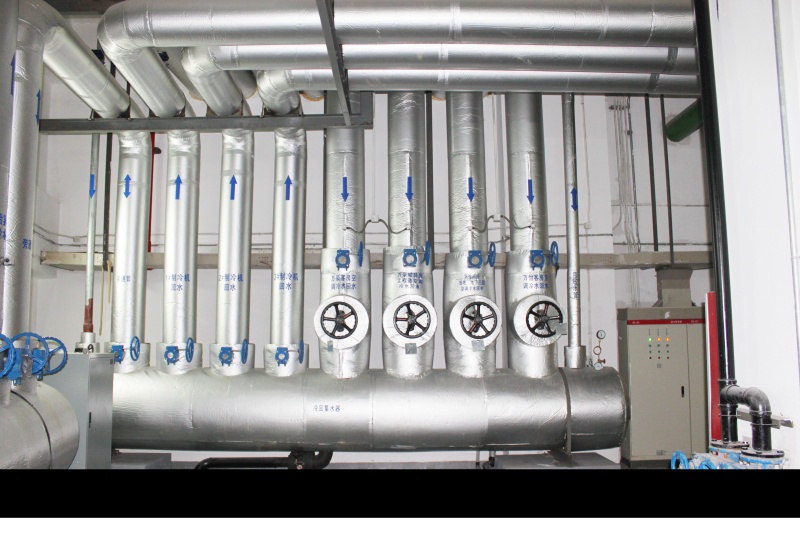
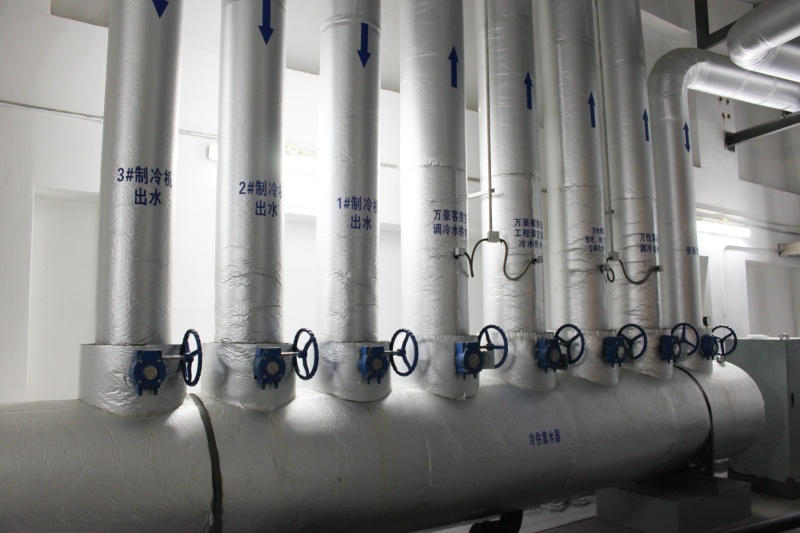
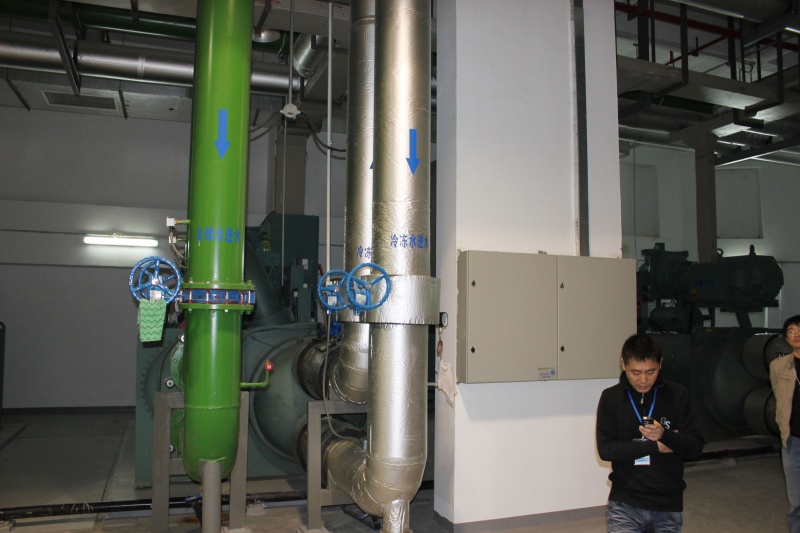
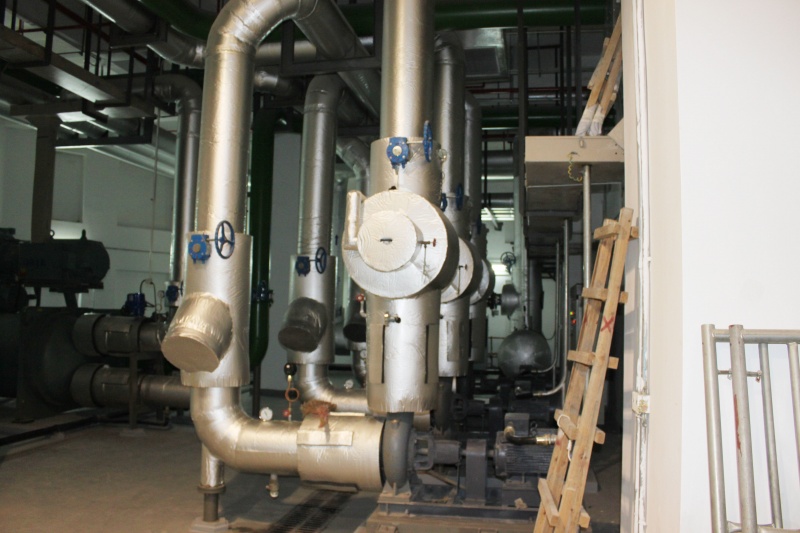
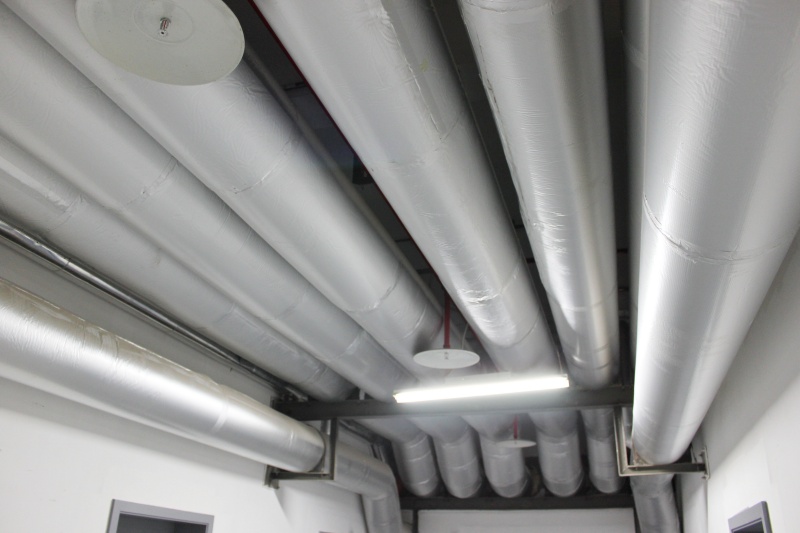

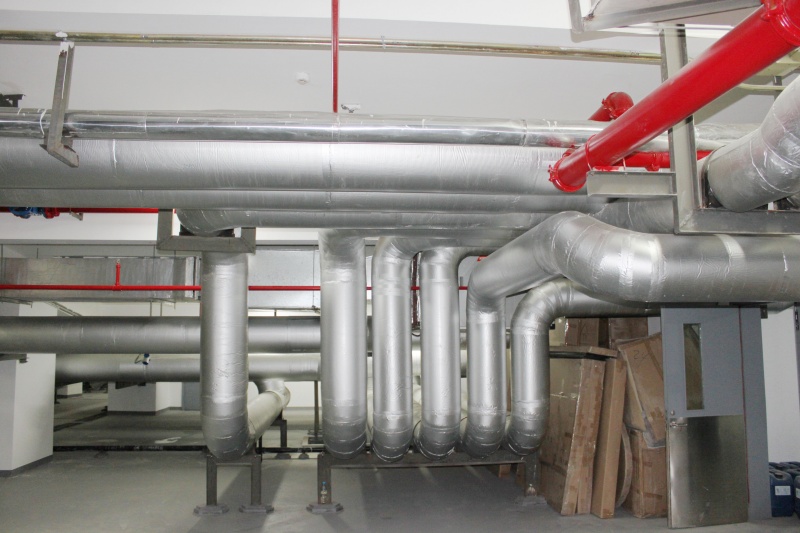

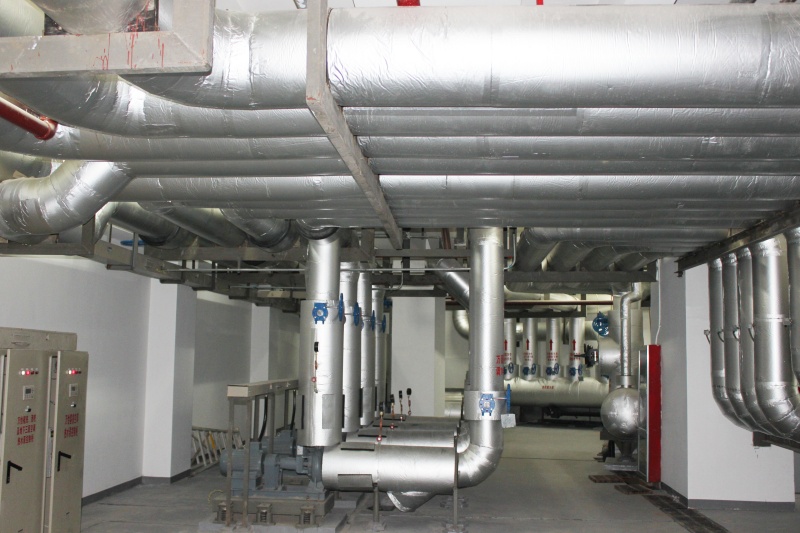
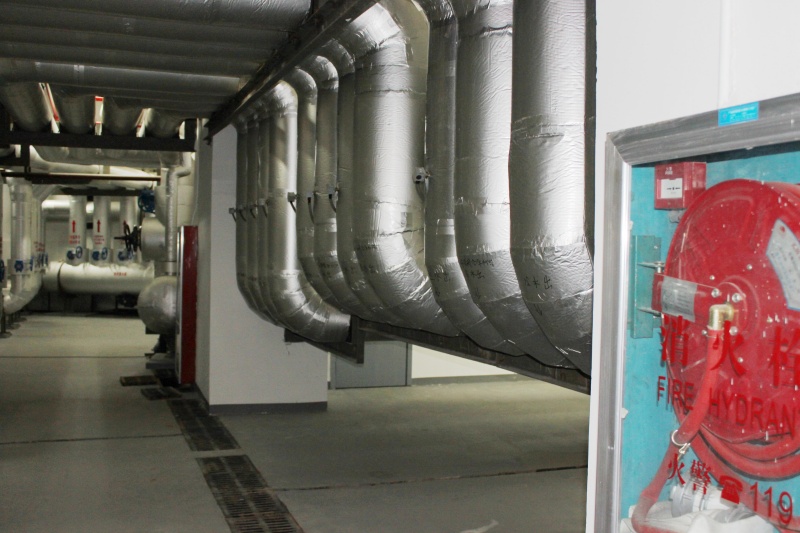
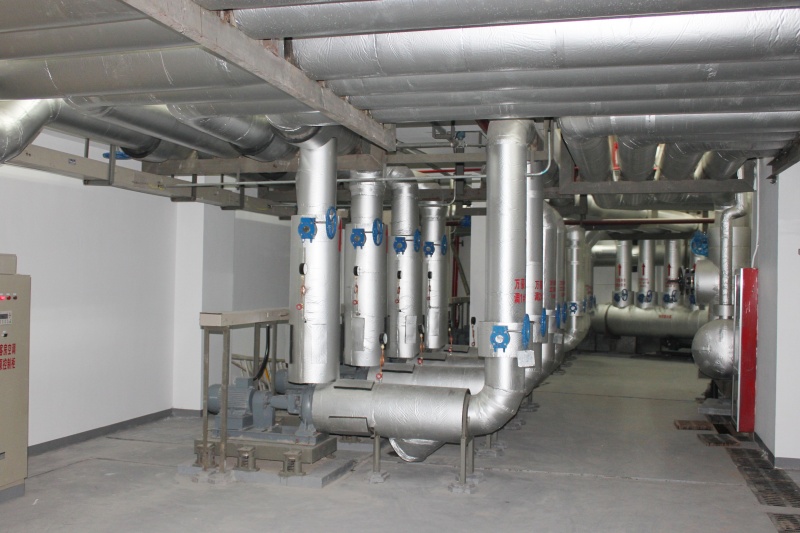
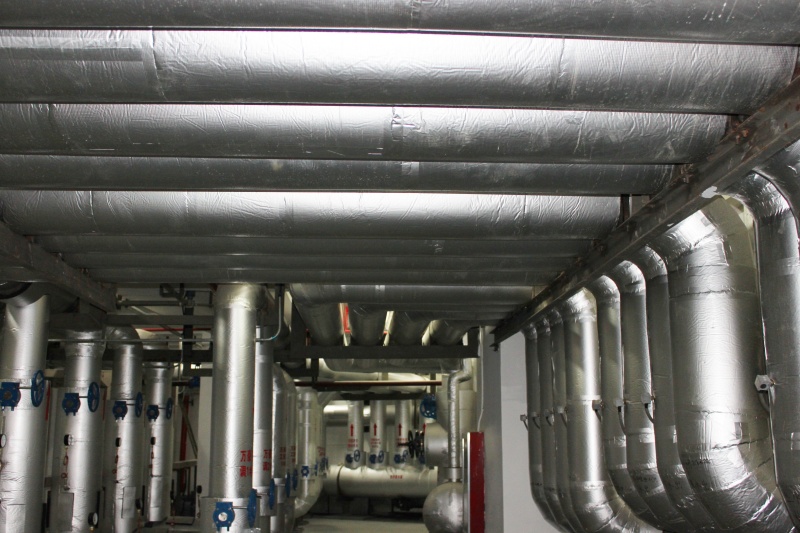
In hot air ducting applications, choosing between NBR/PVC elastomeric rubber foam and rock wool depends on system temperature parameters and environmental exposure:
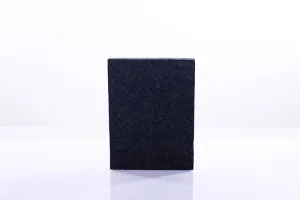
Black Rubber Foam Insulation Sheet Roll
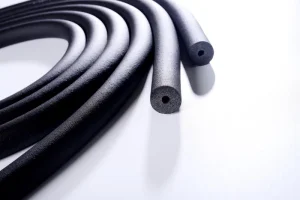
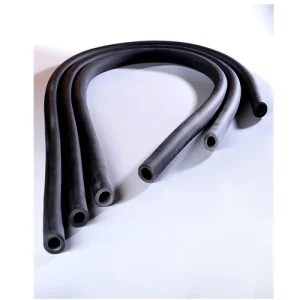
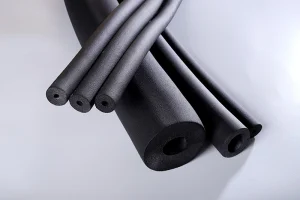
Black Rubber Foam Insulation Pipe
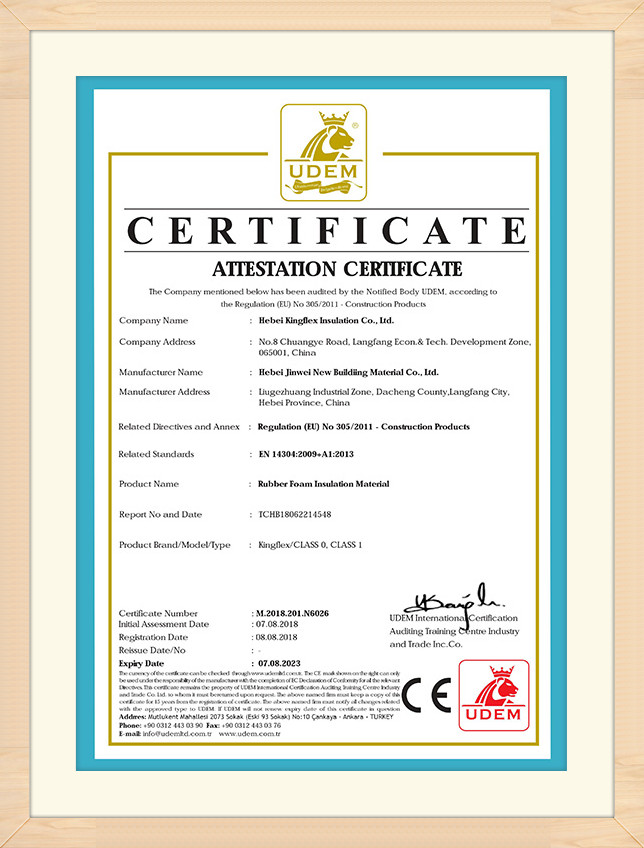
International building regulations require traceable safety certifications. Kingflex products undergo third-party laboratory evaluations to verify compliance with fire safety, toxicity, and environmental standards.
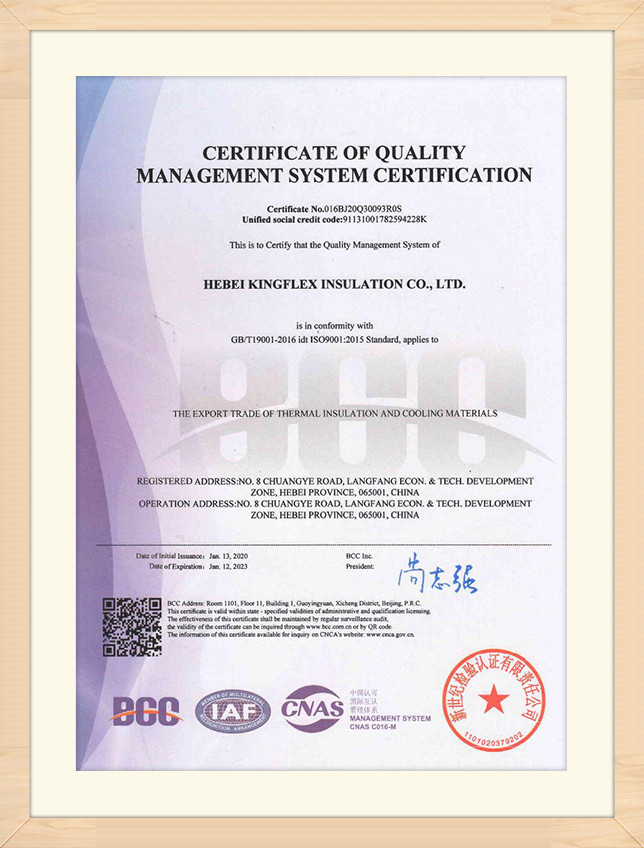
BS 476 Certification
CE Compliance
Environmental Compliance
Factory Audit Verification
For over 16 years, Kingflex has exported high-performance thermal insulation products to over 66 countries. Our engineering teams assist clients from initial planning and sizing calculations to onsite installation guidance.
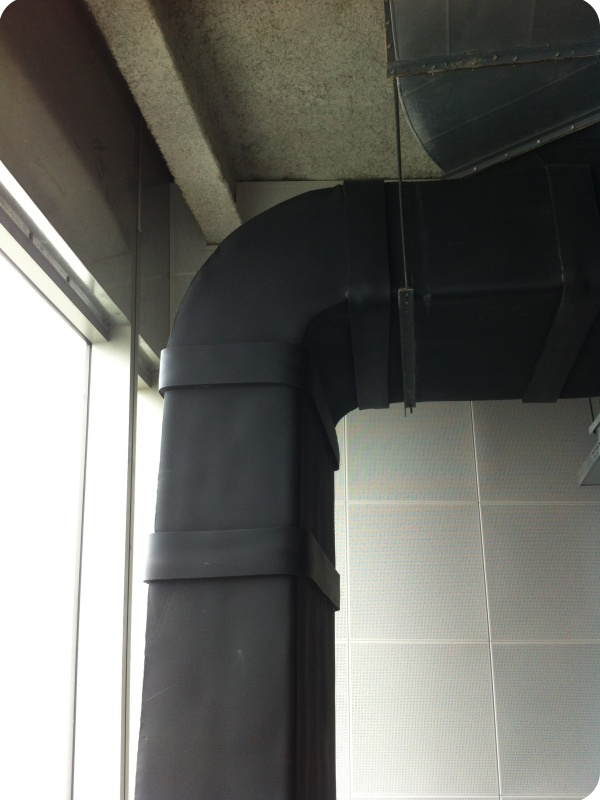
Our project portfolio includes commercial complexes, high-tech manufacturing plants, pharmaceutical laboratories, and district energy plants. In these environments, Kingflex insulation protects ducts from thermal loss and condensation.

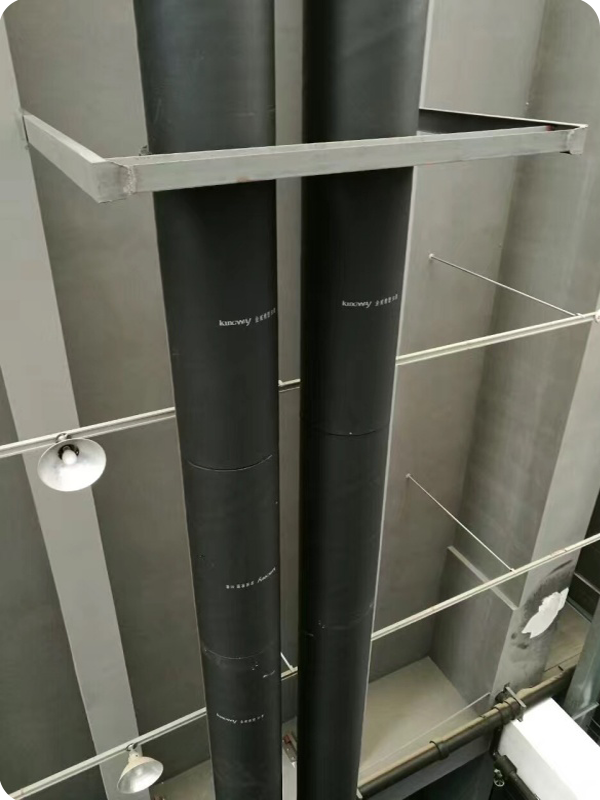
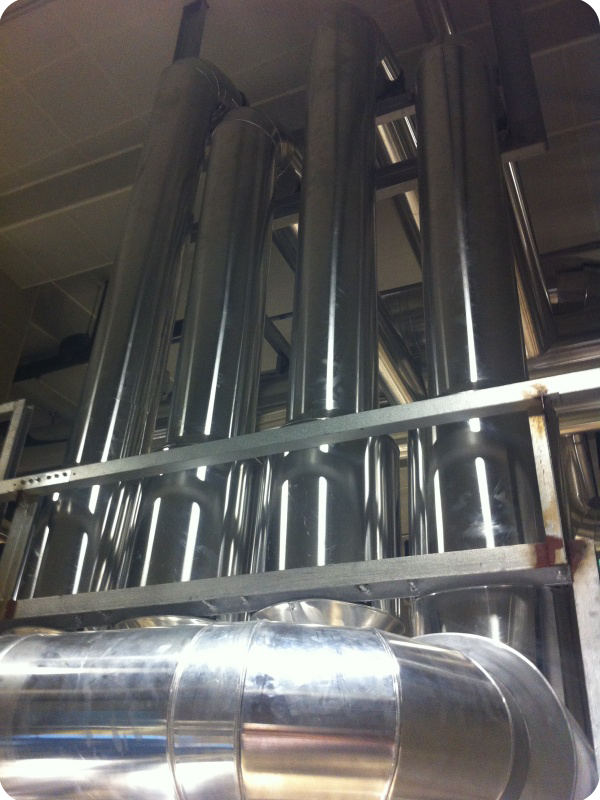
We maintain transparent relationships with our global partners. By offering design consulting and product tracking, we ensure projects are delivered on schedule and perform reliably.
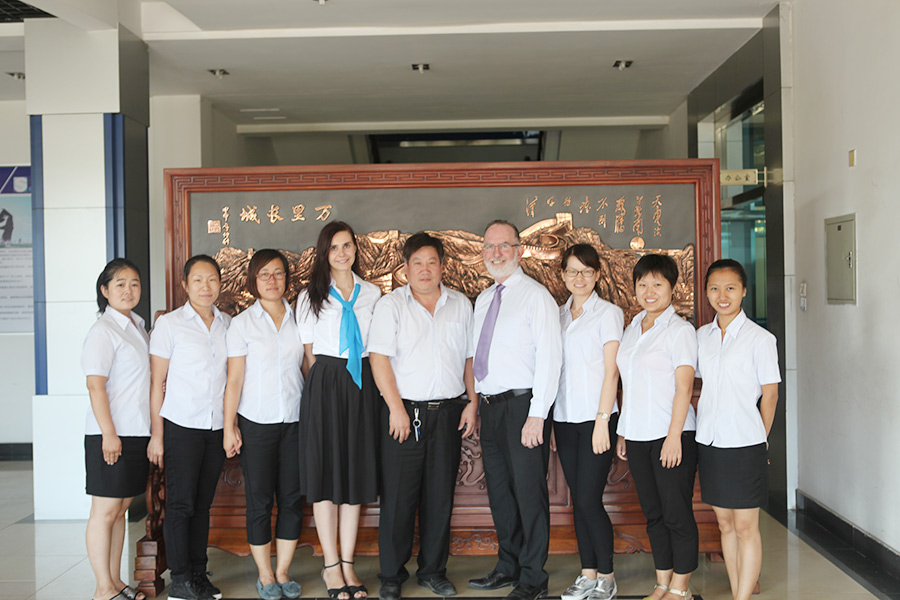
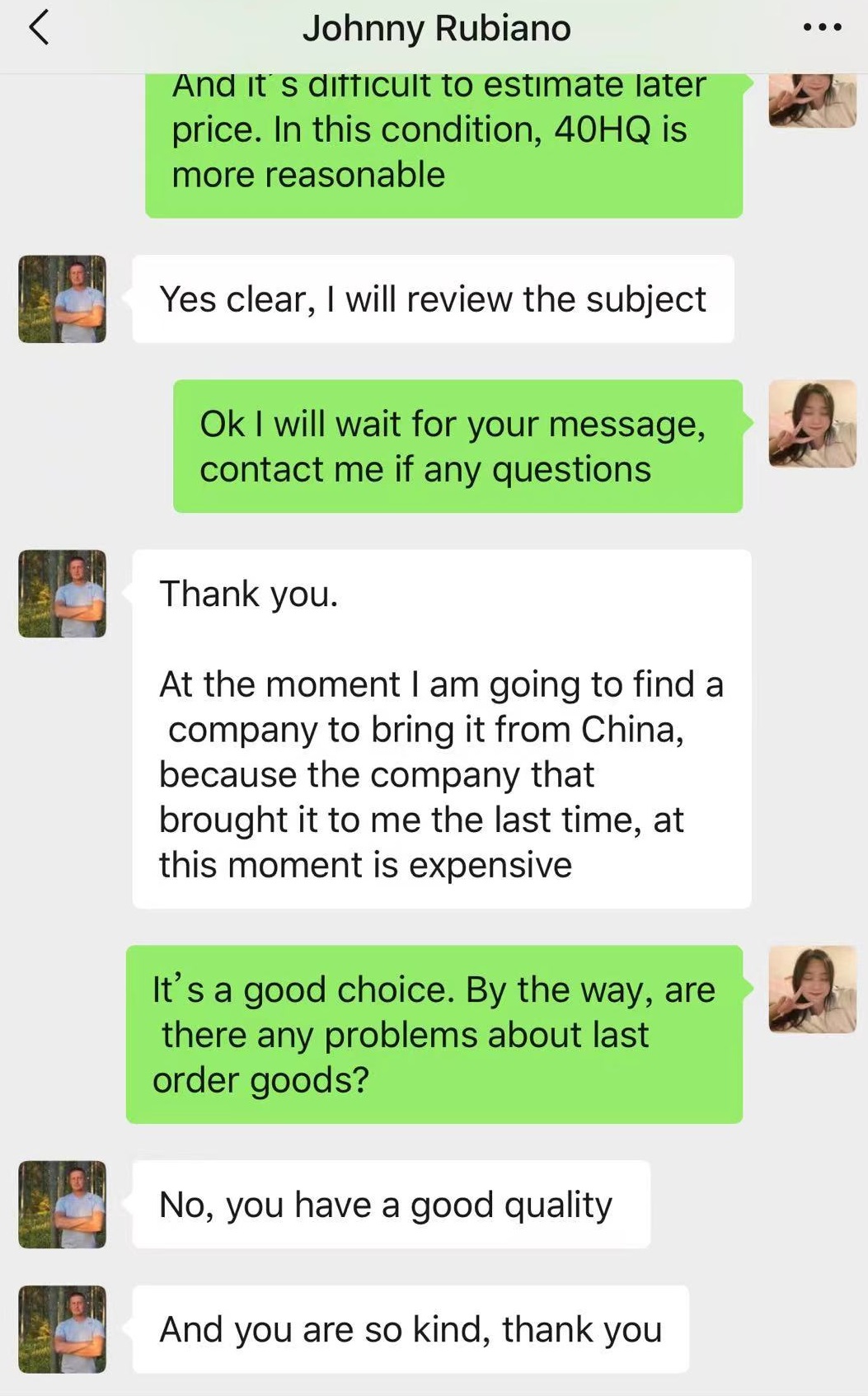




Our customer service teams provide technical assistance, product certificates, and logistics coordination. This complete traceability from raw material to dispatch protects your project timeline.
Engineered solutions designed for ultra-low temperature, cleanroom HVAC, and severe corrosion conditions.
Industrial thermal management is evolving toward net-zero manufacturing and carbon footprint optimization. The next generation of hot air duct insulation must prioritize low environmental impact alongside thermal performance:
Kingflex is transitioning its foaming formulations to chemical blowing agents with zero Ozone Depletion Potential (ODP) and Global Warming Potential (GWP) values close to zero. This aligns with international sustainability standards.
By introducing graphene nanoplatelets and aerogel powders into the elastomeric matrix, our R&D team is working to reduce thermal conductivity down to 0.030 W/(m·K), allowing for thinner insulation profiles.
To reduce field labor costs, Kingflex is expanding its range of factory-applied self-adhesives and composite aluminum claddings, which helps simplify installations in tight service shafts.
Technical guidance and product specifications for Kingflex insulation systems.
Kingflex Insulation Co., Ltd. is a manufacturing and trading combination specializing in thermal insulation products. Our research, development, and production departments are located in Dacheng, China—a hub for green building materials.
We focus on energy-saving, environmentally friendly insulation materials. Kingflex provides consultation, R&D, manufacturing, installation guidance, and post-sale support to assist clients in the global building materials industry.
Kingflex was established by the Jinwei Group (also known as Kingway Group), which has over 40 years of history. Founded in 1979, the group was one of the early manufacturers of thermal insulation materials north of the Yangtze River.
Our team consists of 8 R&D engineers, 6 international sales representatives, and 230 production workers, all working together to support our global clients.

 Kingflex