In an era defined by carbon neutrality initiatives, energy price volatility, and stringent safety standards, thermal insulation has evolved from a simple building utility into a high-consequence asset. Today's global infrastructure relies on advanced materials to prevent thermal loss, manage condensation, mitigate Corrosion Under Insulation (CUI), and ensure operational resilience across high-stakes sectors.
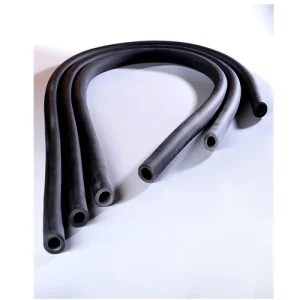
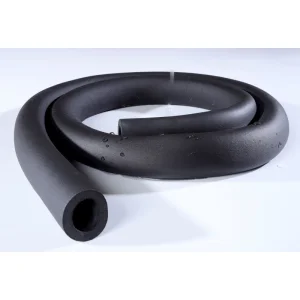
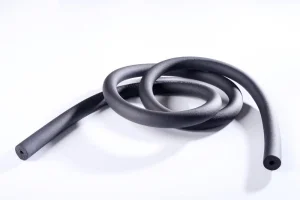
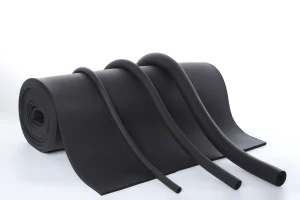
Modern commercial buildings demand precision-engineered solutions to maintain internal climates efficiently. Closed-cell NBR/PVC elastomeric materials prevent condensation on chilled water lines and ducts, ensuring energy loss is held close to zero.
For applications handling ultra-low temperatures, such as liquefied natural gas (LNG) terminals and chemical processing plants, cryogenic insulation prevents rapid thermal bridging and system failure, keeping media at stable sub-zero ranges.
Chemical plants, refineries, and power generation units operate pipelines at extreme temperatures. High-density cladding combined with tailored rubber foam or rock wool prevents energy dissipation and protects staff from burn hazards.
China is home to the world's most robust industrial ecosystems for thermal insulation. Located in Dacheng, the recognized capital of green-building materials, Kingflex Insulation Co., Ltd. stands as a premier manufacturing and trading powerhouse.
Through vertically integrated raw material supply chains, automated production equipment, and regional clustering, we deliver significant efficiency benefits. These logistics and manufacturing optimizations translate to rapid lead times, strict consistency, and competitive pricing for large-scale global projects.
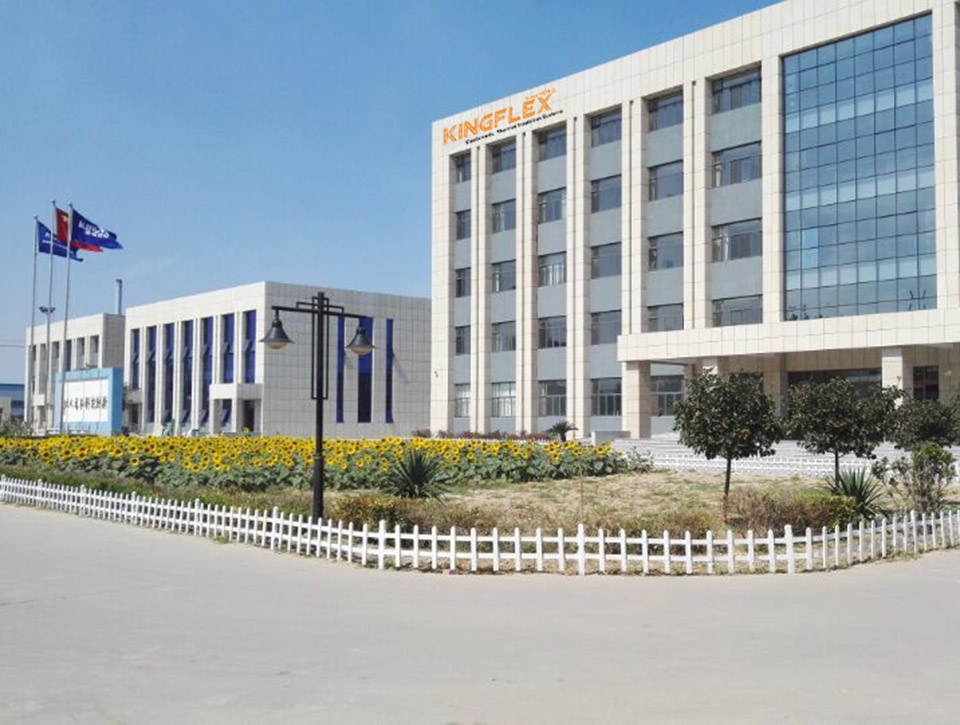
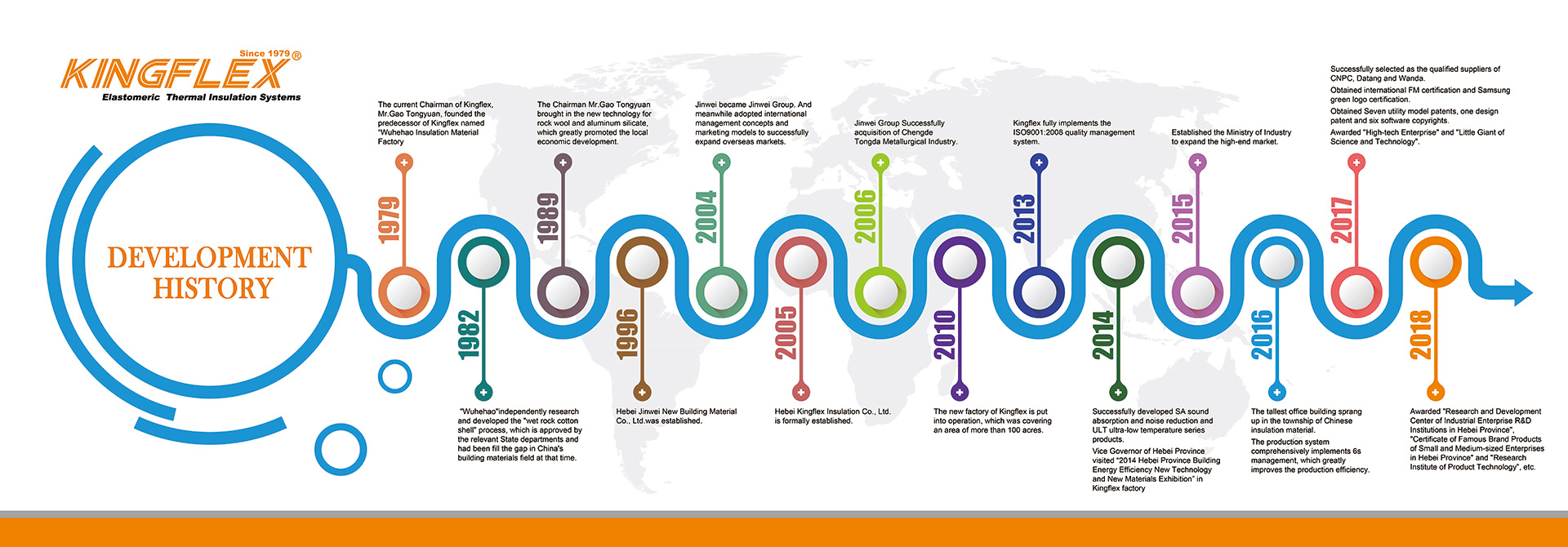
Established under the Jinwei Group (which has specialized in thermal materials since 1979 as the first thermal insulation manufacturer north of the Yangtze River), Kingflex integrates decades of process knowledge with modern material science.
Our dedicated Research and Development department features 8 professional senior engineers, supported by 230 skilled production technicians and 6 specialized international sales consultants. We focus on low-thermal-conductivity optimization, smoke emission reduction, and advanced weathering barriers for cladding systems.
Operating under the core philosophy of "energy saving and consumption reduction," we provide structural consultation, custom dimensions, installation support, and proactive post-sale services to help global builders meet challenging project goals.
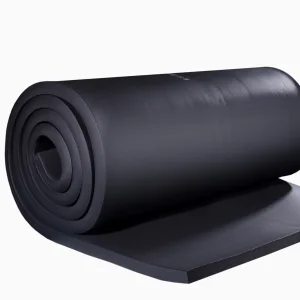
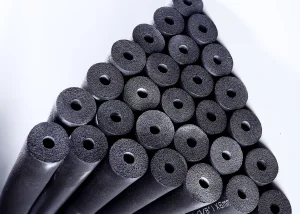
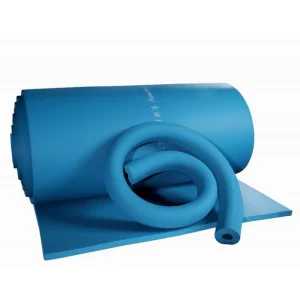
Kingflex standard elastomer compounds (NBR/PVC based) are manufactured using a proprietary foaming process that ensures a uniform closed-cell content of over 98%. Below are the engineering performance parameters that define our products:
| Property / Characteristic | Kingflex Standard Sheet Roll Specification | Kingflex Standard Pipe Specification |
|---|---|---|
| Base Material Composition | NBR/PVC Elastomeric Foam Blend | NBR/PVC Elastomeric Foam Blend |
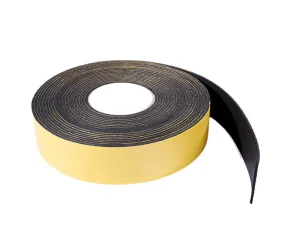
| Available Thickness Range | 6mm to 50mm | 9mm to 40mm |
| Inner Diameter (ID) Range | N/A (Roll Format) | 6mm to 114mm |
| Foam Density | 40 - 55 kg/m³ | 40 - 55 kg/m³ |
| Service Temperature Threshold | -40℃ to 105℃ | -40℃ to 105℃ |
| Closed-Cell Content | > 98% | > 98% |
| Compressive Resilience Recovery | > 80% | > 80% |
| Thermal Conductivity (λ) | Low conductivity, high moisture barrier | Low conductivity, high moisture barrier |

Kingflex products are engineered to perform across diverse industrial environments. Key localized applications include:
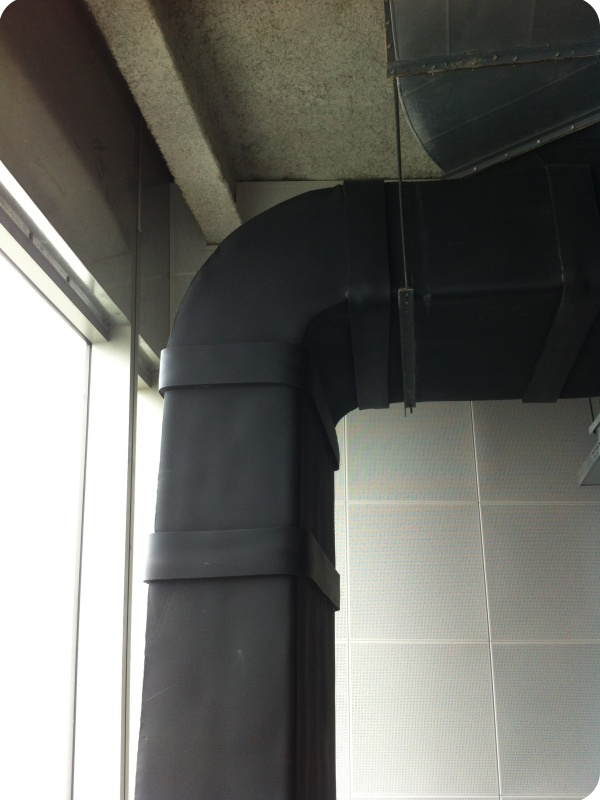
Used to insulate chilled water pipelines, condenser systems, and air duct configurations in high-traffic commercial spaces. Prevents condensation and dripping that can compromise acoustic ceilings and air quality.
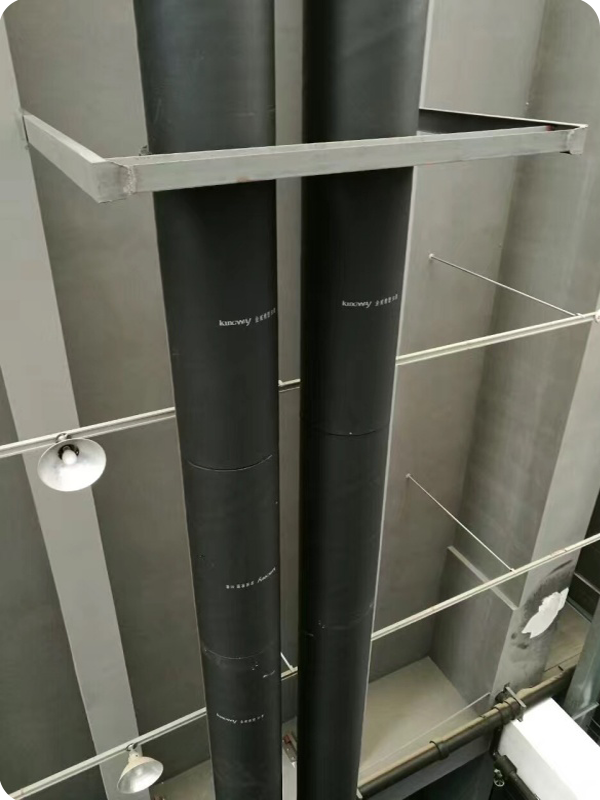
Protects heat distribution lines, steam systems, and chemical pipes. Reduces heat loss in processing operations, minimizing fuel requirements and helping companies lower their carbon emissions.
Tailored systems for liquid gas storage and transport. Resists extreme cold and thermal contraction, ensuring safety and efficiency in LNG terminals and pharmaceutical cold storage facilities.
Quality assurance is central to the Kingflex manufacturing process. Our products are verified in our on-site laboratories and certified by leading international testing organizations to ensure compliance with global building codes.
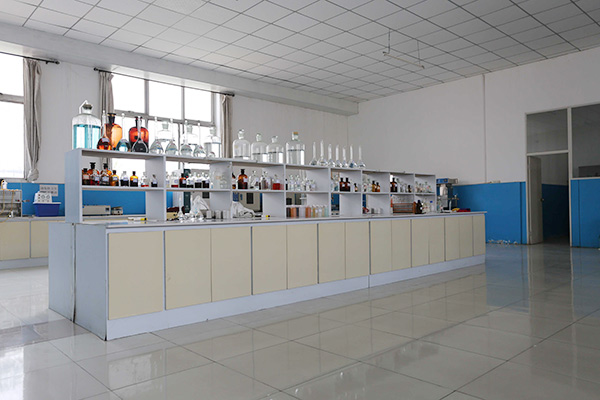
Ensures thermal conductivity matches exact engineering specifications.
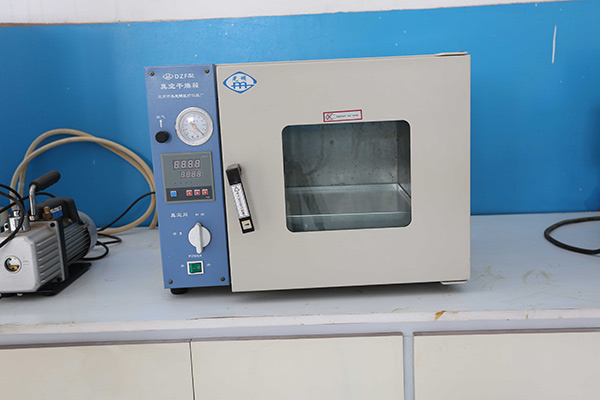
Validates self-extinguishing properties and fire resistance ratings.
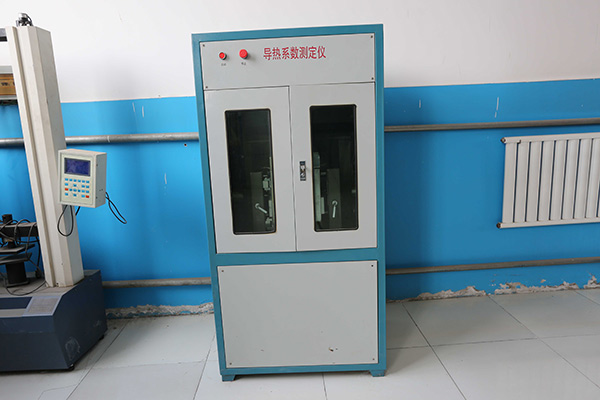
Ensures high mechanical resilience and resistance to structural tearing.
Kingflex insulation systems are certified under major global frameworks to support standard import processes and local engineering compliance:
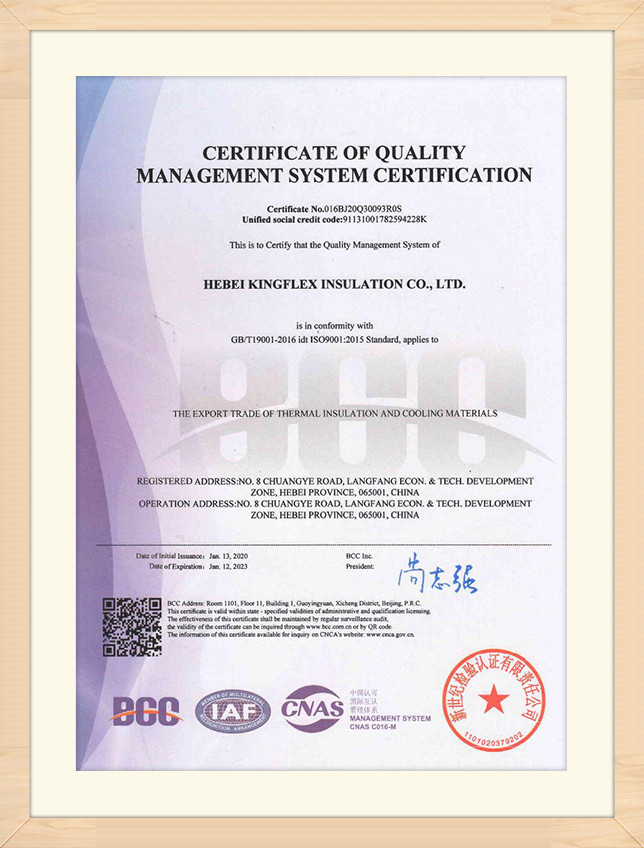
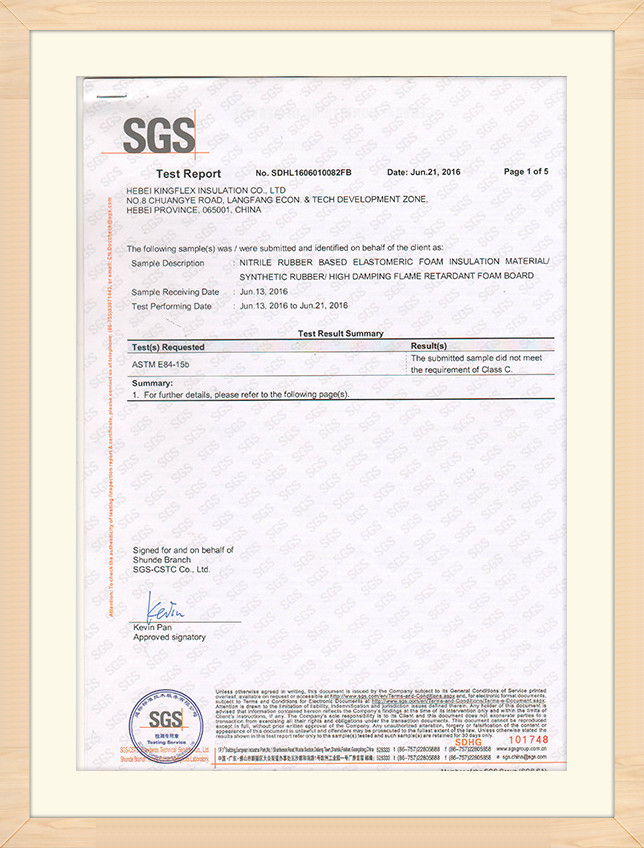
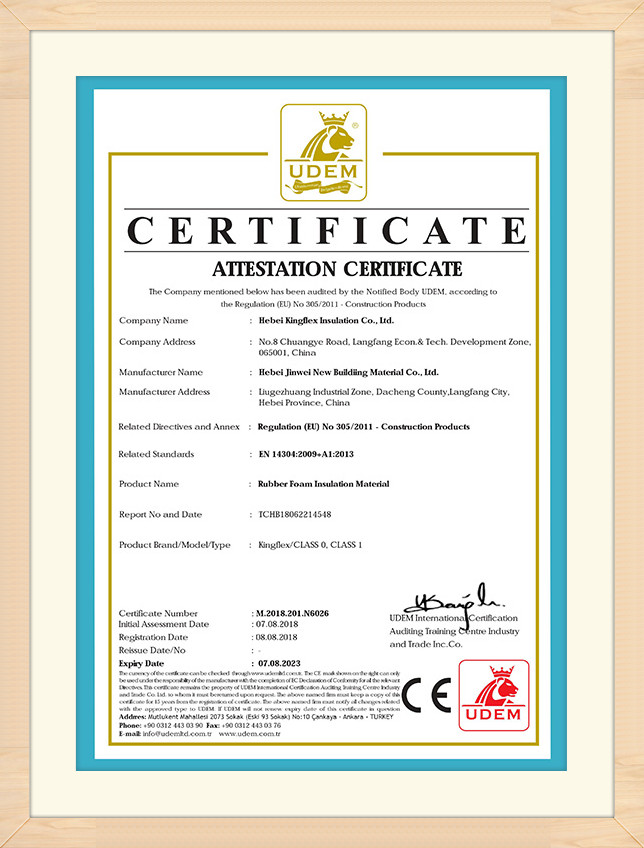
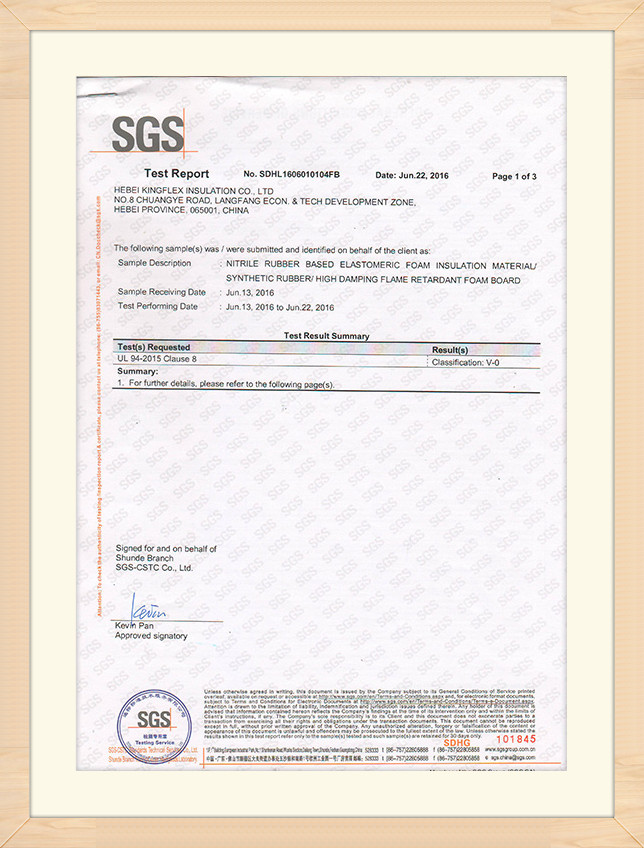
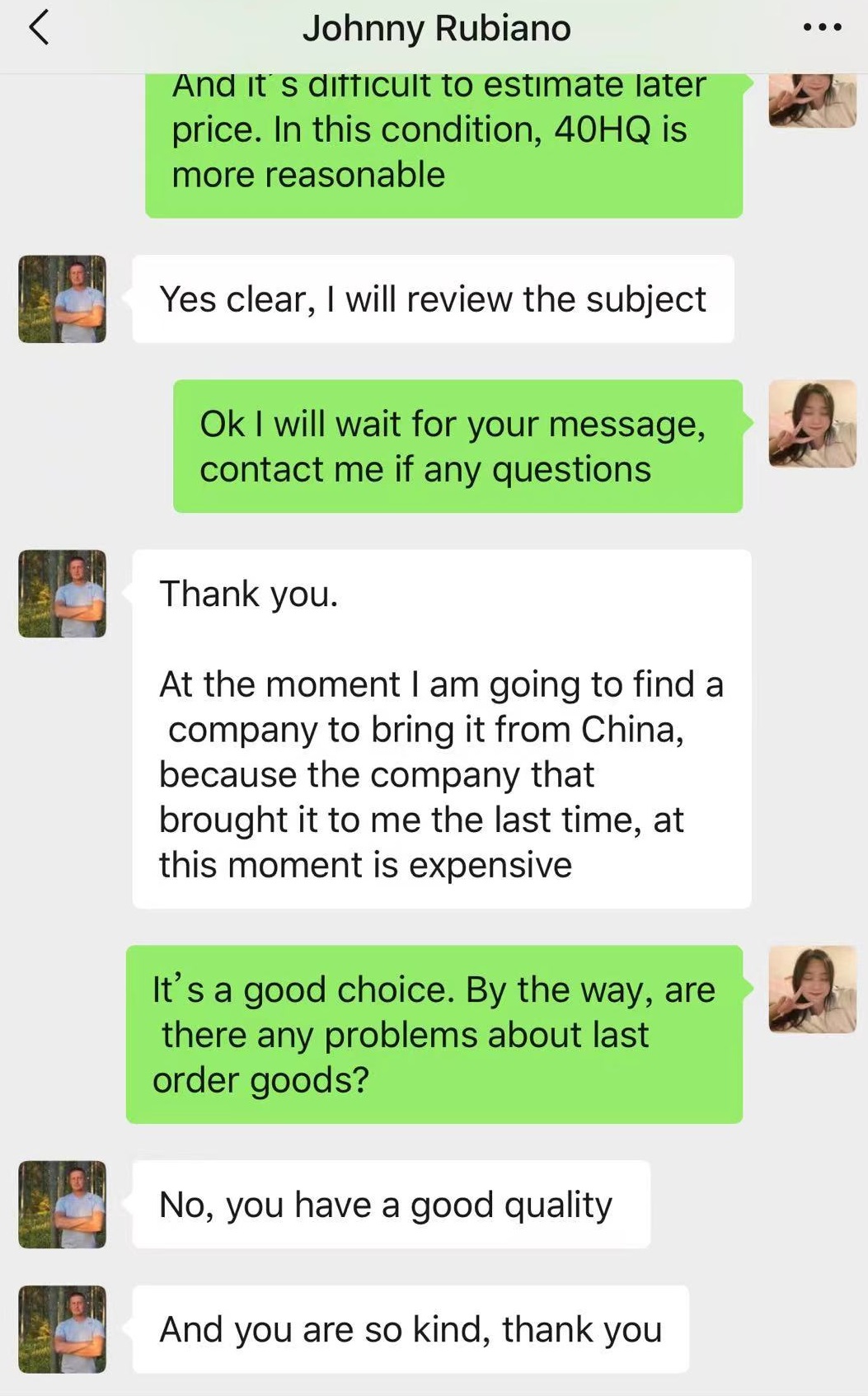
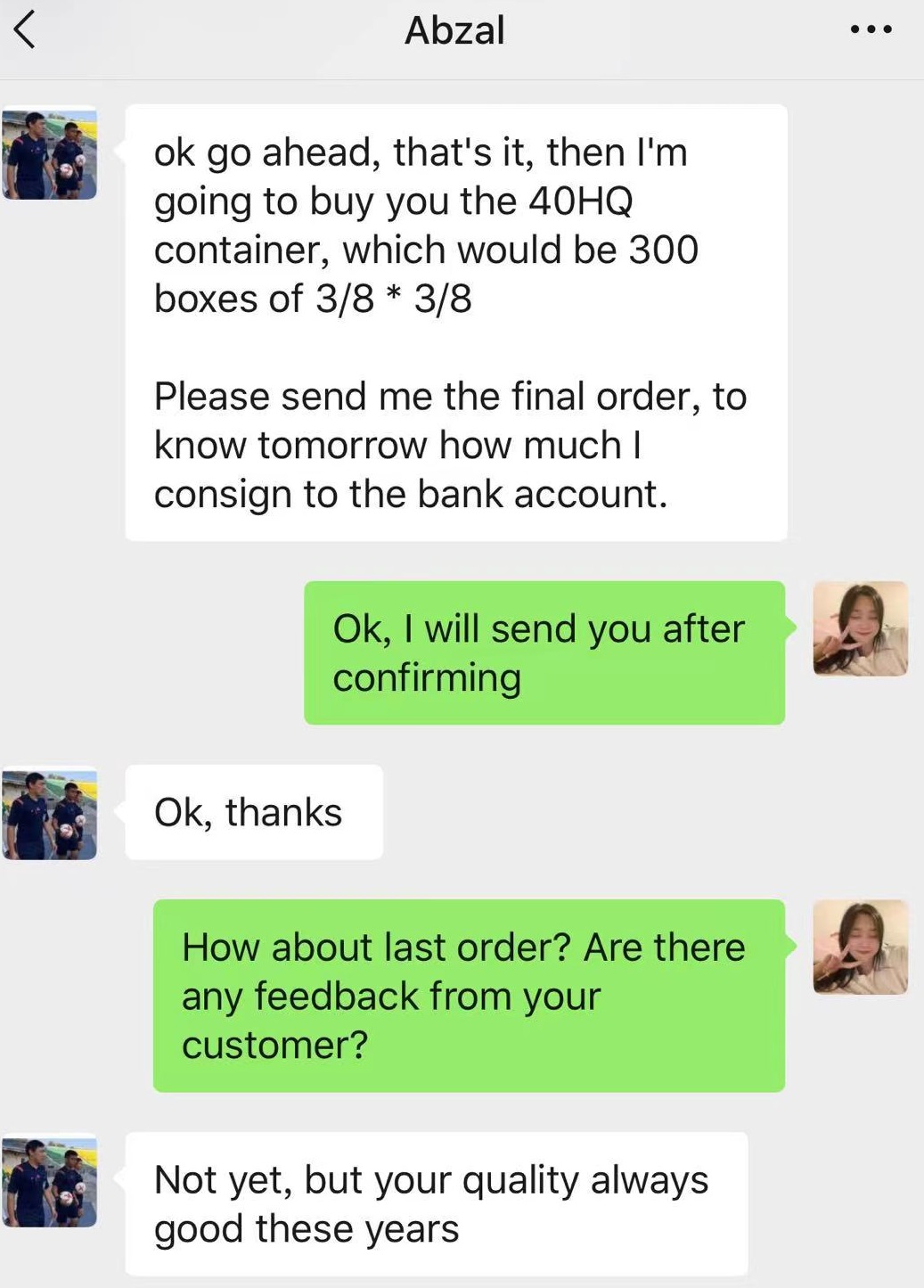
We partner closely with our distributors, engineering firms, and contractors to ensure clear communication and reliable supply chains, from initial technical consultation to job-site delivery.


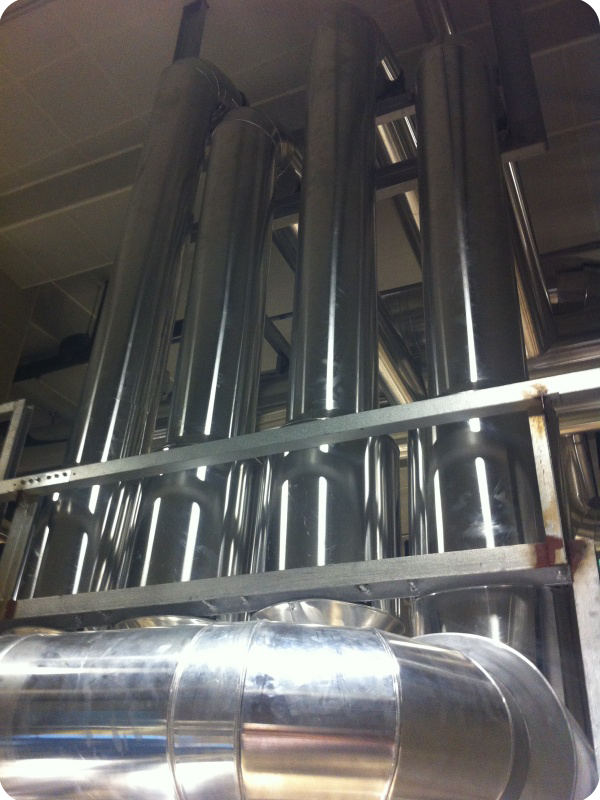
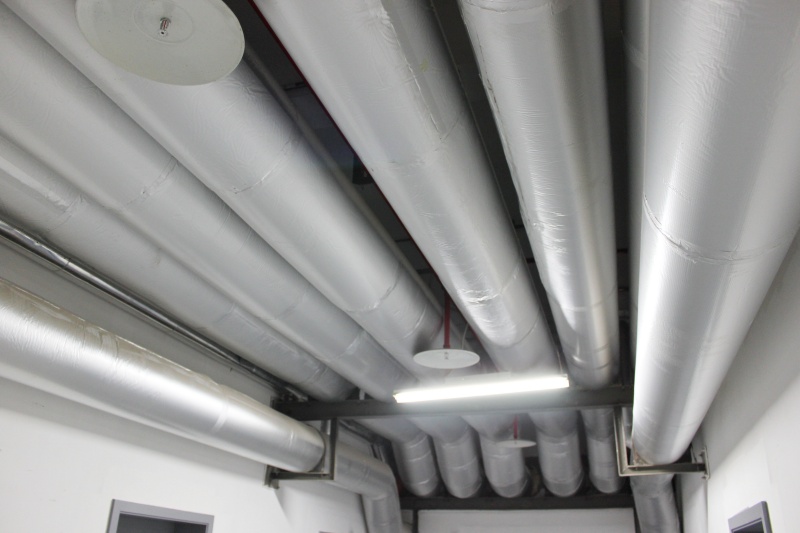
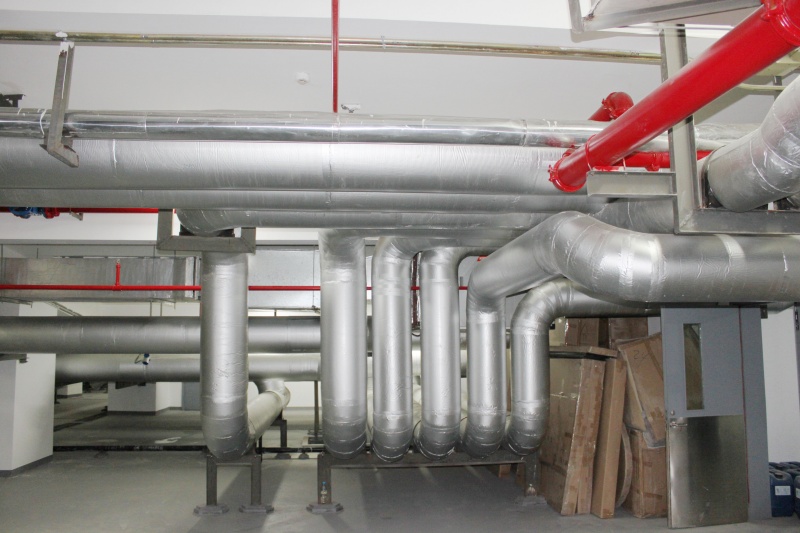
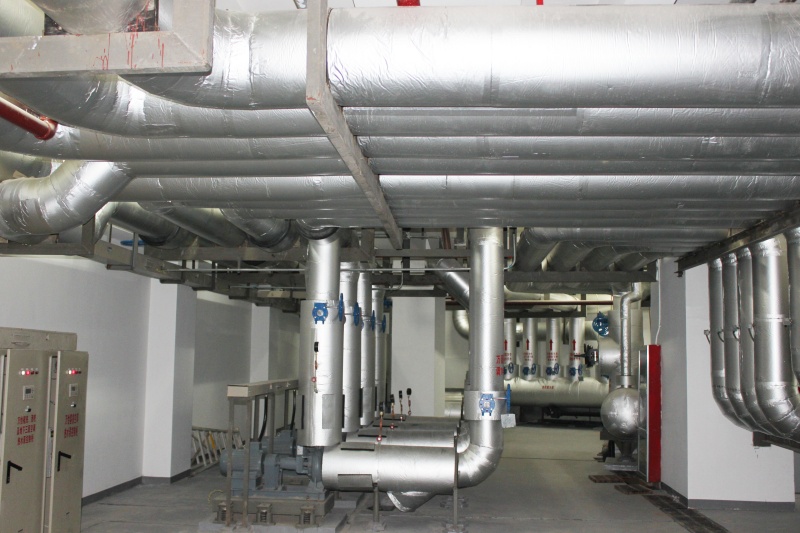
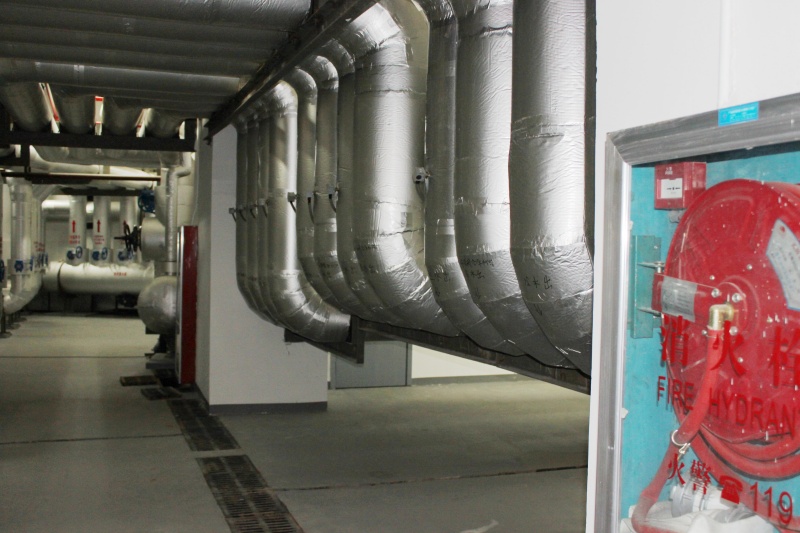
Kingflex insulation and cladding systems are utilized in major construction, petrochemical, and HVAC projects worldwide. These gallery images show our products in various stages of installation and final application:

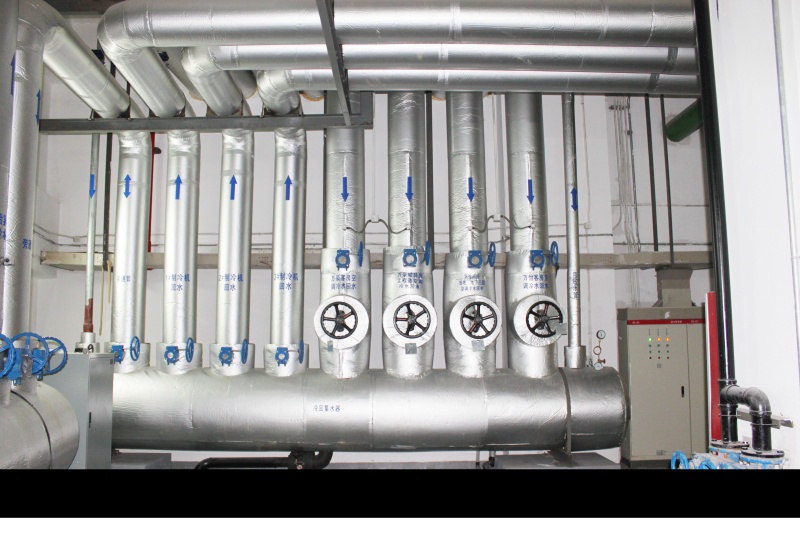
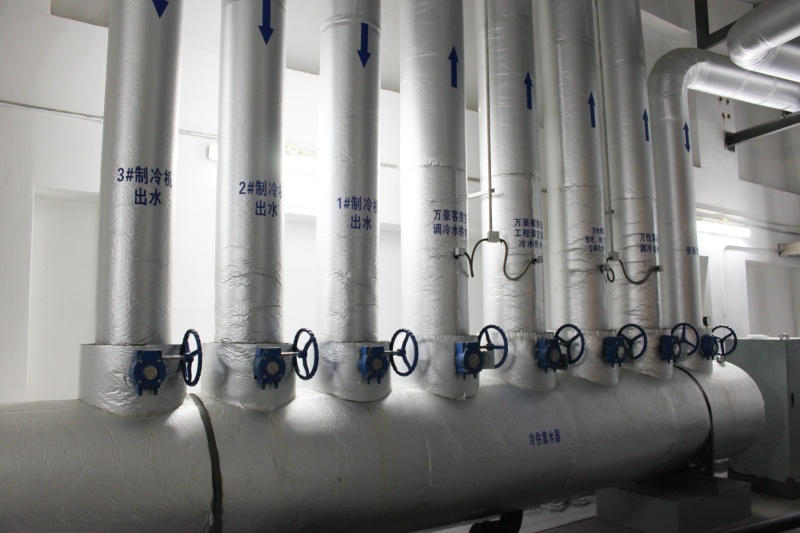
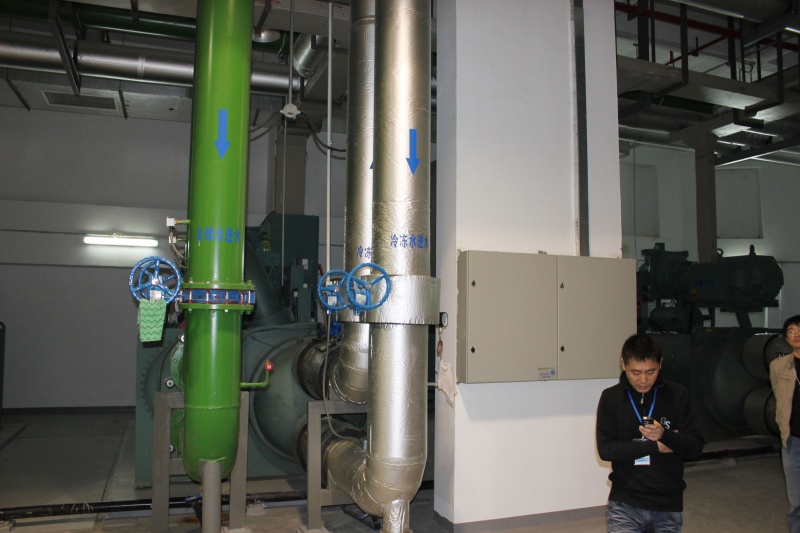
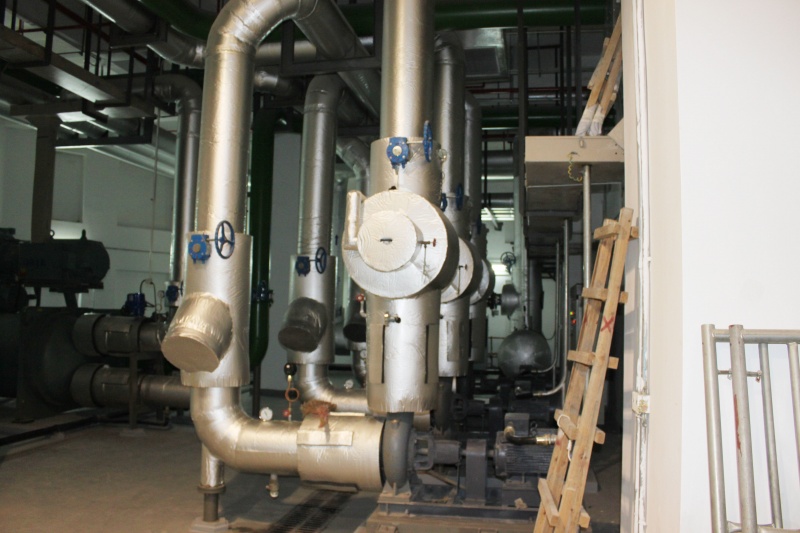


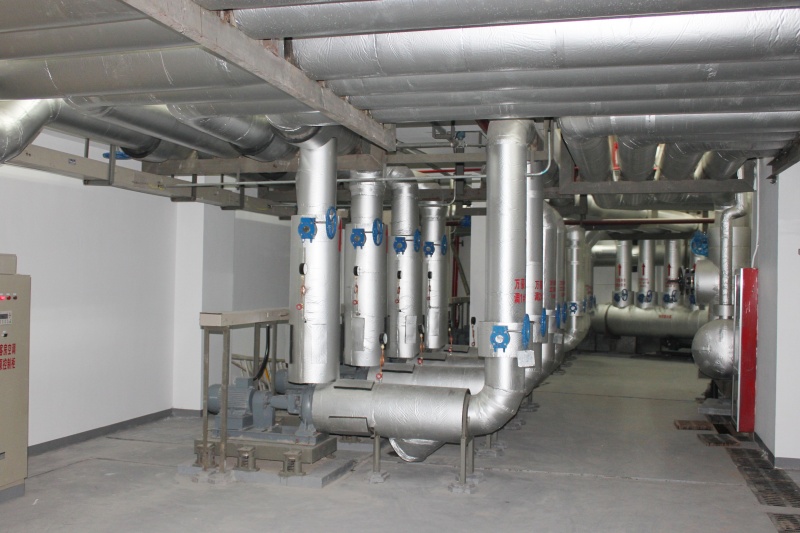
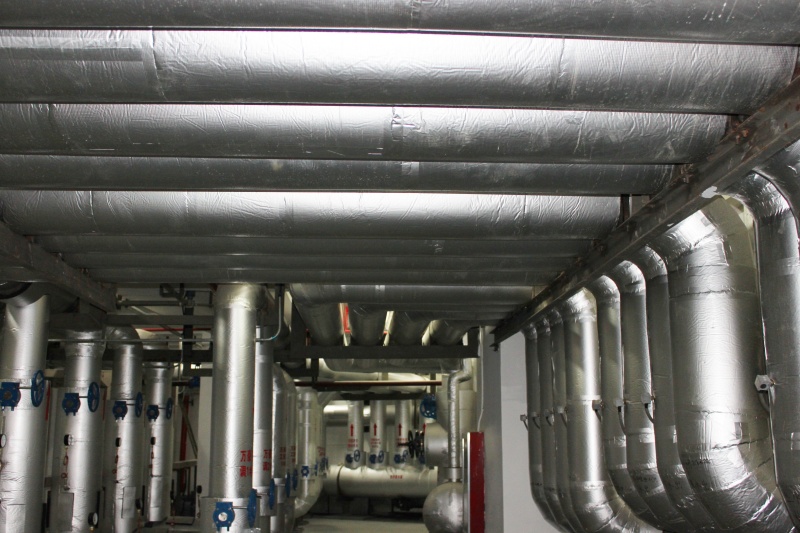
Explore our comprehensive range of thermal insulation and cladding products, designed to meet the demands of global industrial and civil engineering projects:
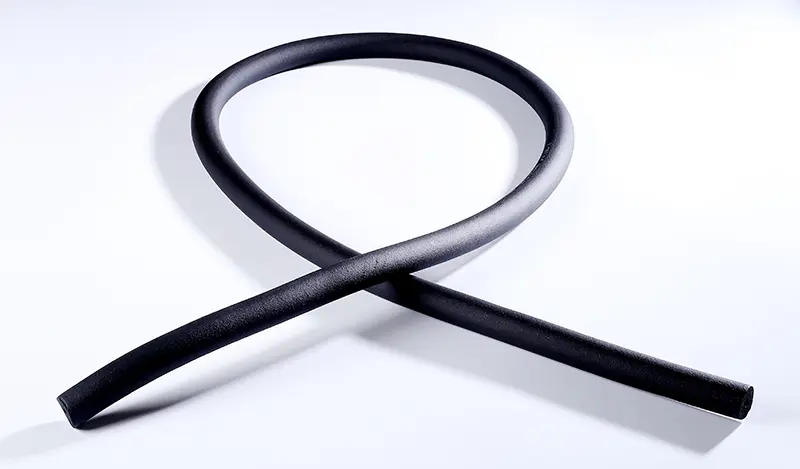
Engineered for high thermal resistance and easy slip-on installation.
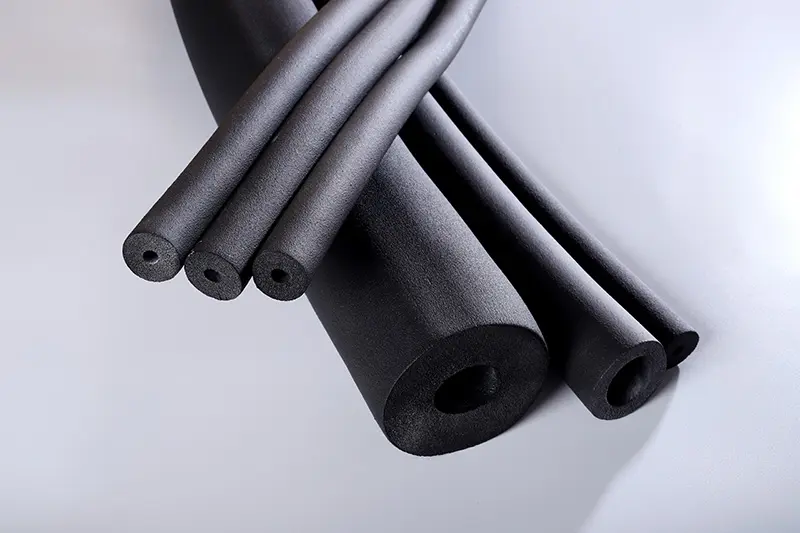
Formulated to protect steel and copper pipelines from corrosion under insulation (CUI).
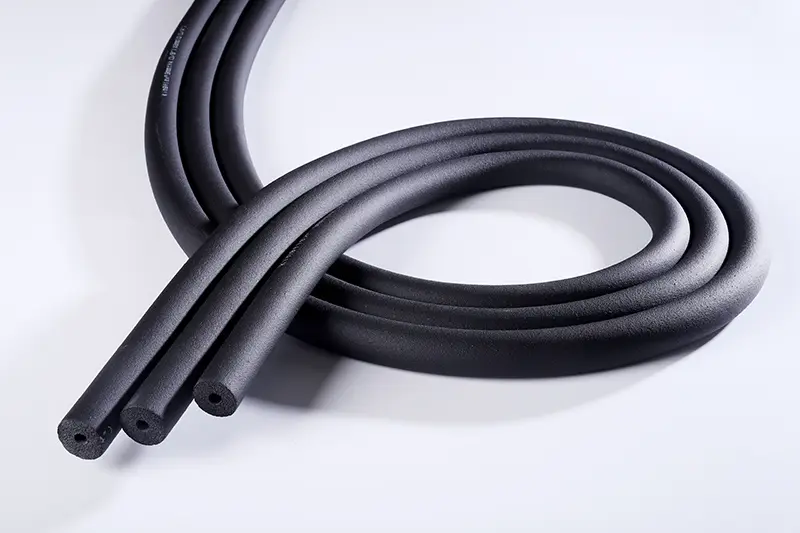
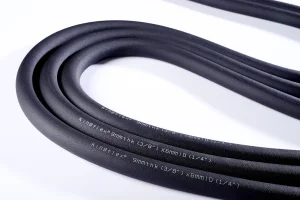
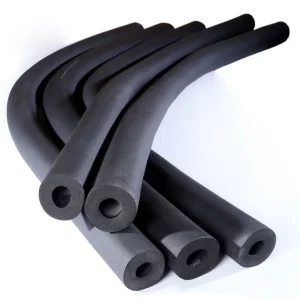
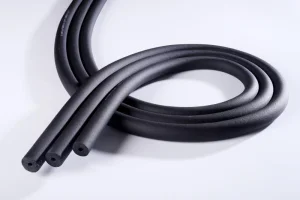
Highly flexible design wraps easily around tight bends and valves.
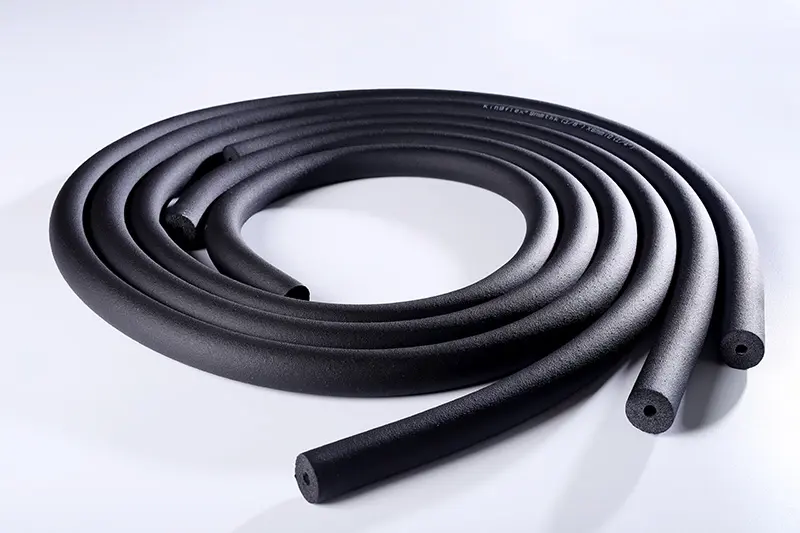
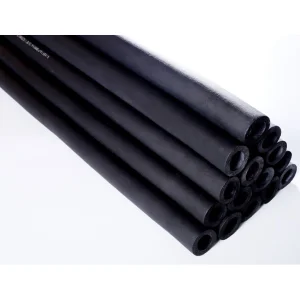
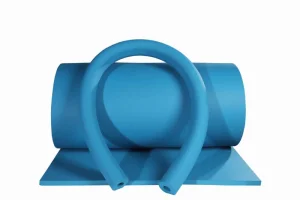
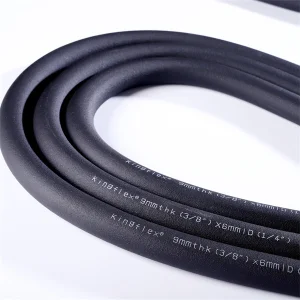
Standard closed-cell NBR/PVC pipe insulation for HVAC water lines.

Uniform cell size distribution maintains thermal resistance over long life cycles.

Optimized for residential and commercial split air conditioning systems.
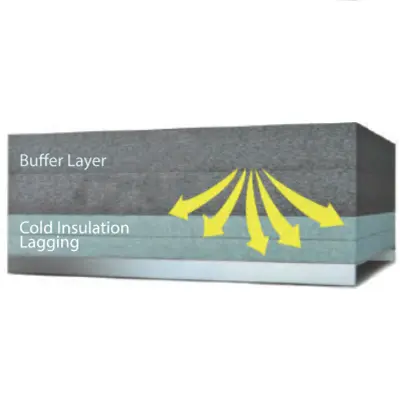
Integrated system designed to handle high mechanical stress and extreme cold.
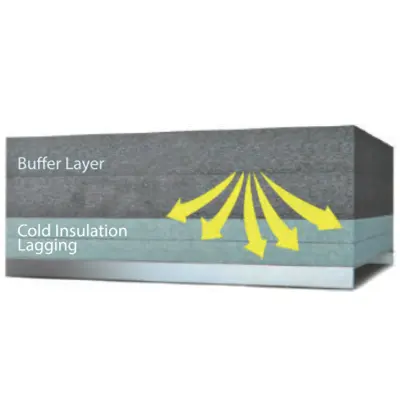
Cryogenic elastomeric foam with micro-cell structure for extreme sub-zero applications.
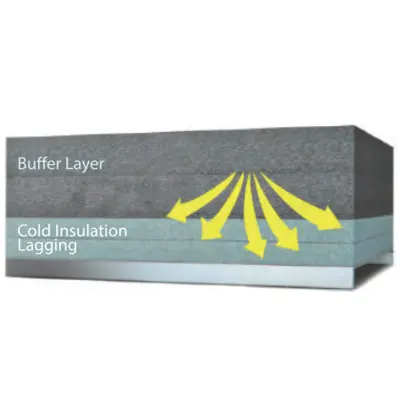
Handles severe thermal cycles without cracking or losing thermal efficiency.
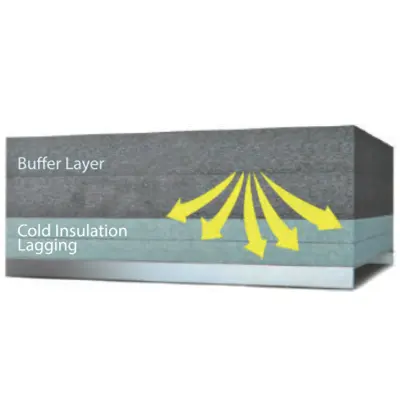
Multi-layer system engineered for LNG terminals, keeping thermal bridging at zero.
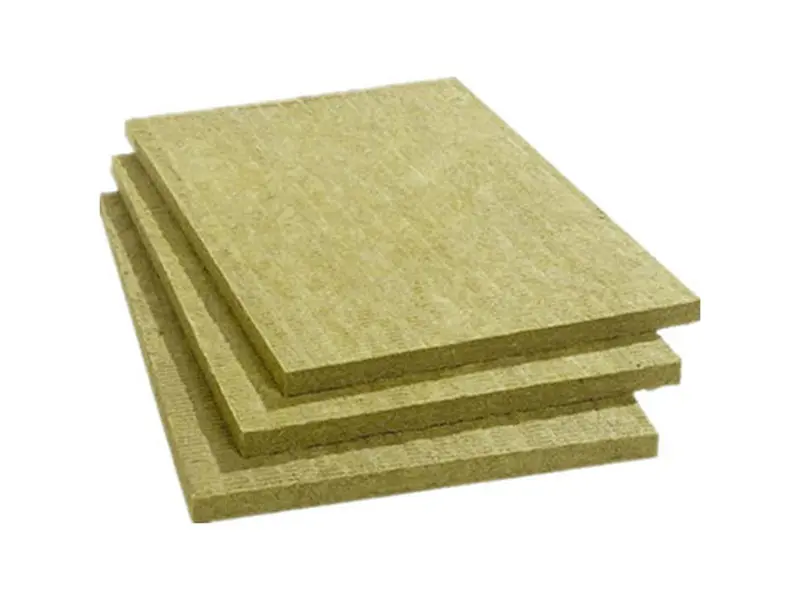
High-density mineral fiber board for furnace, structural, and high-temp cladding.
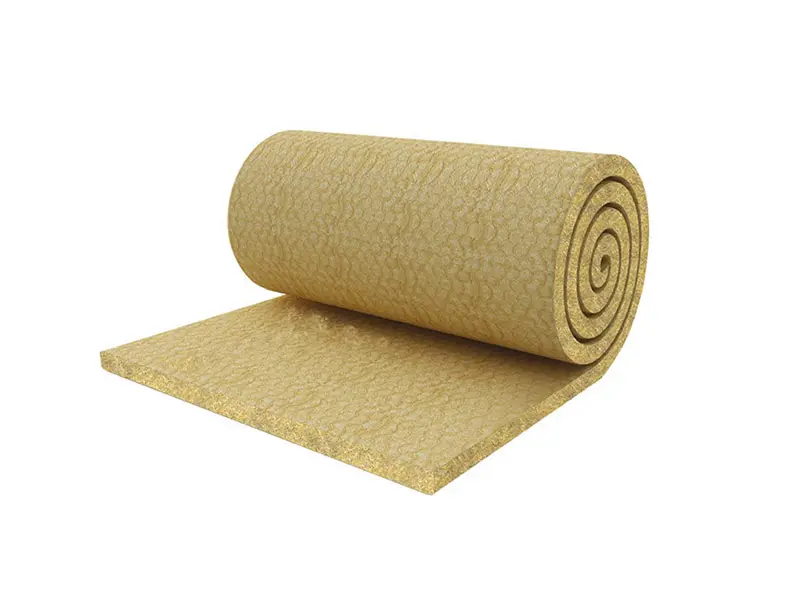
Industrial-grade insulation blanket for large storage tanks and high-pressure steam pipes.
The global thermal insulation market is evolving rapidly in response to environmental goals and shifting building practices. Keeping pace with these movements is essential for project planning and specifying materials:
Global green building standards (such as LEED, BREEAM, and DGNB) now evaluate the environmental footprint of construction materials across their entire lifecycle. Forward-thinking manufacturers are responding by adopting clean production methods, sourcing eco-friendly raw materials, and publishing Environmental Product Declarations (EPDs).
With rising labor costs worldwide, builders are increasingly choosing prefabricated, pre-insulated piping components. Factory-jacketed NBR/PVC pipes reduce on-site cutting, gluing, and fitting, which streamlines project timelines and improves quality control.
CUI is a leading cause of pipeline failures in heavy industry. The sector is moving toward hydrophobic insulation systems and integrated barriers that prevent moisture accumulation while allowing pipelines to breathe, reducing maintenance overhead.
Industrial clients now require full batch traceability. By integrating automated manufacturing monitoring, suppliers can log production data for every batch—providing transparent verification of density, cell structure, and fire performance.
Review answers to common questions about elastomeric foam insulation, fire safety, and custom manufacturing:
Elastomeric rubber foam is primarily used to insulate HVAC ductwork, commercial air conditioning piping, refrigeration lines, cold-water mains, and industrial process pipelines. Its closed-cell structure makes it highly effective at preventing condensation on cold lines and reducing thermal loss on warm pipes.
Yes. Kingflex rubber foam insulation is formulated with built-in flame retardants, allowing it to meet rigorous fire-safety standards, including BS 476 (Class 0 and Class 1), UL94, and ASTM. The material is self-extinguishing and will not fuel a fire, making it suitable for high-density commercial and industrial projects.
Rubber foam is a flexible, closed-cell material that is highly resistant to moisture, vapor transmission, and condensation, making it ideal for refrigeration, HVAC systems, and outdoor pipelines operating from -40°C to 105°C.
Rock wool is an open-fiber mineral insulation designed for extreme temperatures. It offers high heat resistance and excellent structural fireproofing, making it suitable for high-pressure steam pipes and industrial furnaces.
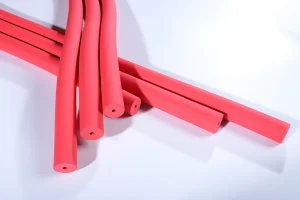
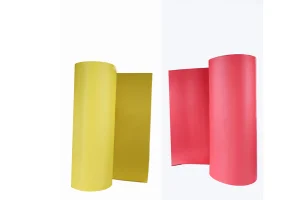
Yes, we support comprehensive OEM services. We can manufacture customized wall thicknesses, inner diameters (IDs) for specialty pipe sizes, custom roll lengths, and colored outer skins to meet specific mechanical designs or color-coding requirements.
Our insulation products are certified to meet major international standards. They carry BS 476, CE, REACH, ROHS, UL94, and ASTM certifications, ensuring compliance with local import regulations and environmental requirements globally.
Yes. We maintain a robust quality management system where every manufacturing run is logged with batch numbers, raw material sources, processing conditions, and on-site lab test results. This ensures full traceability for all shipments.
We can manufacture elastomeric foam sheet rolls in thicknesses ranging from 6mm up to 50mm. Thicker sheets are typically selected for low-temperature or high-humidity environments to prevent condensation and minimize thermal heat transfer.
When installed correctly and protected from direct weathering (using proper cladding or protective coatings outdoors), Kingflex elastomeric insulation has an expected service life of 10 to 15 years. Its closed-cell design resists moisture absorption, maintaining stable thermal conductivity over time.
 Kingflex