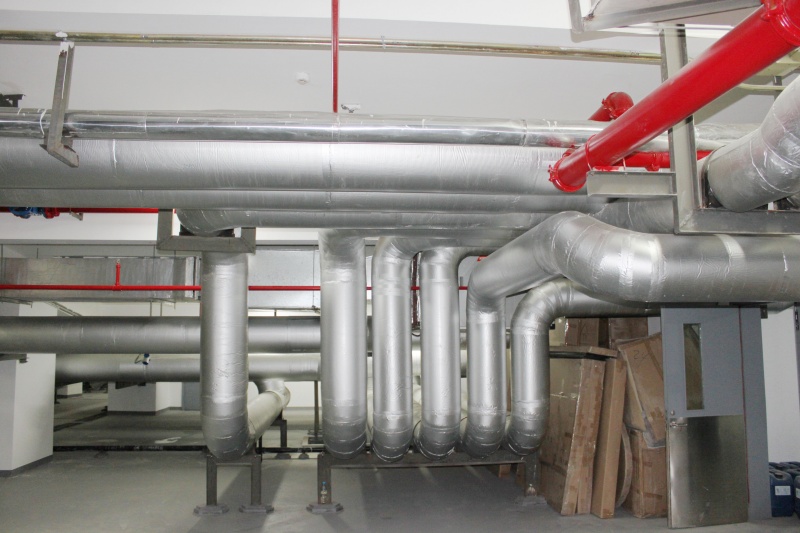
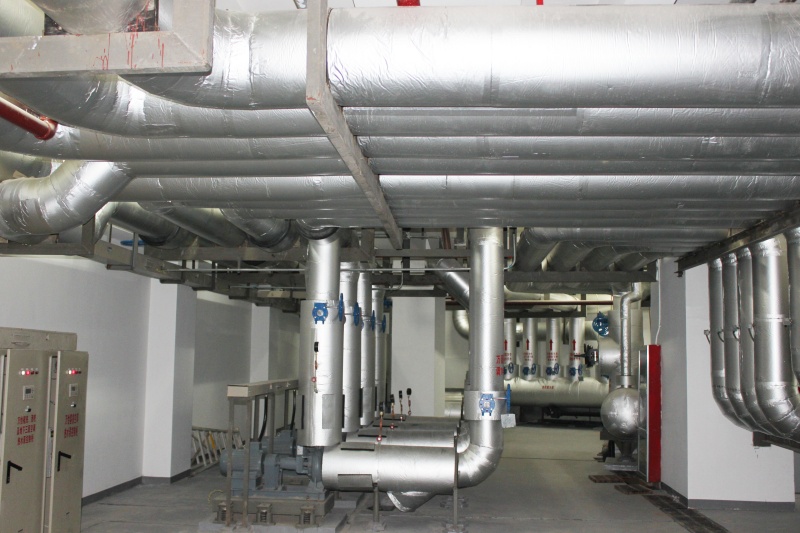
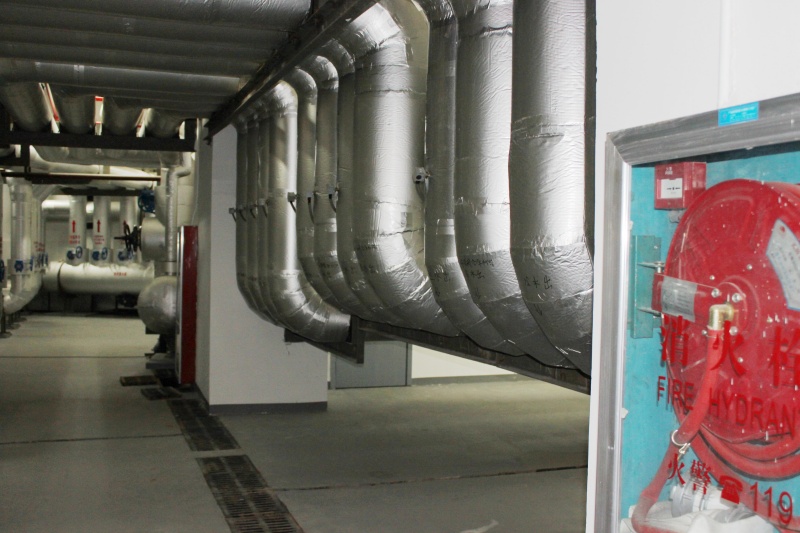
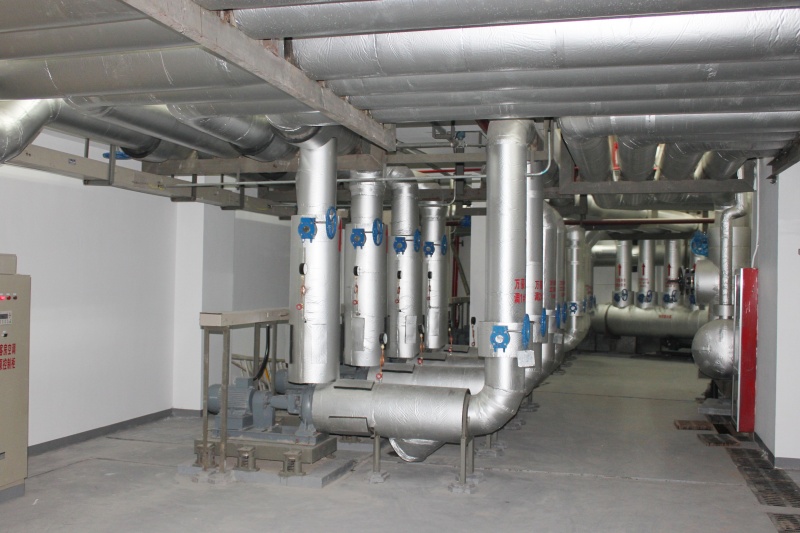
China Refrigerant Pipe Insulation Code Supplier & Factory

Engineered Closed-Cell Elastomeric Solutions Meeting Stringent HVAC, Fire Safety, and Energy Conservation Standards Worldwide.

1. The Science of Condensation & Thermal Performance: Decoding Refrigerant Pipe Codes

In modern commercial HVAC design, refrigerant pipelines operate under extreme thermal differentials. Cooling loops utilizing modern low-GWP HFCs, HFOs, or natural refrigerants like CO₂ (R744) and Ammonia (R717) run at temperatures significantly below ambient dew points. Without rigorous conformance to professional refrigerant pipe insulation codes, cold pipe surfaces instantly initiate localized atmospheric condensation. This results in liquid dripping, which triggers ceiling damage, structural mold colonization, systemic loss of thermal efficiency, and severe Corrosion Under Insulation (CUI).

Thermal Conductivity (λ Value) Control: Low thermal conductivity (λ ≤ 0.034 W/(m·K) at 0°C) acts as the primary barrier against heat transfer. The lower the conductivity, the thinner the required insulation wall to meet regulatory energy codes, keeping structural load minimal and piping envelopes compact.
Water Vapor Permeability (μ-factor): For cold refrigerant lines, moisture behaves as a driver of degradation. Water vapor driven by high external vapor pressure seeks to migrate toward the dry, freezing pipe surface. Closed-cell rubber foam insulation presents a built-in vapor barrier with a water vapor diffusion resistance index (μ) ≥ 10,000, rendering external vapor wraps unnecessary.

Key Structural Equations for Code Sizing

Design engineers determine thickness constraints based on ASHRAE guidelines using the following thermal balance equation to prevent surface condensation:

Th = (R_o * λ * (T_amb - T_line)) / (T_amb - T_dew)

Where Th represents the baseline insulation wall thickness, R_o is the surface heat transfer resistance, λ is thermal conductivity, T_amb is ambient dry-bulb temperature, T_line is operating fluid temperature, and T_dew is local dew-point temperature.

2. Technical Roadmap & Future Outlook of Elastomeric Materials

The global regulatory push toward zero-emission structures and carbon-neutral building cycles is forcing a structural shift in mechanical thermal insulation systems. Kingflex’s engineering department is pioneering this change via three major material development vectors:

  1. Transition to Halogen-Free Materials (HF-FEF): Traditional NBR/PVC chemical compounds incorporate halogenated fire retardants. While highly effective at stopping flame spread, halogens produce heavy acidic smoke during combustion. Our next-generation halogen-free materials emit ultra-low toxicity levels, passing European Class B-s1,d0 standards and conforming to cleanroom green building codes.
  • Nanotech-Infused Cell Matrixes: By introducing organo-clays and silica aerogels into the base elastomer blend before continuous heat extrusion, we reduce internal cell sizing by 35%. This increases the number of dead-air micro-cavities per unit volume, pushing thermal conductivity values down to 0.031 W/(m·K).
  • Integration of Smart Insulation Arrays: Looking ahead, large-scale industrial installations will rely on embedded humidity sensors within insulation wraps. These IoT-enabled grids monitor vapor penetration in real-time, allowing operators to locate moisture barrier breaches before corrosion ruins the structural piping.
  • 600k+
    Annual Capacity (m³)
    40+
    Years Industry Heritage
    66+
    Exporting Countries
    98%+
    Closed-Cell Rate

    Corporate Integrity, Capacity & Global Footprint

    Kingflex Insulation Co., Ltd. is a professional manufacturing and trading combo for thermal insulation products. Our research, development, and state-of-the-art production facility is situated in Dacheng, China—a widely recognized hub for green-building materials. As an energy-saving and environmentally friendly enterprise, Kingflex concentrates heavily on the R&D, production, and worldwide sales of advanced elastomeric solutions.

    We operate with energy saving and consumption reduction as our core concept. We provide end-to-end insulation systems through technical consultation, specialized R&D, installation guidance, and dedicated post-sale services, leading the development of the global building materials industry.

    Our Historical Heritage

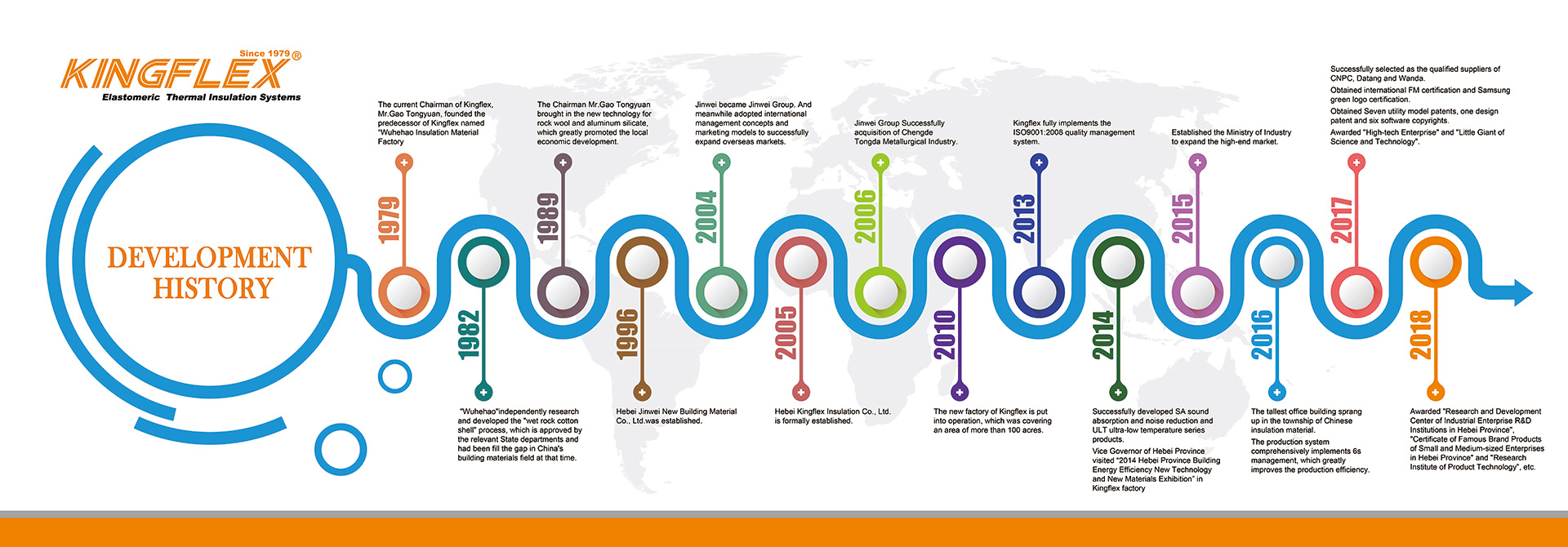
    Established by the Jinwei Group (also known as Kingway Group, founded in 1979) which boasts over 40 years of manufacturing history, Kingflex is backed by the heritage of the very first manufacturer of thermal insulation materials north of the Yangtze River.
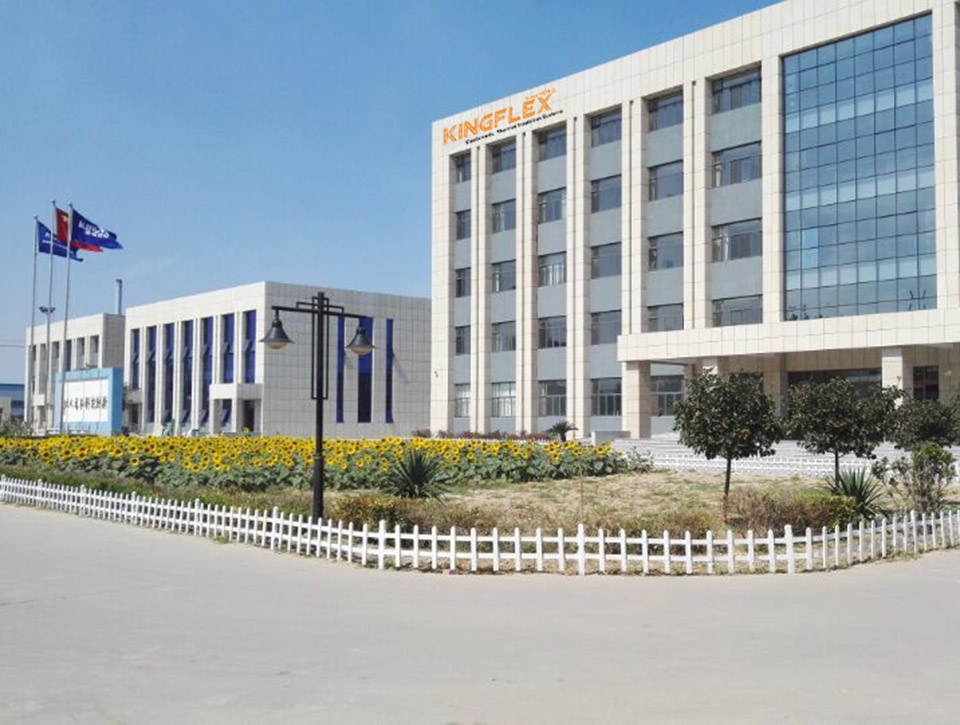
    Kingflex Manufacturing Facility Industrial Insulation Line

    3. Macro Industry Solutions: Tailored Engineering across Verticals

    No single insulation material fits all mechanical systems. Distinct industries present unique challenges requiring localized material formulations and design parameters:

    Commercial HVAC & Building Services

    In institutional buildings, fire safety and air purity are critical. High-occupancy buildings specify Class 0 NBR/PVC materials. Kingflex NBR foam prevents condensation on dual-temperature and chilled lines, ensuring no dust or fibrous particle erosion enters air delivery streams.

    Ultra-Low Cryogenic & Cold Chain

    Cryogenic terminals, LNG pipelines, and pharmaceutical process lines operate below -40°C down to -200°C. Standard rubber foams embrittle and crack. Kingflex offers specialized flexible diolefin materials engineered to stay flexible at cryogenic temperatures, preventing insulation cracking under rapid thermal shifts.

    Marine & Petrochemical Plants

    Corrosive, salt-heavy sea atmospheres require materials with high chemical resistance. Our closed-cell rubber foam withstands acids, alkalis, and ozone exposure. The built-in moisture barrier reduces salt water intrusion, protecting expensive alloy piping from galvanic corrosion.

    Kingflex Operations Team

    4. China Factory 4.0: Supply Chain Resilience & Efficiency Advantages

    Operating from the capital of green building materials in Dacheng, China, Kingflex integrates modern manufacturing methodologies with localized supply chain resilience. Our facility features five large-scale automated continuous vulcanization assembly lines. We manage quality from raw elastomer polymer mixing to continuous high-temperature foaming.

    • Predictive Automated Extrusion: PLC-controlled lines maintain consistent thickness tolerances on NBR/PVC tubes, ensuring even insulation layers.
    • Raw Material Resilience: Direct pipeline links to regional polymer suppliers protect us from international pricing swings and lead time fluctuations.
    • Designated Production: Recognized by the Ministry of Energy, the Ministry of Electric Power, and the Ministry of Chemical Industry, our facility serves critical domestic and international infrastructure projects.

    Standard Dimension Sizing & Technical Limits

    Our technical specifications for standard NBR/PVC products ensure compliance with global engineering requirements:

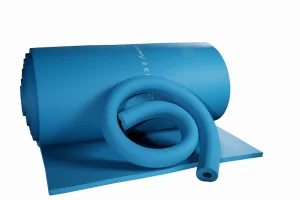
    Property / Characteristic NBR/PVC Foam Sheet Roll NBR/PVC Foam Pipe / Tube
    Base Material Structure NBR/PVC Elastomeric Foam NBR/PVC Elastomeric Foam
    Thickness Range 6mm to 50mm 9mm to 40mm
    Inner Diameter (ID) N/A (Flat sheet / roll) 6mm to 114mm
    Product Density 40 - 55 kg/m³ 40 - 55 kg/m³
    Service Temperature Limit -40℃ to 105℃ -40℃ to 105℃
    Closed-Cell Content ≥ 98% ≥ 98%
    Thermal Conductivity ≤ 0.034 W/(m·K) at 0°C ≤ 0.034 W/(m·K) at 0°C
    Compression Resilience Over 80% recovery rate Over 80% recovery rate

    5. Localized Support & Global Compliance Assurance

    Building projects require third-party verification to pass structural building inspections. Kingflex insulation maintains compliance with strict international testing frameworks:

    European Standards (EN/BS)

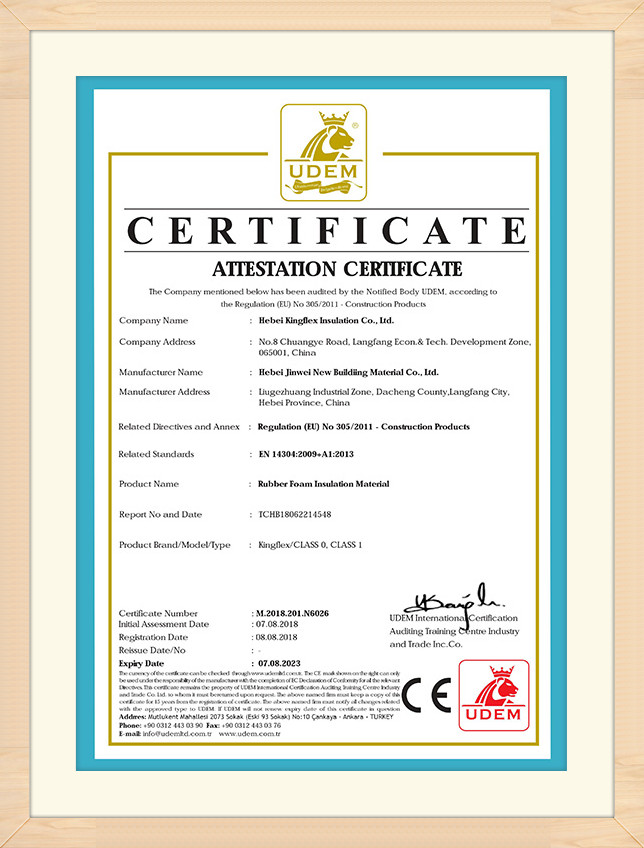
    Conforms to BS 476 Parts 6 & 7 (Class 0 and Class 1 fire spread rating) and CE certifications for building product safety.

    North American Codes (ASTM/UL)

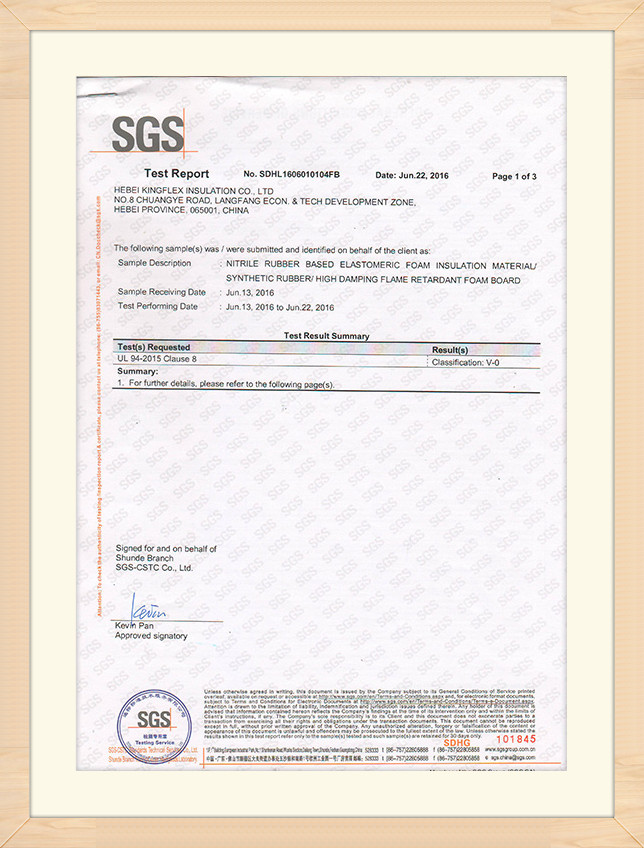
    Meets ASTM E84 25/50 flame spread and smoke index limits, and UL 94 vertical burn classification standards.

    Environmental Regulations

    Complies with REACH and RoHS standards, certifying that no PBBs, PBDEs, or heavy metal plasticizers are used during production.
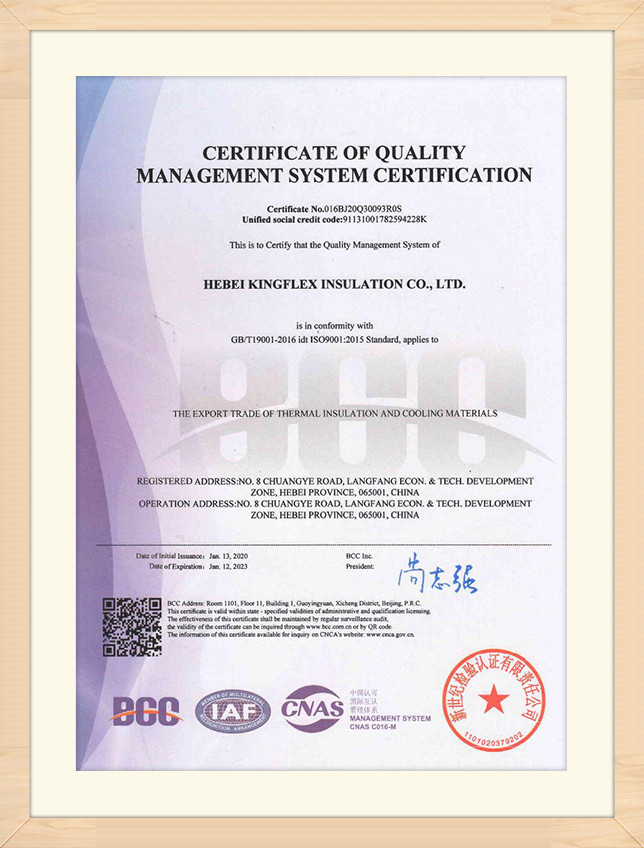
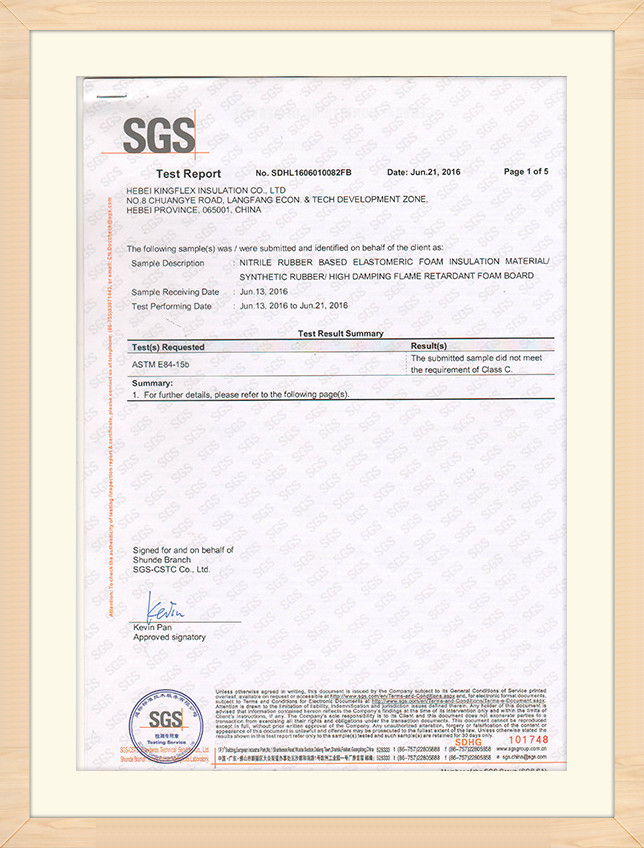
    Kingflex Quality Testing Certificate
    Kingflex ASTM Test Compliance
    Kingflex ISO Management Certification
    Kingflex Fire Rating Laboratory Certificate

    6. Global Enterprises Sourcing Needs: Logistics, Traceability, & OEM

    International sourcing requires rigorous quality control and logistics management. Kingflex supports international sourcing managers with:
    Advanced Extrusion Equipment
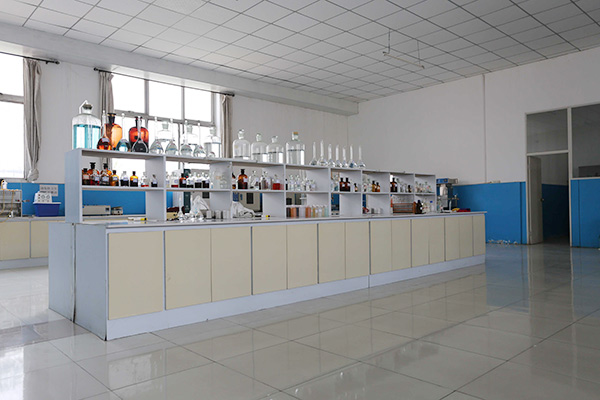
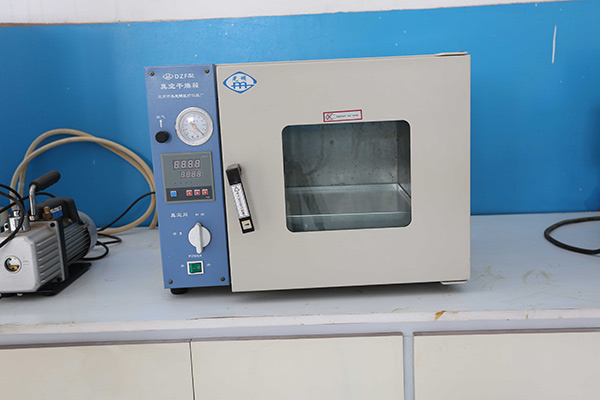
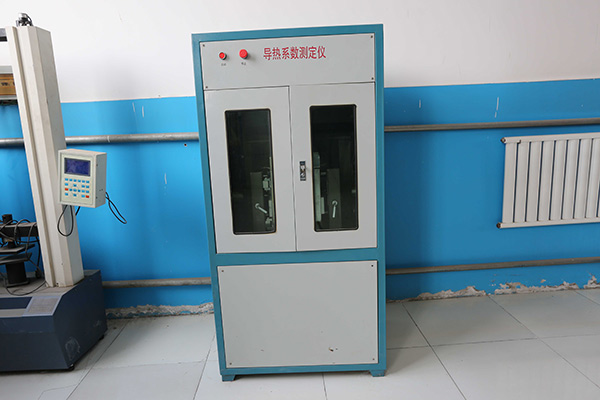
    Material Testing Laboratory
    Automated Shearing and Slitting
    Finished Warehousing Grid

    Global Project Applications

    Kingflex products are installed across industrial sectors, commercial buildings, and infrastructure projects worldwide.
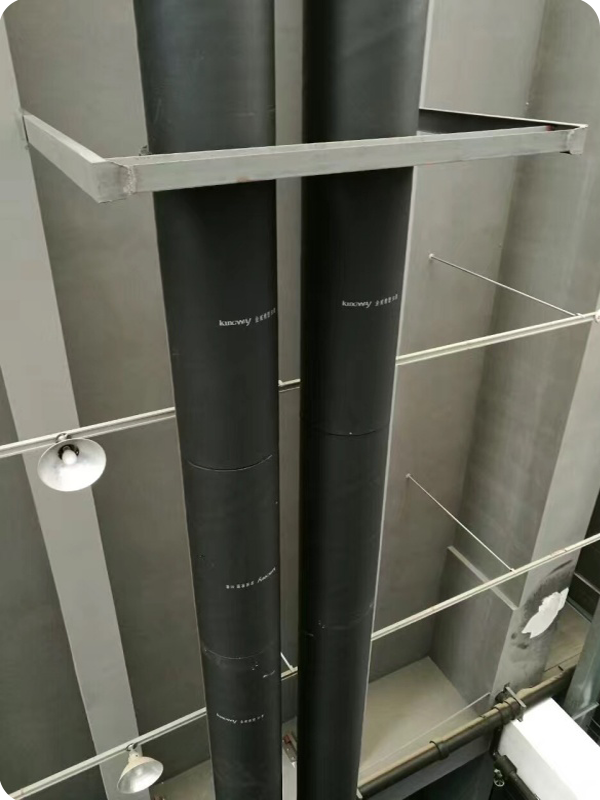
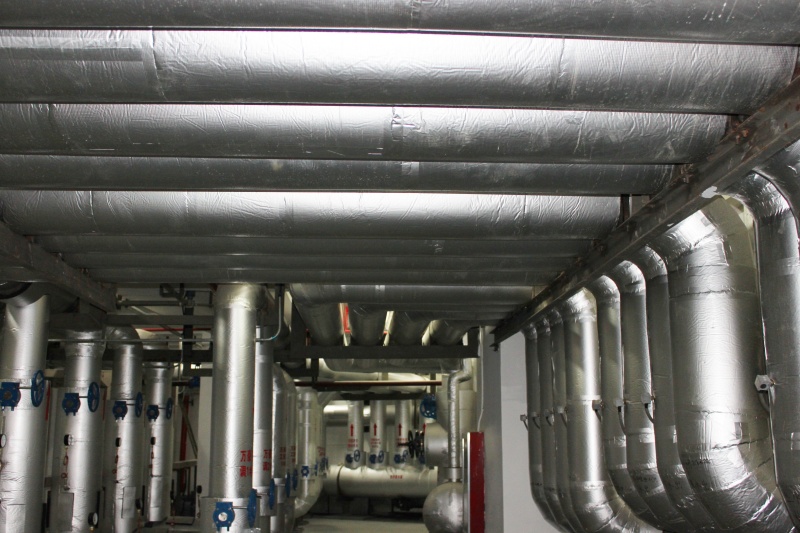
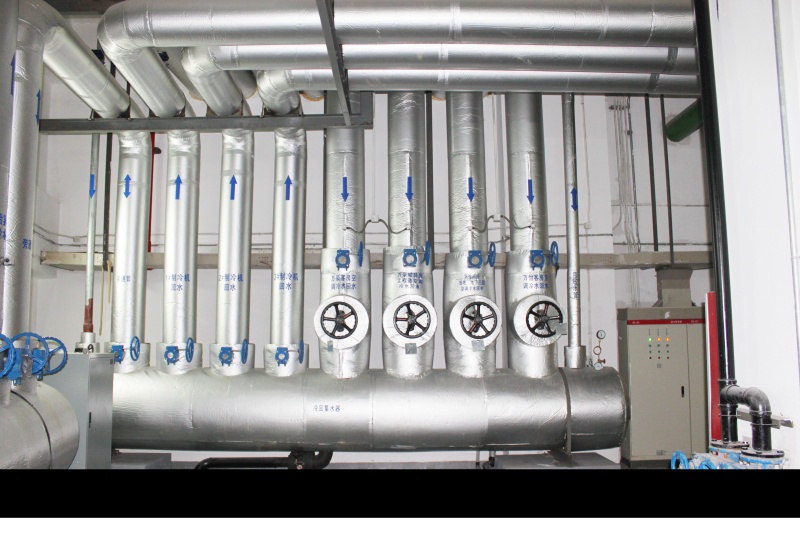
    HVAC Chilled Water System Insulation
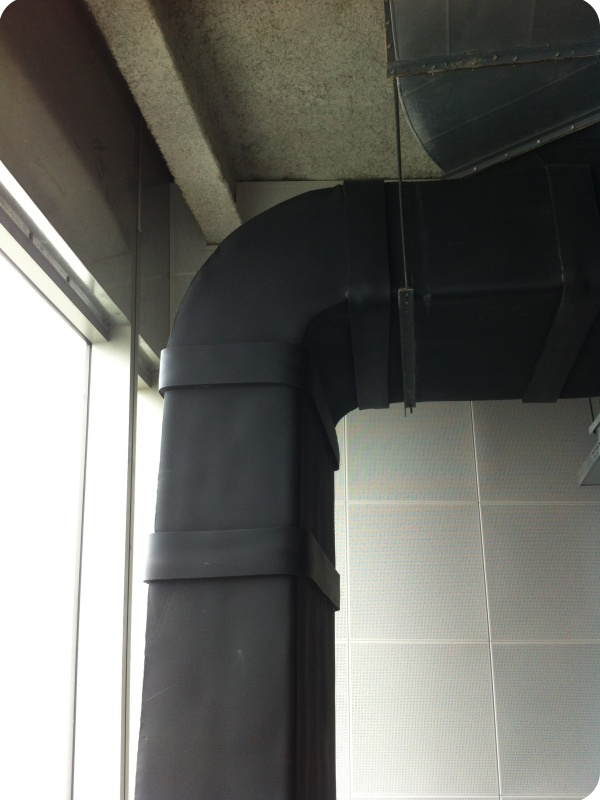
    Commercial Ductwork Thermal Insulation
    Industrial Steam Pipe Protection
    Cryogenic Pipeline Cold Insulation

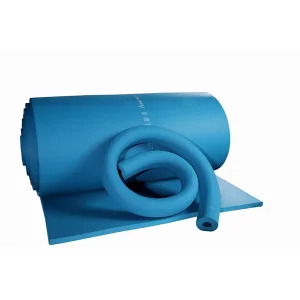
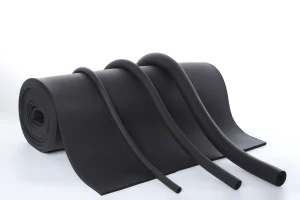
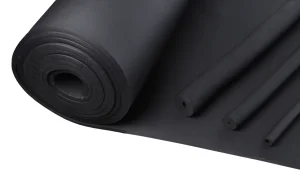
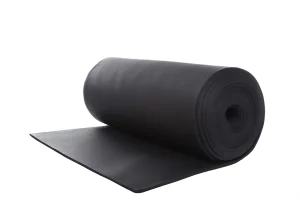
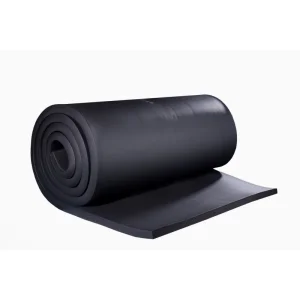
    Black Rubber Foam Insulation Sheet Roll

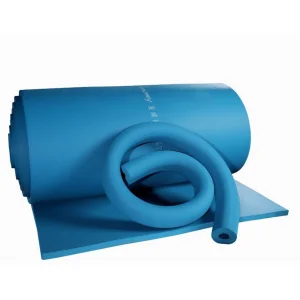
    Designed for wrapping large mechanical ducts, heat exchangers, and commercial tanks. Provides consistent thermal barriers across large surface areas.

    Dimension Range: Thickness 6mm - 50mm | Density: 40-55kg/m³ | Temperature: -40℃ to 105℃

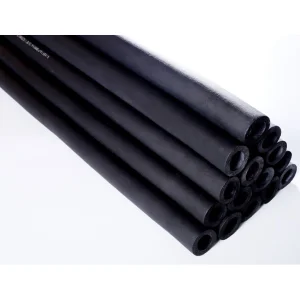
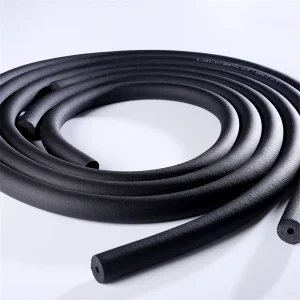
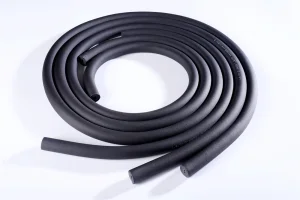
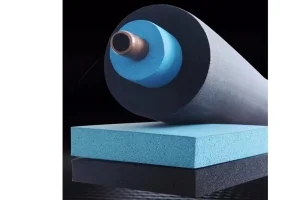
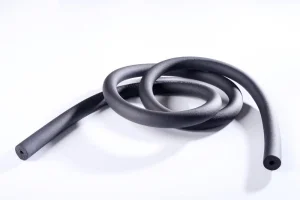
    Black Rubber Foam Insulation Pipe

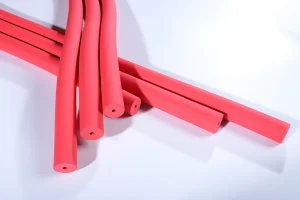
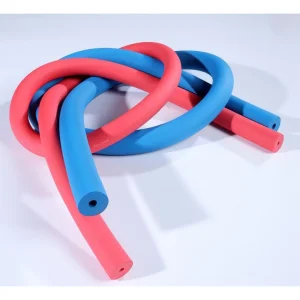
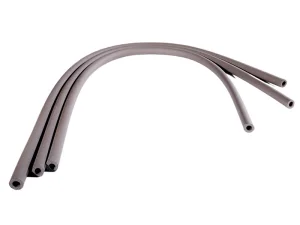
    Pre-formed elastomeric pipe insulation designed for slide-on or slit-and-glue installation on copper refrigerant lines and hot/chilled water systems.
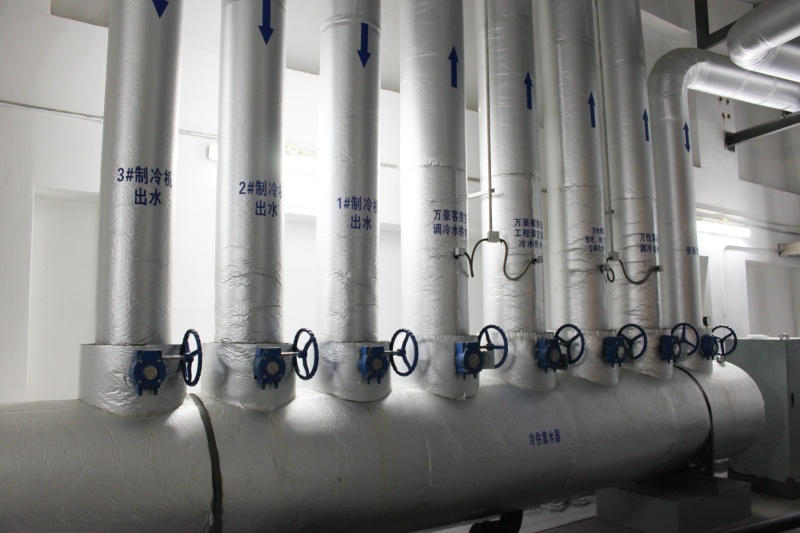
    Dimension Range: Thickness 9mm - 40mm | ID: 6mm - 114mm | Material: NBR/PVC blend
    Production Process Stage 1
    Production Process Stage 2
    Production Process Stage 3
    Production Process Stage 4
    Warehousing Storage Line 1
    Warehousing Storage Line 2
    Warehousing Storage Line 3
    Warehousing Storage Line 4
    Dispatch Facility Area 1
    Dispatch Facility Area 2
    Dispatch Facility Area 3
    Dispatch Facility Area 4

    Verified Customer Feedback & Verification

    Review correspondence screenshots showing our technical coordination and global service support:
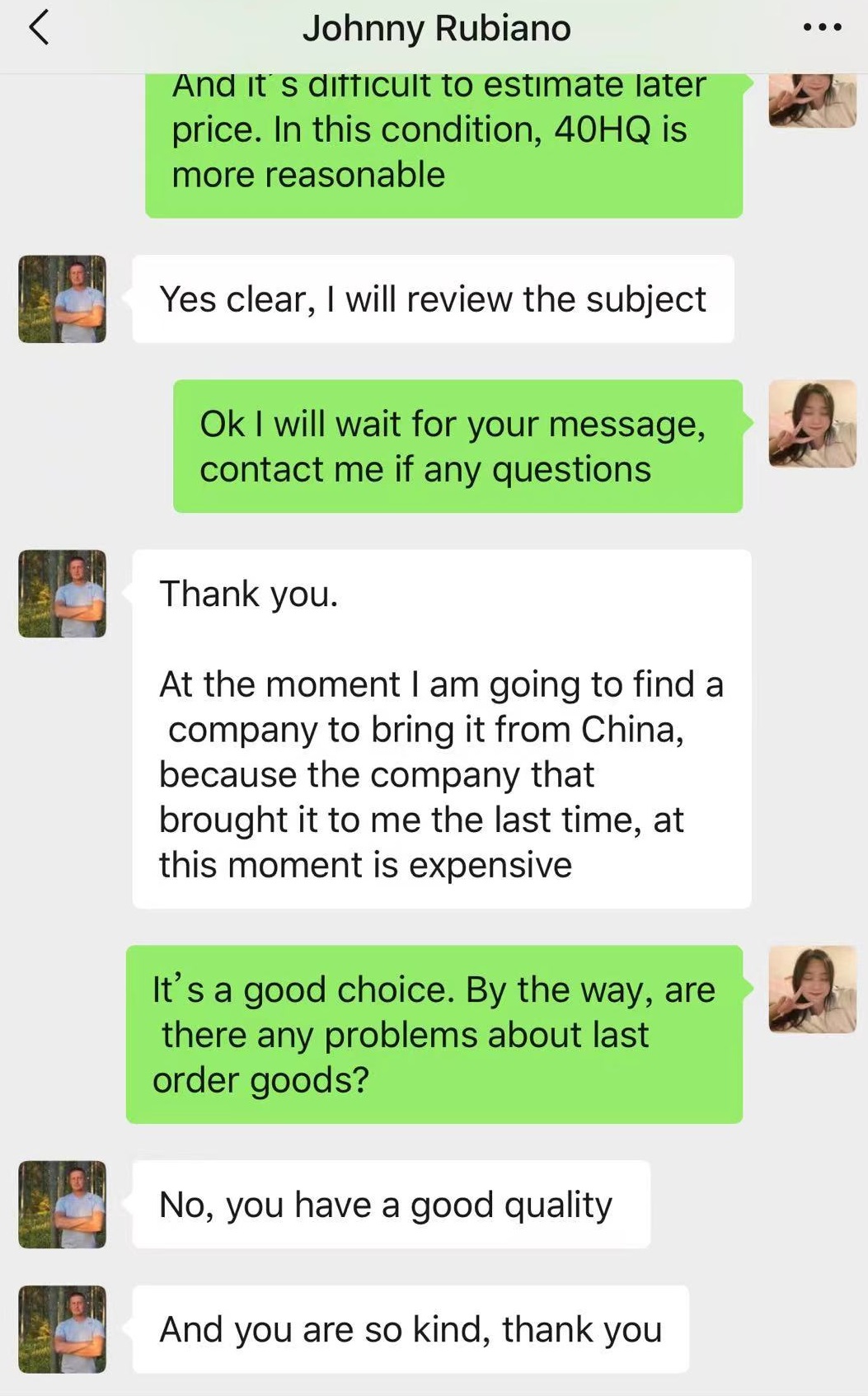
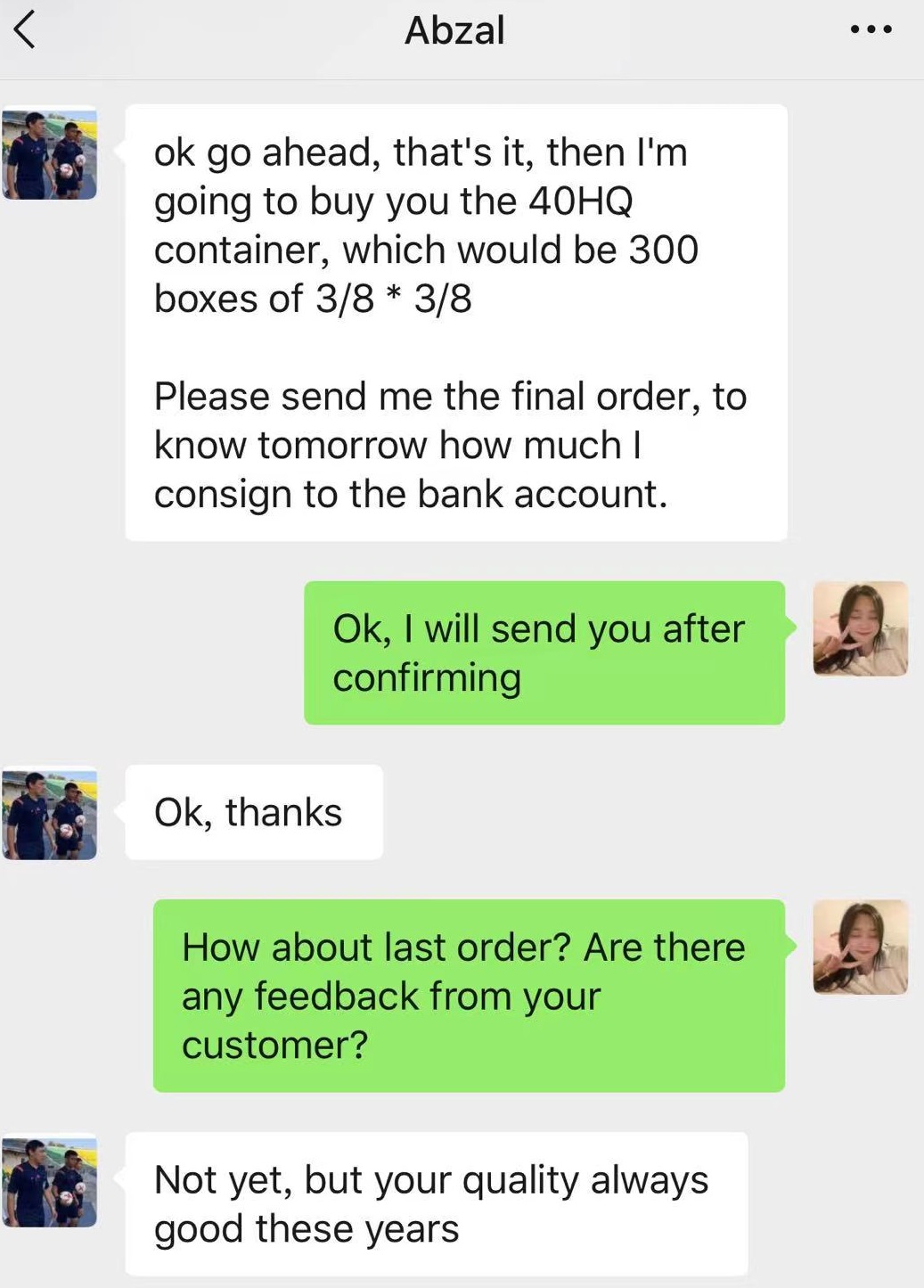
    Customer Order Correspondence 1
    Customer Order Correspondence 2
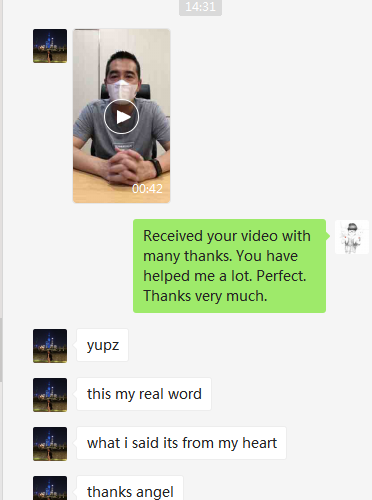
    Client Verification chat screenshot 1
    Client Verification chat screenshot 2
    Global project team approval text

    Technical Q&A: Engineering & Sourcing Specifications

    Q1: What is elastomeric rubber foam insulation used for?
    It is primarily used for insulating HVAC ductwork, commercial air conditioning pipes, building thermal insulation, industrial pipeline cold conservation, and acoustic noise reduction applications.
    Q2: Is Kingflex rubber foam insulation fire resistant?
    Yes. Our rubber foam insulation materials incorporate specialized fire-retardant additives to meet international building and industrial safety regulations, including Class 0 and Class 1 ratings.
    Q3: What is the difference between rubber foam and rock wool insulation?
    Rubber foam features a flexible, closed-cell structure with high moisture resistance, making it suitable for cold systems and HVAC lines. Rock wool features an open fibrous structure with high temperature resistance, making it suitable for high-temperature steam lines and industrial applications.
    Q4: Do you provide customized insulation products?
    Yes. We support custom dimensions, density formulations, and finishes to meet project specifications.
    Q5: What certifications do your products have?
    Kingflex materials are certified to international standards, including BS 476, CE, REACH, RoHS, UL 94, and ASTM.
    Q6: Are Kingflex products traceable?
    Yes. We apply batch codes to our products to enable quality tracking from raw materials to shipment.
    Q7: What sheet roll thicknesses are available?
    We produce elastomeric rubber foam sheets and rolls in thicknesses ranging from 6mm to 50mm.
    Q8: What is the expected service life of these insulation products?
    Under typical operating conditions and with proper installation, our rubber foam insulation sheets and tubes provide a service life of 10 to 15 years.

    Sub-Zero & High-Temperature Specialties

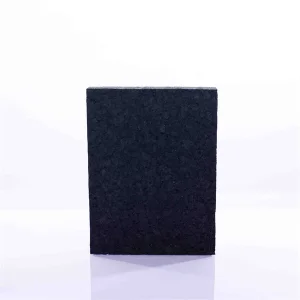
    Select from our specialized elastomeric sheet rolls, high-density tubing, and rock wool insulation products.