Explore our premium grade elastomeric insulation systems optimized for ultimate sound attenuation and thermal properties.
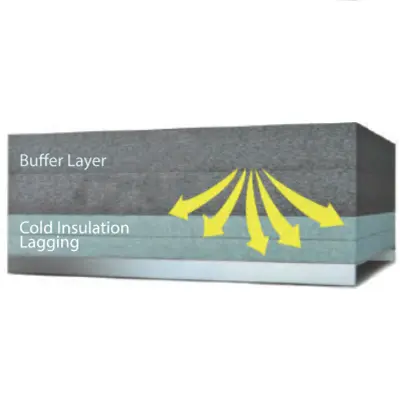
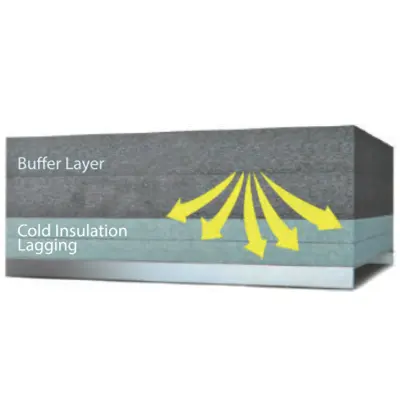
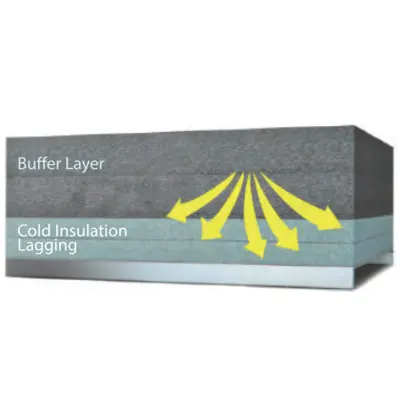
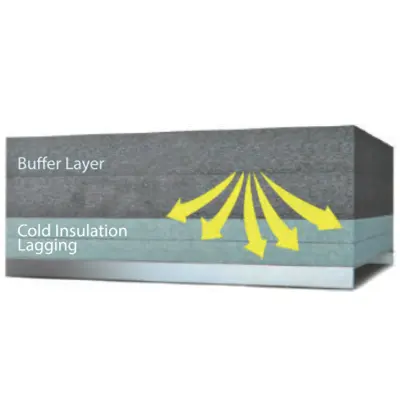
Sound absorbing rubber operates on the core physics of viscoelastic damping. In typical industrial and commercial scenarios, noise propagates either through the air (airborne noise) or through solid structures (structure-borne noise). Elastomeric Nitrile-Butadiene Rubber (NBR) combined with Polyvinyl Chloride (PVC) structures acts as a mechanical dampener by absorbing and dissipating kinetic energy from sound waves, transforming that physical movement into trace thermal energy.
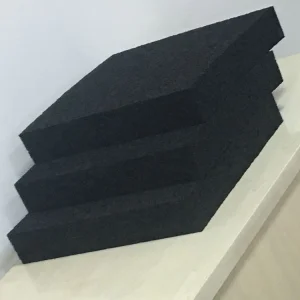
Our engineered closed-cell and open-cell elastomeric rubber formulations are specifically processed to target critical frequency bands. While closed-cell configurations excel in structural decoupling, low-frequency dampening, and moisture resistance, open-cell versions optimize high-frequency sound wave trapping within their interconnected matrix. By using density-controlled raw materials (40-55 kg/m³), the structural air resistance inside the foam matrix yields an outstanding Noise Reduction Coefficient (NRC) and Sound Transmission Class (STC).
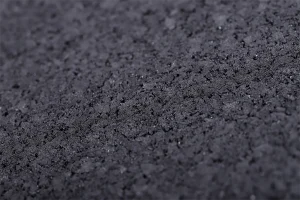
Located in the heart of Dacheng, China—the globally recognized capital of green-building materials—Kingflex stands at the pinnacle of thermal and acoustic insulation manufacturing.
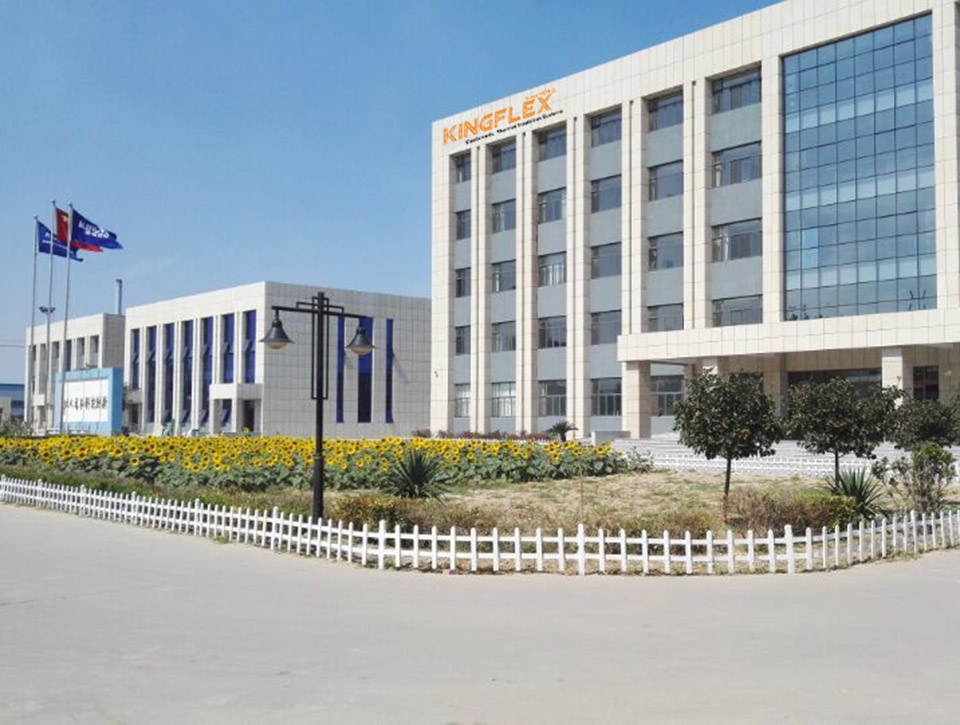
Established under the parent umbrella of the historic Jinwei Group (pioneered in 1979 as the first manufacturer of thermal insulation materials north of the Yangtze River), Kingflex Insulation Co., Ltd. has developed over four decades of technical experience. Today, our advanced manufacturing hub in Dacheng runs 5 large automatic assembly lines, ensuring a massive annual capacity of over 600,000 cubic meters.
This automated, continuous formulation and extrusion process eliminates variations in density and cell structure, which are common in manual batch processing. Because our core materials are produced inline, we offer significant cost-efficiencies directly passed down to global procurement teams looking for competitive pricelists and reliable FOB/CIF quotes.
Massive output ensuring stable volume supply for mega-projects without production delays.
Deep-rooted expertise starting from Jinwei Group in 1979, securing reliable raw material formulations.
We believe in transparency. For global procurement officers, understanding the components of acoustic insulation pricing is crucial for budgeting.
Our sound absorbing rubber prices depend on several variables, primarily polymer purity (NBR/PVC ratio), fire retardancy specifications (Class 0, Class 1, UL 94 V-0, BS 476 Part 6/7), board thickness, and customized adhesive backings. Below is a reference price range sheet designed to assist your planning and bidding phases:
| Insulation Product Category | Thickness Options | Key Material Spec | Reference FOB Price (USD/m³) | Standard Compliance |
|---|---|---|---|---|
| NBR/PVC Elastomeric Sheet Roll | 6mm - 50mm | Density: 40-55 kg/m³ | $75 - $115 | BS 476 Part 7, Class 1 |
| Acoustic Wave Foam Panels (Open Cell) | 15mm - 40mm | Polymer enriched NBR | $90 - $140 | REACH, RoHS, CE |
| Elastomeric Cryogenic Insulation Series | 9mm - 30mm | Ultra-low Temp (-200°C) | $150 - $220 | ASTM C177, ISO 9001 |
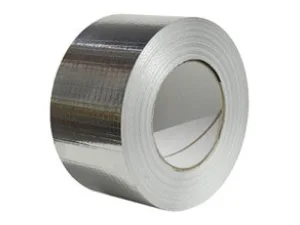
| Alu-Foil Laminated Rubber Insulation Tape | 3mm - 10mm | Self-adhesive backing | $0.9 - $2.5 / Roll | UL94 V-0 Equivalent |
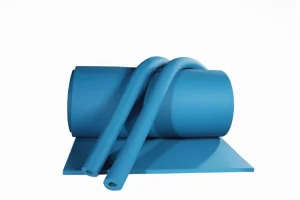
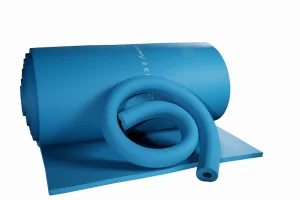
| Heavy-duty Sound Insulation Pipe Cover | 9mm - 40mm | Inner ID: 6mm - 114mm | $1.2 - $5.5 / Meter | BS 476 Class 0 |
Please note that the prices listed above are subject to volume discounts and fluctuations in nitrile rubber monomers. For accurate, high-volume procurement quotes (minimum order quantity applies to specialized sizes), please reach out to our team of six professional international sales executives for a localized shipping and packaging quotation.
In modern industrial architectural design, compliance is non-negotiable. Building materials must meet strict local fire protection, environmental health, and quality management standards. Kingflex products undergo continuous internal and external laboratory testing to certify performance metrics.
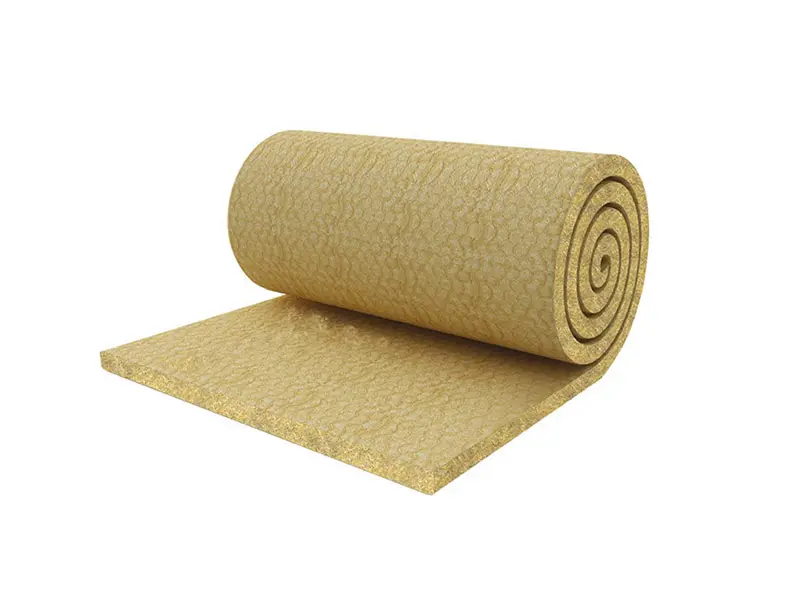
Our elastomeric rubber and rock wool insulation ranges are certified under BS 476 (Class 0 and Class 1), CE, REACH, RoHS, UL94, and ASTM standards. These certifications ensure that when our materials are integrated into mechanical spaces, HVAC installations, or subsea cryogenic systems, they will not degrade, emit toxic VOCs, or propagate flame spread under emergency conditions.
Furthermore, our advanced quality management system supports complete product traceability. Each batch of raw polymer, foaming agent, and structural reinforcement can be traced back to its specific production line, time, and quality testing log, providing peace of mind for engineering inspections.
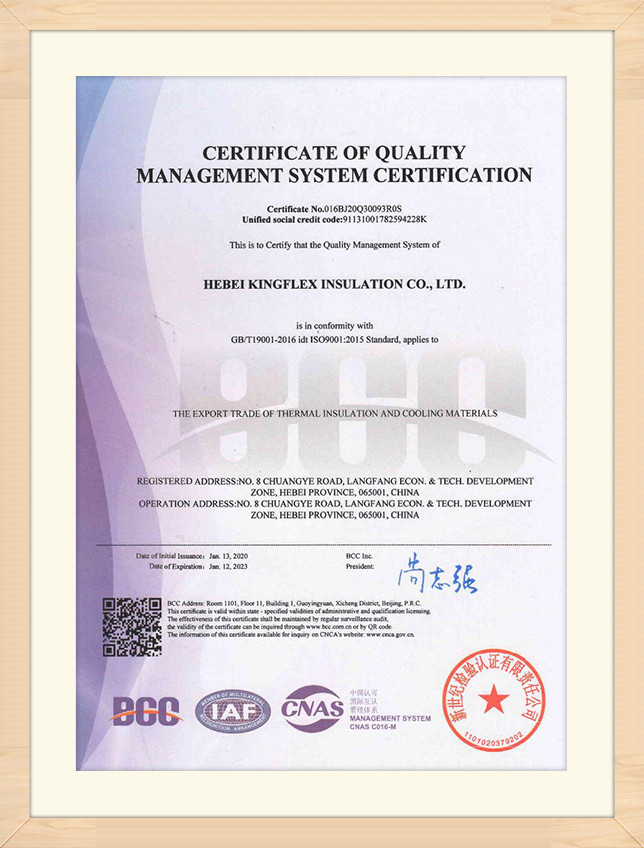
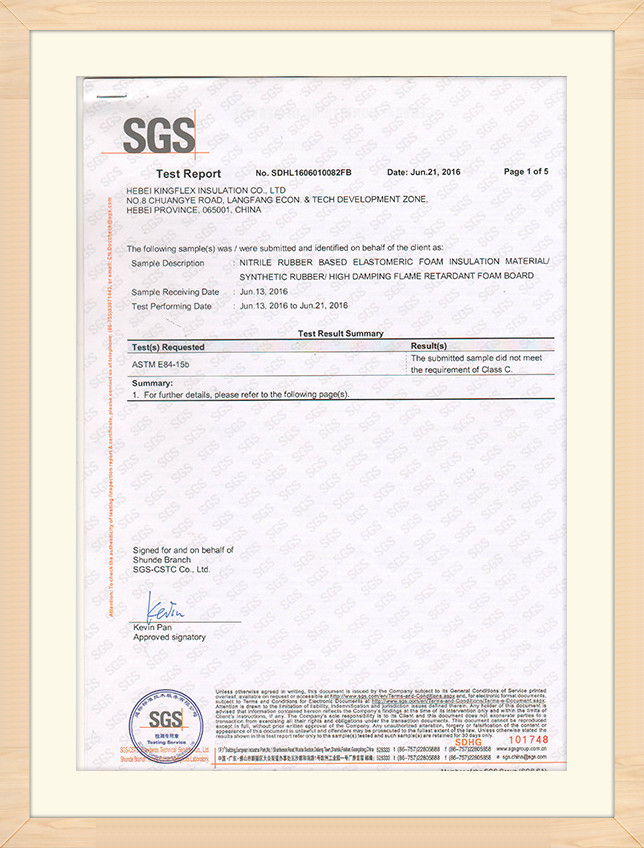
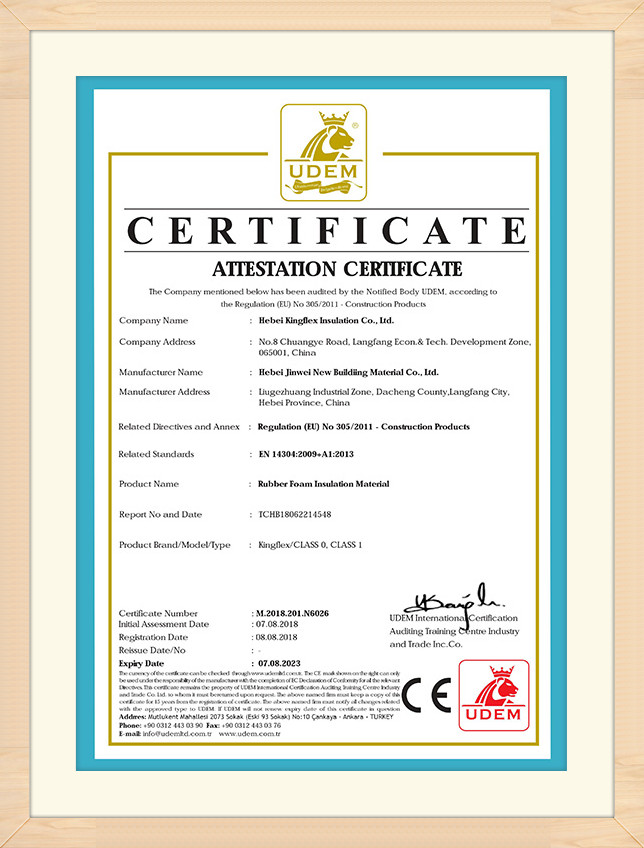
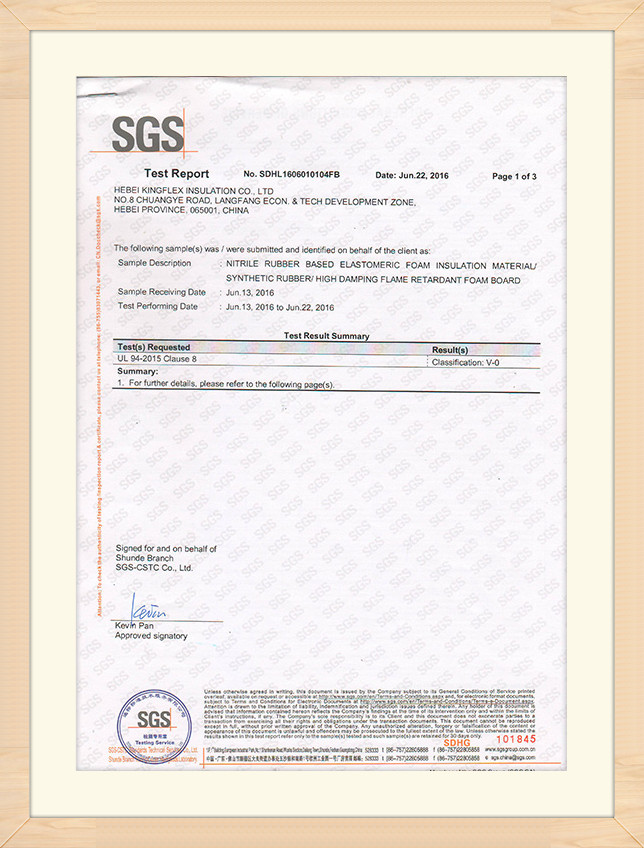
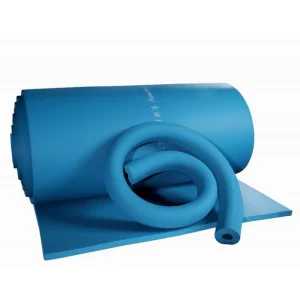
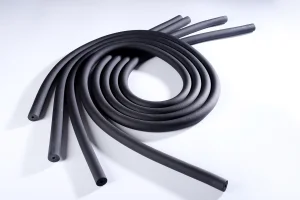
Below is our primary range of technical insulation solutions, covering NBR tubes, cryogenic systems, and specialized mineral fiber boards.
From deep architectural sub-basements to advanced aerospace setups, sound absorbing rubber plays a major role in engineering modern industrial spaces.
To help engineers and procurement managers select the correct material density and thickness, we break down our primary installation domains:
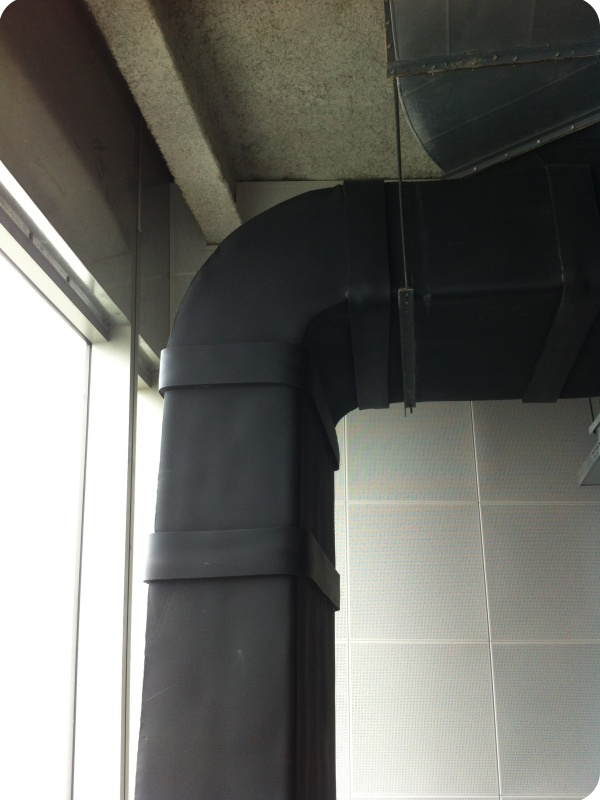

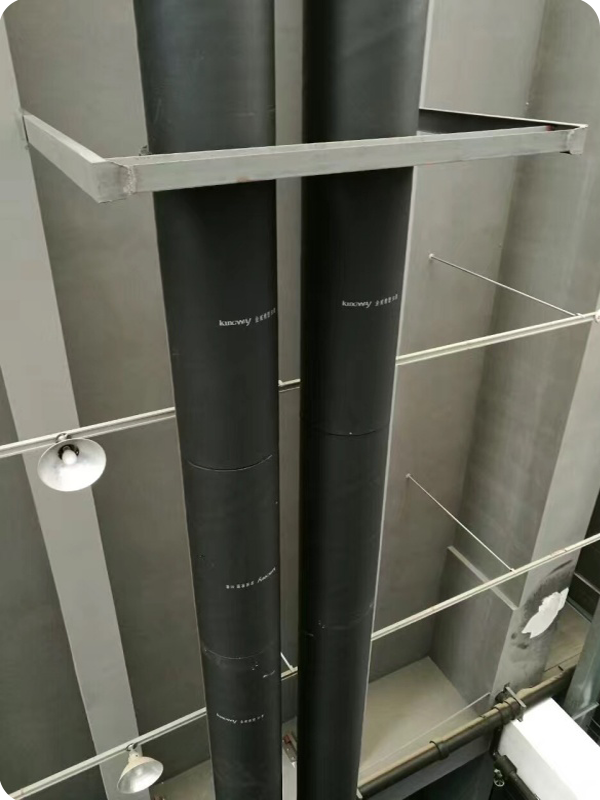
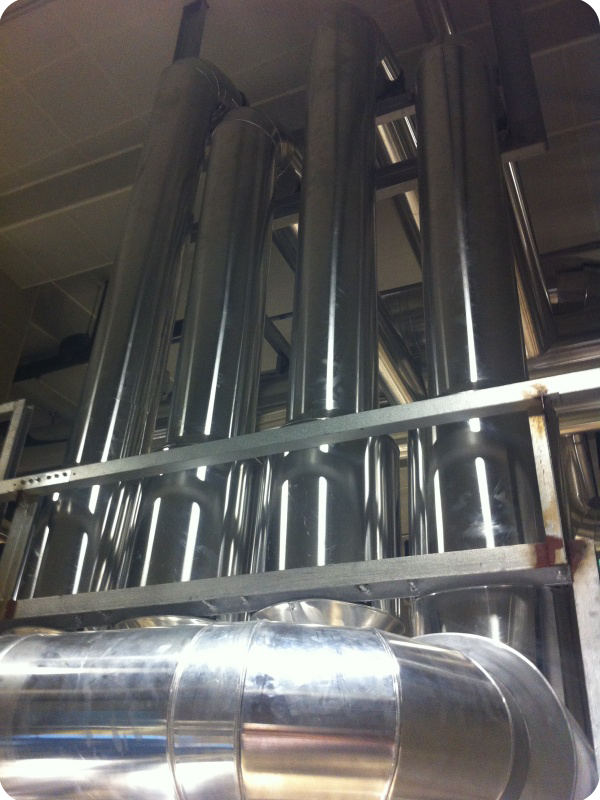
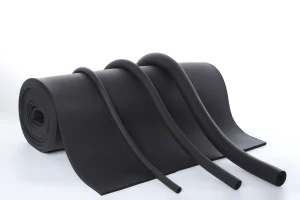
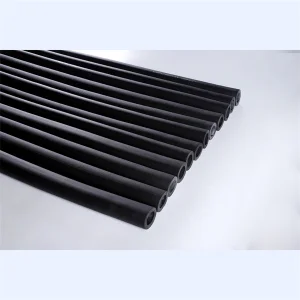
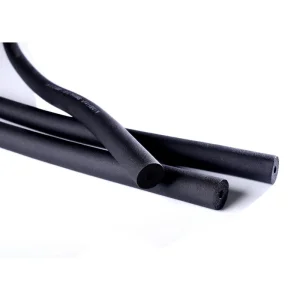
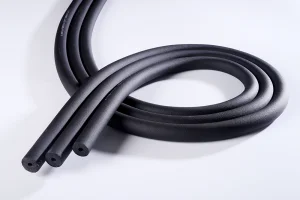
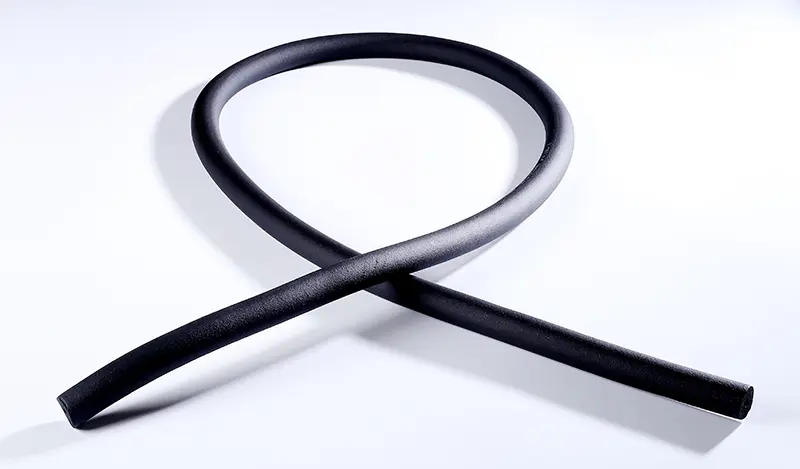
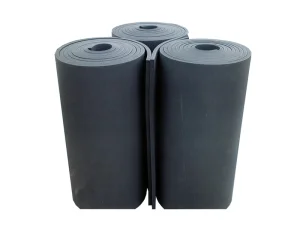
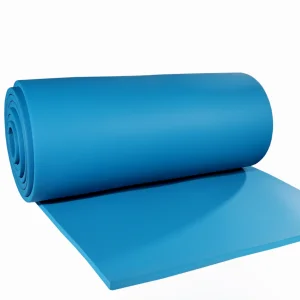
Standardized metrics for our primary product lines: Black Rubber Foam Insulation Sheet Rolls & Pipe Sleeves.
| Material base: | NBR / PVC blend |
| Thickness range: | 6mm to 50mm |
| Core Density: | 40 - 55 kg/m³ |
| Operating Limits: | -40℃ to 105℃ |
Acoustic Advantage: Foams evenly and fully, closed-cell rate over 98%, compression resilience over 80%, flame retardant, self-extinguishing off fire. Low thermal conductivity and high moisture resistance factor.
| Material base: | NBR / PVC blend |
| Wall Thickness: | 9mm to 40mm |
| Inner Diameter (ID): | 6mm to 114mm |
| Density / Temp: | 40 - 55 kg/m³ / -40℃ to 105℃ |
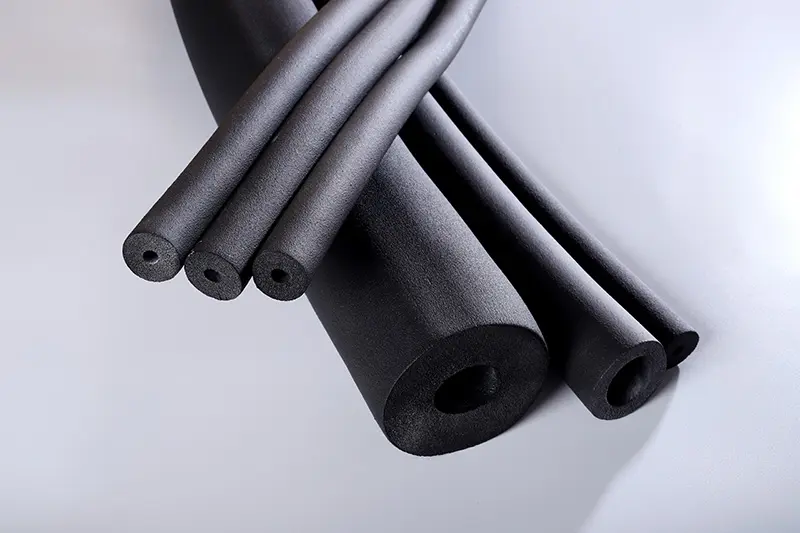
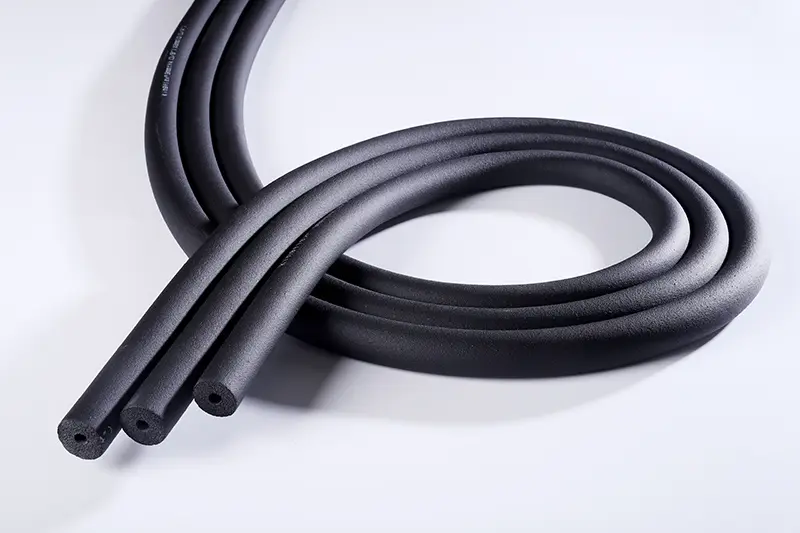
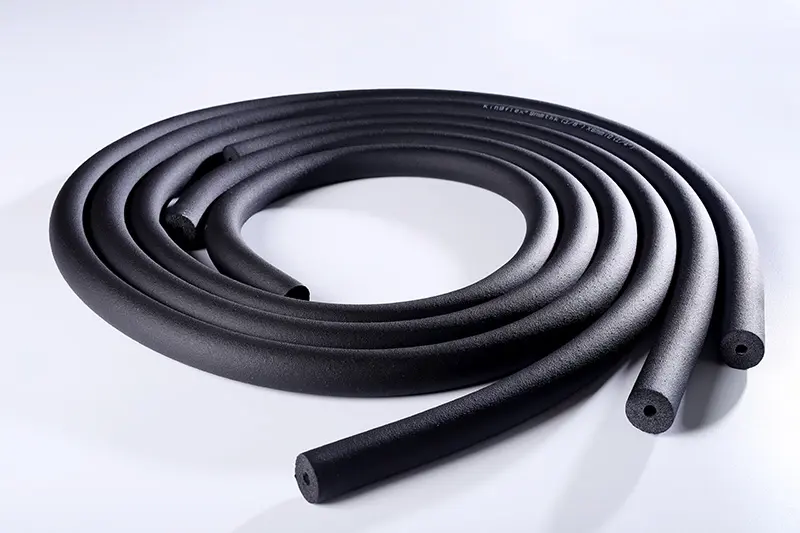
Acoustic Advantage: Professional pipe spraying equipment ensures even coating. Highly flexible elastomer absorbs structural vibrations, reduces risk of pipe freezing, cracking, and sound transmission from pumps.
Our capability is driven by dedicated experts, advanced testing laboratories, and long-term partnerships with customers in over 66 countries.
Our employees are key to what makes Kingflex a reliable partner. The Kingflex team is a tight-knit, talented group focused on providing first-class service to our clients. Our dedicated R&D division features 8 professional engineers who continuously improve our raw NBR polymer compounds, along with 6 professional international sales executives and 230 experienced factory workers managing the production floor.
By investing in in-house testing equipment, our engineers check every production run for density, thermal coefficient, flame resistance, and physical resilience before shipment.

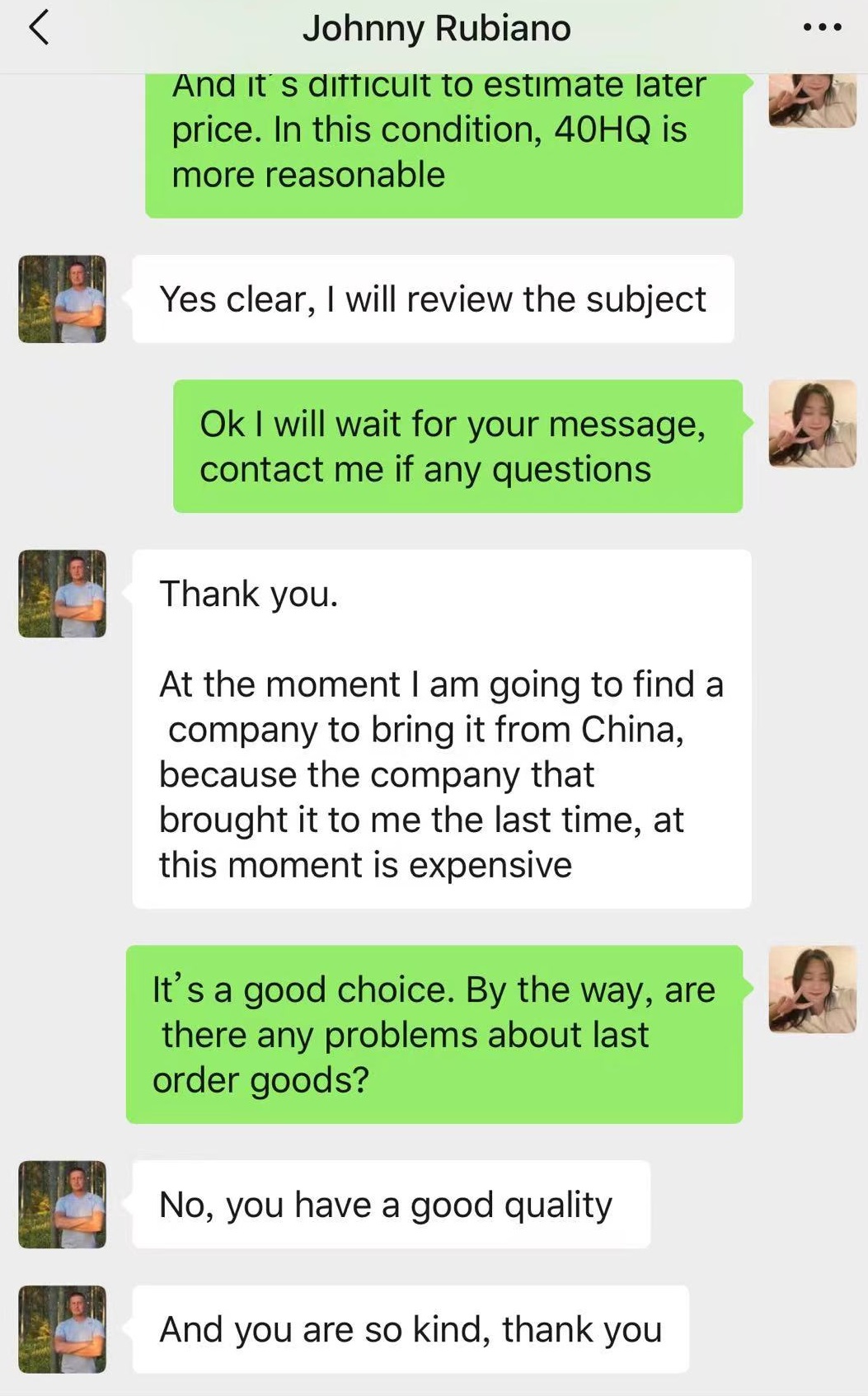
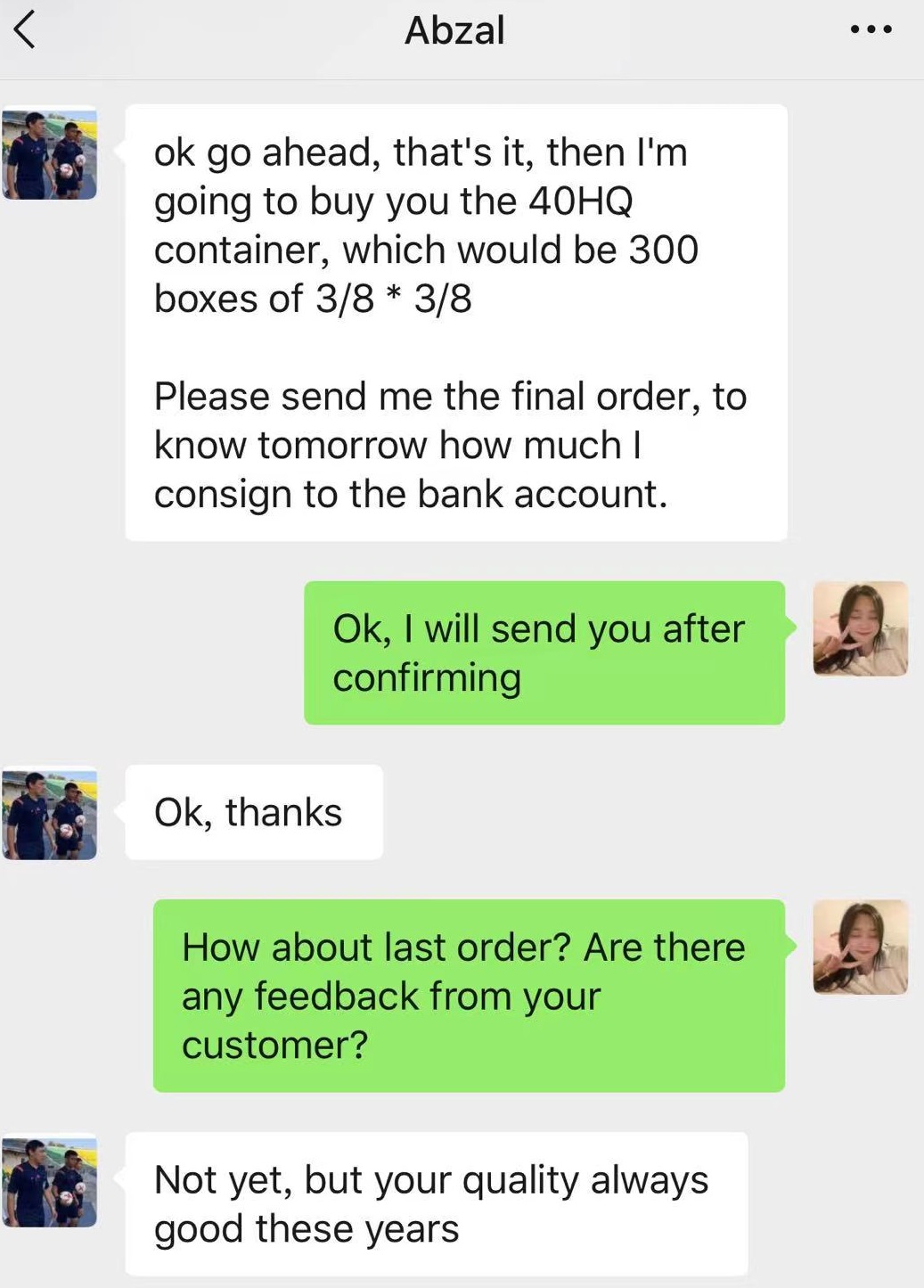
We work closely with global engineering, HVAC, and industrial distribution clients. Check out the recent screenshots from our feedback portal below, showing our commitment to quality, project specifications, and secure transport:


Understanding where acoustic technology is going helps mechanical planners choose long-term materials that remain compliant with future building codes.
Global standards are phasing out old chemical blowing agents. Modern sound-absorbing rubber uses water-based or inert gas foaming technologies, ensuring zero ozone depletion potential (ODP) and negligible global warming potential (GWP).
Engineers no longer install separate thermal insulation and sound barriers. Single-layer elastomeric foams with high density are designed to resolve both high-temperature thermal losses and high-frequency structural vibrations simultaneously.
Reducing installation time is a priority for contractors. Factories are developing heat-resistant, high-strength pressure-sensitive adhesives (PSA) pre-laminated onto the rubber, eliminating the need for manual adhesive application on-site.
Clear, direct answers regarding the installation, lifespan, cost, and physical properties of our elastomeric products.
A1: It is mainly used for HVAC ducts, air conditioning pipes, building thermal insulation, industrial pipeline cold insulation, and sound insulation. Its dual nature as a low-thermal-conductivity and high-acoustic-absorption barrier makes it ideal for mixed-use mechanical spaces.
A2: Yes, our rubber foam insulations are fire retardant, which meets the safety standards of building and industrial projects. Specifically, they conform to BS 476 Part 6 & 7 Class 0/Class 1 ratings and carry UL94 V-0 certifications, meaning they will self-extinguish when the flame source is removed.
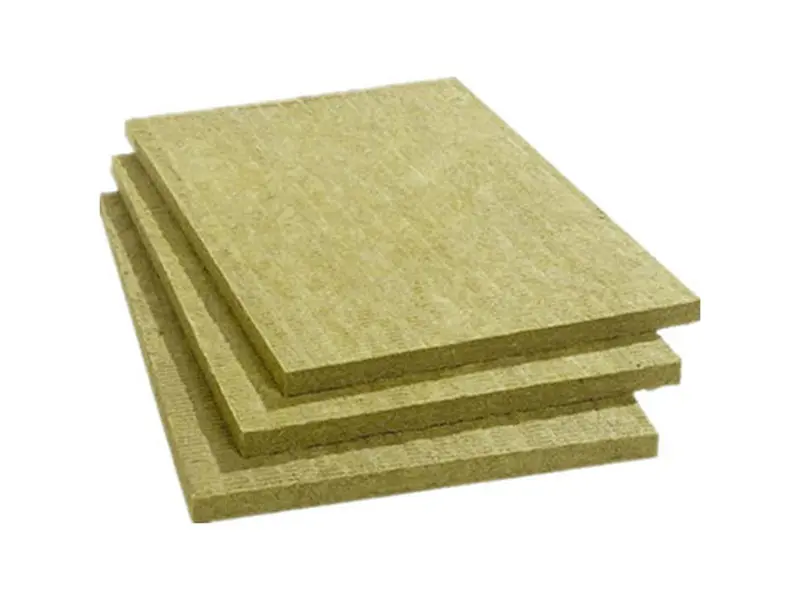
A3: Rubber foam is flexible, closed-cell, and moisture-proof, suitable for HVAC, chilled lines, and building acoustic insulation. Rock wool is high-temperature resistant and fireproof, suitable for industrial high-temperature steam pipelines and heavy structural fire containment walls.
A4: Yes, we support OEM/ODM services to meet different project needs. Customizations include density adjustments, surface laminates (aluminum foil, glass cloth), self-adhesive backings, and specific sizing cuts for both rolls and tubes.
A5: Our products have passed BS 476, CE, REACH, ROHS, UL94, ASTM, and other international certifications, ensuring product quality and compliance with global standards.
A6: Yes, Kingflex products have traceability. Each production batch is assigned a unique tracking code that links to the specific raw materials, extrusion line logs, quality inspection results, and packaging dispatch dates.
A7: We can produce from 6mm to 50mm thickness. Standard values include 6mm, 9mm, 13mm, 15mm, 19mm, 25mm, 32mm, 40mm, and 50mm. Custom thicknesses are available upon request for industrial and marine applications.
A8: Under standard operating conditions (-40℃ to 105℃), the average service life of Kingflex rubber sheets and pipes is about 10 to 15 years. Correct installation, protective paint coatings for outdoor UV exposure, and appropriate thickness selection can extend the lifespan of the system.
Additional engineering-grade models engineered for demanding structural setups.
 Kingflex