Explore our top-tier NBR/PVC and EPDM elastomeric closed-cell rubber foam solutions designed for superior thermal efficiency and long-term durability.
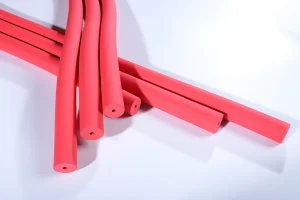
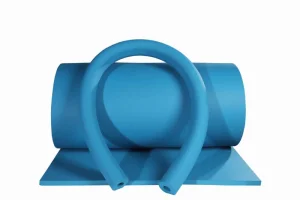
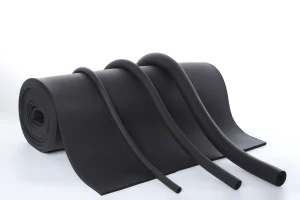
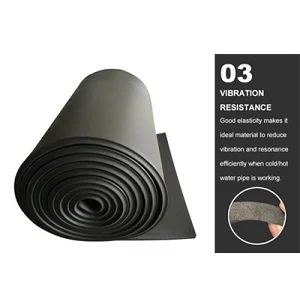
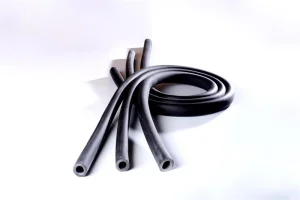
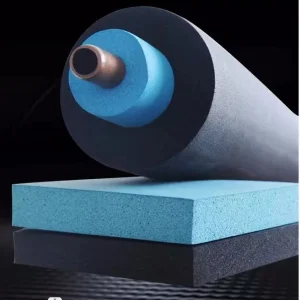
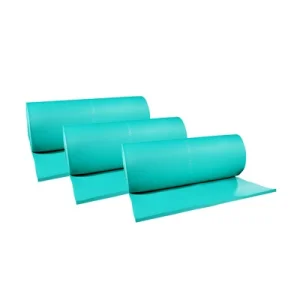
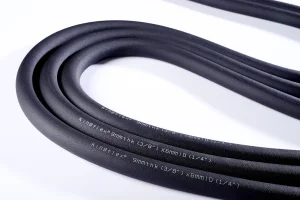
In mechanical engineering, thermodynamics, and green building design, thermal insulating materials are defined as substances or combinations of substances that reduce the rate of heat flow via conduction, convection, and radiation. Operating under the principles of Fourier's Law of Heat Conduction, these materials present high thermal resistance (R-value) and low thermal conductivity (λ-value). Their primary engineering objective is to isolate systems from surrounding environmental temperatures, thereby minimizing energy losses, preventing moisture condensation, and ensuring process stability.
Industrial thermal insulation is broadly categorized into three families based on molecular structure and composition:
In the modern industrial landscape, global B2B procurement of thermal insulating materials extends beyond simple price-per-cubic-meter comparisons. Procurement managers, MEP engineers, and industrial project consultants prioritize supply chain resilience, regulatory compliance, and total lifecycle cost reduction. Key procurement drivers include:
Materials must strictly conform to fire rating protocols such as BS 476 Part 6 & 7 (Class 0 and Class 1), UL 94 V-0, ASTM E84, and EN 13501-1. Environmental compliance requires REACH, RoHS, and zero Ozone Depleting Potential (ODP) certifications.
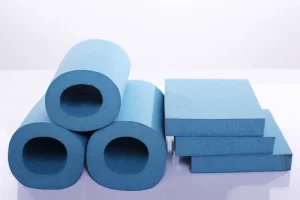
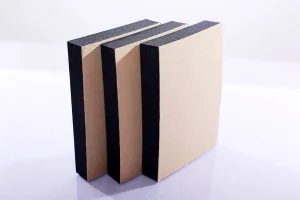
B2B projects require specific wall thicknesses (6mm to 50mm), customized inner diameters for piping (6mm to 114mm), factory-applied self-adhesive backings, and aluminum foil vapor barrier facings for enhanced mechanical protection.
Choosing high-moisture-resistance elastomers prevents CUI (Corrosion Under Insulation), an industry-wide risk that costs chemical and energy operations billions annually in unscheduled pipeline downtime and mechanical failure.
Kingflex Insulation Co., Ltd. is an internationally recognized manufacturing and trading combo specialized in high-performance thermal insulation products. Headquartered in Dacheng, China—widely regarded as the capital of green building materials—Kingflex stands as an energy-saving, environmentally responsible enterprise that integrates advanced R&D, state-of-the-art production lines, global sales channels, and dedicated post-sale technical support.
Our core philosophy centers on energy efficiency and carbon emission mitigation. Through continuous material science innovations, Kingflex supplies premium insulation systems to lead the thermal control and building efficiency sectors worldwide.
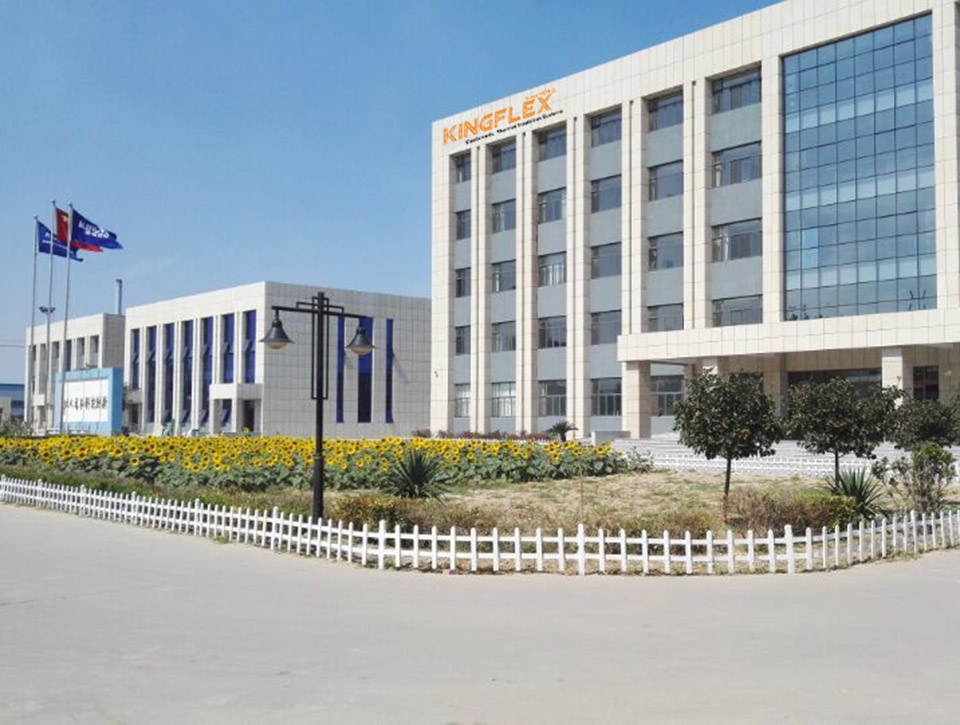
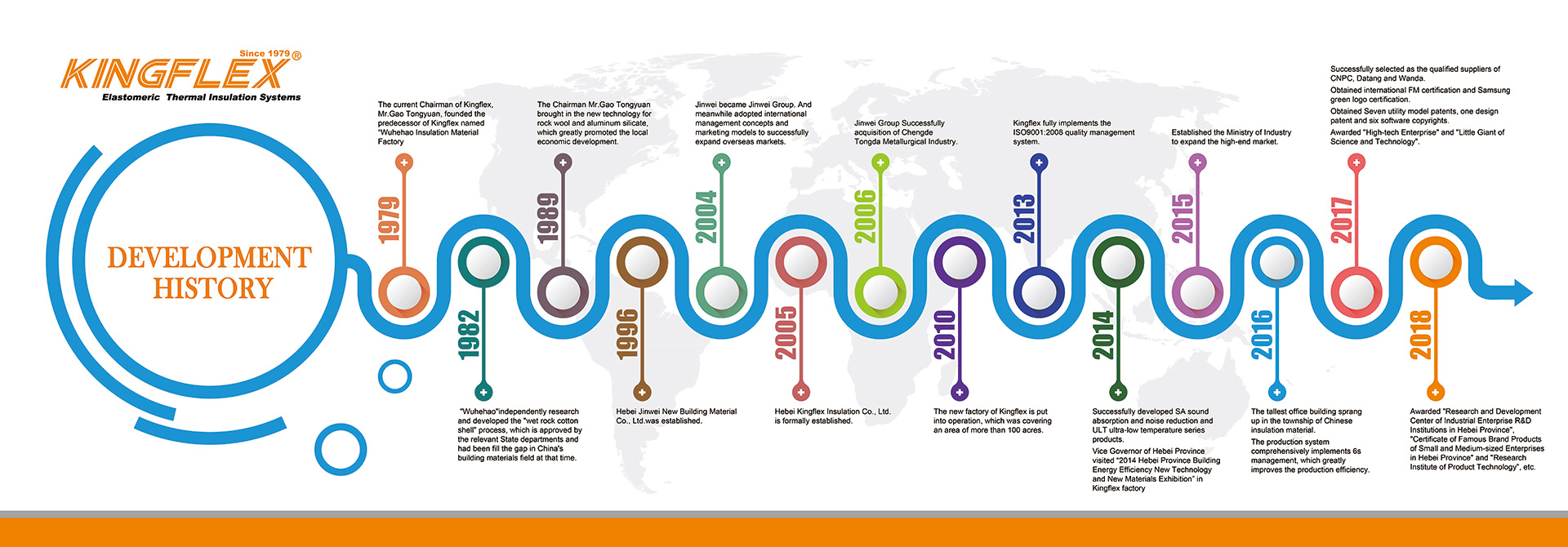
Kingflex was established by the Jinwei Group, a conglomerate with over 40 years of industrial manufacturing heritage founded in 1979. Jinwei Group was the pioneer of thermal insulation materials manufacturing north of the Yangtze River, paving the way for advanced polymer and elastomeric foaming technologies in China.
Our engineering workforce is the cornerstone of Kingflex's quality assurance. Our team is a tight-knit, talented group with a shared vision of providing first-class technical services and premium products to our global client base. Currently, Kingflex employs:

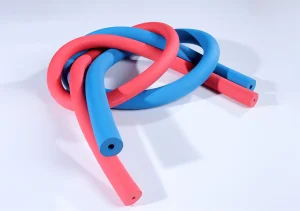
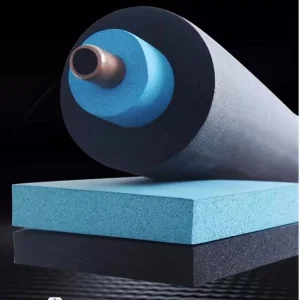
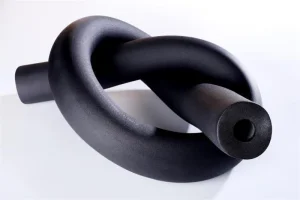
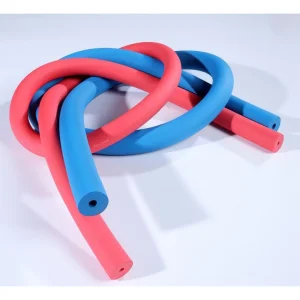
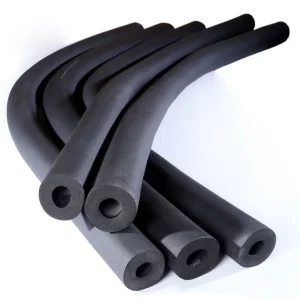
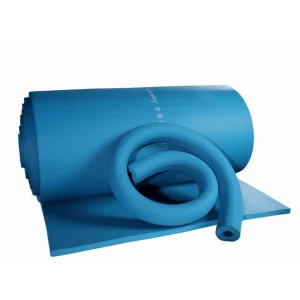
Kingflex high-performance closed-cell elastomeric foam is manufactured using NBR (Nitrile Butadiene Rubber) and PVC (Polyvinyl Chloride) as primary raw materials, combined with advanced foaming additives. The microcellular structure traps nitrogen gas within uniform, independent cells to restrict heat transfer and moisture migration.
1. Uniform Micro-Foaming Structure: The closed-cell rate exceeding 98% yields consistent thermal conductivity over decades, preventing moisture absorption and convective heat transfer within the material matrix.
2. Flame Retardant Chemistry: Engineered with built-in smoke-suppressing and self-extinguishing agents, our insulation restricts fire propagation, satisfying international safety regulations.
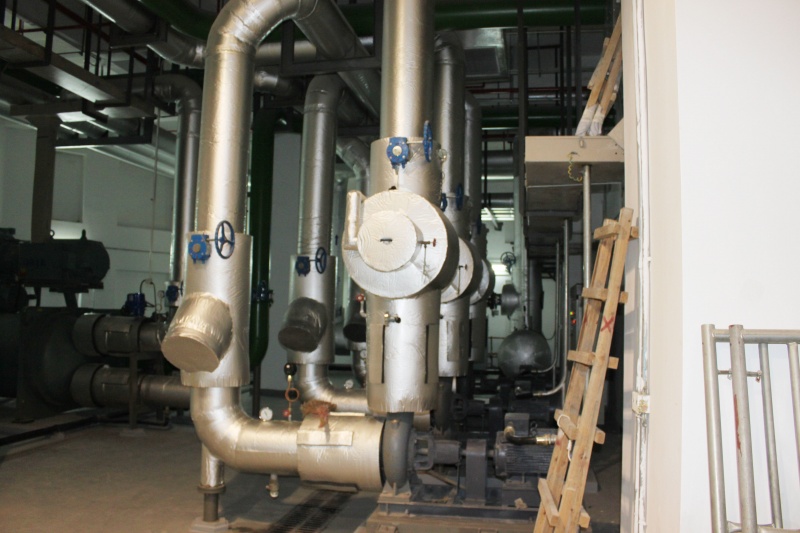
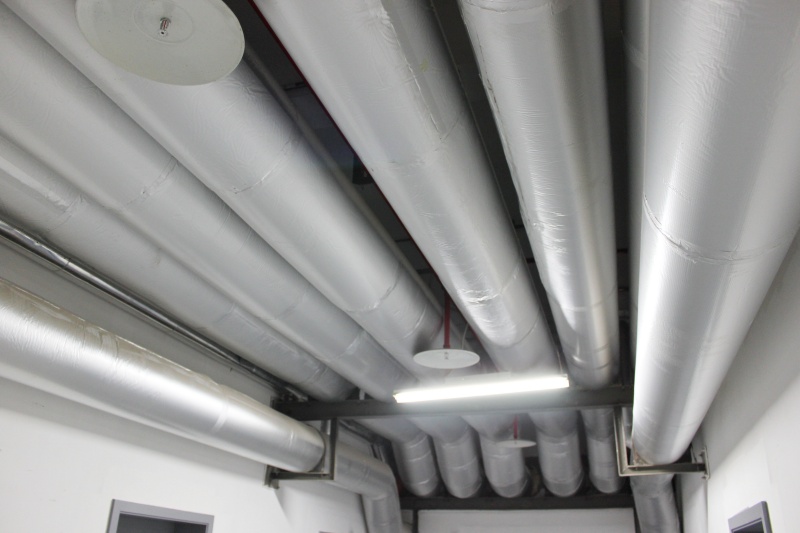
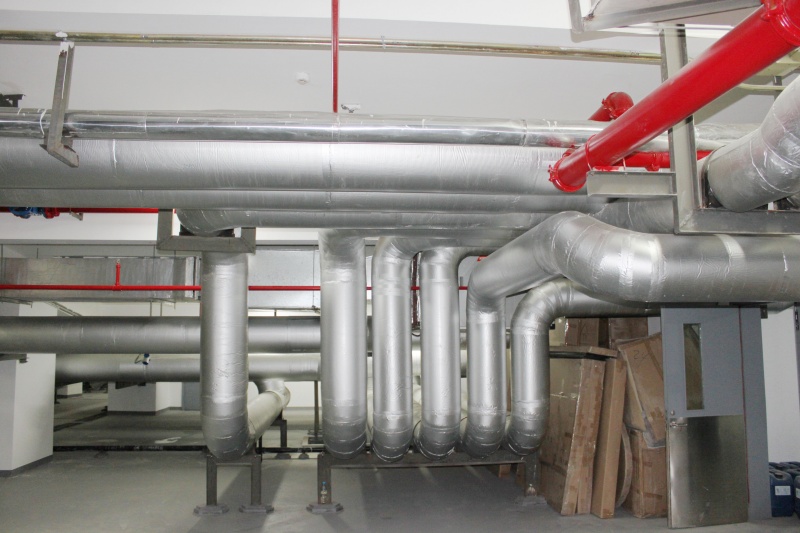
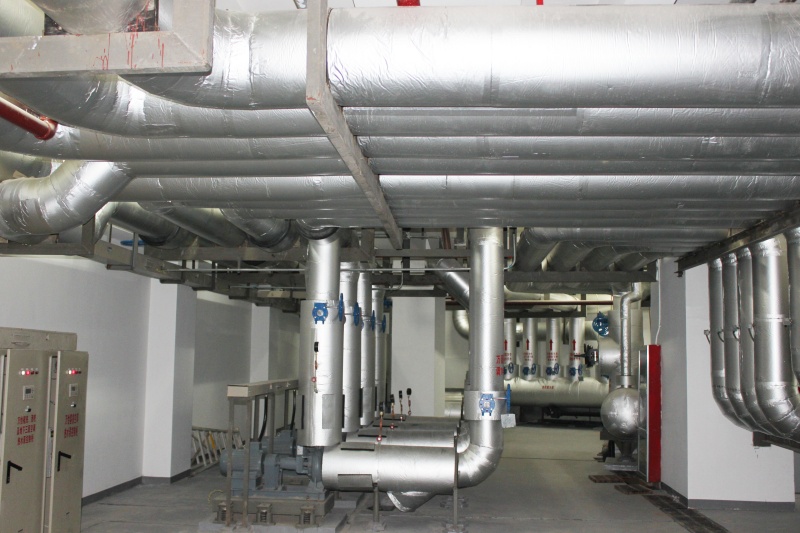
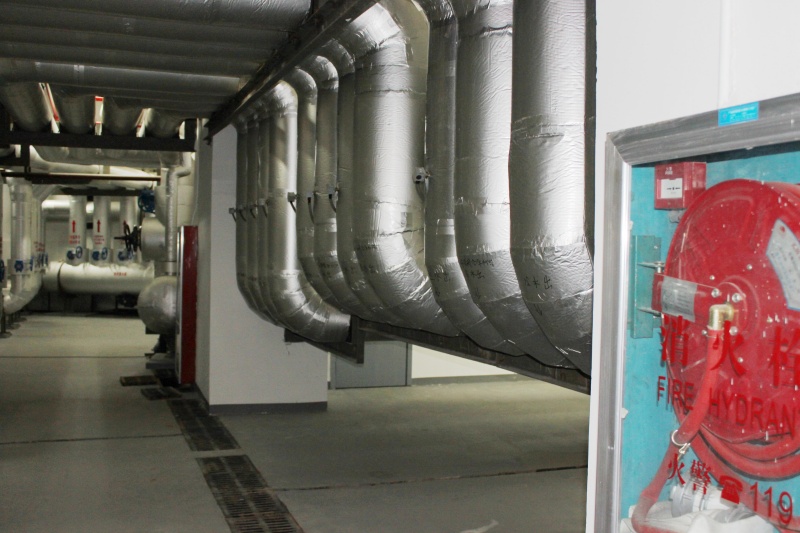
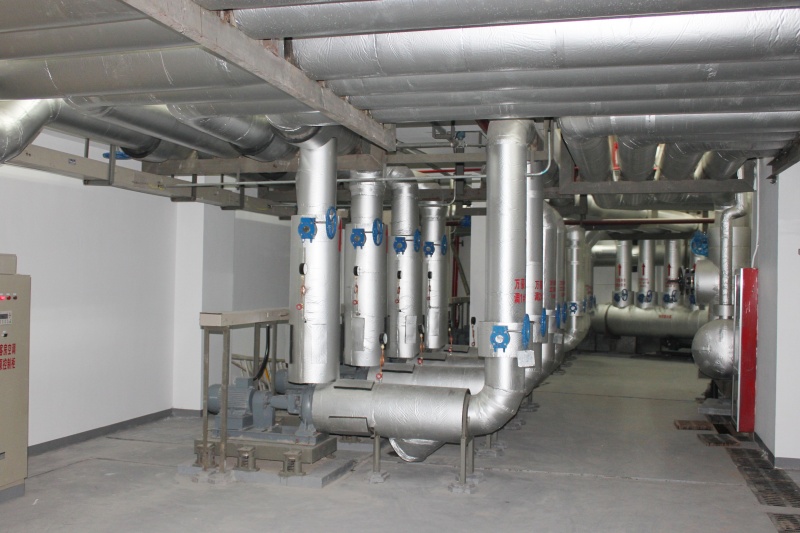
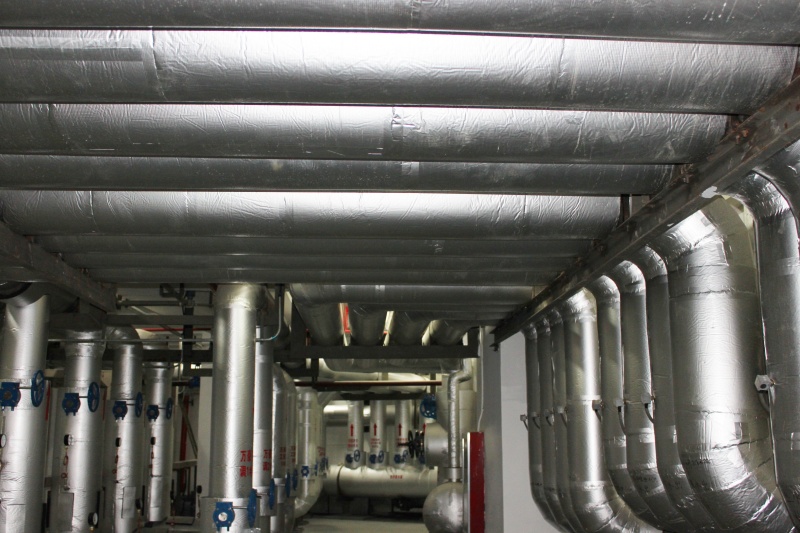
3. Versatility Across Sectors: Our product line is widely used in central air conditioning systems (HVAC ducting and piping), building acoustics, industrial pipelines, cold chain storage, aerospace systems, petrochemical plants, and marine engineering.
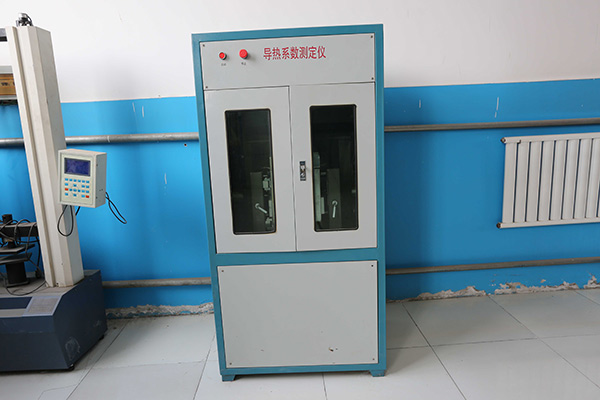
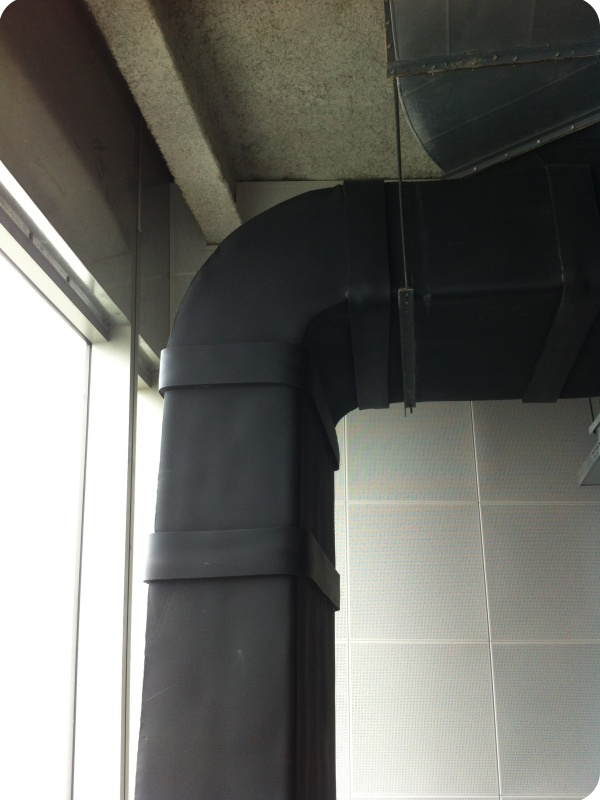

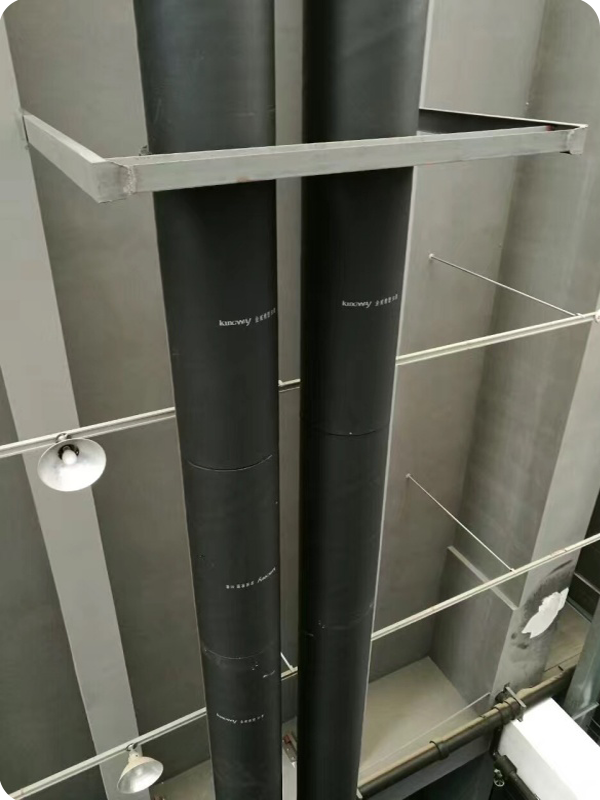
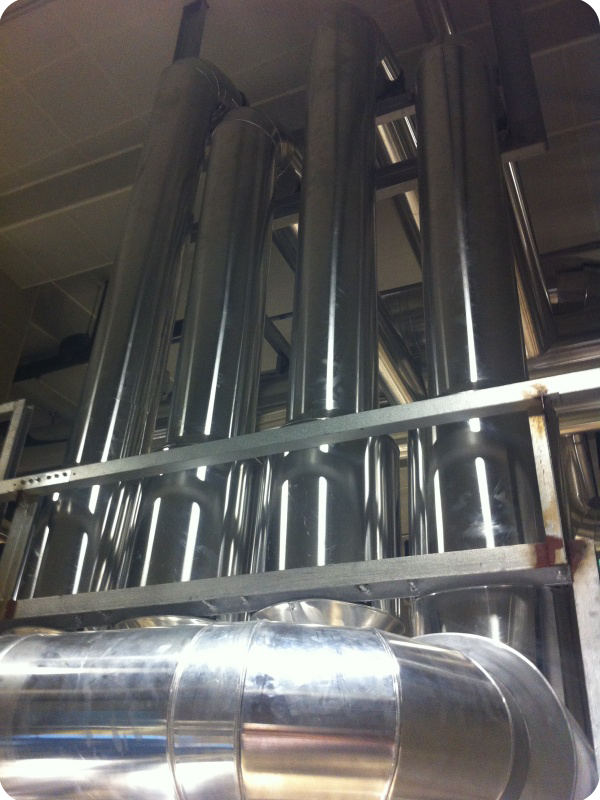
In petrochemical plants, LNG (Liquefied Natural Gas) carriers, and cryogenic chemical manufacturing, temperatures drop below -150°C. Standard insulation materials struggle with thermal contraction cracking and ice buildup under these extreme conditions. Kingflex Cryogenic Insulation Systems solve this problem by incorporating elastic, low-temperature-resistant formulations.
Our multi-layered cryogenic rubber foam maintains high flexibility down to -200°C. It effectively prevents condensation and water vapor transmission under high thermal gradients. This design protects process pipelines, minimizes thermal boil-off, and helps prevent corrosion under insulation (CUI).
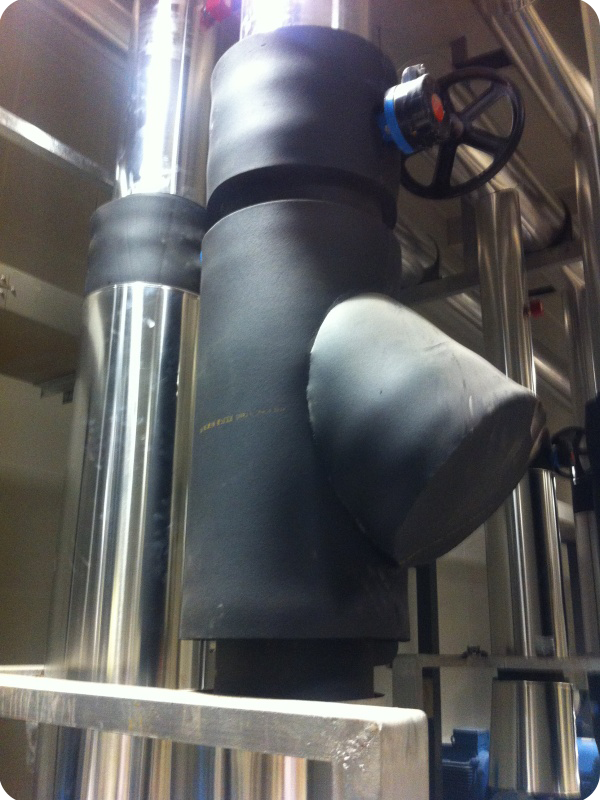
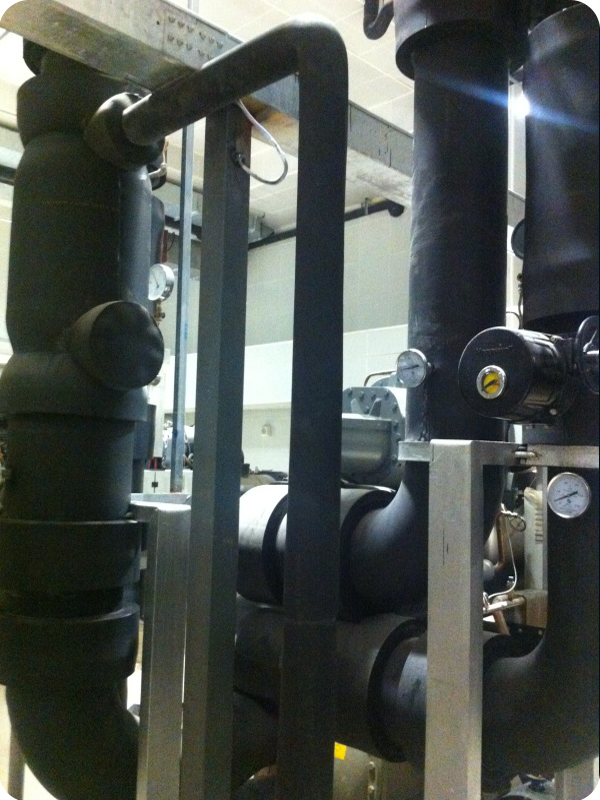

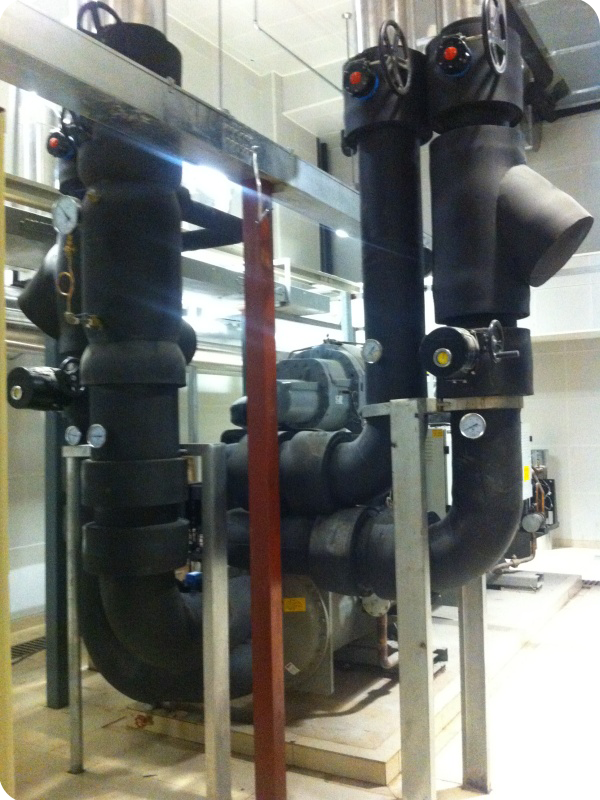
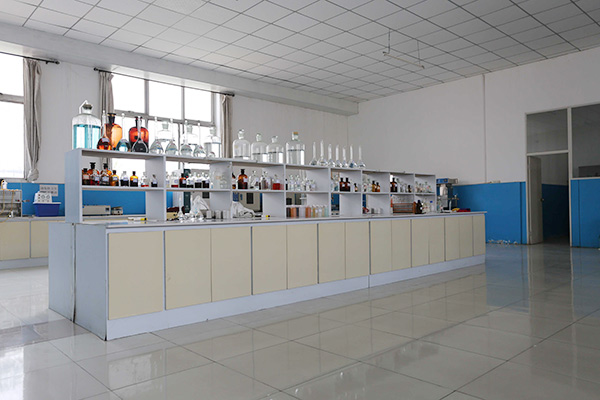
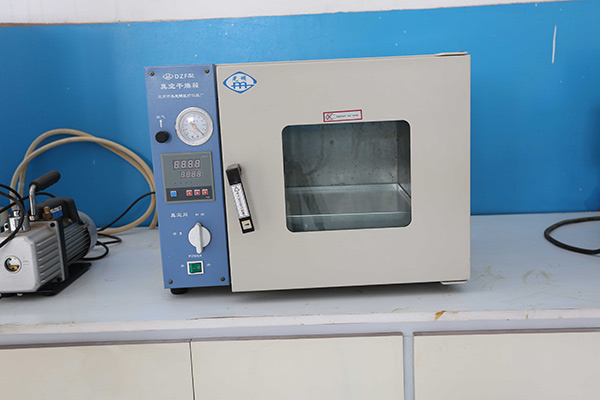
To support global supply chain compliance, Kingflex products undergo verification testing by third-party laboratories. Every production run is documented with a batch code for complete traceability from raw chemical input to delivery.
International Certifications Held:
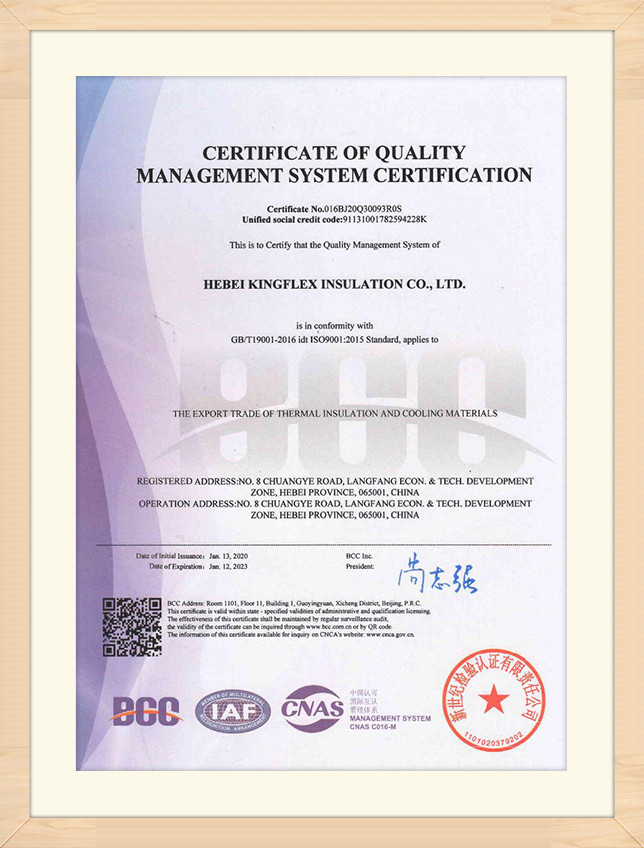
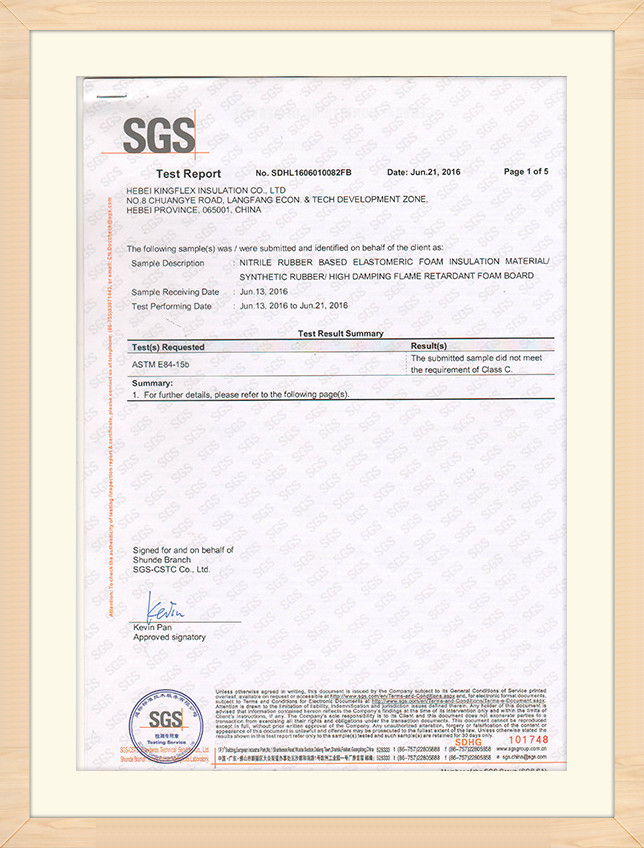
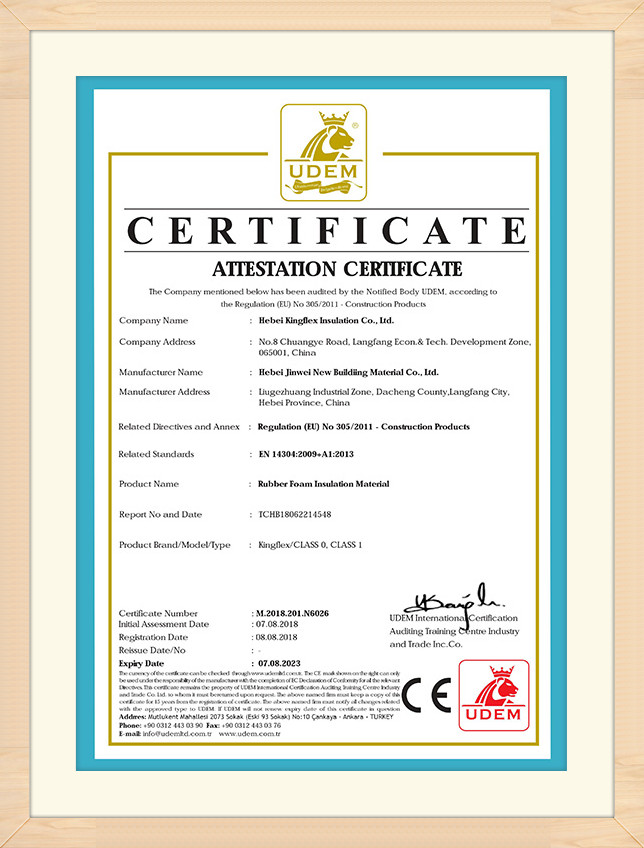
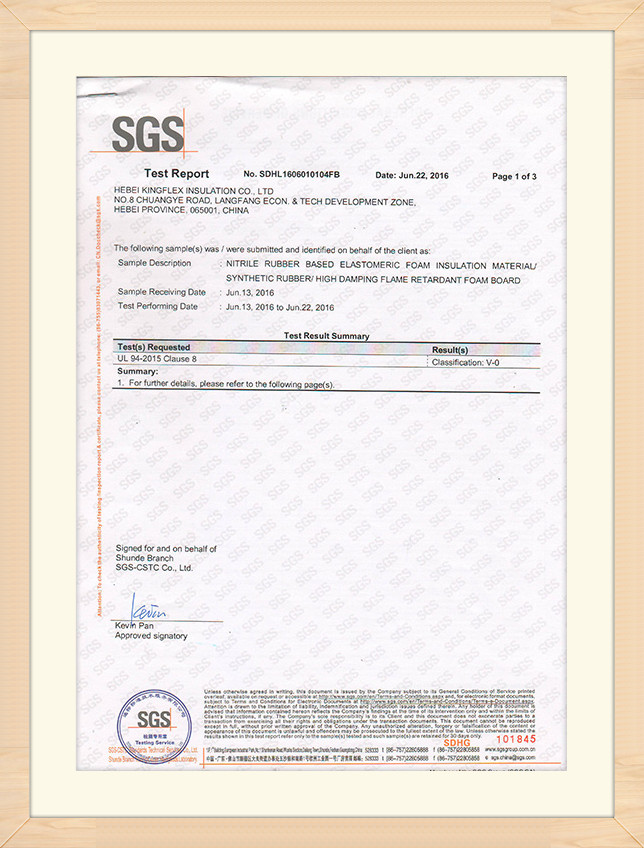
We maintain open communication channels and receive positive performance feedback from global industrial procurement managers.
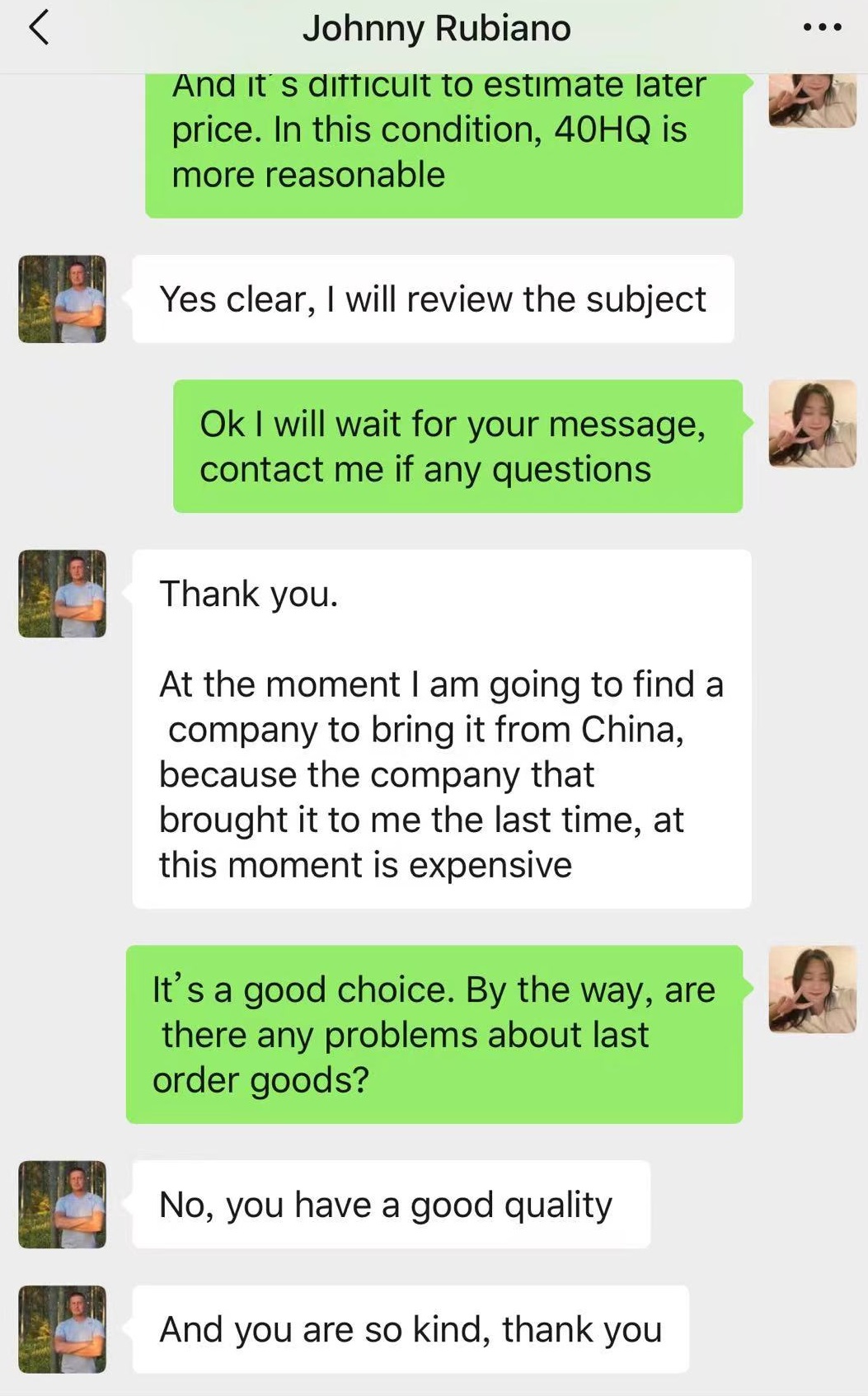
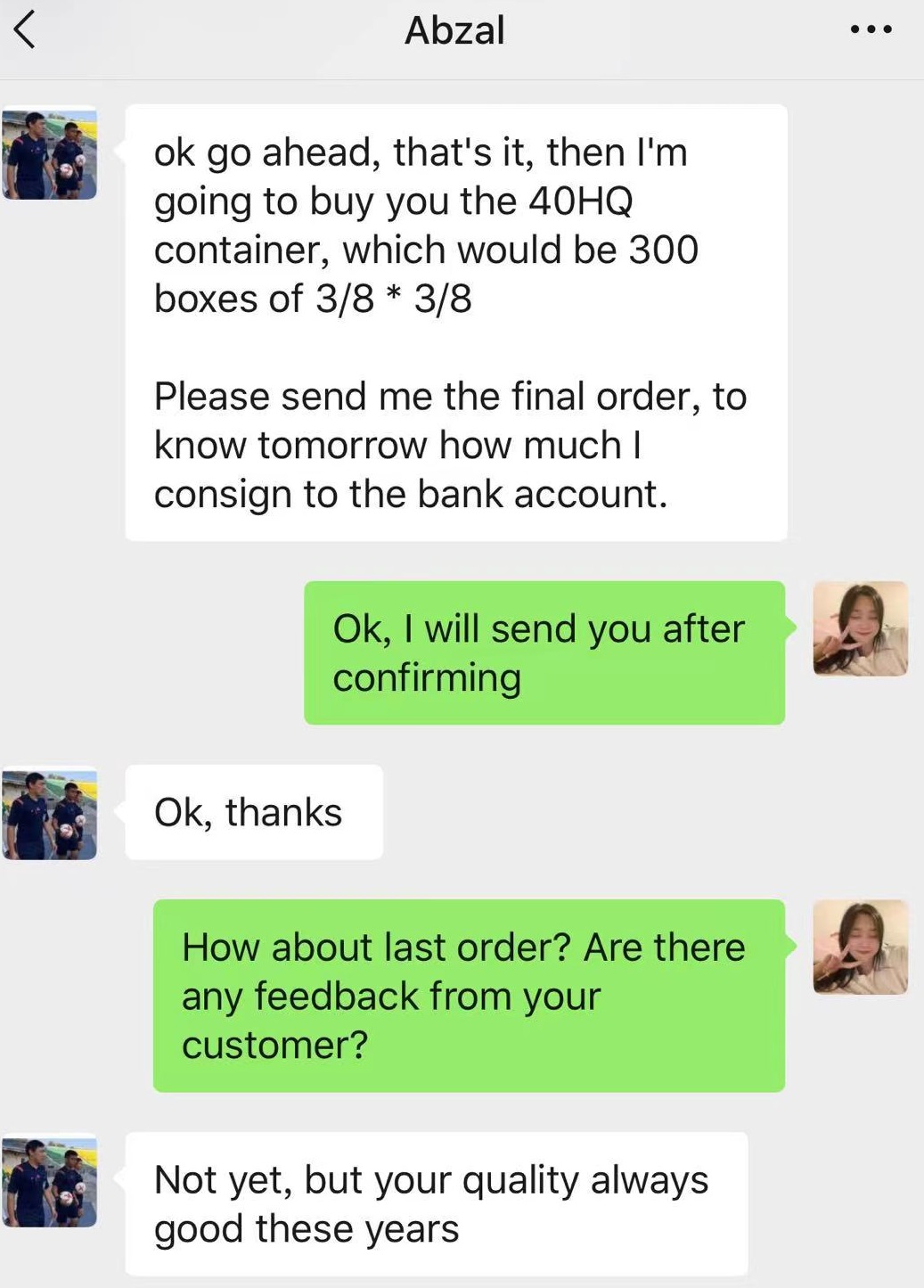



Over the past 16 years, Kingflex thermal insulation products have been exported to more than 66 countries and regions worldwide, providing reliable energy-saving solutions across all climates.
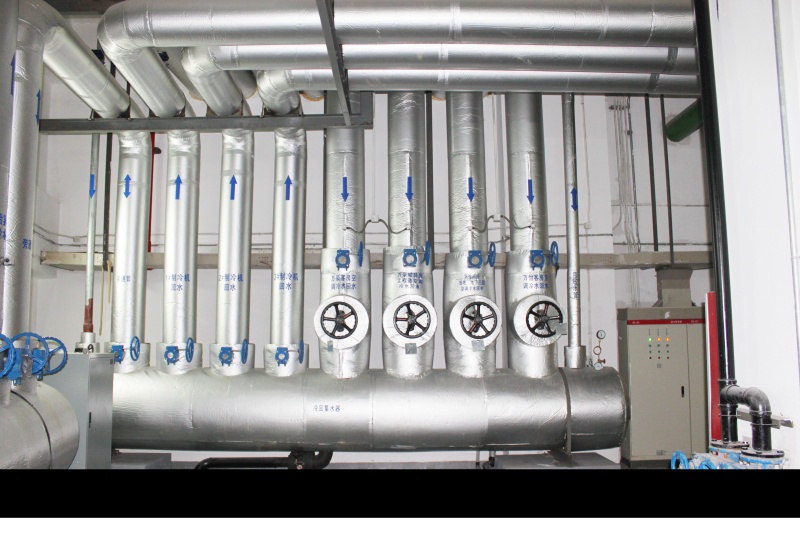
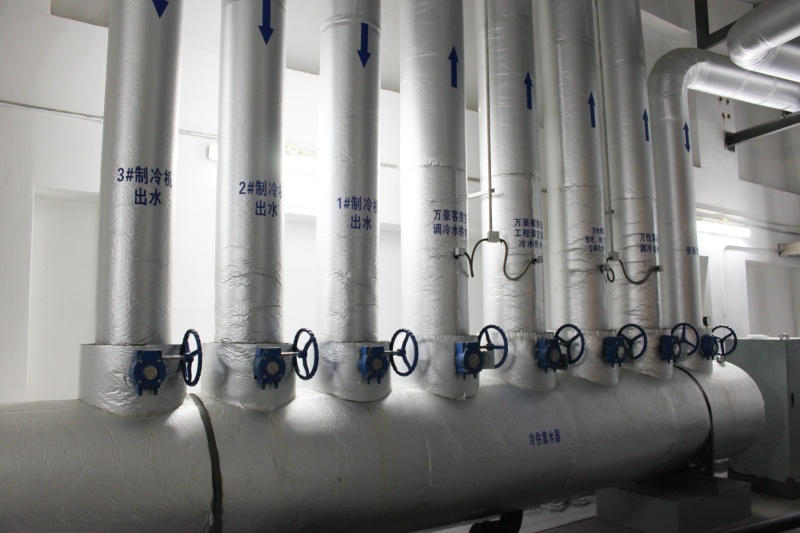
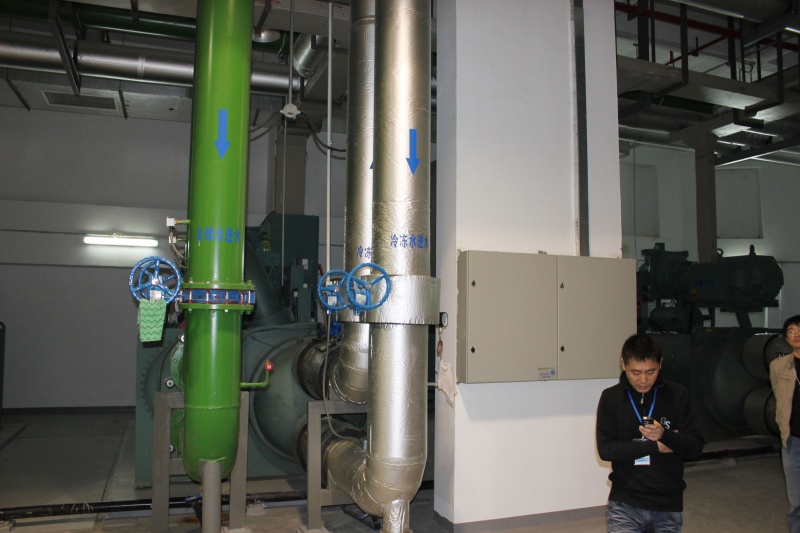






Answers to common technical, commercial, and structural design questions regarding elastomeric rubber foam insulation.
Compare and select from our high-performance thermal insulation solutions designed for industrial piping, rock wool systems, and cryogenic cold protection.
 Kingflex