Engineered thermal systems optimized for moisture barrier resistance, temperature maintenance, and condensation prevention.
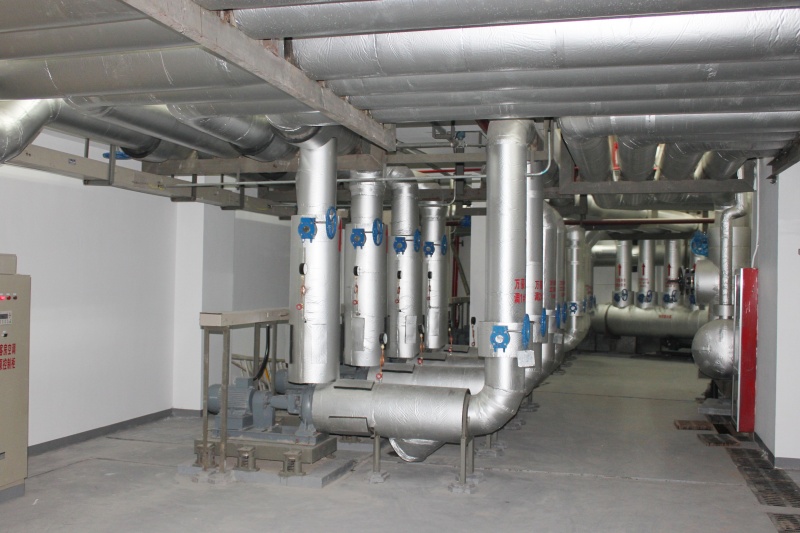
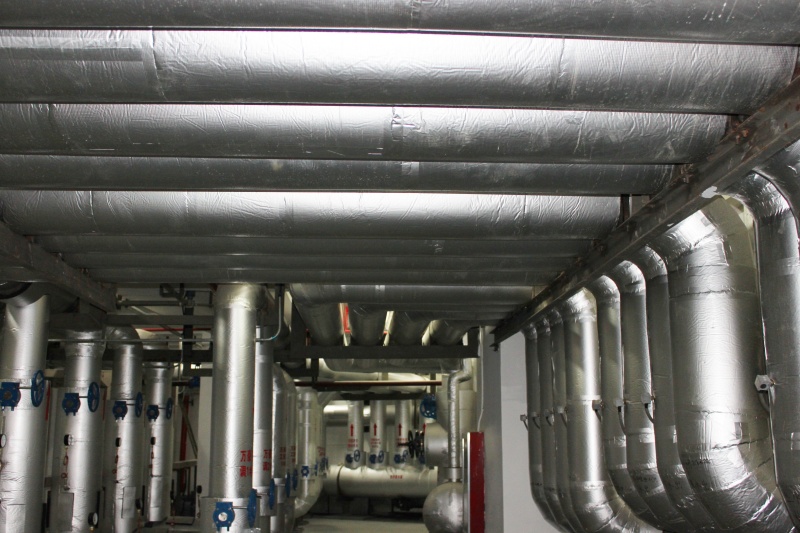
In modern industrial and commercial facilities, chilled water systems play a vital role in temperature management. A core driver of efficiency in these systems is high-performance insulation. Chilled water pipe insulation is critical to control condensation, optimize thermodynamic properties, protect pipe infrastructure, and limit operating costs. Uninsulated or poorly insulated cold lines suffer from condensation, leading to dripping water, damaged building interiors, and severe Corrosion Under Insulation (CUI).
This technical whitepaper details the structural requirements, engineering guidelines, step-by-step procedures, and procurement structures for wholesale NBR/PVC elastomeric rubber foam insulation systems, with a particular focus on Kingflex manufacturing technologies.
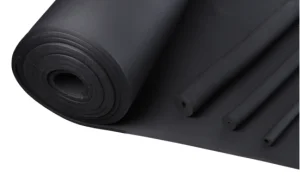
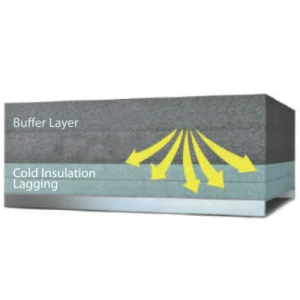
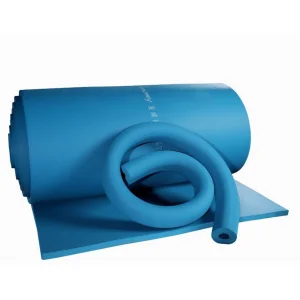
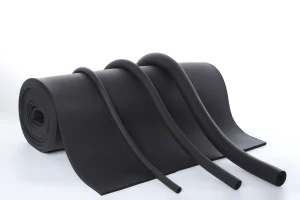
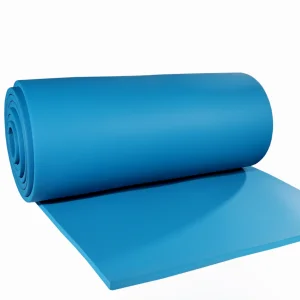
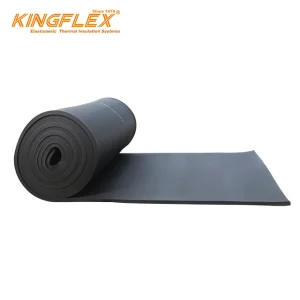
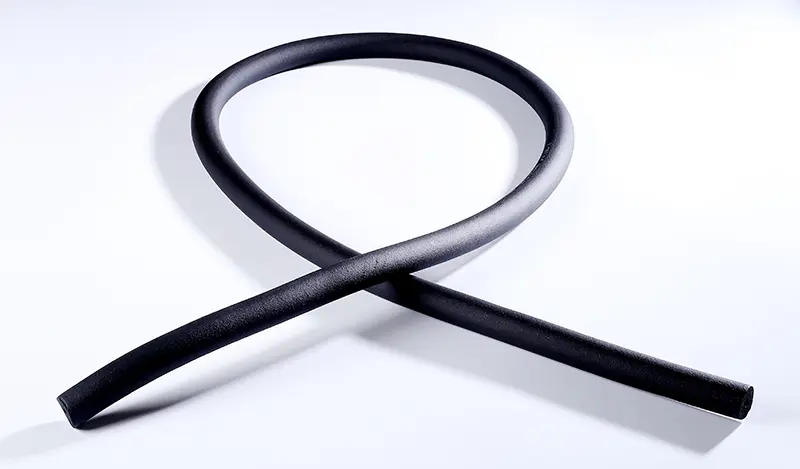
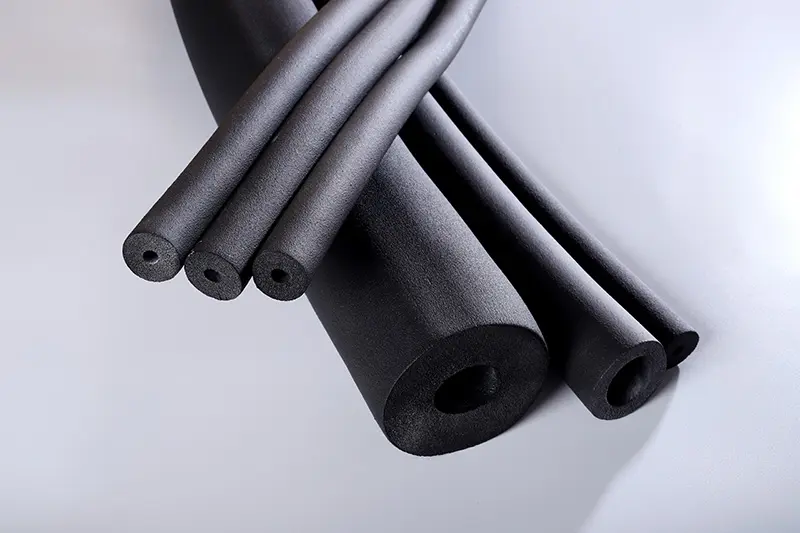
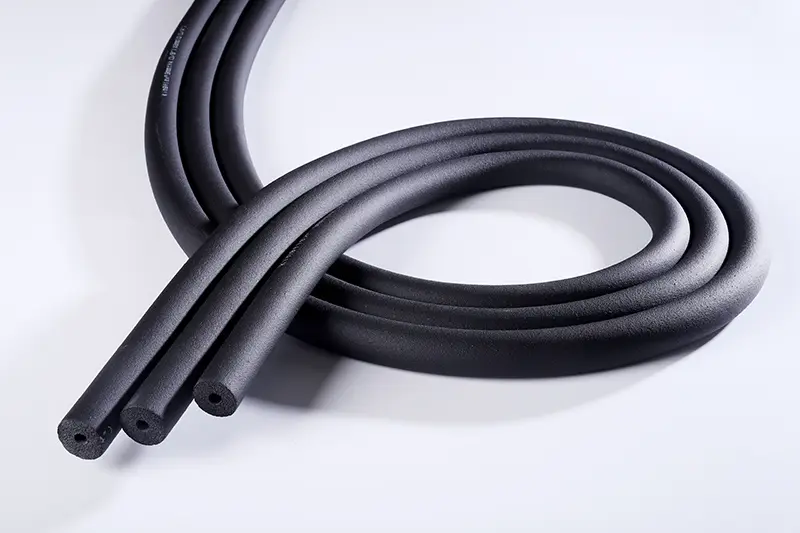
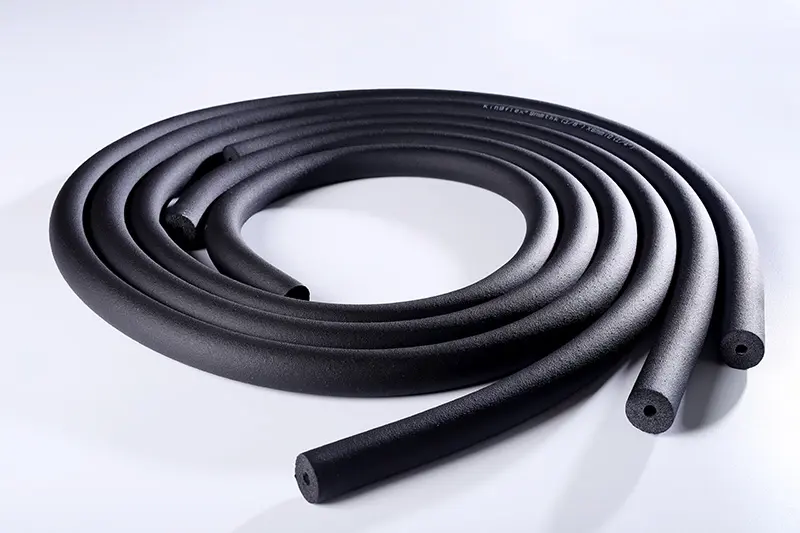
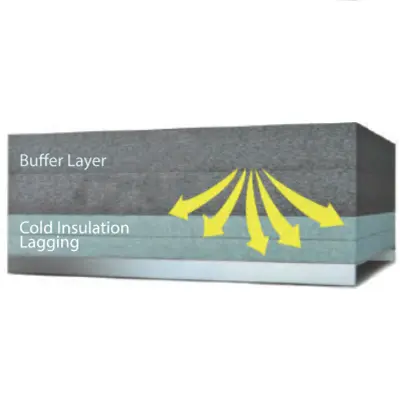
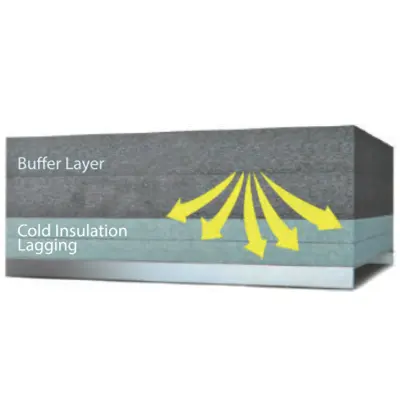
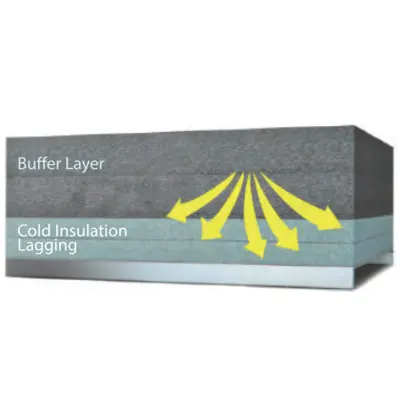
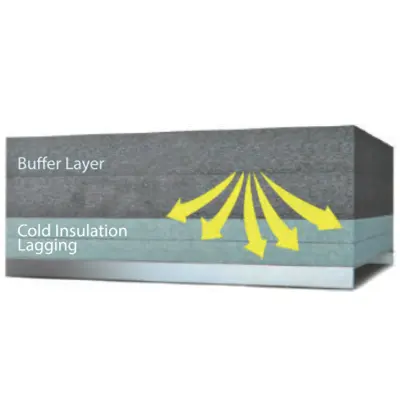
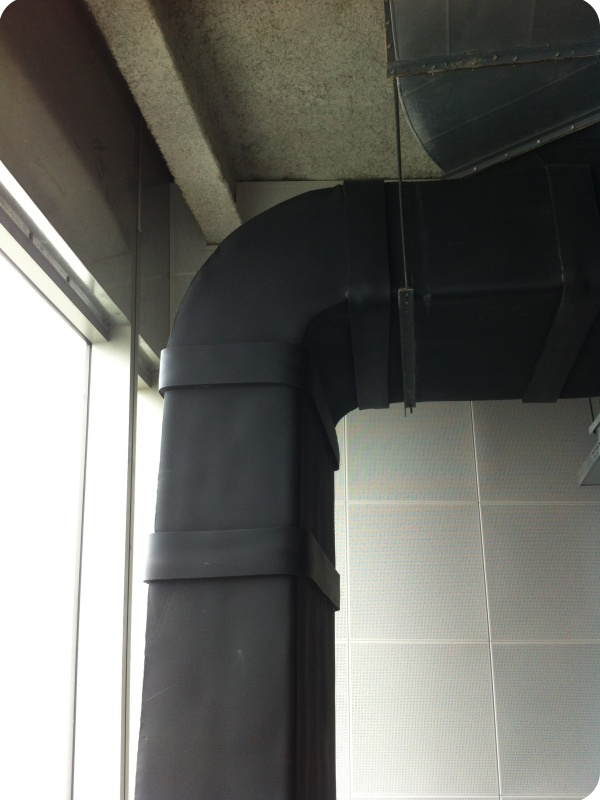
Elastomeric NBR/PVC (Nitrile Butadiene Rubber / Polyvinyl Chloride) closed-cell foam is the industry standard for chilled water lines due to its integrated vapor barrier, low thermal conductivity, high flexibility, and ease of installation. Unlike open-cell products or fibrous materials, Kingflex elastomeric closed-cell structures do not require a separate external vapor barrier. If the outer surface is nicked, the internal closed-cell structure blocks moisture from migrating through the material thickness, maintaining long-term thermal efficiency.
Adhering to correct installation guidelines is essential to prevent vapor bridge failures. The installation protocol below outlines the standard procedures practiced by qualified industrial HVAC mechanical insulation installers.
Prior to applying insulation, ensure the pipe surface is clean, dry, and free of dirt, rust, oil, grease, scale, or moisture. If the chilled lines are operational, shut down the chiller system and allow the pipework to warm up to ambient temperature. Installing insulation on wet or cold running lines traps water, leading to CUI and adhesive failure.
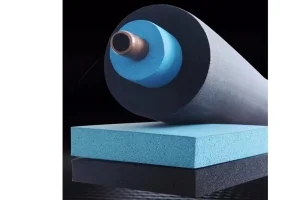
Measure the outer diameter (OD) of the copper or steel pipe and match it with the inner diameter (ID) of the Kingflex elastomeric insulation tube. Ensure that the thickness of the insulation is matched to design dewpoint requirements. For high-humidity environments, a larger wall thickness (e.g., 25mm to 50mm) is required to prevent surface temperature drop below the ambient dewpoint.
For retrofits and existing piping systems, slit the Kingflex insulation tube longitudinally using a sharp utility knife. Clean, straight cuts ensure a flush surface interface. Test fit the insulation tube around the pipe segment without stretching or compressing the material, as compression decreases cell size and compromises thermal performance.
Apply a thin, even coat of Kingflex contact adhesive to both cut edges of the insulation tube. Allow the adhesive to become tacky (usually 3 to 10 minutes depending on ambient temperature). Align the edges accurately and press them firmly together, working from the outer ends toward the center. This creates a solid vapor-seal joint.
Apply adhesive to the butt joints connecting consecutive lengths of insulation tubes. Seal all joints under compression to prevent gaps from forming during thermal contraction of the pipes. For elbows, tees, and valves, cut the insulation into miter segments. Glue the segments together and wrap them around the fittings, securing all joints with Kingflex self-adhesive foam tape for double protection.
Uninsulated pipe hangers are primary sources of thermal bridging and condensation. Install specialized Kingflex rigid foam hanger blocks or shield inserts at all support locations. Ensure the elastomeric tube is glued directly to these insulated inserts to form a continuous vapor barrier.
For outdoor chilled water lines exposed to direct sunlight or mechanical hazards, apply a UV-resistant cladding (such as PVC jackets, aluminum sheet cladding, or elastomeric weather-resistant paint). This step protects the NBR/PVC core from solar radiation, weather, and physical impact.
Globally certified insulation systems designed to meet localized safety and performance regulations.
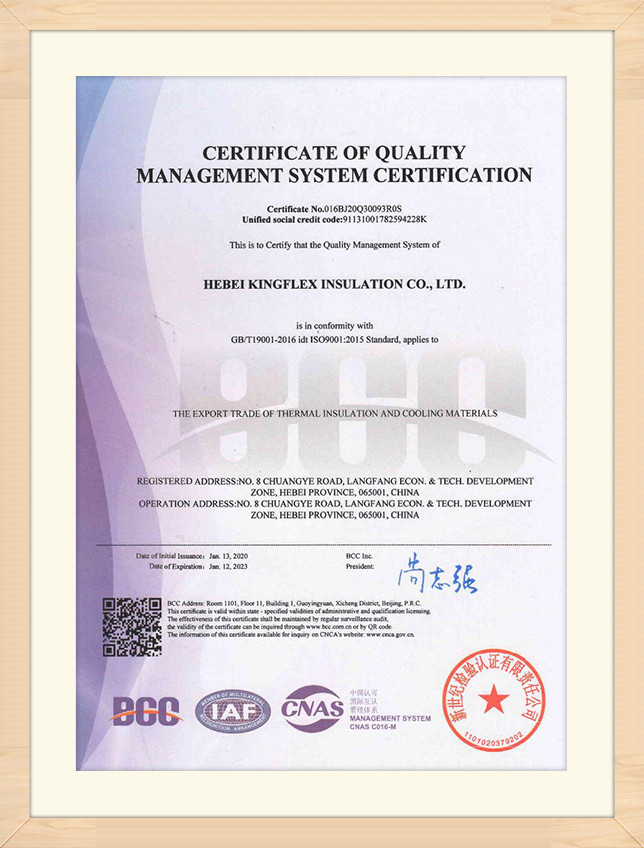
Infrastructure projects worldwide require compliance with regional fire safety, toxicity, and environmental codes. Kingflex is engineered to meet these localized standards, allowing integration into key international markets:
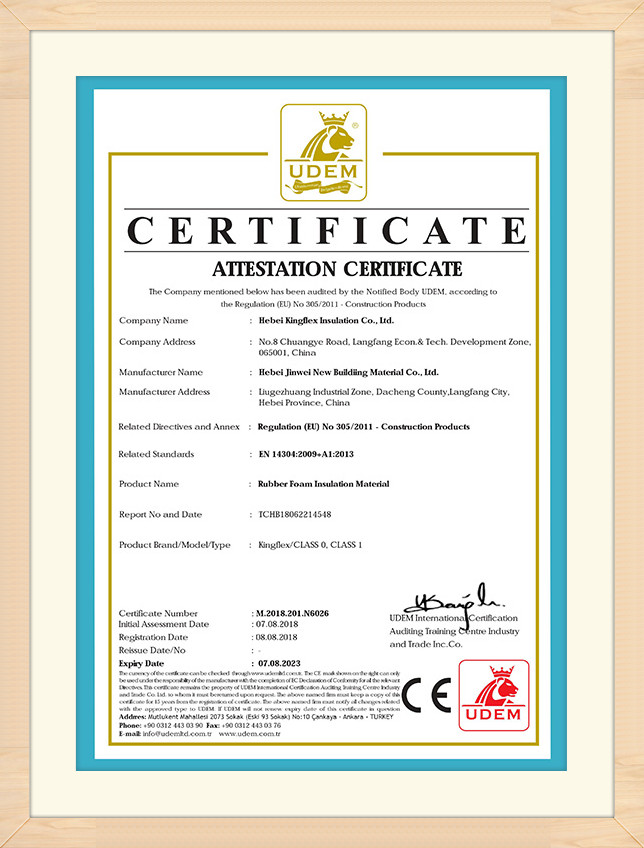
Our products are fully certified for European HVAC configurations, ensuring no harmful halogenated chemicals or heavy metals are released during operation.
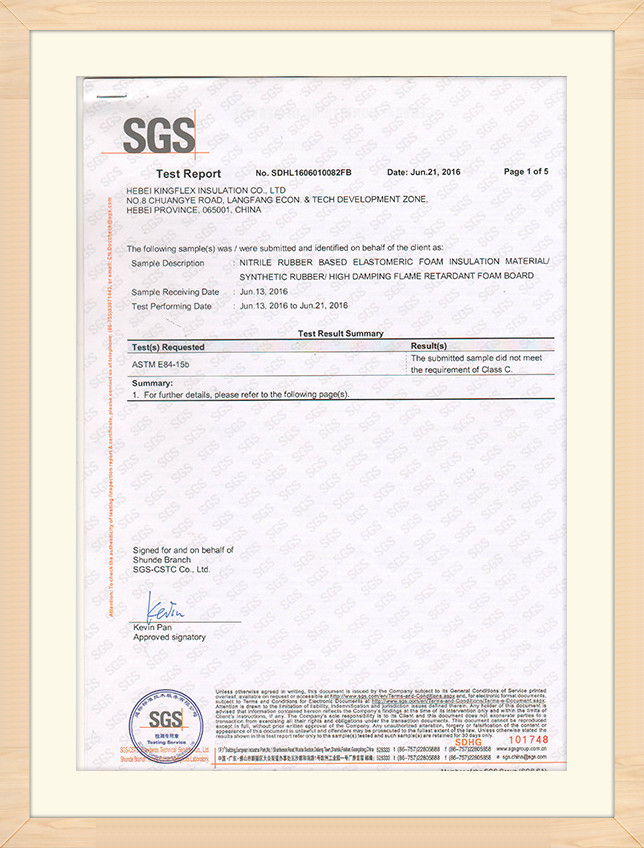
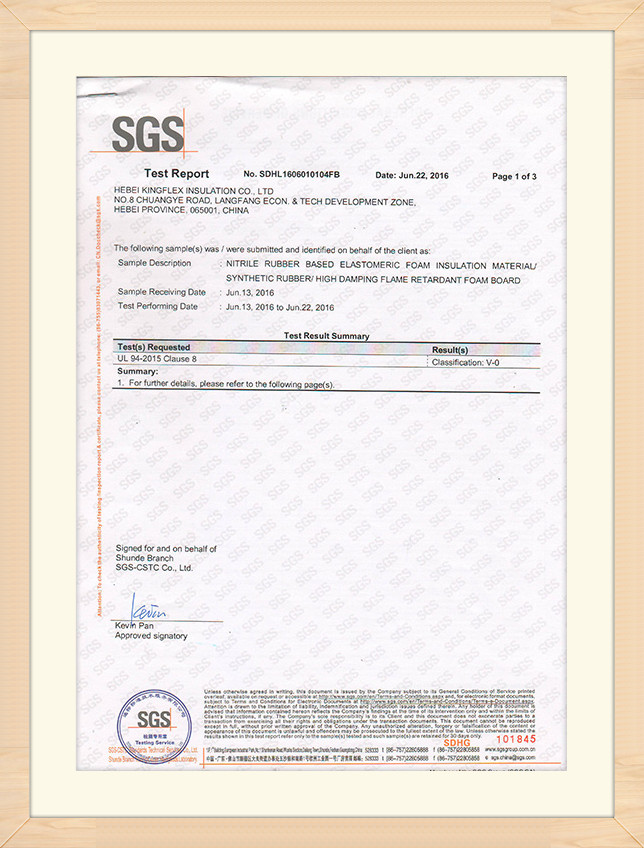
Achieving Class 0 fire rating, the insulation prevents flame spread and has low heat release properties, suitable for high-occupancy commercial projects.
Complies with a 25/50 Flame Spread and Smoke Developed index, meeting standard building codes for plenum installations in the USA and Canada.
Scale, technical expertise, and cluster efficiency from the capital of green building materials.
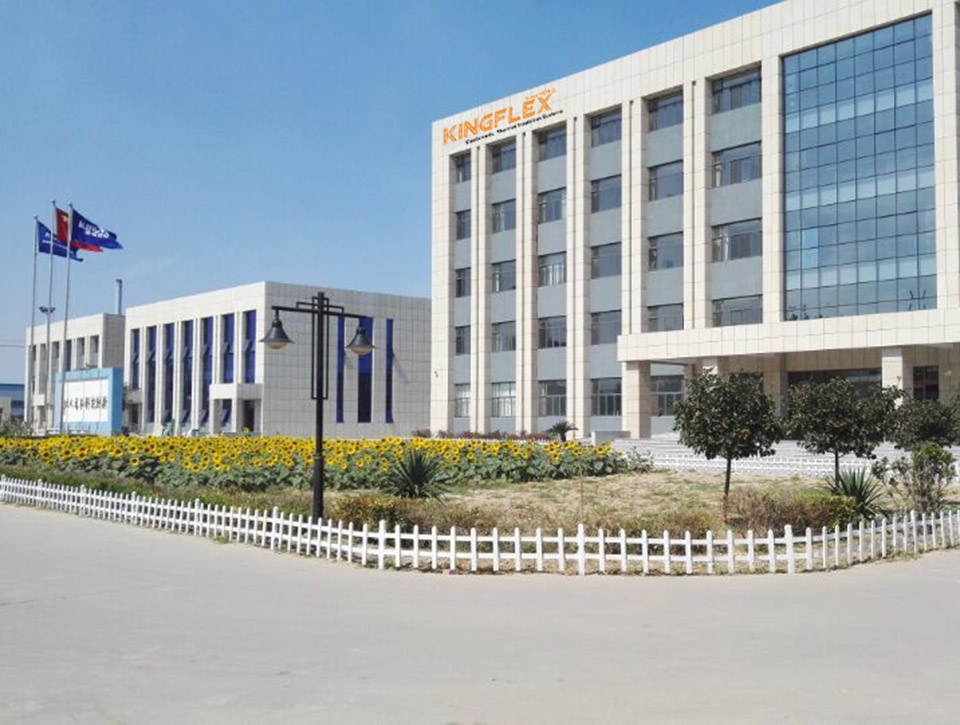
Kingflex Insulation Co., Ltd. is based in Dacheng, China—a hub for green building material manufacturing. This location allows access to raw chemical components, skilled workforce, and high-efficiency logistics networks, reducing product lead times and production costs.
With 5 large automated assembly lines operating under strict ISO standards, we produce more than 600,000 cubic meters of insulation materials annually. This scale provides cost advantages for global wholesale buyers, EPC contractors, and HVAC distributors.
Meeting the demands of large-scale infrastructure projects, distributors, and design institutes.
| Material Type | Thickness Range | Inner Diameter (ID) | Density Range | Temperature Range | Fire Rating Standard |
|---|---|---|---|---|---|
| NBR/PVC Elastomeric Foam | 6mm - 50mm | 6mm - 114mm (Tubes) | 40 - 55 kg/m³ | -40℃ to 105℃ | Class 0 (BS 476), Class V-0 (UL94) |
| Cryogenic Low-Temp Foam | 13mm - 50mm | Custom Profiles | 50 - 65 kg/m³ | -200℃ to 125℃ | ASTM C534 Grade 1 / CE |
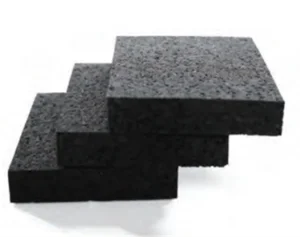
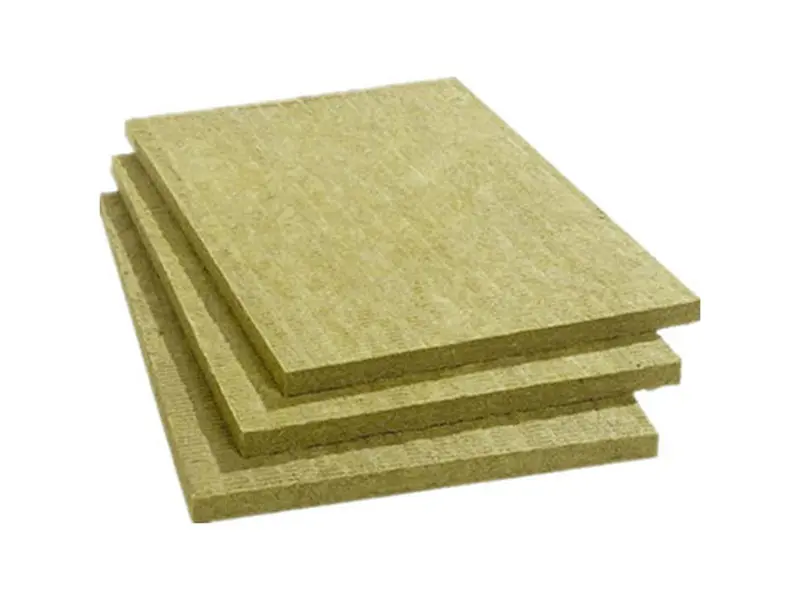
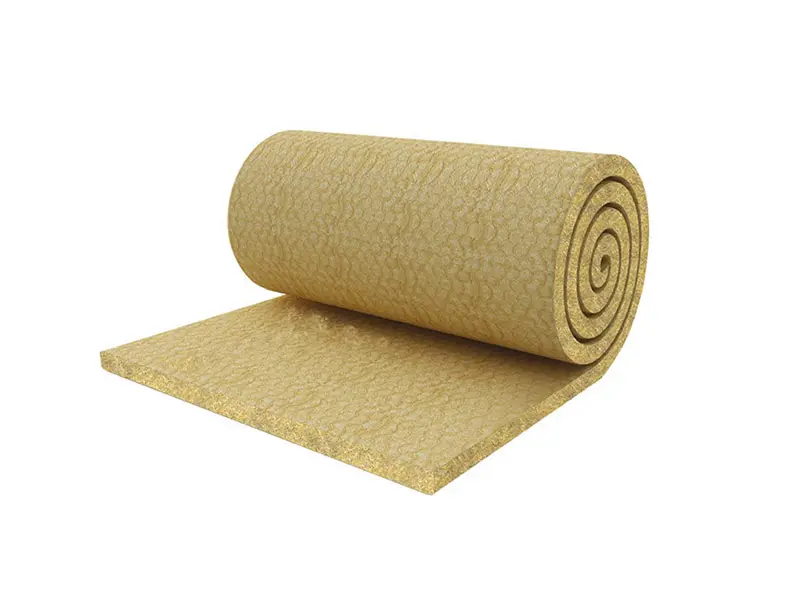
| Rock Wool Material | 25mm - 100mm | N/A (Boad / Blanket) | 60 - 150 kg/m³ | Up to 650℃ | A1 Non-combustible |
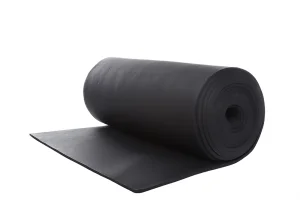
For international buyers and engineering firms, Kingflex offers standard OEM packaging, continuous roll customization, pre-slit tubes with self-adhesive strips, and custom dimensions. This flexibility reduces field labor time and speeds up project completion.
Innovating for energy-efficient green buildings and demanding industrial environments.
Data centers operate with cold water loops to cool server racks. Condensation on these lines can lead to electrical failure. Kingflex closed-cell insulation prevents water droplets, protecting sensitive hardware.
Popular in the Middle East and Southeast Asia, DCS piping transports chilled water over long distances. High-thickness elastomeric foam and cryogenic insulation maintain fluid temperatures across these large distribution networks.
Green building certifications like LEED and BREEAM reward structures with low operational energy footprints. High-performance insulation reduces thermal loss, supporting carbon reduction goals.
A professional manufacturing and trading combo for thermal insulation systems.
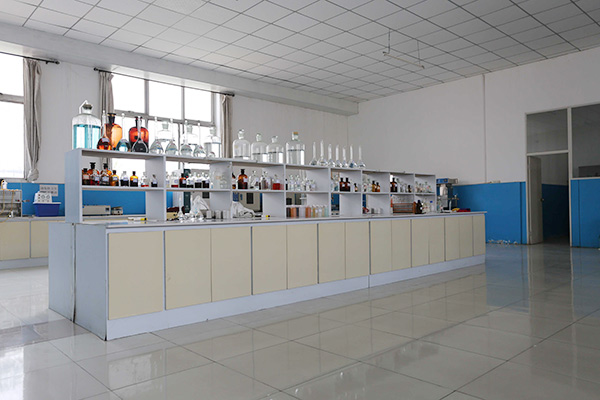
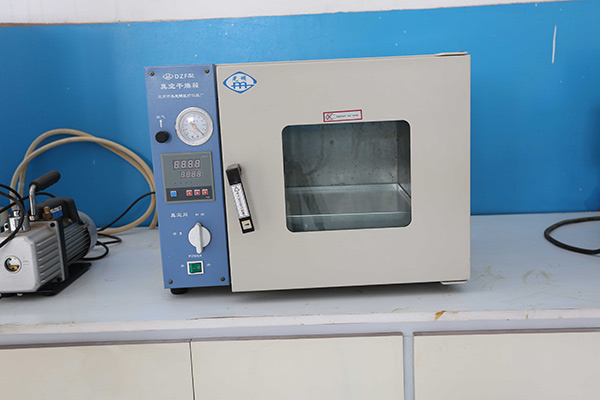
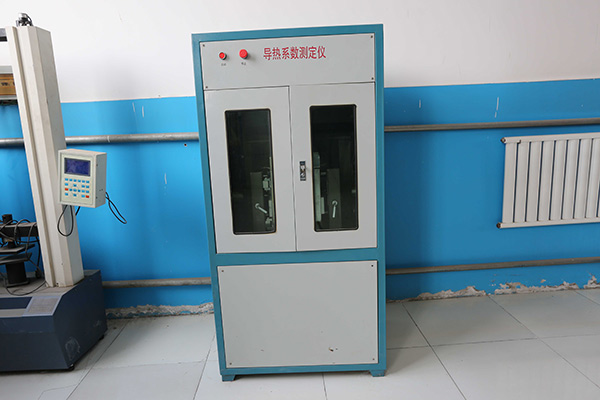
Kingflex Insulation Co., Ltd. is an energy-saving and environmentally friendly enterprise focusing on the research, development, production, and sales of thermal insulation products. Our R&D and production facility is located in Dacheng, China. We offer complete insulation solutions—including consultation, development, production, installation guidance, and post-sale service—to support the global building materials industry.
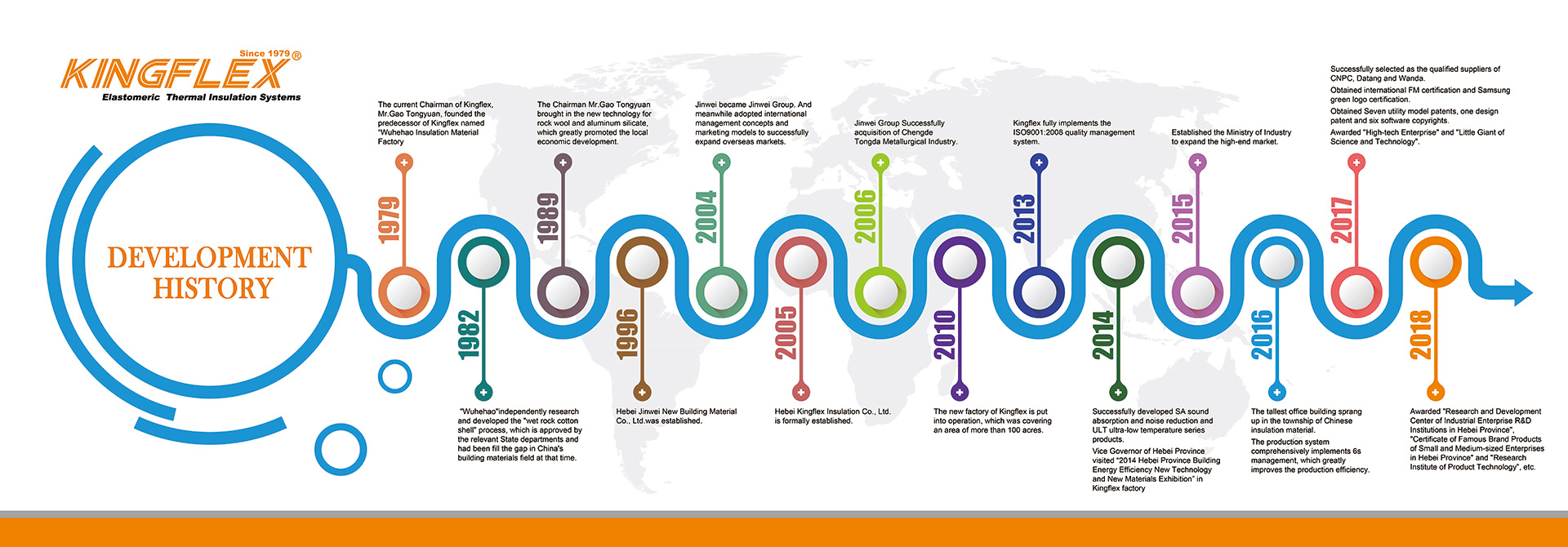
Kingflex was established by the Jinwei Group, which has a history of more than 40 years. Established in 1979, the group was the first manufacturer of thermal insulation materials north of the Yangtze River, building a foundation of industry expertise.

Our employees support our collaborative culture and goal to deliver quality products. The Kingflex team includes 8 professional engineers in our R&D Department, 6 international sales specialists, and 230 workers in our production department.
Our engineers focus on improving closed-cell properties, thermal performance, and low-temperature durability to meet the specifications of modern industrial piping.
A track record of industrial supply across sixty-six countries.

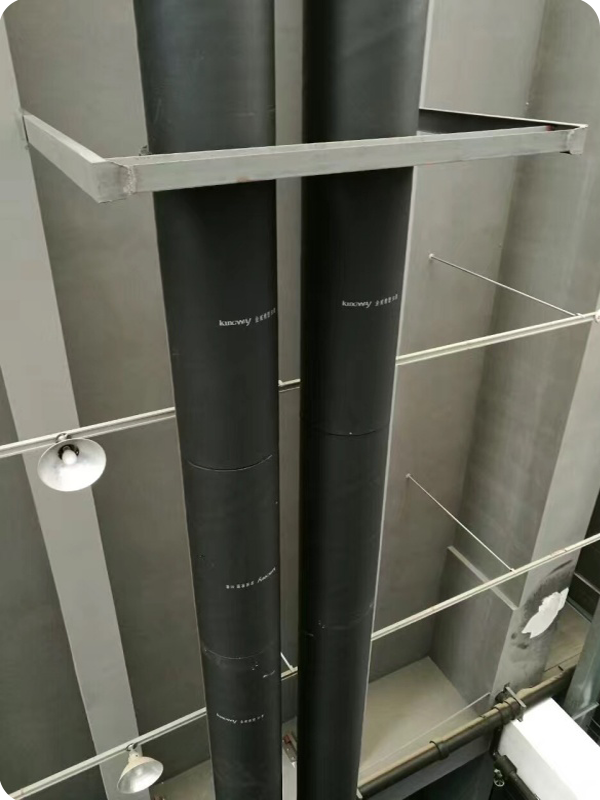
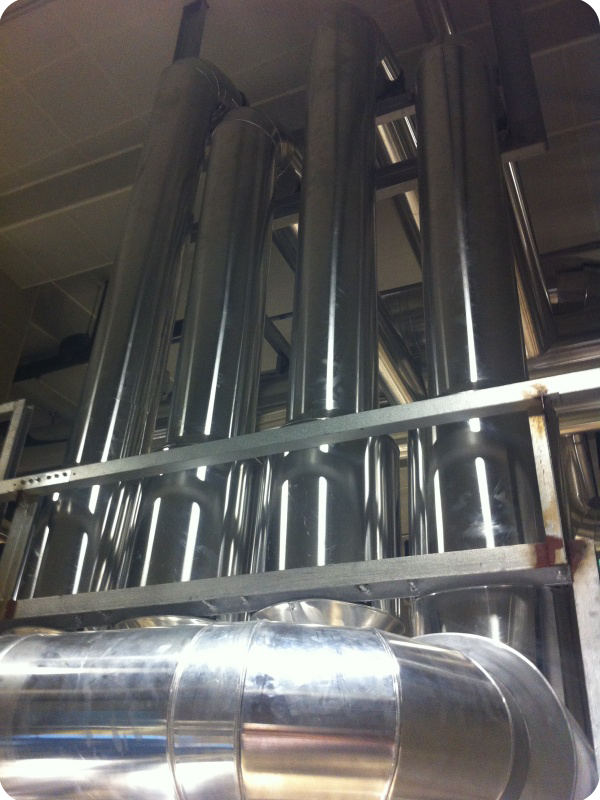



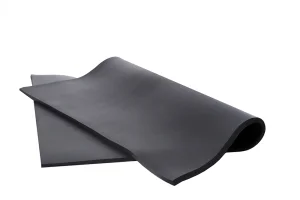
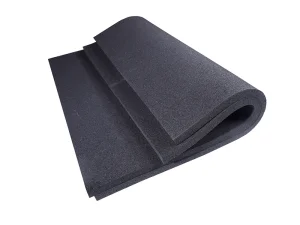
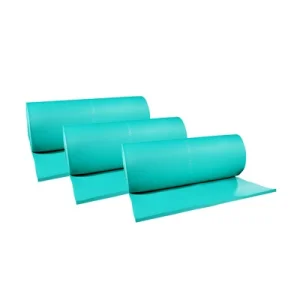
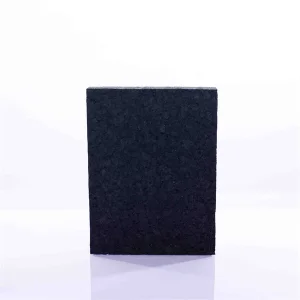
Material: NBR/PVC
Thickness: 6mm-50mm
Density: 40-55kg/m³
Service Temp: -40℃ to 105℃
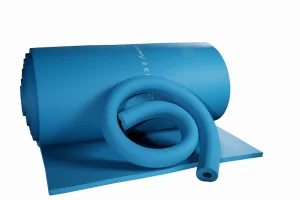
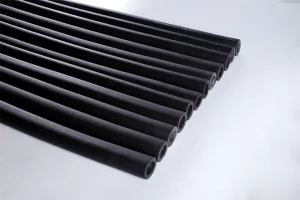
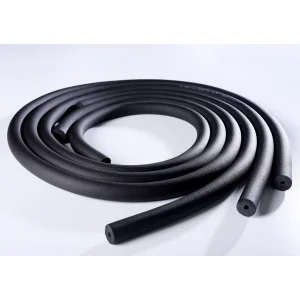
Material: NBR/PVC
Thickness: 9mm-40mm
ID: 6mm-114mm
Service Temp: -40℃ to 105℃
Technical and procurement answers from Kingflex engineering team.
Inside the production facility in Dacheng, China.
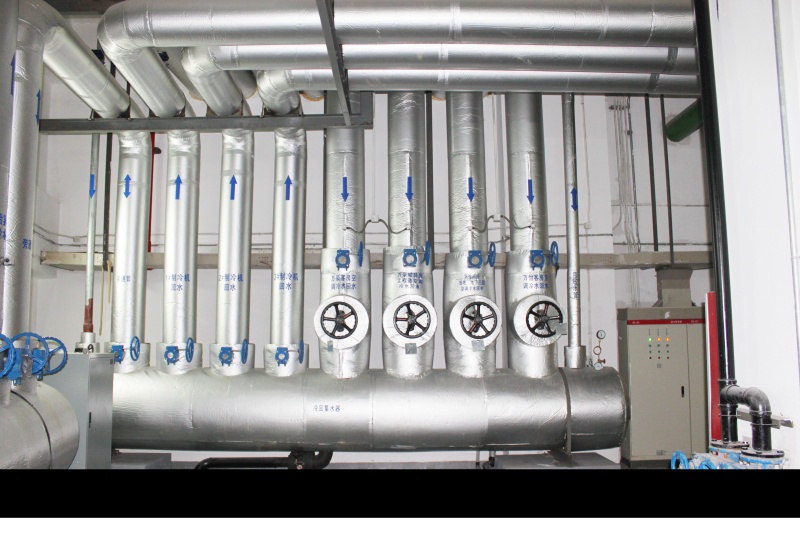
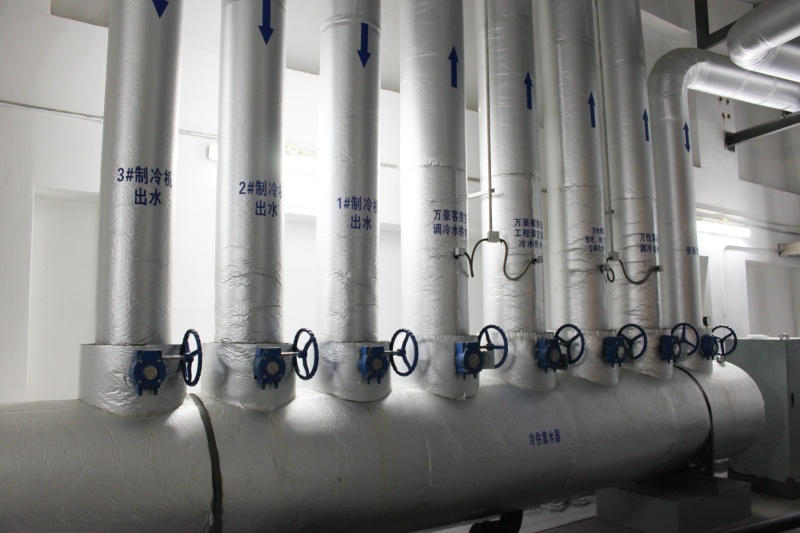
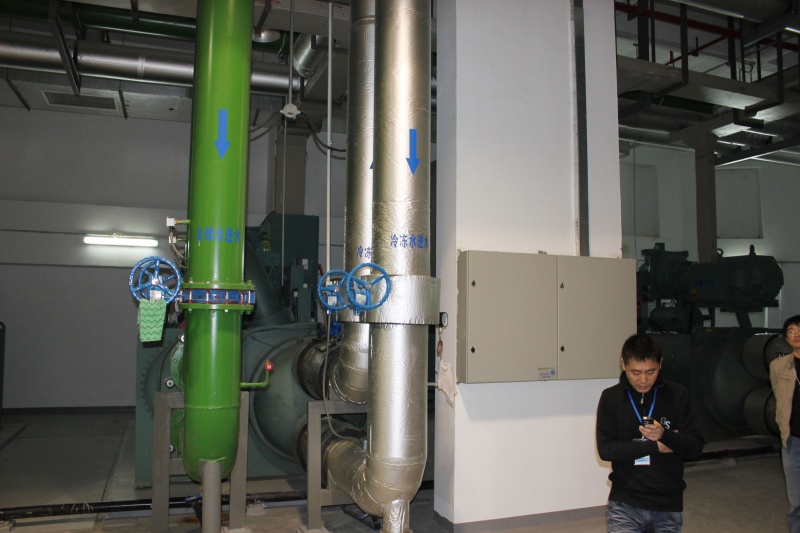
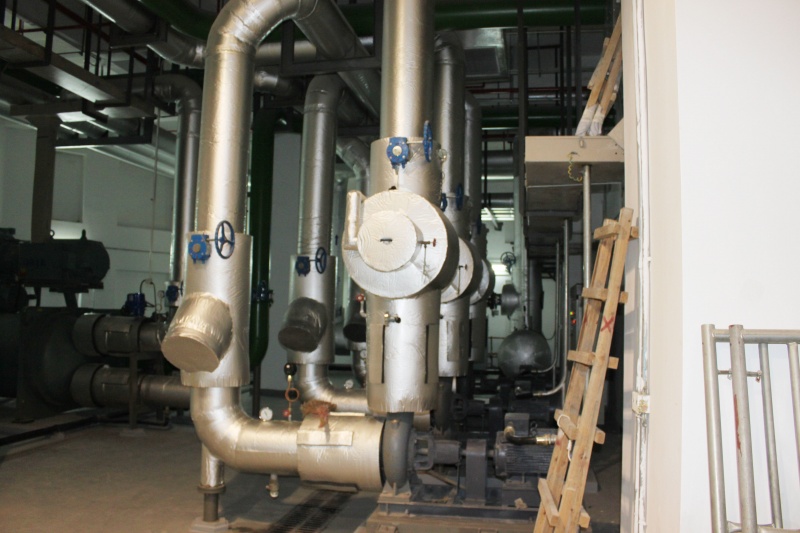
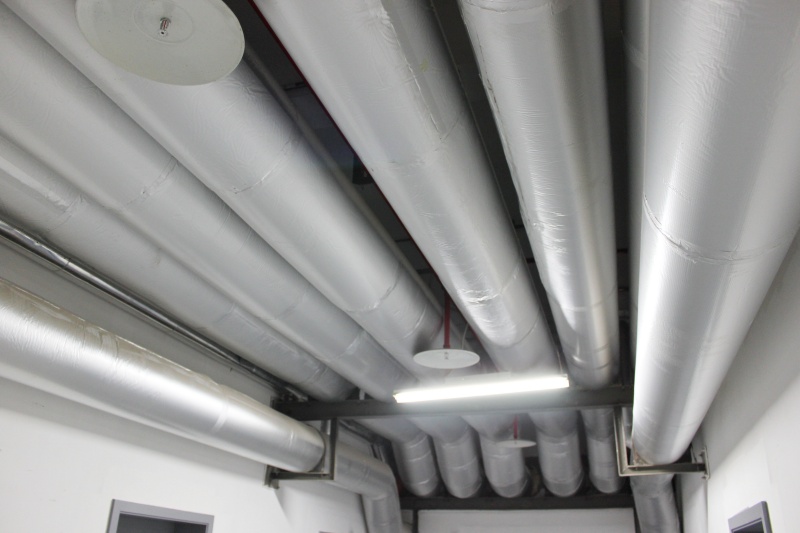

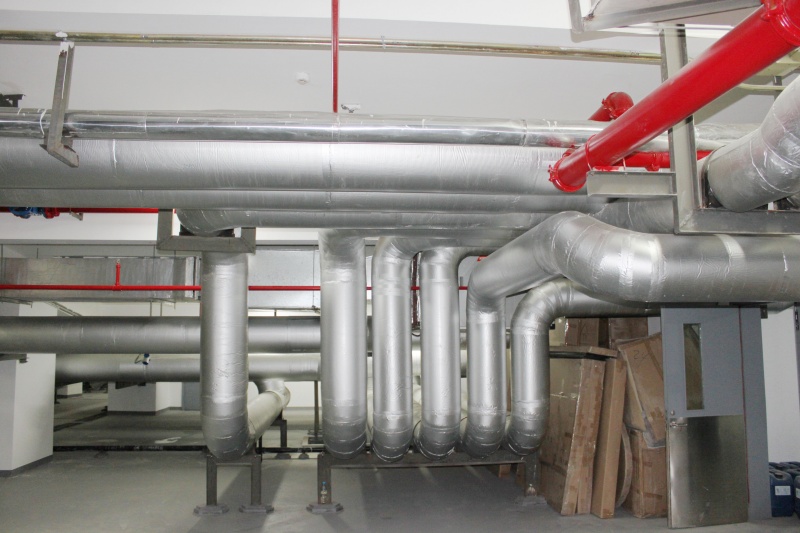

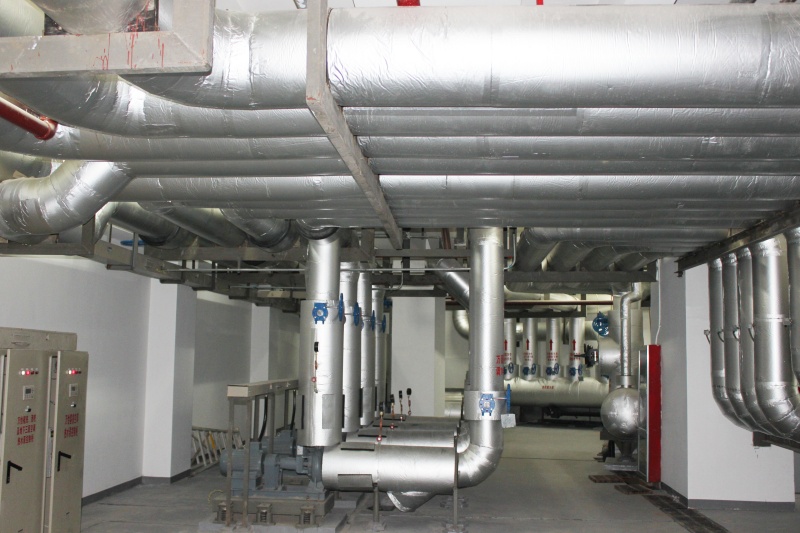
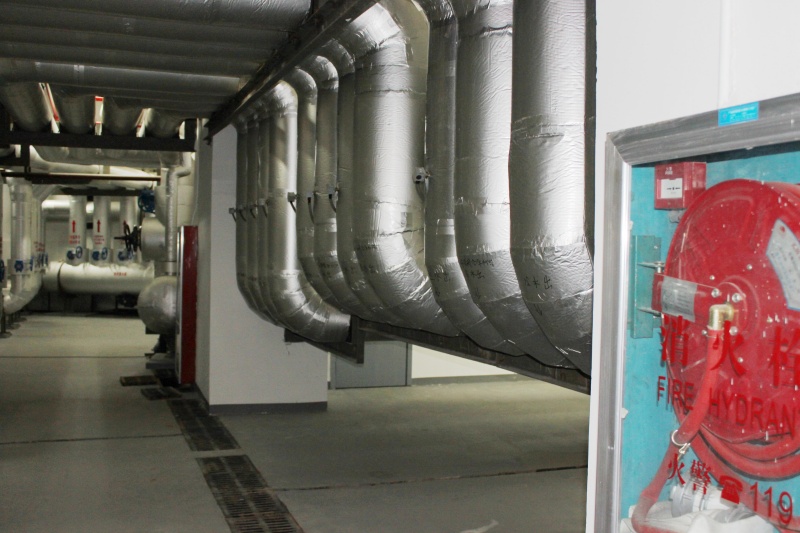







Closed-cell elastomeric and fibrous selections for industrial systems.
 Kingflex