Engineered solutions optimized for architectural, mechanical, cryogenic and commercial building insulation applications globally.
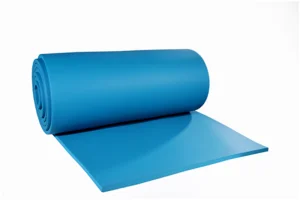
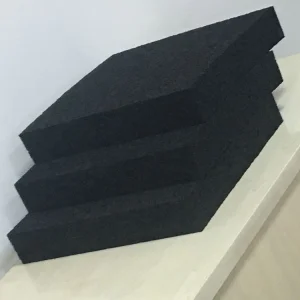
An architectural consensus on structural safety, moisture restriction, and thermal efficiency.
Within high-performance industrial construction, specifying fire-safe products requires absolute adherence to rigorous methodologies. Class 0 Fire Rating represents the pinnacle of fire propagation safety for insulating products, indicating strict compliance with both the BS 476 Part 6 (Fire Propagation) and BS 476 Part 7 (Surface Spread of Flame) testing standards.
To achieve a legitimate Class 0 certification, the building material must demonstrate a fire propagation index ($I$) of no more than 12, with a sub-index ($i_1$) of less than 6. Additionally, it must achieve a Class 1 designation under BS 476 Part 7, signifying the lowest possible flame spread potential. Our elastomeric materials prevent flashover events, significantly reducing smoke density and delaying thermal feedback loops during early-stage structure fires.
By blending advanced flame retardants directly into our Nitrile-Butadiene Rubber (NBR) and Polyvinyl Chloride (PVC) copolymer matrices, we manufacture material that is fundamentally self-extinguishing. This eliminates reliance on superficial coatings, providing structural safety throughout the physical operational lifetime of the system.
"Specifying true Class 0 fire-retardant materials isn't merely a compliance choice; it is an engineered barrier that protects building inhabitants, controls flame propagation in ventilation ducts, and secures mechanical integrity under extreme fire conditions."
Mechanical properties of Kingflex Closed-Cell Elastomeric Rubber Foam Insulation.
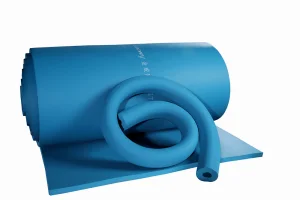
Our flagship Class 0 rubber foam sheet and pipe insulation are produced utilizing an engineered continuous extrusion process. This yields a highly uniform, micro-cellular structure with a closed-cell content exceeding 98%. This high percentage of closed cells acts as an impermeable barrier against both liquid water and gaseous vapor migration.
Traditional open-cell insulation materials require external vapor barriers which are susceptible to tears and structural decay. In contrast, NBR/PVC elastomeric materials have an inherent high moisture resistance factor ($\mu \geq 10,000$). This structural isolation ensures consistent, long-term thermal conductivity ($\lambda \leq 0.034$ W/m·K at 0°C), preventing condensation-driven corroding failures in HVAC ducts and water lines.
Key metrics highlighting Kingflex manufacturing capacity and global delivery execution.
Addressing the modern requirements of global infrastructure, urban development, and industrial complexes.
Condensation prevention is critical to maintaining indoor air quality and preventing structural degradation. Our Class 0 rubber foam sheet rolls and pipes prevent thermal transfer, eliminating warm-moist air interfaces. This system eliminates mold growth risks and protects duct surfaces from long-term oxidation.
For low-temperature and cryogenic liquid transfer systems (-200°C spectrum), mechanical contractors demand insulation with highly reliable structural density. Our Dienes and specialized Kingflex cryogenic lines maintain flexible physical integrity at ultra-low temperatures, preventing heat ingress and maximizing process yield.
Modern pharmaceutical and semiconductor fabrication facilities require insulation that does not outgas or release fibers. Kingflex Class 0 elastomeric rubber sheets offer dust-free, non-fibrous performance, meeting cleanroom certifications while maintaining thermal and acoustic control in turbulent airflow spaces.
Four decades of manufacturing experience coupled with strict quality assurance standards.
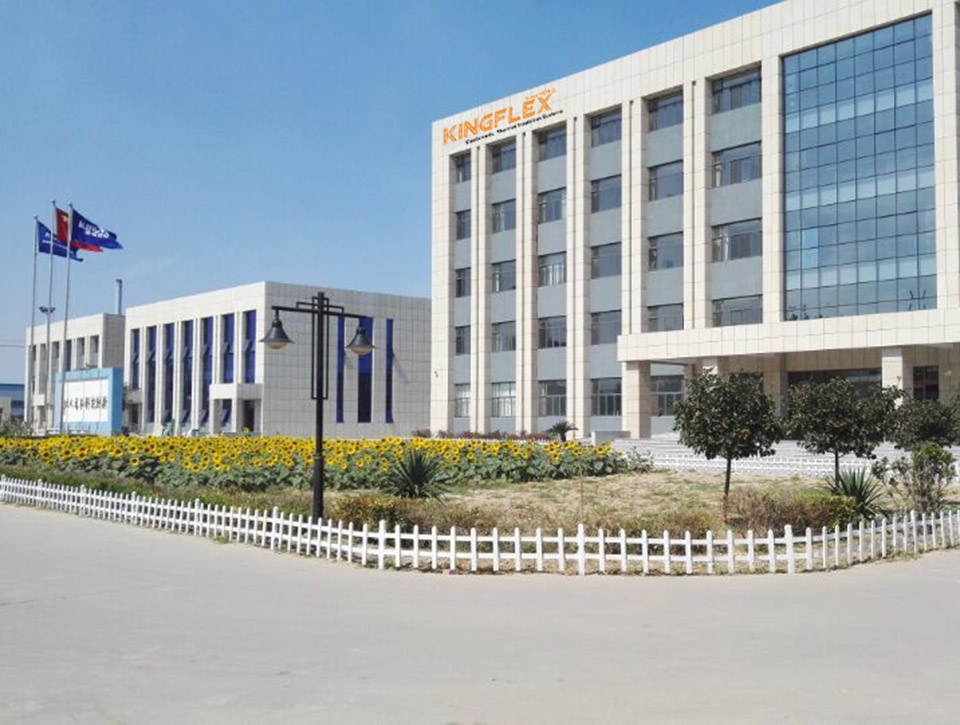
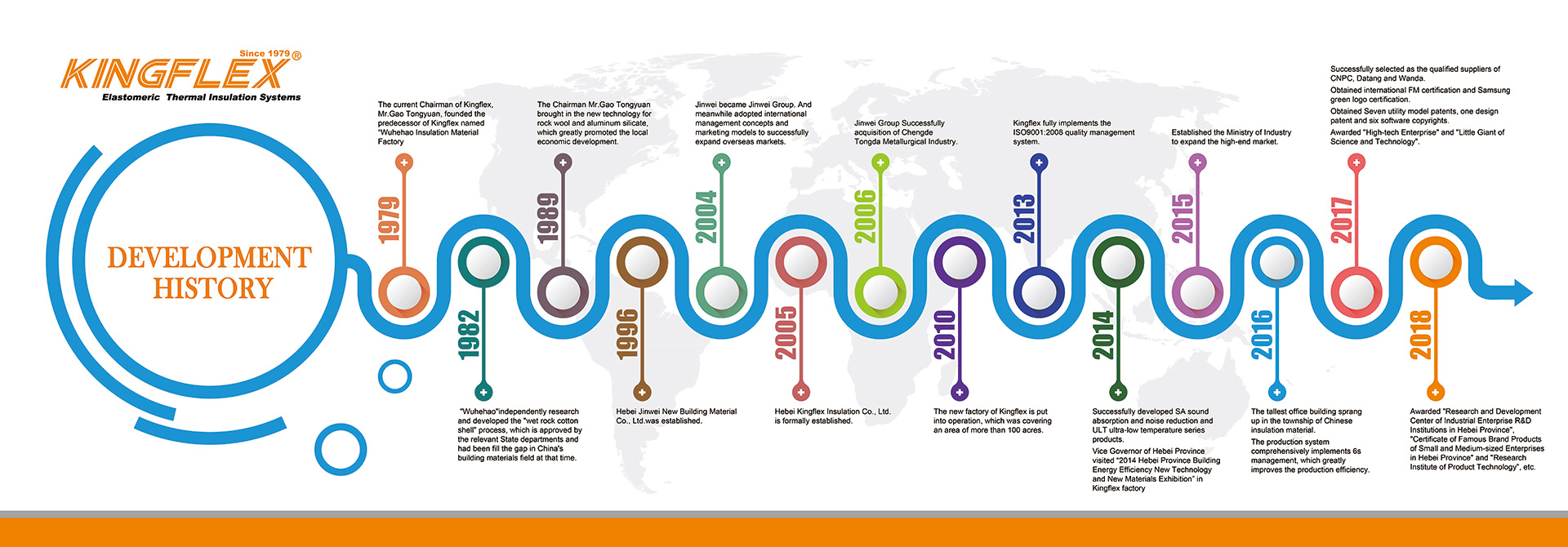
Kingflex Insulation Co., Ltd. was established by the Jinwei Group, which possesses over 40 years of history in thermal insulation development. Founded in 1979, Jinwei Group was the pioneer manufacturer of thermal insulation materials north of the Yangtze River. This manufacturing heritage provides the foundation for our ongoing product development programs.
Today, Kingflex operates as an energy-saving, environmentally responsible manufacturing and trading enterprise. Our R&D facility in Dacheng, China, focuses on optimization of raw polymer bases, eco-friendly blowing agent formulation, and clean production technology. Our team includes 8 dedicated R&D engineers, 6 international logistics coordinators, and 230 manufacturing specialists.
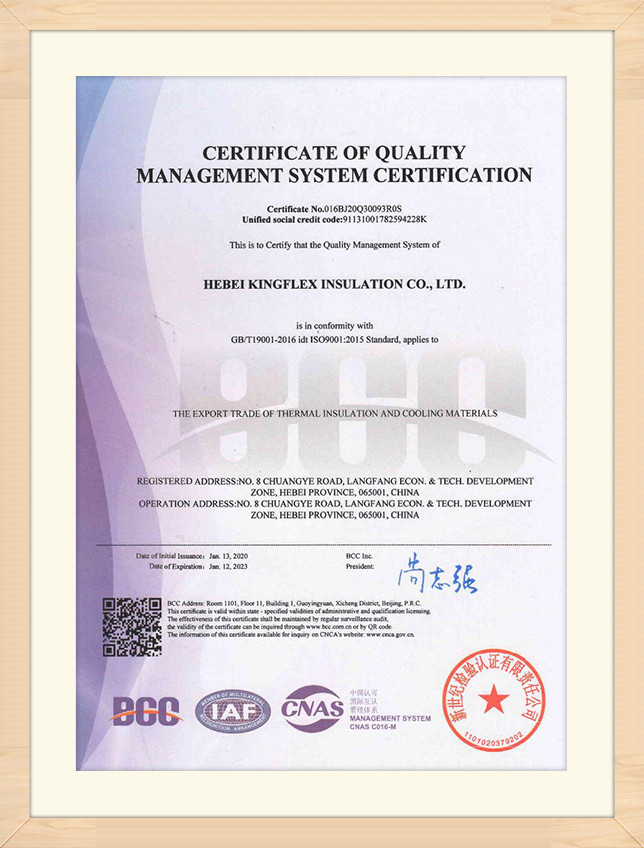
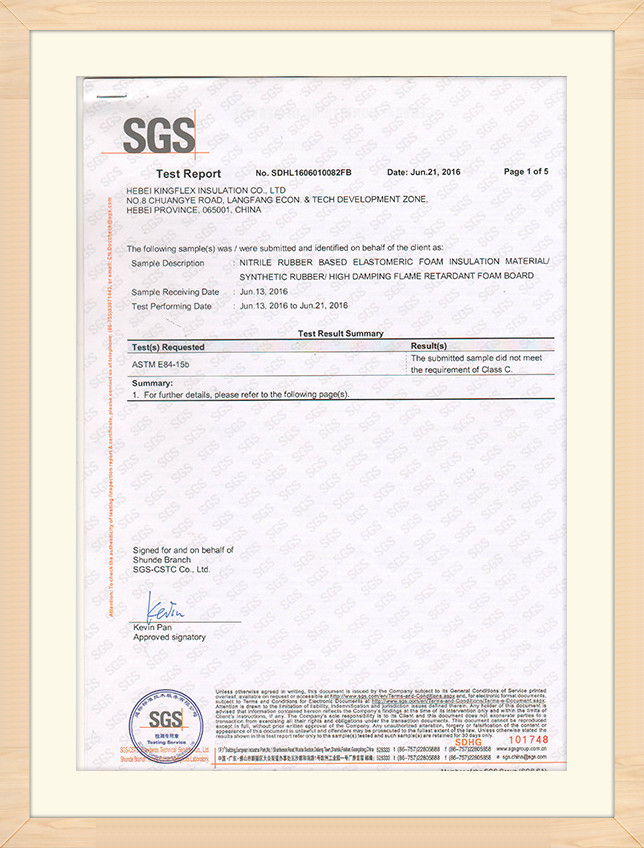
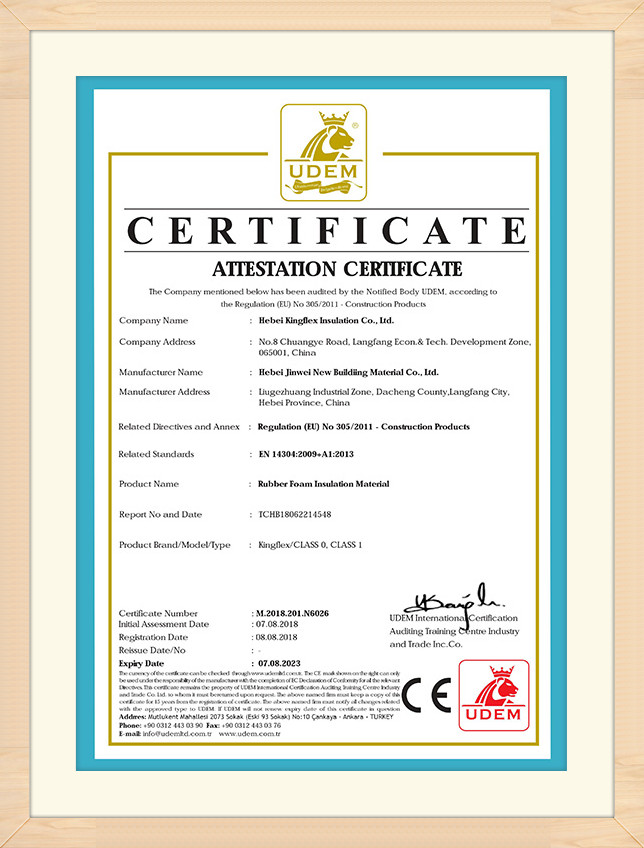
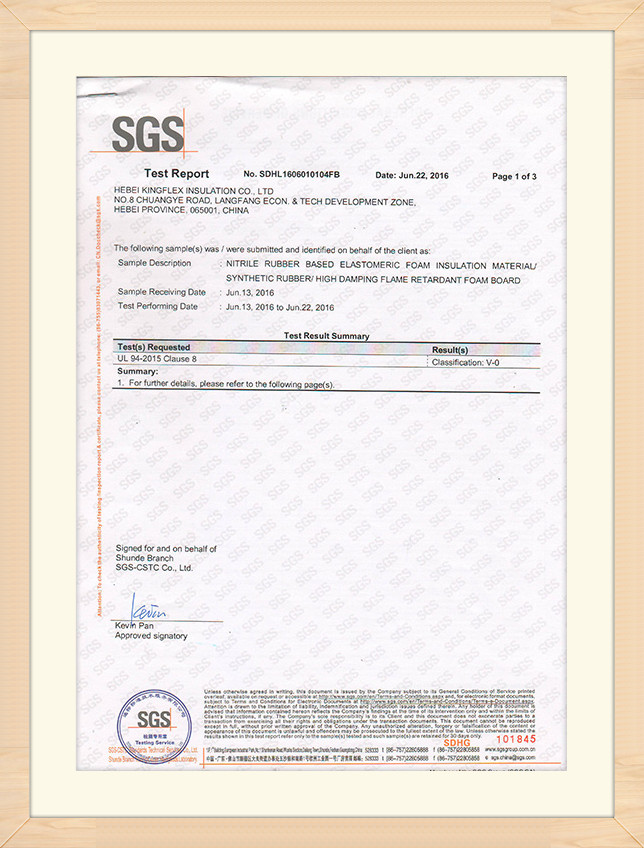
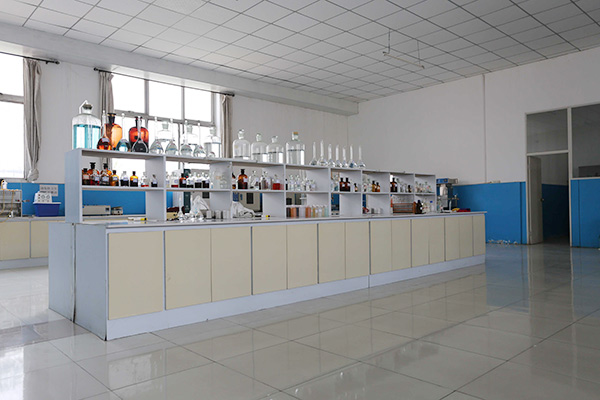
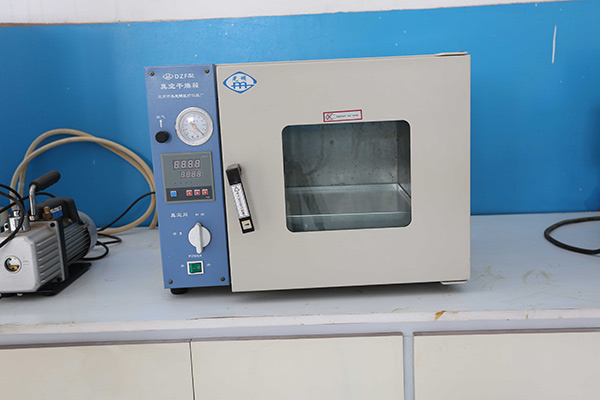
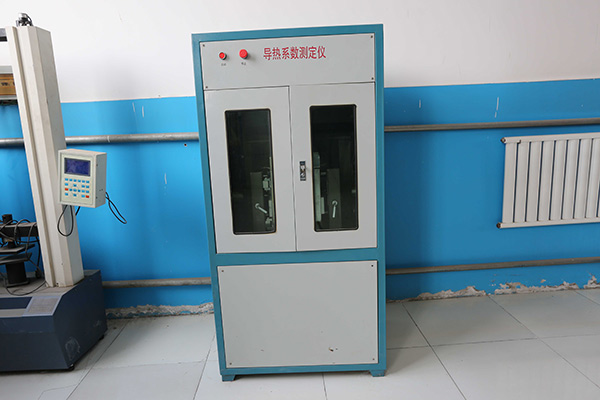
Through our dedicated research and testing center, we verify that every batch meets the criteria of BS 476, CE, REACH, ROHS, UL94, and ASTM. This ensures compliance when shipping to projects in the Americas, Europe, Southeast Asia, or the Middle East.

Building long-term partnerships through consistent delivery performance, quality compliance, and reliable supply chains.
We believe in transparency. Every product run is marked with full batch traceability. This allows engineering companies and quality management inspectors to verify the exact manufacturing parameters, material composition, and certification compliance of every roll or tube delivered to their site.
Our commitment to reliable service has established Kingflex as a trusted partner for contractors, municipal agencies, and chemical plants worldwide. We provide direct customer support, from specification review to shipping coordination, ensuring that your delivery timeline is met.


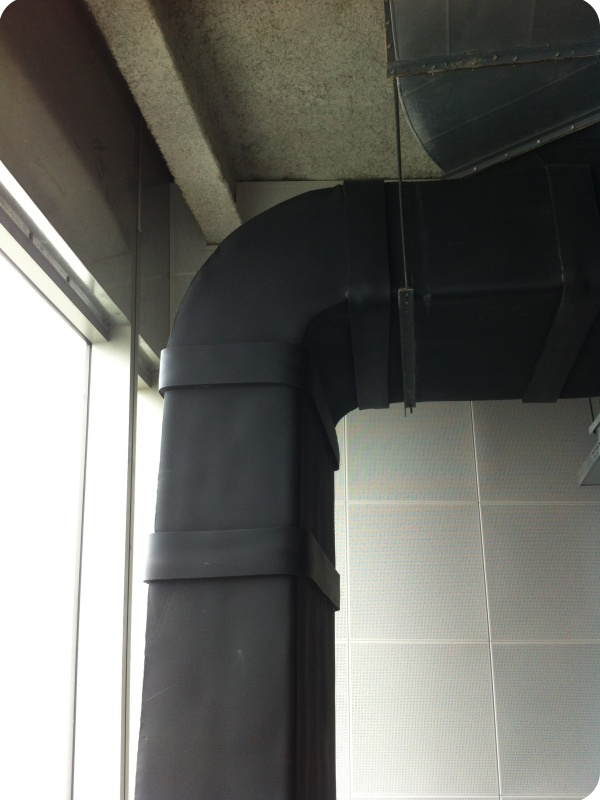
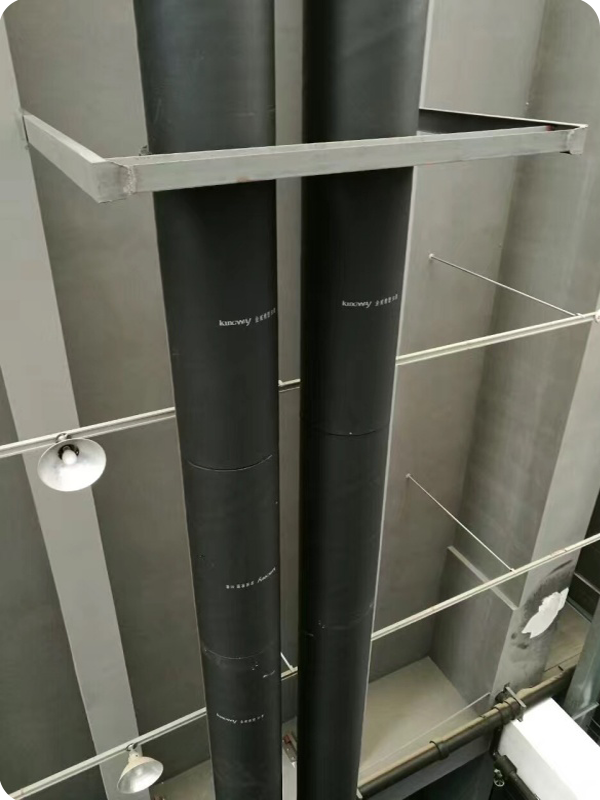
Kingflex insulation materials implemented in major commercial HVAC, industrial piping, and cold-chain facilities.

Technical answers to key questions on performance, installation, and certification compliance.
Elastomeric rubber foam is a flexible, closed-cell material primarily used for HVAC ducts, air conditioning piping systems, commercial building insulation, industrial pipeline cold conservation, and acoustic noise reduction. Due to its closed-cell structure and high resistance to water vapor transmission, it prevents condensation on cold mechanical lines, protecting systems from corrosion under insulation (CUI).
Yes. Our rubber foam insulation is formulated with built-in flame retardants. It complies with Class 0 fire rating standards under BS 476 Part 6 & Part 7, signifying a flame propagation index below 12 and surface spread of flame index of Class 1. This prevents rapid flame spread and minimizes smoke density during fire events.
Rubber foam is a flexible, closed-cell, moisture-proof material, ideal for HVAC systems, cold pipes, and ambient temperature thermal control. It does not require a separate vapor barrier. Rock wool, conversely, is an open-fiber mineral structure suitable for high-temperature applications (up to 650°C+). However, rock wool requires an external vapor barrier in cold systems to prevent moisture absorption.
Yes. We provide complete OEM and ODM customization services. We can produce custom sheet thicknesses (6mm to 50mm), pipe inner diameters (6mm to 114mm), colors, and surface laminations—such as reinforced aluminum foil, fiberglass scrim, and pressure-sensitive self-adhesive backings—to meet specific project requirements.
Our products are certified to international standards. Our materials hold credentials including BS 476 Class 0, CE marking, REACH safety compliance, RoHS restriction of hazardous substances, UL94 flammability classification, and ASTM physical property validation. This allows for seamless import approval across global jurisdictions.
Yes. We implement a strict lot-control tracking system. Every production batch is coded with unique QR-codes and batch numbers printed on packaging and product edges. This permits tracking from raw polymer formulation through to final shipping, ensuring accountability and compliance.
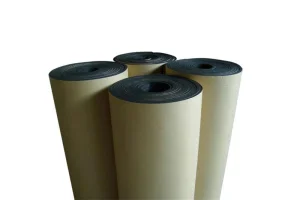
Our continuous automated lines produce sheet rolls in thicknesses ranging from 6mm to 50mm. Standard increments include 6mm, 9mm, 13mm, 15mm, 19mm, 25mm, 32mm, 40mm, and 50mm, providing options for various thermodynamic requirements.
Under normal operational parameters (within the -40°C to +105°C limit and shielded from continuous direct ultraviolet radiation, or laminated with weatherproofing protective foils), our NBR/PVC elastomeric materials have an expected service life of 10 to 15 years.
Ensuring consistent quality through advanced manufacturing equipment and testing protocols.
Technical details of our primary elastomeric rubber foam insulation formats.
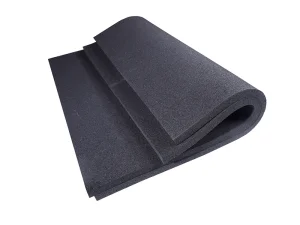
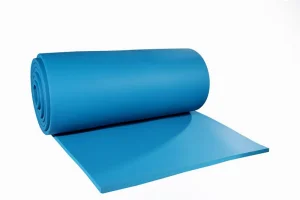
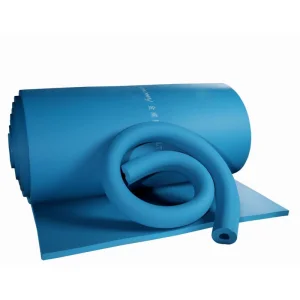
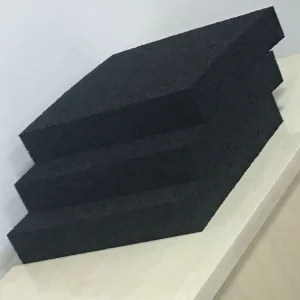
Engineered for large-diameter pipelines, duct insulation, tanks, and structural panels. Highly flexible, allowing for clean cuts and tight joints that minimize thermal bridging.
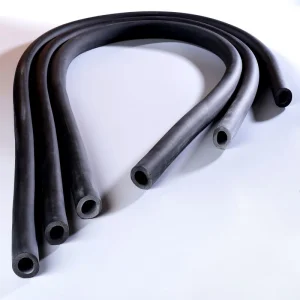
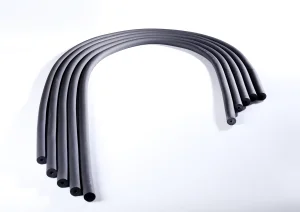
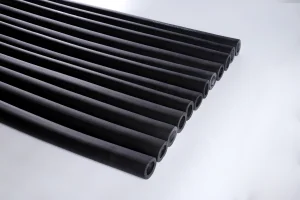
Pre-formed tubular extrusion optimized for quick slip-on installation on copper, steel, and plastic piping networks. Excellent dimensional stability protects pipes from freeze damage.
Ensuring stable lead times and fast dispatch for international bulk orders.
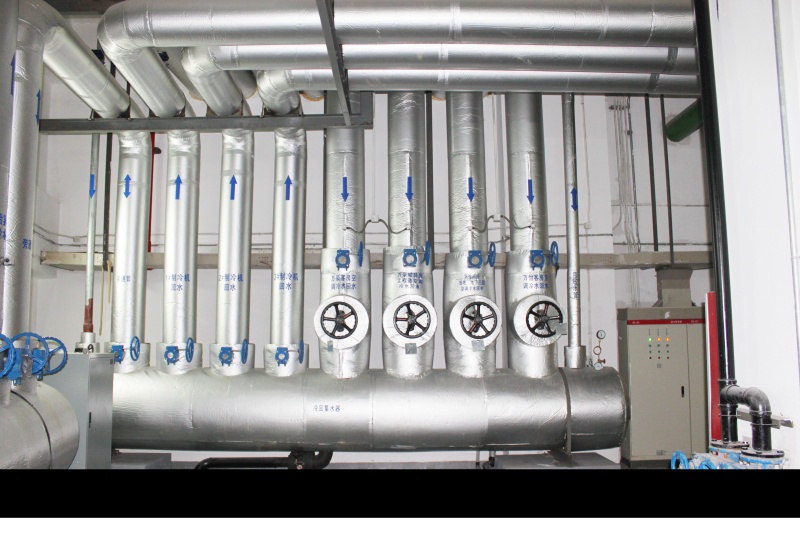
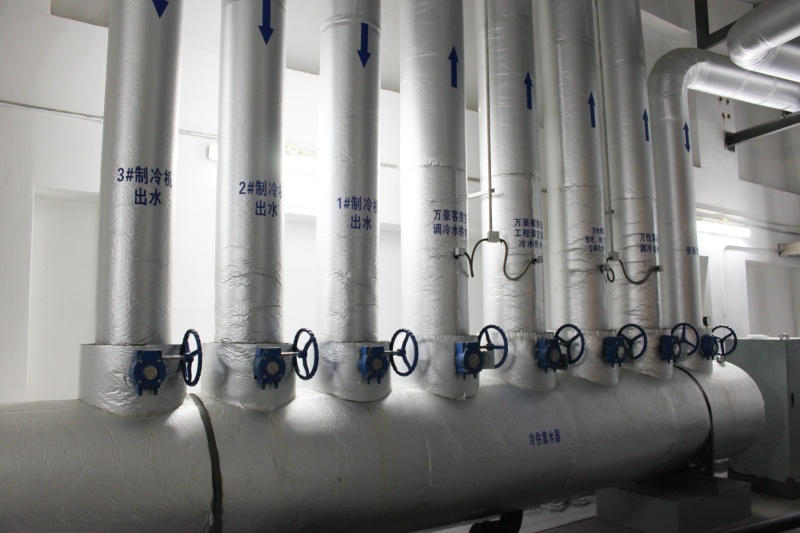
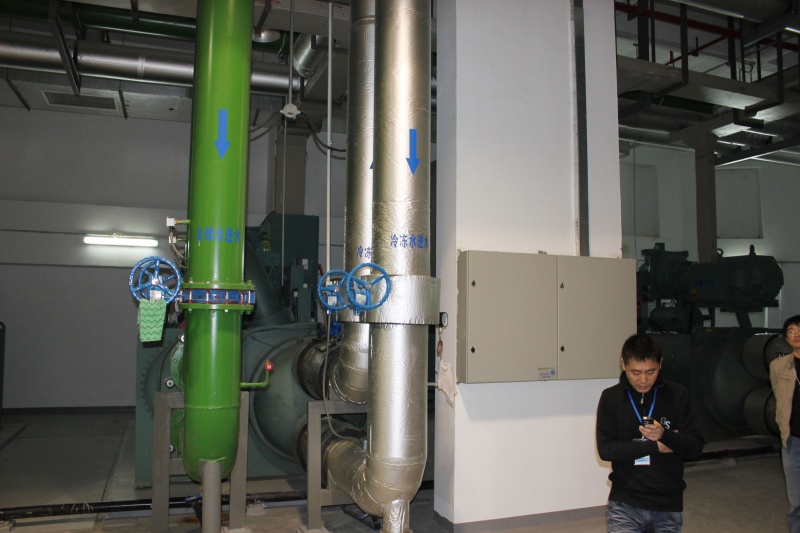
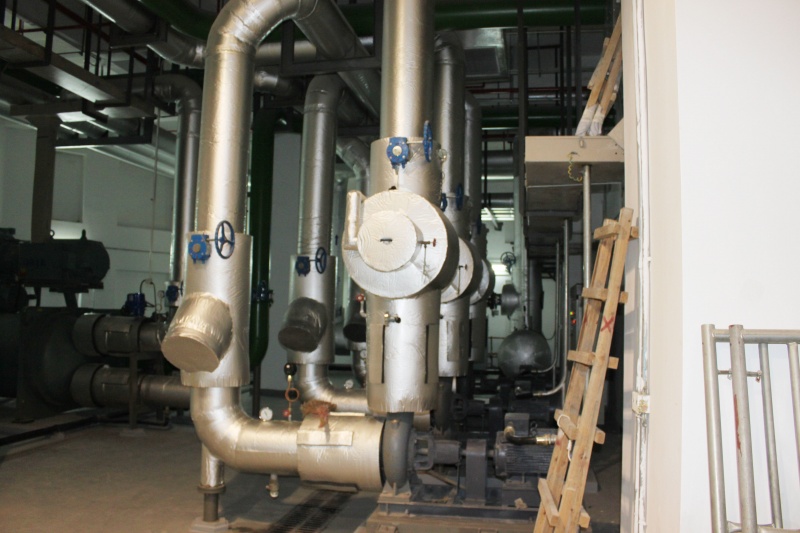
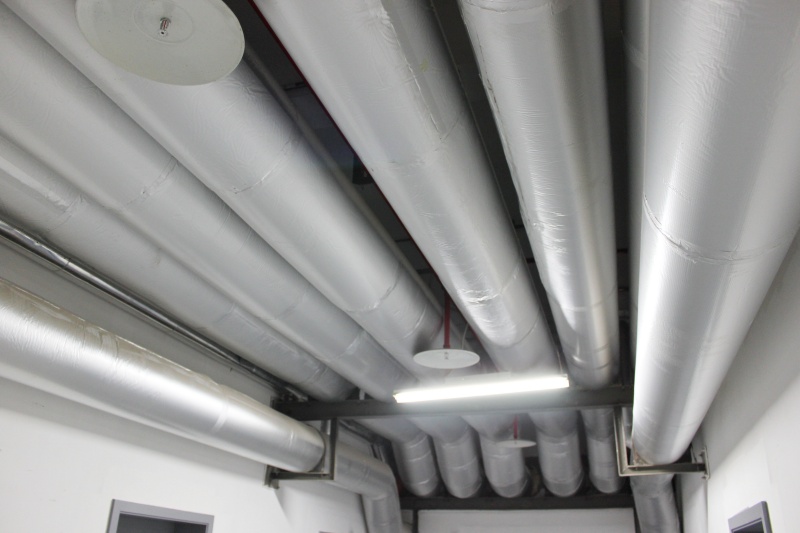

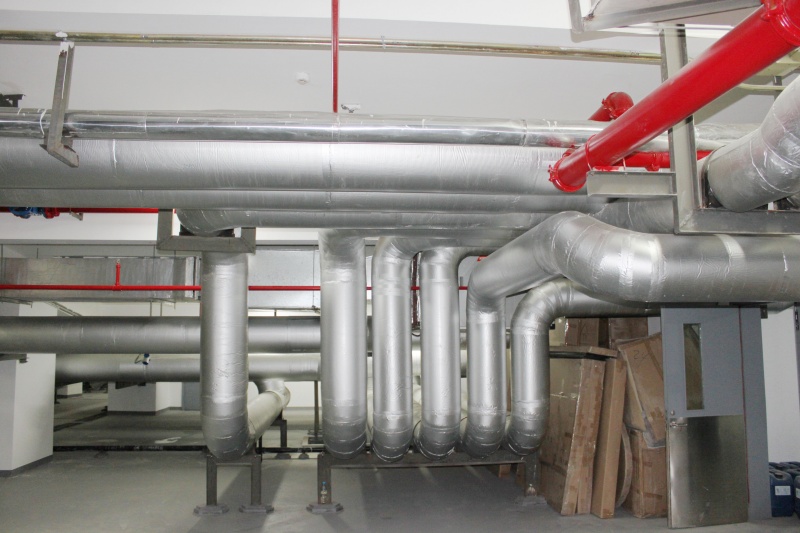

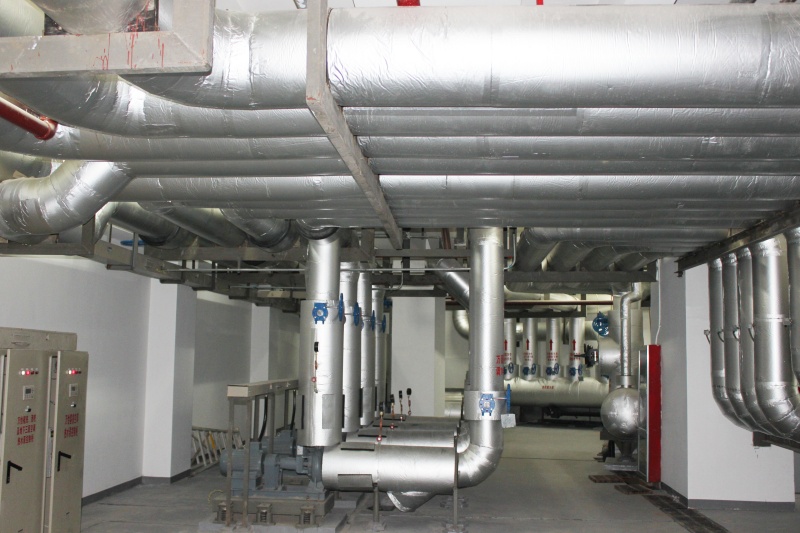
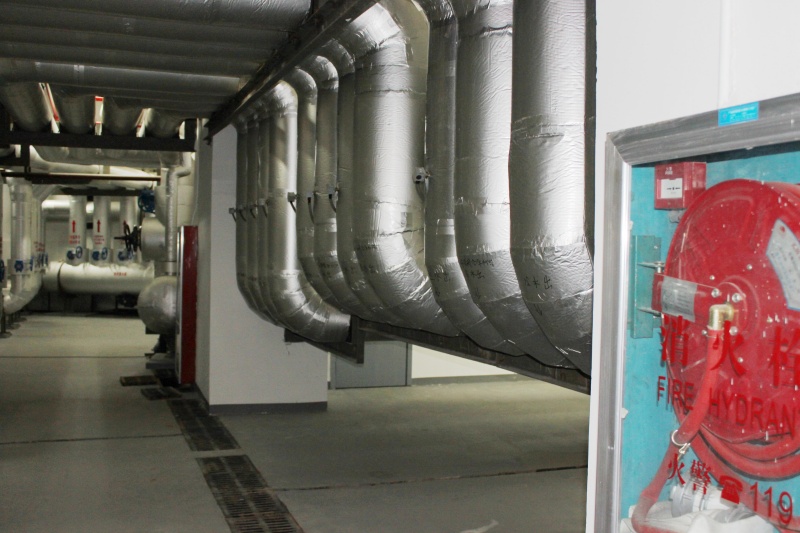
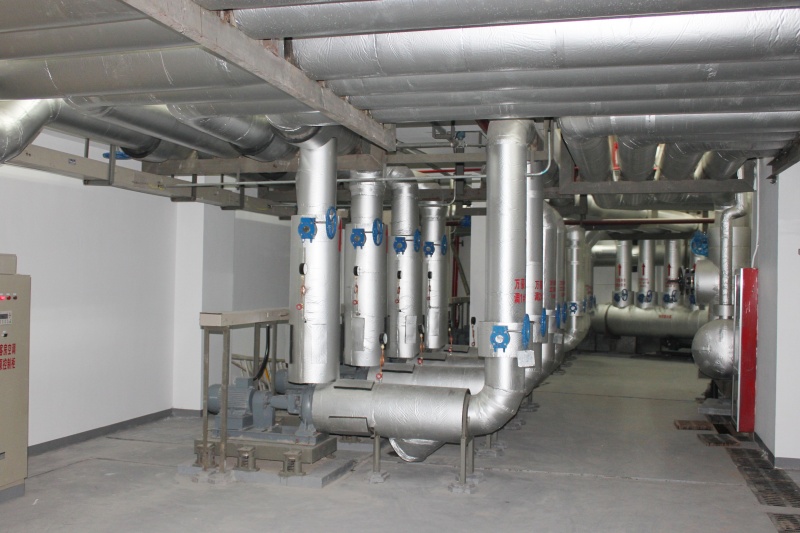
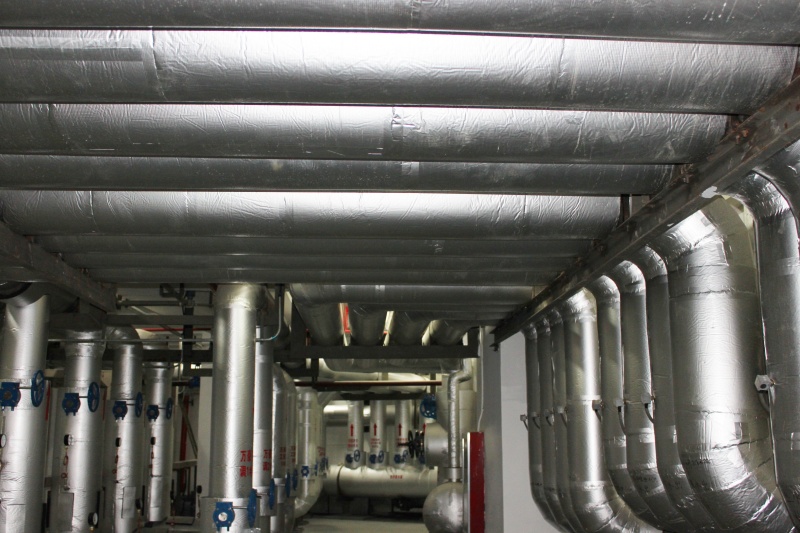
Engineered for cold storage, ultra-low temperature chemical lines, and high-spec industrial systems.
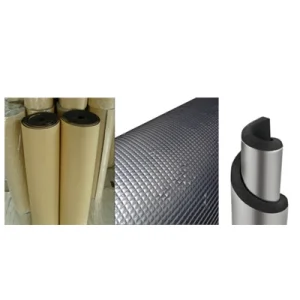
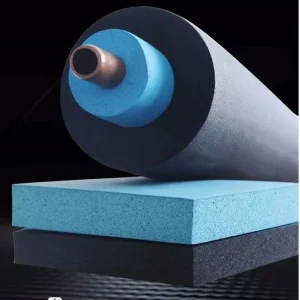
Full catalog listing of Kingflex architectural items and alternative systems.
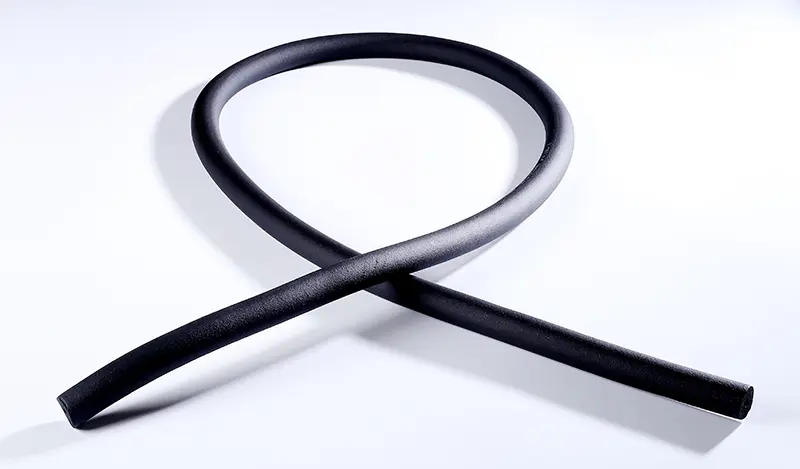
Designed for split systems and process hot water pipelines. Reduces energy transfer and controls surface condensation.
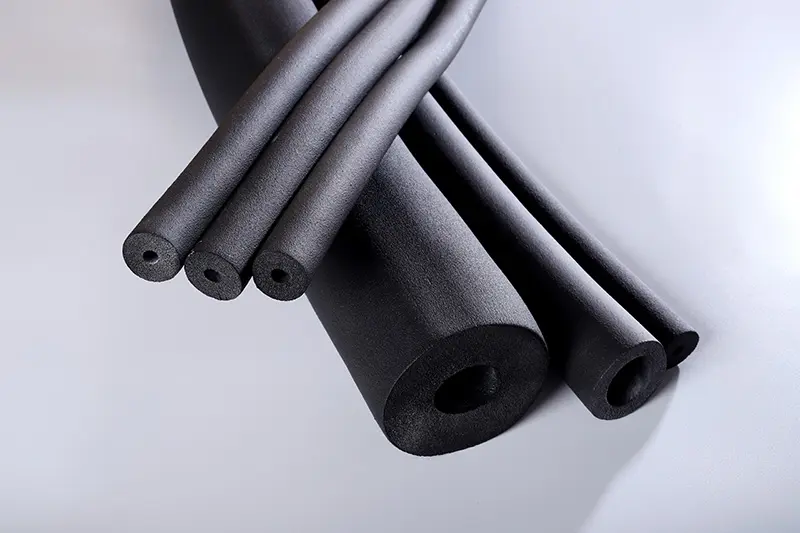
Formulated with an outer shield to protect against atmospheric chemicals, saline environments, and UV degradation.
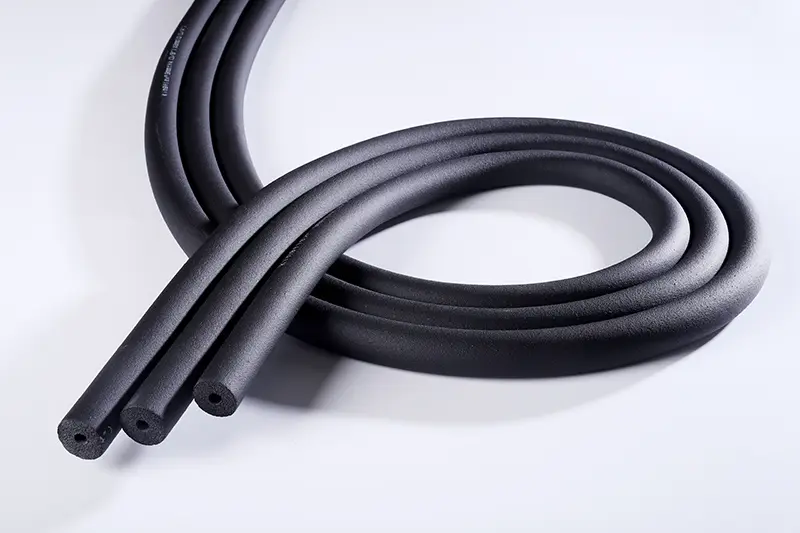
Highly flexible formulation that simplifies routing around complicated system joints, elbows, and valves.
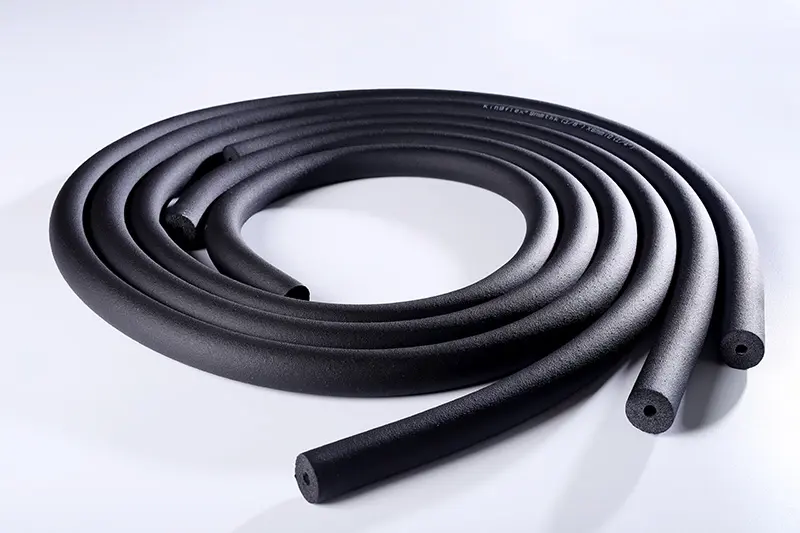
Universal standard grade for building service lines. Excellent thermal control and easy installation.

Highly resilient elastomeric compound designed to absorb physical impacts and mechanical vibrations.

Optimized for commercial VRF and chilled water systems, providing thermal efficiency and condensation protection.
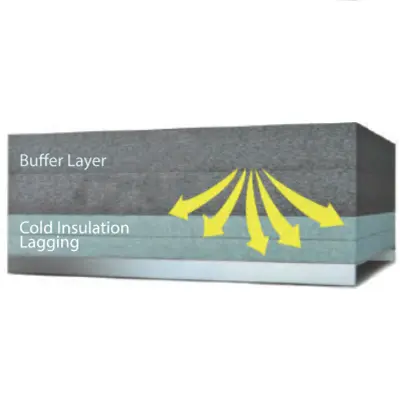
Multi-layer elastomeric configurations designed to control thermal transfer in low-temperature industrial processes.
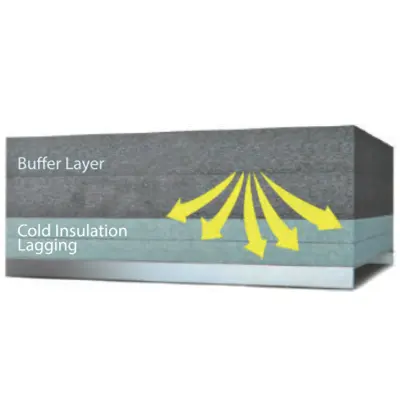
High-density cryogenic elastomeric barriers engineered to handle deep temperature fluctuations down to -200°C.
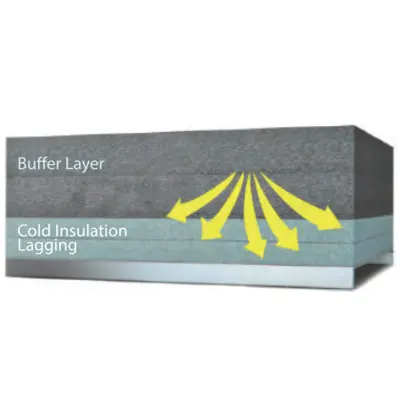
Formulated to resist thermal stress cracks and micro-fractures during fast refrigeration cooldown cycles.
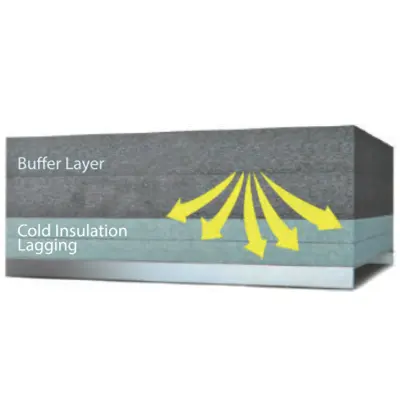
Specialized materials for LNG facilities and cryogenic logistics. Low gas permeability prevents moisture ingress.
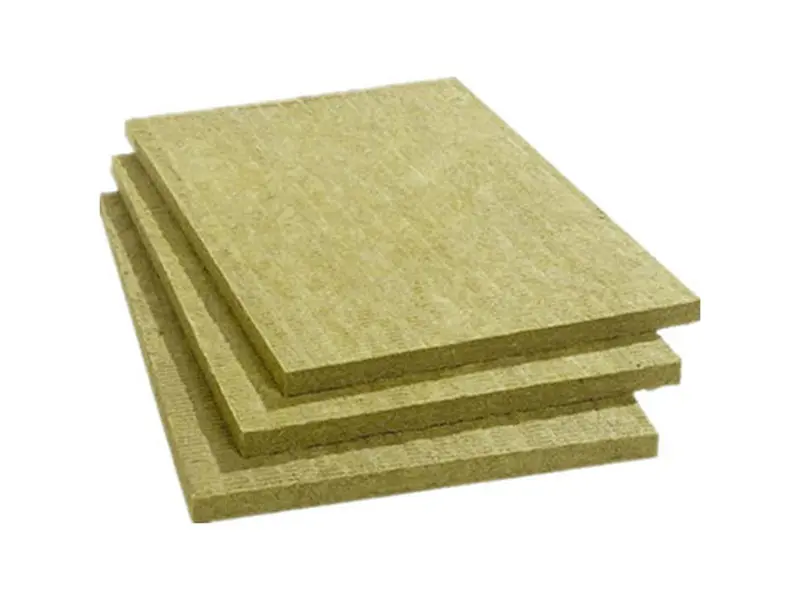
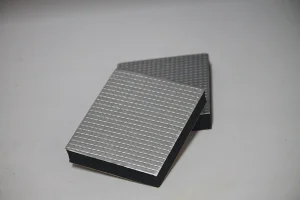
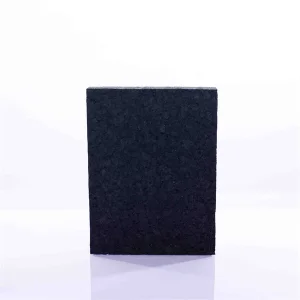
High-density mineral fiber boards designed for high-temperature furnace walls and partition firewall specifications.
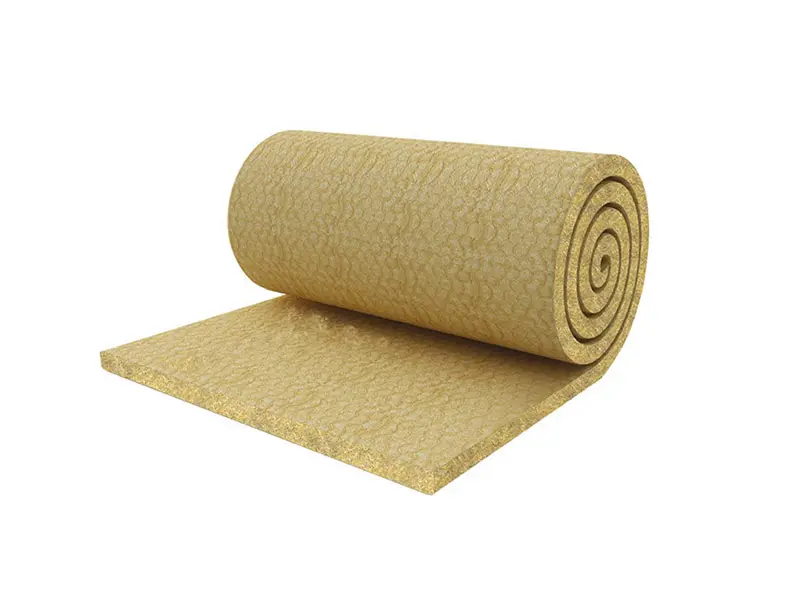
Flexible, high-temperature mineral fiber insulation blankets designed for large vessels, turbines, and exhaust systems.
Ensuring systematic installation and selecting parameters based on environmental conditions.
| Specification Dimension | NBR/PVC Elastomeric Material | Rock Wool / Mineral Fibers | Design Advantage / Benefit |
|---|---|---|---|
| Cellular Matrix Form | Closed-Cell structure (>98% content) | Open-cell fibrous structure | Prevents water vapor ingress without external wraps |
| Thermal Conductivity | λ ≤ 0.034 W/m·K (at 0°C) | λ ≤ 0.040 W/m·K (at 25°C) | High thermal efficiency at reduced wall thickness |
| Vapor Permeability | μ ≥ 10,000 (Built-in Vapor Barrier) | μ ≈ 1 (Requires outer foil jacket) | Minimizes risk of corrosion under insulation (CUI) |
| Fire Class Criteria | BS 476 Part 6/7 Class 0, UL94 V-0 | Non-combustible Class A1 (EN 13501) | Class 0 rating matches strict municipal building codes |
| Vibration Damping | High absorption (elastomeric) | Low baseline damping | Damps mechanical flow noise in piping and duct systems |
In municipal commercial buildings, industrial zones, and marine vessels, engineering firms prioritize products that offer low moisture absorption, high fire resistance, and reliable physical properties. Our Class 0 rubber foam sheet and pipe insulation provide this balanced solution, ensuring system safety and efficiency.
 Kingflex