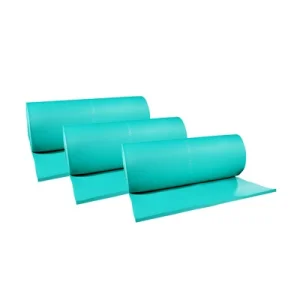
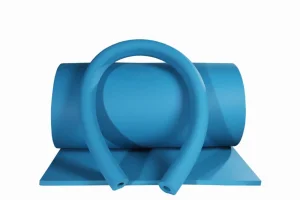
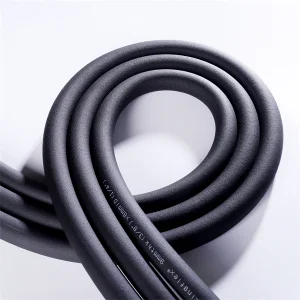
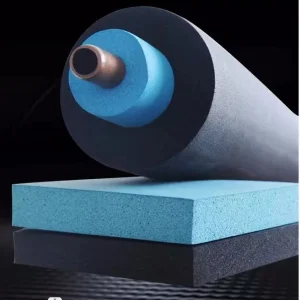
Explore our primary range of elastomeric foam tubes, sheets, and high-density acoustic barriers engineered for critical HVAC, industrial piping, and low-temperature thermal management systems.
As global carbon-neutral mandates tighten and building envelope requirements demand unprecedented efficiency, thermal insulation of HVAC refrigerant pipelines has evolved from a secondary construction component to a major determinant of system coefficient of performance (COP) and longevity.
The global cooling and refrigeration sector is undergoing a rapid transition toward natural and low-GWP (Global Warming Potential) refrigerants such as CO2 (R-744), ammonia (R-717), and R-32. These refrigerants operate under higher pressure systems and, in many applications, wider temperature ranges. Consequently, insulation manufacturers must formulate elastomeric materials capable of maintaining structural resilience at extremes—preventing condensation at temperatures below zero while remaining stable under high discharge line temperatures.
Additionally, modern architecture emphasizes Indoor Air Quality (IAQ). Traditional fibrous insulation materials are increasingly restricted in cleanrooms, healthcare centers, and educational buildings due to particulate shedding risk. Fiber-free, closed-cell NBR/PVC elastomeric rubber foam has emerged as the premier choice, offering a zero-fiber emission profile combined with inherent resistance to mold and microbial colonization.
Procurement departments for international EPC (Engineering, Procurement, and Construction) companies and industrial developers look beyond price. They prioritize a manufacturer's compliance with rigorous regional standards and long-term durability metrics. The primary pain point in chilled water systems is CUI (Corrosion Under Insulation), which occurs when vapor penetrates the insulation barrier, condenses on the carbon steel or copper pipeline, and initiates oxidation.
To eliminate this risk, engineers specify materials with high water vapor resistance factor (μ-value). Kingflex elastomeric insulation has an exceptionally high resistance factor, creating a built-in, continuous vapor barrier that is resilient to mechanical tears. This prevents vapor migration and preserves the thermal conductivity (K-factor) of the system over a lifespan of 10 to 15 years.
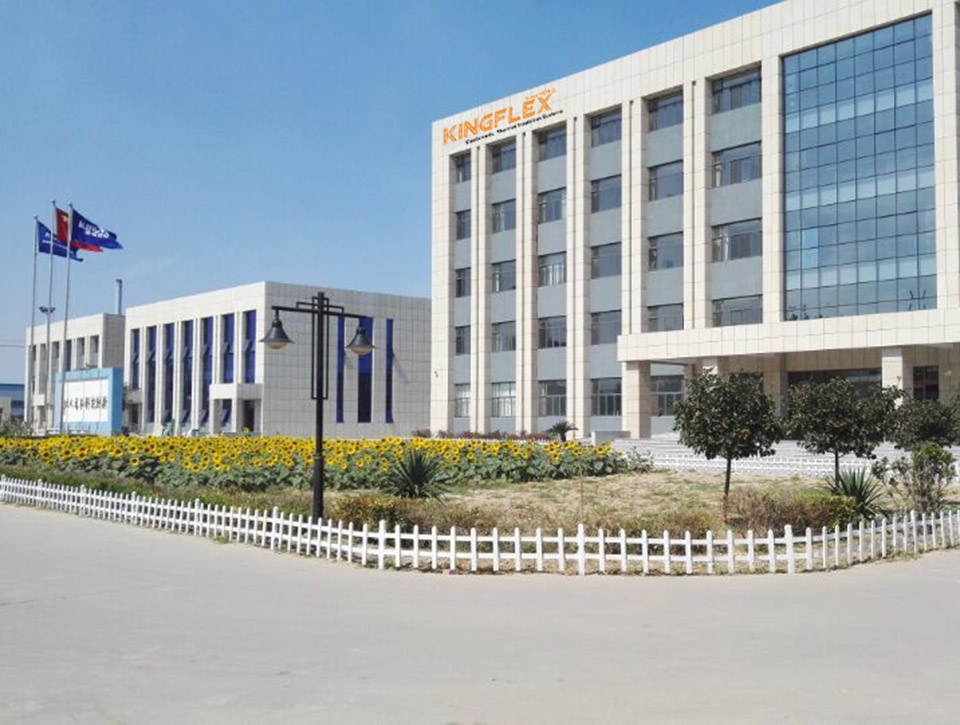
Located in Dacheng—the renowned capital of green-building materials in China—Kingflex Insulation Co., Ltd. coordinates research, development, and high-volume automated production to satisfy urgent global logistics timelines.
Operating 5 state-of-the-art continuous vulcanization and foaming lines, the Kingflex plant regulates foaming density and closed-cell uniformity via specialized temperature and pressure sensors. This automation ensures a consistent density profile of 40-55 kg/m³ across both insulation sheet rolls and tubes. Industrial scale-up allows us to deliver steady outputs for mega-projects, while ensuring that the thermal properties remain homogenous from the inner core to the outer skin.
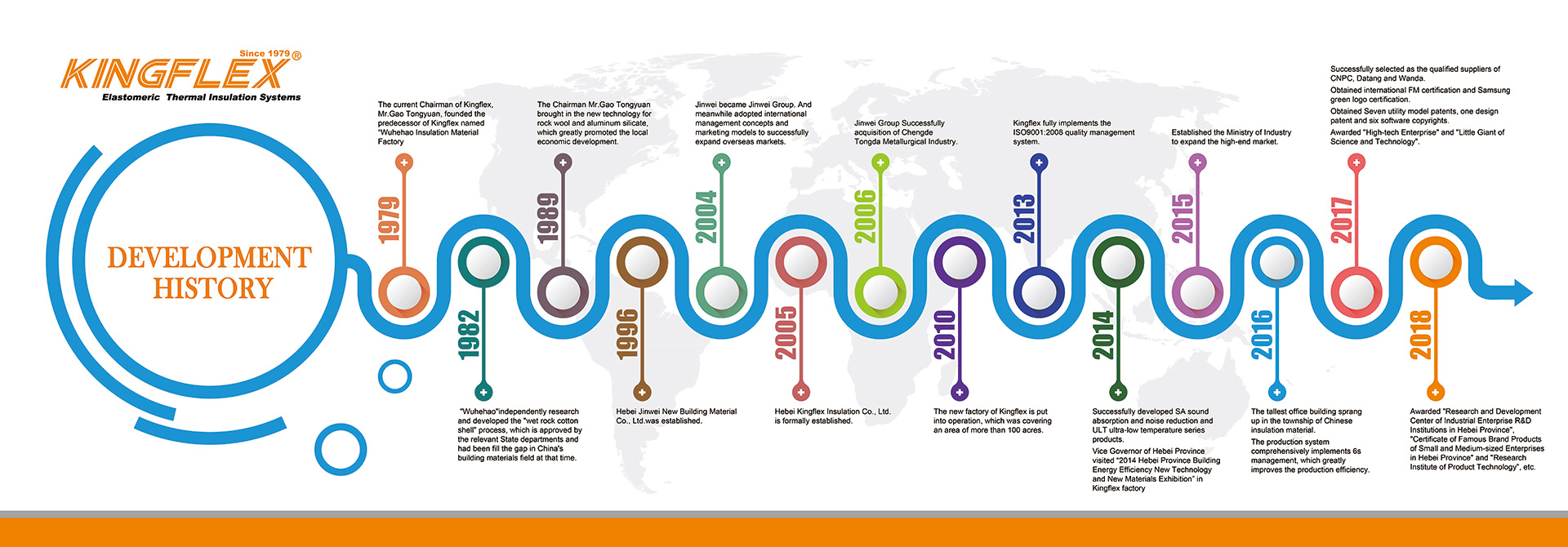
As a designated supplier for major energy, power, and chemical infrastructure projects, Kingflex works directly with the Jinwei Group, building upon a 40+ year legacy established in 1979. This vertical integration keeps raw material supply lines steady, insulating our international clients from material scarcity or price volatility.

Understanding the physical performance differences between Elastomeric Closed-Cell Foam and Rock Wool helps engineers select the optimal material for thermal and moisture protection.
| Performance Indicator | NBR/PVC Closed-Cell Rubber Foam | Rock Wool (Mineral Fiber) |
|---|---|---|
| Cellular Structure | Closed-Cell (>98% rate) | Open Fibrous Matrix |
| Thermal Conductivity (λ at 0°C) | ≤ 0.035 W/(m·k) (Excellent resistance) | ~0.040 W/(m·k) (Temperature dependent) |
| Moisture Vapor Transmission (μ) | Excellent resistance (built-in vapor barrier) | Highly permeable (requires secondary jacket) |
| Service Temperature Limit | -40℃ to +105℃ (Ultra-low/Medium) | Up to +650℃ (High-temperature industrial) |
| CUI (Corrosion) Vulnerability | Extremely Low (Prevents moisture contact) | Moderate to High (Water retention potential) |
| Installation Flexibility | High flexibility; easily wraps curves & joints | Semi-rigid/Rigid; requires mechanical fasteners |
Applied as duct wrap and pipe sleeve to prevent thermal loss in supply and return chilled water pipelines. Keeps refrigerant lines in office complexes, hotels, and retail malls at designed thermal levels, avoiding structural mold issues stemming from condensation drips.
Designed for cold storage warehouses, LNG transfer pipes, and low-temperature process lines in chemical refineries. The material retains flexibility at sub-zero ranges, absorbing thermal contraction forces without cracking.
Effective on hot water distribution pipelines, solar collectors, and process heating systems. Minimizes radiation heat losses while resisting outdoor UV exposure and high-temperature peaks up to 105℃.
We manufacture a wide range of specialized insulation profiles tailored to various commercial, acoustic, and temperature-controlled projects. Review our primary product models below.
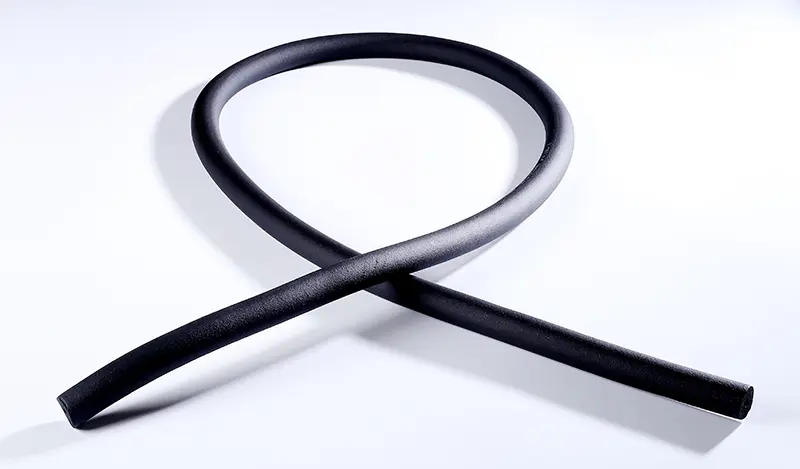
High-flexibility sleeves with structured wall thickness for optimal HVAC refrigerant split-system insulation.
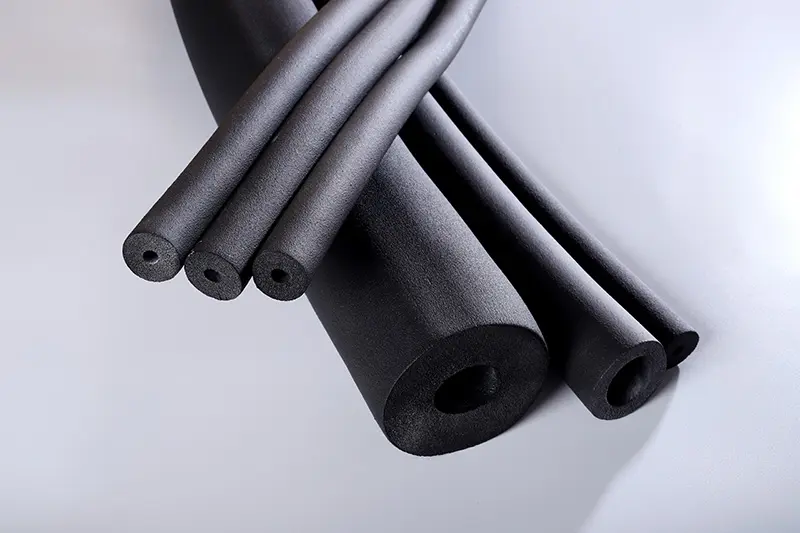
Designed with anti-corrosion barrier coatings for steel and copper pipelines exposed to saline or chemical environments.
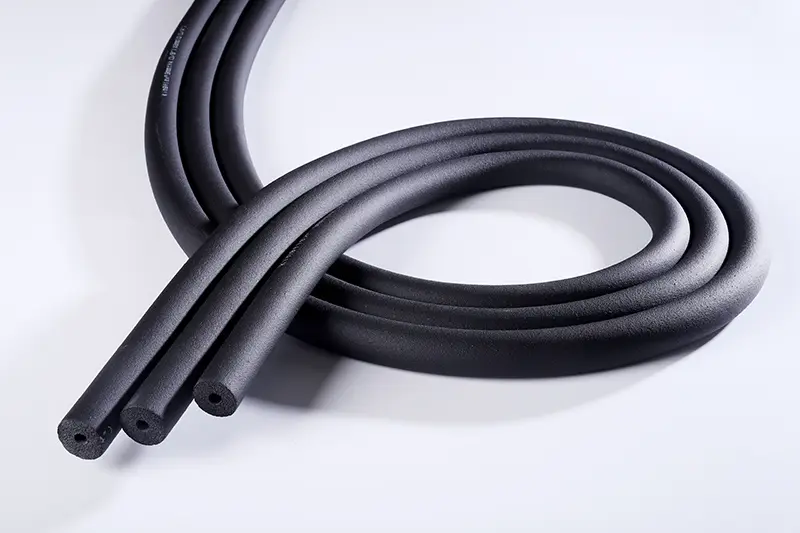
Flexible closed-cell pipe sleeves, highly resilient to structural compression, retaining standard thickness at curves.
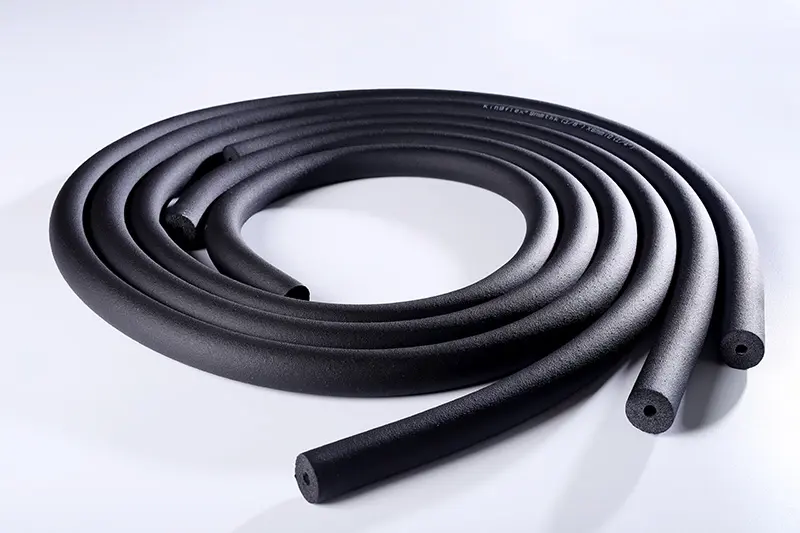
Industry-standard NBR/PVC blend piping insulation for heavy commercial buildings and district cooling networks.

Excellent low-temperature vapor barrier performance, protecting cold lines from moisture accumulation.

Optimized for residential and commercial split air conditioners, heat pumps, and ventilation units.
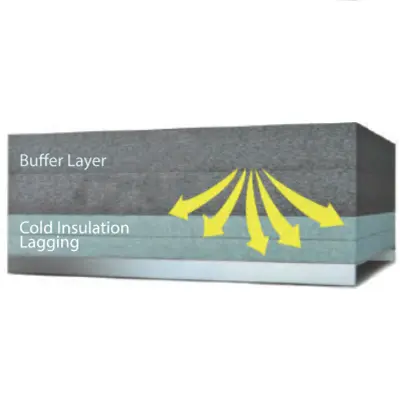
Complete system approach providing matched adhesives, tapes, and pre-cut fittings for rapid site installation.
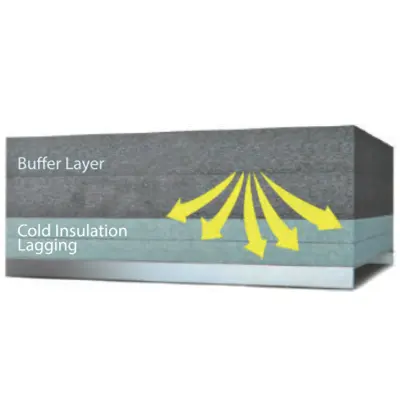
Specialized high-density formulation designed to handle extreme temperature fluctuations without embrittlement.
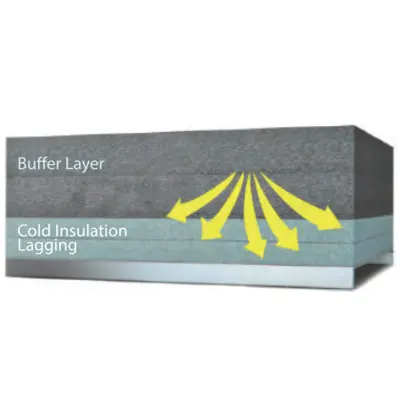
Engineered for low gas processing and chemical plants. Provides structural dampening and thermal efficiency.
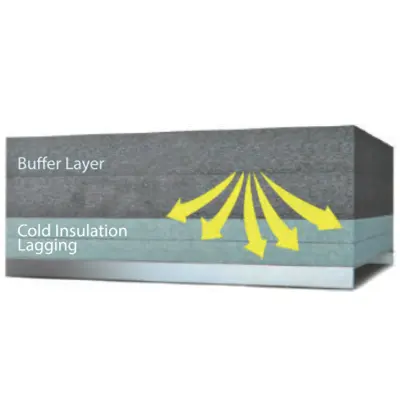
Highly effective thermal insulation barrier developed for deep sub-zero petrochemical piping networks.
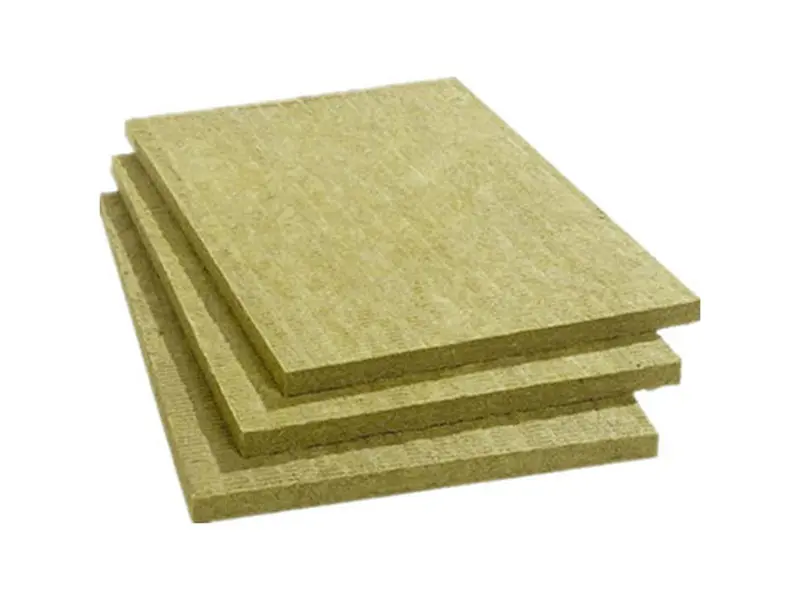
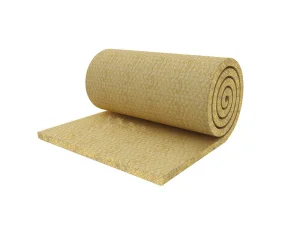
High-density structural core rock wool panels suitable for extreme-temperature industrial vessels.
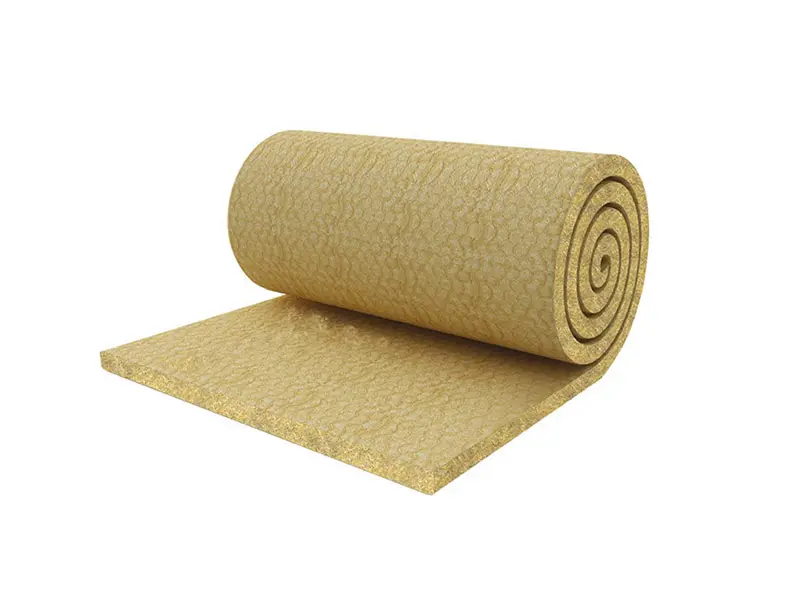
Flexible thermal wraps designed for heavy high-temperature industrial steam piping and boilers.
Behind every meter of Kingflex insulation is a dedicated team of engineers, state-of-the-art laboratory testing, and internationally verified certifications.
Our dedicated R&D division employs 8 senior chemical and polymer engineers focused on advancing formulation technologies. We consistently refine our compound mixtures to lower thermal conductivity and improve flame retardancy. This team maintains our quality control standards, ensuring that every production batch complies with global parameters.
The facility is supported by 6 international sales consultants who manage global distribution, and 230 specialized production personnel operating our automated assembly lines. Our quality management systems verify product properties before shipping, providing traceability across all orders.
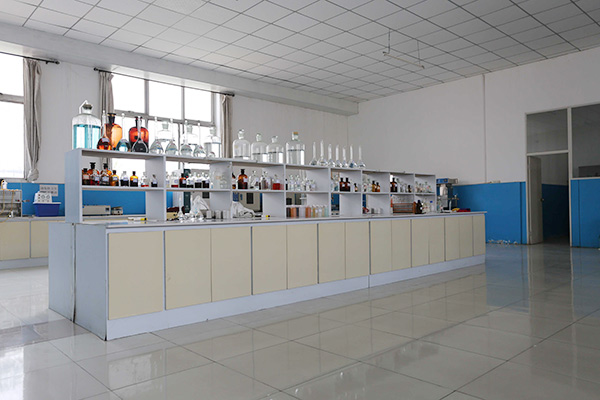
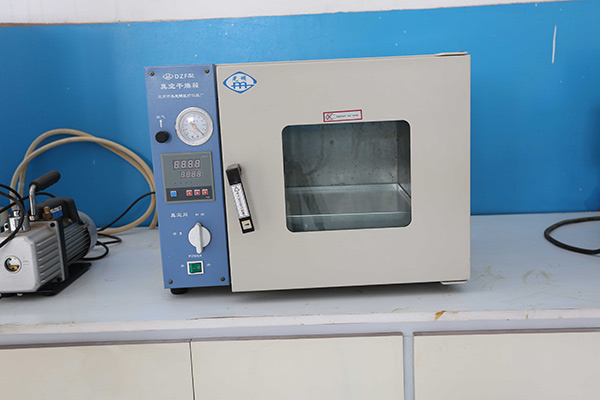
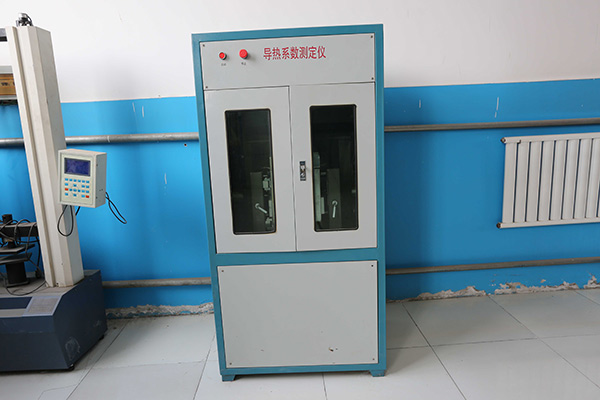
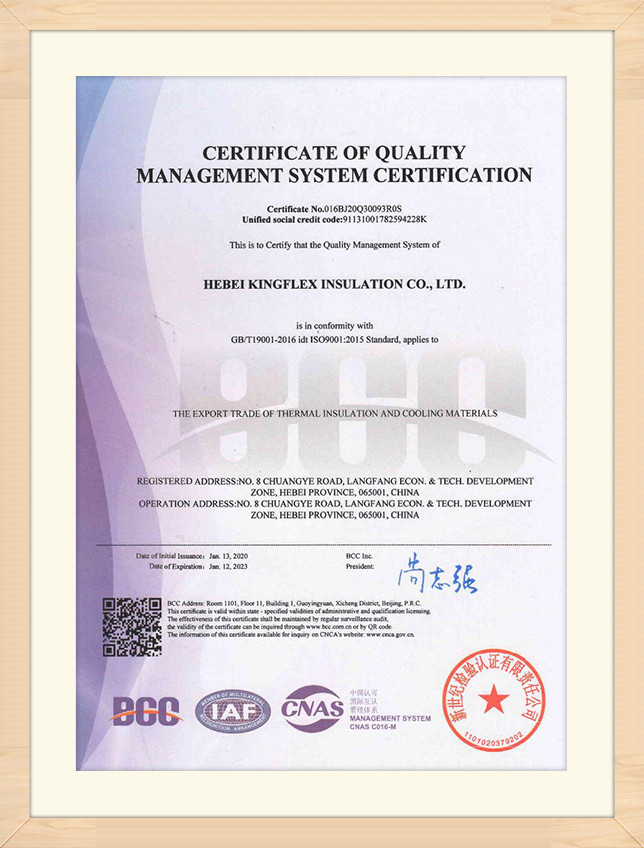
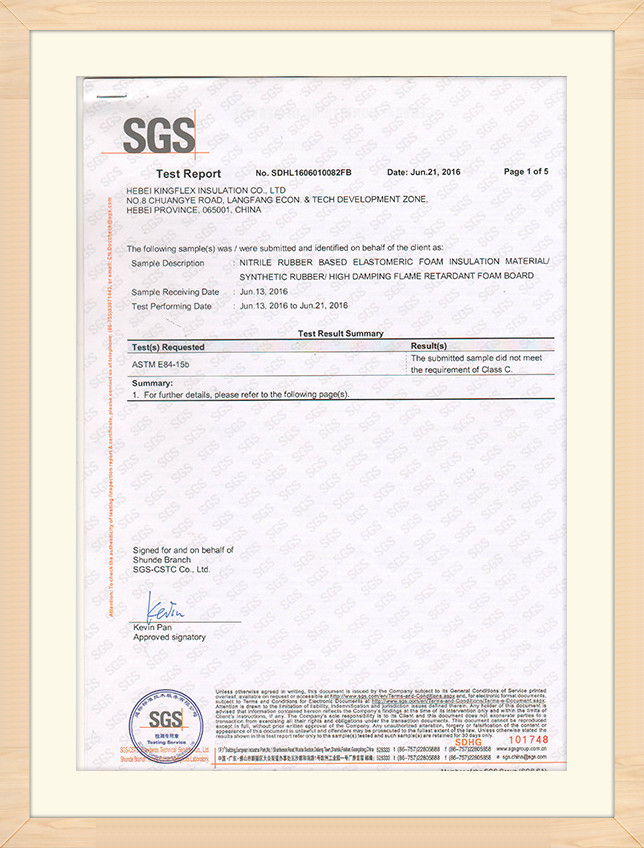
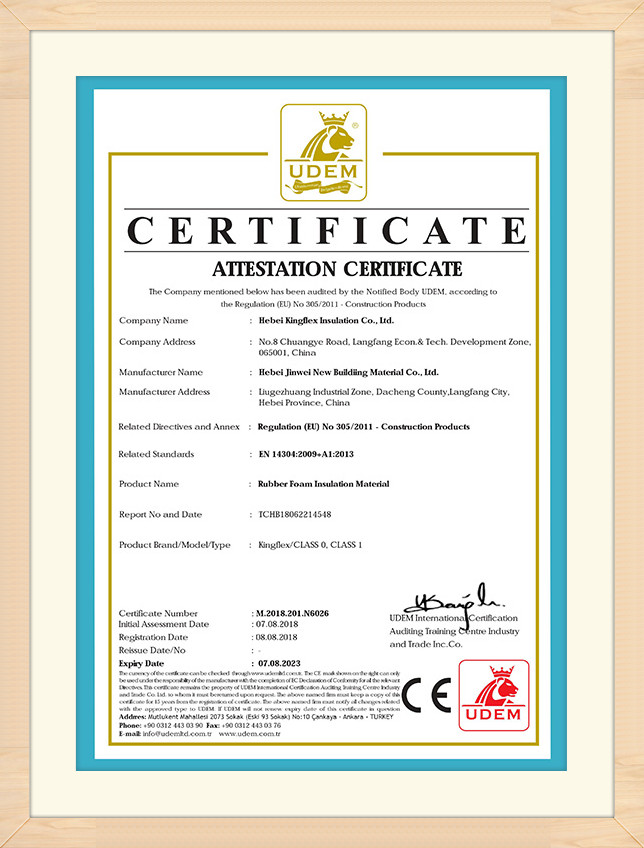
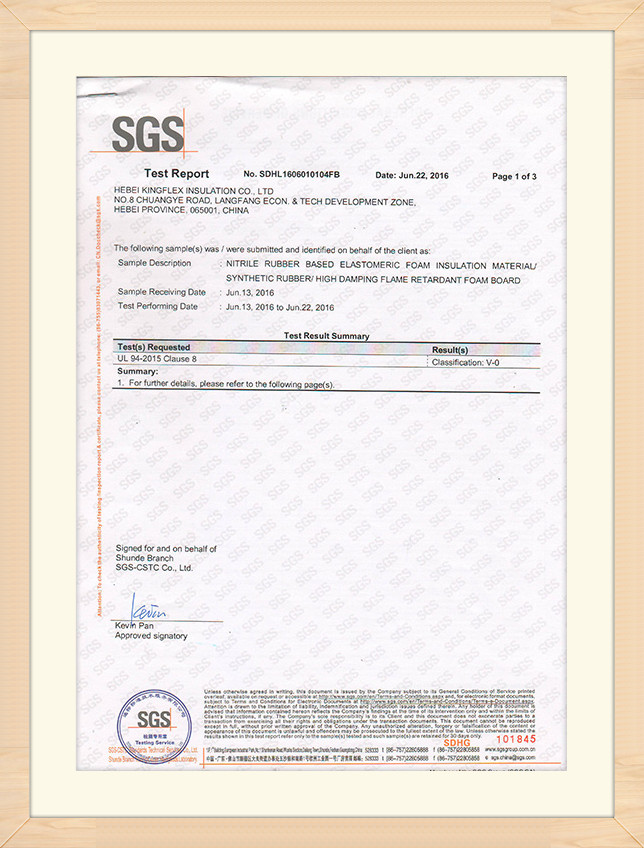
We believe in complete transparency. Our communication logs and export documentation show our commitment to on-time delivery, accurate dimensional configurations, and global client support.

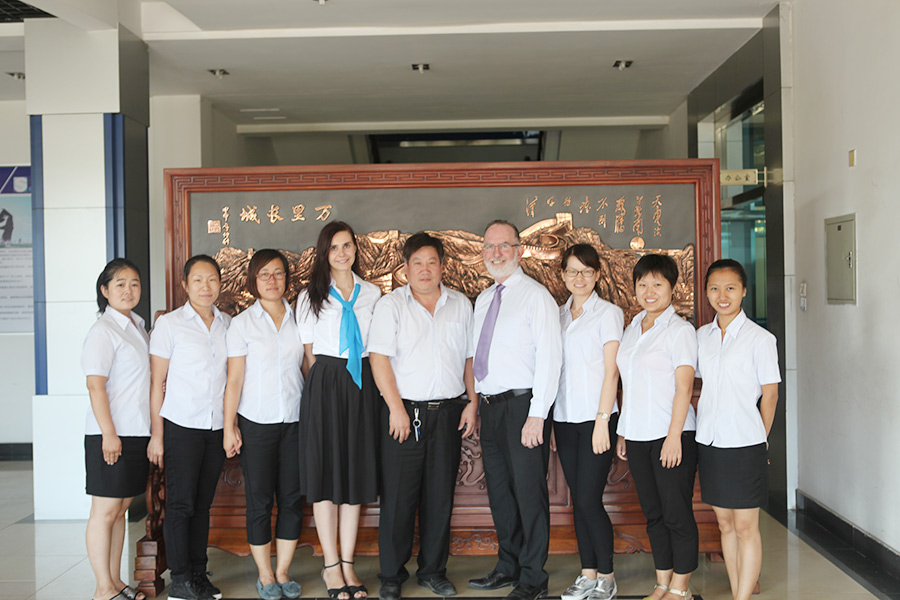
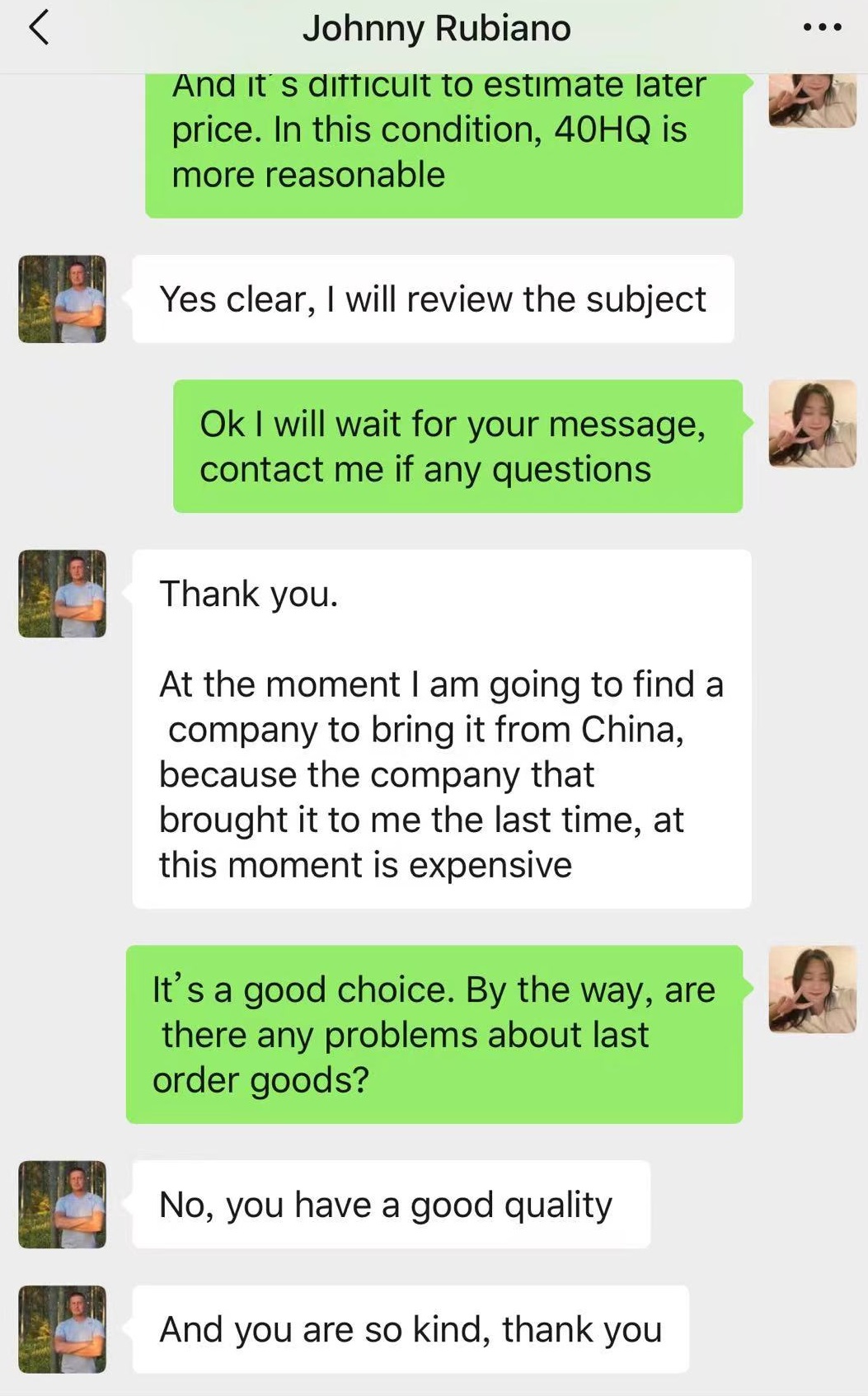
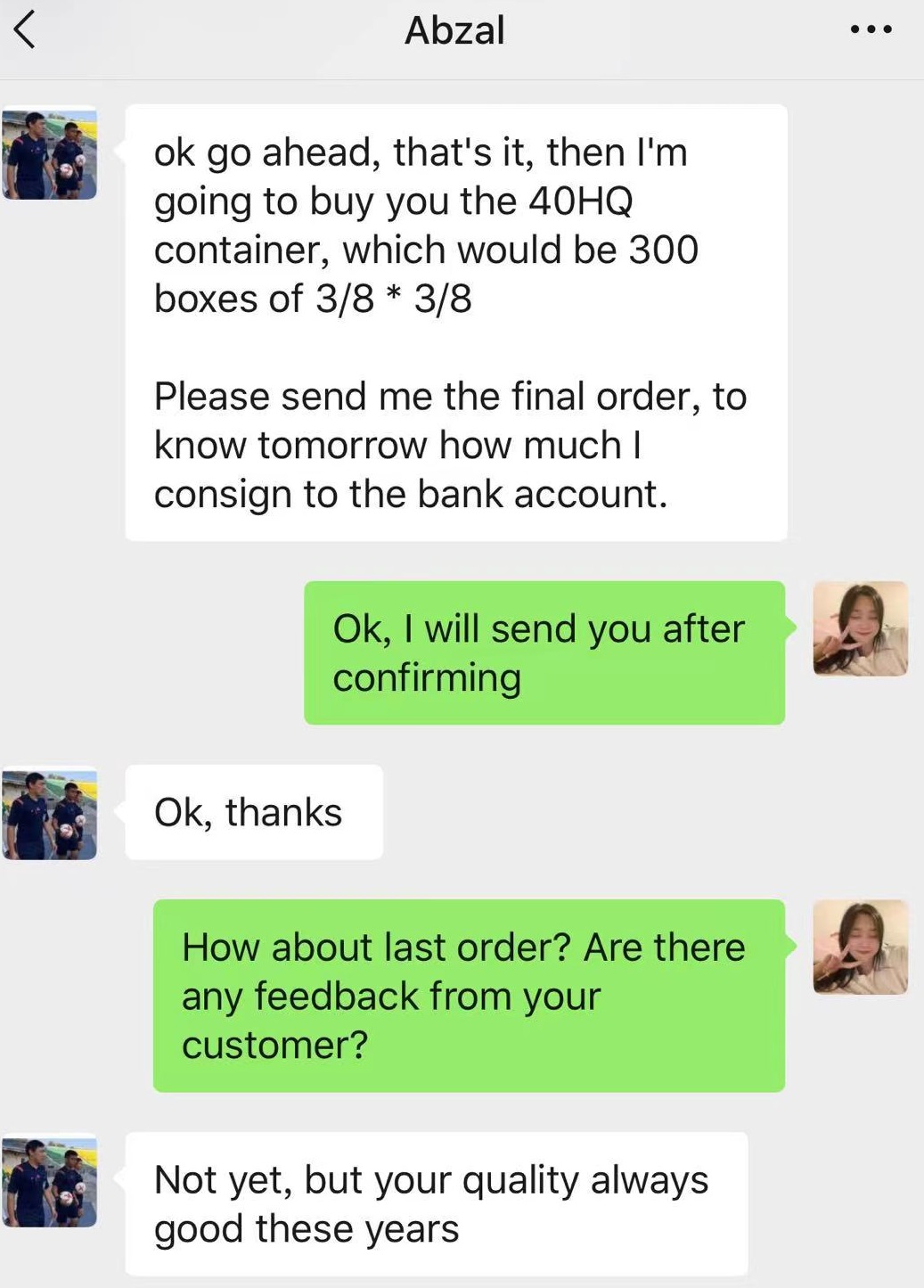
Whether navigating custom dimensional requirements (thicknesses ranging from 6mm up to 50mm) or handling logistics pathways to ports, our customer support teams maintain direct lines of communication. We assist engineering departments in reviewing structural calculations to ensure correct K-values and moisture barrier parameters for their installations.



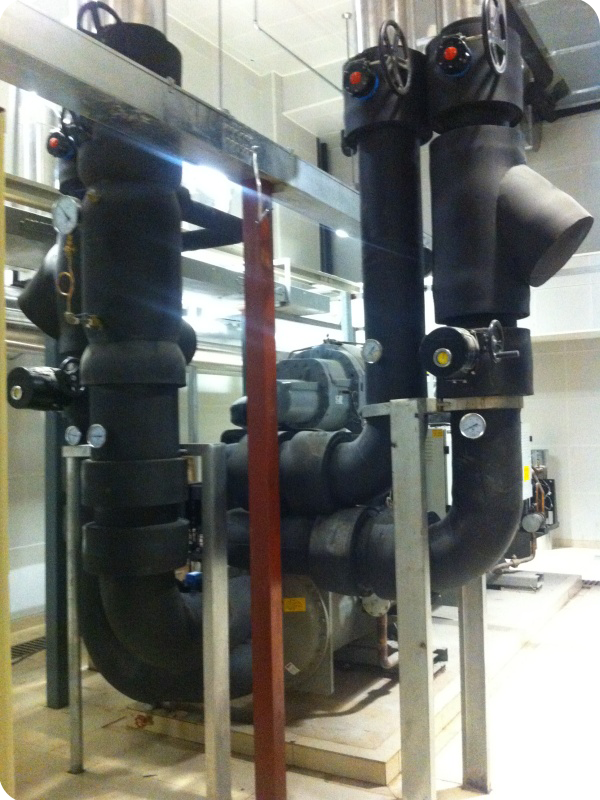
Kingflex closed-cell insulation materials have been installed in complex building systems worldwide. Below are some of our verified project applications.
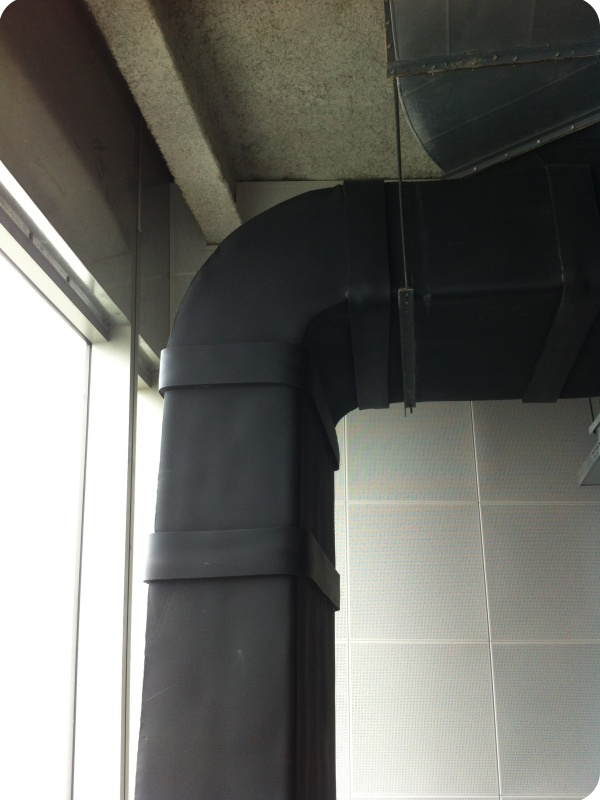

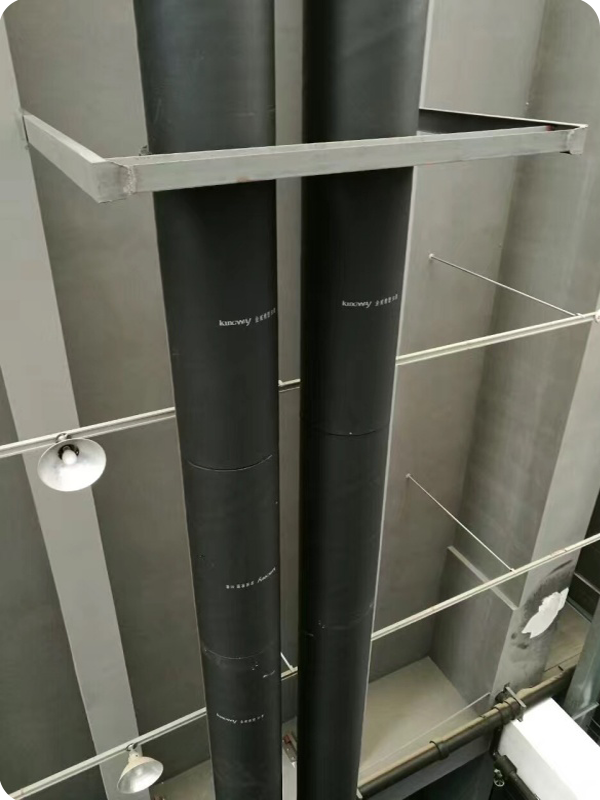
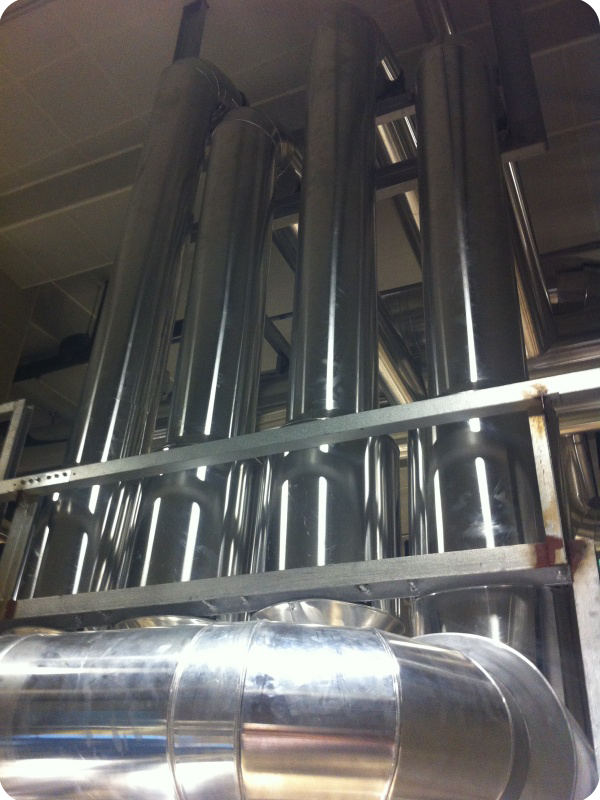
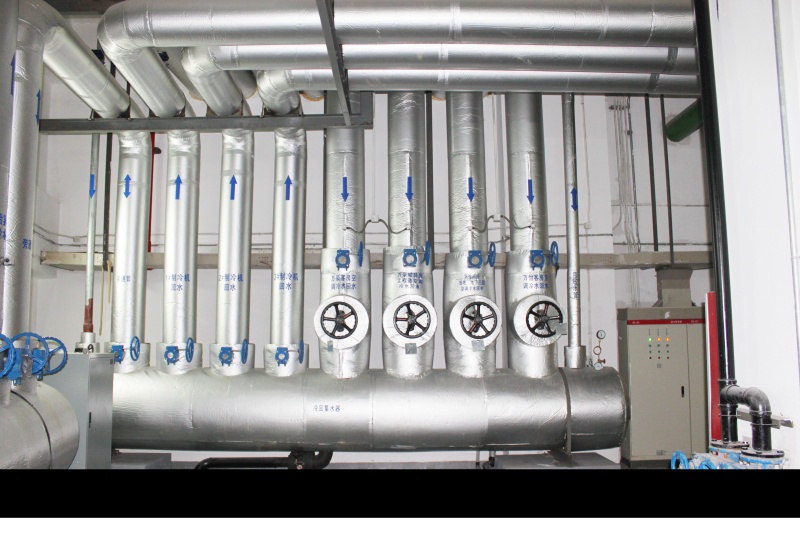
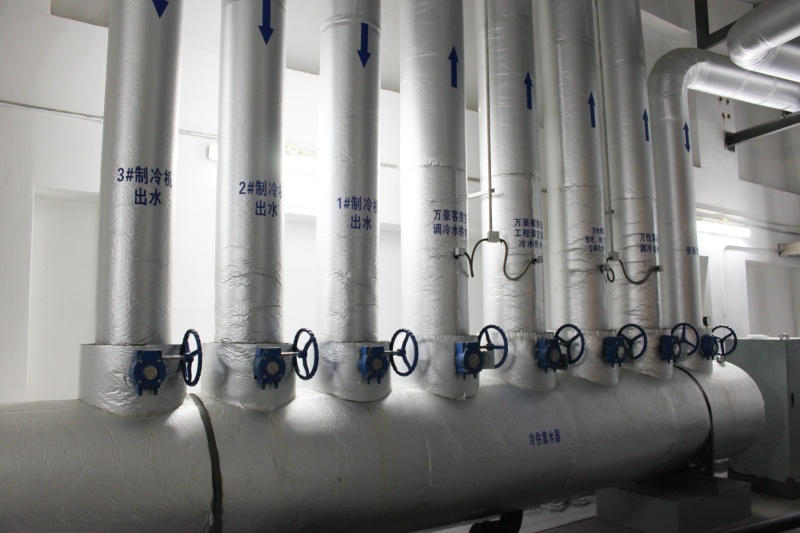
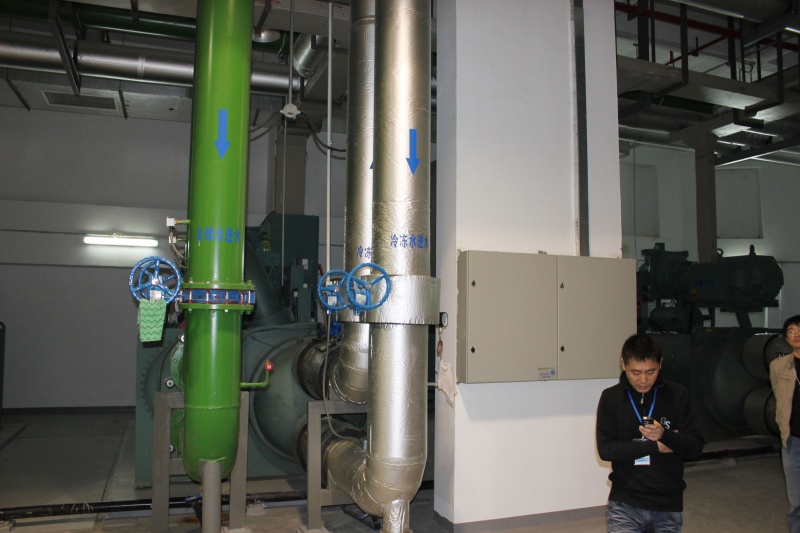
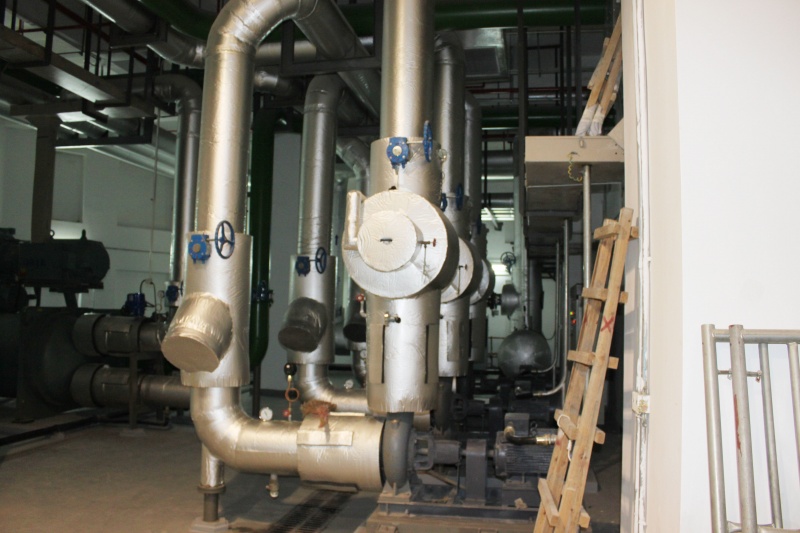
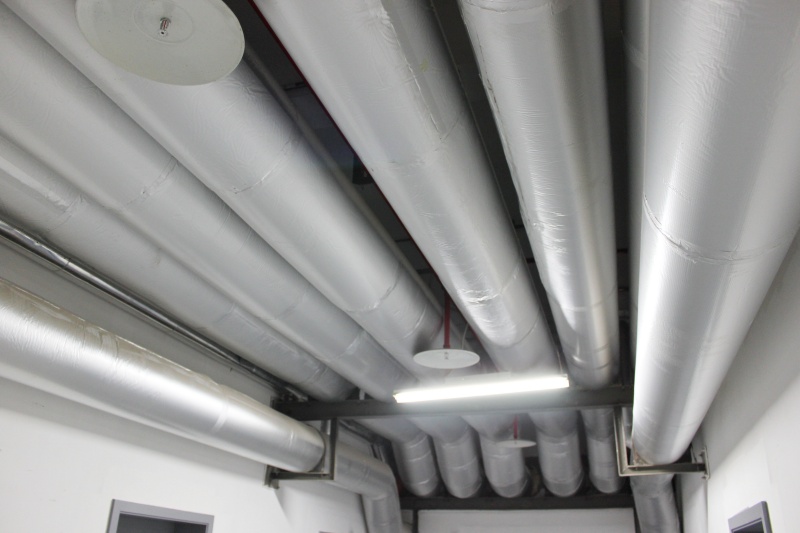

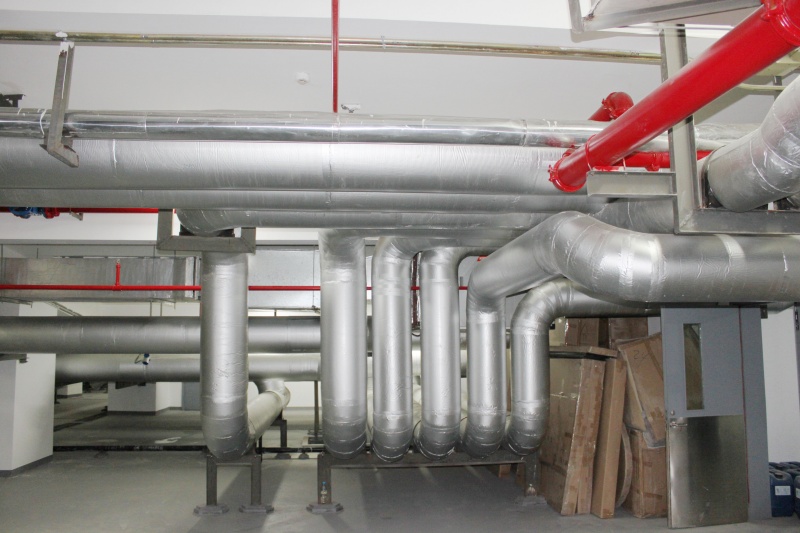

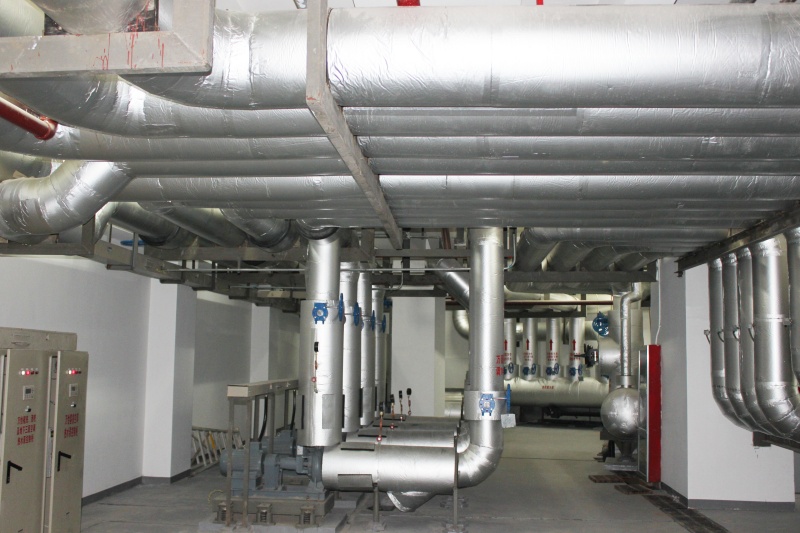
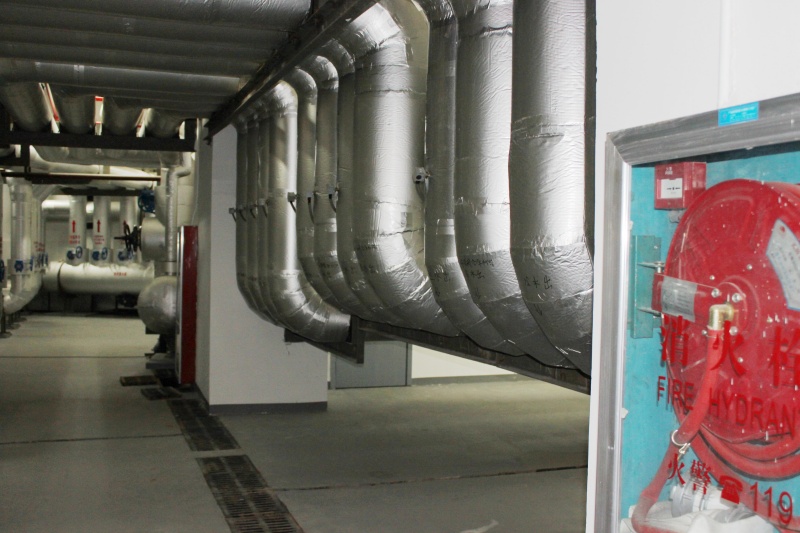
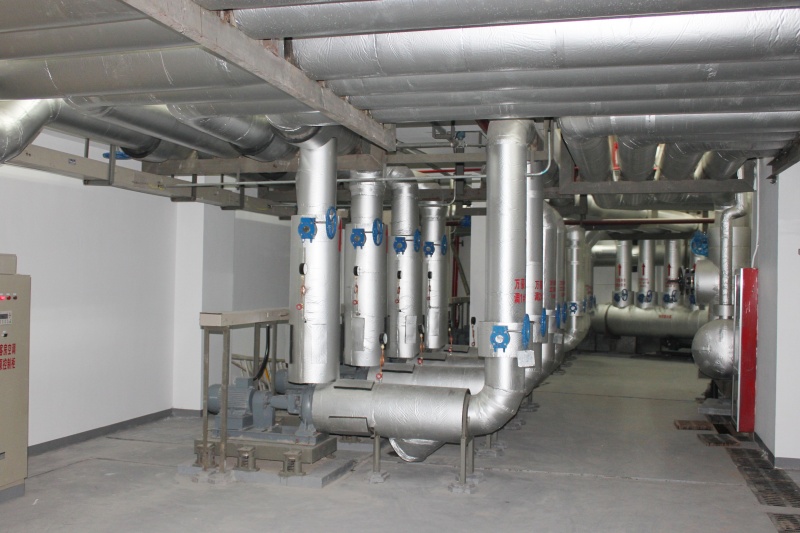
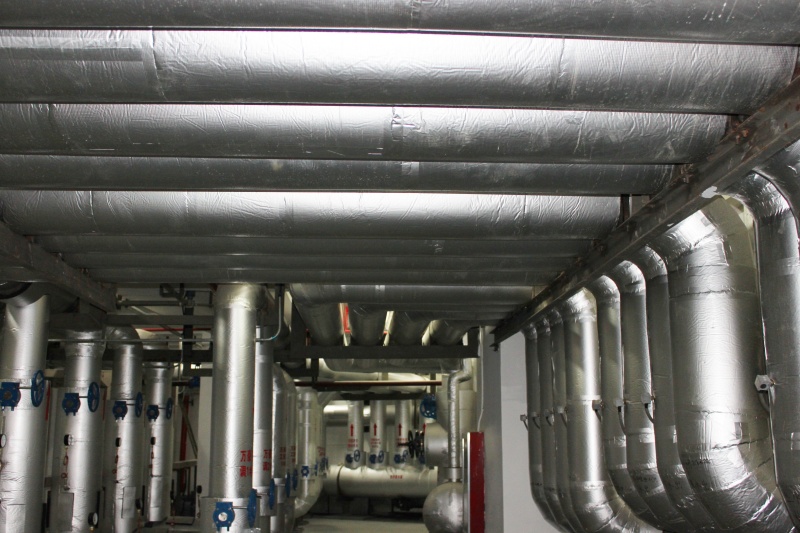
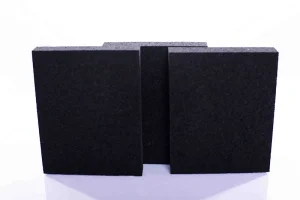
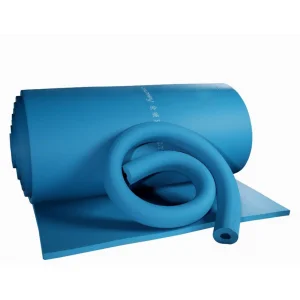
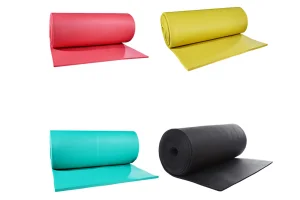
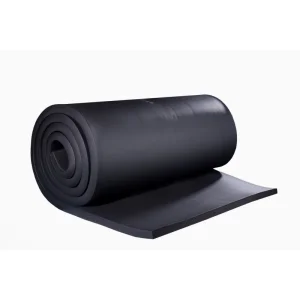
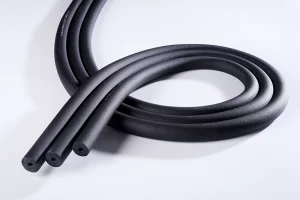
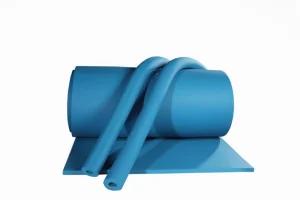
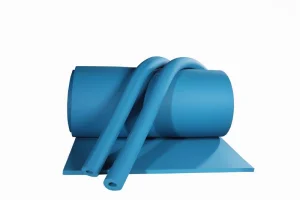
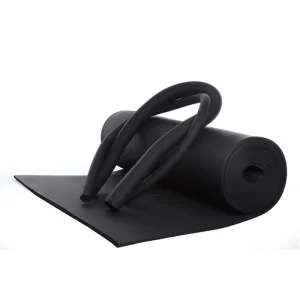
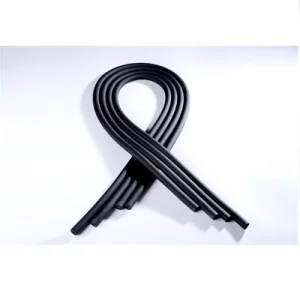
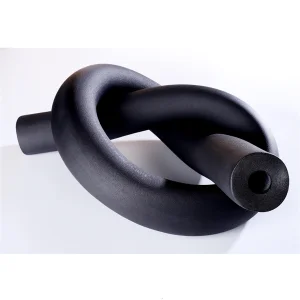
Our black NBR/PVC closed-cell rubber foam insulation sheet rolls and pipes are engineered to prevent heat transfer and eliminate condensation across critical networks. Featuring a high closed-cell ratio and structure, they ensure stable thermal conductivity and lower energy loss throughout the lifetime of the installation.
Commonly applied for wall, roof, air ducting, and basement soundproofing. The structural closed-cell system is resistant to moisture absorption, protecting pipelines from condensation and corrosion.
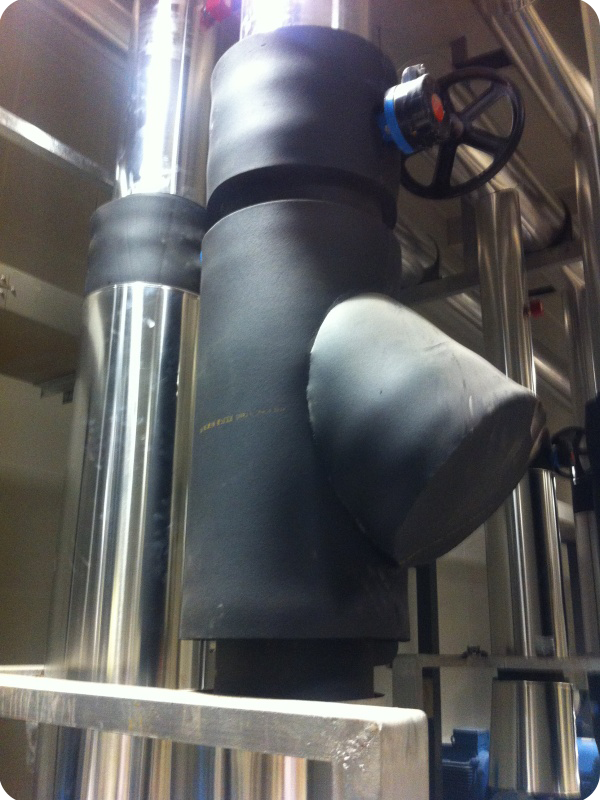
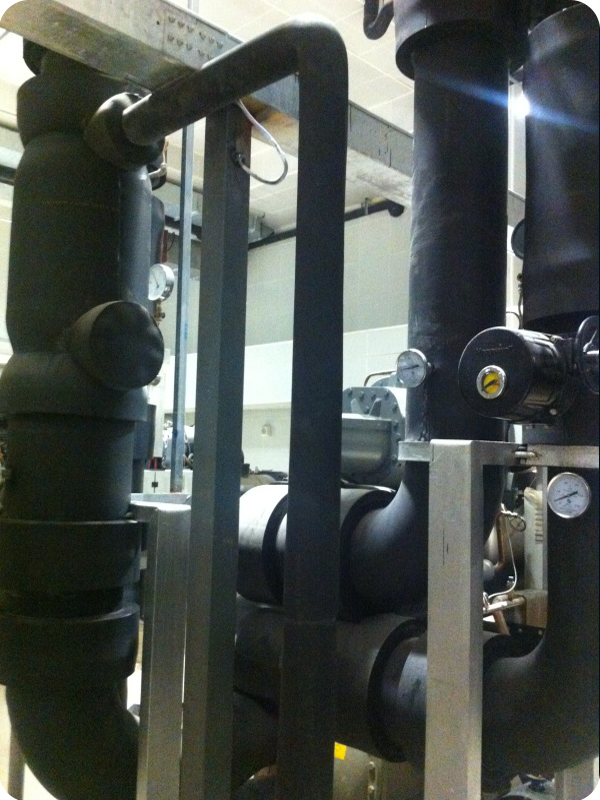
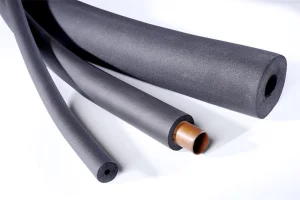
Extensively used to insulate split air conditioning pipe networks, hot/chilled water lines, solar collectors, and process chemical piping. The inner diameter matches clean copper tubes perfectly.

Review answers to standard technical questions regarding Kingflex elastomeric closed-cell rubber foam insulation.
Browse our complete selection of elastomeric foam sheets, high-temperature tubes, cryogenic barriers, and rock wool blankets for your project needs.
 Kingflex