Direct supply line from our manufacturing facility to key industrial applications worldwide.

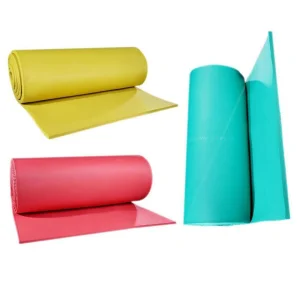
Optimizing mechanical systems requires a comprehensive understanding of the thermodynamics governing pipe insulation. Specifying the correct insulation thickness is critical to control condensation, minimize heat transfer, and maintain system efficiency. When chilled water pipelines or high-temperature lines operate under fluctuating ambient conditions, the choice of thickness determines whether the system operates at peak thermodynamic efficiency or falls victim to condensation and pipe degradation.
The primary mechanism in cold pipeline design is the calculation of dew point temperature limits. If the surface temperature of the insulated pipe falls below the surrounding air's dew point, water vapor will condense. This liquid water risks corroding the underlying metal pipeline (Corrosion Under Insulation, or CUI) and promotes mold growth. By using a high-density, closed-cell NBR/PVC elastomer matrix, mechanical designers can implement thin-profile insulation barriers that provide exceptional thermal performance.
| Service Temperature Range | Recommended Insulation Thickness (Standard Ambient 27°C, 75% RH) | Closed-Cell Factor (μ) | Thermal Conductivity (λ) |
|---|---|---|---|
| -40°C to -10°C (Cryogenic / Refrigeration) | 25mm to 50mm | ≥ 10,000 | ≤ 0.033 W/m·K |
| -10°C to 10°C (Chilled Water / HVAC) | 13mm to 25mm | ≥ 8,000 | ≤ 0.035 W/m·K |
| 10°C to 50°C (Process Water / Warm Water) | 9mm to 19mm | ≥ 7,000 | ≤ 0.037 W/m·K |
| 50°C to 105°C (Industrial Hot Steam / Heating) | 19mm to 40mm | ≥ 7,000 | ≤ 0.040 W/m·K |
In cylindrical geometries, adding insulation increases the outer surface area for convective heat transfer, while simultaneously increasing thermal resistance. The point where these opposing parameters balance is the critical radius of insulation. For micro-tubular plumbing, adding insulation below this critical limit can inadvertently increase heat loss. Therefore, engineering accurate thickness schedules based on ASTM C585 standards is vital to guarantee that the insulation functions as a thermal barrier rather than a thermal dissipation fin.
Modern building construction and mechanical industries are shifting toward decarbonization and energy-efficient building standards (such as LEED v4, BREEAM, and DGNB). Consequently, specifying performance-rated thickness for rubber foam systems has become a baseline standard for global construction projects. Industry regulations such as ASHRAE 90.1 dictate minimum thermal resistance values for plumbing systems, driving the demand for precise elastomeric insulation thickness variations.
Global enterprise buyers, particularly engineering procurement firms (EPC contractors), require suppliers with certified manufacturing output. They seek factories that can provide traceable product testing certifications and custom configurations to match regional building codes. For instance, the European market prioritizes high-smoke classification standards (EN 13501-1, B-s3, d0), while the North American market relies on ASTM E84 flame spread index values of less than 25 and smoke-developed indexes below 50.
Annual Production Capacity
Export Destinations Globally
Manufacturing Heritage
Closed-Cell Uniformity
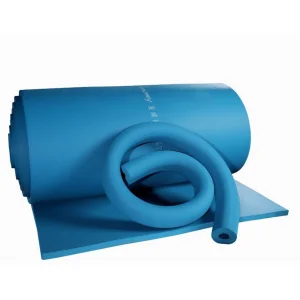
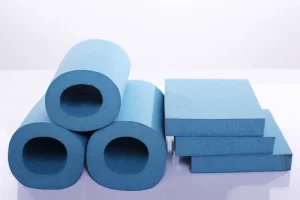
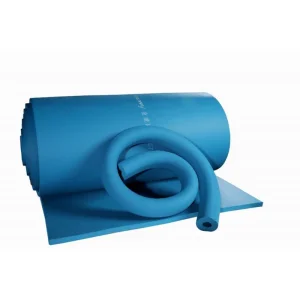
Analyzing the performance metrics of elastomeric insulation rolls and pre-formed tubes.
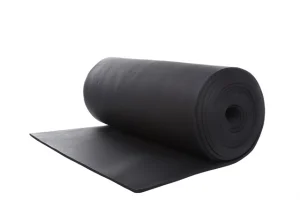
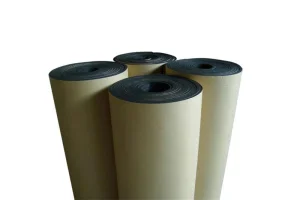
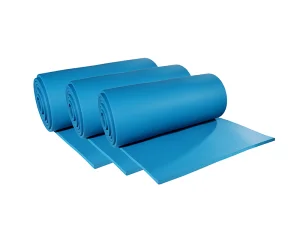
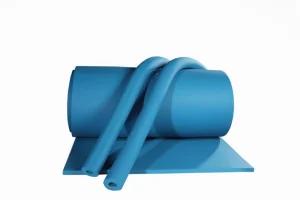
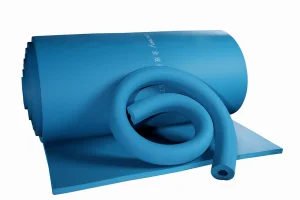
Engineered for large-diameter pipes, rectangular ductwork, and flat equipment profiles. The uniform micro-cell structure prevents moisture ingress, making it suitable for high-humidity environments.
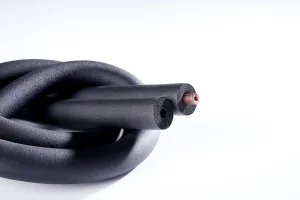
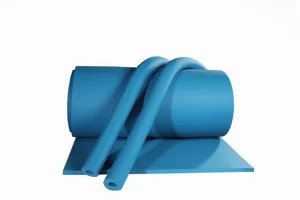
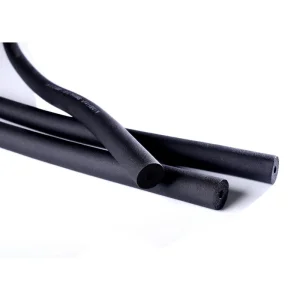
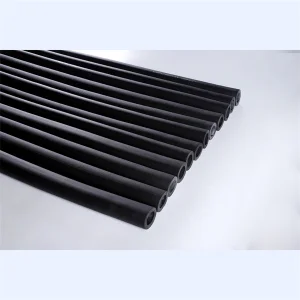
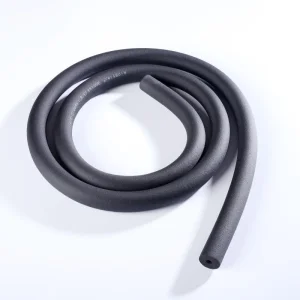
Pre-extruded cylindrical sleeves designed for slide-on or slit-and-seal installation over copper, steel, and plastic piping systems. Ensures uniform thickness distribution around the pipe circumference.
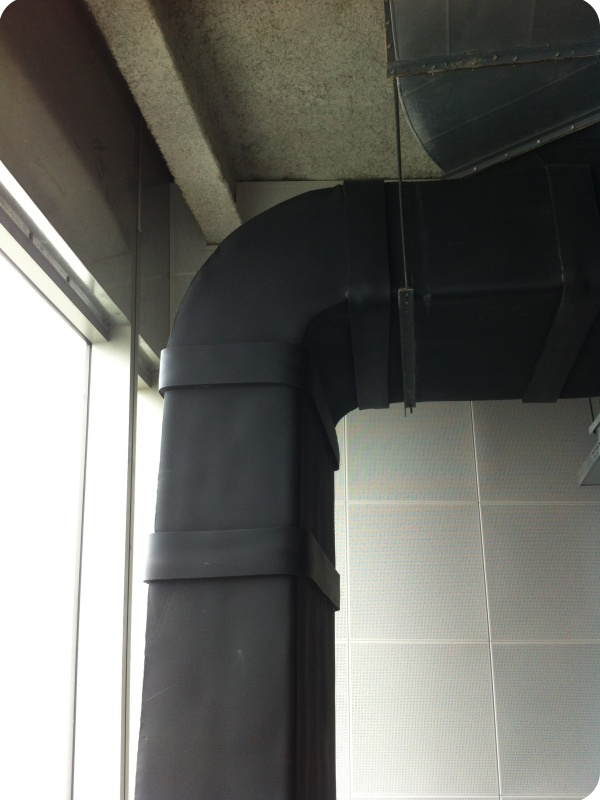

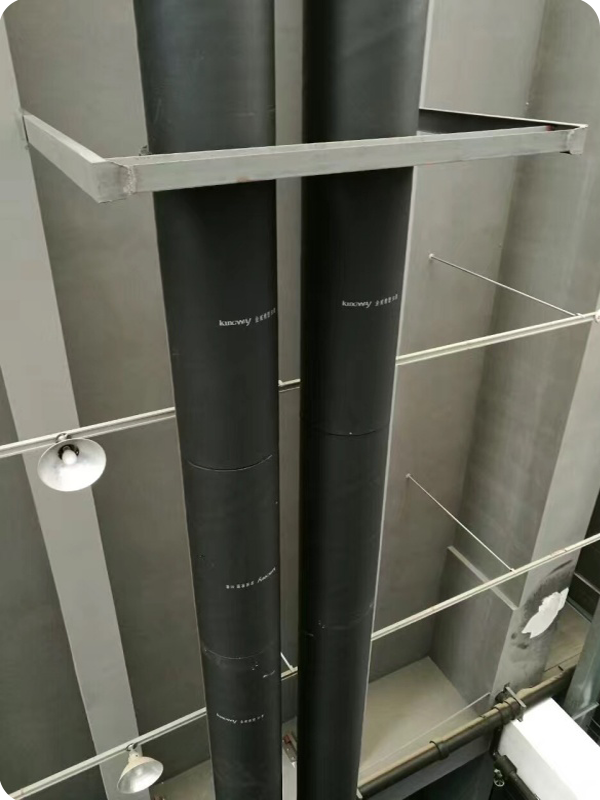
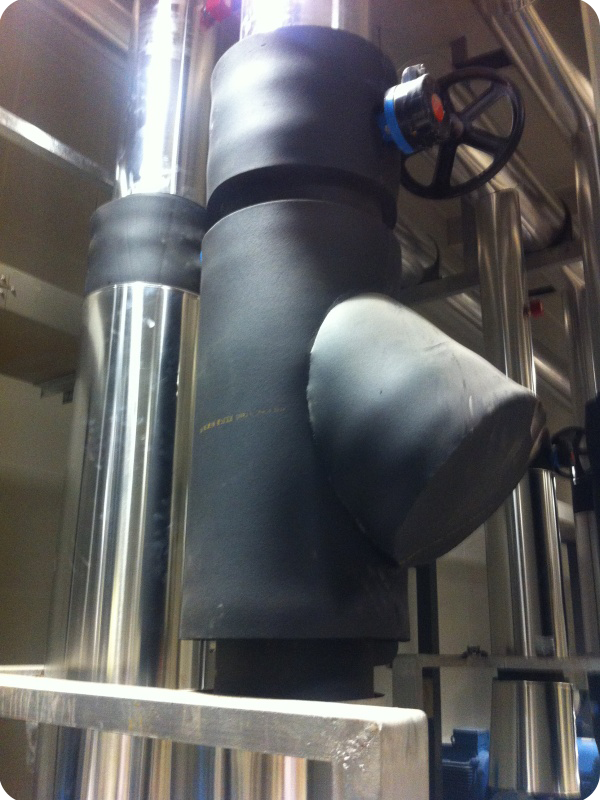
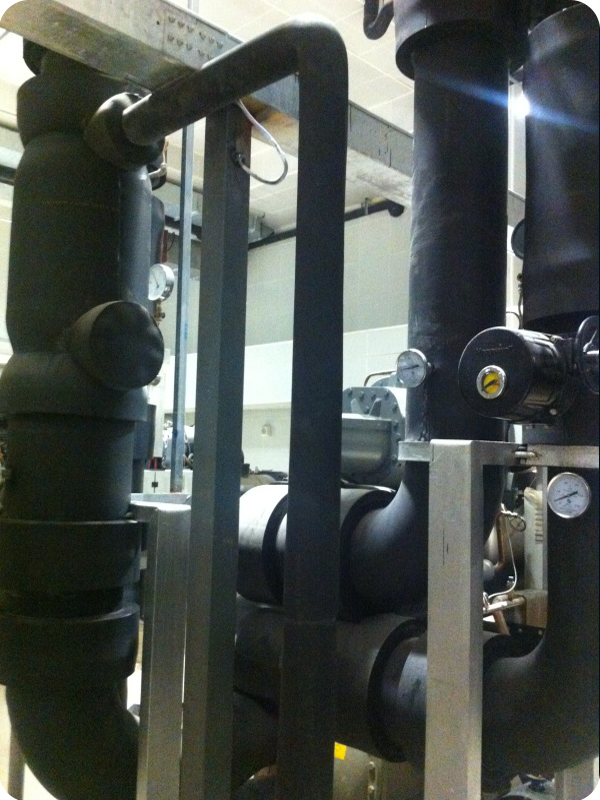
How thickness design principles are implemented in critical global infrastructure installations.
Across HVAC, industrial, and maritime applications, insulation systems must handle distinct mechanical and ambient demands. Specifying insulation thickness schedules helps minimize operational risk and preserve system performance:


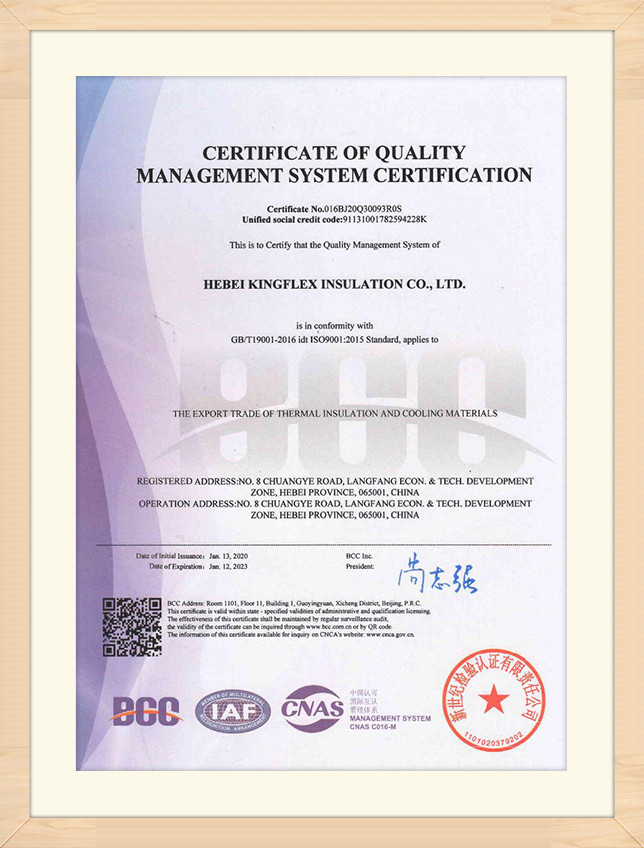
Ensuring global market access through rigorous QA frameworks and third-party validation.
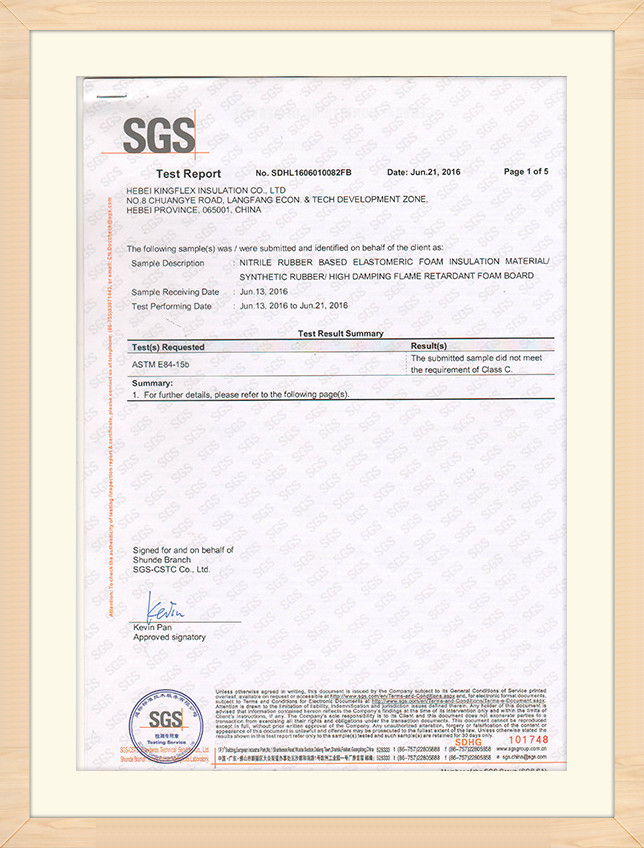
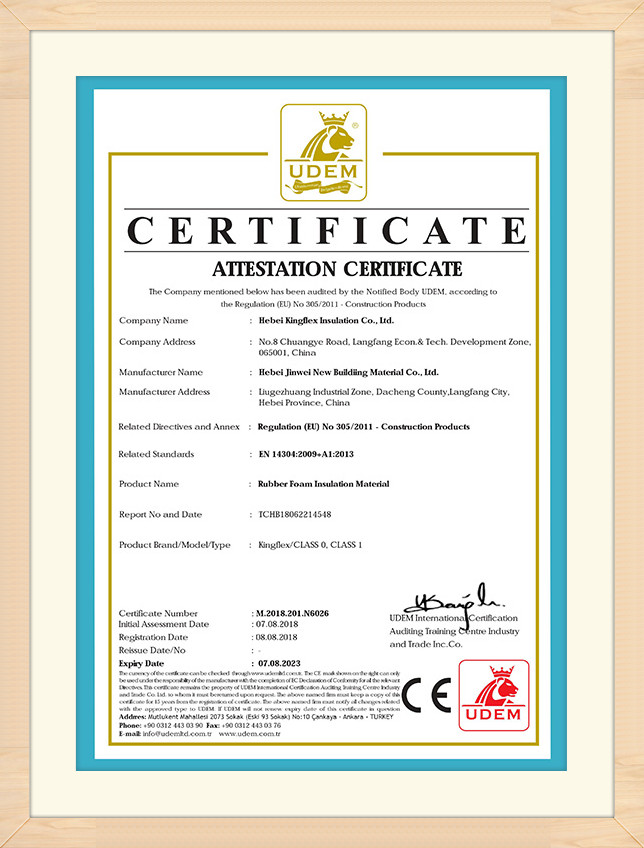
In modern industrial procurement, international regulatory compliance is key to field safety. Our products undergo third-party laboratory evaluations to ensure they meet requirements for fire safety, structural performance, and environmental protection.
Our material matrix holds certifications including CE, BS 476, REACH, RoHS, UL94, and ASTM, verifying low toxicity and high chemical resistance. These credentials ensure compliance with local building safety, cleanroom, and transport standards across global regions.
The insulation industry continues to evolve beyond conventional materials. Future thermodynamic designs prioritize bio-based plasticizers and halogen-free fire retardants to reduce environmental impact. In response, our materials research is focusing on composite materials, such as aerogel-enhanced elastomeric foams, which aim to provide higher thermal resistance with a thinner material profile.
Additionally, smart insulation systems featuring integrated moisture sensors (IoT-enabled CUI prevention) are being introduced. These systems alert facilities managers to potential leaks before moisture can degrade the pipeline, shifting maintenance from reactive to predictive.
Addressing core technical questions from design engineers and procurement teams.
A1: It is primarily used for HVAC ducts, air conditioning lines, structural building thermal insulation, industrial pipeline cold insulation, and acoustic sound dampening.
A2: Yes. Our products incorporate specialized flame retardants to meet BS 476, UL94 Class V-0, and ASTM flammability standards, preventing flame spread and self-extinguishing upon source removal.
A3: Rubber foam features a flexible, closed-cell structure that resists moisture without requiring an additional vapor barrier, making it suitable for cold pipelines and HVAC systems. Rock wool is a high-temperature fibrous material best suited for heavy industrial thermal protection and high-temp steam pipes.
A4: Yes. We offer comprehensive OEM and ODM support, allowing adjustments to wall thickness, internal diameters, and adhesive backing configurations to meet specific project guidelines.
A5: Our products are certified under BS 476, CE, REACH, RoHS, UL94, and ASTM, ensuring compliance with global environmental and safety regulations.
A6: Yes. Every batch undergoes QR-code serialization and materials tracking, providing full batch traceability from raw material selection through final manufacturing and shipping.
A7: We manufacture sheet rolls in thicknesses ranging from 6mm up to 50mm, catering to various thermal requirements.
A8: Under standard operating temperatures (-40°C to 105°C) and with proper installation, our materials offer an expected service life of 10 to 15 years.
About Kingflex Insulation Co., Ltd. — A reliable manufacturer of closed-cell elastomeric solutions.
Kingflex Insulation Co., Ltd. is a specialized manufacturer and exporter of high-performance thermal insulation products. Located in Dacheng, China—a hub for green building materials—the company focuses on energy conservation and environmental research and development. We support partners from initial planning through custom design, high-volume production, installation support, and post-sales technical guidance.
Established by the Jinwei Group, which has a 40-year history since its founding in 1979, Kingflex builds on decades of manufacturing experience. Jinwei Group was the first manufacturer of thermal insulation materials north of the Yangtze River, paving the way for advanced elastomeric foam production.
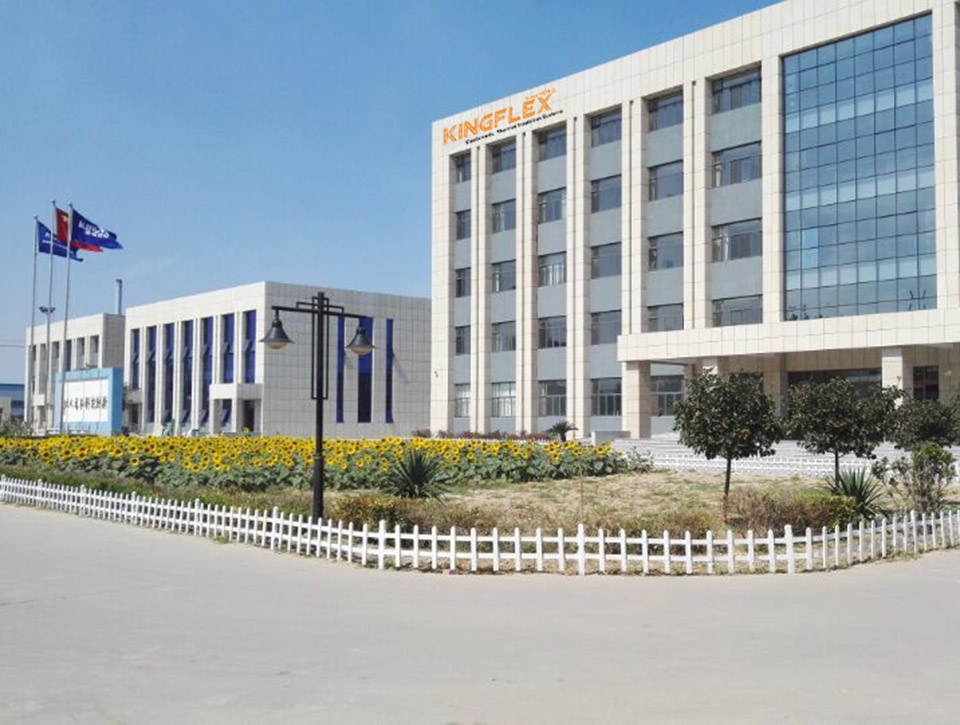
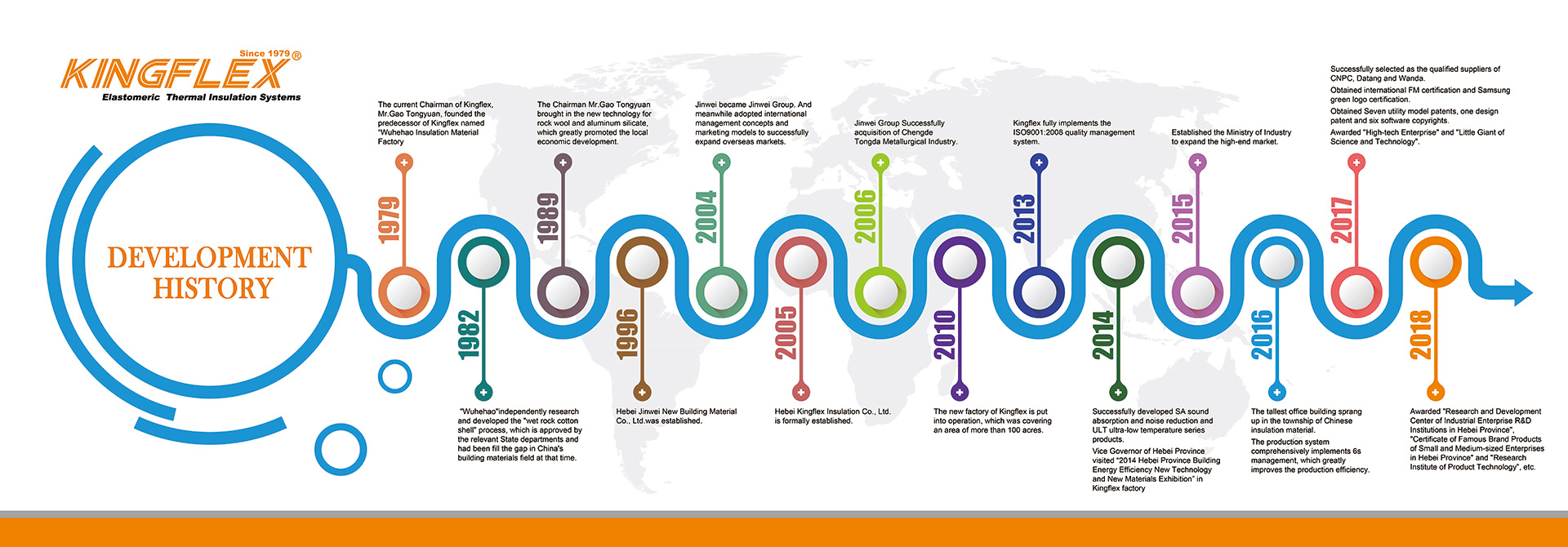

At present, Kingflex operates 5 large-scale automated assembly lines, delivering an annual production capacity exceeding 600,000 cubic meters. This capacity has made us a designated manufacturing supplier for national energy, power, and chemical industry projects. Over the past 16 years, our product range has expanded to sixty-six countries, supported by a specialized team of 8 R&D engineers, 6 international sales managers, and 230 production personnel.
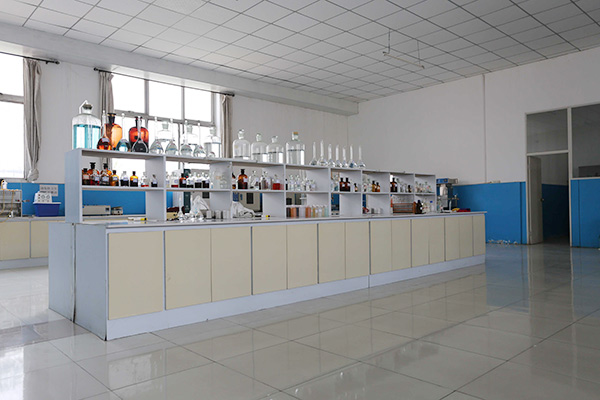
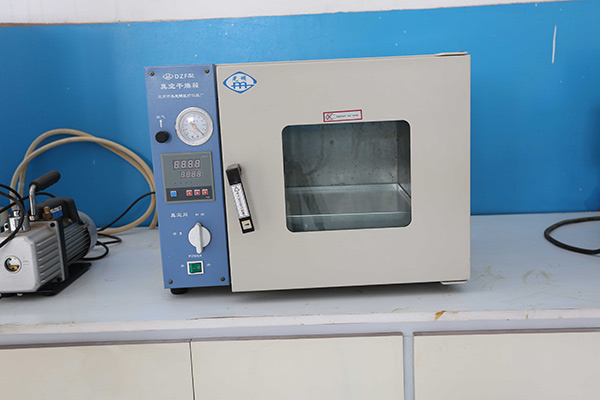
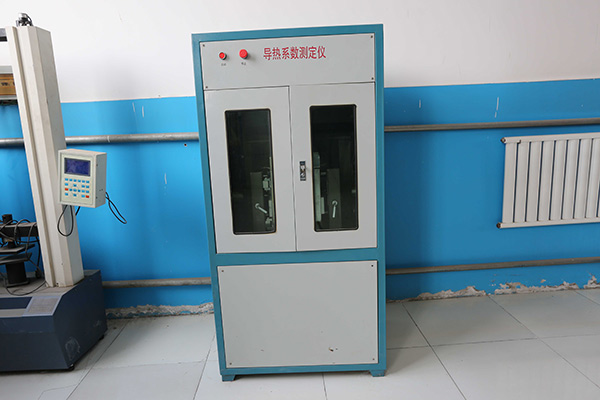
Through close technical cooperation and verified performance metrics, our international team maintains strong communication and relationships with global project managers and distributors.


Explore our full range of elastomeric NBR foam solutions designed for cold systems, HVAC, and industrial piping.
 Kingflex