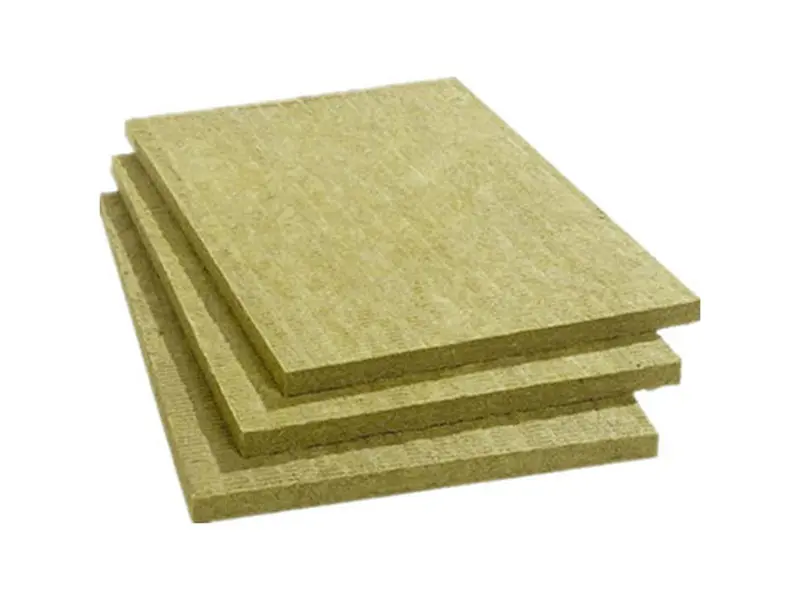
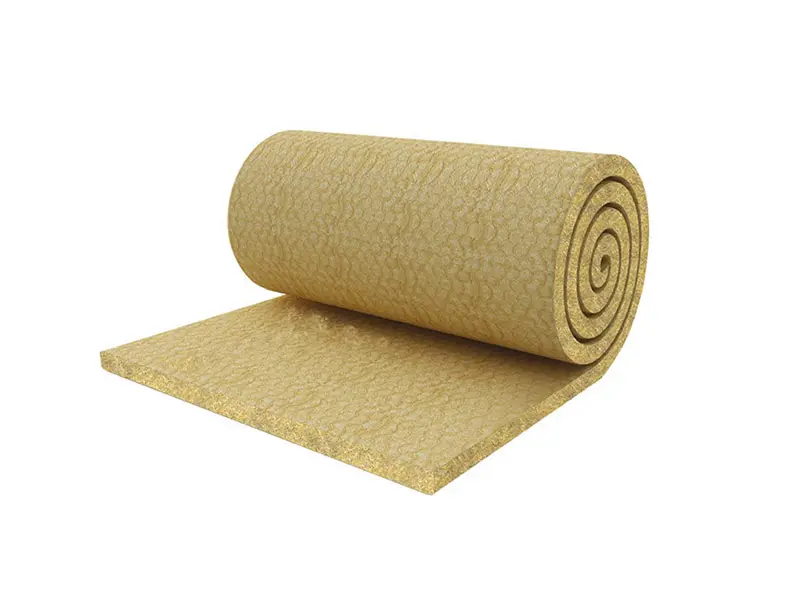
High-Performance Acoustic and Cryogenic Solutions Designed for Global Infrastructure Projects.
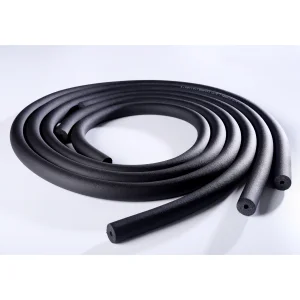
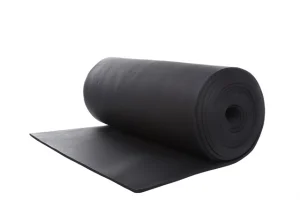
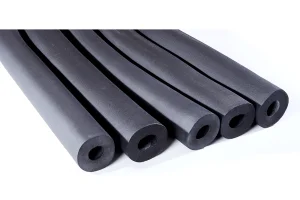
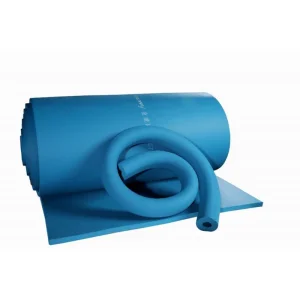
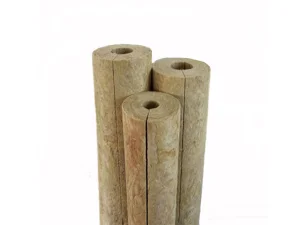
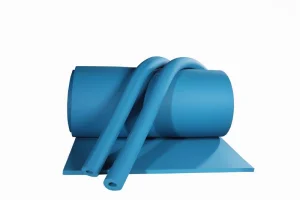
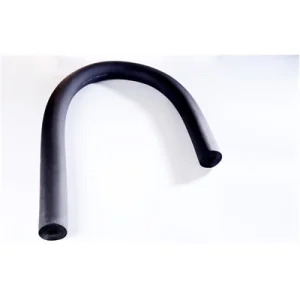
An engineering-level evaluation of acoustic transmission, thermal efficiency, and next-generation composite elastomers.
In modern industrial, commercial, and high-density residential architecture, piping infrastructure functions as an unintended superhighway for acoustic transmission. Fluid dynamics, pressure changes, pump vibrations, and turbulent media flows trigger high-frequency and low-frequency structure-borne vibrations. Left unmitigated, these vibrations decouple into airborne noise, impacting occupant wellness and breaching municipal regulations.
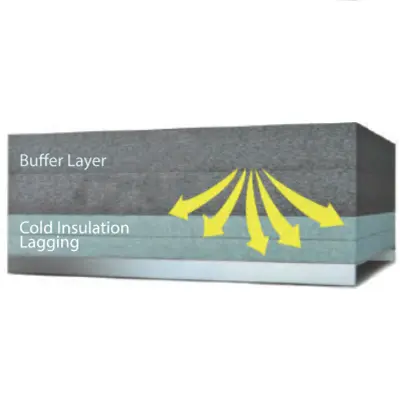
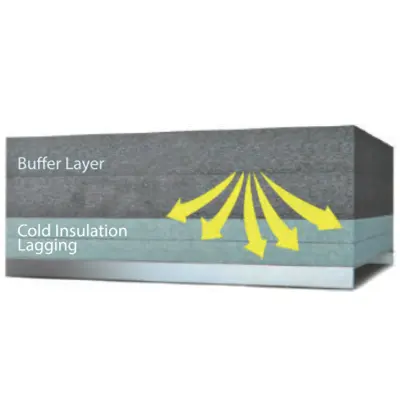
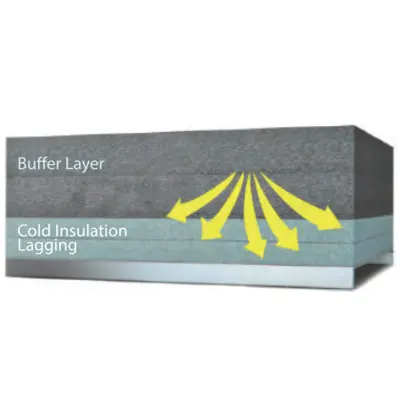
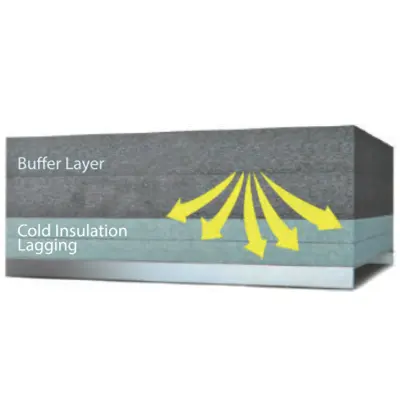
The global mechanical pipe insulation market has shifted from basic thermal barriers to multi-functional acoustic attenuation materials. Advanced mechanical designers specify materials that combine sound dampening (high insertion loss values) with superior thermal barrier performance (low thermal conductivity). Research indicates that composite elastomers—specifically closed-cell NBR/PVC structures modified with high-density mineral fillers—exhibit viscoelastic dampening. This material science innovation prevents sound waves from vibrating mechanical pipelines while maintaining a hermetic seal against moisture and energy loss.
For EPC (Engineering, Procurement, and Construction) contractors, industrial builders, and MEP consultants, choosing a pipe noise insulation manufacturer involves balancing cost, installation speed, and testing verification. Global regulatory bodies require fire safety compliance (BS 476 Part 6 & 7 Class 0, ASTM E84 25/50 flame and smoke ratings, UL 94 V-0, and CE marking) alongside acoustic performance standards.
Procurement teams require end-to-end traceability of components, verification of non-hazardous materials (such as REACH and RoHS certifications), and consistent mechanical properties. In extreme environments—such as LNG carrier terminals, high-altitude refrigeration loops, and petro-chemical plants—the material must resist thermal cycling stress (-40°C to +105°C and down to cryogenic zones) without micro-fracturing or losing elastomeric memory.
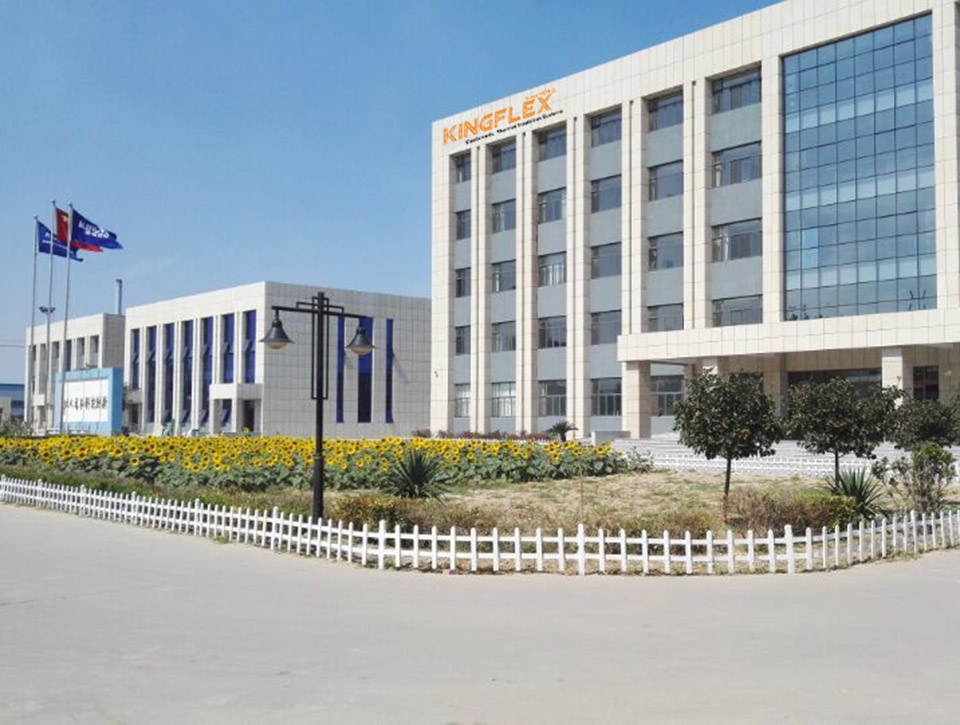
Kingflex Insulation Co., Ltd. operates in Dacheng, China, the capital of green building materials. Operating inside an automated ecosystem, our production facility features five automated continuous assembly lines. With an annual capacity of over 600,000 cubic meters, Kingflex handles large-scale global procurement demands while maintaining high product quality.
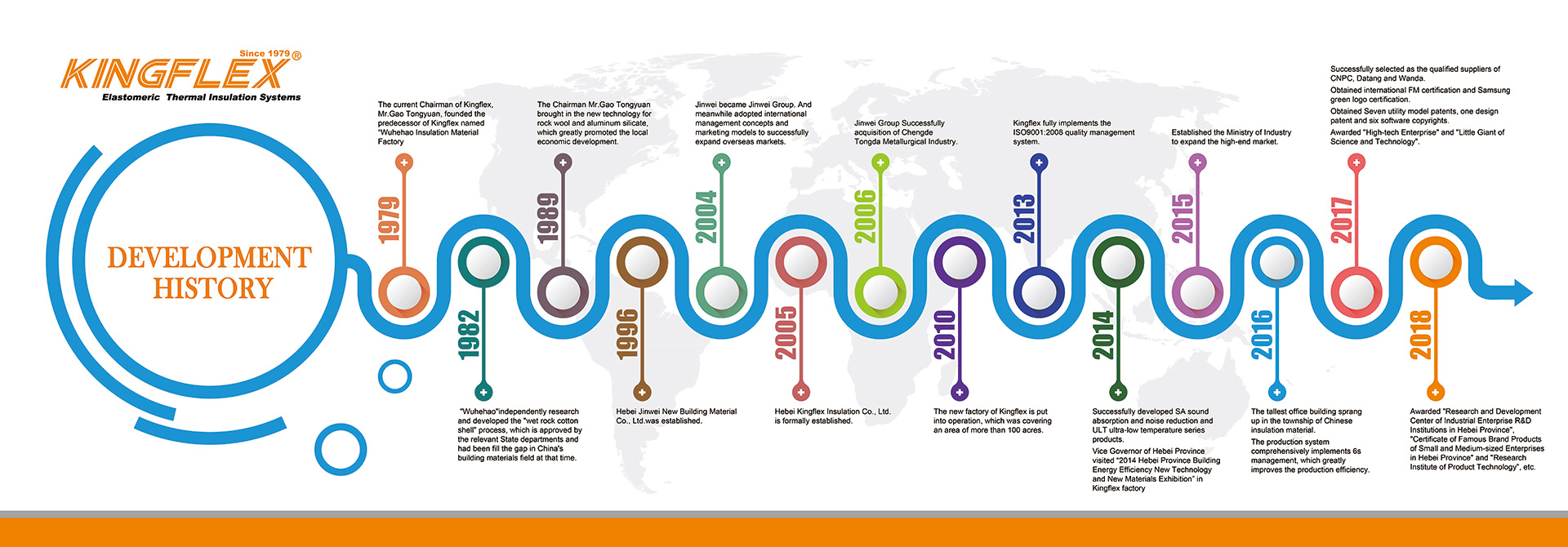
Our legacy is built on the foundation of Jinwei Group (also known as Kingway Group), founded in 1979 as the pioneer of thermal insulation manufacturing north of the Yangtze River. Combining 40 years of industry experience with Industry 4.0 automation, Kingflex ensures precision during the continuous foaming process. Real-time computerized monitoring manages cellular consistency, density distribution, and thickness tolerances, ensuring the stability of every insulation roll and pipe section shipped.
Engineered to meet specific acoustical, fire safety, and thermodynamic requirements.
Our engineering team designs and tests products to meet international building codes and fire safety regulations.
Kingflex maintains an on-site R&D department staffed by eight chemical and structural testing engineers. The laboratory monitors parameters including sound transmission loss coefficient, thermal conductivity (K-value), flammability, and water vapor transmission rate (WVTR). This active R&D focus allows Kingflex to customize products based on project requirements, adjusting density, core thickness, and surface laminations.
This technical approach ensures all products meet international criteria. Kingflex elastomeric materials carry credentials such as BS 476, CE, REACH, RoHS, UL 94, and ASTM certifications, ensuring compliance with global building codes.
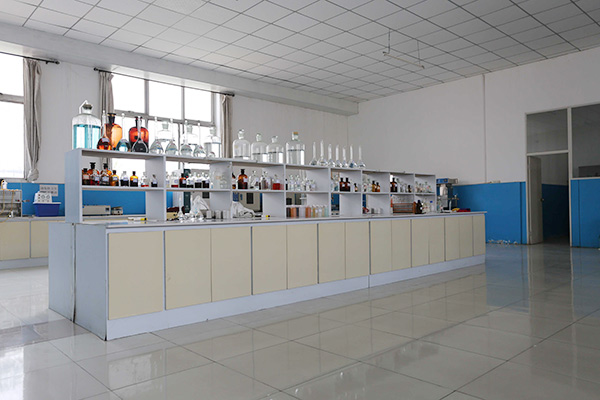
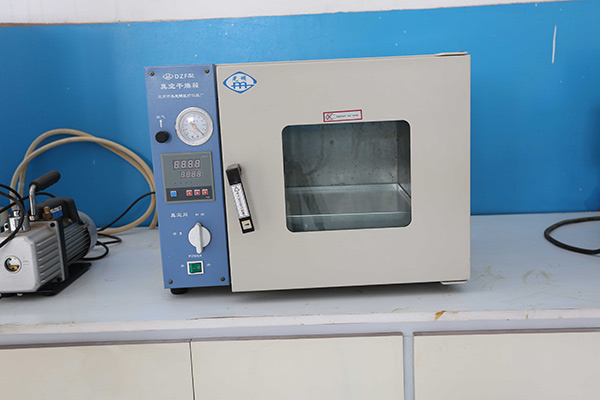
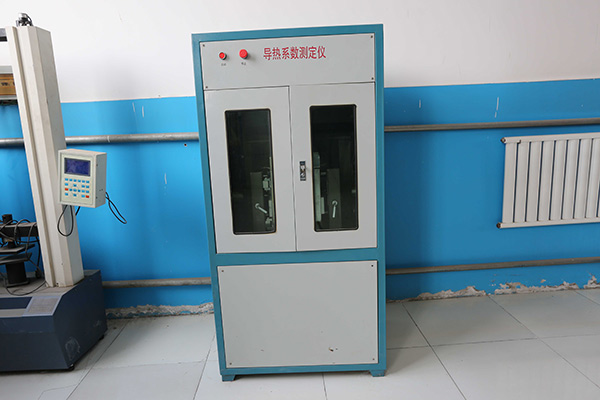
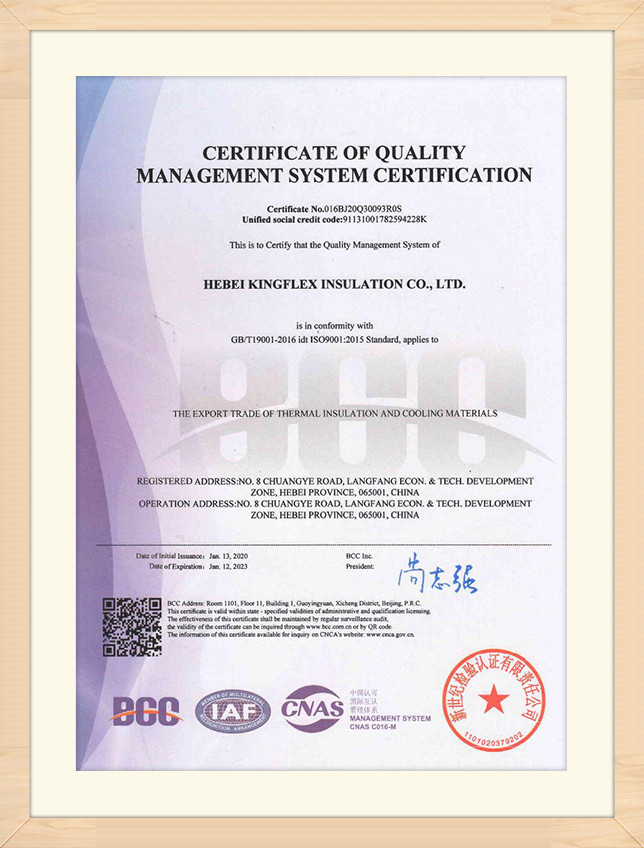
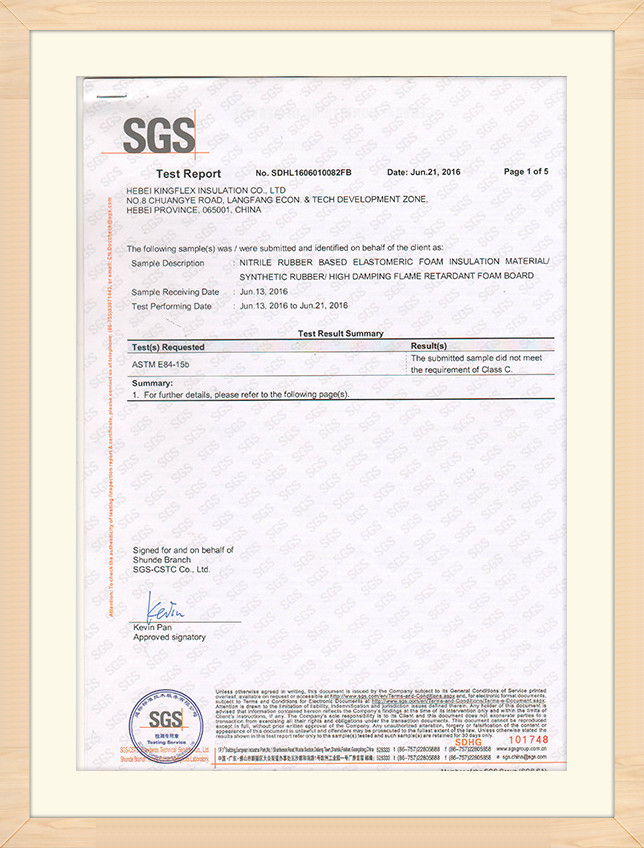
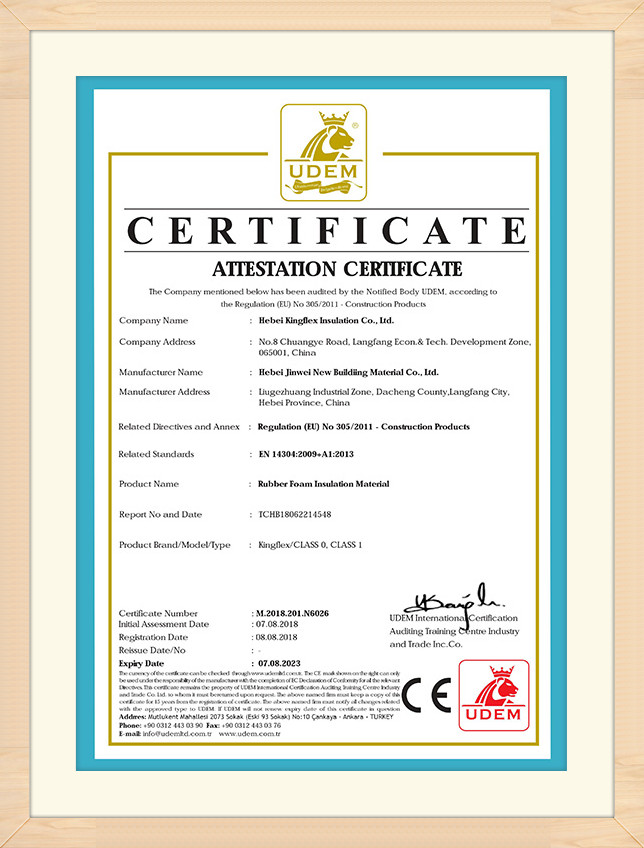
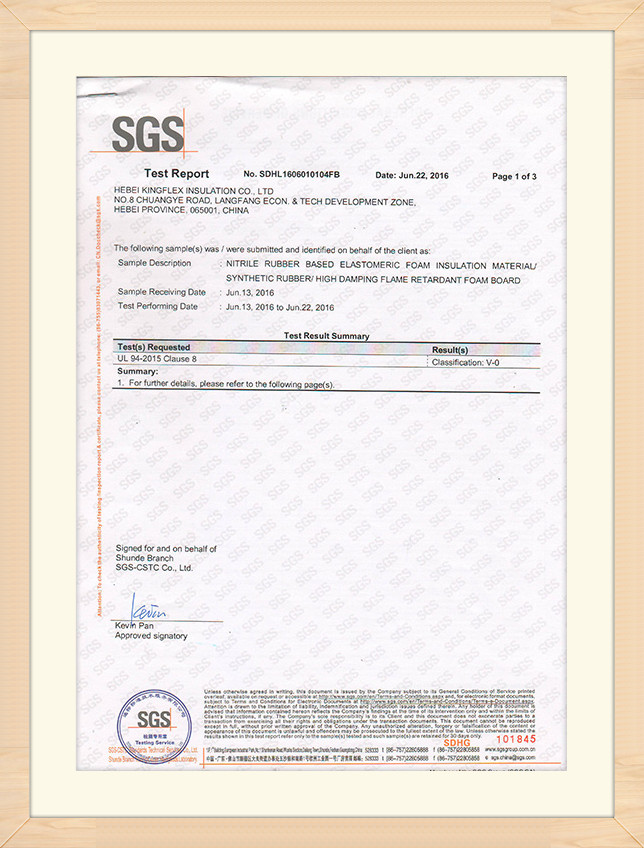
Our operation includes 8 R&D engineers, 6 international sales representatives, and 230 production workers. Our engineering division collaborates with global clients from initial project specification through to delivery.
We provide comprehensive system solutions for commercial construction, chilled water loops, extreme low-temperature petrochemical processing, and industrial sound attenuation, ensuring proper material specification and installation.


Kingflex maintains long-term relationships with distributors, energy operators, and contractors across 66 countries. Real-time updates keep clients informed on product specifications, batch testing, and freight status.
This communication network ensures orders are manufactured to the correct tolerances, properly packaged, and dispatched through optimized shipping corridors to minimize lead times.
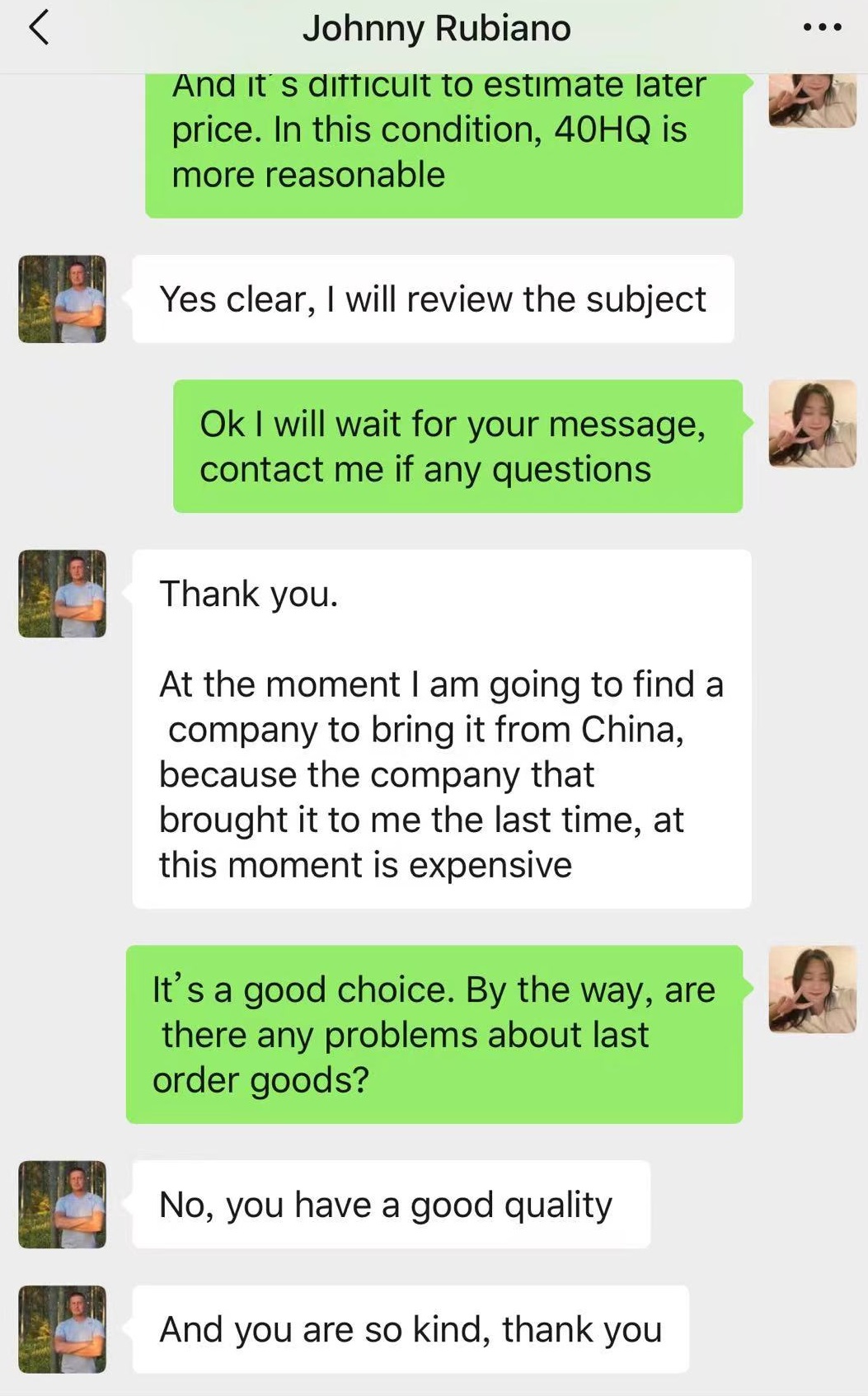


Providing thermal and acoustic performance across diverse environmental conditions.
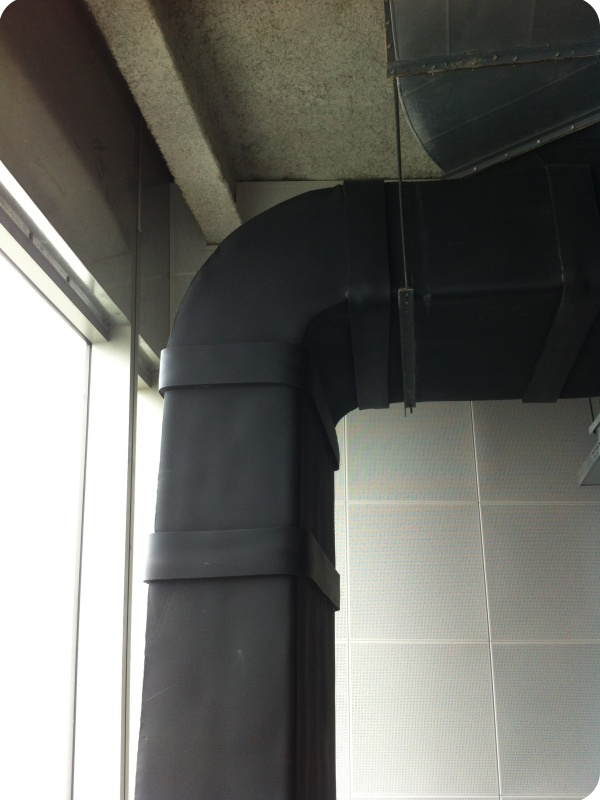

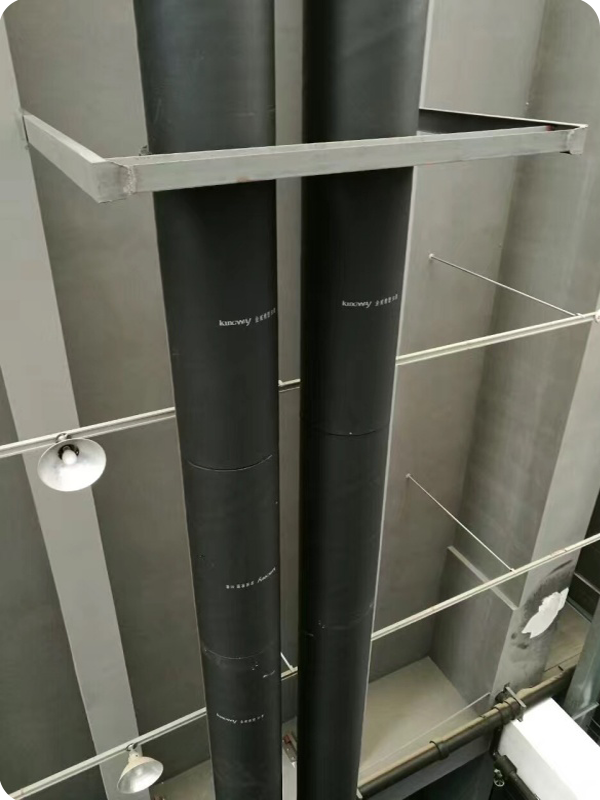
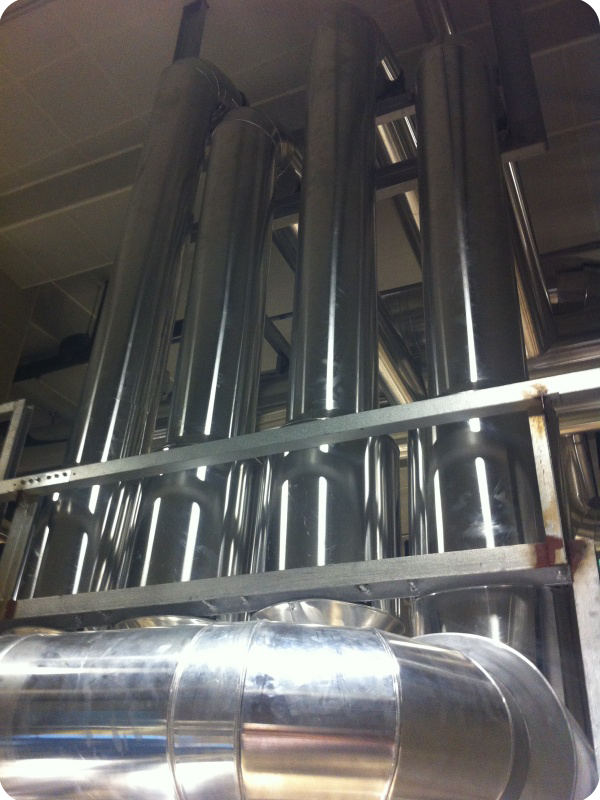
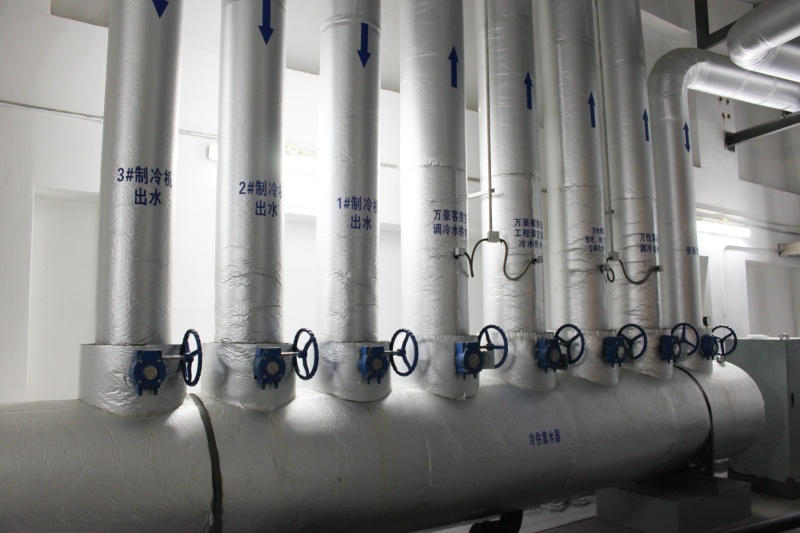
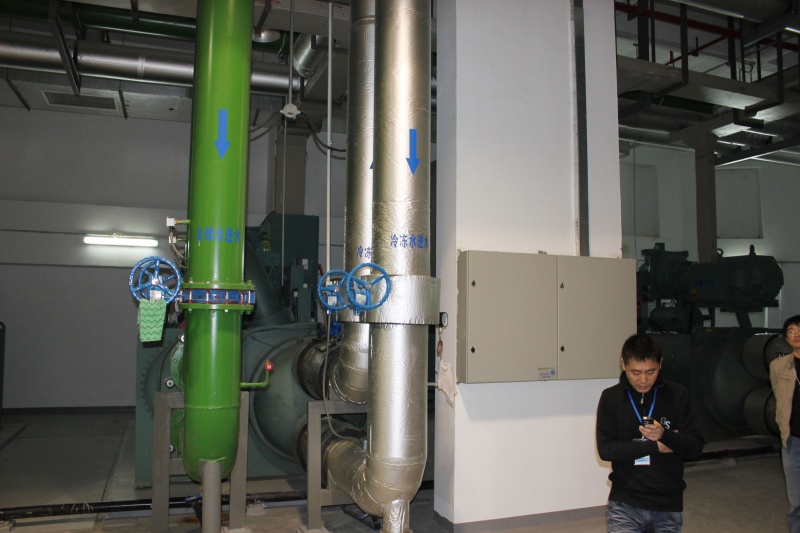
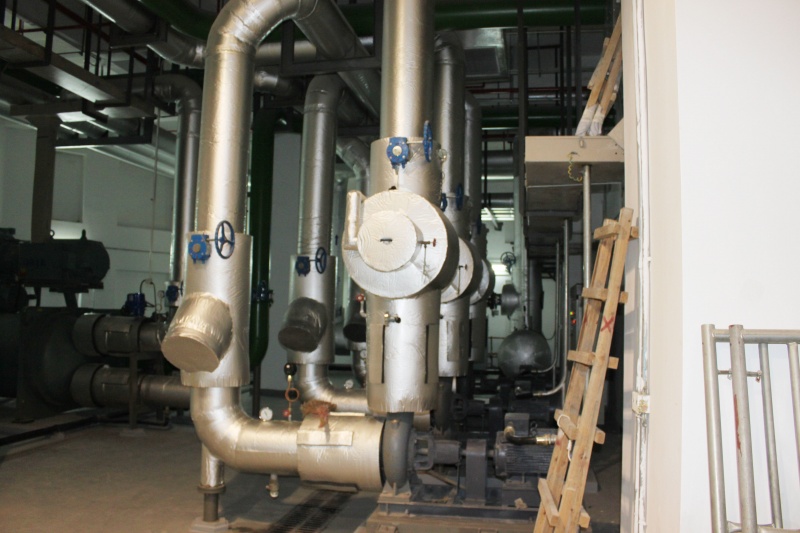
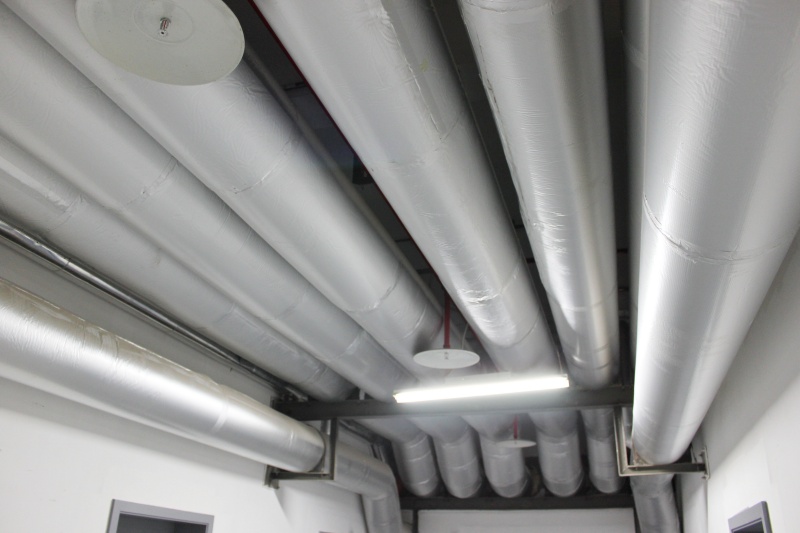
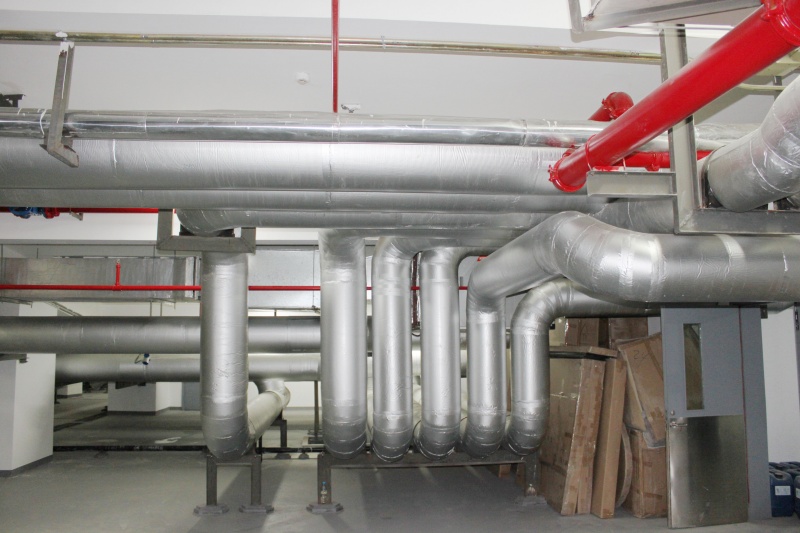
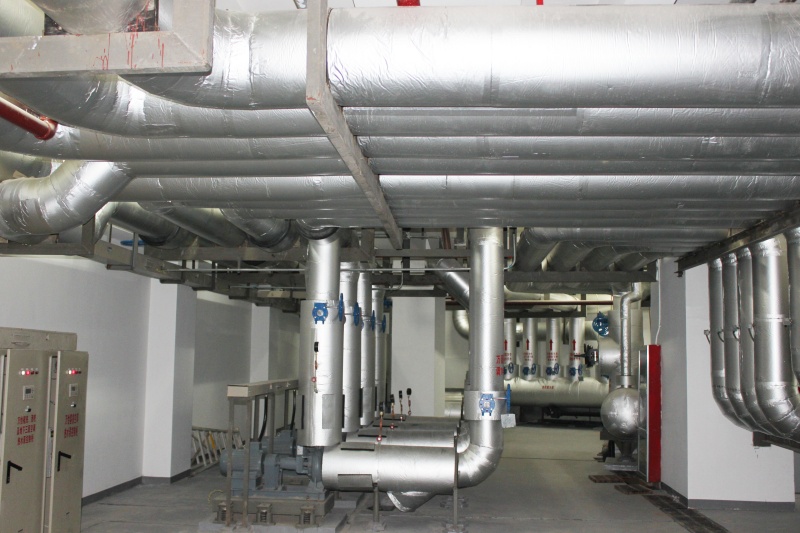
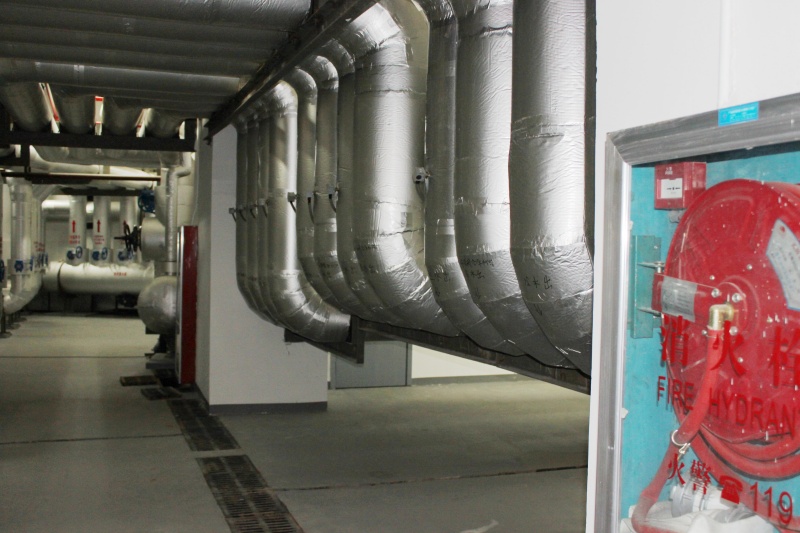
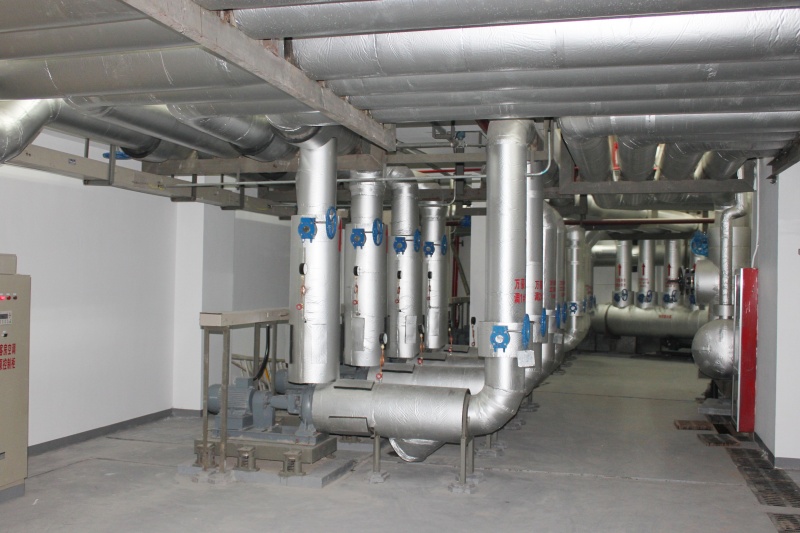
From central air conditioning ducts in hospitals and commercial shopping centers to industrial process pipes in offshore oil platforms, our elastomeric foam systems provide thermal and acoustic control. By preventing condensation and absorbing mechanical vibrations, Kingflex systems help stabilize operating temperatures and lower ambient noise levels.
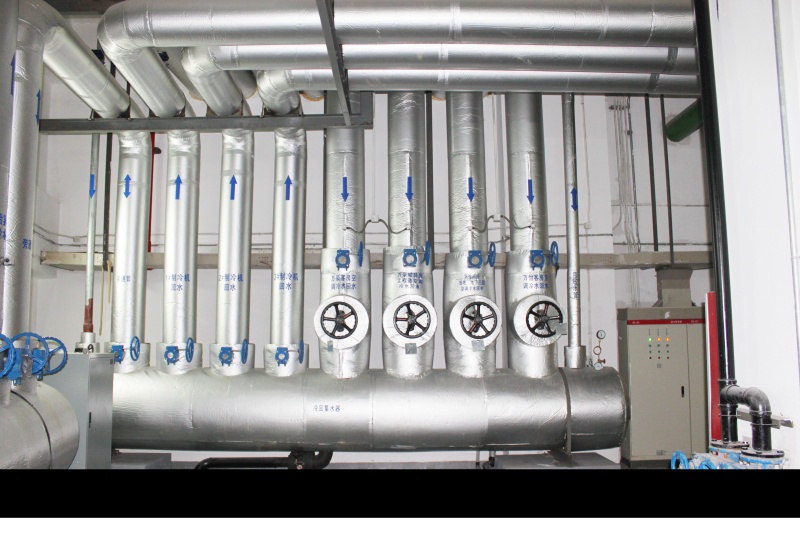


Answers to common technical, manufacturing, and specification questions.
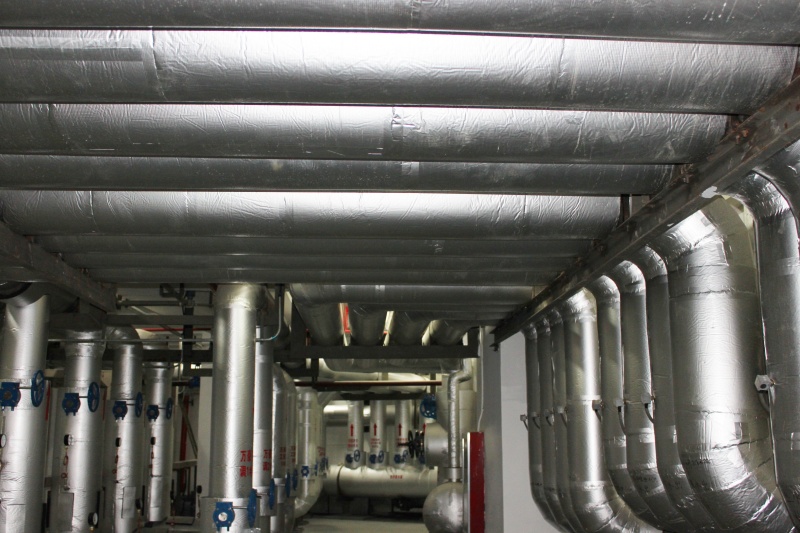
Examine our technical specifications and select the appropriate material configuration for your project.
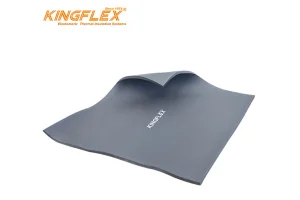
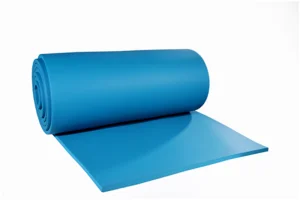
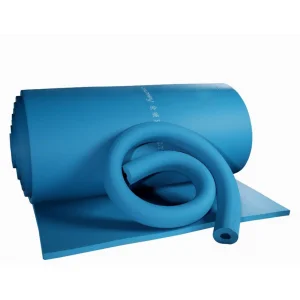
 Kingflex