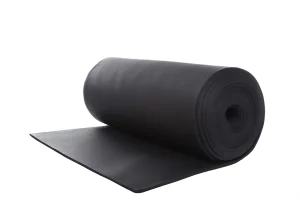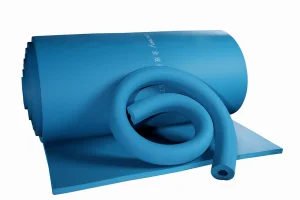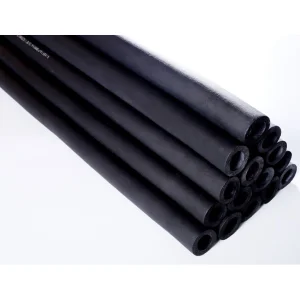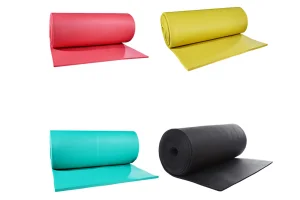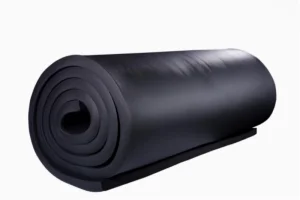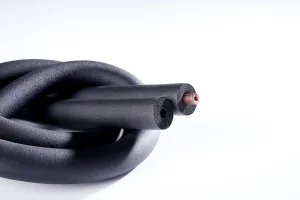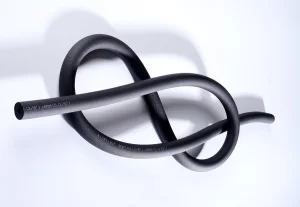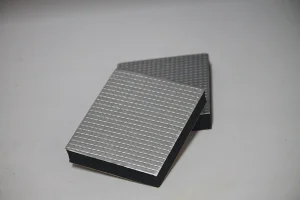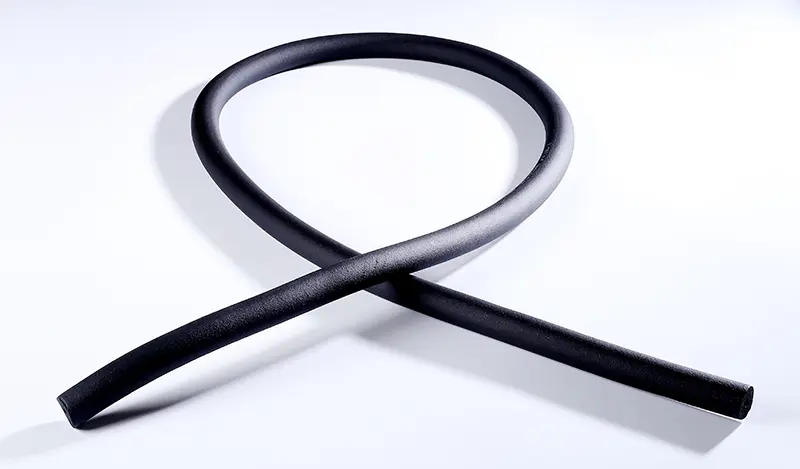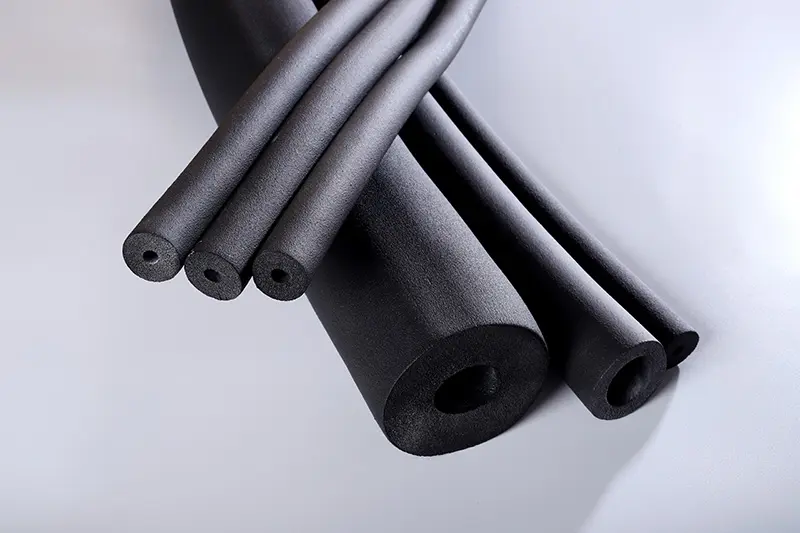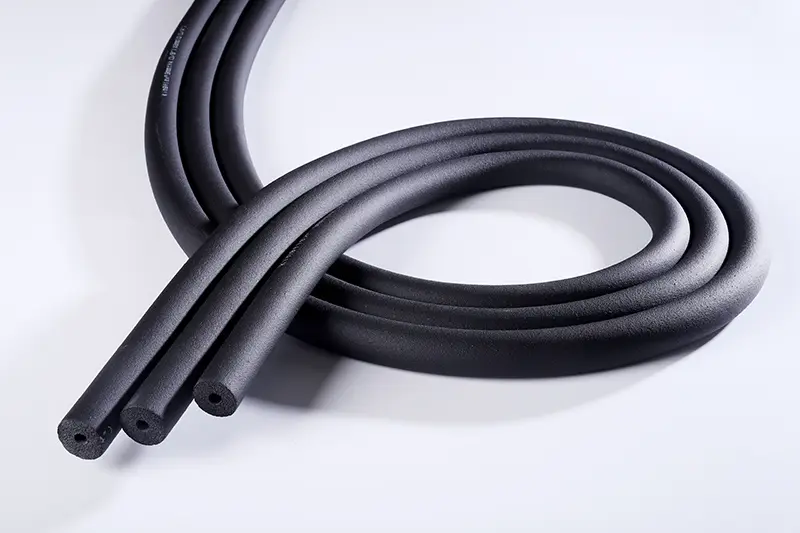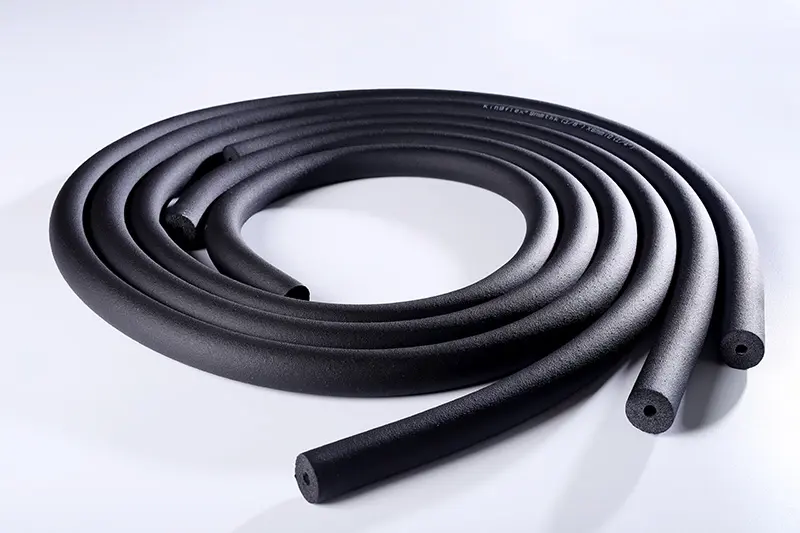
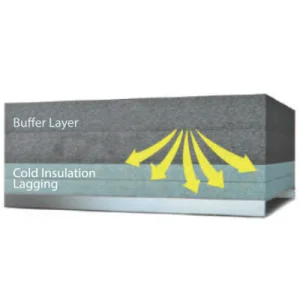
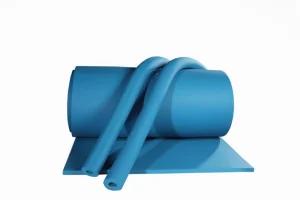
The global HVAC and thermal insulation industries are transitioning rapidly towards sustainability, high thermal efficiency, and rigorous fire safety standards. Ac Tube Insulation, particularly elastomeric NBR/PVC closed-cell foam, has emerged as the premier choice for modern construction and process engineering. The core driver is the worldwide mandate for energy conservation. As building regulations evolve to combat global warming, system design parameters require insulation with ultra-low thermal conductivity (λ) and high water vapor diffusion resistance (μ).
Furthermore, standard HVAC systems are being replaced with variable refrigerant flow (VRF) technology and heat pump systems. These systems run at higher temperature extremes and require thicker, UV-resistant, and flame-retardant elastomeric layers. The market is also seeing integration of self-adhesive features and complex foil jacket interfaces to withstand rugged site installations and extreme outdoor weather without degrading the core material.
Procuring elastomeric insulation at a global scale requires an understanding of localized compliance, logistics, and total cost of ownership (TCO). Procurement managers prioritize factories that demonstrate high levels of E-E-A-T (Experience, Expertise, Authoritativeness, and Trustworthiness). The evaluation criteria are governed by four pillars:
Compliance with BS 476 Part 7 (Class 1) and Part 6 (Class O), ASTM E84 (25/50 flame and smoke index), UL94, CE, REACH, and RoHS is mandatory for entry into Western markets, the Middle East, and Southeast Asia.
For industrial applications, the material must withstand environments as low as -40°C (standard NBR/PVC) or deep cryogenic levels down to -200°C using specialized cryogenic rubber designs to prevent pipe fracturing.
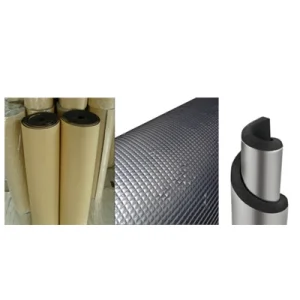
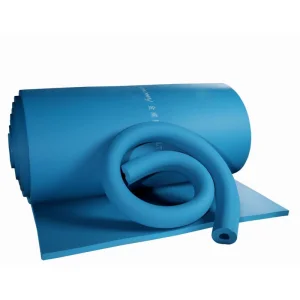
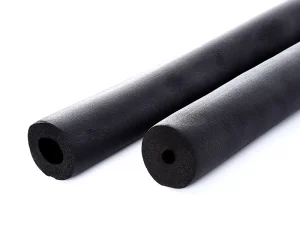
Sourcing teams require variable inner diameters (6mm to 114mm), diverse wall thicknesses (6mm to 50mm), custom color codings for system maintenance, and prepapplied aluminum foil layers for weather protection.
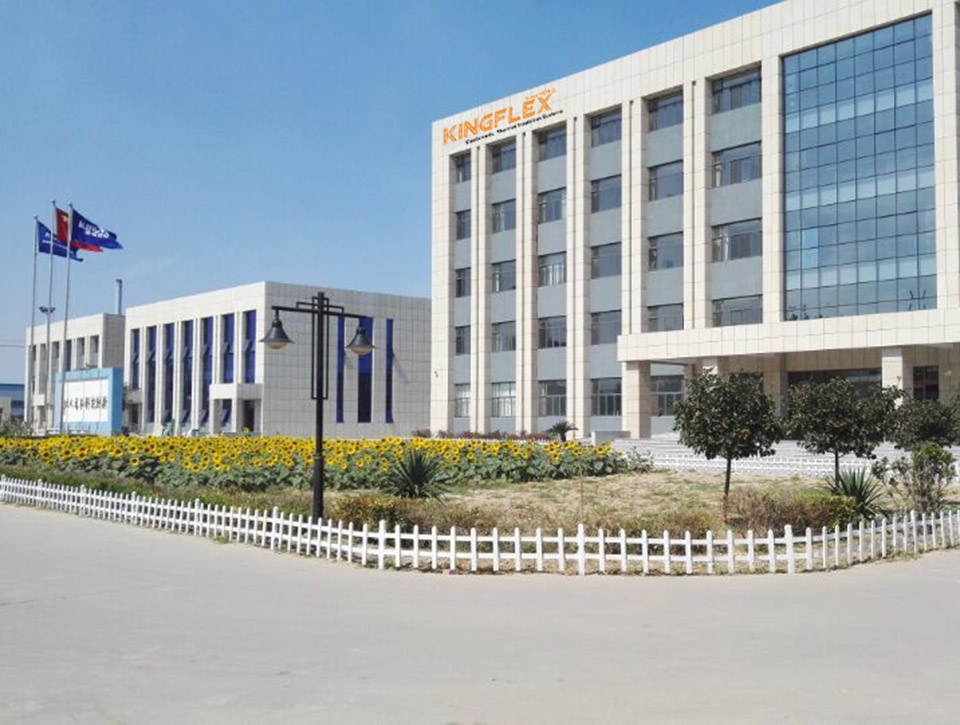
Located in Dacheng, the recognized capital of green building materials in China, Kingflex Insulation Co., Ltd. represents the epitome of China Factory 4.0. The facility combines advanced physical foaming technologies with integrated automated production systems to deliver maximum supply chain resilience.
With 5 large automated continuous-foaming lines, our production facilities process premium elastomer raw materials under strict pressure controls. This ensures a consistent closed-cell rate exceeding 98%. Uniform micro-cellular size distributions mean that every centimeter of our Kingflex rubber foam insulation provides identical physical properties, eliminating structural weak spots.
Annual capacity exceeds 600,000 cubic meters. This scale establishes Kingflex as a designated supplier for major governmental bodies including the Ministry of Energy, the Ministry of Electric Power, and the Ministry of Chemical Industry.
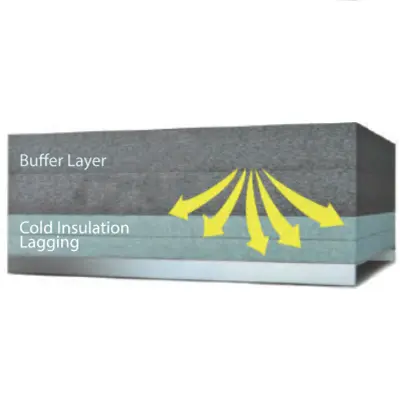
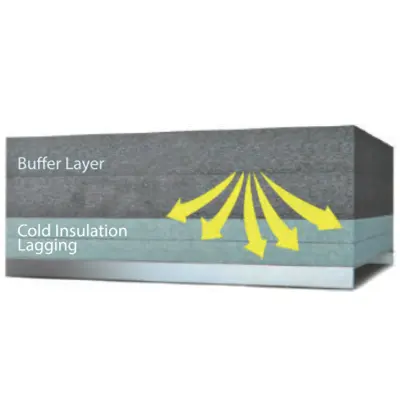
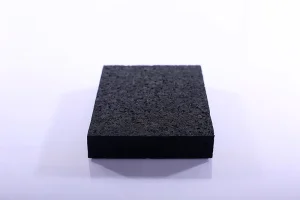
Kingflex AC tube insulation leverages co-extruded NBR (Nitrile Butadiene Rubber) and PVC (Polyvinyl Chloride) blends. This hybrid polymer utilizes NBR for thermal retention and flexibility, and PVC for chemical resistance, ozone tolerance, and inherent flame retardancy. When physical vulcanization takes place, a gas-trapping matrix forms, ensuring that the moisture permeation resistance factor (μ) stays above 10,000, creating a built-in water vapor barrier.
| Physical Property | Standard Specification |
|---|---|
| Material Composition | NBR/PVC Elastomeric Foam |
| Density Range | 40 - 55 kg/m³ |
| Thickness Capabilities | 6mm to 50mm (Sheets) / 9mm to 40mm (Pipes) |
| Inner Diameter Range | 6mm to 114mm (For Piping) |
| Service Temp Limit | -40°C to +105°C |
| Thermal Conductivity (λ) | ≤ 0.034 W/(m·K) at 0°C |
| Fire Safety Ratings | BS 476 Class 0, UL94 V-0, ASTM E84 25/50 |
Elastomeric insulation is used across varied commercial and industrial applications. Our NBR/PVC systems protect machinery and critical piping infrastructure in diverse sectors:
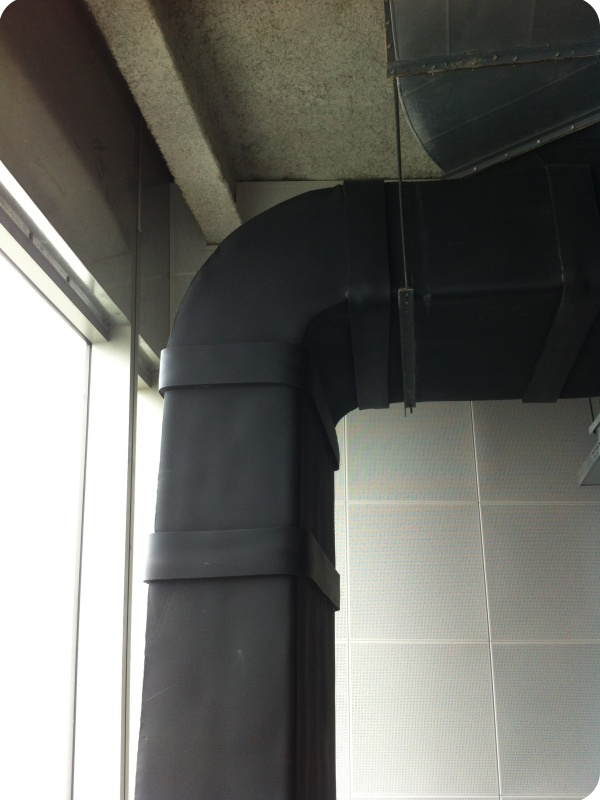
Installed on central air conditioning chilled/hot water pipes, condensate drains, and complex ductwork in shopping malls, hospitals, hotels, and high-density residential towers to maintain thermal efficiency.
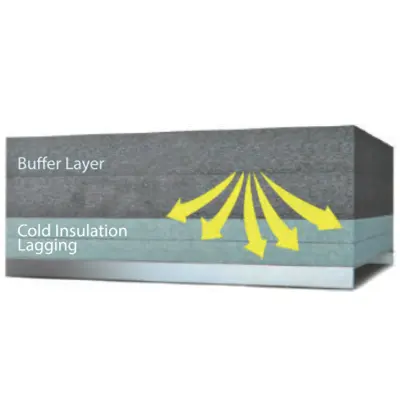
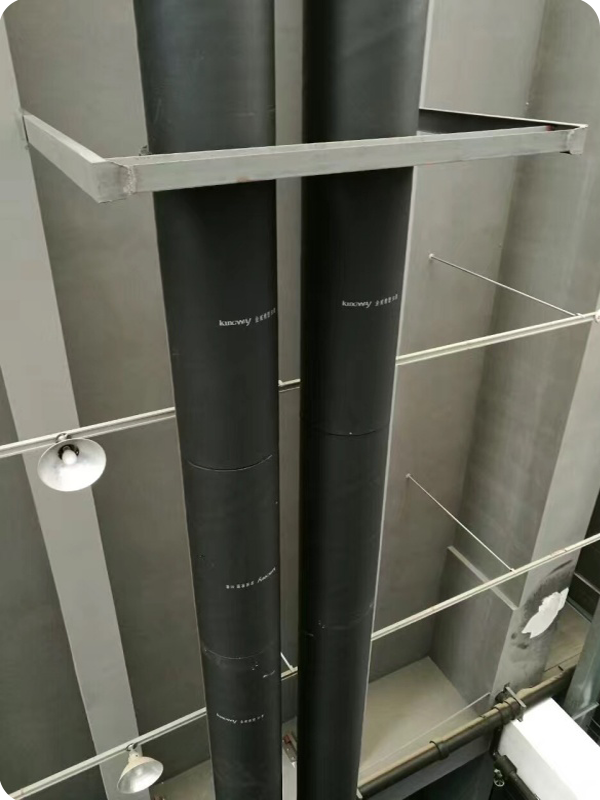
Provides critical cold insulation for industrial steam pipelines, cryogenic storage tanks, low-temperature process lines, and gas pipelines, preventing heat ingress and controlling phase stability.
Our high-density acoustic panels and ceiling tiles suppress machinery noise in server centers, marine applications, rail transit networks, and industrial assembly facilities.

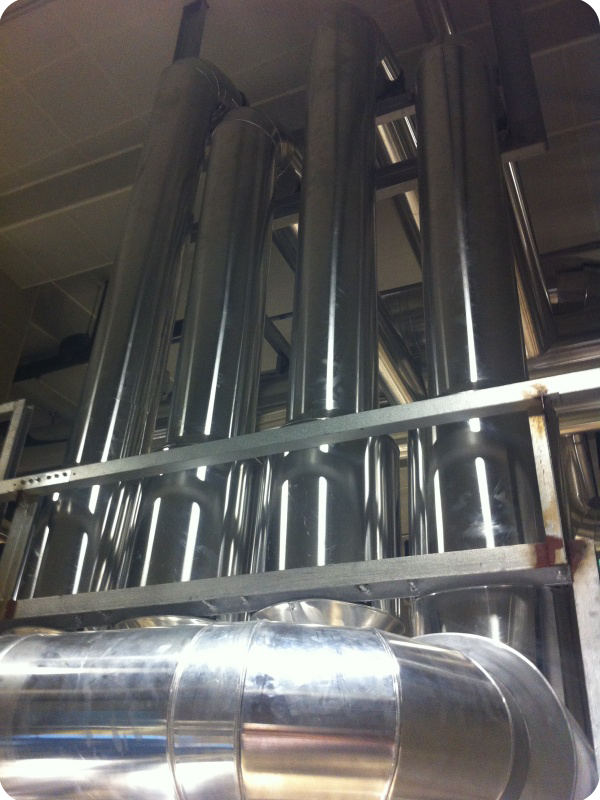
Established by the Jinwei Group, which possesses over 40 years of manufacturing history dating back to 1979, Kingflex has built an authoritative presence. In 1979, it stood as the first manufacturer of thermal insulation materials north of the Yangtze River. The company focuses on energy conservation and consumption reduction as its core design principles.
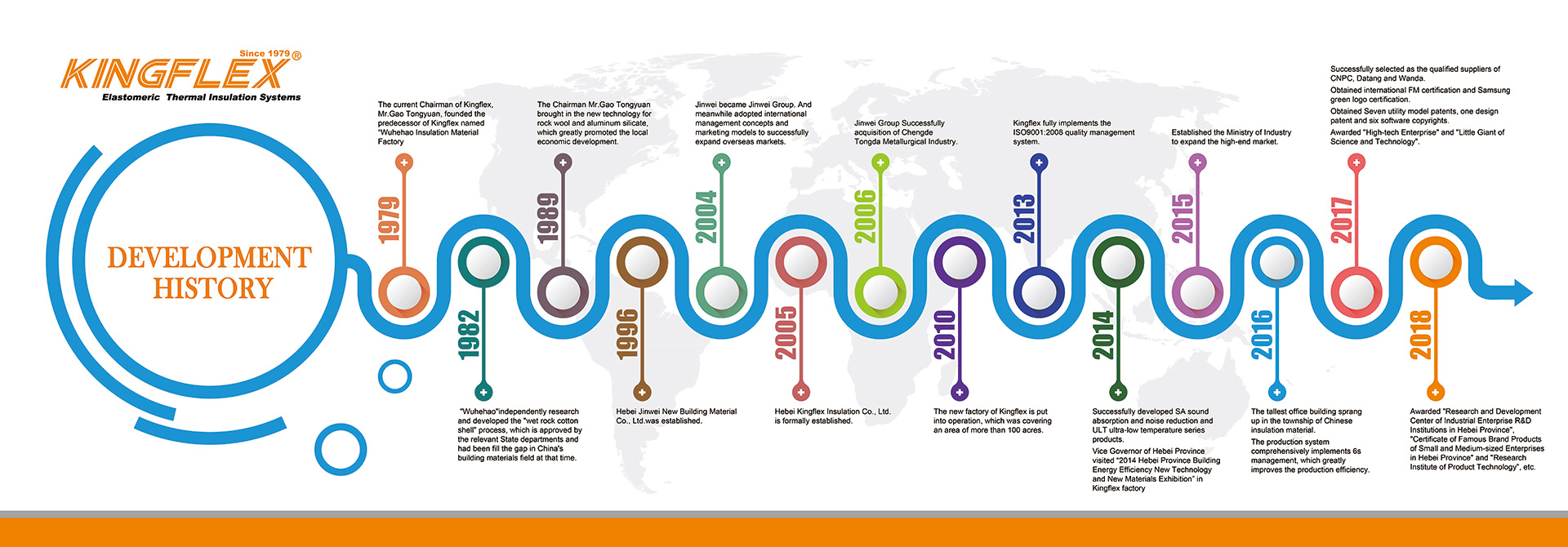
Our employees drive Kingflex forward as an energetic and rewarding workspace. The team is dedicated to providing consistent, high-quality service. Our operational structure includes:



Each production batch goes through strict testing to ensure zero defect rates. Raw materials are checked before foaming, and physical testing is performed on the finished insulation. This comprehensive quality control process guarantees traceability for all products shipped globally.
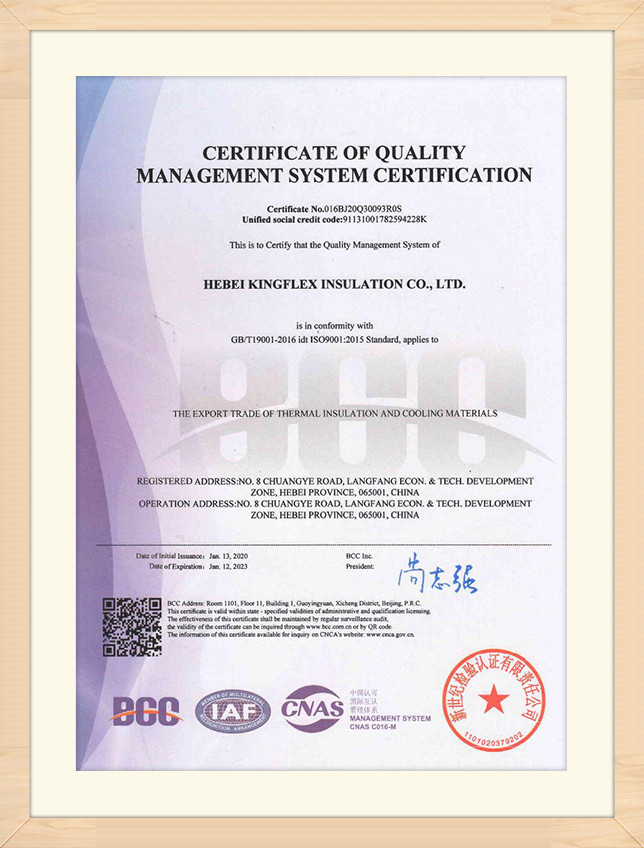
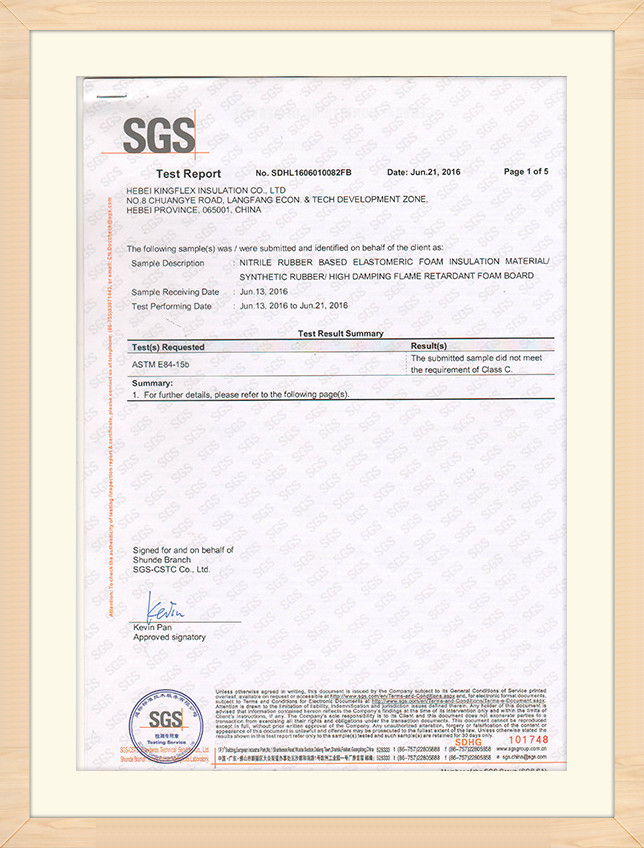
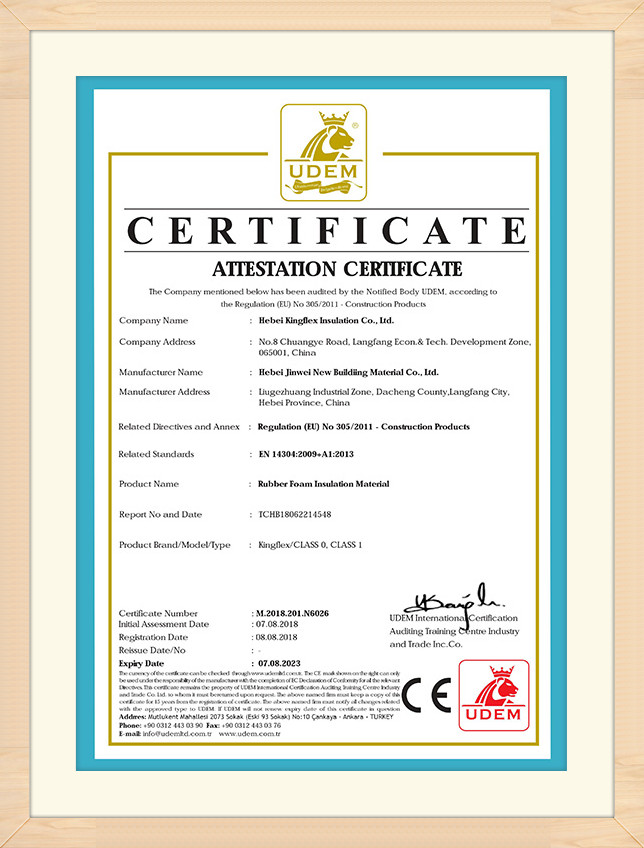
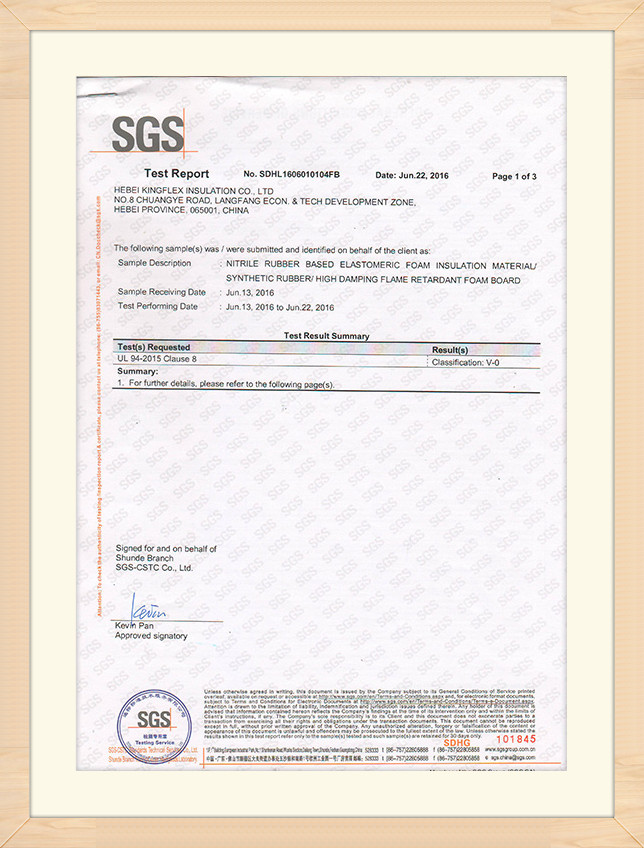
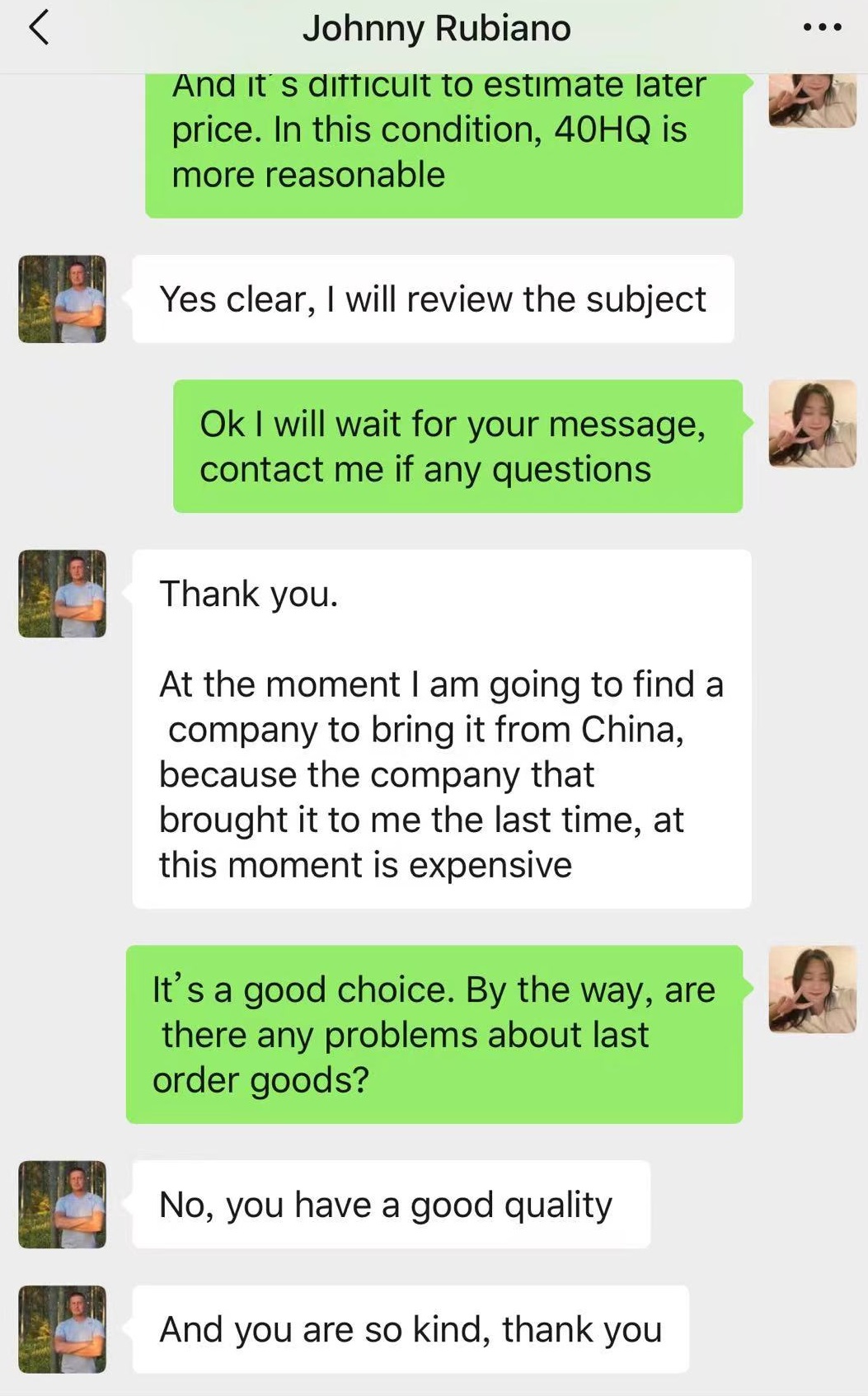
Our commitment to quality is validated by international clients. The screenshots below highlight recent order approvals and positive feedback from global projects:




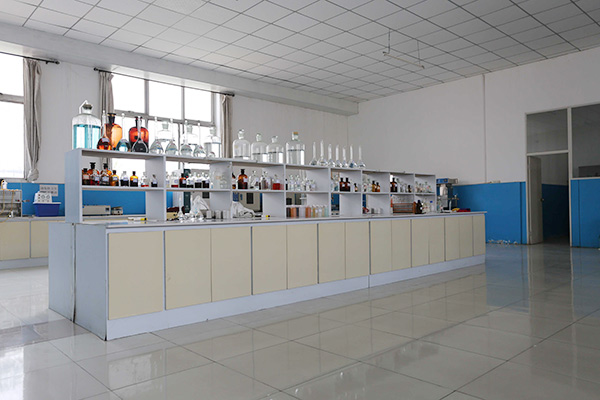
Innovation is key to our success. The Kingflex R&D division has access to three testing laboratories. These labs contain thermal testing apparatuses, fire-chamber simulators, and environmental stress chambers. Our engineers use this equipment to test NBR/PVC materials under accelerated aging and extreme temperature cycles.
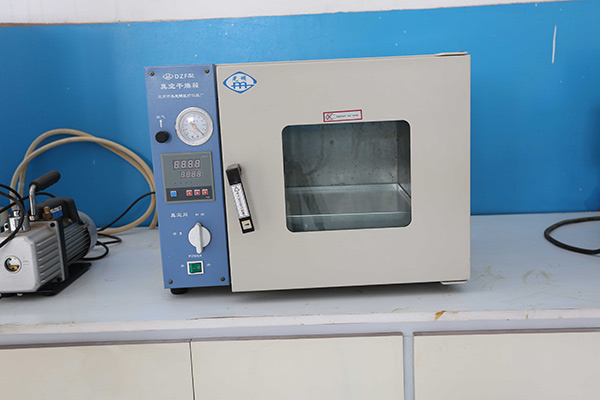
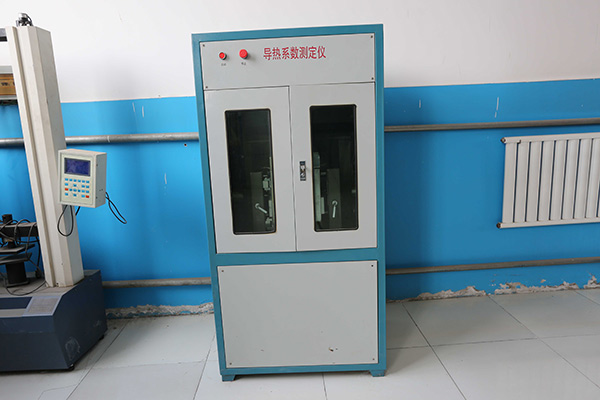
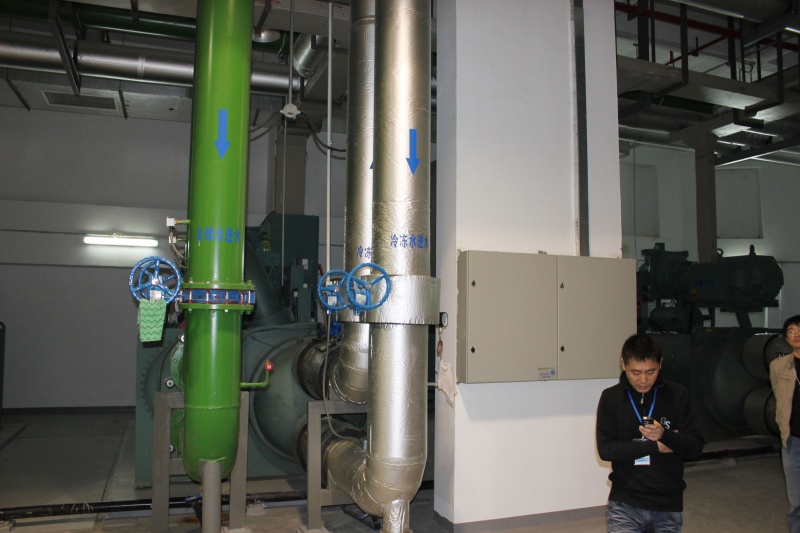
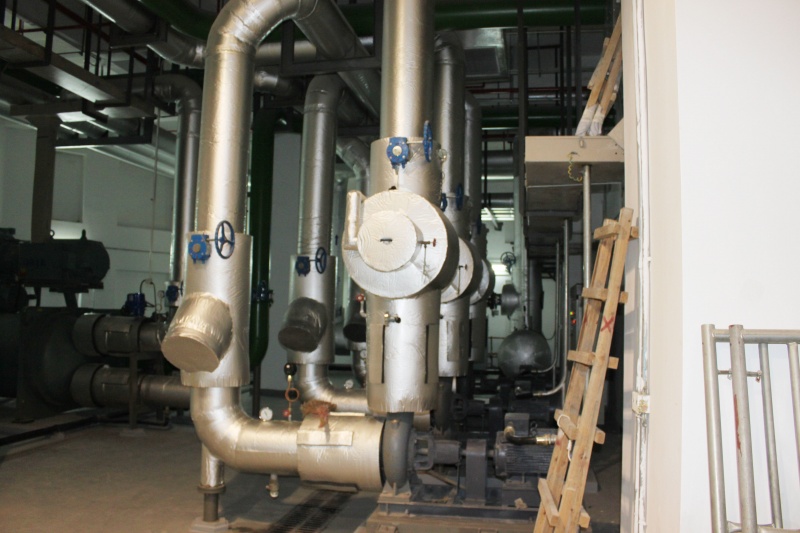
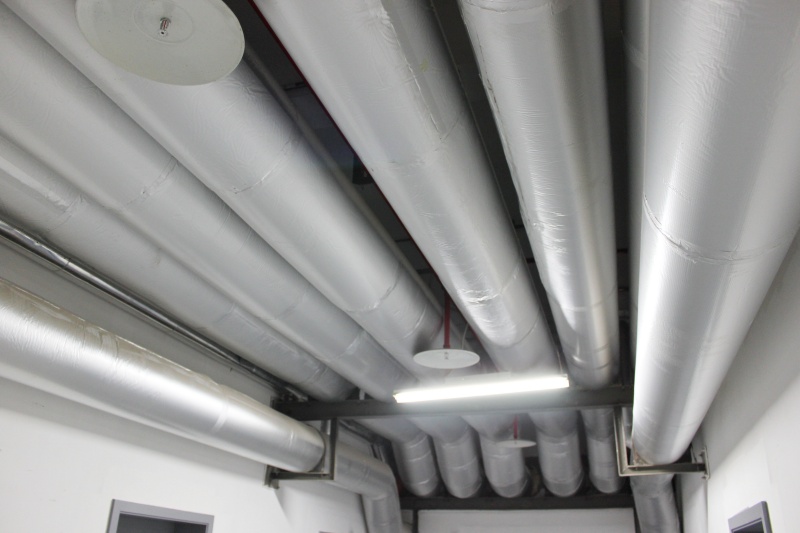
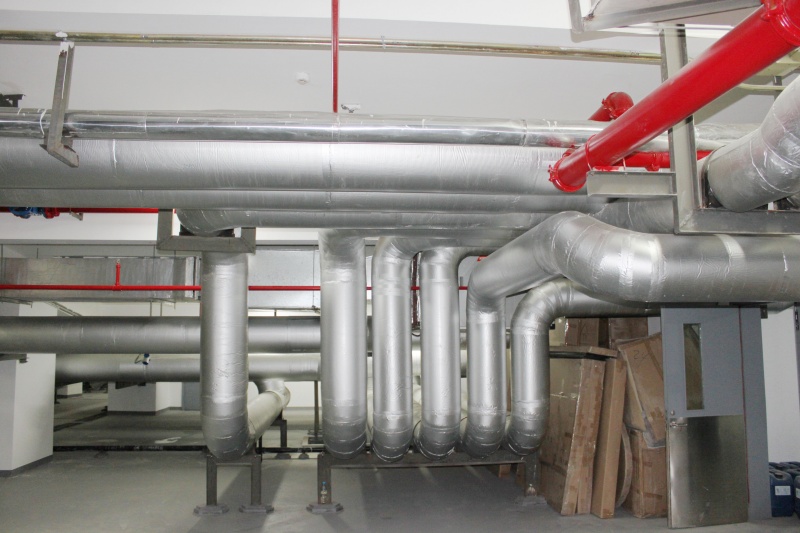
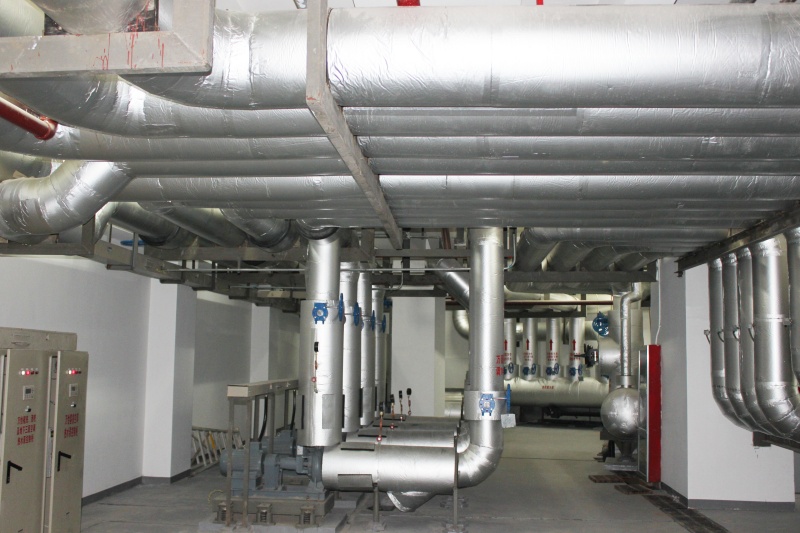
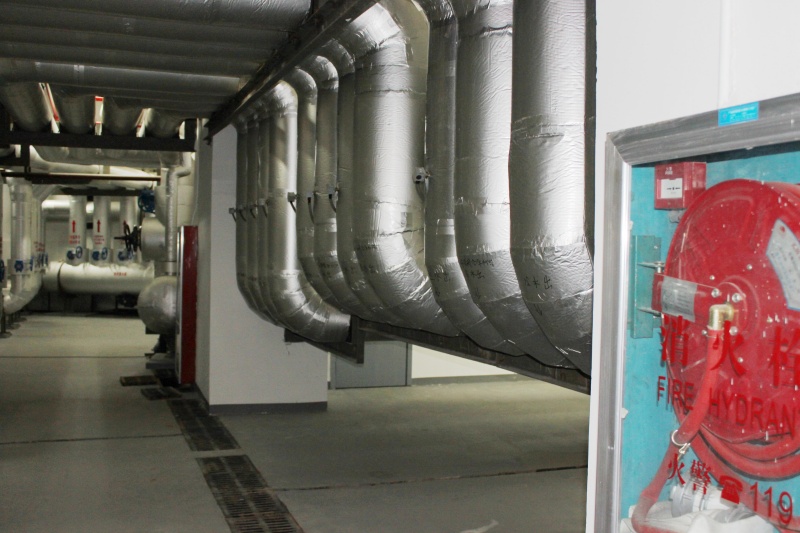
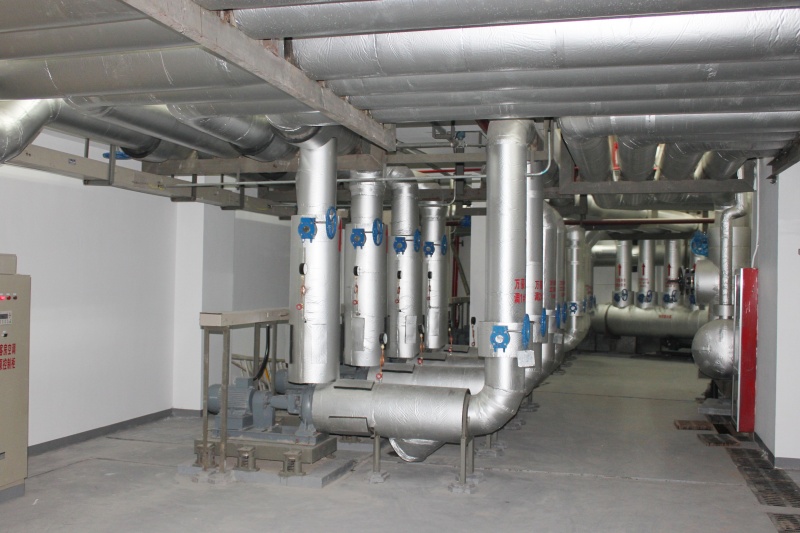
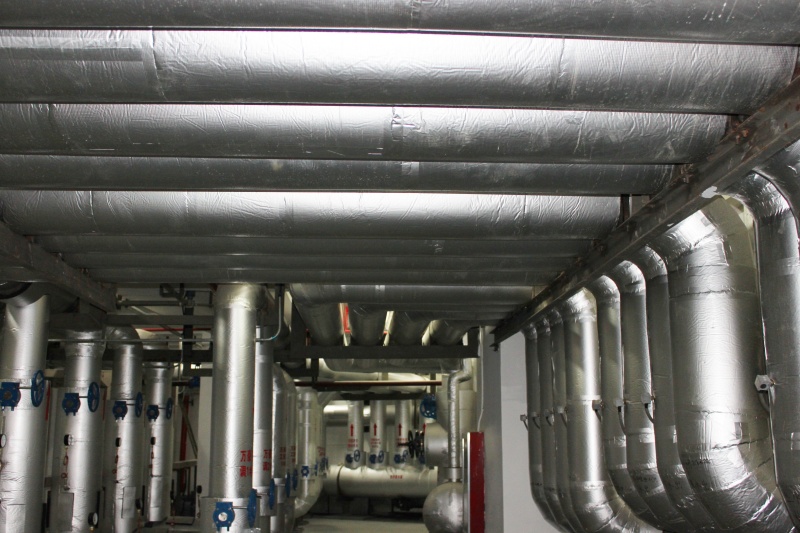
Our project portfolio spans commercial high-rise buildings, petrochemical complexes, and municipal HVAC projects. The following project sites show the wide application of Kingflex insulation solutions:
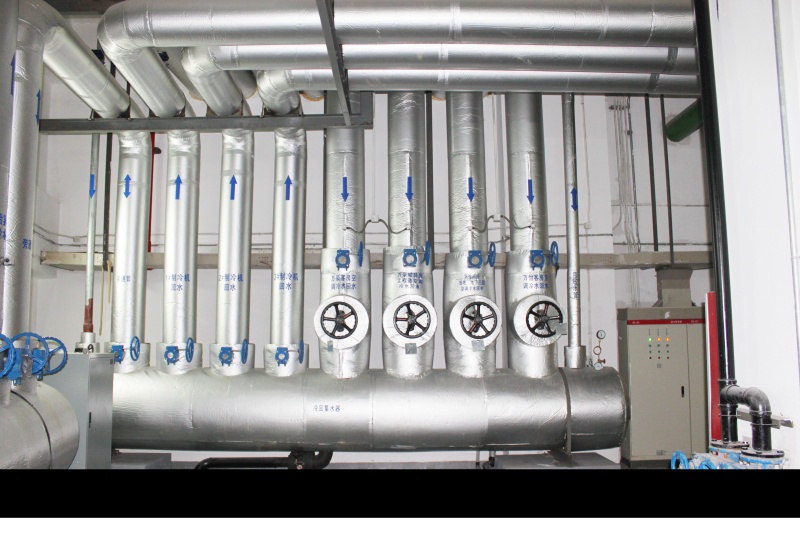
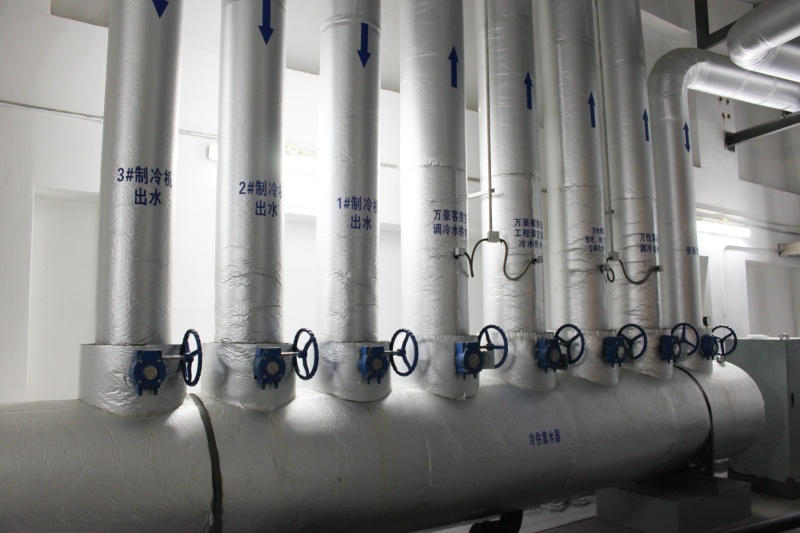






 Kingflex