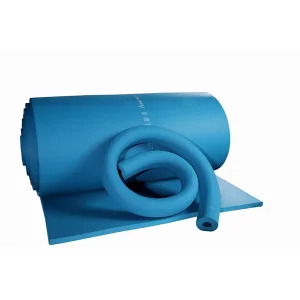
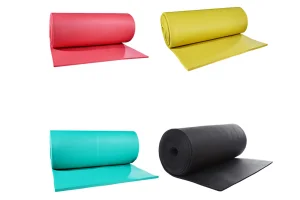
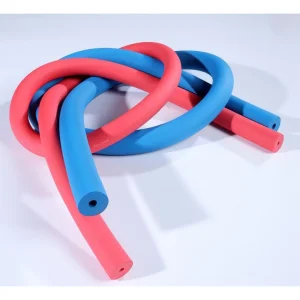
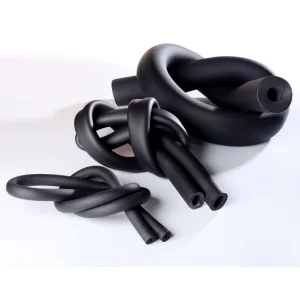
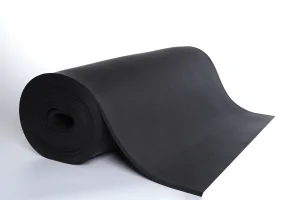
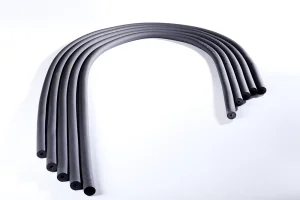
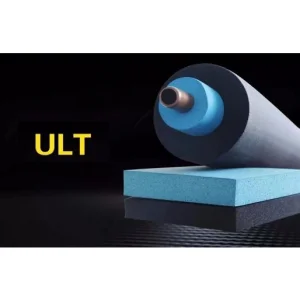
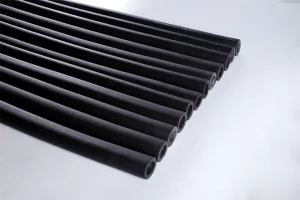
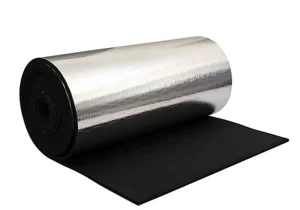
In an era defined by carbon neutrality targets, energy security, and strict building codes, thermal insulation is no longer considered a passive system element. Instead, it serves as a critical driver of thermodynamic efficiency in HVAC structures, industrial plants, and ultra-low temperature cryogenic facilities. In Northern regions, where temperature gradients can span over 80 degrees Celsius between outdoor environments and process pipelines, the demand for high-performance insulation has surged.
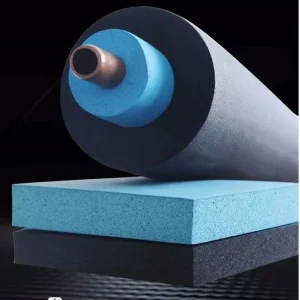
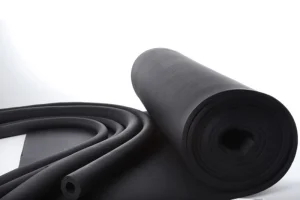
Traditional insulation materials, such as fiberglass or calcium silicate, often fall short under demanding conditions due to moisture infiltration, high thermal transfer coefficients, and lack of flexibility. This has led to the development of NBR/PVC closed-cell elastomeric foam. By trapping dry air inside millions of microscopic, non-communicating cells, this material prevents moisture migration and maintains long-term thermal resistance, even in environments with high relative humidity.
The primary metric governing insulation performance is thermal conductivity (λ). Advanced elastomeric foams, such as those manufactured by Kingflex, exhibit an exceptionally low thermal conductivity (λ ≤ 0.034 W/m·K at 0°C). This performance is achieved through precise control over cell size and gas distribution during the vulcanization and expansion processes.
Equally important is the moisture vapor resistance factor (μ). When moisture penetrates an insulation system, it replaces dry air (which has a thermal conductivity of 0.024 W/m·K) with water (which has a thermal conductivity of 0.6 W/m·K), causing a significant drop in thermal performance. Kingflex elastomeric materials feature a moisture resistance factor of μ ≥ 10,000, creating a built-in vapor barrier that eliminates the need for separate external protective layers.
The global demand for high-performance insulation solutions is driven by two main trends: the growth of the global Liquefied Natural Gas (LNG) supply chain and the push for energy efficiency in urban centers. Northern China, particularly the Dacheng region, has emerged as a major manufacturing hub for green building materials and advanced insulation products.
This geographic positioning offers key logistical advantages. Suppliers in Northern China are well-positioned to serve major markets across East Asia, Central Asia, Russia, and Europe. Local production facilities leverage automated, continuous extrusion lines and regional raw materials to provide high-quality products at competitive price points.
Designed to prevent condensation, reduce thermal loss, and absorb noise in commercial and residential air ducting networks.
Engineered to handle extreme temperatures in chemical refineries, pharmaceutical plants, and high-pressure steam distribution systems.
Specialized elastomeric solutions designed for temperatures down to -200°C, crucial for LNG terminal networks and marine shipping lines.
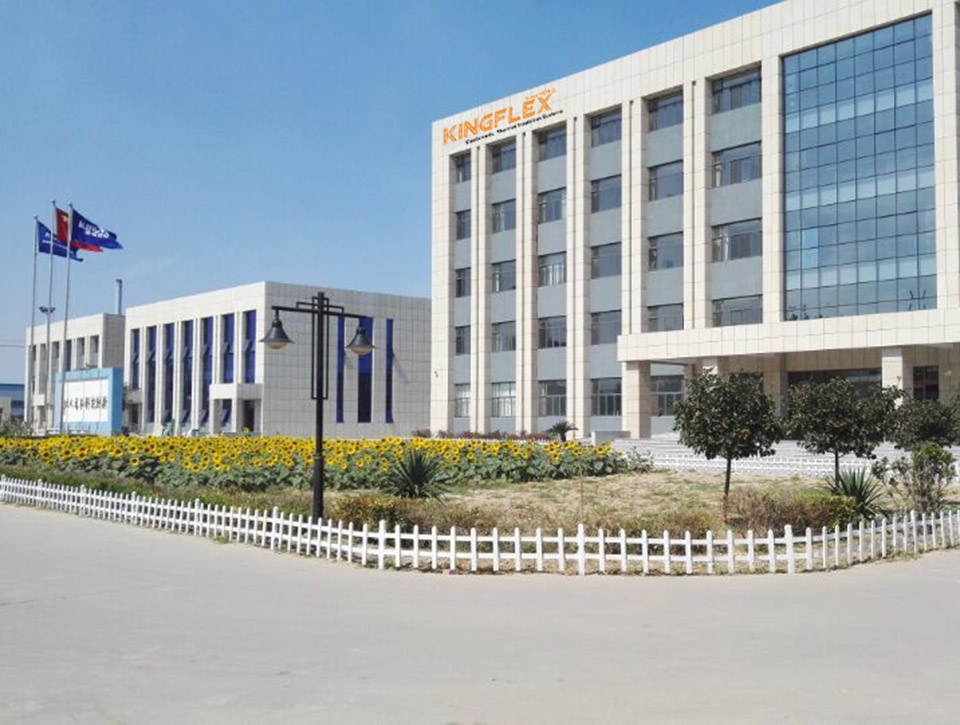
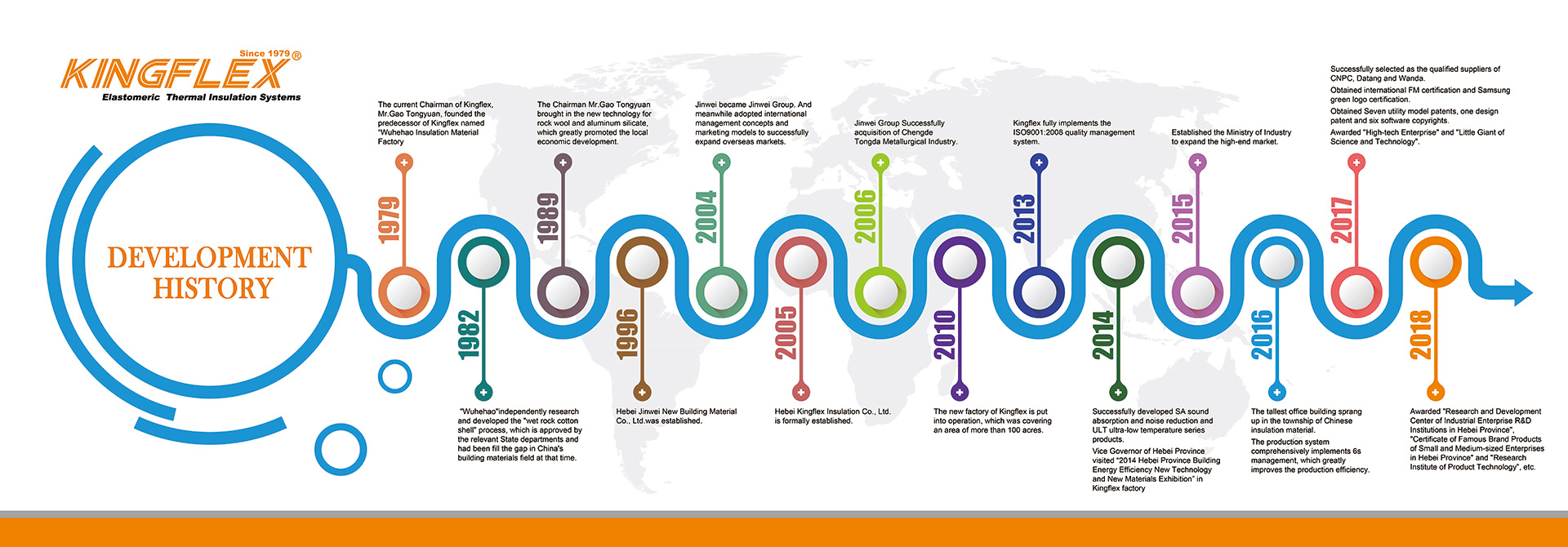
Founded by the Jinwei Group, which has a history spanning more than 40 years since its establishment in 1979, Kingflex has grown into a leading manufacturer of thermal insulation materials north of the Yangtze River. The company integrates research, development, production, and technical sales, operating with a strong focus on energy efficiency and emission reduction.
Today, Kingflex operates five automated assembly lines with an annual capacity of over 600,000 cubic meters. Our products are exported to more than 66 countries, supported by a team of 8 specialized R&D engineers, 6 international sales consultants, and 230 manufacturing staff.


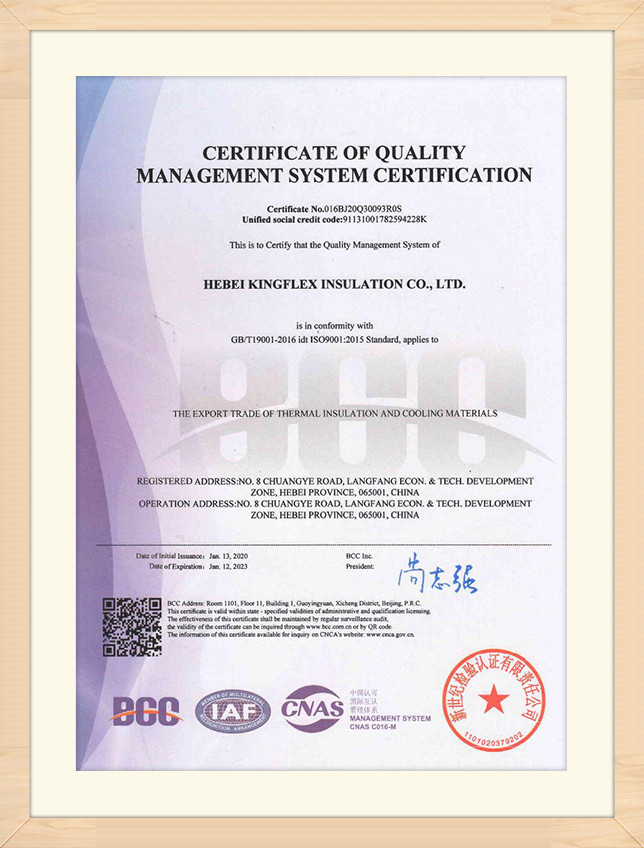
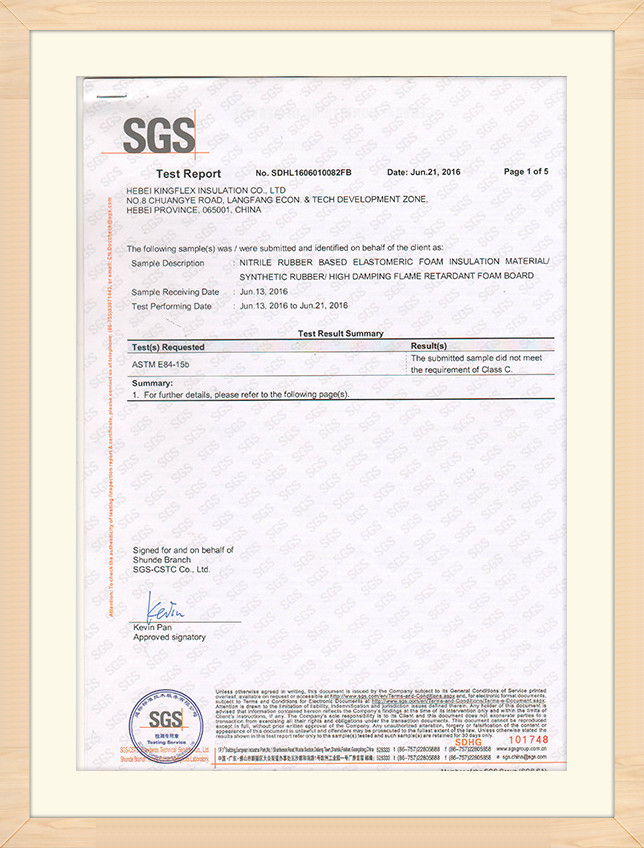
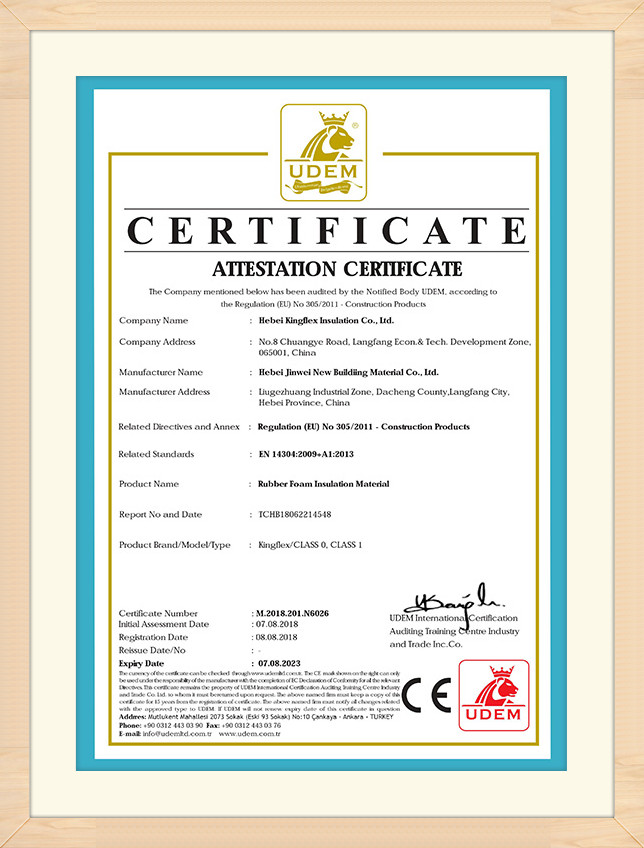
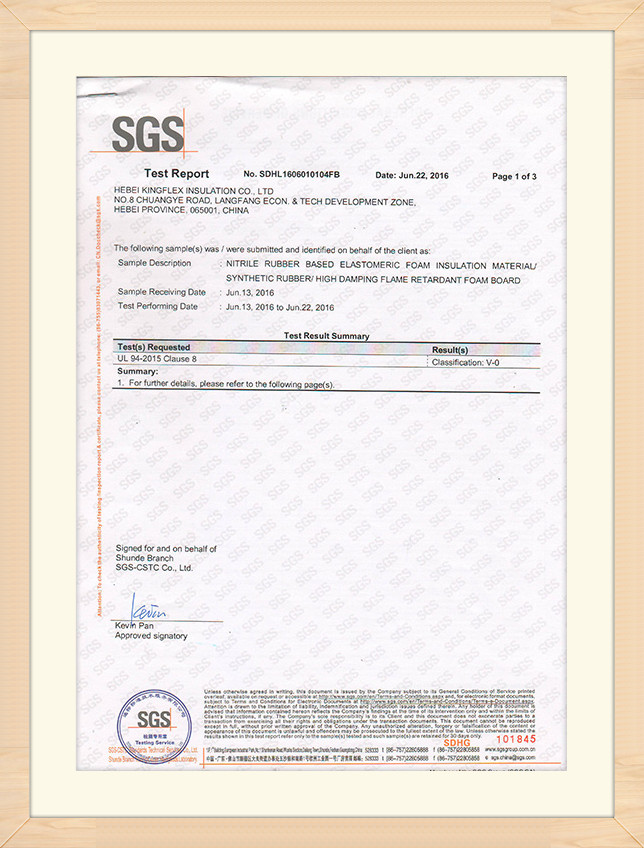
To ensure safety and performance across international markets, Kingflex insulation products undergo regular testing to verify compliance with global standards, including BS 476, CE, REACH, RoHS, UL94, and ASTM.
| Property | Sheet Roll Standard Values | Pipe Insulation Standard Values | Test Reference Method |
|---|---|---|---|
| Base Material Structure | NBR/PVC Blended Synthetic Rubber | NBR/PVC Blended Synthetic Rubber | ASTM C534 |
| Nominal Density | 40 - 55 kg/m³ | 40 - 55 kg/m³ | ASTM D1622 |
| Thermal Conductivity (λ) | ≤ 0.034 W/m·K (at 0°C) | ≤ 0.035 W/m·K (at 0°C) | ASTM C177 / C518 |
| Service Temperature Limit | -40°C to +105°C (Up to -200°C for Cryo) | -40°C to +105°C (Up to -200°C for Cryo) | DIN EN 14706 / 14707 |
| Fire Safety performance | Class 0 / Class 1 / Self-extinguishing | Class 0 / Class 1 / Self-extinguishing | BS 476 Part 6/7, UL94 V-0 |
| Water Vapor Permeability | μ ≥ 10,000 (Vapor Barrier Built-in) | μ ≥ 10,000 (Vapor Barrier Built-in) | DIN EN 12086 / ASTM E96 |
| Compression Recovery | ≥ 80% | ≥ 82% | ASTM D1667 |
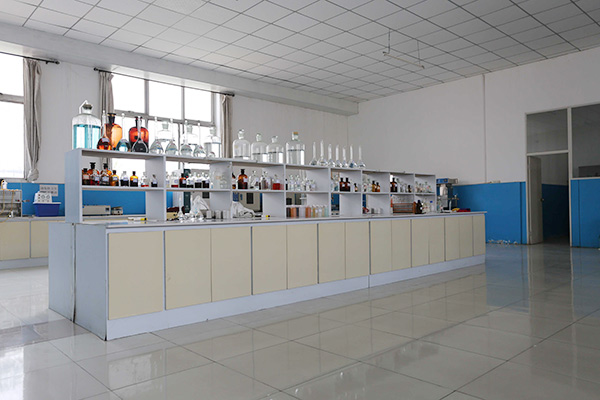
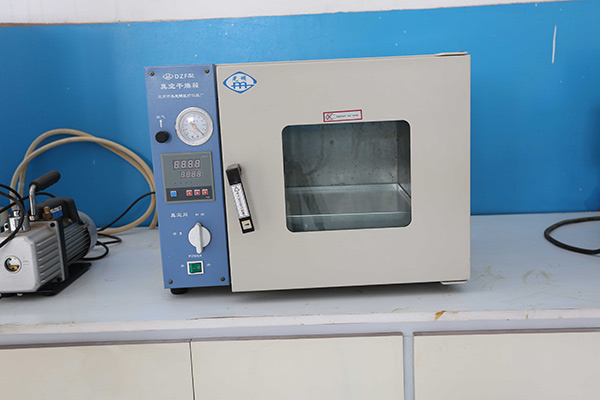
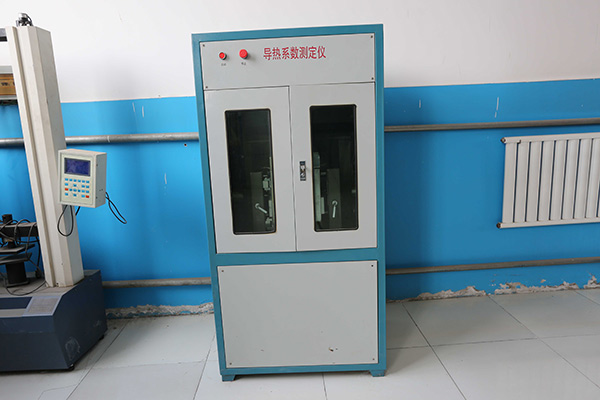
Our commitment to quality control is verified by third-party testing laboratories. Kingflex products meet rigorous safety, environmental, and thermal requirements globally.
Selecting the right insulation material requires matching physical properties to specific application environments. Below is a comparative analysis of Closed-cell Elastomeric Rubber Foam and Mineral Rock Wool across key industrial metrics.
| Performance Parameter | Kingflex Elastomeric Rubber Foam | Industrial Mineral Rock Wool | Impact on System Lifecycle |
|---|---|---|---|
| Vapor Permeability & Moisture Absorption | Extremely Low (Closed Cell, μ ≥ 10,000) | High (Open Fibrous Structure) | High moisture absorption increases thermal conductivity, potentially leading to Corrosion Under Insulation (CUI). |
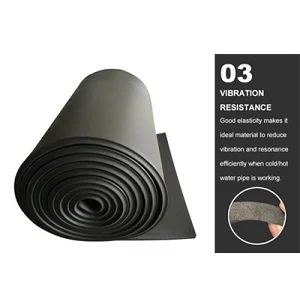
| Structural Flexibility | Highly flexible, bends around joints easily | Rigid, brittle, prone to breaking | Elastomeric foam installs faster and maintains structural integrity under vibration. |
| Minimum Operating Temperature | Down to -200°C (Suitable for Cryogenic LNG) | Down to -50°C (Prone to condensation cracking) | Elastomeric systems are well-suited for cryogenic applications. |
| Acoustic Isolation | Dampens low-to-mid range structural frequencies | Highly effective for high-frequency airborne noise | A combination of open-cell acoustic and closed-cell thermal foam offers balanced noise mitigation. |
| Thickness vs. Space Efficiency | Slimmer profiles required for similar performance | Requires thick layers, adding bulk to installations | Closed-cell structures reduce space requirements in tight HVAC ceiling layouts. |
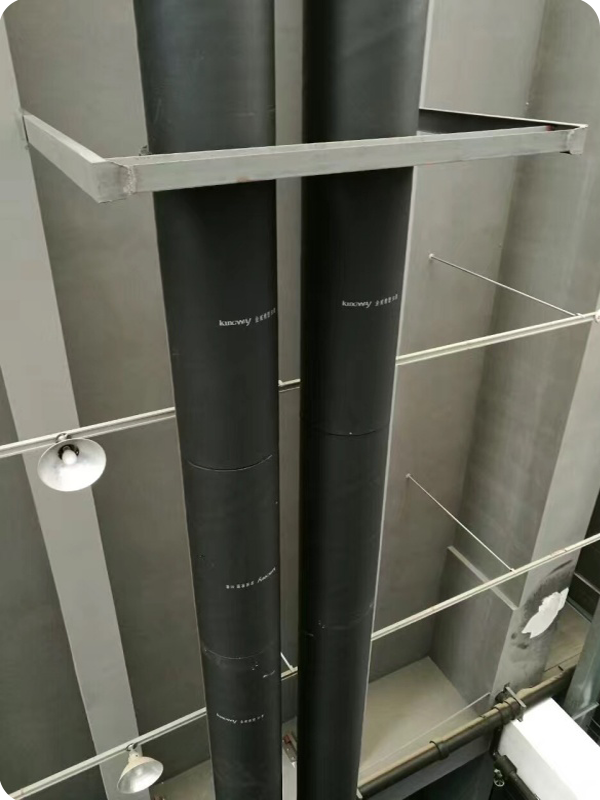
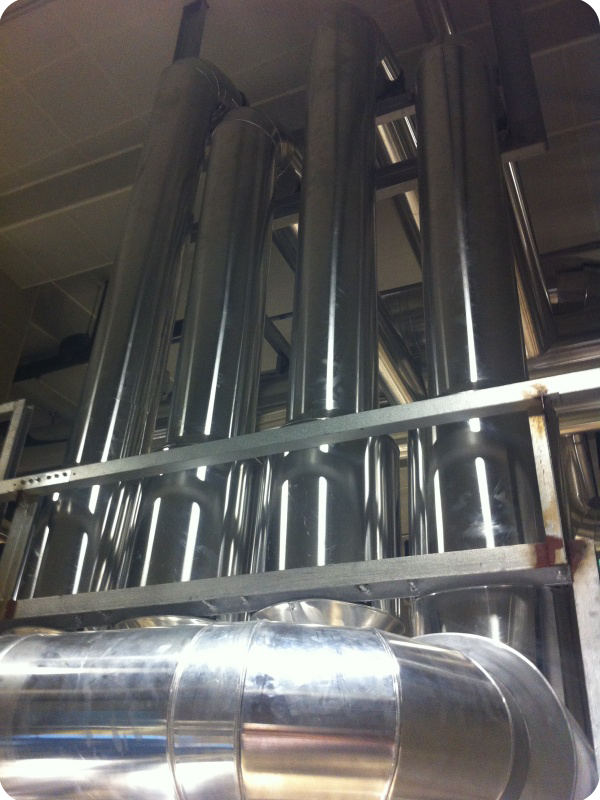
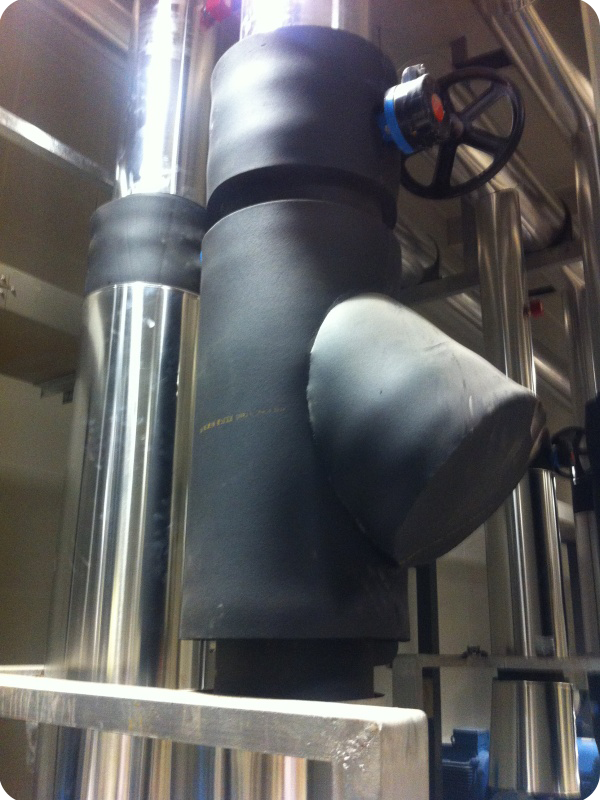
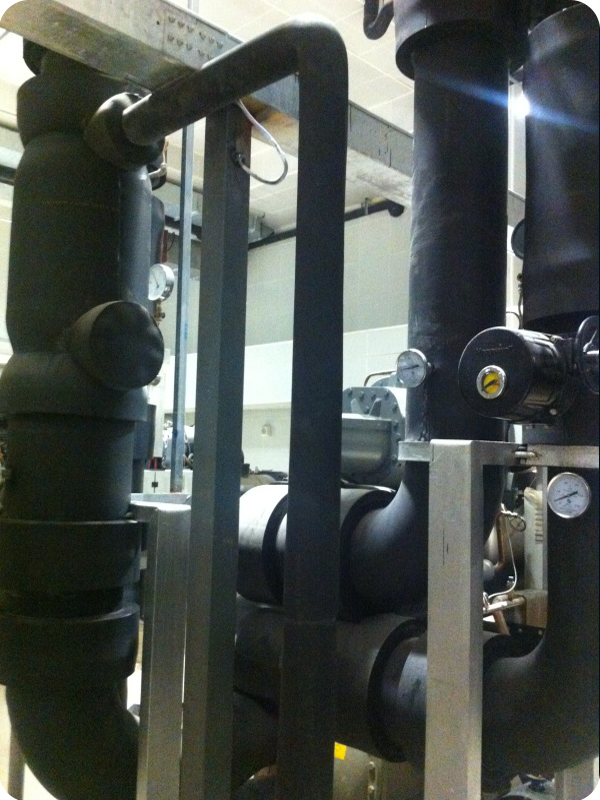
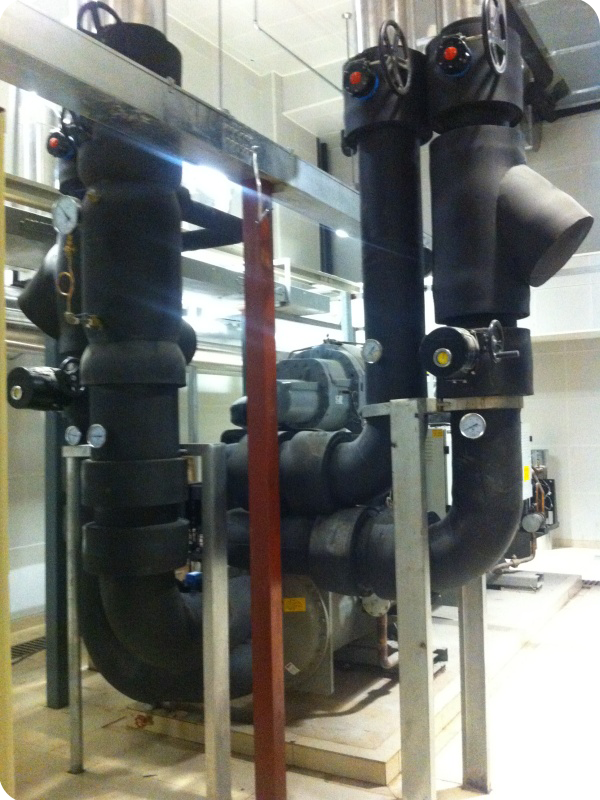
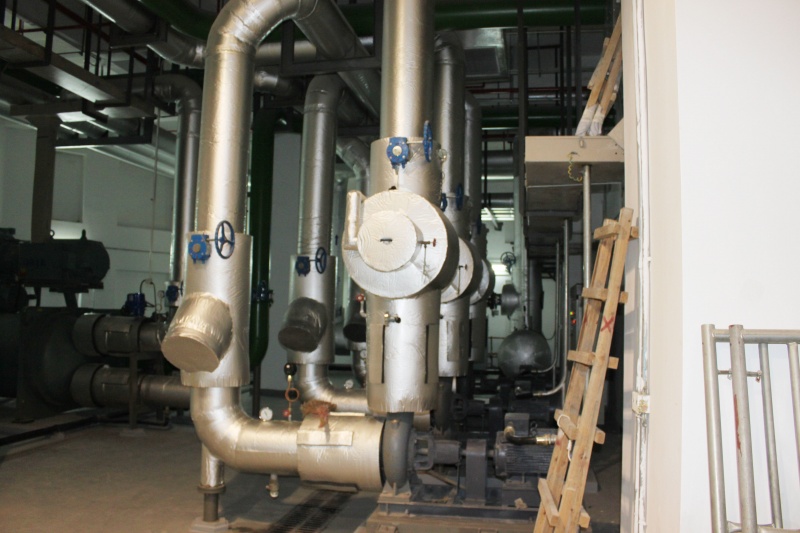
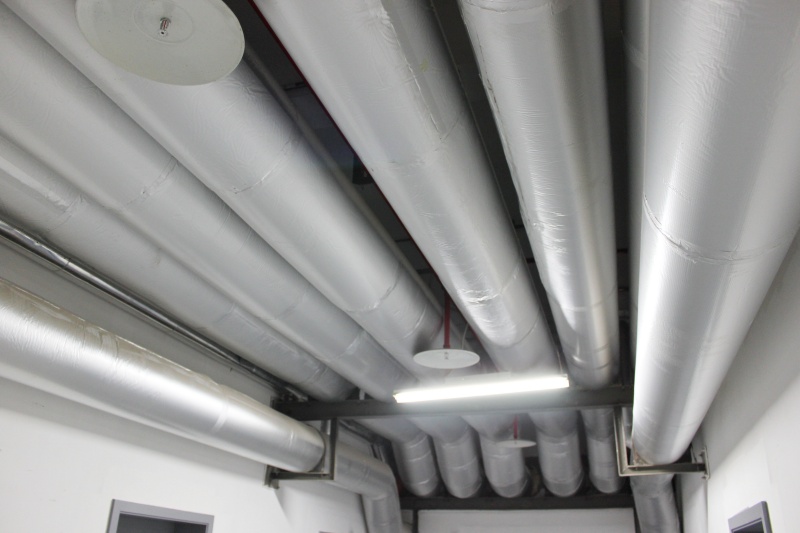
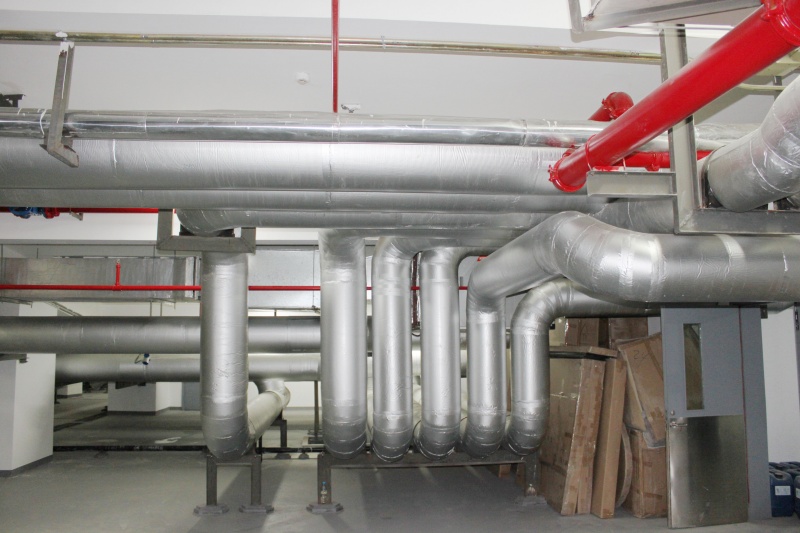
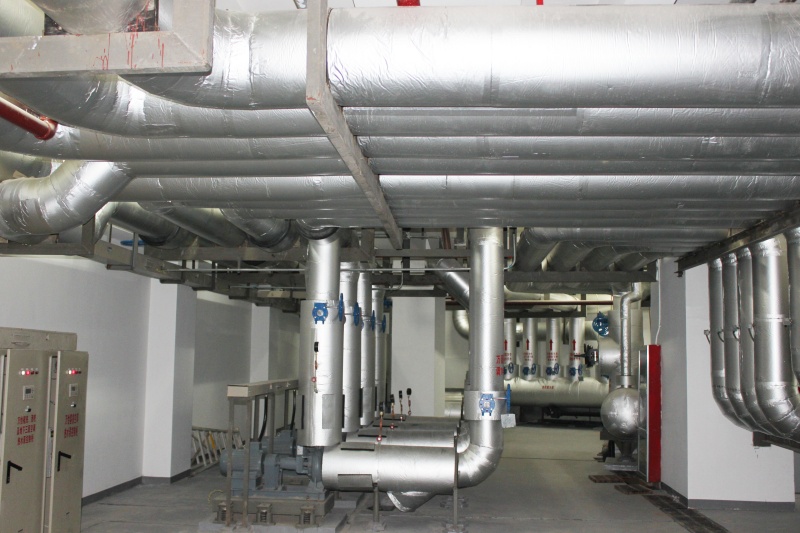
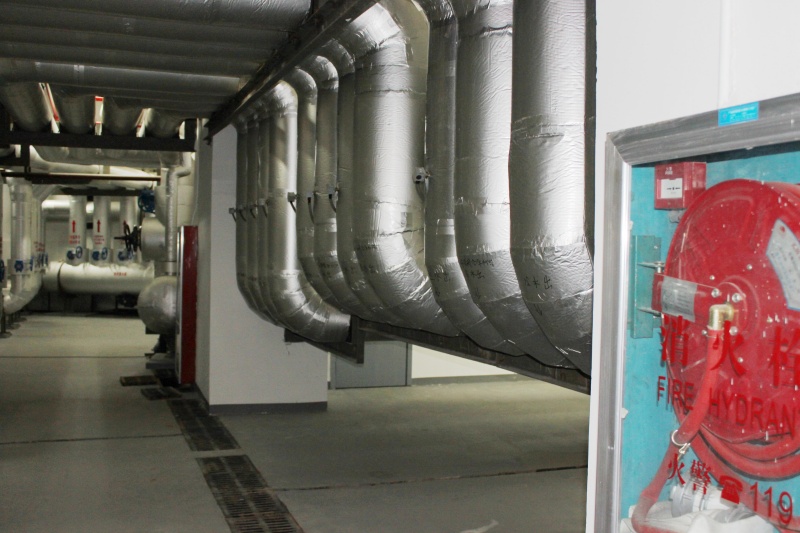
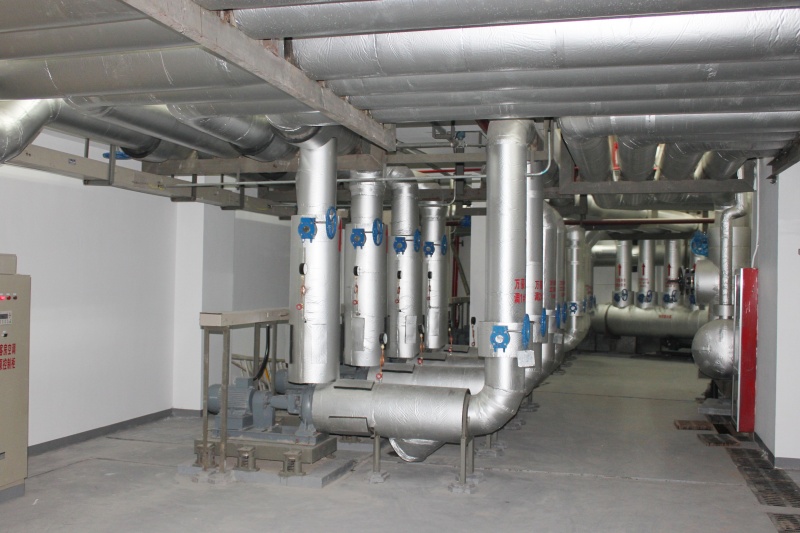
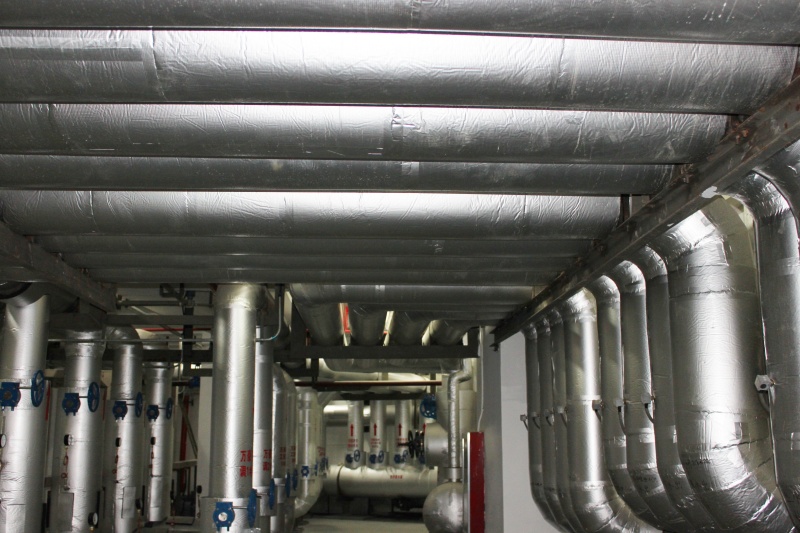
Our solutions have been implemented across high-profile HVAC, industrial cold-storage, and chemical processing pipelines worldwide. These case studies highlight the versatility of our sheet rolls and pipe insulation products in demanding field conditions.
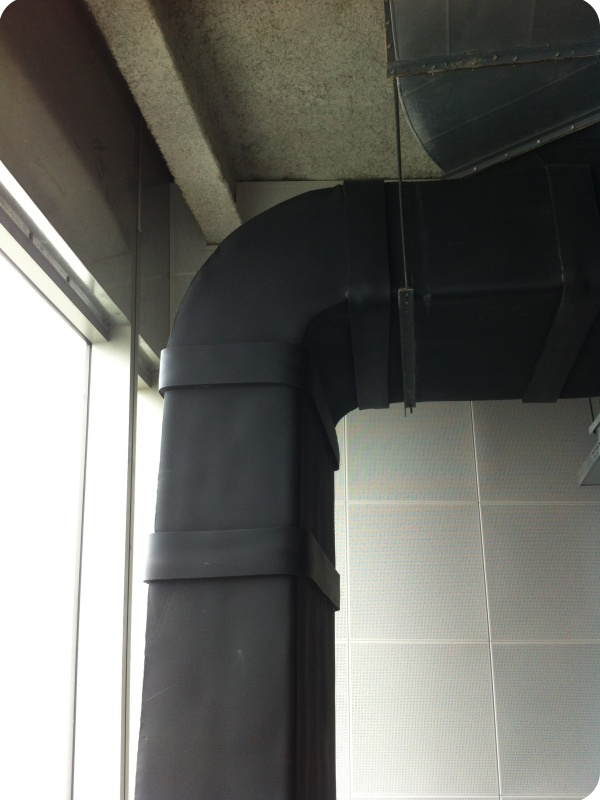

We work closely with global distribution partners to ensure timely supply and consistent product quality. Below are verified communication logs showcasing our technical support and shipment verification processes.





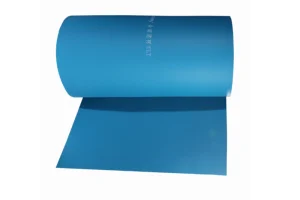
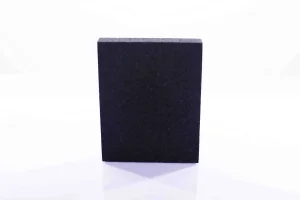
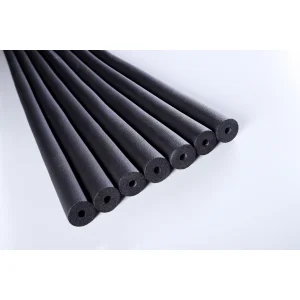
Choosing the correct thickness and diameter is essential to prevent thermal bridging and surface condensation. Below are the standard dimensions for our NBR/PVC elastomeric range.

The insulation industry is evolving toward smarter, more sustainable materials. To meet changing performance and safety standards, our technical roadmap focuses on three main development areas:
Next-generation environmental regulations are placing stricter limits on halogenated flame retardants. Our research team is developing halogen-free formulations that maintain Class 0 fire safety performance while minimizing smoke toxicity. This is especially important for public transportation hubs, airports, and high-occupancy commercial projects.
Unprotected elastomers can degrade when exposed to continuous UV radiation. To address this, we are integrating co-extruded composite skins—such as aluminum-clad and polymer-layered facings—directly into the production process. This improves physical protection, increases tear resistance, and eliminates the need for field painting.
At temperatures near -200°C, standard polymers become brittle and prone to cracking under thermal stress. Our current R&D efforts are focused on modifying diolefin elastomer basestocks to lower the glass transition temperature, ensuring long-term flexibility and crack resistance in demanding LNG and petrochemical applications.
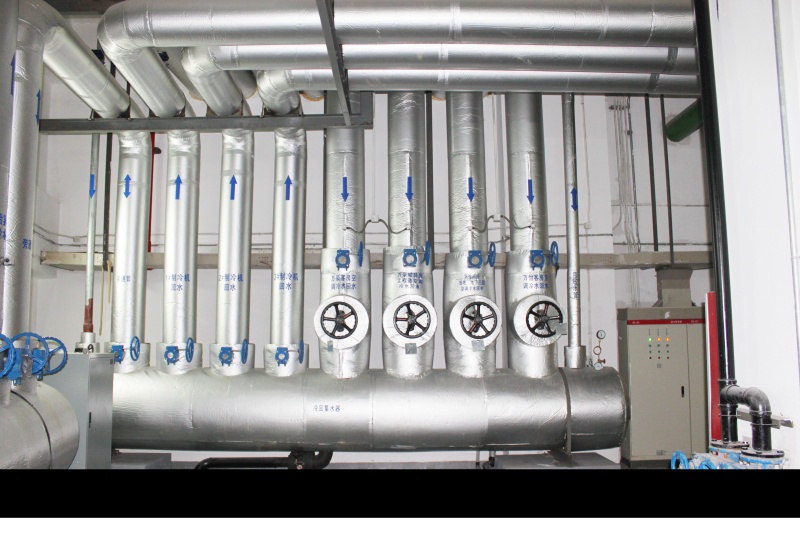
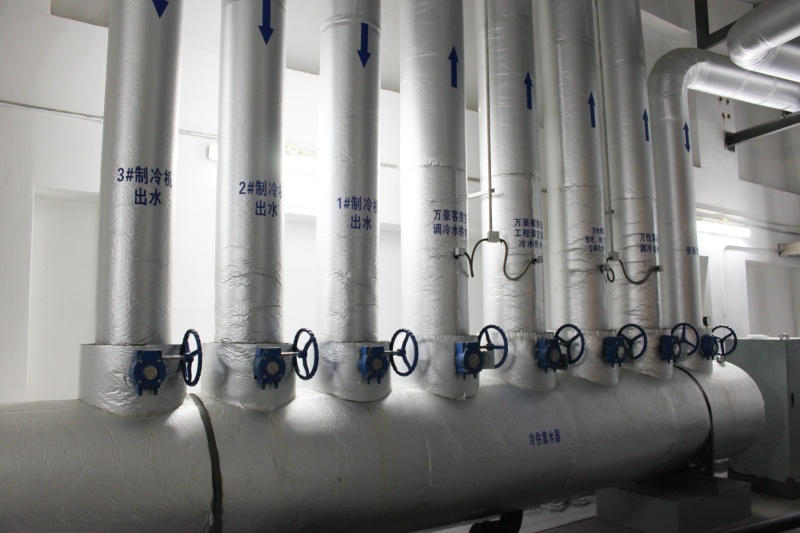
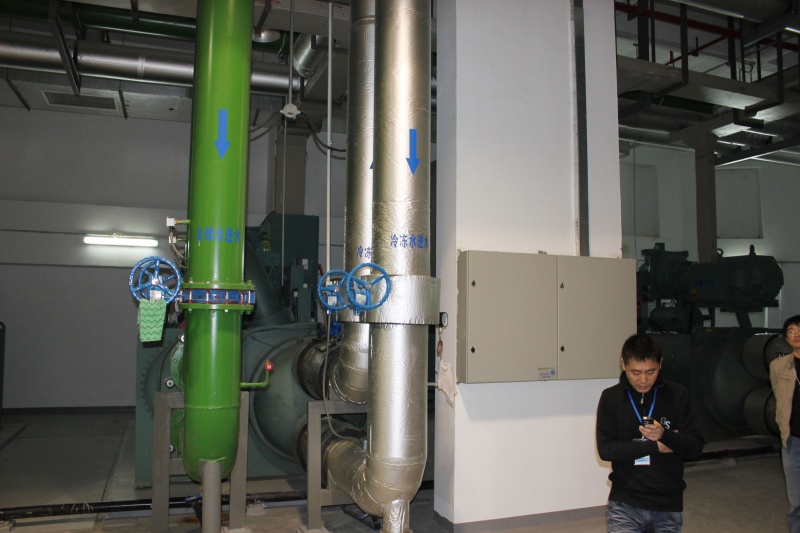
Consistent product quality requires strict control over raw material feeding, mixing, extrusion, vulcanization, and final packaging. Kingflex utilizes computerized recipe managers to ensure uniform distribution of expanding agents and carbon black fillers across all batches.


Every production run is tracked via an internal ERP system, providing batch-level traceability for all physical parameters. This documentation is available to project engineers and QA inspectors upon request, supporting compliance with international building regulations.
 Kingflex